




A tale set against a backdrop of the Balkans war follows a fatal Autobahn accident in Vienna that triggers an investigation into the dual identities of two mysterious victims, a pair of young lovers who engaged in an illusory affair marked by political subterfuge.
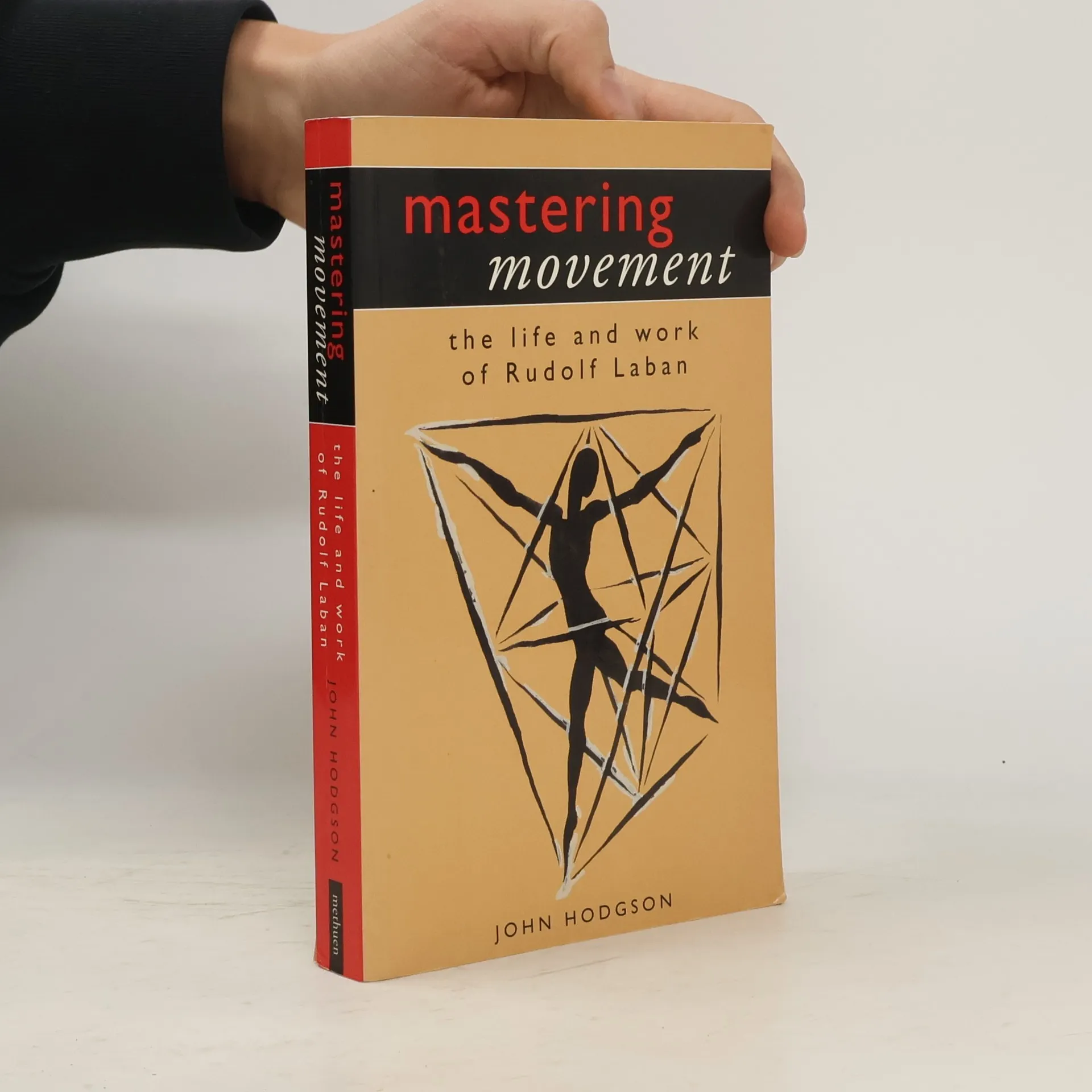
This study of the work of the European choreographer and pioneer of dance notation, Rudolf Laban (1879-1958), examines the many strands of his thinking and its application. The book attempts to convey the full implications of his ideas about movement, for like Picasso in painting, and Stravinsky in music, Laban has been a seminal influence and innovator who altered the whole course of modern dance and movement. His mark can be detected in works as diverse as that of the German dancers and choreographers Mary Wigman, Kurt Joos and Pina Bausch, and British theatre practitioners Joan Littlewood, William Gaskell and Joan Plowright.
Focusing on the evolution of English teaching since the 18th century, this genealogical study delves into the intertwined concepts of literacy and growth. It highlights significant milestones in the development of educational ideas, examining how these concepts have shaped teaching practices in the UK and beyond. Through its exploration, the book offers valuable insights into the historical context and shifts in pedagogical approaches to English education.
'Nutshells' are a series of books presenting the essentials of law in clear, straightforward language. They aim to offer concise, up-to-date accounts of the law - especially those topics favoured by examiners. This text covers the law of tort.
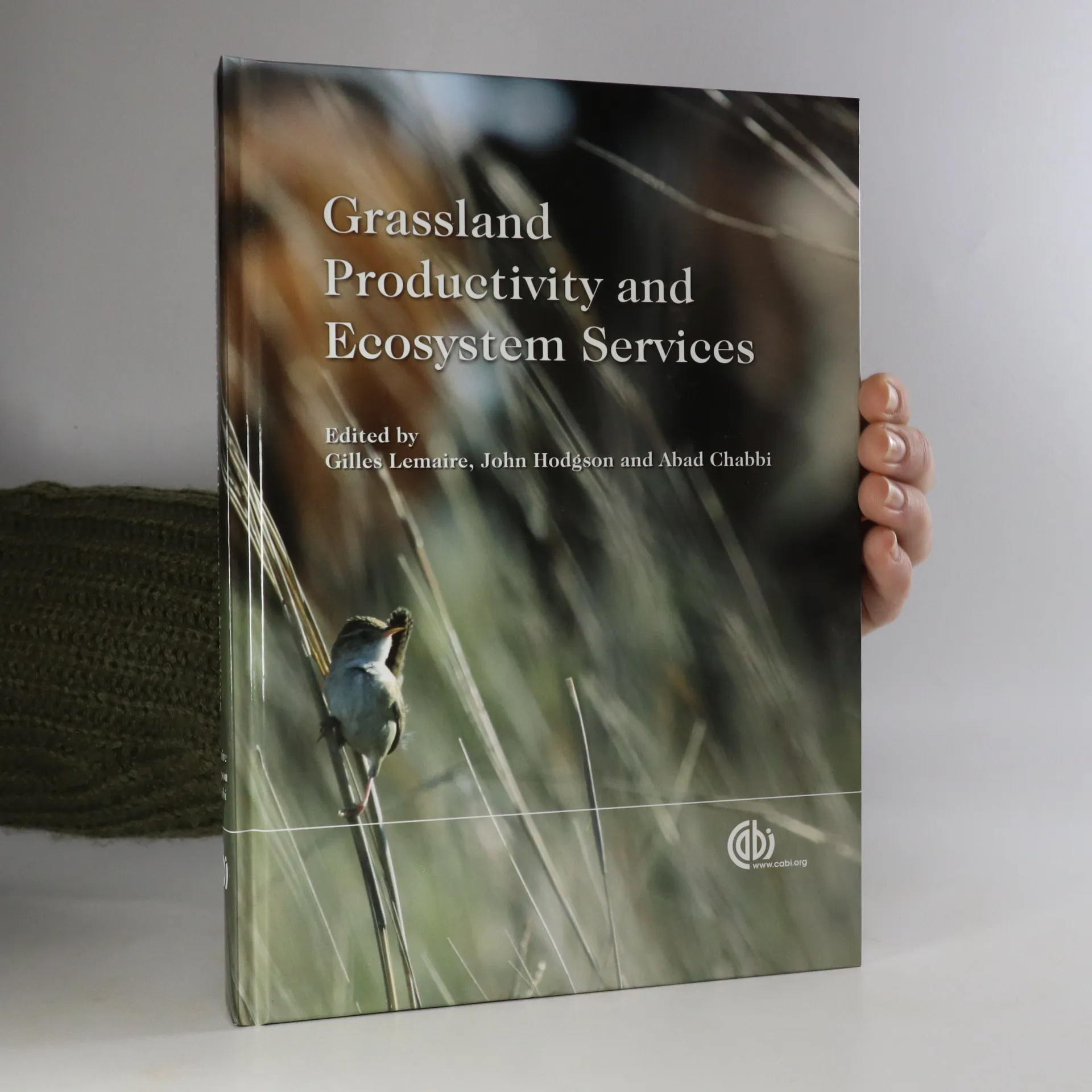
This book contains 28 chapters with emphasis on the interactive nature of the relationships between the soil, plant, animal and environmental components of grassland systems, both natural and managed. It analyses the present knowledge and the future trends of research for combining the classical view of grasslands, as a resource for secure feeding of an increasing human population, with the more recent perspective of the contribution of grasslands to the mitigation of environmental impacts and biodiversity erosion as consequences of human society activities. The chapters are organized within five sections dealing with the different functions and the main ecosystem services expected from grasslands: (i) domestic herbivore feeding and animal production; (ii) the regulation of biogeochemical cycles and its consequences for the environment; (iii) dynamics of biodiversity hosted by grasslands; (iv) integration of grasslands within sustainable animal production systems; and (v) interactions of grassland areas with other land use systems at the landscape level.