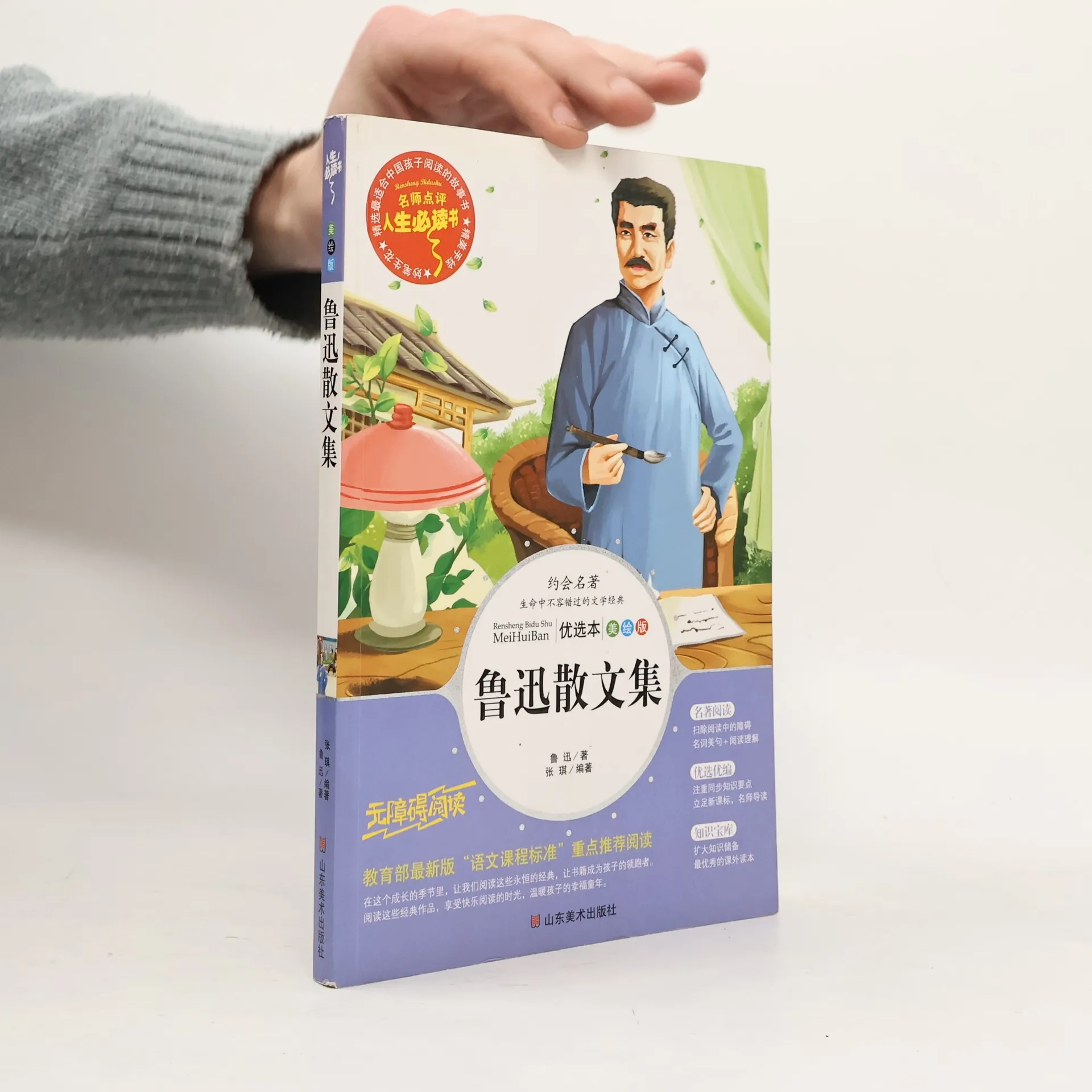
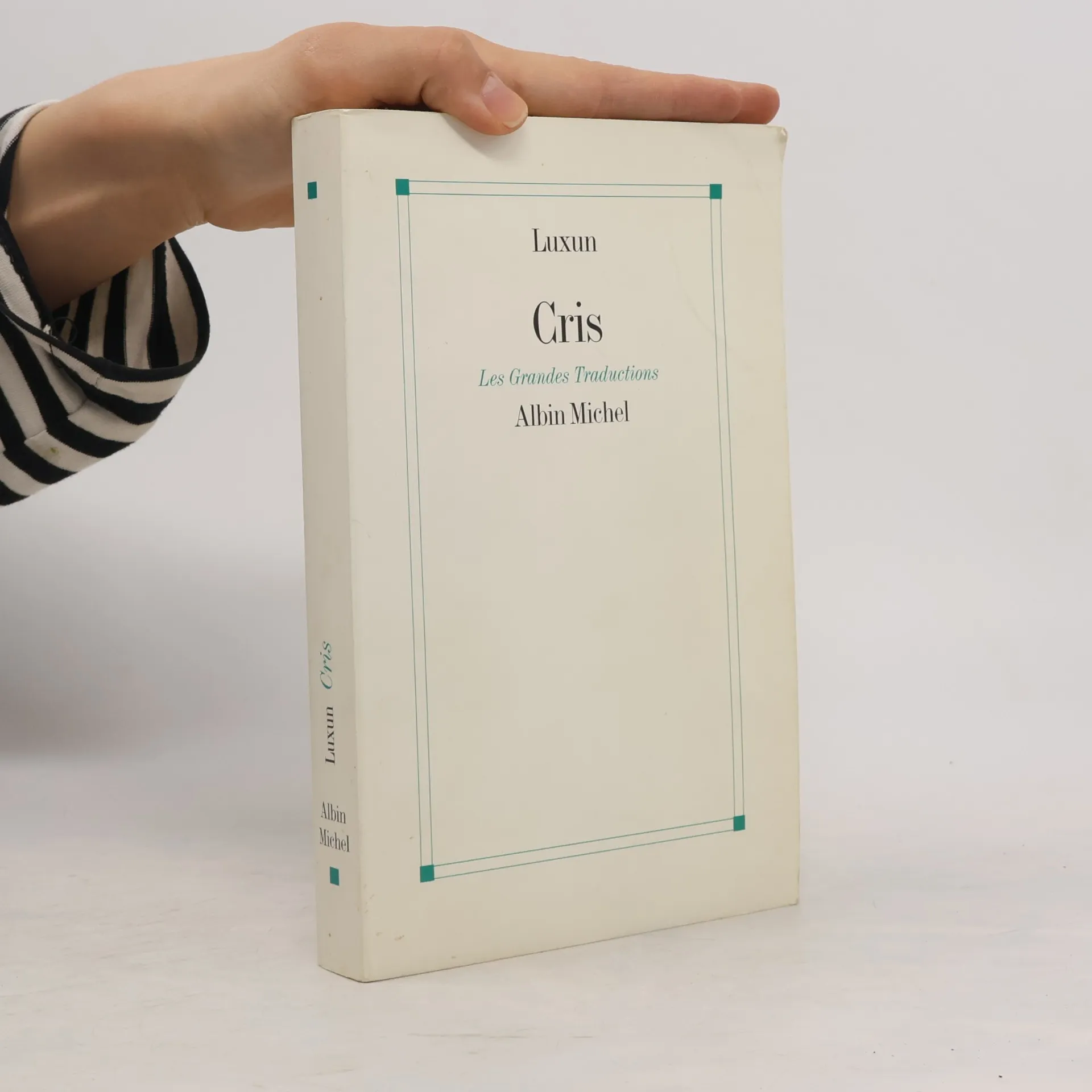
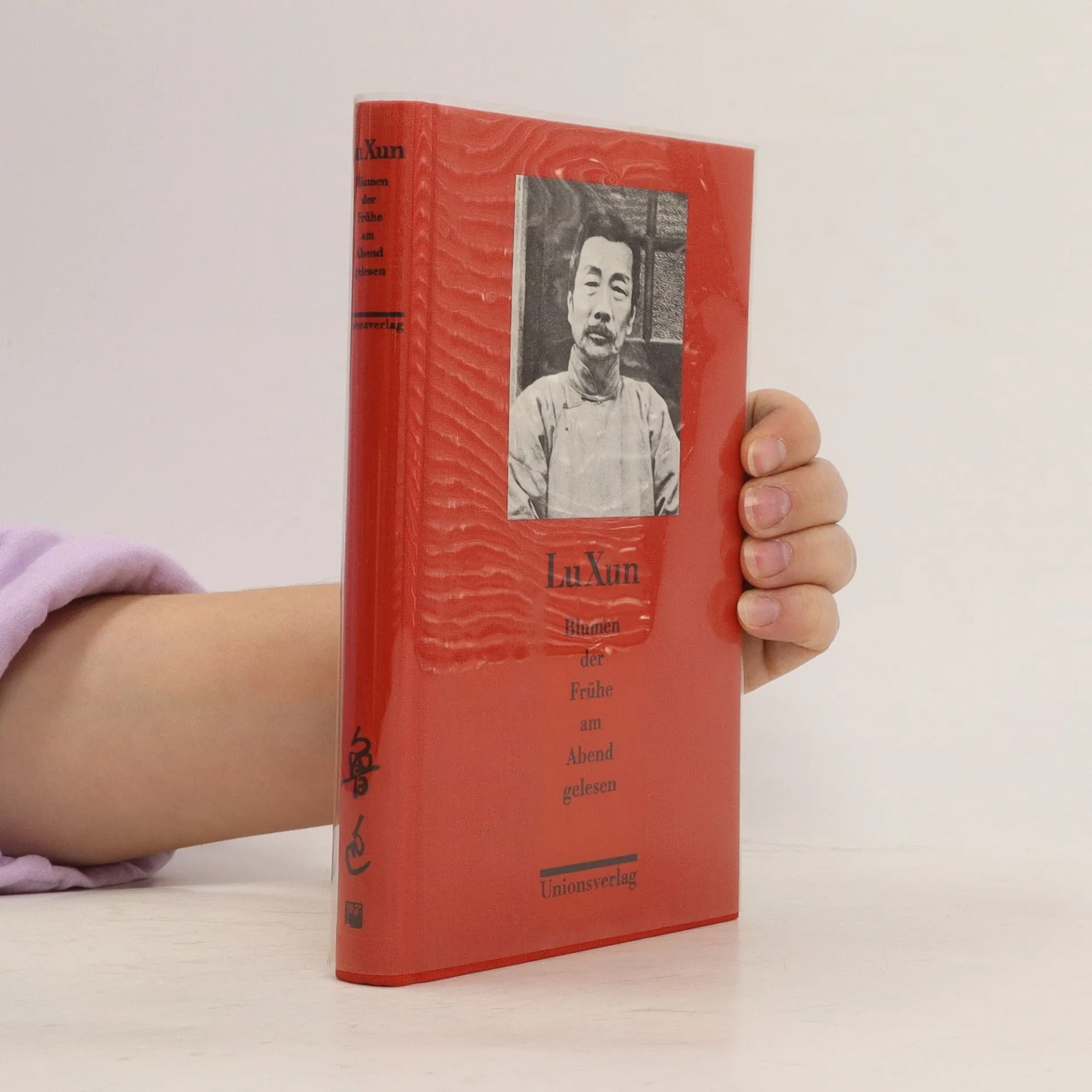
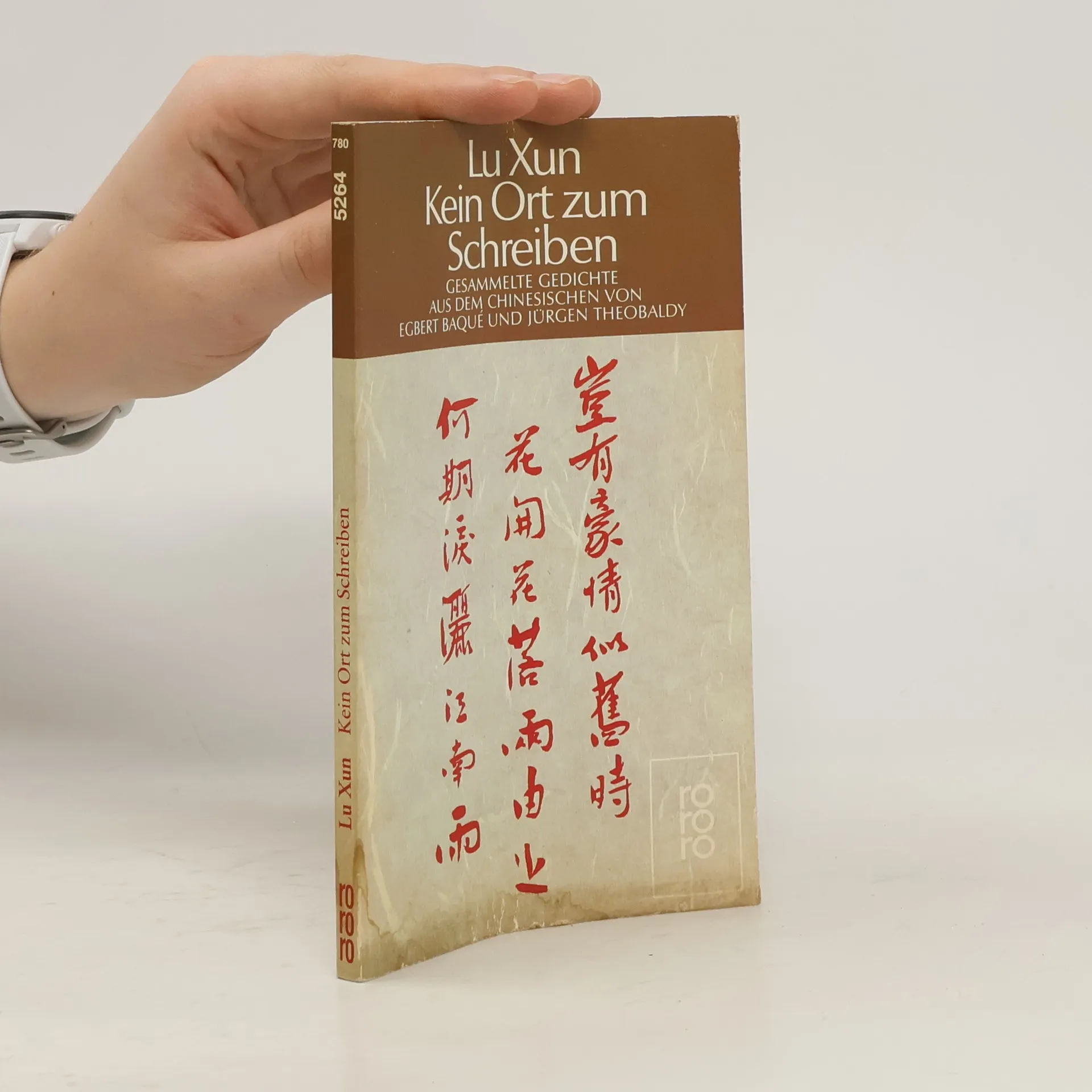
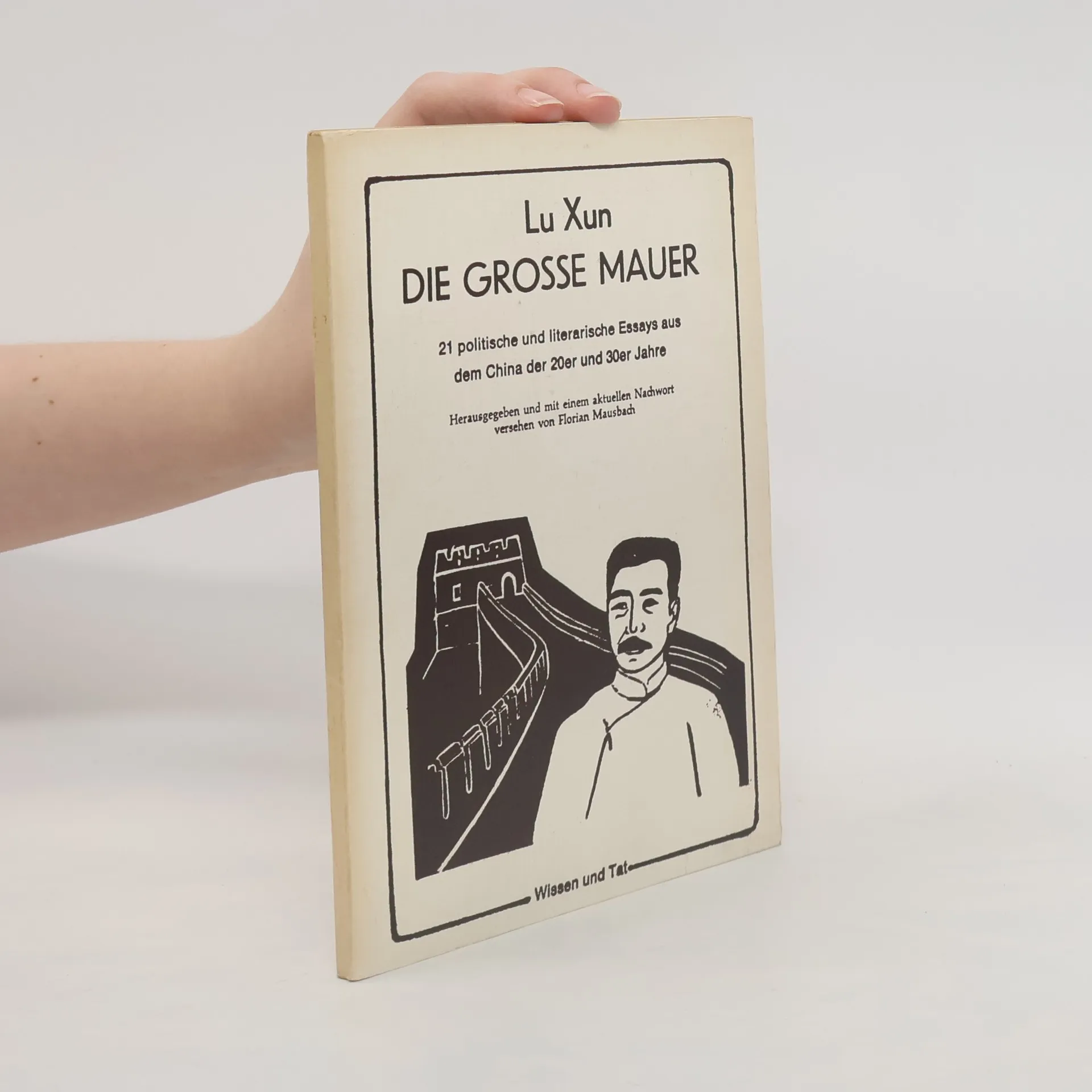
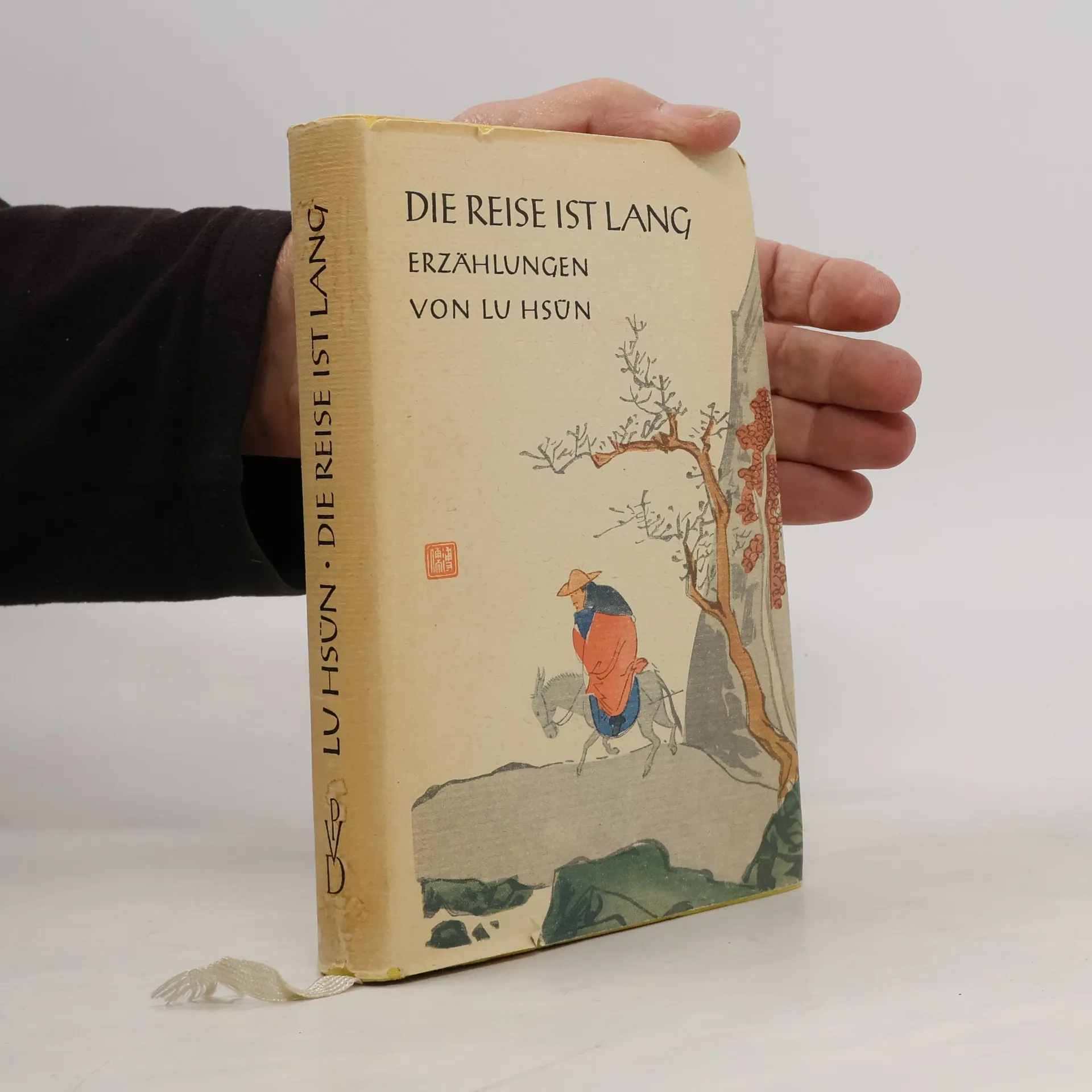
Lu Xun stands as a towering figure in modern Chinese literature, celebrated for his profound contributions as a novelist, essayist, critic, and poet. He masterfully employed both vernacular and classical Chinese, carving a unique niche in the literary landscape. Beyond his own writing, his influence extended to editing and translation, significantly enriching the Chinese literary scene. Lu Xun emerged as a leading voice and icon within the left-wing writers' movement of his era.
Set against the backdrop of early 20th century China, this influential short story critiques societal norms through the voice of a madman. Written in vernacular Chinese, it played a pivotal role in the New Culture Movement and established a revolutionary literary style. Lu Xun's work challenges traditional beliefs and reflects the tumultuous changes of the time, making it a cornerstone of modern Chinese literature.
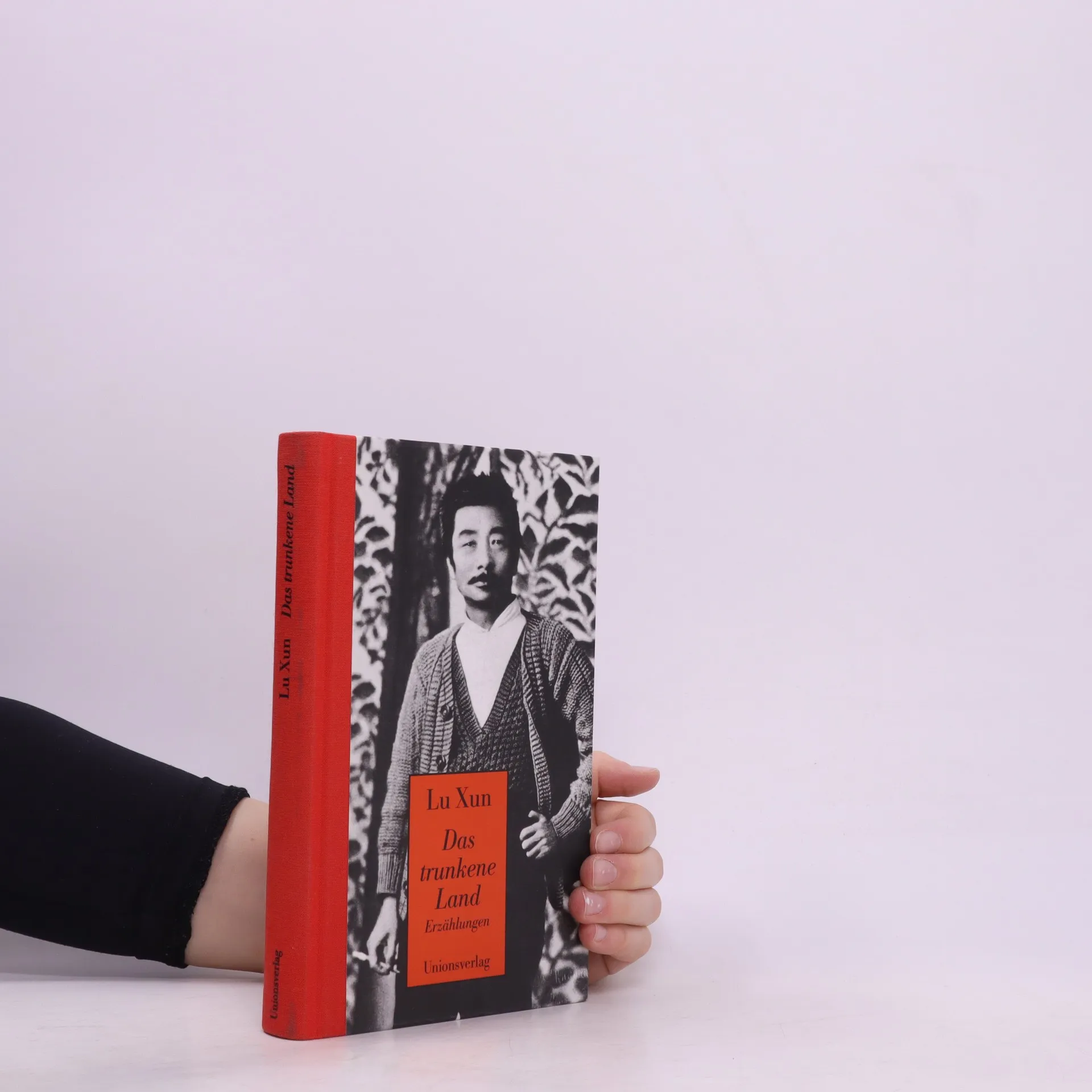
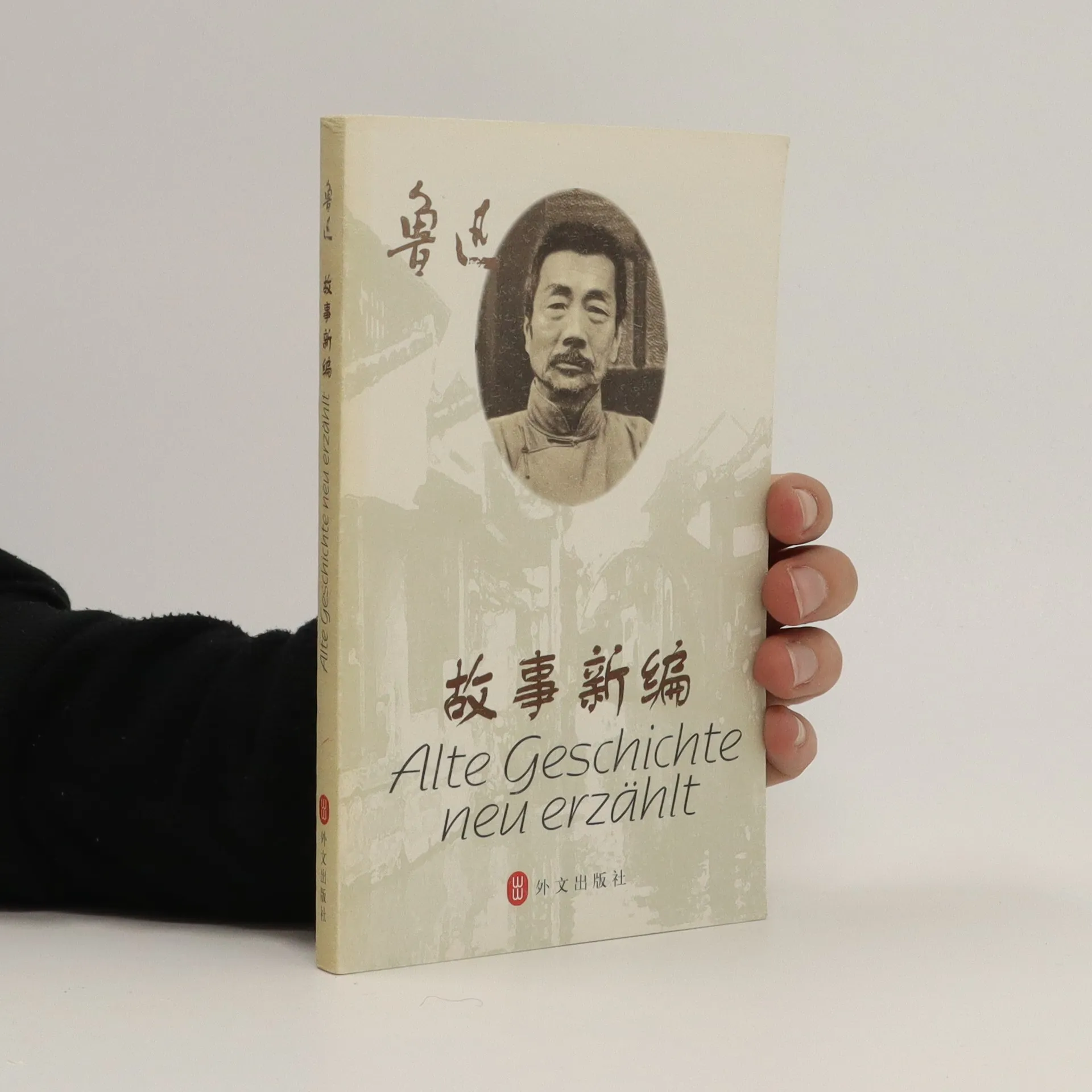
Von einem Schriftsteller, der sich davor fürchtet, vom eigenen Bruder gefressen zu werden. Von Herrn Jedermann, der sich beglückt selbst Ohrfeigen verpasst. Von verborgenen Narben und der Sehnsucht nach einer besseren Gesellschaft, die sich zwischen klappernden Mah-Jongg-Steinen breitmacht. Von Dreiecksgesichtern, Quadratschädeln und anderen tragisch-komischen Schicksalen erzählt Lu Xun und hält damit der chinesischen Gesellschaft den Spiegel vor. Melancholie, Militanz, Ironie und Trauer verschmelzen in diesem hochbrisanten Werk vom Vater der modernen chinesischen Literatur, ein Erzähler und Denker von stupender Aktualität, den Europa immer wieder von Neuem entdeckt.
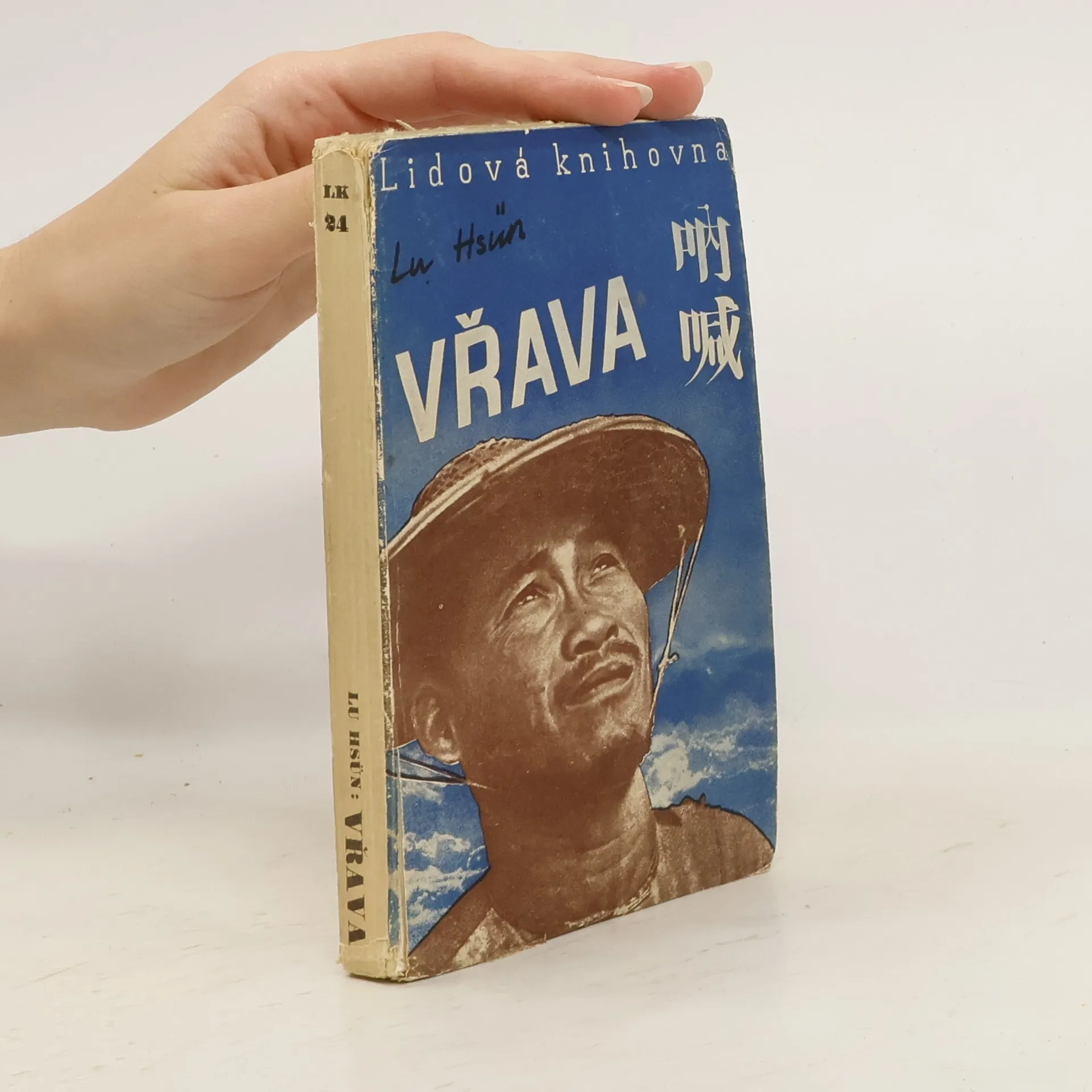
Nové vydání tří nejvýznamnějších beletristických děl zakladatele moderní čínské literatury, povídkových sbírek Vřava a Tápání a sbírky básní v próze Polní tráva, uvádí čtenáře do turbulentní doby čínských dějin a kultury, kdy se rozpadal tradiční starý císařský svět a tu zdráhavě, tu vášnivě nastupoval svět moderní. Lu Sün jako angažovaný, přitom ale pronikavý pozorovatel vykresluje toto „tápání“ i „vřavu“, odrážející se jak na mnohdy ještě starosvětském venkově, tak v rozvíjejícím se městském prostředí. Lu Sünův svět, zabydlený svéráznými figurkami všech možných sociálních vrstev, vytváří bohatou mozaiku příběhů, psychologických črt, malých dramat i emočně vypjatých momentů, které otevírají pomyslné literární dveře do celého čínského dvacátého století.
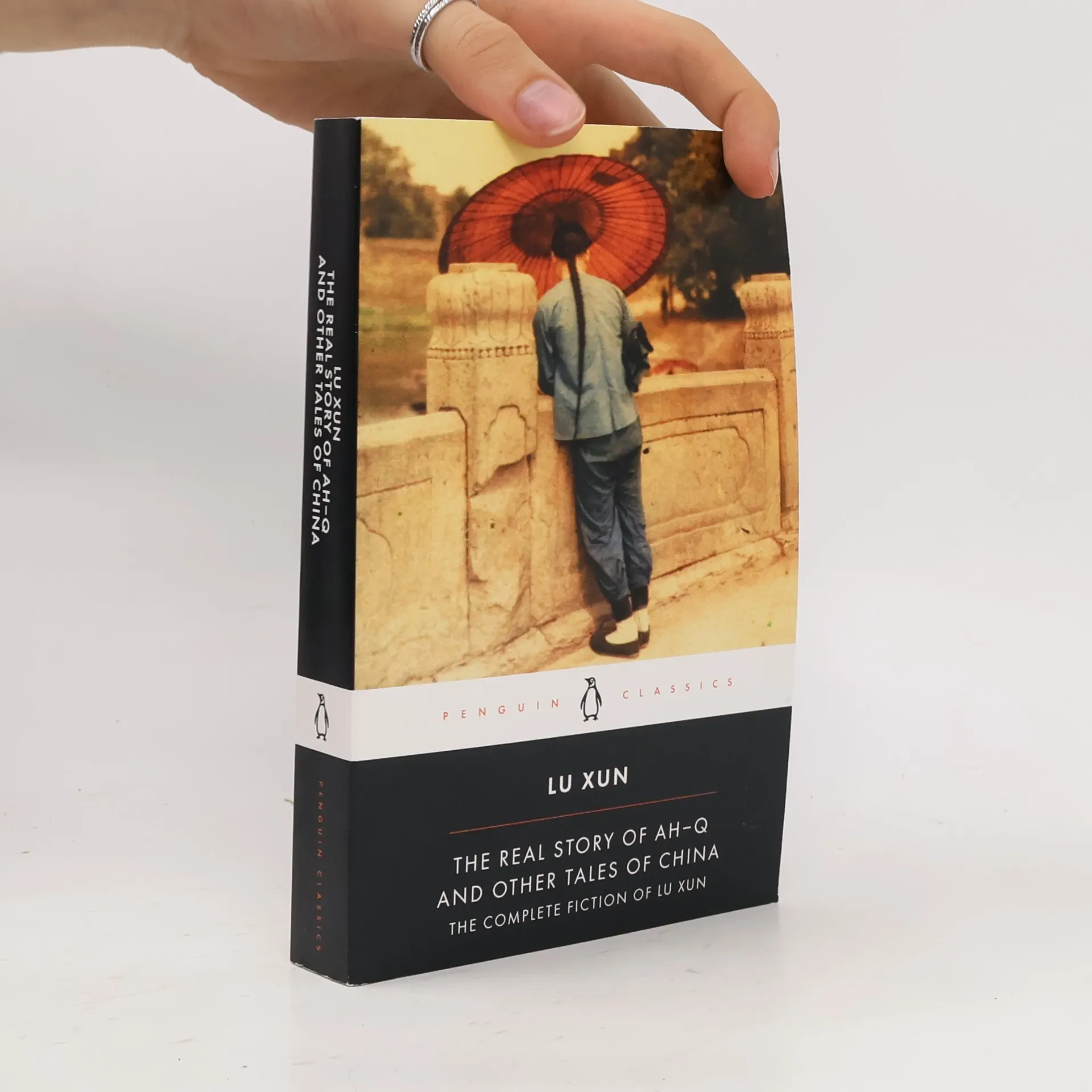
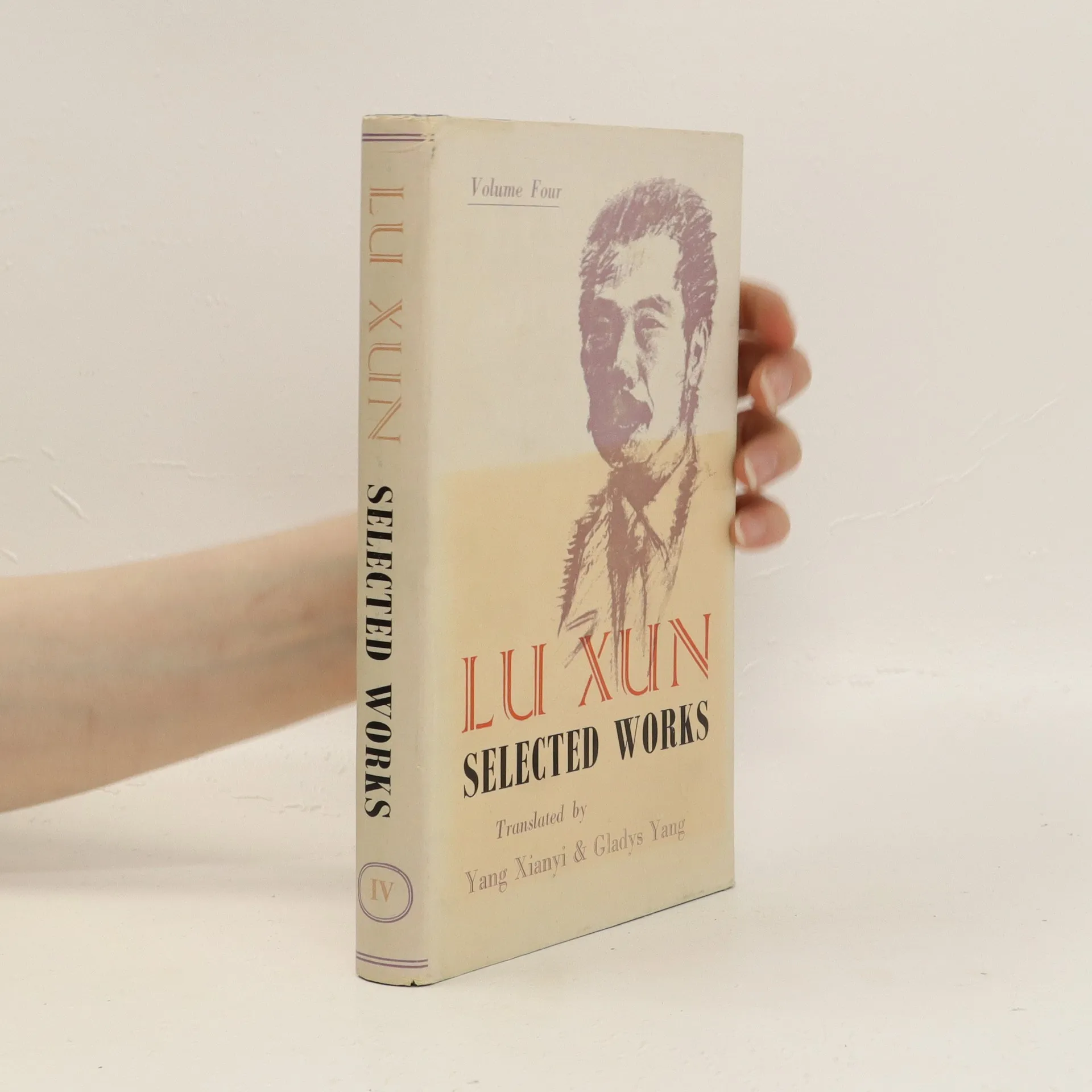
Lu Xun (Lu Hsun) is arguably the greatest writer of modern China, and is
considered by many to be the founder of modern Chinese literature. This book
presents translations of Lu Xun's stories, including The Real Story of Ah-Q',
Diary of a Madman, A Comedy of Ducks, The Divorce and A Public Example, among
others.
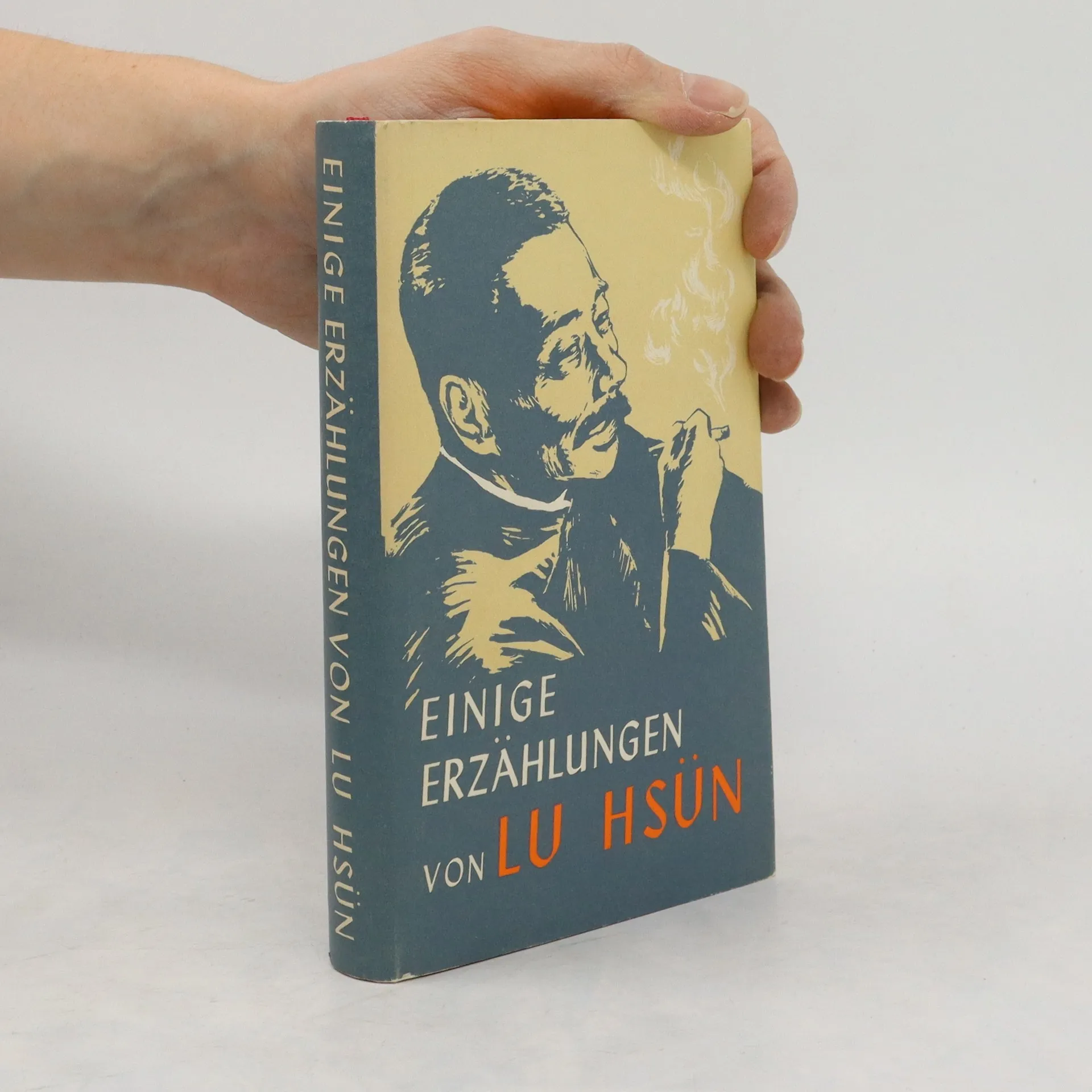
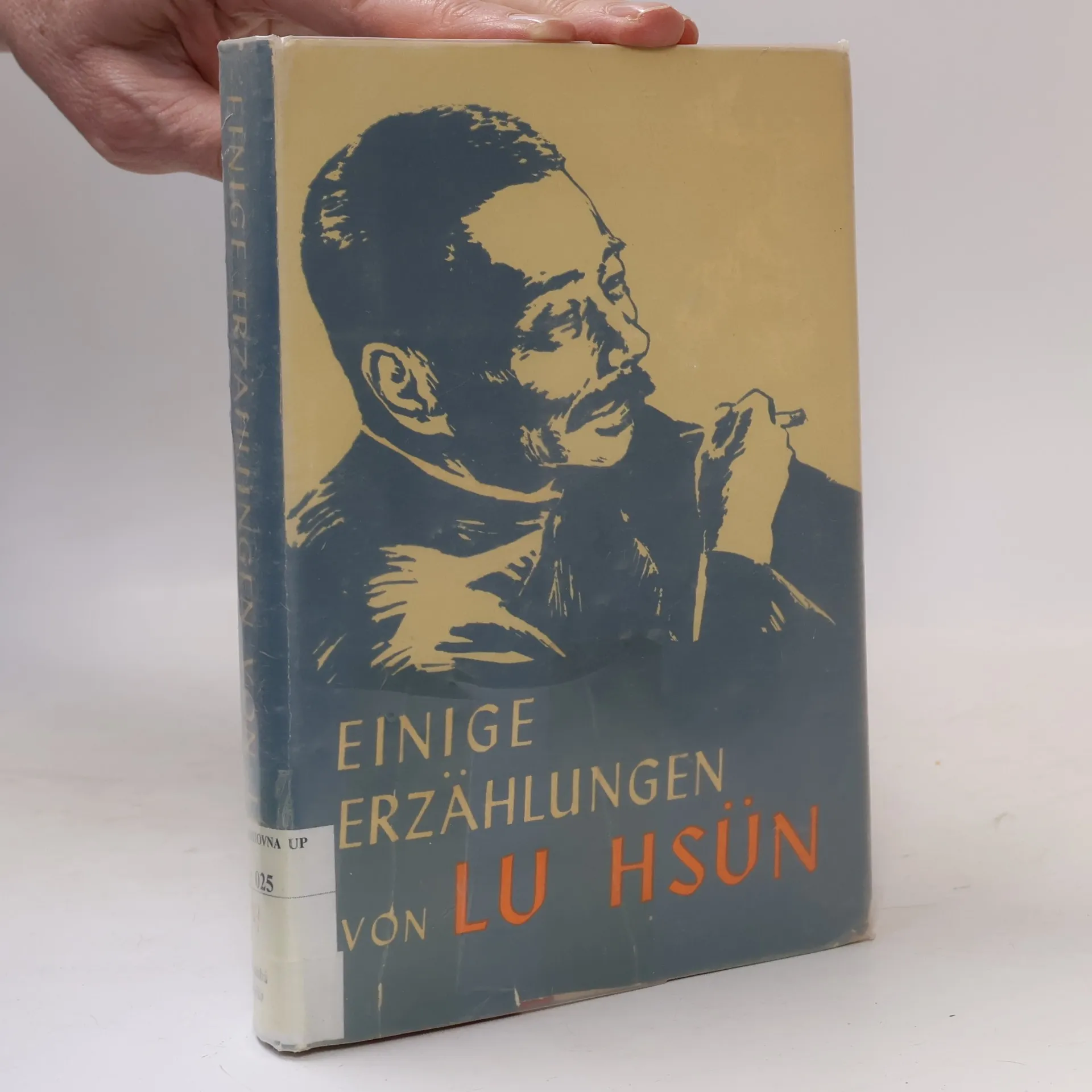
Mit Lu Xun begann die moderne chinesische Literatur, und bis heute ist er ihre prägende Leitfigur geblieben. Gleichzeitig ist er ein Intellektueller unserer eigenen Moderne, den Europa seit Jahrzehnten immer wieder neu entdeckt: ein Erzähler und Denker von stupender Aktualität, in dessen Werk Melancholie und Militanz, Ironie und Trauer verschmelzen. Dieser Sammelband bietet eine Auswahl der bedeutendsten Erzählungen aus Lu Xuns Werk. Sie sind der sechsbändigen, 1994 im Unionsverlag erschienen Werkausgabe entnommen, die im deutschen Sprachraum als Referenz gilt.
Lu Xun is famous for his short stories, among other writings. This collection contains 13 of his stories, including: A Madman's Diary; Medicine; Storm in a Teacup; My Old Home; Village Opera; A Happy Family; The Misanthrope; Regret for the Past; and Forging the Swords.
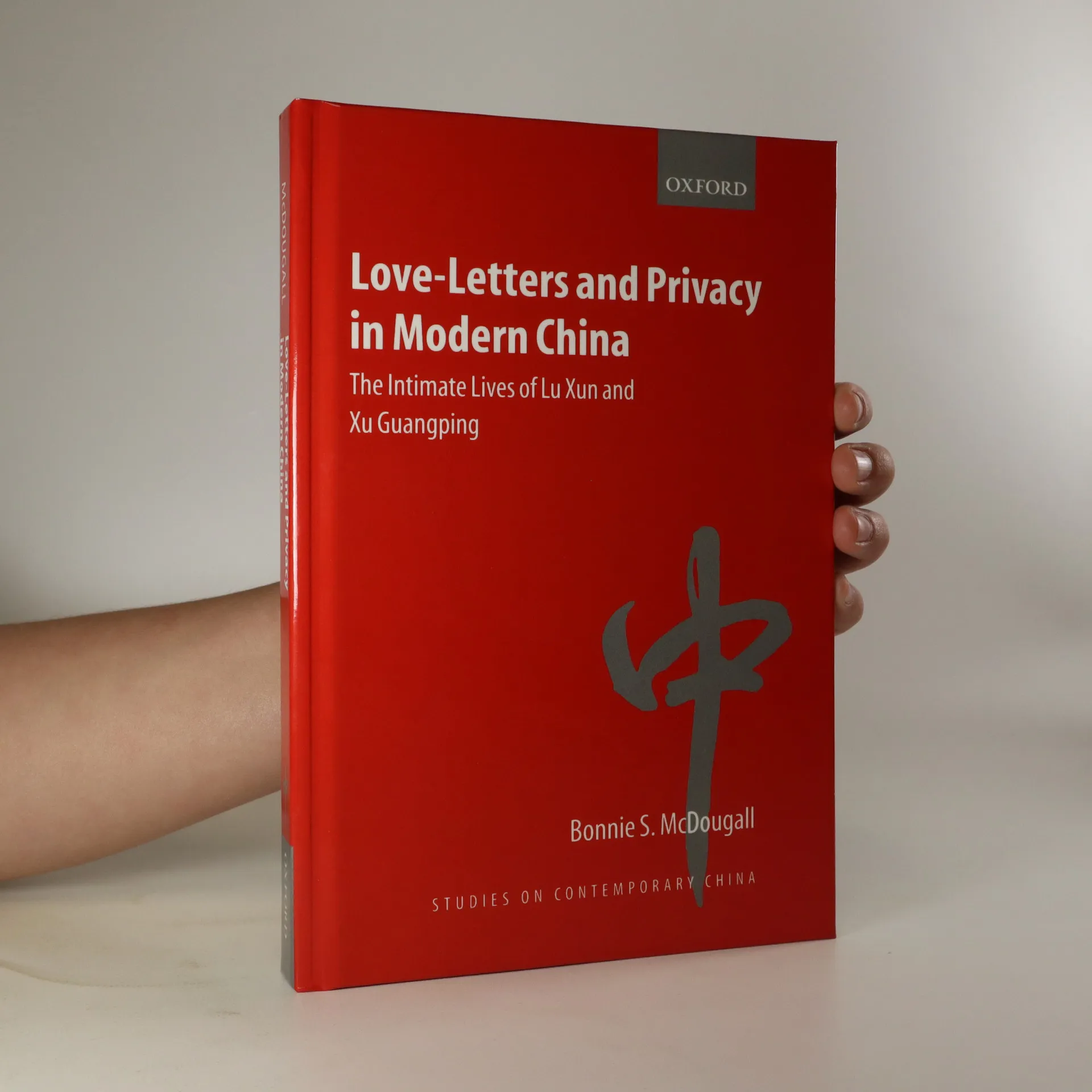
This book explores three new topics in modern Chinese literary history: the intimate relationship between Lu Xun and Xu Guangping, the role of real and imagined love letters in modern Chinese literature, and the concept of privacy in China. Their scandalous affair is unveiled through letters exchanged from 1925 to 1929. The 1933 publication of these letters, heavily edited, aimed to capitalize on the trend of literary couples sharing their correspondence while also seeking to control their narrative amidst public gossip. Part I, based on unedited letters, uncovers previously overlooked details, such as Xu Guangping's early lesbian tendencies, gender role reversals, her suicide attempts, and Lu Xun's efforts to downplay her political activism. Part II examines Lu Xun's decision to publish the edited letters within the context of contemporary Chinese epistolary fiction. Part III offers unique insights into privacy in modern China by comparing the unedited and edited letters. The textual evidence reveals their intimate secrets, fears of gossip, desire for privacy, and complex views on the tension between public duty and personal interests. This study challenges the notion that Chinese culture lacks a sense of privacy, highlighting its significance in the early twentieth century.
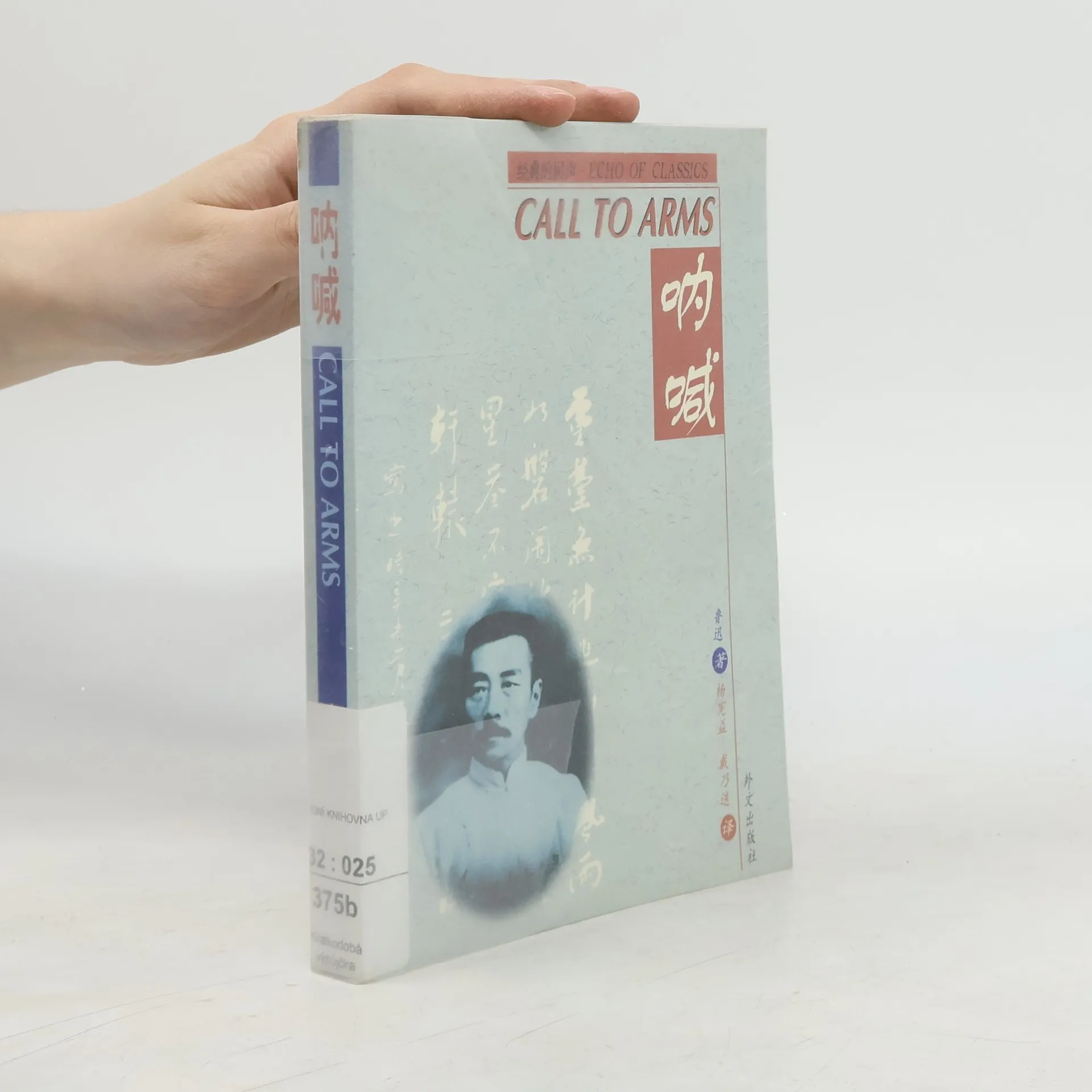
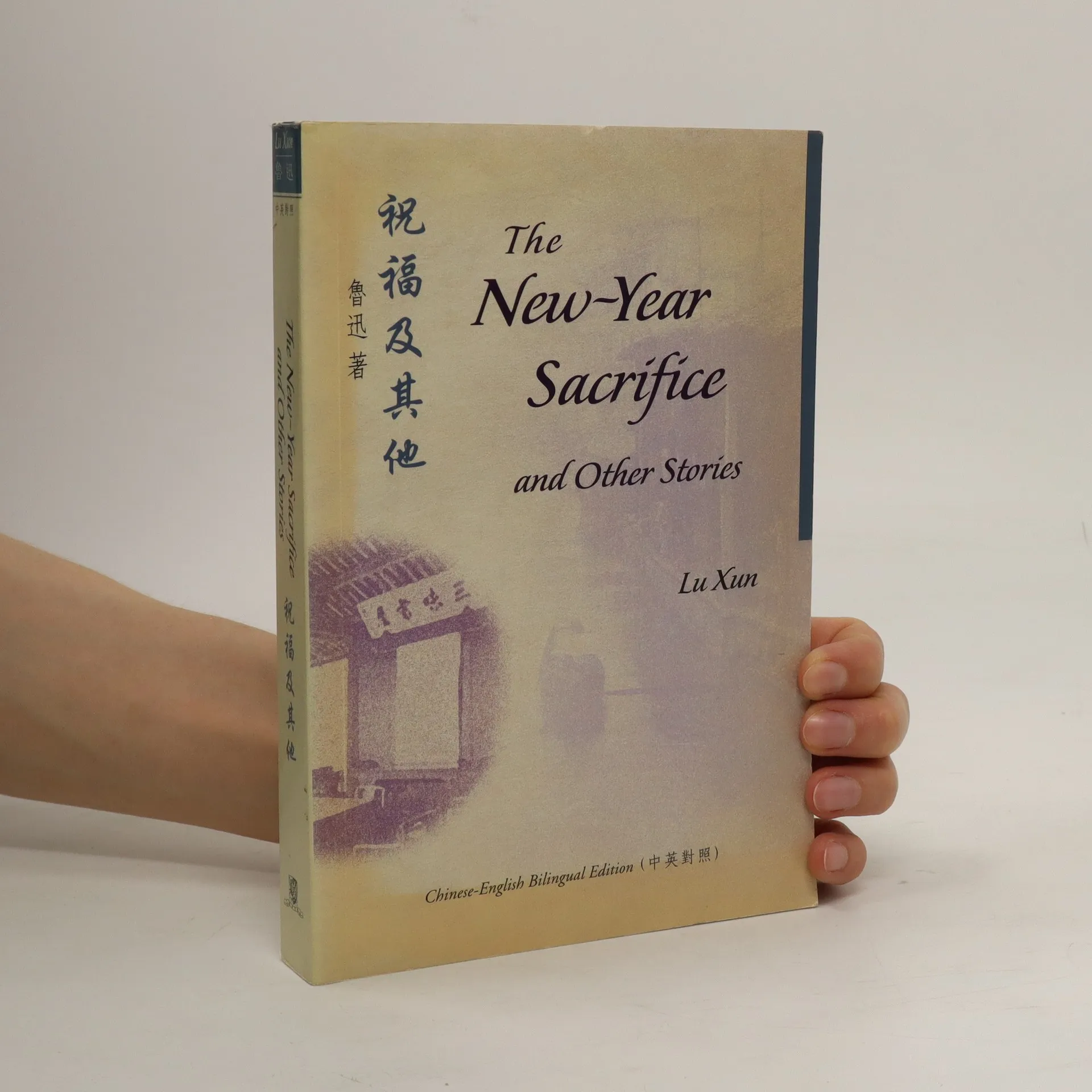
Lu Xun has been the most influential Chinese writer of this century. His short stories are satiric, vivid, pungently realistic - as satisfying in structure as they are in tone and content. Lu Xun studied medicine in Japan, but soon exchanged his physician's scalpel for a literary one, which he wielded with a sure hand and an accurate eye to probe the sickness of a still-feudal Chinese society. This collection of Lu Xun's short stories is the most complete, accurate, and authoritative yet to appear. It includes the preface to his first book, CALL TO ARMS, in which Lu Xun explains how he came to be a writer.
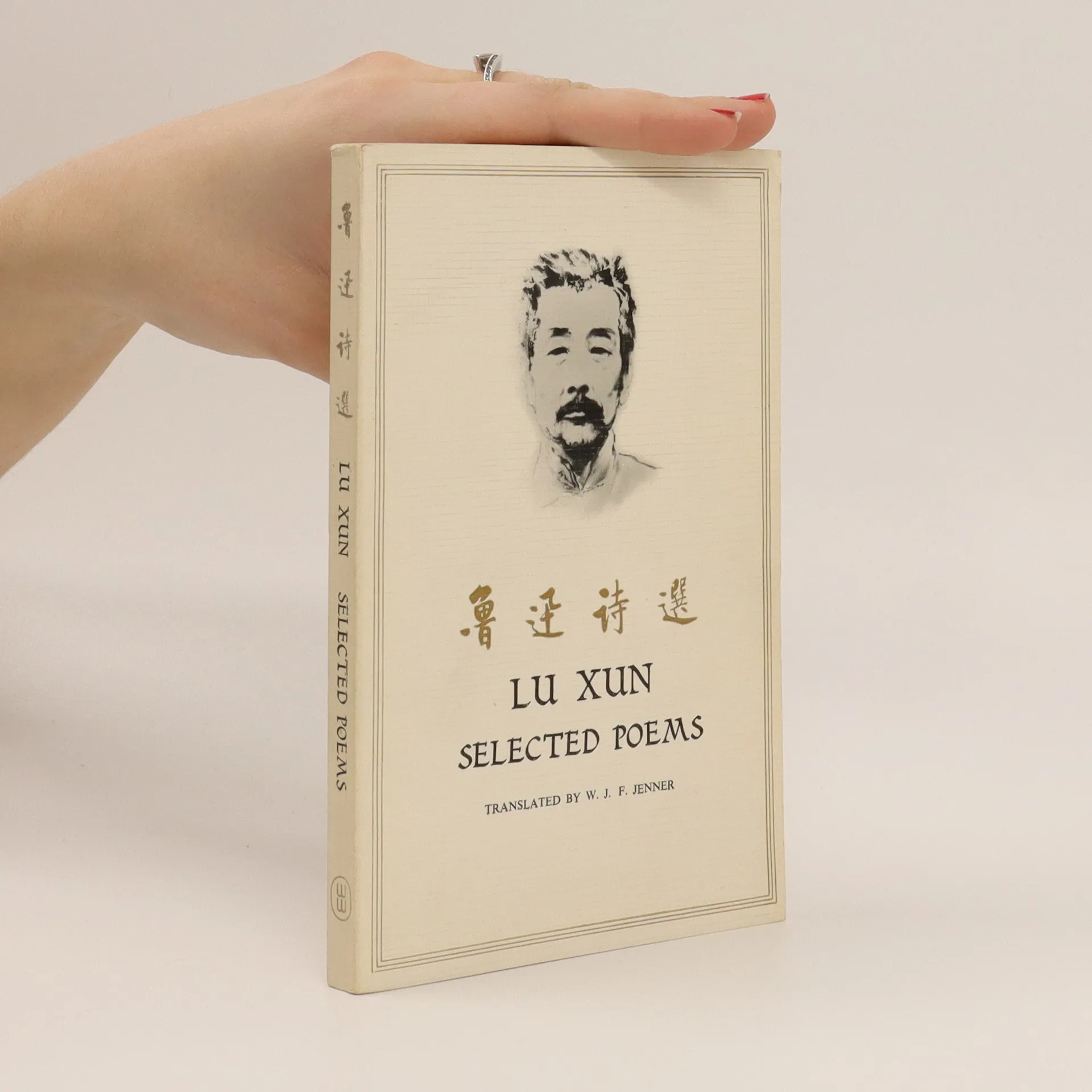
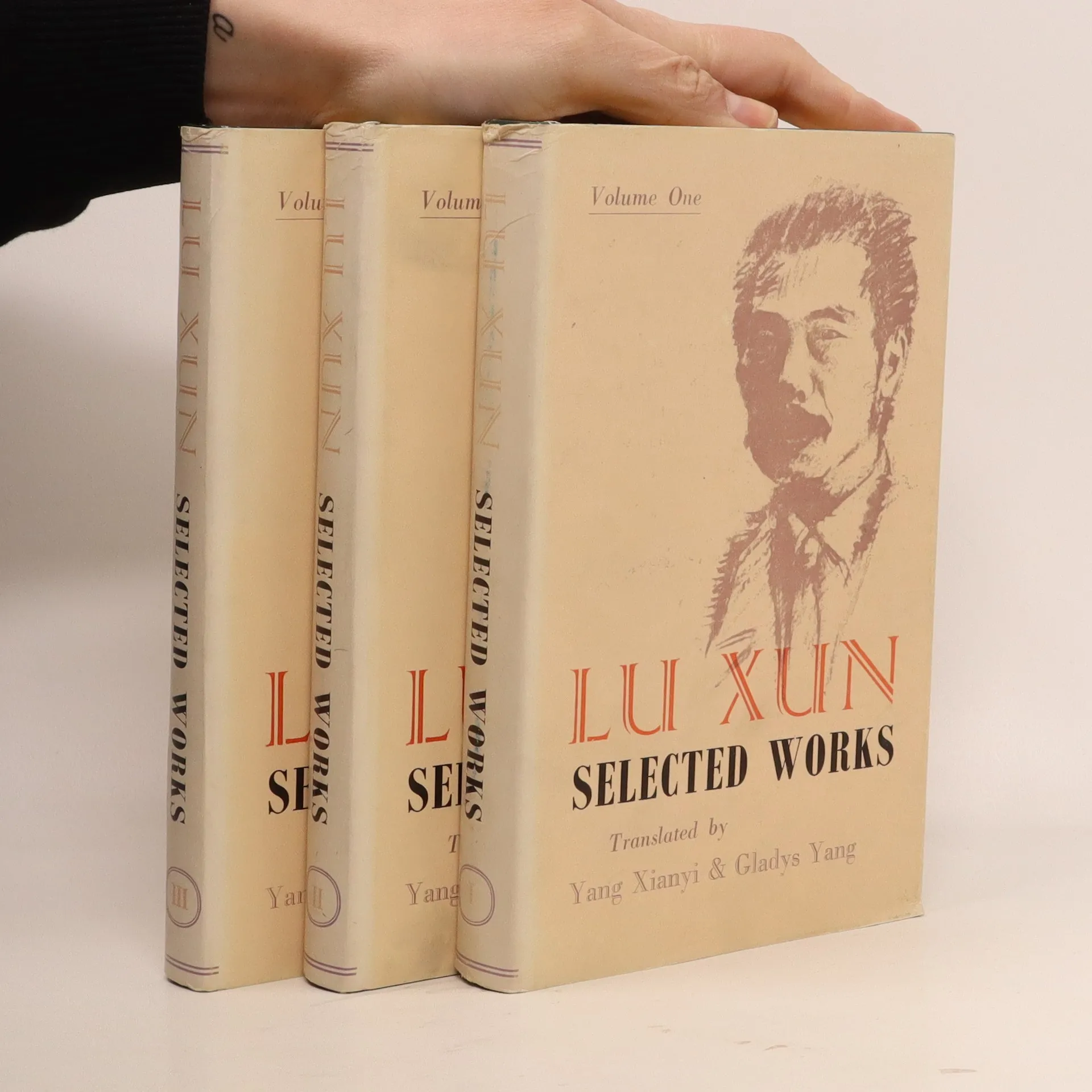
Lu Xun (simplified Chinese: 鲁迅; traditional Chinese: 魯迅; pinyin: Lǔ Xùn) or Lu Hsün (Wade-Giles), was the pen name of Zhou Shuren(September 25, 1881 - October 19, 1936) is one of the major Chinese writers of the 20th century. Considered by many to be the founder of modern Chinese literature, he wrote in baihua (the vernacular) as well as classical Chinese. Lu Xun was a short story writer, editor, translator, critic, essayist and poet. In the 1930s he became the titular head of the Chinese League of Left-Wing Writers in Shanghai.Lu Xun's works exerted a very substantial influence after the May Fourth Movement to such a point that he was lionized by the Communist regime after 1949. Mao Zedong himself was a lifelong admirer of Lu Xun's works. Though sympathetic to the ideals of the Left, Lu Xun never actually joined the Chinese Communist Party. Lu Xun's works are known to English readers through numerous translations, especially Selected Stories of Lu Hsun translated by Yang Hsien-yi and Gladys Yang.Contents:A Madman's Diary, True Story of Ah Q,Kong Yiji,eleven other important works
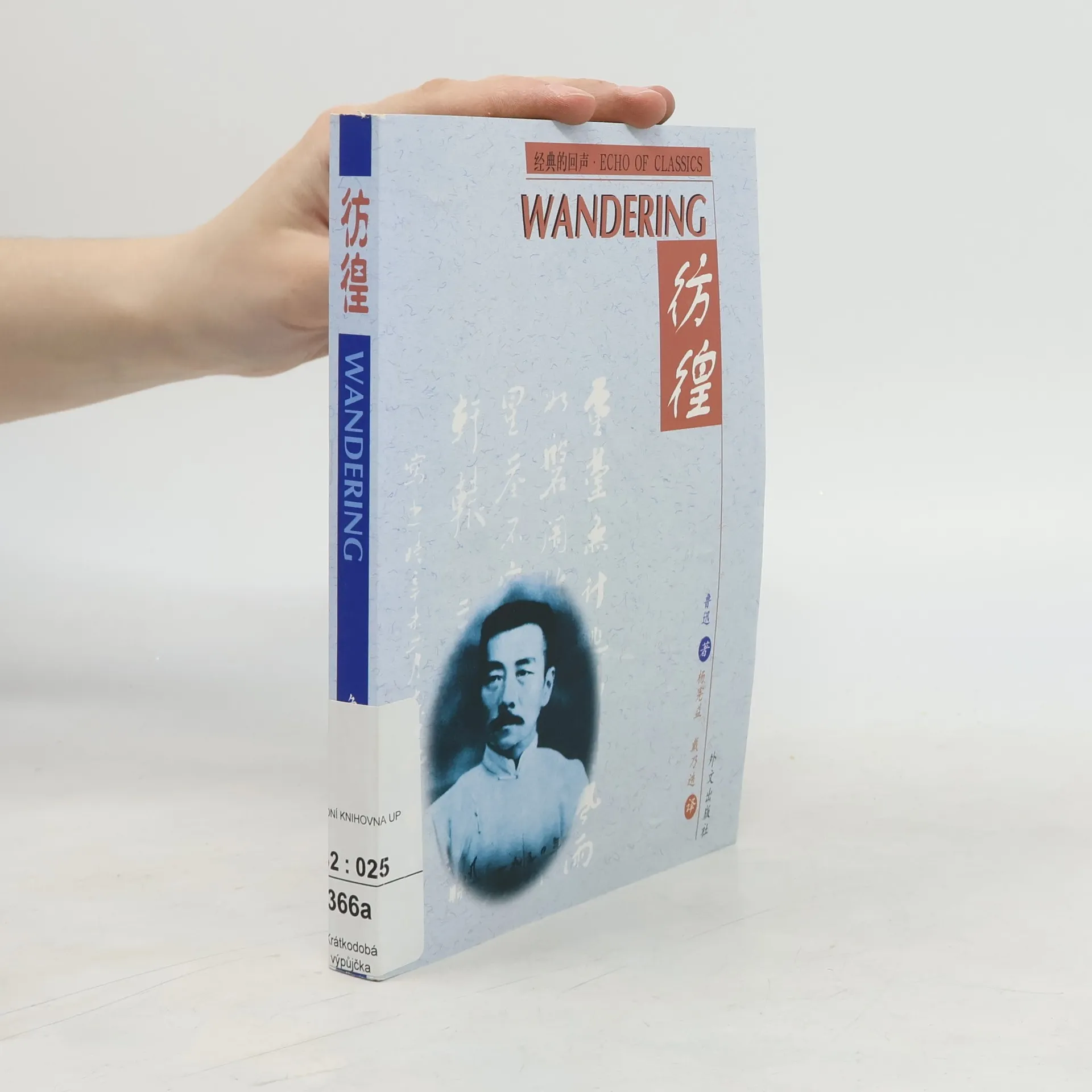
Pub 2015-3-1 188 Swallow Press. Wandering is the second collection of short stories of Lu Xun. the total income from 1924 to 1925 made eleven novels. in addition to lonely and Regret for the Past Two unpublished outside alone. before the other nine chapters have collected and published in Beijing and Shanghai. magazines and newspaper supplements. Wandering writing period. a time when fifty-four ebb. New Culture Movement differentiation within the camp. the author side because became ronin. not front the cloth and lonely. desolate. side past experiences. Find new comrades. to deploy a new battle. In this context the advent of Wandering than its first collection of short stories. The Scream . the technology although better than the previous. seems relatively unfettered thought. And the will to fight. but a lot of cold. In 193...
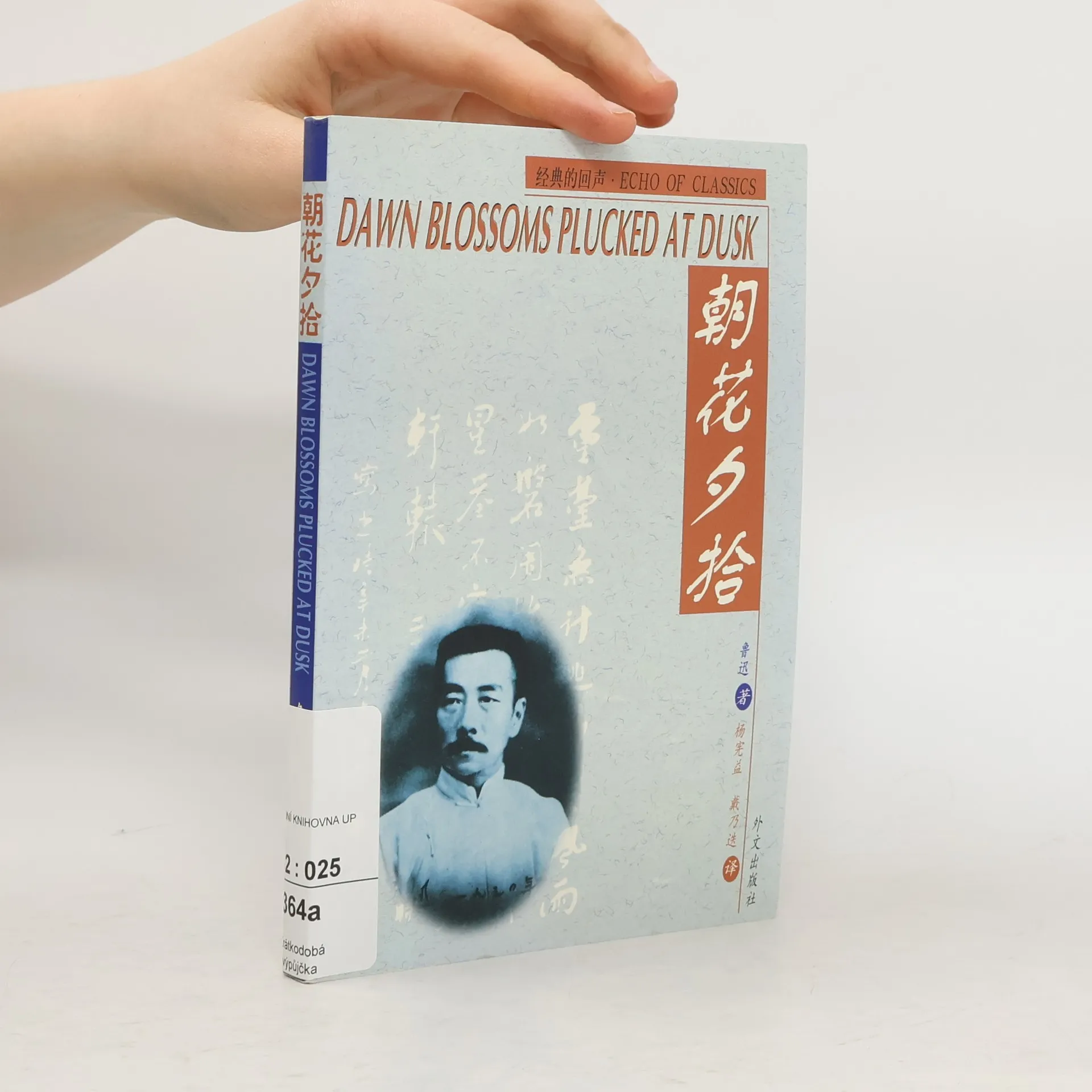
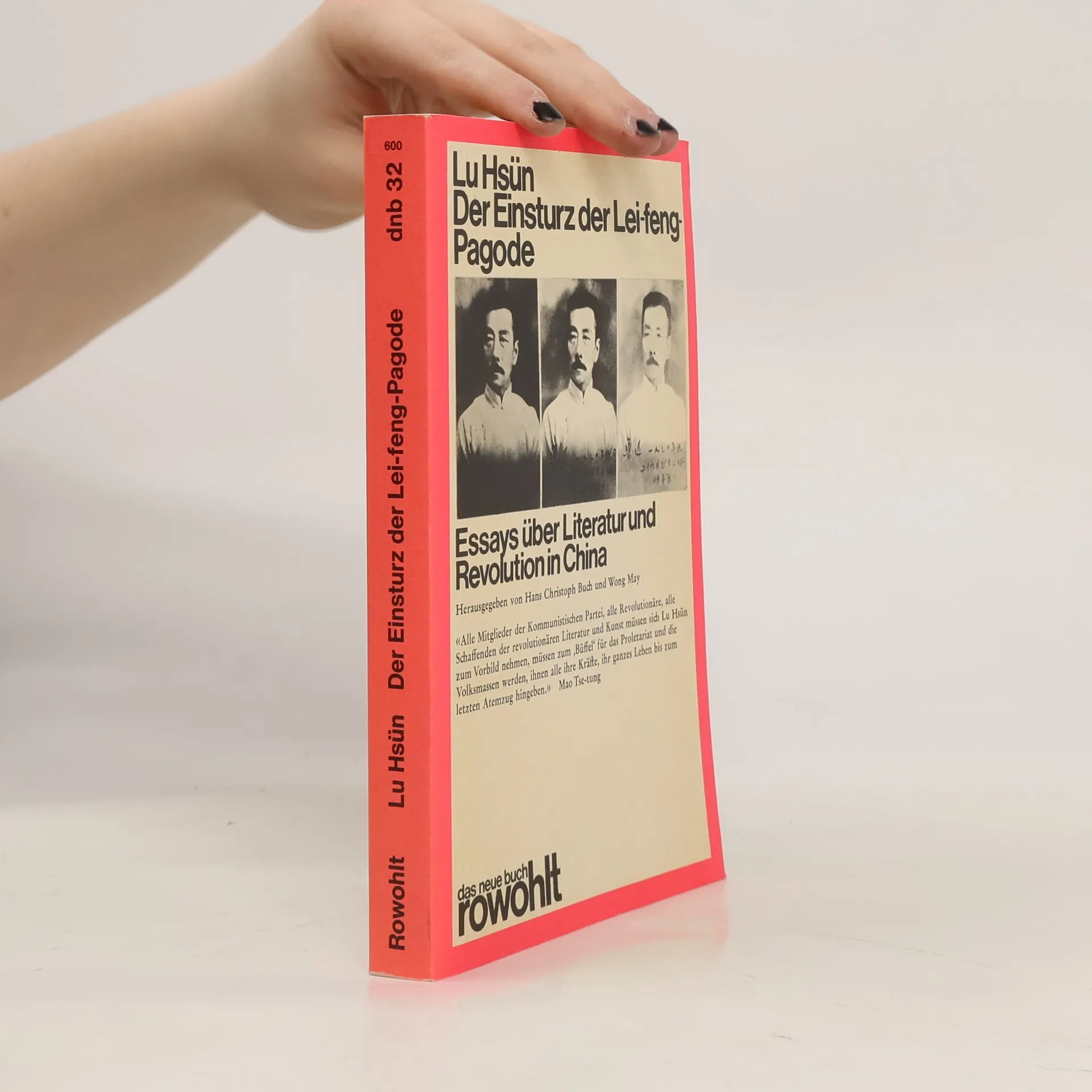
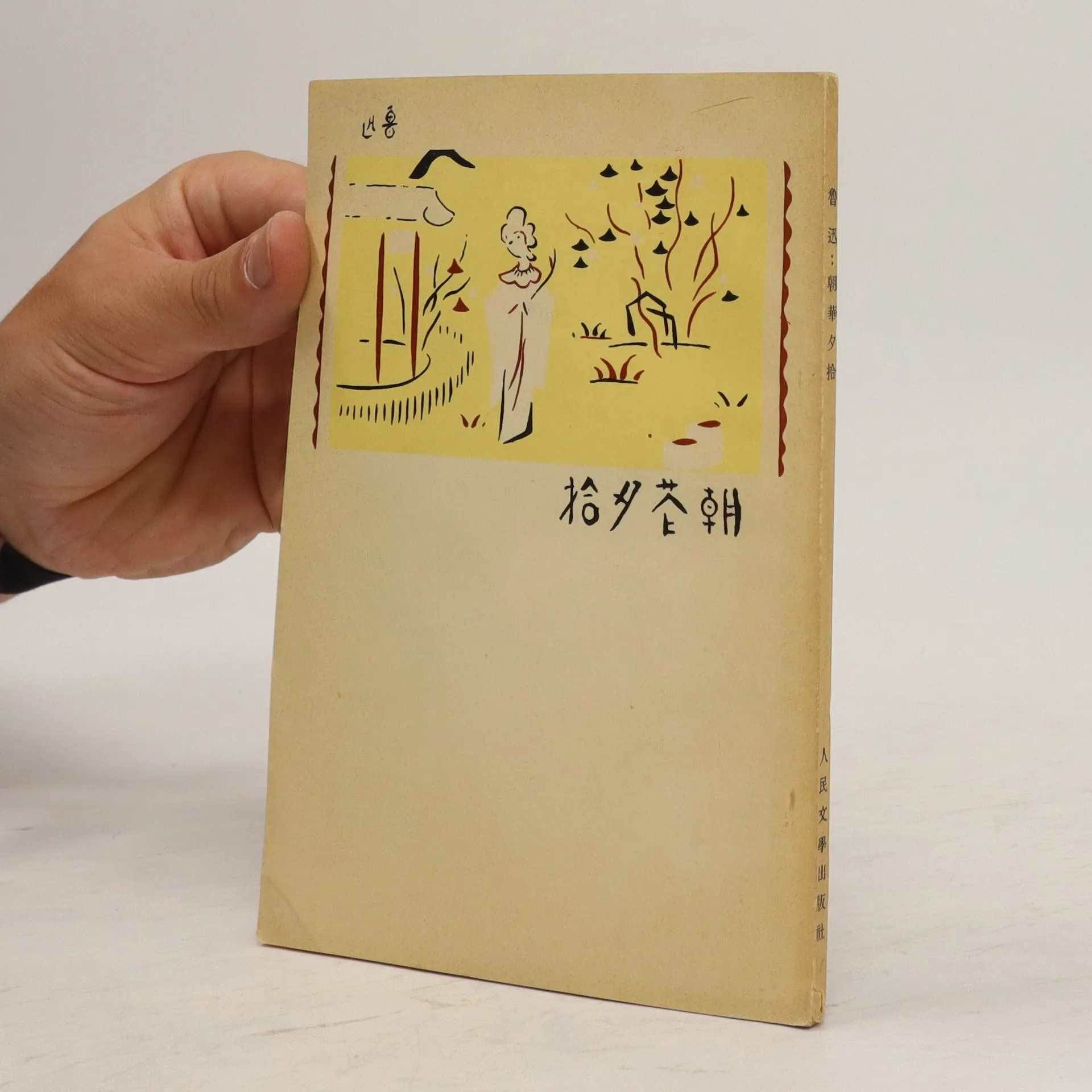
Lu Hsün (hier schreibweise Lu Xun, eig. Chou Shu-jen).Blumen der Frühe am Abend gelesen. Erinnerungen. Aus dem Chinesischen von Gudrun Erler, Anika von Greve-Dierfeld u.a..Werke in sechs Bänden. Herausgegeben von Wolfgang Kubin, Band III. Lu Hsün (1881-1936), einer der bedeutendsten chinesischen Erzähler des 20. Jahrhunderts, war einer der führenden Köpfe der "Literarischen Revolution" von 1917. Er setzte sich in seinen realistischen Romanen und Erzählungen, die in der Umgangssprache geschrieben sind, scharf mit sozialen Mißständen des alten Familiensystems auseinander und kämpfte gegen den Konfuzianismus, jeden Formalismus und alle Tradition. Er arbeitete 1912-26 im Pekinger Erziehungsministerium, verließ aber als Anhänger der Bewegung Mao Tse-tungs die Stadt, als Tschiang Kai-schek 1926 die Macht übernahm, da er Repressalien oder Schlimmeres befürchten mußte. Gilt als "Vater der neuen chinesischen Literatur".Sprache: Deutsch
Lu Xun (traditional Chinese: 魯迅; simplified Chinese: 鲁迅) was the pen name of Zhou Shuren (September 25, 1881 - October 19, 1936) is one of the major Chinese writers of the 20th century. Considered by many to be the founder of modern Chinese literature, he wrote in baihua (the vernacular) as well as classical Chinese. Lu Xun was a short story writer, editor, translator, critic, essayist and poet. In the 1930s he became the titular head of the Chinese League of Left-Wing Writers in Shanghai. Lu Xun's works exerted a very substantial influence after the May Fourth Movement to such a point that he was lionized by the Communist regime after 1949. Mao Zedong himself was a lifelong admirer of Lu Xun's works. Though sympathetic to the ideals of the Left, Lu Xun never actually joined the Chinese Communist Party. Lu Xun's works are known to English readers through numerous translations, especially Selected Stories of Lu Hsun translated by Yang Hsien-yi and Gladys Yang. Contents: A Madman's Diary, True Story of Ah Q, Kong Yiji, and eleven other important works.
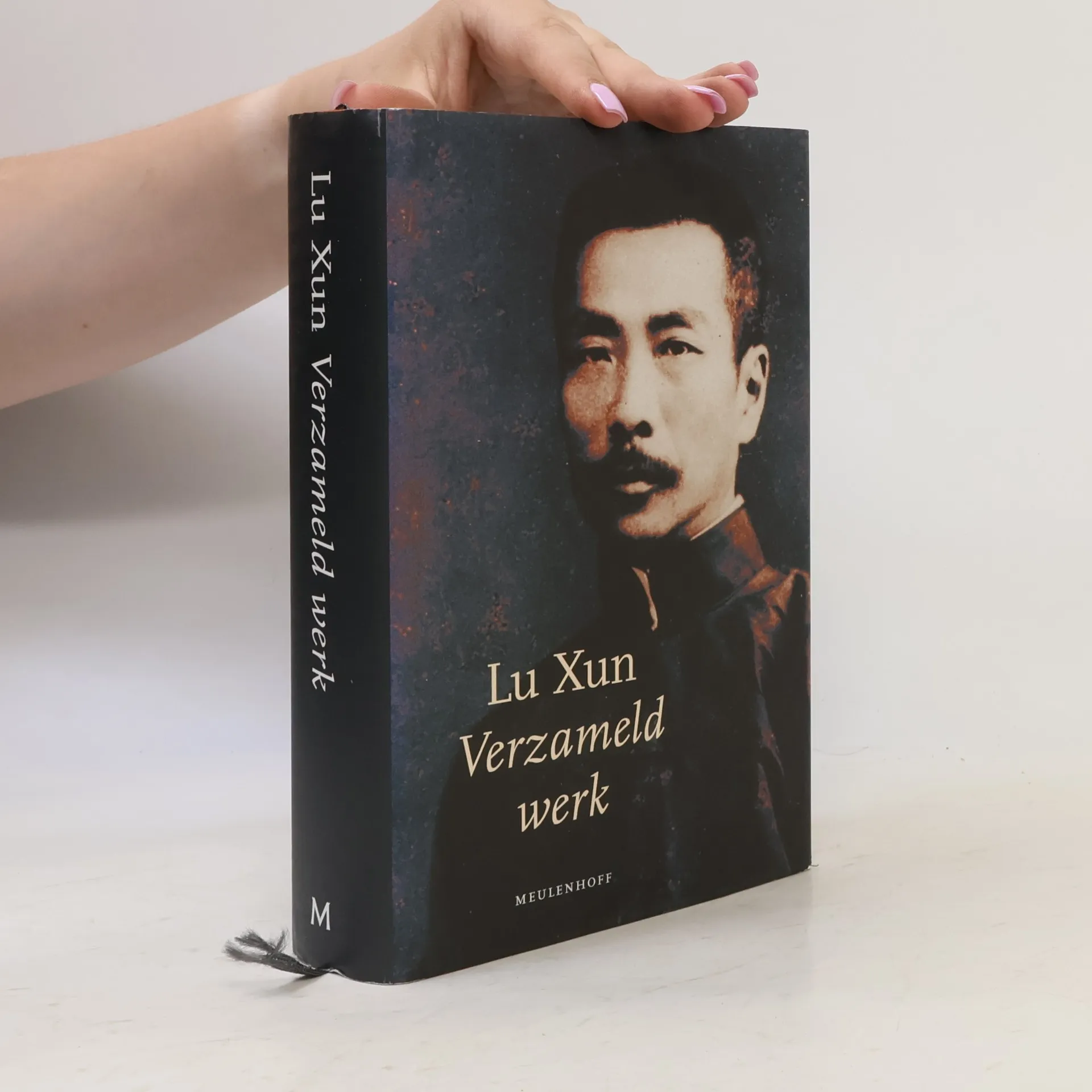
Mit Lu Xun begann die moderne chinesische Literatur, und bis heute ist er ihre prägende Leitfigur geblieben. Gleichzeitig ist er ein »Intellektueller unserer eigenen Moderne« (Althusser), den Europa seit Jahrzehnten immer wieder neu entdeckt: ein Erzähler und Denker von stupender Aktualität, in dessen Werk Melancholie und Militanz, Ironie und Trauer verschmelzen.Der Band enthält unter anderem die berühmt gewordenen Erzählungen »Das Tagebuch eines Verrückten«, »Die wahre Geschichte des Herrn Jedermann«, »Geschichten vom Haar«.
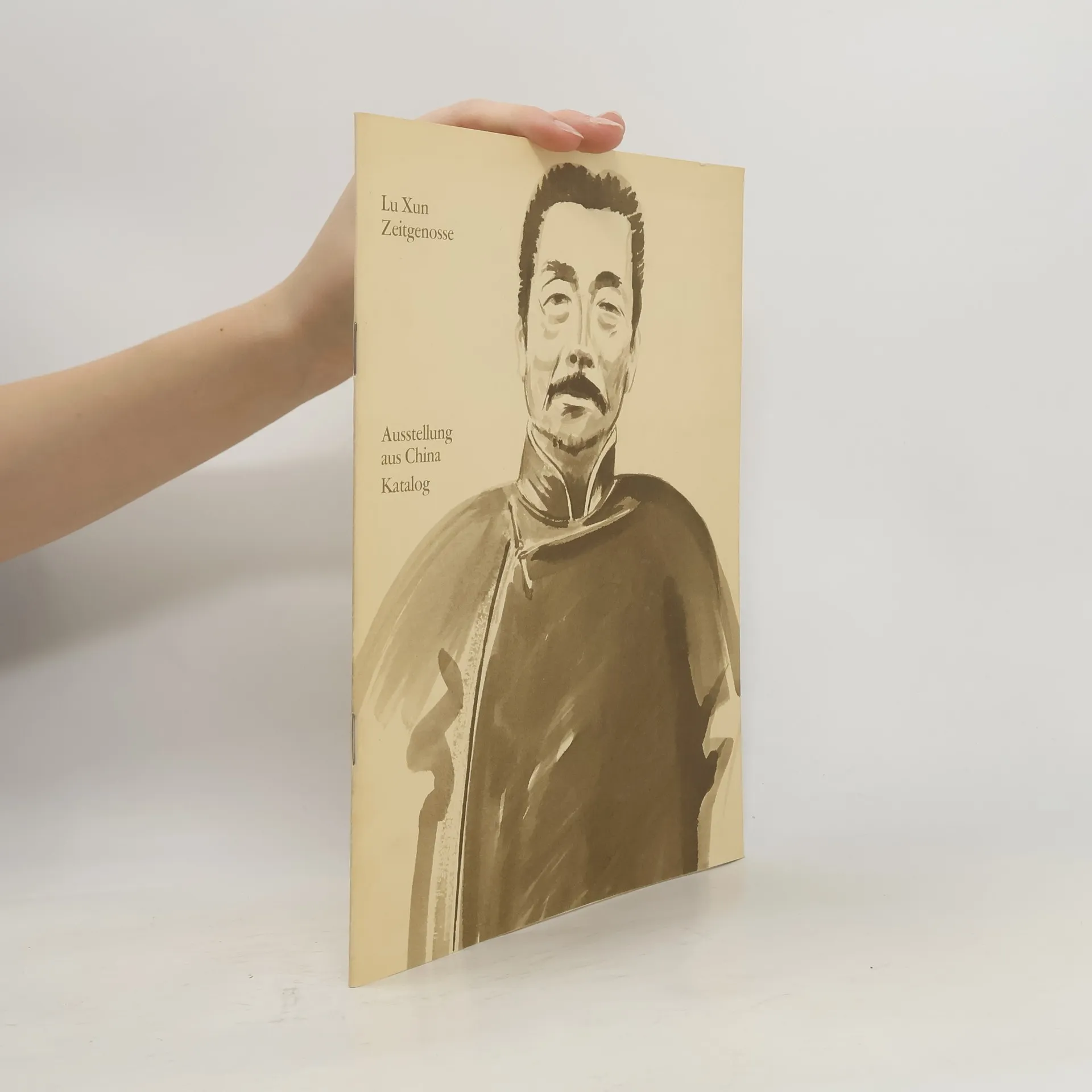
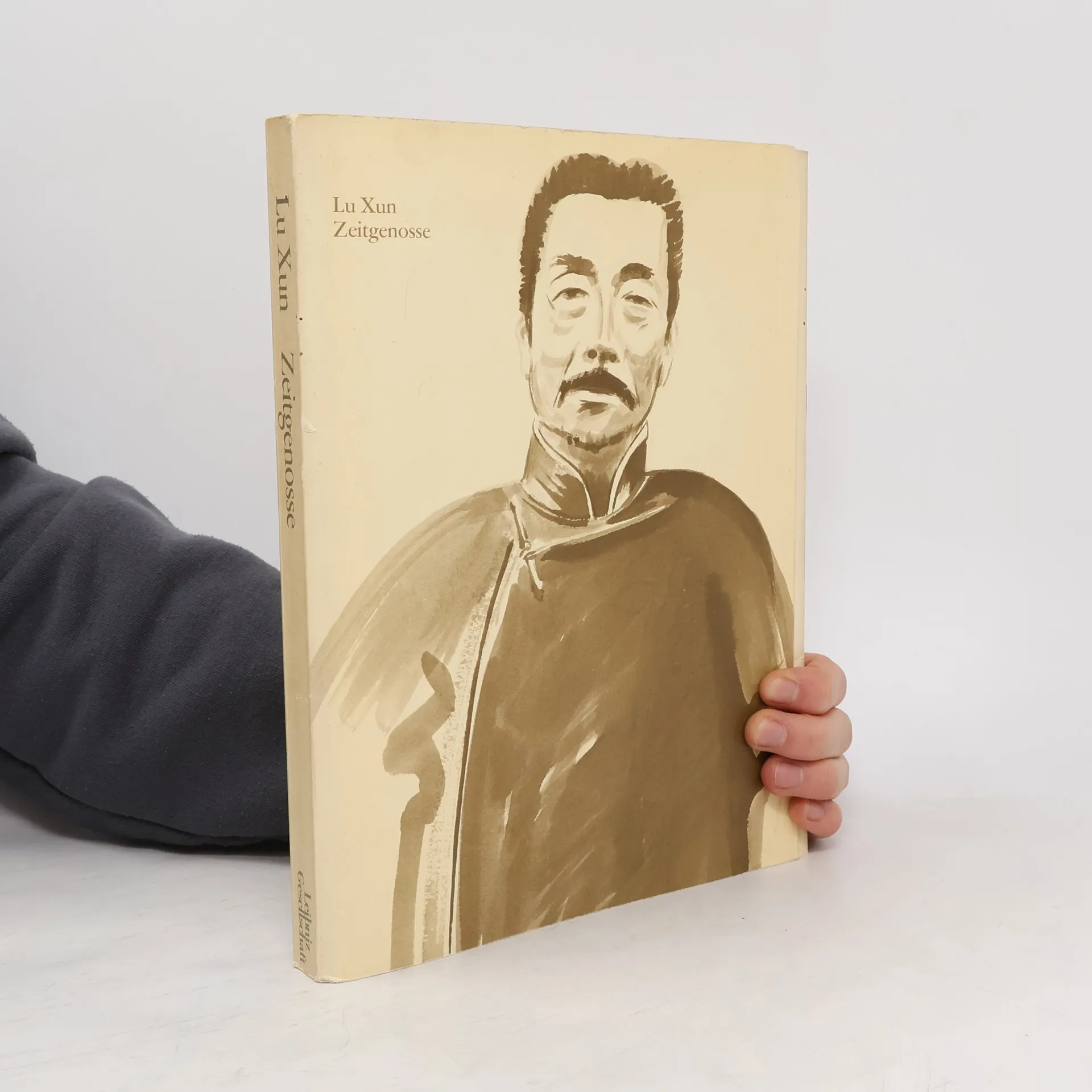
Ausstellung aus China Katalog: Grosses Ausstellungs-Foyer Staatsbibliothek Berlin 10. Januar bis 23. Februar 1980; Leigeber, Gesellschaft des Chinesischen Volkes für Freundschaft mit dem Ausland, Beijing
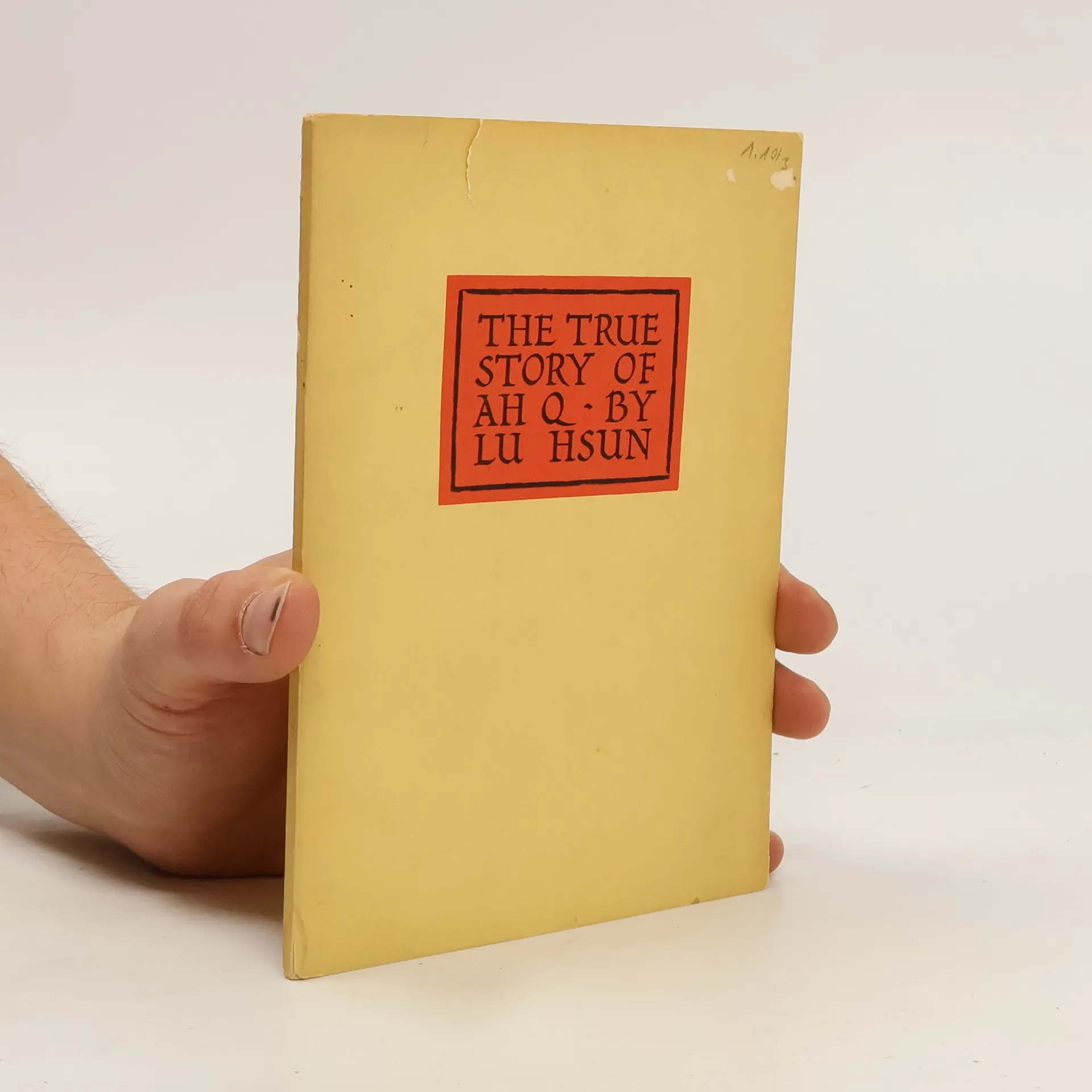
Can justice be as blind as fortune, randomly descending upon humanity? Ah Q is merely a simple worker, plagued by misfortunes and calamities, yet always ready to accept his fate and seek the silver lining in every situation. Even when he inexplicably (and mistakenly) finds himself condemned to death, he remains confident in a higher justice and refuses to protest. Lu Xun's novel, written in 1921, serves as a metaphor for the transition that led China from an Empire to a Republic: History appears as a powerful machine that envelops everything and everyone.