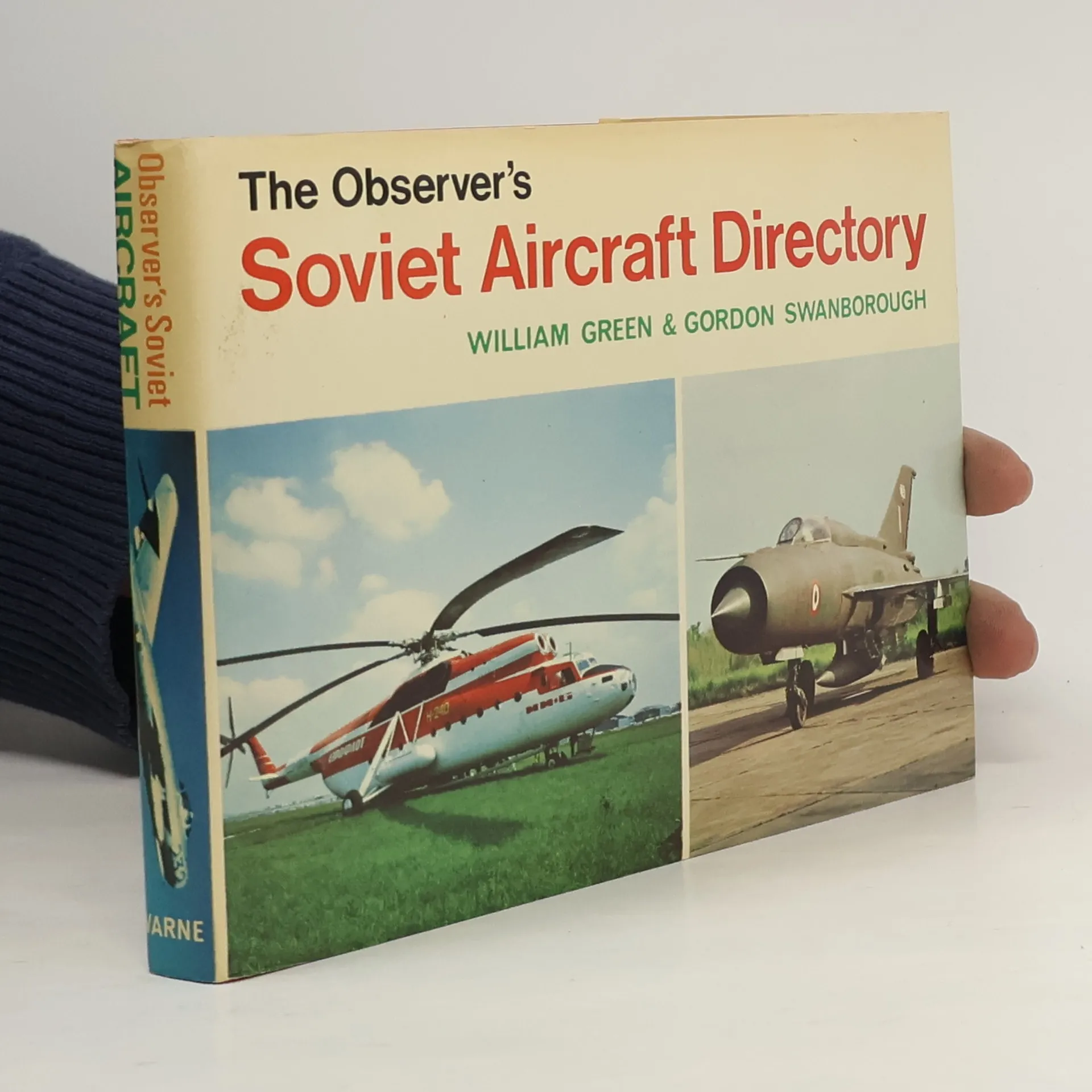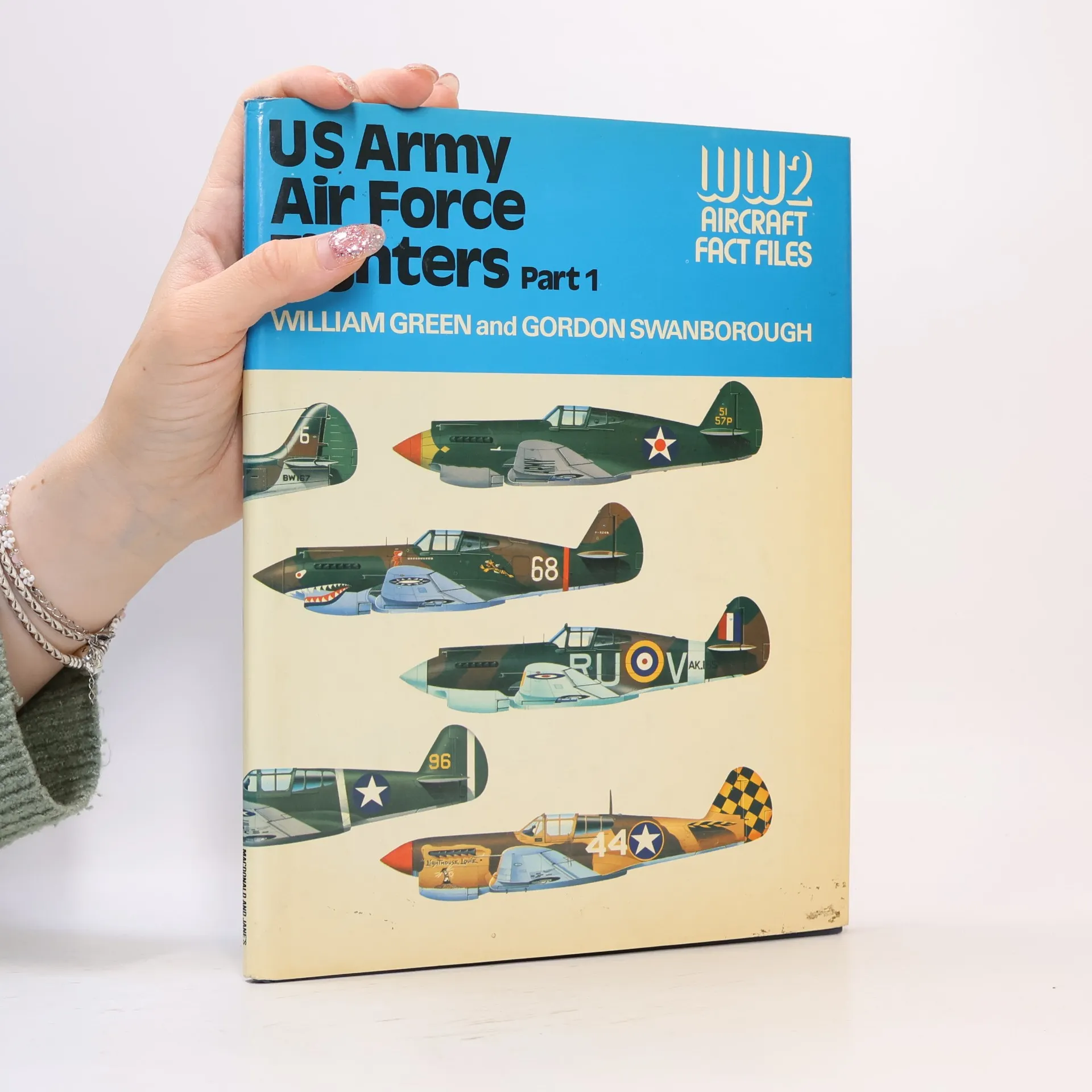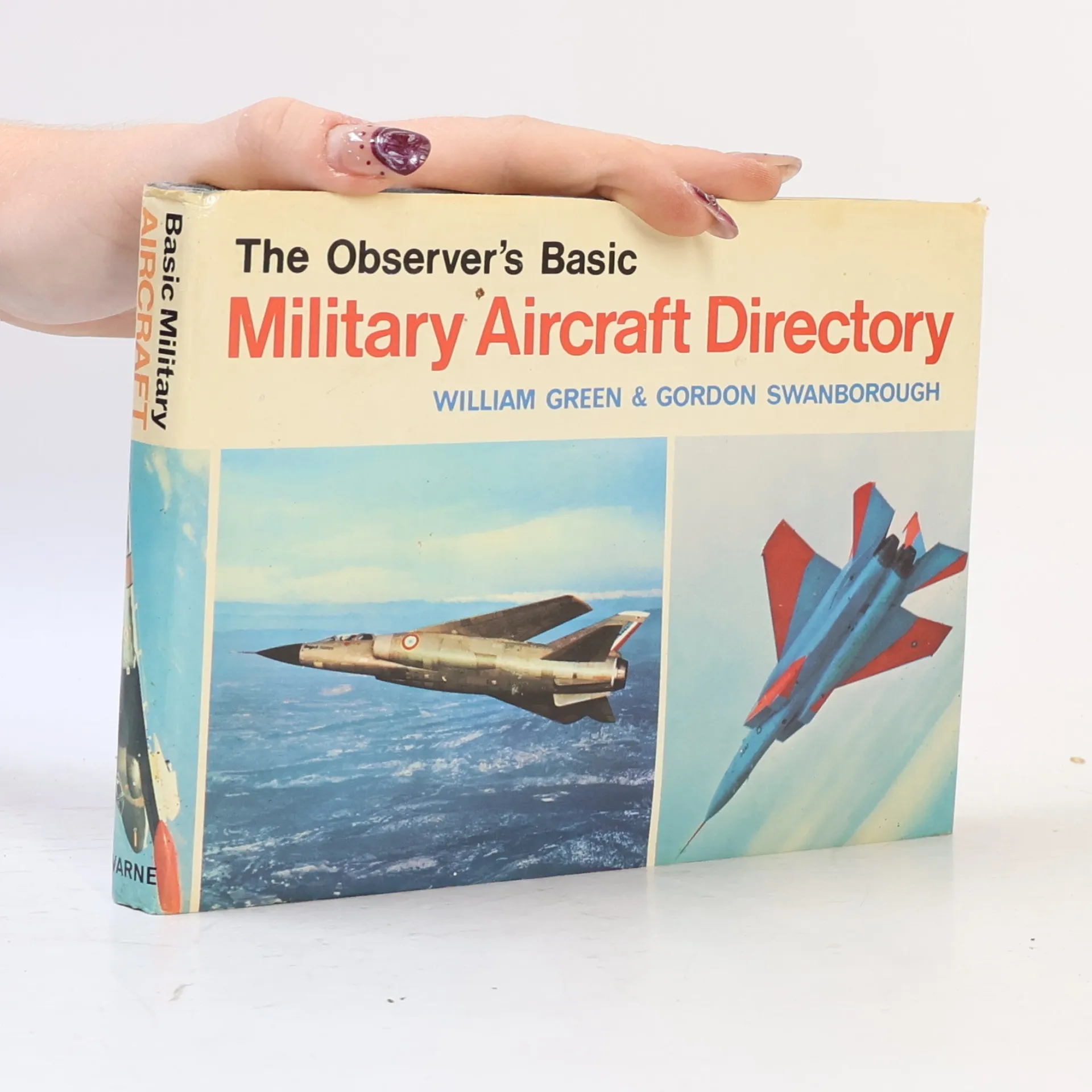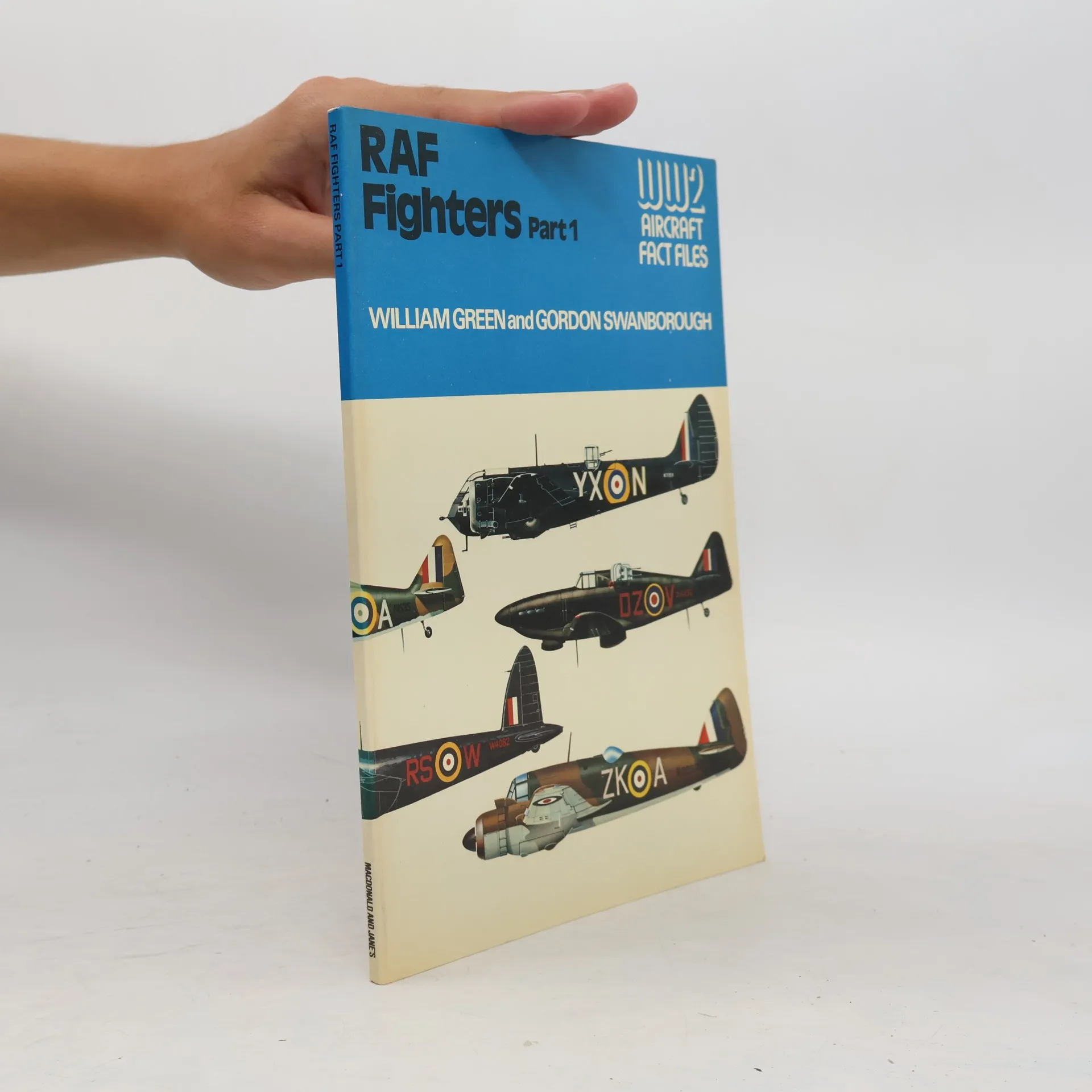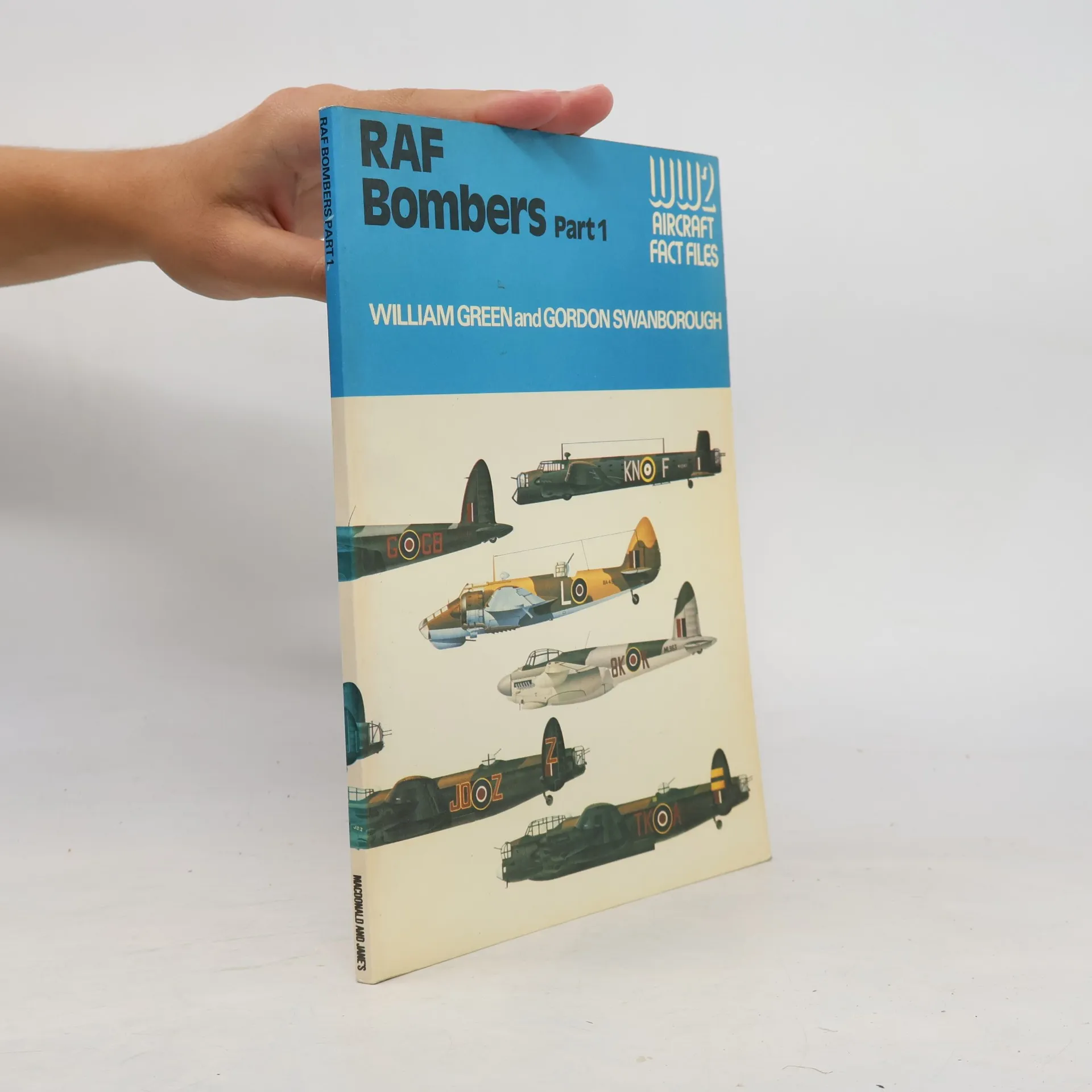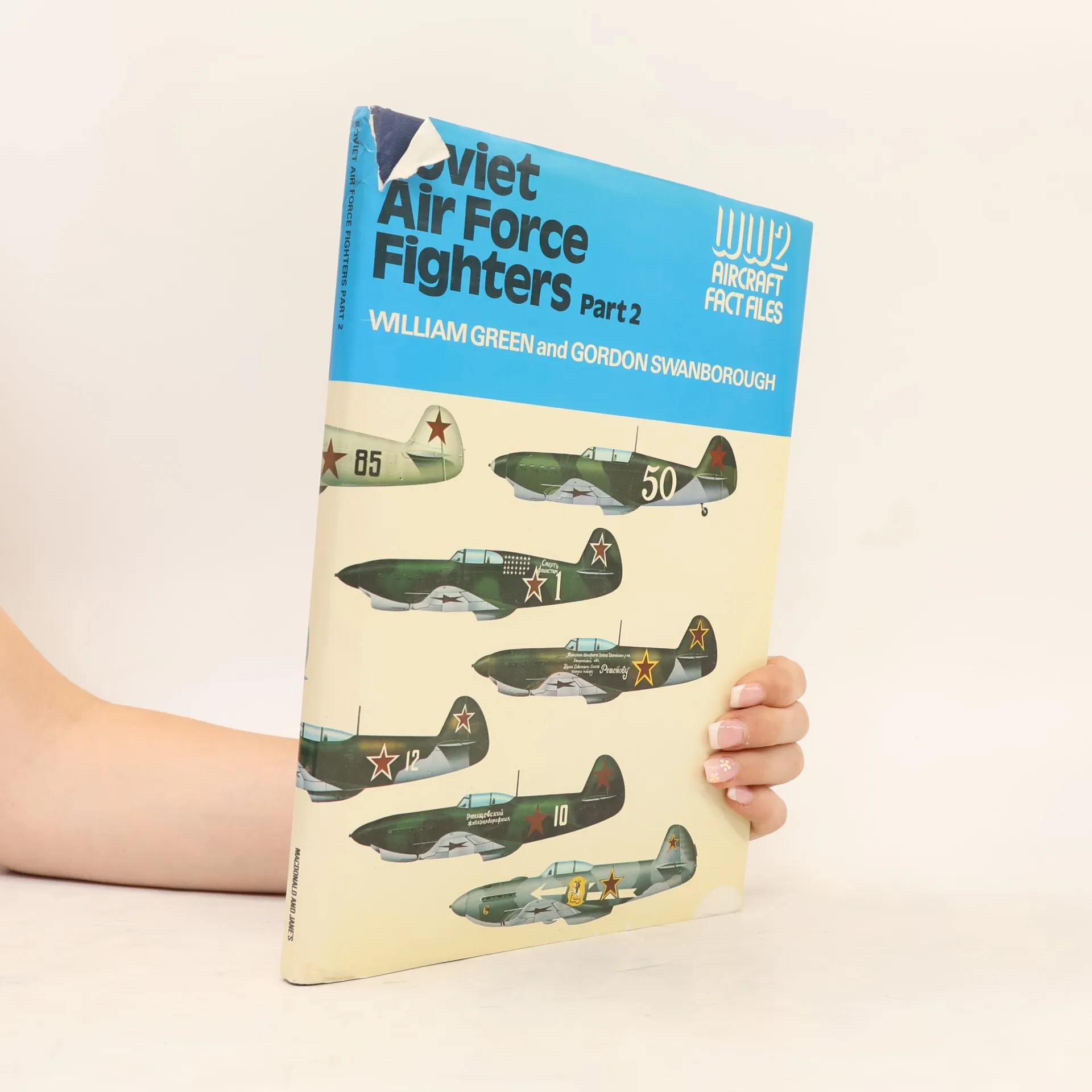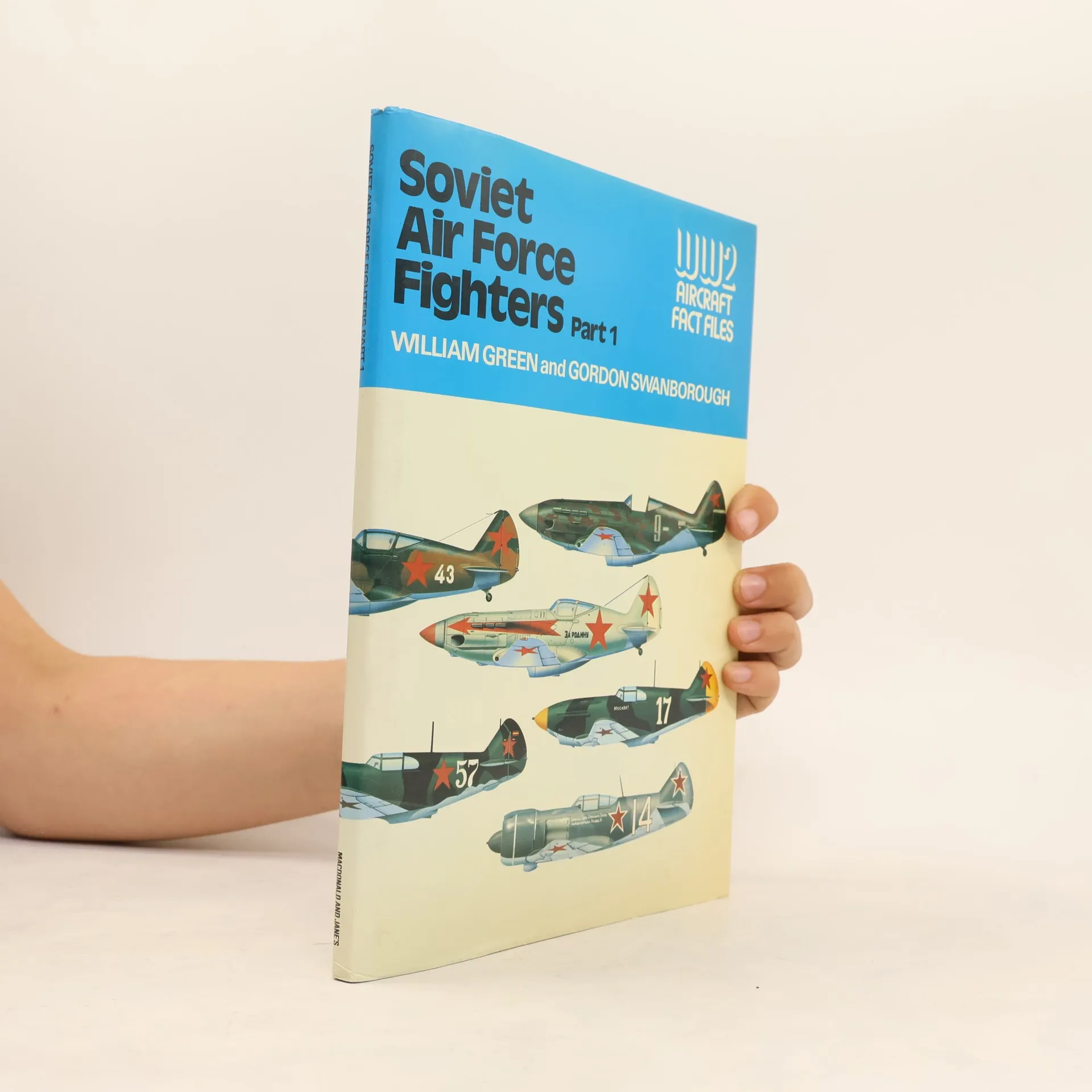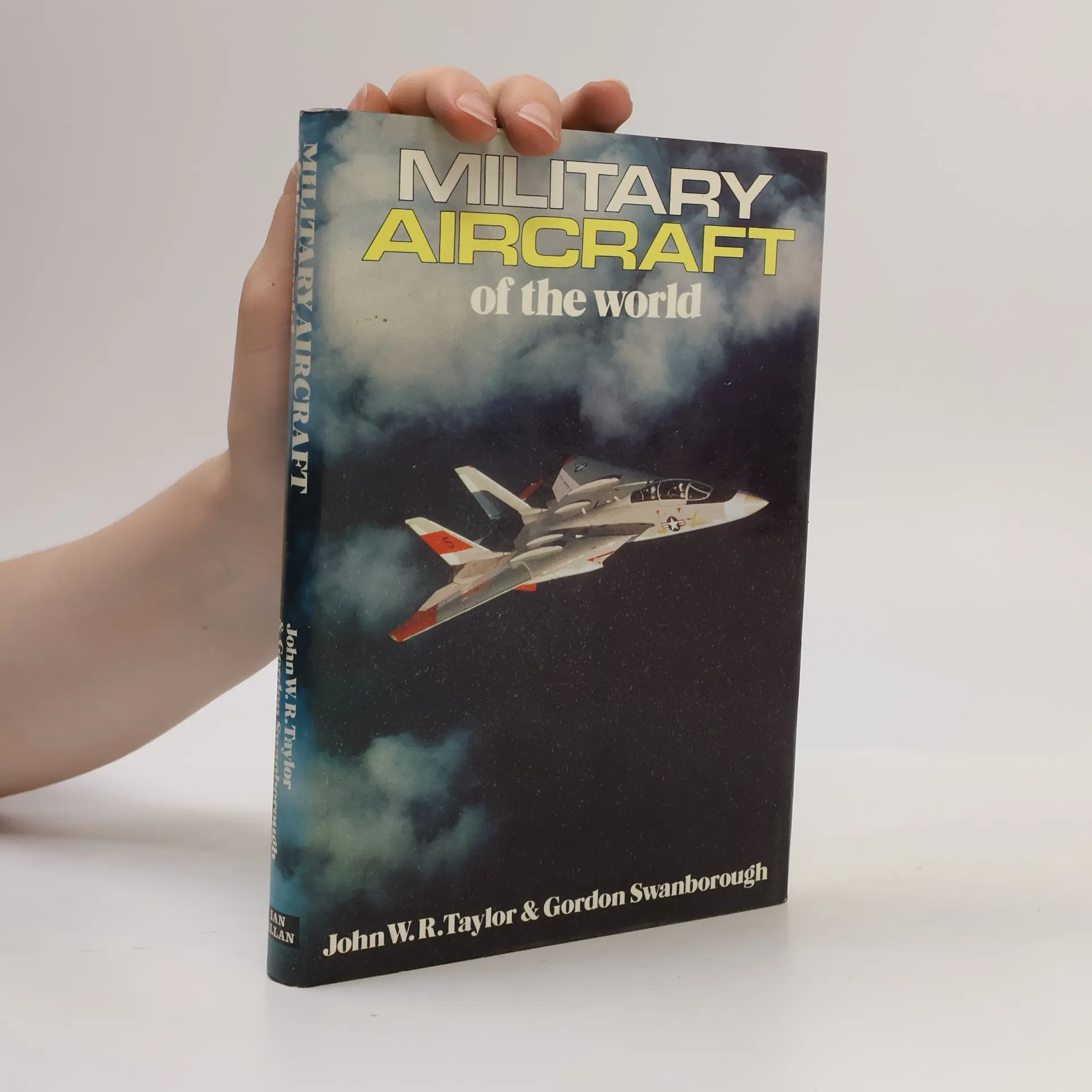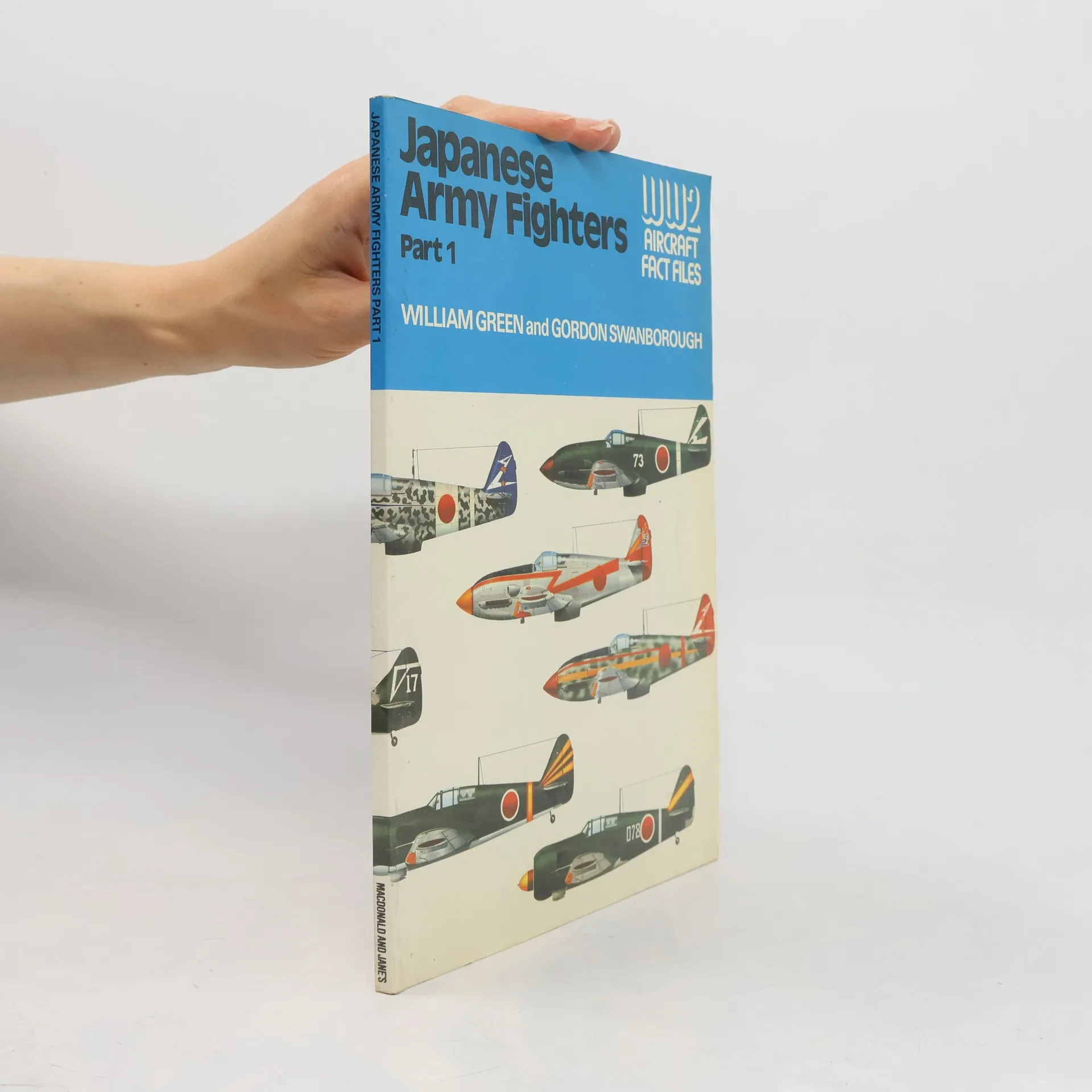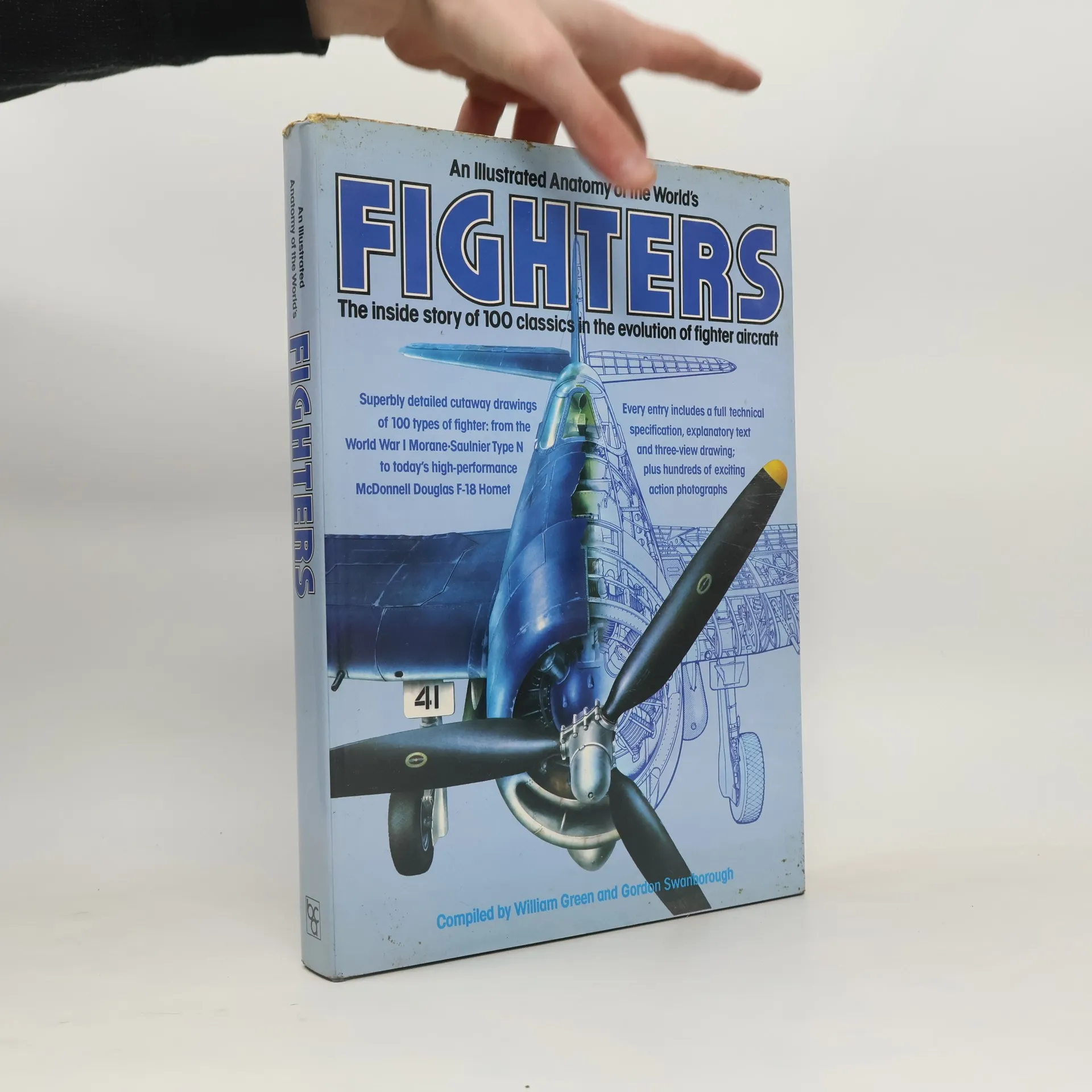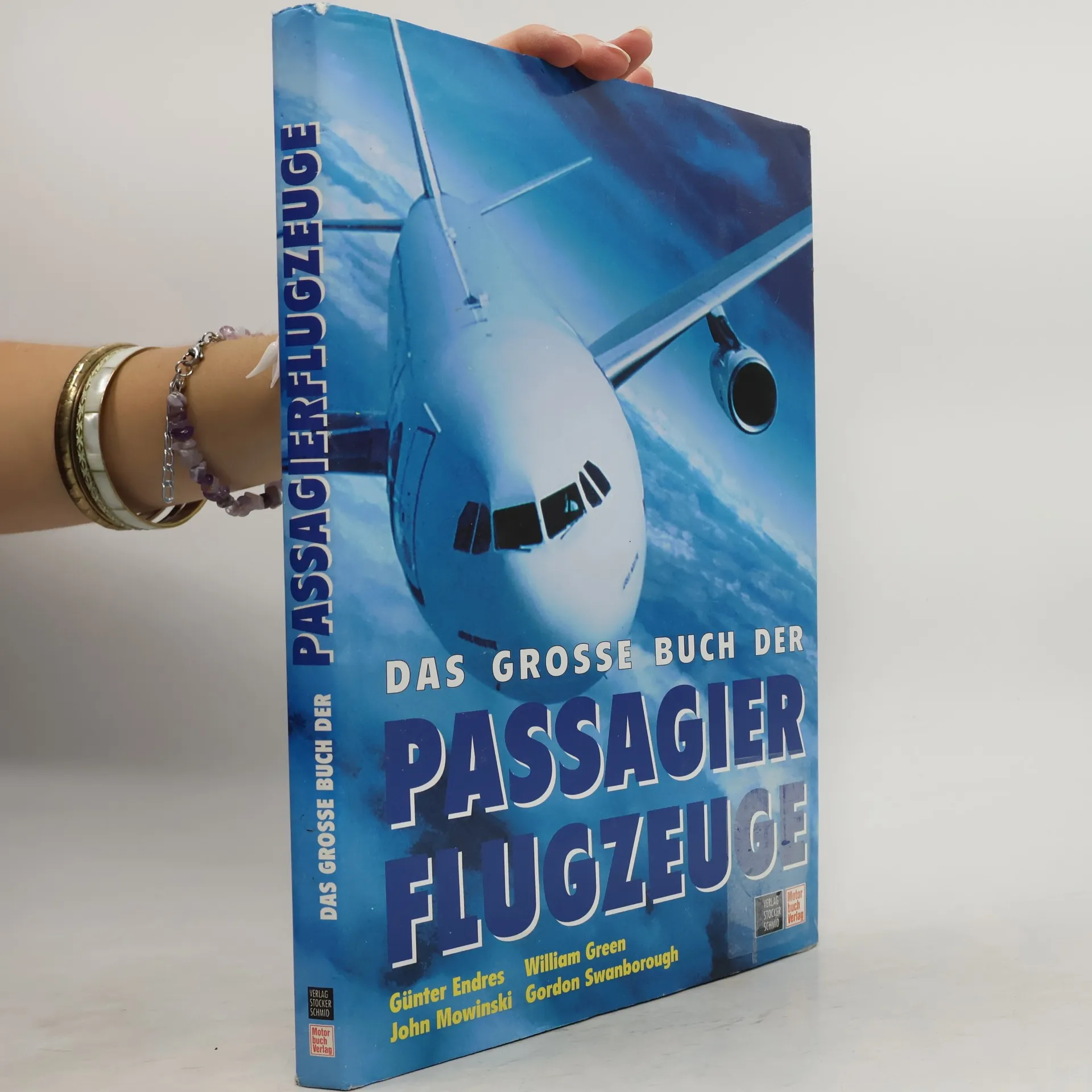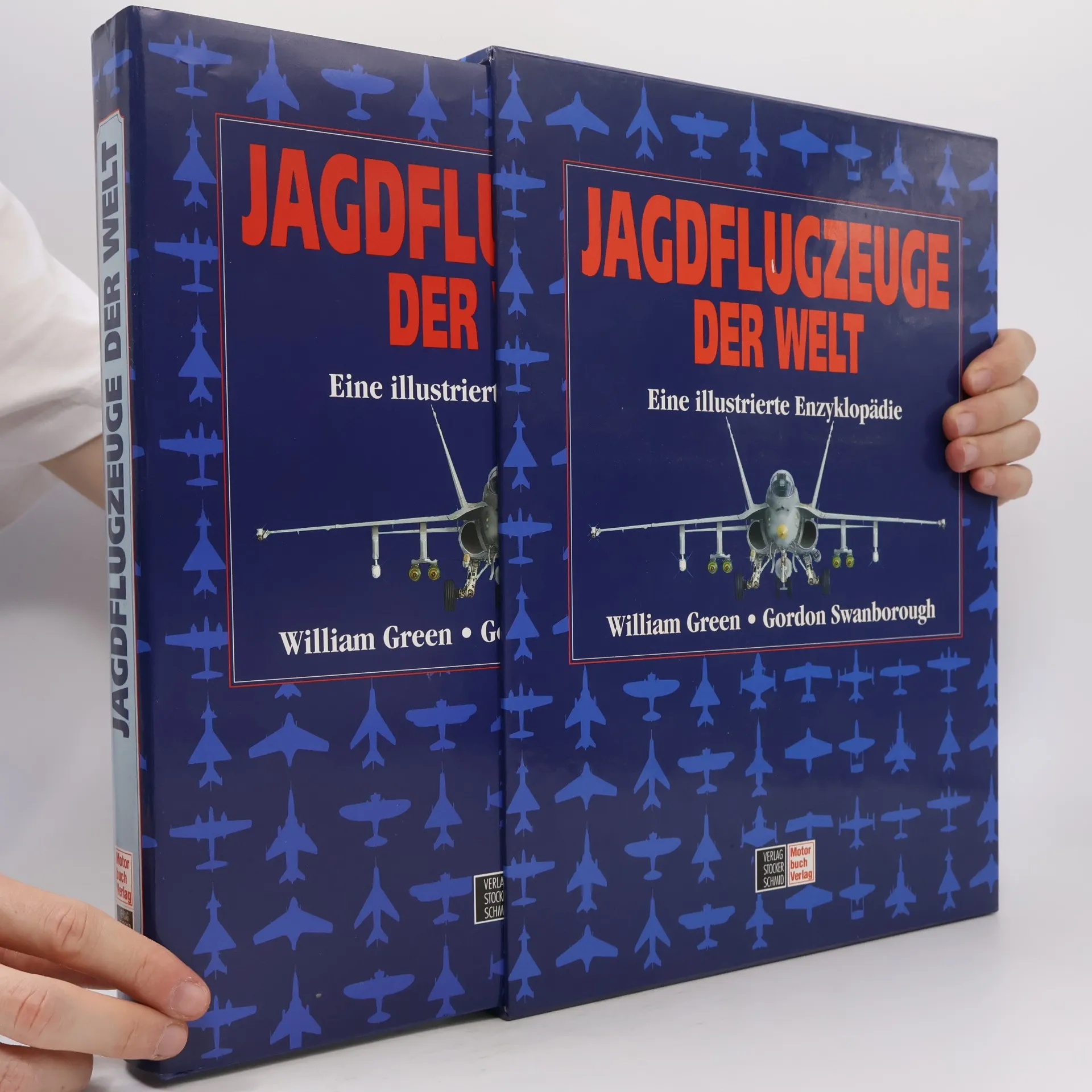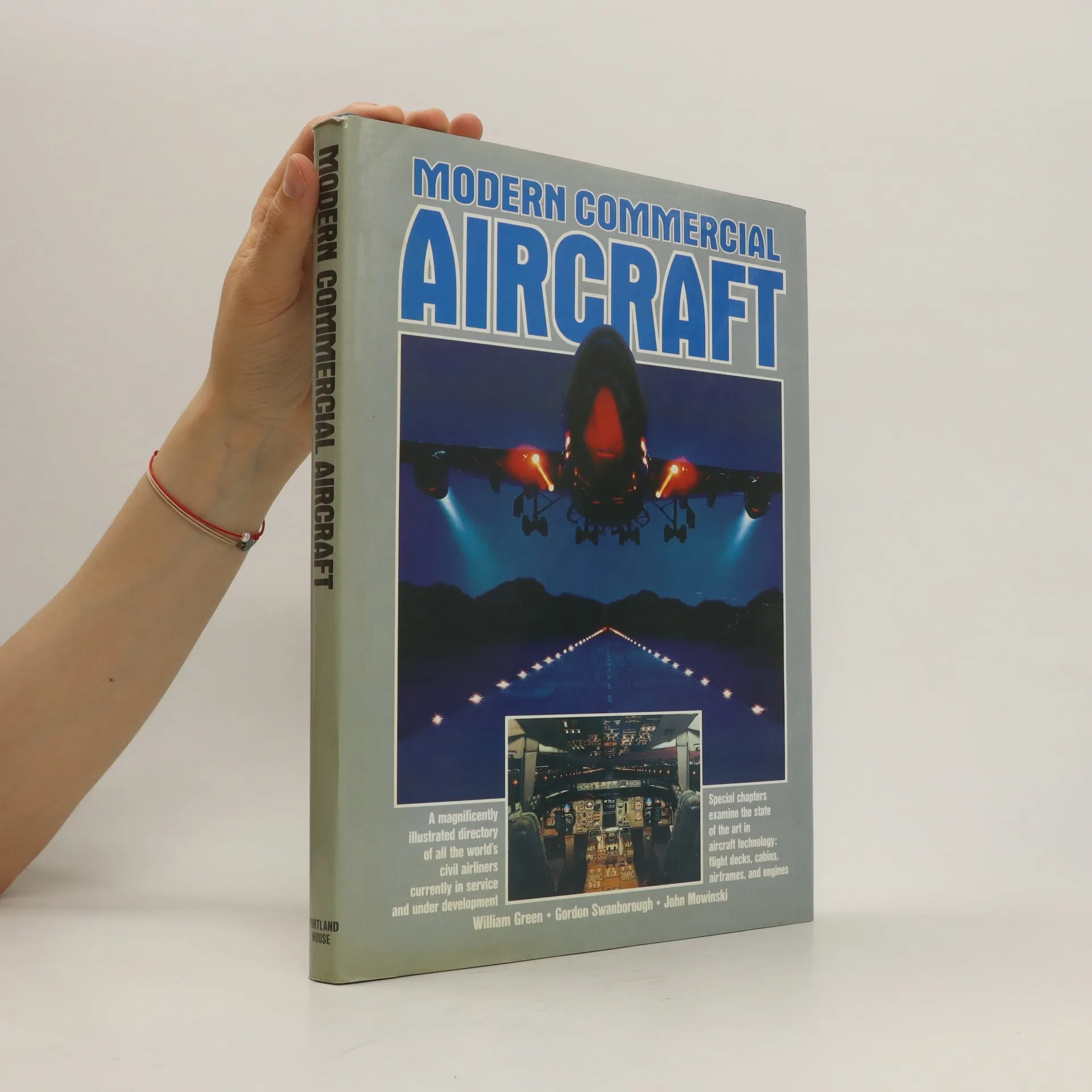
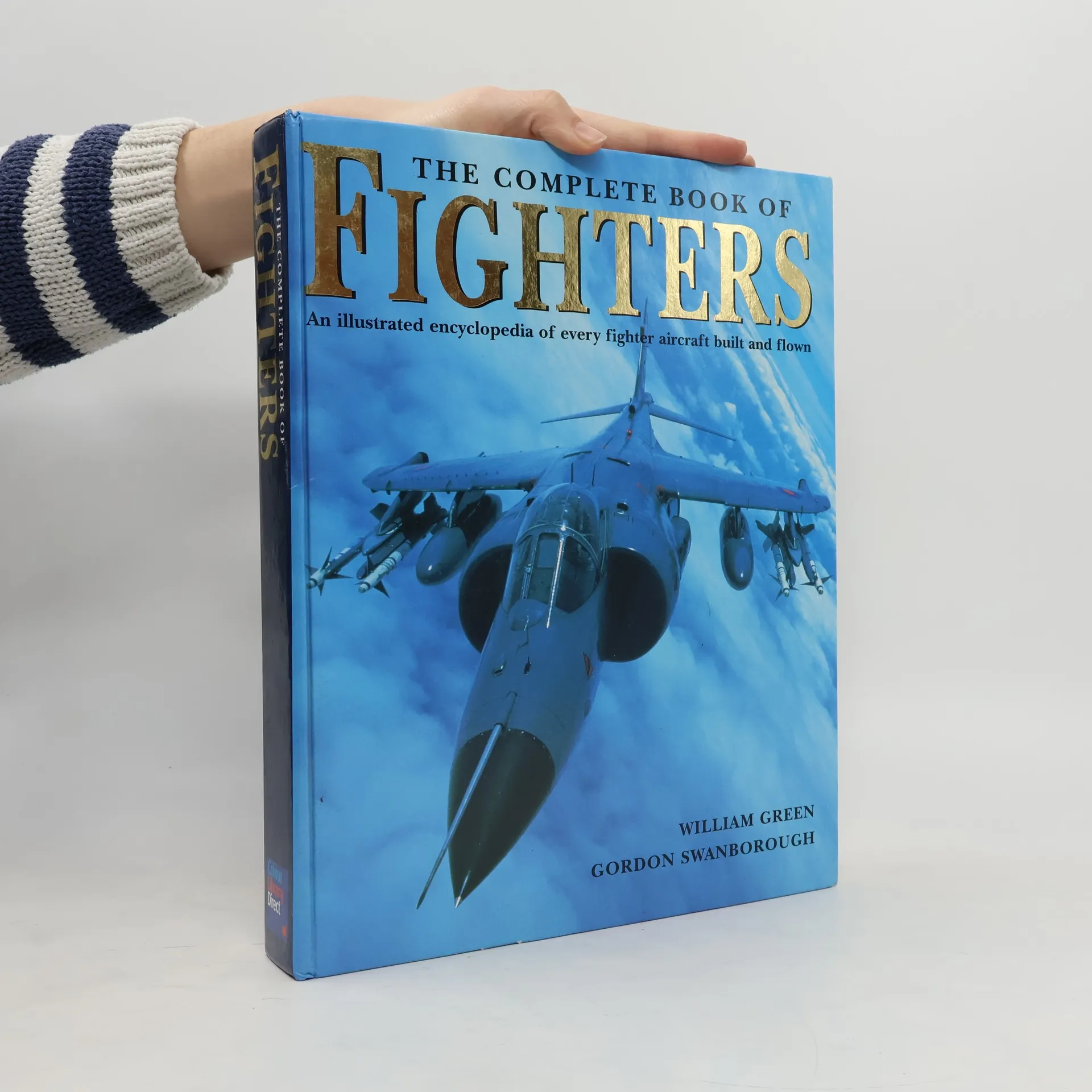
Listed alphabetically by manufacturer's name, this aviation history features 1700 aircraft. Every fighter that has ever been designed, built and flown is included, with full technical details and a photograph, colour profiles, detailed three-view drawings and cutaway artworks.
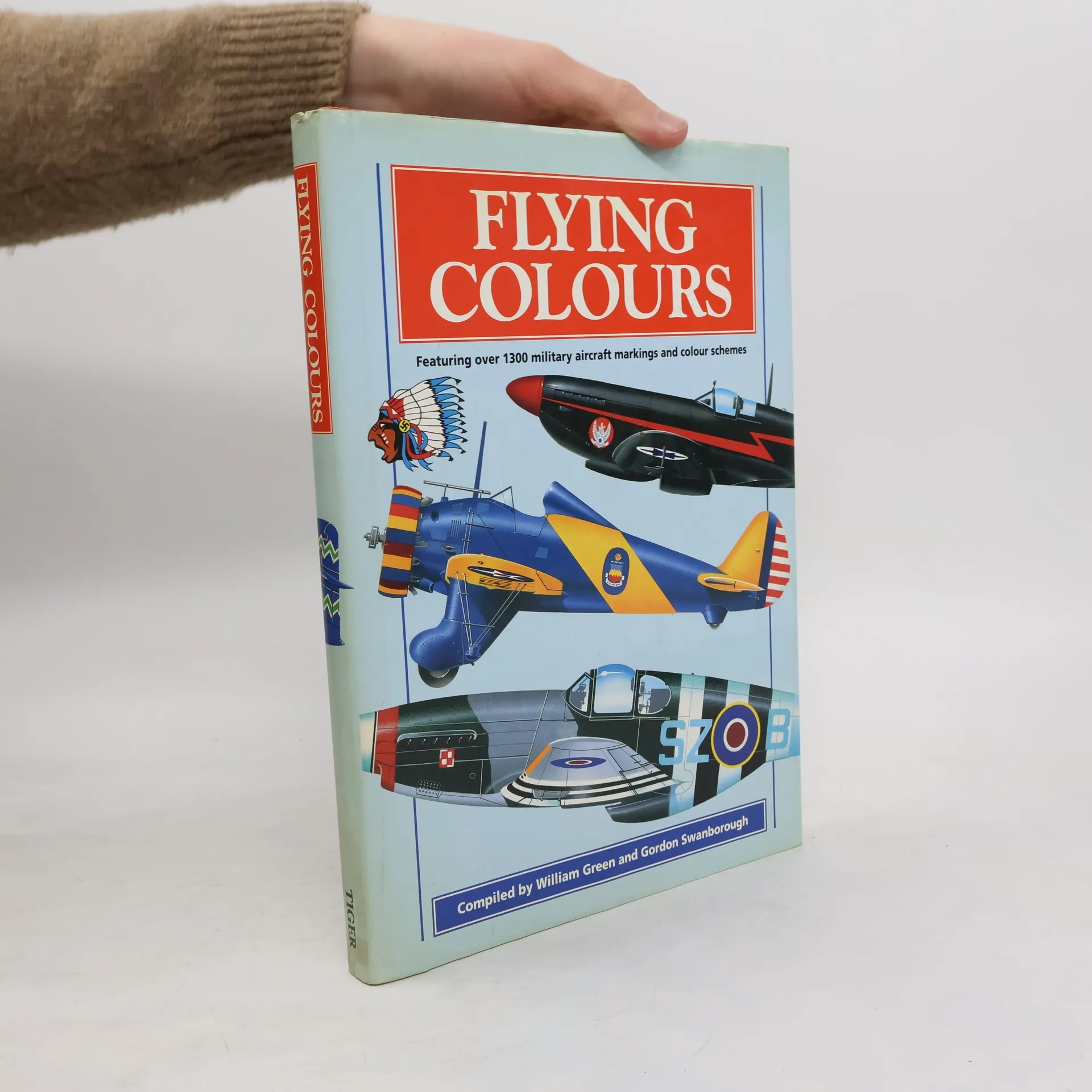
Flying colors surveys, by means of profile drawings of military aircraft, many of htese camouflage and antii-camouflage schemes that have been applied over the past 65 years.
Since they first took to the skies more than 80 years ago, military aircraft have been variously daubed, cunningly camouflaged and boastfully personalized. This superb overview spans the entire history of this fascinating art form, depicting more than 100 aircraft types from World War I SPADs to the modern swing-wing Panavia Tornado.
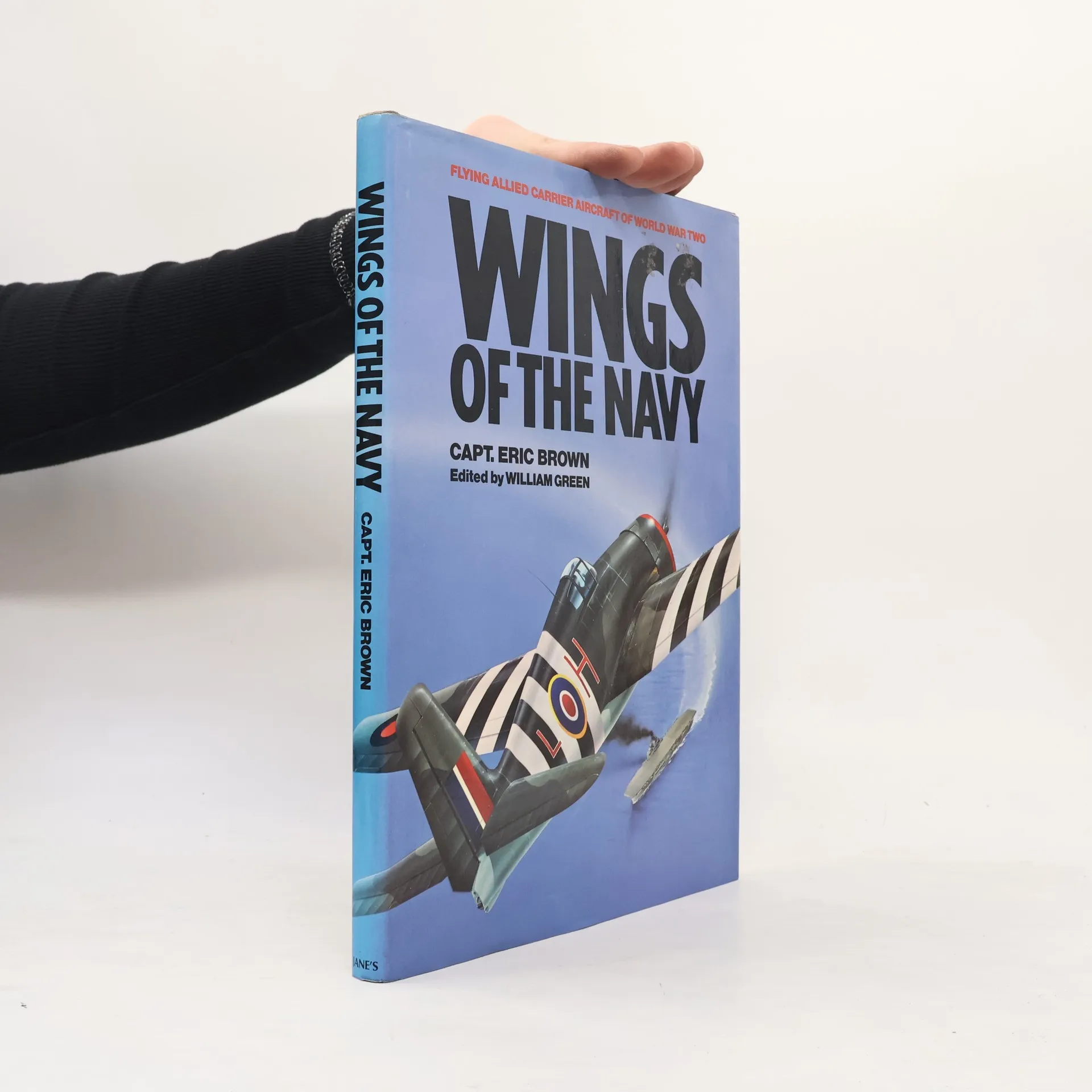
Carrier aircraft, since their beginning, have been a very special kind of machine and demand something equally special of the men who flew them. Landing on a pitching, bucking deck of a carrier, or catapulting over a plunging bow, shipboard aircraft and their pilots had to be exceptional. Often, the real characteristics of these assorted aircraft lie forgotten in the annals of time but Eric 'Winkle' Brown, the first naval officer to head the elite Aerodynamics Flight at Farnborough, records his cockpit experiences testing British and American carrier aircraft. Having enjoyed one of the most extraordinary careers in flying, Eric 'Winkle' Brown places on record the flying characteristics, good bad and indifferent, of a myriad of aircraft from the Fairey Swordfish and Albacore, Grumman Avenger and Panther to the Supermarine Seafire, Douglas Dauntless, North American Skyray, de Havilland Sea Vixen and Blackburn Buccaneer. Highly illustrated with cutaways, photographs and color profiles, "Carrier Testing American & British Aircraft (Wings of the Navy)" makes a valuable contribution to aviation history and keeps the memory of these diverse and absorbing aircraft alive.