
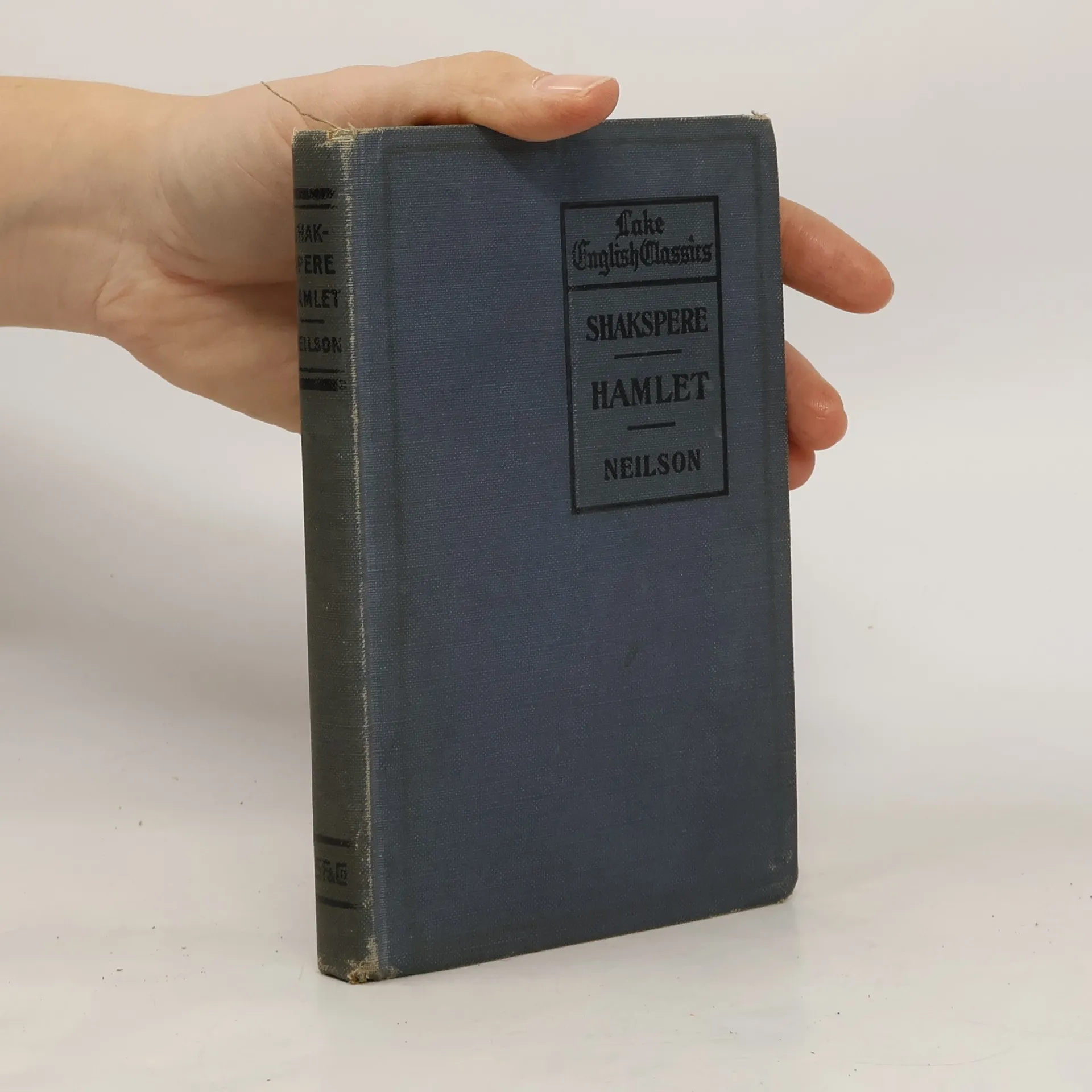


William Allan Neilson was a Scottish-American educator and writer whose critical works delved deeply into William Shakespeare and the Elizabethan theatre. His scholarship was marked by a profound understanding of literary texts and their historical contexts. Beyond his critical analyses, Neilson also served as an editor for significant Shakespearean editions and contributed to lexicography. His lesser-known translation of the romance Sir Gawain and the Green Knight further highlights the breadth of his literary interests.
Culturally significant, this work has been preserved from its original artifact, maintaining authenticity with original copyright references and library stamps. It serves as a vital piece of the knowledge base of civilization, reflecting the historical context and importance of the material. The reproduction aims to honor the integrity of the original text, making it a valuable resource for scholars and readers interested in historical works.
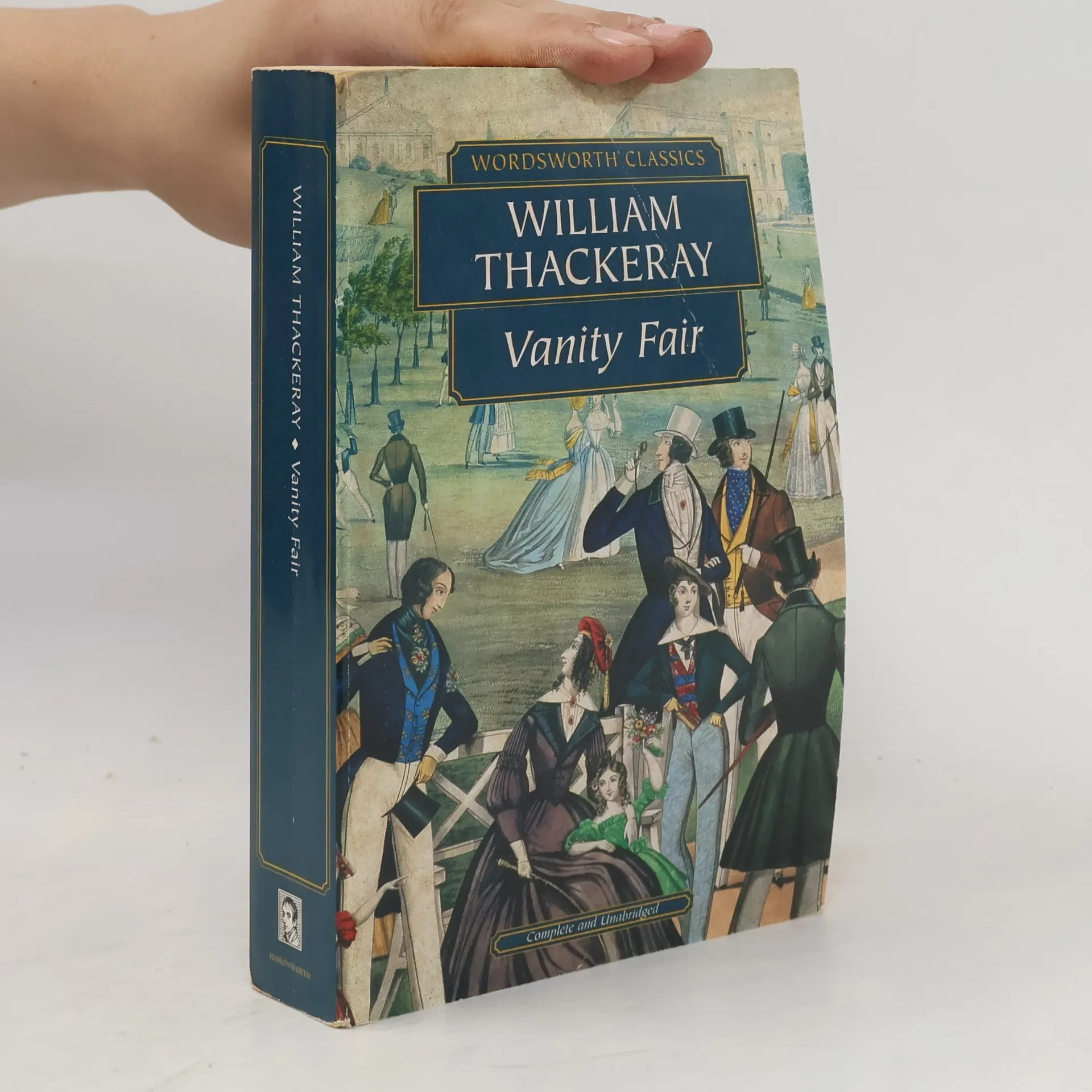
Vanity Fair, Thackeray's panoramic, satirical saga of corruption at all levels of English society, was published in 1847 but set during the Napoleonic Wars. It chronicles the lives of two women who could not be more different: Becky Sharp, an orphan whose only resources are her vast ambitions, her native wit, and her loose morals; and her schoolmate Amelia Sedley, a typically naive Victorian heroine, the pampered daughter of a wealthy family. Becky's fluctuating fortunes eventually bring her to an affair with Amelia's dissolute husband; when he is killed at Waterloo, Amelia and her child are left penniless, while Becky and her husband Rawdon Crawley rise in the world, managing to lead a high life in London solely on the basis of their shrewdness. (The chapter entitled "How to Live on Nothing" is a classic.) Thackeray's subtitle, "A Novel Without a Hero," is understating the case; his view of humanity in this novel is distinctly bleak and deliberately antiheroic. Critics of the time misunderstood the book, decrying it as (among other things) vicious, vile, and odious. But VANITY FAIR has endured as one of the great comic novels of all time, and a landmark in the history of realism in fiction.
The narrator reflects on their lack of noble status and the societal expectations of being a gentleman. During a visit to Edinburgh, they explore the Herald's office, revealing a wealth of lineage and titles, yet they feel disconnected from this world of honors. This introspection highlights themes of identity, social class, and the pursuit of recognition, emphasizing the narrator's humility and sense of exclusion from the aristocratic elite.