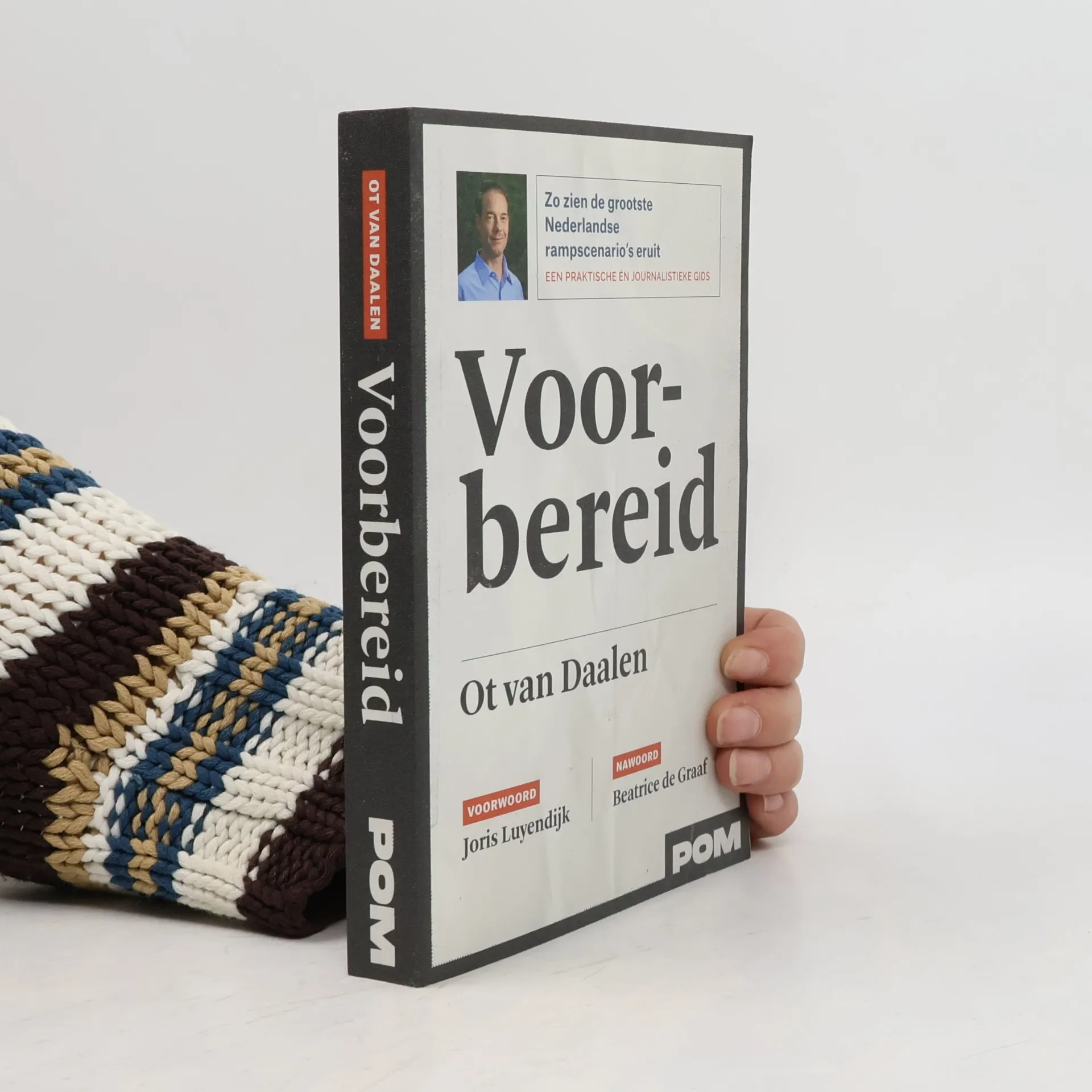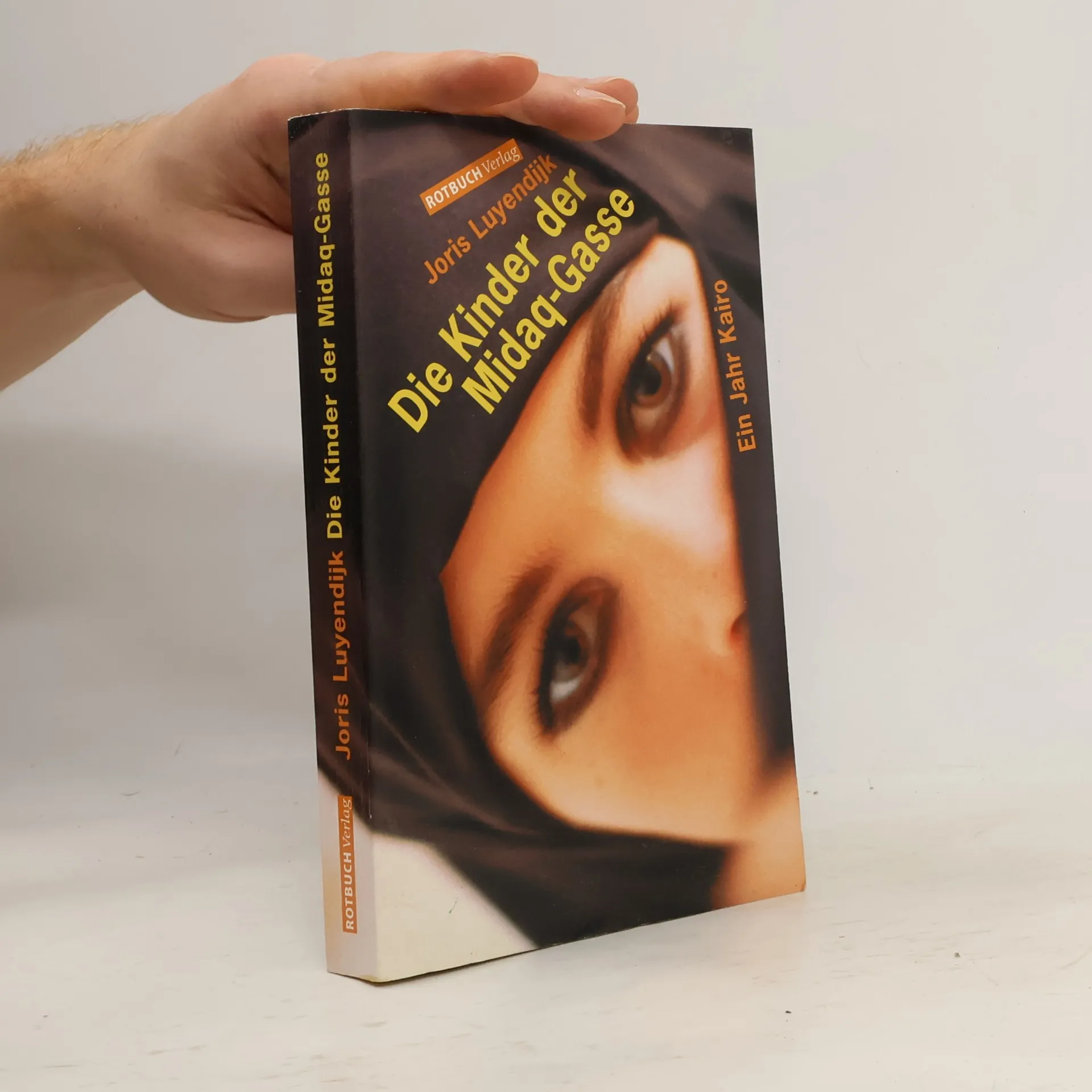
Explore the latest books of this year!
Bookbot

Joris Luyendijk

    December 30, 1971

    This author explores the complexities of the Arab world and its culture through compelling and insightful narratives. Their work, often rooted in extensive fieldwork and personal experience, offers a unique anthropological lens on international relations and cultural encounters. The writing is characterized by keen observation and an ability to uncover the human element within geopolitical events, providing readers with a deeper understanding of global issues. They now share their insights from London, analyzing the financial world, with their writing reflecting a diverse background and evolving perspectives.

    Je hebt het niet van mij, maar...
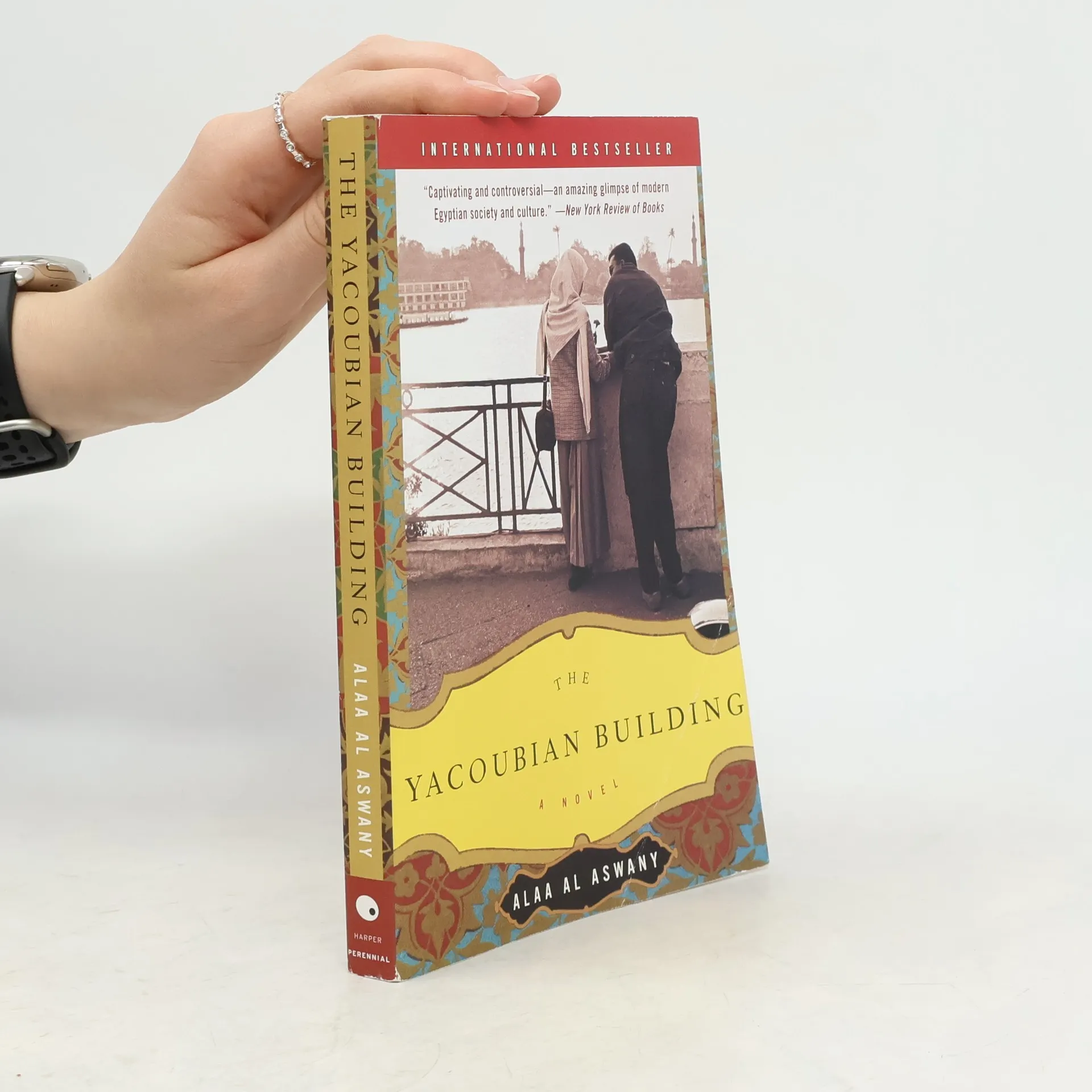
    The Yacoubian Building
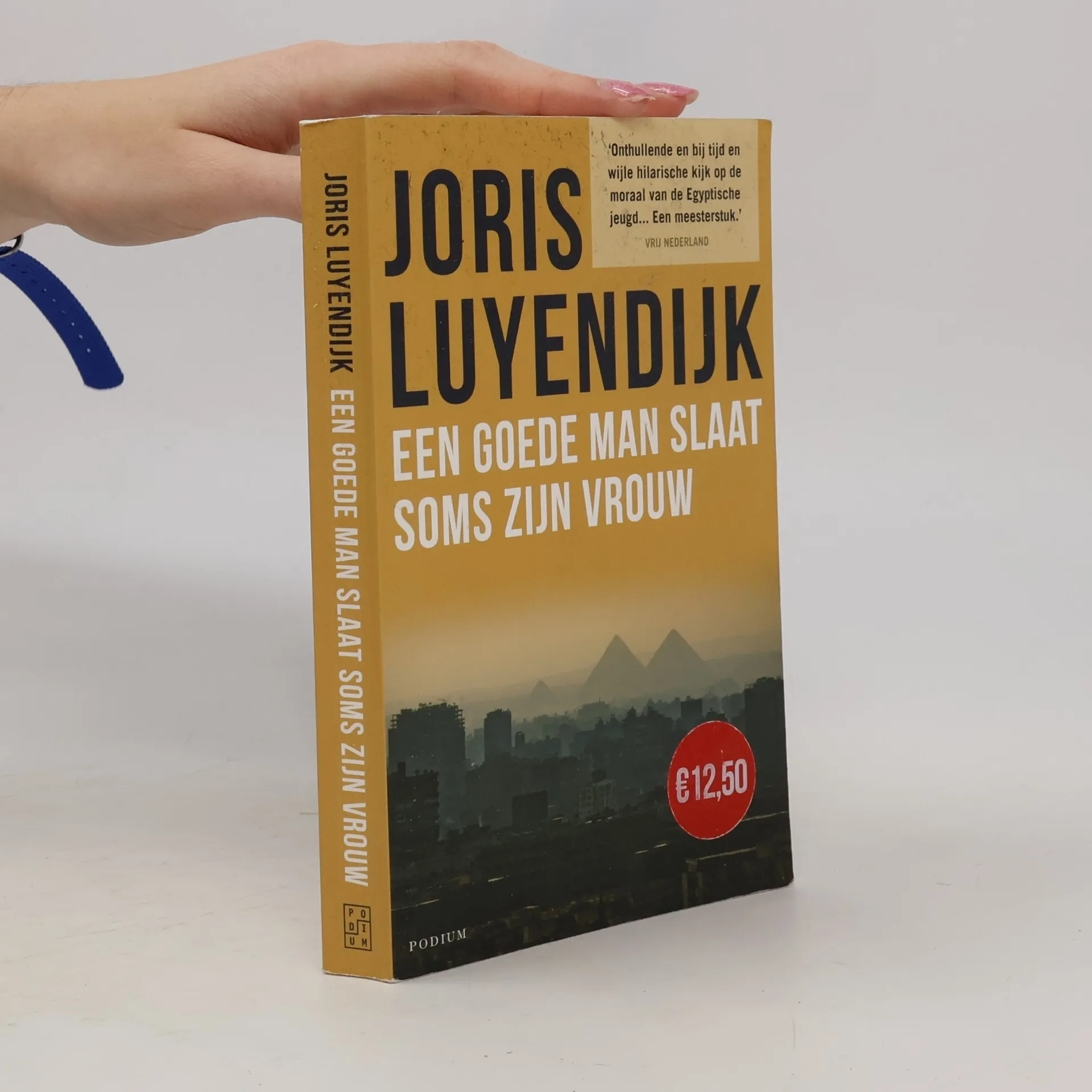
    Een goede man slaat soms zijn vrouw
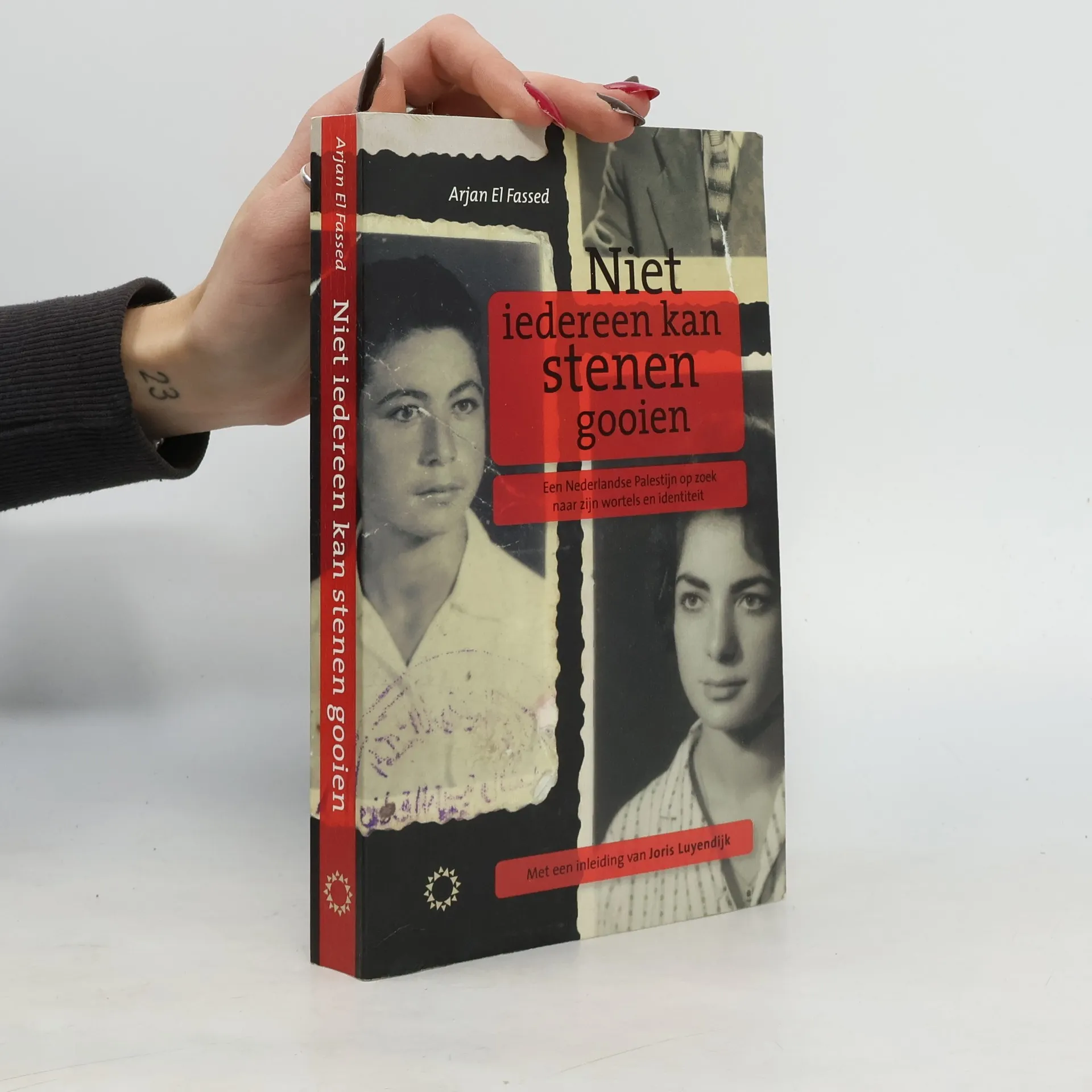
    Niet iedereen kan stenen gooien
    Swimming with sharks: inside the world of the bankers
    Hello Everybody!
    • Hello Everybody!

      • 243 pages
      • 9 hours of reading

      In Hello Everybody! a bestseller in his native Holland, Joris Luyendijk tells the story of his five yearsas a reporter in the Middle East. Young and inexperienced but fluent in Arabic, he speaks to stone throwers and soldiers, taxi drivers and professors, victims and aggressors chronicling first-hand experiences of dictatorship, occupation and war. But the more he witnesses, the less he understands and he becomes increasingly aware of the yawning gap between what he sees on the ground and what is later reported in the media. As a correspondent he is privy to the multitude of narratives with conflicting implications, yet again and again the media favours those stories that will confirm and reinforce the oversimplified beliefs of the West.Hello Everybody! Is a story of disillusionment and enlightenment, by turns hilarious and despairing, but most importantly it is a powerful wake up call to the way the media gives us a filtered and manipulated version of reality in the Middle East.
      Hello Everybody!
      4.2
    • Een goede man slaat soms zijn vrouw

      • 232 pages
      • 9 hours of reading

      Lang voordat integratie van moslims in Nederland een hot issue werd, probeerde Joris Luyendijk het omgekeerde: integreren in een islamitisch land. Hij schreef zich in aan de universiteit van Cairo en leefde een jaar lang tussen Egyptische leeftijdsgenoten. Luyendijk sprak met hen over liefde. islam, het westen, seks, democratie, homo's, joden, fundamentalisme. emancipatie en de zin van het bestaan.

      Een goede man slaat soms zijn vrouw
      3.9
    • The Yacoubian Building

      • 272 pages
      • 10 hours of reading

      This controversial bestselling novel in the Arab world reveals the political corruption, sexual repression, religious extremism, and modern hopes of Egypt today. All manner of flawed and fragile humanity reside in the Yacoubian Building, a once-elegant temple of Art Deco splendor now slowly decaying in the smog and bustle of downtown Cairo: a fading aristocrat and self-proclaimed "scientist of women"; a sultry, voluptuous siren; a devout young student, feeling the irresistible pull toward fundamentalism; a newspaper editor helplessly in love with a policeman; a corrupt and corpulent politician, twisting the Koran to justify his desires. These disparate lives careen toward an explosive conclusion in Alaa Al Aswany's remarkable international bestseller. Teeming with frank sexuality and heartfelt compassion, this book is an important window on to the experience of loss and love in the Arab world.

      The Yacoubian Building
      3.8
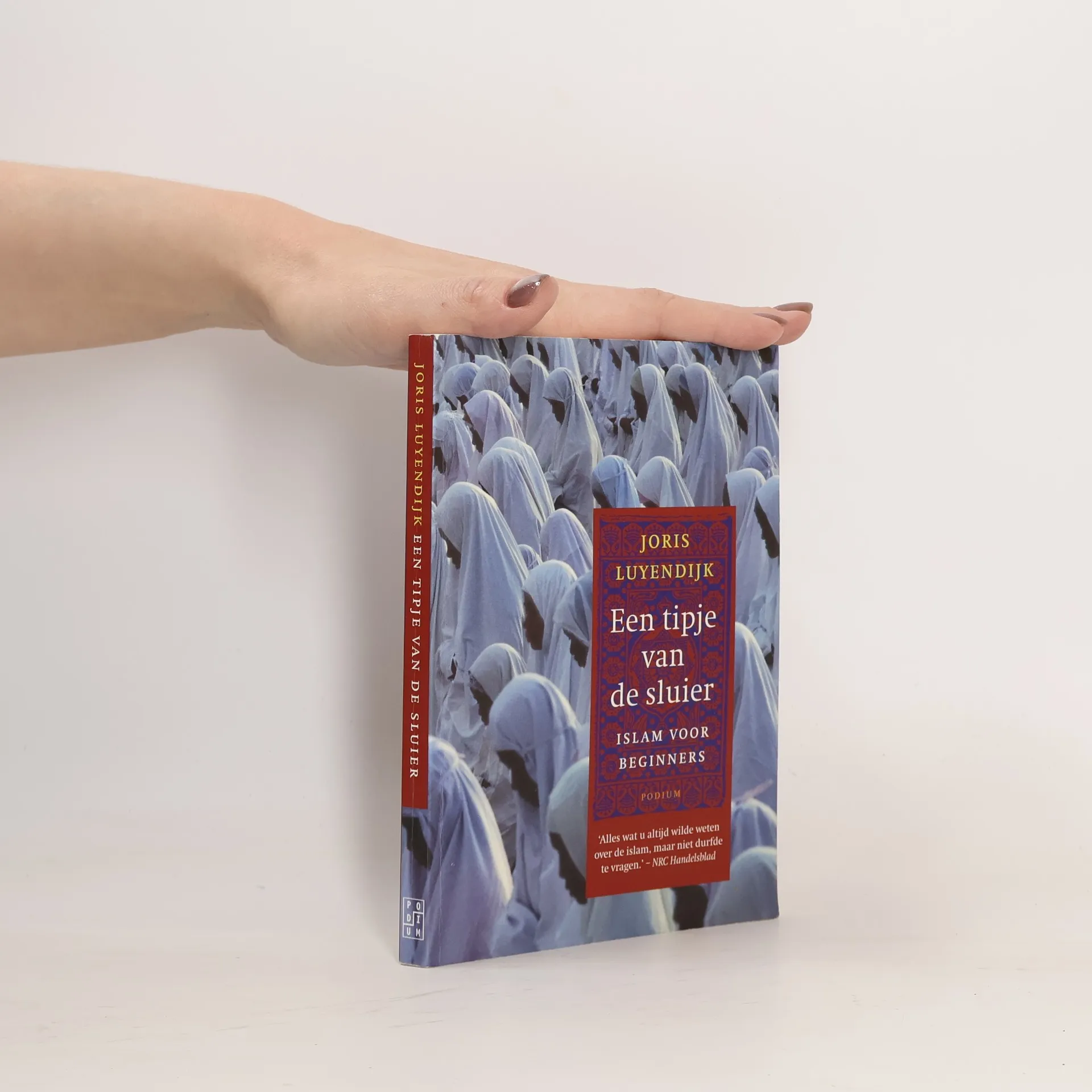
    • Je hebt het niet van mij, maar...

      Een maand aan het Binnenhof

      • 111 pages
      • 4 hours of reading

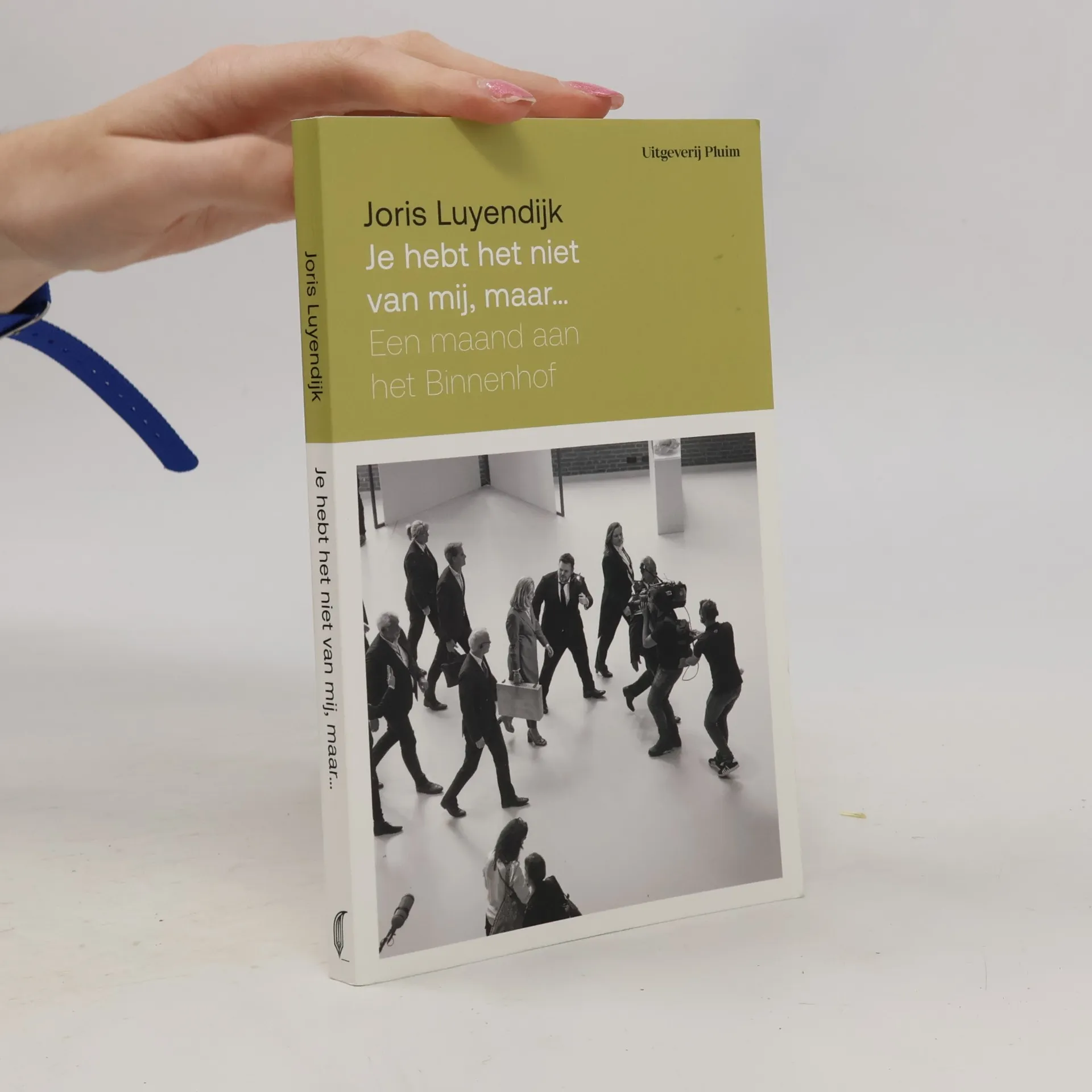
      Je Hebt Het Niet Van Mij is een intrigerend verslag over de beslommeringen in politiek in Den Haag. Joris Luyendijk liep hiervoor een maand mee aan het Haagse Binnenhof.Zelf spreken ze van de 'Haagse kaasstolp' en van 'de vierkante kilometer rond het Binnenhof'. De politici, journalisten, voorlichters en lobbyisten die samen ons beeld van de landelijke politiek bepalen, opereren in een zeer aparte biotoop. Ze kunnen vaak minder zeggen dan ze weten, en moeten soms toneel spelen, voor en achter de schermen.Joris Luyendijk liep een maand rond in de fascinerende en zo en nu dan verbijsterende, beklemmende wereld van de Haagse politiek. Je hebt het niet van mij maar is zijn verslag.

      Je hebt het niet van mij, maar...
      3.7
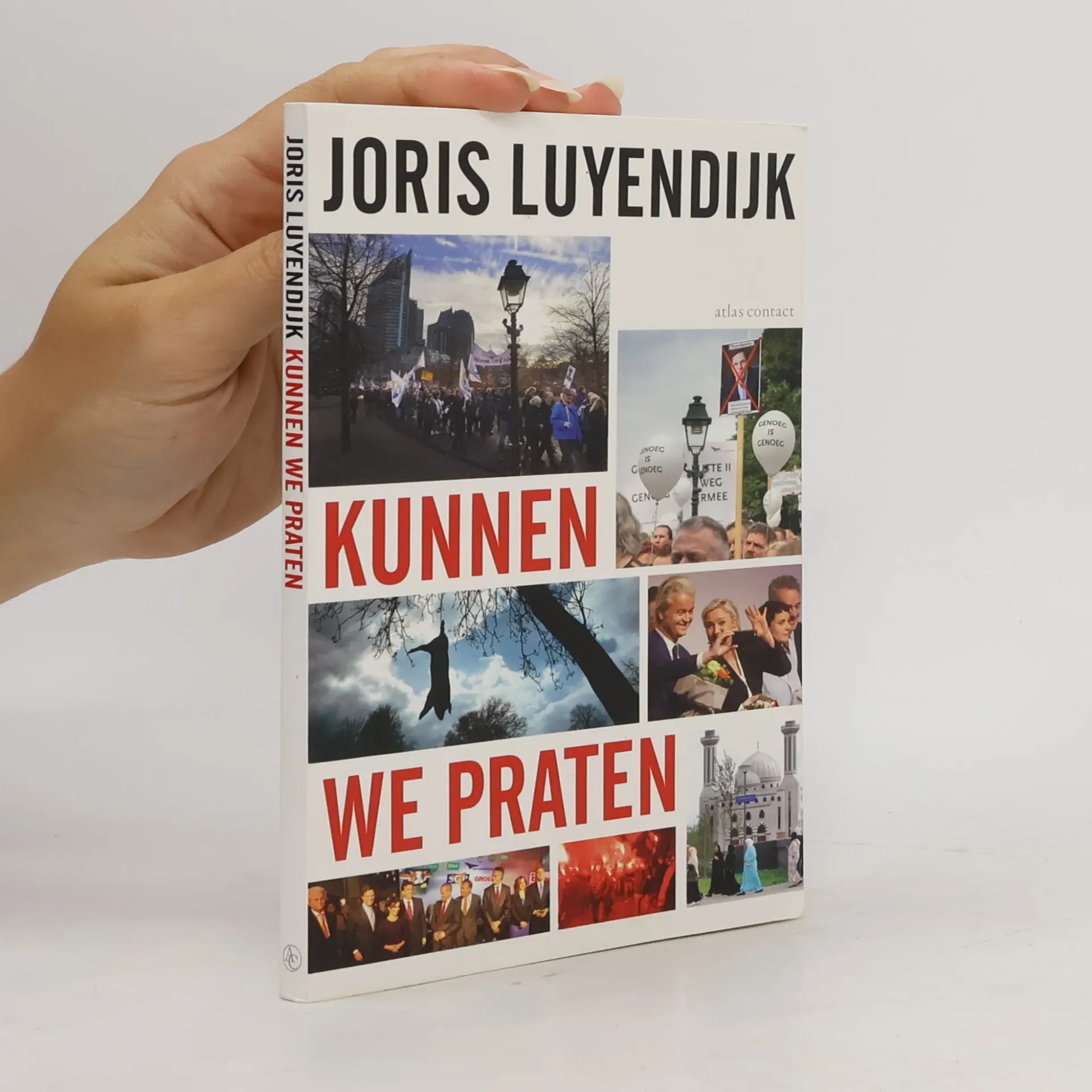
    • Kunnen we praten

      • 94 pages
      • 4 hours of reading

      Dit boekje is voor iedereen die net als ik het vertrouwen in de traditionele politieke partijen voor een belangrijk deel of zelfs helemaal kwijt is. Ik zou zo graag onze ervaringen op elkaar leggen. Wie weet waar ze overlappen. Doe mee op kunnenwepraten.nl

      Kunnen we praten
      3.5
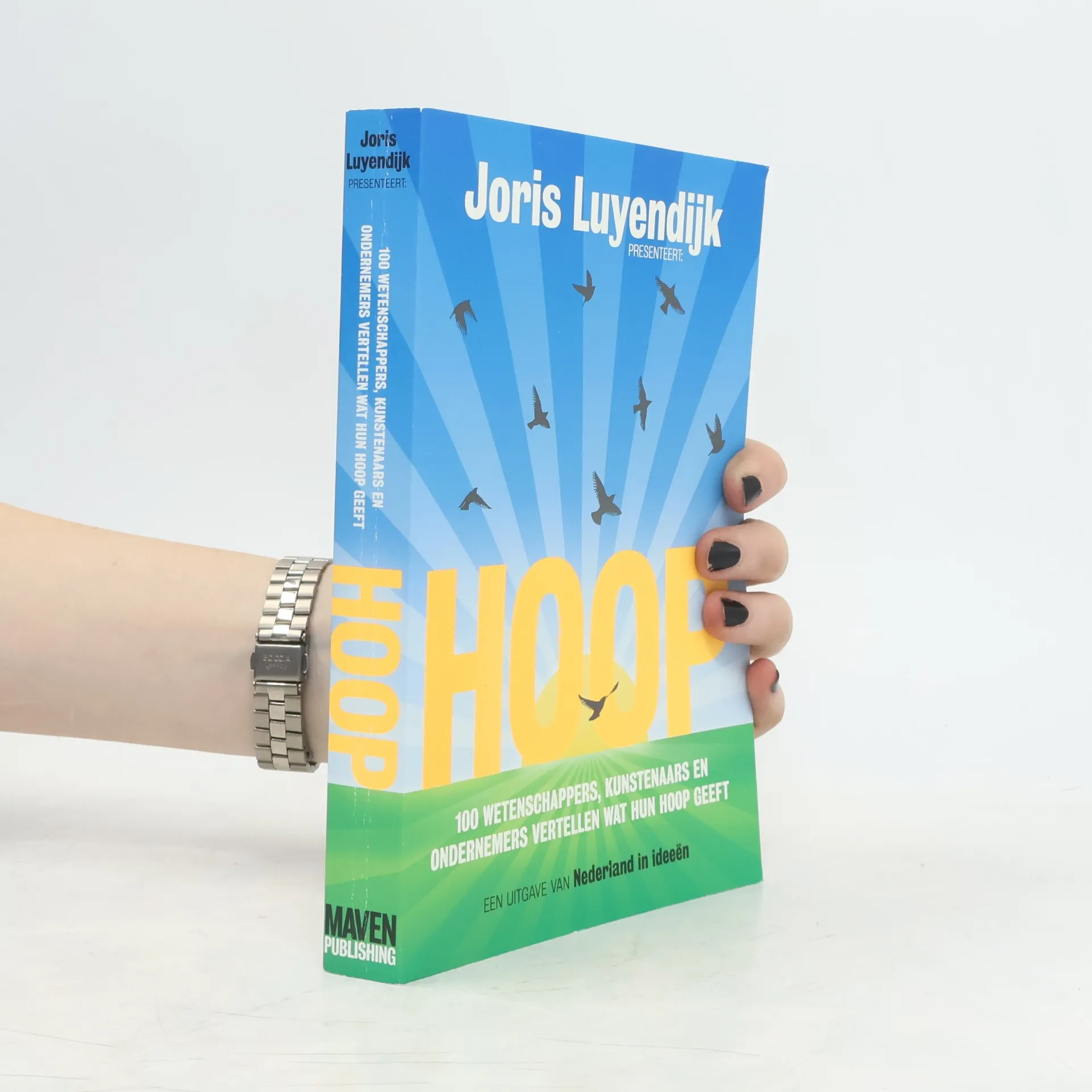
    • Hoop

      100 wetenschappers, kunstenaars en ondernemers vertellen wat hun hoop geeft

      • 288 pages
      • 11 hours of reading

      Het zijn vreemde tijden, met veel zorgwekkende ontwikkelingen op politiek, cultureel, maatschappelijk en ecologisch gebied. Daardoor kijkt Joris Luyendijk voor het eerst in zijn leven niet met onvoorwaardelijk vertrouwen naar de toekomst. Tegelijk weet hij dat er ongekend veel goed gaat in de wereld. Het probleem is alleen dat dit lang niet altijd goed zichtbaar is. Daarom vroeg Luyendijk aan 100 wetenschappers, ondernemers en kunstenaars: "Hoe hou jij hoop?' Gerard 't Hooft (Nobelprijswinnaar Natuurkunde), Louise Vet (hoogleraar Ecologie), Bibian Mentel (atleet), Stine Jensen (filosoof), Micha Wertheim (cabaretier), Griet Op de Beeck (schrijver), Merlijn Twaalfhoven (componist), Jeroen Smit (journalist), Dick Swaab (hersenwetenschapper), Kim Putters (directeur Sociaal en Cultureel Planbureau), Lavinia Meijer (harpist) en 89 andere experts geven in dit boek hun antwoord. Het resultaat is een verzameling verrassende inzichten die duidelijke vooruitgang laten zien. Kortom: honderd keer hoop.

      Hoop
      3.0
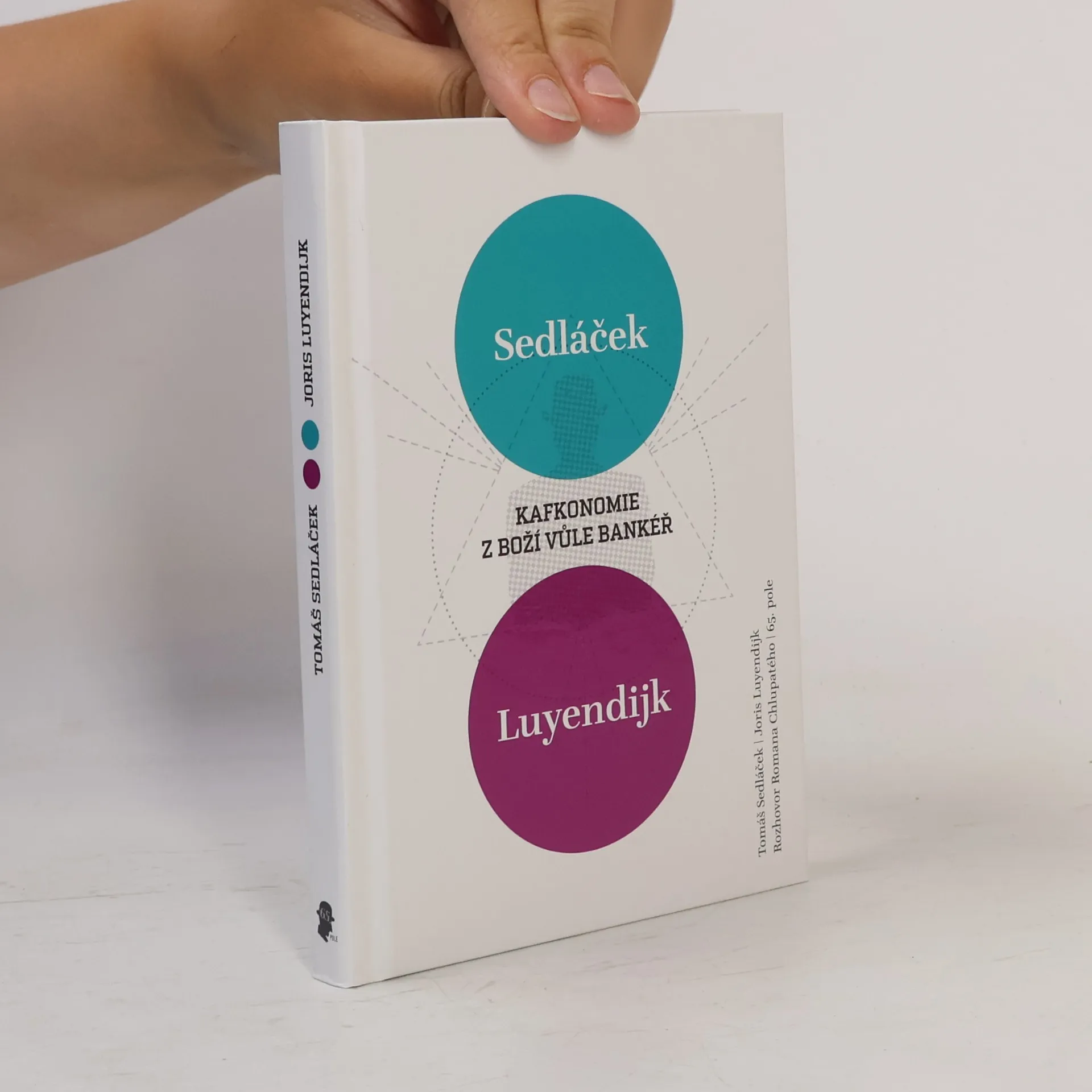
    • Přední český ekonom Tomáš Sedláček si společně s publicistou a konzultantem Romanem Chlupatým přizvali k debatě Jorise Luyendijka. Tento nizozemský antropolog a spisovatel zkoumal v londýnské City bankéře coby specifický druh, který´ je podepsán pod nejhlubší krizí globální ekonomiky od Velké deprese ve 30. letech 20. století. Kafkonomie: Z boží vůle bankéř: přináší ve formě živého rozhovoru unikátní vhled do světa lidí, kteří rozhodují o vzniku a toku peněz. Od pádu investiční banky Lehman Brothers v roce 2008, největšího korporátního krachu v historii USA, uplynulo deset let. Mnohé se od té doby změnilo, ale samotné základy včetně přesvědčení o výjimečnosti bankéřů odolaly. Kniha je volným pokračováním úspěšných rozhovorů Tomáše Sedláčka a Romana Chlupatého s kanadským matematikem Davidem Orrellem a americkým antropologem Davidem Graeberem. Vychází jako třetí závěrečný díl (post)krizové trilogie.

      Kafkonomie. Z boží vůle bankéř.
      3.9