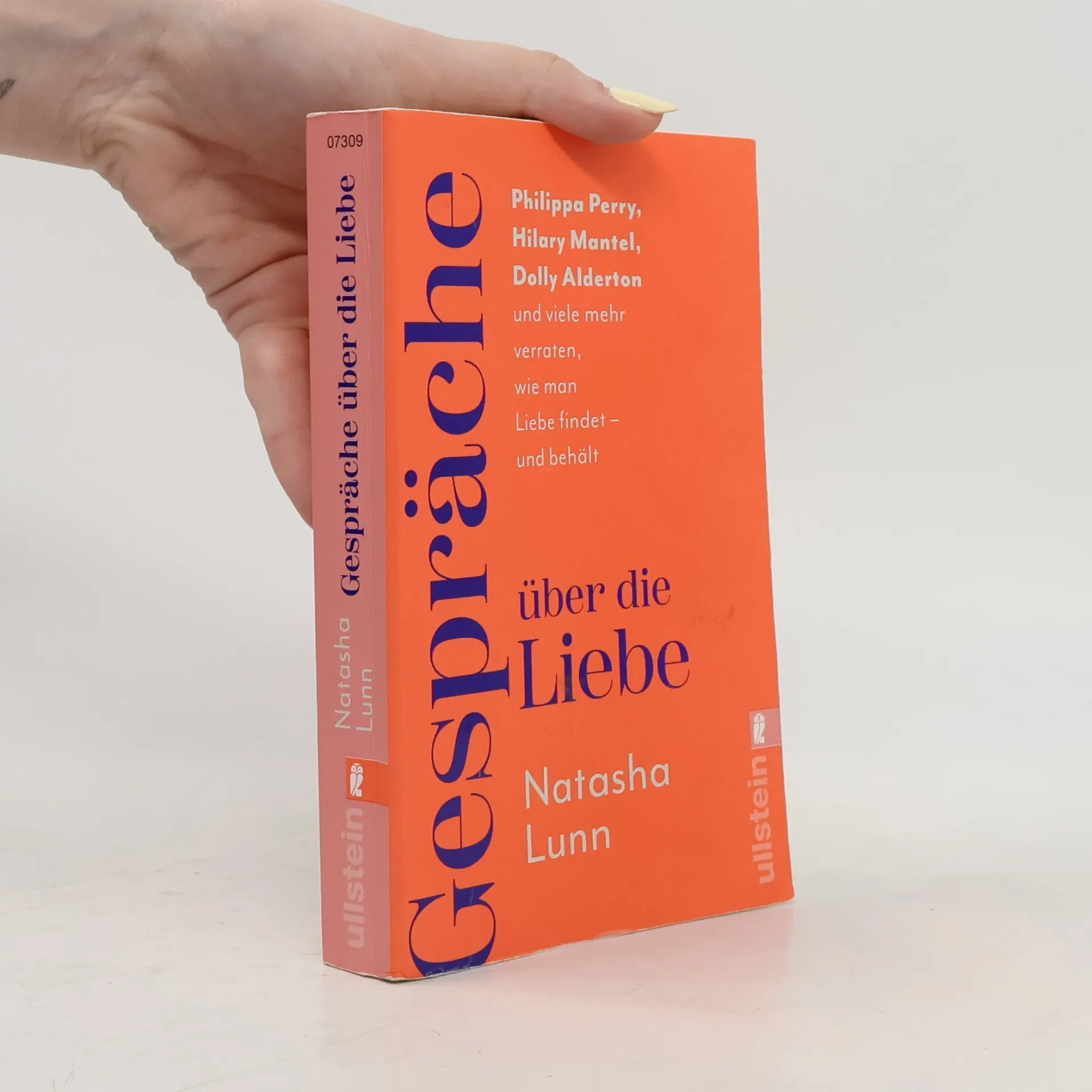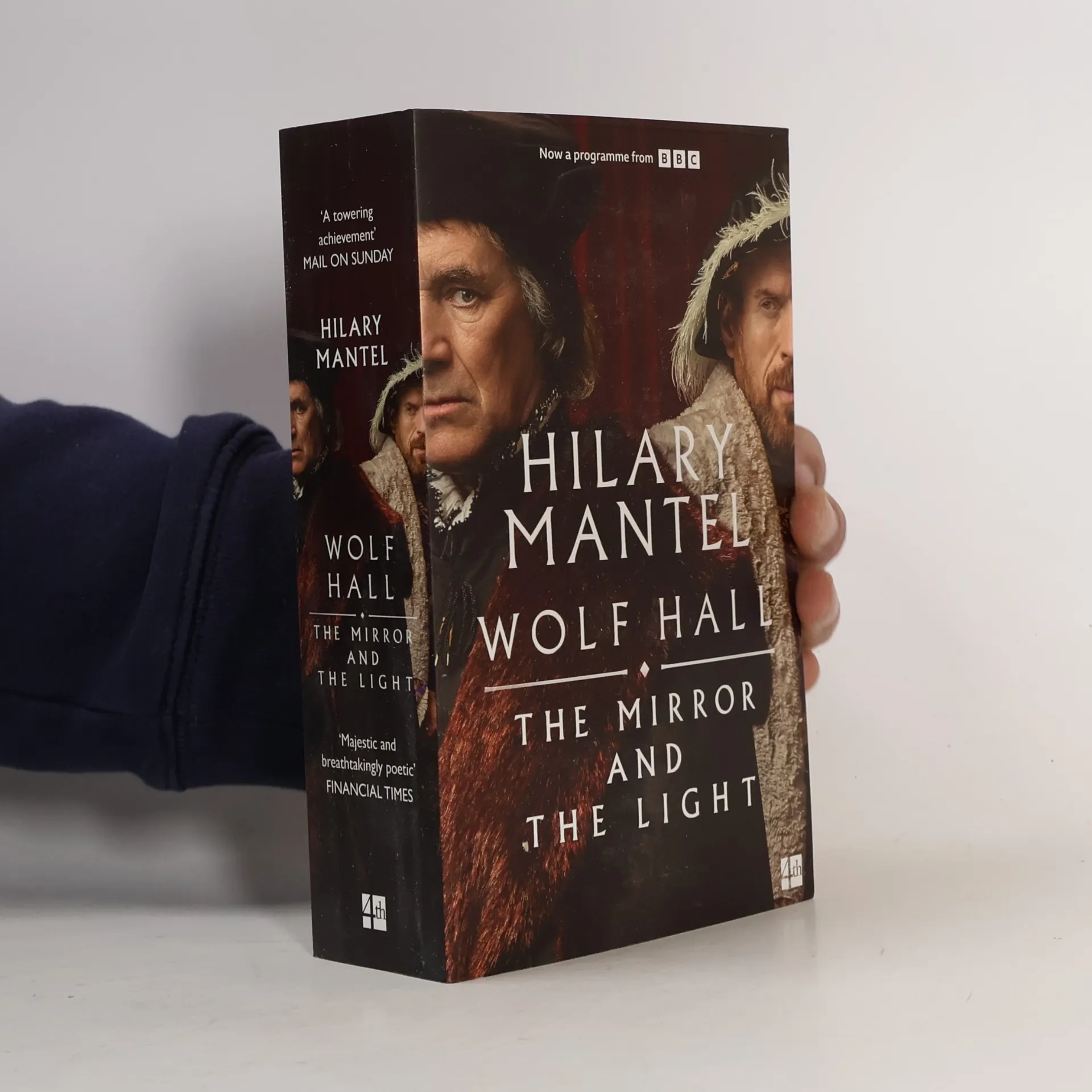

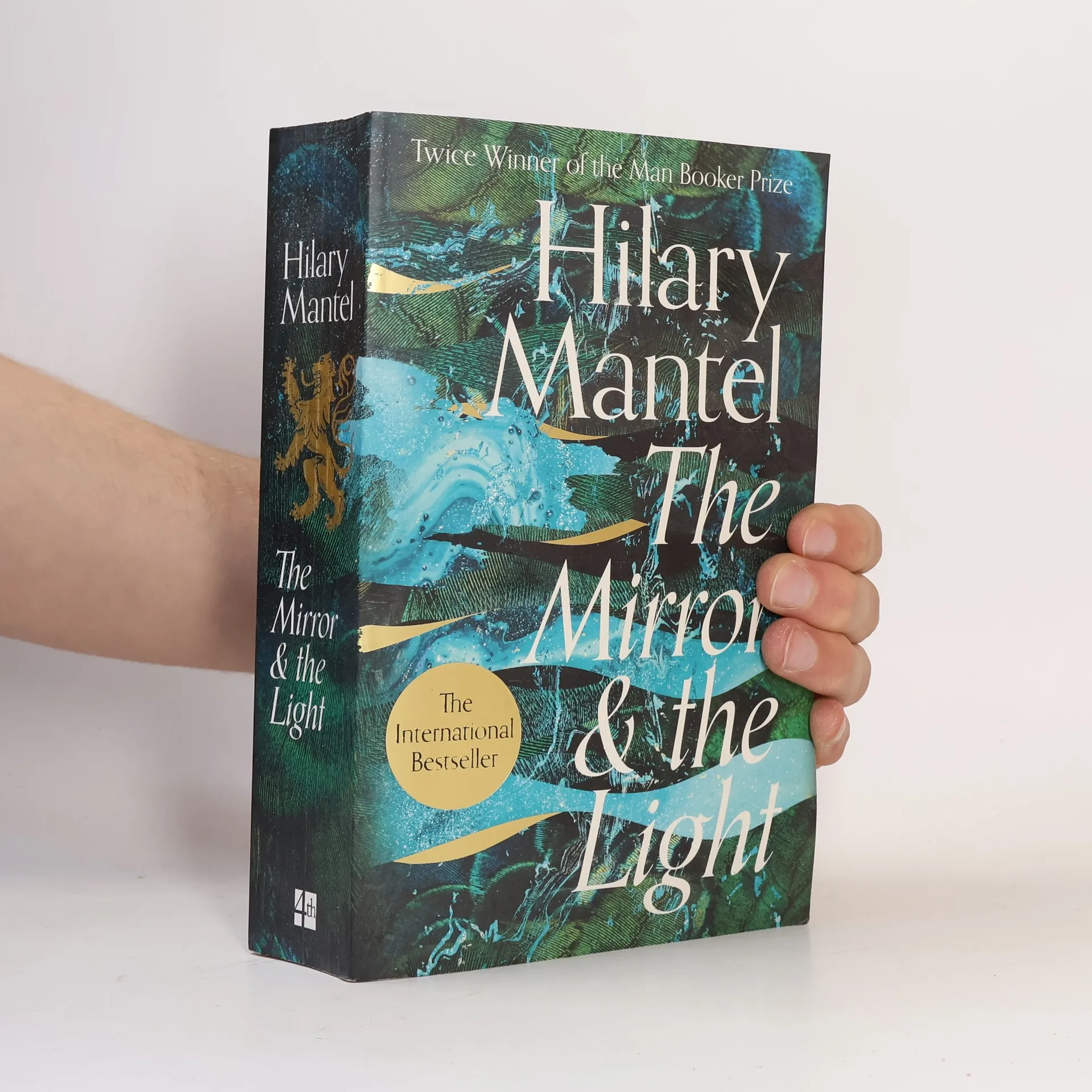

The Wolf Hall Trilogy: The Mirror and the Light
The stunning conclusion to the Booker Prize-winning and bestselling Wolf Hall trilogy, now a major TV series
- 912 pages
- 32 hours of reading
Hilary Mantel was a celebrated author renowned for her historical novels, marked by penetrating psychological insight. Her works frequently explored themes of power, betrayal, and the intricacies of human nature. Mantel excelled at bringing the past to life through meticulous research and vivid storytelling. Her distinctive voice and profound understanding of historical figures made her an unforgettable figure in contemporary literature.


The stunning conclusion to the Booker Prize-winning and bestselling Wolf Hall trilogy, now a major TV series
The magnificent final book from the bestselling author of the Wolf Hall Trilogy[Bokinfo].
In ›Sprechen lernen‹ folgen wir Hilary Mantels Figuren ins England der Fünfziger- und Sechzigerjahre, betreten abgelegene Dörfer und Schrottplätze, besuchen altmodische Kaufhäuser und Klosterschulen. Es sind diese unscheinbaren, »von rauen Winden und derben Klatschmäulern geplagten Orte«, die zum Schauplatz eben jener Momente werden, die den jungen Protagonisten und Protagonistinnen noch lange in Erinnerung bleiben. Momente, die ihr Leben für immer prägen werden: das Verschwinden des leiblichen Vaters, die neue Identität der Mutter, das plötzliche Verlorengehen und das mühsame Sprechenlernen. Leicht, aber voller Hintersinn und mit gnadenlosem Witz gewährt uns die zweifache Booker-Preisträgerin einen erzählerischen Einblick in die Rätsel ihrer Kindheit und Jugend, ohne sie je in Gänze aufzulösen. »Diese Erzählungen bergen Welten, die so groß sind wie die der längsten Romane Mantels.« THE NEW YORK TIMES BOOK REVIEW
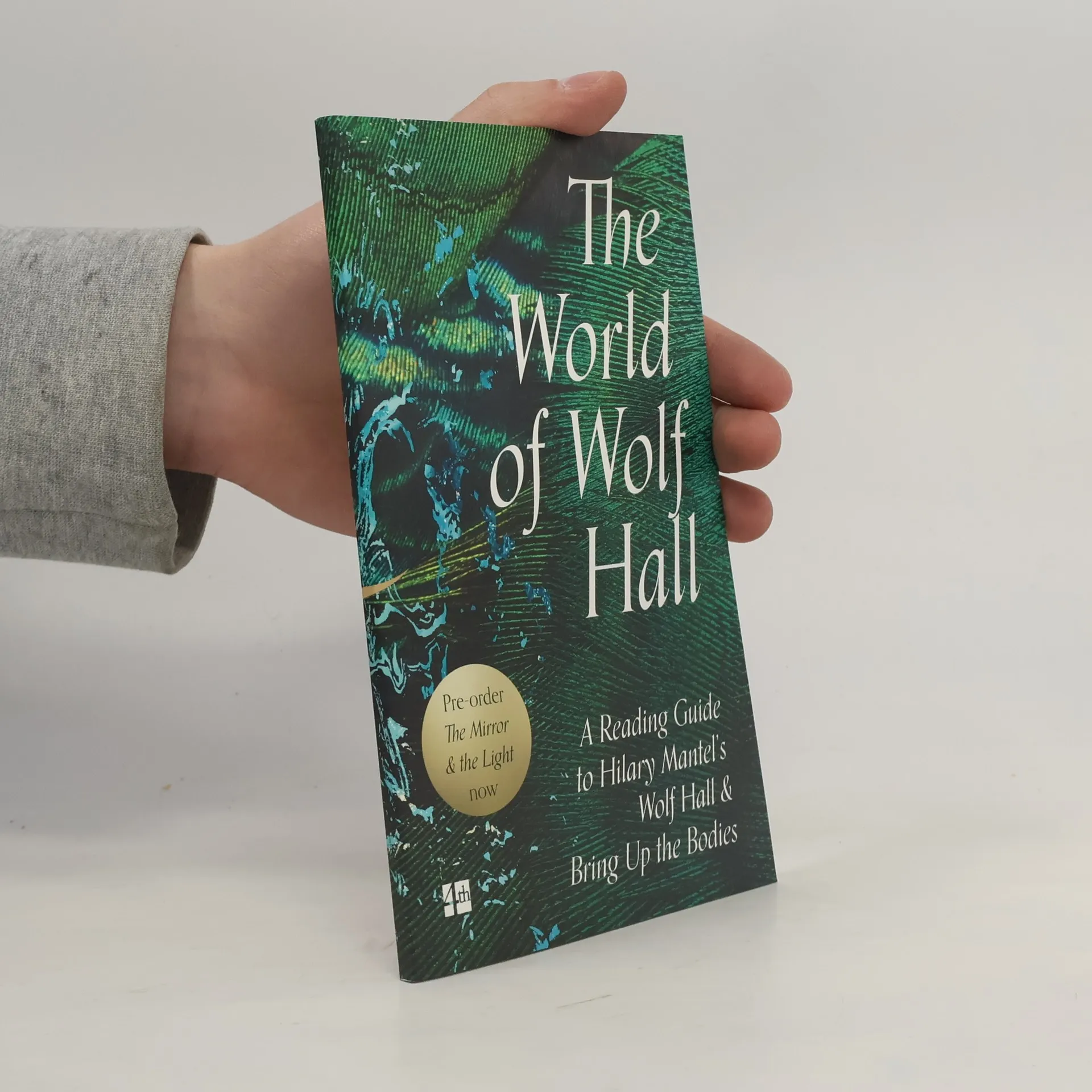
A photography book that is a vital accompaniment to the many fans of Hilary Mantel's bestselling Wolf Hall Trilogy
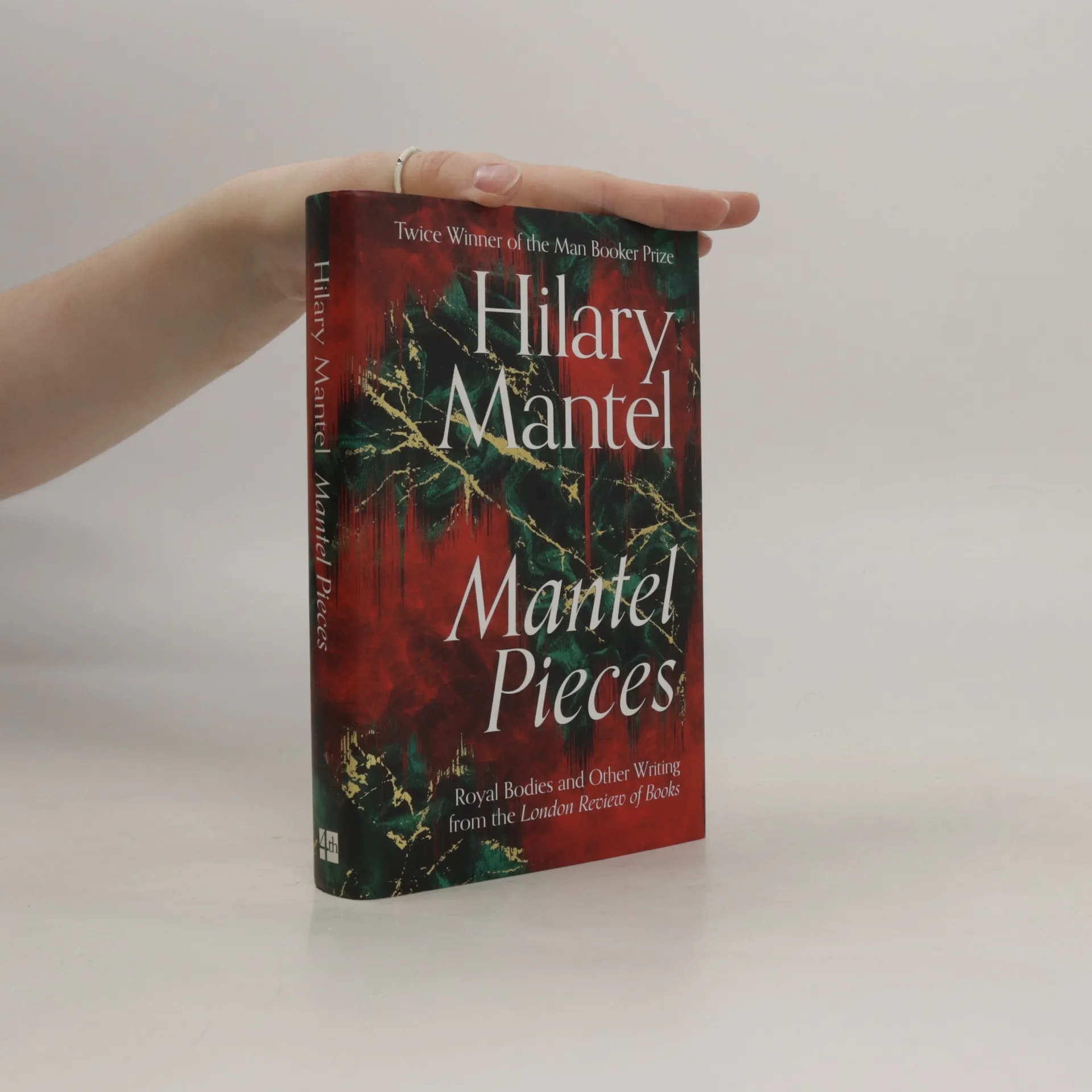
A stunning collection of essays and memoir from twice Booker Prize winner and international bestseller Hilary Mantel, author of The Mirror and the Light In 1987, when Hilary Mantel was first published in the London Review of Books, she wrote to the editor, Karl Miller, 'I have no critical... číst celé
With The Mirror & the Light, Hilary Mantel brings to a triumphant close the trilogy she began with her peerless, Booker Prize-winning novels, Wolf Hall and Bring Up the Bodies. She traces the final years of Thomas Cromwell, the boy from nowhere who climbs to the heights of power, offering a defining portrait of predator and prey, of a ferocious contest between present and past, between royal will and a common man's vision: of a modern nation making itself through conflict, passion and courage
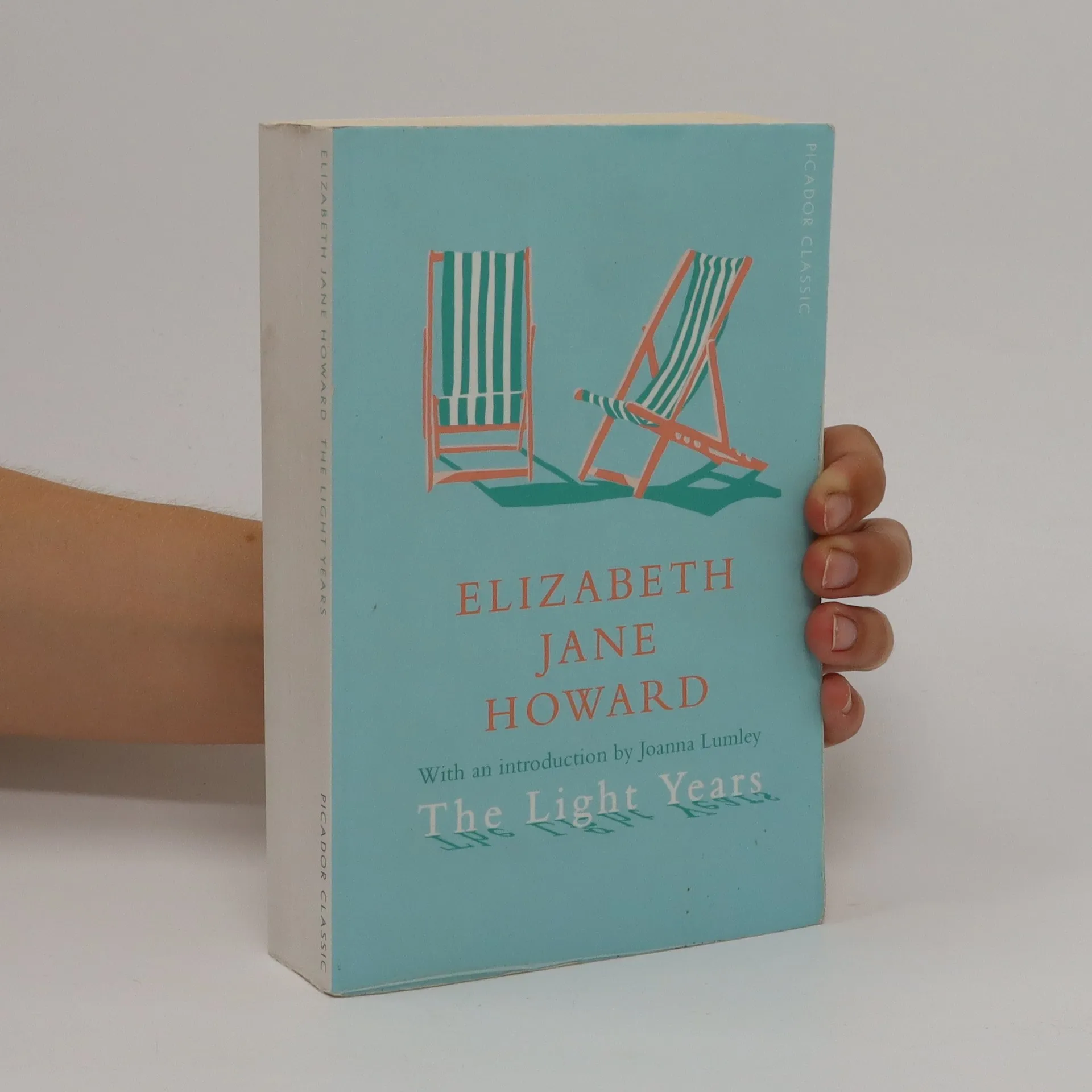
The first book in the landmark Cazalet Chronicles, previously a BBC radio and TV series. With the onset of war, The Light Years reveals a privileged family facing uncertain times.
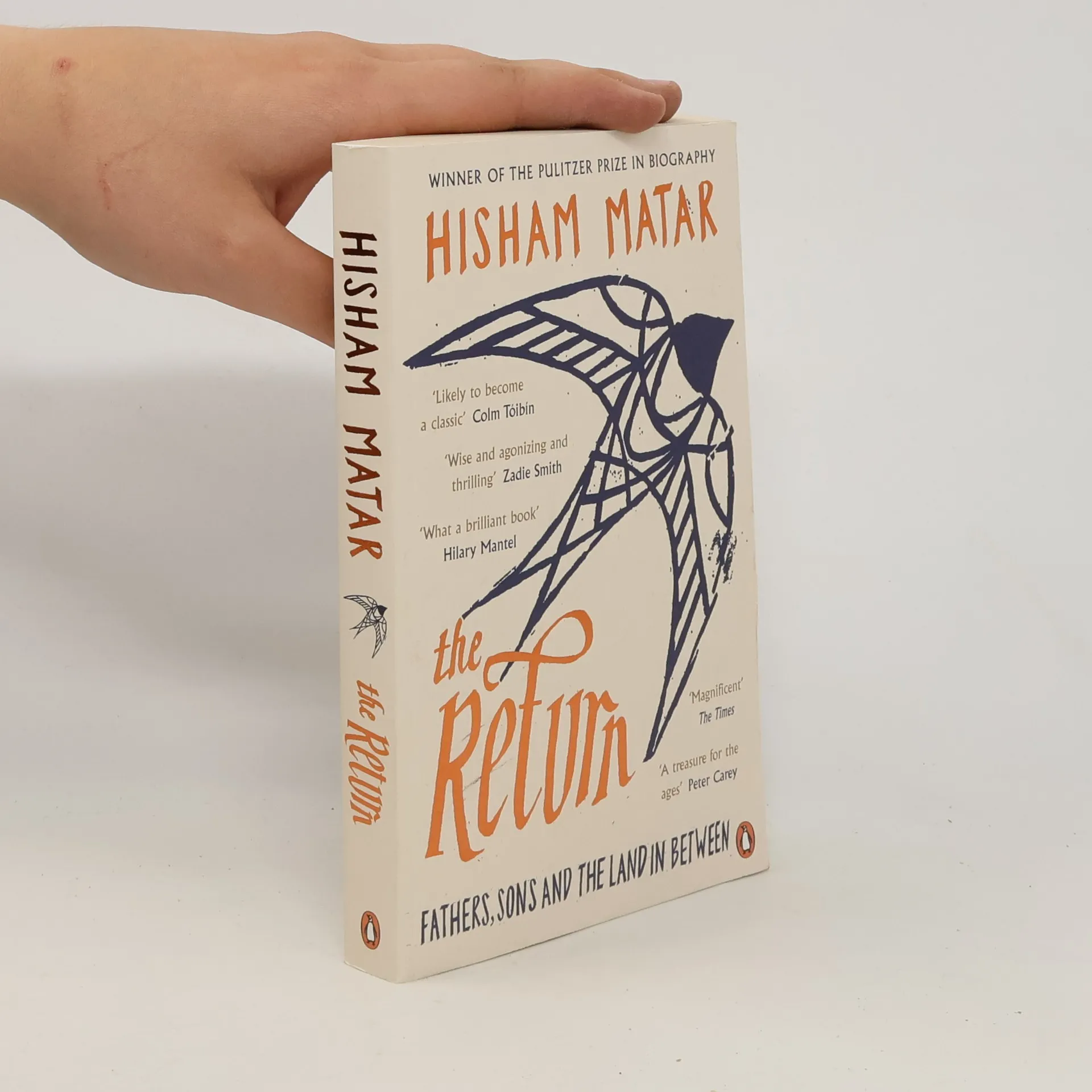
SHORTLISTED FOR THE BAILLIE GIFFORD PRIZE FOR NON-FICTION SHORTLISTED FOR THE COSTA BIOGRAPHY AWARD SHORTLISTED FOR THE NATIONAL BOOK CRITICS CIRCLE AWARD FOR AUTOBIOGRAPHY WINNER OF THE SLIGHTLY FOXED BEST FIRST BIOGRAPHY PRIZE ONE OF THE NEW YORK TIMES' TOP 10 BOOKS OF 2016 The Return is at once a universal and an intensely personal tale. It is an exquisite meditation on how history and politics can bear down on an individual life. And yet Hisham Matar's memoir isn't just about the burden of the past, but the consolation of love, literature and art. It is the story of what it is to be human. Hisham Matar was nineteen when his father was kidnapped and taken to prison in Libya. He would never see him again. Twenty-two years later, the fall of Gaddafi meant he was finally able to return to his homeland. In this moving memoir, the author takes us on an illuminating journey, both physical and psychological; a journey to find his father and rediscover his country.
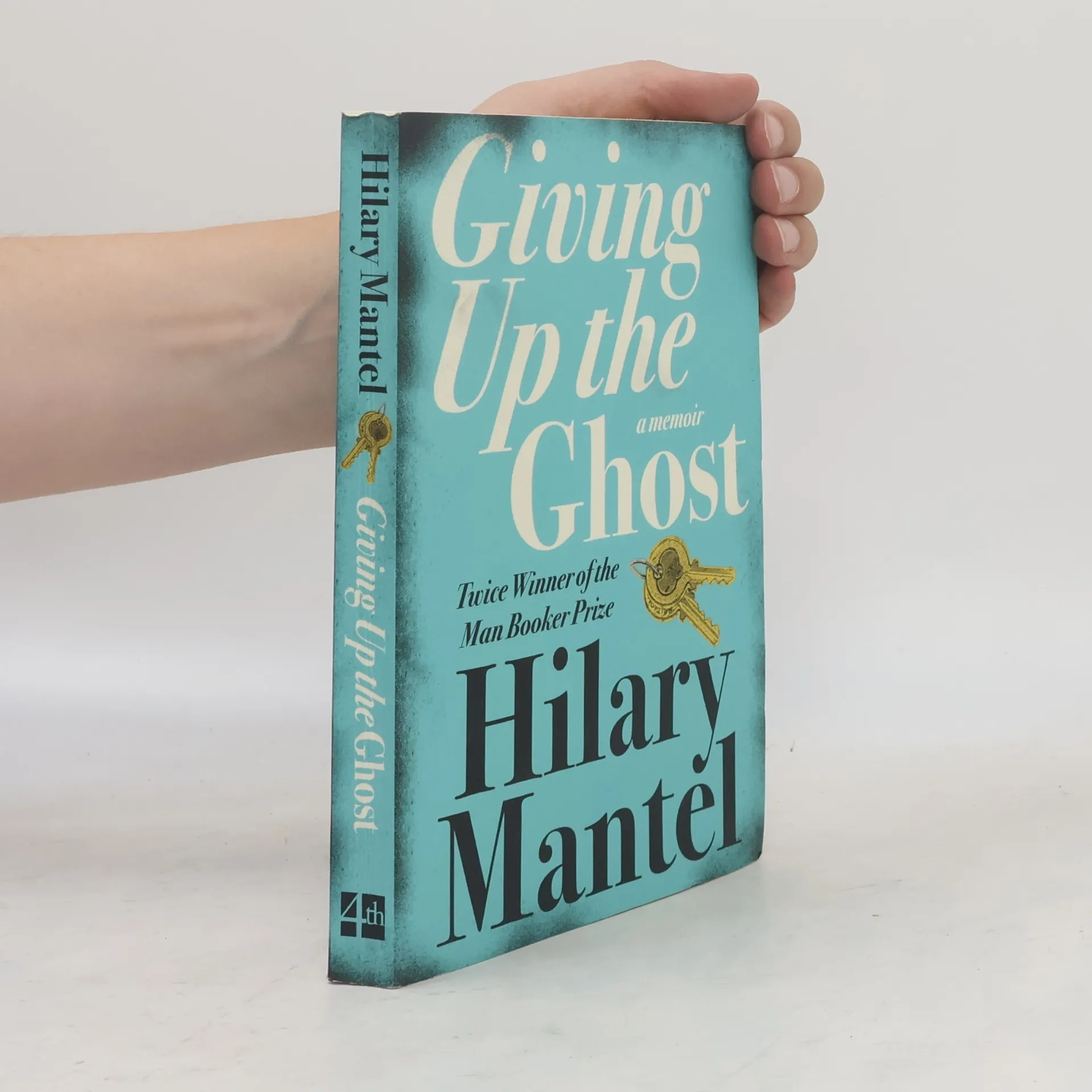
'Like Lorna Sage's Bad Blood ... A masterpiece.' Rachel Cusk Giving Up the Ghost is the shocking and beautiful memoir, from the author of Wolf Hall, Bring Up the Bodies and The Mirror & the Light 'Giving up the Ghost' is award-winning novelist Hilary Mantel's uniquely unusual five-part autobiography. Opening in 1995 with 'A Second Home', Mantel describes the death of her stepfather which leaves her deeply troubled by the unresolved events of her childhood. In 'Now Geoffrey Don't Torment Her' Mantel takes the reader into the muffled consciousness of her early childhood, culminating in the birth of a younger brother and the strange candlelight ceremony of her mother's 'churching'. In 'Smile', an account of teenage perplexity, Mantel describes a household where the keeping of secrets has become a way of life. Finally, at the memoir's conclusion, Mantel explains how through a series of medical misunderstandings and neglect she came to be childless and how the ghosts of the unborn like chances missed or pages unturned, have come to haunt her life as a writer.
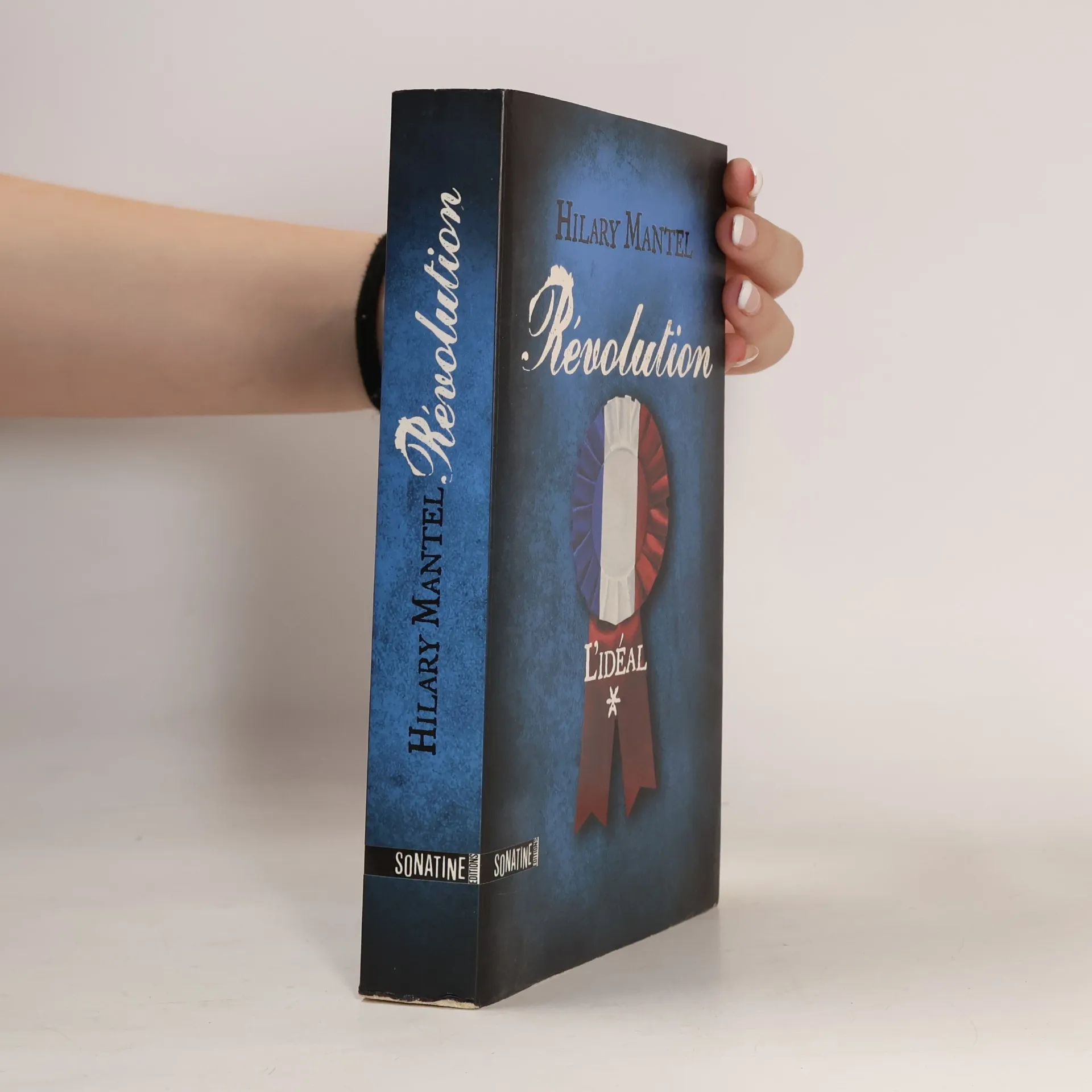
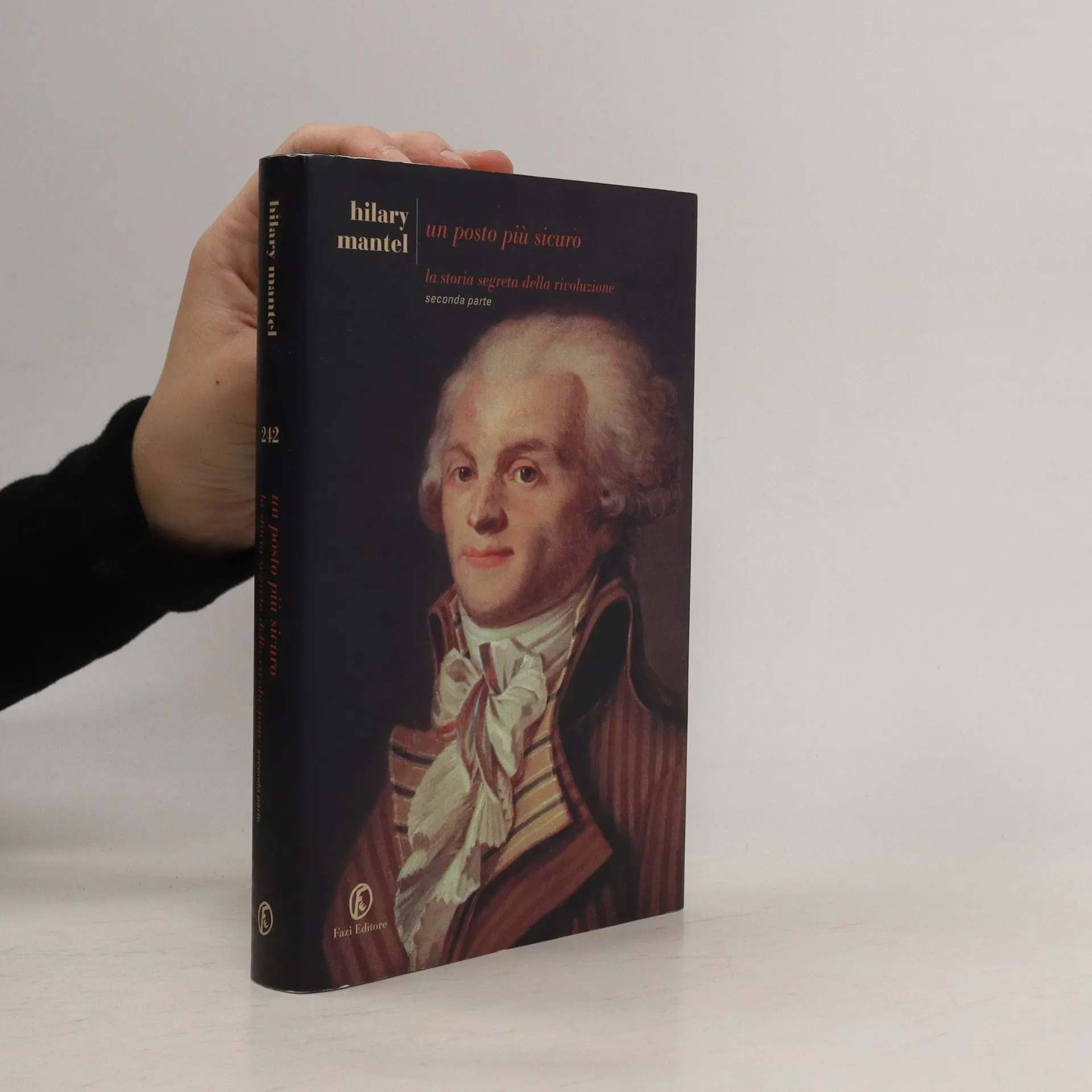
14 luglio 1789. Una folla inferocita espugna la Bastiglia, fortezza simbolo dell'assolutismo monarchico. I muri vengono abbattuti, le guardie trucidate, e lungo la strada per il municipio - dove lo stanno portando in corteo per essere giudicato - il governatore della prigione finisce linciato. La sua testa, staccata dal corpo con un coltello da macellaio, viene infilzata su una picca e, più tardi, presa a calci sotto la Lanterna di place de Grève. Nessuno ancora può saperlo, ma sarà solo la prima delle tante teste che cadranno negli anni a venire, quando nelle piazze e nelle vie di Parigi i piedi affonderanno nel sangue e alla Lanterna finiranno appesi corpi a decine. Dietro la presa della Bastiglia ci sono un pugno di uomini straordinari: Camille Desmoulins, giovane scrittore ammirato dagli uomini per i suoi velenosi pamphlet e dalle donne per la sua vita spregiudicata; Georges-Jacques Danton, audace leader dei cordiglieri, temuto tanto per la sua brillante oratoria quanto per il viso sfregiato; Maximilien Robespierre, procuratore sempre dalla parte degli ultimi. Non sono gli unici, in quegli anni, ad aver immaginato - nella foschia della stanchezza e dell'alcol delle notti passate nei caffè - un mondo più libero e giusto, ma soltanto loro hanno il carisma e la forza di imporre alla storia la propria volontà.
La storia della Rivoluzione francese attraverso la vita di tre personaggi giganteschi, Robespierre, Danton e Desmoulins, tre giovani uomini provenienti da una classe media istruita in lotta contro le proprie famiglie, contro le proprie origini, contro le regole sociali entro cui agiscono e contro la loro stessa natura. Hilary Mantel ha colto il sentimento di una generazione intera: l’eccitazione di fronte alla prospettiva di un nuovo ordine, di un mondo nuovo e più giusto. Con la ormai consueta bravura nel cucire la grande Storia con quelle più intime e private dei suoi protagonisti, Hilary Mantel costruisce l’affresco possente e avventuroso della parabola esistenziale dei più grandi rivoluzionari. Per questi uomini e per le loro famiglie la Rivoluzione è un rito sanguinoso: le forze che loro stessi hanno contribuito a liberare cambieranno il mondo, ma distruggeranno le loro vite.
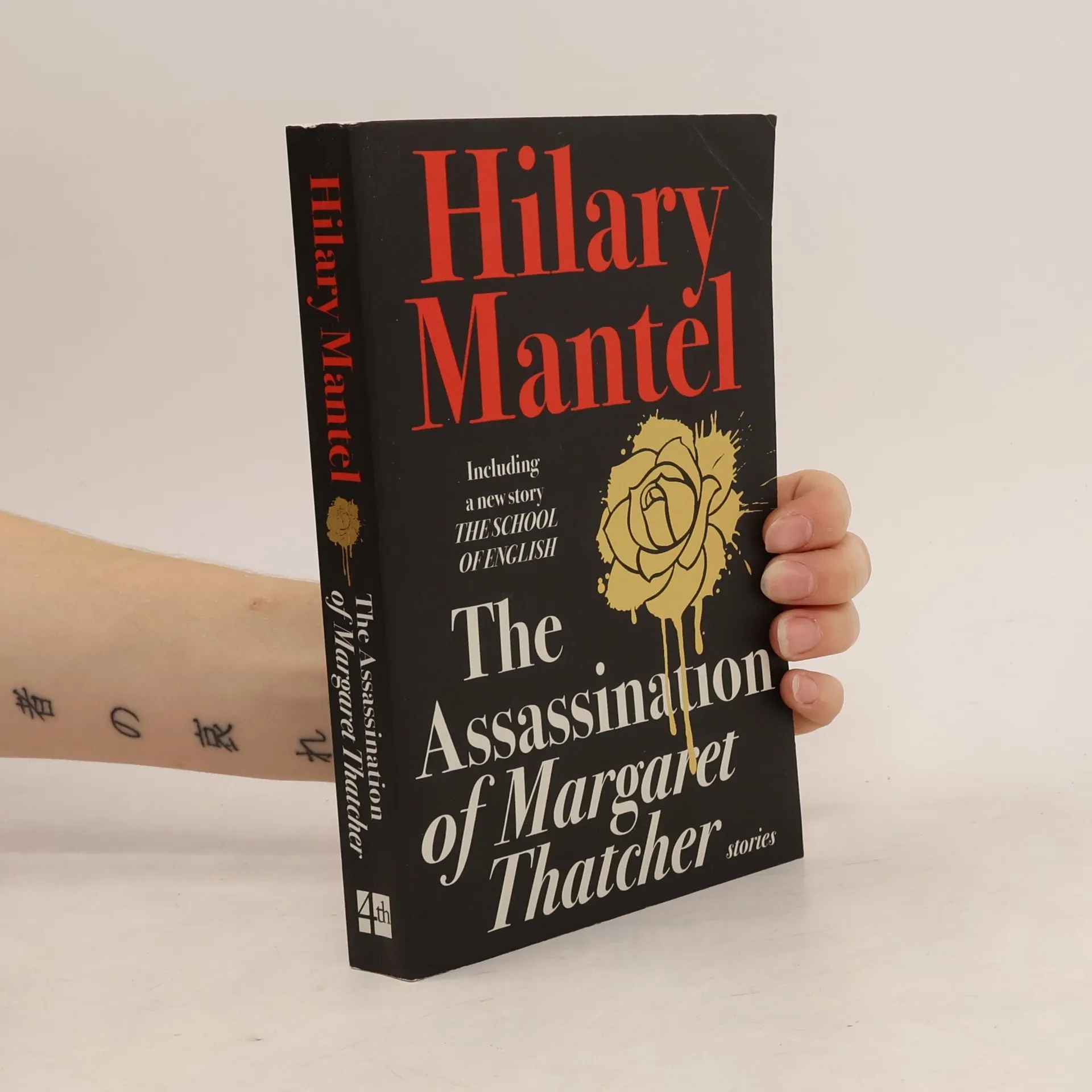
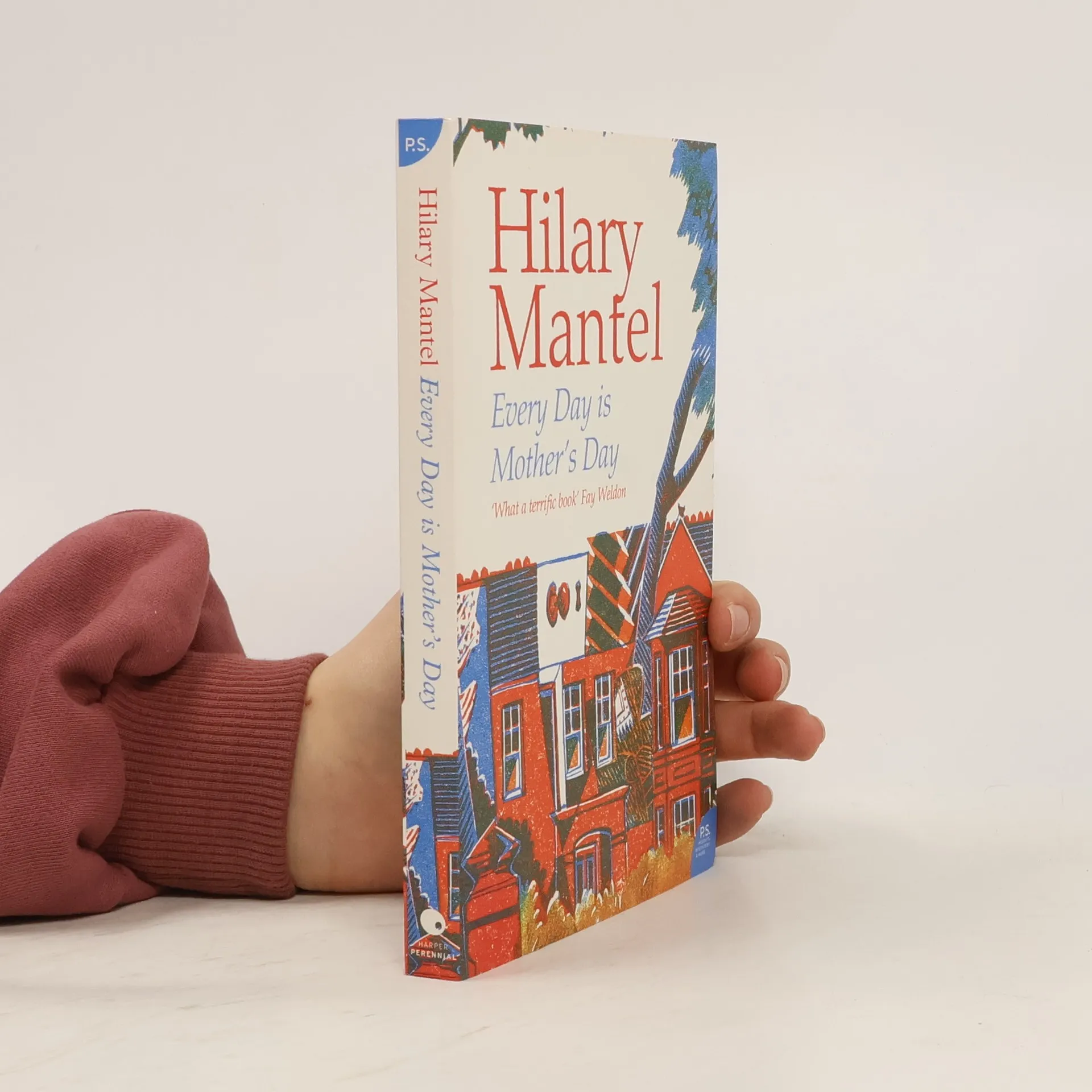
A brilliant - and rather transgressive - collection of short stories from the double Man Booker Prize-winning author of Wolf Hall and Bring Up the Bodies. Including a new story The School of English.
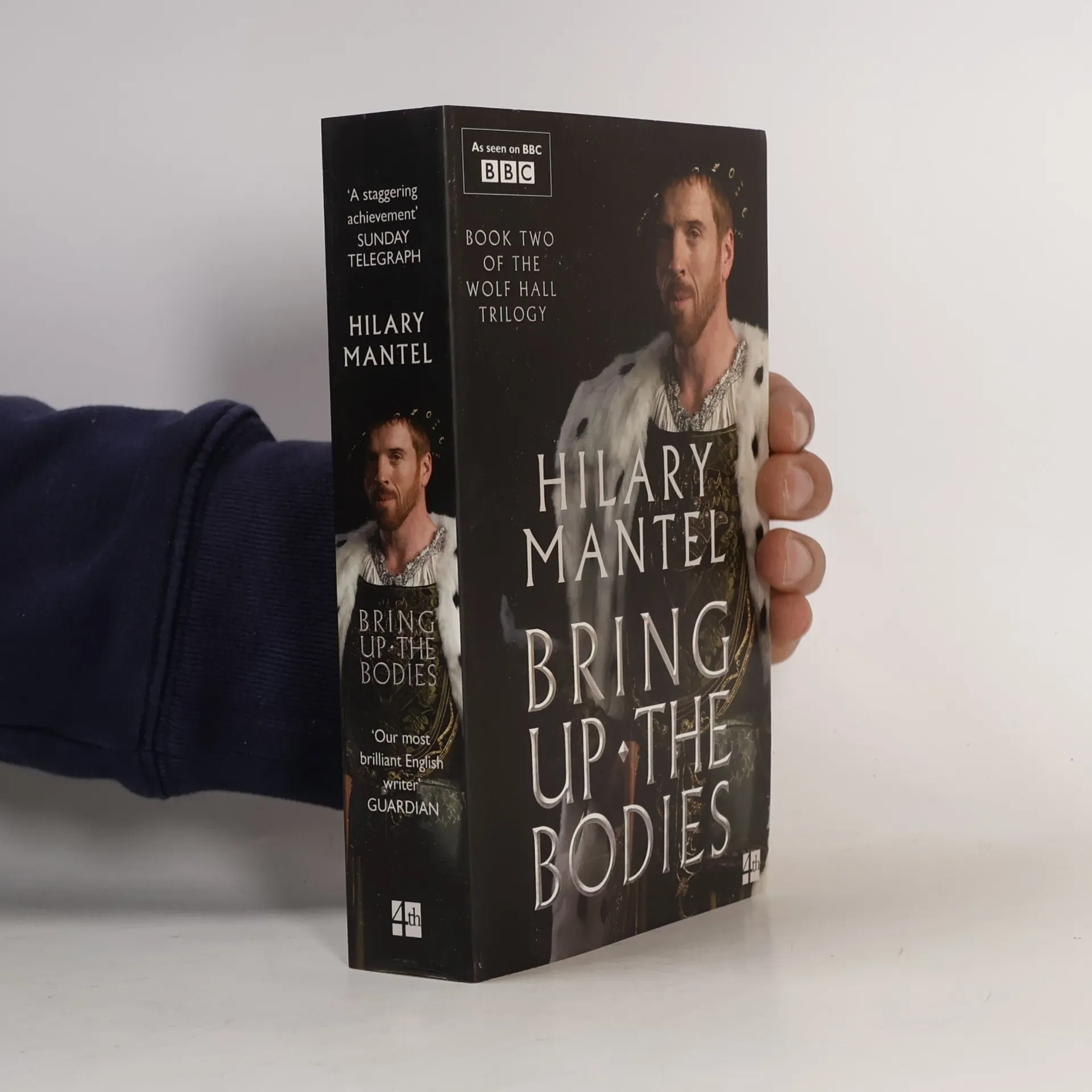
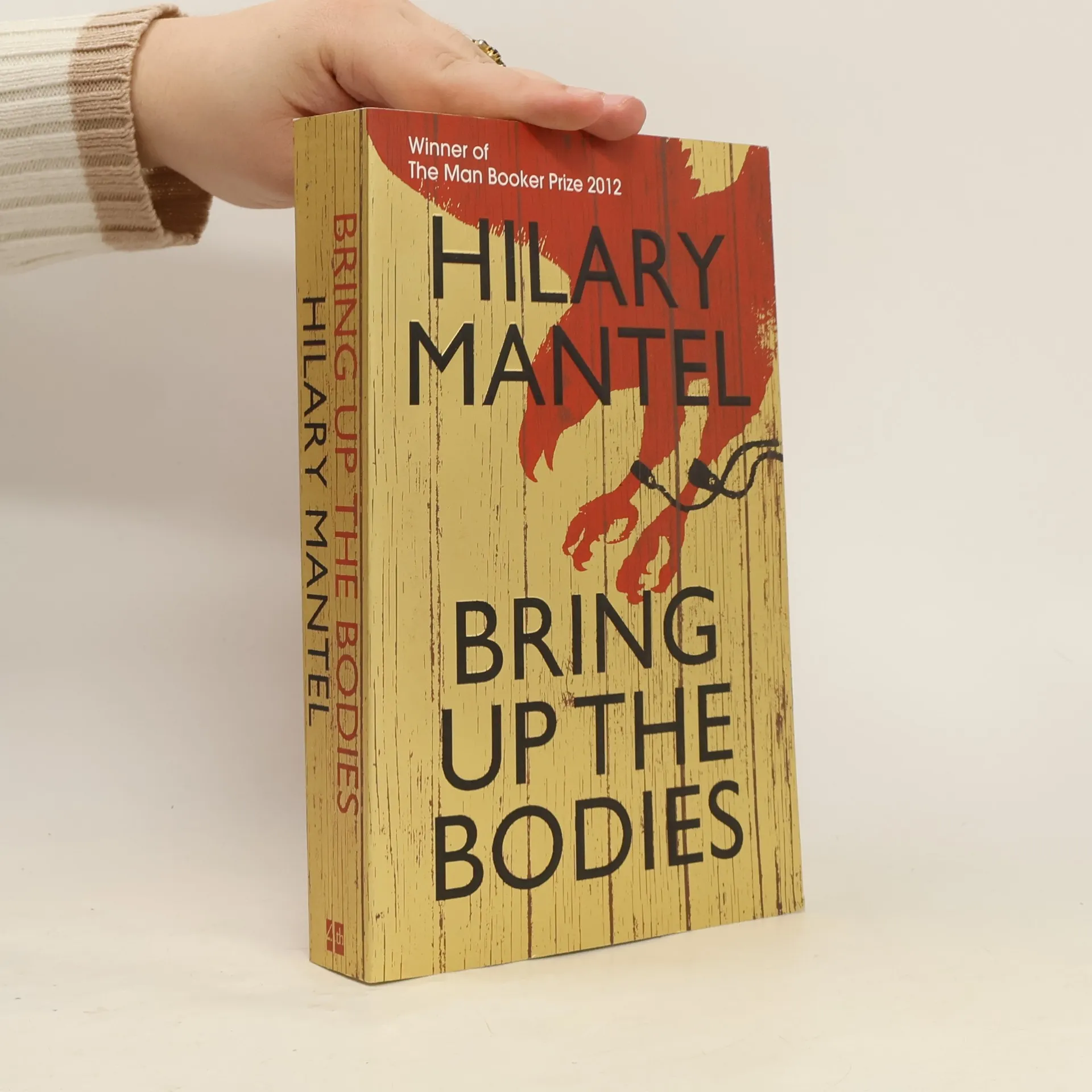
Winner of the Man Booker Prize 2012, the 2012 Costa Book of the Year and shortlisted for the 2013 Women's Prize for Fiction. An astounding literary accomplishment, Bring Up the Bodies is the story of this most terrifying moment of history, by one of our greatest living novelists. 'Our most brilliant English writer' Guardian Bring Up the Bodies unlocks the darkly glittering court of Henry VIII, where Thomas Cromwell is now chief minister. With Henry captivated by plain Jane Seymour and rumours of Anne Boleyn's faithlessness whispered by all, Cromwell knows what he must do to secure his position. But the bloody theatre of the queen's final days will leave no one unscathed. 'A great novel of dark and dirty passions, public and private. A truly great story' Financial Times 'In another league. This ongoing story of Henry VIII's right-hand man is the finest piece of historical fiction I have ever read' Sunday Telegraph
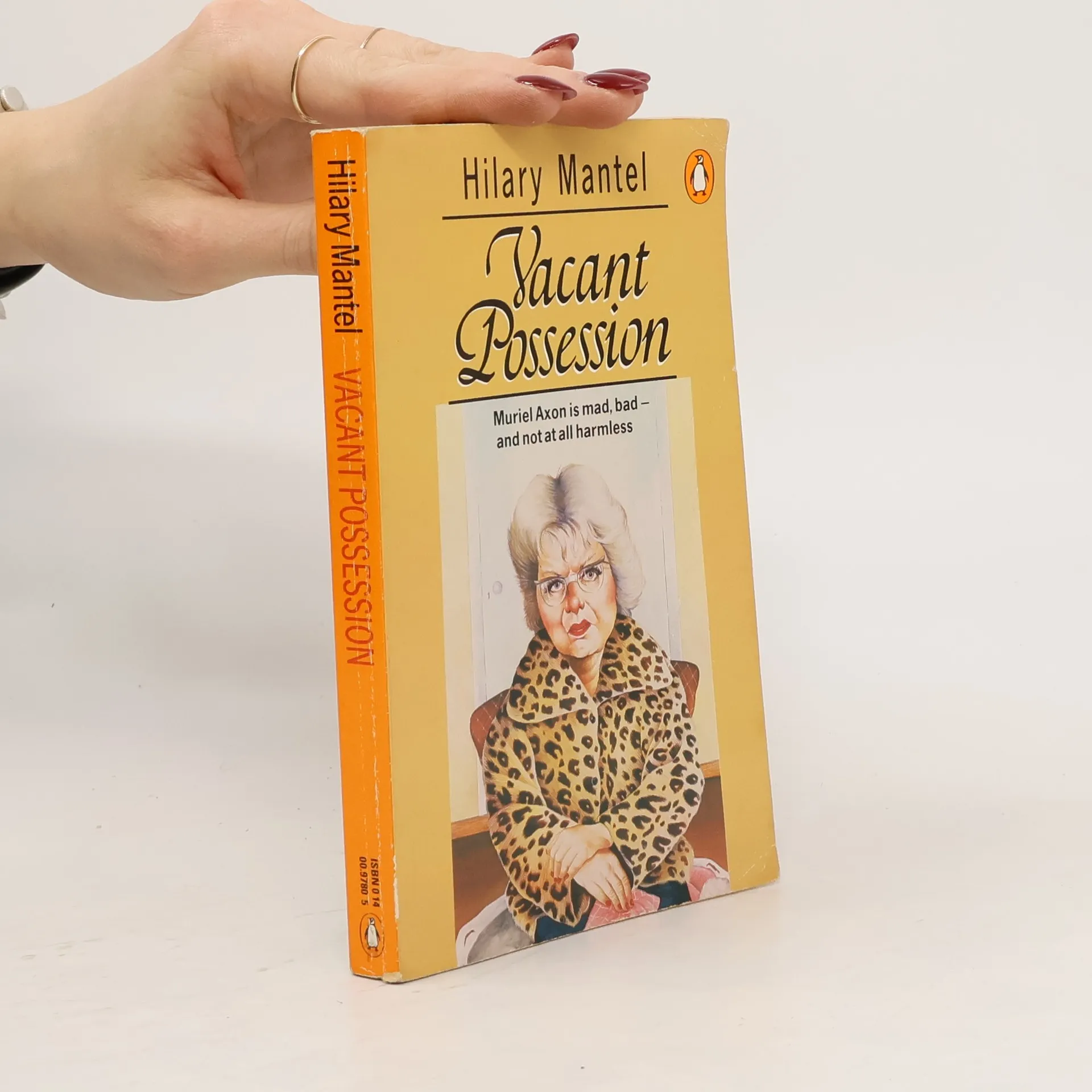
By the Booker Prize-Winning Author of WOLF HALL Evelyn Axon is a medium by trade; her daughter, Muriel, is a half-wit by nature. Barricaded in their crumbling house, surrounded by the festering rubbish of years, they defy the curiosity of their neighbors and their social worker, Isabel Field. Isabel is young and inexperienced and has troubles of her own: an elderly father who wanders the streets, and a lover, Colin, who wants her to run away with him. But Colin has three horrible children and a shrill wife who is pregnant again--how is he going to run anywhere? As Isabel wrestles with her own problems, a horrible secret grows in the darkness of the Axon household. When at last it comes to light, the result is by turns hilarious and terrifying.
A novel from the author of Giving Up the Ghost and A Place of Greater Safety.
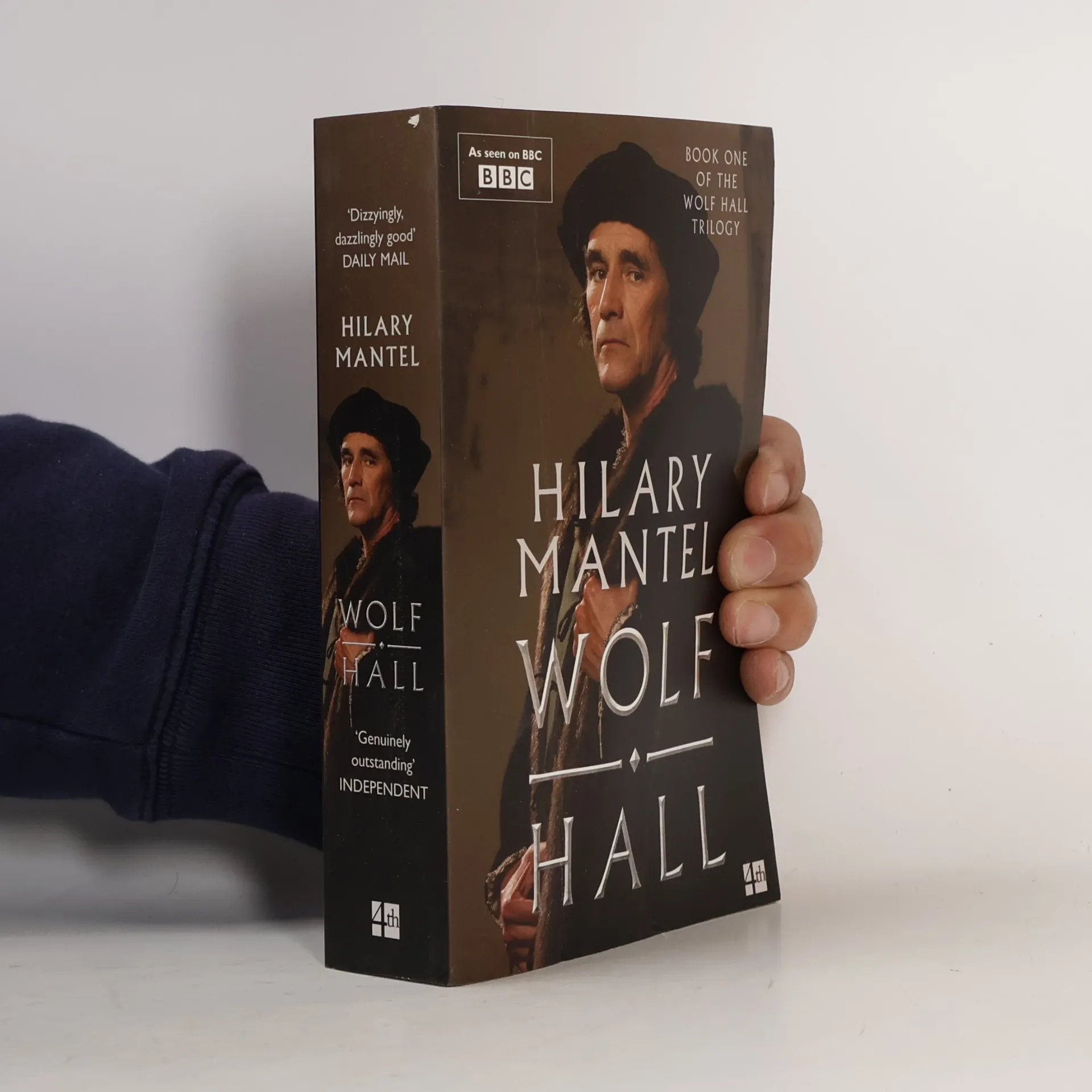
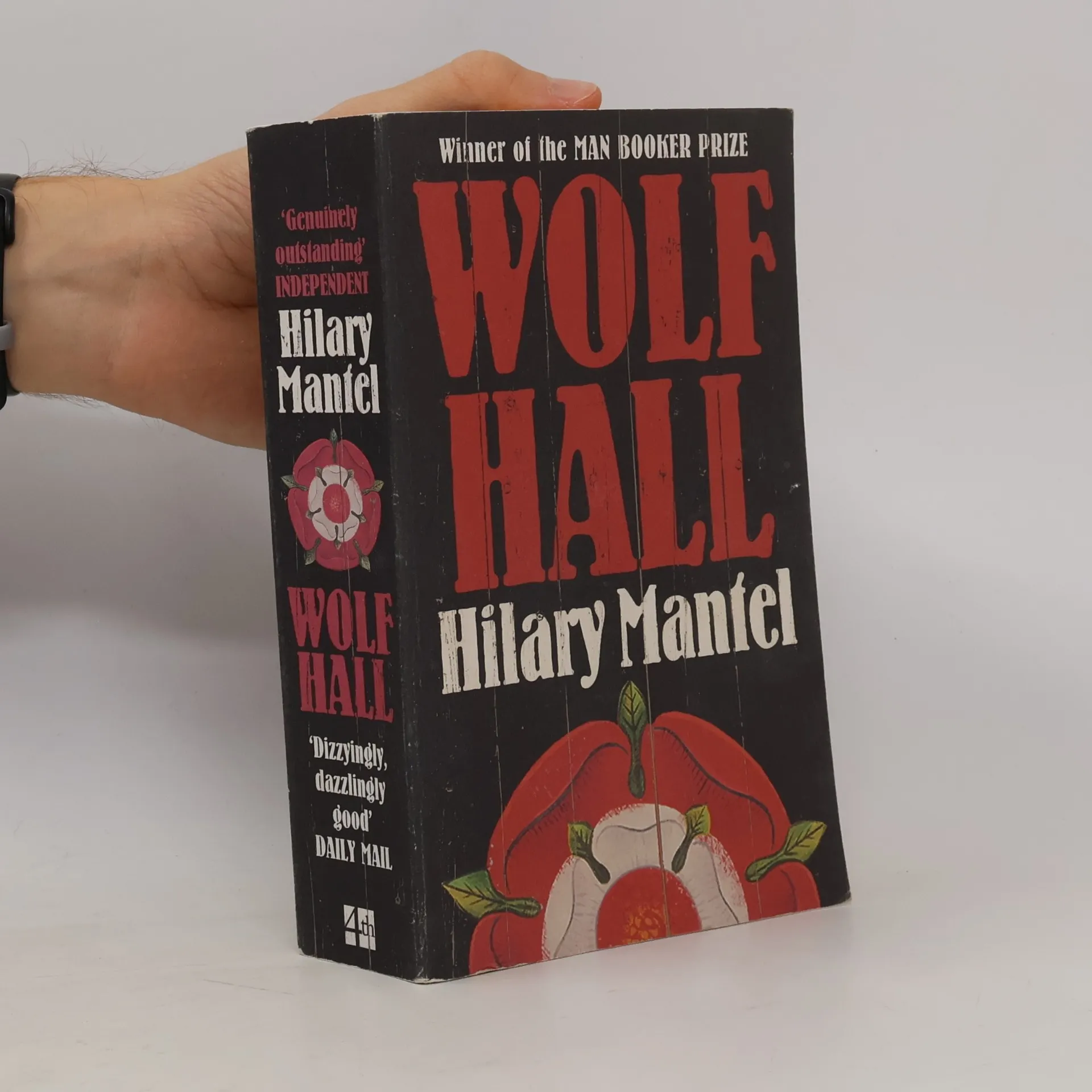
In this book, "the opulant, brutal world of the Tudors comes to glittering, bloody life. It is the backdrop to the rise and rise of Thomas Cromwell: lowborn boy, charmer, bully, master of deadly intrigue, and, finally, most powerful of all Henry VIII's courtiers."--Page 4 of cover.
Hilary Mantel's superb story of suburban mayhem and revenge is sharp, merciless and unerringly hilarious. Barricaded inside their house filled with festering rubbish, unhealthy smells and their secrets, the Axon family baffle Isabel Field, the latest in a long line of social workers. Isabel has other problems too: a randy, untrustworthy father and a slackly romantic lover, Colin Sidney, history teacher to unresponsive yobs and father of a parcel of horrible children. With all this to worry about, how can Isabel begin to understand what is going on in the Axon household?
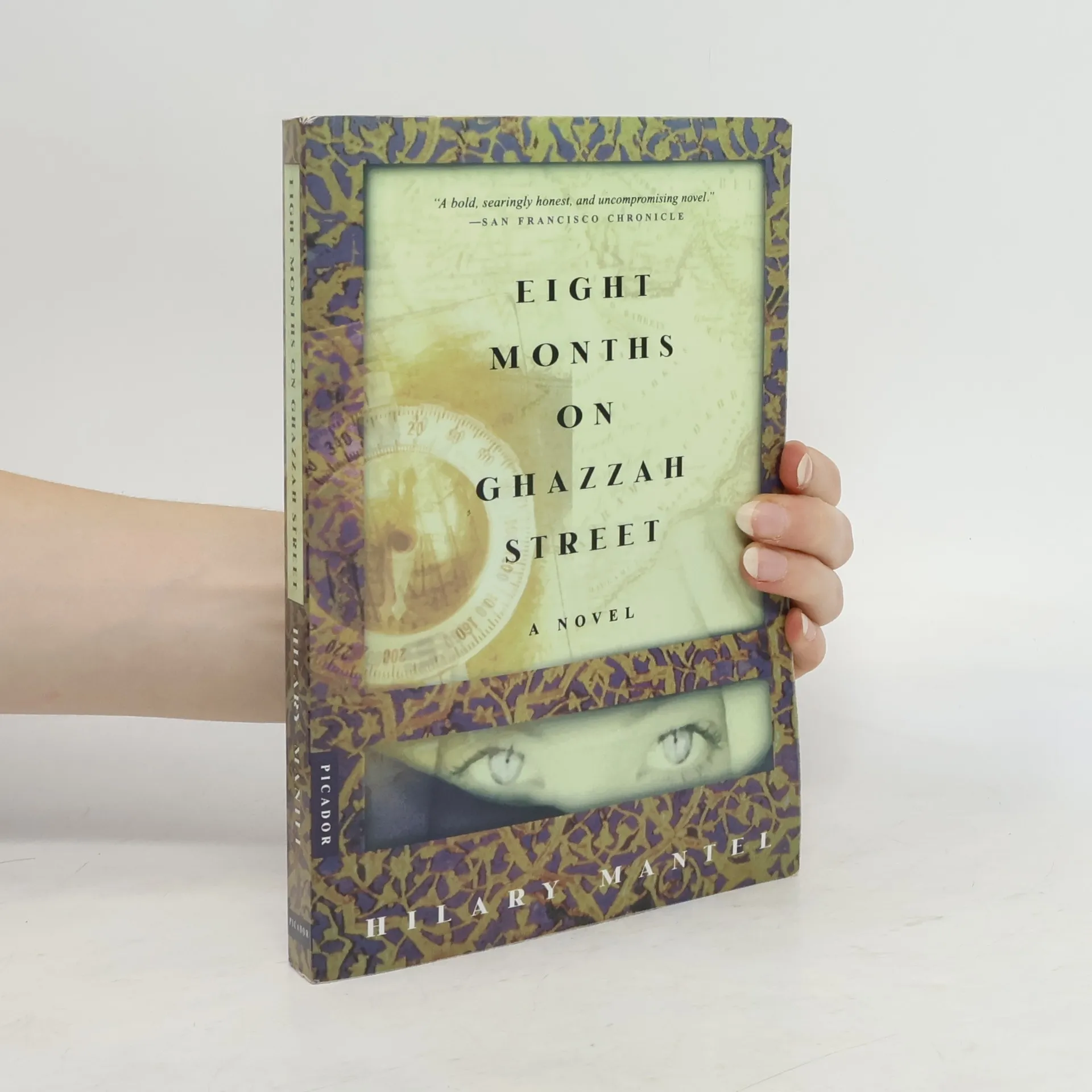
When Frances Shore moves to Saudi Arabia, she settles in a nondescript sublet, sure that common sense and an open mind will serve her well with her Muslim neighbors. But in the dim, airless flat, Frances spends lonely days writing in her diary, hearing the sounds of sobs through the pipes from the floor above, and seeing the flitting shadows of men on the stairwell. It's all in her imagination, she's told by her neighbors; the upstairs flat is empty, no one uses the roof. But Frances knows otherwise, and day by day, her sense of foreboding grows even as her sense of herself begins to disintegrate.
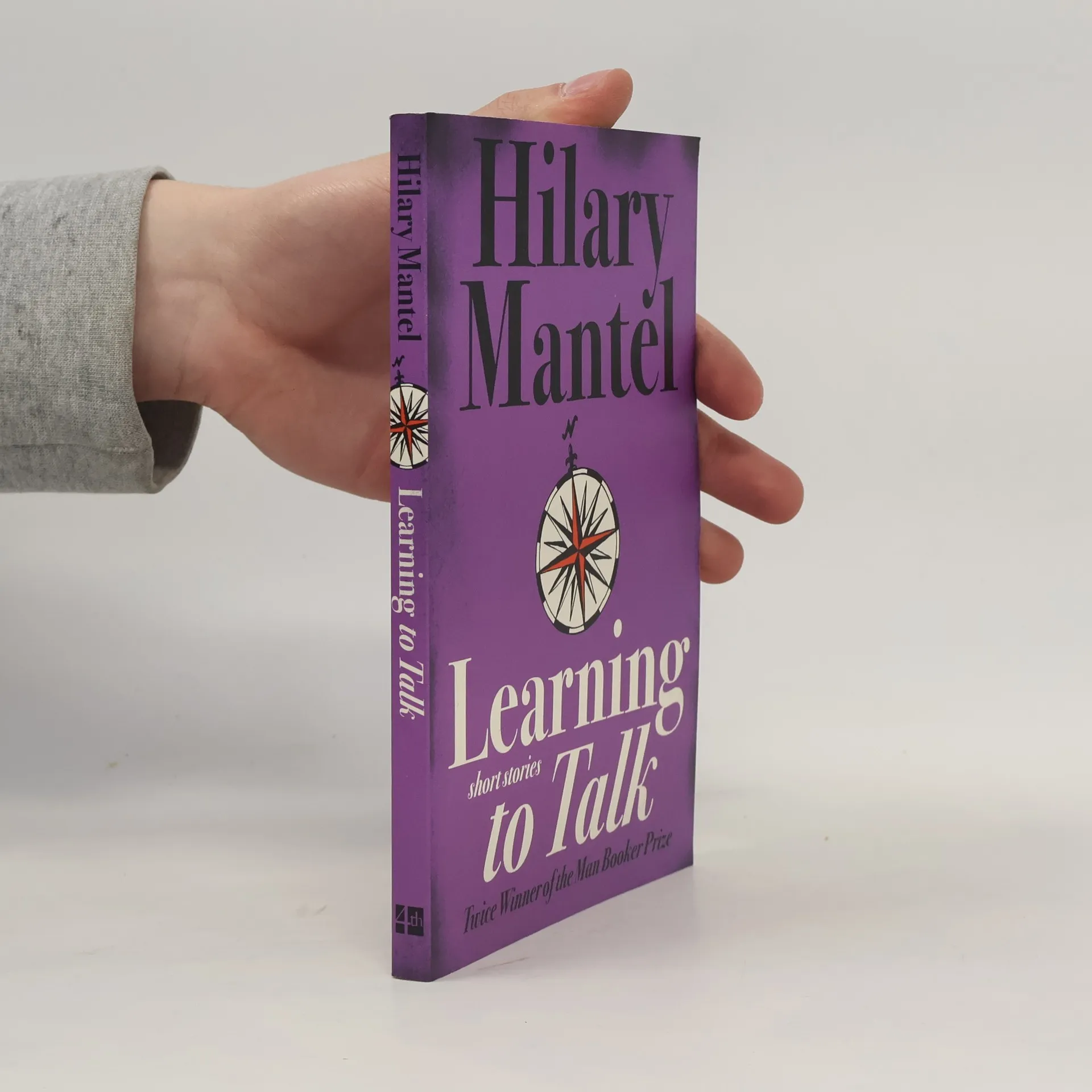
In the wake of Hilary Mantel's captivating memoir, 'Giving Up the Ghost', this collection of loosely autobiographical stories locates the transforming moments of a haunted childhood. This sharp, funny collection of stories drawn from life begins in the 1950s in an insular northern village 'scoured by bitter winds and rough gossip tongues.' For the child narrator, the only way to survive is to get up, get on, get out. In 'King Billy is a Gentleman', the child must come to terms with the loss of a father and the puzzle of a fading Irish heritage. 'Curved Is the Line of Beauty' is a story of friendship, faith and a near-disaster in a scrap-yard. The title story sees our narrator ironing out her northern vowels with the help of an ex-actress with one lung and a Manchester accent. In 'Third Floor Rising', she watches, dazzled, as her mother carves out a stylish new identity. With a deceptively light touch, Mantel locates the transforming moments of a haunted childhood.
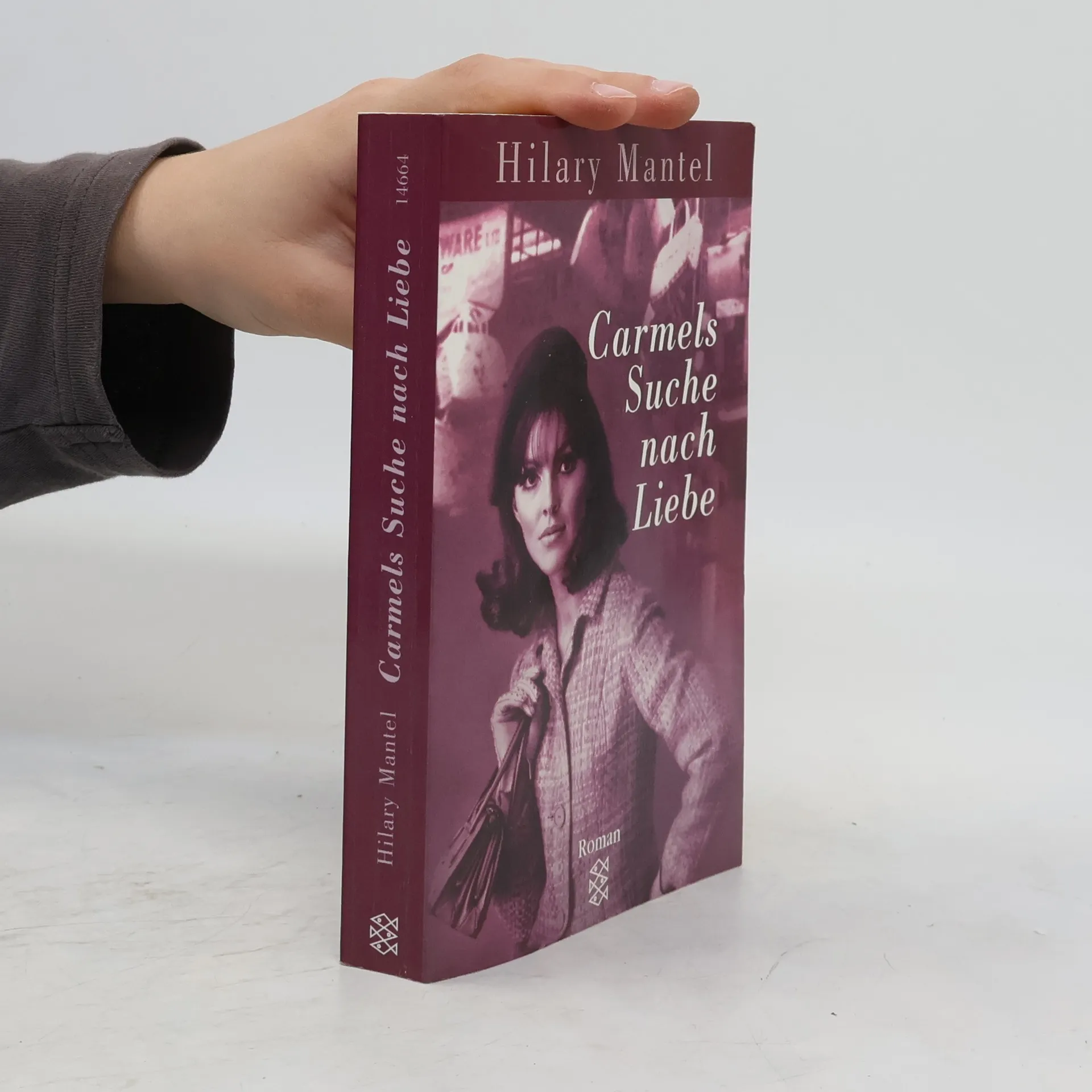
Von der Provinz über die Klosterschule ins 'Swinging London' der siebziger Jahre - Carmel soll nach dem Willen ihrer Eltern gesellschaftlich aufsteigen. Doch sie lernt, daß fremde Wünsche nicht immer den eigenen entsprechen. In der verwirrend turbulenten Vielfalt neuer Lebensformen und unbekannter Gefühle sucht sie sich den Weg, der ihr entspricht.
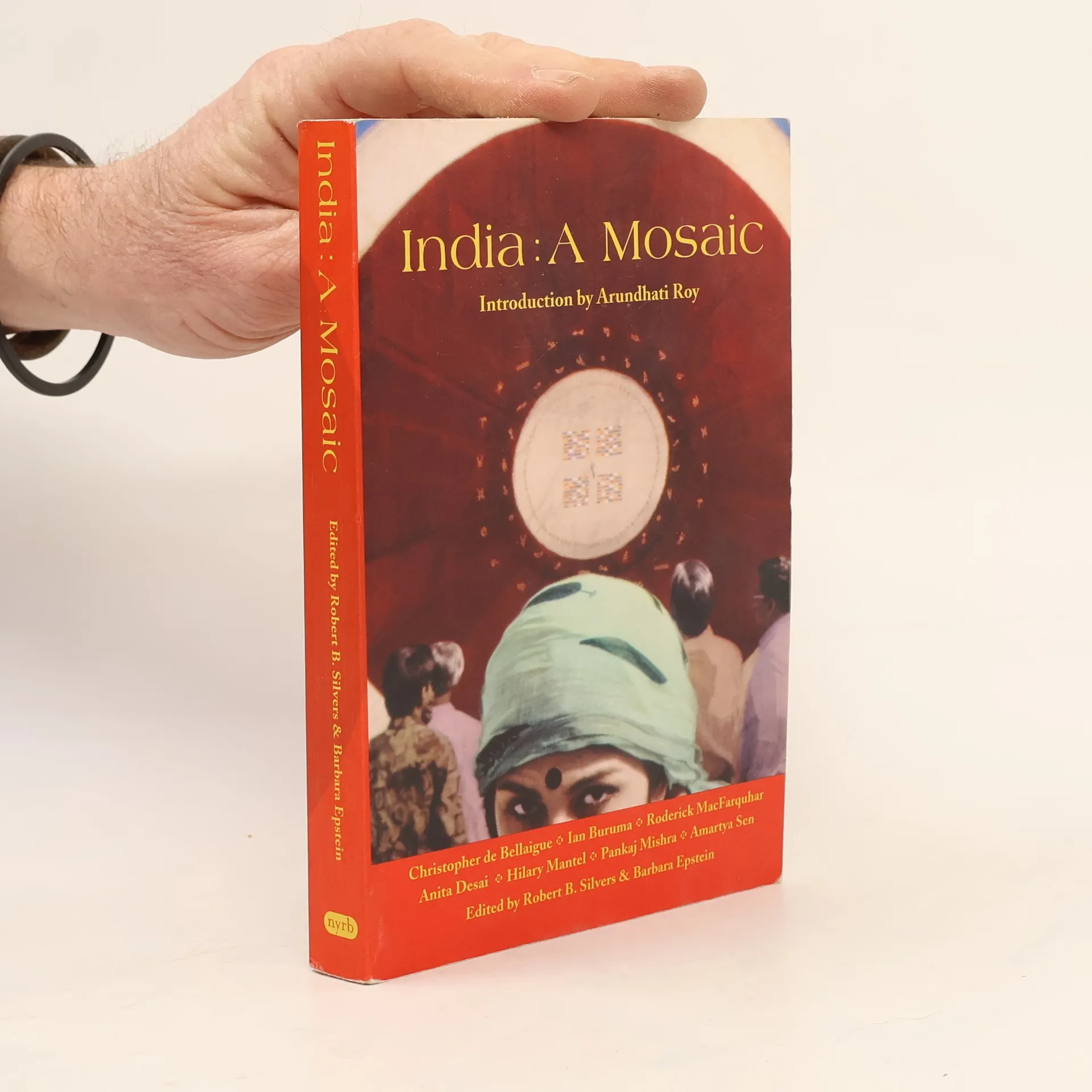
How can we understand India today, fifty years after Independence and only months after its nuclear tests outraged the world? The novelist Arundhati Roy has written, specially for this collection, a fierce denunciation of the Indian nuclear program, which serves as an introduction to nine essays on India, all originally published in The New York Review of Books . In this volume, seven distinguished writers offer penetrating insights into the complexities of the subcontinent. Roderick MacFarquhar reflects on the legacy of Empire and Partition, Ian Buruma considers secularism and Indian democracy, Pankaj Mishra remembers life in Benares, and Christopher de Bellaigue writes on a violent Bombay. But the volatile intersections of history, politics, and culture on which they focus haunt Indian literature too, as shown in essays by Nobel Prize-winner Amartya Sen on Rabindranath Tagore, Hilary Mantel on Rohinton Mistry, and Anita Desai on Indian women's writing.
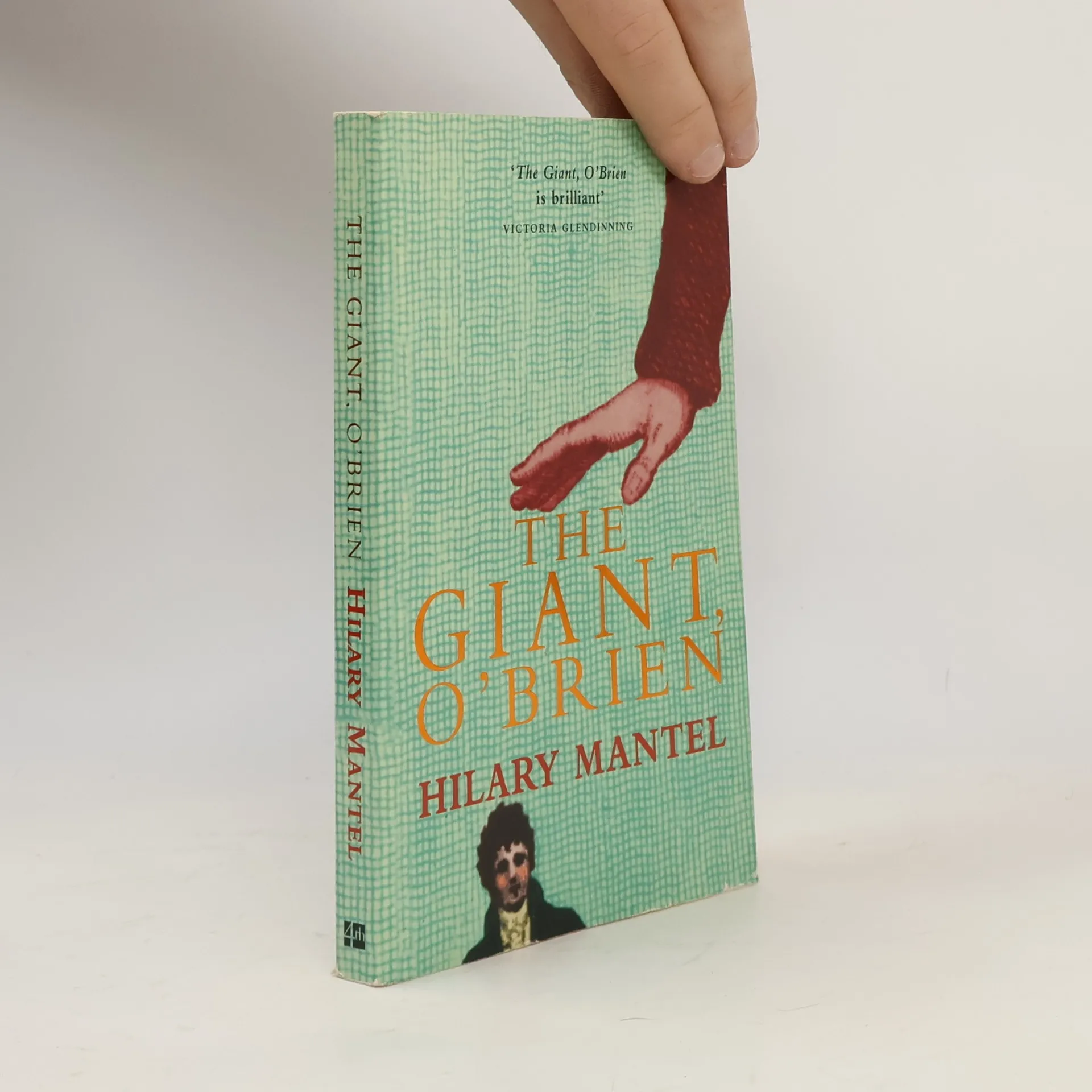
From the author of Wolf Hall, Bring Up the Bodies and The Mirror & the Light, comes the true story of the 18th Century Irish giant, Charles O’Brien, who was exhibited in London and eventually dissected by the surgeon John Hunter.
Follows on from "A Change of Climate". Carmel, Karina and Julianne are escaping the dreary north for a London University hall of residence in 1970. Awaiting them is a winter of new preoccupations - sex and politics, food and fertility - and a pointless grotesque tragedy of their own.
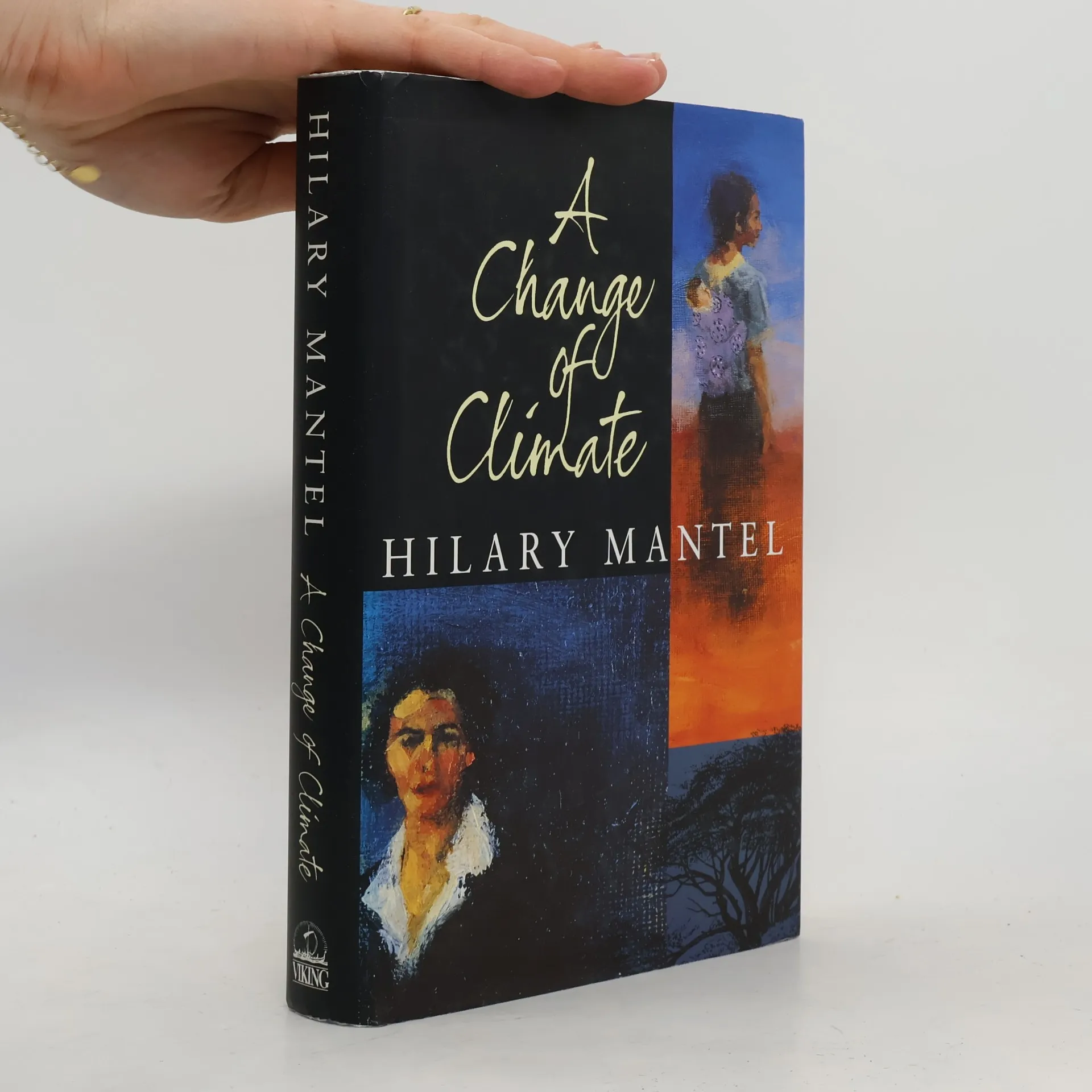
From the double Man Booker prize-winning author of 'Wolf Hall' and 'Bring Up the Bodies', this is an epic yet subtle family saga about broken trusts and buried secrets.
An extraordinary work of historical imagination - this is Hilary Mantel's epic novel of the French Revolution. One of the ten books - novels, memoirs and one very unusual biography - that make up the 4th Estate Matchbook Classics' series, a stunningly redesigned collection of some of the best loved titles on our backlist.
Eine böse Komödie der Hartherzigkeit. Man liest den Roman mit unheimlichem Vergnügen. Frank Meyer, DEUTSCHLANDRUNDFUNK KULTUR 'Der Hilfsprediger' ist die Geschichte einer Befreiung. Hilary Mantel beginnt ihren Roman englischgrau und lässt ihn strahlend hell enden. Ulrich Fischer, HUFFINGTONPOST.DE Ein eigenwilliges Buch; süffisant, provozierend wie die Autorin selbst. Ironisch und souverän spielt sie mit den Versatzstücken des magischen Realismus, der dem Fantastischen auch in der modernen Literatur einen Platz einräumt. Jutta Duhm-Heitzmann, WDR 5 SCALA So bissig, lustig, ironisch. Das ist alles so frisch, und das beste Beispiel für eine Literatur, die ohne Haltbarkeitsdatum funktioniert. Katrin Schumacher, MDR KULTUR Mantels Schreiben verfällt man nur zu gern. Alexander Behrmann, ROLLING STONE 'Der Hilfsprediger' ist [...] bereits 1989 im Original erschienen. Doch er kommt so frisch und frech daher, dass man gar nicht genug bekommen kann von dieser skurrilen und urkomischen Geschichte. Petra Pluwatsch, KÖLNER STADT-ANZEIGER Mit subtiler Ironie und einer guten Portion Weisheit Gaby Mahlberg, DPA Zeitlos böse und teilweise sehr komisch ist der Roman 'Der Hilfsprediger' von Hilary Mantel Britta Bode, BERLINER MORGENPOST Die britische Meisterautorin Hilary Mantel [erzählt] mit dem für sie typischen rasiermesserscharfen Witz von einem ungewöhnlichen Kampf zwischen Gut und Böse. Köstliches Gift. Ute Baumhackl, KLEINE ZEITUNG
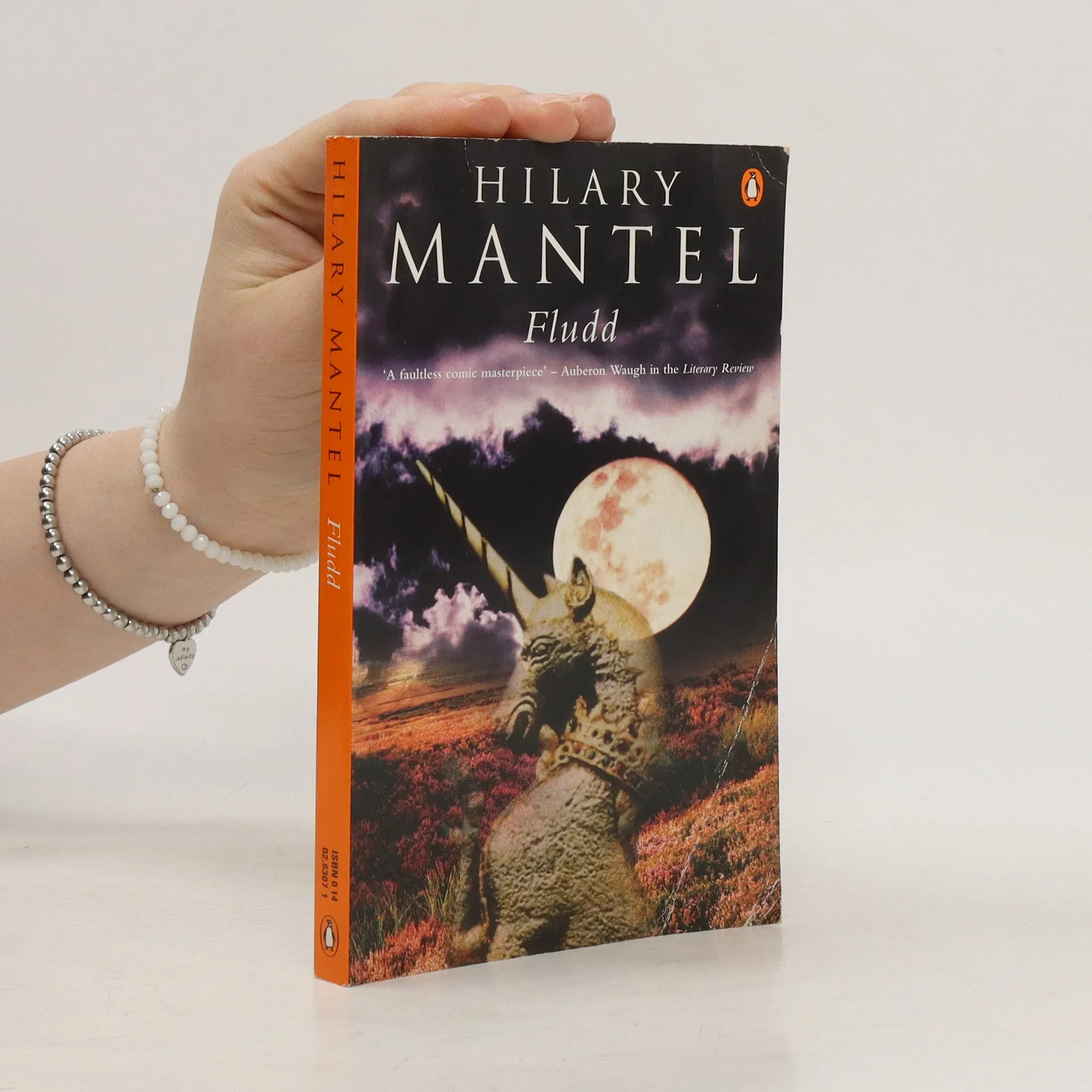
Muriel Axon is about to re-enter the lives of Colin Sidney, hapless husband, father and schoolmaster, and Isabel Field, failed social worker and practising neurotic. It has been ten years since her last tangle with them, but there are still scores to be settled. The author also wrote "Fludd".
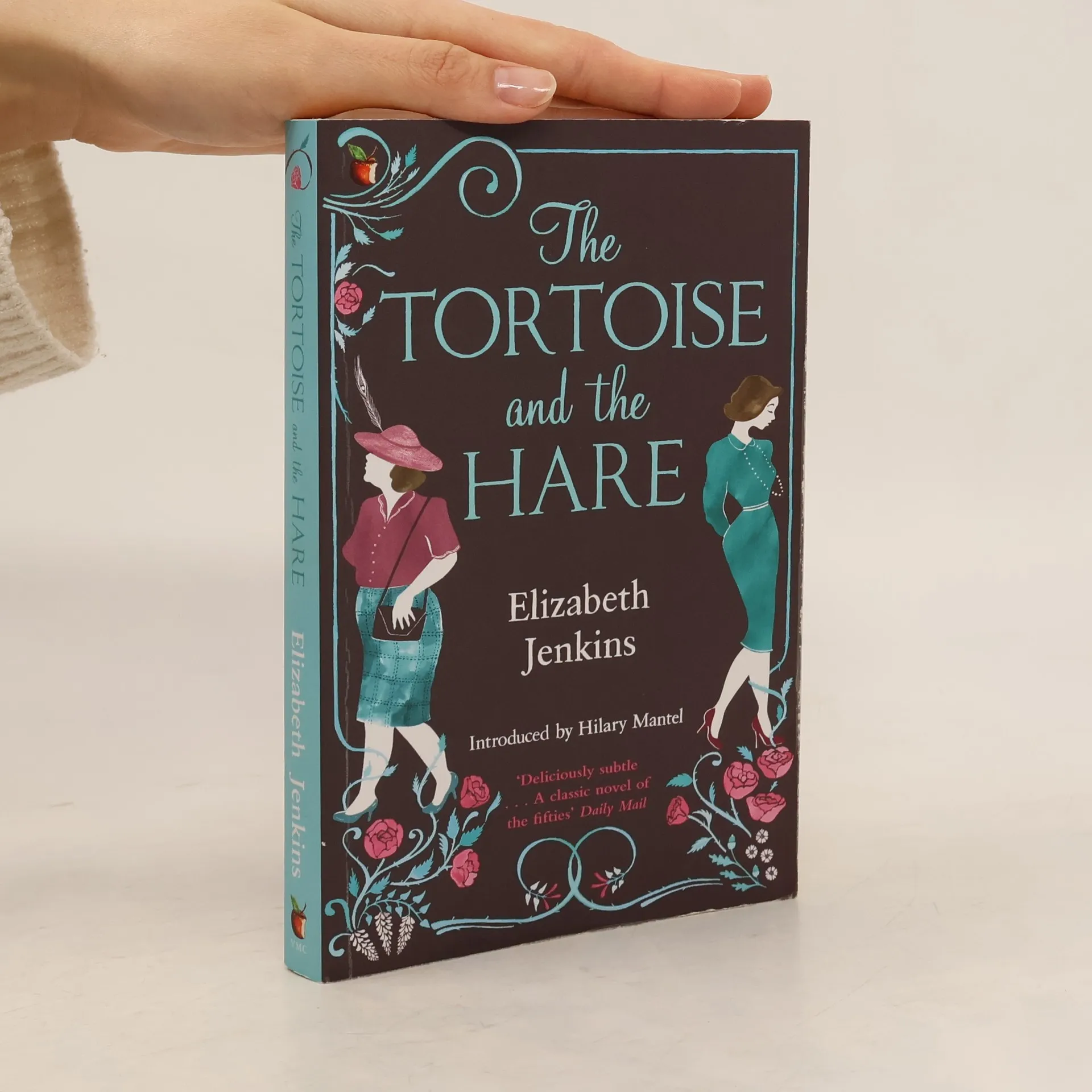
This exquisite novel tells a love story with a difference. * 'One of my favourite classics' Carmen Callil