
Olivia Manning was a British novelist whose fiction and non-fiction frequently detail journeys and personal odysseys. Drawing richly from her own experiences, yet demonstrating a strong imaginative flair, her stories are set across England, Ireland, Europe, and the Middle East. Her work is widely admired for its artistic eye and vivid descriptions of place, immersing readers in diverse settings. Manning's most celebrated novels, born from her experiences during tumultuous times in Eastern Europe, showcase her profound ability to capture the human spirit amidst upheaval.
Athens, 1941. Harriet Pringle feverishly awaits news of her husband, trapped
in the spoilt city of Bucharest. Yet when the young couple are reunited, Guy
once again becomes absorbed in his work, leading Harriet to seek the attention
of a handsome young officer. But when Greece is defeated and Europe starts to
crumble around them, Guy and Harriet are forced to find a new strength amidst
the devastation. Manning's exquisite observations on love, marriage and
friendship during wartime are brought vibrantly to life.
'Her gallery of personages is huge, her scene painting superb, her pathos
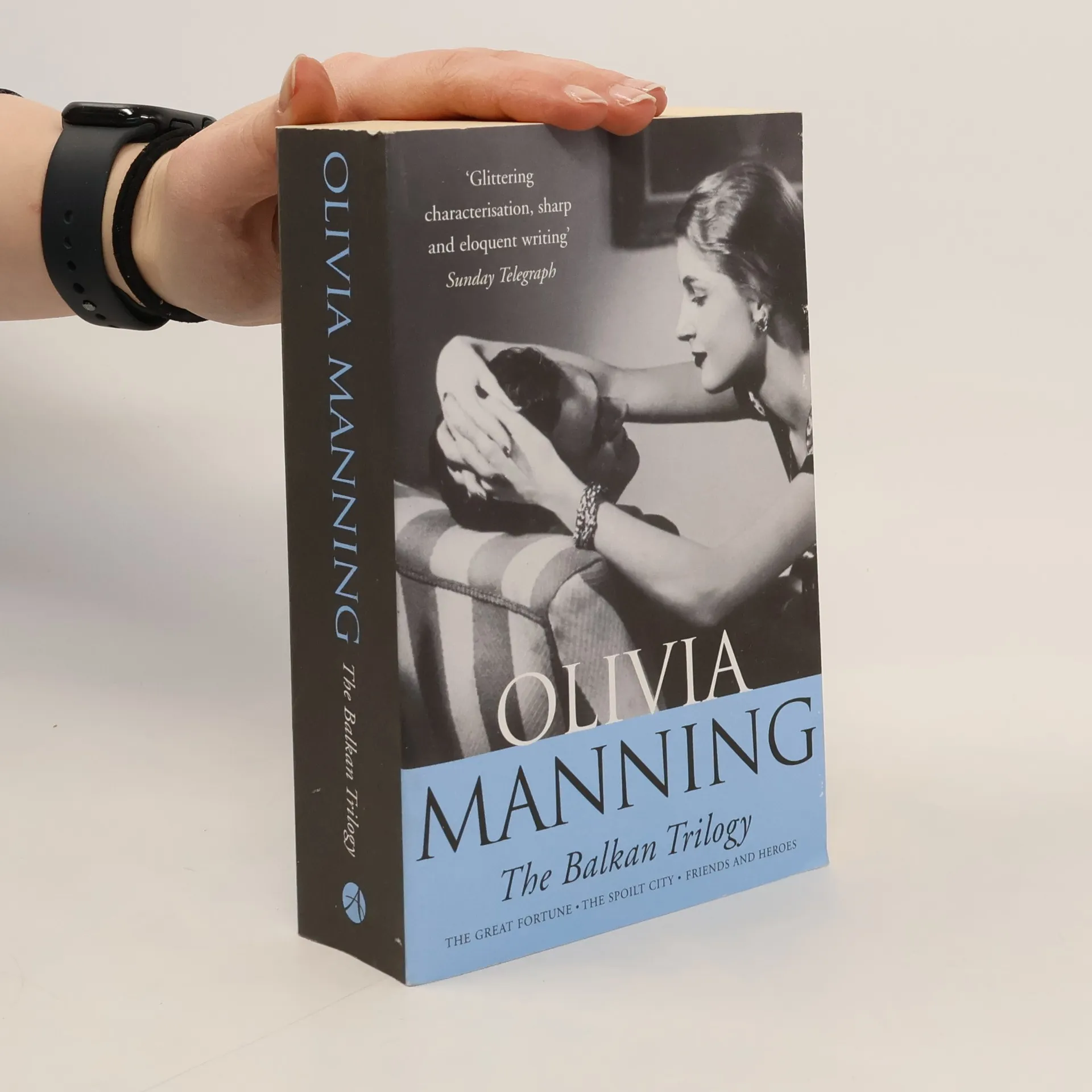
controlled, her humour quiet and civilised' - Anthony Burgess'Glittering
characterisation, sharp and eloquent writing' - Sunday TelegraphBucharest,
1940.
A compelling portrait of a relationship between a young man and a matriarch. Orphaned and friendless, young Felix Latimer comes to war-time Jerusalem to lodge with Miss Bohun, one of the most redoubtable (and ridiculous) of comic horrors in English fiction.
Fourteen subtle and beautifully written stories of varying theme and setting are brought together in this brilliant collection: haunting studies of lonely childhoods, shrewdly perceptive portraits of adult relationships and black comedies of domestic deadlock - all infused with Olivia Manning's precise and consistent wit.
Septembre 1939. Guy et Harriet Pringle, jeunes mariés, quittent Londres pour s'installer à Bucarest. Leur couple, pris dans la tourmente qui secoue l'Europe, va s'aimer et se déchirer sur fond d'Histoire, coincé loin de leur pays, en Roumanie, qui va leur devenir peu à peu hostile. Cette saga peuplée d'exilés, de réfugiés, fait l'objet d'une adaptation télévisée.
Pretty, brave and eighteen, Ellie has come to London in search of adventure.
She soon finds it in Quintin Bellot, the handsome but tired dilettante who
finds her a job in fashionable Chelsea. And Petta, his once beautiful wife, is
fighting back age as fiercely as Ellie is plunging into it.
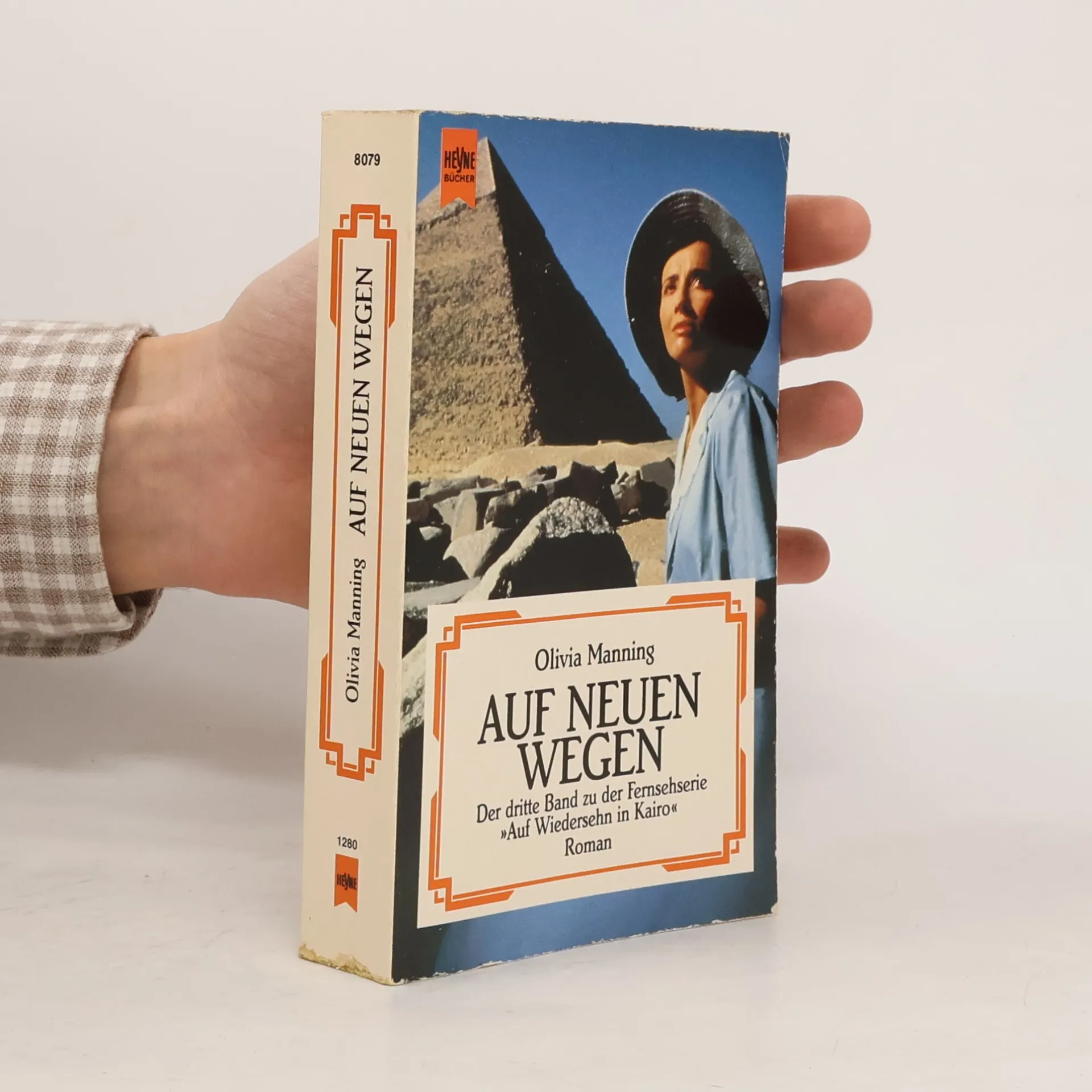
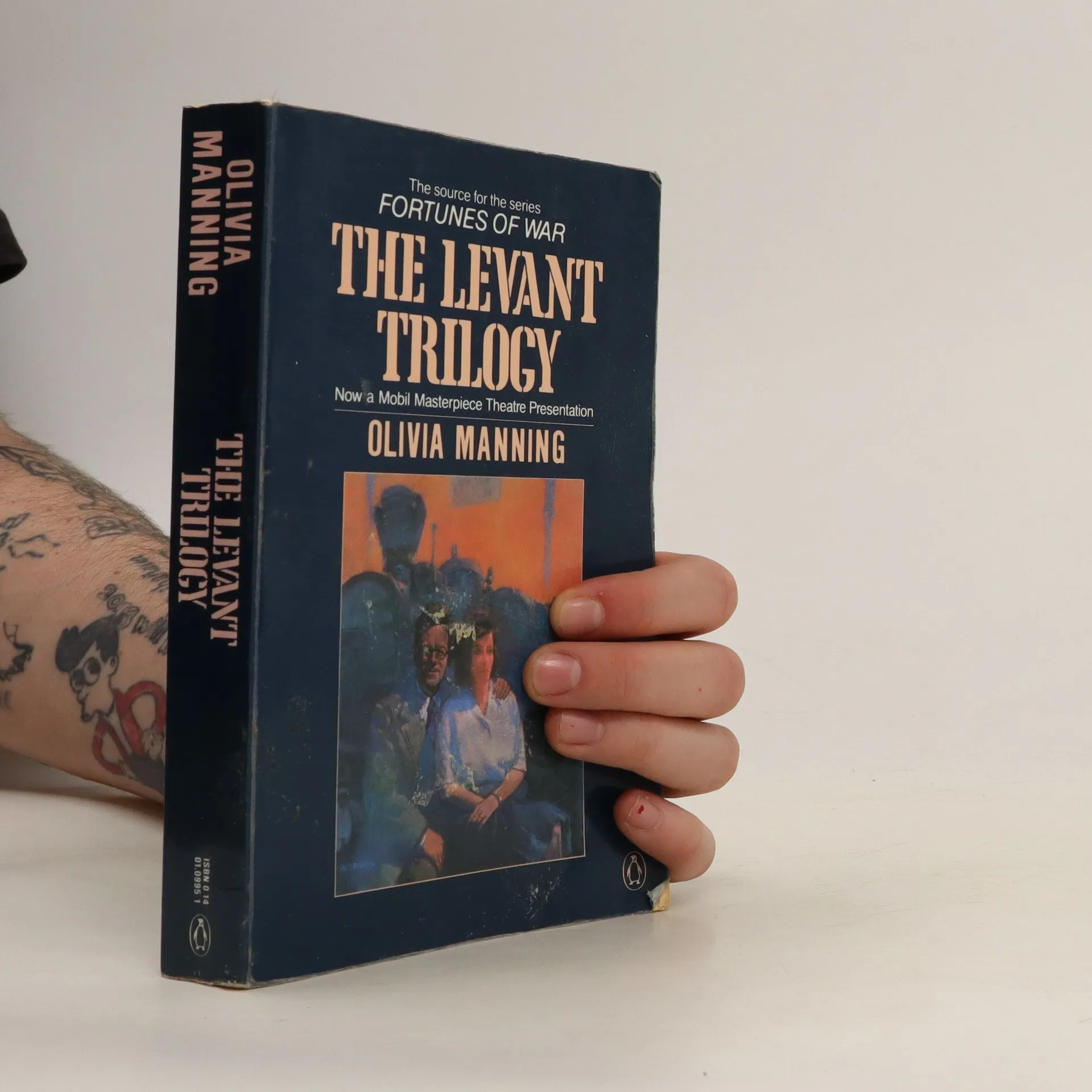
As the British fight a desperate battle against the German forces in Egypt, Guy and Harriet Pringle are involved in their personal struggle with their marriage
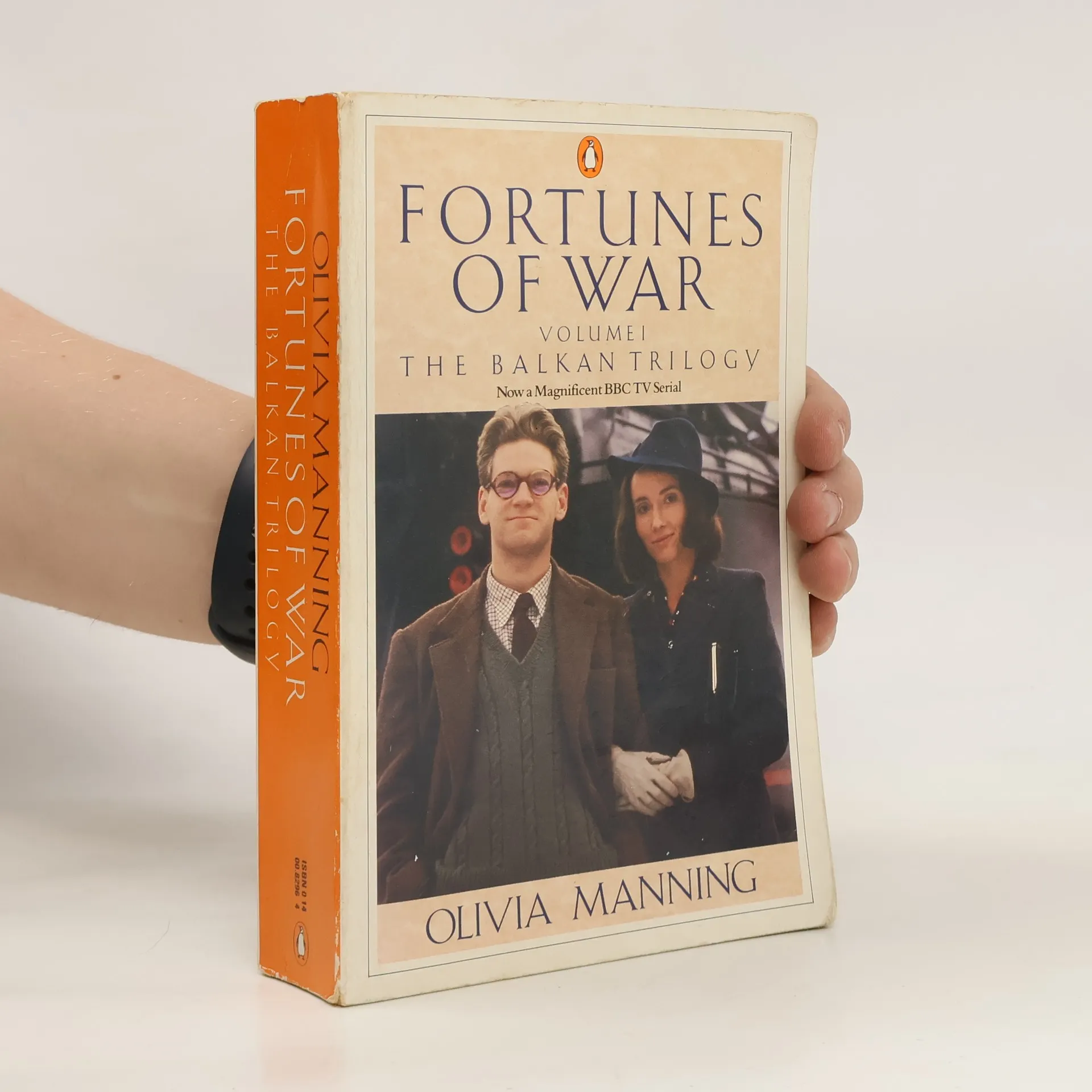
The Balkan Trilogy is the story of a marriage and of a war, a vast, teeming,
and complex masterpiece in which Olivia Manning brings the uncertainty and
adventure of civilian existence under political and military siege to vibrant
life. Manning's focus is not the battlefield but the café and kitchen, the
bedroom and street, the fabric of the everyday world that has been irrevocably
changed by war, yet remains unchanged. At the heart of the trilogy are
newlyweds Guy and Harriet Pringle, who arrive in Bucharest--the so-called
Paris of the East--in the fall of 1939, just weeks after the German invasion
of Poland. Guy, an Englishman teaching at the university, is as wantonly
gregarious as his wife is introverted, and Harriet is shocked to discover that
she must share her adored husband with a wide circle of friends and
acquaintances. Other surprises follow: Romania joins the Axis, and before long
German soldiers overrun the capital. The Pringles flee south to Greece, part
of a group of refugees made up of White Russians, journalists, con artists,
and dignitaries. In Athens, however, the couple will face a new challenge of
their own, as great in its way as the still-expanding theater of war.
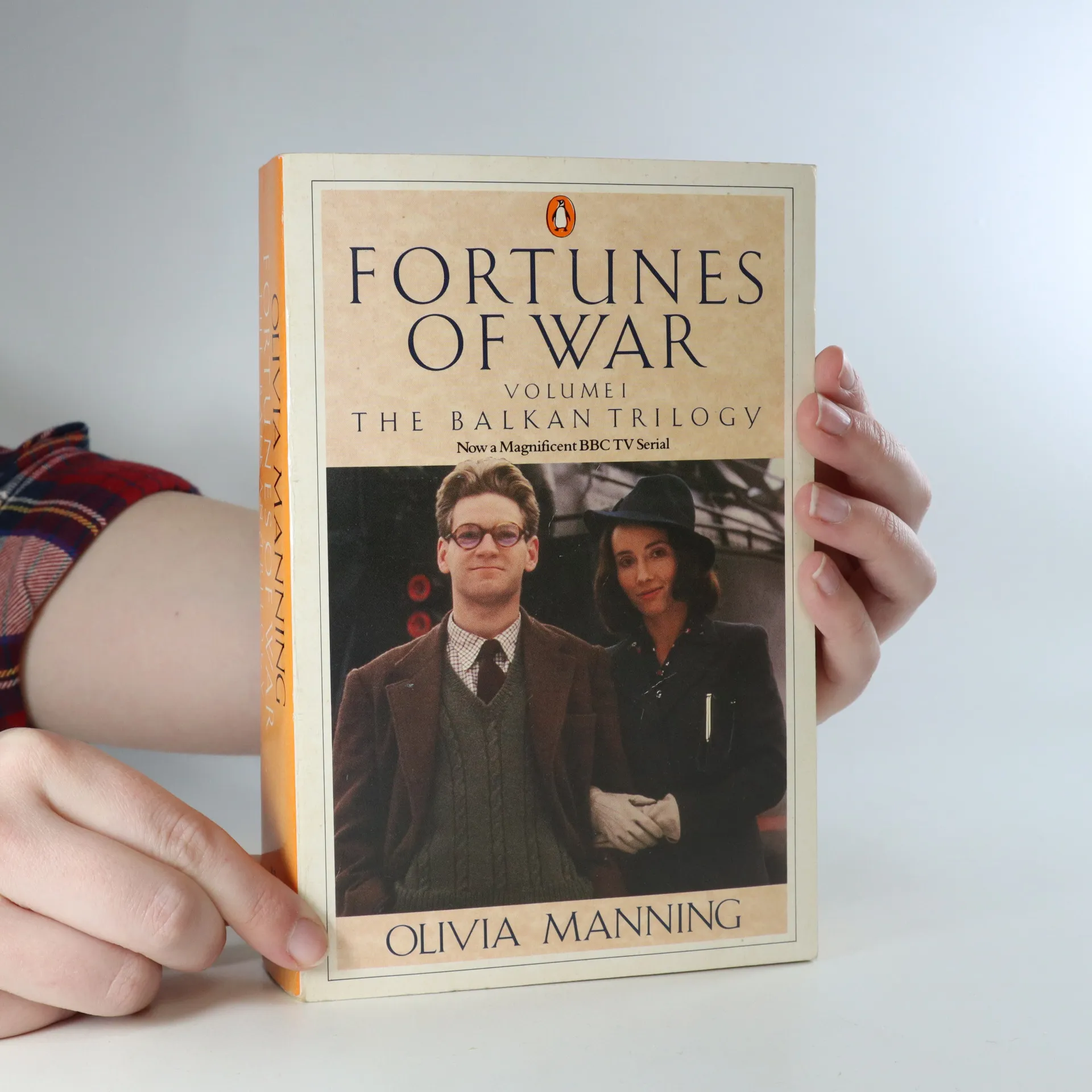
Living and working in Rumania, Guy and Harriet Pringle are forced to evacuate to Greece before the advance of the German army. This classic work of post-war fiction was made into a magnificent BBC television series starring Emma Thompson and Kenneth Branagh.
A distinguished English novelist portrays Egypt and, in particular, life in Cairo during the Second World War when Rommel's offensive was at its height
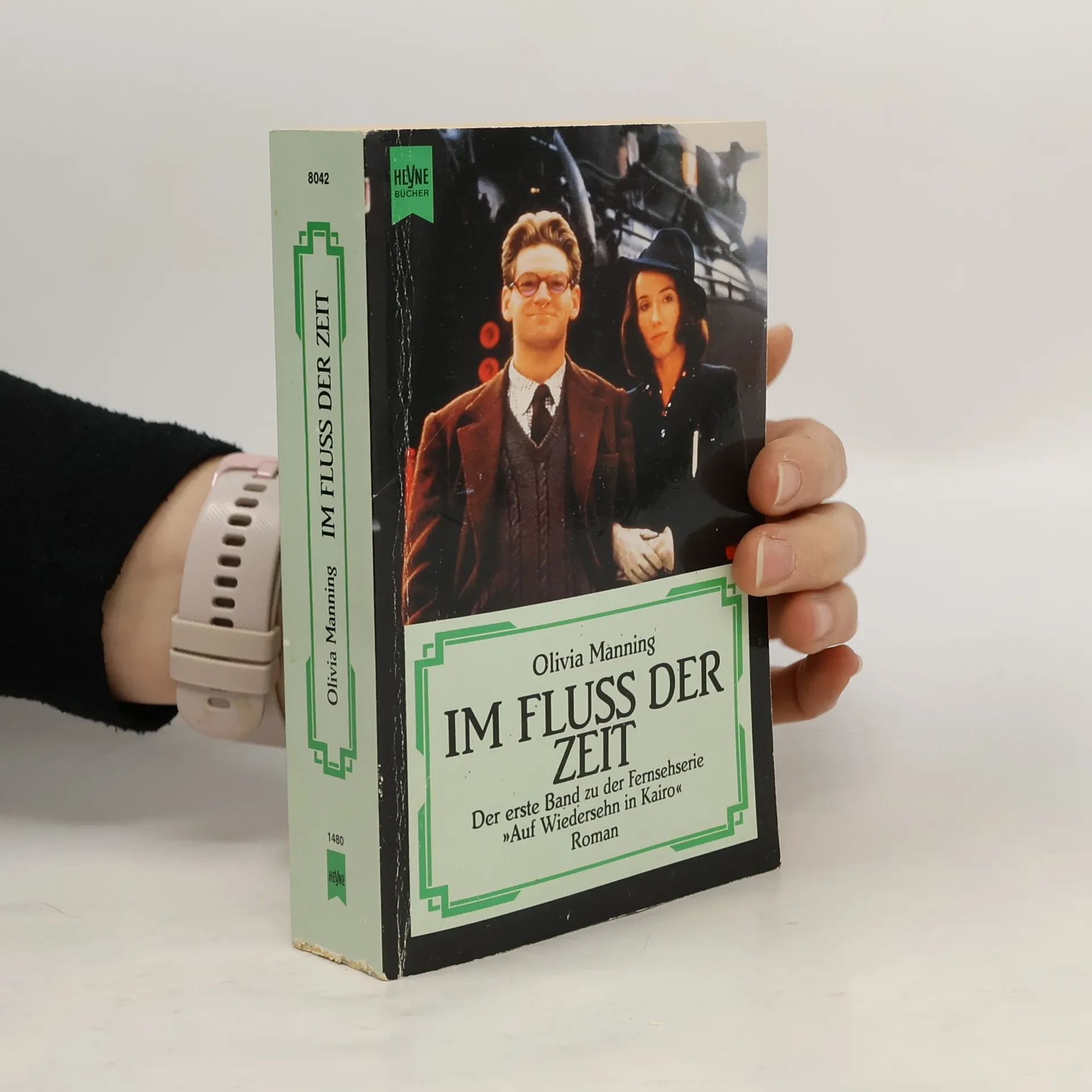
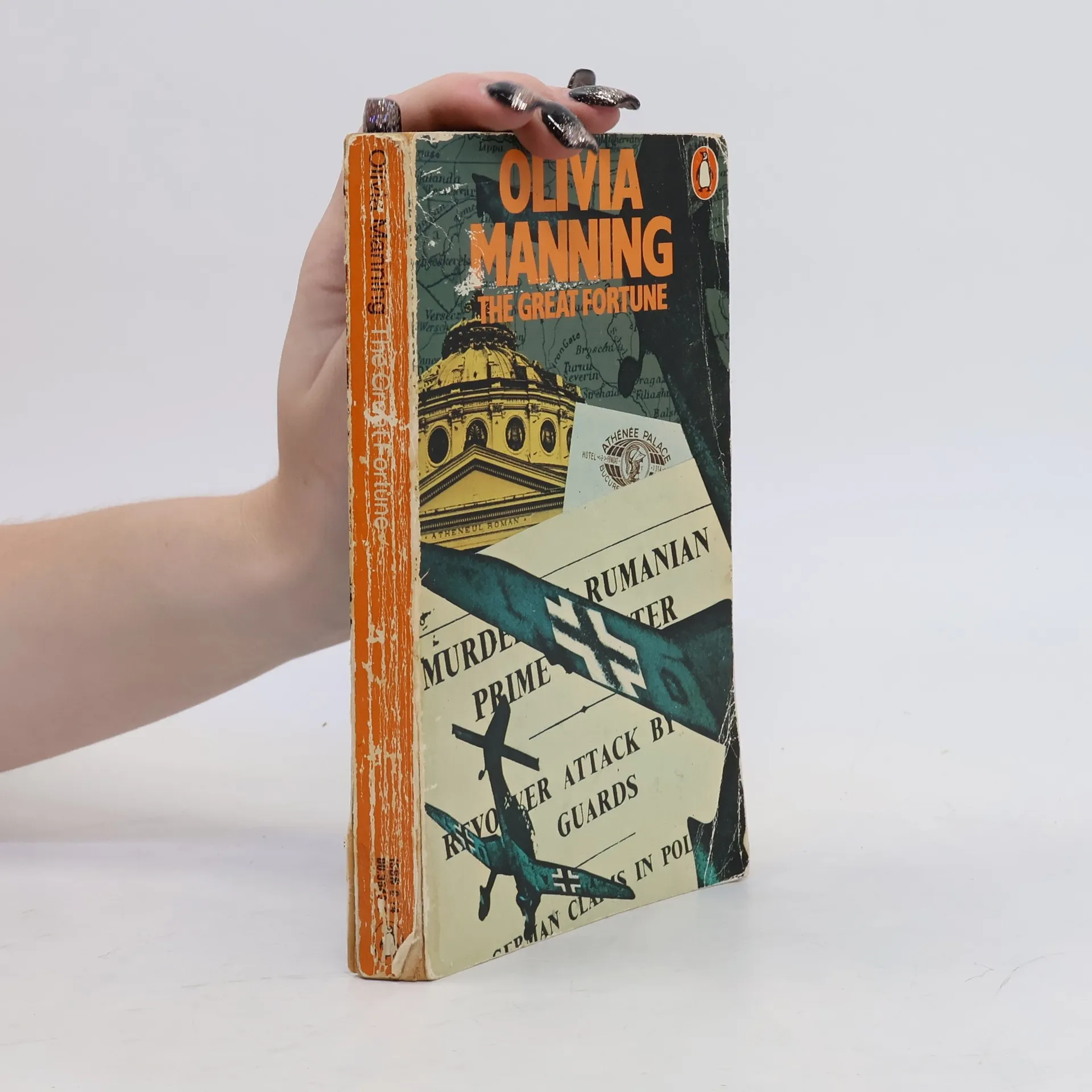
Harriet Pringle travels with her husband by train through a war-threatened Europe towards the east. Guy has been working in Bucharest, and now he brings his young bride to this metropolis, a city caught between modernity and an Oriental jumble, where spies, military personnel, impoverished Russian nobles, dubious ladies, Nazi officials, and fleeing Jewish professors mingle in the grand and less grand hotels, cafés, and nightclubs. Their young marital bliss is far from untroubled. Although Harriet has much to ponder regarding the attractive Romanian Sophia and her husband's other suspicious contacts, she moves through the days before the impending catastrophe with eyes wide open, receptive to both the signs of looming disaster and the beauty of the bewildering foreignness around her. Everyone wonders: Will German tanks roll down the avenues tomorrow, or will the Red Army arrive? Meanwhile, the vibrant British expatriate community rehearses a Shakespearean play: Troilus and Cressida – the fall of Troy.