Meister Eckhart stands as a towering figure in Christian mysticism, renowned for his profound theological and philosophical insights. His writings delve into the intricate relationship between the divine and the human soul, characterized by intellectual rigor and evocative language. Though his ideas sparked controversy in his time, Eckhart's work has resonated through centuries, influencing countless seekers of spiritual understanding. His challenging yet rewarding prose continues to invite contemplation on the nature of existence and the divine.
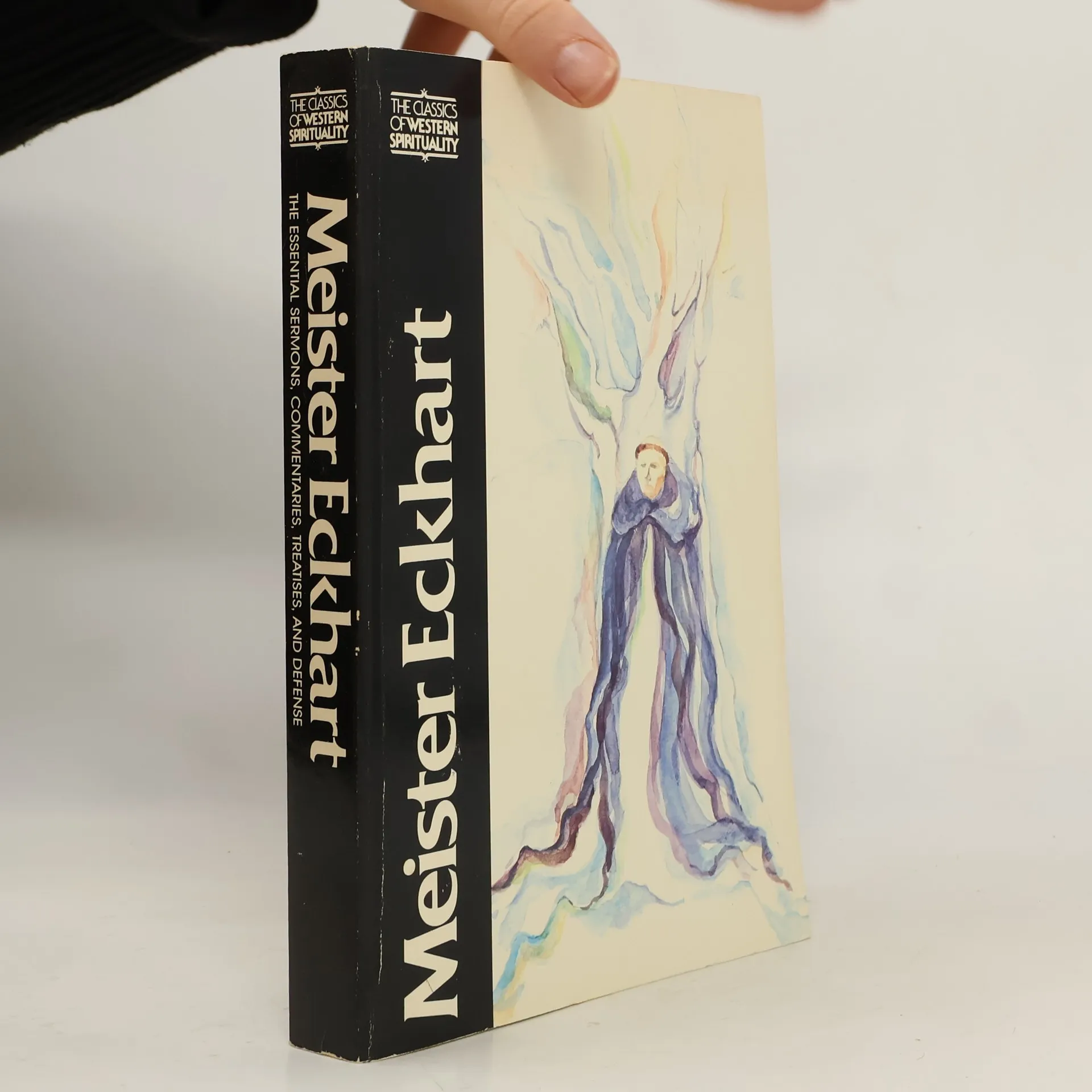
The collection features the complete vernacular texts of Eckhart, offering deep personal reflections on themes like poverty of spirit and the inner birth of Christ. This revised single-volume edition includes a new introduction by a prominent Eckhart scholar, solidifying its status as the definitive resource on Eckhart’s influential contributions to Christian thought.
Composed during a critical time in the evolution of European intellectual
life, the works of Meister Eckhart, a selection of which are presented in this
volume, are some of the most powerful medieval attempts at synthesizing
ancient Greek thought and the Christian faith.
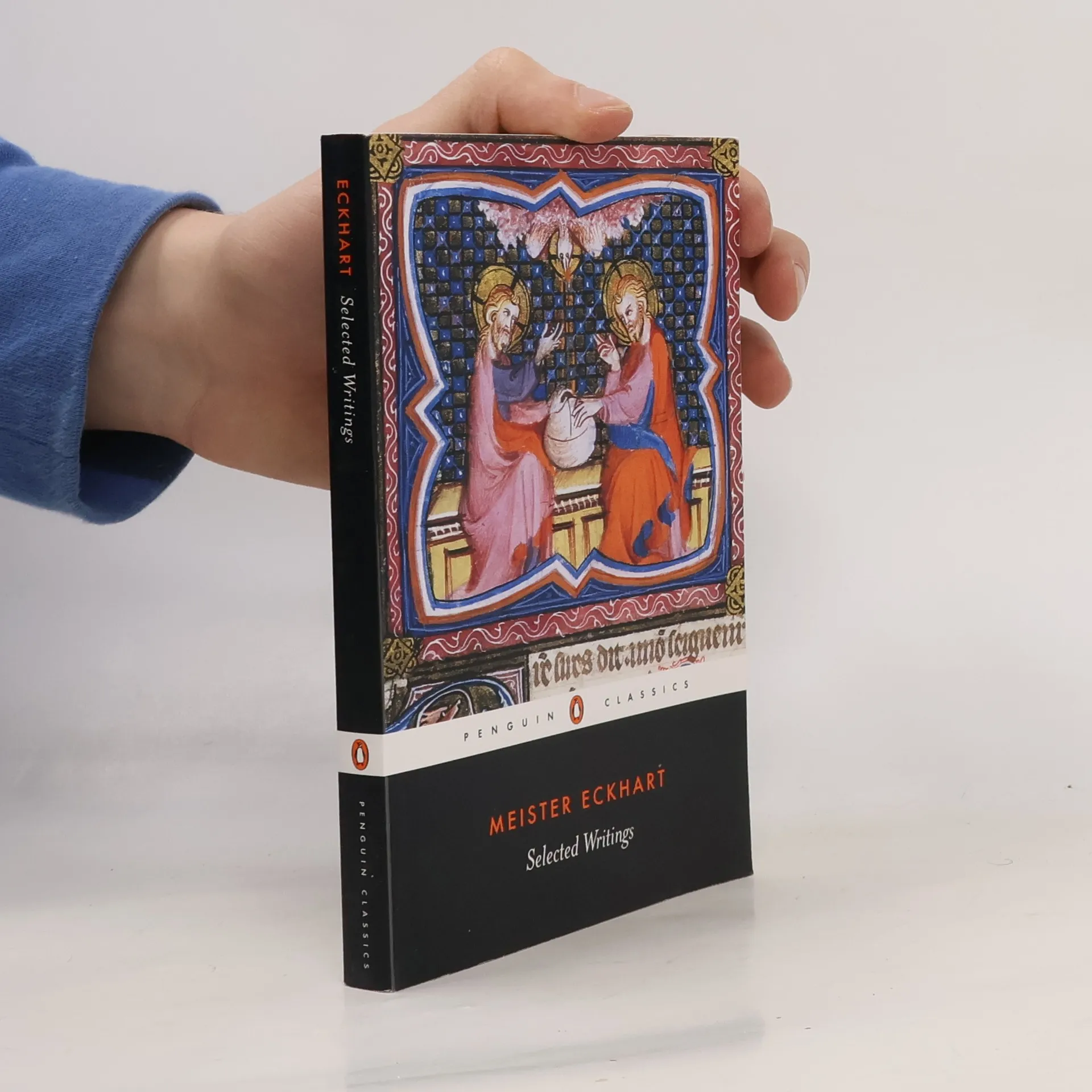
Here are the texts that illustrate the diversity of one of the most enigmatic and influential mystics of the Western Christian tradition. Eckhart the teacher is represented by the Commentary on Exodus and by selections from six other commentaries, including the Commentary on Wisdom 7:14, the Commentary on Ecclesiasticus 24:29, and the Commentary on John 14:8. Eckhart's ministry as a preacher was an equally important part of the man, and thus his sermons, from both the Latin and the Middle High German manuscripts, are included. What emerges is a comprehensive picture of the works of this great speculative theologian. Together with Meister Eckhart: The Essential Sermons, Commentaries and Treatises, this work form the most extensive corpus of Eckhart's writings in English.
The thought of Meister Eckhart (c. 1260-1327), Dominican philosopher and spiritual master, is among the most daring and difficult in the history of Western mysticism.Thoroughly grounded in the Scholastic method of his day and steadfastly loyal to the Church, Eckhart's love of speculation, paradox, and the apophatic way, nevertheless, resulted in the controversial condemnation of certain of his teachings by papal bull in 1329. His doctrines of detachment, the return of the soul to God, and the birth of the Son in the soul have continued to perplex his critics and nourish his disciples through the ages.This volume, based on the critical Deutsche Forschungsgemeinschaft edition of Eckhart's works, represents the first time that his technical Latin writings and more popular German sermons and treatises have appeared together in English.
This book features a large print format and an easy-to-read layout, making it accessible for readers who prefer or require larger text. The design enhances readability, ensuring a comfortable experience for all audiences. Perfect for those who enjoy engaging content without the strain of small print, it caters to a diverse range of readers.
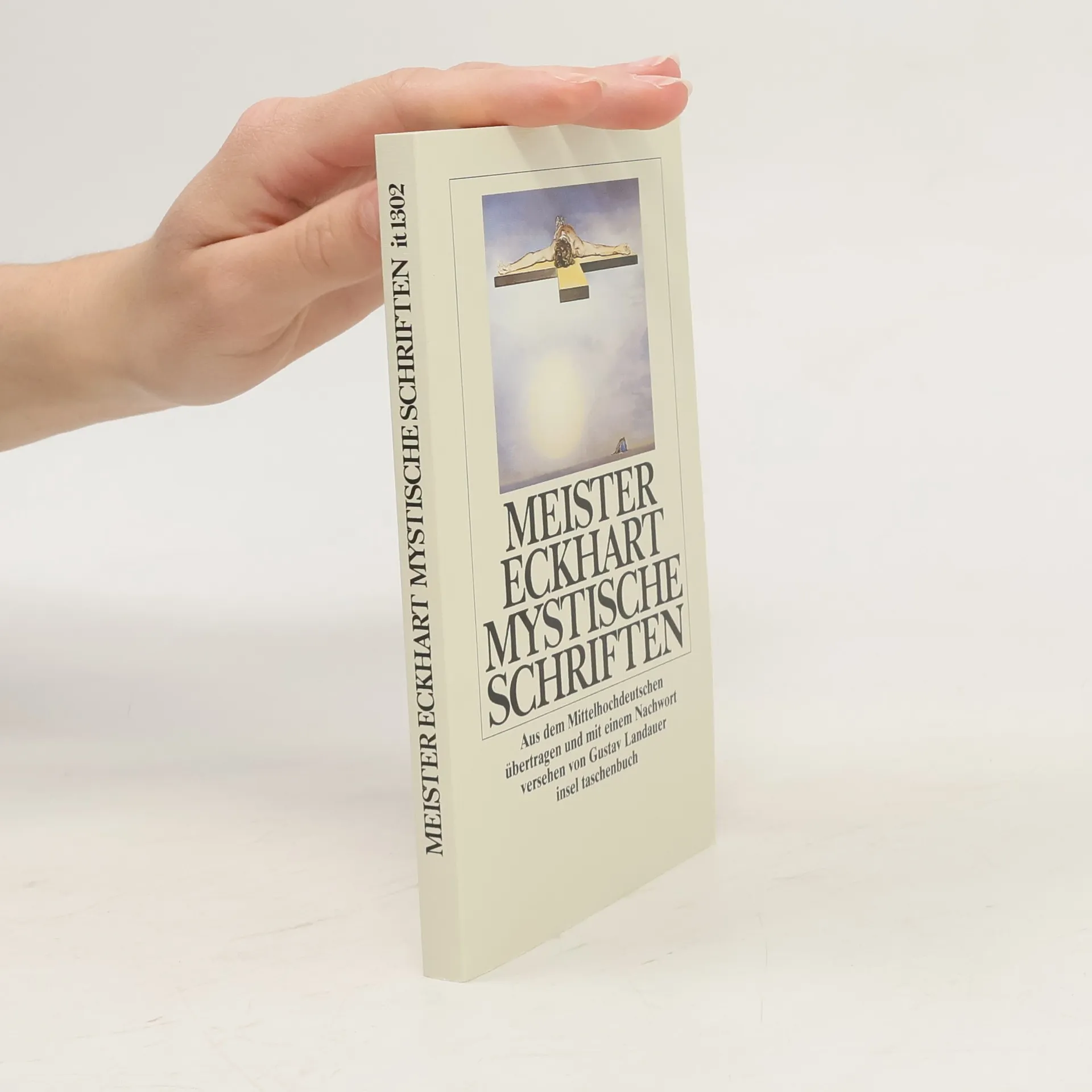
"Mystische Schriften" stellt eine Auswahl dessen dar, was von Meister Eckhart auf uns gekommen ist. Der große theologische Lehrer zeigt sich hier ebensosehr als Erkenntnistheoretiker und Kritiker wie als Mystiker. Eckhart löst die Welt und Gott in dem auf, was er manchmal Gottheit nennt, was unaussprechbar ist, was aber jenseits von Zeit, Raum und Individualisierung und etwas Seelenhaftes ist.
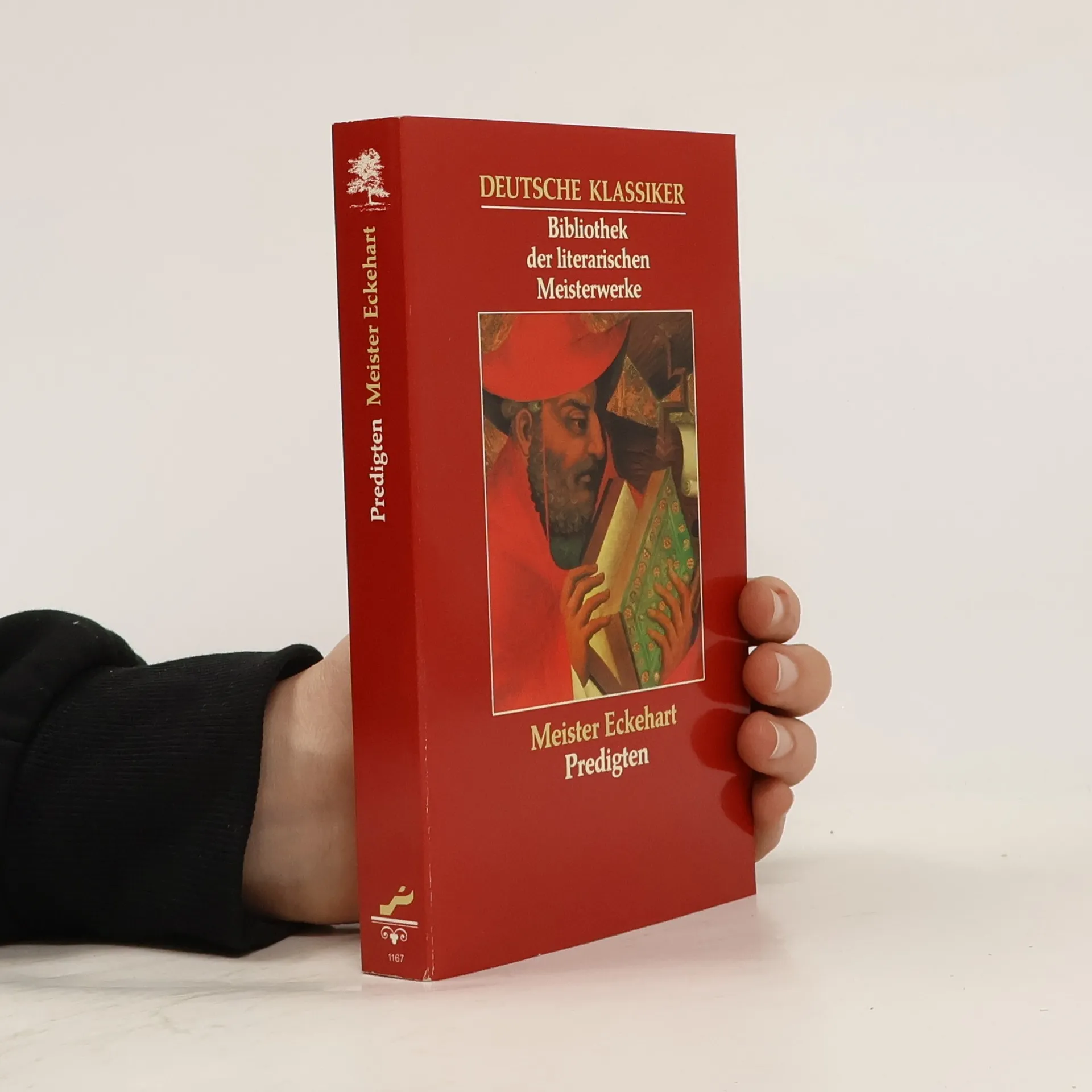
Meister Eckehart (um 1260-1327/29), der dominikanische Theologe aus einem adligen thüringischen Rittergeschlecht, ist der überragende Geist der deutschen Mystik des späten Mittelalters. In einer Zeit des Umbruchs und der Krisen, des heftigen Kampfes zwischen weltlicher und geistlicher Macht, des Auftauchens von Sekten und Ketzern vertritt er die Lehre von der Geburt Gottes in der menschlichen Seele: "Daß Gott eben Gott ist, des bin ich eine Ursache; wäre ich nicht, so wäre Gott nicht Gott." Diese These, die er vor allem in seinen "Predigten" immer wieder erläuterte, brachte ihn schließlich in Konflikt mit der Amtskirche. Nach einem Inquisitionsverfahren verurteilte der Papst eine Reihe seiner Lehren als Ketzerei, doch das verhinderte nicht die Breitenwirkung dieses spekulativen Kopfes am Beginn der Neuzeit.
Meister Eckharts Werk zählt zu den Glanzpunkten der mittelalterlichen Mystik. Der hochgebildete Dominikaner hat in scholastischen Traktaten und Predigten eine intellektuell anspruchsvolle mystische Theologie entwickelt, deren sprachliche Brillanz noch immer beeindruckt. Für diese Studienausgabe wurden einige seiner bedeutendsten mittelhochdeutschen Predigten neu übersetzt und ausführlich kommentiert.
Meister Eckhart, der Mystiker, Kritiker und Erkenntnistheoretiker, eben die überragende Figur des deutschen Geisteslebens im 14. Jahrhundert, sucht in seinen Schriften die mystische Erfahrung darzustellen: das Streben der Einzelseele nach Aufgang in Gott.
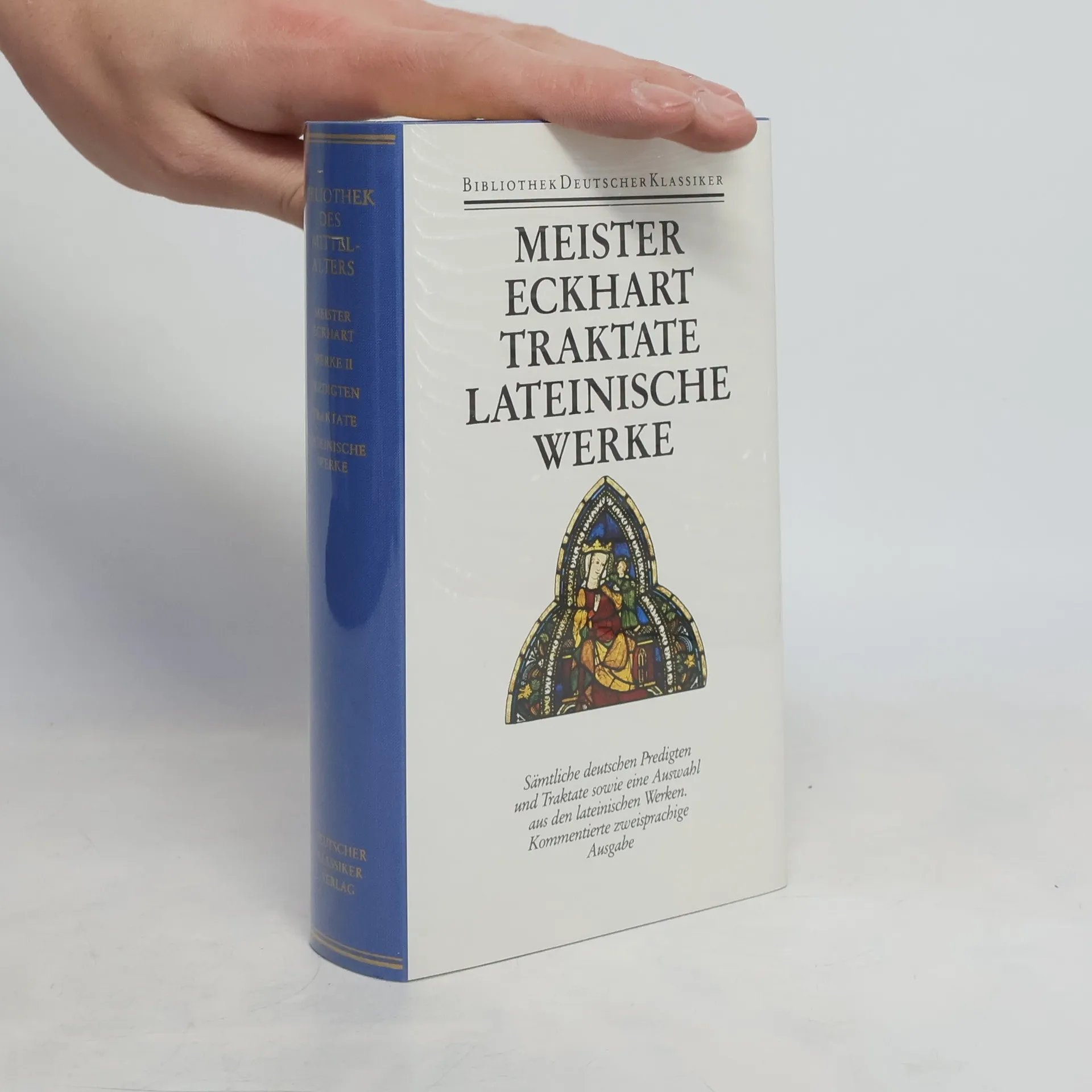
Meister Eckhart (um 1260 bis 1328) zählt zu den bedeutendsten Denkern des Mittelalters. Die neue zweibändige Ausgabe bietet Eckharts deutsche Predigten und Traktate sowie eine Auswahl aus den wichtigsten lateinischen Schriften. Der kritisch geprüfte Originaltext und die Übersetzung stehen sich synoptisch gegenüber. Der Kommentar erläutert Eckharts Denken vor dem Hintergrund der mittelalterlichen theologischen und philosophischen Tradition. Der bedeutendste deutsche Mystiker des Mittelalters in einer reichen Auswahl seiner deutschen Traktate, lateinischen Werke und Predigten Originaltext und Übersetzung nach der historisch-kritischen Ausgabe in synoptischer Gegenüberstellung Umfangreicher Kommentar zu Leben und Werk, zu Quellen und Nachwirkung
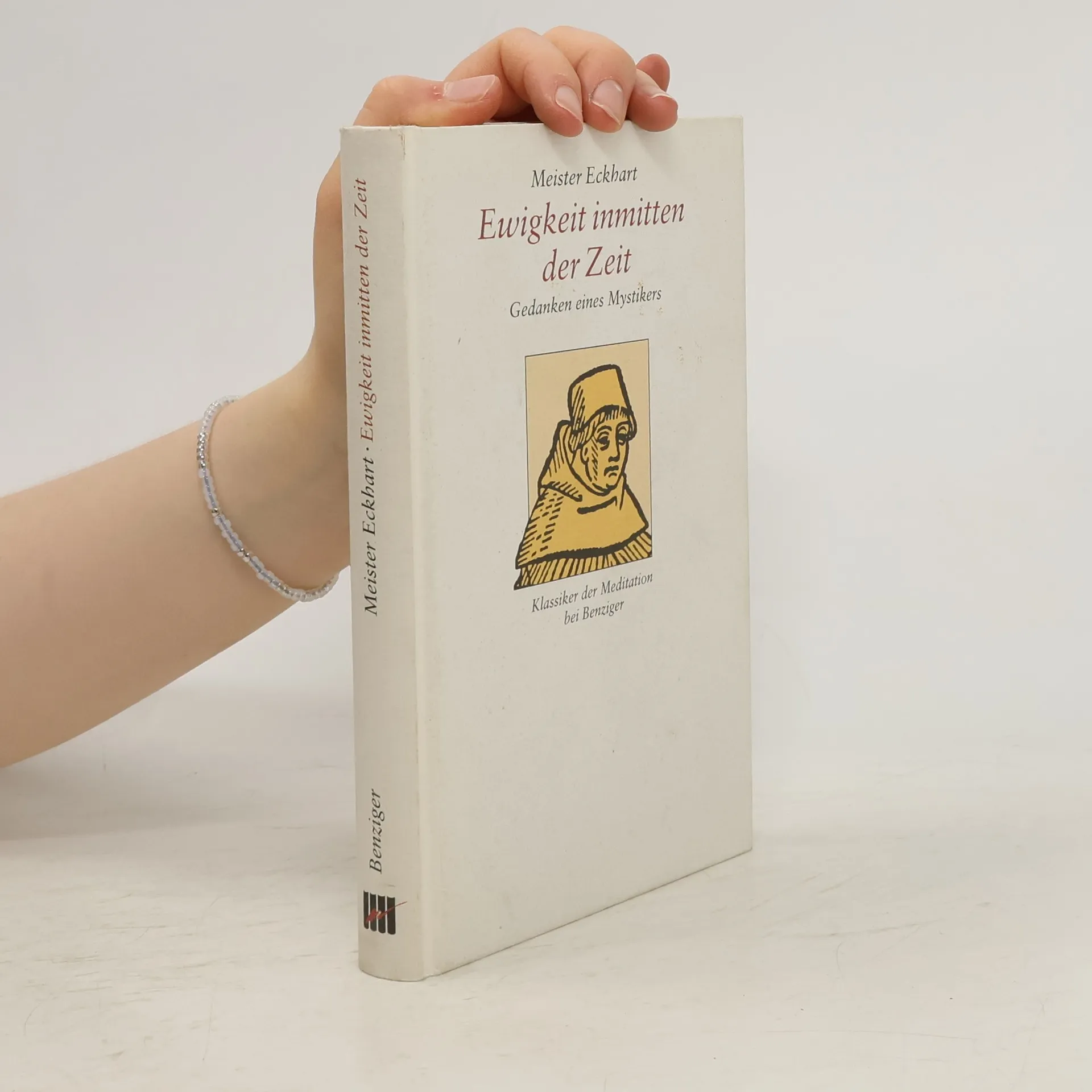
Meister Eckhart (um 1260 – 1328) gilt als bedeutendster Vertreter der deutschen Mystik des Mittelalters. Geheimnisvoll, manchmal fremd sind seine Gedanken – und faszinierend: Sie sprechen mitten hinein in die Sehnsucht nach Gott und in das Verlangen, eins zu werden mit sich selbst. – Ausgewählte Kurztexte bringen Meinster Eckhart nahe.
Ordensmann, Philosoph, Theologe, Professor – Meister Eckhart ist eine der herausragenden geistigen Gestalten des europäischen Mittelalters. Tätig in Erfurt, Paris, Straßburg und Köln, gestorben 1328 in Avignon, wo er sich gegen Häresievorwürfe verteidigen musste. Vorwürfe, die schwer wogen, weil Eckhart auch auf Deutsch und vor Laien predigte. Seine Gedanken über Gott und den Menschen werden bis heute weltweit und über die Grenzen der Religionen hinweg diskutiert.Der Band enthält eine Auswahl aus seinen wichtigsten deutschen Predigten, erläuternde Anmerkungen und ein Nachwort.
Eckhart von Hochheim, um 1260 geboren, gilt heute unter dem Namen Meister Eckhart als bedeutendster Vertreter der Deutschen Mystik. Damit ist alles andere als 'besonders fromm' gemeint: Mystiker sind 'Menschen, die etwas erfahren haben' (Karl Rahner). So stellt Thomas Polednitschek Meister Eckhart als einen 'Philosophischen Praktiker' vor, dessen Lebenswissen auch heute Orientierung für ein klug geführtes und gutes Leben gibt. In zahlreichen zentralen Originaltexten kommt Meister Eckhart selbst zu Wort.
Meister Eckhart ist der berühmteste deutsche Mystiker des Mittelalters – die Weisheit, die er in seinen Schriften lehrt, zielt auf einen Weg der inneren Wandlung, der zur Erkenntnis der Wahrheit im Herzen führt und die Seele des Menschen adelt. Mit einer Einleitung von Gerhard Wehr.
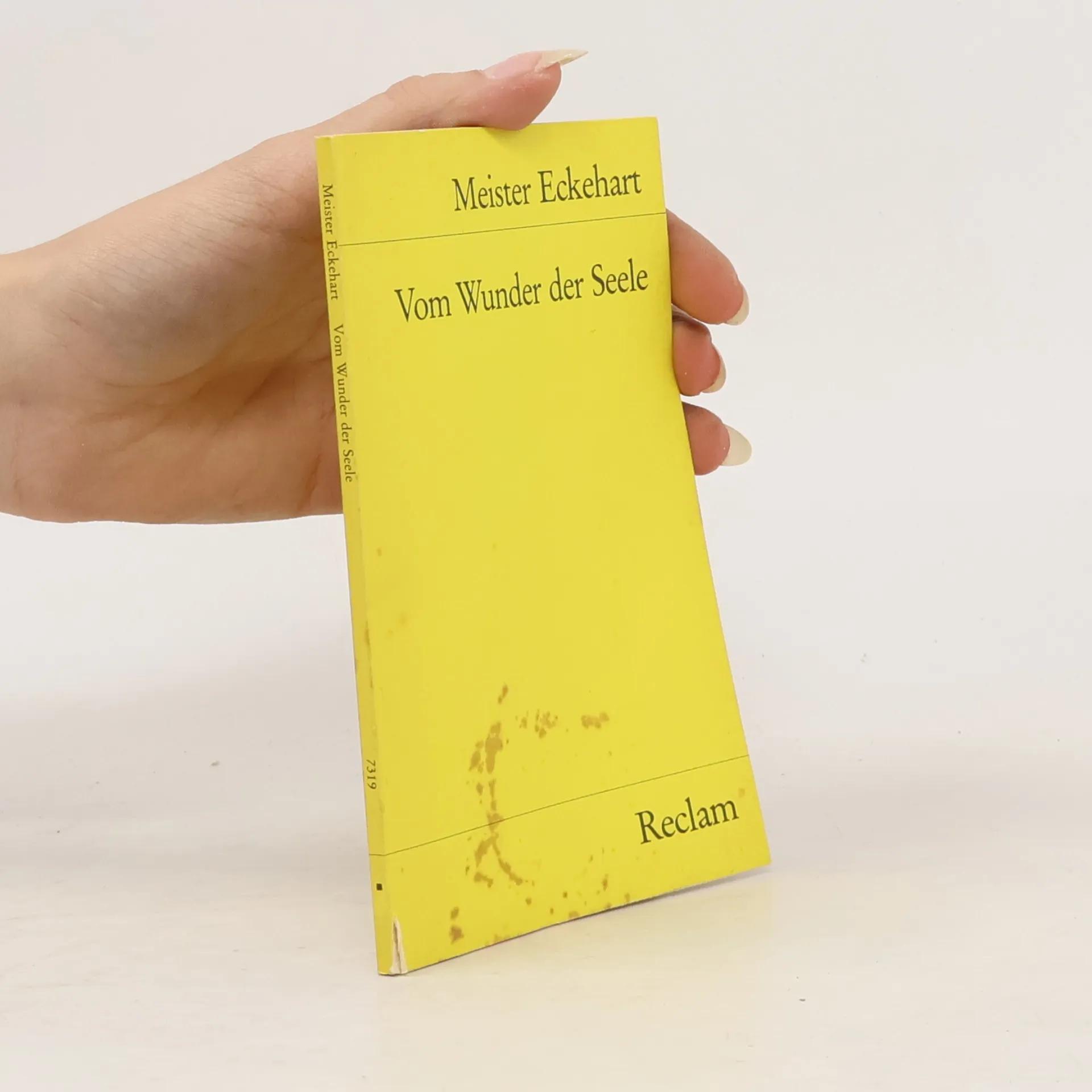
Meister Eckehart ; Eingeleitet, Neu Durchgesehen Und Herausgegeben Von Friedrich Alfred Schmid Noerr. Reprint. Originally Published: Stuttgart : P. Reclam, 1966.
Engel faszinieren heute mehr denn je. Sie berühren
unser Innerstes und wecken die Sehnsucht nach einer
Geborgenheit, Stille und Freude, die nicht von dieser
Welt sind. Lassen Sie sich von beflügelnden Texten
namhafter christlicher Autoren und von wunderschönen
Bildern inspirieren oder ergreifen Sie die Gelegenheit,
mit einem 'himmlischen' Geschenk lieben Menschen
Dank zu sagen oder Gutes zu wünschen.
Die Reihe präsentiert bedeutende Werke der Weltliteratur in einer modernen Rechtschreibung, die den Vorgaben des Dudens entspricht. Klara Neuhaus-Richter sorgt dafür, dass diese Klassiker für heutige Leser zugänglicher werden, ohne den ursprünglichen Inhalt und Stil zu verlieren.
Meister Eckhart (1260-1328) war ein bedeutender Theologe und Philosoph des Spätmittelalters, dessen Predigten und Schriften auch heute noch inspirieren. Er förderte eine spirituelle Lebenspraxis und prägte die deutsche philosophische Sprache. Das Buch umfasst Predigten, Traktate und Sprüche zu Themen wie Gott, Seele und Einheit.
Die Mystik Meister Eckharts hat über die Jahrhunderte nichts von ihrer Kraft und Faszination verloren. Seine Predigten und Vorträge bergen eine Fülle alltagstauglicher Orientierungshilfen. Für jeden Tag des Jahres finden Sie einen Weisheiten-Schatz mit Erläuterungen zum heutigen Verständnis. Dr. Irmgard Kampmann, geb. 1952, lebt als freie Dozentin und Autorin, philosophische Beraterin und spirituelle Begleiterin in Bochum. Sie ist Mitglied der Meister-Eckhart-Gesellschaft. Buchautorin. Rege Vortragstätigkeit.
Die rede der unterscheidunge. Zweisprachige Ausgabe
204 pages
8 hours of reading
Eckhart von Hochheim (ca. 1260–1328) verfasste »Die rede der underscheidunge« um 1294–98 als Prior in Erfurt und Vikar von Thüringen vor seinen Zeiten als Magister («?eister«? in Paris. Er zeigt sich schon hier als bemerkenswerter Augustinus-Kenner, nicht als Fürsprecher einer ›Mystik‹ im Stile Plotins oder dessen Epigonen, nicht als Begründer einer ›Deutschen Mystik‹, welcher Name seit Eckharts Neuentdeckung im 19. Jahrhundert und seit der wachsenden Verbreitung seiner Schriften üblich wurde.Die im Text behandelten Themen betreffen Grundfragen der ›conditio humana‹, die teils im Kontext des konkreten Alltagslebens (auch von Eckharts jungen Zuhörern in Erfurt) und weitgehend ohne explizite Rückgriffe auf die Tradition besprochen Gelassenheit – das Ideal des Guten – Abgeschiedenheit und Gottesbezug – das Ideal der Vernunft – Bedeutung der Willensfreiheit – zum ›Fehlen Gottes‹ – zum Umgang mit eigenen ›Sünden‹ – Reue – Zuversicht und Hoffnung – Gewissheit vom ewigen Leben – zum Sinn der Behinderung von Gutem durch Gott – Eifer – innere und äußere Taten.
'Mystik' macht ein großes spirituelles Versprechen: den direkten unverstellten Zugang zu Gott, ohne Kirche, ohne Priester, ohne Heilige, auf 'Mystik' richtet sich zumal in kirchenfernen, kirchenkritischen und verweltlichten Zeiten die ganze Sehnsucht nach eigener, persönlicher religiöser Erfahrung - wenn sie nicht gleich in einer zumeist östlichen, neu angeeigneten Frömmigkeit gesucht wird. Nur das massenhafte und modische daran ist neu! Von Meister Eckhart, der sich selbst sowohl als (ordentlicher) Lesemeister als auch als 'Lebemeister' bezeichnet und also um den tiefen Wunsch nach Versöhnung von theologischer Intellektualität und spiritueller Einfachheit wusste, wurde seit Jahrhunderten Anleitung auf dem spirituellen Weg erwartet. Einfach ist er nie, dieser Weg. Aber wer die Anstrengung der Lektüre wagt, hat sich immerhin aufgemacht. Dieses Buch erleichtert die ersten Schritte.
Die mystischen Schriften von Meister Eckhart, einem herausragenden Glaubenslehrer des späten Mittelalters, zeichnen sich durch seinen scharfen Verstand und intellektuellen Mut aus. Eckhart, der in Thüringen geboren wurde und in Städten wie Straßburg, Paris und Köln lehrte, widersprach den stagnierenden Glaubensvorstellungen seiner Zeit. Seine oft unorthodoxen Auslegungen kirchlicher Lehren und die philosophischen Ansätze in seinen Schriften zeigen Parallelen zu pantheistischem Denken und fernöstlichen Religionen, insbesondere dem Zen-Buddhismus.
"Meister der Mystik, moderner Denker und Erfinder der Gelassenheit" (Deutschlandfunk)
192 pages
7 hours of reading
Eckhart von Hochheim (bekannt als Meister Eckhart, um 1260–1328) gehört zu den größten Glaubenslehrern aller Zeiten und ist der berühmteste deutsche Mystiker des Mittelalters. Die vorliegende Auswahl seiner Predigten zeigt ihn ebenso als Erkenntnistheoretiker und Kritiker wie auch als Mystiker. Eckharts Schriften sind geprägt von einer unorthodoxen Auslegung kirchlicher Glaubenssätze, er löst Gott und die Welt in dem auf, was er Gottheit nennt. An die Stelle des Dings setzt er eine psychische Kraft, an die Stelle von Ursache und Wirkung ein Fließen, und bringt uns so das Ferne nah: das Schweigen, das Unwissen, die Freude, die Beziehung von Gott und Mensch.
Die vollständigen mystischen Lehren von Meister Eckhart in einem Band. Im Gegensatz zu den lateinischen Werken, die seine Gedanken präzise und analytisch darstellen, reflektieren Eckharts deutsche Werke intuitiv die Beziehung zum Göttlichen. Die in der Volkssprache gehaltenen Predigten, die hier transkribiert und übersetzt sind, drücken die persönlichen, mystischen Aspekte von Eckharts Überzeugungen aus. Die Traktate und anderen Werke vertiefen dieselben Themen und stammen sowohl aus seinen gesprochenen als auch aus seinen schriftlichen Arbeiten. Dieses Werk ist der maßgebliche Band von Eckharts bleibendem Erbe für das Christentum.
Výbor z textů německého mystika 13. století s obsáhlou úvodní studií Jana Sokola. Do výboru jsou zařazeny rovněž překlady několika dalších dobových textů, které doplňují celkový rámec myšlenkového dědictví Mistra Eckharta – Anselm Cantenburský: Proslogion, Hugo od sv. Viktora: O marnosti světa, Bernard z Clairvaux: O lásce k Bohu, Tomáš Akvinský: Teologická summa, Jan Tauler: Kázání.
Uspořádal Jan Sokol. Z latinských a německých originálů přeložili Lenka Karfíková (Anselm Canterburský a Bernard z Clairvaux), Miloš Dostál (Jan Tauler) a Jan Sokol.
Kniha se věnuje tématu oproštění u Mistra Eckharta, středověkého teologa, a kazatele, „otce německé mystiky“, který ve svém díle jedinečným způsobem spojuje středověkou teologickou tradici s hlubokou spirituální zkušeností mystické jednoty.
Knihu doplňuje překlad cyklu Eckhartových vánočních kázání o zrození božského Syna v duši a klenot německé středověké mystické poezie, jímž je báseň Granum sinapis.
„Nechť nám Otec, jeho Slovo a oběma společný Duch napomáhají hledat zde na zemi tento pokoj a toto vnitřní ticho, aby v nás ono věčné Slovo bylo vysloveno, námi zaslechnuto a abychom se mohli s tím Slovem stát jedním. Amen.“ (Mistr Eckhart, kázání 104)
Hlubina mystického učení Mistra Eckharta je stálým zdrojem bouřlivých diskusí nad pravým smyslem slov tohoto středověkého dominikánského teologa. Zkoumání celku i detailů Eckhartovy písemné pozůstalosti však člověka nutně přivádí do chrámu ticha, v němž všechny protiklady splývají v jedno jediné. O tomto chrámu promluvila i nejslavnější vlámská mystička Hadewijch a svým štětcem jej zachytil i tajermný Jan van Eyck. Kniha obsahuje esej Antoina Moulongueta Portrét Mistra Eckharta od Jana van Eycka, úvodní studii překladatele a znalce Eckhartova díla Josefa Bradáče, pětici zásadních kázání Mistra Eckharta a pět mystických básní Hadewijch. Texty doprovází poznámkový aparát a stručná biografie autorů zastoupených v tomto svazku.
Kniha přináší výběr z tzv. pseudo-eckhartovské literatury. Předkládaný traktát O rození věčného Slova v duši svým odměřeným, ale zároveň uceleným způsobem syntetizuje Eckhartovo učení o rození Boha v duši, a jakožto příručka křesťanské meditace z počátku 14. století tak je svědkem duchovní praxe evropského středověku. Následující soubor výroků, marginálně nalezených ve středověkých rukopisech, pak doplňuje a rozšiřuje Eckhartovo dílo. Připsání těchto duchovních střípků Eckhartovi je formální záležitostí – ale copak i tzv. předsokratovské zlomky nejsou badateli brány smrtelně vážně?
Antologie spisů Mistra Eckharta, středověkého myslitele a mystika. Ve vybraných latinských a německých textech figurují všechny důležité prvky Mistrova učení, mezi nimiž zaznívá jak tvrzení, že Bůh „je proto, že poznává“, tak maxima „chudého“, od vší mnohosti oproštěného člověka: totiž podmínka k pravému poznání sebe sama.
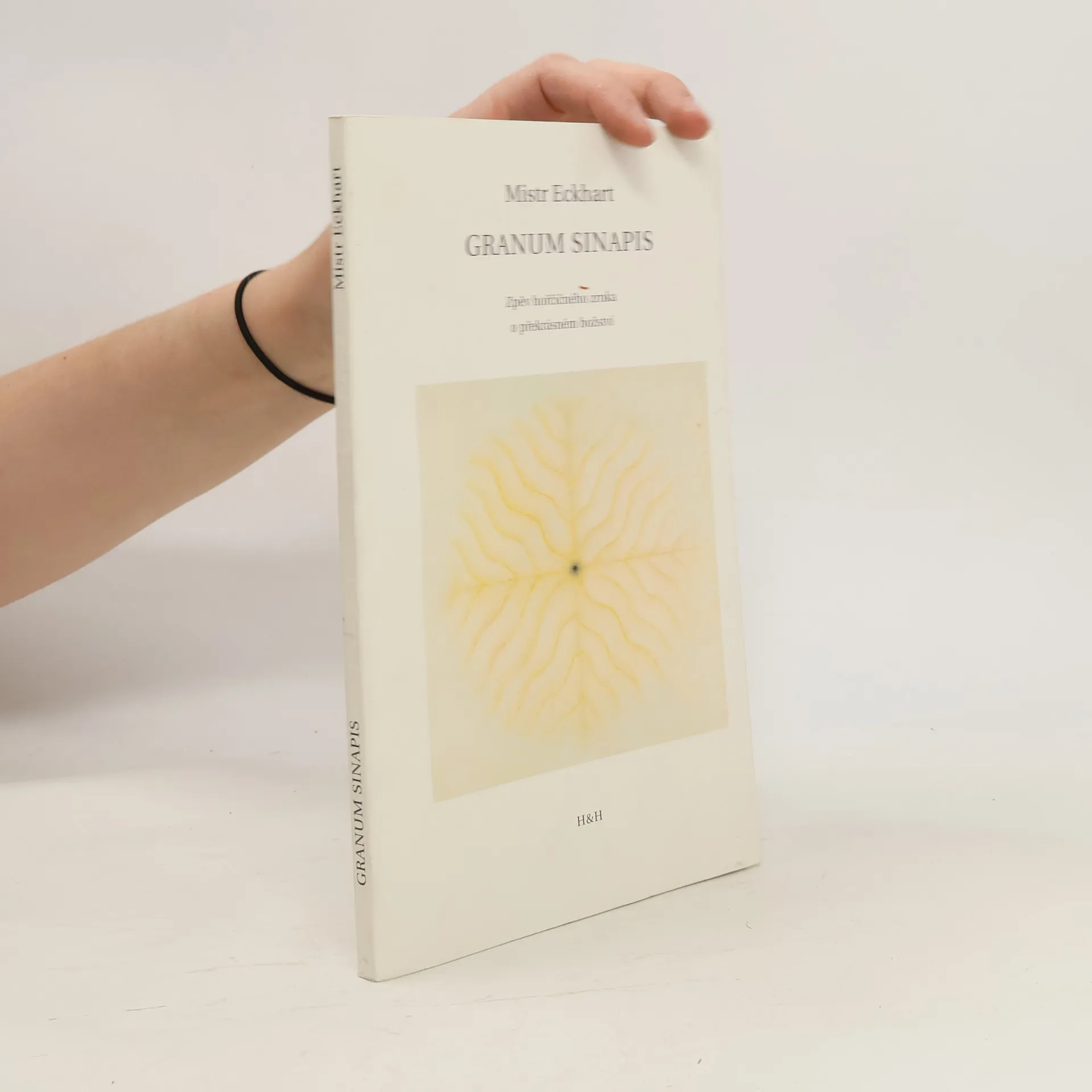
Granum sinapis, zrnko hořčičné, bylo odedávna symbolem mystické teologie. Báseň o osmi strofách téhož názvu je připisována hodnostáři dominikánského řádu, teologovi a kazateli Mistru Eckhartovi (cca 1260-1328), třebaže jeho autorství je sporné a nebylo jednoznačně prokázáno ani vyvráceno. Zpěv hořčičného zrnka o překrásném božství doprovází podrobný latinský komentář rozebírající jednotlivé verše i slova básně, jehož autorem by rovněž mohl být Mistr Eckhart nebo někdo z jeho okruhu. V patnáctém století byl k básni napsán anonymní, poněkud stručnější, za to básnivější německý komentář, který je spolu s latinským komentářem nedílnou součástí tohoto svazku. Granum sinapis působivě a rytmicky přesně přebásnil Miroslav Matouš (nar. 1921). Vlastní překlady latinského a německého komentáře doplnil poznámkami a úvodním esejem filolog Václav Ondráček. Adekvátní výtvarný doprovod knihy, jenž zvýrazňuje mystický obsah „básně o překrásném božství“, je dílem malíře, grafika a ilustrátora Václava Boštíka (1913-2005).