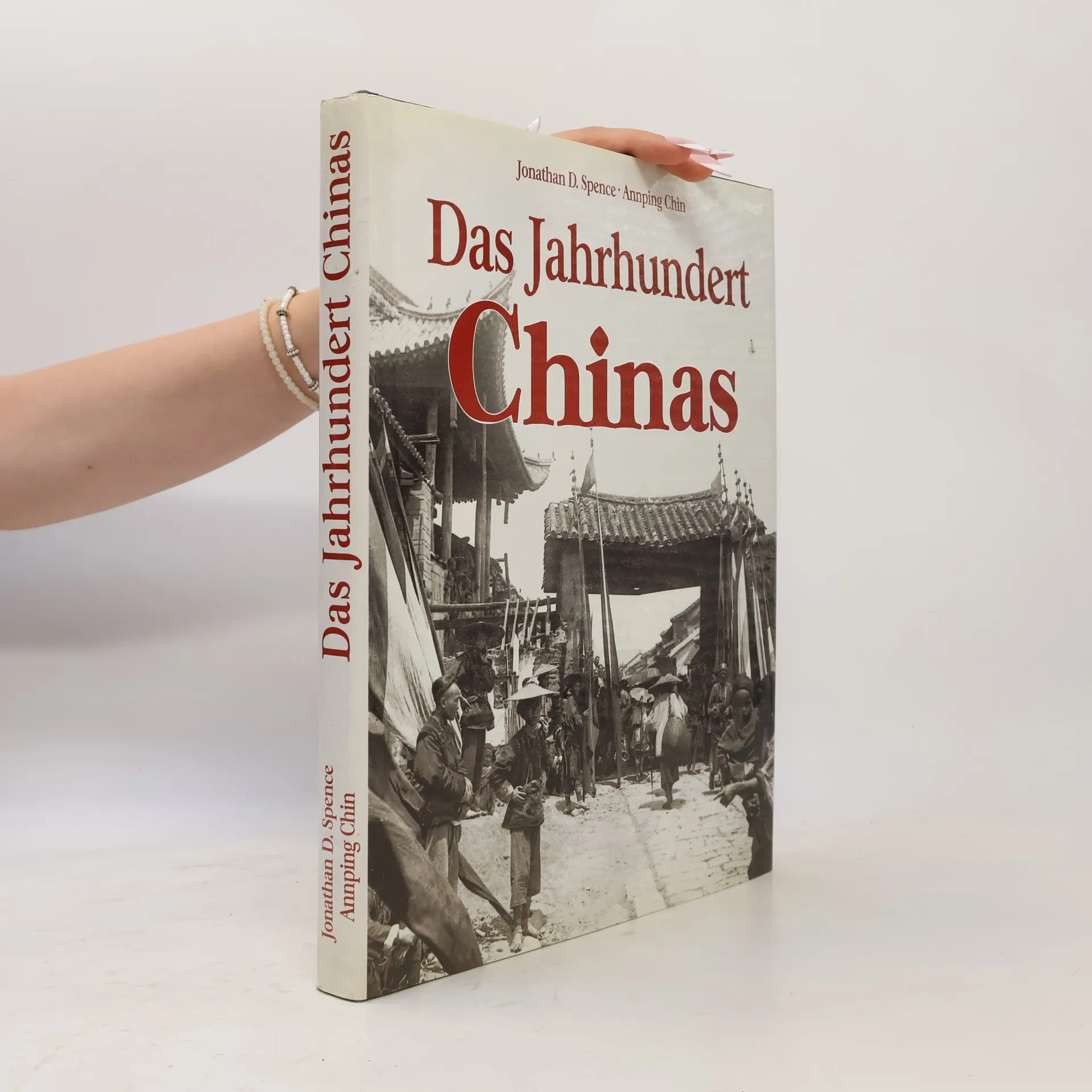
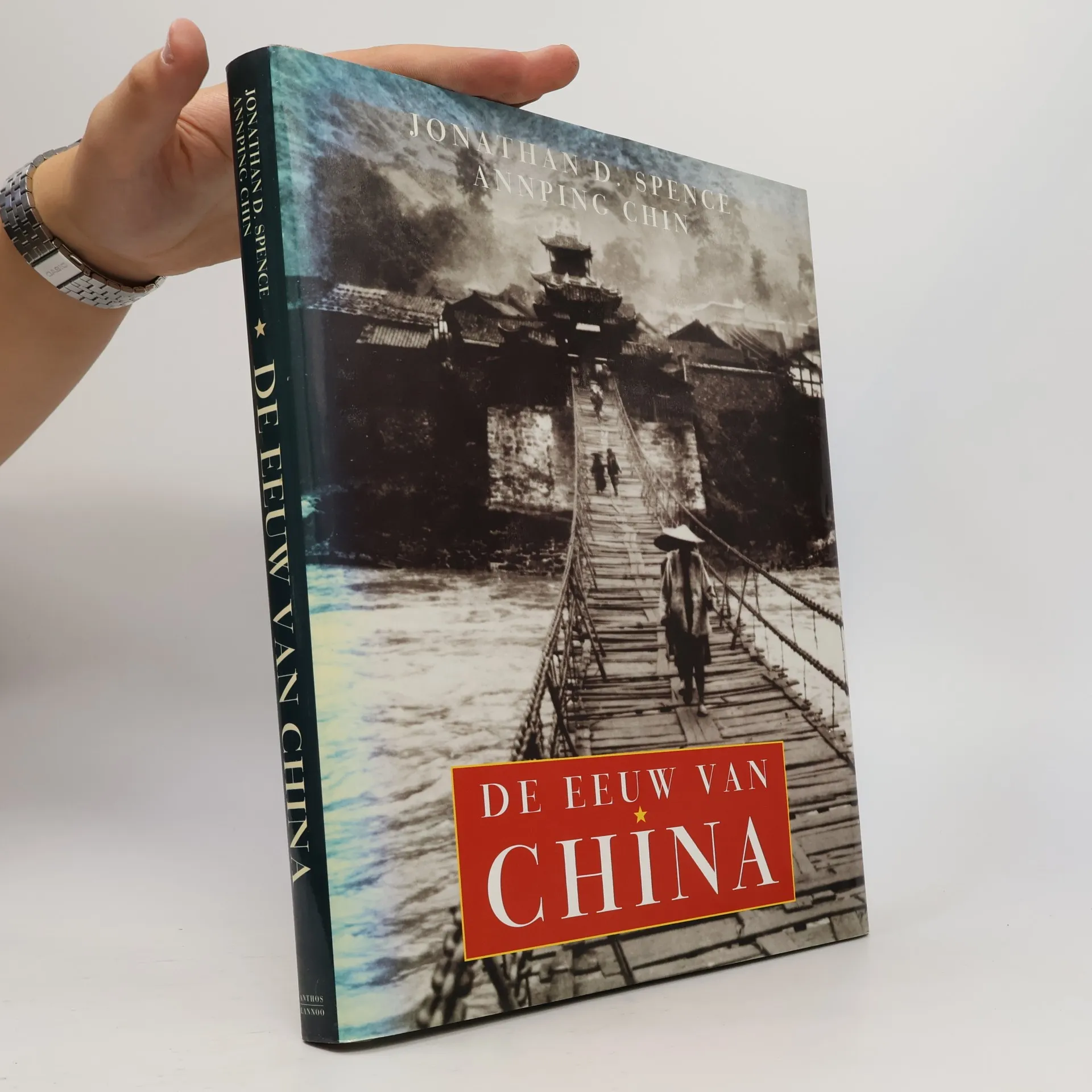
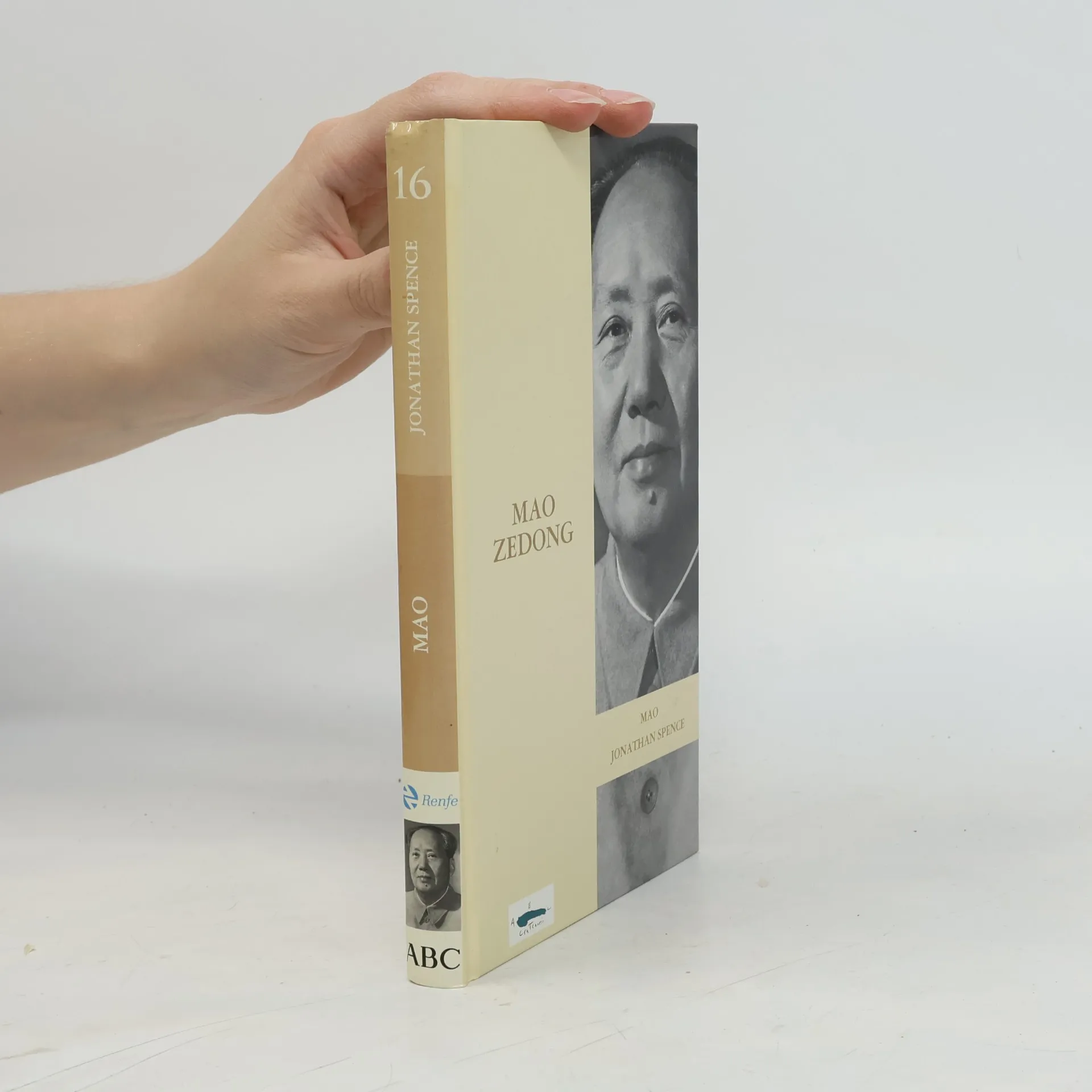
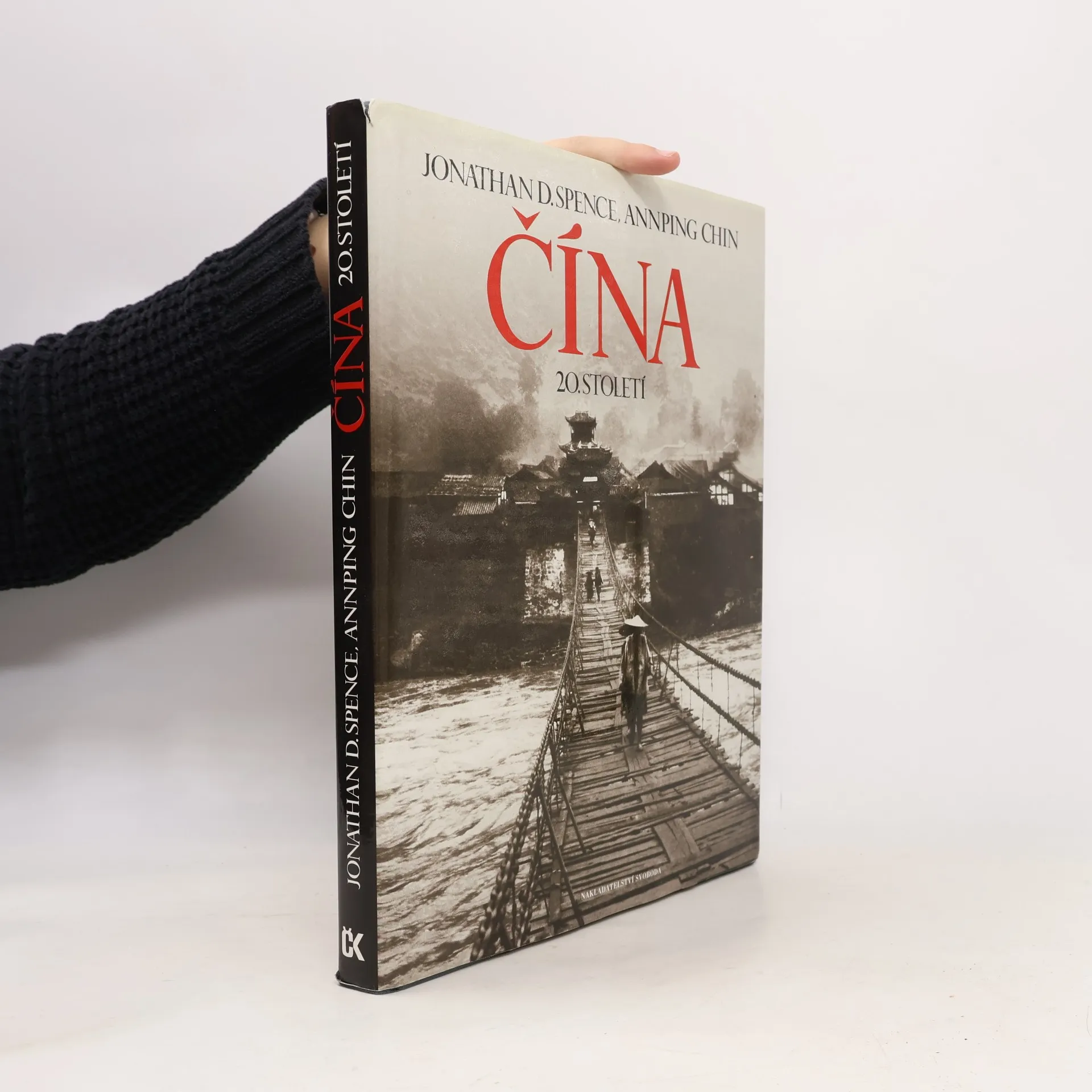
A photographic chronicle of the past tumultuous century of China's history.
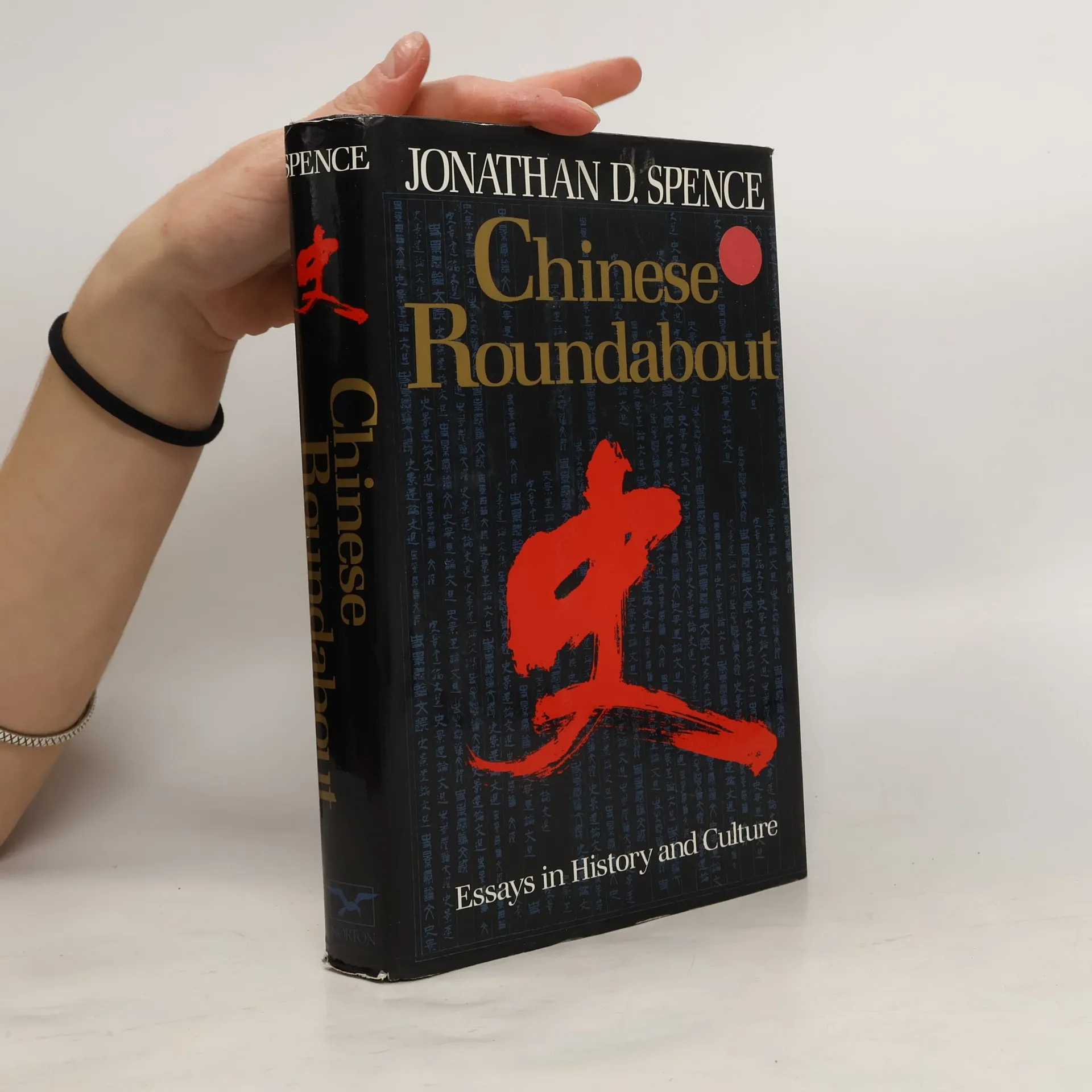
Jonathan Spence Books
August 11, 1936 – December 25, 2021
Jonathan D. Spence was a historian specializing in Chinese history. His work focused on the last several hundred years of Chinese history. His most famous book became one of the standard texts for this period. Spence was a professor of history at Yale University.
The Search for Modern China
- 876 pages
- 31 hours of reading
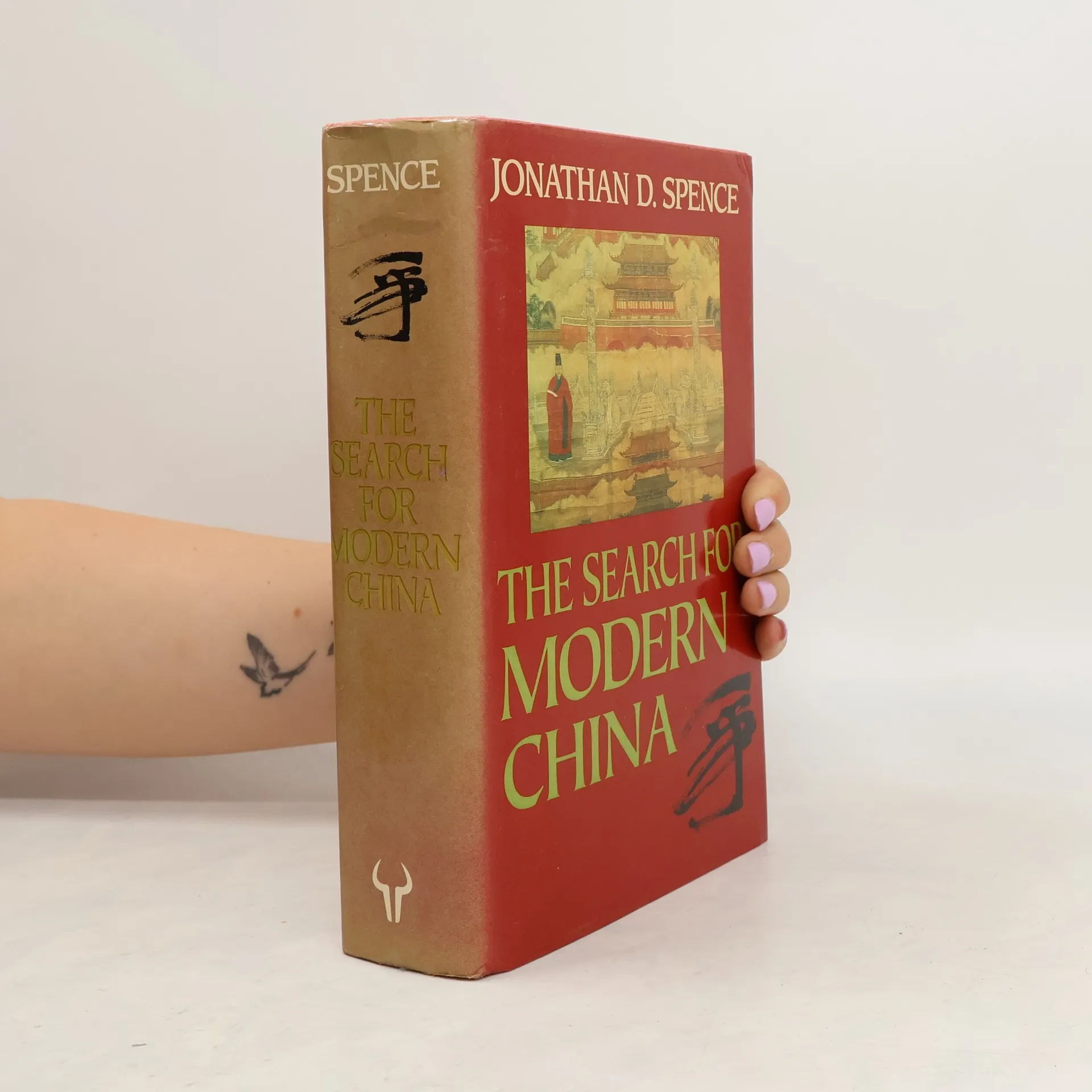
Covers over four centuries of Chinese history, from the waning days of the Ming dynasty to Deng Xiao-Ping's bloody supression of the pro-democracy demonstrations in Tiananmen Square. The author's previous books on China include "The Gate of Heavenly Peace" and "The Question of Hu".
China
- 200 pages
- 7 hours of reading
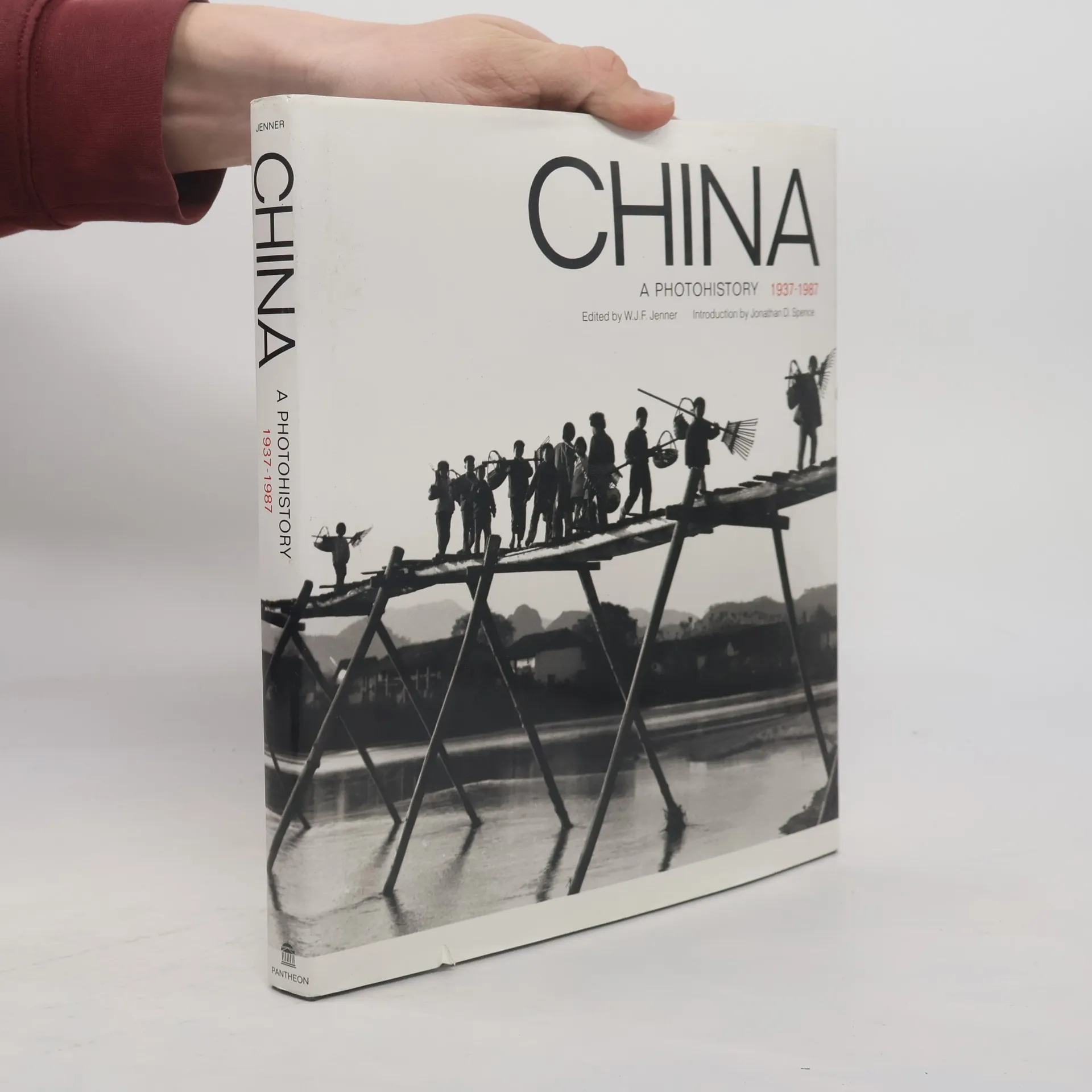
Photographs from the Magnum archives reveal diverse aspects of China during the past fifty years, including landscapes and peoples, years of war and strife, the turbulent years under Mao, and today's new phenomena
Modern Classics: Fortress Besieged
- 448 pages
- 16 hours of reading
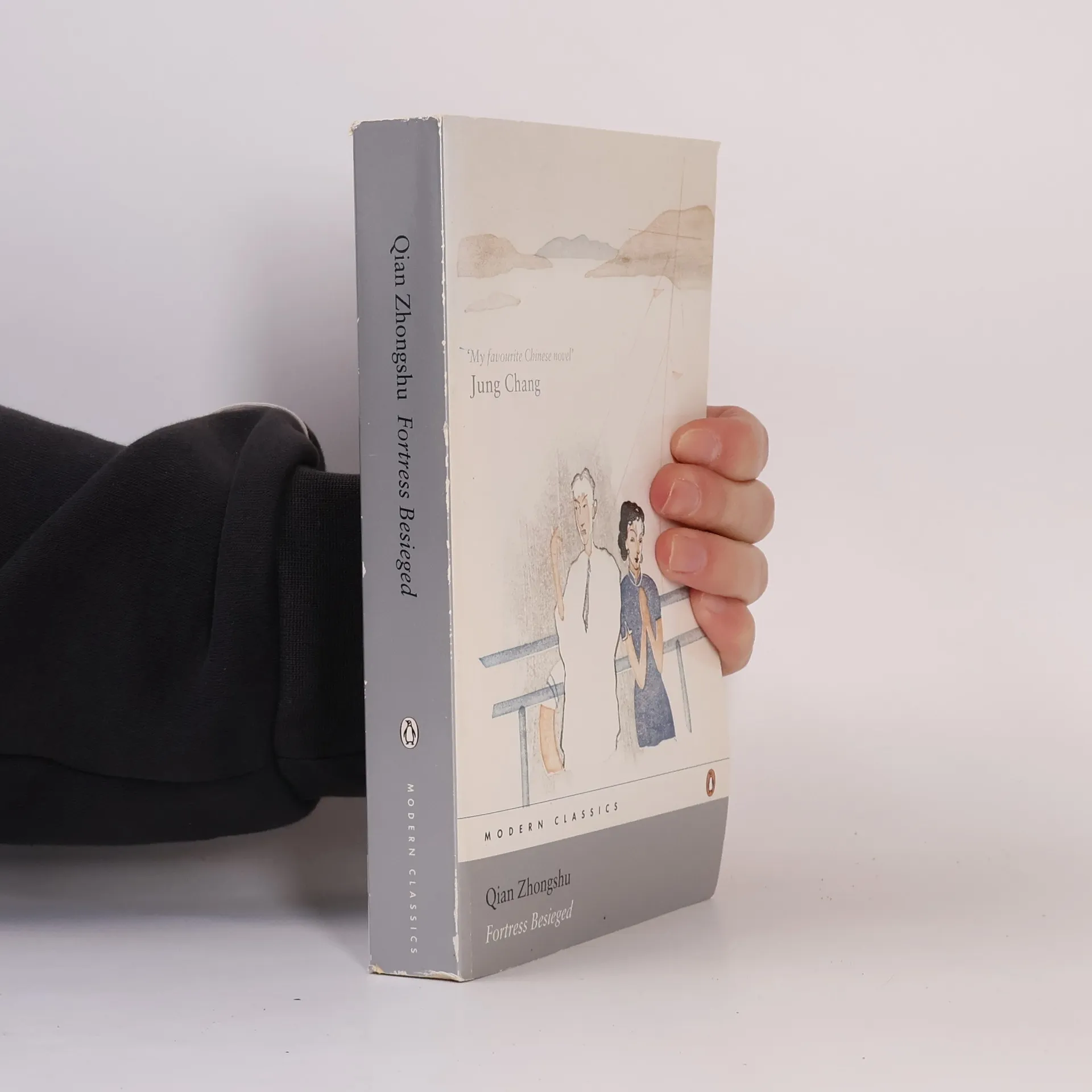
Set on the eve of the Sino-Japanese war, this work recounts the exuberant misadventures of the hapless hero Fang Hung-chien, who after aimlessly studying in Europe at his family's expense returns to Shanghai armed with a bogus degree from a fake university. On the liner back, Fang's life becomes deeply entangled with those of two Chinese beauties.
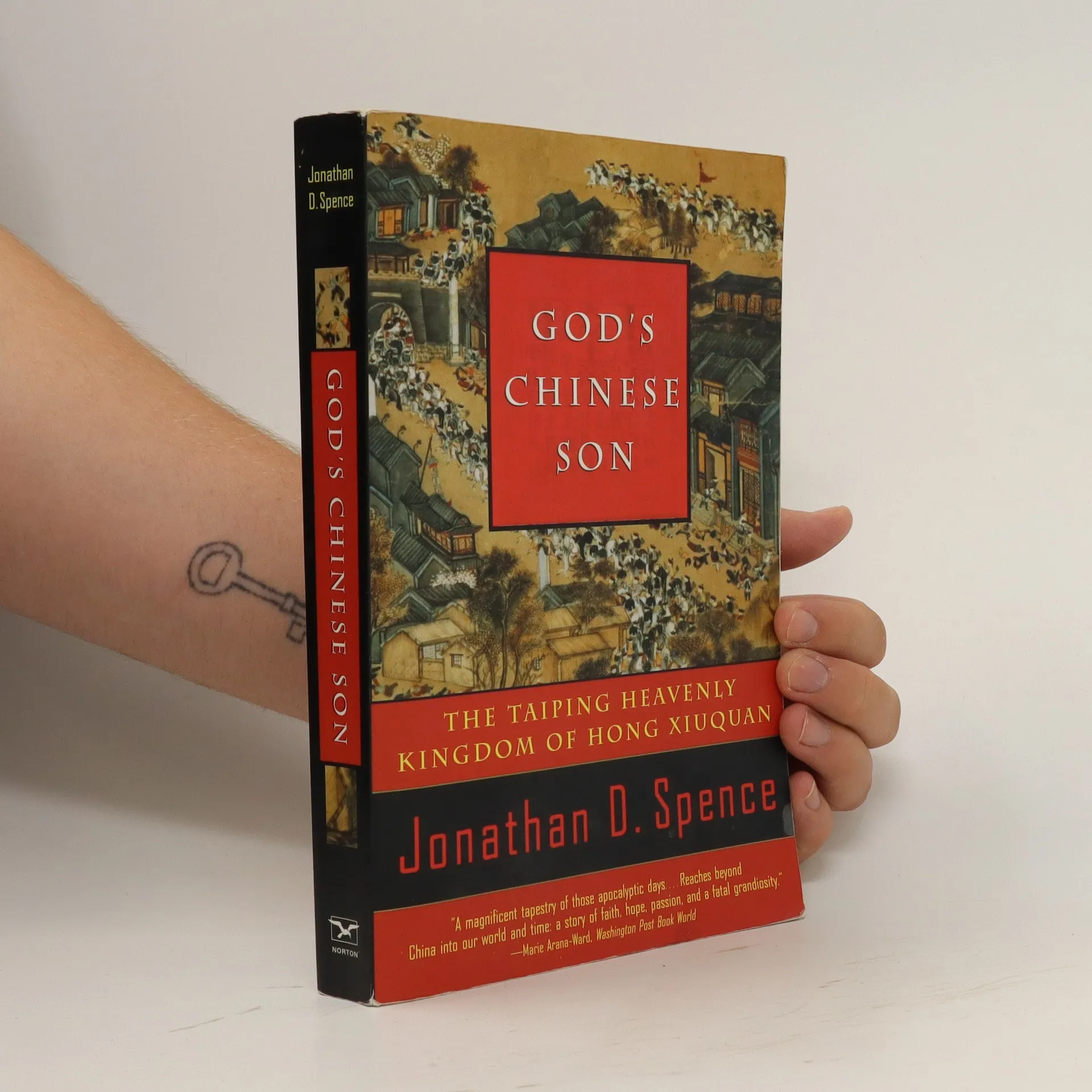
A powerful account of the largest uprising in human history--the Taiping rebellion (1845-64)--in which 20 million Chinese were left dead, God's Chinese Son tells "a story that reaches beyond China into our world and time; a story of faith, hope, passion, and a fatal grandiosity" (Washington Post Book World). Photos. Author lectures & tour.
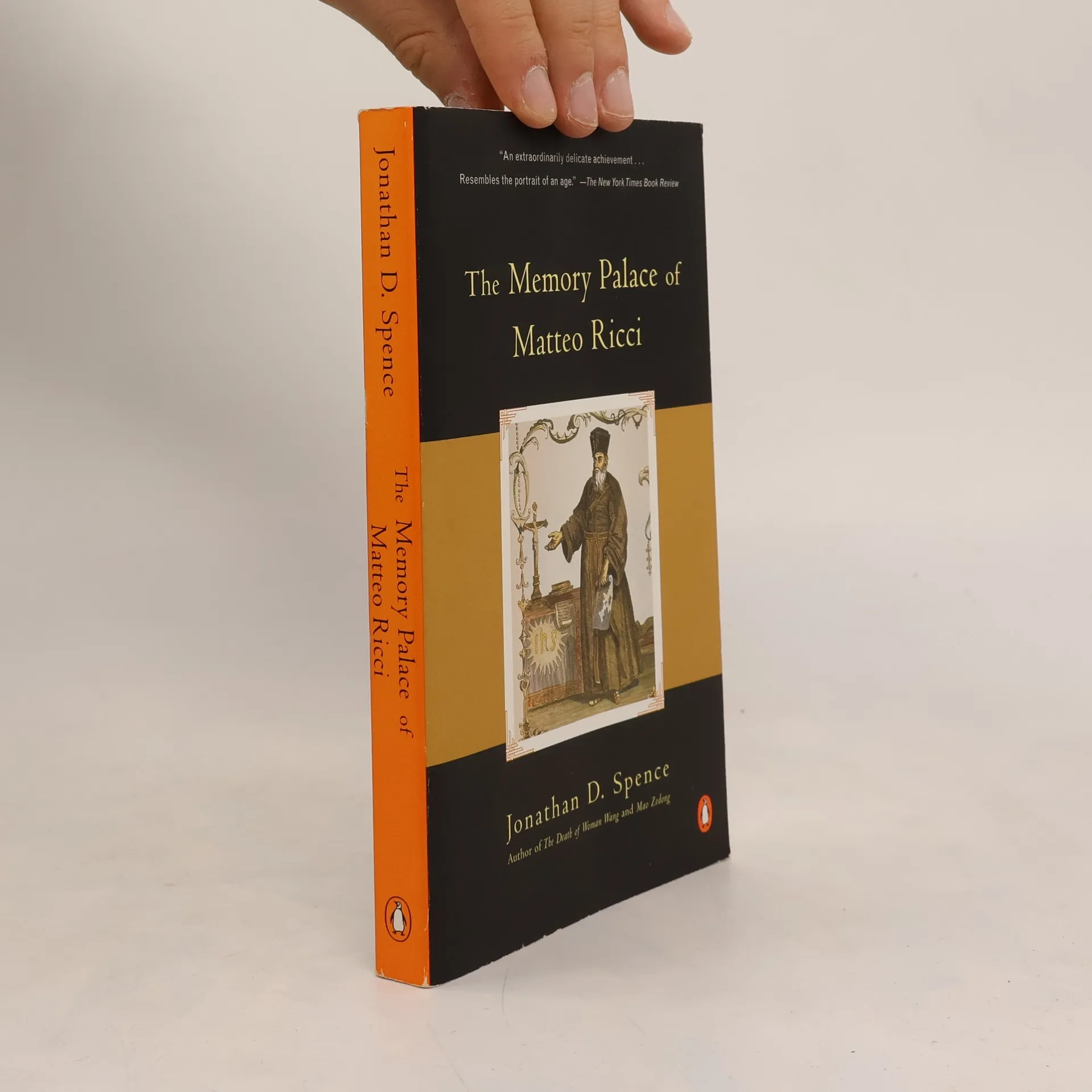
In 1577, the Jesuit Priest Matteo Ricci set out from Italy to bring Christian faith and Western thought to Ming dynasty China. To capture the complex emotional and religious drama of Ricci's extraordinary life, Jonathan Spence relates his subject's experiences with several images that Ricci himself created--four images derived from the events in the bible and others from a book on the art of memory that Ricci wrote in Chinese and circulated among members of the Ming dynasty elite. A rich and compelling narrative about a remarkable life, The Memory Palace Of Matteo Ricci is also a significant work of global history, juxtaposing the world of Counter-Reformation Europe with that of Ming China.
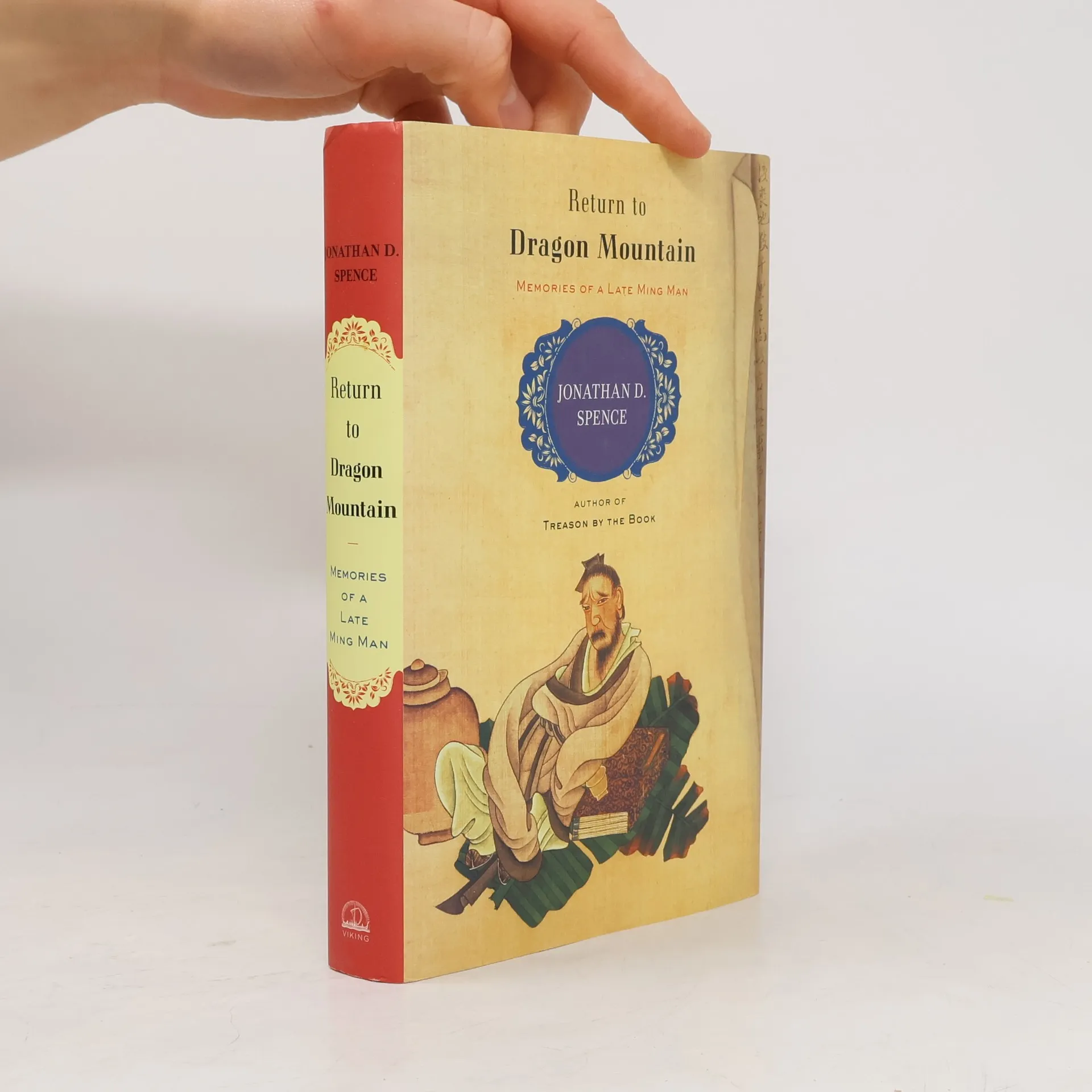
Traces the life and legacy of esteemed Ming historian and essayist Zhang Dai, describing the cultural renaissance and Buddhist reform of his early years, the impact of the Manchu invasion of 1644 on his dynasty, and his four-decade career as a writer.
The Chan's Great Continent
- 279 pages
- 10 hours of reading
Jonathan Spence, our foremost historian of Chinese politics and culture, tells us in his new book how the West has understood China over seven centuries. Ranging from Marco Polo's own depiction of China and the mighty Khan, Kublai, in the 1270s to the China sightings of three 20th-century writers of acknowledged genius -- Kafka, Borges, and Calvino -- Spence explores Western thought on China through a remarkable array of expression. Peopling Spence's account are Iberian adventurers, the great Jesuit missionaries, Enlightenment synthesizers including Voltaire and Montesquieu, spinners of the dreamy cult of Chinoiserie, American observers such as Bret Harte, Mark Twain, Ezra Pound, and Eugene O'Neill, and diplomats from Britain's Lord Macartney to Henry Kissinger. Their visions are alternately coarse and subtle, generous and vicious, sober and exotic. Taken together they tell us as much about the self-image of the West as about China.
The book offers an in-depth exploration of Mao Zedong, utilizing the author's extensive understanding of Chinese politics and culture. It presents a nuanced portrayal of Mao, highlighting his complexities and the impact of his leadership on China. The insightful analysis is praised for its clarity and depth, making it a valuable resource for those interested in Chinese history and political figures.
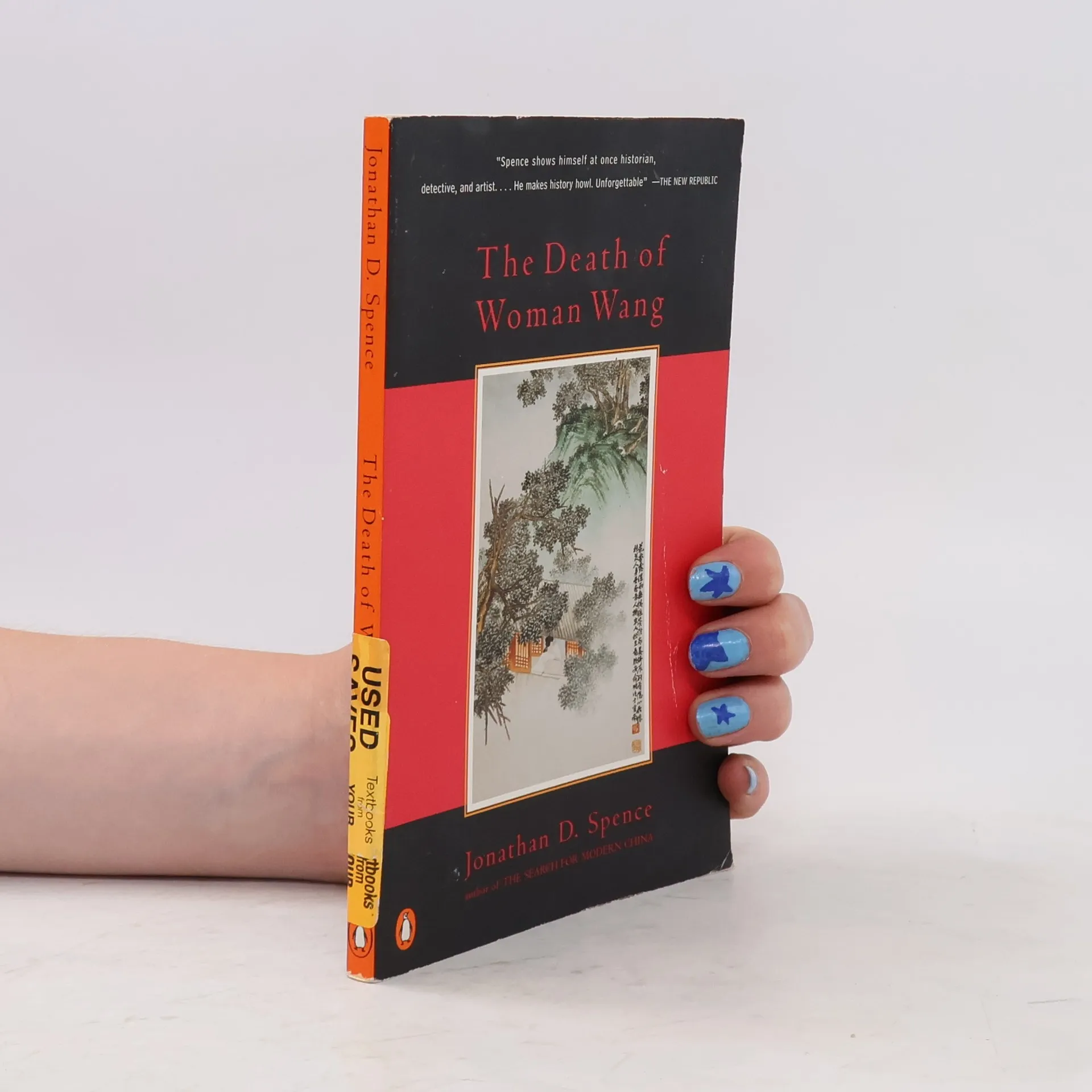
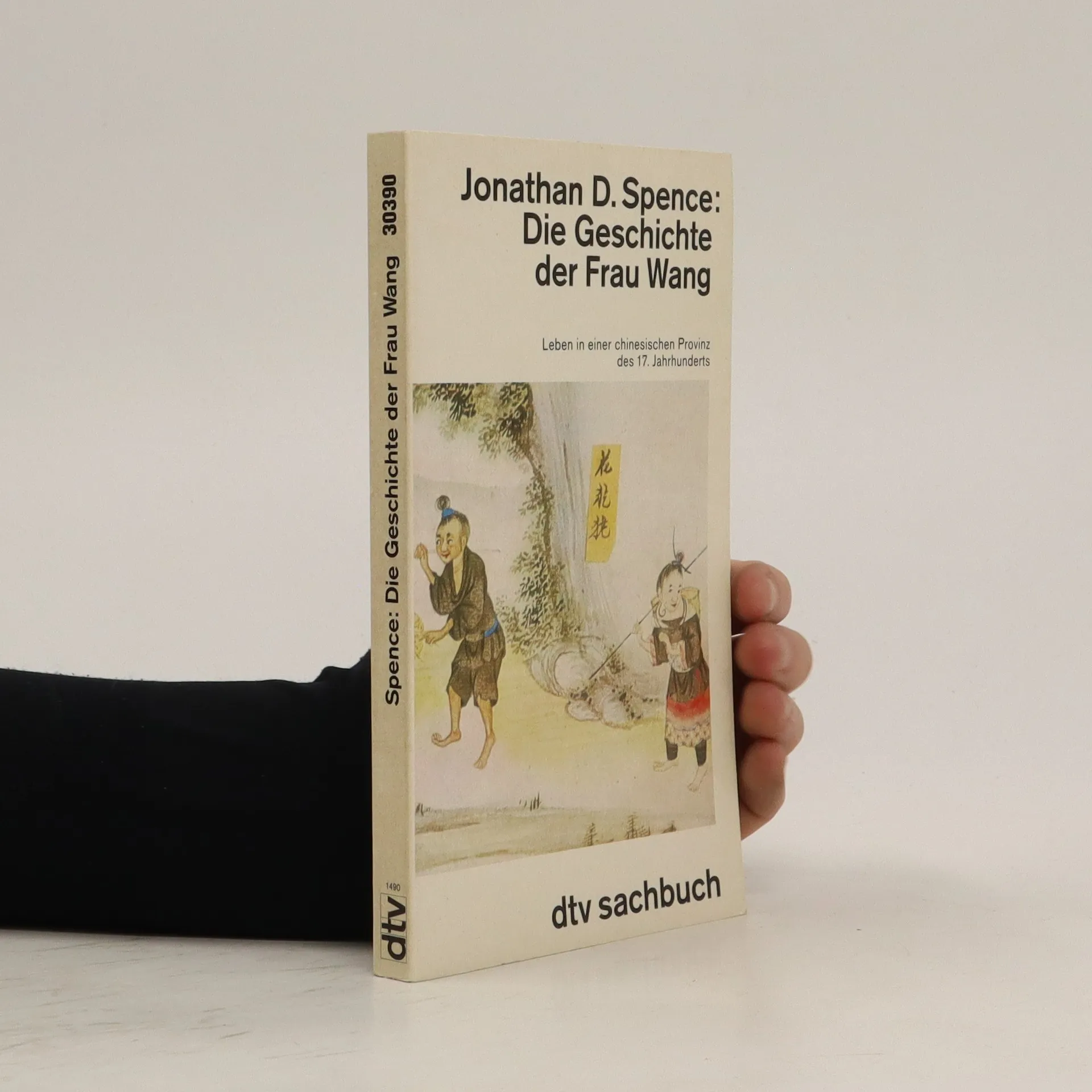
The Death of Woman Wang
- 192 pages
- 7 hours of reading
Drawing on local Chinese histories, the memoirs of scholars, and other contemporary writings, Chinese historian Jonathan Spence reconstructs an extraordinary tale of rural tragedy in a remote corner of Shantung province in 17th-century China. Life in the county of T'an-ch'eng emerges as an endless cycle of floods, plagues, crop failures, banditry, and heavy taxation. Against this turbulent background a tenacious tax collector, an irascible farmer, and an unhappy wife act out a poignant drama at whose climax the wife, having run away from her husband, returns to him, only to die at his hands.
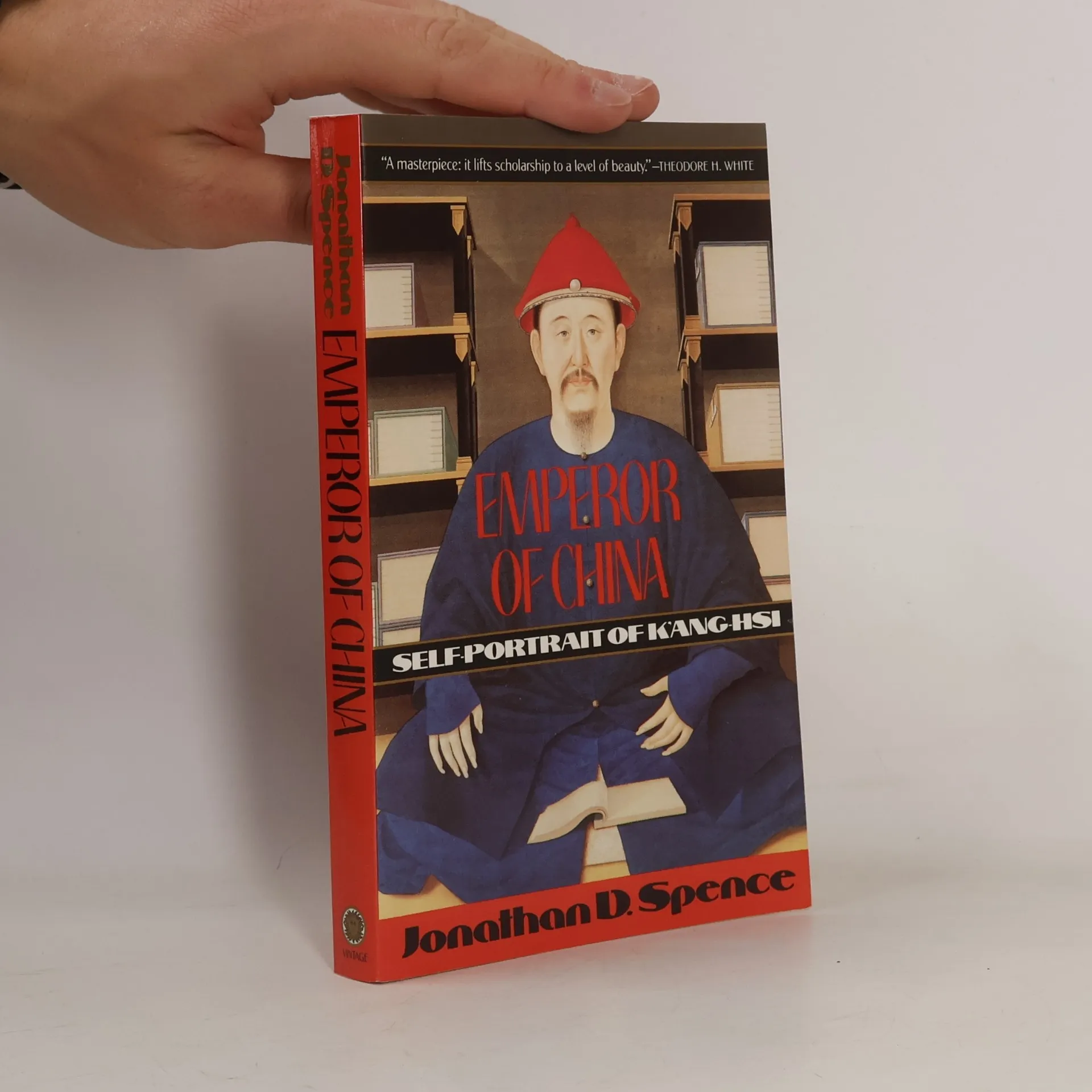
A remarkable re-creation of the life of K'ang-hsi, emperor of the Manchu dynasty from 1661-1772, assembled from documents that survived his reign. Illustrations, notes, bibliography, index.
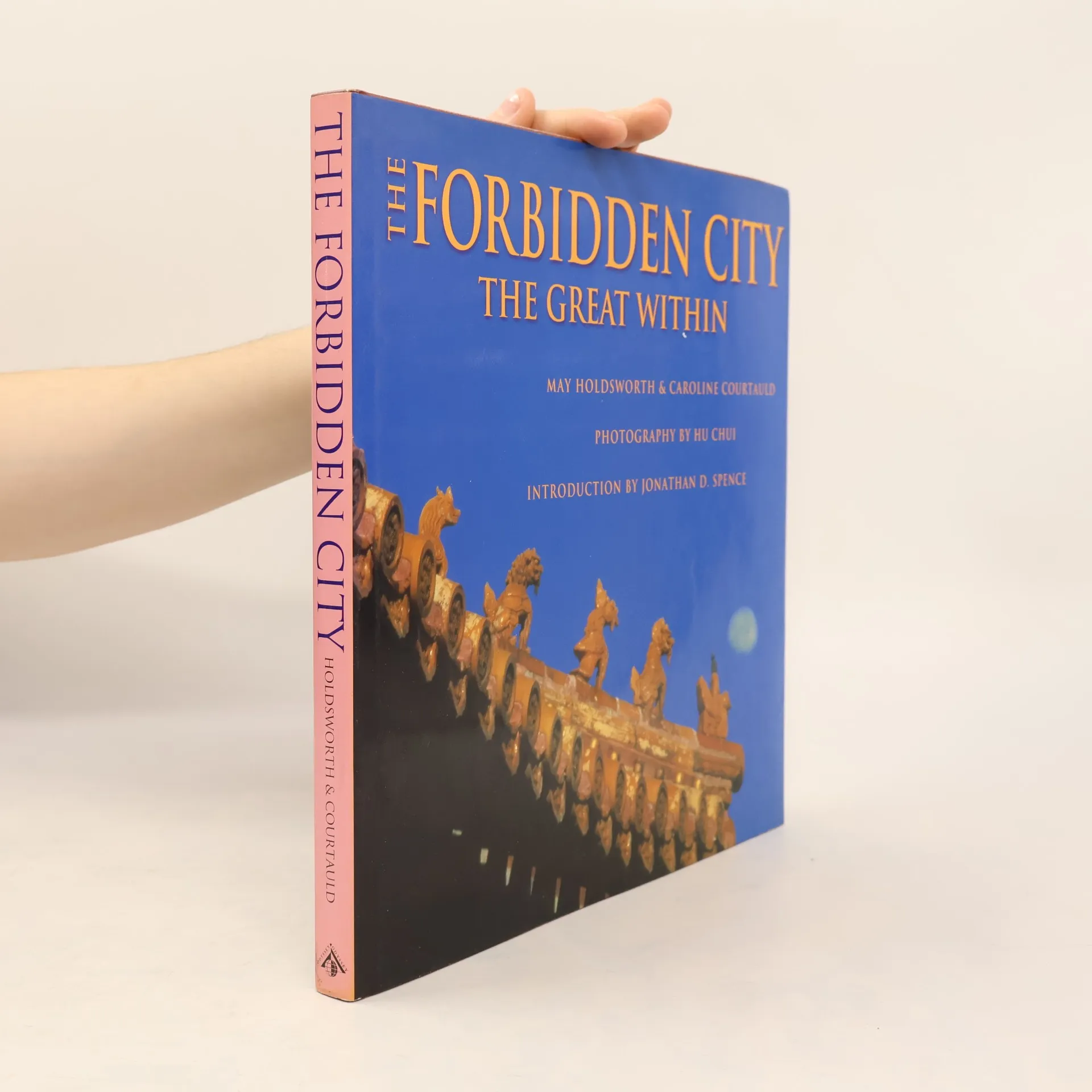
Thousands lived in the Forbidden City when it was imperial China's center of power and the world's most extravagant palace. With the exceptions of the eunuchs, only one of those thousands was an adult male -- the emperor himself. Planned by emperor and architect Yongle, in 1405, it was laid out with open space and buildings corresponding to specific parts of the human body. The high, vermilion palace walls, by hiding the emperor, enhanced his mystique and glory.This chronicle richly blends history, anecdotal narrative, biographical portraits and illustrations and takes the reader through 500 years of life in imperial China. The authors gathered previously inaccessible materials from the archives in Beijing, making this a truly unique and insightful work. The photographs of Hu Chui breathe life into the structures of the Forbidden City, along with a wealth of treasures and paintings collected during imperial times.
From “the best known and most talented historian of China writing in English today” (Los Angeles Times), an examination of a diverse collection of Western foreigners who attempted “to change China” "To change China" was the goal of foreign missionaries, soldiers, doctors, teachers, engineers, and revolutionaries for more than three hundred years. But the Chinese, while eagerly accepting Western technical advice, clung steadfastly to their own religious and cultural traditions. As a new era of relations between China and the United States begins, the tales in this volume will serve as cautionary histories for businessmen, diplomats, students, or any other foreigners who foolishly believe that they can transform this vast, enigmatic country.
In the work of twenty-five years, Jonathan Spence has established himself as an interpreter of modern Chinese history. His most recent book was The Search for Modern China.
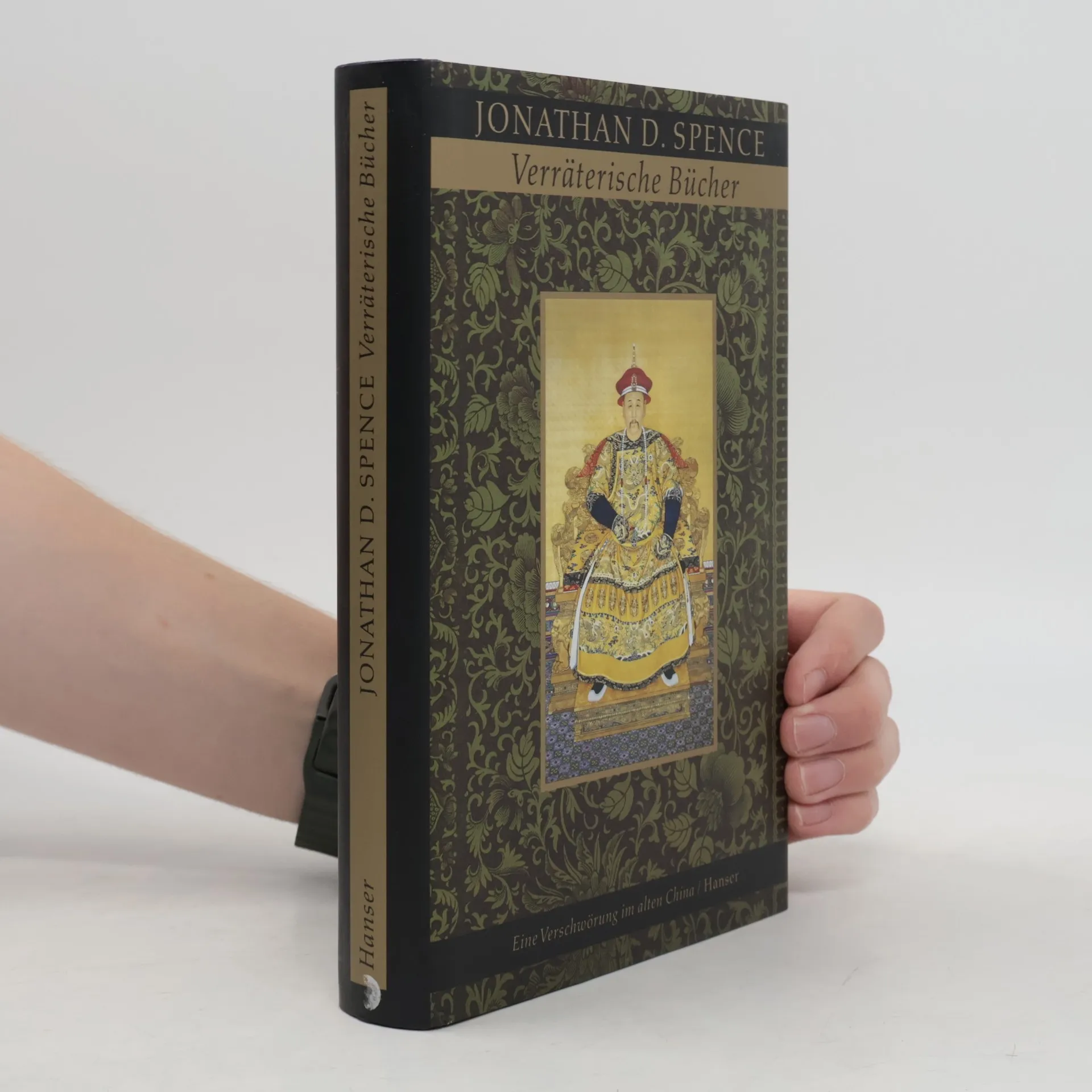
Ein Polit-Krimi aus dem alten China: Als General Yue Zhongqi einen Brief überreicht bekommt, der Yue auffordert, eine Rebellion gegen den Kaiser anzuführen, weiß er, dass er in Lebensgefahr ist. Denn allein einen solchen Brief zu besitzen kommt in China einem Todesurteil gleich. Yue bleibt nichts anderes übrig, als dem Ursprung des Briefes nachzuforschen. Damit löst er in der tiefsten Provinz eine Erschütterung aus, die noch am Kaiserhof zu spüren ist. Ein historischer Thriller, der ferne Welten und deren Menschen wieder erstehen lässt und einige Rätsel der chinesischen Kultur erklärt, die uns bis heute beschäftigen.
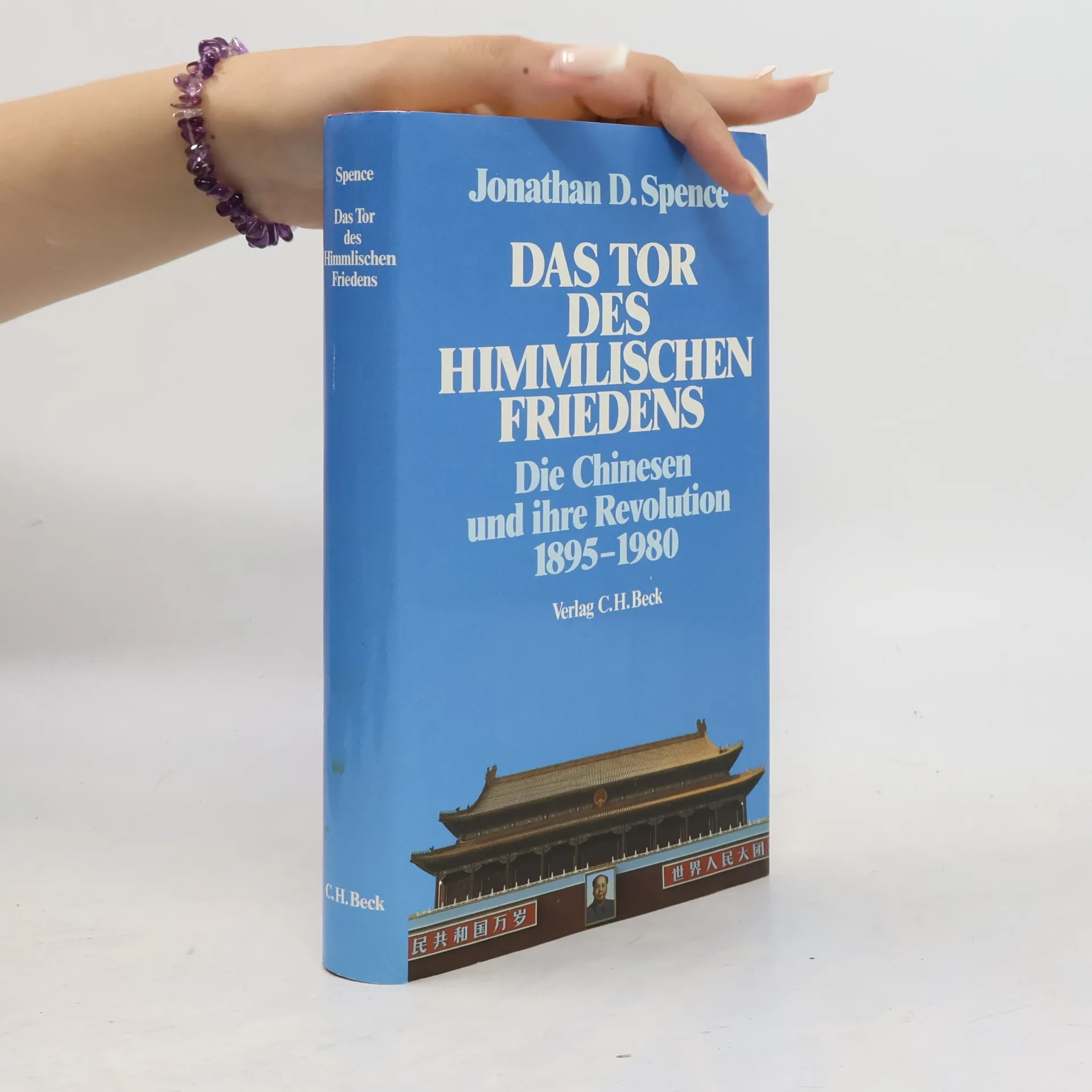
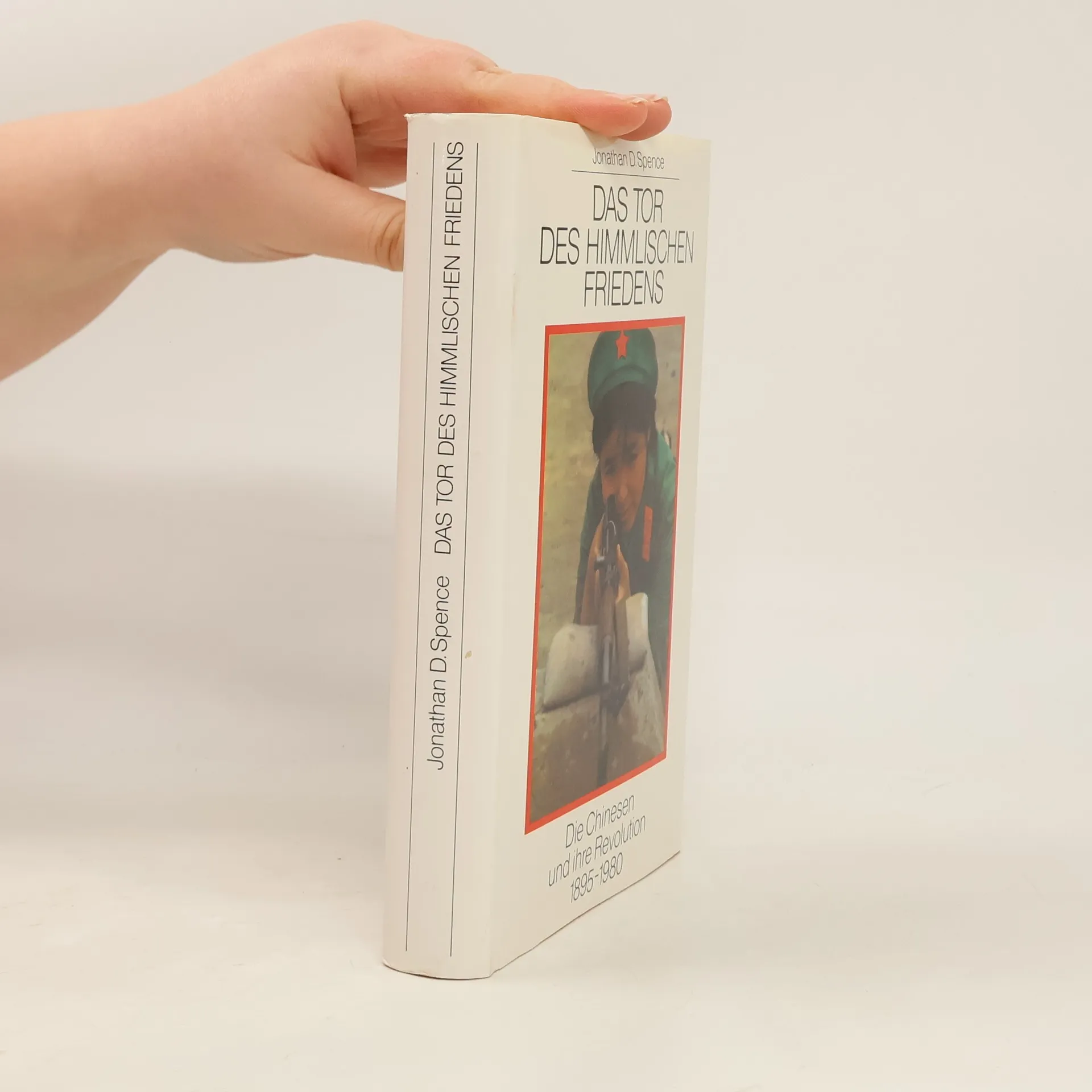
Das Tor des Himmlischen Friedens
Die Chinesen und ihre Revolution 1895-1980
- 447 pages
- 16 hours of reading
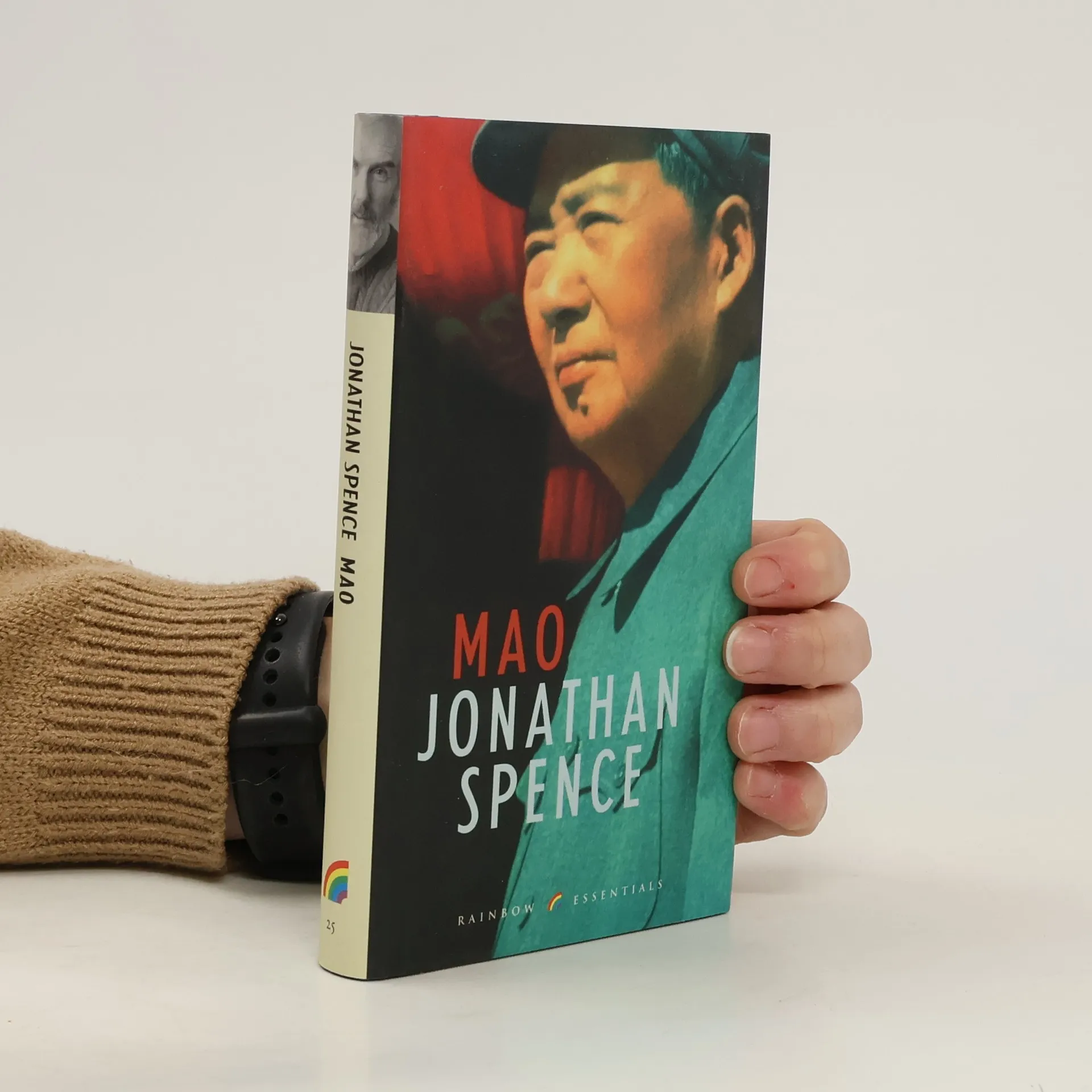
Rainbow Essentials - 25: Mao
- 265 pages
- 10 hours of reading
Beknopte biografie van de Chinese leider Mao Zedong (1893-1976).
Posledních sto let ve fotografii. Výběr fotografií autoři Annabel Merullová a Colin Jacobson.