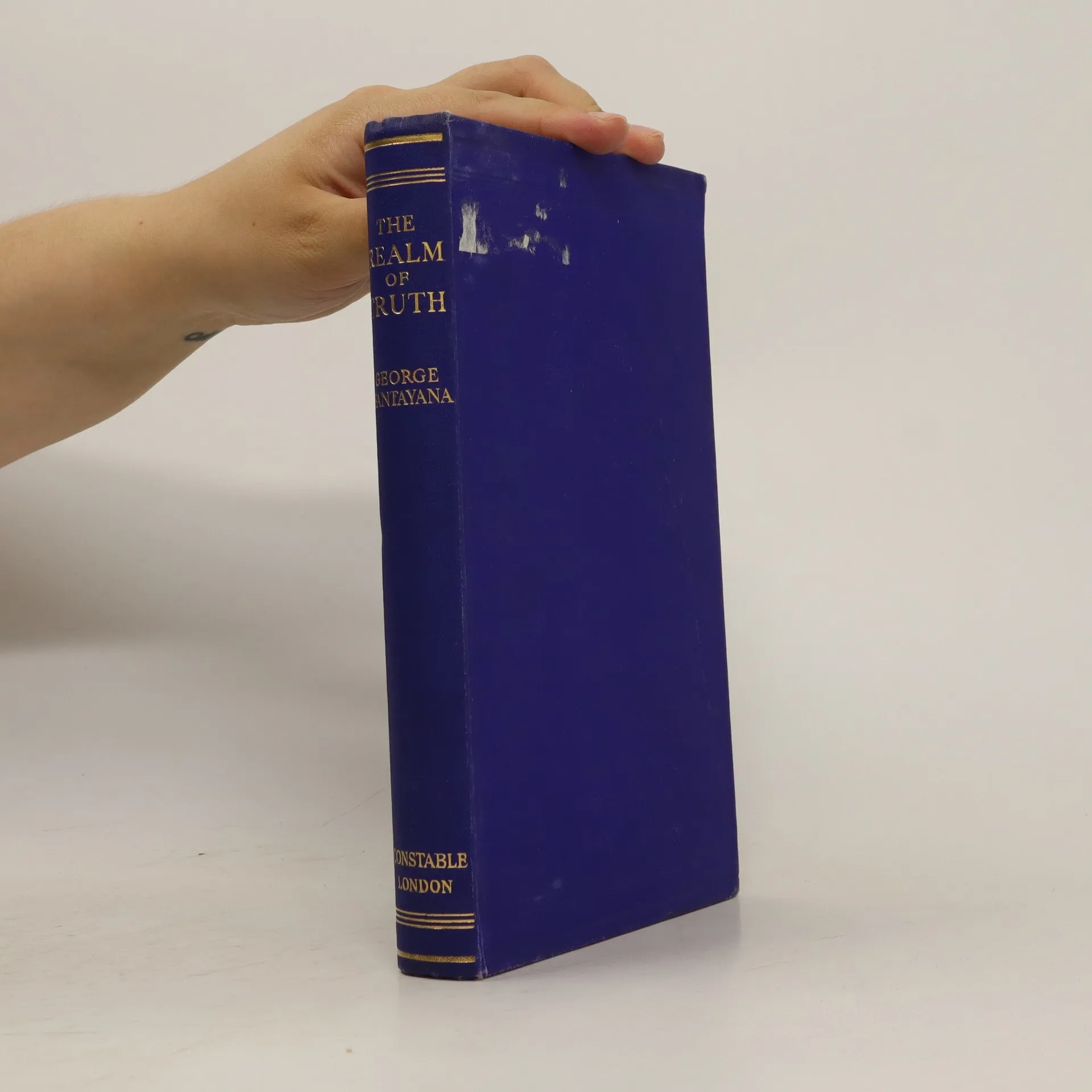
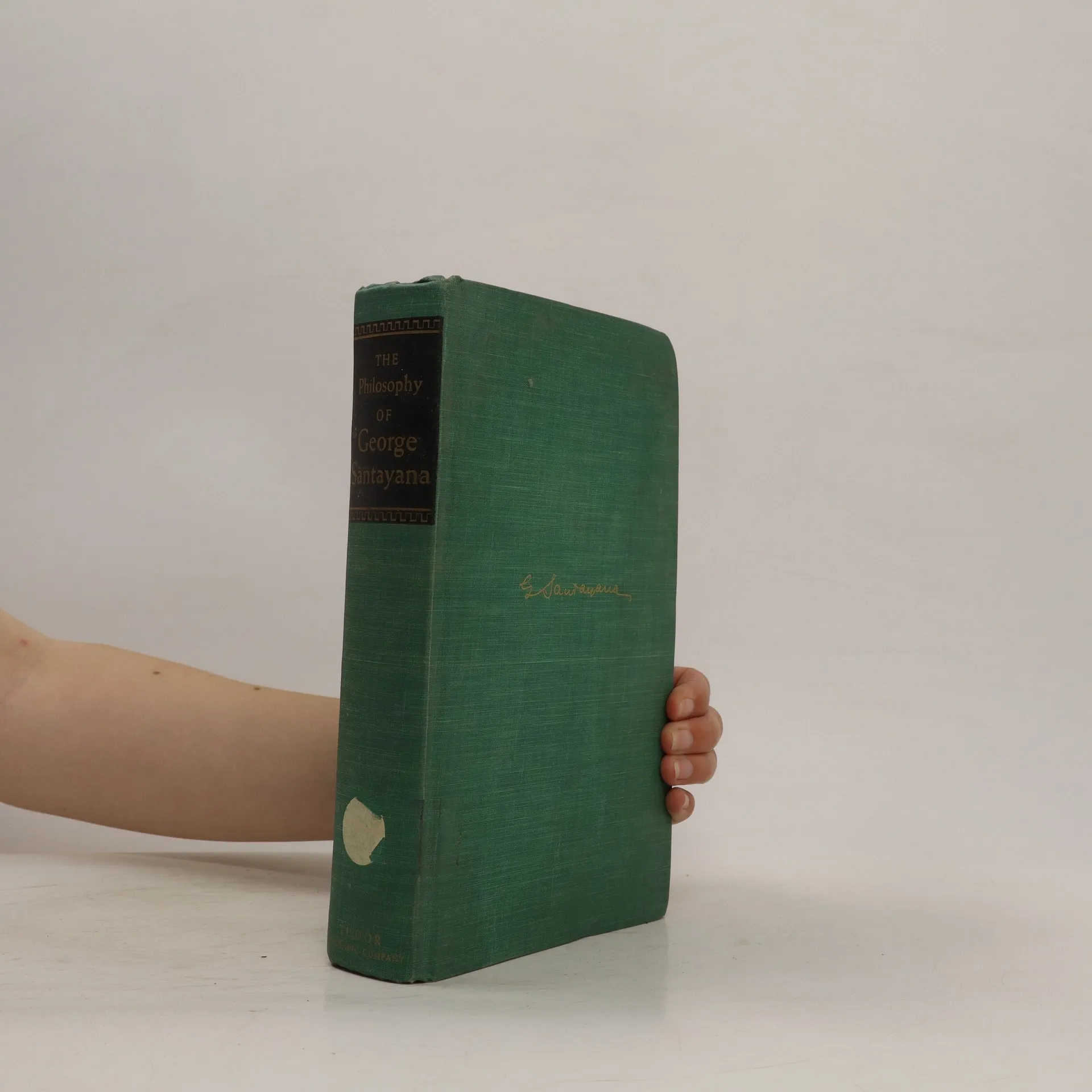
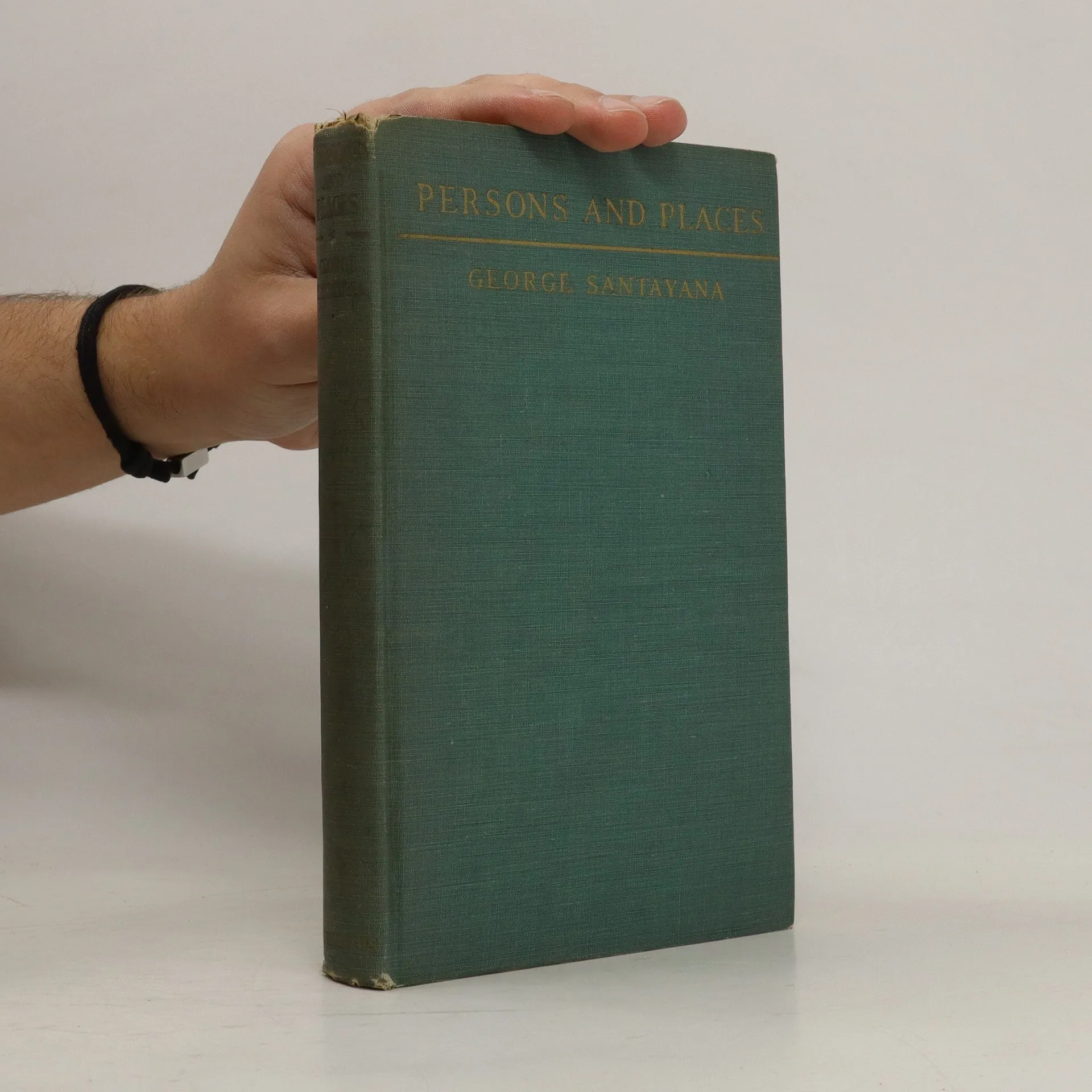
Influential philosopher, poet, and literary critic George Santayana (1863-1952) was a thorough naturalist, concerned with the ideal factors in human experience. He held that everything possesses a natural basis and that everything natural has an ideal development. In this one-volume edition of his early work, The Life of Reason (originally published 1905-6), Santayana argues that rational life is embodied in various ideal forms, including religion, and that religion may be embodied in reason. However, this is not to say that religion is grounded in science; rather, religion is poetic, a rendering of natural events in a dramatic form. Hence, to take so-called religious truths as literal claims is preposterous
George Santayana Books
George Santayana stands as a principal figure in Classical American Philosophy, seamlessly blending philosophy, poetry, and literary criticism. His naturalism and profound emphasis on creative imagination heralded significant intellectual shifts on both sides of the Atlantic. He explored the concept of multiple perfections before multiculturalism became a widespread issue and viewed philosophy through a literary lens long before it became a common scholarly theme. Santayana masterfully integrated Platonism with Aristotelian thought, countered idealist philosophies, and offered a sensitive account of the spiritual life without adhering to religious belief. His perspective as an outsider, shaped by his Hispanic heritage and experiences in America, provided unique insights into American life, rivaling Tocqueville in quality and importance. Beyond philosophy, his literary output is matched only by Emerson.





The great philosopher, essayist, poet, and novelist masterfully offers his fascinating outline of Aesthetics Theory. Drawing on the art, literature, and social sciences involved, Santayana discusses the nature of beauty, form, and expression.
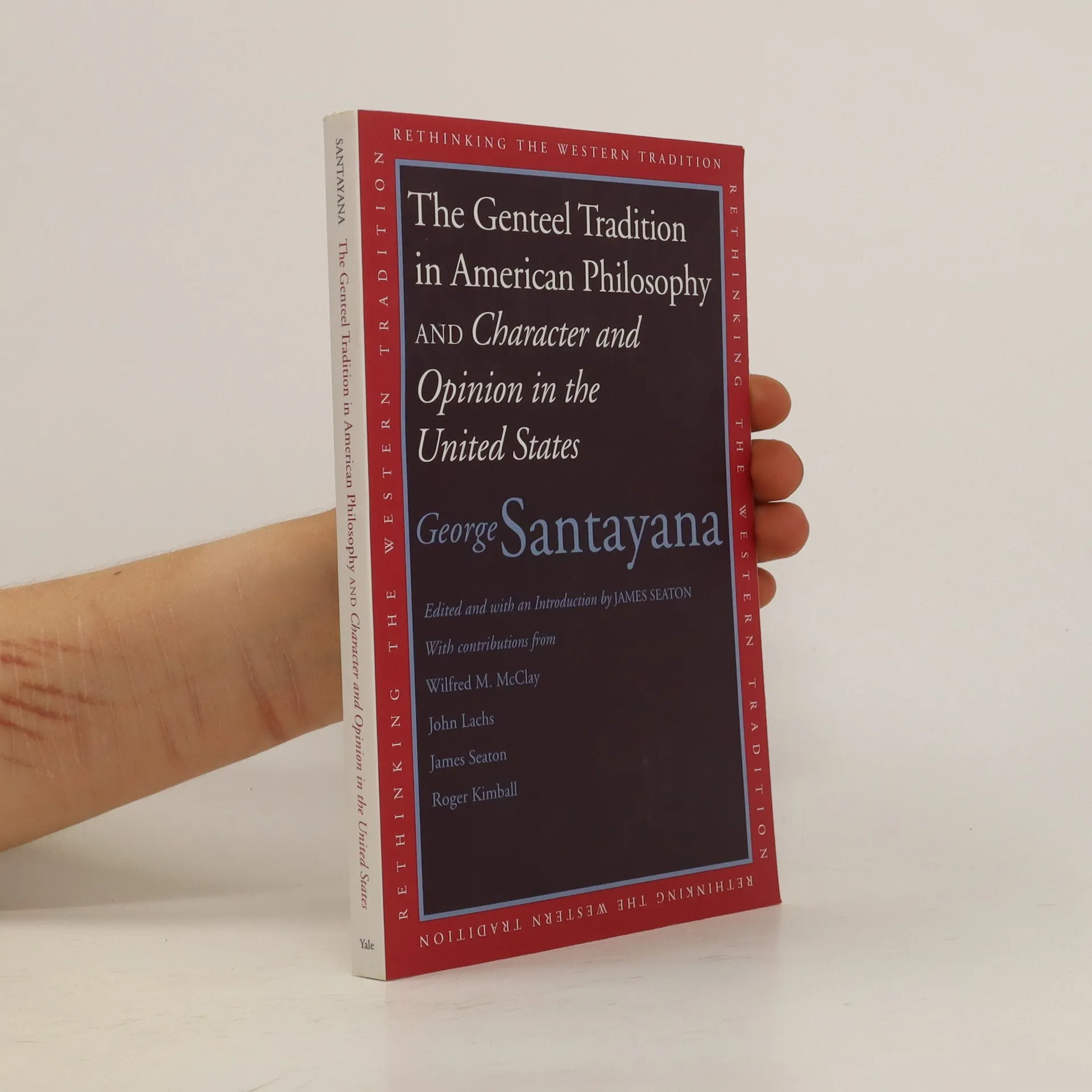
The genteel tradition in American philosophy
- 200 pages
- 7 hours of reading
This book brings together two seminal works by George Santayana, one of the most significant philosophers of the twentieth century: Character and Opinion in the United States, which stands with Tocqueville's Democracy in America as one t
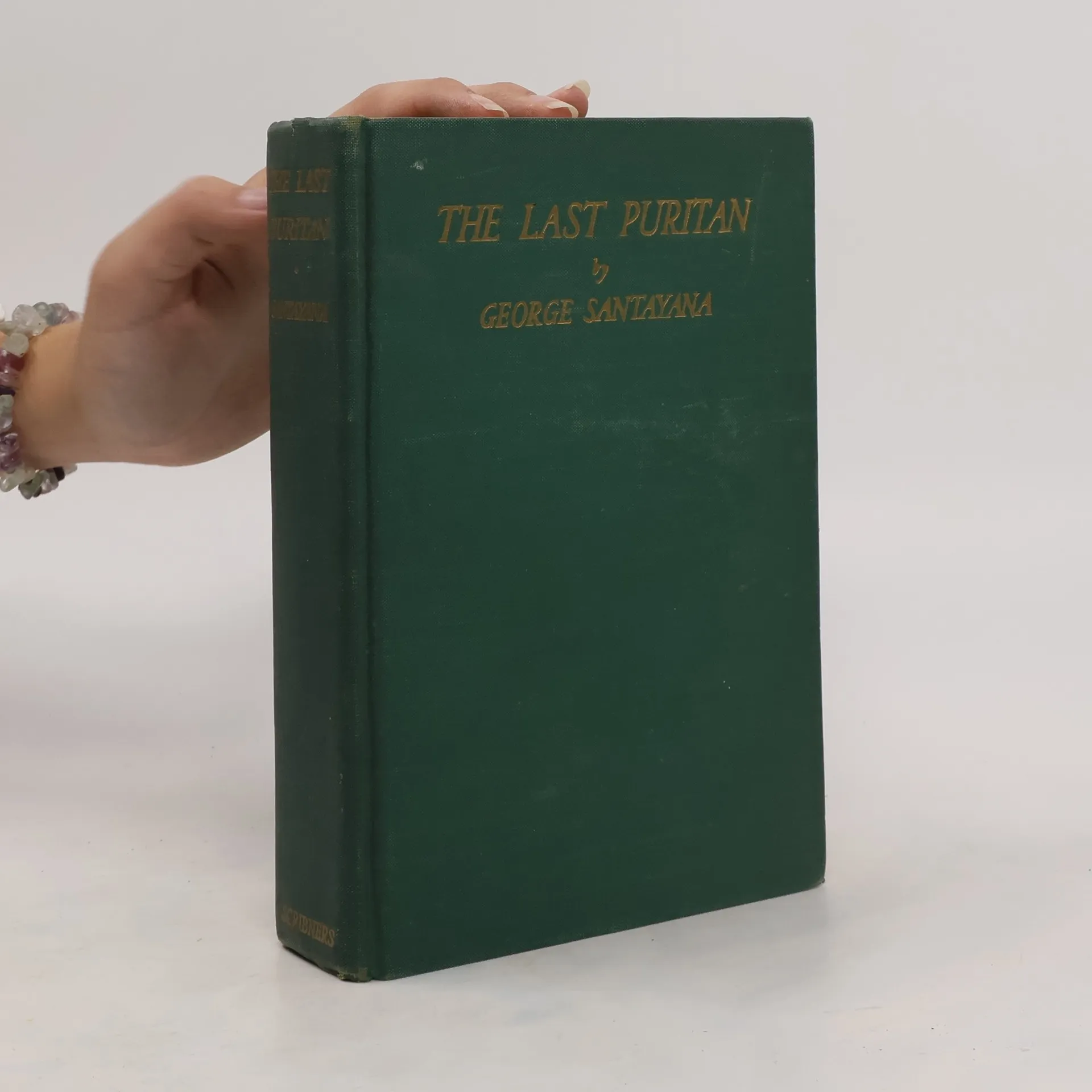
Published in 1935, George Santayana's The Last Puritan was the American philosopher's only novel and it became an instant best- seller, immediately linked in its painful voyage of self-discovery to The Education of Henry Adams. It is essentially a novel of ideas expressed in the birth, life, and early death of Oliver Alden. In Oliver's case the puritanical self-destruction that prevented him from realizing his own spirituality is transcended by his attainment of the type of self-knowledge that Santayana recommends throughout his moral philosophy.The Last Puritan is volume four in a new critical edition of George Santayana's wroks that restores Santayana's original text and provides important new scholarly information. Books in this series - the first complete publication of Santayana's works - include an editorial apparatus with notes to the text (identifying persons, places, and ideas), textual commentary (including a description of the composition and publication history, along with a discussion of editorial methods and decisions), lists of variants and emendations, and line-end hyphenations.
This collection of essays by the prominent American philosopher George Santayana includes the famous "The Birth of Reason," "The Philosophy of Travel," "Bertrand Russell's Searchlight," "Appearance and Reality," and "On the False Steps of Philosophy." Also included are essays on Hellenism, Goethe's Faust , the politics of religion, friendship, and Tom Sawyer as a latterday Don Quixote.
The Life Of Reason: Reason In Society
- 218 pages
- 8 hours of reading
This historic book may contain numerous typos and missing text. Purchasers can often download a free scanned copy of the original work from the publisher. The 1905 edition is not indexed and lacks illustrations. Love serves as a prelude to life, an overture hinting at the themes to come, yet it remains merely a symbol and a promise. As time progresses, passion evolves into possession, courtship into partnership, and pleasure into habit. The arrival of a child, both a mystery and a plaything, illustrates the consequences of our choices, binding us to a path we cannot escape. We realize that our indulgences create a net of obligations, shaping our destiny. Life, once seemingly infinite in possibilities, becomes confined to a singular career. We learn that in moral pursuits, infinity is an illusion, and to achieve anything definitive requires renouncing other options. The family stands as a masterpiece of nature, harmonizing instincts where each member supports one another. The husband protects the wife, while she serves him; the weaker partner gains authority and safety, and the more carefree finds a supportive home. Parents impart experience and memory to their children, who in turn offer their parents a sense of immortality. The extended childhood of humans necessitates the transmission of acquired knowledge, allowing instincts and habits to develop postnatally under the influence of their environment.
Little Essays Drawn From The Writings Of George Santayana
- 304 pages
- 11 hours of reading
Valued by scholars for its significance to literature, this book is presented in its original print format, preserving its historical authenticity. The intentional inclusion of marks and annotations enhances its educational value, ensuring that future generations can appreciate its true nature and content.
Exploring key themes in modern philosophy, this collection of five essays delves into significant ideas that have shaped human thought. Recognizing its historical importance, Alpha Editions has republished the work in a modern format, ensuring clarity and readability through meticulous reformatting and retyping. This effort aims to preserve the insights of these essays for both current and future generations, making them accessible in a contemporary presentation.
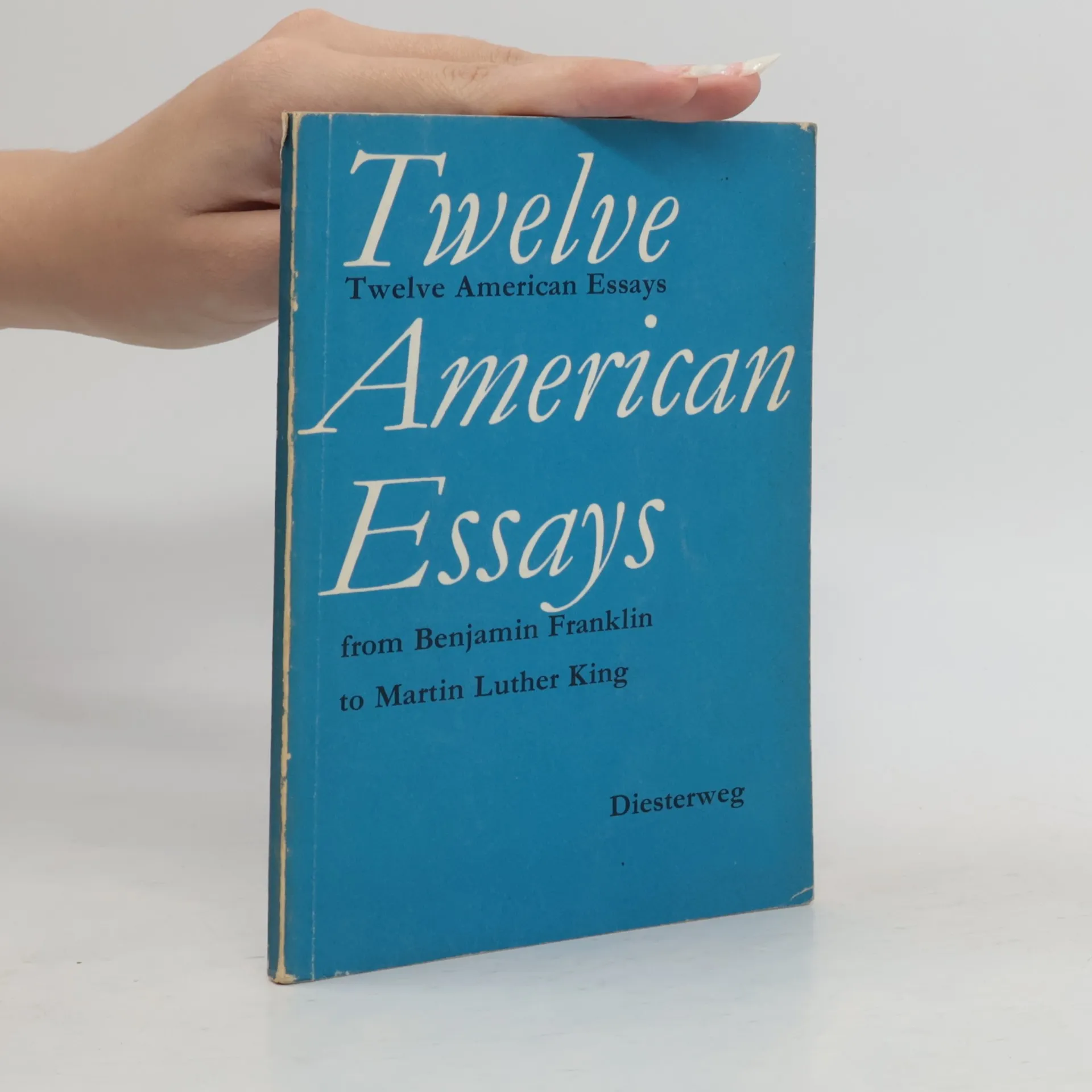
Twelve American Essays
From Benjamin Franklin to Martin Luther King
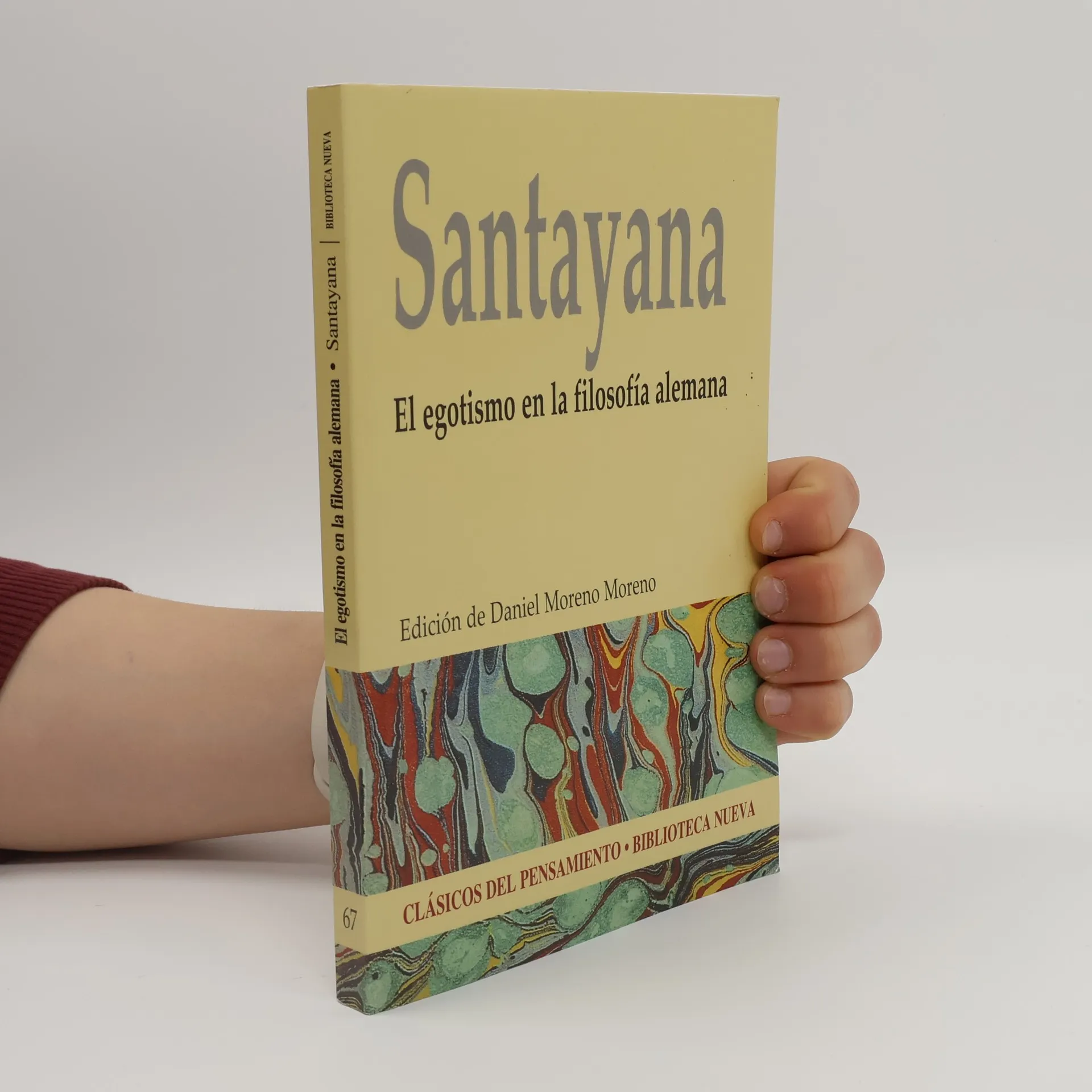
El egotismo en la filosofía alemana
- 232 pages
- 9 hours of reading
La edición incluye, junto a las secciones habituales, dos apéndices que recogen textos complementarios de Santayana, y también una de las primeras reacciones contra su interpretacióndel pensamiento alemán. En su respuesta, Santayana descubre la conexión entre El egotismo y su obra más técnica: Escepticismo y fe animal.