Sofi Oksanen's writing frequently delves into the intersection of personal narratives and historical events, particularly the complex past of Estonia. Her work is characterized by a potent emotional intensity and a profound insight into the psychology of characters grappling with trauma and loss. Through her literary portrayals, she seeks to uncover forgotten chapters of history and illuminate their lasting impact on the present. Oksanen expertly blends compelling storytelling with a deep understanding of the human condition.
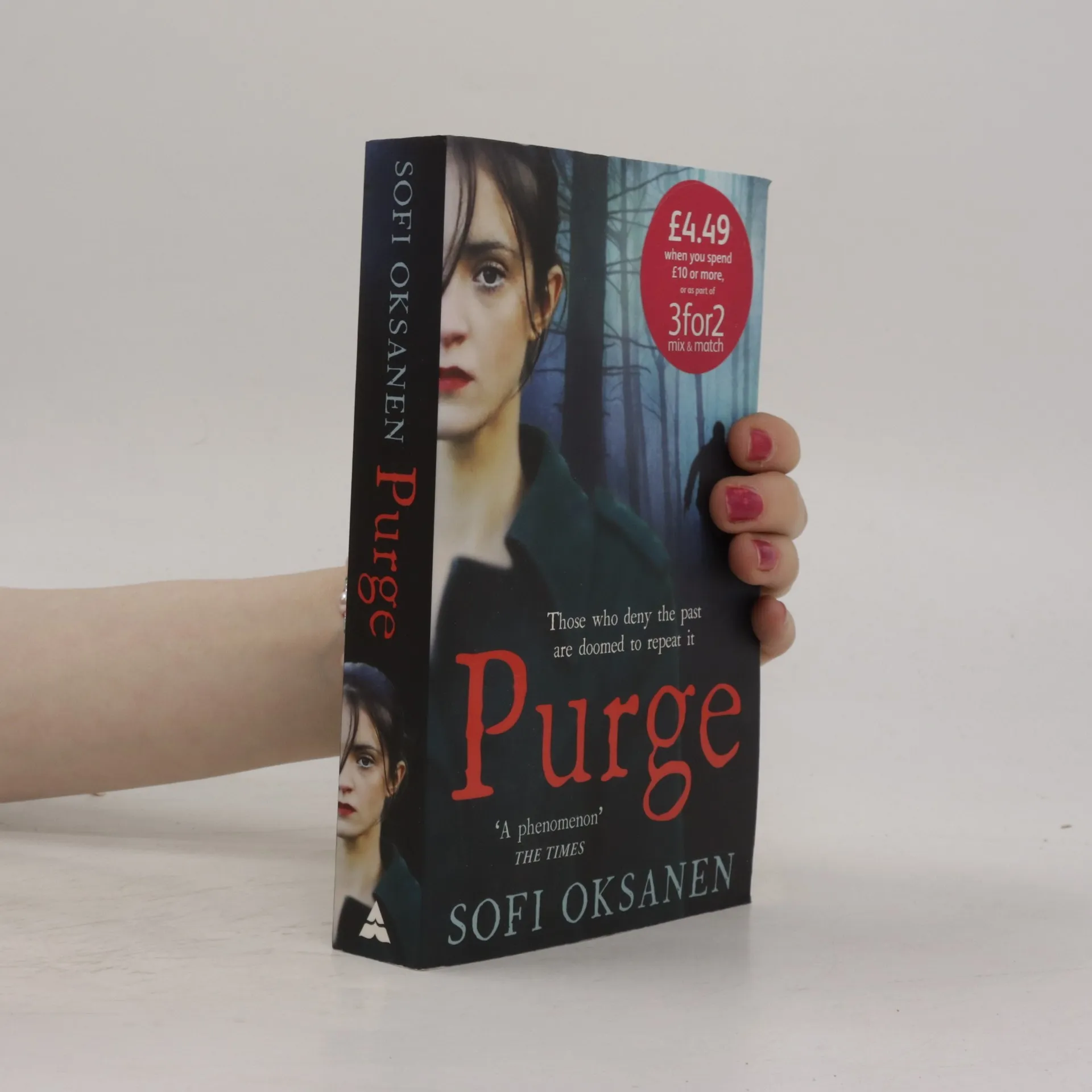
Old Aliide Truu lives alone in a cottage in the woods, pestered by flies she wishes would just leave her in peace. Her isolation is interrupted when she spies a young women under a tree in her garden. The girl is strange, arriving in the middle of the night, bruised dirty and shoeless. Aliide decides to take her in.
The book offers a compelling analysis of Vladimir Putin's war on women, highlighting how sexual violence has been systematically weaponized throughout modern Russian history. It combines journalistic integrity with a feminist call to action, revealing the political motivations behind this strategy and its implications for women's rights and societal power dynamics in Russia. Through this lens, the author critiques the intersection of gender and politics in a regime that seeks to maintain control through oppression.
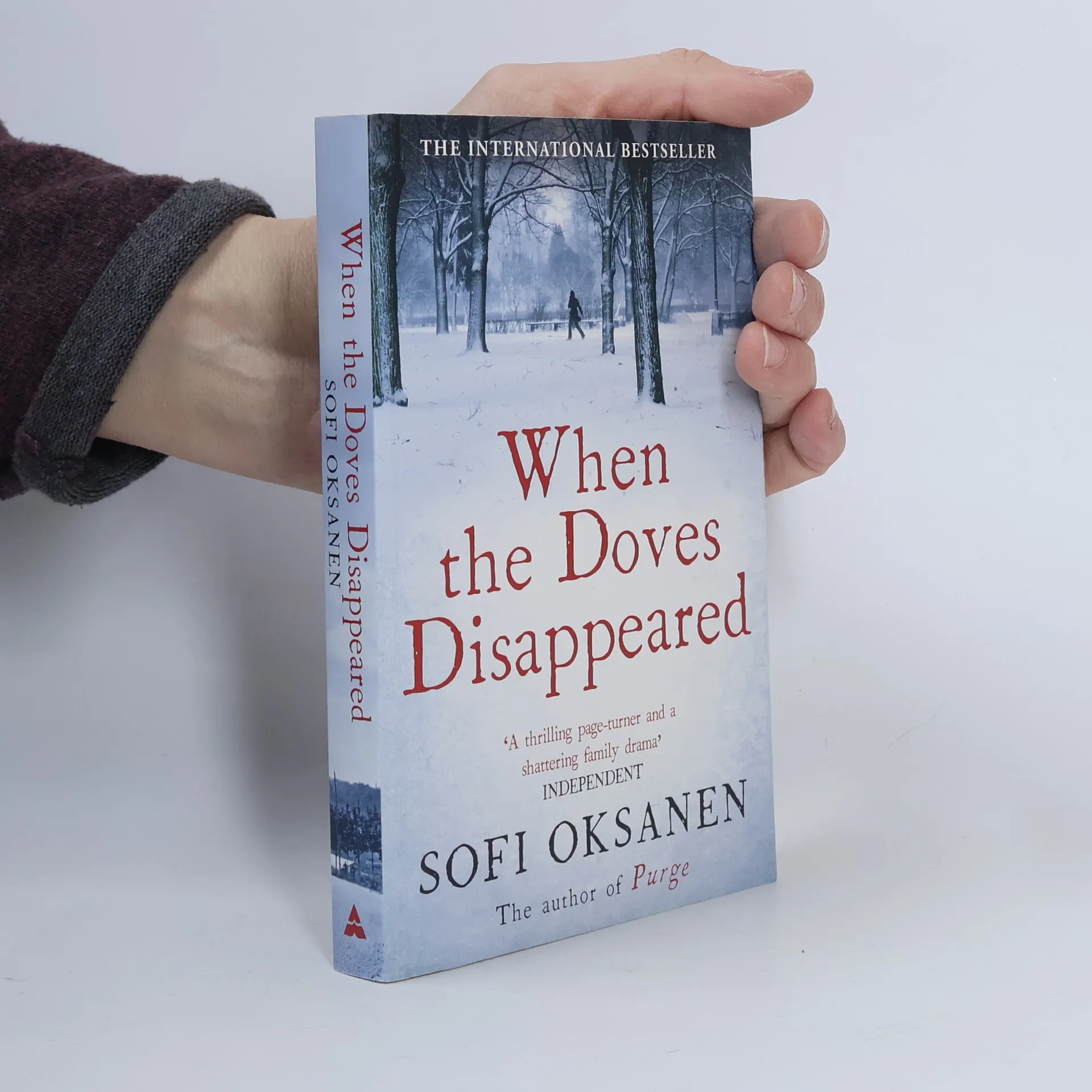
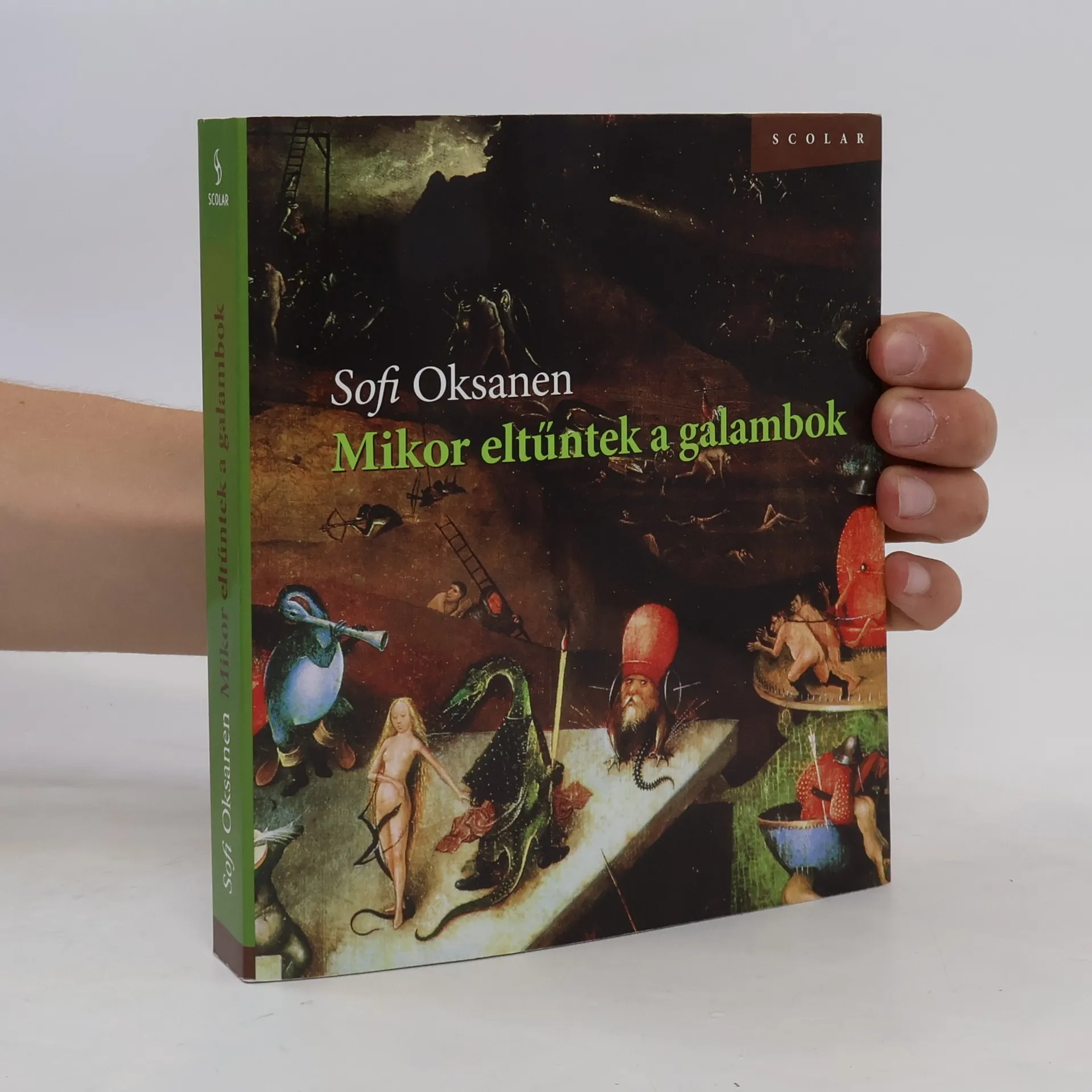
1941: In Communist-ruled, war-ravaged Estonia, two men have deserted the Red Army - Roland, a fiercely principled freedom fighter, and his slippery cousin Edgar. When the Germans arrive, Roland goes into hiding, while Edgar abandons his unhappy wife, Juudit, and takes on a new identity as a loyal supporter of the Nazi regime. 1963: Estonia is again under Communist control, independence even further out of reach behind the Iron Curtain. Edgar is now a Soviet apparatchik, desperate to hide the secrets of his past life and stay close to those in power. But his fate remains entangled with Roland's, and with Juudit, who may hold the key to uncovering the truth ...
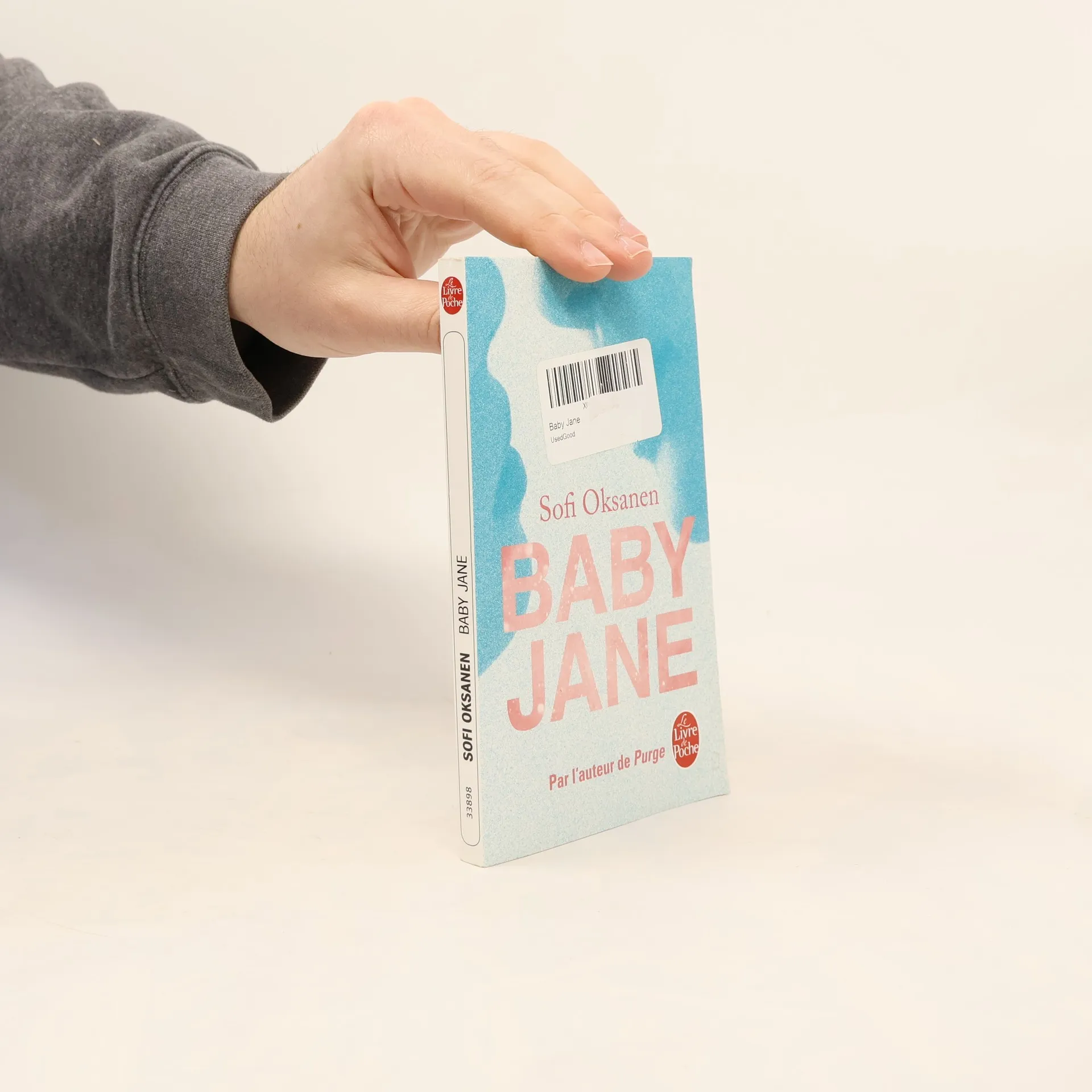
From a major internationally acclaimed writer - author of Purge - comes a ferociously plotted novel of intrigue, betrayal, and murder in the global fertility market.
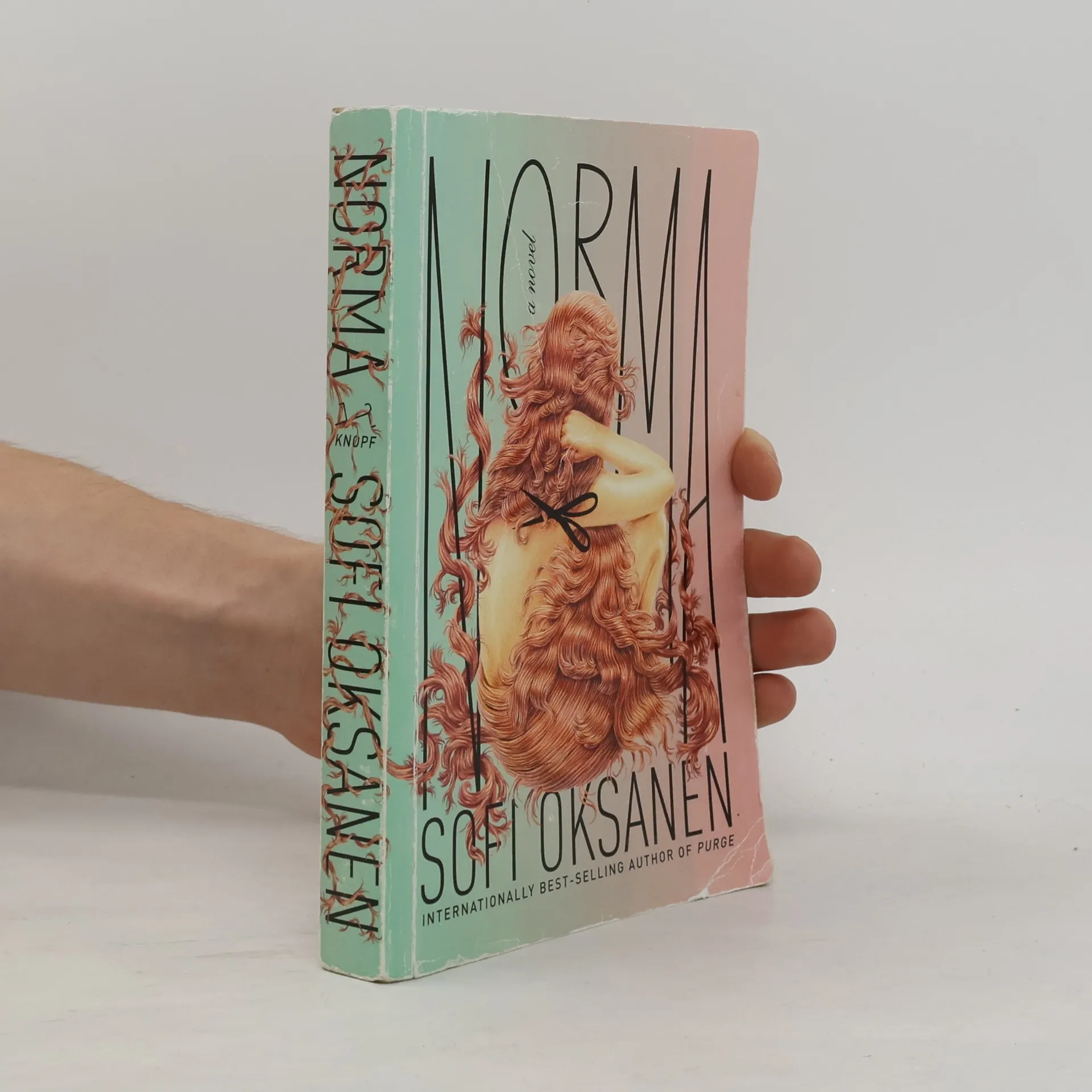
From the internationally best-selling author of Purge and When the Doves
Disappeared, a spellbinding new novel set in present-day Helsinki, about a
young woman with a fantastical secret who is trying to solve the mystery of
her mother's death. When Anita Naakka jumps in front of an oncoming train, her
daughter, Norma, is left alone with the secret they have spent their lives
hiding: Norma has supernatural hair, sensitive to the slightest changes in her
mood--and the moods of those around her--moving of its own accord,
corkscrewing when danger is near. And so it is her hair that alerts her, while
she talks with a strange man at her mother's funeral, that her mother may not
have taken her own life. Setting out to reconstruct Anita's final months--
sifting through puzzling cell phone records, bank statements, video files--
Norma begins to realize that her mother knew more about her hair's powers than
she let on: a sinister truth beyond Norma's imagining. As Sofi Oksanen leads
us ever more deeply into Norma's world, weaving together past and present, she
gives us a dark family drama that is a searing portrait of both the
exploitation of women's bodies and the extremes to which people will go for
the sake of beauty.
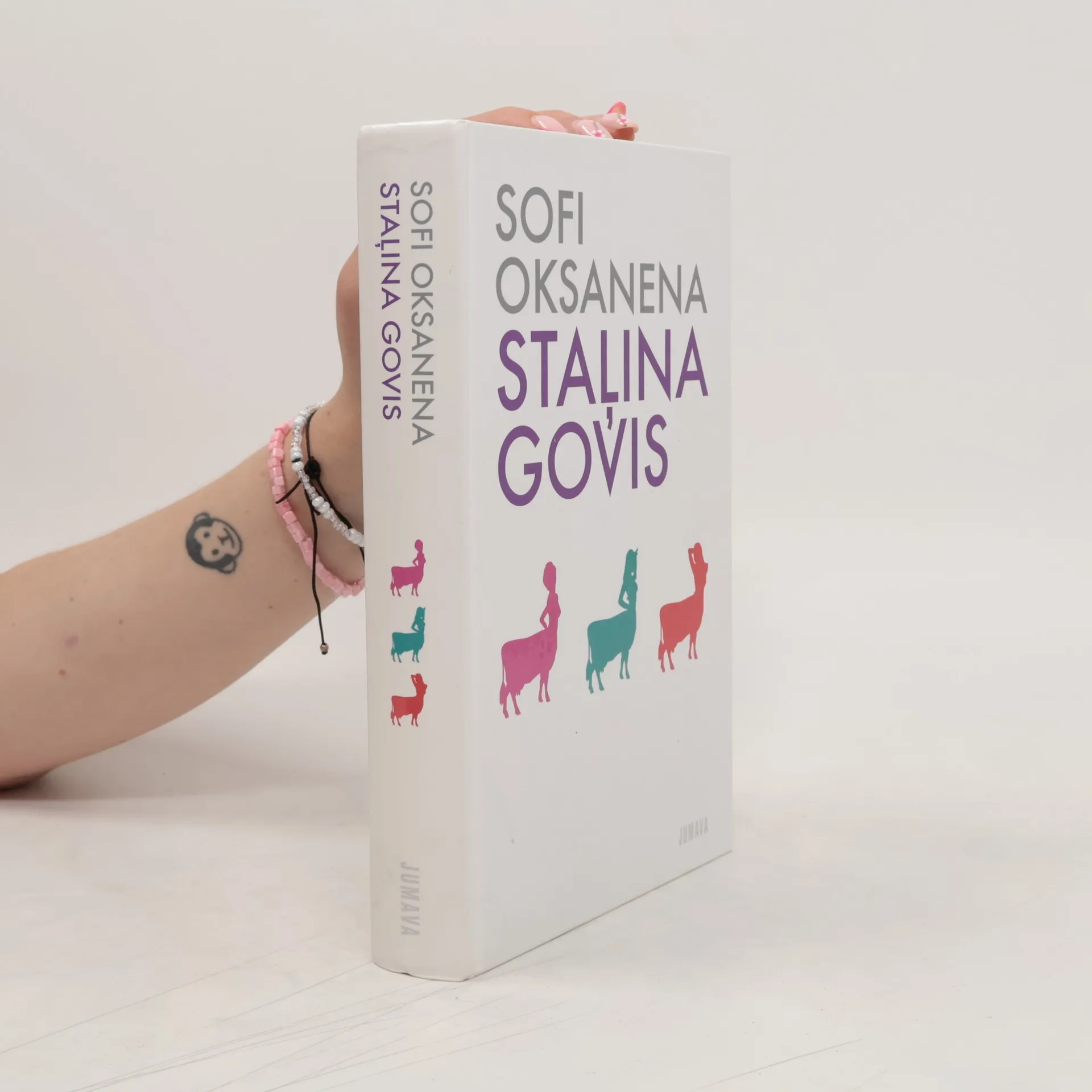
Furiozs romāns par literatūrā neizpētītu tēmu. Anna ir pakļauta bulīmijai, jo viņai nav nekas svarīgāks par pilnīgu ķermeni un neaizskaramību. Annas vecāki šķiras, kad viņas māte Katariina uzzina par vīra krāpšanu. Viņa, būdama igauņu izcelsmes, noliedz savu izcelsmi, jo zina, kādu sliktu reputāciju igauņi bauda Somijā – viņi tiek uzskatīti par krievu prostitūtām, kas izdevušās izprecināties uz Somiju. Baidoties, ka meita piedzīvos tādu pašu nicinājumu kā viņa, māte liedz Annai mācīties valodu un stāstīt par savu izcelsmi. Tomēr abas regulāri apmeklē Igauniju, lai atbalstītu ģimeni, kas cietusi no padomju darba nometnēm un spiegošanas. Kamēr Anna cīnās ar savu svaru un saprot, ka ir patiešām slima, lasītājs iepazīstas ar ģimenes vēsturi, kas ir par cēloni Annas ciešanām, kas sniedzas līdz Otrā pasaules kara laikam. Sofi Oksanen, izmantojot izcilu valodu un dziļu vēsturisko izpratni, pierāda, kāpēc viņas romāni tiek atzīti visā pasaulē.
Qu'est-il arrivé à Piki, la fille la plus cool d'Helsinki, qui vit désormais recluse dans son appartement ? Submergée par de terribles crises d'angoisse, elle ne parvient plus à faire face au quotidien. Sans compter les problèmes financiers. Comment gagner sa vie lorsqu'on refuse d'interagir avec le monde ? La narratrice, son grand amour, tente de l’aider comme elle peut. Ensemble, elles vont monter une entreprise d'un goût douteux pour exploiter la faiblesse des hommes. Au mépris d’elle-même, elle va essayer de sauver Piki.
Lebilincselő és bátor hangú „nagyregény” Észtország II. világháború alatti és utáni megszállásáról, az ellenállásról, a kollaborációról, a szerelemről és egy tragikus házasságról. A történet a Baltikumban játszódik, de bármely keleti tömbbeli országban is zajlódhatna, ahol a történelem mélyen befolyásolta az emberek életét. Három szereplő életét követhetjük: Roland, a szabadságharcos, Edgar, aki sötét titkokat rejteget, és Juudit, Edgar felesége, akit házasságának szégyene köt béklyóba. Sorsuk örökre összefonódik, nemcsak rokoni kapcsolatok miatt, hanem bonyolult érzelmeik és titkaik révén is. Oksanen kivételes tehetséggel kérdez és válaszol, miközben feszültséget tart fenn. A történetvezetés tökéletes, a szálak okosan összefonódnak, és a történelem, valamint a magánélet darabjait ügyesen illeszti össze. A cselekmény több időszakban zajlik: a német megszállás alatt és a szovjet időszakban, a ’60-as években. A mű a közelmúlt és a fikció határvonalán mozog, meglepetéseket tartogat az utolsó lapokig, ahol az olvasó a kulcsot a zárba illeszti. A tetralógia harmadik része, melynek korábbi kötetei magyarul is megjelentek.