
Explore the latest books of this year!
Bookbot

Brian Cox

    March 3, 1968

    Brian Cox is a British particle physicist and science popularizer, renowned for his work on experiments at CERN and as the creator and presenter of numerous BBC science programs. His research focuses on high-energy physics, particularly experiments involving the Large Hadron Collider. Cox excels at making complex scientific concepts accessible to a broad audience, sparking interest in astronomy and other scientific fields. His dedication to sharing the wonders of the universe makes him a pivotal figure in science communication.

    Brian Cox
    Does My Goldfish Know Who I Am?
    Human Universe
    Shameless
    Wonders of the Universe
    Wonders of the Solar System
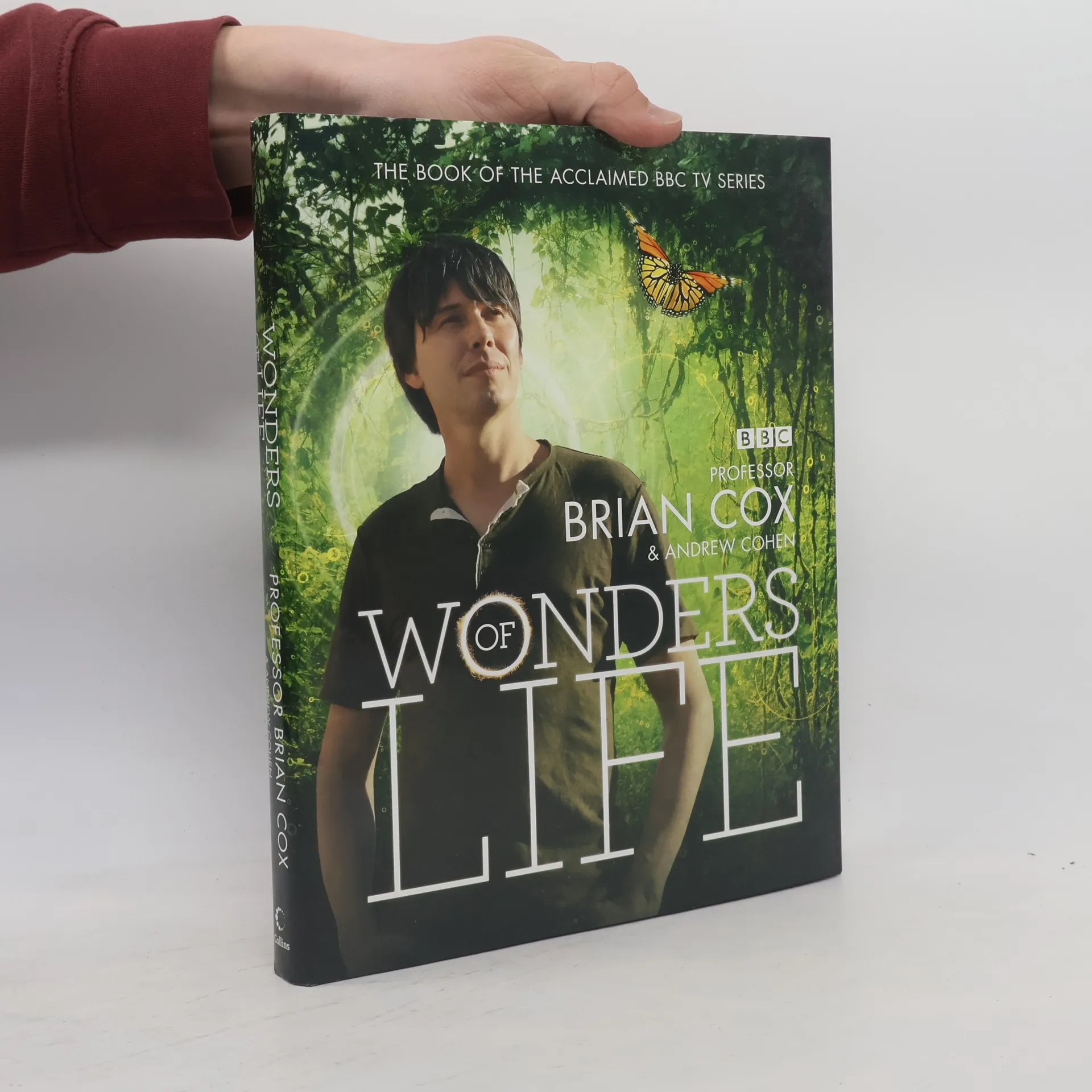
    Wonders of Life
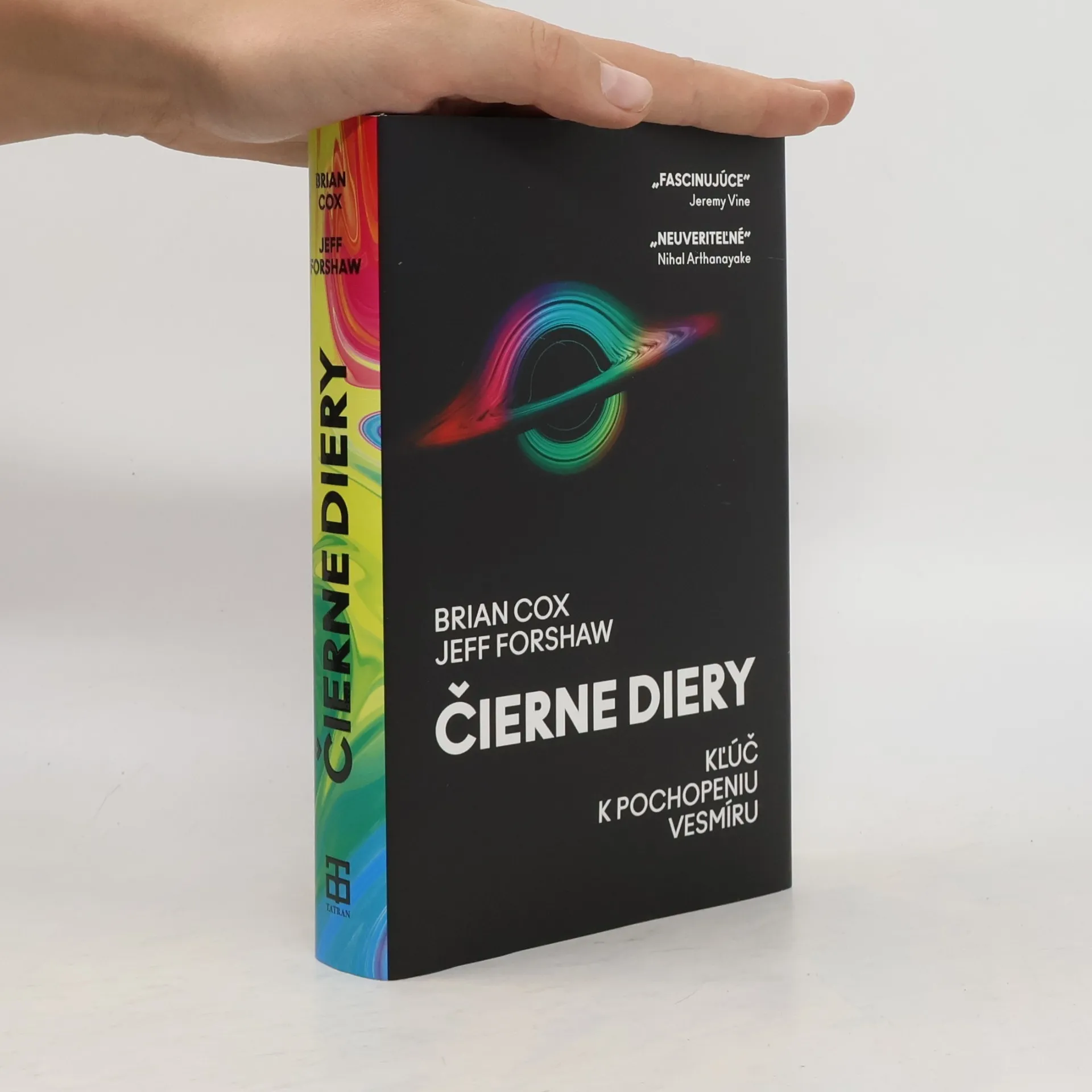
    • Profesori Brian Cox a Jeff Forshaw vás v tejto fascinujúcej knihe vezmú na vedeckú výpravu naprieč storočím fyziky od čias Einsteina až po Hawkinga a ešte ďalej – až k samotným hraniciam nášho poznania najzáhadnejších výtvorov prírody – čiernych dier. V srdci našej Galaxie je miesto, v ktorom dochádza k búrlivému narušeniu priestoru a času – miesto, kde sa zrážajú zákony gravitácie, kvantovej fyziky a termodynamiky, a jeho tajomstvá stále čakajú na odhalenie. Čierne diery sú 4 miliónkrát väčšie ako Slnko. Ide o prirodzené výtvory gravitácie, ktoré vznikajú, keď sa príliš veľa hmoty zrúti do primalého priestoru. A predsa, hoci ich prírodné zákony predpokladajú, nedokážeme ich opísať. Pôvodne sa dokonca tvrdilo, že neexistujú, a Einstein veril, že v ich vnútri sa skrýva koniec času. V posledných rokoch však výskum značne pokročil a objavilo sa hlboké spojenie medzi gravitáciou a kvantovou teóriou. Vďaka tejto knihe sa oboznámite s čiernymi dierami tak, ako nikdy predtým a dospejete k prekvapivému záveru, že pravda o nich môže byť ešte bizarnejšia, ako sa predpokladalo – možno nás spájajú s inými vesmírmi.

      Čierne diery: Kľúč k pochopeniu vesmíru2025
      4.9
    • Schwarze Löcher

      Der Schlüssel zum Verständnis des Universums

      • 336 pages
      • 12 hours of reading

      Schwarze Löcher gehören zu den Topthemen der Astronomie und sind aus der Forschung nicht mehr wegzudenken. Das renommierte Autorenduo Brian Cox und Jeff Forshaw (bereits bei KOSMOS erschienen: „Warum ist E = mc2?“, „Mensch und Universum“, „Was wiegt das Universum?“) erklären gewohnt unaufgeregt, leicht verständlich und wissenschaftlich fundiert, was hinter Schwarzen Löchern steckt und wie sie uns dabei helfen könnten, unseren Platz im Universum zu finden.

      Schwarze Löcher2024
      4.0
    • Shameless

      • 224 pages
      • 8 hours of reading

      Shameless has descriptive copy which is not yet available from the Publisher.

      Shameless2024
      4.3
    • Doskonale przygotowane kompendium wiedzy na temat najbardziej tajemniczych i fascynujących obiektów kosmosu, a także ich wpływu na naturę wszechrzeczy Czy wiesz, co kryje się w centrum naszej Galaktyki? Czy zastanawiasz się czasem, jak powstają czarne dziury i co one oznaczają dla naszego zrozumienia wszechrzeczy? Czy chcesz poznać tajemnice tych niesamowitych obiektów, które wykraczają poza granice wyobraźni? Jeśli tak, to bestseller Czarne dziury. Klucz do zrozumienia wszechświata jest właśnie dla Ciebie. Znany naukowiec i popularyzator nauki Brian Cox wraz z fizykiem Jeffem Forshawem zabiorą Cię w fascynującą podróż do świata czarnych dziur. Dowiesz się, jak się narodziła koncepcja czarnych dziur, jak Einstein zapoczątkował teorię ogólnej względności, która przewidziała ich istnienie, jak Hawking odkrył, że one promieniują, i jak współczesna fizyka kwantowa próbuje połączyć grawitację z informacją. Ta książka to nie tylko pasjonująca opowieść naukowa, ale także inspirująca wizja kosmosu, w której przestrzeń i czas wyłaniają się z sieci bitów kwantowych, a czarne dziury mogą być kluczem do zrozumienia natury rzeczywistości. Przygotuj się na niesamowitą przygodę, która zmieni Twój sposób patrzenia na wszechświat.

      Czarne dziury. Klucz do zrozumienia Wszechświata2024
    • Černé díry leží tam, kde dříve zářily nejhmotnější hvězdy, v centrech galaxií a na hranici našeho současného chápání. Jsou to přirozeně se vyskytující objekty, nevyhnutelné výtvory gravitace, pokud se příliš mnoho hmoty zhroutí do dostatečně malého prostoru. A i když je naše přírodní zákony předpovídají, nedokážou je zcela popsat. Fyzici věnují celé své kariéry hledání problémů, provádějí experimenty a pátrají po všem, co nelze vysvětlit známými zákony. Na rostoucím počtu černých děr, které objevujeme rozeseté po obloze, je úžasné, že každá z nich je experimentem prováděným Přírodou, který nedokážeme vysvětlit. To znamená, že nám něco hlubokého uniká.

      Černé díry : klíč k porozumění vesmíru2024
      4.9
    • Black Holes

      The Key to Understanding the Universe

      • 280 pages
      • 10 hours of reading

      Renowned for his groundbreaking work in physics, the author brings a compelling narrative that intertwines scientific discovery with engaging storytelling. With a focus on complex concepts made accessible, the book explores the universe's mysteries and the human experience. Readers can expect a blend of insightful analysis and thought-provoking ideas, making it a must-read for both science enthusiasts and general audiences alike.

      Black Holes2023
      4.0
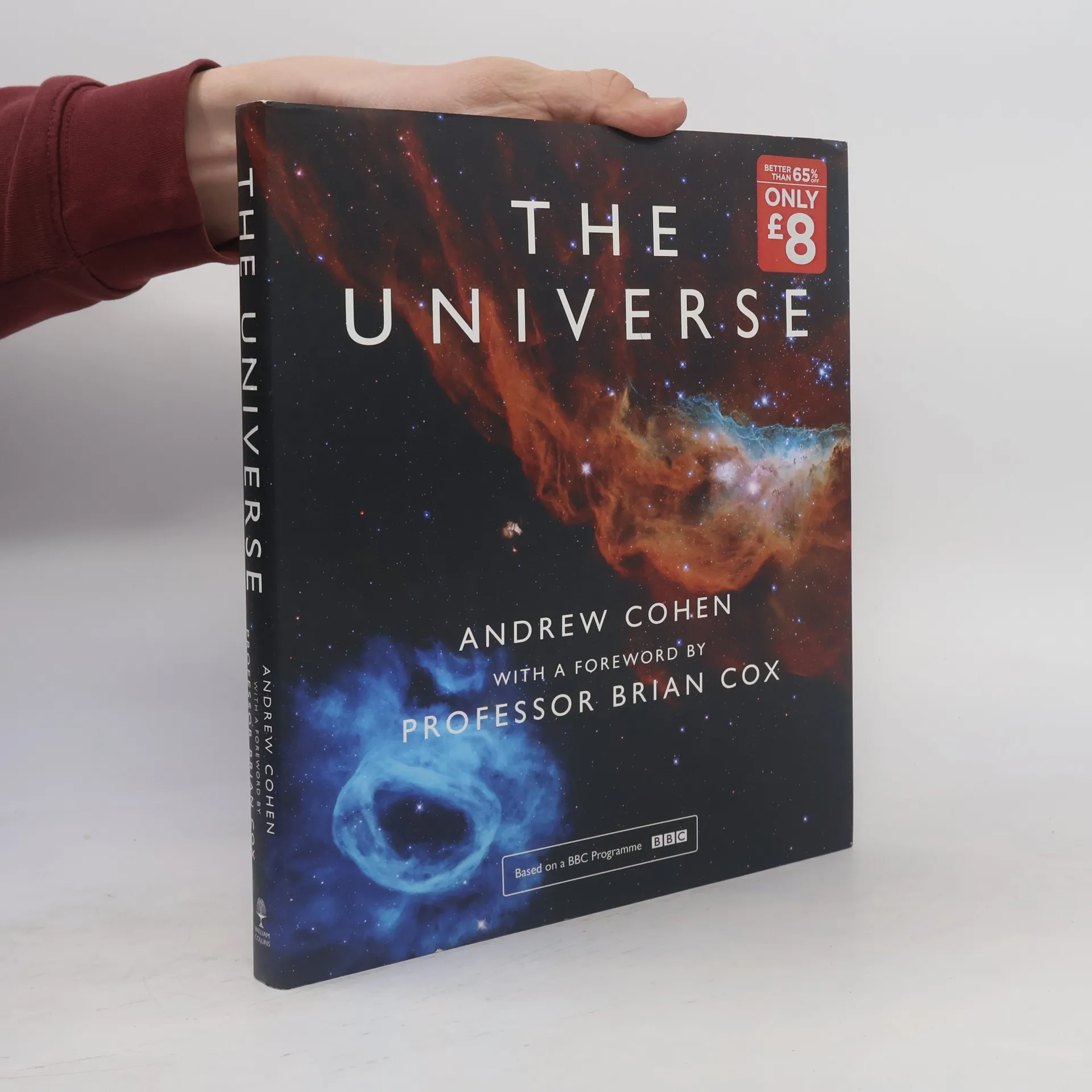
    • Every night, above our heads, a drama of epic proportions is playing out. Diamond planets, zombie stars, black holes heavier than a billion Suns. The cast of characters is extraordinary, and each one has its own incredible story to tell. We once thought of our Earth as unique, but we have now discovered thousands of alien planets, and that's barely a fraction of the worlds that are out there. And there are more stars in the Universe than grains of sand on every planet in the Solar System. But amid all this vastness, the Milky Way Galaxy, our Sun and the Earth are home to the only known life in the Universe - at least for now. With a foreword from Professor Brian Cox, and access to all the latest stunning NASA photography, Andrew Cohen takes readers on a voyage of discovery, via the probes and telescopes exploring the outer reaches of our galaxy, revealing how it was formed and how it will inevitably be destroyed by the enigmatic black hole at its heart. And beyond our galaxy, the expanding Universe, which holds clues to the biggest mystery of all - how did it all begin? We now know more about those first moments of existence than we ever thought possible, and hidden in this story of how it all began are the clues to the fate of the Universe itself and everything in it.

      The Universe2021
      4.3
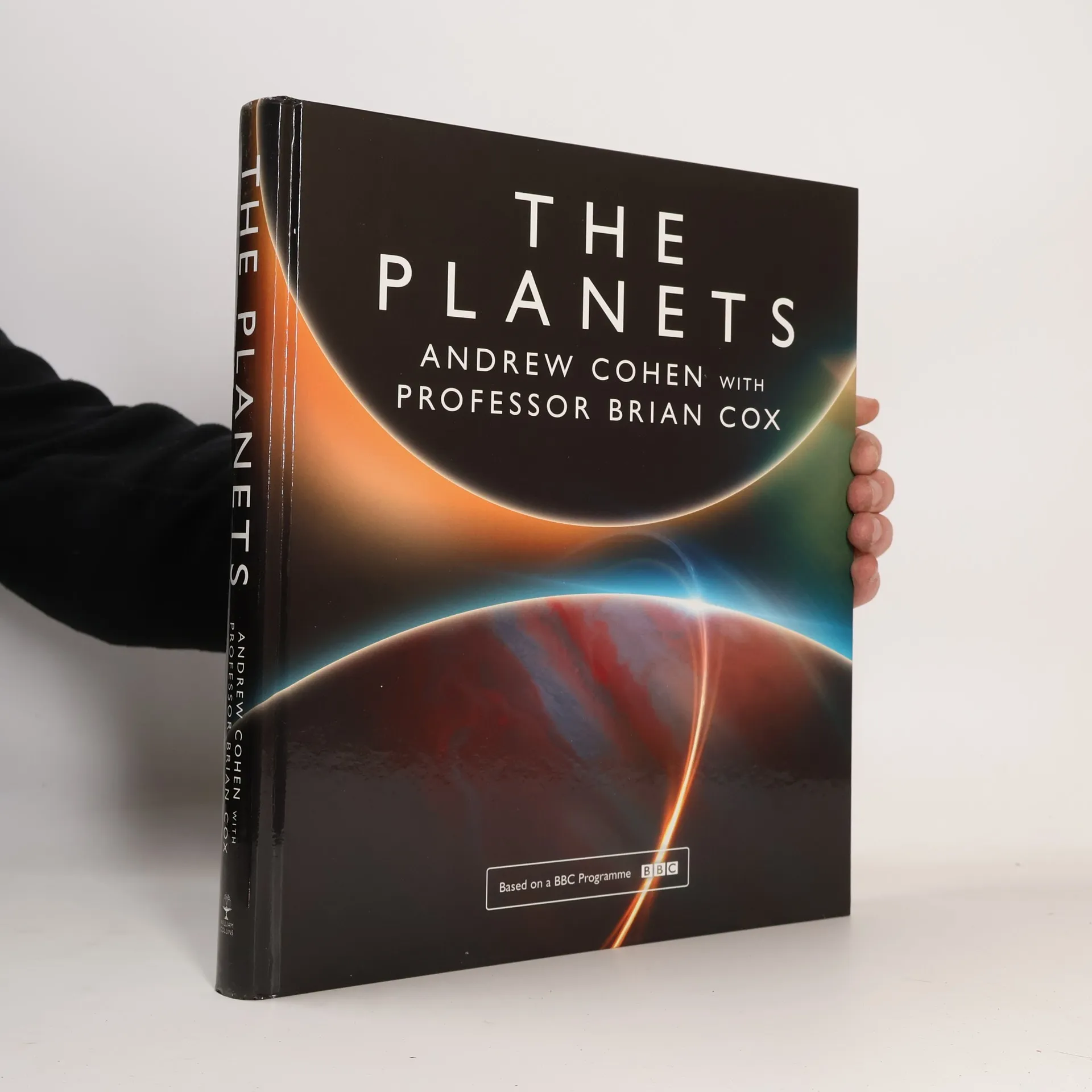
    • The Planets

      • 288 pages
      • 11 hours of reading

      'So staggering you go whoa! every few seconds' Guardian 'Really impressive' Eamonn Holmes, ITV This Morning A companion book to the critically acclaimed BBC series.

      The Planets2020
      4.5
    • Delving into the wonders of science, this book captures the lively spirit of the BBC Radio 4 program, exploring extraordinary concepts such as dark matter, consciousness, neutrinos, and even earthworms. With a blend of humor and insight, it invites readers to appreciate the marvels of human imagination and the complexities of the universe in an engaging and accessible way.

      The Infinite Monkey Cage - How to Build a Universe2018
      3.8
    • Wie schwer ist die Erde? Wie weit sind die Sterne entfernt? Warum gab es einen Urknall und was war davor? Brian Cox und Jeff Forshaw gelingt das Kunststück, auch interessierten Laien das große Wissen unserer Zeit Schritt für Schritt so zu vermitteln, dass jeder verstehen kann, wie unser Universum funktioniert. Ein unglaublich erhellender Einblick in die Wissenschaft und eine Liebeserklärung an die Astrophysik.

      Was wiegt das Universum?2018
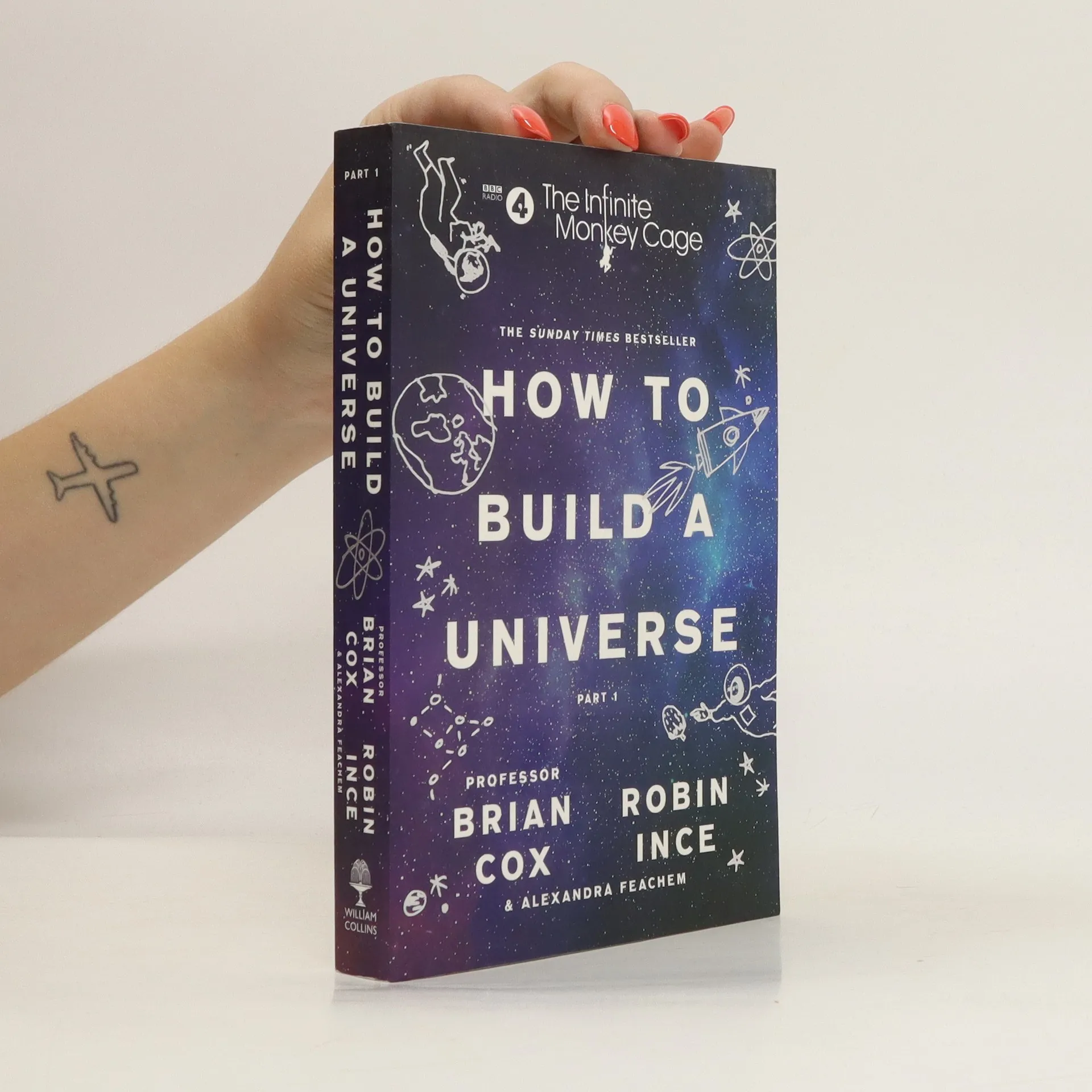
    • How to build a Universe: Part 1

      • 288 pages
      • 11 hours of reading

      The Infinite Monkey Cage, the legendary BBC Radio 4 programme, brings you this irreverent celebration of scientific marvels. Join us on a hectic leap through the grand and bizarre ideas conjured up by human imagination, from dark matter to consciousness via neutrinos and earthworms. Professor Brian Cox and Robin Ince muse on multifaceted subjects involved in building a universe, with pearls of wisdom from leading scientists and comedians peppered throughout. Covering billions of concepts and conundrums, they tackle everything from the Big Bang to parallel universes, fierce creatures to extraterrestrial life, brain science to artificial intelligence. How to Build a Universe is an illuminating and inspirational celebration of science -- sometimes silly, sometimes astounding and very occasionally facetious

      How to build a Universe: Part 12018
      3.9
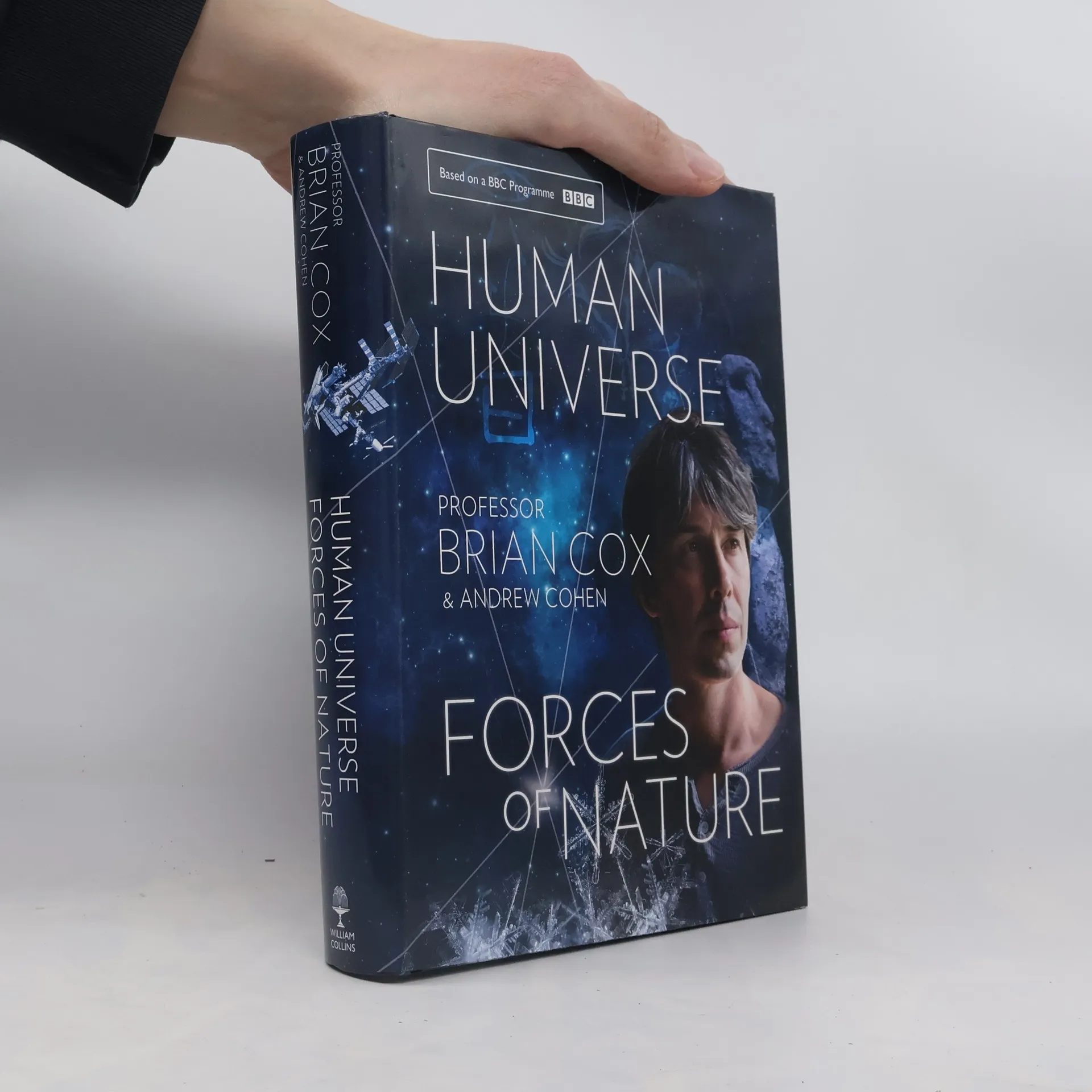
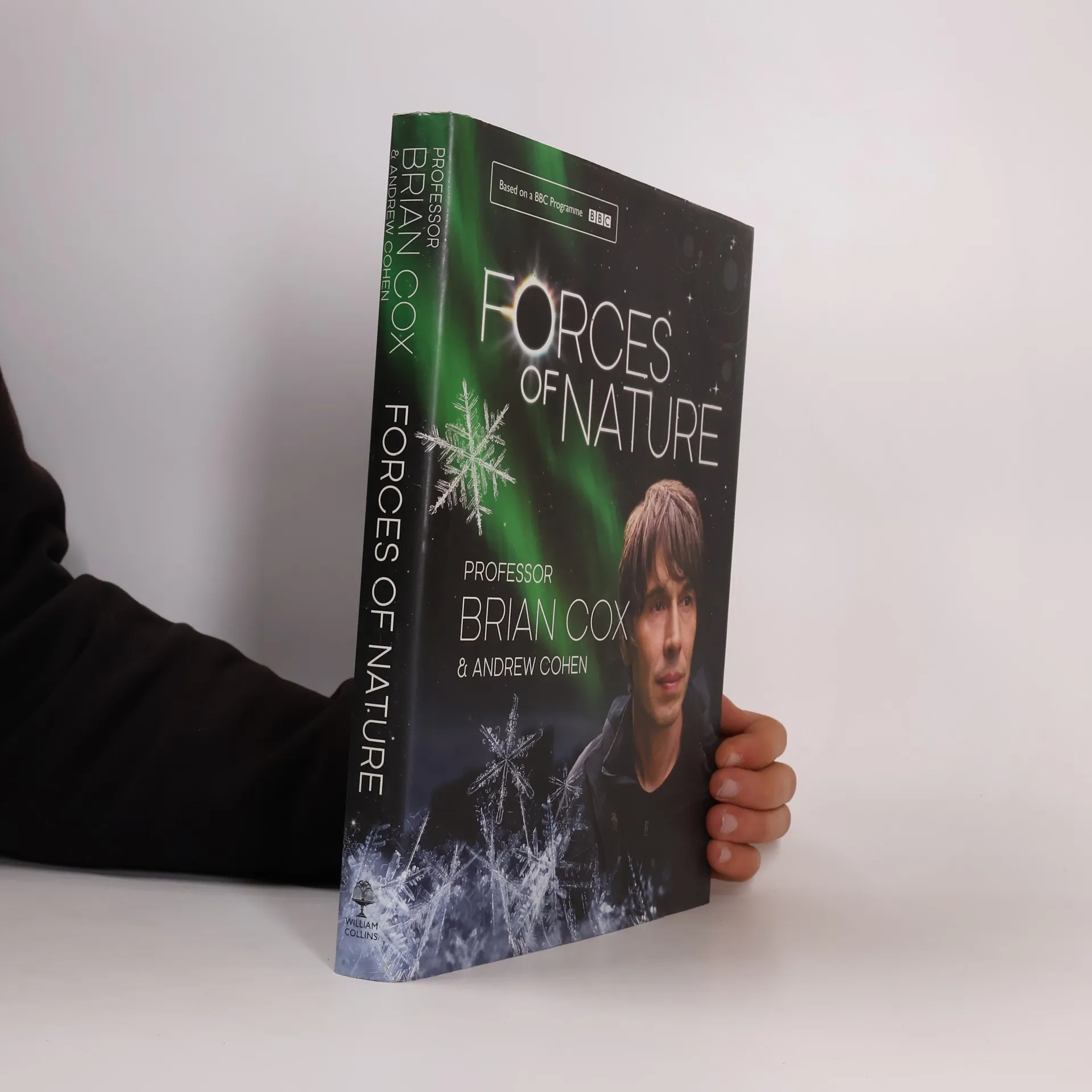
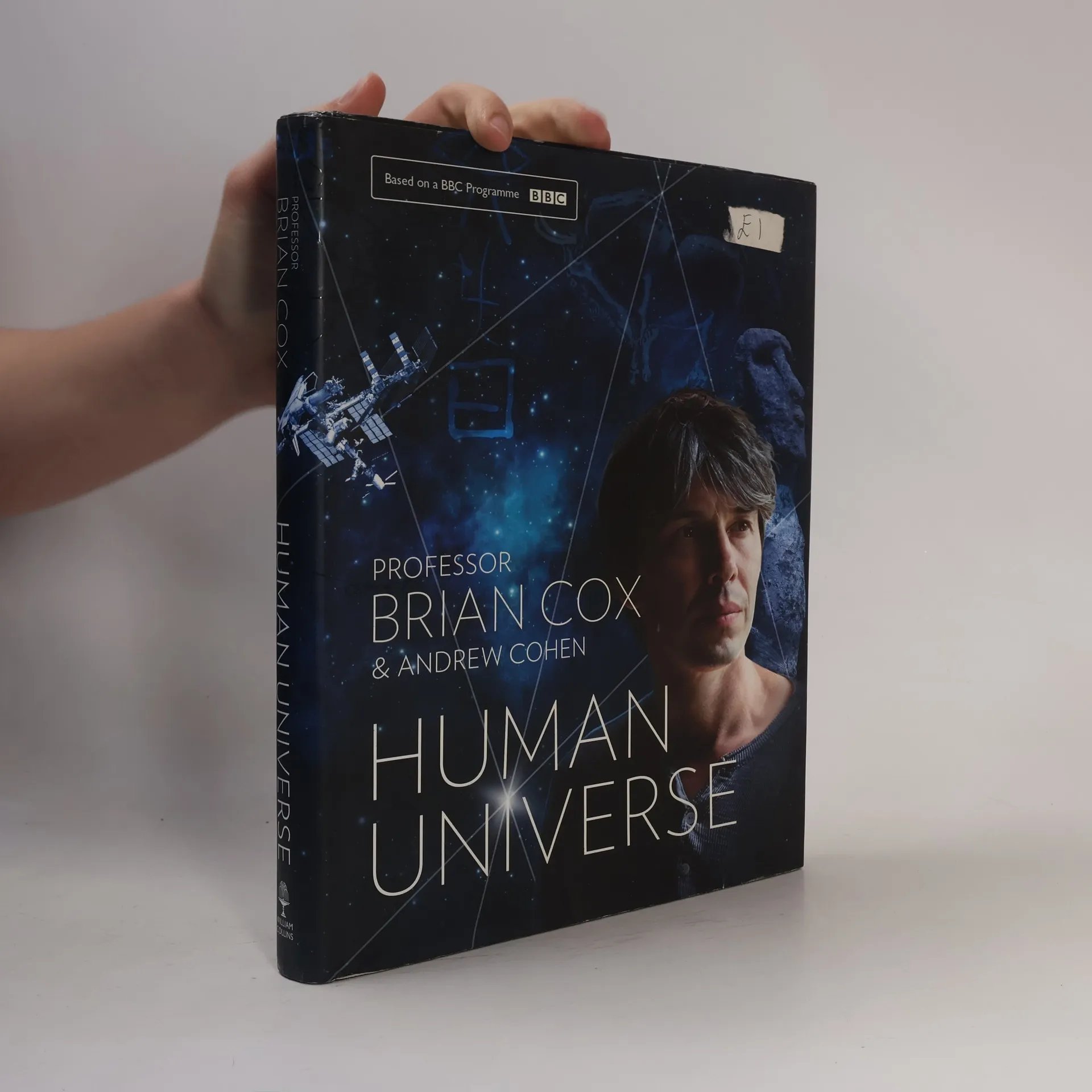
    • Where are we? Are we alone? Who are we? Why are we here? What is our future? Human Universe tackles some of the greatest questions that humans have asked to try and understand the very nature of ourselves and the Universe in which we live. Through the endless leaps of human minds, it explores the extraordinary depth of our knowledge today and where curiosity may lead us in the future. With groundbreaking insight it reveals how time, physics and chemistry came together to create a creature that can wonder at its own existence, blessed with an unquenchable thirst to discover not just where it came from, but how it can think, where it is going and if it is alone. How did life on Earth begin? What is the nature of space and time? What are the chances that we will discover life on other worlds? Forces of Nature takes you from the mid-Atlantic ridge in Iceland, the volcanoes of Indonesia and the precipitous cliffs in Nepal, to the manatees off the coast of Florida and the Northern lights of the Arctic, in search of the fundamental laws that govern our world. These universal laws shape everything, from the structure of snowflakes to the elegant spirals of the galaxies. By seeking to understand the everyday world - the colours, structure, behaviour and history of our home - we can step beyond the everyday and approach the Universe beyond. Think you know our planet? Think again.

      Human Universe & Forces of Nature Professor2017
      4.0
    • How to Build a Universe I.

      • 288 pages
      • 11 hours of reading

      From the hosts of the legendary BBC Radio 4 programme comes this irreverent celebration of scientific marvels – a hectic leap through the grand and bizarre ideas conjured up by human imagination, from dark matter to consciousness via neutrinos and earthworms. Prof Brian Cox and Robin Ince take the musings of the great and the good of British science, producing an insight into the multifaceted subjects involved in building a Universe, with pearls of wisdom from leading scientists and comedians peppered throughout. Covering thousands of concepts and conundrums, they tackle everything from the Big Bang to parallel Universes, fierce creatures to extraterrestrial life, brain science to artificial intelligence. Bringing together the best, most unusual and hilarious of the inquisitive minds that help shape and understand our world, from Neil deGrasse Tyson and Dara Ó Briain to Sir Patrick Stewart, Tim Minchin, Stephen Fry and more, How to Build a Universe is an illuminating and inspirational celebration of science – sometimes silly, sometimes astounding and very occasionally facetious.

      How to Build a Universe I.2017
      3.8
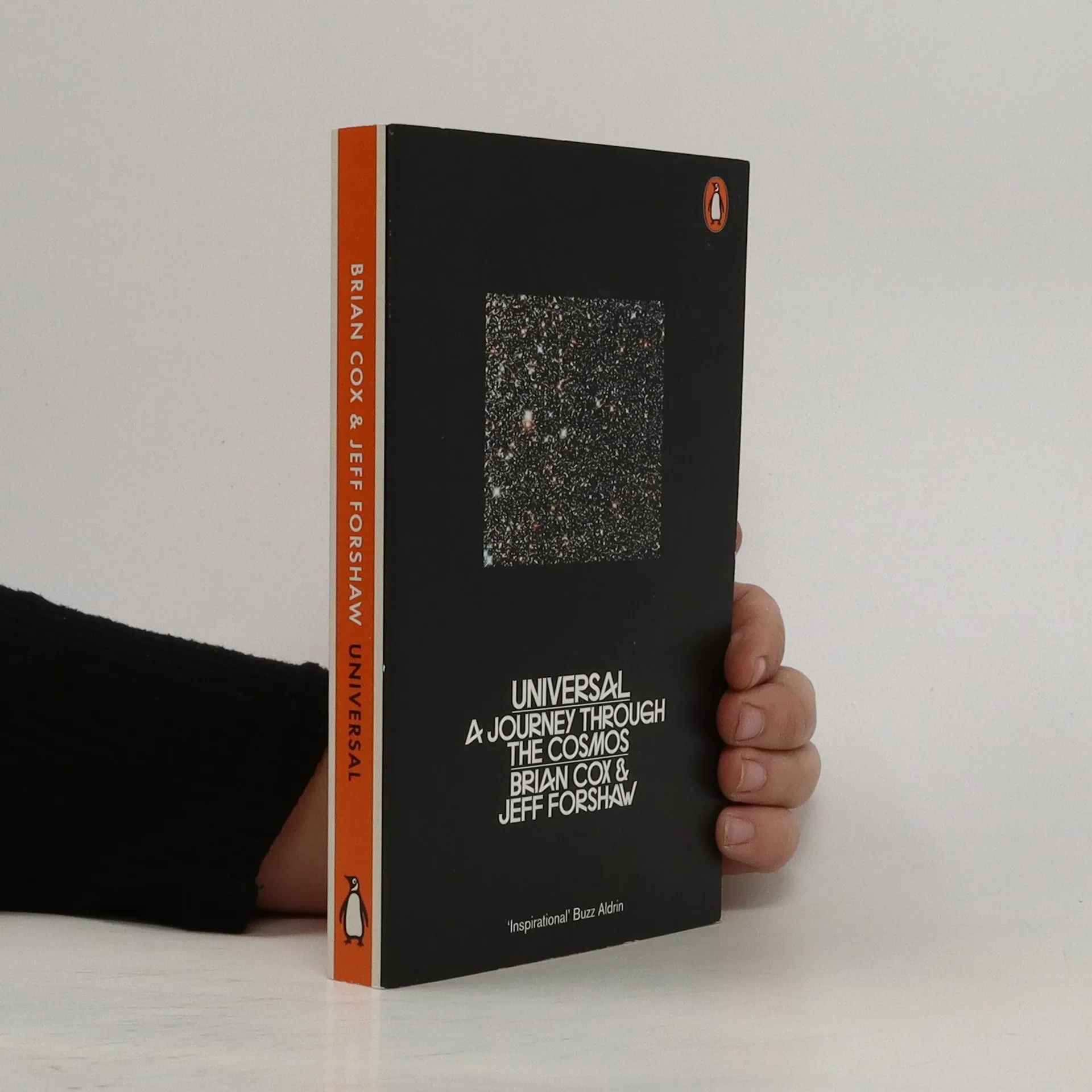
    • Universal

      • 288 pages
      • 11 hours of reading

      'Inspirational' Buzz Aldrin When exactly did life begin? What really happened during the big bang - and before it? Is the universe expanding? Is dark matter real? Do we live in one of many worlds? What's more, how can we prove any of this? This book is all about how we - any of us - can gain an understanding of the Universe in all its awe-inspiring glory. Brian Cox and Jeff Forshaw take us on an epic journey of scientific exploration, revealing how the biggest questions - from the size of the earth to the distance to the stars - are answerable from our own back gardens. You don't need a Large Hadron Collider or a Hubble Space Telescope to explore the cosmos. You just need this book.

      Universal2017
      4.1
    • Forces of Nature

      • 288 pages
      • 11 hours of reading

      Sunday Times BestsellerA breathtaking and beautiful exploration of our planet, this groundbreaking book accompanies the BBC One TV series, providing the deepest answers to the simplest questions.

      Forces of Nature2016
      4.1
    • Universal. A guide to the cosmos

      • 256 pages
      • 9 hours of reading

      Physics is about asking questions. But what are good questions? How do we understand the fundamental forces of the Universe and its remarkable uniformity? This book answers these questions.

      Universal. A guide to the cosmos2016
      4.1
    • Human Universe

      • 288 pages
      • 11 hours of reading

      Professor Brian Cox takes readers out of this world and into a whole new dimension as he gives us a new perspective on human life. Following the spark of human curiosity from its ignition in the distant past to its journey into the future, the book spans the history of the universe, as Brian attempts to understand the greatest wonder of them all - humankind.

      Human Universe2014
      4.3
    • Does My Goldfish Know Who I Am?

      • 336 pages
      • 12 hours of reading

      Why do zebras have stripes? Why do we close our eyes when we sneeze? Why are farts flammable? Why do we have recessions when we can just print more money? If you've ever been flummoxed by a child's questions, then this is the perfect book for you. With over 300 real questions from primary school aged children, the book offers bite-sized answers from world class experts - digestible in under 60 seconds.

      Does My Goldfish Know Who I Am?2014
      4.3
    • Wonders of Life

      • 288 pages
      • 11 hours of reading

      What is Life? Where did it come from? Why does it end?

      Wonders of Life2013
      4.5
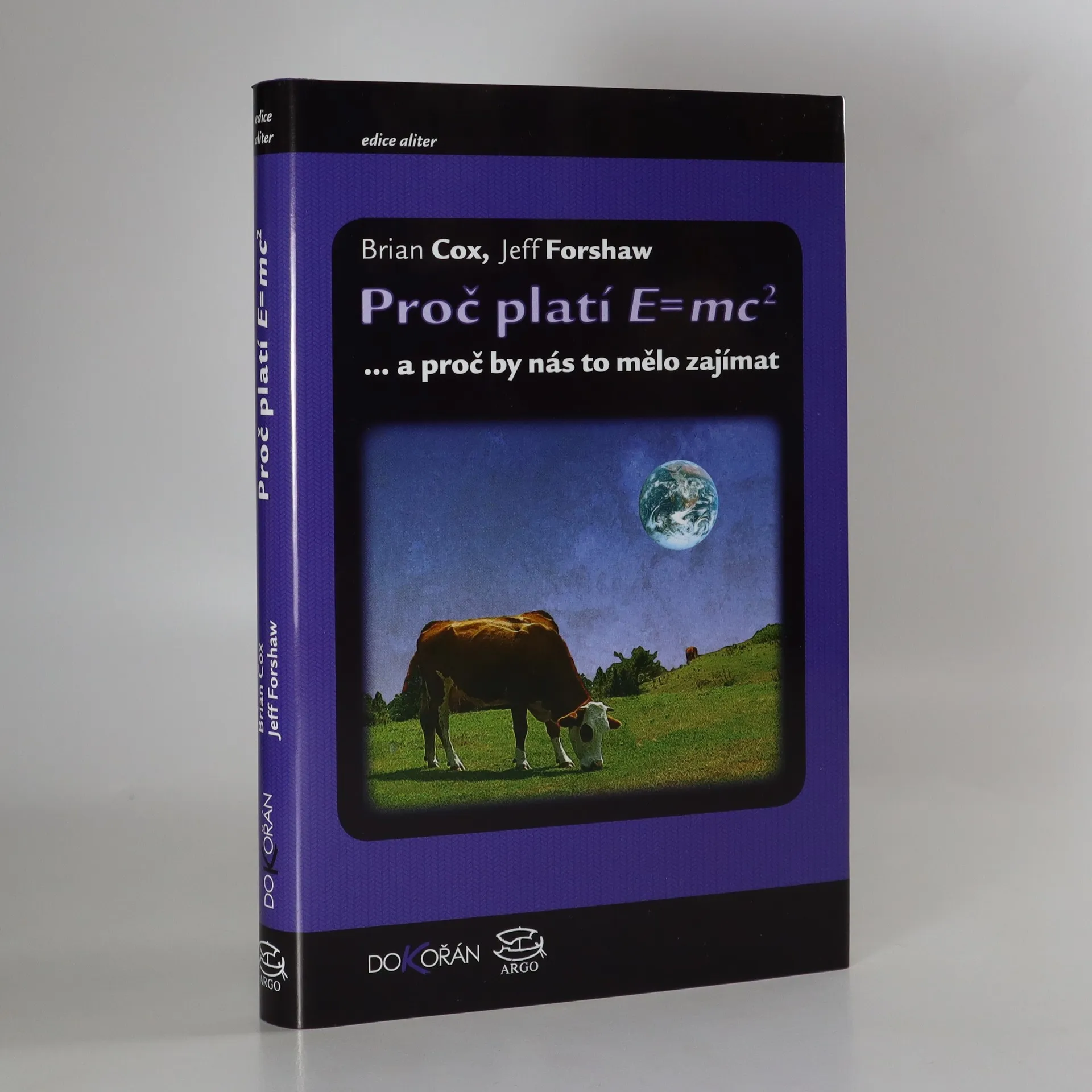
    • ... a proč by nás to mělo zajímat. Všichni tuto rovnici někdy viděli. Všichni znají i jejího autora. Málokdo však ví, co znamená. A ještě méně lidí chápe, jak k ní od základních fyzikálních principů dojít. Cílem této knihy je rozšířit právě tuto poslední skupinu. Text nás provází od základů klasické mechaniky a intuitivních fyzikálních a geometrických pojmů, přes teorii elektromagnetického pole, speciální a obecnou relativitu, až po standardní model částicové fyziky. Abychom pochopili obsah ústřední rovnice, musíme totiž porozumět významu jednotlivých výrazů, které v ní vystupují. Musíme vědět, co je energie, co je hmotnost a kde se bere a proč je c zrovna rychlostí světla. To vše nám kniha přístupnou formou přiblíží, současně se však autoři nezaleknou ani matematických rovnic. Zároveň ukazují čtenářům, jak se fyzikové dívají na svět. Z celé knihy je cítit radost a potěšení, které autoři zažívají při uvažování o tom, jak vlastně svět ve skutečnosti funguje; poznat je i to, že jde o zkušené vysokoškolské pedagogy, aktivní vědce a mimořádně úspěšné popularizátory v tomto oboru.

      Proč platí E=mc²2013
      4.6
    • What is quantum physics? How does it help us understand our amazing world? Where does it leave Newton and Einstein? And why, above all, can we be sure that the theory is good? This title gives us the real science behind the bizarre behaviour of the atoms and energy that make up the universe, and reveal how everything that can happen, does happen.

      Universe: Everything that Can Happen Does Happen2012
      3.7
    • The Quantum Universe

      • 256 pages
      • 9 hours of reading

      The Quantum Universe brings together two authors on a brilliantly ambitious mission to show that everyone can understand the deepest questions of science. But just what is quantum physics? How does it help us understand the universe? Where does it leave Newton and Einstein? And how - for all its apparently counter-intuitive ideas - can we be sure that the theory is good? The bizarre behaviour of the atoms and energy that make up the universe has lead to some woolly pronouncements on the nature of all interconnectedness - but Brian Cox and Jeff Forshaw reveal the simple and understandable theories that allow for concrete, yet astonishing, predictions about the world around us. From entangled twins to the incredible double-slit experiment, The Quantum Universe will give every reader the most up-to-date picture of that amazing subatomic world, where thousands of years of physics must be rewritten completely

      The Quantum Universe2011
      3.8
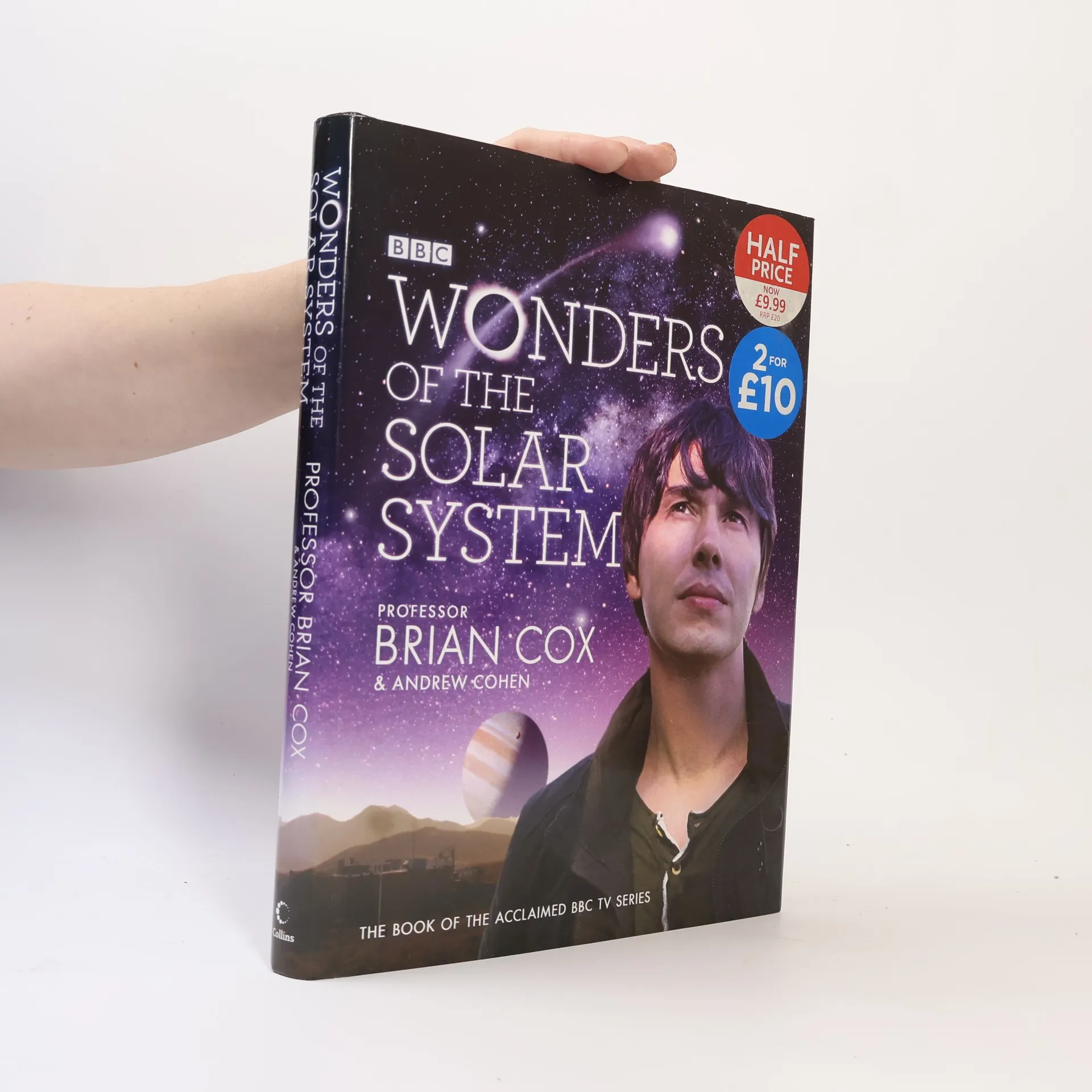
    • The Wonders of the Solar System - from the giant ice fountains of Enceladus to the liquid methane seas of Titan and from storms twice the size of the Earth to the tortured moon of Io with its giant super-volcanoes - is the solar system as you have never seen it before. It takes us on a journey of discovery where alien worlds from your imagination become places we can see, feel and visit.

      Wonders of the Solar System2011
      4.4
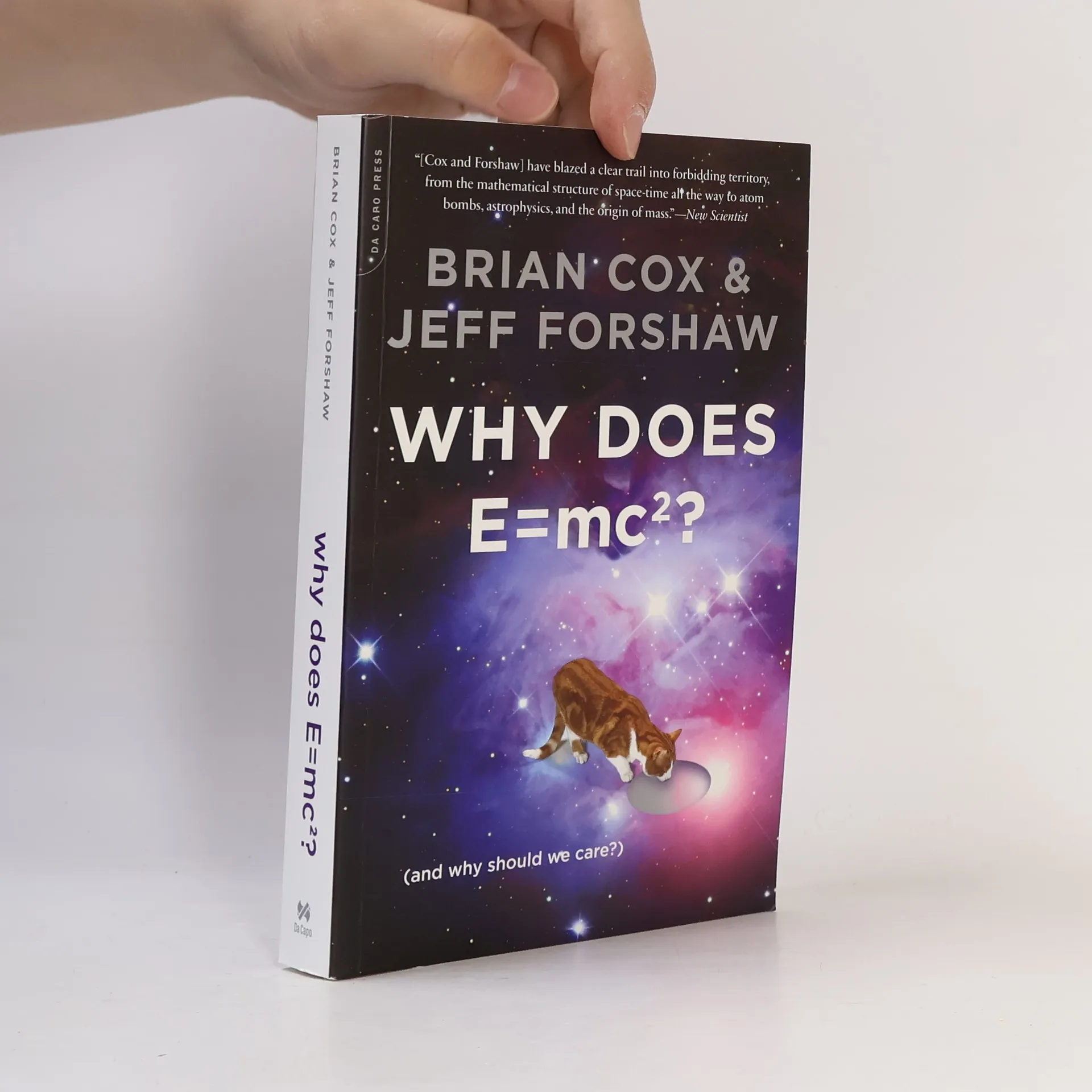
    • The international bestseller: an introduction to the theory of relativity by the eminent physicists Brian Cox and Jeff Forshaw What does E=mc2 actually mean? Dr. Brian Cox and Professor Jeff Forshaw go on a journey to the frontier of twenty-first century science to unpack Einstein's famous equation. Explaining and simplifying notions of energy, mass, and light-while exploding commonly held misconceptions-they demonstrate how the structure of nature itself is contained within this equation. Along the way, we visit the site of one of the largest scientific experiments ever conducted: the now-famous Large Hadron Collider, a gigantic particle accelerator capable of re-creating conditions that existed fractions of a second after the Big Bang.A collaboration between one of the youngest professors in the United Kingdom and a distinguished popular physicist, Why Does E=mc2? is one of the most exciting and accessible explanations of the theory of relativity.

      Why does E=mc²2009
      4.1
    • Wonders of the Universe

      • 256 pages
      • 9 hours of reading

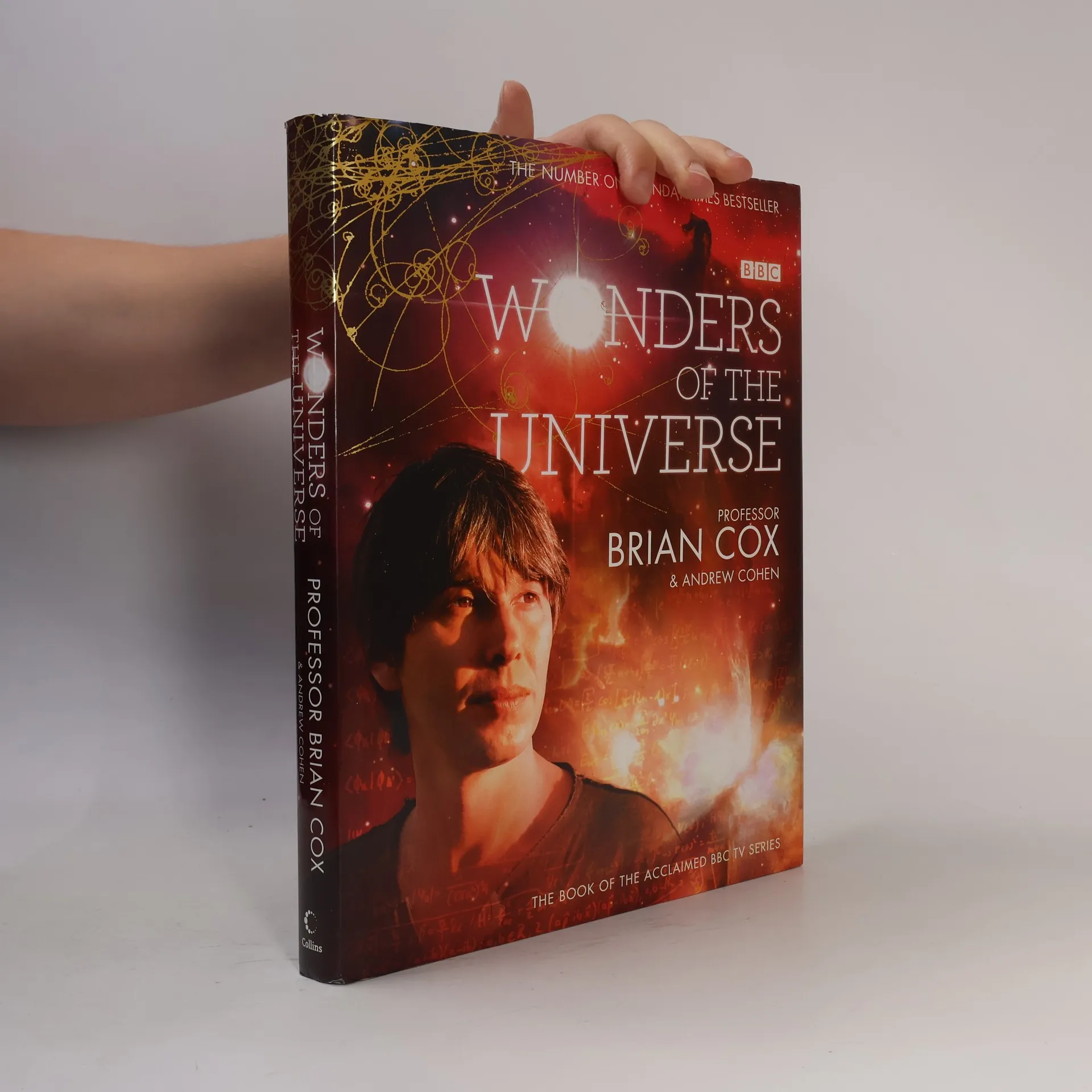
      Professor Brian Cox is back with another insightful and mind-blowing exploration of space. This time he shows us our universe as we've never seen it before.

      Wonders of the Universe1980
      4.3