There was an old lady who swallowed a fly...a bird...a cat...a dog...a snake...a cow...and a horse. Do you know what happened to her? Of course you do! But with his distinct art style and a clever format, acclaimed graphic designer Jeremy Holmes has given the universal rhyme a unique makeover that is clever, funny, and unexpected.
Focusing on the integration of attachment theory with psychoanalysis, cognitive science, and neurobiology, this book delves into how relationships are influenced by security and threat. It presents attachment theory as a humanistic yet scientifically robust framework for understanding interpersonal dynamics, particularly in the context of psychotherapy. Jeremy Holmes examines its practical applications in therapeutic settings, where patients typically engage in limited sessions, highlighting the theory's relevance in fostering deeper connections and healing.
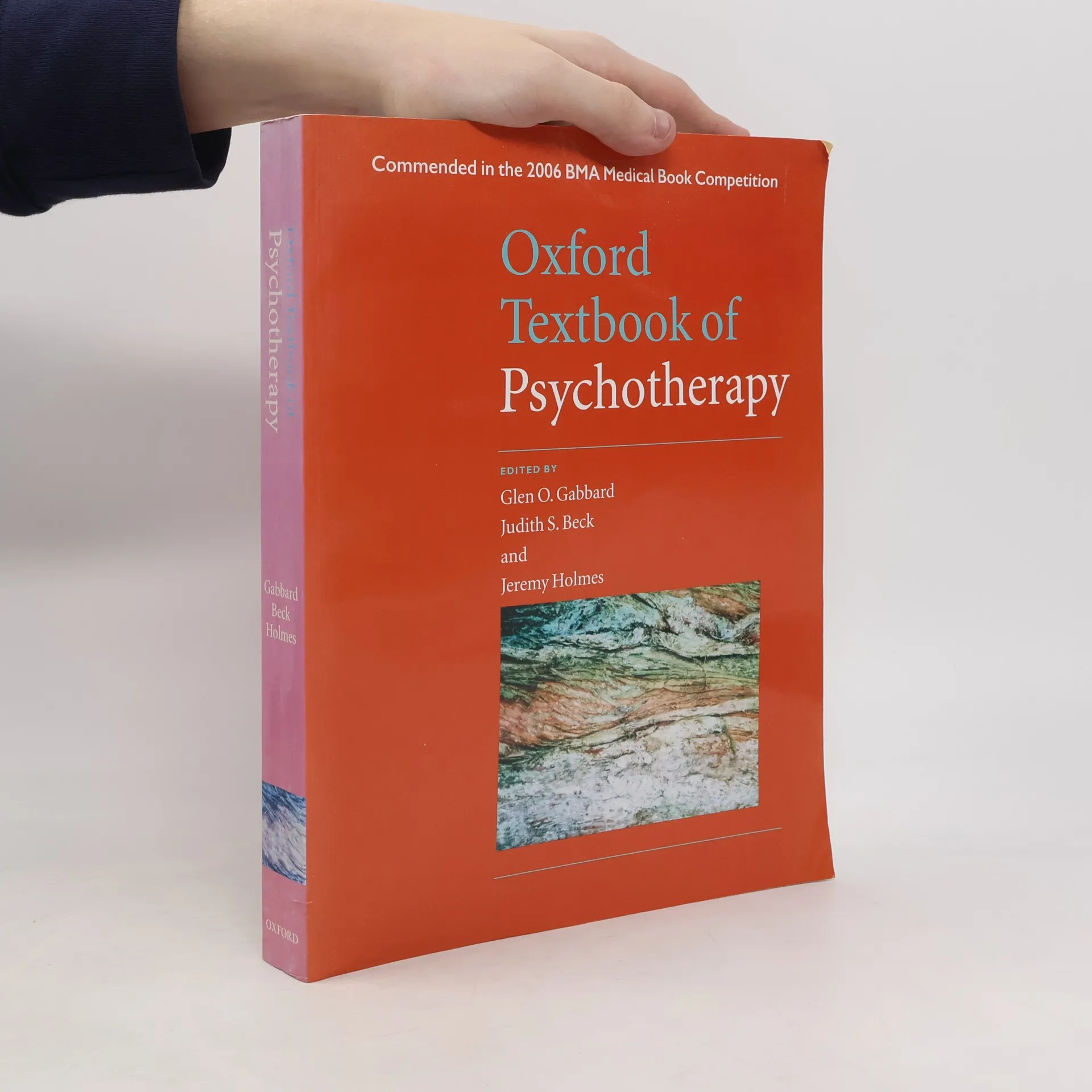
Now available in paperback, this is a 'must have' volume for all trainee and practising psychological therapists. The only truly integrative psychotherapy text on the market, it tackles each of the major mental illnesses systematically, describing psychotherapeutic approaches to managing them in a scientific, clinically relevant, and authoritative way.
Storr’s The Art of Psychotherapy appeared in 1979 and became an instant
classic. After Storr’s death, a third edition was rewritten and revised by
Jeremy Holmes, and the fourth edition is a further up-to-date iteration.
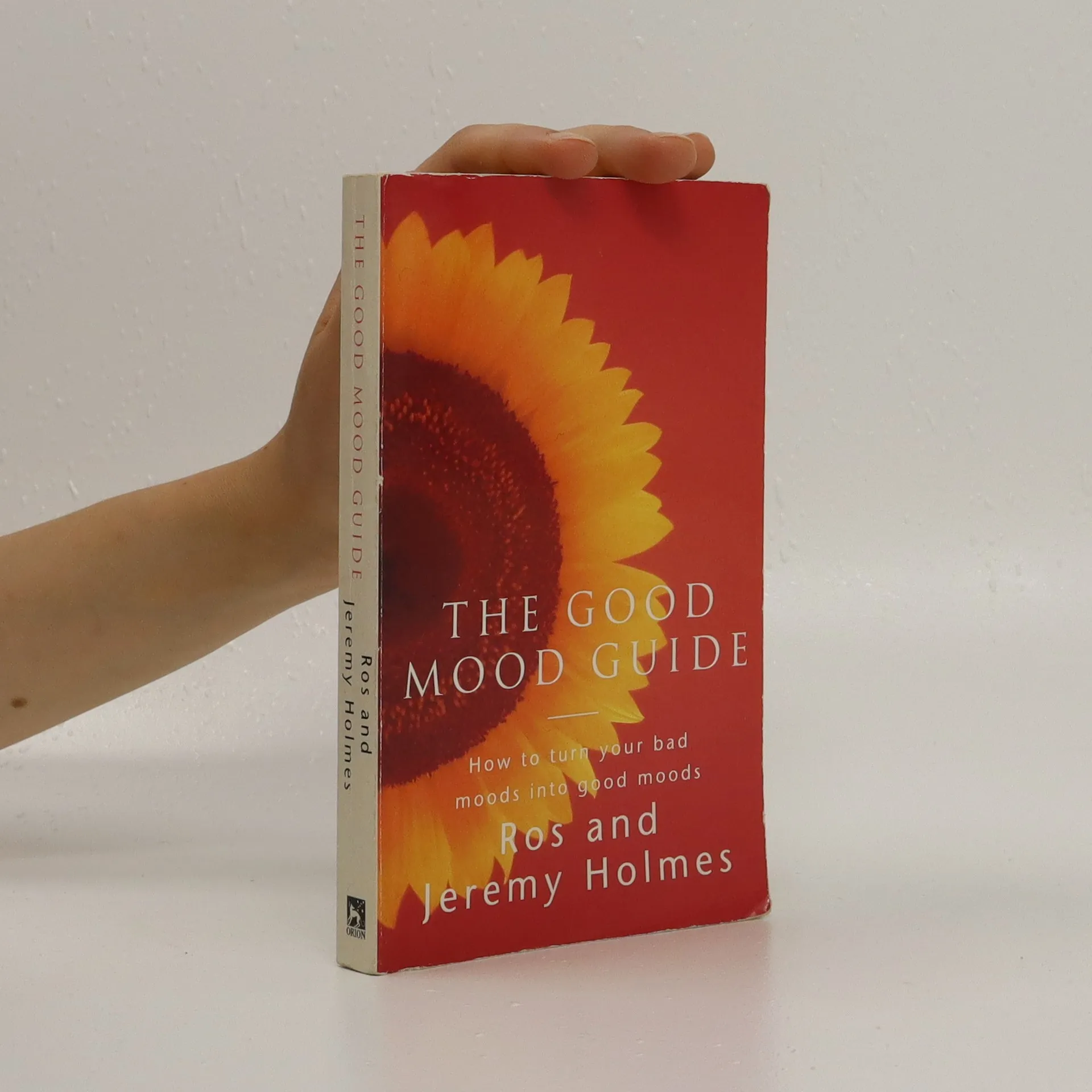
Here is a revolutionary technique for dealing with moods. All you have to do is to recognise your mood as a friend. Work with it, not against it. What kind of moods do you have. The book is for everyone who ever felt moody. It's absolutely new system of identifying and working with your mood is suitable for all, young or old.
Focusing on attachment-based therapy as a form of object relations, the book advocates for a reconciliation between psychoanalysis and attachment theory. It explores the connections and implications of integrating these psychological frameworks, highlighting their relevance in understanding human relationships and emotional development.
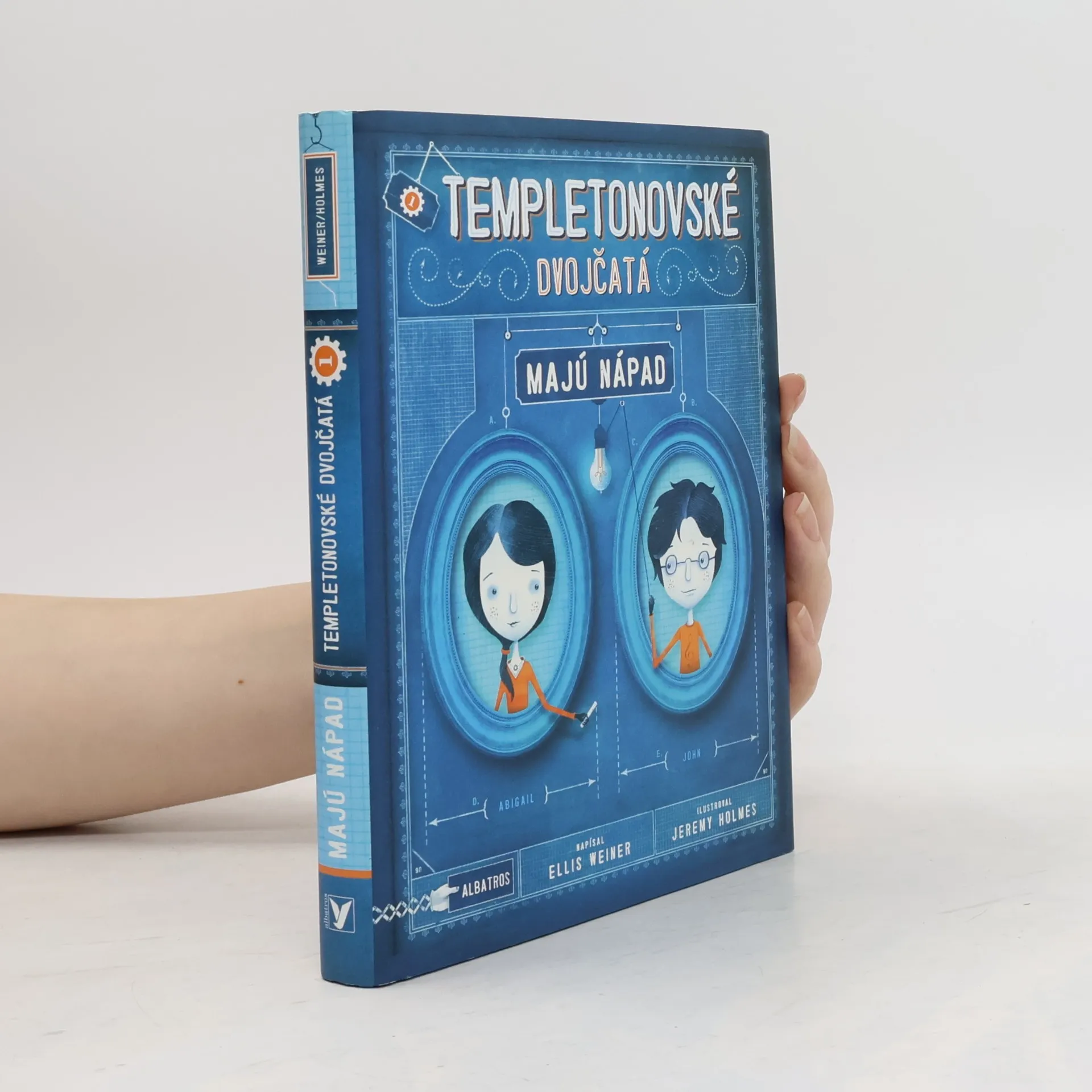
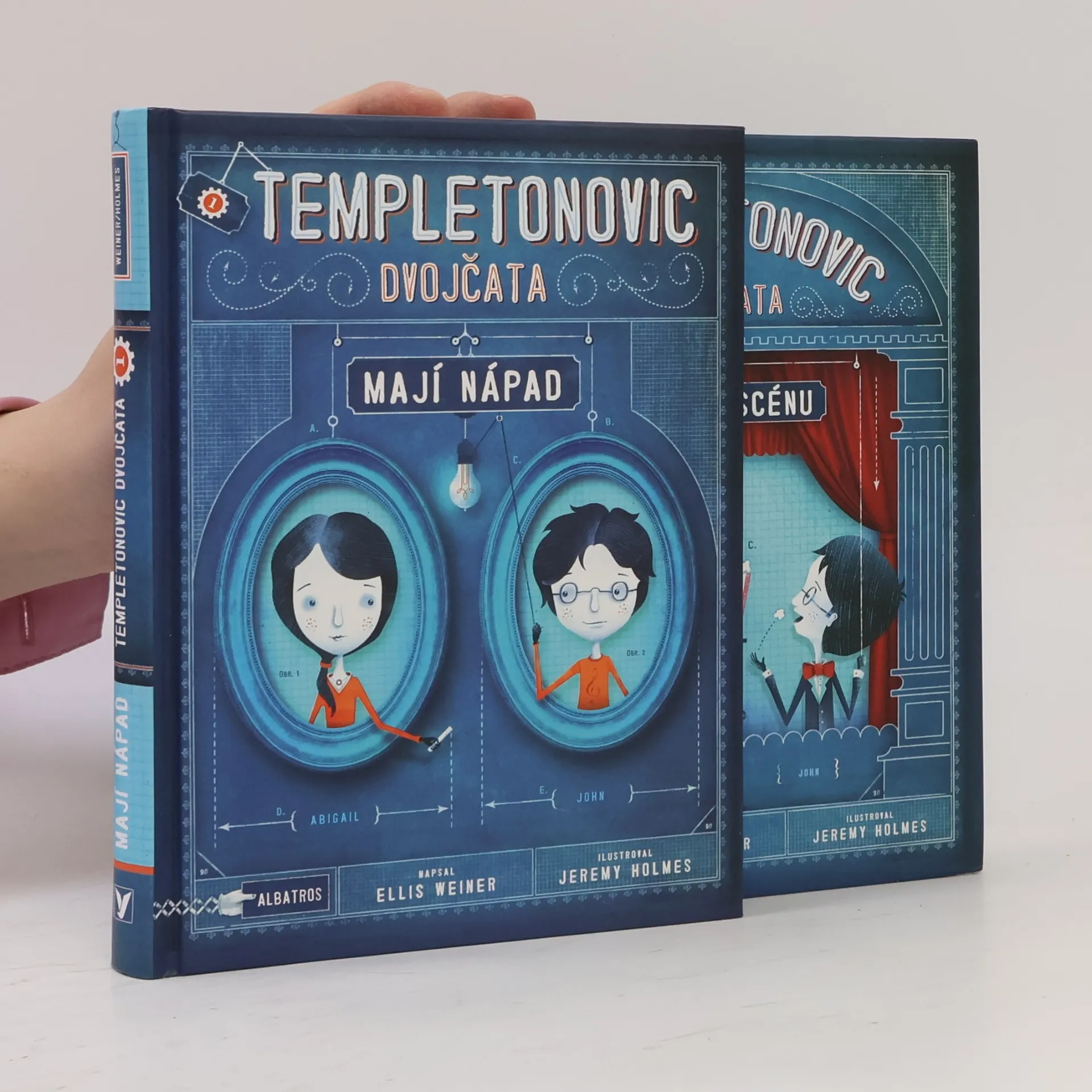
Suppose there were 12-year-old twins, a boy and girl named John and Abigail Templeton. Let's say John was pragmatic and played the drums, and Abigail was theoretical and solved cryptic crosswords. Now suppose their father was a brilliant, if sometime confused, inventor. And suppose that another set of twins—adults—named Dean D. Dean and Dan D. Dean, kidnapped the Templeton twins and their ridiculous dog in order to get their father to turn over one of his genius (sort of) inventions. Yes, kidnapped. Wouldn't it be fun to read about that? Oh please. It would so. Now in paperback, this is just the first in a series perfect for boys and girls who are smart, clever, and funny (just like the twins), and enjoy reading adventurous stories (who doesn't?!). And now, there's more!
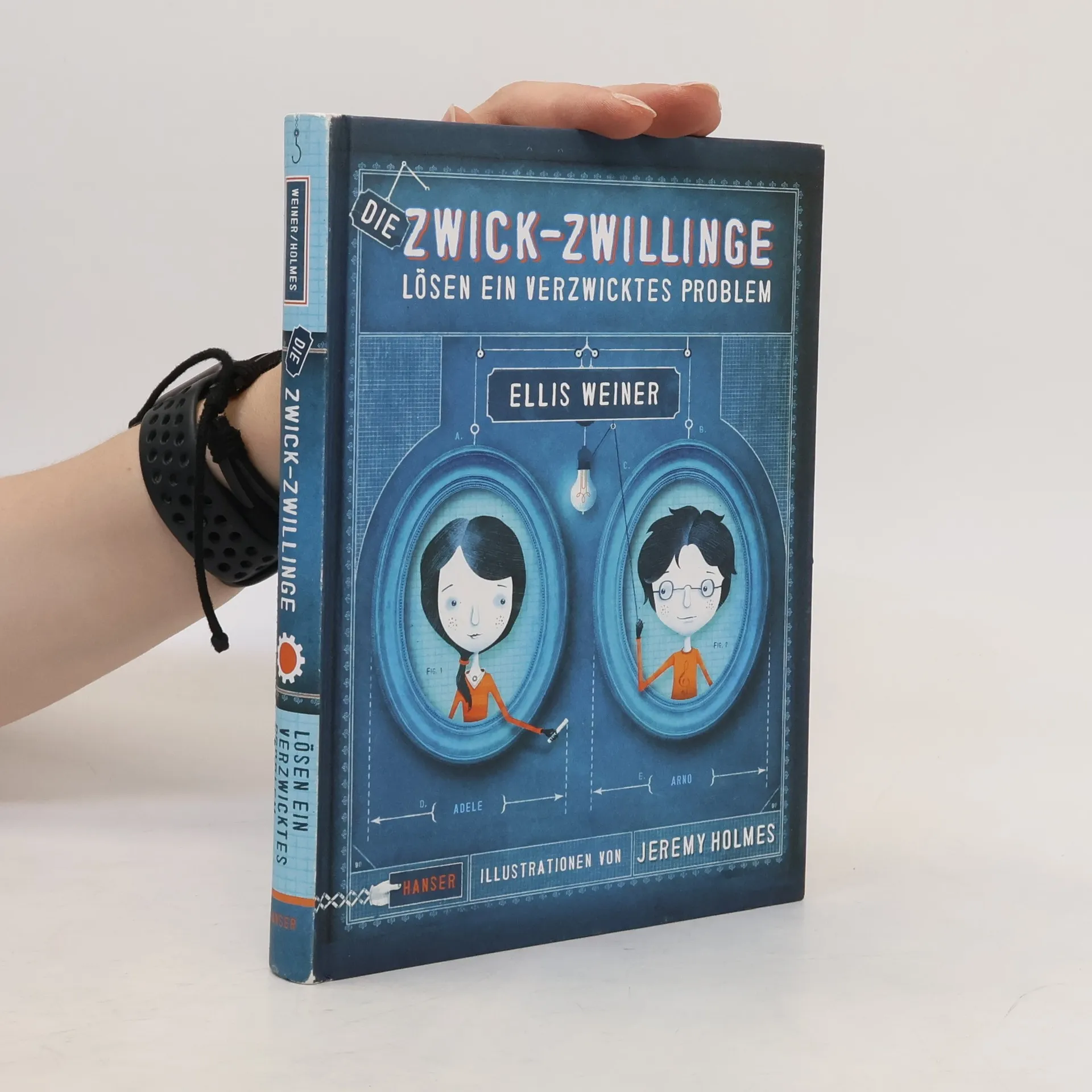
Professor Zwick soll seine geniale Erfindung – den Huckepack-Einmann-Hubschrauber – geklaut haben. Als er sich weigert, die Pläne für das Fluggerät herauszurücken, werden die Zwillinge Arno und Adele gekidnappt. Doch da ist der Entführer an die Falschen geraten, denn der praktisch veranlagte Arno und die um drei Ecken denkende Adele sind nicht auf den Kopf gefallen. Es gelingt ihnen nicht nur, sich zu befreien, sie verhindern auch, dass die spektakulärste Erfindung ihres Vaters in die falschen Hände gerät. Ein rasantes und turbulentes Abenteuer voller Sprachwitz.
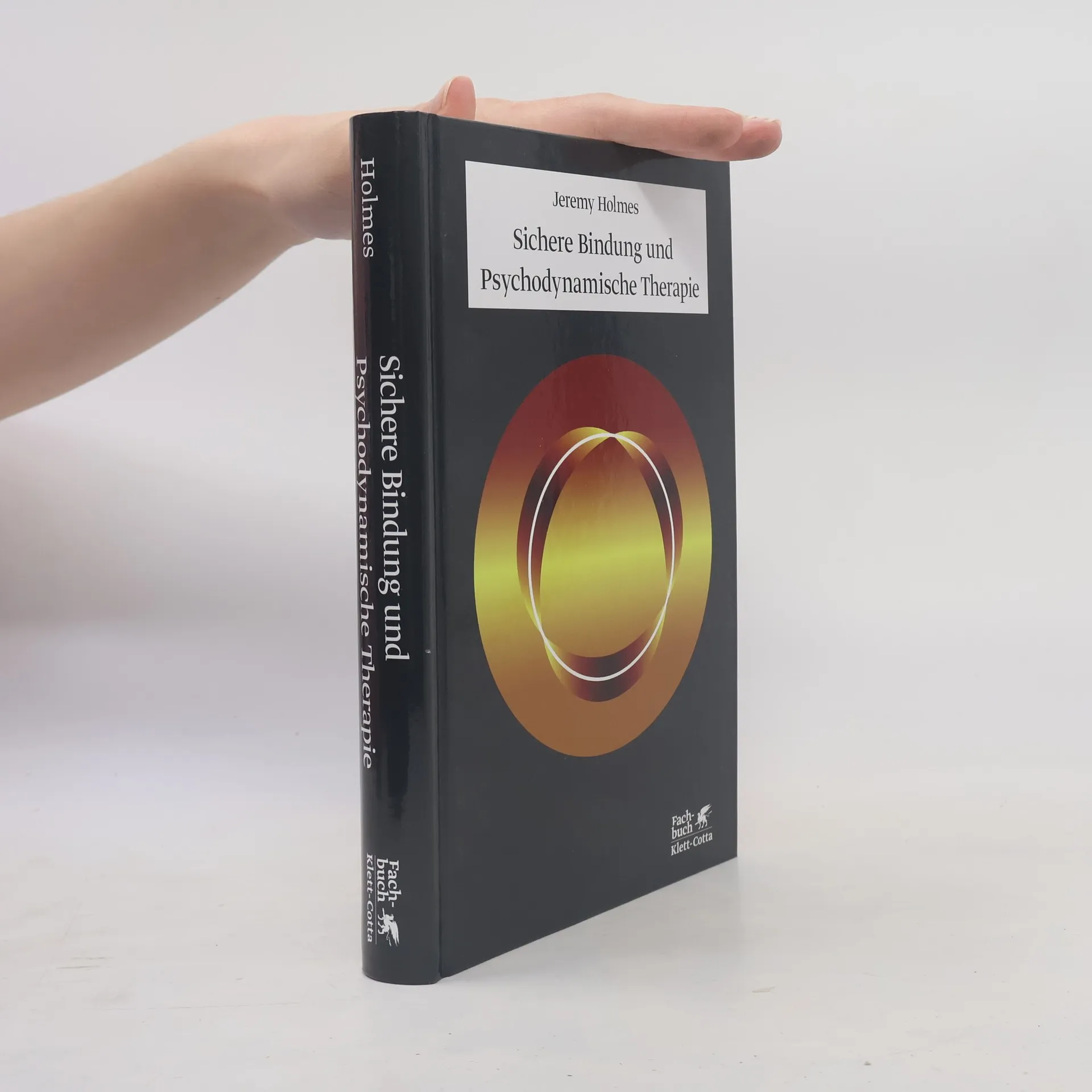
Wie man bindungstheoretische Erkenntnisse klinisch anwenden und Bindungssicherheit effizient herstellen kann, zeigt der Autor - für die Arbeit mit Borderline-Patienten, - bei Suizidgefahr und selbstverletzendem Verhalten, - für Sexualität, - für die Arbeit mit Träumen, - für die Beendigung von Therapien. Die Ausführungen sind durchweg mit klinischem Material, persönlichen Erfahrungen des Autors und Beispielen aus der Literatur und der Filmwelt illustriert. Dieses Buch richtet sich an: - Alle TherapeutInnen, die psychodynamisch/psychoanalytisch arbeiten - Kinder- und Jugendlichen-Psychotherapeuten - PsychologInnen, Psychiater, Mitarbeiter von - Jugendhilfe und Kinderschutz, Hebammen, Sozialarbeiter
The second in a series of funny, highly illustrated middle-grade novels about
boy-and-girl twins--with a great concept and visual appeal for both boys AND
girls, now in paperback.