Autor provokativně zkoumá, čím přesně je antisemitismus v jedenadvacátém století, a nastoluje znepokojivé nové paradigma jeho chápání. Dále se zabývá rozměry této hrozby, vysvětluje, jak nové technologie přiživily oheň, jenž před nástupem nového tisíciletí jen doutnal. Výsledky jsou ničivé. Goldhagen rozebírá, jak se antisemitismus mezinárodně prosadil v institucích, jako je OSN a přední nevládní organizace, i v široké koalici nepřátelských států, jak antisemitismus po celém světě podněcují média i akademická sféra. Autor předkládá těm, jimž leží na srdci spravedlnost a morálka, plán tohoto nejznepokojivějšího předsudku.
Daniel Goldhagen Book order (chronological)
June 30, 1959
This author gained international attention for his controversial works examining the Holocaust and genocide. His writing delves into the roles ordinary people play in mass atrocities and the moral reckoning of societies. Though often sparking intense debate, his analyses compel readers to confront profound questions about the nature of evil and human responsibility. His style is direct and provocative, focusing on the moral dimensions of historical events.


A groundbreaking--and terrifying--examination of the widespread resurgence of antisemitism in the 21st century, by the prize-winning and #1 internationally bestselling author of Hitler's Willing Executioners. Antisemitism never went away, but since the turn of the century it has multiplied beyond what anyone would have predicted. It is openly spread by intellectuals, politicians and religious leaders in Europe, Asia, the Arab world, America and Africa and supported by hundreds of millions more. Indeed, today antisemitism is stronger than any time since the Holocaust. In THE DEVIL THAT NEVER DIES, Daniel Jonah Goldhagen reveals the unprecedented, global form of this age-old hatred; its strategic use by states; its powerful appeal to individuals and groups; and how technology has fueled the flames that had been smoldering prior to the millennium. A remarkable work of intellectual brilliance, moral stature, and urgent alarm, THE DEVIL THAT NEVER DIES is destined to be one of the most provocative and talked-about books of the year.
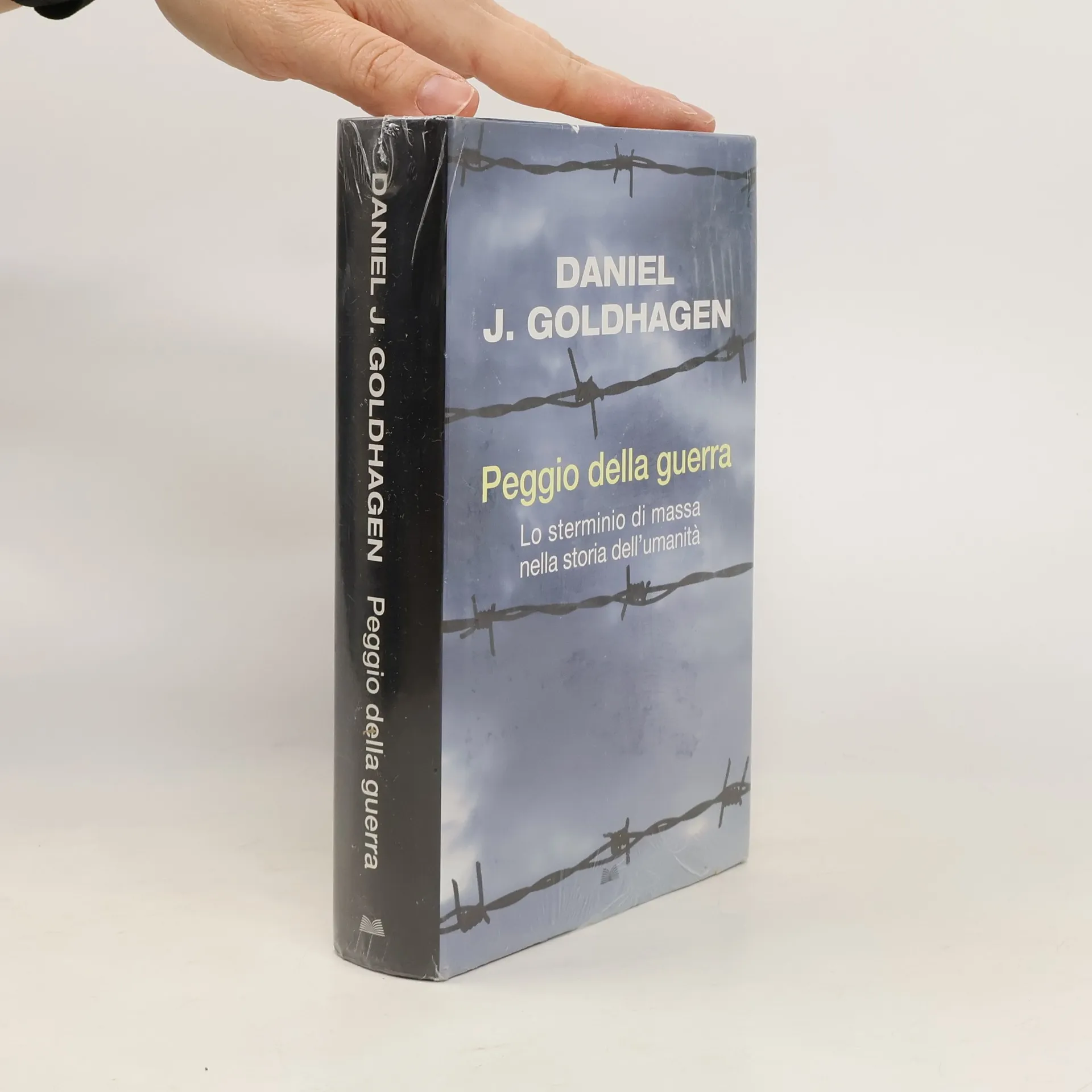
Peggio della guerra
Lo sterminio di massa nella storia dell'umanità
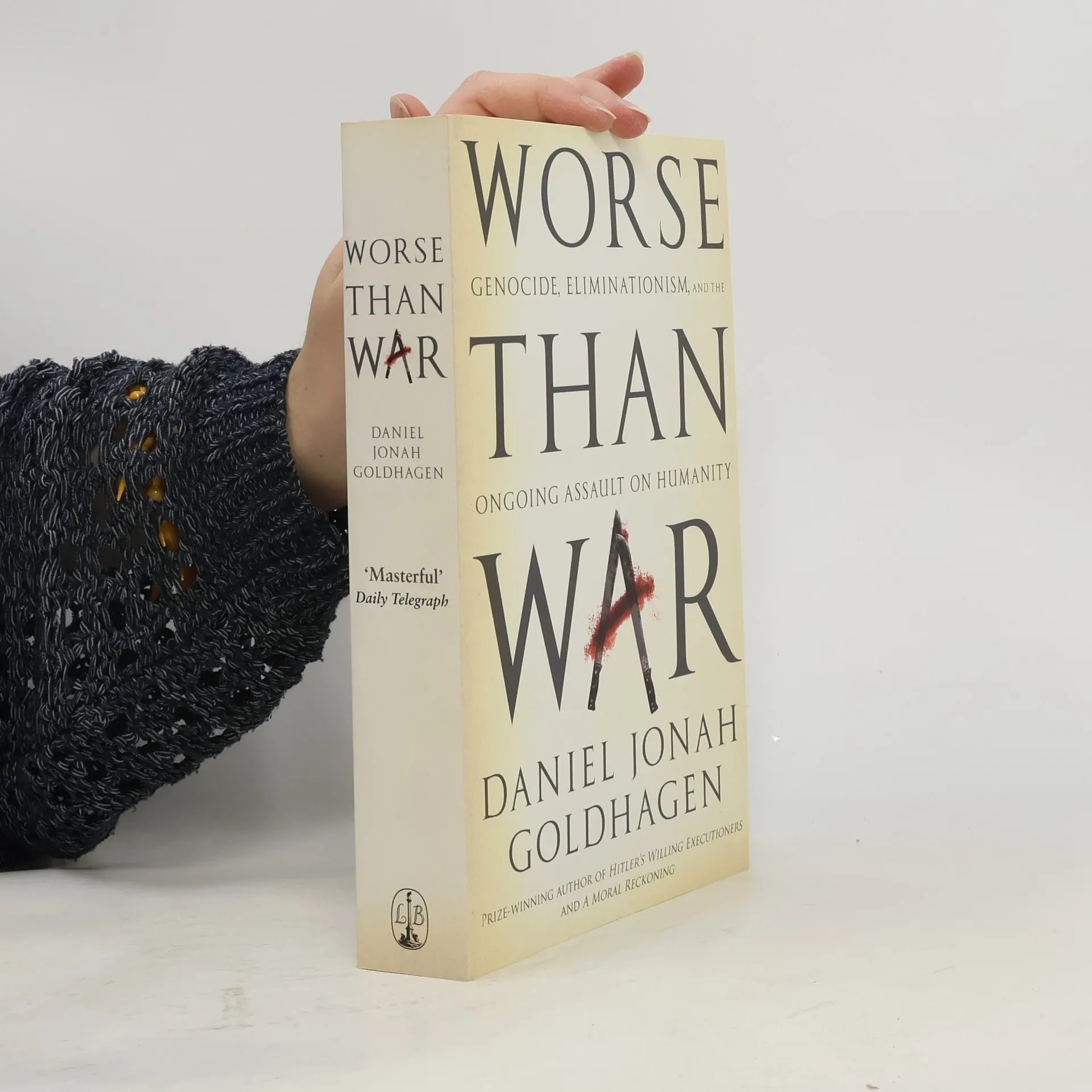
Worse Than War
Genocide, Eliminationism, and the Ongoing Assault on Humanity
- 672 pages
- 24 hours of reading
A "New York Times" Notable Book of the Year: "A magisterial and profoundly disturbing 'natural history' of mass murder." Daniel Jonah Goldhagen's books are events. They stir passionate public debate among political and civic leaders, scholars, and the general public because they compel people to rethink the most powerful conventional wisdoms and stubborn moral problems of the day. "Worse Than War" gets to the heart of the phenomenon, genocide, that has caused more deaths in the modern world than military conflict. In doing so, it challenges fundamental things we thought we knew about human beings, society, and politics. Drawing on extensive field work and research from around the world, Goldhagen explores the anatomy of genocide--explaining why genocides begin, are sustained, and end; why societies support them, why they happen so frequently and how the international community should and can successfully stop them. As a great book should, "Worse than War" seeks to change the way we think and to offer new possibilities for a better world. It tells us how we might at last begin to eradicate this greatest scourge of humankind.
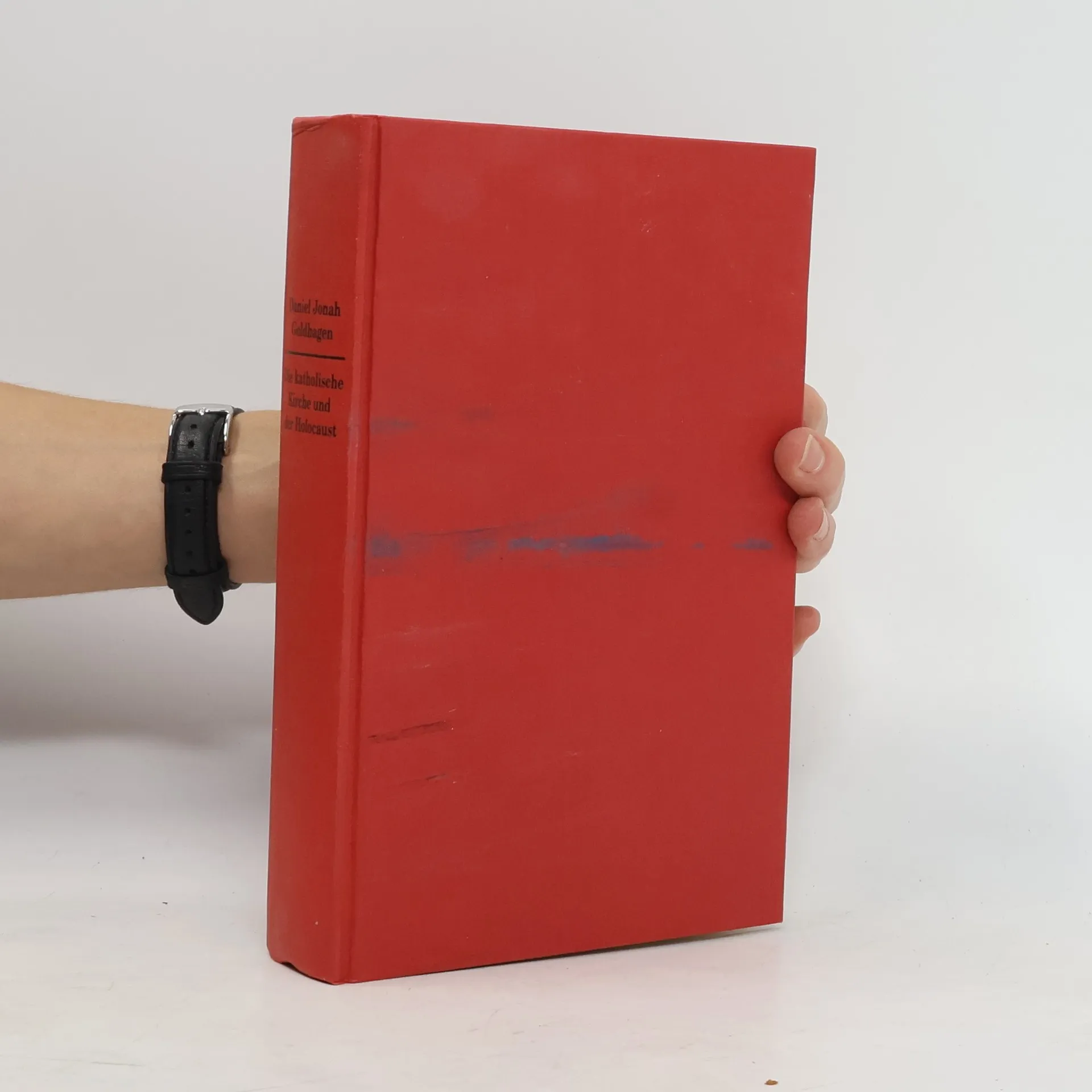
A Moral Reckoning. The Role of the Catholic Church in the Holocaust and Its Unfulfilled Duty of Repair
- 496 pages
- 18 hours of reading
A deep moral examination of the Catholic Church's involvement in the Holocaust.
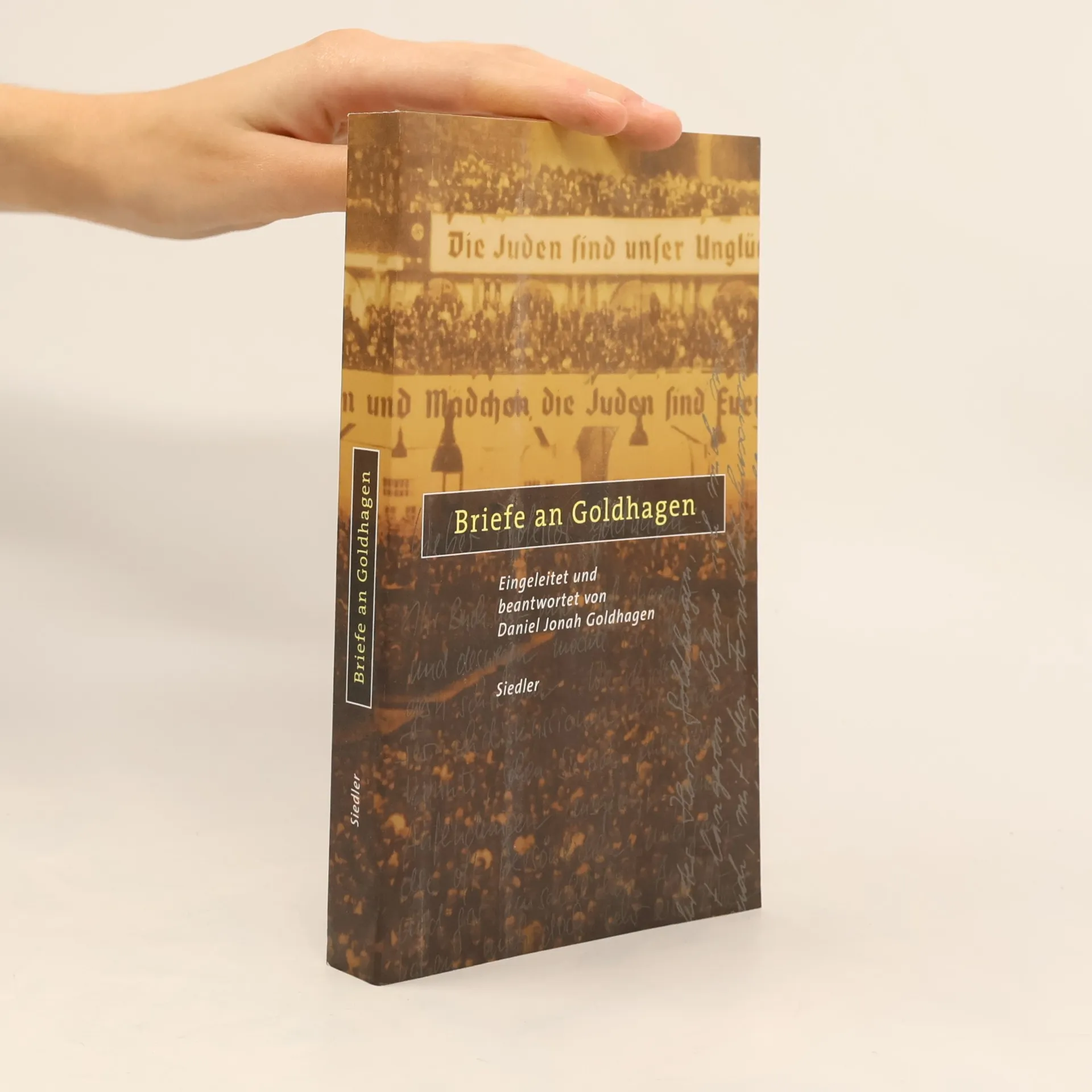
Daniel J. Goldhagens Buch "Hitlers willige Vollstrecker" hat eine hitzige Debatte ausgelöst. Den Autor erreichten mittlerweile Hunderte von Leserzuschriften. Für dieses Buch wurde eine Auswahl zusammengestellt - die Stimmen reichen von zustimmend und abwägend bis zornig und entrüstet.
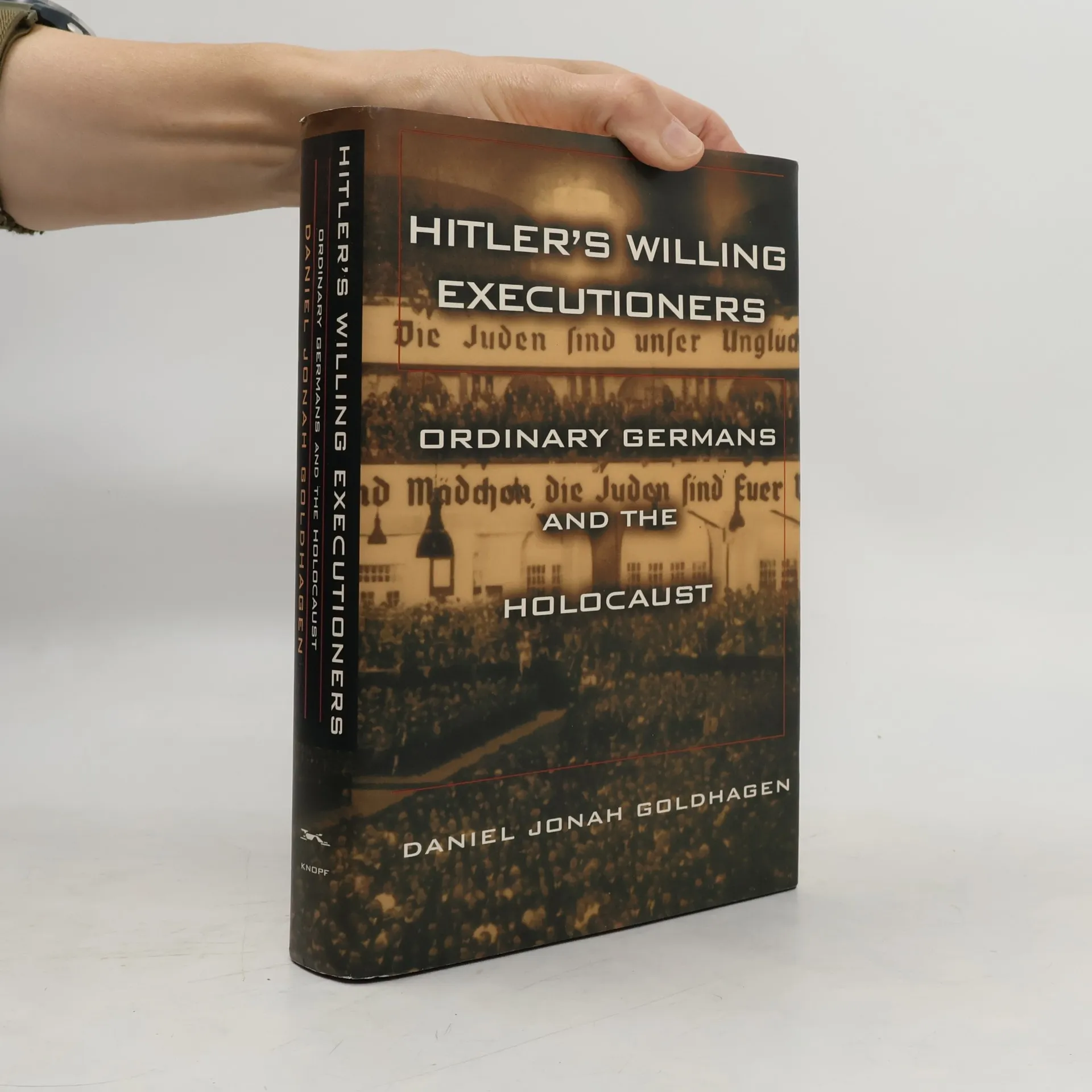
Hitler's willing executioners
- 622 pages
- 22 hours of reading
Daniel Jonah Goldhagen has revisited a question that history has come to treat as settled, and his researchers have led him to the inescapable conclusion that none of the established answers holds true. That question is: "How could the Holocaust happen?" His own response is a new exploration of those who carried out the Holocaust and of German society and its ingrained anti-semitism - and it demands a fundamental revision of our thinking about the years 1933-1945