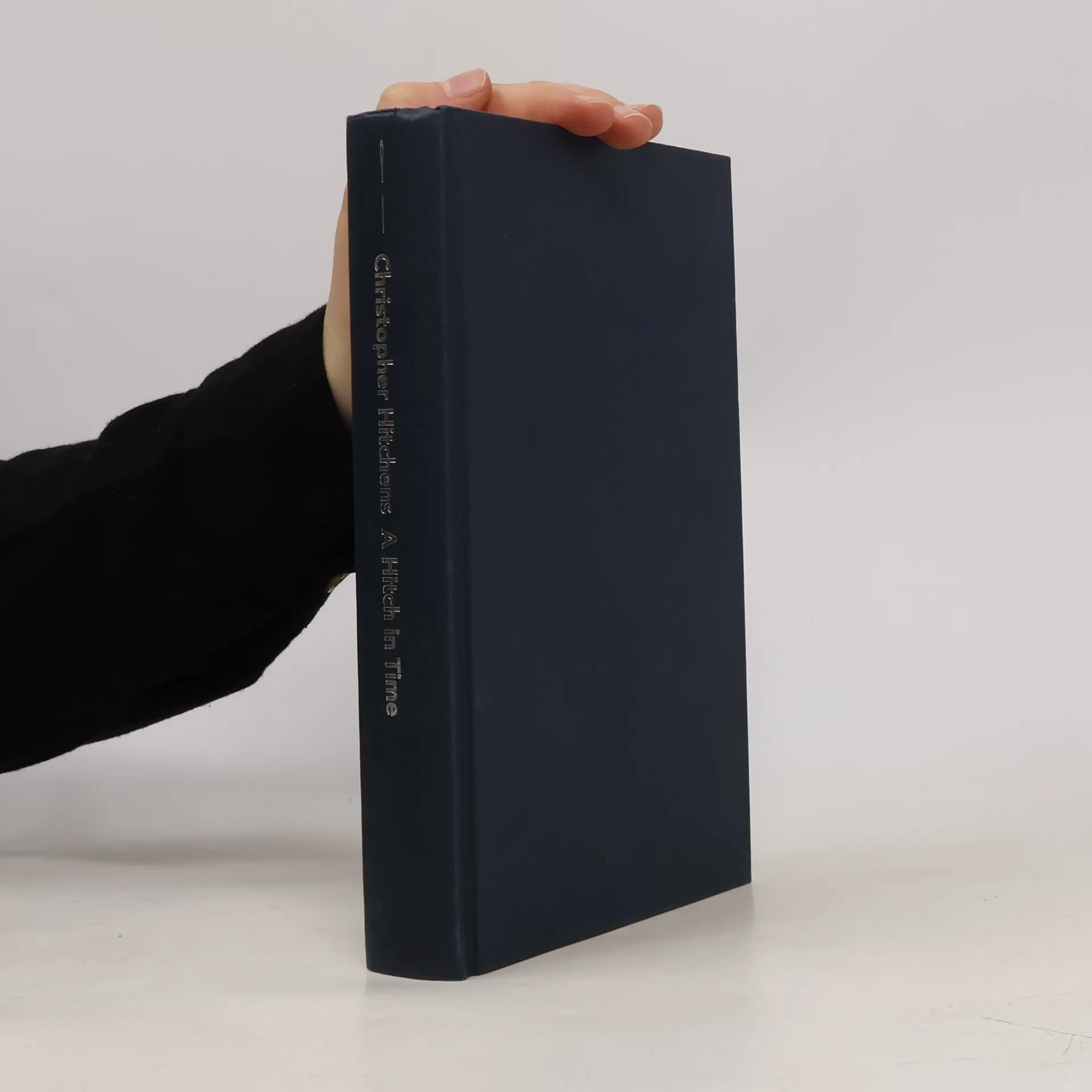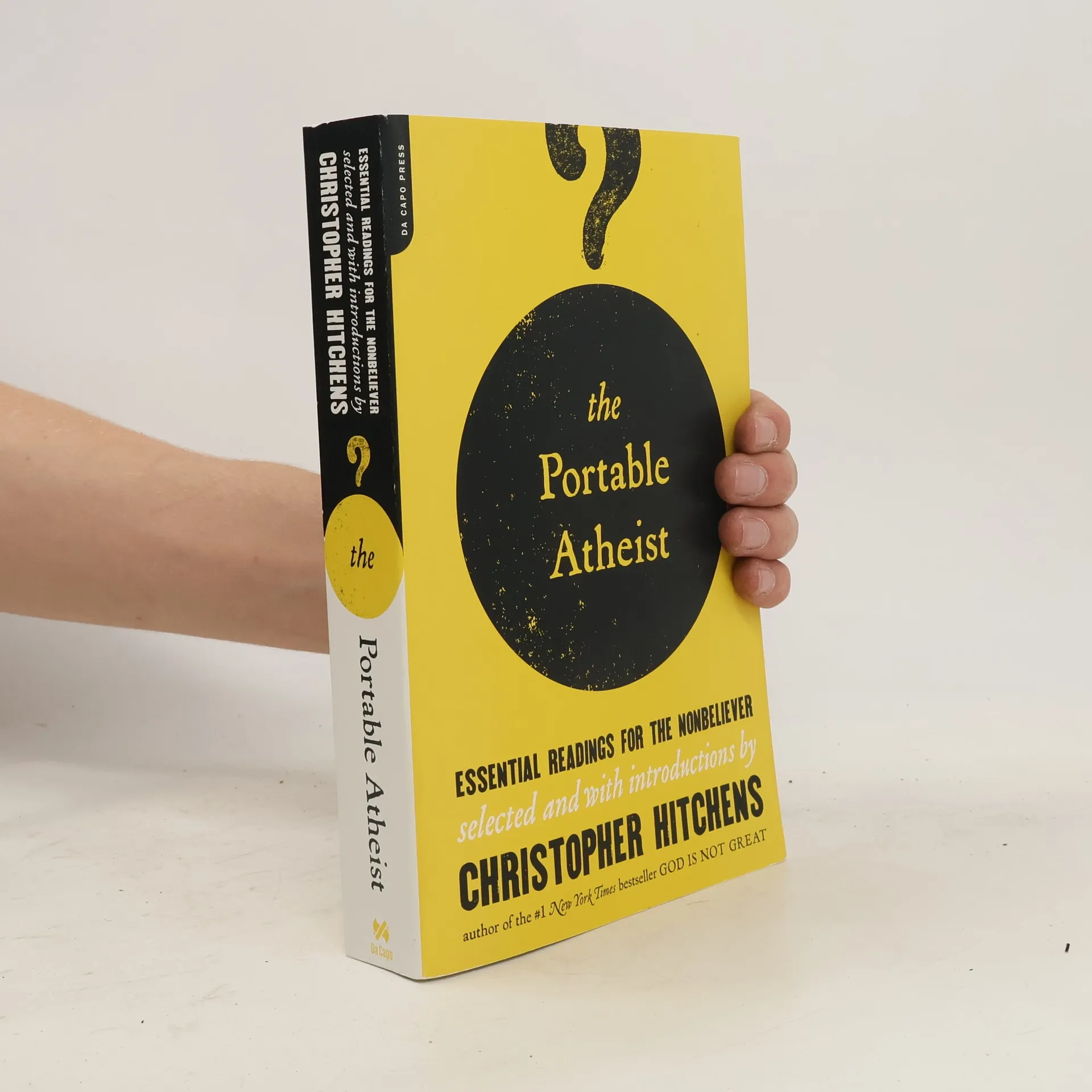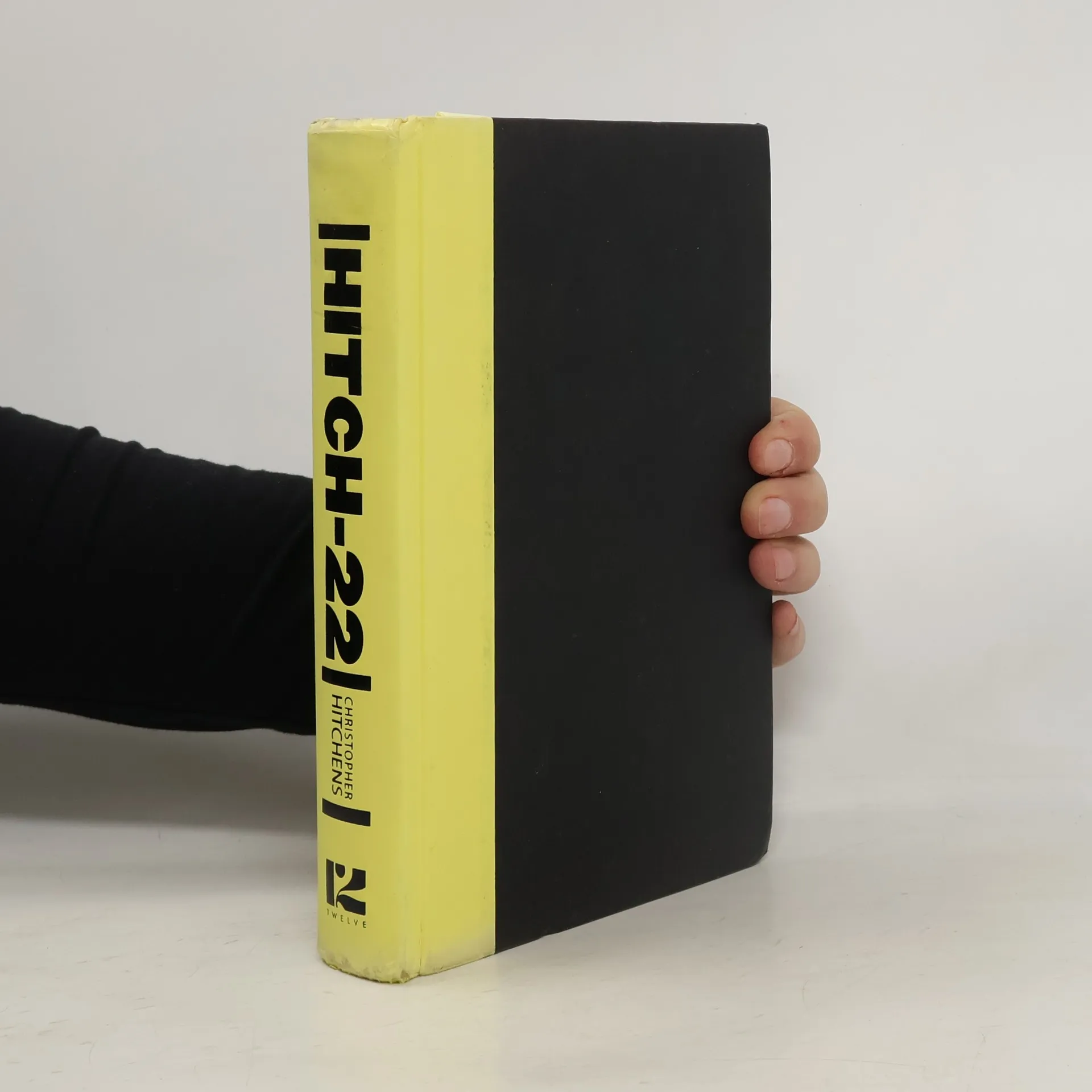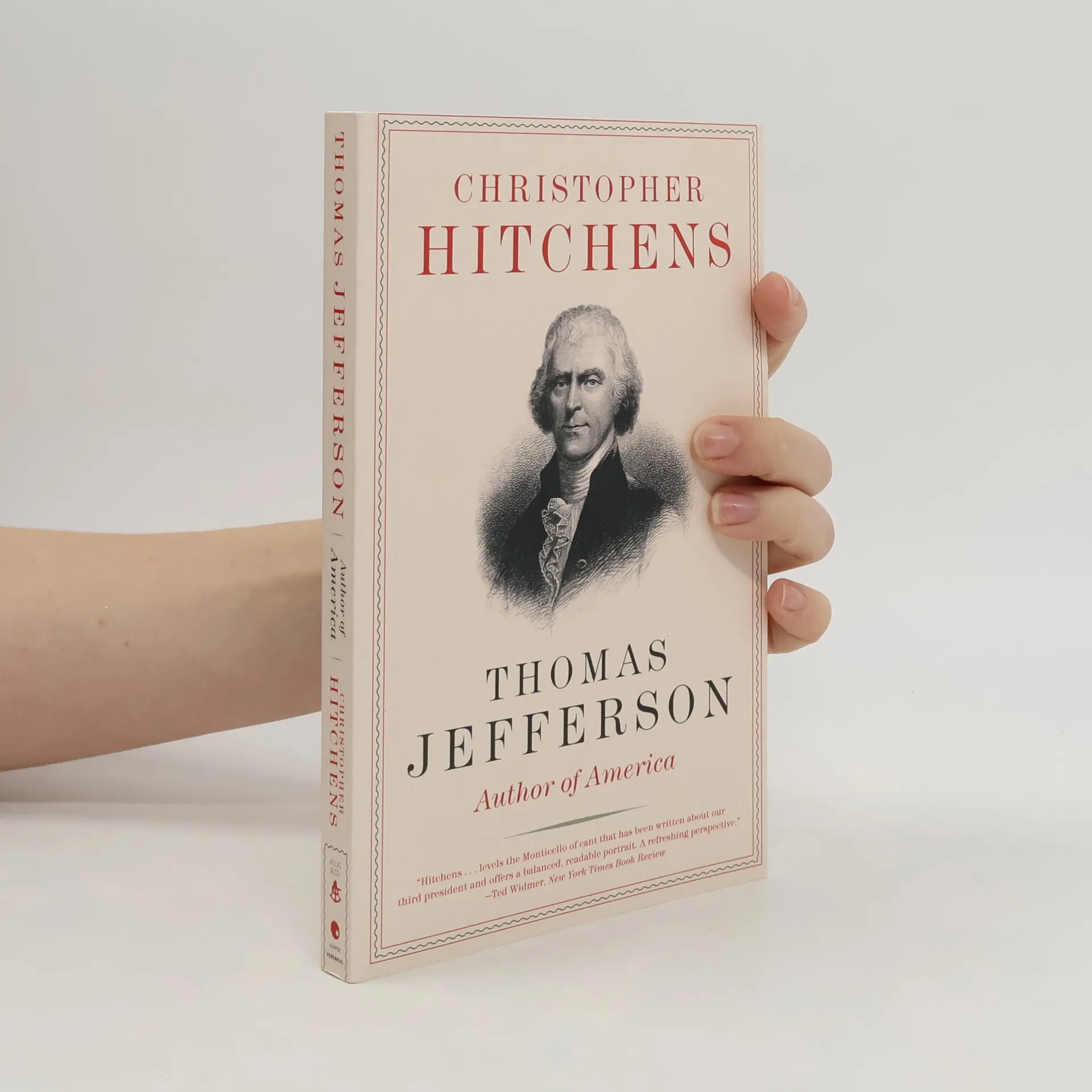

Christopher Hitchens was a polemicist and intellectual whose writing was characterized by incisive analysis and an uncompromising style. While initially aligned with the radical left, his views evolved over time, leading to notable shifts in his political stances. He championed Enlightenment values such as secularism, humanism, and reason, while fiercely critiquing religious dogma and political figures he deemed harmful. His literary output remains celebrated for its intellectual rigor and fearless examination of established truths.
'Vanity Fair Portraits' traces the cultural history of the 20th century and its leading personalities in the pages of a magazine that helped usher in the modern age and which has itself become a benchmark of modern achievement.
Ten years since the death of the world-renowned and controversial intellectual, this stylish edition is one of twelve commemorating Christopher Hitchens' most wry and provocative works.
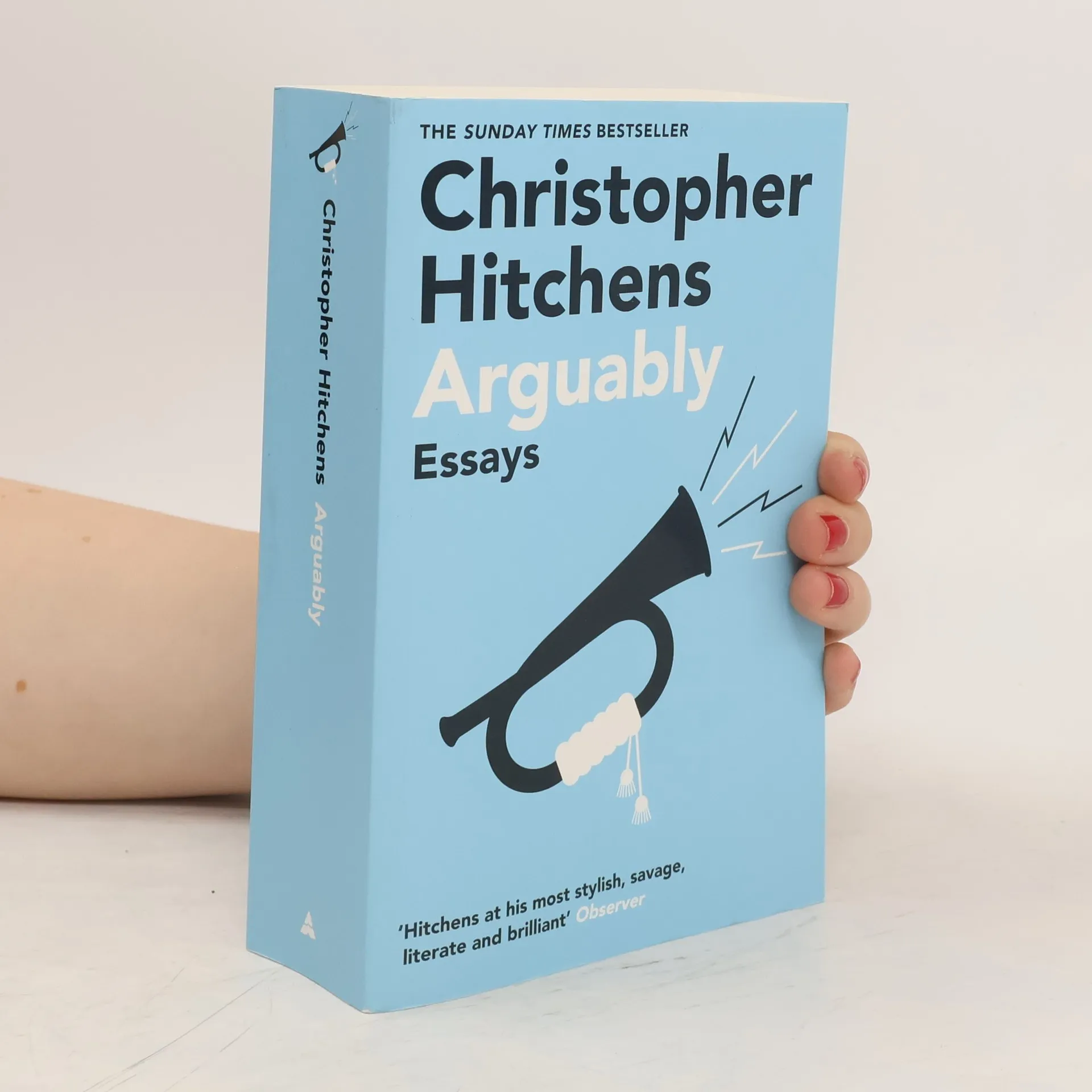
Essayist Christopher Hitchens ruminates on why Charles Dickens was among the best of writers and the worst of men, the haunting science fiction of J.G. Ballard, the enduring legacies of Thomas Jefferson and George Orwell, the persistent agonies of anti-Semitism and jihad, the enduring relevance of Karl Marx, and how politics justifies itself by culture--and how the latter prompts the former.
The first new book of essays by Christopher Hitchens since 2004, Arguably offers an indispensable key to understanding the passionate and skeptical spirit of one of our most dazzling writers, widely admired for the clarity of his style, a result of his disciplined and candid thinking. Topics range from ruminations on why Charles Dickens was among the best of writers and the worst of men to the haunting science fiction of J.G. Ballard; from the enduring legacies of Thomas Jefferson and George Orwell to the persistent agonies of anti-Semitism and jihad. Hitchens even looks at the recent financial crisis and argues for the enduring relevance of Karl Marx. The book forms a bridge between the two parallel enterprises of culture and politics. It reveals how politics justifies itself by culture, and how the latter prompts the former. In this fashion, Arguably burnishes Christopher Hitchens' credentials as (to quote Christopher Buckley) our "greatest living essayist in the English language."
Thomas Paine's "Rights of Man" has been celebrated, criticized, maligned, suppressed, and co-opted, but Hitchens marvels at its forethought and revels in its contentiousness. In this book, he demonstrates how Paine's book forms the philosophical cornerstone of the U.S.
Over the course of his 60 years, Christopher Hitchens has been a citizen of both the United States and the United Kingdom. He has been both a socialist opposed to the war in Vietnam and a supporter of the U.S. war against Islamic extremism in Iraq. He has been both a foreign correspondent in some of the world's most dangerous places and a legendary bon vivant with an unquenchable thirst for alcohol and literature. He is a fervent atheist, raised as a Christian, by a mother whose Jewish heritage was not revealed to him until her suicide. In other words, Christopher Hitchens contains multitudes. He sees all sides of an argument. And he believes the personal is political. This is the story of his life, lived large.
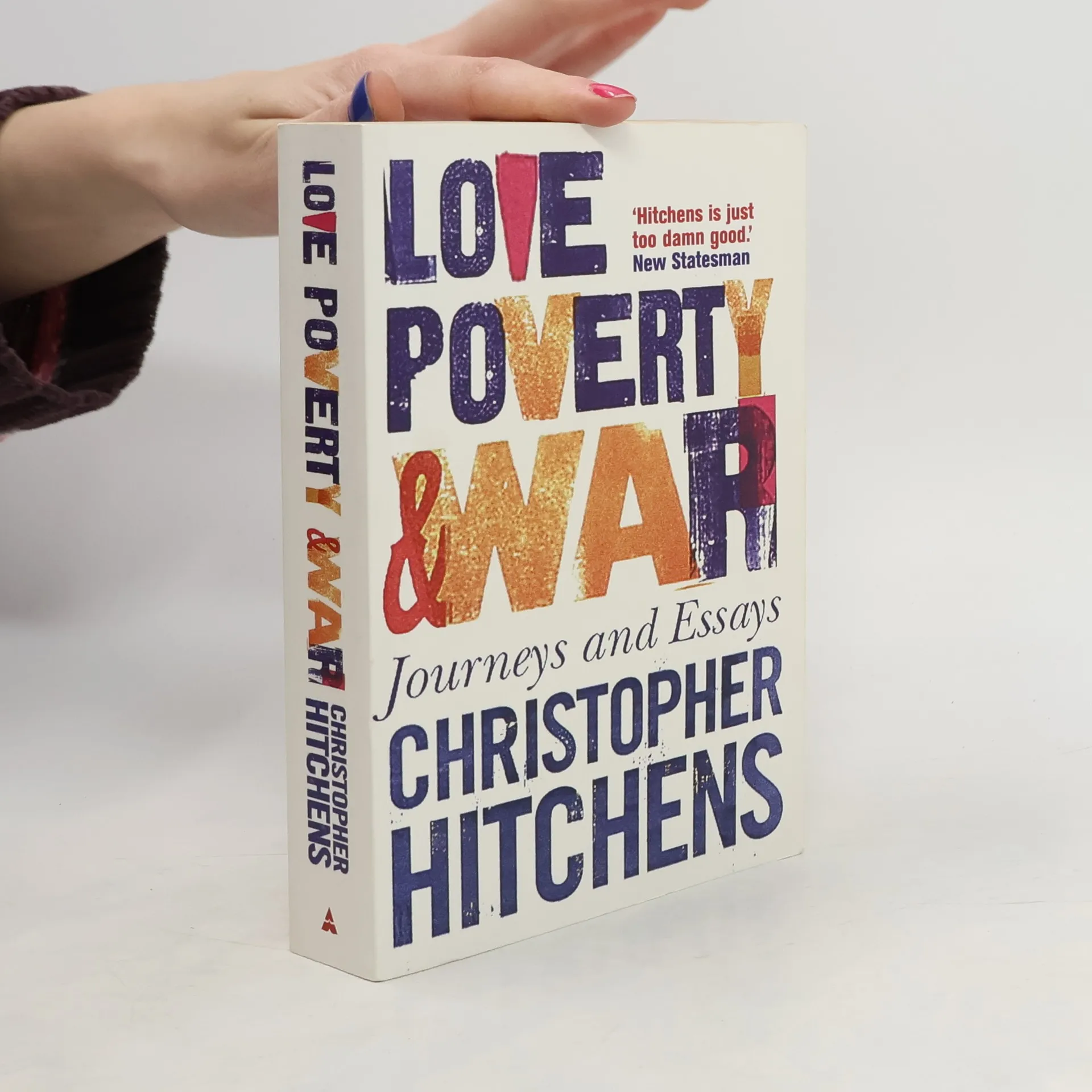
Features three sections: 'Love', 'Poverty', and 'War'. 'Love' celebrates the work of Joyce, Proust and Borges. 'Poverty' includes a series of assessments of Michael Moore and the cult of the Kennedys. This book's final section, 'War', contains reportage from North Korea, Pakistan and Iraq.
Ten years since the death of the world-renowned and controversial intellectual, this stylish edition is one of twelve commemorating Christopher Hitchens' most wry and provocative works.
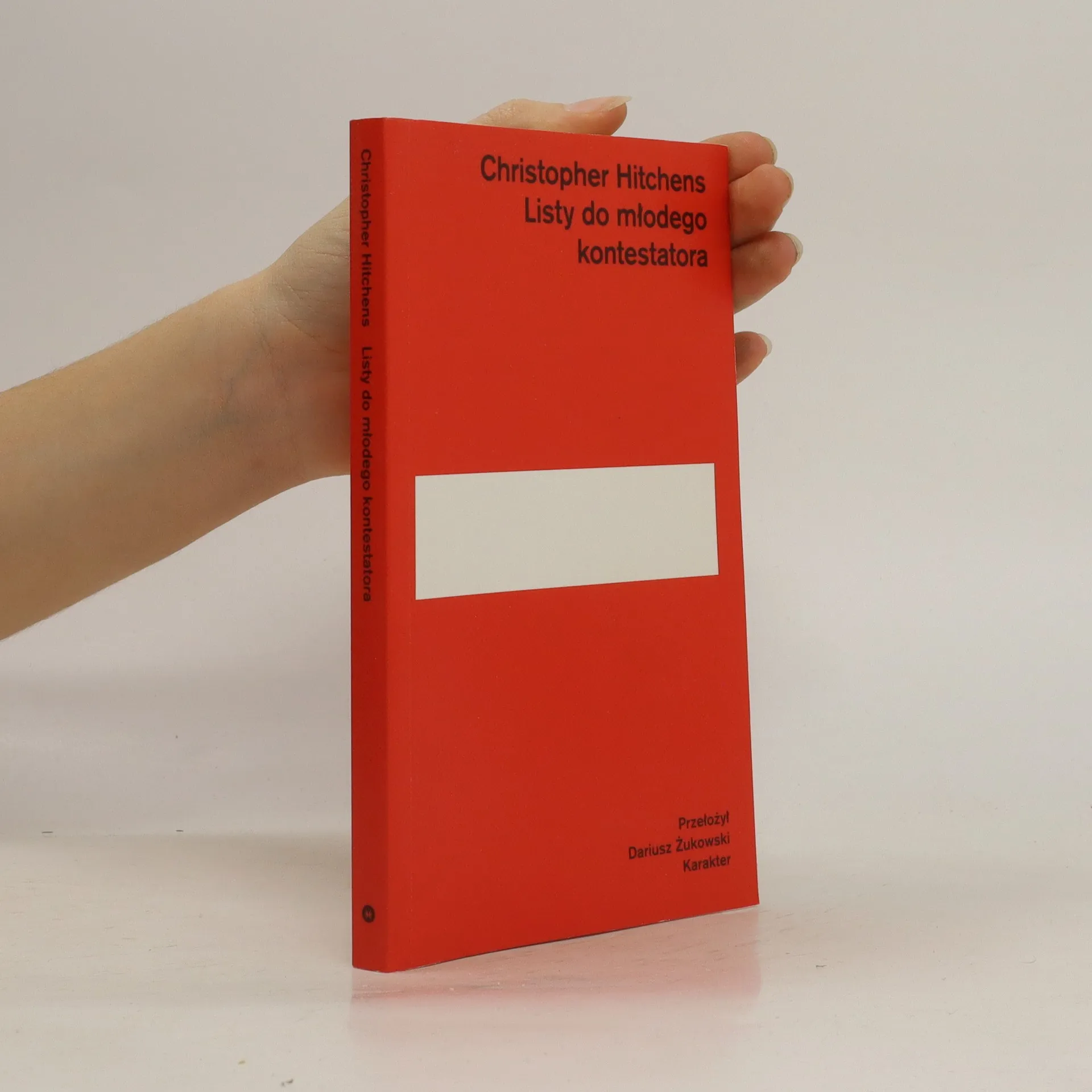
In the book that he was born to write, provocateur and best-selling author Christopher Hitchens inspires future generations of radicals, gadflies, mavericks, rebels, angry young (wo)men, and dissidents. Who better to speak to that person who finds him or herself in a contrarian position than Hitchens, who has made a career of disagreeing in profound and entertaining ways.This book explores the entire range of "contrary positions"-from noble dissident to gratuitous pain in the butt. In an age of overly polite debate bending over backward to reach a happy consensus within an increasingly centrist political dialogue, Hitchens pointedly pitches himself in contrast. He bemoans the loss of the skills of dialectical thinking evident in contemporary society. He understands the importance of disagreement-to personal integrity, to informed discussion, to true progress-heck, to democracy itself. Epigrammatic, spunky, witty, in your face, timeless and timely, this book is everything you would expect from a mentoring contrarian.