The Man Without Qualities
- 454 pages
- 16 hours of reading
"Musil belongs in the company of Joyce, Proust, Kafka, and Svevo. . . . (This translation) is a literay and intellectual event of singular importance."--New Republic.




"Musil belongs in the company of Joyce, Proust, Kafka, and Svevo. . . . (This translation) is a literay and intellectual event of singular importance."--New Republic.
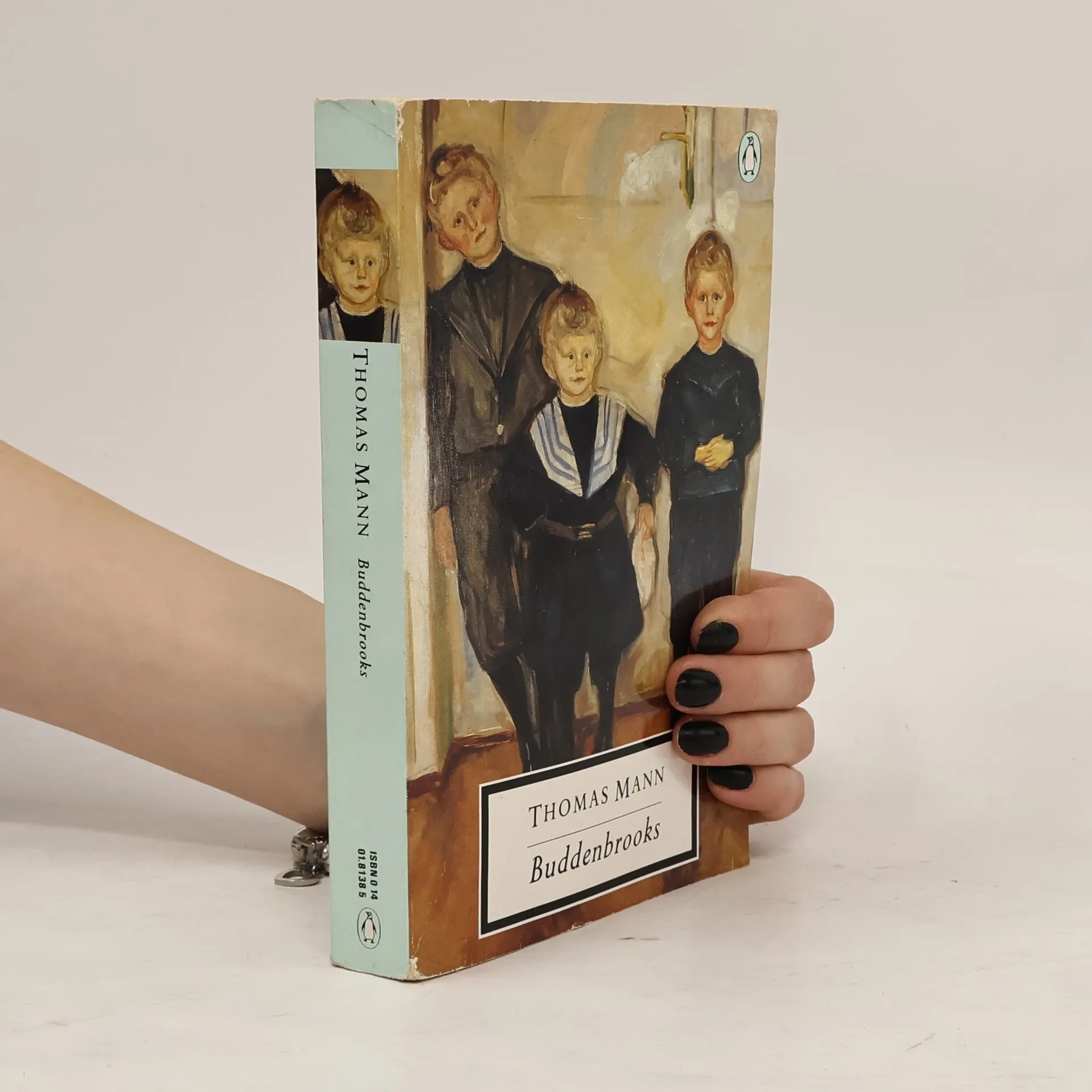
Buddenbrooks, first published in Germany in 1901, when Mann was only twenty-six, has become a classic of modern literature. It is the story of four generations of a wealthy bourgeois family in northern Germany facing the advent of modernity; in an uncertain new world, the family’s bonds and traditions begin to disintegrate. As Mann charts the Buddenbrooks’ decline from prosperity to bankruptcy, from moral and psychic soundness to sickly piety, artistic decadence, and madness, he ushers the reader into a world of stunning vitality, pieced together from births and funerals, weddings and divorces, recipes, gossip, and earthy humor. In its immensity of scope, richness of detail, and fullness of humanity, buddenbrooks surpasses all other modern family chronicles. With remarkable fidelity to the original German text, this superb translation emphasizes the magnificent scale of Mann’s achievement in this riveting, tragic novel.
Henrik Ibsen nació el 20 de marzo de 1828 en Skien, al sur de Cristianía, llamada hoy con su nombre más antiguo: Oslo. Alternó sus residencias en Noruega -su patria-, Alemania, Italia, y desde 1892 ya no se movió de Cristianía, donde murió en 1906. Hasta el final de su vida Ibsen marcó las llagas morales de su pueblo y de la humanidad, sin hacer caso de las voces contrarias. Desenmascaró a sus adversarios en Un enemigo del pueblo (1883); planteó la lucha entre la verdad y la mentira en El pato silvestre (1884), y la de los valores ciertos o aparentes en Casa de muñecas (1879); determinó las causas del tormento fisiológico y espiritual en Espectros (1881); en Hedda Gabler (1890) buceó en el abismo del alma femenina como foco de un problema general; debatió en La dama del mar (1888) el determinismo y el libre albedrío, formulando sugestiones novísimas, y deslumbró con la imaginación envolvente de Peer Gynt (1867), donde resuenan los ecos de las fantásticas leyendas nórdicas.
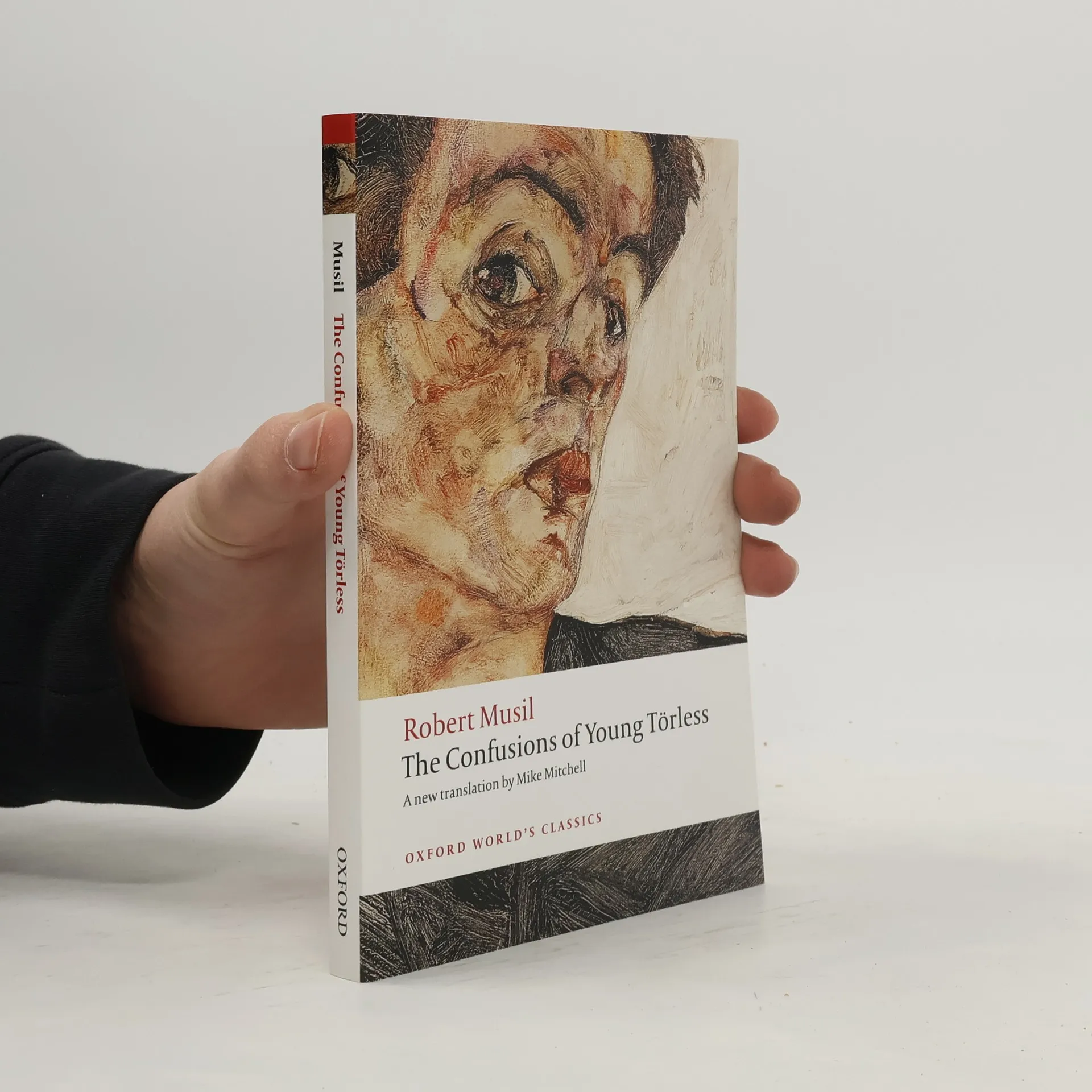
Set in a boarding school in a remote area of the Habsburg Empire at the turn of the last century, The Confusions of Young Torless is an intense study of an adolescent's psychological development as he struggles to come to terms with his conflicting emotions. Through his relationship with two other boys Torless is led into sadistic and sexual encounters with a third pupil which both repel and fascinate him. Estranged from everyday life, Torless gradually learns to accept his experiences and describe them with analytical precision.
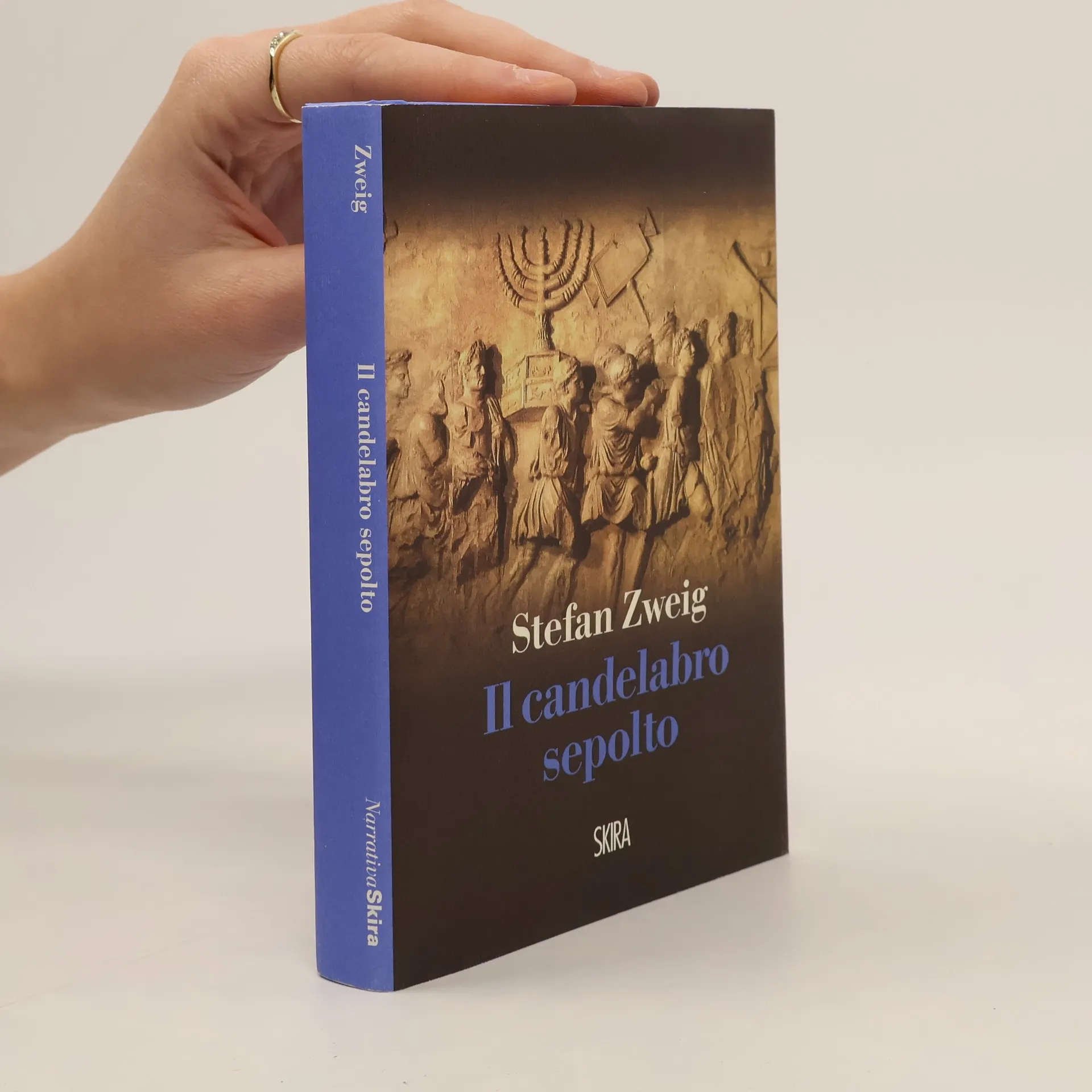
Roma, 455 d.C.: durante il saccheggio i Vandali trafugano come bottino di guerra la Menorah (l’antico candelabro a sette braccia) del Tempio di Gerusalemme, portata a Roma da Tito. Tra la comunità ebraica si diffonde un grande scoramento: il simbolo più antico, il fondamento stesso dell’identità del popolo ebraico è andato perduto e deve essere recuperato a ogni costo. Con il suo stile cristallino Stefan Zweig ricostruisce una vicenda che è per molti versi un vero e proprio mito fondativo del popolo ebraico, e poco importa se a volte il suo racconto ceda il passo alla leggenda. “Le leggende fiorite sulla scomparsa della Menorah sono quasi infinite” si legge nella postfazione di Fabio Isman. “E tutte, come anche il racconto di Stefan Zweig, hanno un unico obiettivo: mantenerla in vita.”
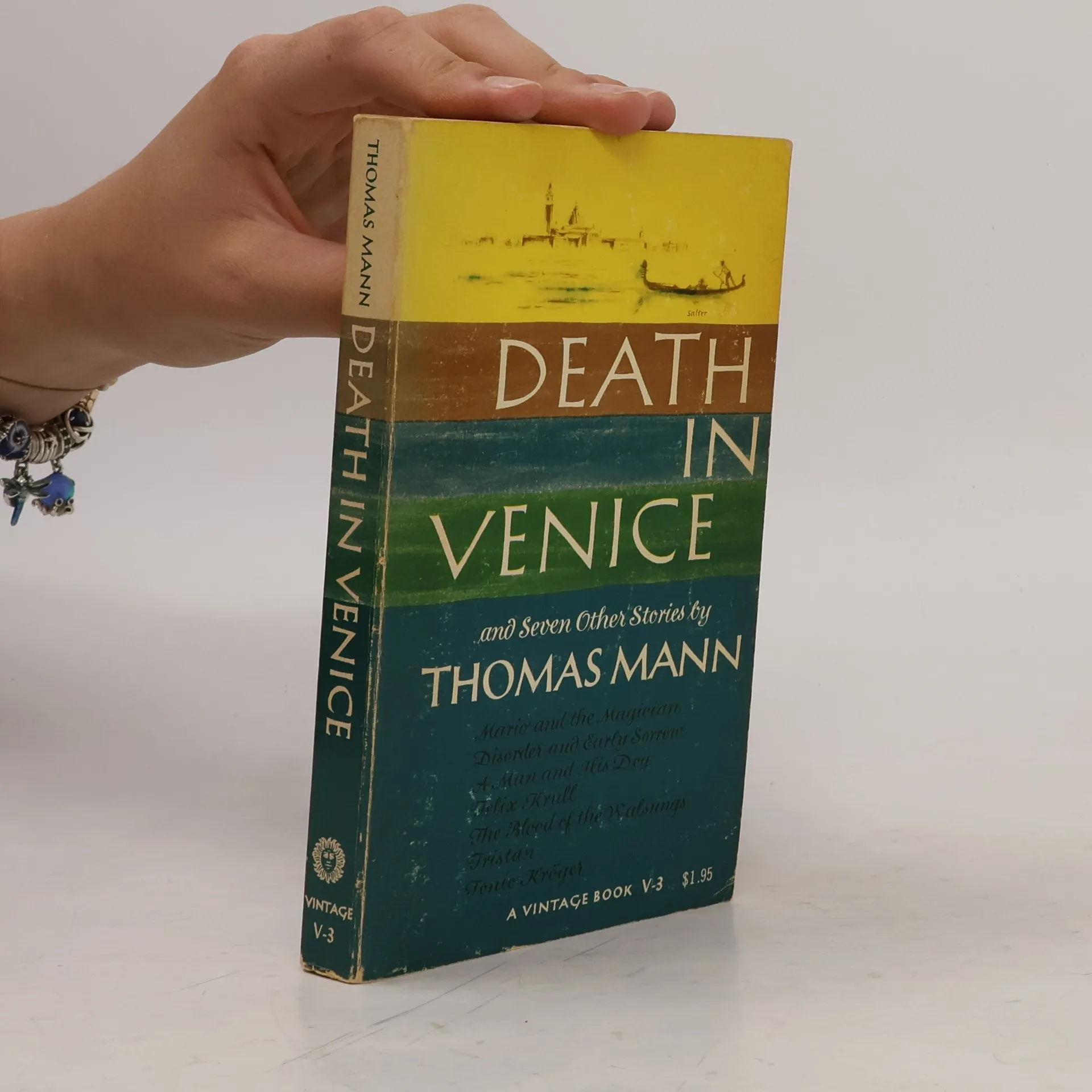
Death in Venice tells how Gustave von Aschenbach, a writer utterly absorbed in his work, arrives in Venice as a result of a 'youthfully ardent thirst for distant scenes,' and meets there a young boy by whose beauty he becomes obsessed. His pitiful pursuit of the object of his abnormal affection and its inevitable and pathetic climax is told here with the particular skill the author has for this shorter form of fiction. (blurb) Em A Morte em Veneza, Thomas Mann apresenta uma escrita complexa e profunda, onde quase cada parágrafo pode ter várias leituras. Em contraponto, o enredo é praticamente inexistente: um homem de meia-idade viaja até Veneza, apaixona-se platonicamente por um jovem rapaz polaco extremamente atraente e morre sem sequer ter trocado uma palavra com ele.
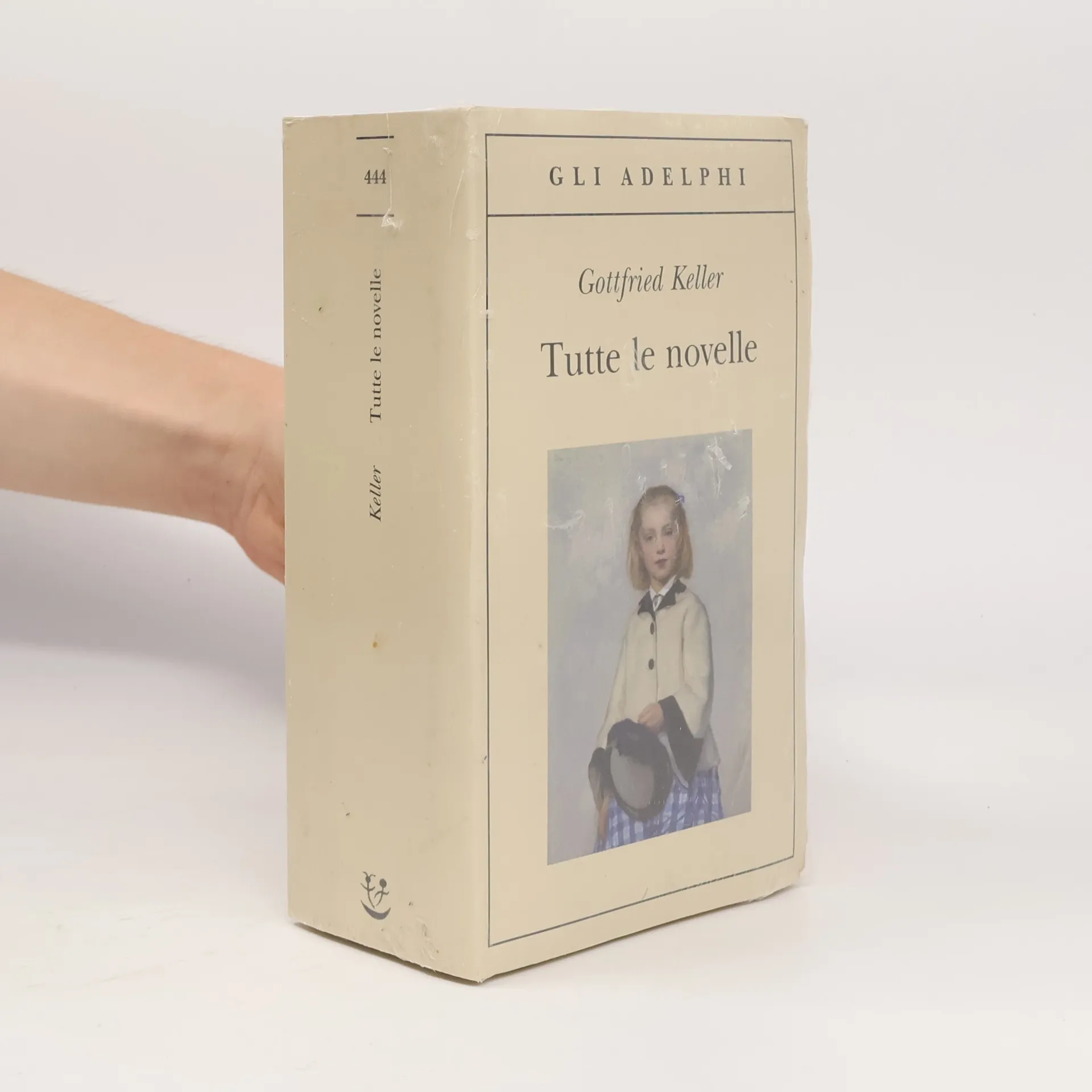
«Più ancora che nei romanzi, Keller si rivelò artista di prima grandezza nei racconti, che ora hanno visto la luce in Italia in una splendida e completa raccolta pubblicata dalla casa editrice Adelphi. Novelle ricche di humour, di invenzione fantastica, di grazia fiabesca e di acutezza realistica ... In queste novelle, magnificamente tradotte e presentate, palpita la dimensione più alta, più aperta della narrativa tedesca di quegli anni».Claudio Magris