
Explore the latest books of this year!
Bookbot

Franz Kafka

    July 3, 1883 – June 3, 1924
    Franz Kafka
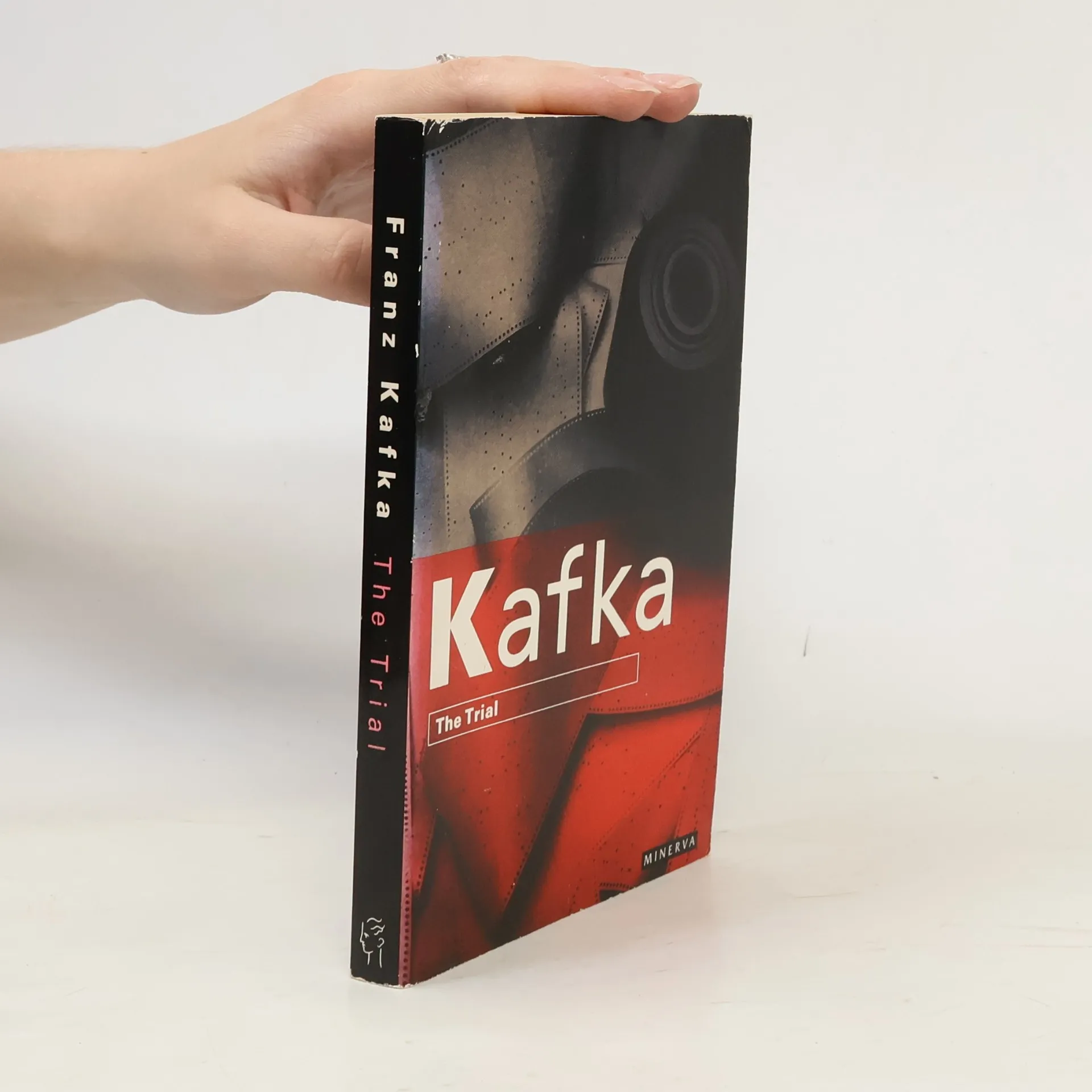
    The trial ; America ; The castle ; Metamorphosis ; In the penal settlement ; The Great Wall of China ; Investigations of a dog ; Letter to his father ; The diaries, 1910-23
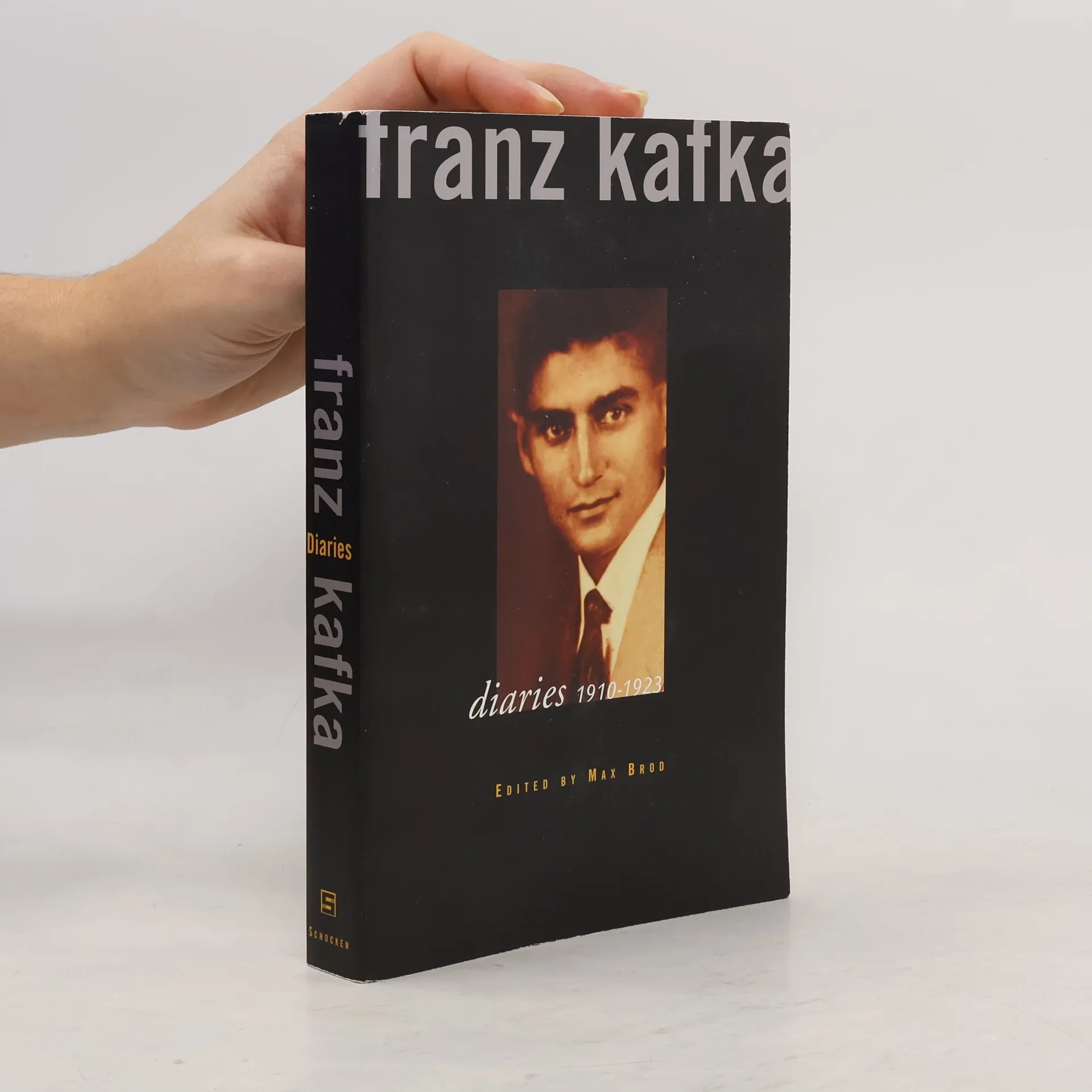
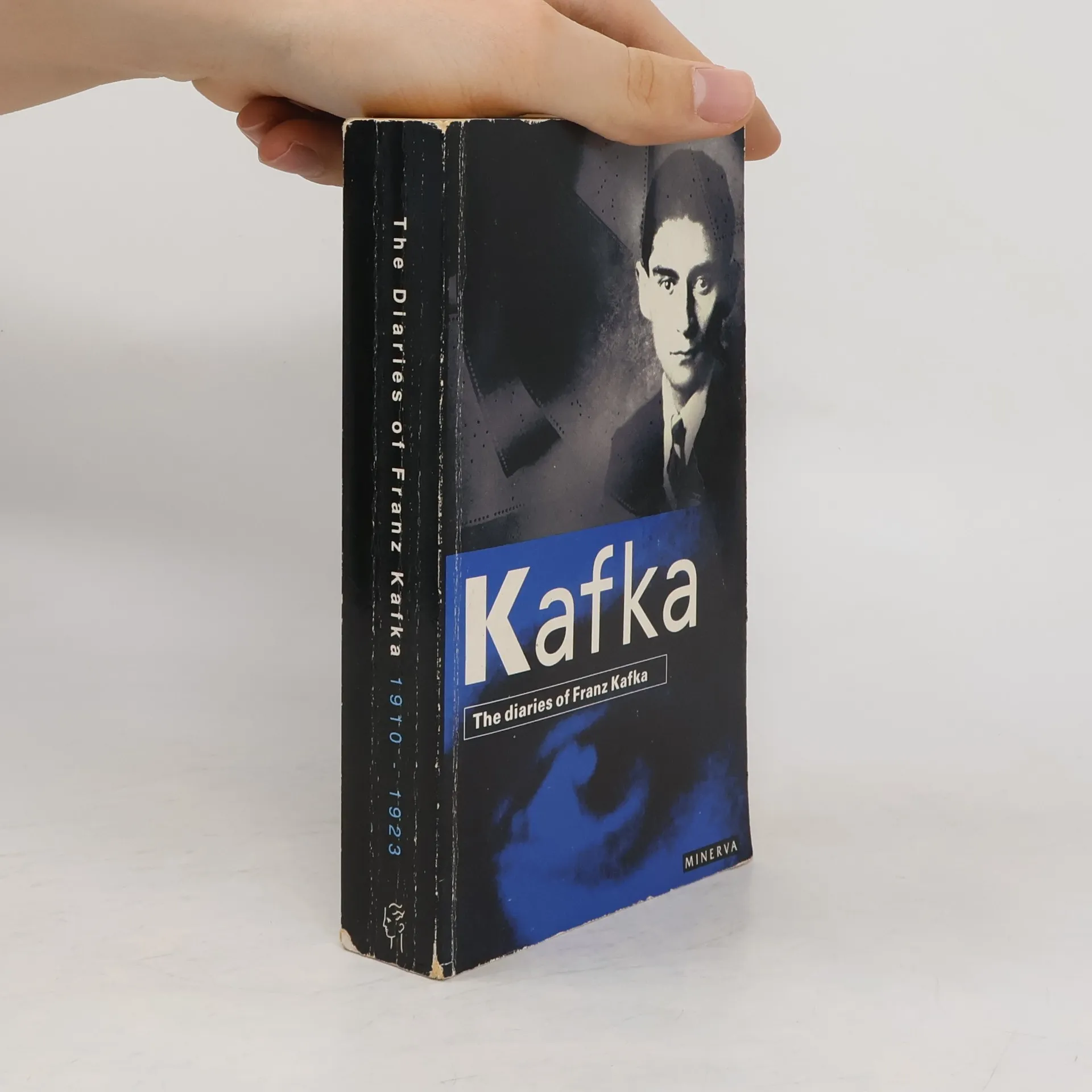
    The diaries 1910-1923
    The Nightmare of Reason
    The Diaries of Franz Kafka 1910-1923
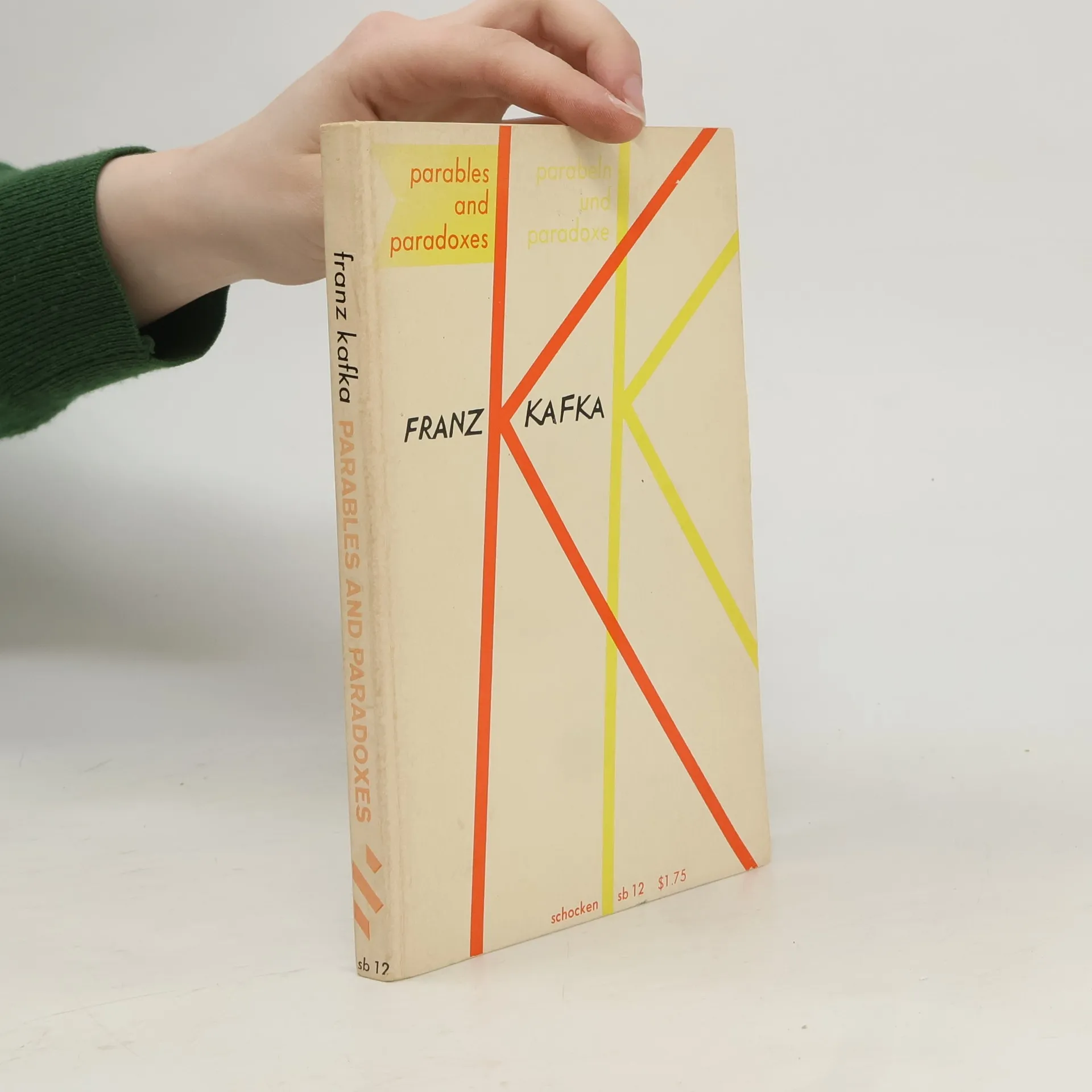
    Parables and Paradoxes
    The Aphorisms of Franz Kafka
    • The Aphorisms of Franz Kafka

      • 256 pages
      • 9 hours of reading

      This splendid new translation presents an extraordinary work of modern literature, featuring facing-page commentary by Kafka's acclaimed biographer. Written in 1917 and 1918, the Zürau aphorisms consist of over 100 philosophical reflections composed in a Bohemian village. Among Kafka's most enigmatic writings, they delve into profound questions about truth, morality, and the spiritual and sensory realms. This bilingual volume is the first annotated edition, offering valuable insights into Kafka's mind. Edited and introduced by renowned biographer Reiner Stach, and translated by Shelley Frisch, each aphorism is displayed on its own page in both English and the original German, accompanied by enlightening notes. The aphorisms blend literary and analytical thought, showcasing radical ideas and original imagery, all conveyed in exceptionally condensed language. They evoke Kafka's unsettling charm, often leading readers into unfamiliar territory that can transform into moments of clarity: "I have never been in this place before: breathing works differently, and a star shines next to the sun, more dazzlingly still." Ultimately, this volume reveals that these multifaceted gems are deeply connected to Kafka's novels and stories, situated at the very heart of his literary cosmos. Long overlooked by readers and scholars, these aphorisms finally receive the attention they deserve.
      The Aphorisms of Franz Kafka
      4.5
    • The Diaries of Franz Kafka 1910-1923

      • 528 pages
      • 19 hours of reading

      These diaries cover the years 1910 to 1923, the year before Kafka’s death at the age of forty. They provide a penetrating look into life in Prague and into Kafka’s accounts of his dreams, his feelings for the father he worshipped and the woman he could not bring himself to marry, his sense of guilt, and his feelings of being an outcast. They offer an account of a life of almost unbearable intensity. From the Trade Paperback edition. The Diaries of Franz Kafka 1910-13 translated from the German by Joseph Kresh The Diaries of Franz Kafka 1914-23 translated from the German by Martin Greenberg with the cooperation of Hannah Arendt

      The Diaries of Franz Kafka 1910-1923
      4.4
    • The Nightmare of Reason

      A Life of Franz Kafka

      • 466 pages
      • 17 hours of reading

      To view the modern world is to see it through the lens of Franz Kafka, the defining writer of the twentieth century. In his exploration, Ernst Pawel captures Kafka's essence and the complex interplay of his work and life. Kafka has become a modern myth, shaped not only by his writings but also by distortions in biographies, especially the one by his close friend Max Brod. Pawel's achievement lies in situating Kafka within his historical context, revealing a life that surpasses the myths surrounding it. This account chronicles Kafka's life while vividly depicting the milieu of affluent Germanized Jewry and the intellectual vibrancy of Central Europe before World War I, as well as the collapse of Austria-Hungary. While informed by psychological insights, Pawel avoids relying solely on them, presenting Kafka not as a mere legend of a frail clerk but as a man who navigated the world, functioning as a reluctant yet effective business executive. Pawel's nuanced readings of Kafka's Judaism, his relationships with his parents, and his tumultuous engagements reveal a figure who, while typical of his age and class, also transcended them. His interpretations of Kafka's life and relationships are both revealing and persuasive, challenging preconceived notions.
      The Nightmare of Reason
      4.4
    • These diaries cover the years 1910 to 1923, the year before Kafka’s death at the age of forty. They provide a penetrating look into life in Prague and into Kafka’s accounts of his dreams, his feelings for the father he worshipped, and the woman he could not bring himself to marry, his sense of guilt, and his feelings of being an outcast. They offer an account of a life of almost unbearable intensity.From the Trade Paperback edition.The Diaries of Franz Kafka 1910-13 translated from the German by Joseph KreshThe Diaries of Franz Kafka 1914-23 translated from the German by Martin Greenberg with the cooperation of Hannah Arendt

      The diaries 1910-1923
      4.3
    • Based on translations by leading Kafka scholar, this work includes twenty-nine stories, which accompanies annotations. The extracts from his letters, diaries and conversations offer a glimpse of Kafka's creative process. It covers ten essays on the major stories from a range of voices.

      Kafka's selected stories
      4.3
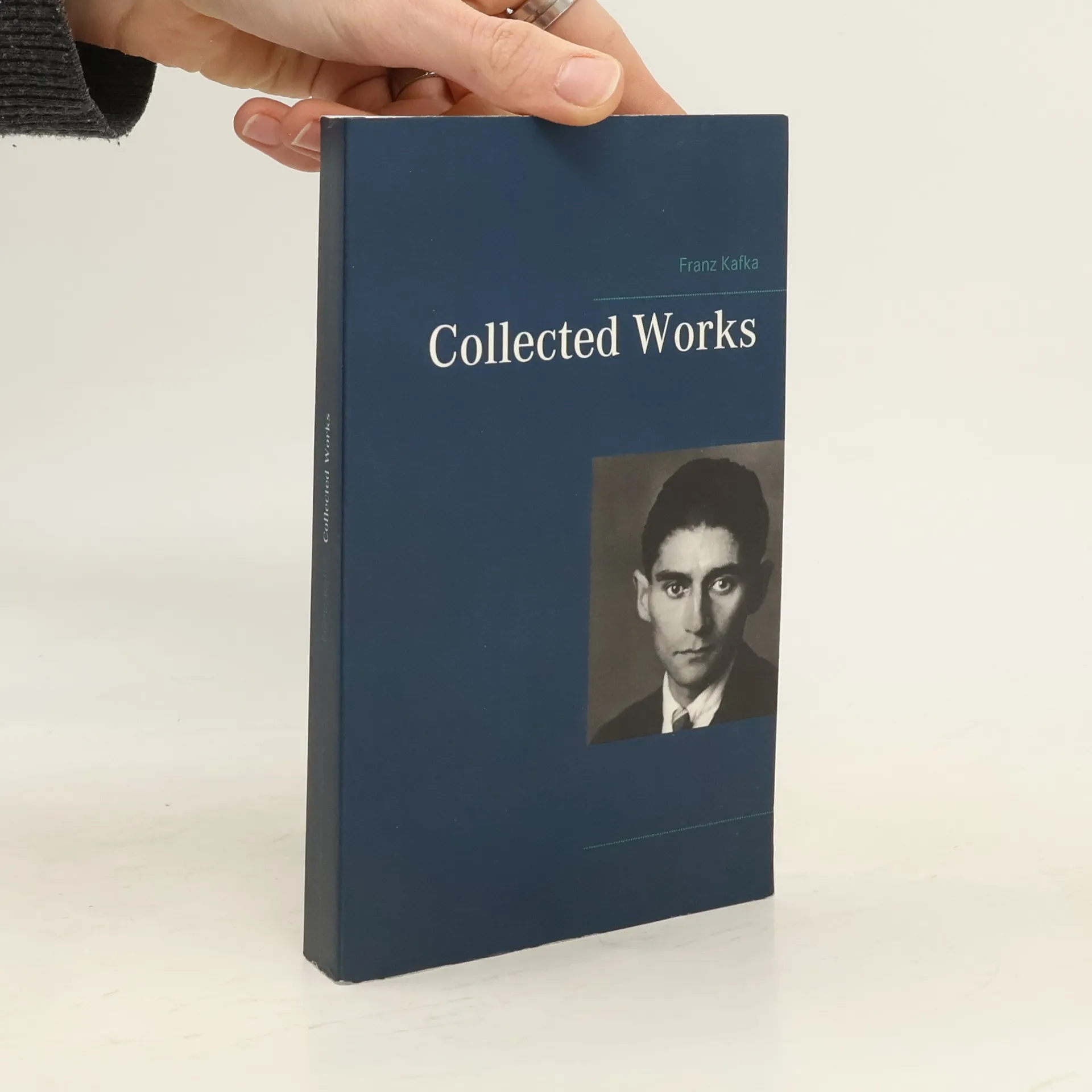
    • Collected Works

      • 346 pages
      • 13 hours of reading

      Franz Kafka (3 July 1883 – 3 June 1924) was a German-language writer of novels and short stories, regarded by critics as one of the most influential authors of the 20th century. Kafka strongly influenced genres such as existentialism. Most of his works, such as "Die Verwandlung" ("The Metamorphosis"), "Der Prozess" ("The Trial"), and "Das Schloss" ("The Castle"), are filled with the themes and archetypes of alienation, physical and psychological brutality, parent–child conflict, characters on a terrifying quest, labyrinths of bureaucracy, and mystical transformations. Table of Contents: - The Metamorphosis - A Country Doctor - A Hunger Artist - A Report for an Academy - An Imperial Message - Before the Law - In the Penal Colony - Jackals and Arabs - The Great Wall of China - The Hunter Gracchus - The Trial - Up in the Gallery

      Collected Works
      4.0
    • Best of Kafka (Collector's Edition)

      • 976 pages
      • 35 hours of reading

      Franz Kafka's writing immerses readers in a surreal and ambiguous realm where the nature of the nightmare remains elusive. His work explores themes of existential dread, alienation, and the absurdity of life, inviting deep reflection on the human condition. Kafka's unique narrative style and haunting imagery create an unsettling atmosphere that challenges perceptions of reality and identity, making his stories both compelling and thought-provoking.
      Best of Kafka (Collector's Edition)
      4.0
    • (Book Jacket Status: Jacketed)Franz Kafka’s imagination so far outstripped the forms and conventions of the literary tradition he inherited that he was forced to turn that tradition inside out in order to tell his splendid, mysterious tales. Scrupulously naturalistic on the surface, uncanny in their depths, these stories represent the achieved art of a modern master who had the gift of making our problematic spiritual life palpable and real.This edition of his stories includes all his available shorter fiction in a collection edited, arranged, and introduced by Gabriel Josipovici in ways that bring out the writer’s extraordinary range and intensity of vision.Translated by Willa and Edwin Muir

      The collected short stories of Franz Kafka
      4.2
    • It is not well known that Franz Kafka liked to draw. From early on, his friend and literary executor Max Brod was of the opinion that Kafka was 'an artist of particular strength and individuality as a draughtsman too' and that it was unjust merely to regard his drawings as a 'curiosity.'

      "A great artist one day". Franz Kafka as a pictorial artist
      4.0
    • Franz Kafka

      Short Stories

      • 156 pages
      • 6 hours of reading

      Featuring a meticulously curated collection of Franz Kafka's significant works, this book offers readers a comprehensive look into the themes and narratives that define his literary legacy. Known for his profound influence on world literature, Kafka's most notable pieces include "The Judgment," "The Metamorphosis," and "In the Penal Colony," among others. The collection is enhanced by a detailed and dynamic table of contents, ensuring an engaging reading experience. Kafka's works, largely published posthumously by his friend Max Brod, delve into existential and absurdist themes.

      Franz Kafka
      3.0
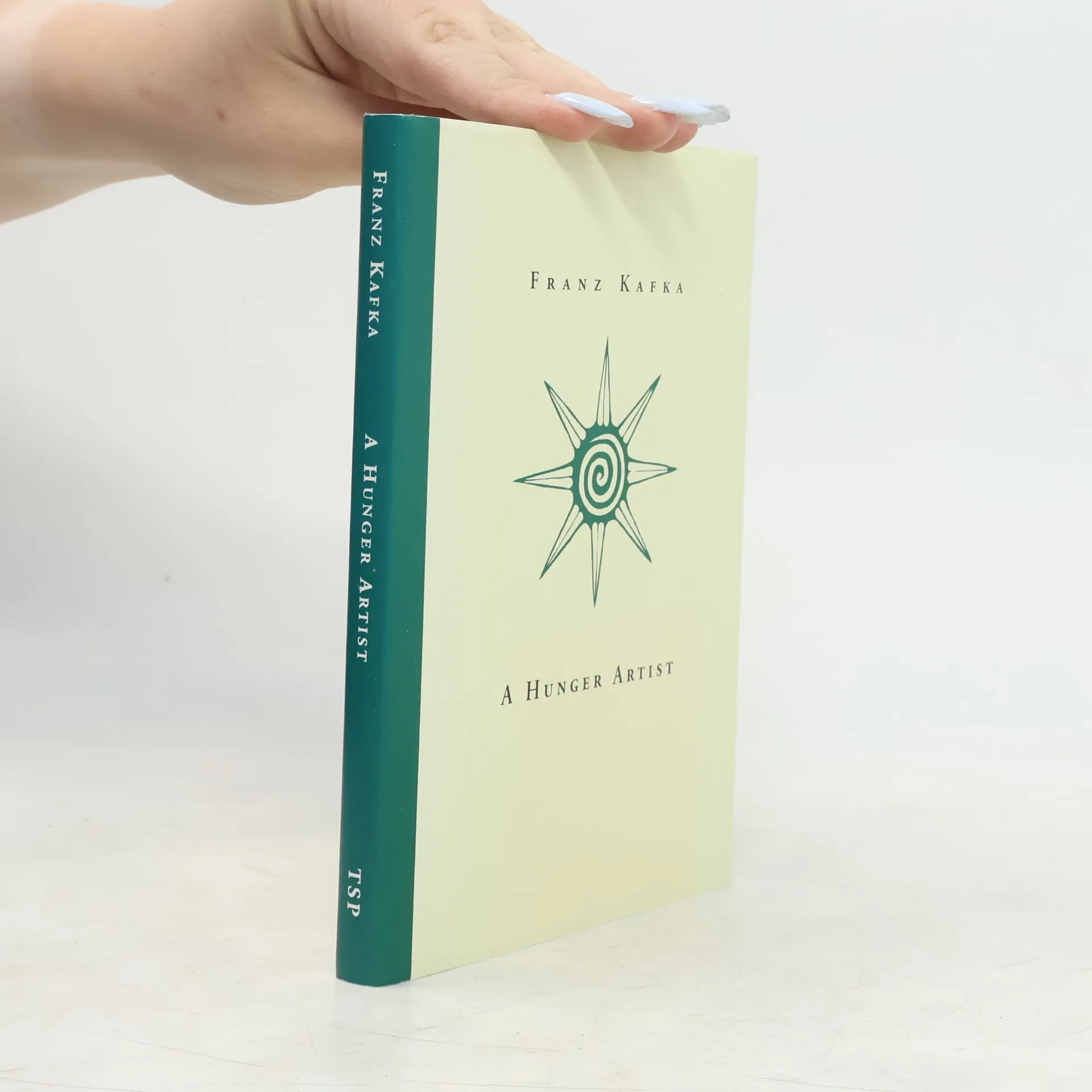
    • A Hunger Artist

      • 88 pages
      • 4 hours of reading

      The last book published during Kafka's lifetime, A Hunger Artist (1924) explores many of the themes that were close to him: spiritual poverty, asceticism, futility, and the alienation of the modern artist. He edited the manuscript just before his death, and these four stories are some of his best known and most powerful work, marking his maturity as a writer. In addition to "First Sorrow," "A Little Woman," and "Josephine the Singer, or the Mouse People" is the title story, "A Hunger Artist," which has been called by the critic Heinz Politzer "a perfection, a fatal fulfillment that expresses Kafka's desire for permanence." The three volumes Twisted Spoon Press has published: Contemplation, A Country Doctor, and A Hunger Artist are the collections of stories that Kafka had published during his lifetime. Though each volume has its own distinctive character, they have most often appeared in English in collected editions. They are presented here as separate editions, in new translations by Kevin Blahut, each with its own illustrator from the Prague community.

      A Hunger Artist
      4.2
    • Diese Buch Sammlung ist mit einem detaillierten und dynamischen Inhaltsverzeichnis versehen und wurde sorgfältig korrekturgelesen. Franz Kafka (1883-1924) war ein deutschsprachiger Schriftsteller. Kafkas Werke zählen unbestritten zum Kanon der Weltliteratur. Sein Hauptwerk bilden neben drei Romanfragmenten zahlreiche Erzählungen. Kafkas Werke wurden zum größeren Teil erst nach seinem Tod und gegen seine letztwillige Verfügung von Max Brod veröffentlicht, einem engen Freund und Vertrauten, den Kafka als Nachlassverwalter bestimmt hatte. Inhalt: • Das Urteil • Die Verwandlung • Ein Bericht für eine Akademie • In der Strafkolonie • Forschungen eines Hundes

      Franz Kafka: Die wichtigsten Erzählungen eines Genies: Das Urteil, Die Verwandlung, Ein Bericht für eine Akademie, In der Strafk
      3.0
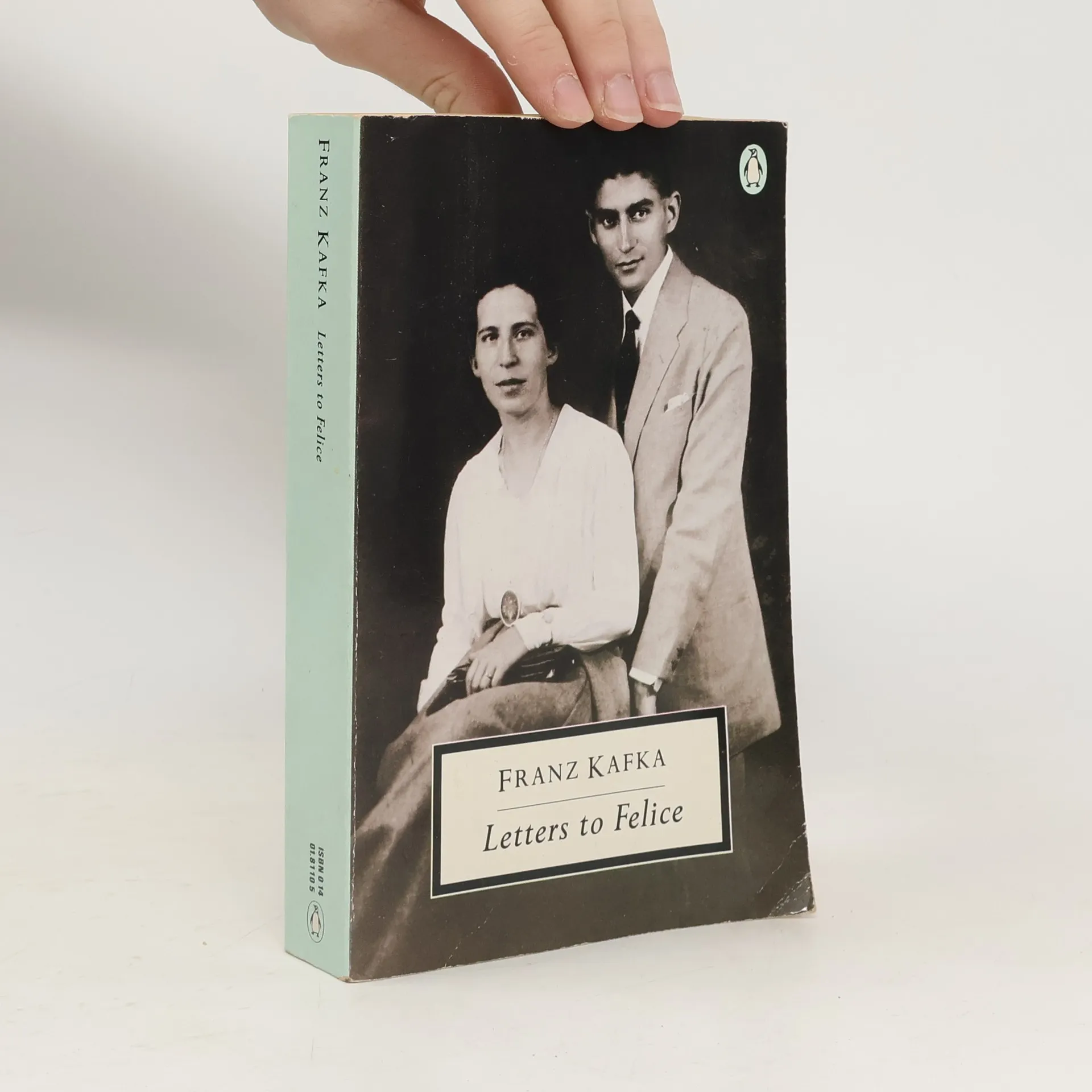
    • Letters to Felice

      • 704 pages
      • 25 hours of reading

      Franz Kafka met Felice Bauer in August 1912, at the home of his friend Max Brod. Energetic, down-to-earth, and life-affirming, the twenty-five-year-old secretary was everything Kafka was not, and he was instantly smitten. Because he was living in Prague and she in Berlin, his courtship was largely an epistolary one--passionate, self-deprecating, and anxious letters sent almost daily, sometimes even two or three times a day. But soon after their engagement was announced in 1914, Kafka began to worry that marriage would interfere with his writing and his need for solitude.The more than five hundred letters Kafka wrote to Felice--through their breakup, a second engagement in 1917, and their final parting in the fall of that year, when Kafka began to feel the effects of the tuberculosis that would eventually claim his life--reveal the full measure of his inner turmoil as he tried, in vain, to balance his desire for human connection with what he felt were the solitary demands of his craft.

      Letters to Felice
      4.2
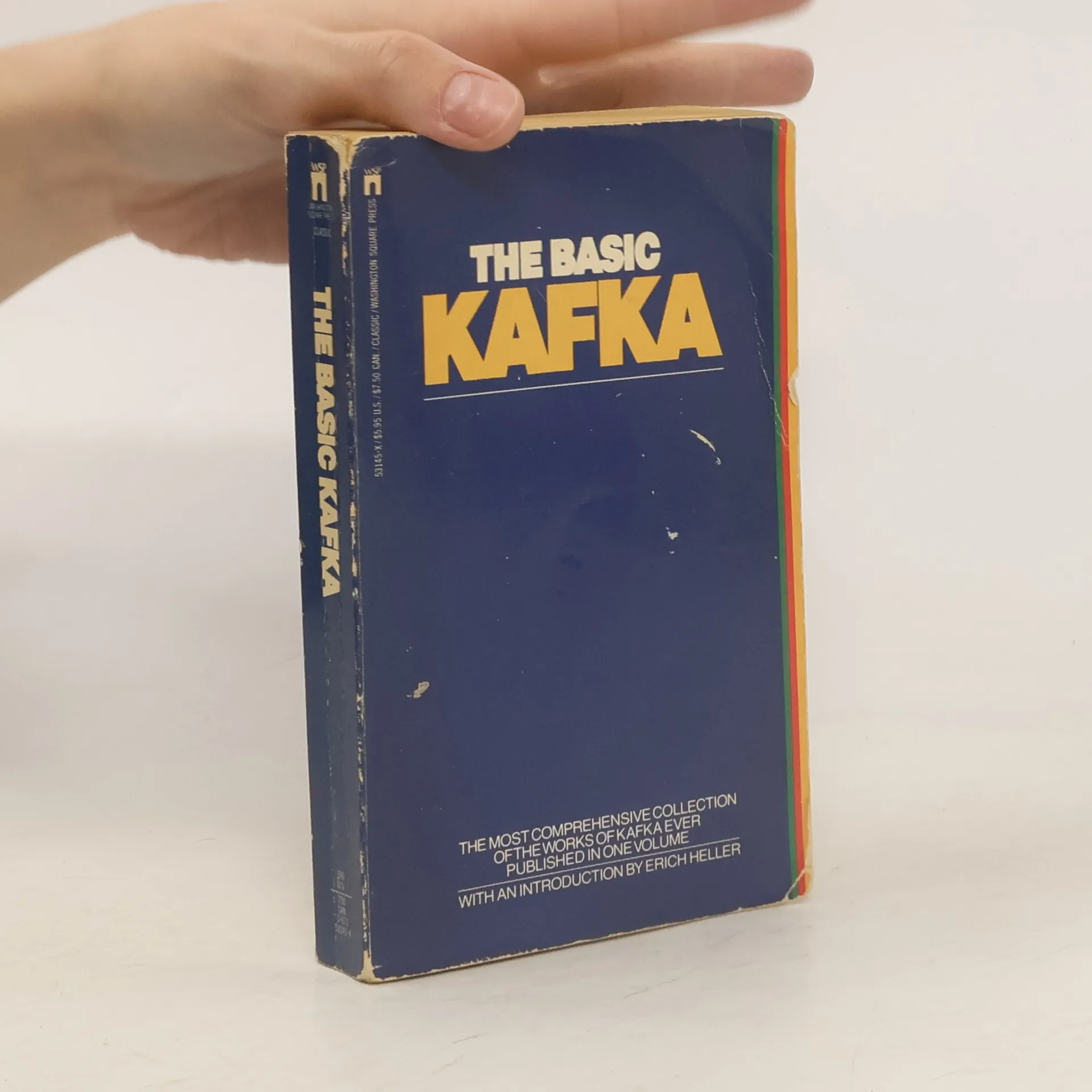
    • The Basic Kafka

      • 295 pages
      • 11 hours of reading

      Published together for the first time are selections from all Kafka's writings: The Metamorphosis, Josephine The Singer, plus his short stories, parables, and his personal diaries and letters.

      The Basic Kafka
      4.1
    • Selected Short Stories of Franz Kafka

      • 360 pages
      • 13 hours of reading

      Franz Kafka's enigmatic, deadpan, and deeply pessimistic stories are central to literary modernism. In 'The Metamorphosis', the estrangement of everyday life becomes corporealized when Gregor Samsa wakes up as a giant bug and wonders how he is going to get to work on time. Kafka inverts the implied degradation of a man's transformation into an animal in 'A Report of the Academy', an ape's address to a group of scientists.

      Selected Short Stories of Franz Kafka
      4.1
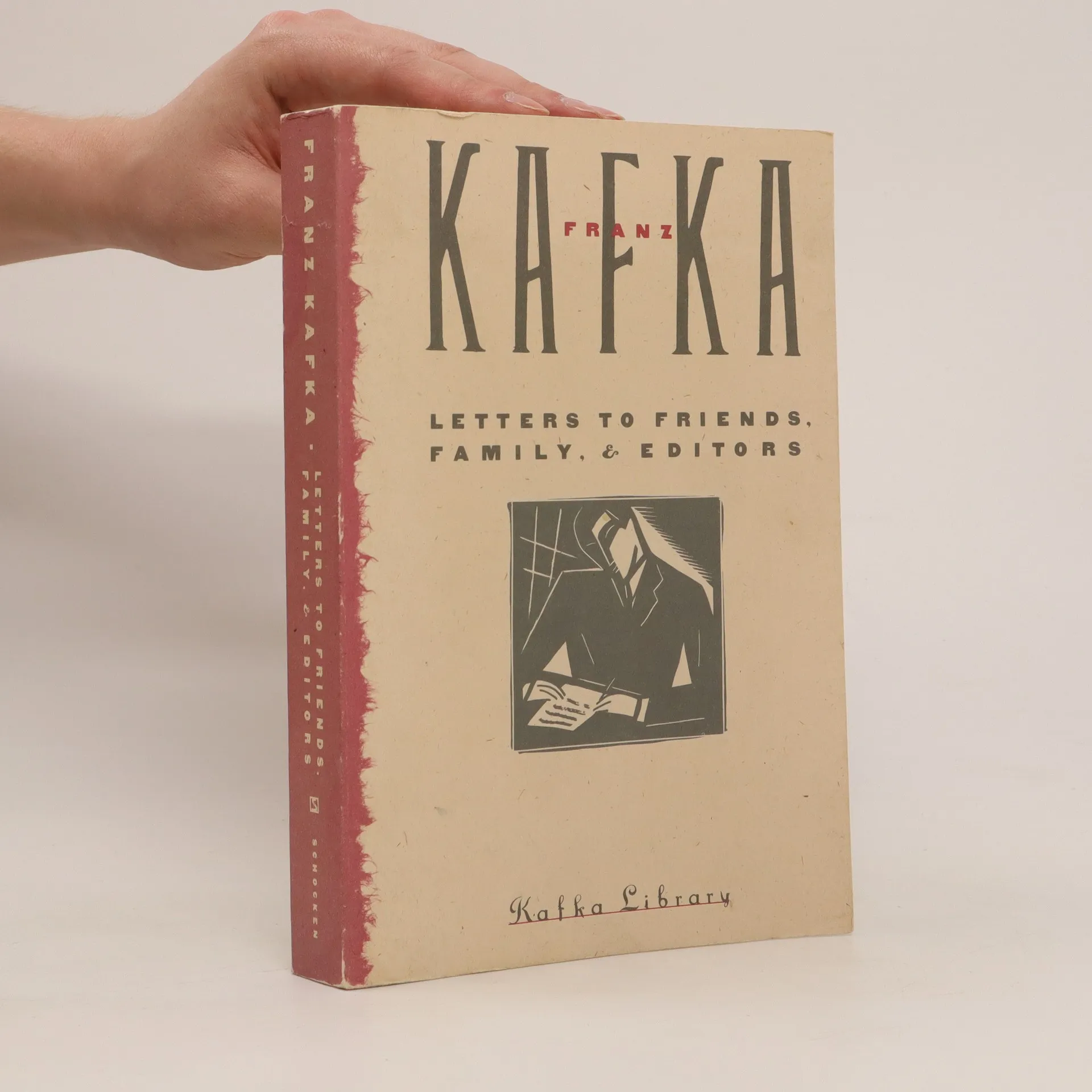
    • Letters to Friends, Family, and Editors

      • 509 pages
      • 18 hours of reading

      Collected after his death by his friend and literary executor Max Brod, here are more than two decades' worth of Franz Kafka's letters to the men and women with whom he maintained his closest personal relationships, from his years as a student in Prague in the early 1900s to his final months in the sanatorium near Vienna where he died in 1924.Sometimes surprisingly humorous, sometimes wrenchingly sad, they include charming notes to school friends; fascinating accounts to Brod about his work in its various stages of publication; correspondence with his publisher, Kurt Wolff, about manuscripts in progress, suggested book titles, type design, and late royalty statements; revealing exchanges with other young writers of the day, including Martin Buber and Felix Weltsch, on life, literature, and girls; and heartbreaking reports to his parents, sisters, and friends on the declining state of his health in the last months of his life.

      Letters to Friends, Family, and Editors
      4.1
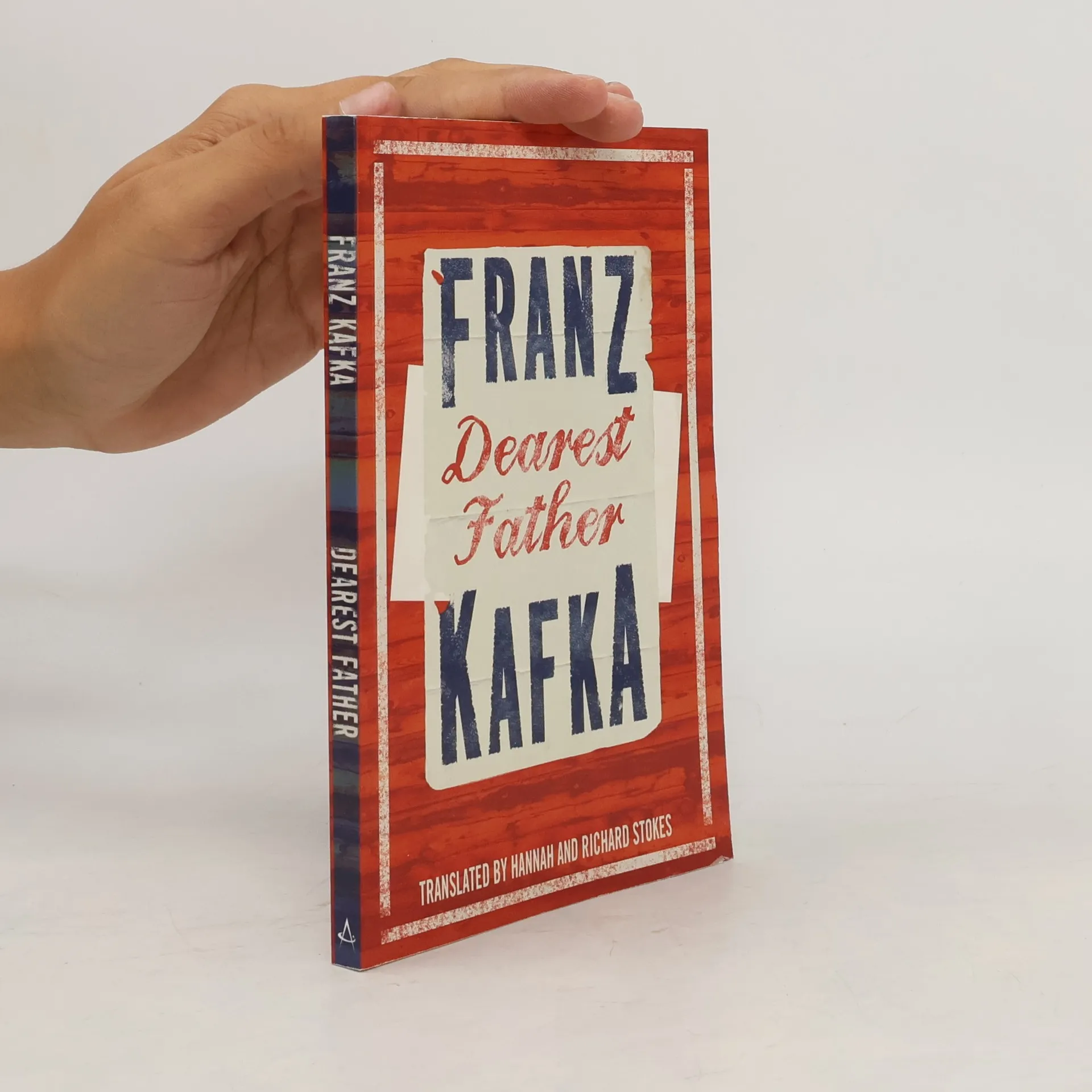
    • Dearest Father

      • 128 pages
      • 5 hours of reading

      Conflict between father and son is one of the oldest themes in literature, and in this open letter to his father - a letter which was never sent - Kafka tries to come to terms with one of the most deeply rooted obsessions of his troubled soul. Written as a long, tense and dramatic confession in which writer and man are gathered together in front of an ambivalent figure of authority, Dearest Father is a desperate attempt to retrace the origins of a turbulent and highly conflicted relationship between an unflinching parent and an extremely sensitive child. Both a merciless indictment of his father and an impassioned appeal to him, Kafka's inspired work is one of the most lucid and touching psychological documents of the twentieth century.

      Dearest Father
      4.1
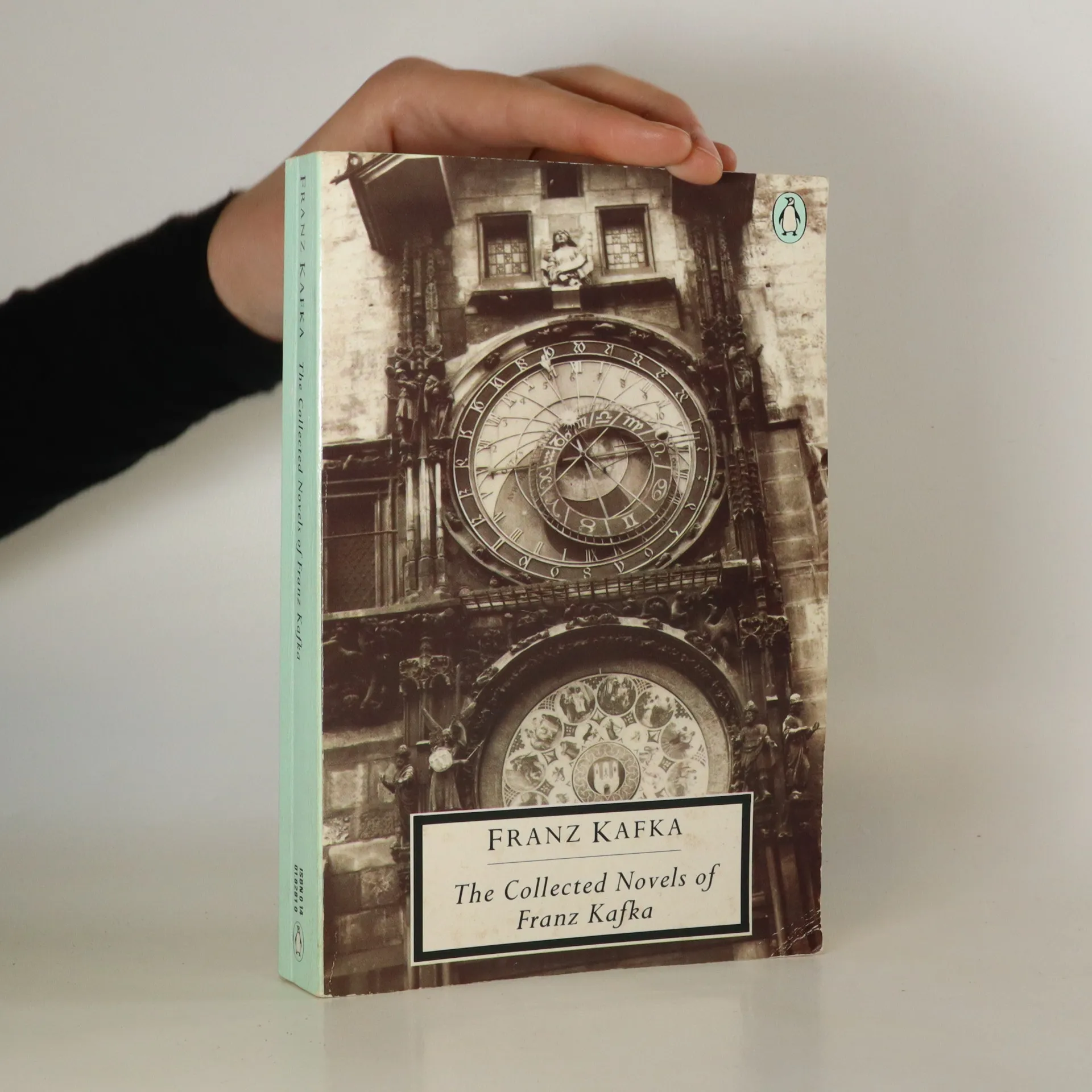
    • The Trial; The Castle; America: Both Joseph K In The Trial And K In The Castle Are Victims Of Anonymous Governing Forces Beyond Their Control. Both Are Atomised, Estranged And Rootless Citizens Deceived By Authoritarian Power. Whereas Joseph K Is Relentlessly Hunted Down For A Crime That Remains Nameless, K Ceaselessly Attempts To Enter The Castle And So Belong Somewhere. Together These Novels May Be Read As Powerful Allegories Of Totalitarian Government In Whatever Guise It Appears Today. In America Karl Rossmann Is 'Packed Off To America By His Parents' To Experience Oedipal And Cultural Isolation. Here, Ordinary Immigrants Are Also Strange, And 'America' Is Never Quite As Real As It Seems.

      The complete novels. The Trial. America. The castle
      4.1
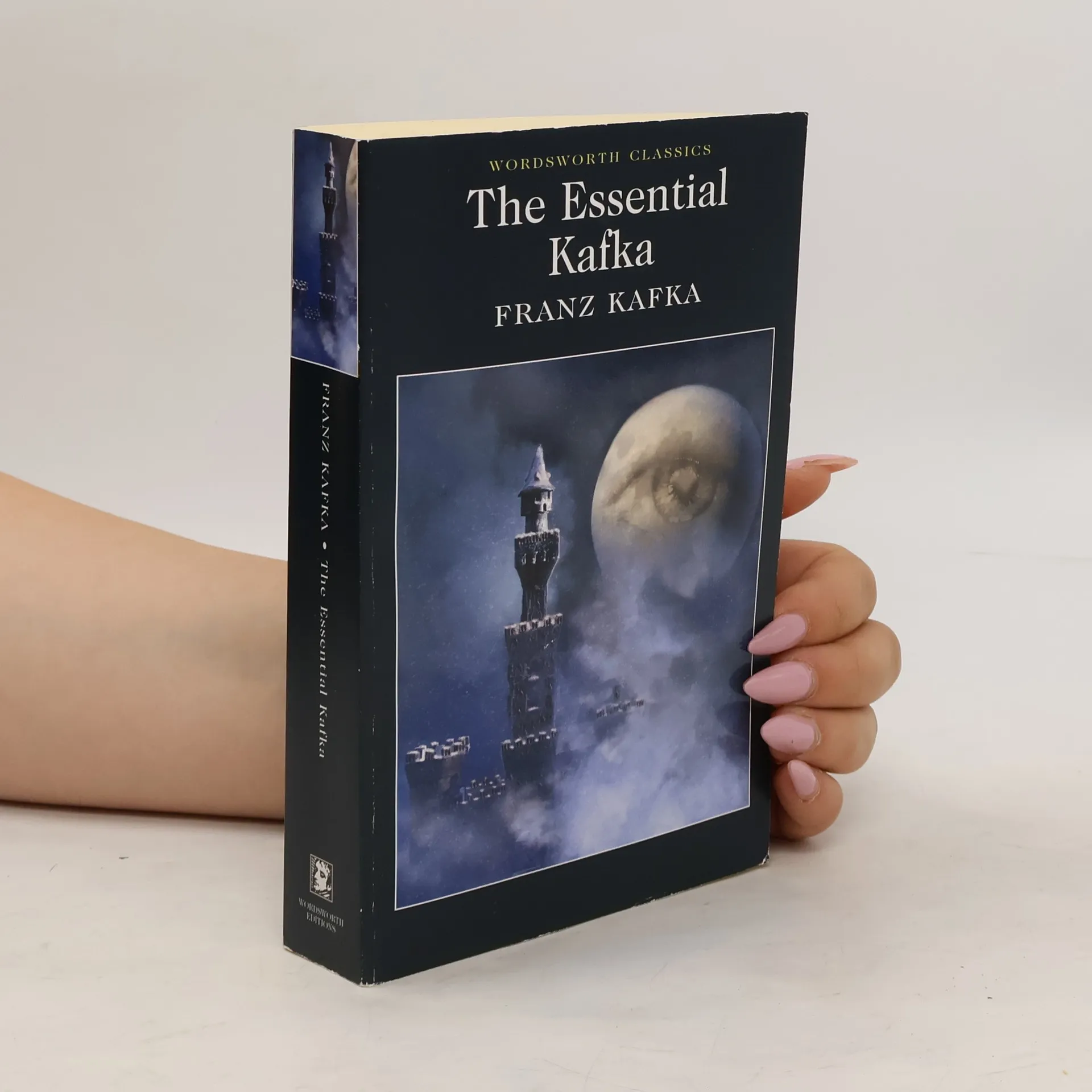
    • A culturally-influential and celebrated author, Kafka is generally considered to be one of the most accomplished writers of the 20th century. In this boxed set are collected together three of his major works, including the maginificent 'Metamorphosis and Other Stories'.

      The Essential Kafka
      4.0
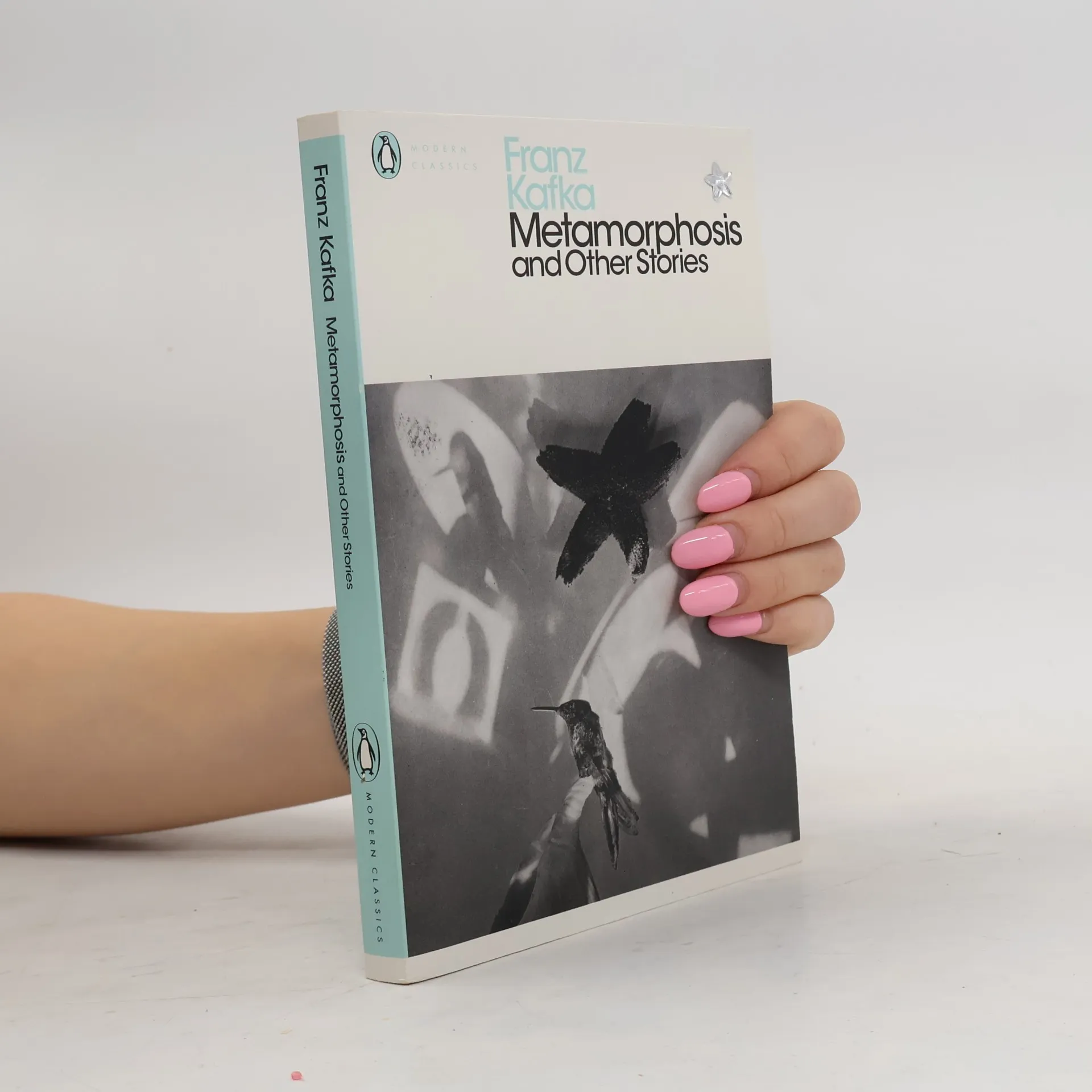
    • The Metamorphosis and Other Stories

      • 256 pages
      • 9 hours of reading

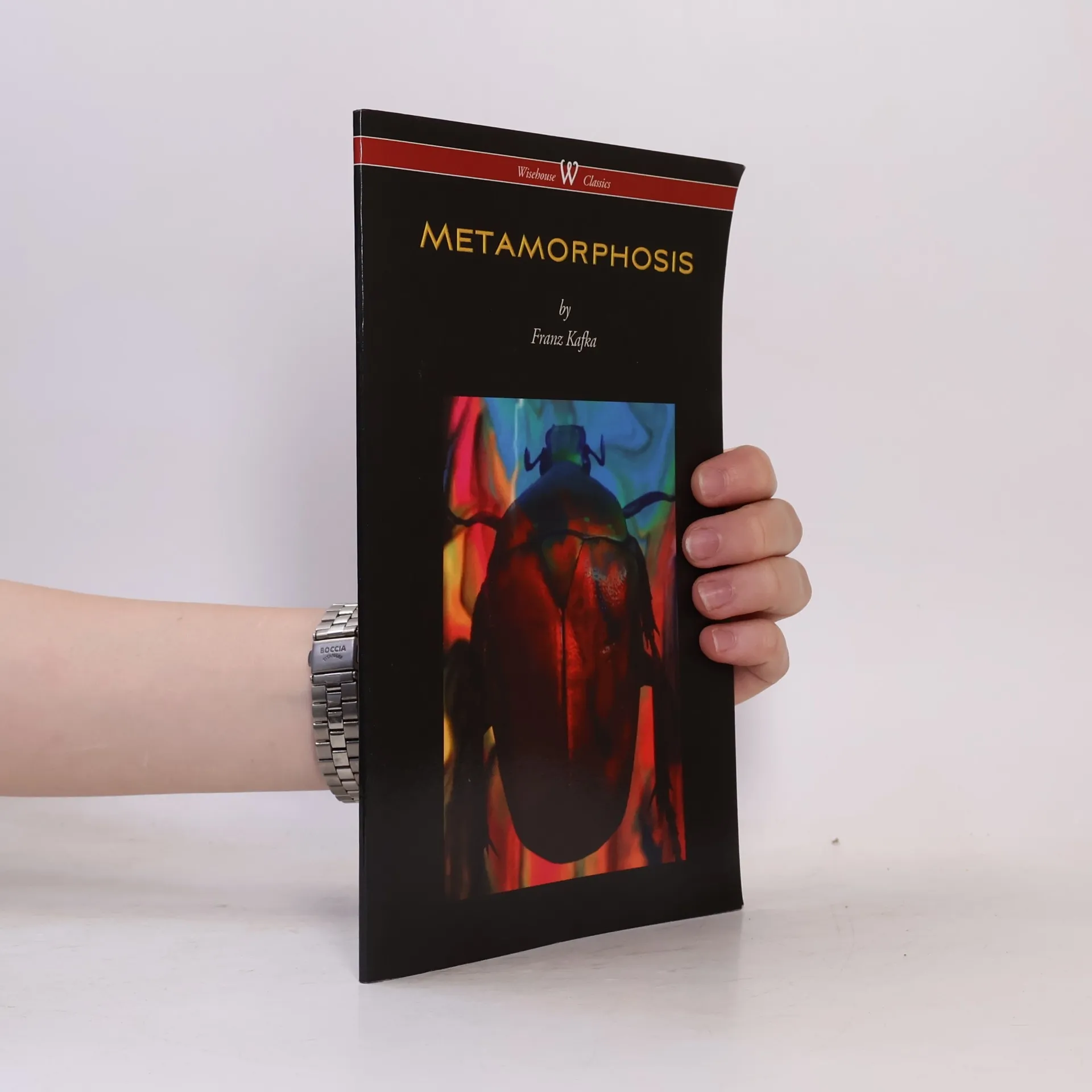
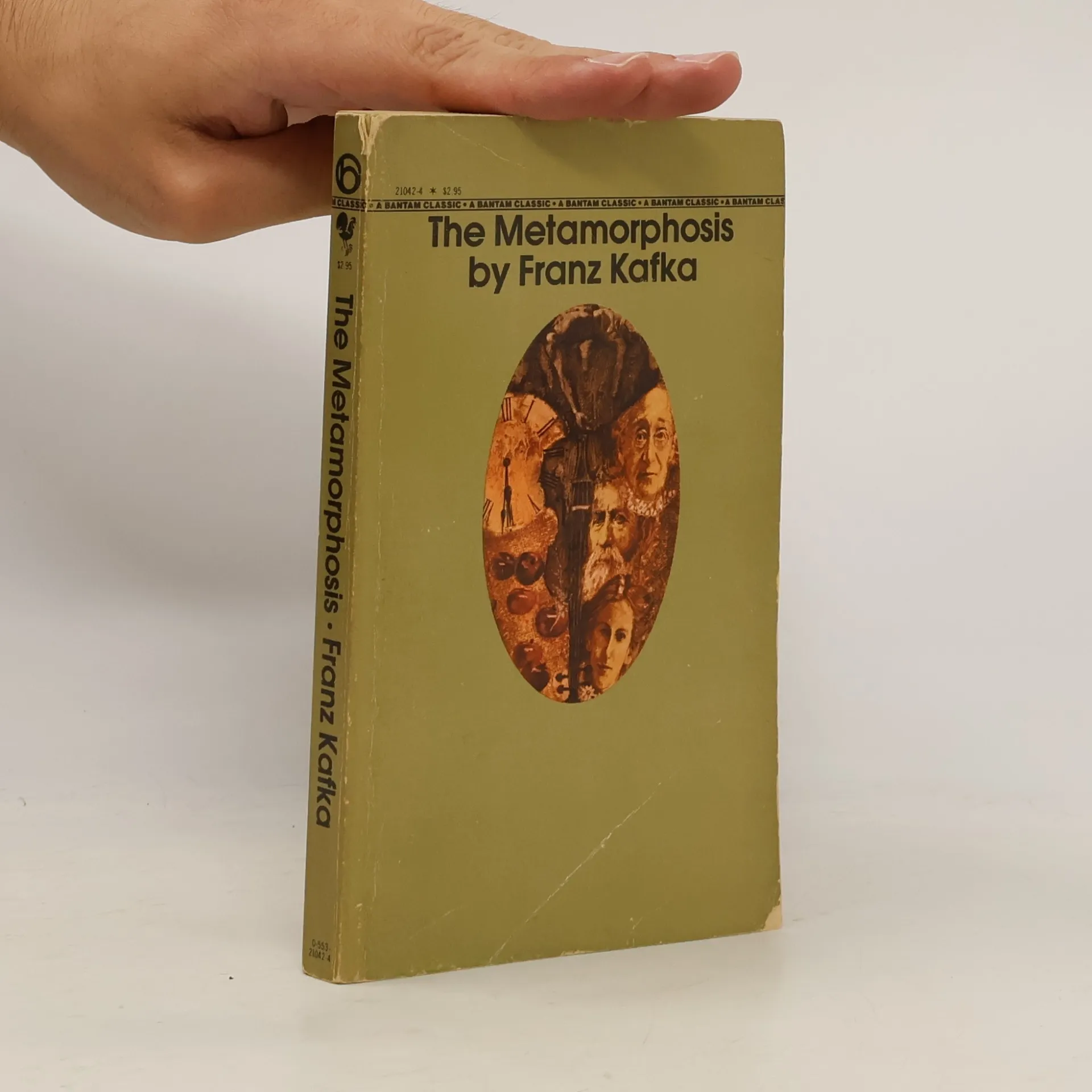
      When the young salesman Gregor Samsa wakes up one morning transformed into a monstrous insect, his shock and incomprehension are coupled with the panic of being late for work and having to reveal his appearance to family and colleagues. Although over the following weeks he gradually becomes used to this new existence confined within the bounds of the apartment, and his parents and sister adapt to living with a grotesque bug, Gregor notices that their attitudes towards him are changing and he feels increasingly alienated. One of the masterpieces of twentieth-century world literature, ‘The Metamorphosis’ is accompanied in this volume by a selection of other classic tales and sketches by Kafka – such as ‘The Judgement’, ‘In the Penal Colony’ and ‘A Country Doctor’ – all presented in a lively and meticulous new translation by Christopher Moncrieff.

      The Metamorphosis and Other Stories
      4.1
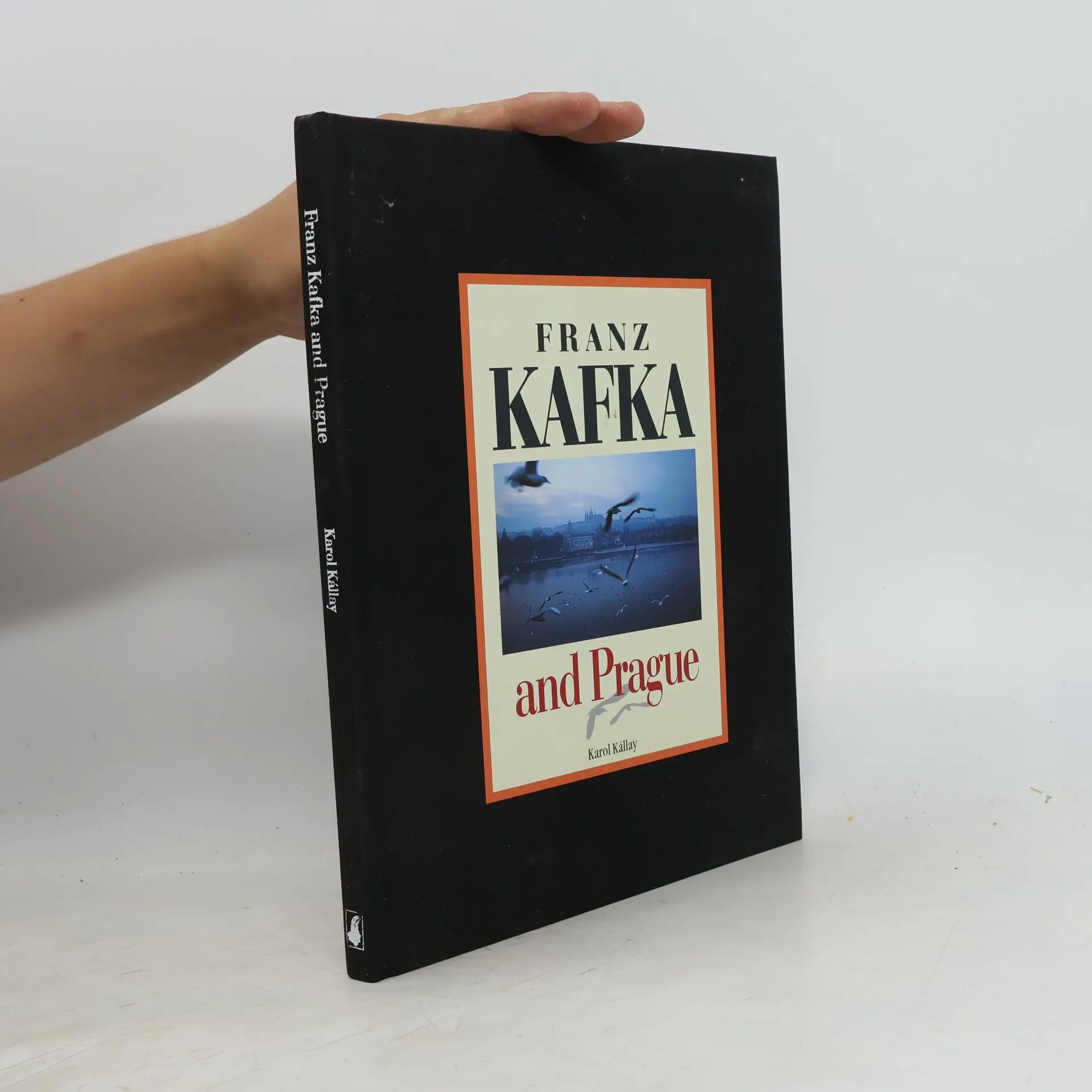
    • Nádherná a jedinečná kniha fotografií Prahy od významného slovenského fotografa Karola Kállaye doprovázených úryvky a citáty z Kafkových dopisů v angličtině.

      Franz Kafka and Prague
      3.8
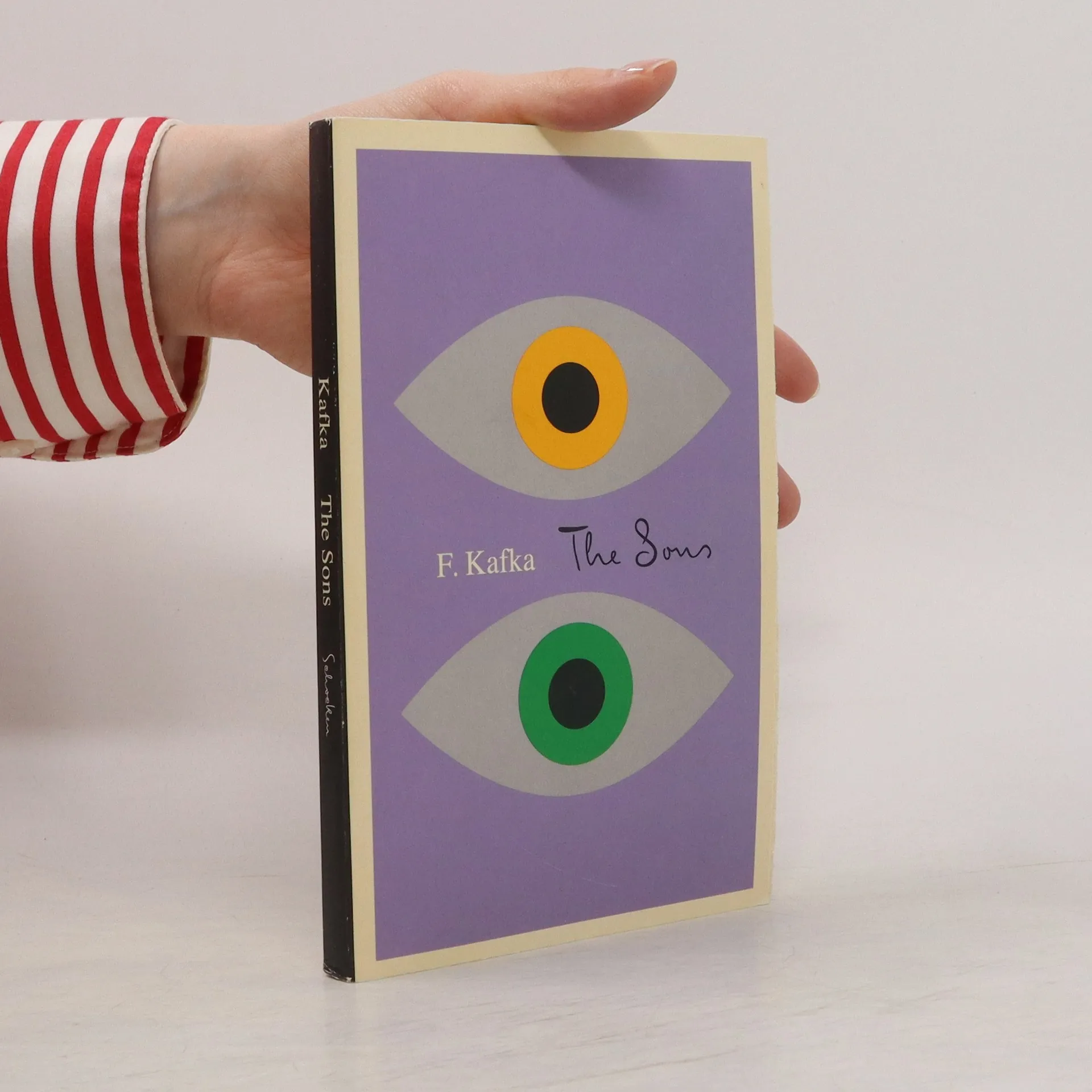
    • The sons

      • 192 pages
      • 7 hours of reading

      I have only one request," Kafka wrote to his publisher Kurt Wolff in 1913. "'The Stoker,' 'The Metamorphosis,' and 'The Judgment' belong together, both inwardly and outwardly. There is an obvious connection among the three, and, even more important, a secret one, for which reason I would be reluctant to forego the chance of having them published together in a book, which might be called The Sons."Seventy-five years later, Kafka's request is granted, in a volume including these three classic stories of filial revolt as well as his own poignant "Letter to His Father," another "son story" located between fiction and autobiography. A devastating indictment of the modern family, The Sons represents Kafka's most concentrated literary achievement as well as the story of his own domestic tragedy. Grouped together under this new title and in newly revised translations, these texts—the like of which Kafka had never written before and (as he claimed at the end of his life) would never again equal—take on fresh, compelling meaning.

      The sons
      4.0
    • Both Joseph K inThe Trialand K inThe Castleare victims of anonymous governing forces beyond their control. Both are atomized, estranged and rootless citizens deceived by authoritarian power. Whereas Joseph K is relentlessly hunted down for a crime that remains nameless, K ceaselessly attempts to enter the castle, and so belong somewhere. Both novels may be read as powerful allegories of totalitarian government. InAmerica, Karl Rossman experiences Oedipal and cultural isolation, and finds that “America” is never quite as real as it seems.

      The Complete Novels
      4.0
    • One of 60 low-priced classic texts published to celebrate Penguin's 60th anniversary. All the titles are extracts from "Penguin Classics" titles.

      The Judgement and In the Penal Colony
      4.0
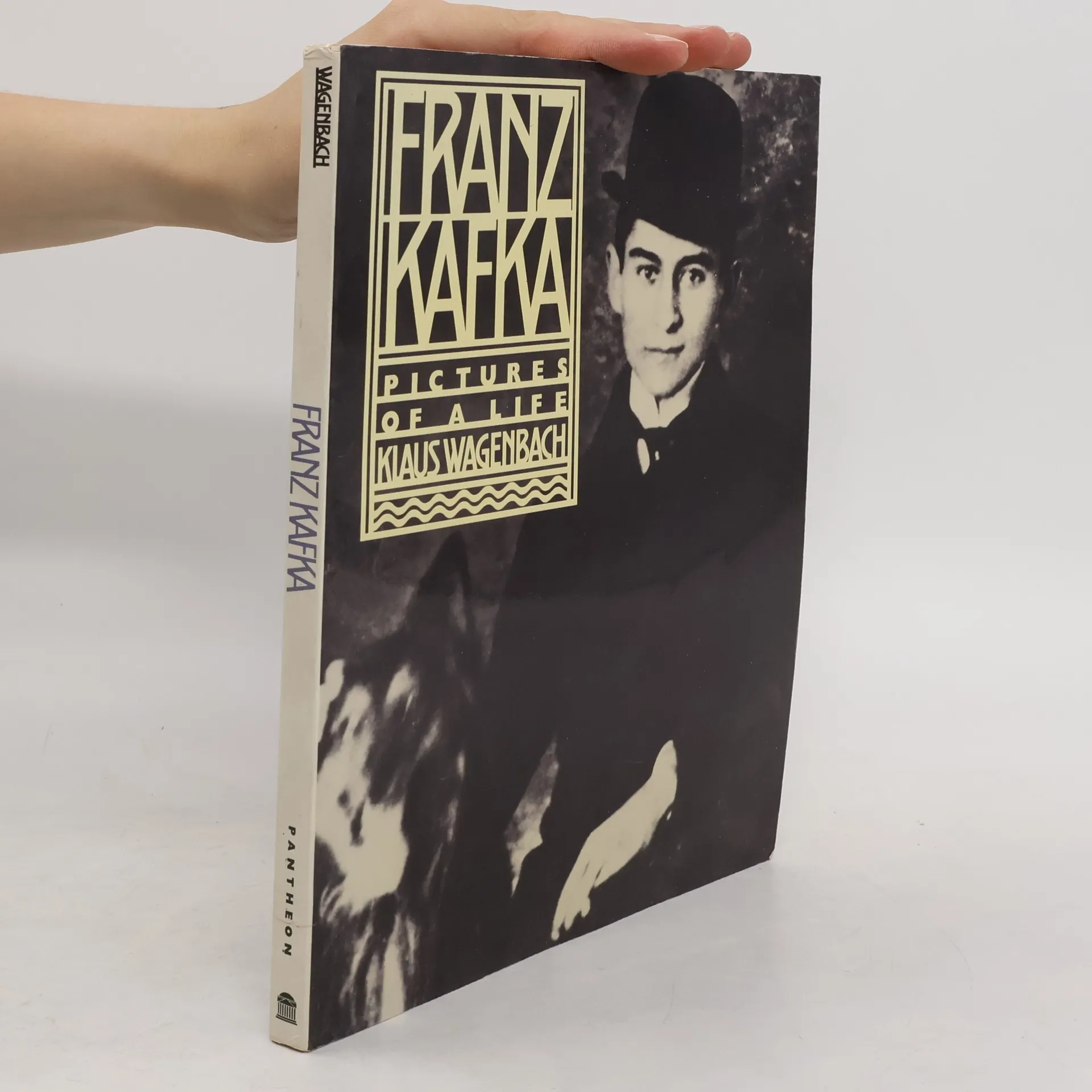
    • Franz Kafka

      • 221 pages
      • 8 hours of reading

      A biography of the Czech writer includes photographs of the people and places important to him during his life

      Franz Kafka
      4.0
    • Franz Kafka

      The Complete Novels

      • 546 pages
      • 20 hours of reading

      Exploring the surreal and thought-provoking realms of human existence, this collection features the masterpieces of Franz Kafka, including "The Trial" and "The Metamorphosis." Readers will encounter ordinary individuals facing absurdity and bureaucratic nightmares, all set against haunting landscapes emblematic of Kafkaesque imagination. The anthology delves into themes of existentialism and surrealism, showcasing Kafka's profound insights into the complexities of human nature. This essential collection invites readers to engage with the literary genius of one of the 20th century's most influential writers.

      Franz Kafka
      1.0
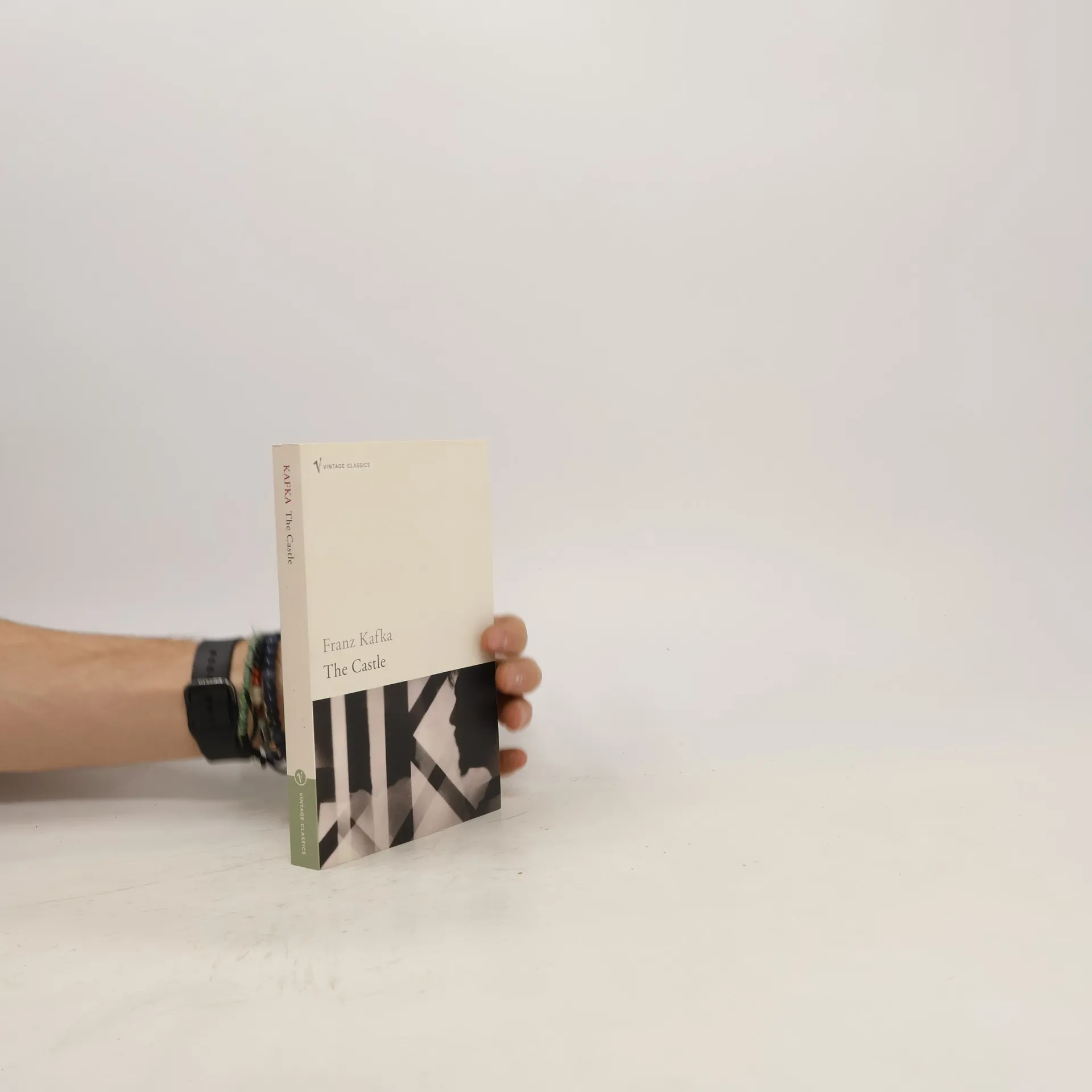
    • The Castle

      • 304 pages
      • 11 hours of reading

      The story of K and his arrival in a village where he is never accepted, and his relentless, unavailing struggle with authority in order to gain entrance to the castle that seems to rule it. K's isolation and perplexity, his begging for the approval of elu

      The Castle
      4.0
    • From one of the greatest writers of the twentieth century, the author of The Metamorphosis and The Trial: A collection that brings together the stories he allowed to be published during his lifetime, including his best-known tale of a man who wakes up transformed into an insect. To Max Brod, his literary executor, Kafka wrote: “Of all my writings the only books that can stand are these.” “Kafka’s survey of the insectile situation of young Jews in inner Bohemia can hardly be improved upon: ‘With their posterior legs they were still glued to their father’s Jewishness and with their wavering anterior legs they found no new ground.’ There is a sense in which Kafka’s Jewish question (‘What have I in common with Jews?’) has become everybody’s question, Jewish alienation the template for all our doubts. What is Muslimness? What is femaleness? What is Polishness? These days we all find our anterior legs flailing before us. We’re all insects, all Ungeziefer, now.” —Zadie Smith, bestselling author of White Teeth and On Beauty

      The metamorphosis, In the penal colony, and other stories
      4.0
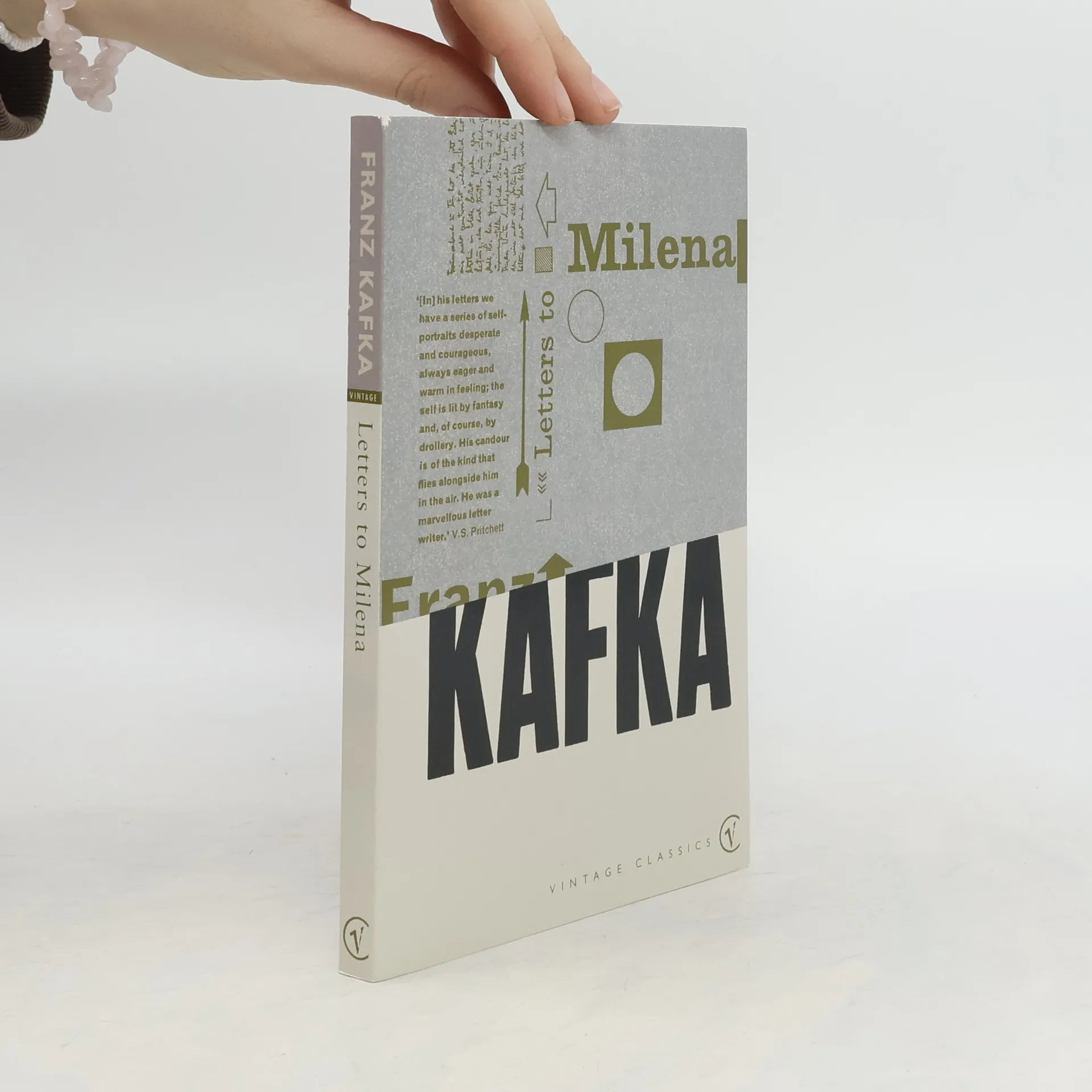
    • Kafka first made the aquaintance of Milena Jesenska in 1920 when she was translating his early short prose into Czech, and their relationship quickly developed into a deep attachment. Such was his feeliing for her that Kafka showed her his diaries and, in doing so, laid bare his heart and his conscience. Milena, for her part, was passionate and intrepid, cool and intelligent in her decisions but reckless when her emotions were involved. Kafka once described her as living her life 'so intensely down to such depths'. If she did suffer through him, it was part of her great appetite for life. However while at times Milena's 'genius for living' gave Kafka new life, it ultimately exhausted him, and their relationship was to last little over two years. Kafka died in 1944 at the hands of the Nazis - these letters are a moving record of their relationship.

      Letters to Milena
      3.9
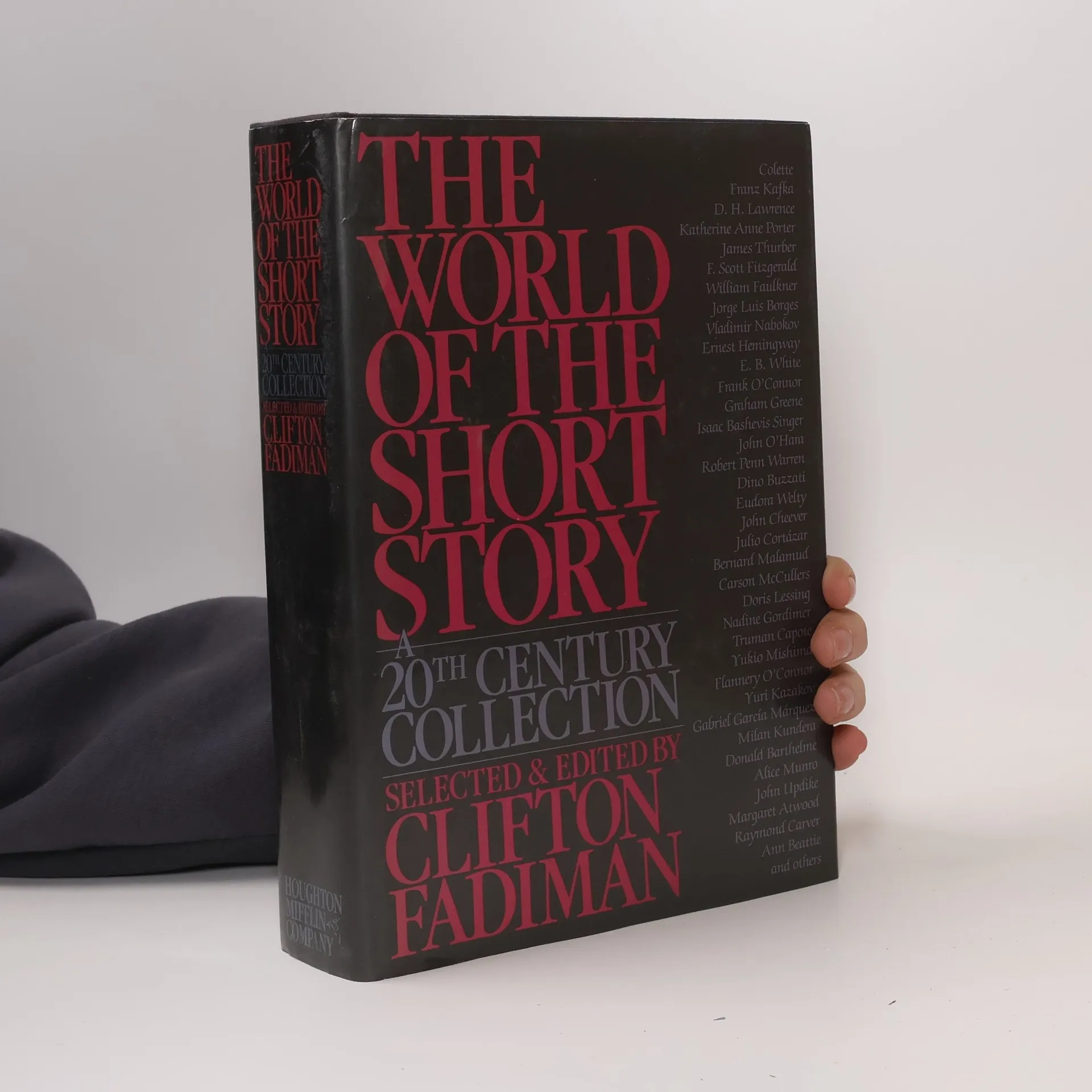
    • The World of the Short Story

      A 20th Century Collection

      • 847 pages
      • 30 hours of reading

      At age 82, Clifton Fadiman continues his prolific publishing career, here presenting 62 of the world's best short stories from 16 countries. His criteria? "Each story had to be both interesting and of high literary merit." Fadiman fulfills both requirements and much more, offering a cornucopia of superior 20th-century writers that includes Franz Kafka, D. H. Lawrence, Isaac Babel, F. Scott Fitzgerald, William Faulkner, Ernest Hemingway, John Cheever, Sean O'Faolain, Graham Greene, Robert Penn Warren, Colette, John Updike, Donald Barthelme, and James Thurber. (Regrettably, J. D. Salinger is not included due to lack of permission.) Here is a truly remarkable collection of this century's short stories that readers from all over the world will read with delight.

      The World of the Short Story
      3.8
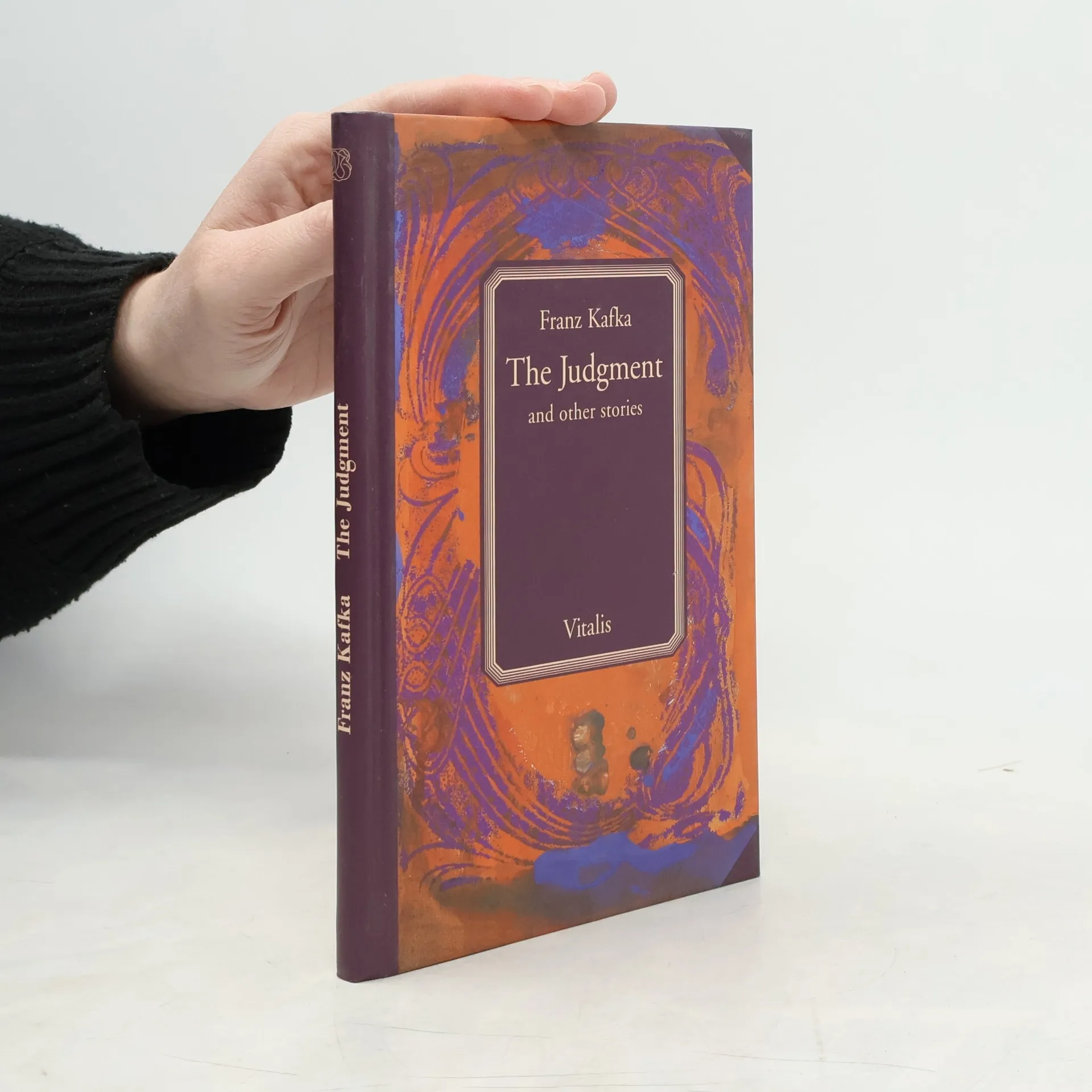
    • The Judgment and other stories

      • 135 pages
      • 5 hours of reading

      "His language is crystal clear, and on the surface one observes, in a sense, no other aim than to be accurate, lucid, and suitable to the subject. And yet dreams, visions of measureless depth, are conveyed beneath the serene mirror of this pure stream of language. One peers into it and is spellbound by beauty and originality" --Max Brod in Die Neue (Rundschau 1921) Translated from German by Jon Calame and Seth Rogoff. Story index: The Judgement. A Story The Stoker. A Fragment The Bucket-Rider In the Penal Colony Great Noise The First Chapter of "Richard and Samuel" by Max Brod and Franz Kafka The Air Show at Brescia

      The Judgment and other stories
      3.9
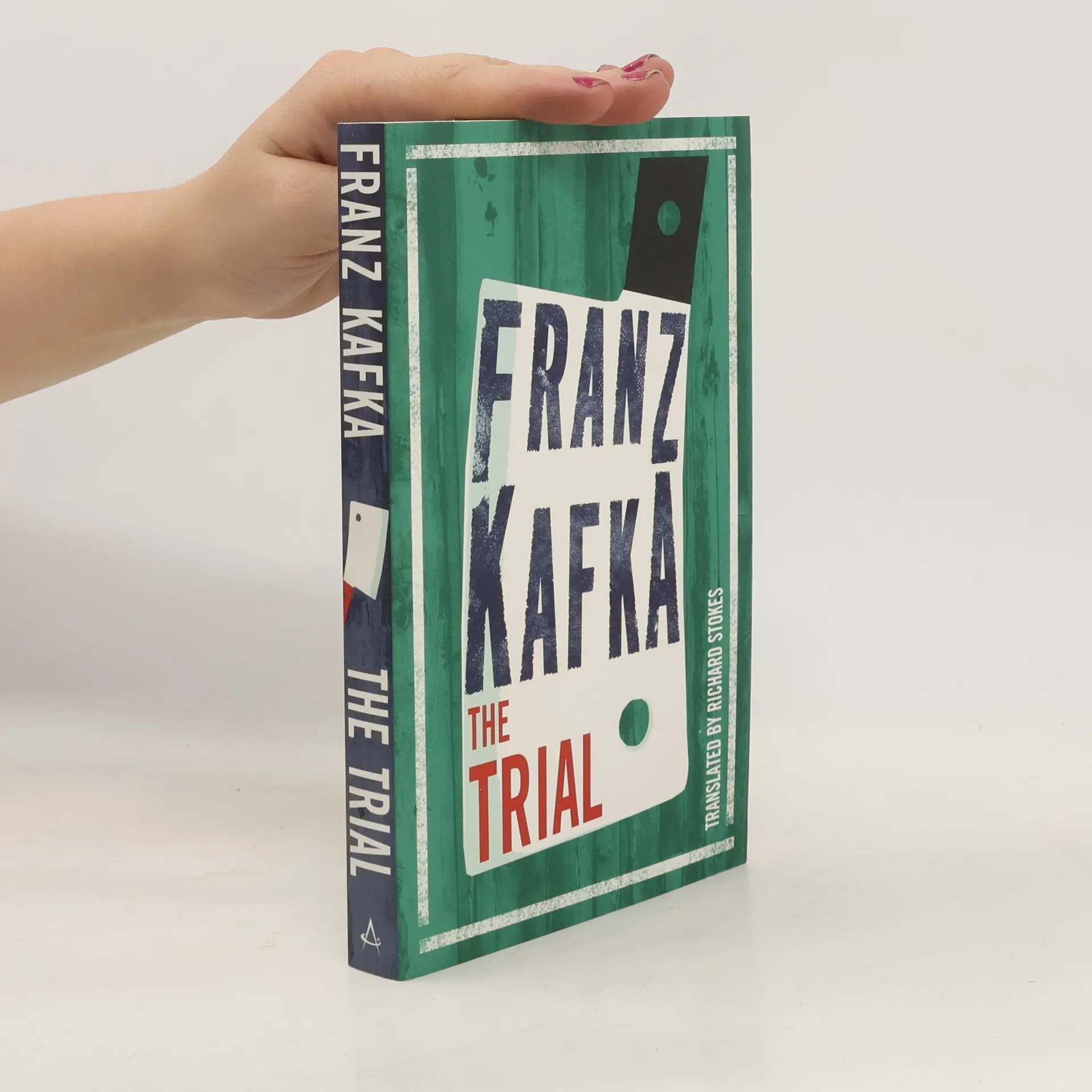
    • The trial

      • 256 pages
      • 9 hours of reading

      First published in 1935, The Trial is a classic story of totalitarianism, sadism, and hysteria. With a labyrinth of meanings, author Franz Kafka explores the dark lives of killers.

      The trial
      3.9
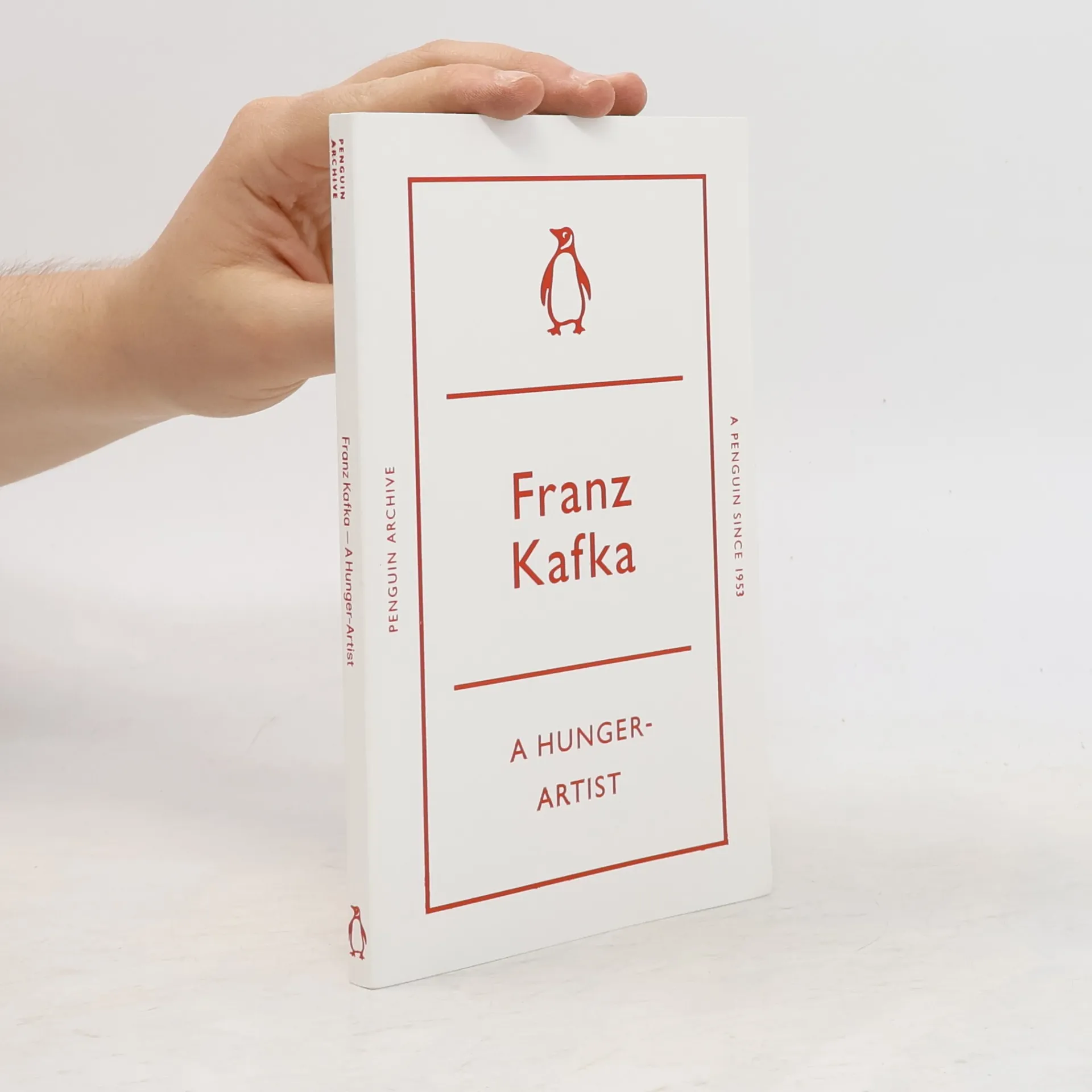
    • A Hunger-Artist

      • 144 pages
      • 6 hours of reading

      The whole town got involved with the hunger-artist; from day to day of his starving, people's participation grew; everyone wanted to see the hunger-artist at least once a day; on the later days there were season-ticket holders who sat for days on end in front of his little cage Reading these stories by the master of the absurd is like entering a dreamworld in which nothing, and yet somehow everything, makes sense.

      A Hunger-Artist
      3.8
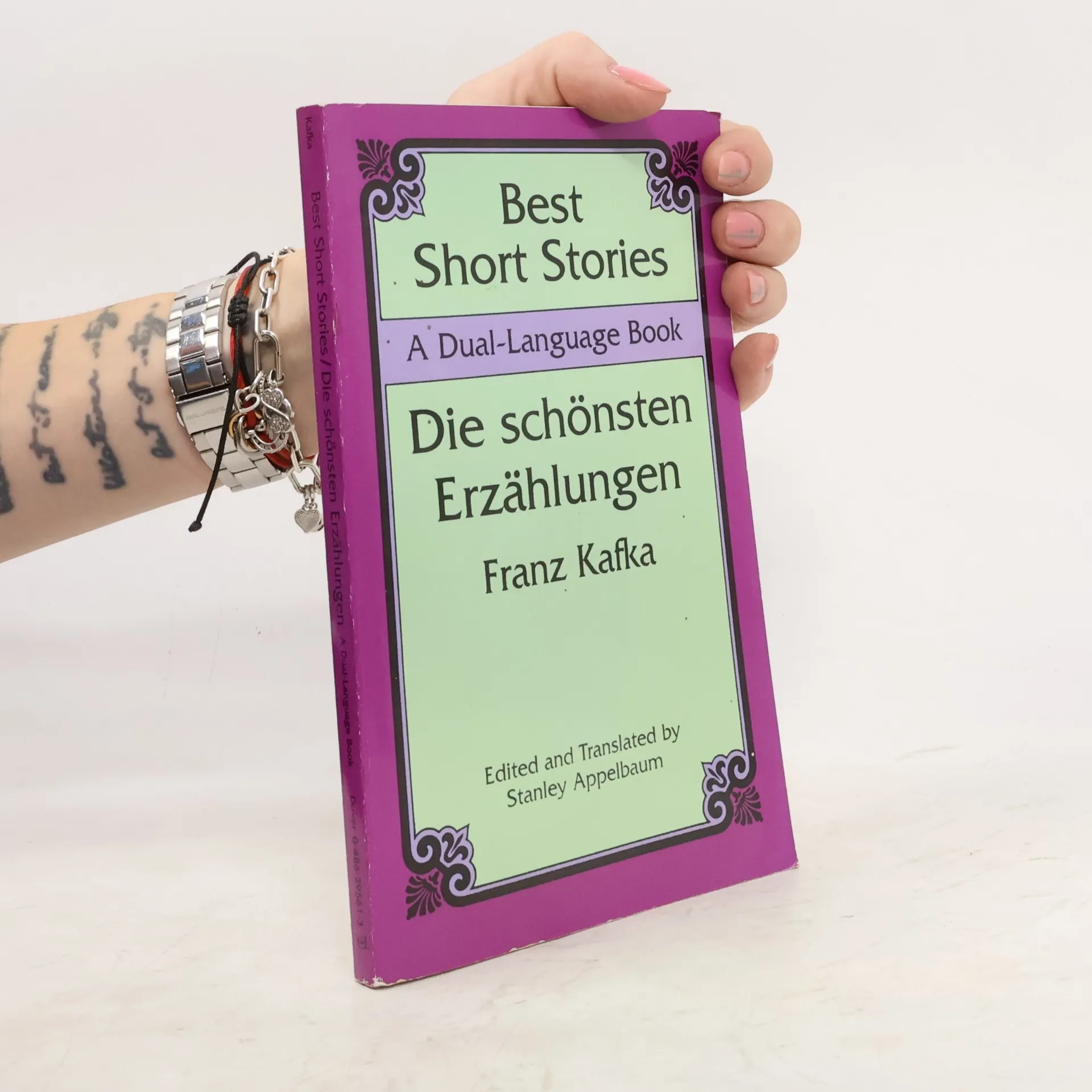
    • Students of German language and literature will welcome this dual-language edition of five stories by Franz Kafka (1883–1924). Considered one of the greatest modern writers, Kafka wrote tales that brilliantly explore the anxiety, futility, and complexity of modern life.The stories in this volume are "The Metamorphosis" (thought by many critics to be Kafka's most perfect work), "The Judgment," "In the Penal Colony," "A Country Doctor," and "A Report to an Academy." Along with the original German texts, Stanley Applebaum has provided accurate English translations on facing pages, affording students an ideal opportunity to read some of Kafka's finest stories in the original, to discover the passion and profundity of this extremely important figure in modern European literature, and to upgrade their German language skills.

      Best Short Stories
      3.8
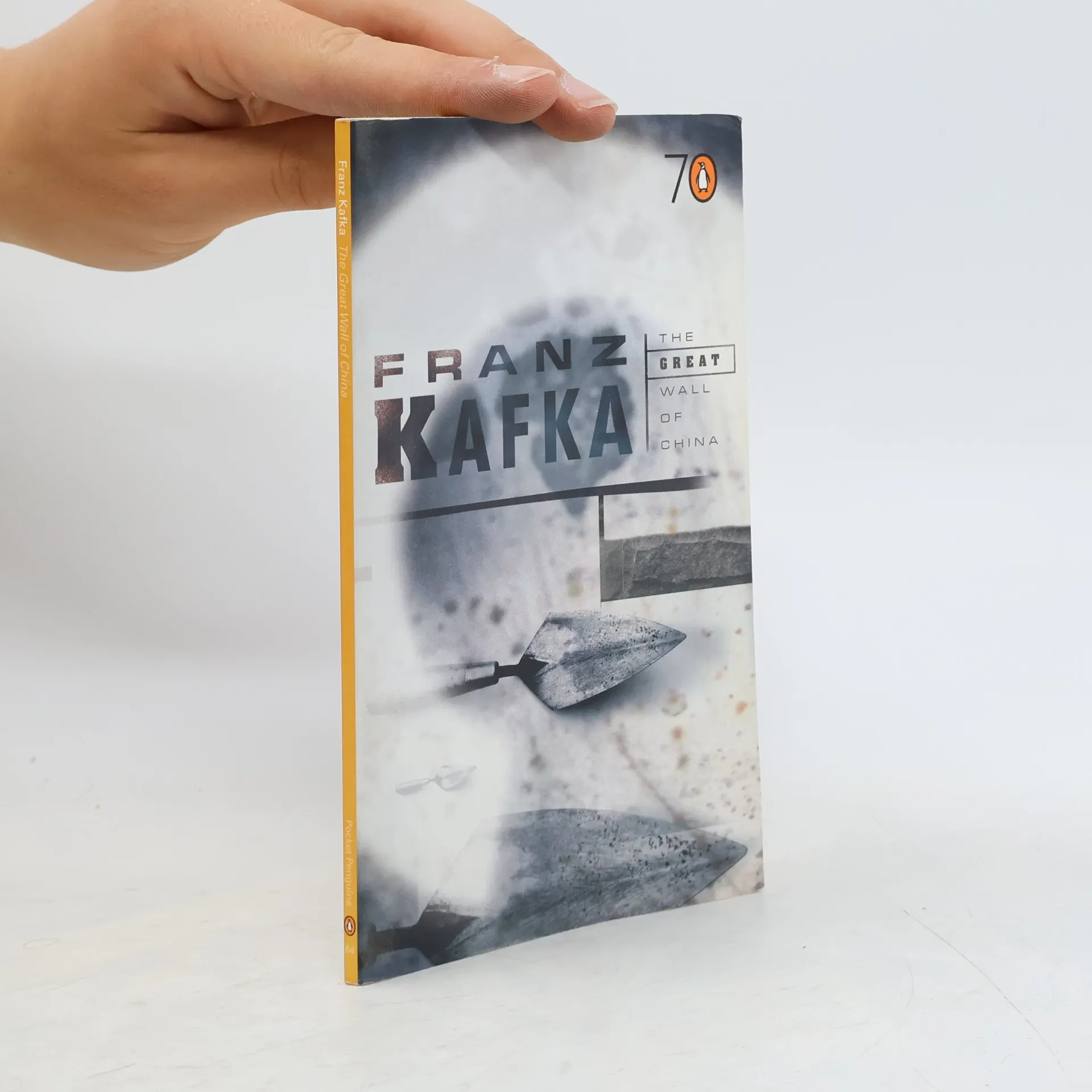
    • In May 2005 Penguin will publish 70 unique titles to celebrate the company's 70th birthday. The titles in the Pocket Penguins series are emblematic of the renowned breadth of quality of the Penguin list and will hark back to Penguin founder Allen Lane's vision of good books for all'. as among the greatest works of early twentieth-century literature. His most famous and influential work, Metamorphosis, depicting a man who wakes up to discover he has been turned into an insect, was first published by Penguin in 1961. These lucid stories and brief fables describe the cruel absurdities he believed dominate human life.

      The Great Wall of China
      3.8
    • Amerika

      • 256 pages
      • 9 hours of reading

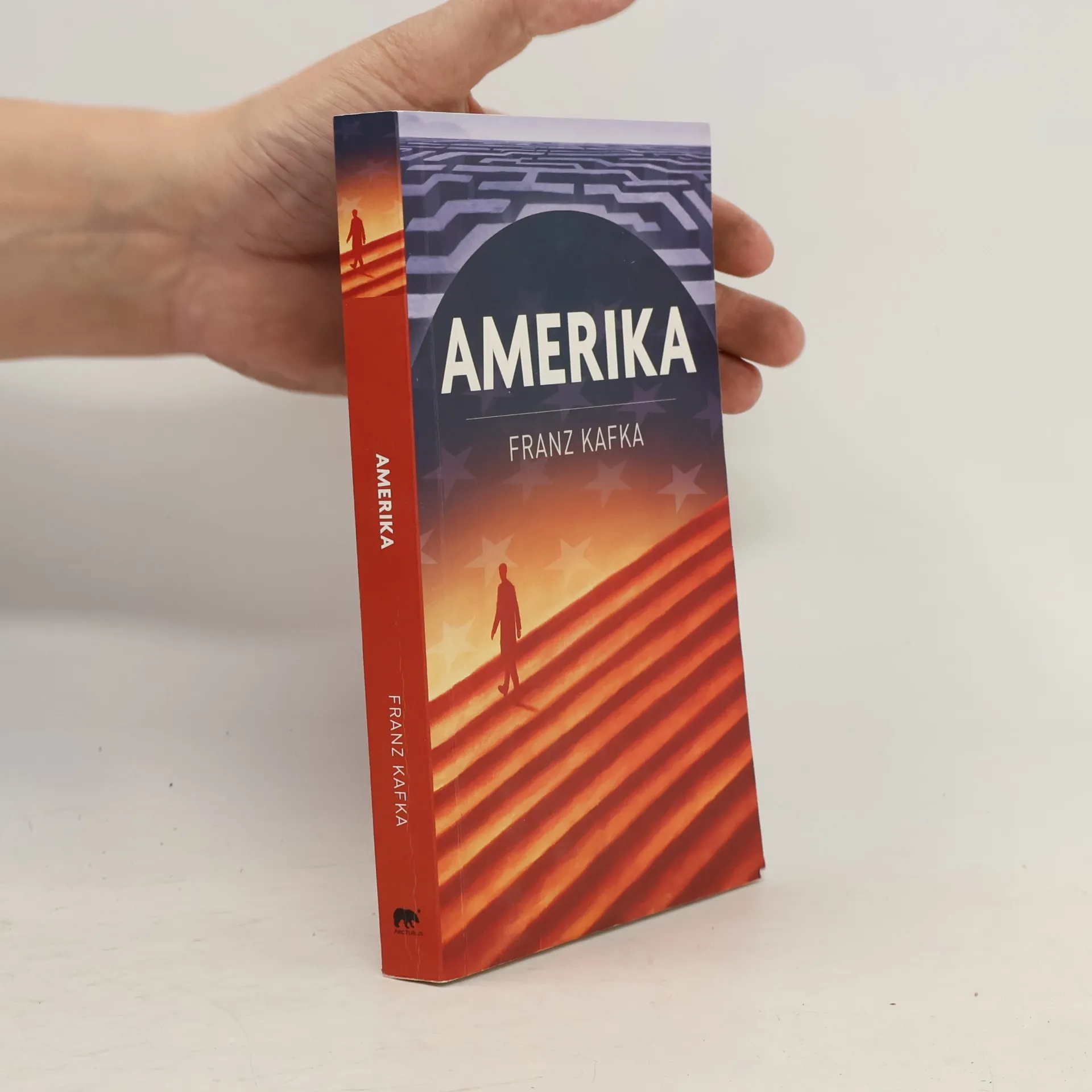
      Karl Rossman has been banished by his parents to America, following a family scandal. There, with unquenchable optimism, he throws himself into the strange experiences that lie before him as he slowly makes his way into the interior of the great continent. Kafka's first novel (begun in 1911 and never finished) is infused with a quite un-Kafkaesque blitheness and sunniness, brought to life in this lyrical translation that returns to the original manuscript of the book.

      Amerika
      3.8
    • A country doctor

      • 104 pages
      • 4 hours of reading

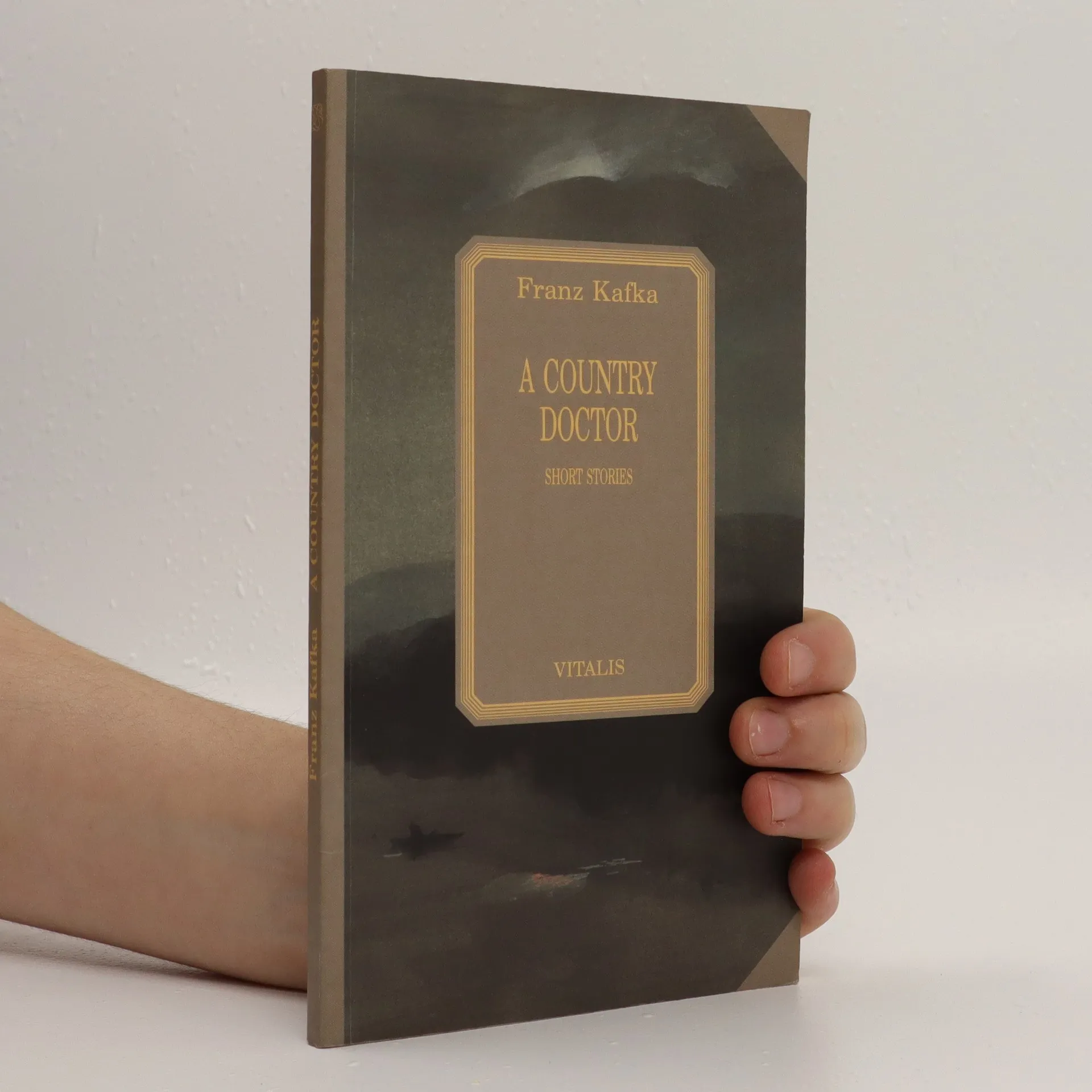
      At the Prague Castle, in house No. 22, in the Golden Lane, Franz Kafka (1883-1924) wrote these short stories, which were published in his lifetime under this title.

      A country doctor
      3.7
    • Beschreibung eines Kampfes

      • 280 pages
      • 10 hours of reading

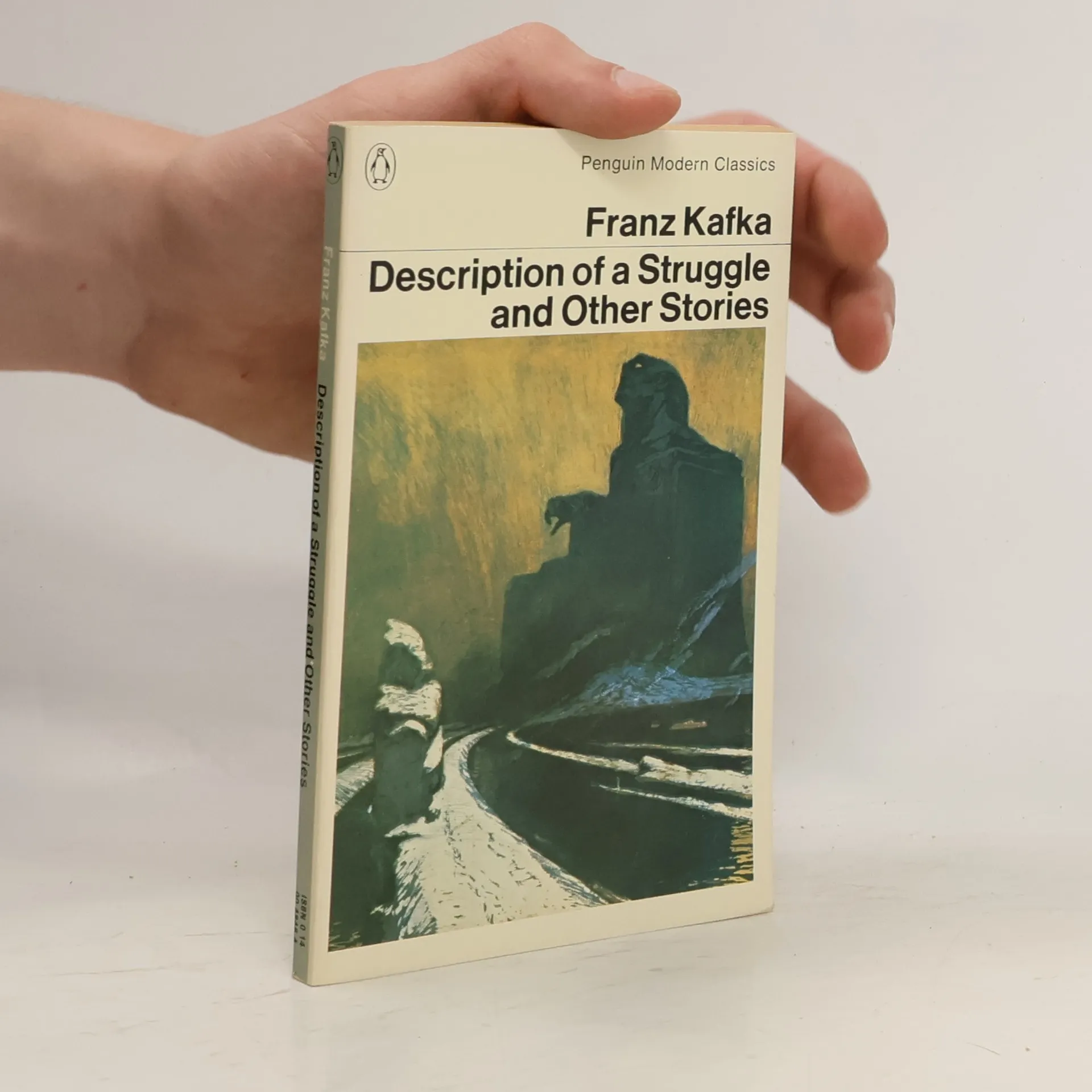
      Description of a Struggle is a three-part story written by Franz Kafka between 1903 and 1907. It constitutes his oldest surviving work and was only published after his death. The first and third sections describe Prague society- and night-life from the point of view of the author and his acquaintance. The central section can be viewed as a fantastical dream sequence divided into several sub-sections. Kafka wrote two versions of this story.

      Beschreibung eines Kampfes
      3.8
    • The Burrow and Other Stories

      • 240 pages
      • 9 hours of reading

      After Franz Kafka's death, in perhaps the most important of all acts of literary disobedience, his executor refused to agree to Kafka's wish that his great mass of unpublished fiction be destroyed. This fiction included not only The Castle and The Trial but also the amazingly varied, chilling and ingenious short works collected in The Burrow and Other Stories. These tales, some little more than a page, others much more substantial, are among the greatest works of Central European literature. They vary from the tiny and horrifying 'Little Fable' to the elaborate waking nightmares of 'Building the Great Wall of China' and the title story 'The Burrow', in which an unidentified creature describes its creation of an endlessly elaborate burrow to protect itself from unidentified enemies, but with every trap or tunnel only creating further terrors and uncertainty.

      The Burrow and Other Stories
      3.6
    • Blumfeld, an Elderly Bachelor

      • 88 pages
      • 4 hours of reading

      In this volume, British artist David Musgrave revisits Franz Kafka's novella Blumfeld, an Elderly Bachelor , the tale of a man who arrives home one day to find two plastic balls bouncing off the ground of their own accord. To his great irritation, these balls follow Blumfeld--who is a stickler for absolute order in his universe--wherever he goes, and his attempts to divest himself of their presence are described with Kafka's customary flair for the detached observation of the extremely bizarre. Musgrave has responded to Kafka's story with a series of pencil drawings of curious artifacts and pseudo-archaeological fragments of his own invention. Combined with John Morgan's austere design--which finds the book typeset in Kafka's preferred font and large type size, which he was never able to see printed in his lifetime--this volume almost feels like a case study of some unique bygone supernatural phenomenon.

      Blumfeld, an Elderly Bachelor
      3.5
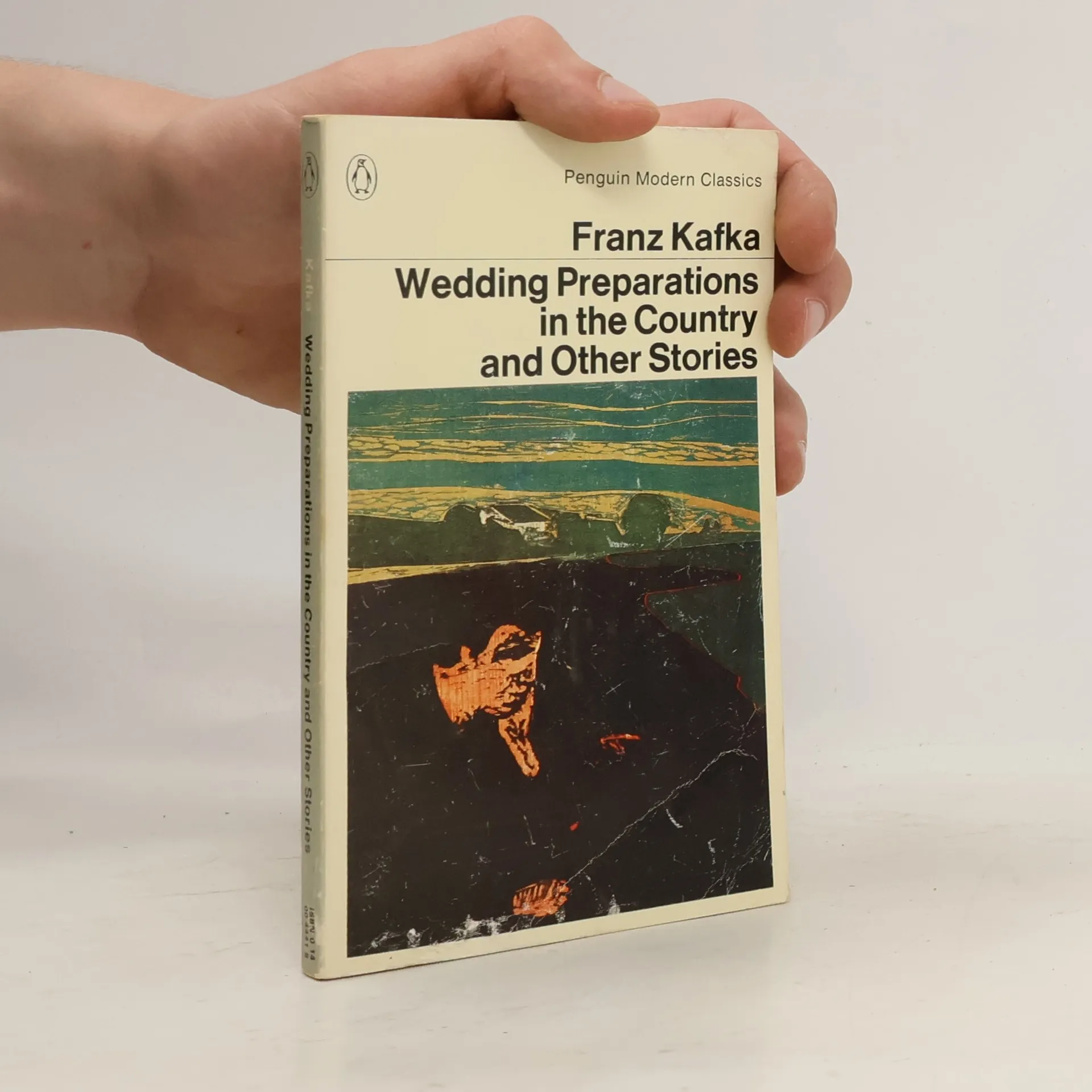
    • In these stories the obscure, yet terrifyingly clear world of Franz Kafka is given enigmatic force. The author's themes are not the fashionable ones of alienation, angst and existentialism; they are powerful allegories of man's spiritual exile from the reality of twentieth-century Europe.

      Wedding Preparations in the Country and Other Stories
      3.3
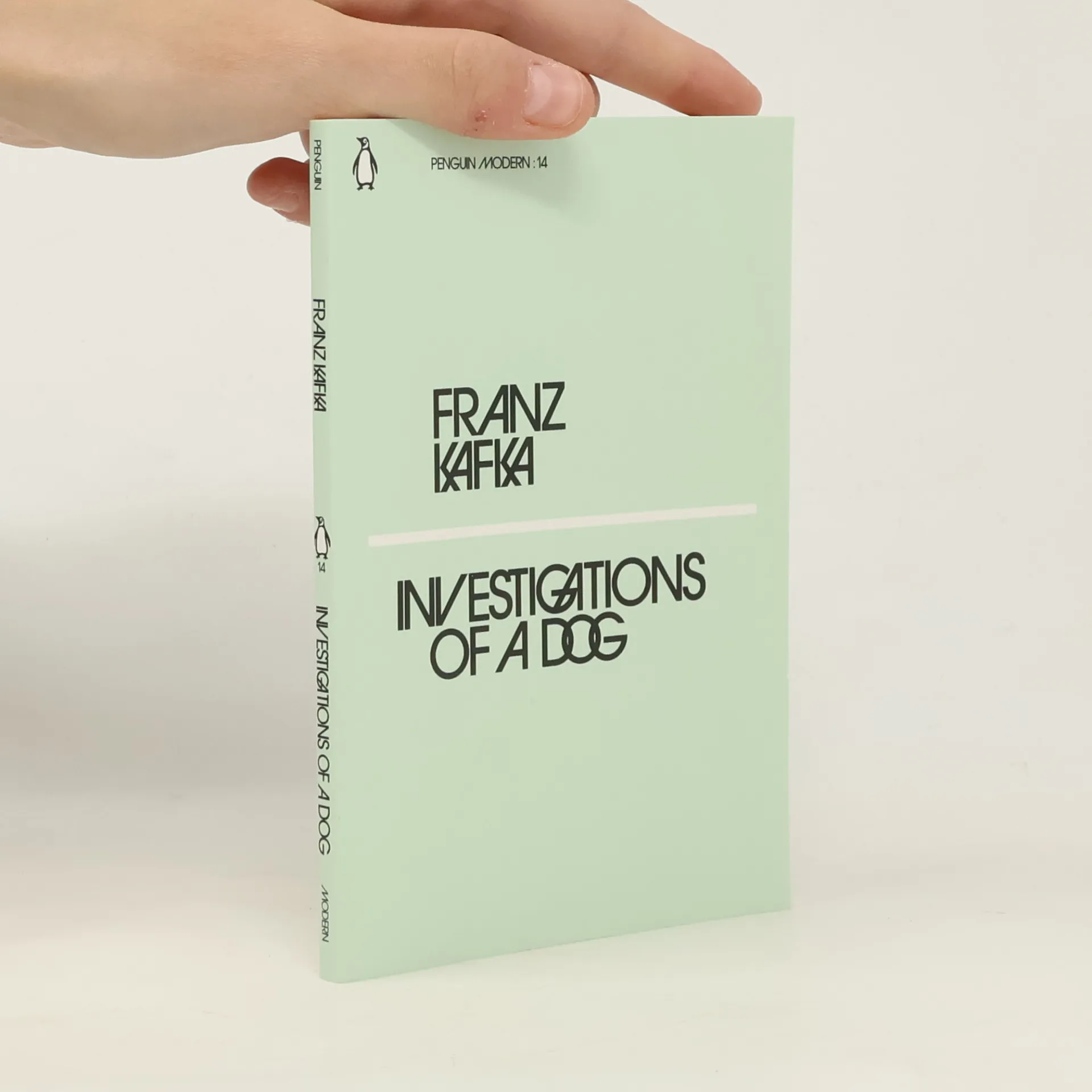
    • How does a dog see the world? How do any of us? In this story of a canine philosopher, Kafka explores the limits of knowledge

      Investigations of a dog
      3.0
    • The Castle and The Trial

      • 338 pages
      • 12 hours of reading

      The Castle: Arriving in a village to take up the position of land surveyor for the mysterious lord of a castle, the character known as K finds himself in a bitter and baffling struggle to contact his new employer and go about his duties. As the villagers and the Castle officials block his efforts at every turn, K's consuming quest - quite possibly a self-imposed one - to penetrate the inaccessible heart of the Castle and take its measure is repeatedly frustrated. Kafka once suggested that the would-be surveyor in The Castle is driven by a wish "to get clear about ultimate things," an unrealizable desire that provided the driving force behind all of Kafka's dazzlingly uncanny fictions. The Trial: Written in 1914, The Trial is the terrifying tale of Josef K, a respectable bank officer who is suddenly arrested and must defend himself against a charge about which he can get no information. Kafka's nightmare has resonated with chilling truth for generations of readers.

      The Castle and The Trial
    • Konundrum: Selected Prose of Franz Kafka

      • 381 pages
      • 14 hours of reading

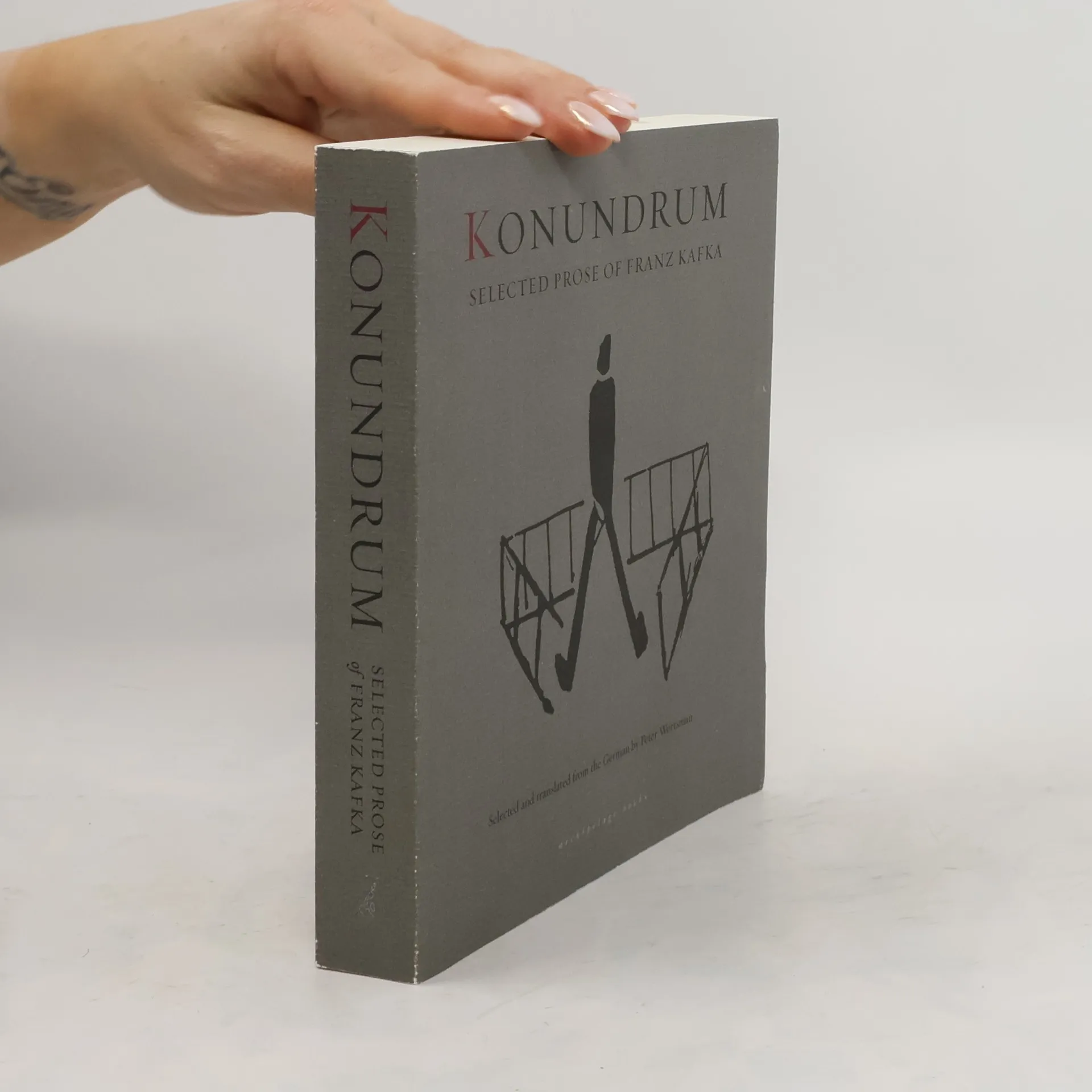
      In this new selection and translation, Peter Wortsman mines Franz Kafka's entire opus of short prose - including works published in the author's brief lifetime, posthumously published stories, journals and letters. The result is a thorough plumbing of the imaginative depths of the great German-Jewish scribe from Prague that refreshes the writer's mythic storytelling powers for a new generation of readers.

      Konundrum: Selected Prose of Franz Kafka
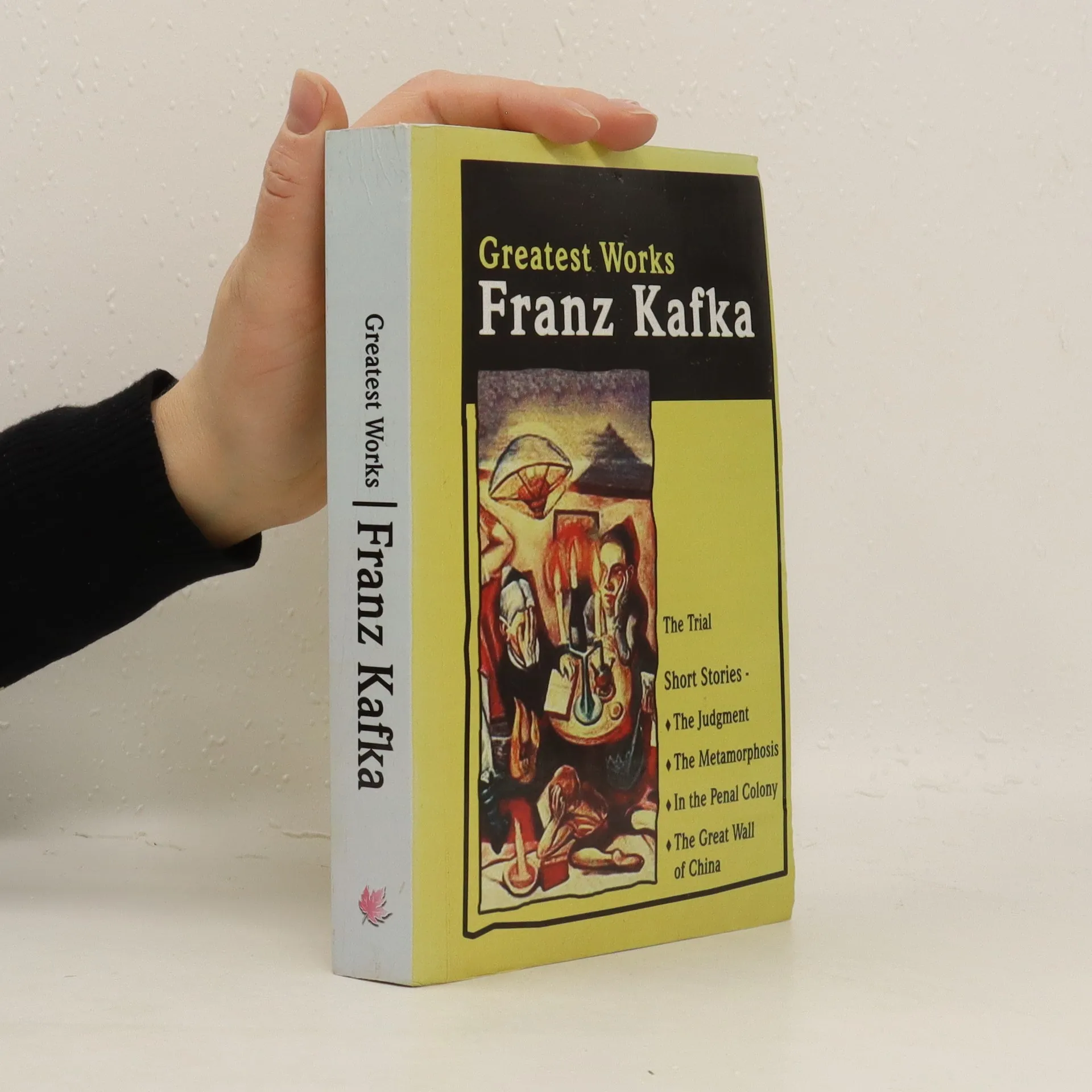
    • Greatest works. Franz Kafka

      • 584 pages
      • 21 hours of reading

      Acclaimed as one of the founding Masters of Modern World literature, Franz Kafka's influence has been too far,too wide and too deep for any comprehensive assessment.Enigmatic and paradoxical,full of predicaments of the modern man, these pieces of fiction reveal the breath of Kafka's literary vision and the extraordinary imaginative depth of his thought.

      Greatest works. Franz Kafka
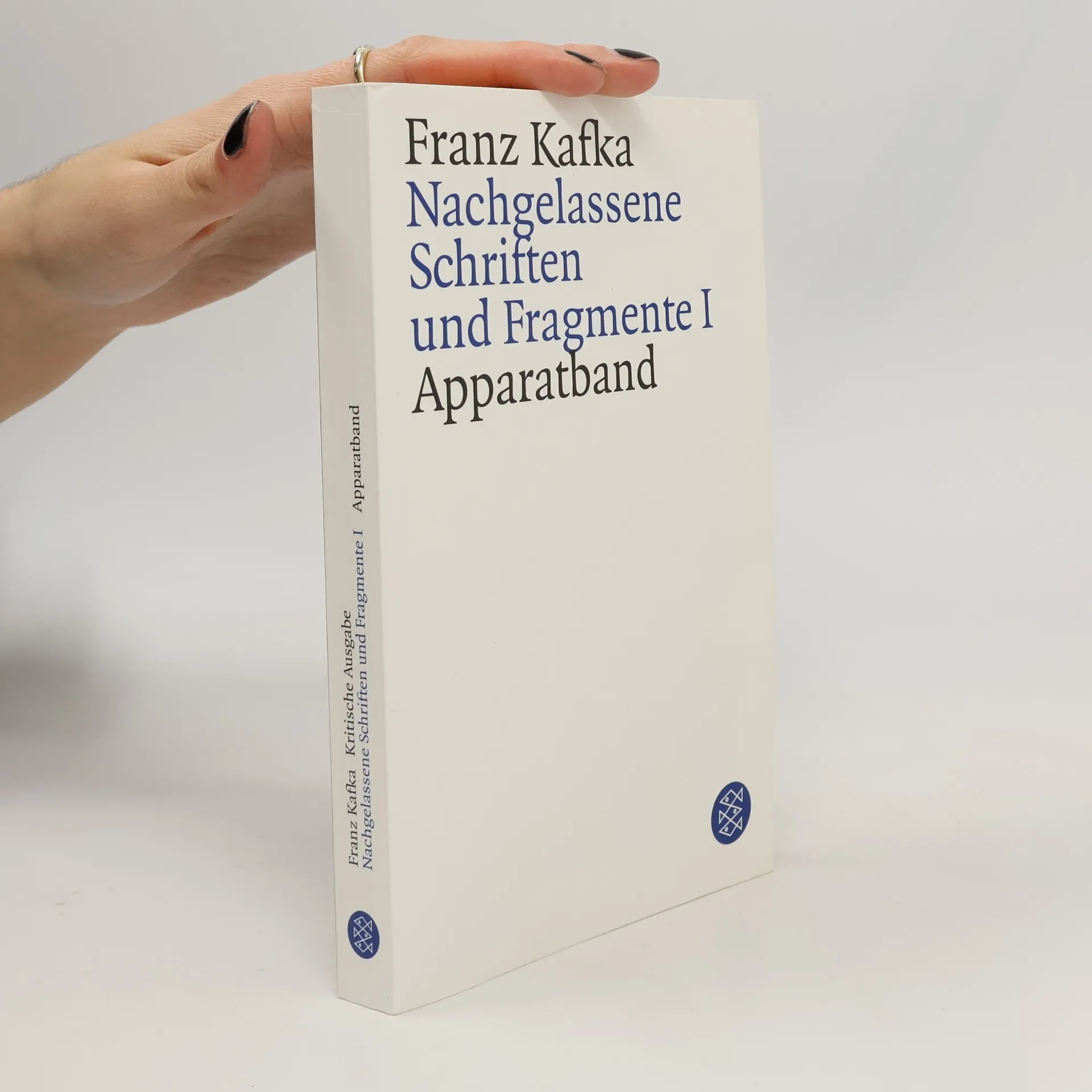
    • Die Kritische Ausgabe wendet sich an Leser, die Kafkas Texte in möglichst originalgetreuer Fassung lesen möchten, aber auch genauen Einblick in den verzweigten Entstehungsprozeß dieser Texte wünschen. Bei keinem Autor des 20. Jahrhunderts ist dieser Prozeß von größerer Bedeutung zum Verständnis des Werkes. Die limitierte Sonderausgabe präsentiert in 15 Bänden seitenidentisch mit der Kritischen Ausgabe die Schriften und die Tagebücher.

      Kritische Ausgabe: Nachgelassene Schriften und Fragmente I
      4.9
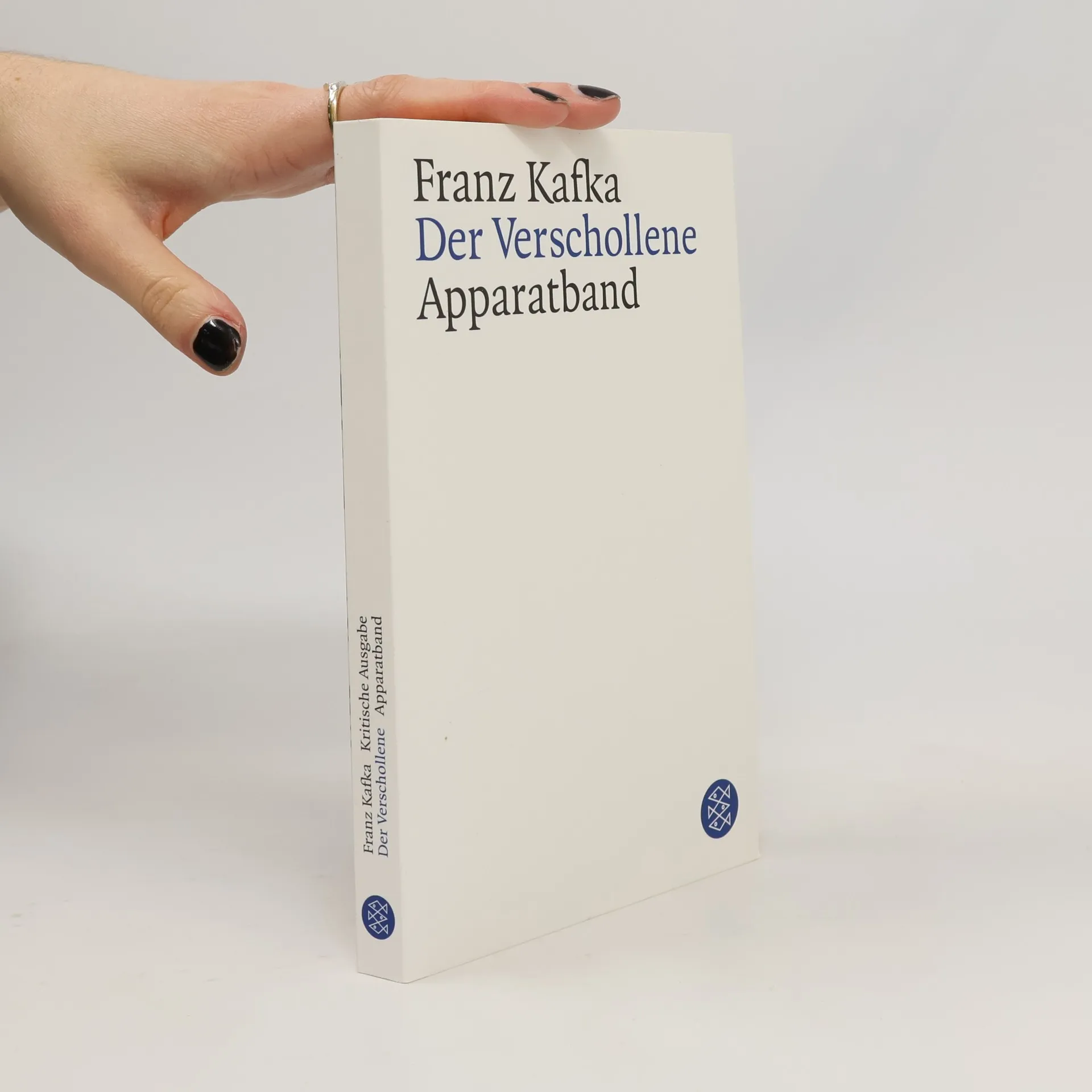
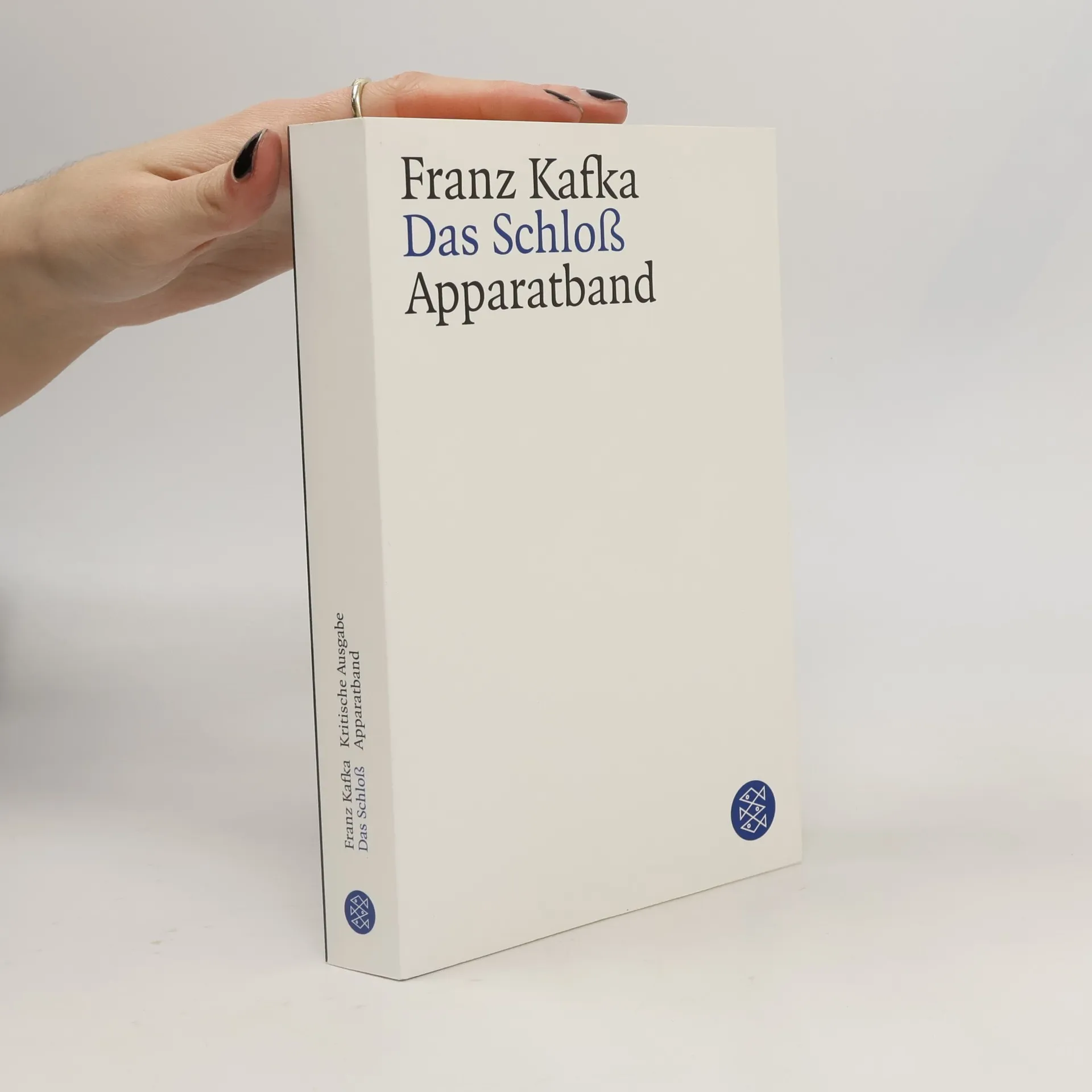
    • Kritische Ausgabe: Der Proceß

      Apparatband

      • 355 pages
      • 13 hours of reading

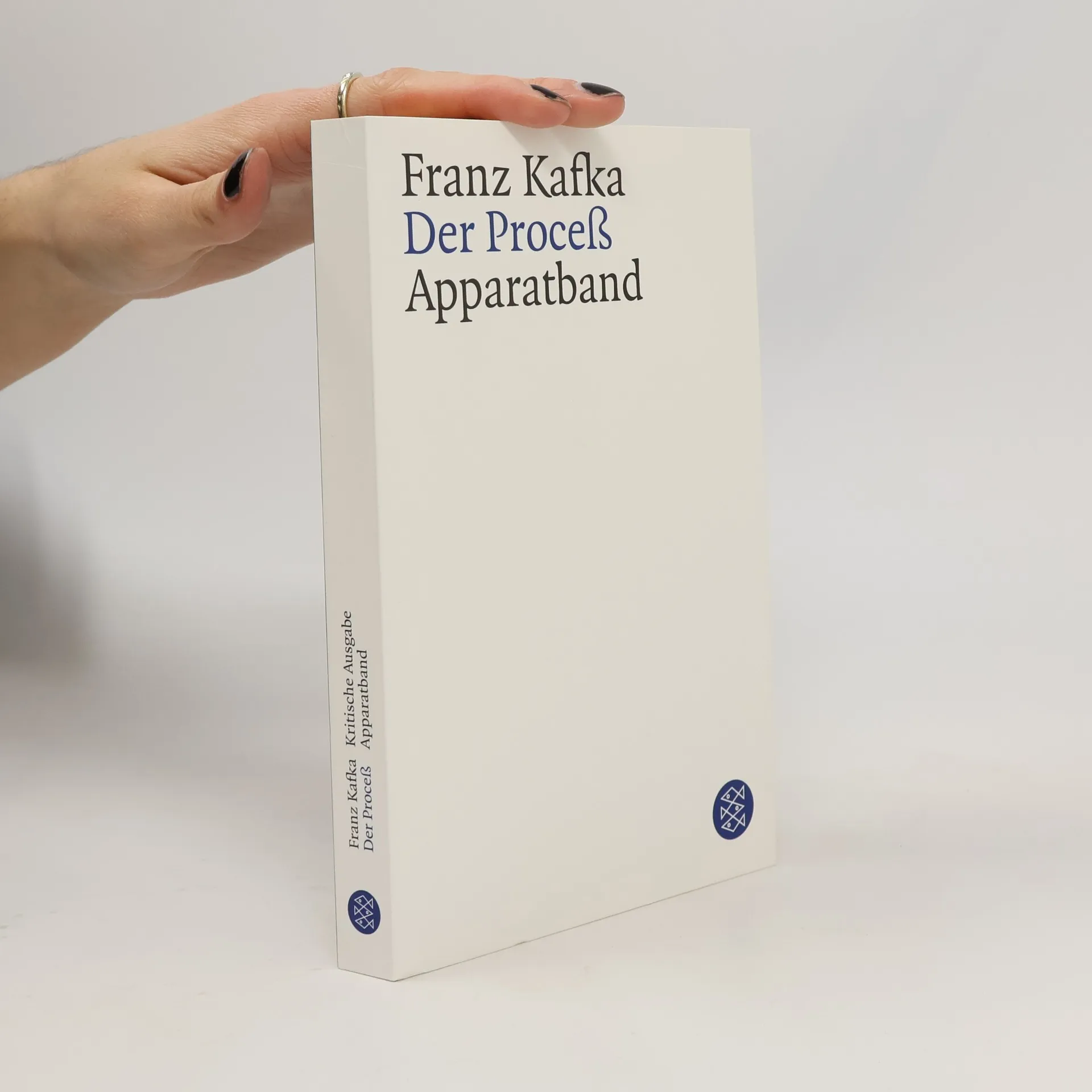
      Die Kritische Ausgabe wendet sich an Leser, die Kafkas Texte in möglichst originalgetreuer Fassung lesen möchten, aber auch genauen Einblick in den verzweigten Entstehungsprozeß dieser Texte wünschen. Bei keinem Autor des 20. Jahrhunderts ist dieser Prozeß von größerer Bedeutung zum Verständnis des Werkes. Die limitierte Sonderausgabe präsentiert in 15 Bänden seitenidentisch mit der Kritischen Ausgabe die Schriften und die Tagebücher.

      Kritische Ausgabe: Der Proceß
      4.9
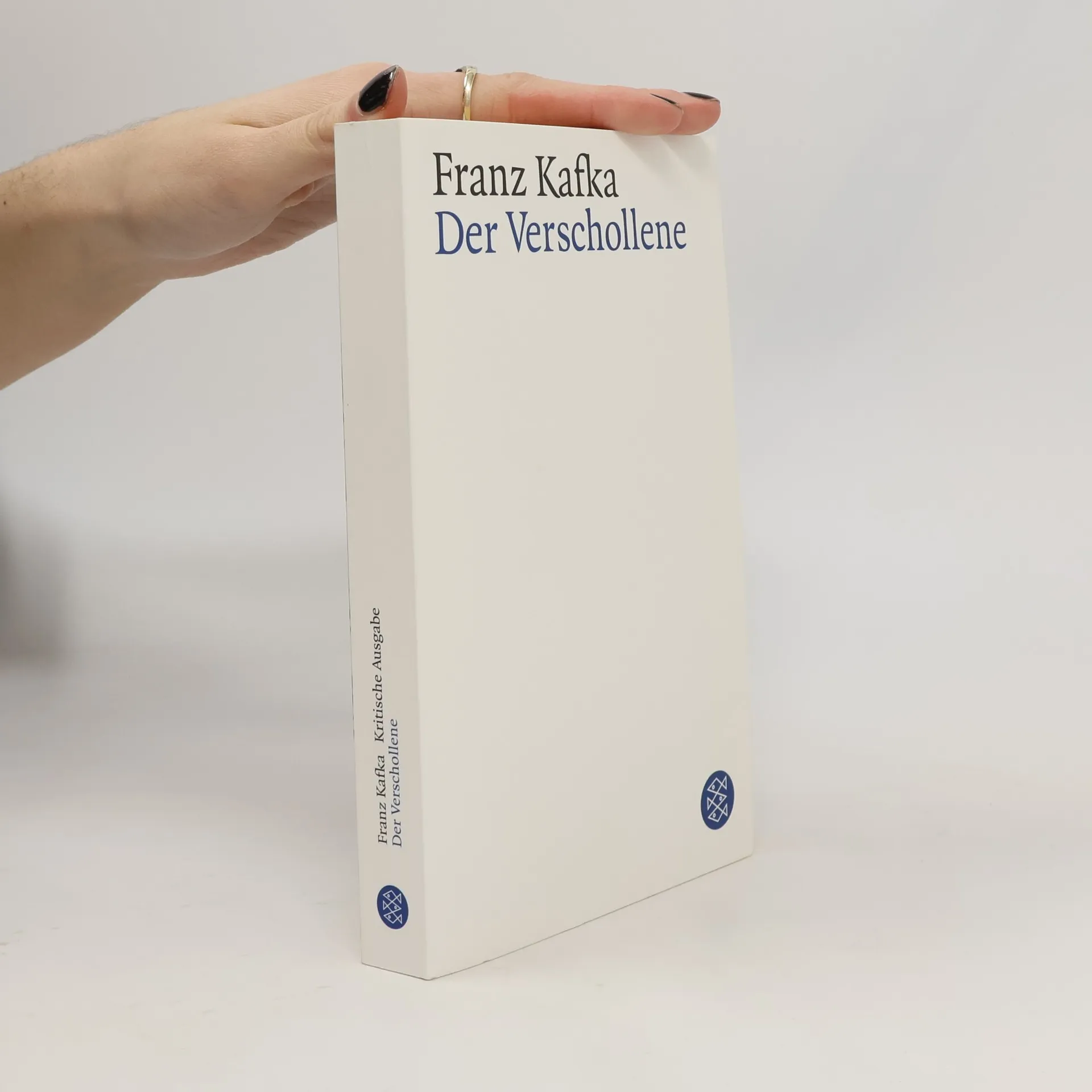
    • Die Kritische Ausgabe wendet sich an Leser, die Kafkas Texte in möglichst originalgetreuer Fassung lesen möchten, aber auch genauen Einblick in den verzweigten Entstehungsprozeß dieser Texte wünschen. Bei keinem Autor des 20. Jahrhunderts ist dieser Prozeß von größerer Bedeutung zum Verständnis des Werkes. Die limitierte Sonderausgabe präsentiert in 15 Bänden seitenidentisch mit der Kritischen Ausgabe die Schriften und die Tagebücher.

      Kritische Ausgabe: Der Verschollene
      4.9
    • Die Kritische Ausgabe wendet sich an Leser, die Kafkas Texte in möglichst originalgetreuer Fassung lesen möchten, aber auch genauen Einblick in den verzweigten Entstehungsprozeß dieser Texte wünschen. Bei keinem Autor des 20. Jahrhunderts ist dieser Prozeß von größerer Bedeutung zum Verständnis des Werkes. Die limitierte Sonderausgabe präsentiert in 15 Bänden seitenidentisch mit der Kritischen Ausgabe die Schriften und die Tagebücher.

      Kritische Ausgabe: Der Verschollene
      4.9
    • Die Kritische Ausgabe wendet sich an Leser, die Kafkas Texte in möglichst originalgetreuer Fassung lesen möchten, aber auch genauen Einblick in den verzweigten Entstehungsprozeß dieser Texte wünschen. Bei keinem Autor des 20. Jahrhunderts ist dieser Prozeß von größerer Bedeutung zum Verständnis des Werkes. Die limitierte Sonderausgabe präsentiert in 15 Bänden seitenidentisch mit der Kritischen Ausgabe die Schriften und die Tagebücher.

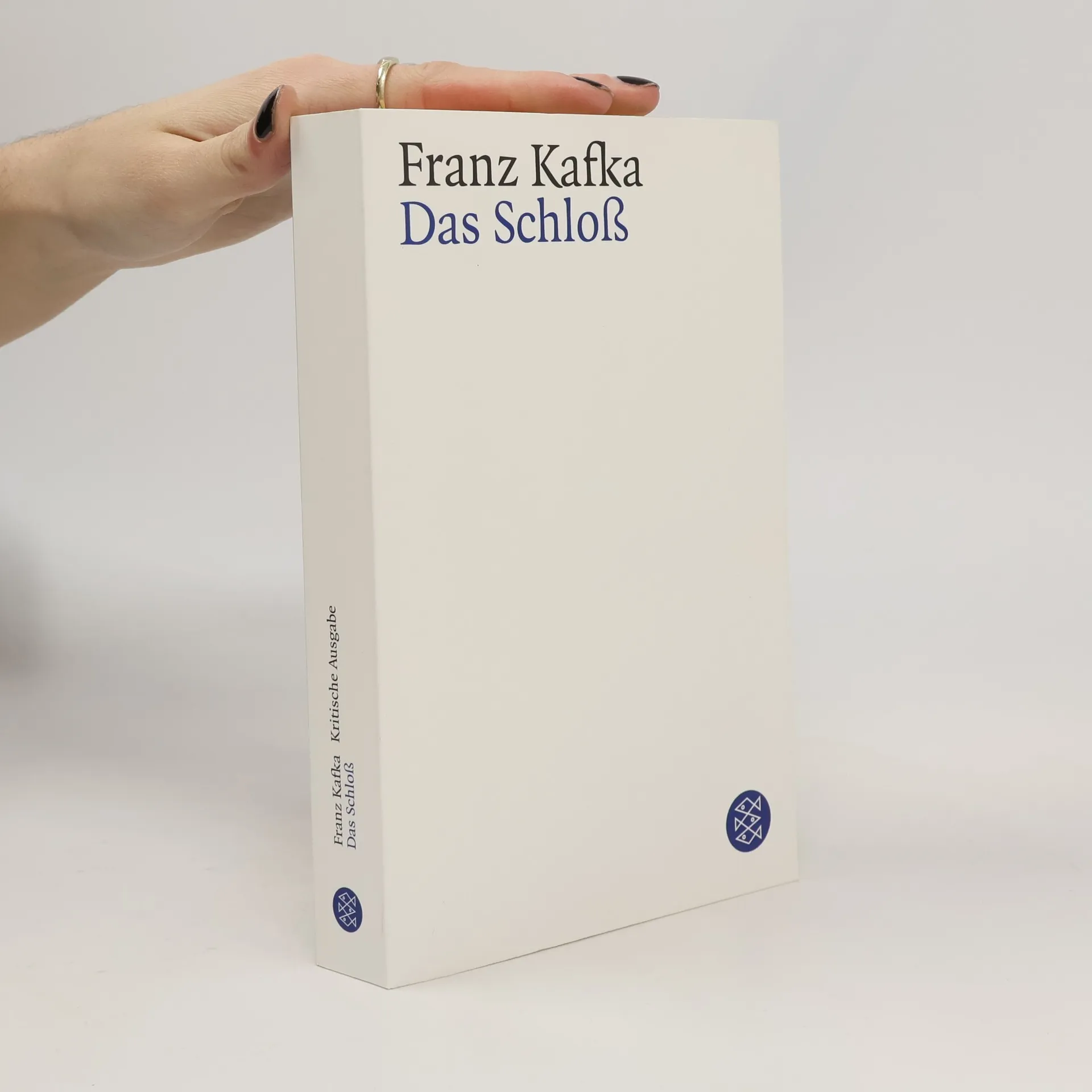
      Kritische Ausgabe: Das Schloß
      4.9
    • Die Kritische Ausgabe wendet sich an Leser, die Kafkas Texte in möglichst originalgetreuer Fassung lesen möchten, aber auch genauen Einblick in den verzweigten Entstehungsprozeß dieser Texte wünschen. Bei keinem Autor des 20. Jahrhunderts ist dieser Prozeß von größerer Bedeutung zum Verständnis des Werkes. Die limitierte Sonderausgabe präsentiert in 15 Bänden seitenidentisch mit der Kritischen Ausgabe die Schriften und die Tagebücher.

      Kritische Ausgabe: Das Schloß
      4.9
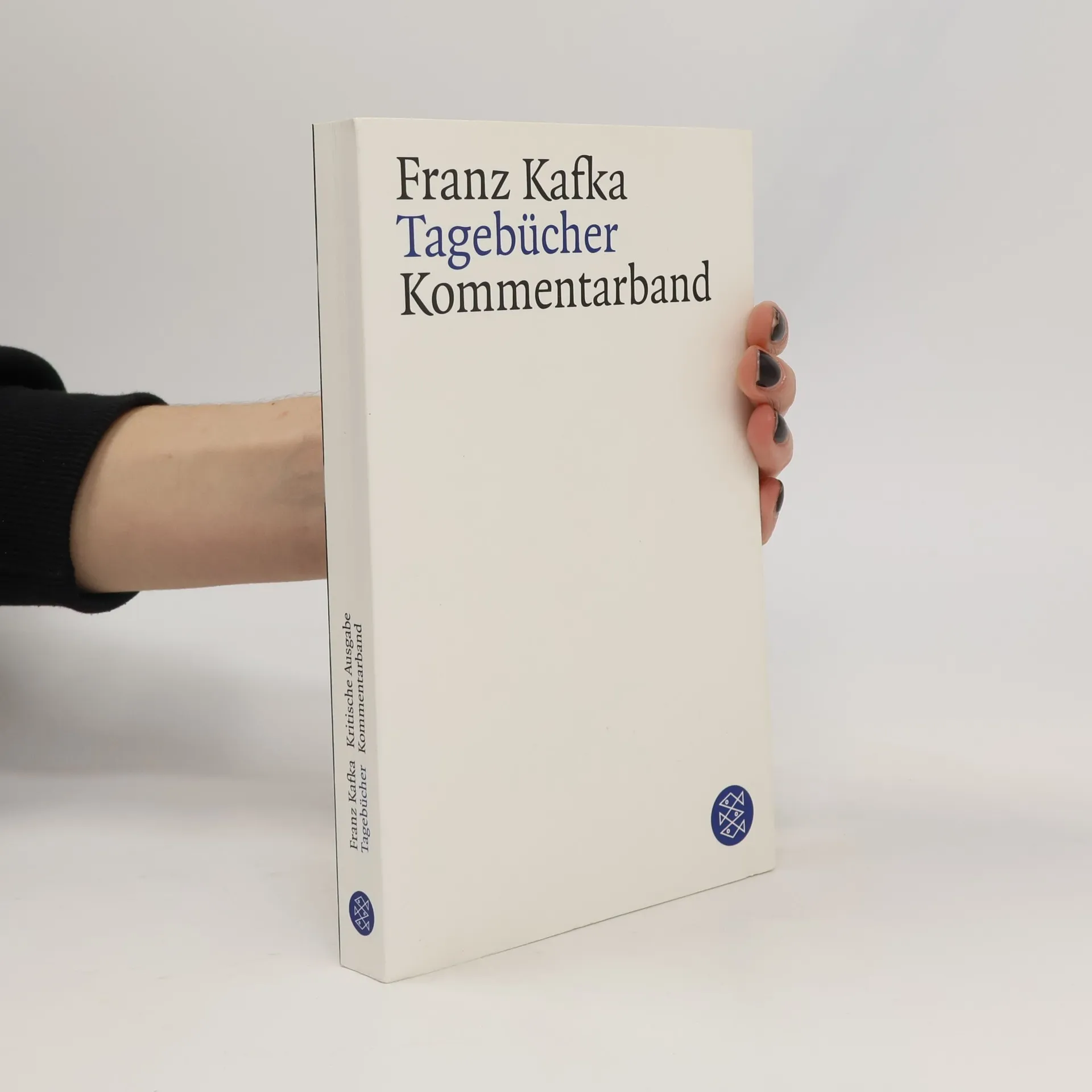
    • Kritische Ausgabe: Tagebücher

      Kommentarband

      • 1064 pages
      • 38 hours of reading

      Die Kritische Ausgabe wendet sich an Leser, die Kafkas Texte in möglichst originalgetreuer Fassung lesen möchten, aber auch genauen Einblick in den verzweigten Entstehungsprozeß dieser Texte wünschen. Bei keinem Autor des 20. Jahrhunderts ist dieser Prozeß von größerer Bedeutung zum Verständnis des Werkes. Die limitierte Sonderausgabe präsentiert in 15 Bänden seitenidentisch mit der Kritischen Ausgabe die Schriften und die Tagebücher.

      Kritische Ausgabe: Tagebücher
      4.9
    • Die Kritische Ausgabe bietet eine originalgetreue Lesefassung von Kafkas Texten und gewährt Einblick in deren Entstehungsprozess, der für das Verständnis seines Werkes entscheidend ist. Die limitierte Sonderausgabe umfasst 15 Bände, die seitenidentisch mit der Kritischen Ausgabe sind.

      Kritische Ausgabe. Schriften - Tagebücher. Kassette mit fünfzehn Bänden
      4.9
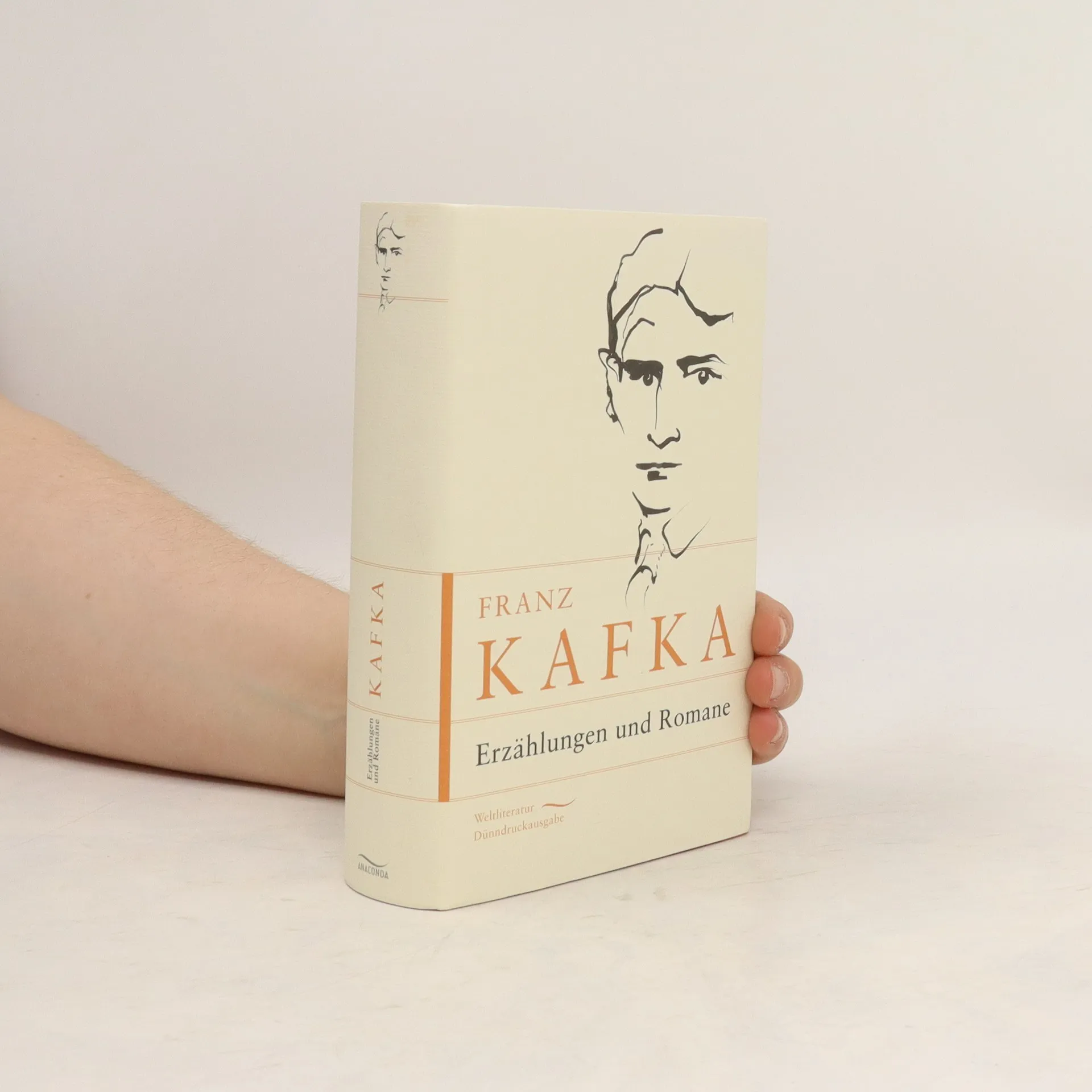
    • Erzählungen und Romane

      • 1504 pages
      • 53 hours of reading

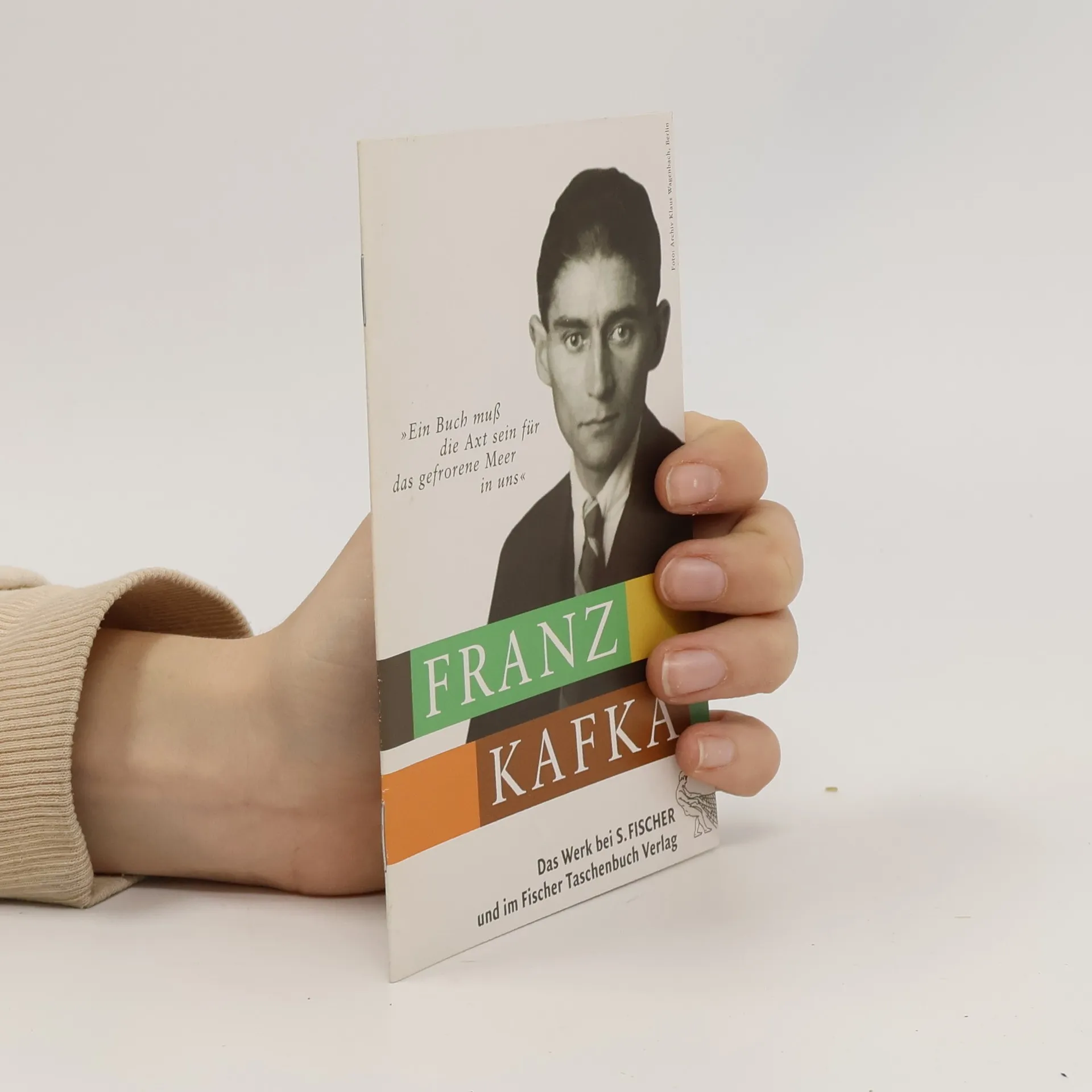
      Ein Buch muss die Axt sein »für das gefrorene Meer in uns«, forderte Franz Kafka vorzeiten – und nur wenige Werke der Weltliteratur kommen diesem Motto so nahe wie das Jahrhundertwerk des weltberühmten Prager Dichters, dessen poetische Kraft bis heute ungebrochen ist. Diese Ausgabe präsentiert sämtliche zu Lebzeiten erschienenen Erzählungen und die aus dem Nachlass von Max Brod herausgegebenen Prosastücke sowie die großen Romanfragmente »Amerika« (Der Verschollene), »Der Prozess« und »Das Schloss«. Inhalt: Sämtliche Erzählungen Amerika (Der Verschollene) Der Prozess Das Schloss Anaconda Weltliteratur-Dünndruckausgabe: in Leinen gebunden, mit Goldprägung, Schutzumschlag und Lesebändchen, auf Dünndruckpapier gedruckt Sämtliche Erzählungen und Romane des großen Prager Dichters Ausstattung: Iris-Leinen, Lesebändchen, Dünndruckpapier

      Erzählungen und Romane
      5.0
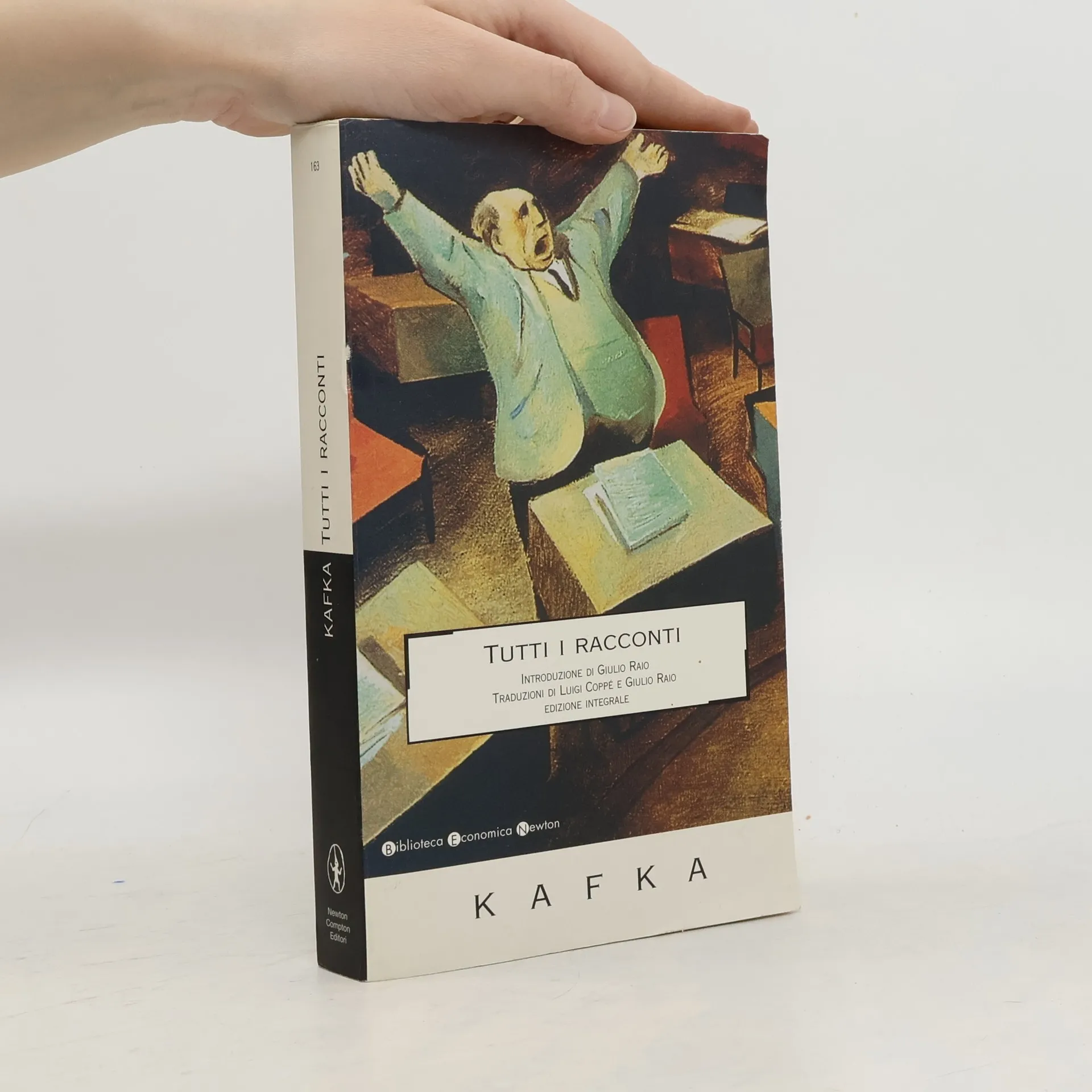
    • Biblioteca Economica Newton: Tutti i racconti

      Edizione integrale

      • 361 pages
      • 13 hours of reading

      Questo libro raccoglie l'opera narrativa di uno tra i maggiori scrittori del Novecento, colui che più di ogni altro ha dato voce alle inquietudini dell'uomo moderno. America (iniziato nel 1910 e pubblicato nel 1927), Il processo (scritto tra il 1914 e il 1915, pubblicato nel 1924), e Il castello (scritto nel 1922 e pubblicato nel 1926) sono ormai tra i più celebri romanzi della letteratura moderna, in cui ritorna, pur sotto differenti trame, il tema dell'angoscia per una persecuzione assurda e incomprensibile. Lo sguardo appassionato e acuto e l'intelligenza profonda del giovane Franz svelano e rendono altissima letteratura le contraddizioni, i drammi, la violenza e la stupidità nascosti sotto le apparenze del reale. Un posto di rilievo nell'opera di Kafka spetta anche ai racconti, molti dei quali, come La metamorfosi, Nella colonia penale, Il messaggio imperiale, sono veri capolavori.

      Biblioteca Economica Newton: Tutti i racconti
      4.6
    • Neun Kurzgeschichten Franz Kafkas von 1909-1931

      Ein Damenbrevier, Grosser Lärm, Der Heizer, Die Verwandlung, Der Mord, Eine kaiserliche Botschaft, Auf der Galerie, Das Stadtwappen, Die Brücke

      • 124 pages
      • 5 hours of reading

      Das Buch bietet eine tiefgehende Analyse von Frauenfiguren in der neueren deutschen Literatur. Es untersucht, wie diese Charaktere in verschiedenen gesellschaftlichen und historischen Kontexten dargestellt werden und welche Rolle sie im literarischen Diskurs spielen. Der Fokus liegt auf der literarischen Repräsentation von Frauen und deren Einfluss auf die Entwicklung der deutschen Literatur. Zudem werden zentrale Themen wie Identität, Emanzipation und Geschlechterrollen behandelt, um ein umfassendes Bild der weiblichen Perspektive in der Literatur zu zeichnen.

      Neun Kurzgeschichten Franz Kafkas von 1909-1931
      4.8
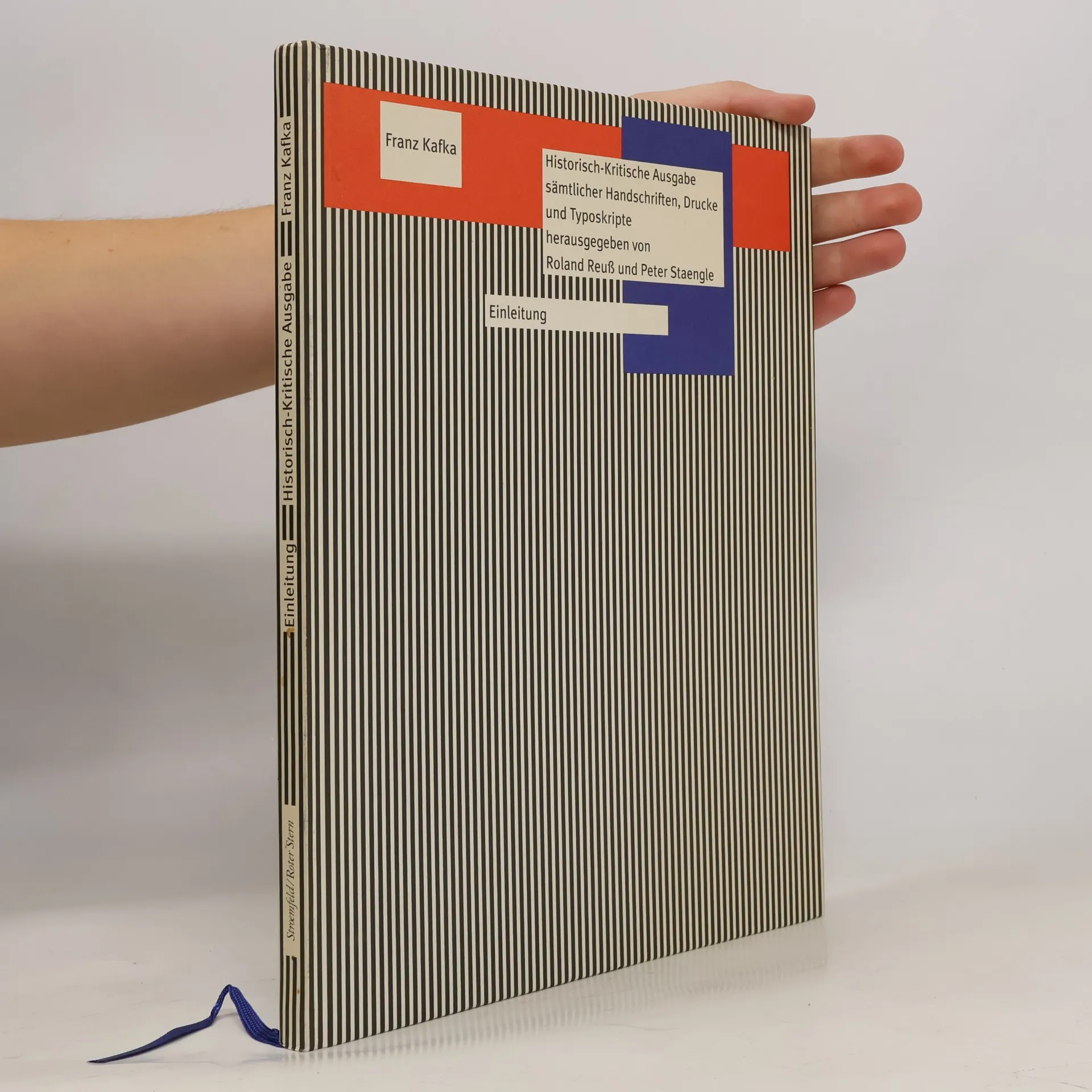
    • Die Franz Kafka- Ausgabe (FKA, weitere Informationen siehe auch beim Institut für Textkritik) folgt in Wortlaut, Orthographie und Zeichensetzung den überlieferten Handschriften und Typoskripten. Diese werden in der FKA im Faksimile wiedergegeben, wobei die Handschriften mit einer typographischen Umschrift versehen sind. Die Ausgabe folgt streng der Form der Überlieferung und enthält sich jeden Eingriffs in den Wortlaut der Manuskripte. Die gut leserliche Handschrift Kafkas, die Transparenz des editorischen Verfahrens sowie die Übersichtlichkeit von Textgestaltung und Ausstattung kommen den Anspüchen des lesenden Publikums entgegen. Im Unterschied zu allen bisherigen Kafka- Ausgaben wird das gesamte überlieferte Werk dokumentiert, also auch die amtlichen Schriften Kafkas und die Hebraica. Alle Texte werden den Originalen getreu mitgeteilt. Generalisierungen sowie Standardisierung von Textdifferenzen sind ebenso ausgeschlossen wie Modernisierung oder - im Falle der Wiedergabe von Drucktexten - unausgewiesene Korrekturen oder Veränderungen.

      Historisch-kritische Ausgabe sämtlicher Handschriften, Drucke und Typoskripte
      5.0
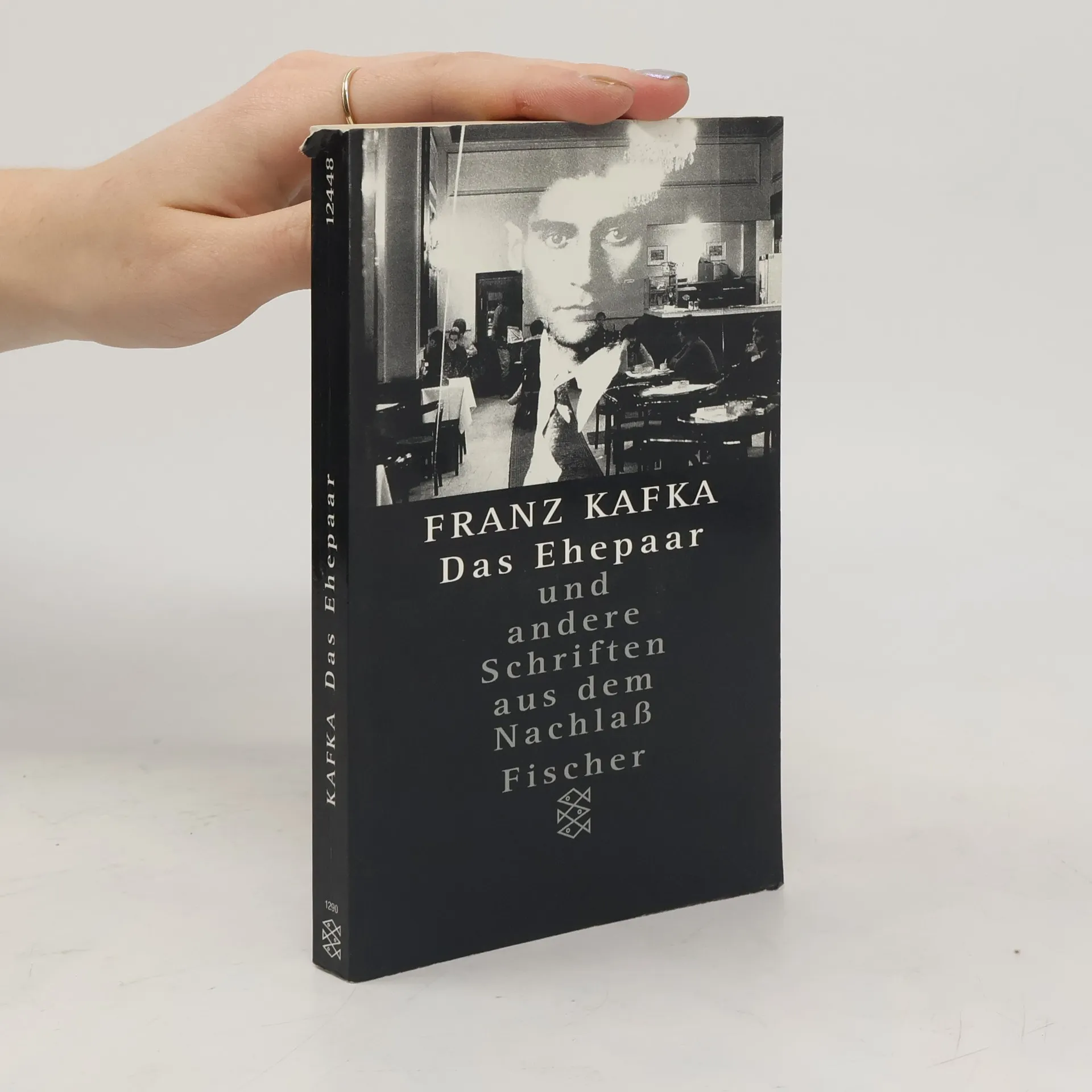
    • Das Ehepaar

      und andere Schriften aus dem Nachlass

      • 265 pages
      • 10 hours of reading

      ›Ein junger Student‹, ›Bilder von der Verteidugung eines Hofes‹ sowie ›Der Bau‹ und Texte aus dem ›Hungerkünstler‹-Komplex sind in diesem vierten Band der Schriften aus dem Nachlass enthalten. »Sie schläft. Ich wecke sie nicht. Warum weckst Du sie nicht? Es ist mein Unglück und mein Glück.« »Kafkas Sprache ist Kafka selbst und seine Welt ist nur in seiner Sprache möglich und denkbar. Ähnlich wie Paul Klees oder Marc Chagalls malerische und zeichnerische Handschrift nichts Entlehntes hat und von niemandem entlehnt werden kann, weil sie aus einem Stück ist mit dem Geist und der Absicht ihrer Schöpfungen.« Johannes Urzidil

      Das Ehepaar
      4.6
    • Kafka - Sämtliche Erzählungen. Schmuckausgabe mit Kupferprägung

      Die Verwandlung, das Urteil, In der Strafkolonie und 75 weitere Prosastücke

      • 606 pages
      • 22 hours of reading

      Glück sei ihm nur beschieden, falls er »die Welt ins Reine, Wahre, Unveränderliche heben kann«, notierte Kafka 1917 in sein Tagebuch. Auch wenn er selbst sich mit seiner Erzählkunst an diesem Wunsch gescheitert sah – die ungeheure und anhaltende Wirkung seiner Prosa spricht für sich. Diese Schmuckausgabe mit Kupferprägung präsentiert alle zu Lebzeiten erschienenen Erzählungen des weltberühmten Prager Dichters sowie die von Max Brod aus dem Nachlass herausgegebenen Prosastücke, deren faszinierende poetische Kraft bis heute ungebrochen ist. »Die Verwandlung« und 77 weitere Erzählungen auf 608 Seiten »Ein Buch muss die Axt sein für das gefrorene Meer in uns.« Franz Kafka »Junge Menschen bei Tiktok haben Franz Kafka für sich entdeckt. Einen Autor, der seit fast 100 Jahren tot ist, dessen Werk Weltliteratur ist, aber nicht gerade leicht zugänglich. Franz Kafka ist zum Schwarm der Generation Z geworden.« Stern 2023 »Gen Z ist in Franz Kafka verknallt – und macht den Autor zum Tiktok-Star« Stern 2023 Ausstattung: Surbalin Linea mit Schmuckprägung

      Kafka - Sämtliche Erzählungen. Schmuckausgabe mit Kupferprägung
      5.0
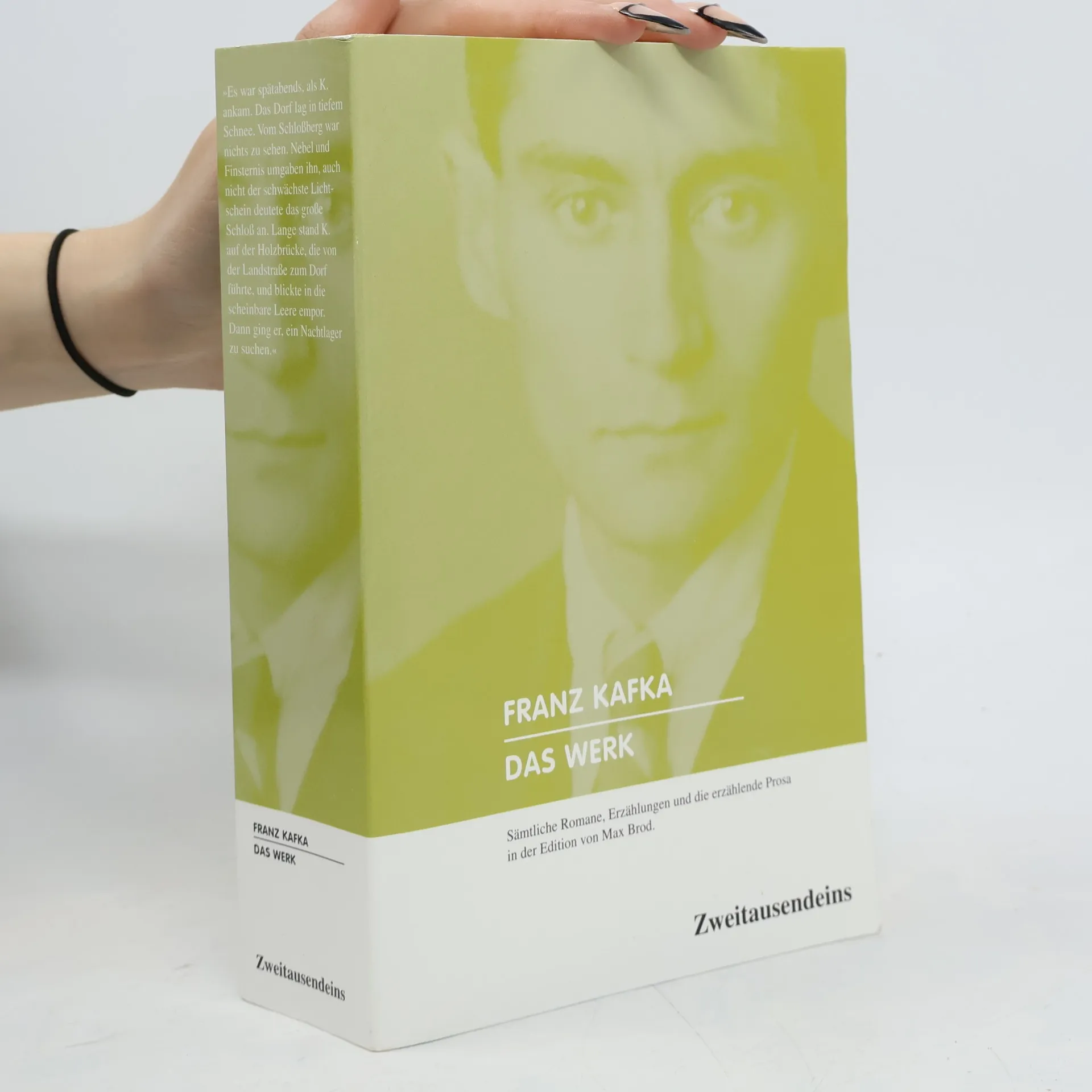
    • Das Werk

      • 1232 pages
      • 44 hours of reading

      Gesamtausgabe sämtlicher Romane und Erzählungen Franz Kafkas.

      Das Werk
      4.5
    • Eine Freundschaft. Briefwechsel

      • 538 pages
      • 19 hours of reading

      Die Dokumentation der Freundschaft zwischen Max Brod und Franz Kafka wird mit diesem zweiten Band abgeschlossen. Erstmals werden die Briefe und Antwortbriefe der beiden Freunde einander gegenübergestellt, wodurch ihr Gespräch lebendig wird und ihre Freundschaft anschaulich wird. Kafkas Briefe sind häufig Bitten um Gegenbriefe; er greift Äußerungen seines Partners auf und fordert ihn auf, diese zu vertiefen. So lassen sich die fehlenden Briefe Brods aus der früheren Zeit wie in einem Spiegel mitlesen. Die Korrespondenz beginnt 1904 in lockerem Rhythmus und intensiviert sich ab September 1917 mit dem Ausbruch von Kafkas Krankheit. Stilistisch sind ihre Briefe grundverschieden: Brods Äußerungen sind spontan und privat, ohne literarische Absicht, während Kafka versucht, das, was ihm „in immer neuen Formen durch den Kopf“ geht, auszudrücken. Er sucht nach dem, was nicht mitteilbar ist, und möchte schreibend eine vertraute Stunde mit Brod verbringen. Nach einer tiefen Depression zögert Kafka jedoch ab 1921 mit dem Briefeschreiben, auch gegenüber Brod. Im Oktober 1923 erklärt er, dass sein Schweigen „strategische“ Gründe hat; er vertraut seinen Worten und Briefen nicht und möchte sein Herz nicht mit „Gespenstern“ teilen, die mit den Worten spielen.

      Eine Freundschaft. Briefwechsel
      5.0
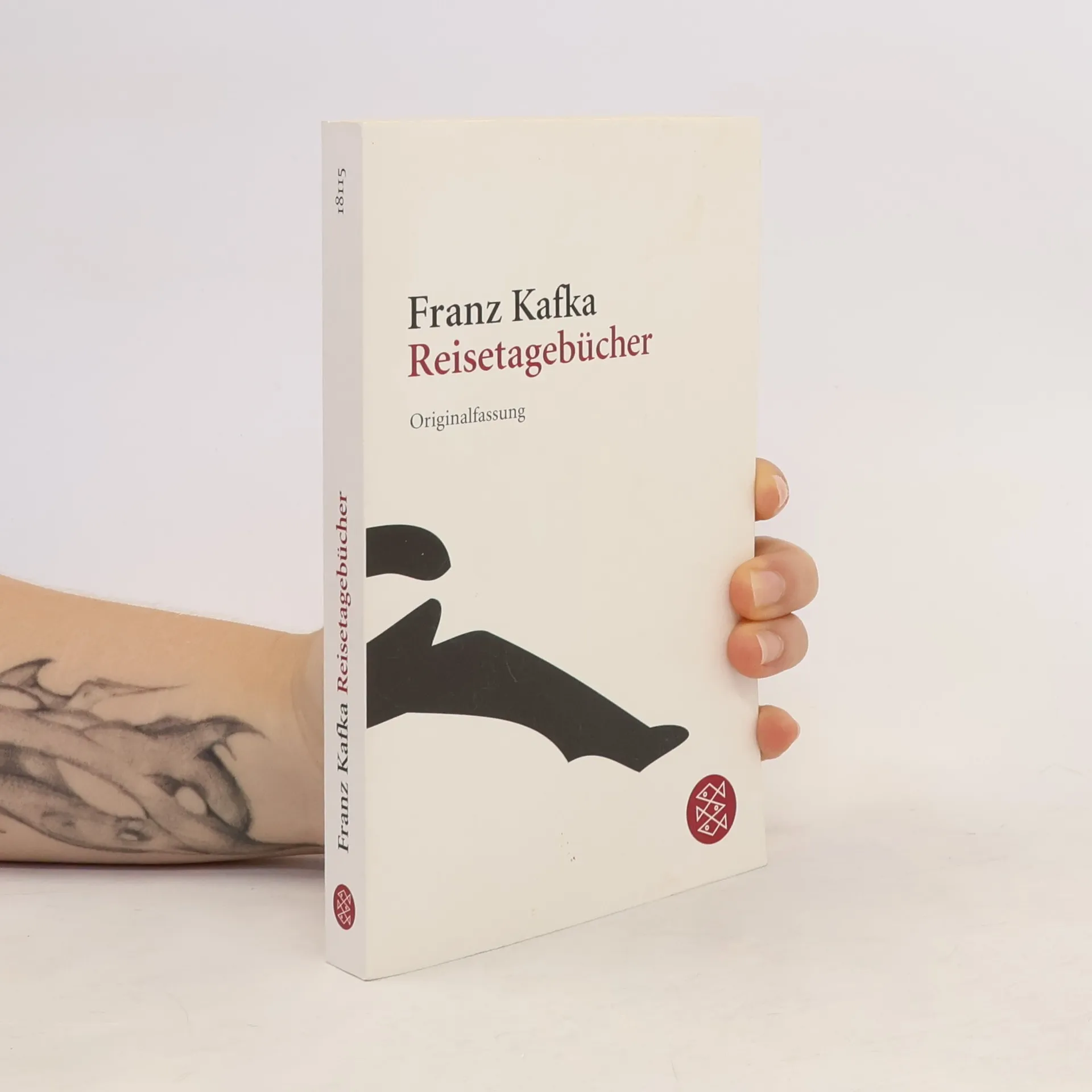
    • In den Jahren 1910 bis 1912 machten Franz Kafka und Max Brod unabhängig voneinander Aufzeichnungen von ihren gemeinsamen Reisen; die Gegenüberstellung der Niederschriften verdeutlicht das Gegensätzliche im zusammen Erlebten. Das Schloß in Friedland. Die vielen Möglichkeiten, es zu sehen: aus der Ebene, von einer Brücke, aus dem Park, zwischen entlaubten Bäumen, aus dem Wald zwischen großen Tannen durch. Nie im Leben bin ich je wieder so ausgeglichen heiter gewesen wie in den mit Kafka verbrachten Reisewochen... - es war ein großes Glück, in Kafkas Nähe zu leben. Max Brod

      Reisetagebücher
      4.5
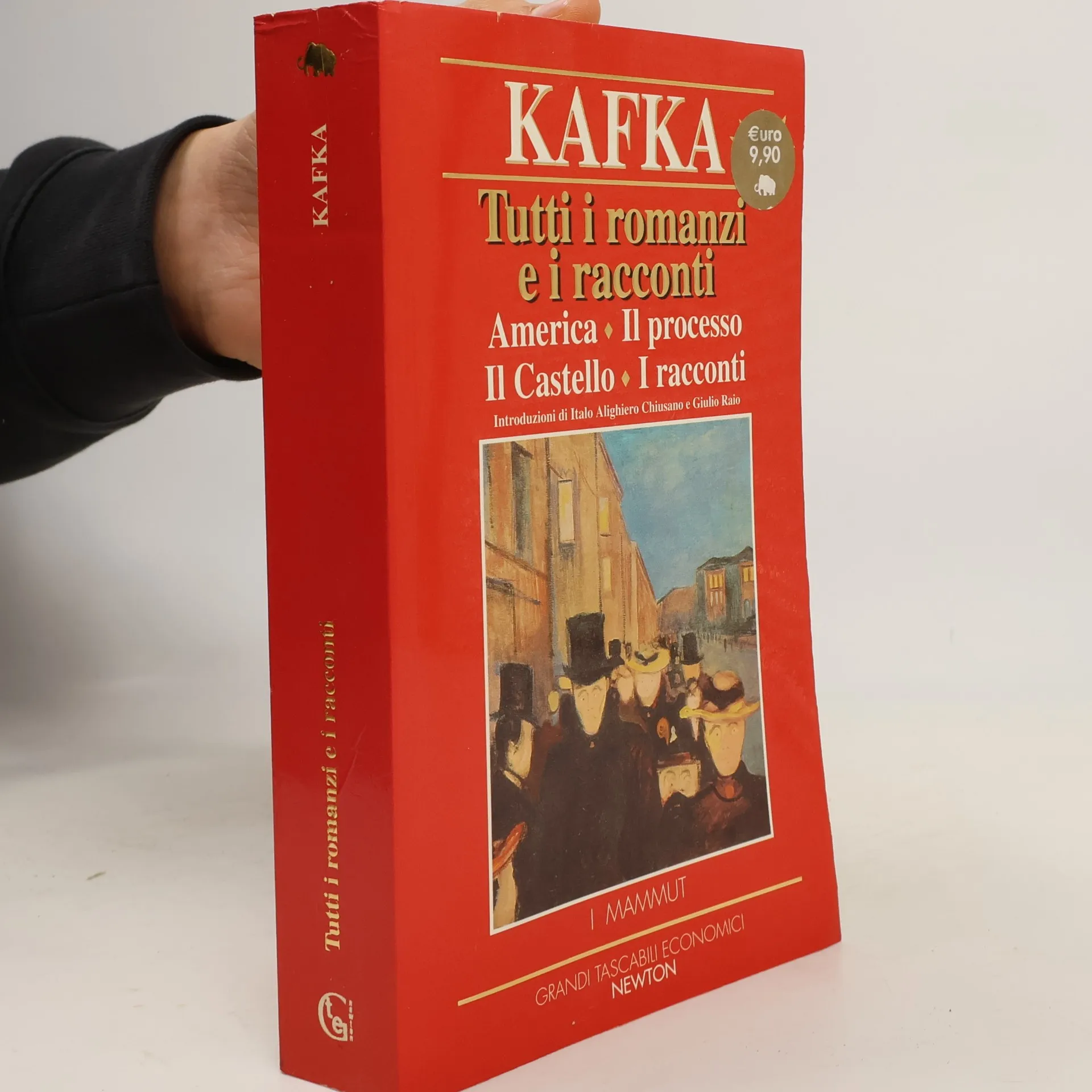
    • • America • Il processo • Il castello • Racconti pubblicati dall’autore • Racconti pubblicati frammentariamente • Racconti postumi • Considerazioni sul peccato, il dolore, la speranza e la vera via • Gli otto quaderni in ottavo • Frammenti da quaderni e fogli sparsi • Paralipomeni Questo libro raccoglie l’opera narrativa di uno tra i maggiori scrittori del Novecento, colui che più di ogni altro ha dato voce alle inquietudini dell’uomo moderno. America (iniziato nel 1910 e pubblicato nel 1927), Il processo (scritto tra il 1914 e il 1915, pubblicato nel 1924), e Il castello (scritto nel 1922 e pubblicato nel 1926) sono ormai tra i più celebri romanzi della letteratura moderna, in cui ritorna, pur sotto differenti trame, il tema dell’angoscia per una persecuzione assurda e incomprensibile. Lo sguardo appassionato e acuto e l’intelligenza profonda del giovane Franz svelano e rendono altissima letteratura le contraddizioni, i drammi, la violenza e la stupidità nascosti sotto le apparenze del reale. Un posto di rilievo nell’opera di Kafka spetta anche ai racconti, molti dei quali, come La metamorfosi, Nella colonia penale, Il messaggio imperiale, sono veri capolavori. Completano il volume le raccolte di aforismi, pensieri, appunti, alcune pubblicate nella forma voluta dall’autore (come le Considerazioni), altre curate dopo la sua morte dall’amico Max Brod.

      I Mammut Gold: Tutti i romanzi, i racconti, pensieri e aforismi. Ediz. integrale
      4.4
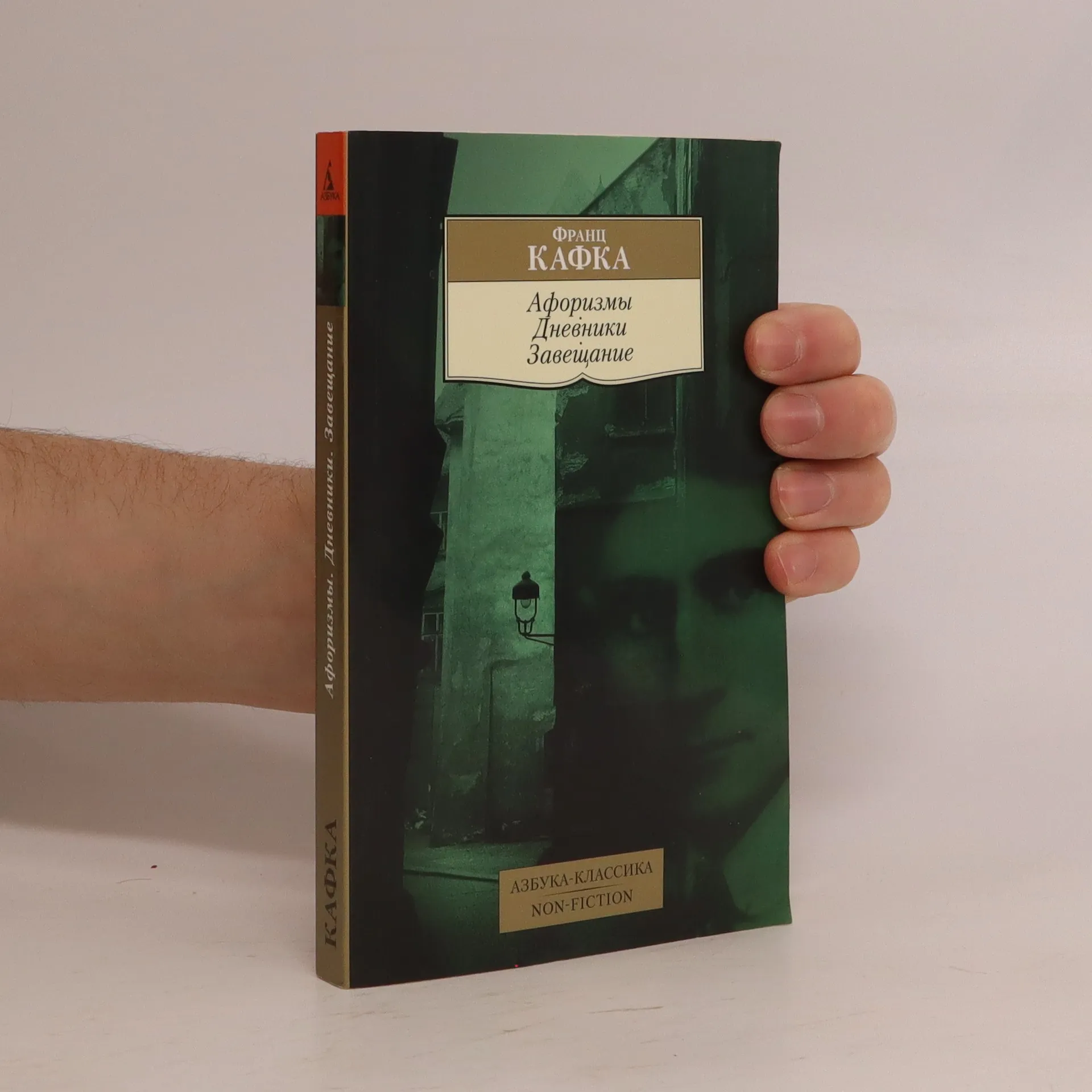
    • Франц Кафка - один из крупнейших писателей ХХ века, самых читаемых и самых загадочных, "непостижимый мастер и повелитель царства немецкого языка" (Г.Гессе). Его произведения поначалу публиковались ничтожными тиражами, которые к тому же расходились с трудом. Ныне они расходятся по свету миллионами экземпляров, но по-прежнему остается справедливым замечание Брехта о том, что в творчестве Кафки "ко всему нужен ключ, как в тайнописи". Возможно, этот ключ можно отыскать в дневниках писателя, наиболее выразительные страницы которых представлены в настоящем издании. Здесь зафиксированы литературные замыслы, фрагменты и варианты рассказов, размышления о жизни и искусстве, отрывки из писем и снов. Кроме дневников в книгу вошли афоризмы, письмо к отцу, а также подлинное завещание писателя.

      Афоризмы, Дневники, Завещание, - Aforizmy, Dnevniki, Zaveshchaniye
      4.6
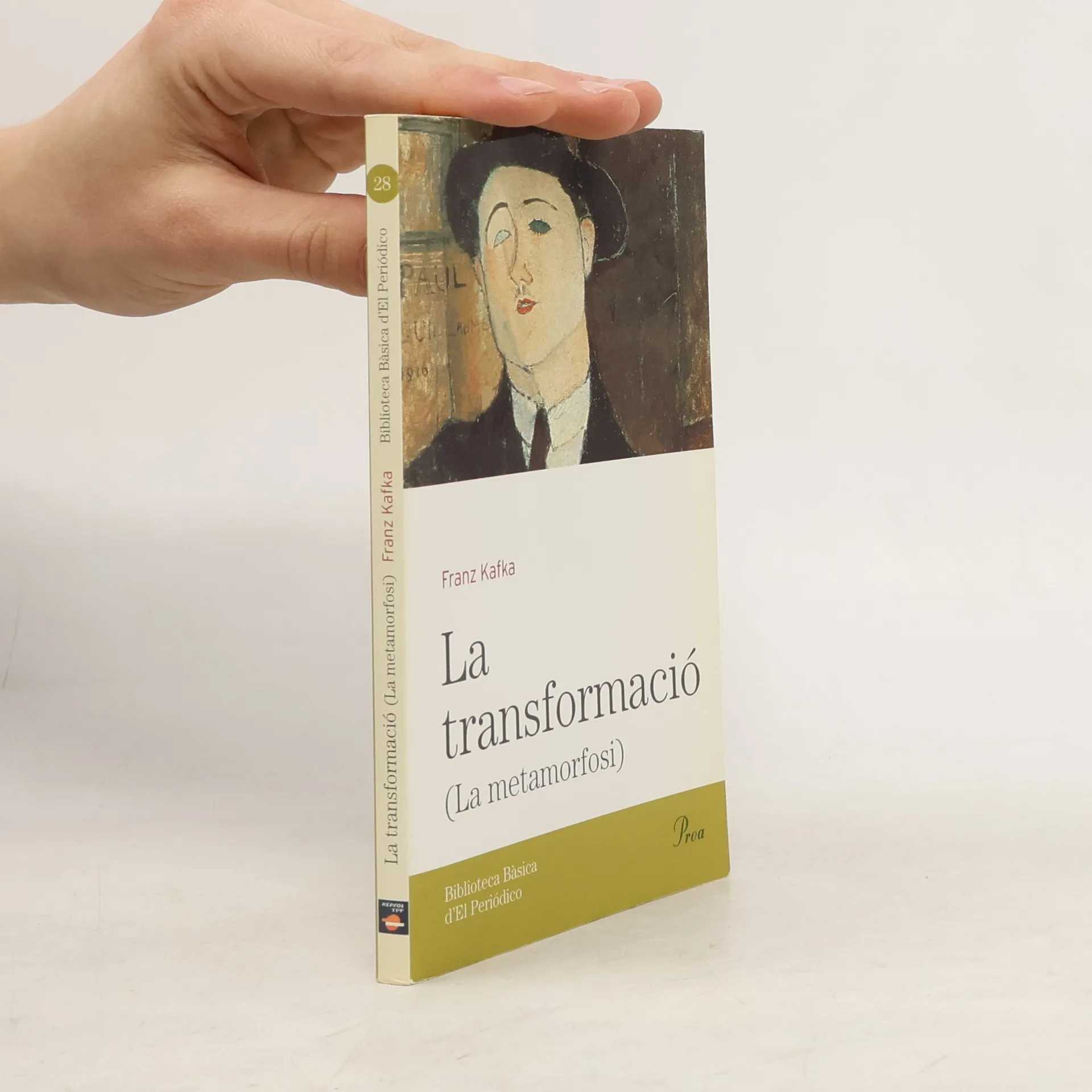
    • Une des œuvres majeures de la littérature moderne sur les cauchemars de l'existence, La transformation, ou métamorphose, de Gregor Samsa en un insecte monstrueux, semblable à un énorme scarabée, est un des jalons de la littérature universelle. Franz Kafka a écrit ce récit en 1915. Dans cette œuvre, la plus connue des cauchemars kafkaïens, le protagoniste se retrouve confronté à une réalité absurde et aliénante, symbolisant la lutte de l'individu contre un monde indifférent. La transformation de Gregor illustre les thèmes de l'isolement, de l'angoisse existentielle et de la déshumanisation. La critique souligne que l'univers de Kafka est un espace où l'homme se débat dans des situations intolérables, où la destruction de l'identité plane comme une menace inéluctable. La littérature de Kafka, à la fois cruelle et complexe, explore les profondeurs de l'âme humaine face à l'absurde et à la souffrance.

      La transformació
      4.7
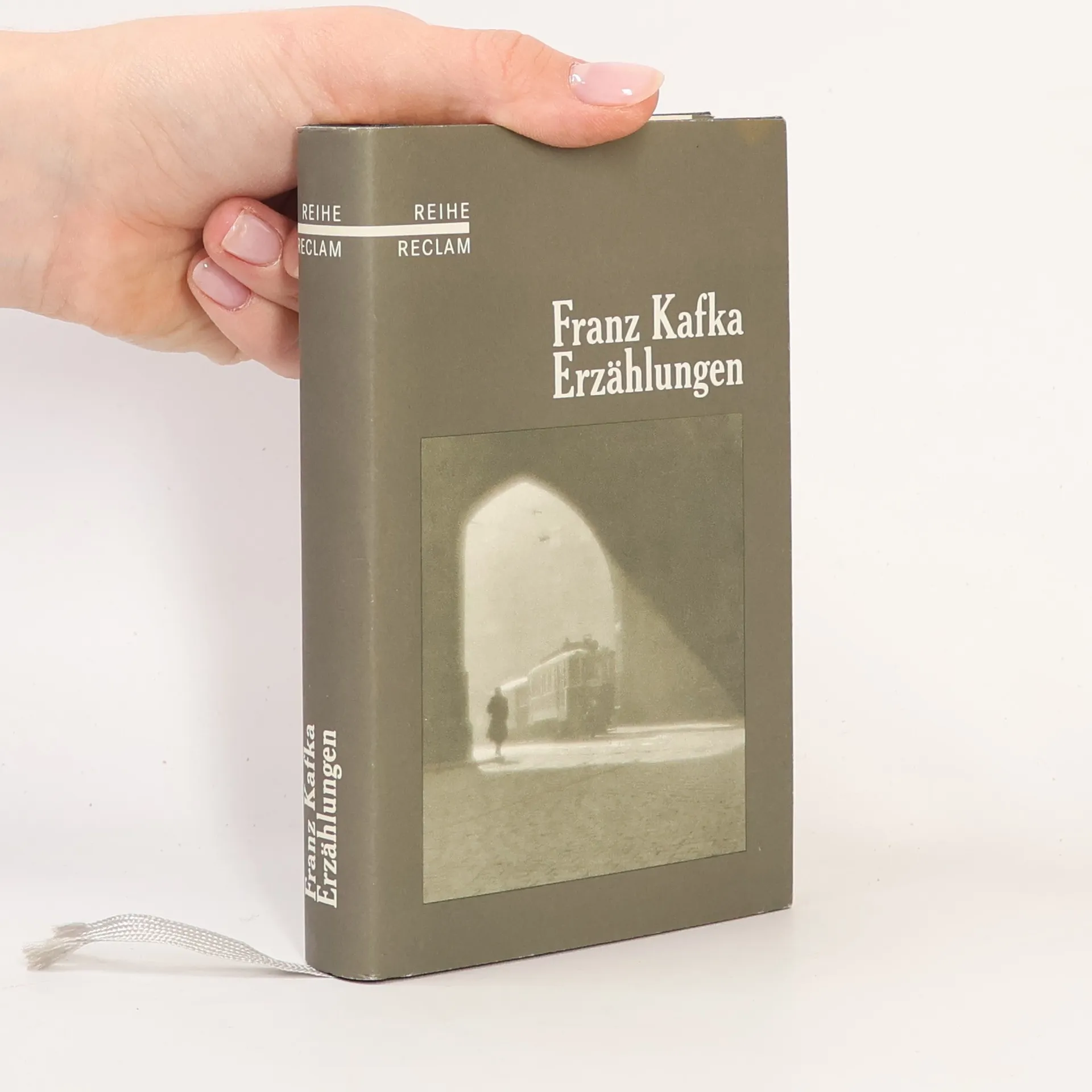
    • Reihe Reclam: Erzählungen

      • 366 pages
      • 13 hours of reading

      Phantastisches und Unheimliches, Paradoxes und Absurdes: Kafka beschreibt die unglaublichsten Sachverhalte nüchtern und minutiös. Grenzbereiche werden ausgeleuchtet, existenzielle Grund- oder Ausnahmesituationen in unvergessliche Bilder gefasst. Seine Texte haben die gleiche Intensität wie Träume. »Es ist das Schicksal und vielleicht auch die Größe dieses Werks, dass es alle Möglichkeiten darbietet und keine bestätigt« (Albert Camus). Mit den Werkbeiträgen aus Kindlers Literatur Lexikon. Mit Daten zu Leben und Werk, exklusiv verfasst von der Redaktion der Zeitschrift für Literatur TEXT + KRITIK.

      Reihe Reclam: Erzählungen
      4.5
    • I Mammut: Tutti i romanzi e i racconti

      America - Il Processo - Il Castello - I Racconti - edizioni integrali

      • 781 pages
      • 28 hours of reading

      Questo libro raccoglie l'opera narrativa di uno tra i maggiori scrittori del Novecento, che più di ogni altro ha dato voce alle inquietudini dell'uomo moderno. America (iniziato nel 1910 e pubblicato nel 1927), Il processo (scritto tra il 1914 e il 1915, pubblicato nel 1924) e Il Castello (scritto nel 1922 e pubblicato nel 1926), sono ormai tra i più celebri romanzi della letteratura moderna, in cui ritorna, pur sotto differenti trame, il tema dell'angoscia per una persecuzione assurda e incomprensibile. Un posto di rilievo nell'opera di Kafka spetta anche ai racconti, alcuni dei quali, come La metamorfosi o Nella colonia penale sono veri capolavori. "Il sogno, in Kafka, è quasi esclusivamente incubo, ossessione, ma di segno direi soave: un sogno che non fa quasi mai gridare terrorizzati, ma che ci pesa sui polmoni sino alle soglie dell'asfissia" Italo Alighiero Chiusano.

      I Mammut: Tutti i romanzi e i racconti
      4.3
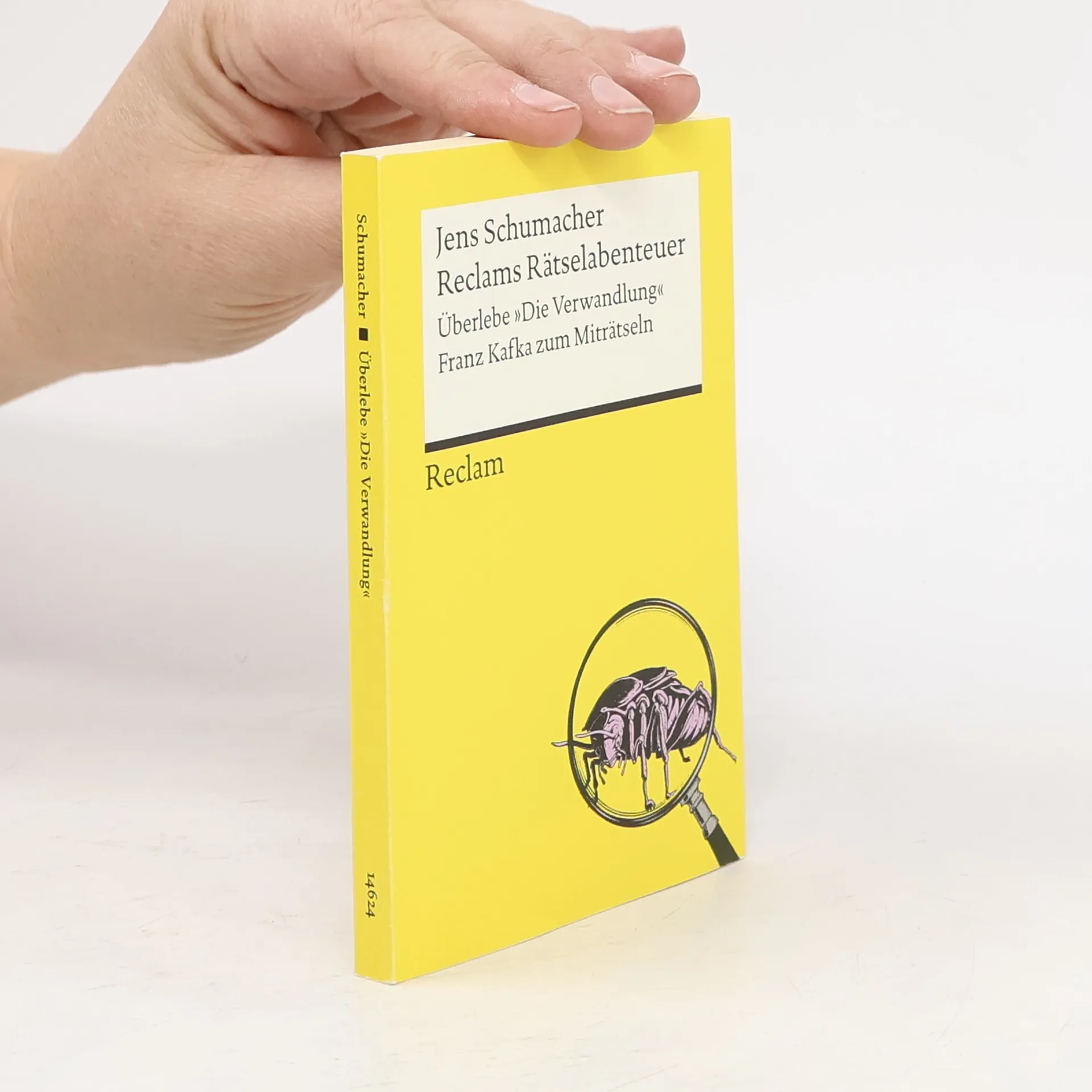
    • Reclams Rätselabenteuer

      Überlebe "Die Verwandlung" - Franz Kafka zum Miträtseln

      • 144 pages
      • 6 hours of reading

      Was würdest du tun, wenn du eines Morgens als Käfer aufwachst?In Reclams interaktivem Leseabenteuer übernimmst du die Rolle von Franz Kafkas tragischem Protagonisten Gregor Samsa. Was tust du, wenn du deiner Familie das erste Mal verwandelt gegenübertreten musst? Wie reagierst du, wenn du mit Äpfeln beworfen wirst?Ein spannendes Lesespiel, das dich in die Welt von Kafkas Erzählung entführt. Am Ende jedes Textabschnitts musst du entscheiden, auf welcher Seite du weiterlesen willst. So bestimmst du allein den Verlauf der Handlung. Versuche, als Käfer zu bestehen und nicht dem Wahnsinn anheimzufallen. Es liegt an dir!

      Reclams Rätselabenteuer
      5.0
    • Oldenbourg Textausgaben: Die Verwandlung, Das Urteil und andere Erzählungen

      Text, Kommentar und Materialien

      • 312 pages
      • 11 hours of reading

      Informationen zur Die Reihe "Oldenbourg Textausgaben" für Schüler/innen und Lehrer/innen enthält unveränderte Originaltexte - schülergerecht und lesefreundlich aufbereitet. Jeder Band punktet mit Informationen zu Leben und Werk der Autorinnen und Autoren, dem Originaltext mit Worterklärungen in der Randspalte und ausführlichen Hintergrundinformationen in einem separaten Nachschlageteil. Bild- und Textmaterialien zum Textverständnis sowie zur Entstehungs- und Wirkungsgeschichte runden jeden Band ab.

      Oldenbourg Textausgaben: Die Verwandlung, Das Urteil und andere Erzählungen
      5.0
    • Sprechen wir vom Werk Franz Kafkas (1883–1924), so denken wir unwillkürlich an sein literarisches Werk. Weniger bekannt ist, daß Kafka auch gerne zeichnete. Kafkas Freund und literarischer Nachlaßverwalter Max Brod meinte schon früh, daß er ‚auch als Zeichner ein Künstler von besonderer Kraft und Eigenart‘ sei und seine Zeichnungen zu unrecht als ‚Kuriosum‘ betrachtet werden. In diesem Band wird das zeichnerische Werk des Dichters in all seiner Dichte präsentiert und im Zusammenhang mit den entsprechenden Texten des Schriftstellers dargestellt. „... eine ansprechend gestaltete Buchpublikation. Die großformatig reproduzierten Zeichnungen werden mit einschlägigen Passagen aus Kafkas Lebenszeugnissen und Erzählwerken konfrontiert, so daß sich im Wechselspiel von Bildbetrachtung und Lektüreeindruck Einsichten in Kafkas produktive Einbildungskraft ergeben.“ Hartmut Binder, Neue Zürcher Zeitung

      Einmal ein grosser Zeichner : Franz Kafka als bildender Künstler
      4.5