


The perception of medical care on the Great War battlefield often evokes images from the American Civil War, but this is a misconception. Medical care, particularly within Canadian services, was advanced and continuously evolving, resulting in a significantly higher number of wounded soldiers saved than lost. The experiences of civilian doctors who served in the military during the war led to important changes in Canada’s health policies, particularly after the 1918-19 Spanish flu pandemic, which claimed 50,000 Canadian lives. Ironically, the war, despite its devastation, propelled advancements in both military and civilian health care. However, the narrative extends beyond medical progress; it also unveils the disturbing exploitation of human body parts during the conflict. Tim Cook has dedicated over a decade to uncovering the hidden history of Canadian doctors who harvested body parts from fallen soldiers, sending at least 1,200 individual specimens, including brains and bones, to the Royal College of Surgeons in London. These body parts were not only stored but also displayed in exhibitions in London, Montreal, and Hamilton in the early 1920s. This work provides a comprehensive medical history of the Canadian forces during the Great War and examines the medical advancements that emerged from such a tragic period.
Samantha Cook Book order
This author crafts stories centered on reckless girls navigating broken worlds, where their extraordinary gifts often lead them toward perilous destinies. Their writing delves into the challenging consequences of innate talents and the darker aspects of fate. Beyond their creative work, they are engaged in the publishing industry and share book reviews on YouTube.


- 2022
- 2020
The Rough Guide to Kent, Sussex and Surrey
- 336 pages
- 12 hours of reading
"From the bucket-and-spade resorts of the southeast coast to ancient cities, quintessentially English villages and glorious countryside, Kent, Sussex and Surrey have something for everyone. History buffs will love exploring the region's historic houses, art-lovers will be spoilt by the selection of trendy galleries, and ramblers can lace their boots and blow the cobwebs away on wild cliff-top walks."--Back cover
- 2020
Anglie
- 728 pages
- 26 hours of reading
- 2013
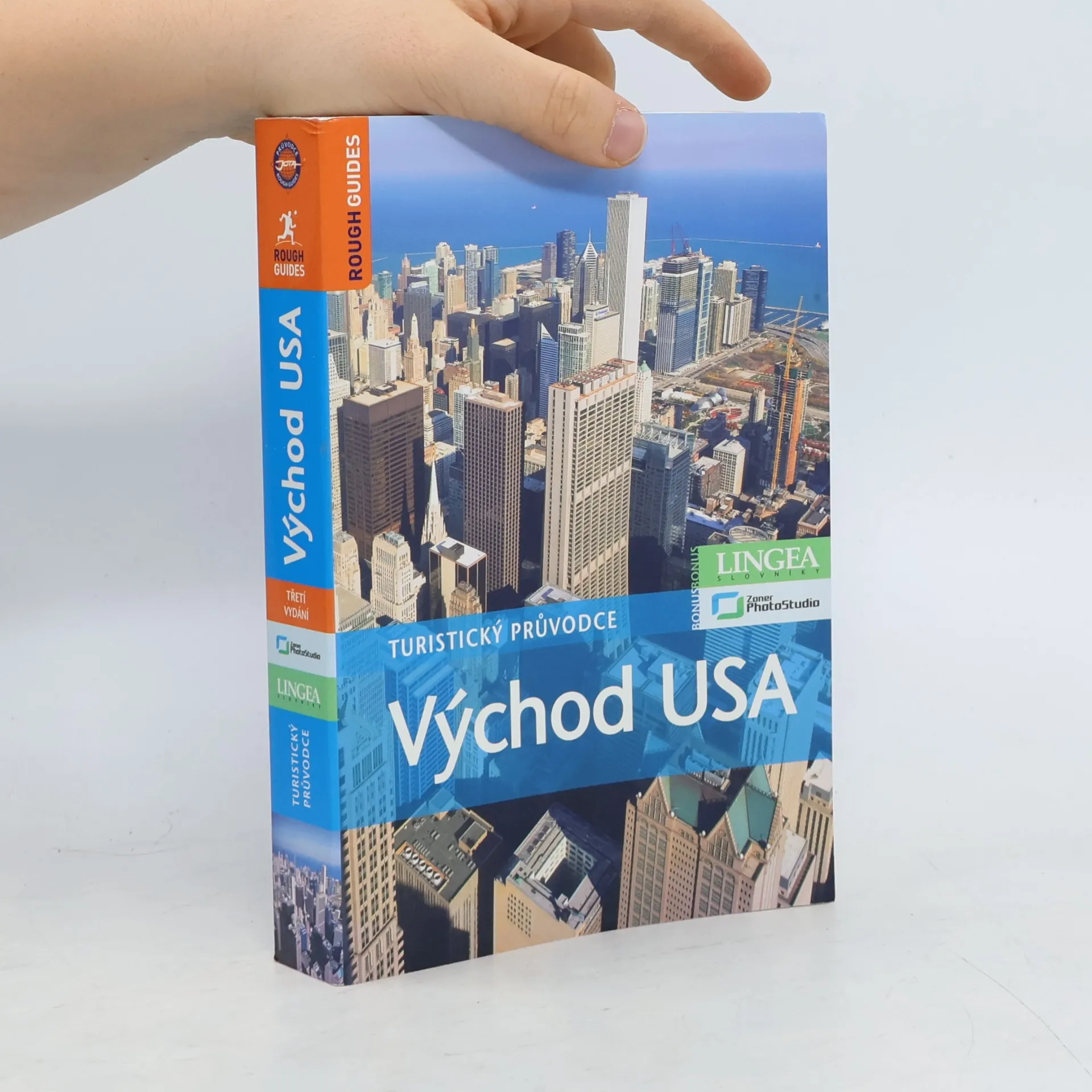
Východ USA
- 732 pages
- 26 hours of reading
Aktualizované vydání průvodce po východní části Spojených států amerických nabízí množství informací o známých památkách a přírodních krásách této oblasti. Východní pobřeží je místem, kde první osadníci z Evropy zakládali základy demokracie. Tato fascinující část USA zahrnuje širokou škálu zajímavých míst, od impozantních atrakcí po tradiční a překvapivě výstřední lokality; od mrakodrapů po města duchů, od grizzly medvědů po honáky, od sopečných ostrovů po stopy pradávné kultury. Úvodní část průvodce obsahuje základní fakta, statistické údaje, stručné dějiny a informace o klimatu, které pomohou při plánování výpravy. Dále je zde 14 vybraných míst, která byste při návštěvě neměli minout. Kapitola Základní informace poskytuje praktické rady, jak se do USA dostat, potřebné doklady a co očekávat po příjezdu. Průvodce je rozdělen podle regionů, s popisy památek a přírodních krás, mapkami a aktuálními informacemi o ubytování, stravování a dopravě. V závěrečných Souvislostech se dozvíte o historii USA a významných osobnostech, které přispěly ke světové kultuře. Tento průvodce ocení jak samostatní cestovatelé, tak organizovaní turisté.
- 2004
- 2004
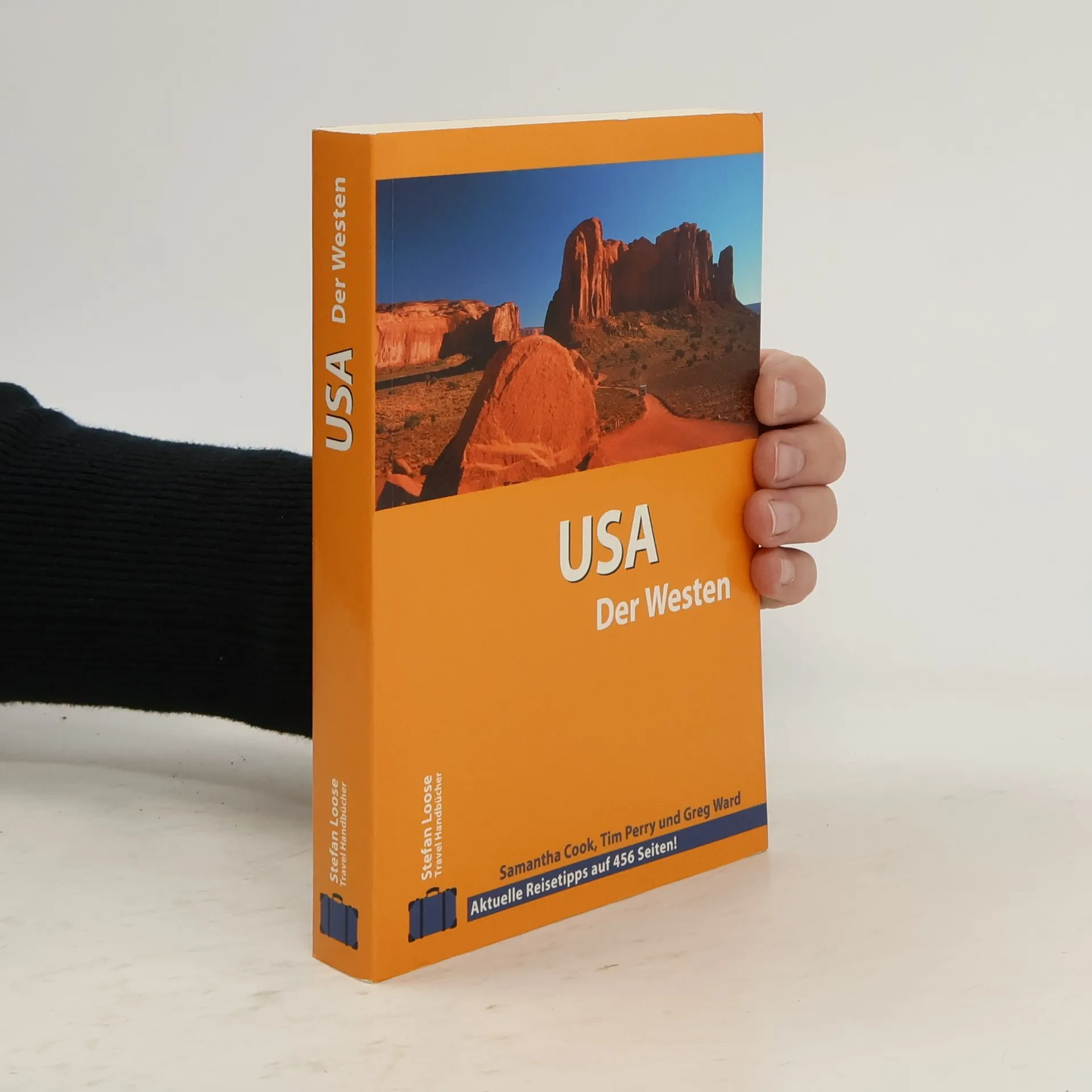
Gründlich aktualisierte Neuausgabe! - Jenseits der Ostküste ist auch die Mitte des Landes abgedeckt - in Zusammenarbeit mit den Amerikaexperten der englischsprachigen Rough Guides - Zu jeder Region und Metropole gibt es Stefan Loose Travel Tipps
- 2004
Východ USA. Turistický průvodce
- 732 pages
- 26 hours of reading
- 2002
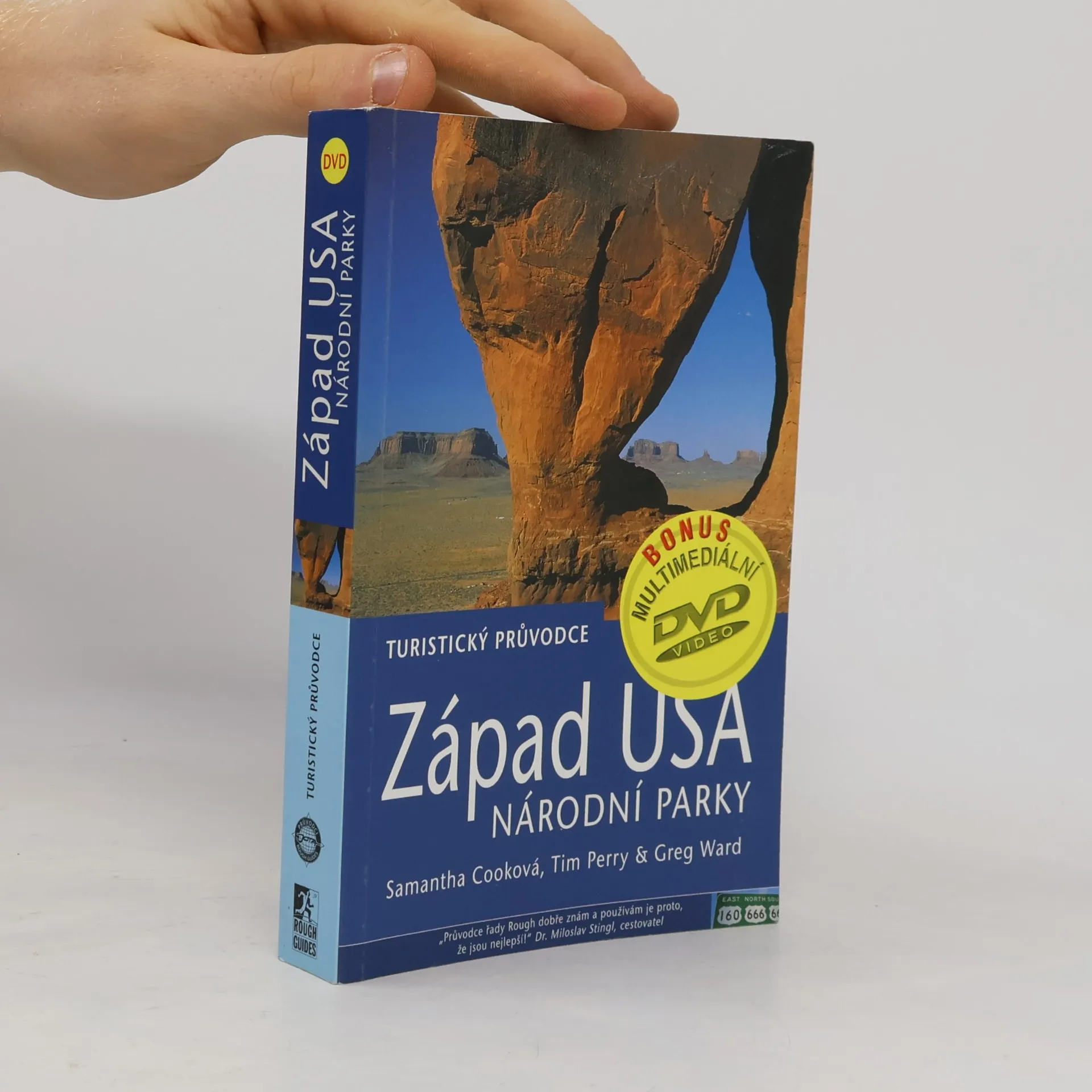
Západ USA. Národní parky
- 583 pages
- 21 hours of reading
Nejaktuálnější a nejpodrobnější průvodce po zemi indiánů, zlatokopů a kovbojů. Průvodce západní částí Spojených států obsahuje cenné informace pro cestovatele, kteří se budou chtít orientovat jak v takřka nedotčené přírodě obrovského území Skalistých hor, Západního pobřeží a jihozápadních pustin, kde se nachází naprostá většina legendárních amerických národních parků, tak i v divoké džungli amerických velkoměst té oblasti. Cennou předností těchto průvodců je, že veškeré praktické informace o dopravě, ubytování, pamětihodnostech i přírodních krásách dané země zasazuje do kulturně–historického kontextu, čímž se z neživých kulis pro turisty stává autentické prostředí, ve kterém žijí skuteční lidé se skutečnou minulostí i přítomností. Rough Guide USA – Západní část není v tomto ohledu žádnou výjimkou, a spíše než na běžné turisty se zaměřuje na cestovatele, kteří mají zájem o hlubší poznání americké reality. USA západ - národní parky je odborně pojatá kniha, ve které se jednoduchou f
- 1997
- 1996
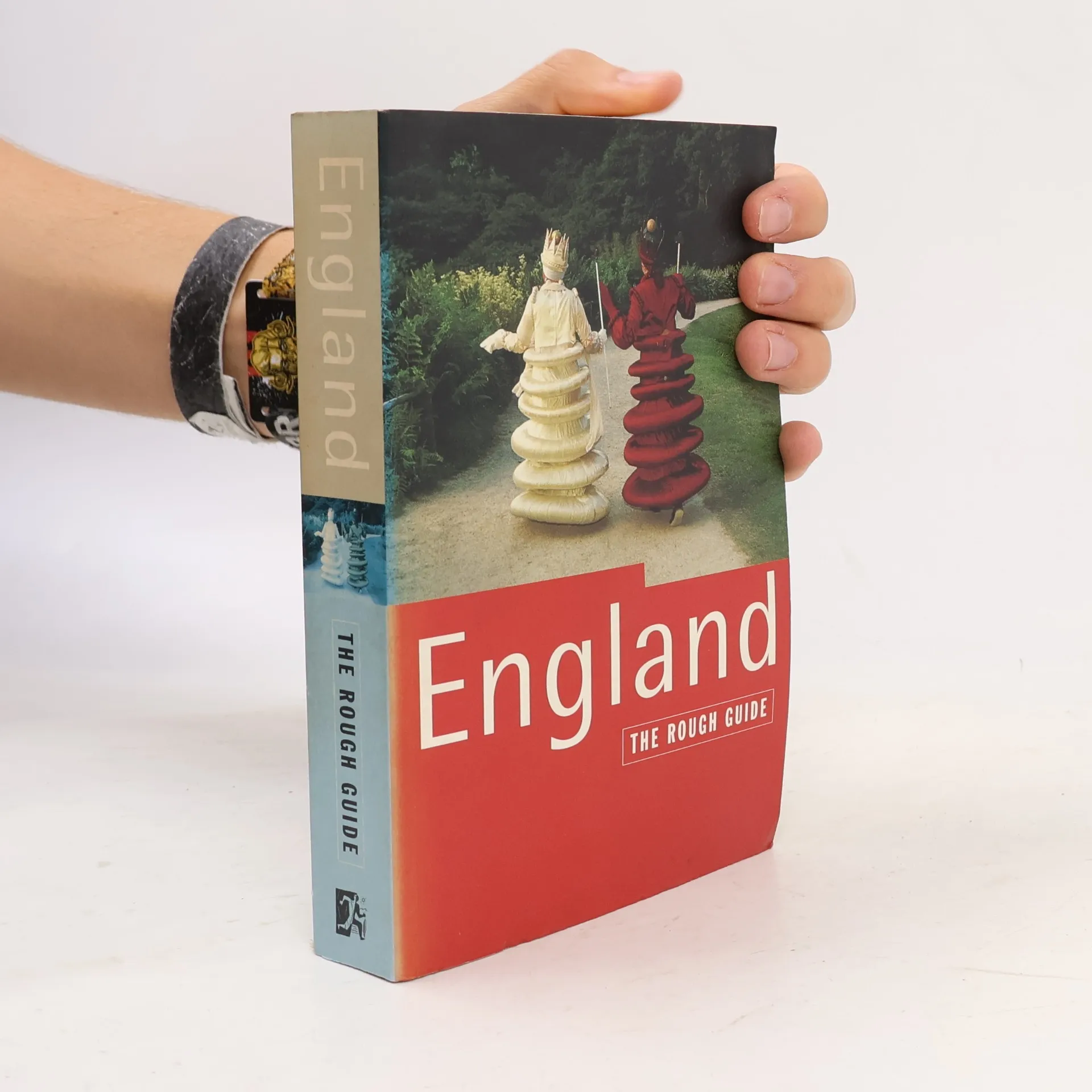
IntroductionSince the 1997 general election, and the rejection of the Conservative party after eighteen years in power, there's been a decidedly upbeat air about England. The election of the "New Labour" government has brought about some genuine changes of atmosphere. There's a lot of talk about the importance of "society", a concept much abused during the laissez-faire years of Thatcherism, and England is now being presented as a component part of Europe, whereas previously the attitude to the continent suggested that the Channel Tunnel was a bridgehead into enemy territory. But in several respects the new world isn't really that new. Many of the less appealing aspects of Conservatism - the under-investment in public services, the assumption that big business knows best - are still with us. And, conversely, many of the features that give England its buzz have not sprung into existence overnight - the celebration of "Cool Britannia" began some time before the arrival of Tony Blair. Indeed, the country has maintained its creative momentum consistently from the "Swinging Sixties" to the present day: the music scene is as vibrant as any in the world; the current crop of young artists has as high a profile as David Hockney ever had; all over Europe there are hi-tech and offbeat postmodern buildings that were born on the drawing boards of London; and when Jean-Paul Gaultier runs short of new ideas he comes to London's markets, outlets for Europe's riskiest street fashion. However, you only have to scratch the surface and you'll find that England's notorious taste for nostalgia still persists. It's not altogether surprising that the English tend to dwell on former glories - as recently as 1950 London was the capital of the sixth wealthiest nation on the planet, but just three decades later it had slipped from the top twenty. History is constantly repackaged and recycled in England, whether in the form of TV costume dramas or industrial theme parks in which people enact the tasks that once supported their communities. The royal family, though dogged by bad press, continues to occupy a prominent place in the English self-image, a fact demonstrated by the extraordinary manner in which the death of Princess Diana was reported and mourned. The mythical tales of King Arthur and Camelot, the island race that spawned Shakespeare, Drake and Churchill, a golden rural past - these are the notions that lie at the heart of "Englishness", and monuments of the country's past are a major part of its attraction. There's a panoply of medieval and monumental towns; and the countryside yields all manner of delights, from walkers' trails around the hills and lakes, through prehistoric stone circles, to traditional rural villages and their pubs. Virtually every town bears a mark of former wealth and power, whether it be a magnificent Gothic cathedral financed from a monarch's treasury, a parish church funded by the tycoons of the medieval wool trade, or a triumphalist Victorian civic building, raised on the income of the British Empire. In the south of England you'll find old dockyards from which the navy patrolled the oceans, while up north there are mills that employed whole town populations. England's museums and galleries - several of them ranking among the world's finest - are full of treasures trawled from Europe and farther afield. And in their grandiose stuccoed terraces and wide esplanades the old resorts bear testimony to the heyday of the English holiday towns, when Brighton, Bath and diverseother towns were as fashionable and elegant as any European spa. Contemporary England is at the same time a deeply conservative place and a richly multi-ethnic culture through which runs a strain of individualism that often verges on the anarchic. In essence, England's fascination lies in the tension between its inertia and its adventurousness. Which is the truer image of England at the end of the twentieth century: the record-breaking Sensation art show at the Royal Academy, with its dissected livestock and sexual mutants, or the ranks of Diana memorabilia in souvenir shops across the land?