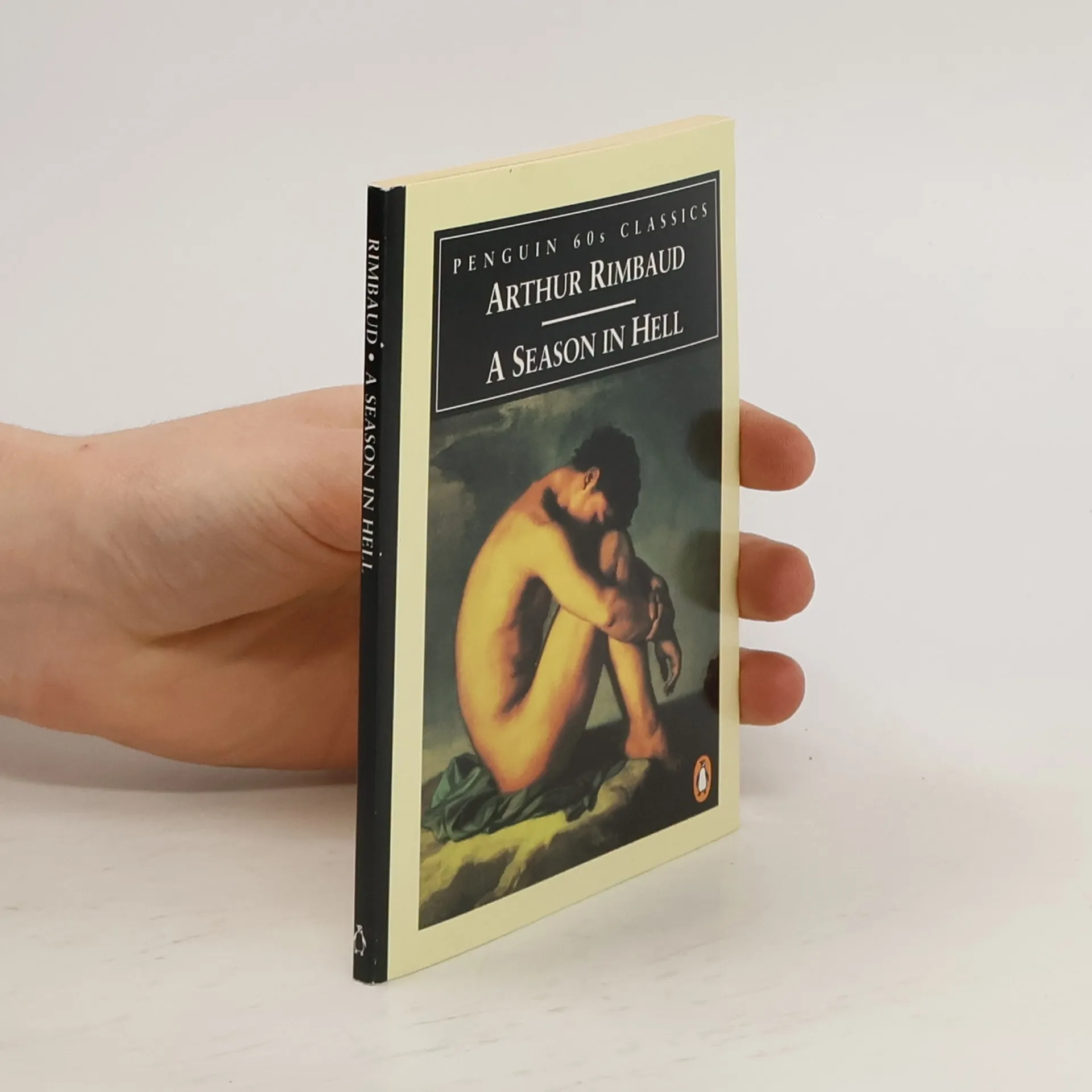
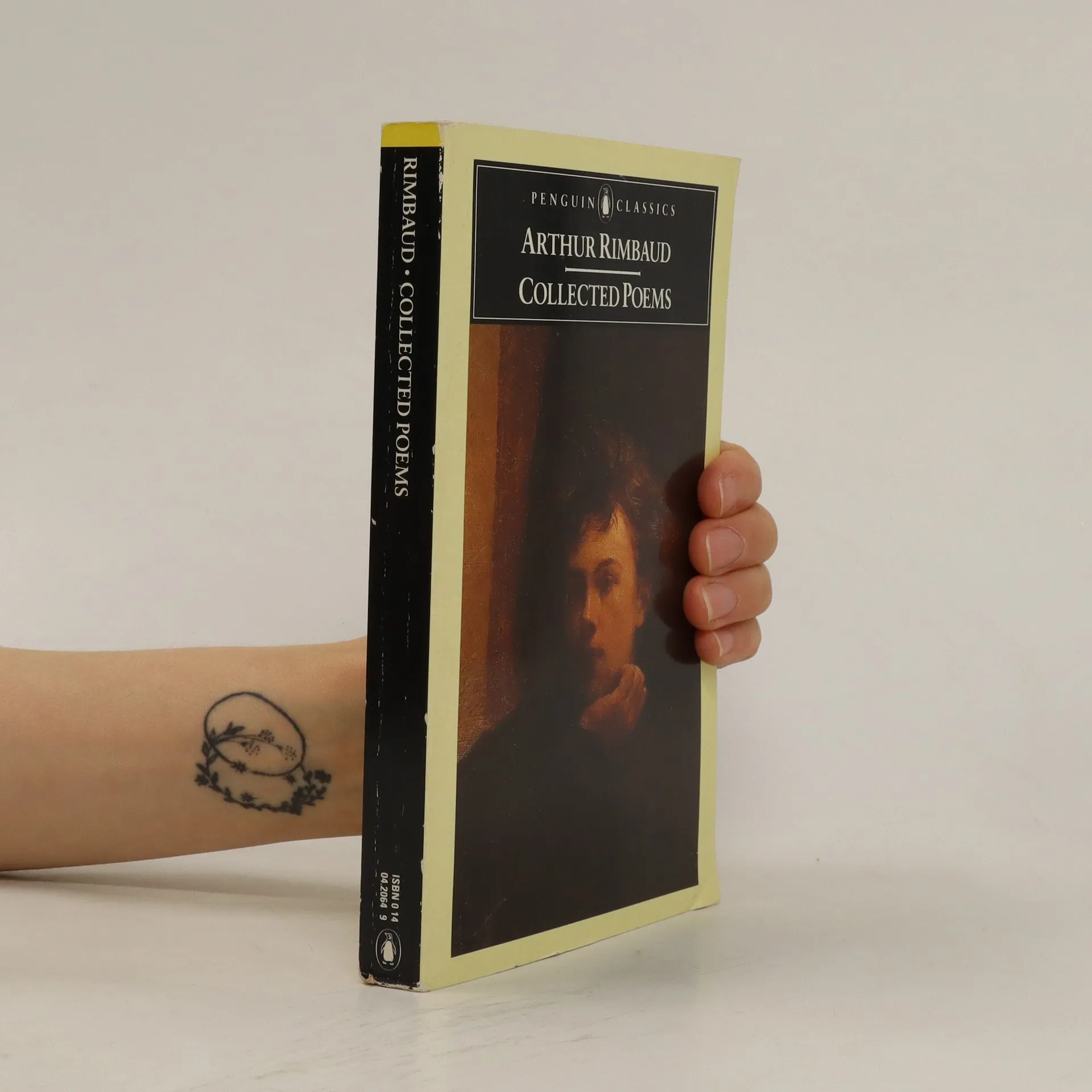
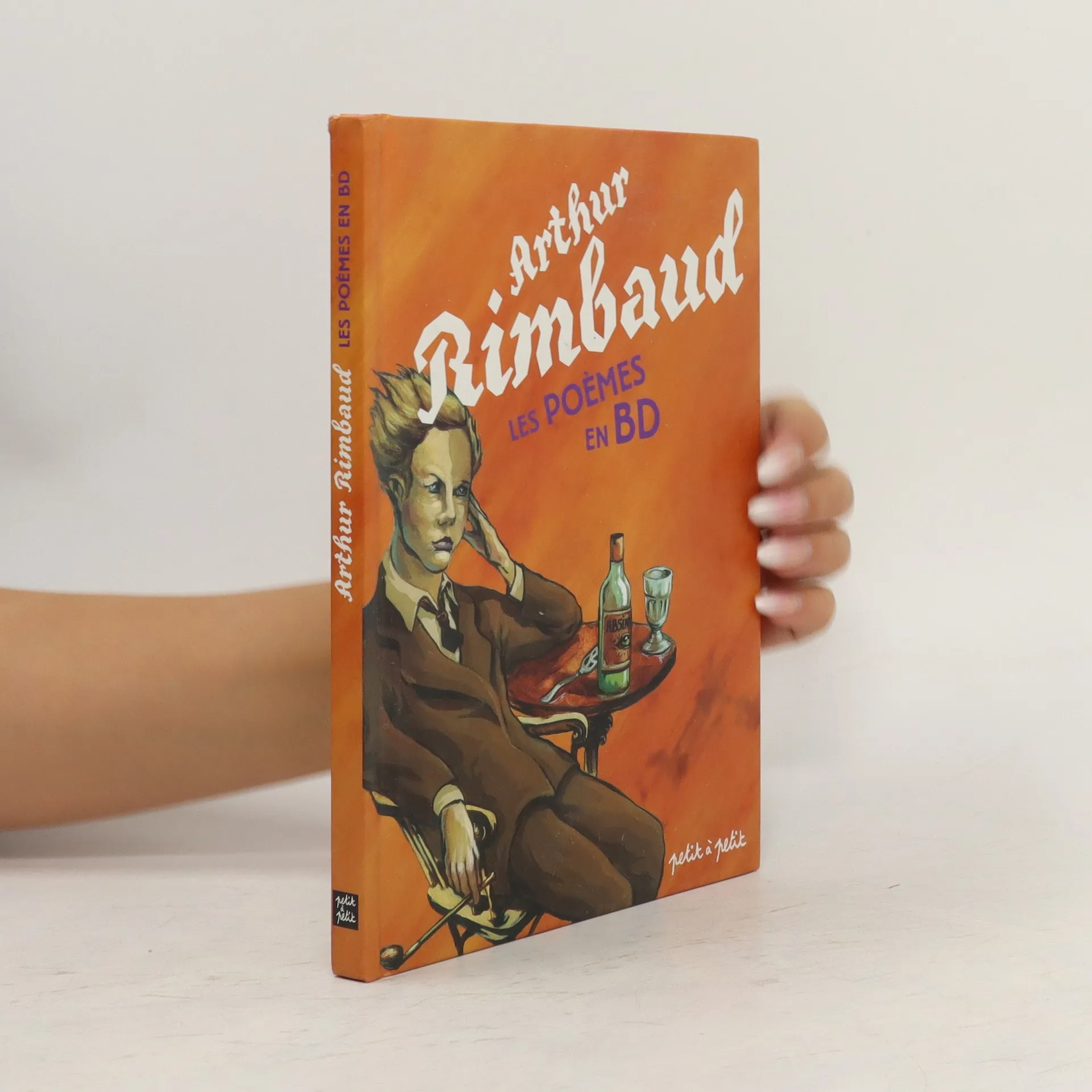
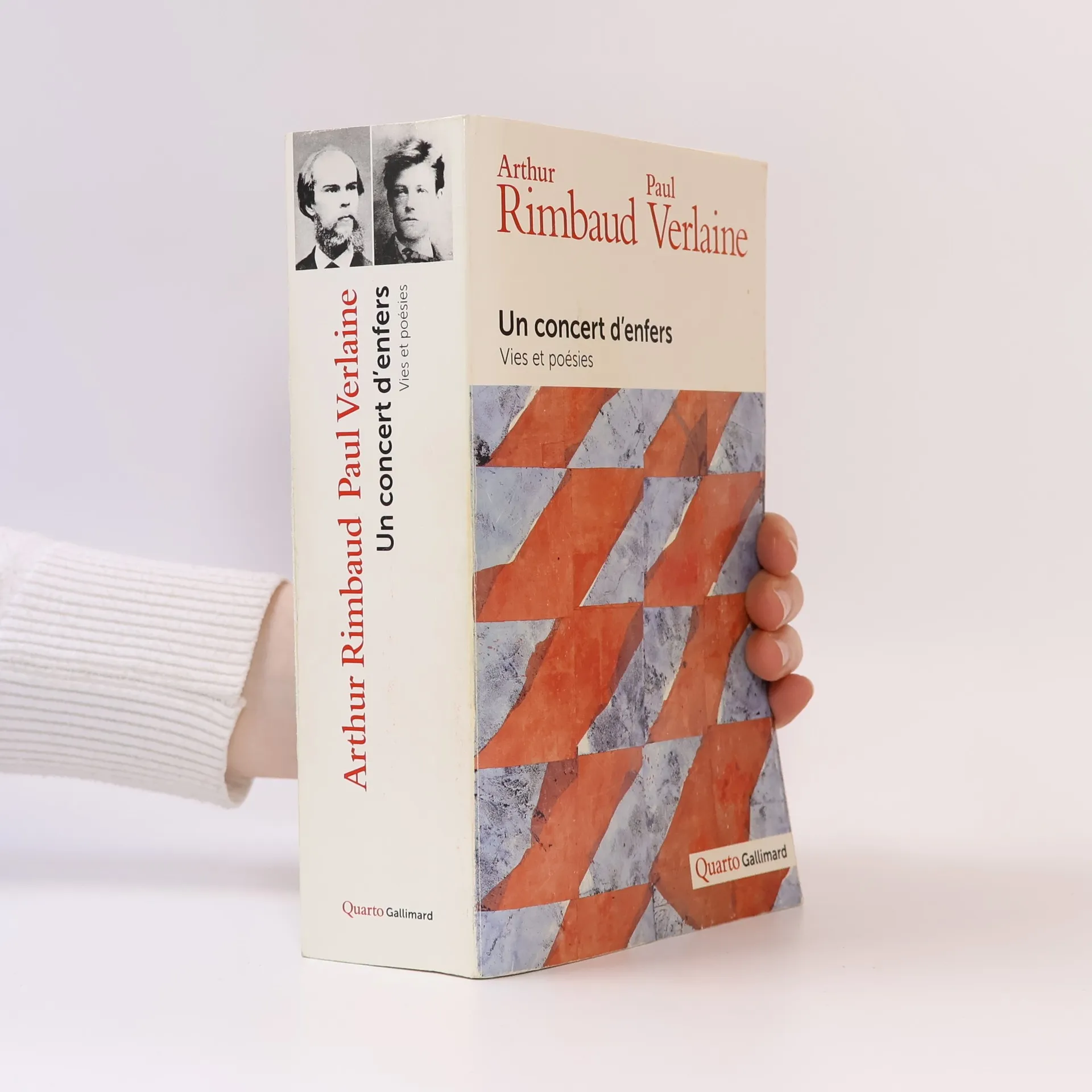
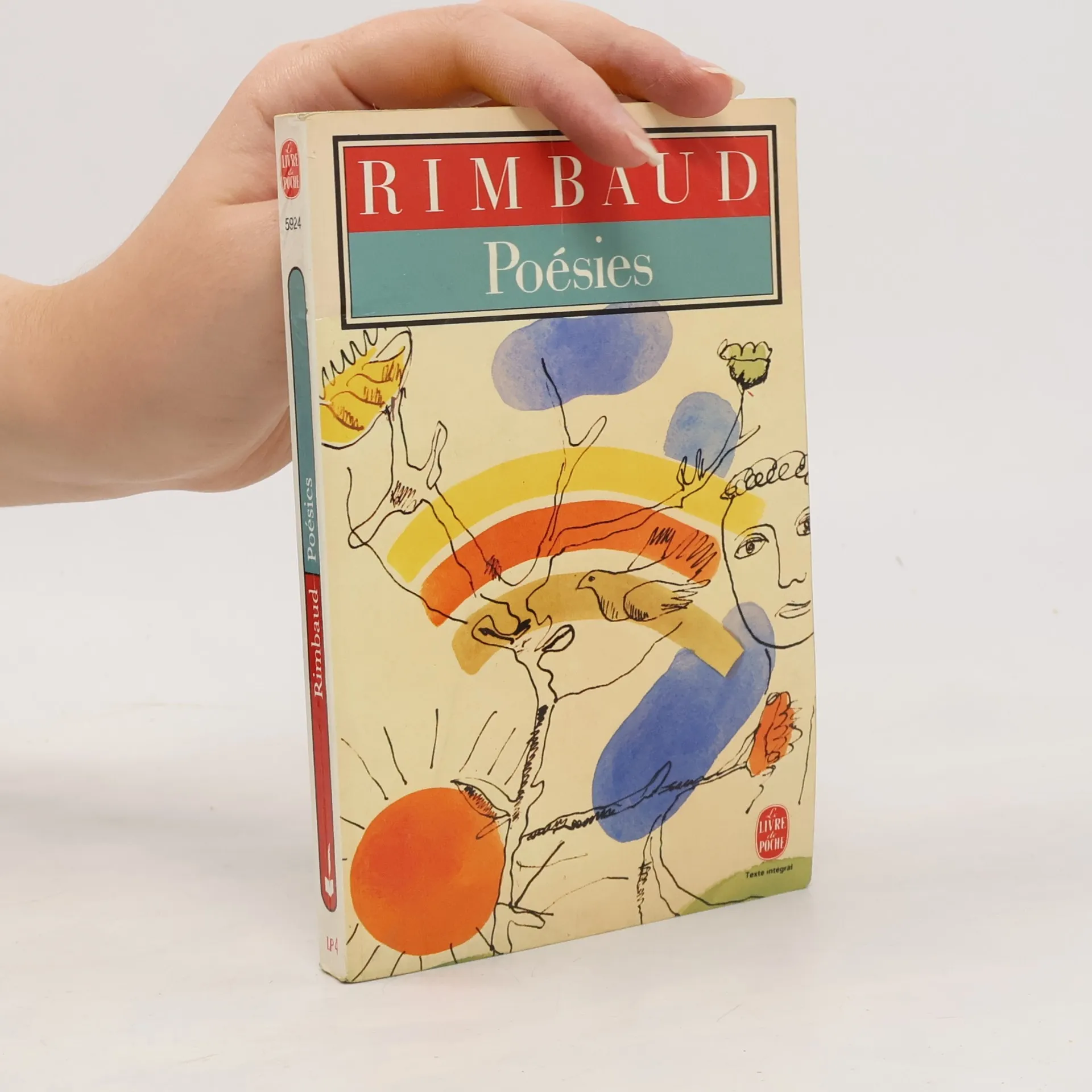
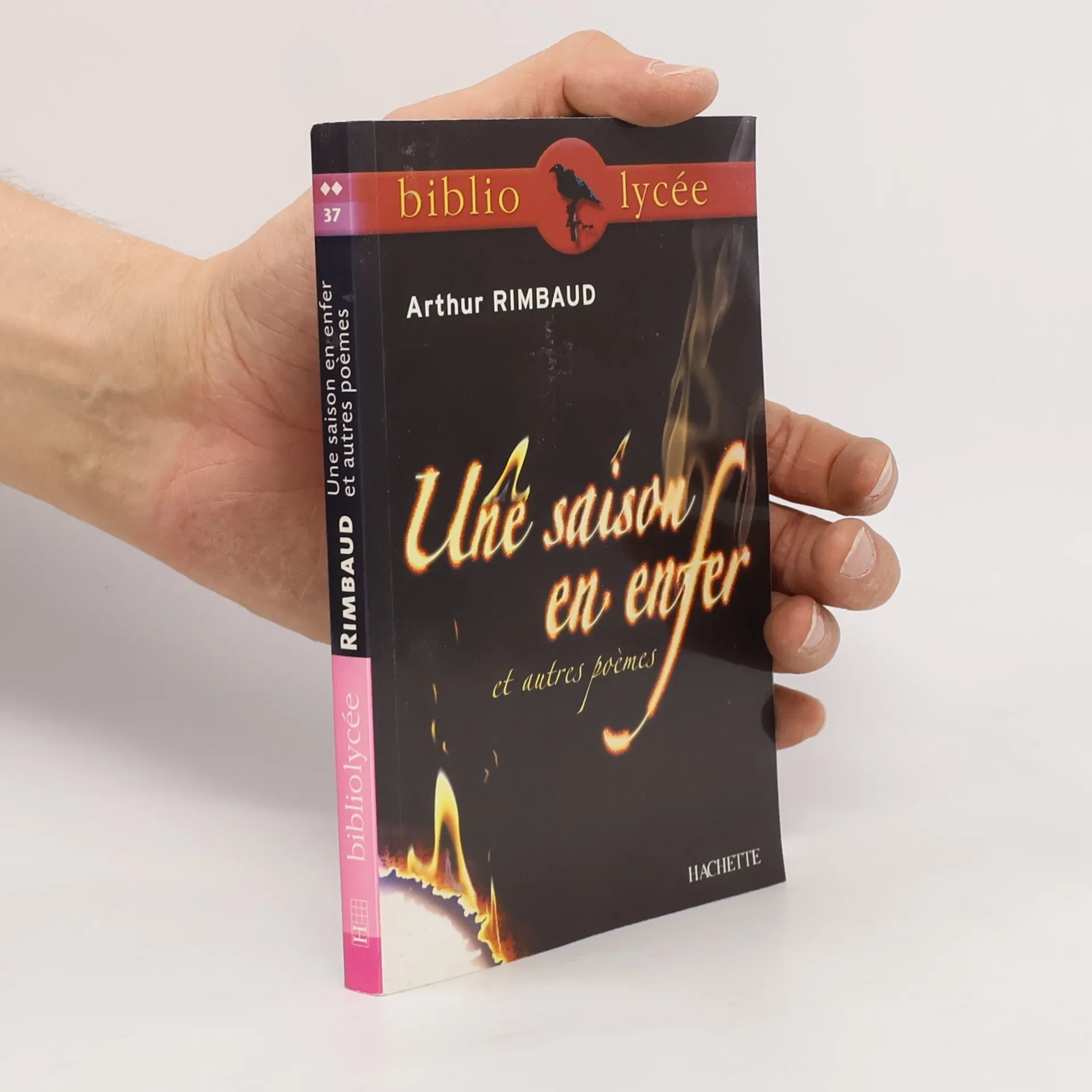
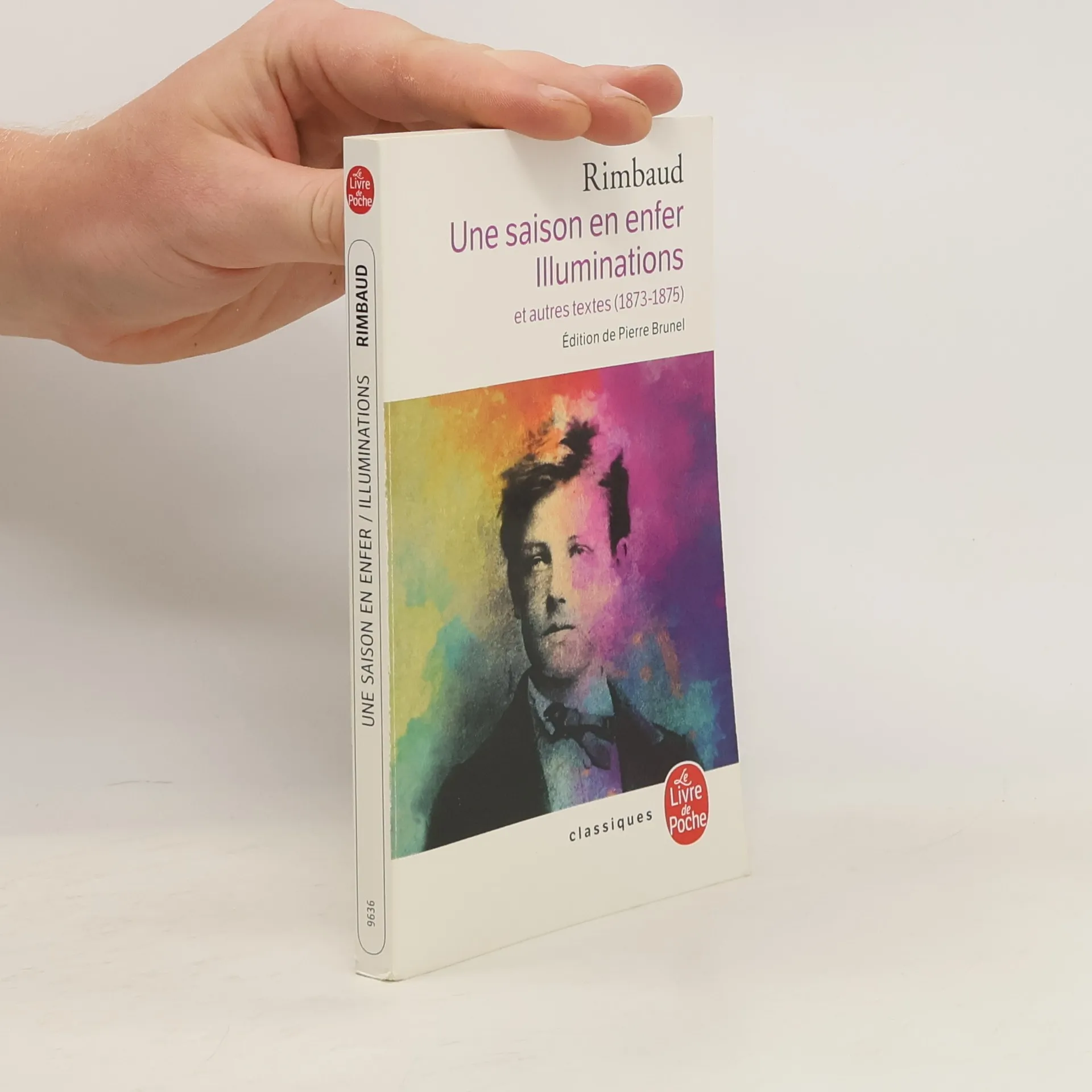
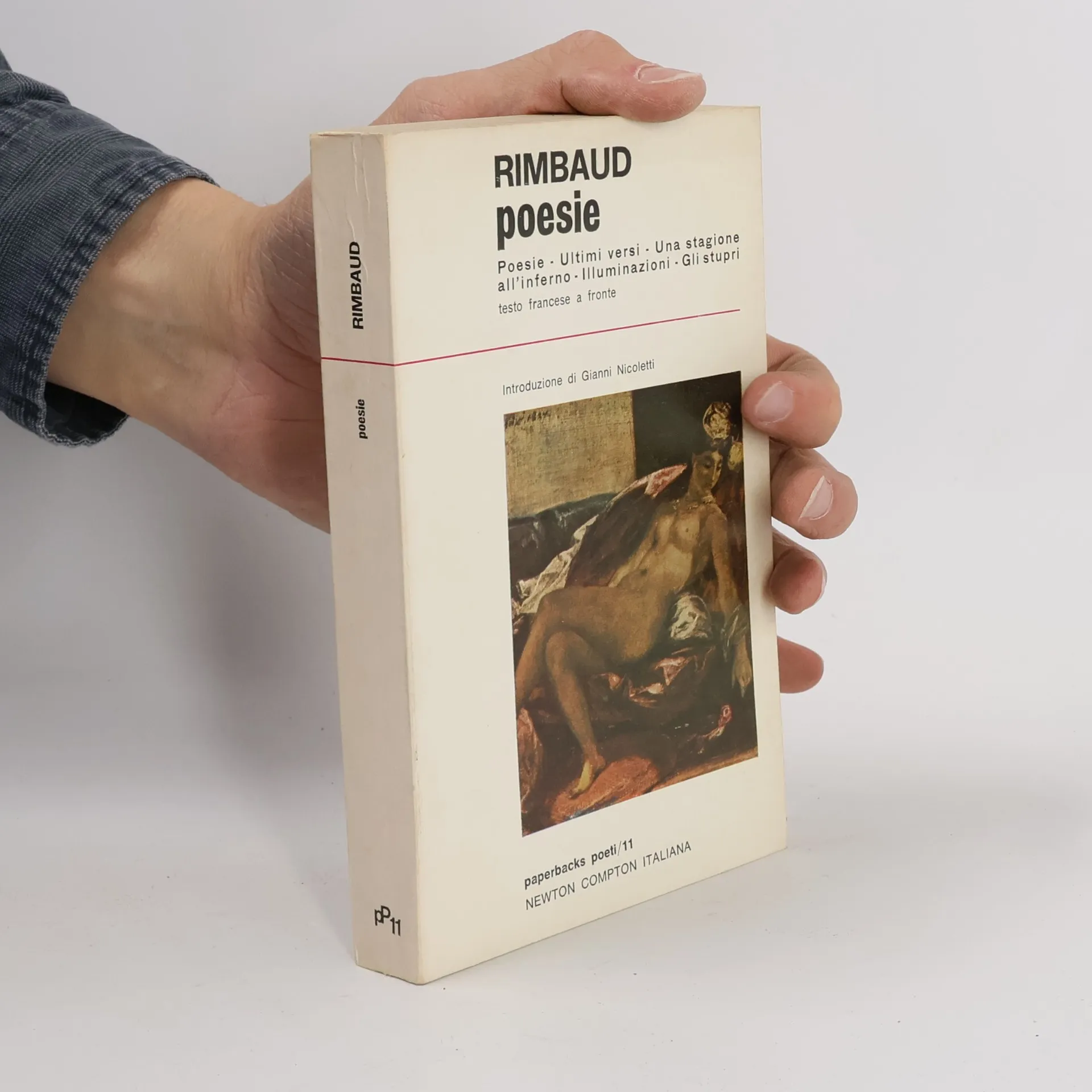
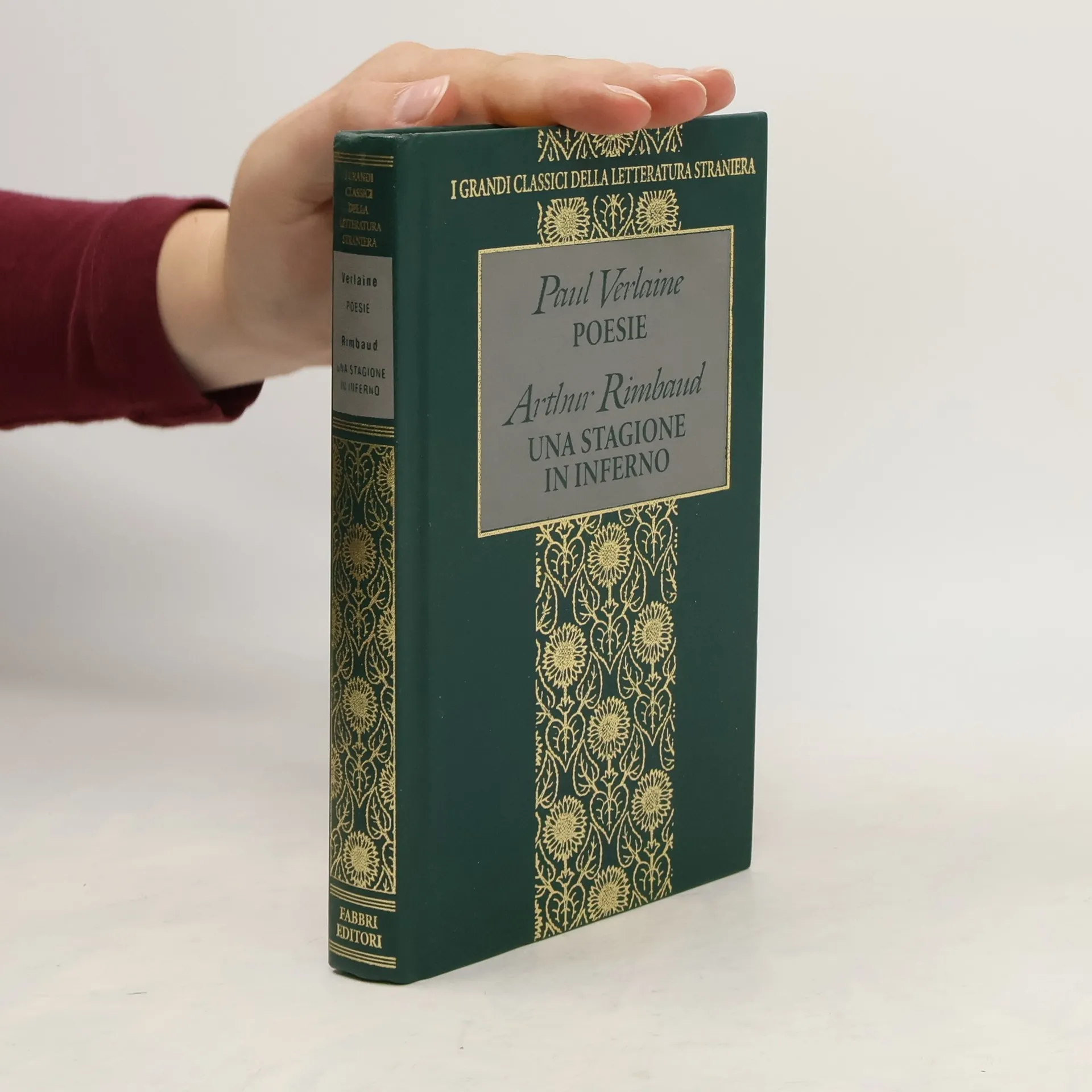
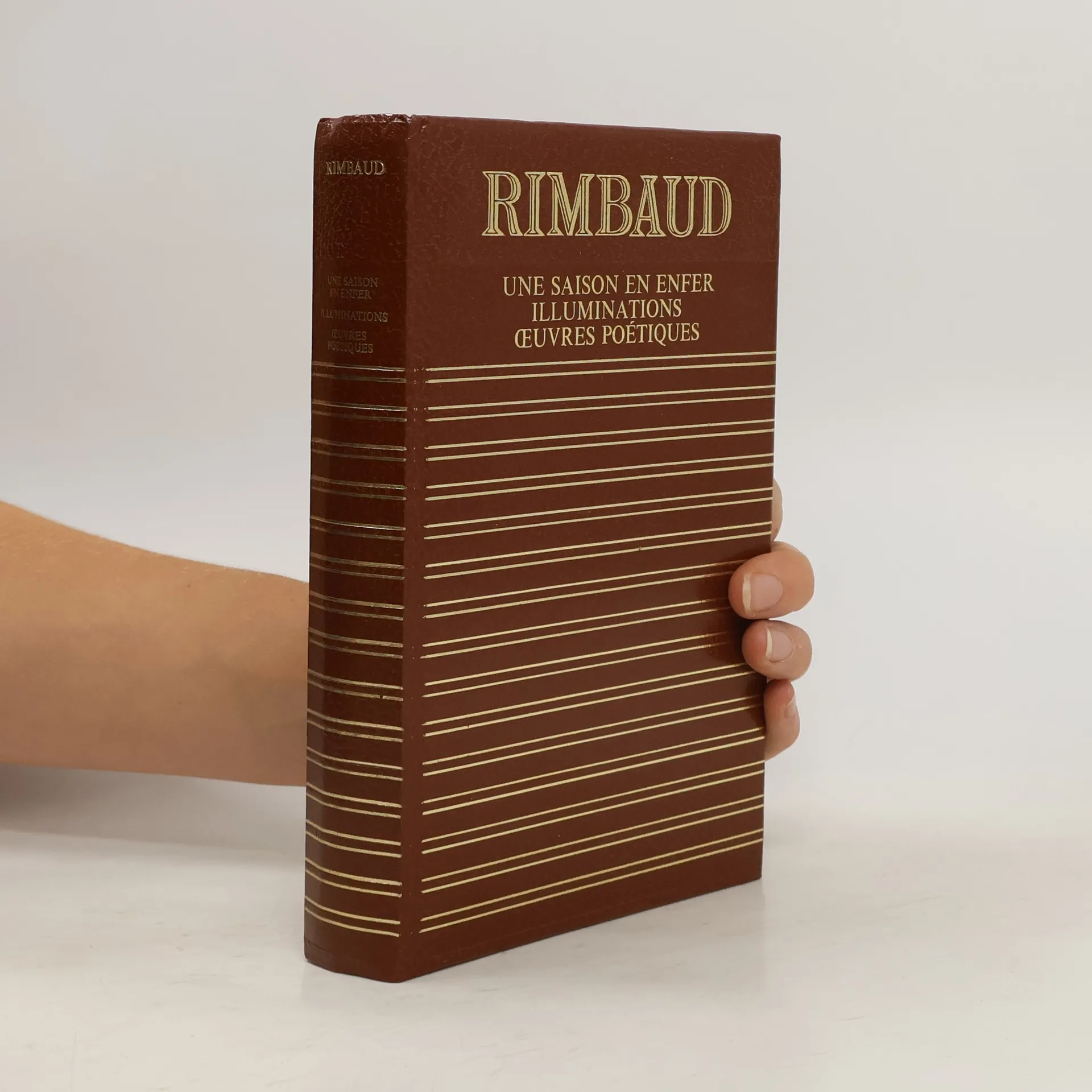
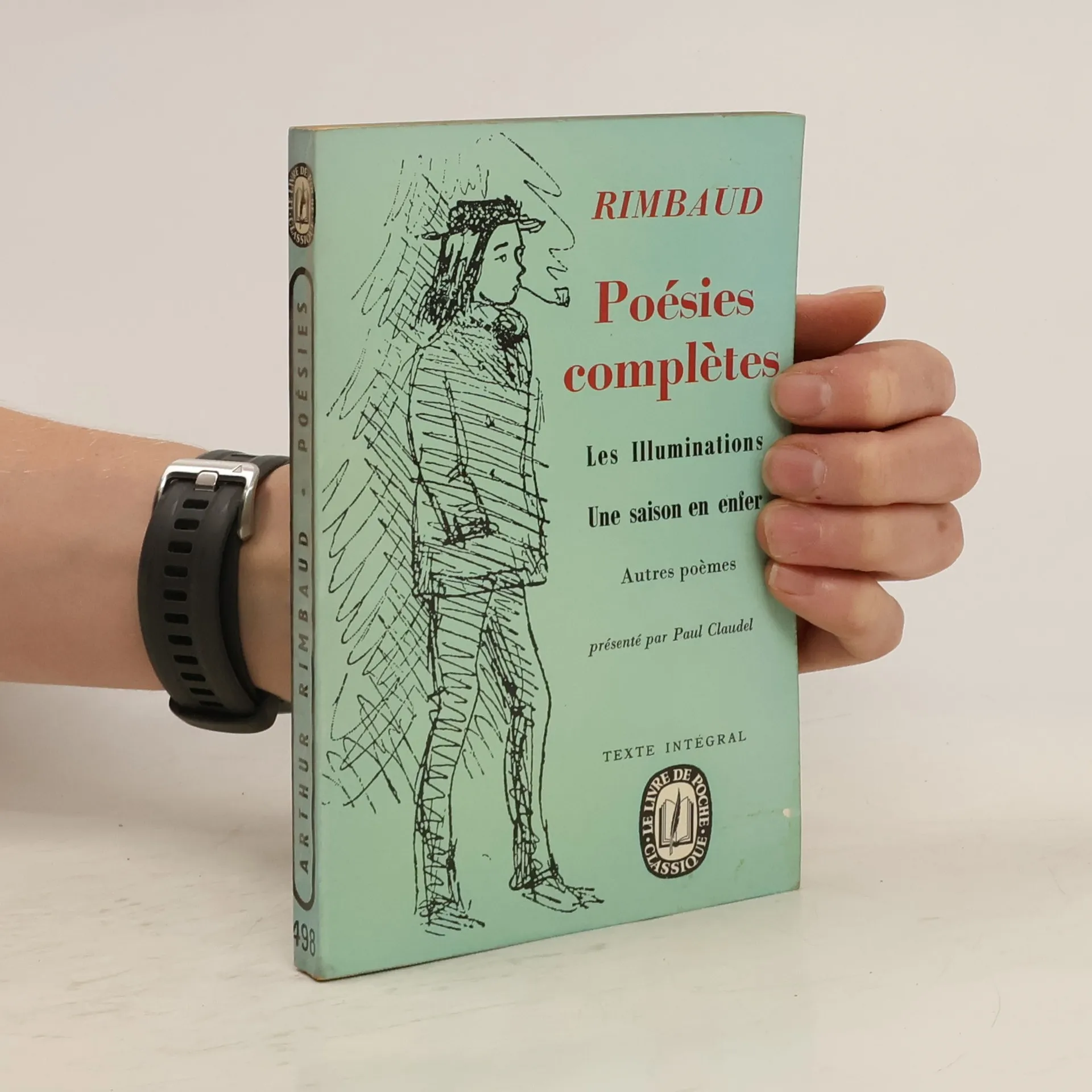
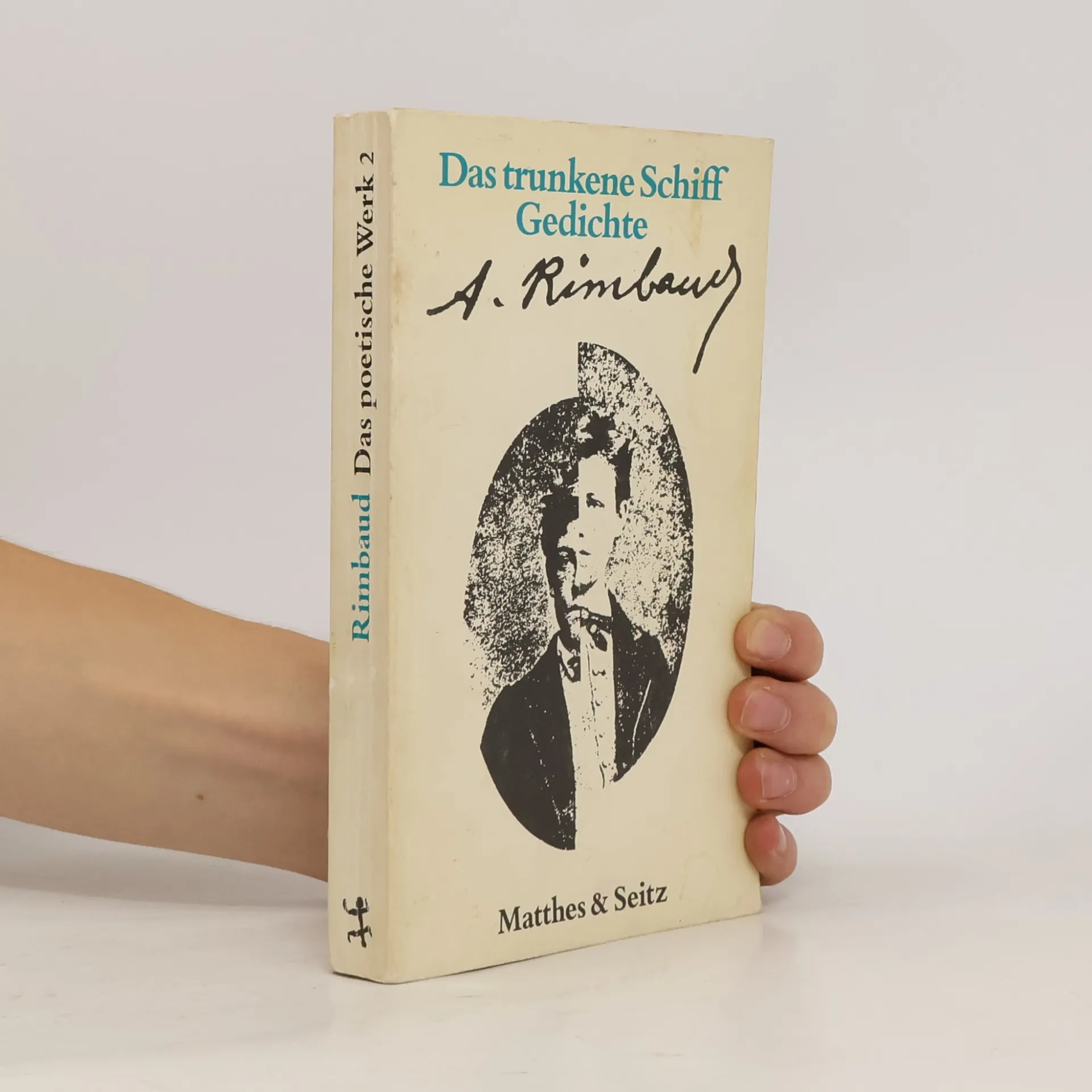
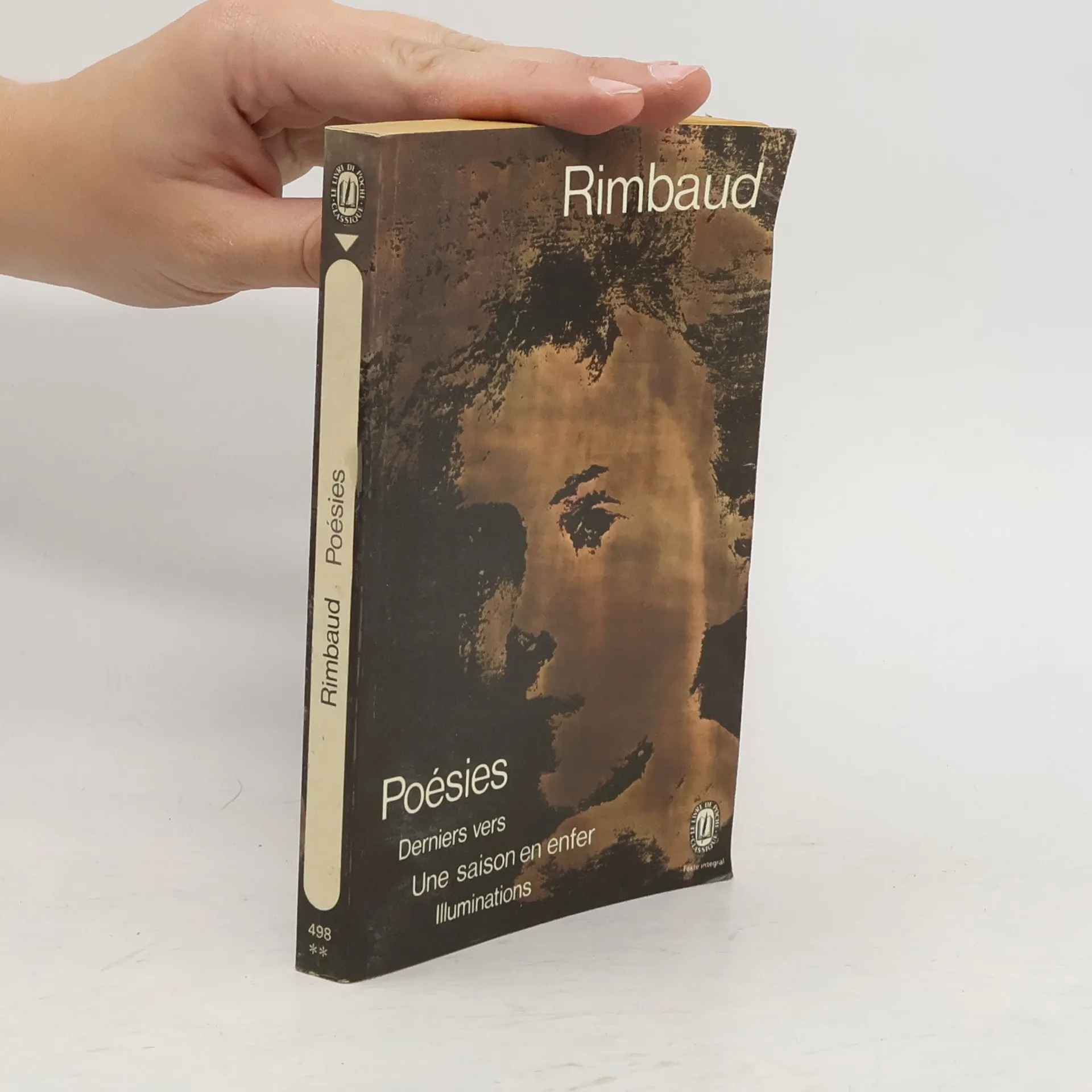
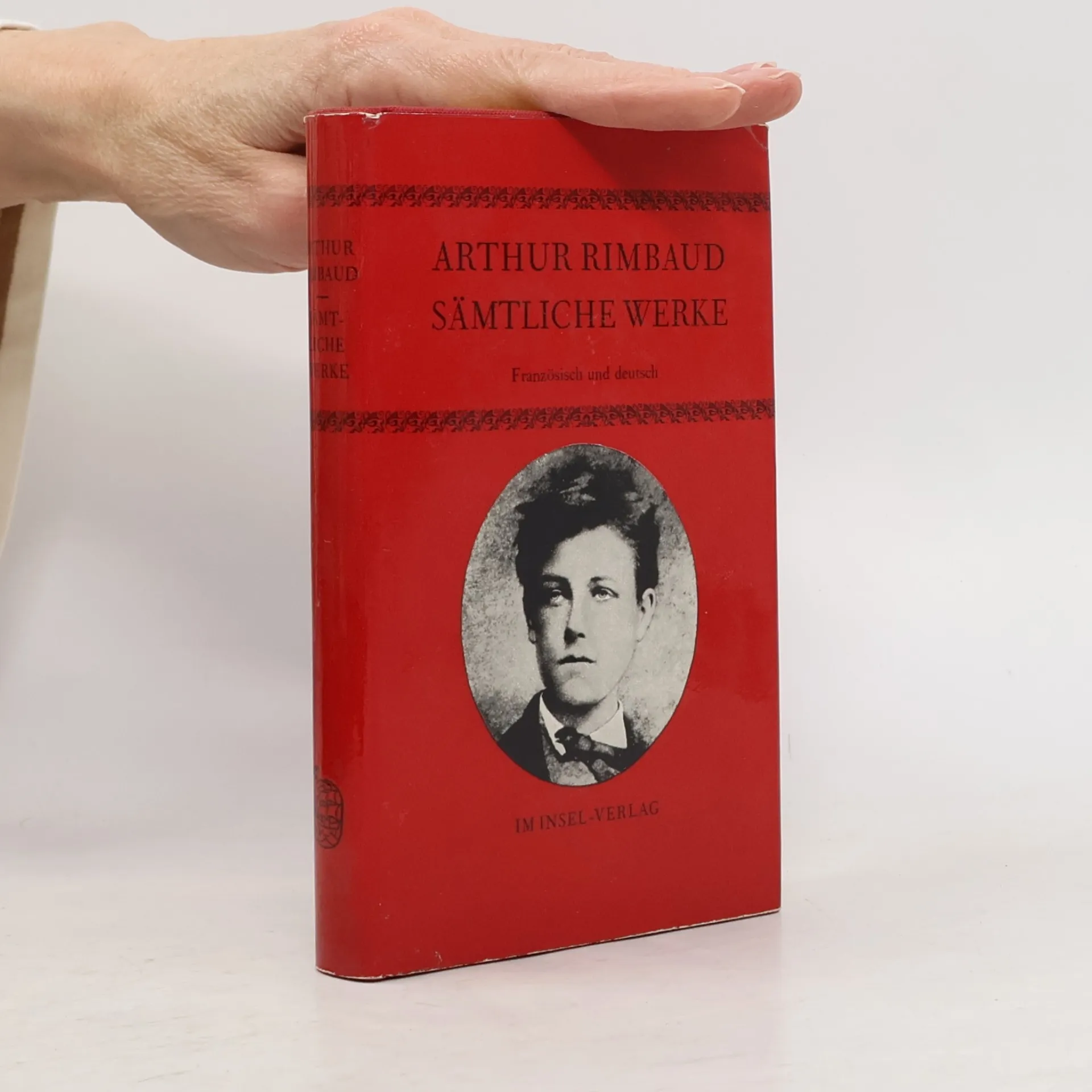
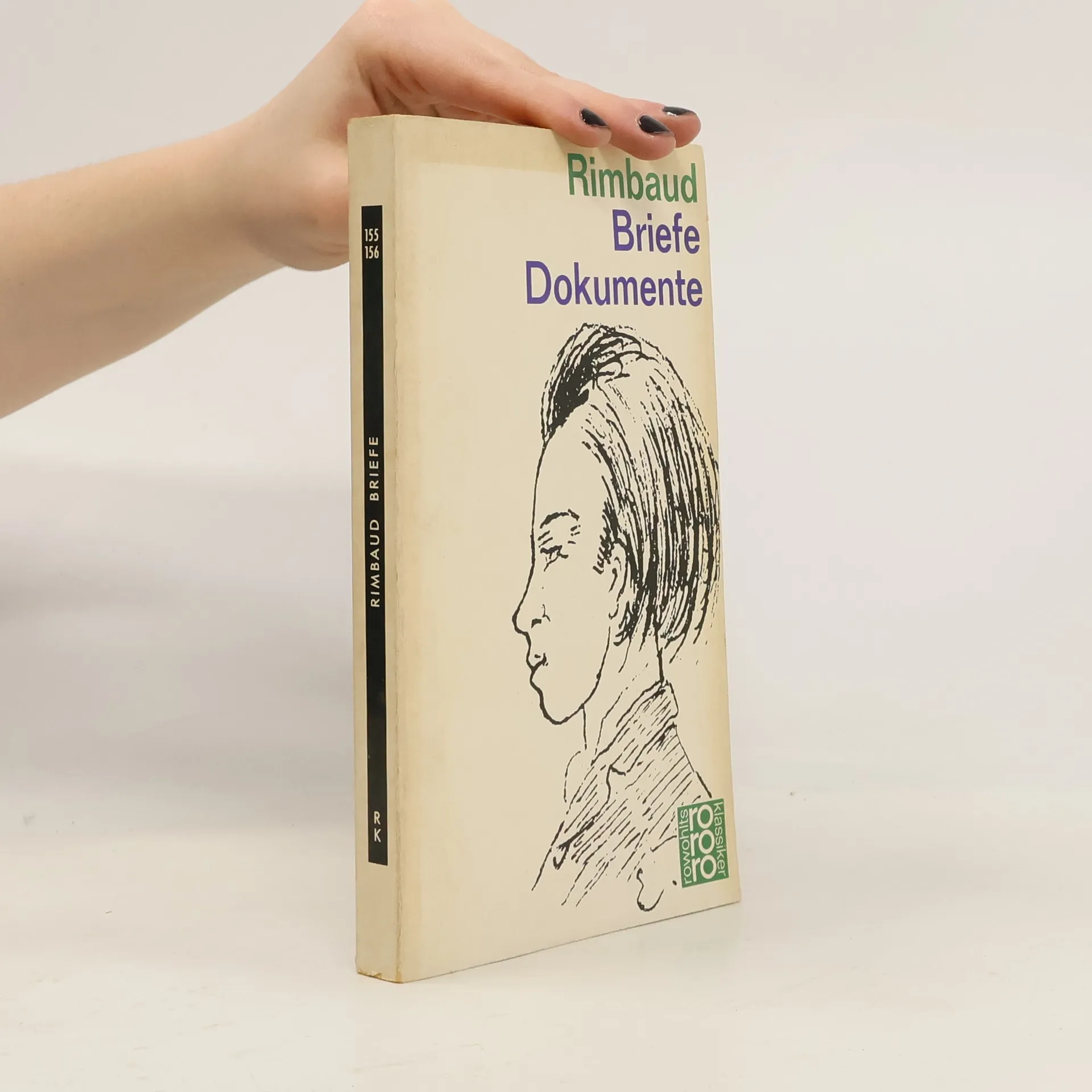
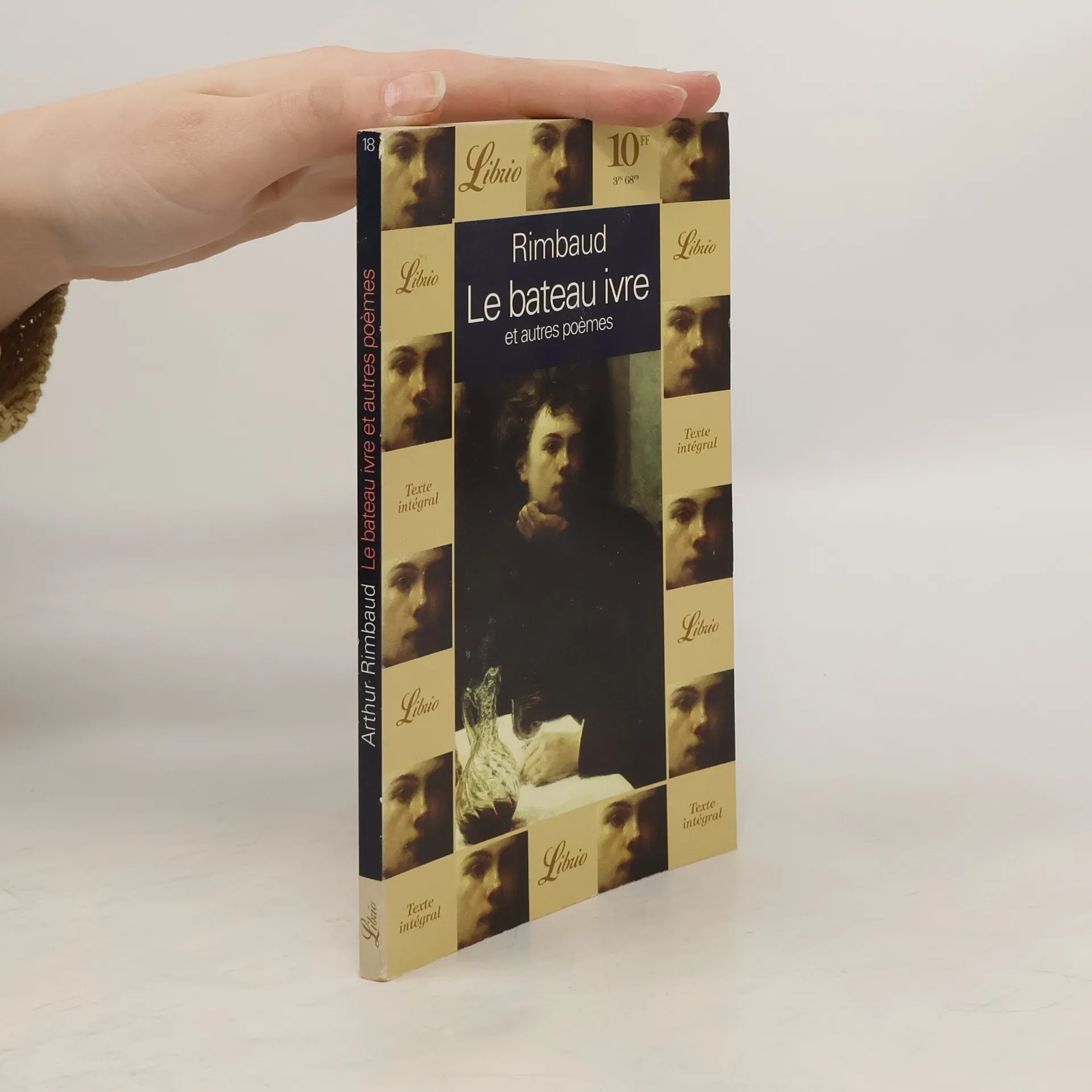
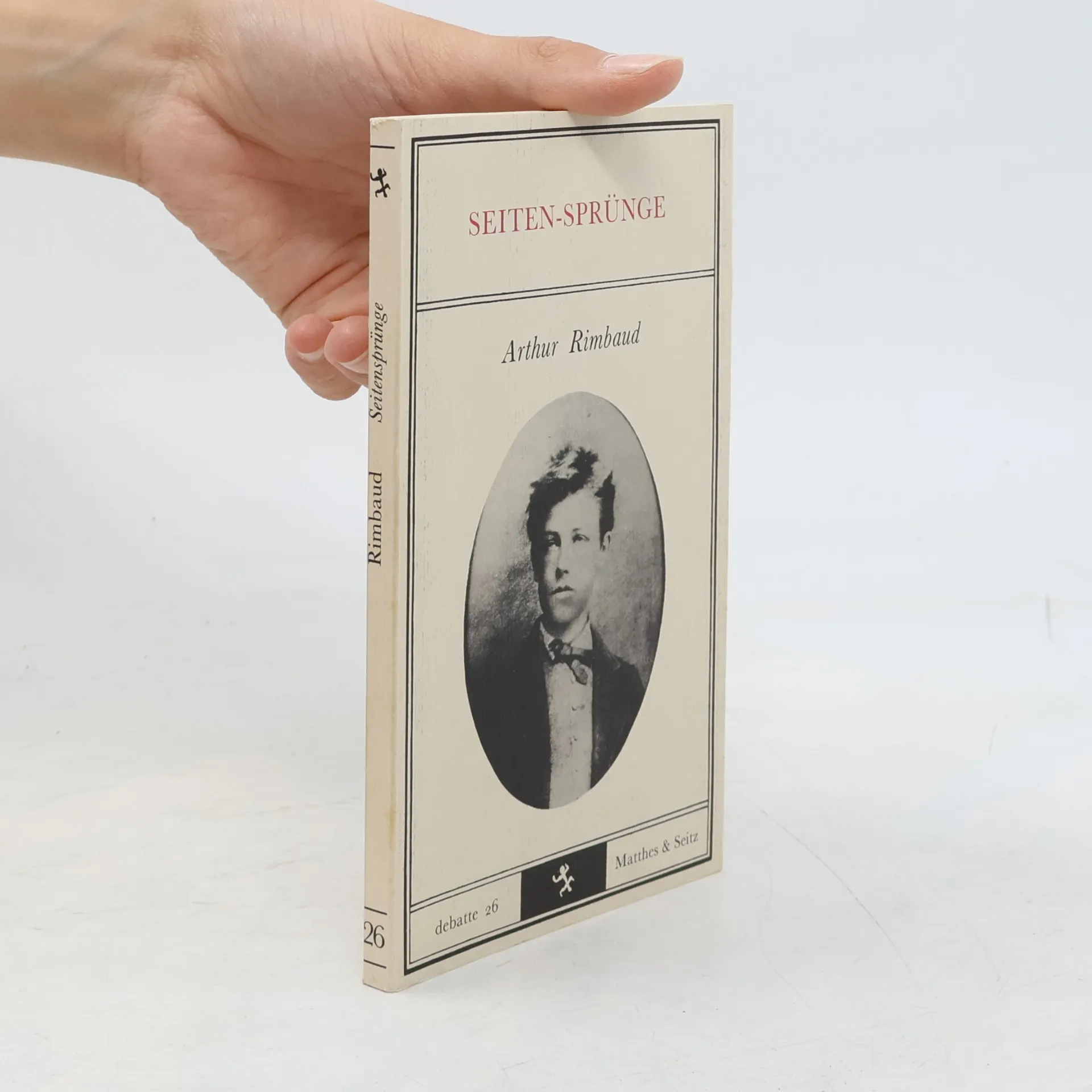
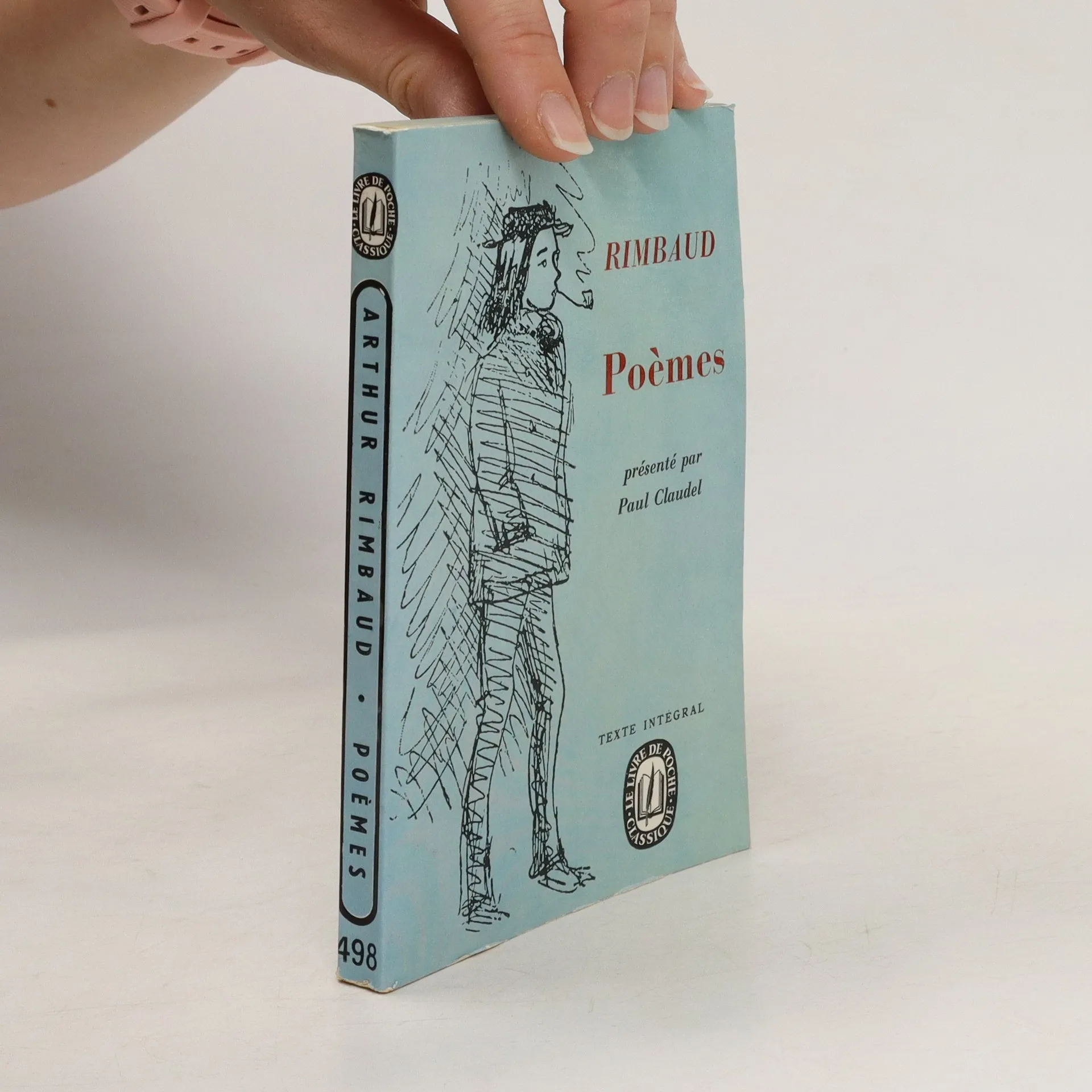
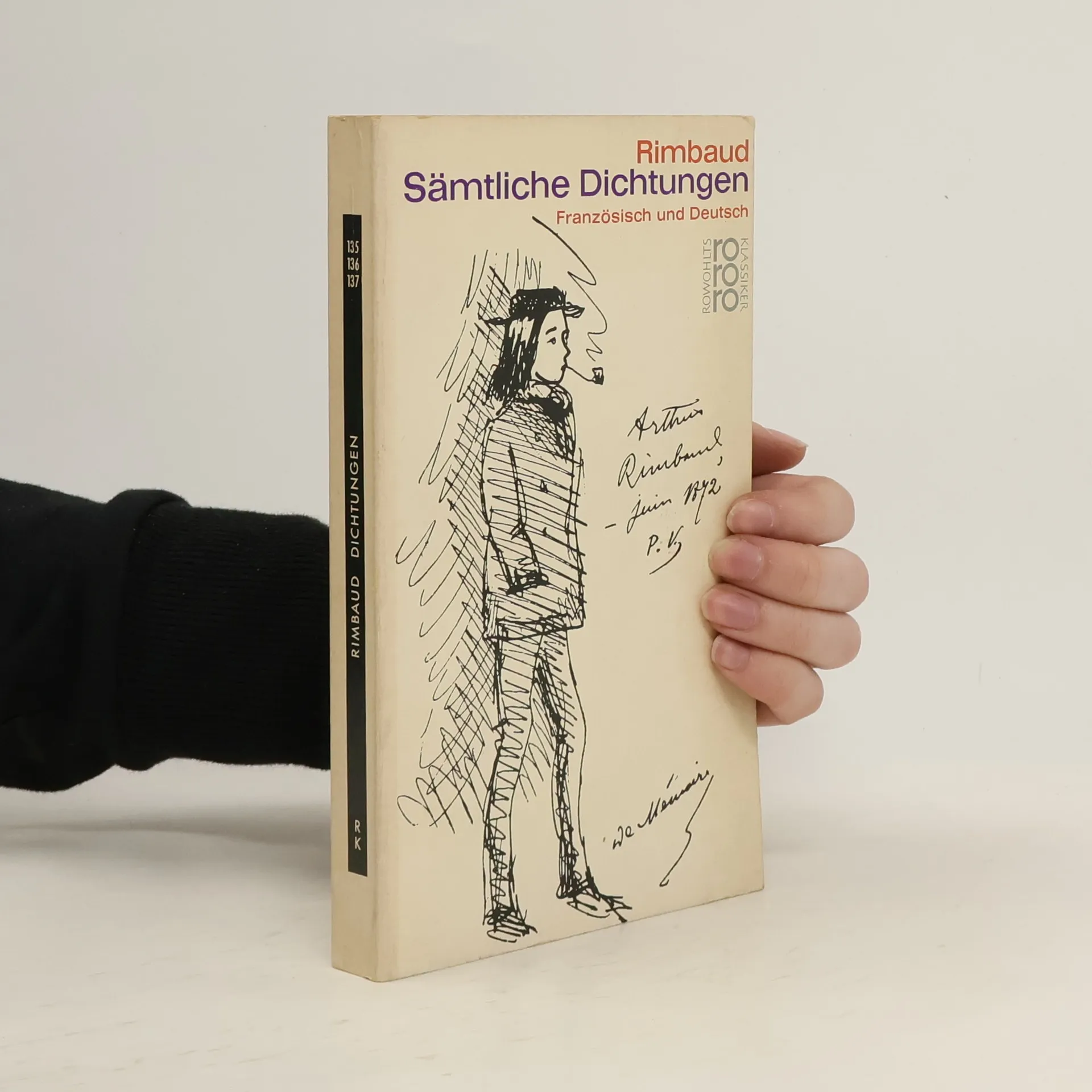
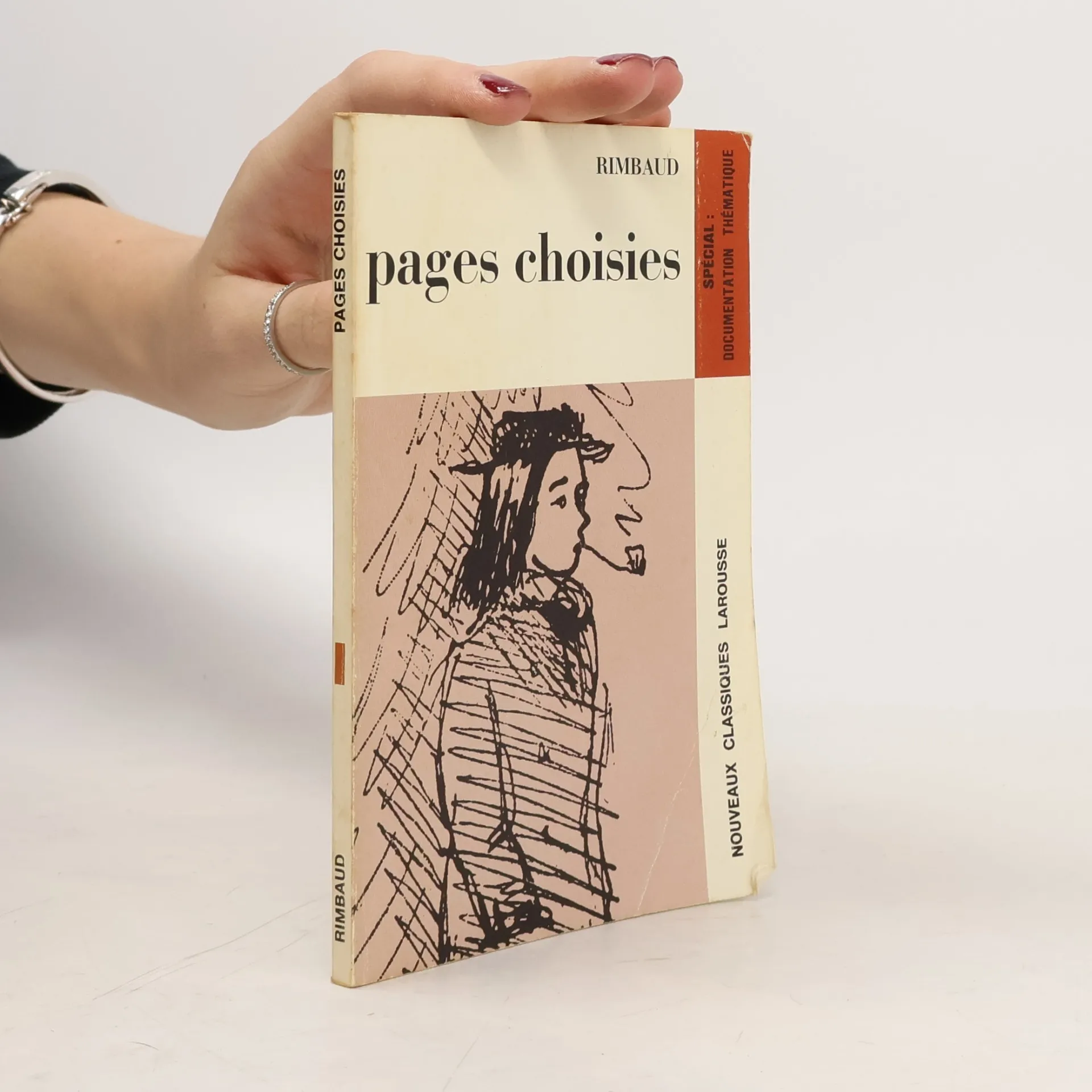
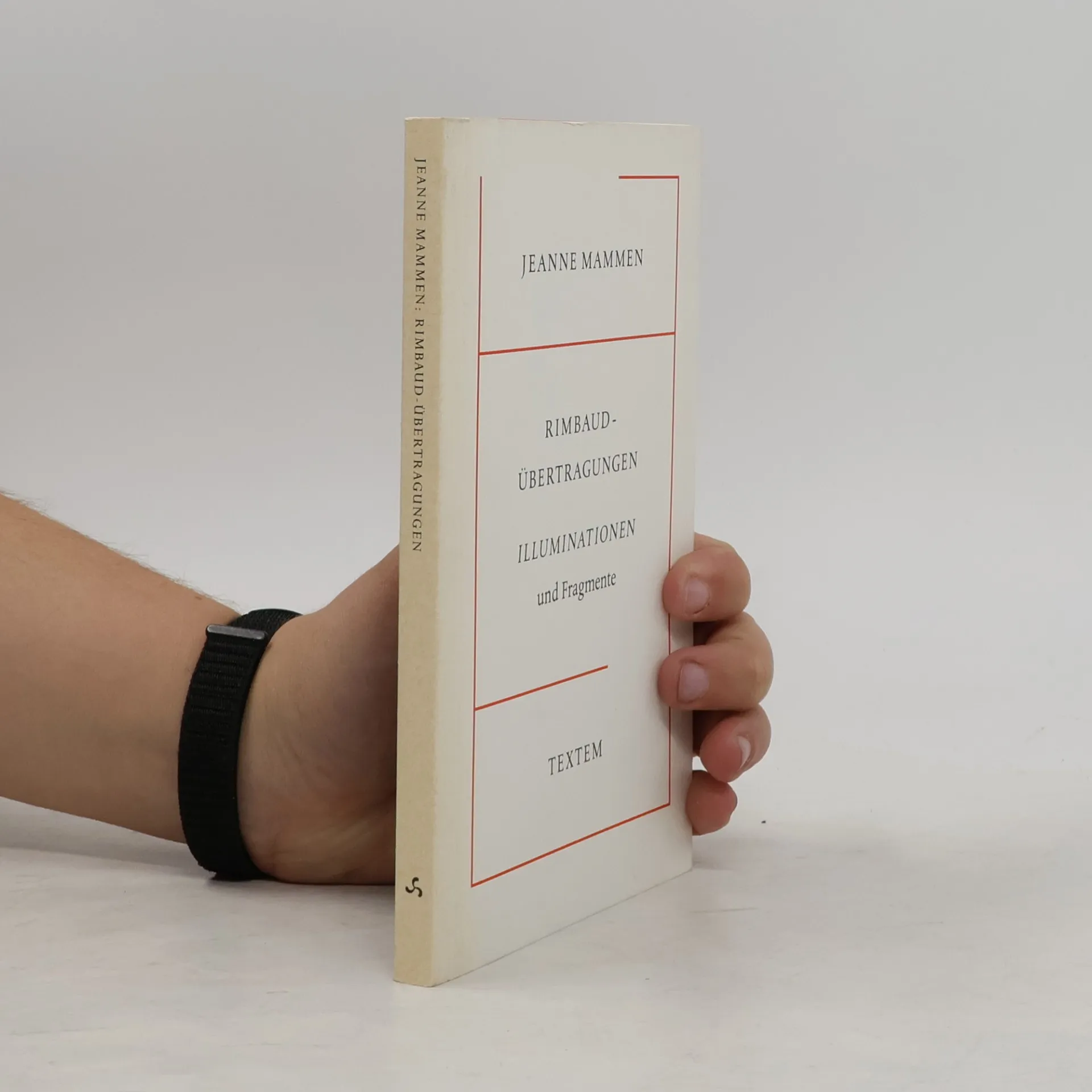
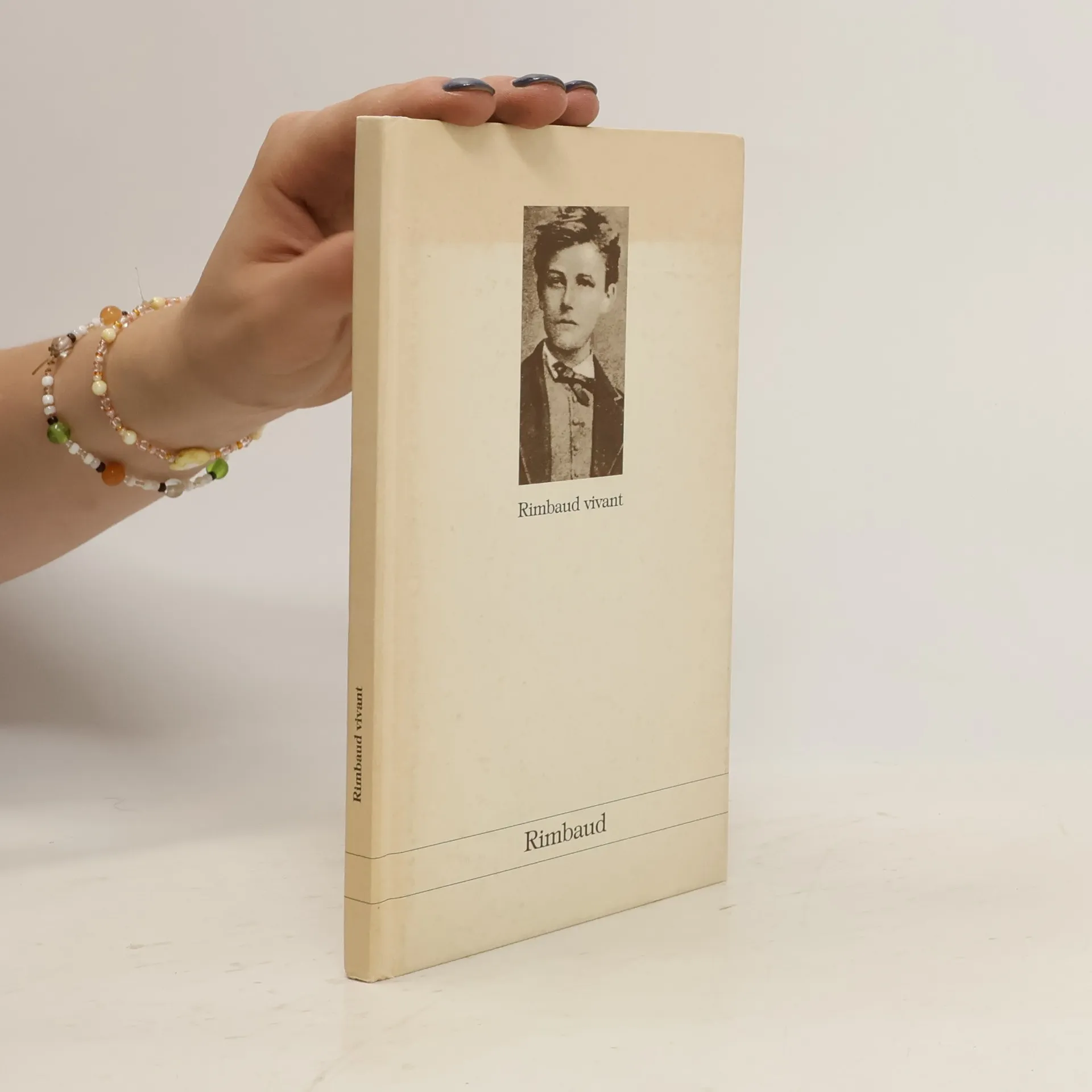
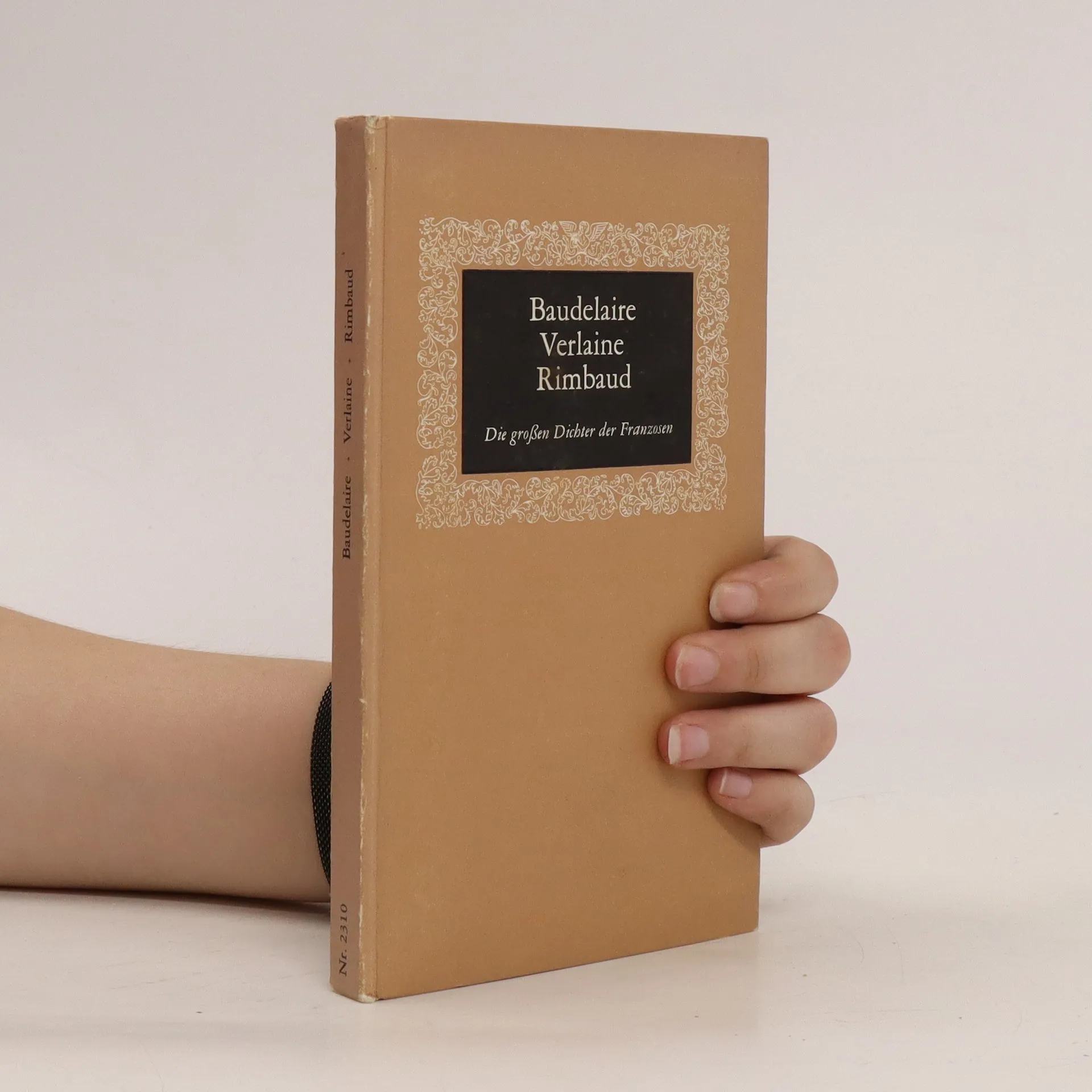
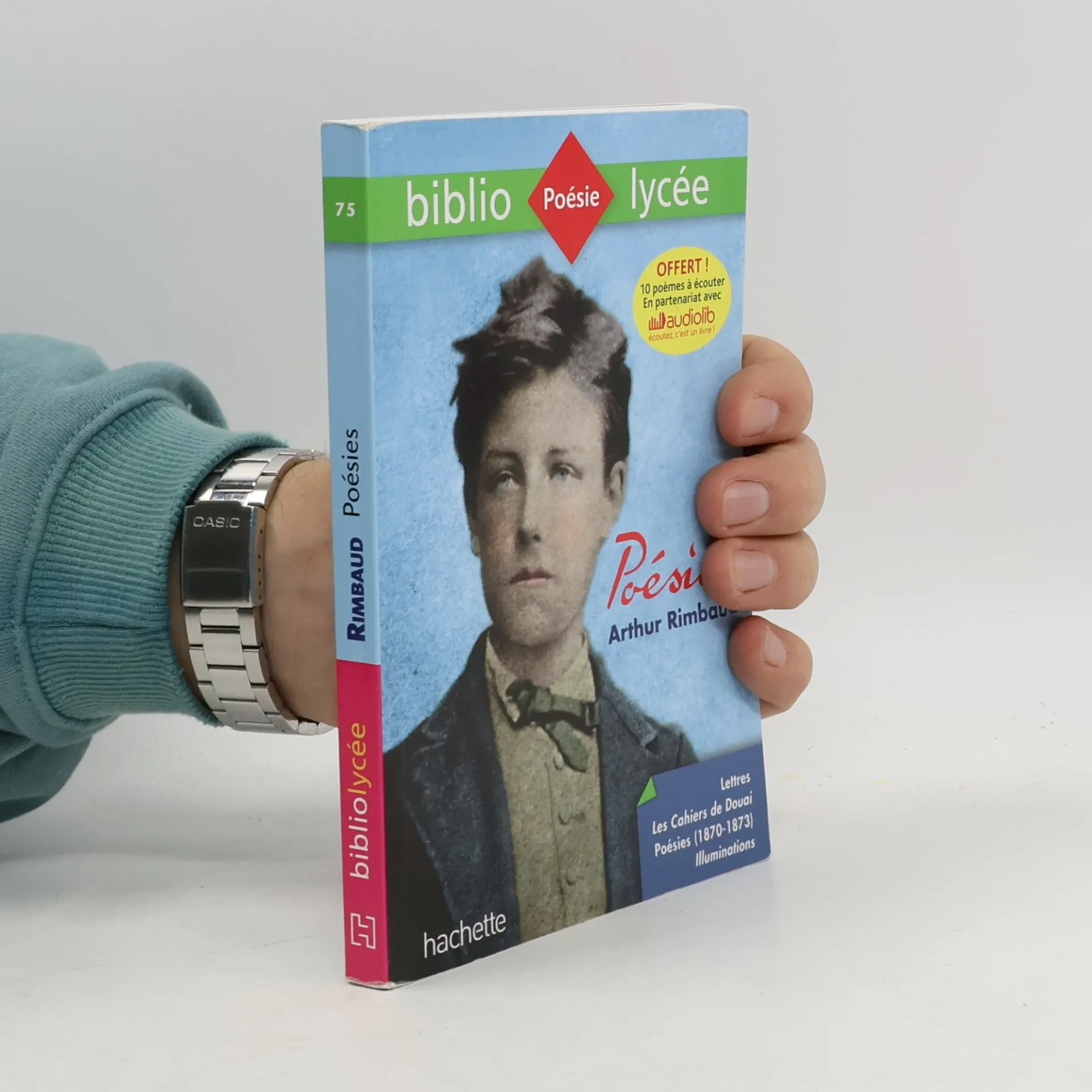
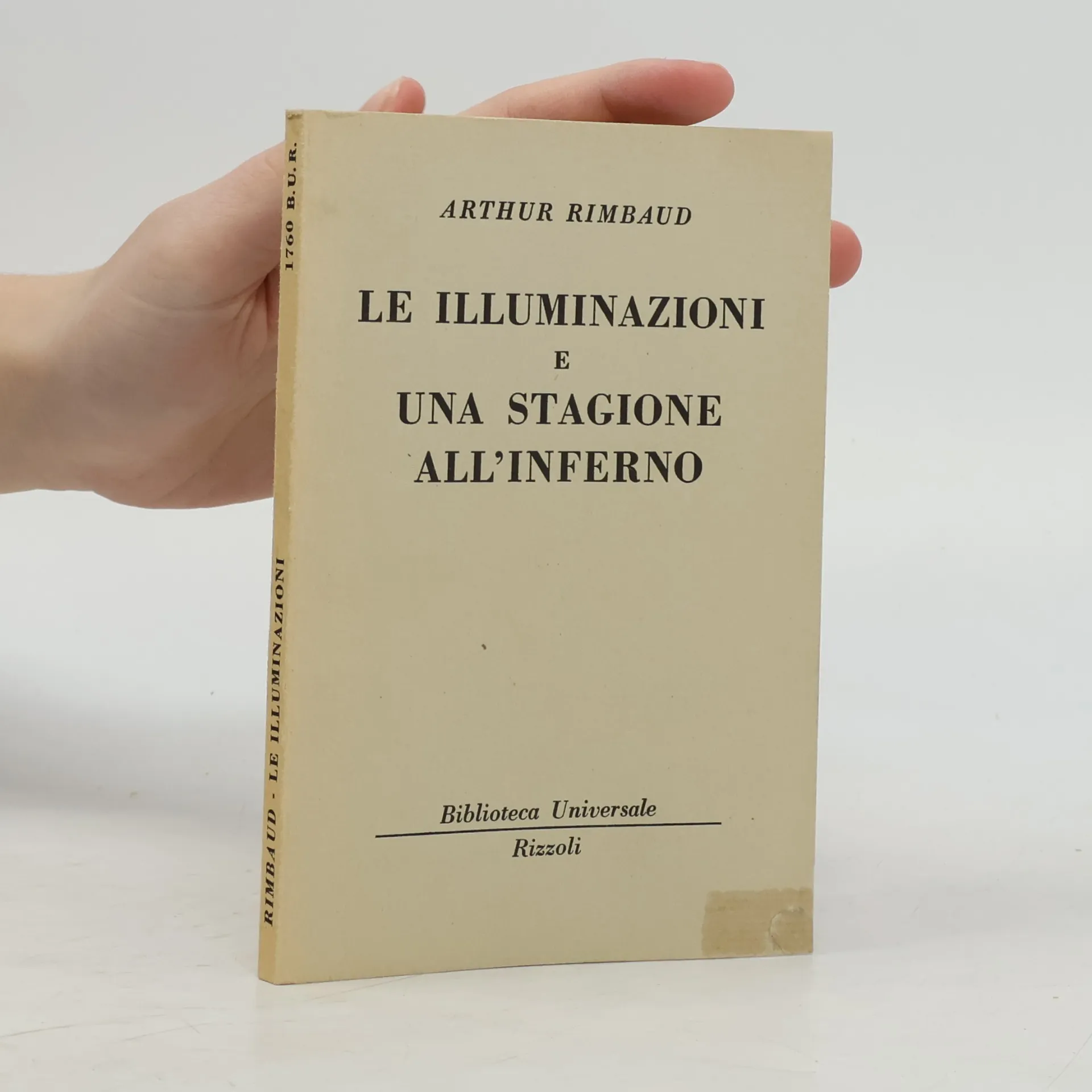
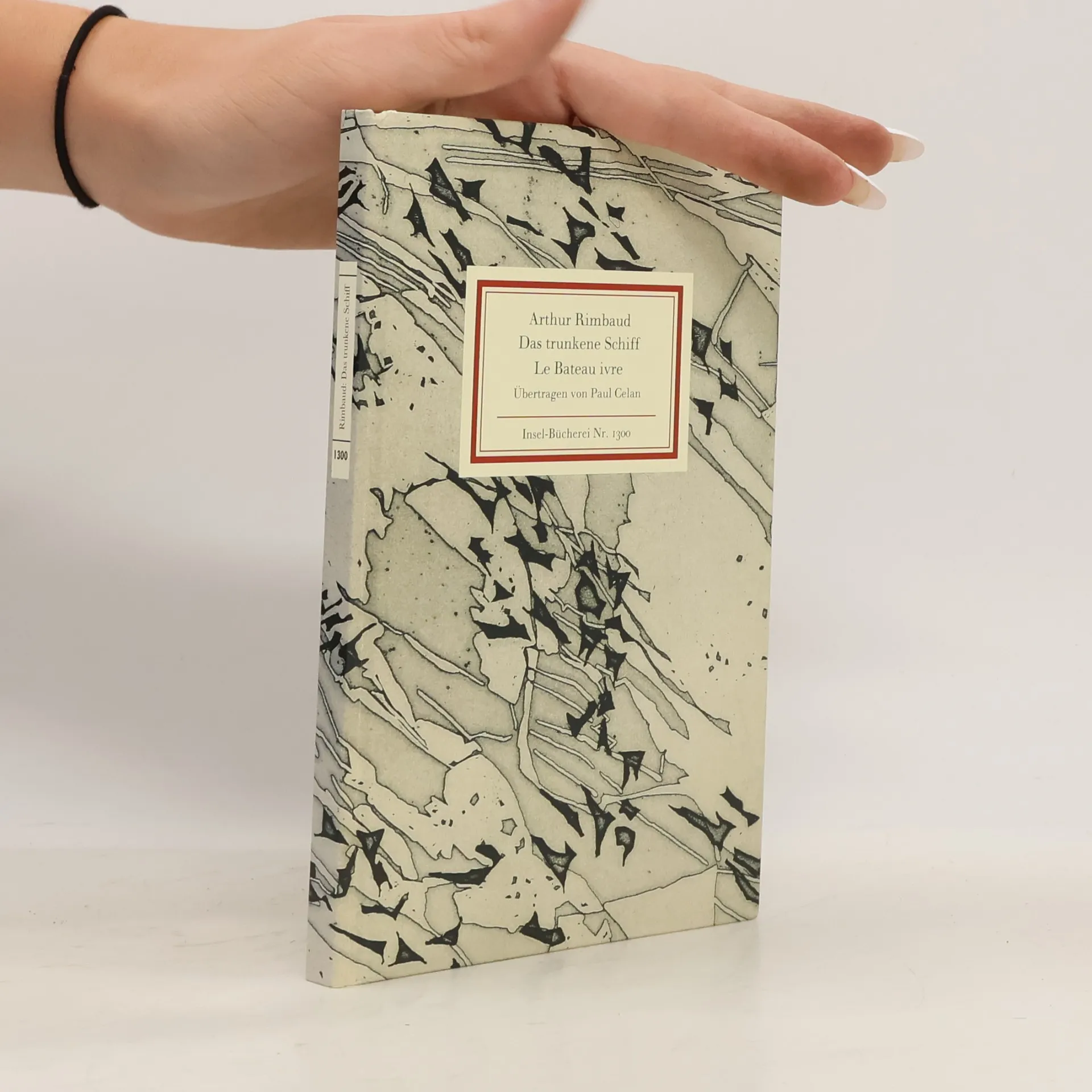
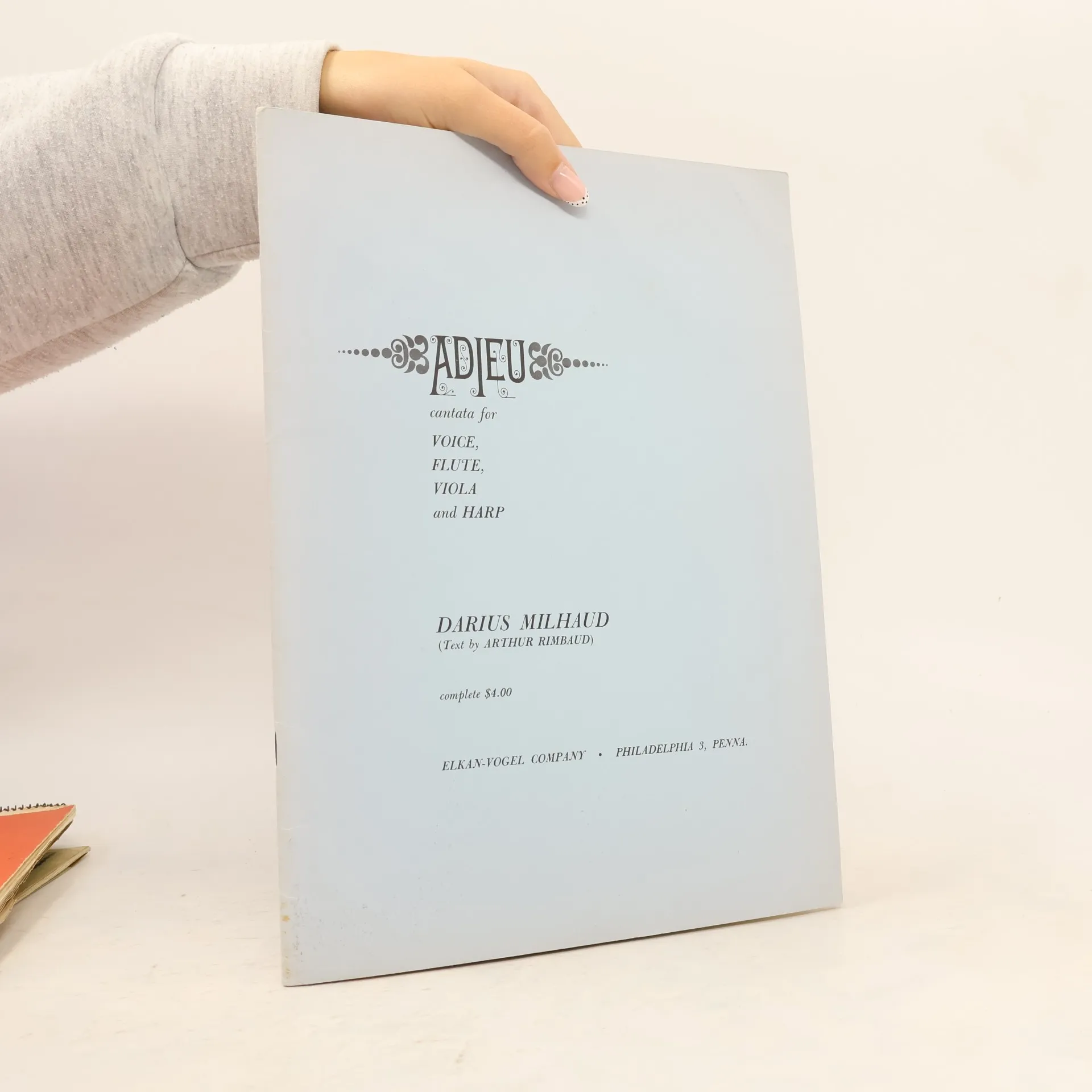
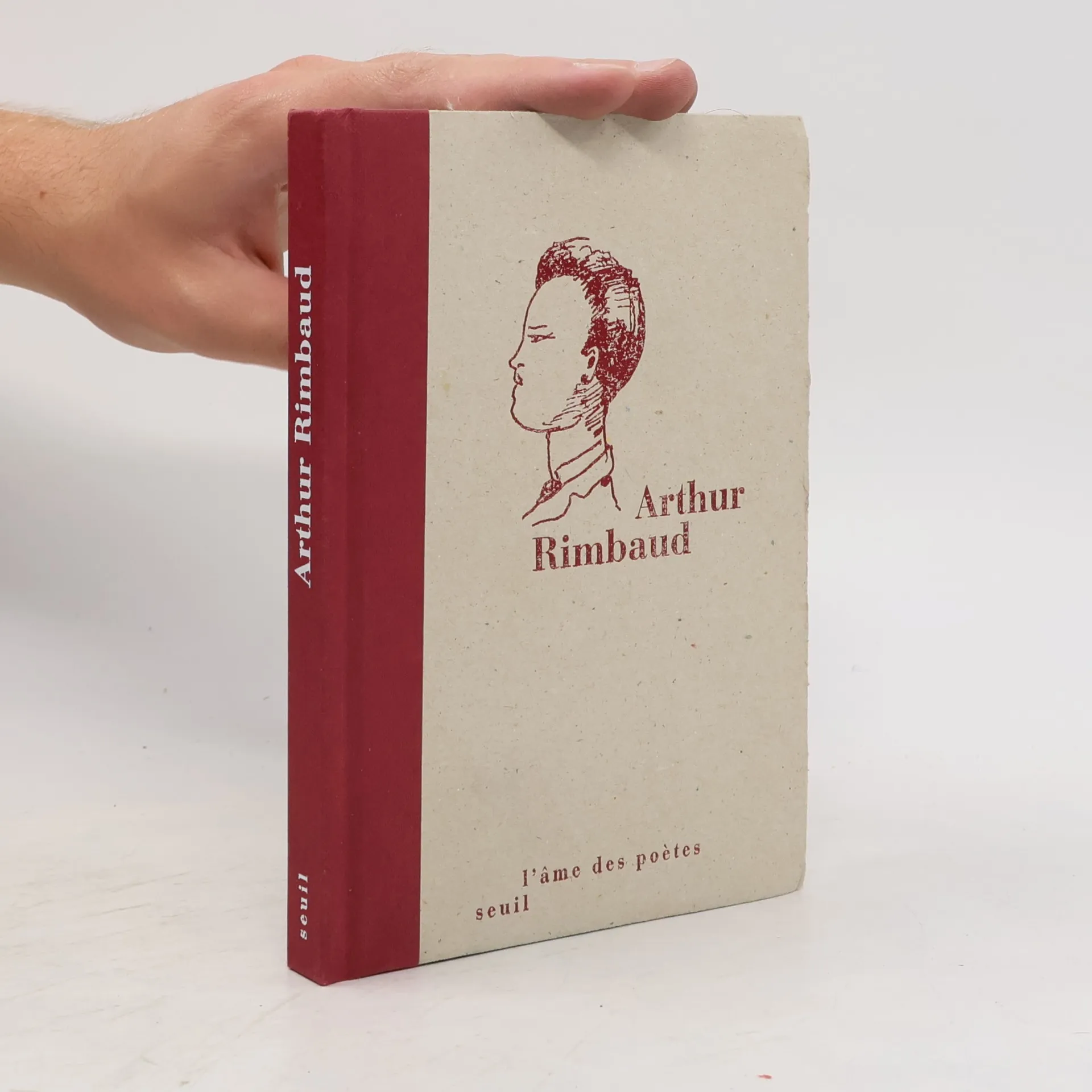
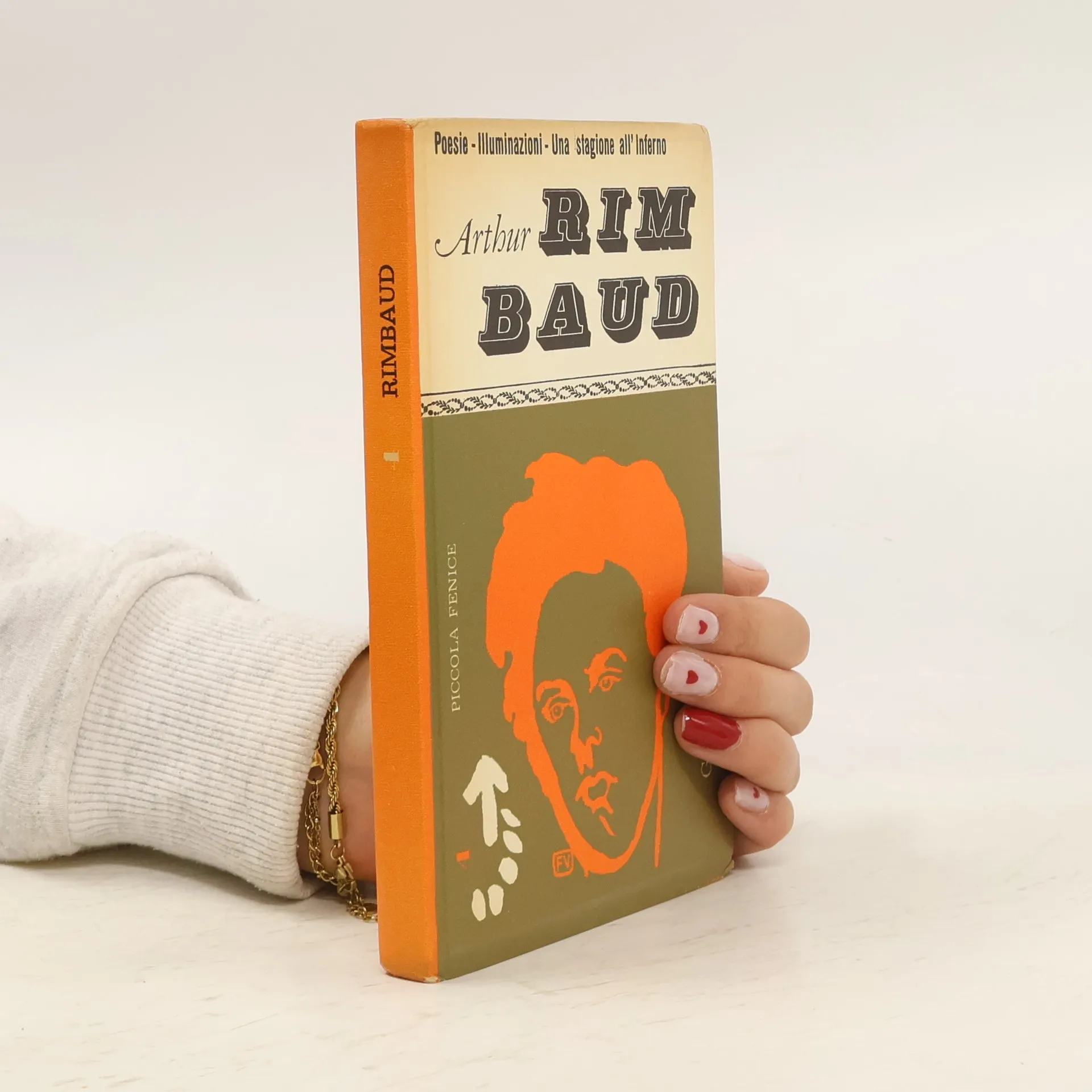
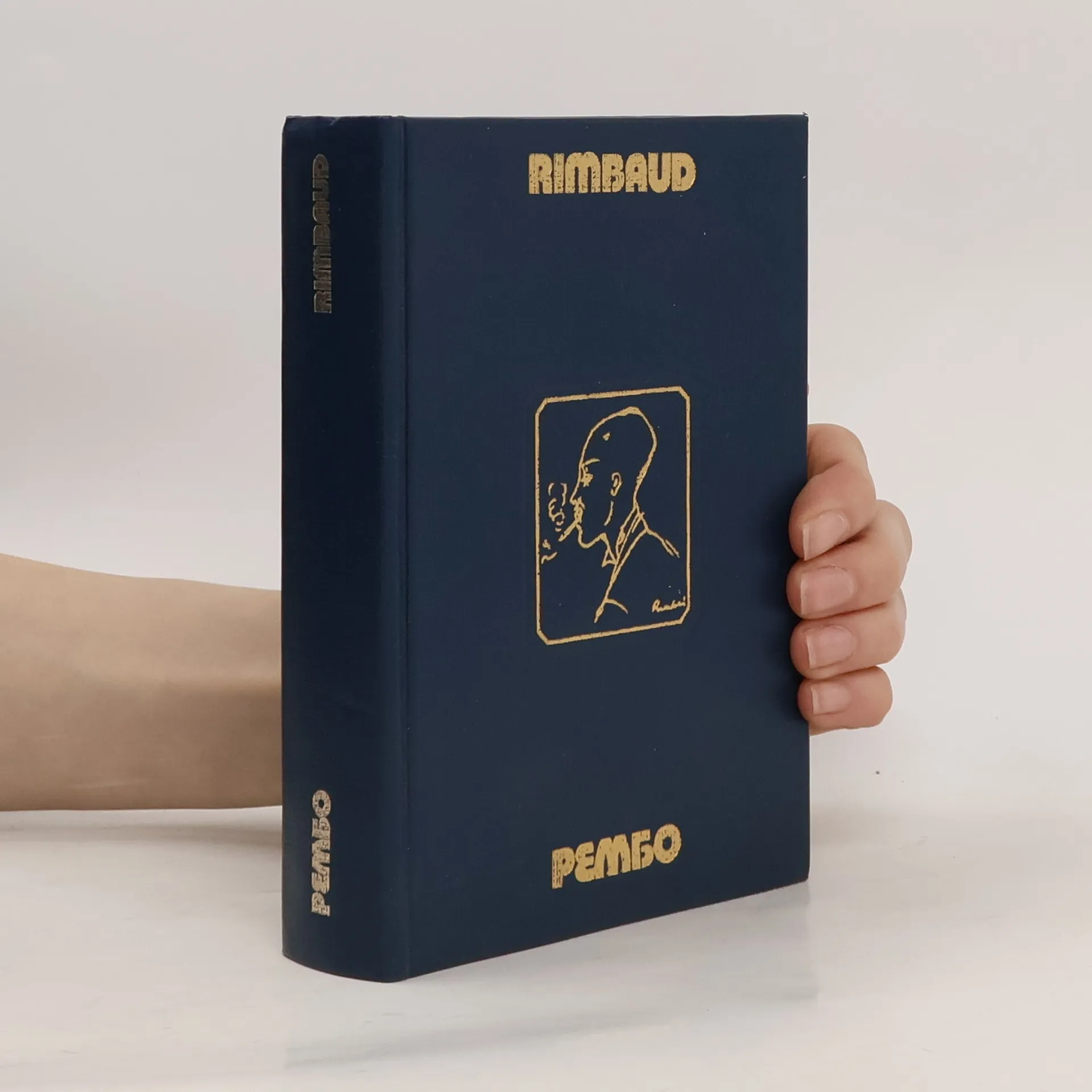
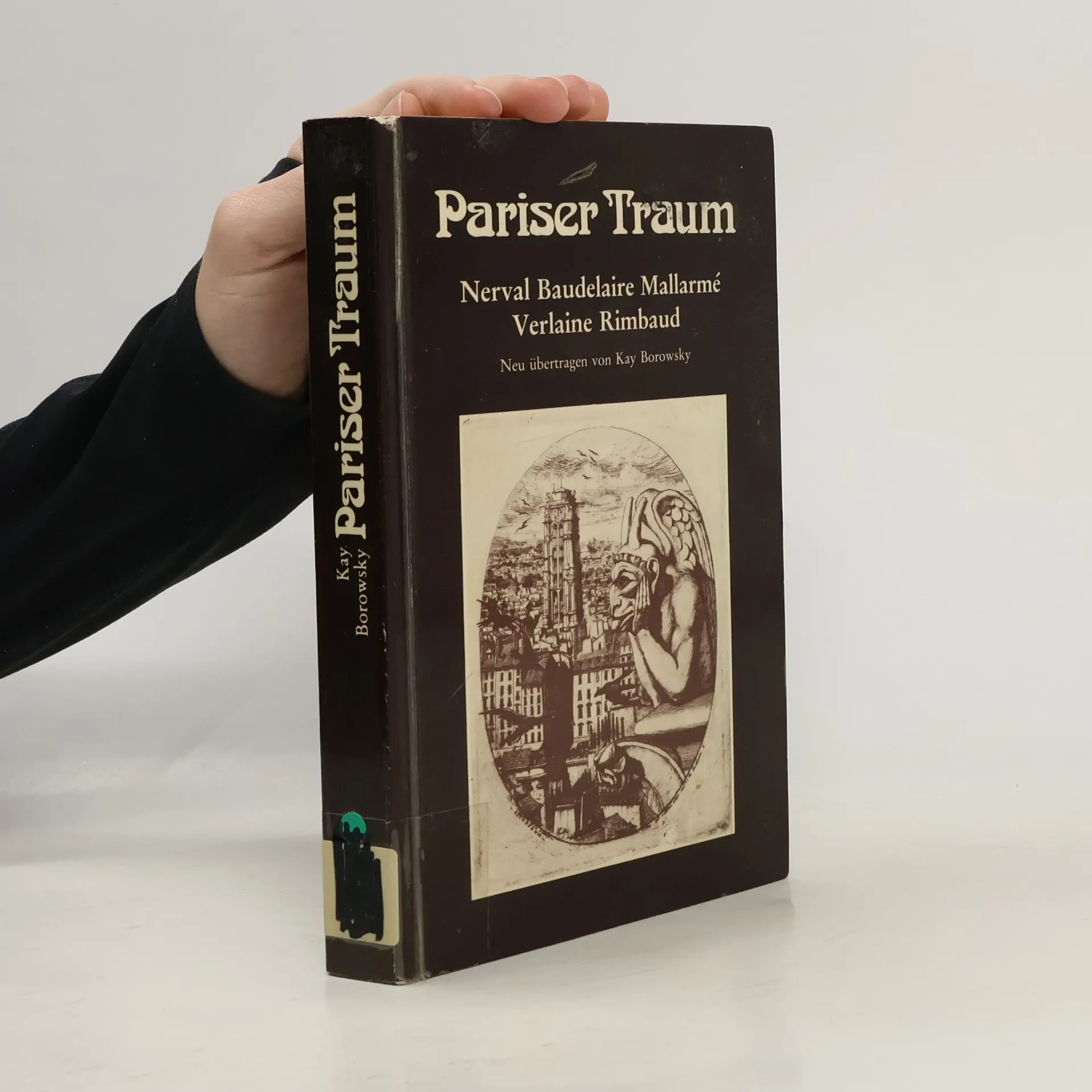
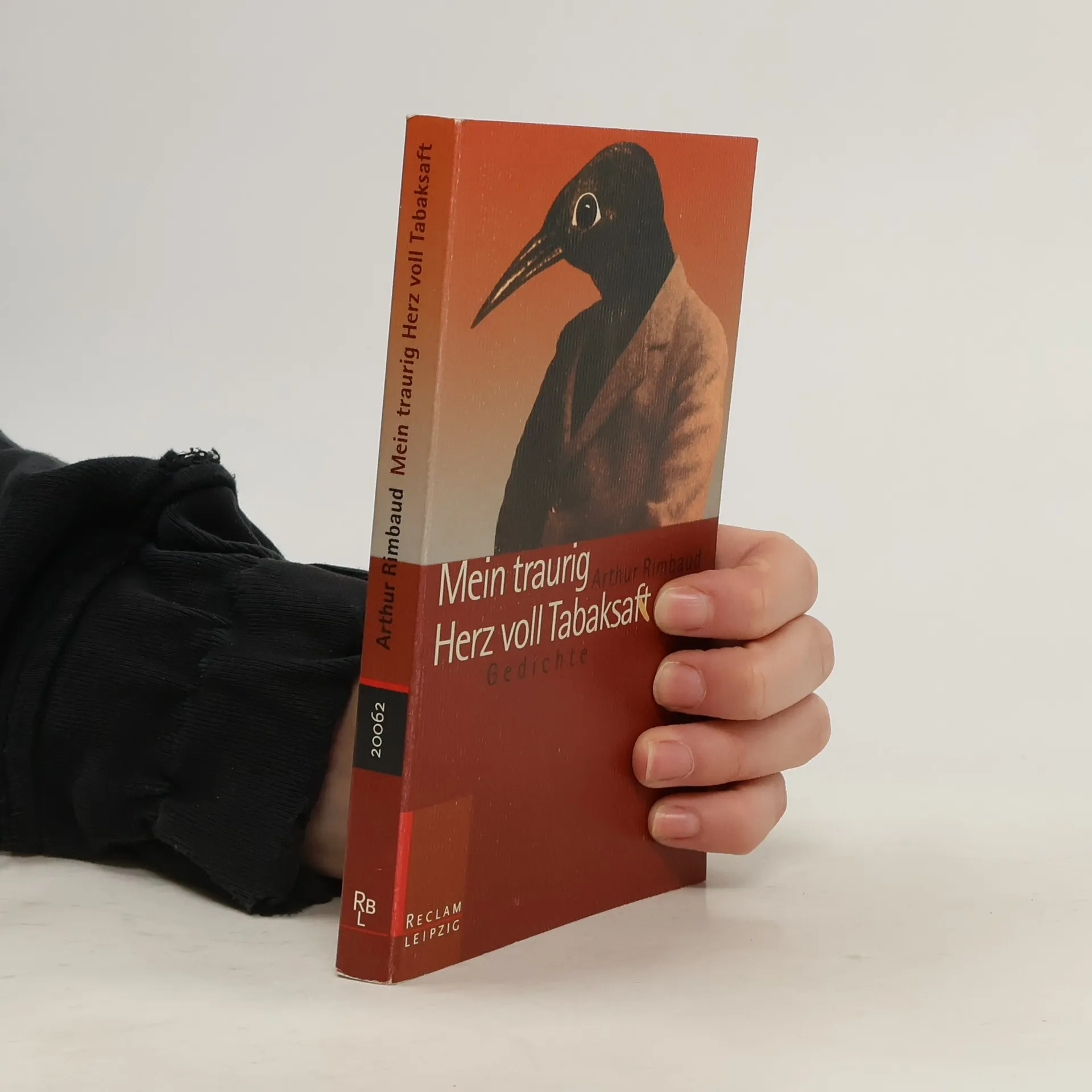
Complete works
- 309 pages
- 11 hours of reading
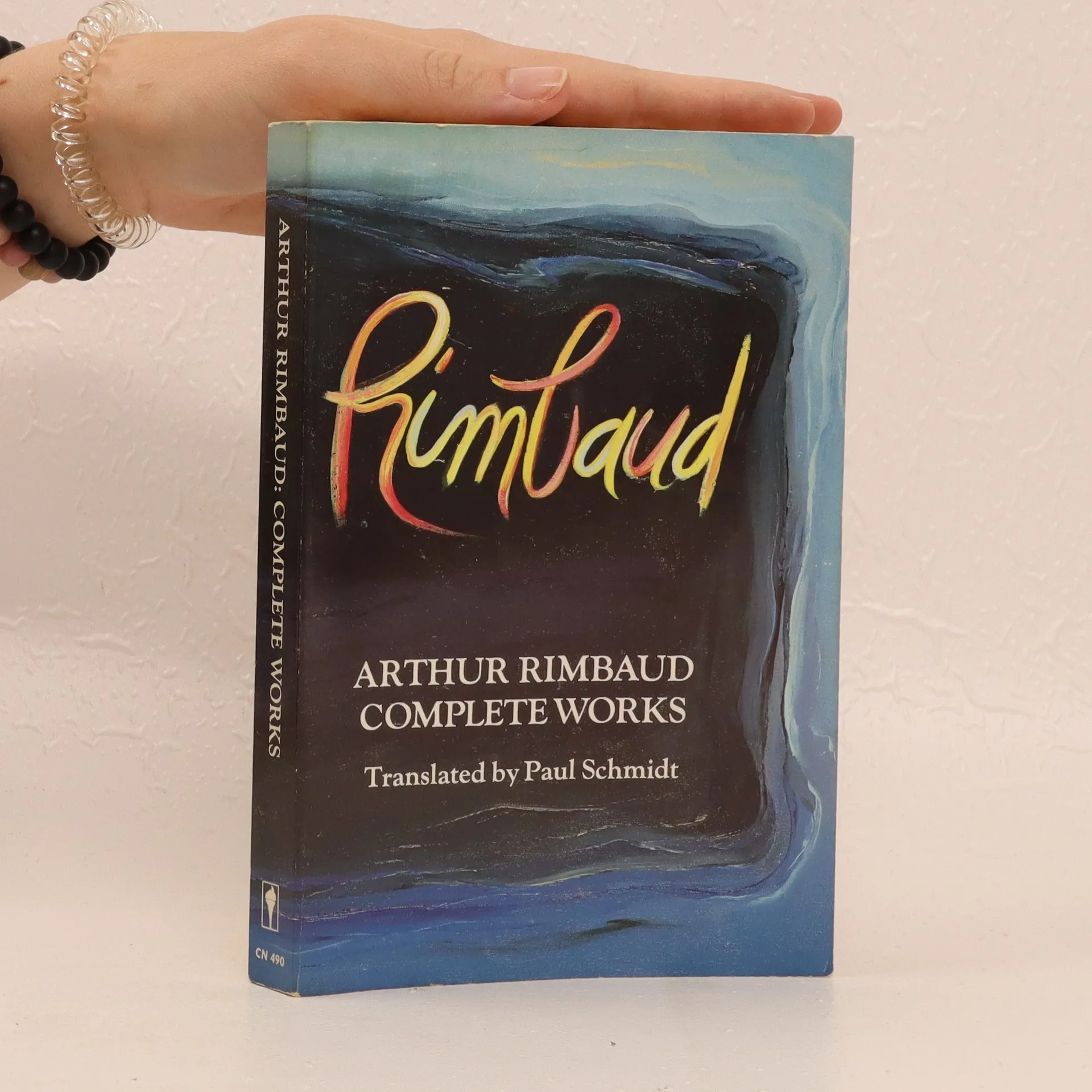
Presents a new translation and a revised chronology along with a sketch of the poet's life.


A French poet and adventurer who ceased writing verse at 19, he became an inextricable myth in French gay life after his early death. Rimbaud's poetry, partly written in free verse, is defined by its dramatic and imaginative vision, with the poet declaring one must become a visionary. His works stand as some of the most original within the Symbolist movement. His most celebrated poem is an allegory for a spiritual quest, envisioning a vessel's journey.


Presents a new translation and a revised chronology along with a sketch of the poet's life.
A phenomenonally precocious schoolboy, Rimbaud was still a teenager when he became notorious as Europe's most shocking and exhilarating poet. This book sets the two sides of Rimbaud side by side with a translation of his exhilarating poetry and a selection of the letters from the harsh and colourful period of his life as a colonial trader.
Features A Season in Hell, one of the great works of modern literature, and many of the verse poems which Rimbaud wrote between March 1870 and August 1872.
This may be the most beautiful book in the world, lighted from within and somehow embodying all forms of literature. Susan Salter Reynolds, Los Angeles Times
Exploring themes of love, rebellion, and existential despair, this collection features Arthur Rimbaud's "A Season in Hell," a prose poem reflecting on his tumultuous relationship with Paul Verlaine. It includes "The Drunken Boat," a vivid narrative of loss at sea, and "Illuminations," a celebrated series of forty-two prose poems. Rimbaud's innovative style and profound insights have earned him recognition as a pivotal figure in modern symbolism, as noted by Albert Camus. This edition is printed on premium acid-free paper and showcases translations by notable scholars.
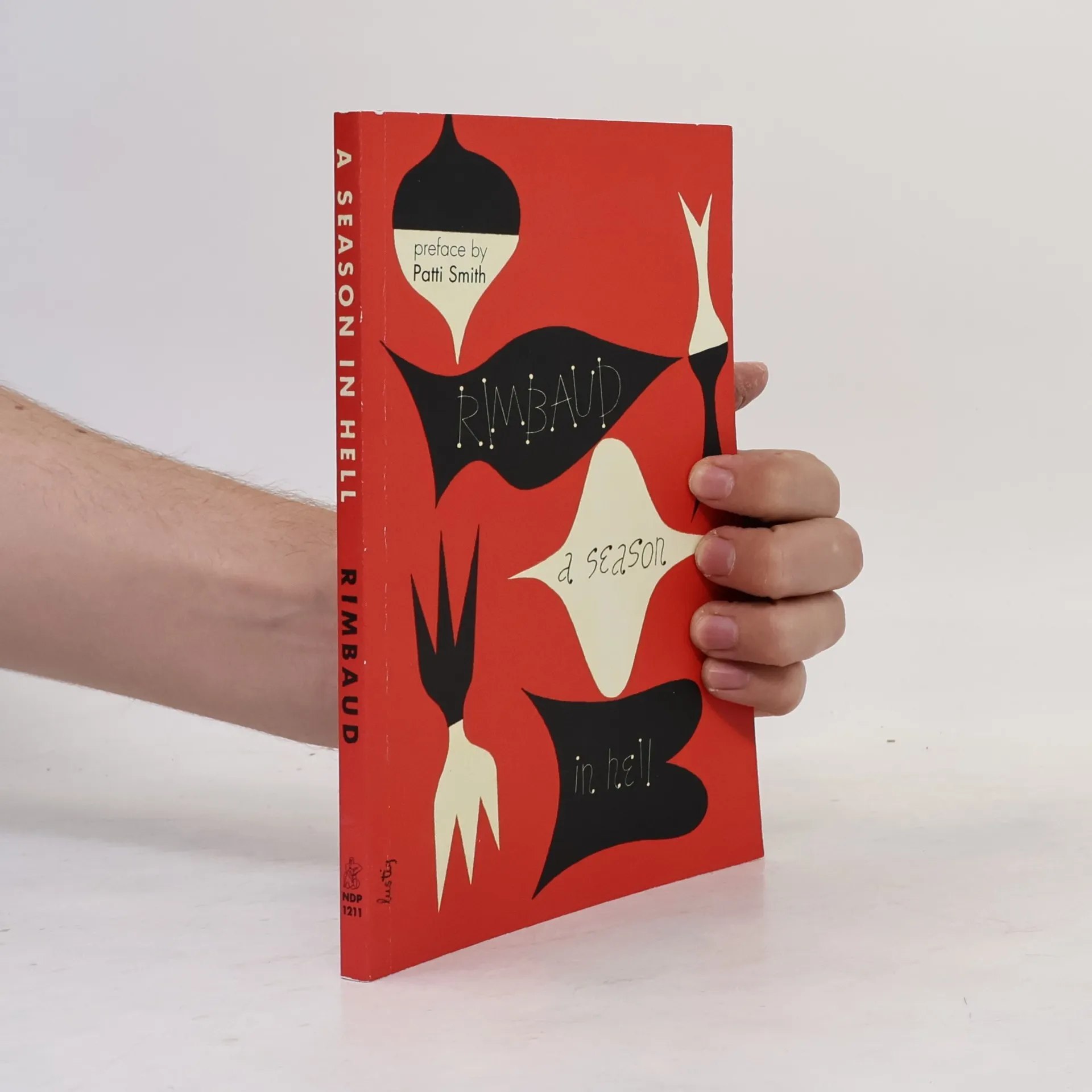
A reissue of Rimbaud's highly influential work, with a new preface by Patti Smith and the original 1945 New Directions cover design by Alvin lustig.
Written by Rimbaud at the age of 18 in the wake of his tempestuous affair with fellow poet Paul Verlaine, "A Season in Hell" has been a touchstone for anguished poets, artists, and lovers for more than a century. This stunning volume presents Rimbaud's poem in the original French and in English translation. Each of the poem's eight sections if accompanied by a dazzling Mapplethorpe photograph that brilliantly complements the work's shifting moods. 95 pp. 20,000 print. Copyright © Libri GmbH. All rights reserved.
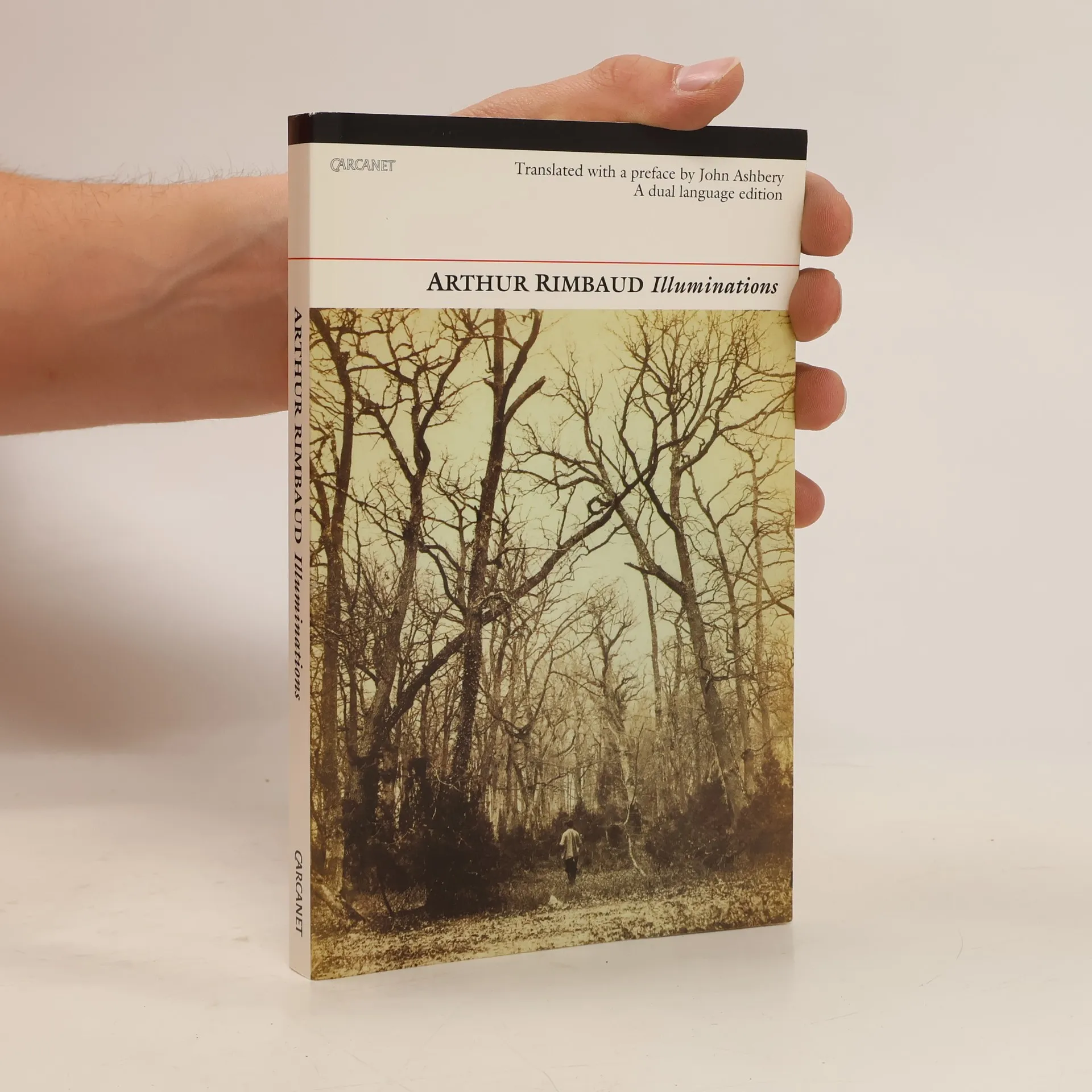
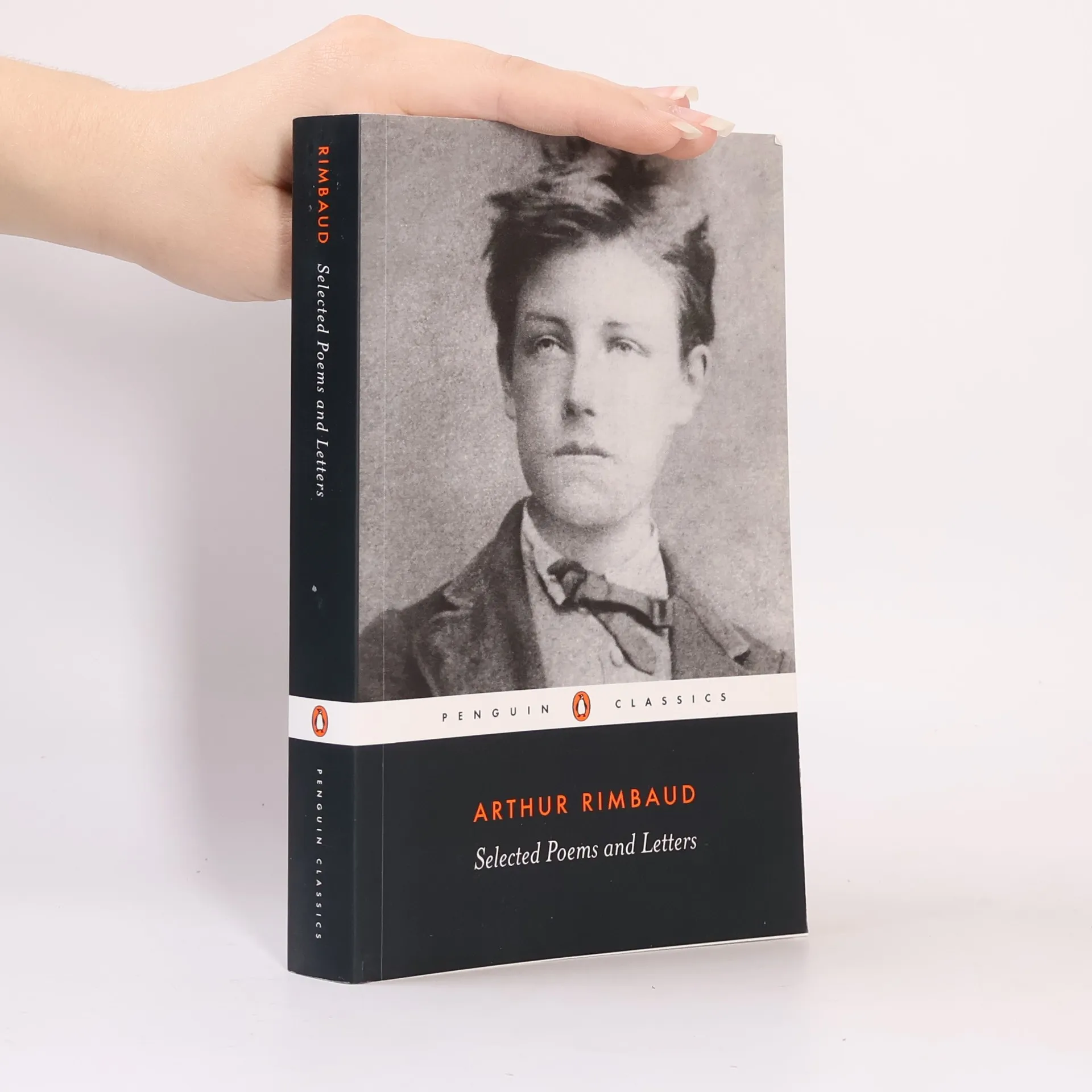
'The poet makes himself a seer by a long, prodigious, and rational disordering of all the senses. . .' Rimbaud was sixteen when he made this famous declaration. By 1886, then thirty-two and an explorer, trader and slave-trader on the Red Sea, he had absolutely no interest in the fate or success of the poetry infused with mysticism, alchemy and magic that he had written in his teens. That same year, in Paris, Les Illuminations was being published as the work of 'the late' Arthur Rimbaud, first in a Symbolist periodical and then in book form, with an Introduction by his former lover, Verlaine. Seldom has a writer's vision of changing the world through words failed so spectacularly as did Rimbaud's. That failure turned him into an incomparable tragic poet: not only 'a wild undisciplined genius, a mystic philosopher and thinker, an inspired poet' but also, according to Enid Starkie, 'one of the most finished artists . . . a supreme master of prosody and style'. This Penguin Classic reproduces the text of the Pléiade edition, 1954, with selected letters and prose translations that have been highly acclaimed.
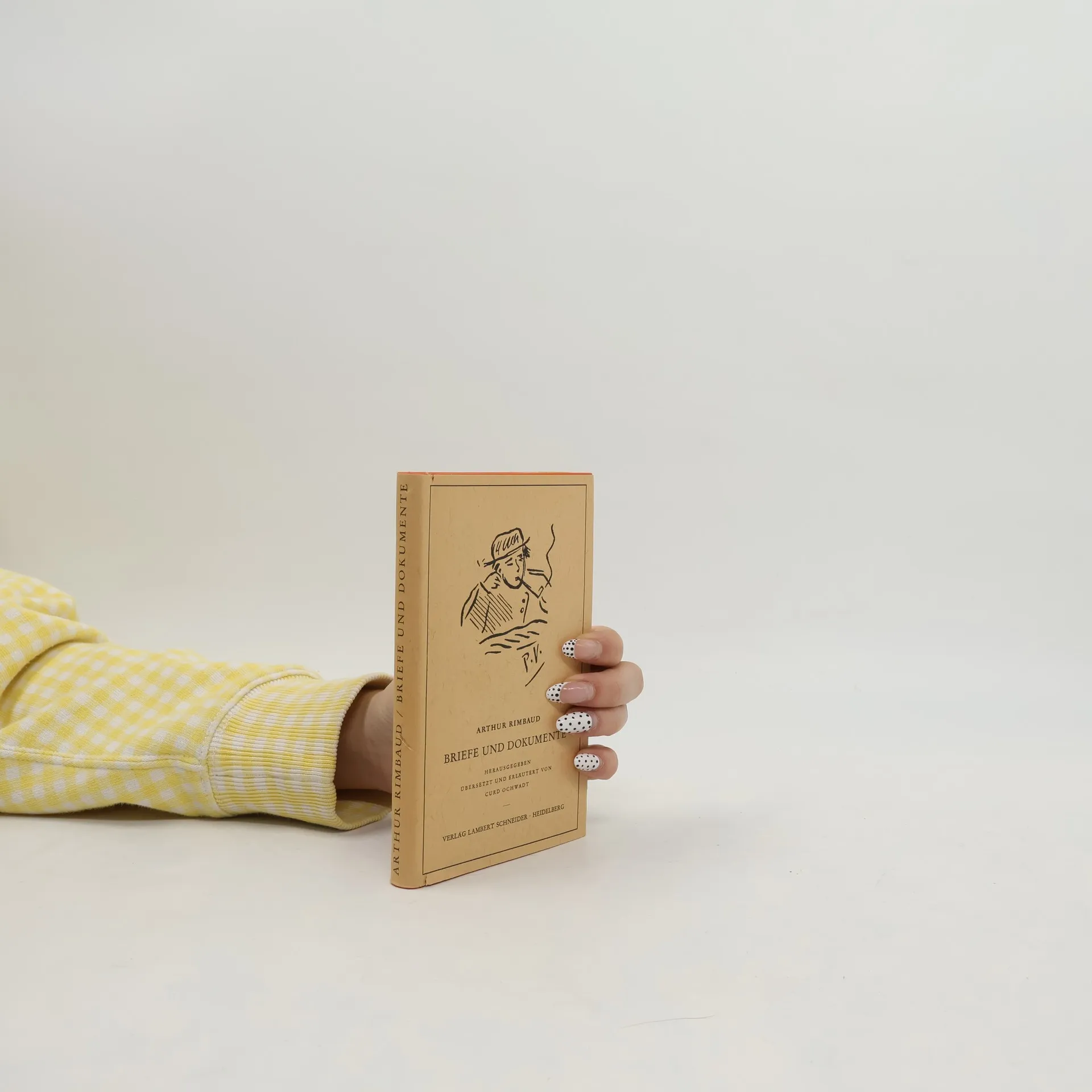
Deutsche Nachdichtung Zech, Paul Nachw. von Fritz, Walter Helmut 209 S. N.-A.
Zweisprachige Ausgabe
Ein frühreifer Poet, schuf Arthur Rimbaud in seinem kurzen Leben hinreißende Verse, die in ihrer Modernität und kompromisslosen Subjektivität vielen späteren Dichtern den Weg ebneten. Sein ›Trunkenes Schiff‹, mit dem er sich dem Dichter und Geliebten Paul Verlaine vorstellte, revolutionierte die französische Dichtung durch seine wuchernde Bildwelt und den radikalen Symbolismus. Mit den Werkbeiträgen aus Kindlers Literatur Lexikon. Mit Daten zu Leben und Werk, exklusiv verfasst von der Redaktion der Zeitschrift für Literatur TEXT + KRITIK.
Il est nécessaire de faire une petite présentation d'Arthur Rimbaud ; car même au XXIe siècle, il y a toujours quelqu'un qui ne connaît pas sa légende. La légende qui le fait apparaître comme l'ange déchu, celui qui était destiné à obtenir la plus grande gloire dans ce monde, la plus grande dignité ; mais sa vertu littéraire, dès ses premières années, était telle qu'il ne pouvait que tomber dans l'orgueil, le même orgueil qui a conduit Lucifer à s'égaler à l'Éternel ; ainsi sa vie s'est déroulée dans un duel constant entre son incroyable intelligence, sa terrible créativité, sa maîtrise de la technique et du langage, et l'environnement qui l'entourait, qui n'était pas prêt à céder à un adolescent − Qui était cet adolescent qui osait leur dire en face qu'ils étaient des médiocres ? Quelle raison lui faisait penser qu'il était meilleur qu'eux ? Cela ne se supporte pas ! Un gamin nous disant que nous ne savons pas faire de la poésie ! − Cela ne pouvait conduire qu'à un seul endroit, à l'ostracisme, et c'est ce à quoi il a été condamné ! L'œuvre d'Arthur Rimbaud est très courte, presque fugace, néanmoins, par sa sincérité et sa créativité, elle en a fait l'une des cimes de la poésie universelle.
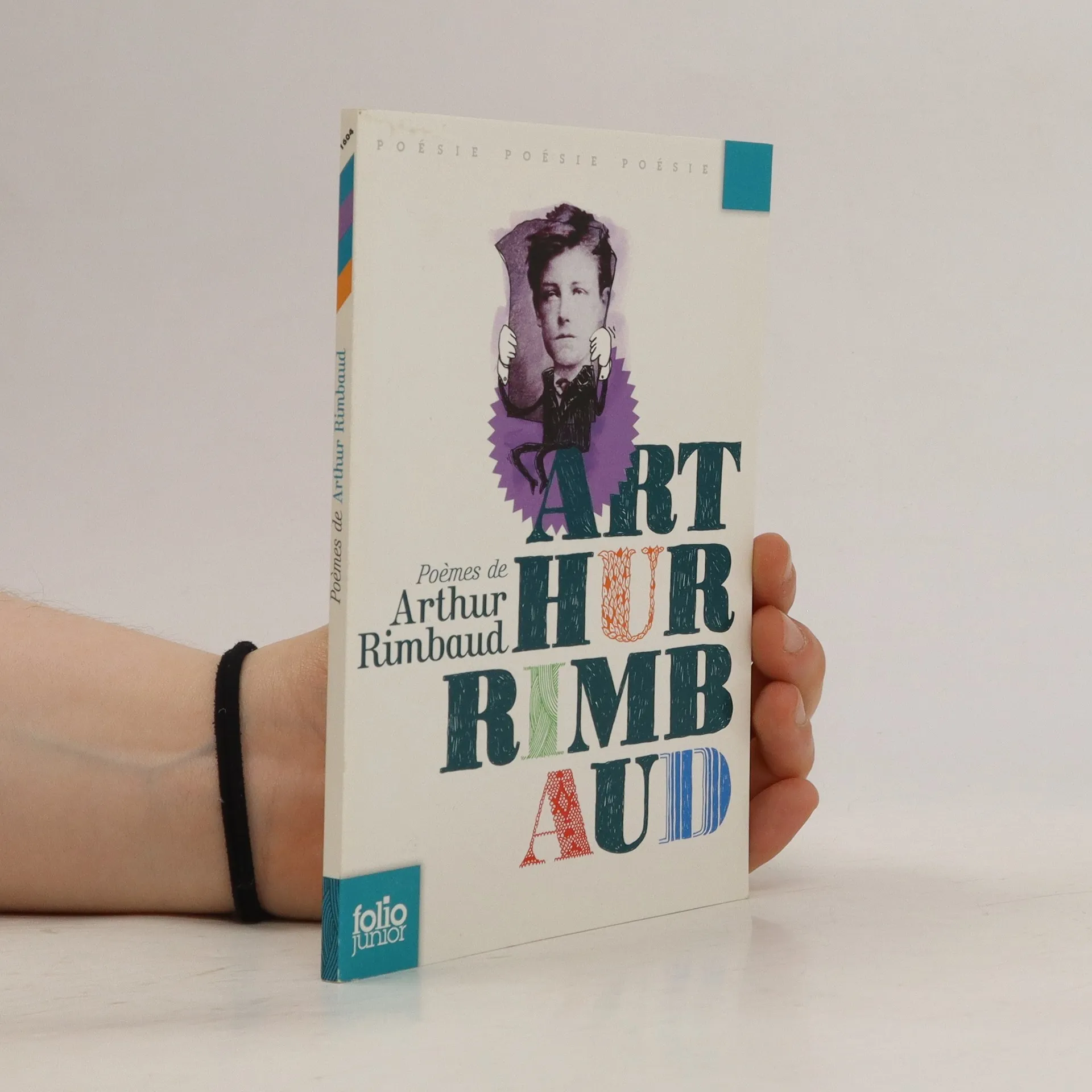
Des poèmes mis en images et accompagnés de repères biographiques qui éclairent la vie mouvementée du poète aventurier.
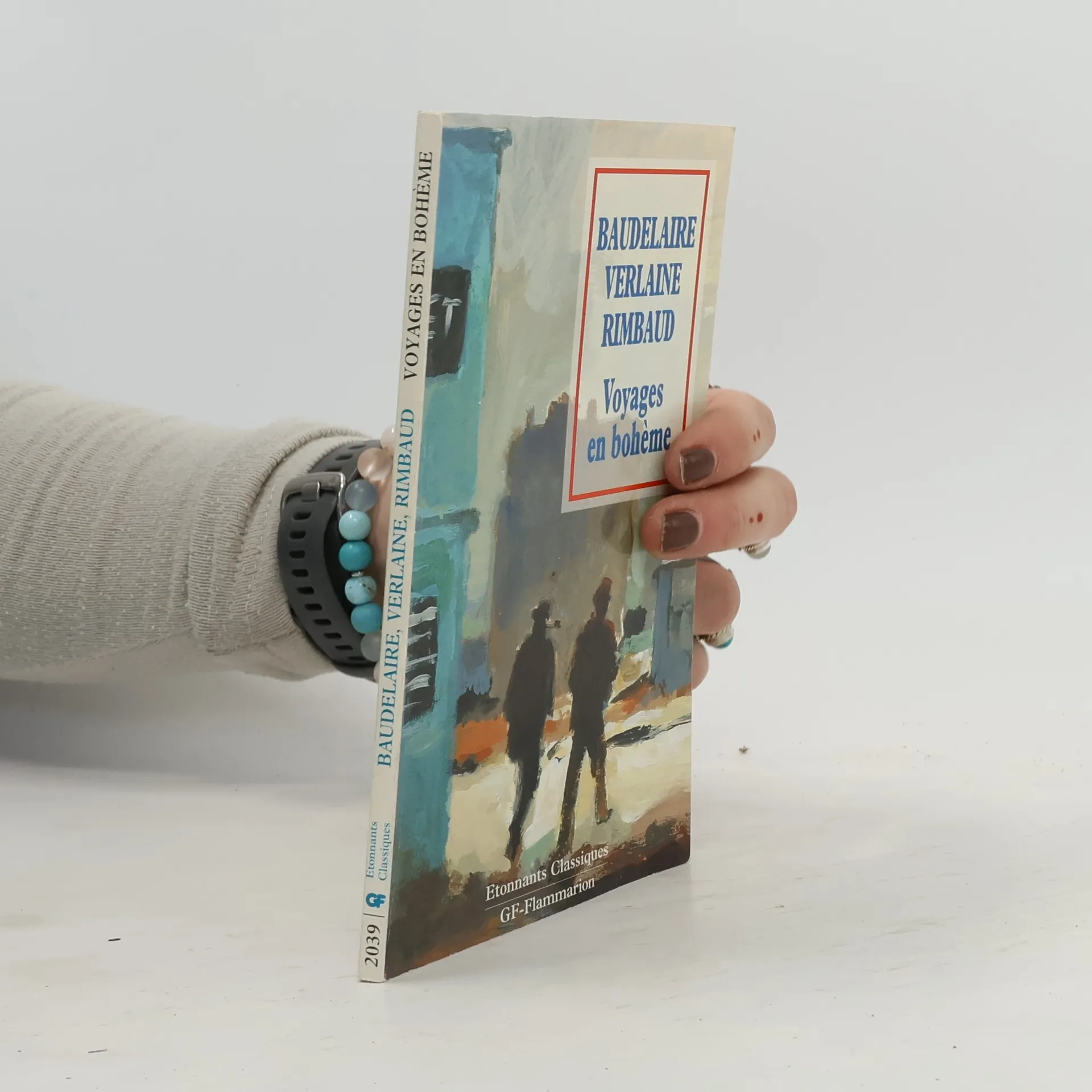
Lorsque le jeune Verlaine appelle l'enfant sauvage des Ardennes – «Venez, chère grande âme, on vous appelle, on vous attend» –, il ne sait pas qu'il provoquera un choc qui fera éclater les résolutions sur lesquelles il souhaite fonder l'équilibre de sa vie personnelle, littéraire et publique. Rimbaud, ange exterminateur et dominateur, rompt les conventions, brise les âmes et sépare les époux, inspirant fascination et répulsion dans les cercles littéraires. Leur relation, un dialogue séminal alimenté par le désir, se manifeste dans Romances sans paroles et les poèmes de 1872, ainsi que dans Une saison en enfer. Ce concert de voix, distancié et entêtant, se prolonge dans certains textes des Illuminations. Des fragments de vues et de vie circulent entre eux, réorganisant le dire poétique et les formes de la figuration lyrique. Cette aventure à deux, tantôt harmonieuse, tantôt discordante, toujours en quête d'une «nouvelle harmonie» et d'un «concert d'enfers», mérite d'être présentée dans un volume unique. Ce recueil rassemble les œuvres de chacun, mettant en lumière le désir d'émancipation du langage et l'espoir de dynamiter l'ennui à travers l'entre-lecture et l'entre-écriture.
Voyages En Bohème
Il se voulait « voyant », « voleur de feu »... Il aura fallu quelques années à peine à Rimbaud pour dynamiter la « vieillerie poétique », dans sa tentative de trouver « une autre langue », libérant toute les puissances de la vision. Rimbaud a ouvert la voie de la modernité littéraire à travers une expérience-limite du langage et de la vie.
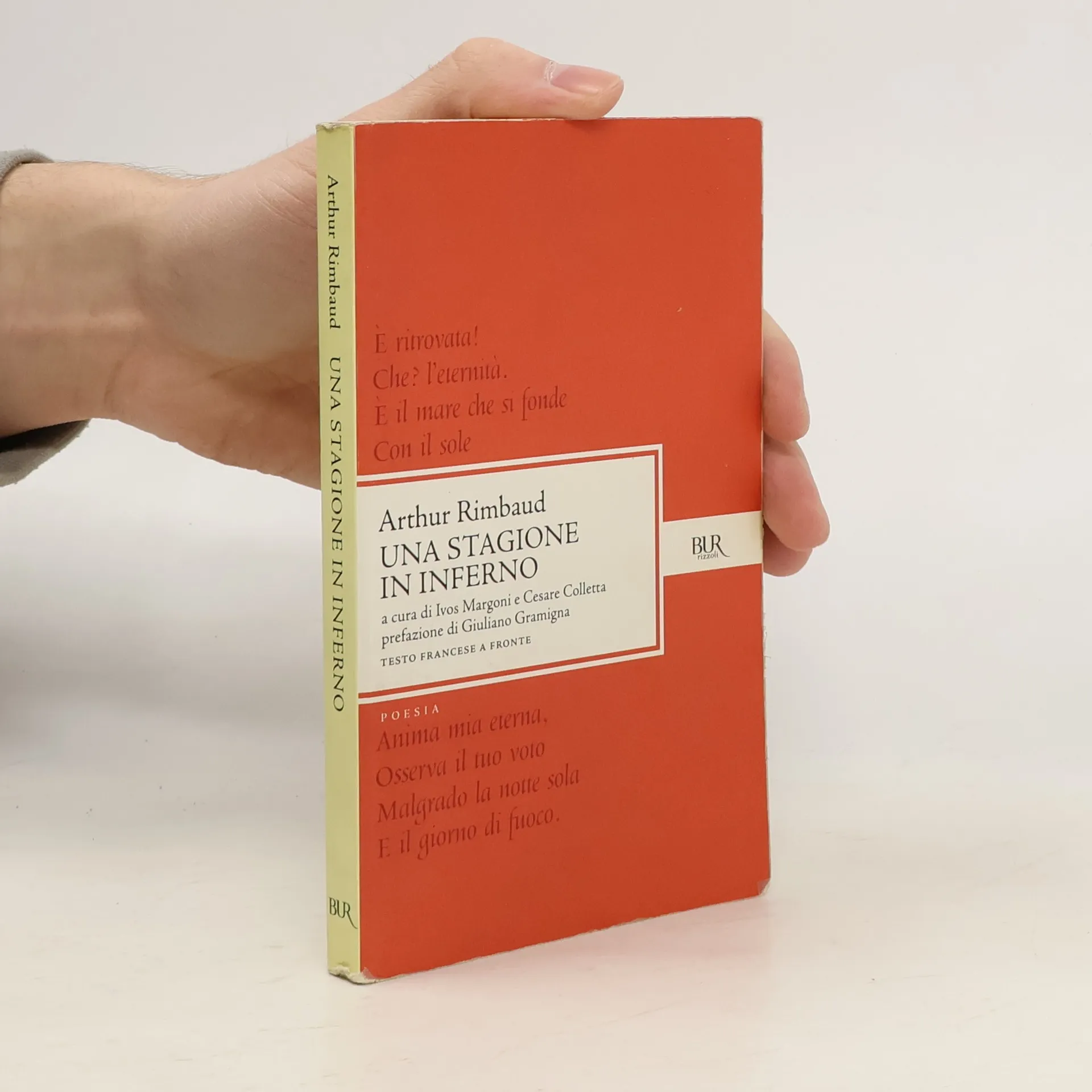
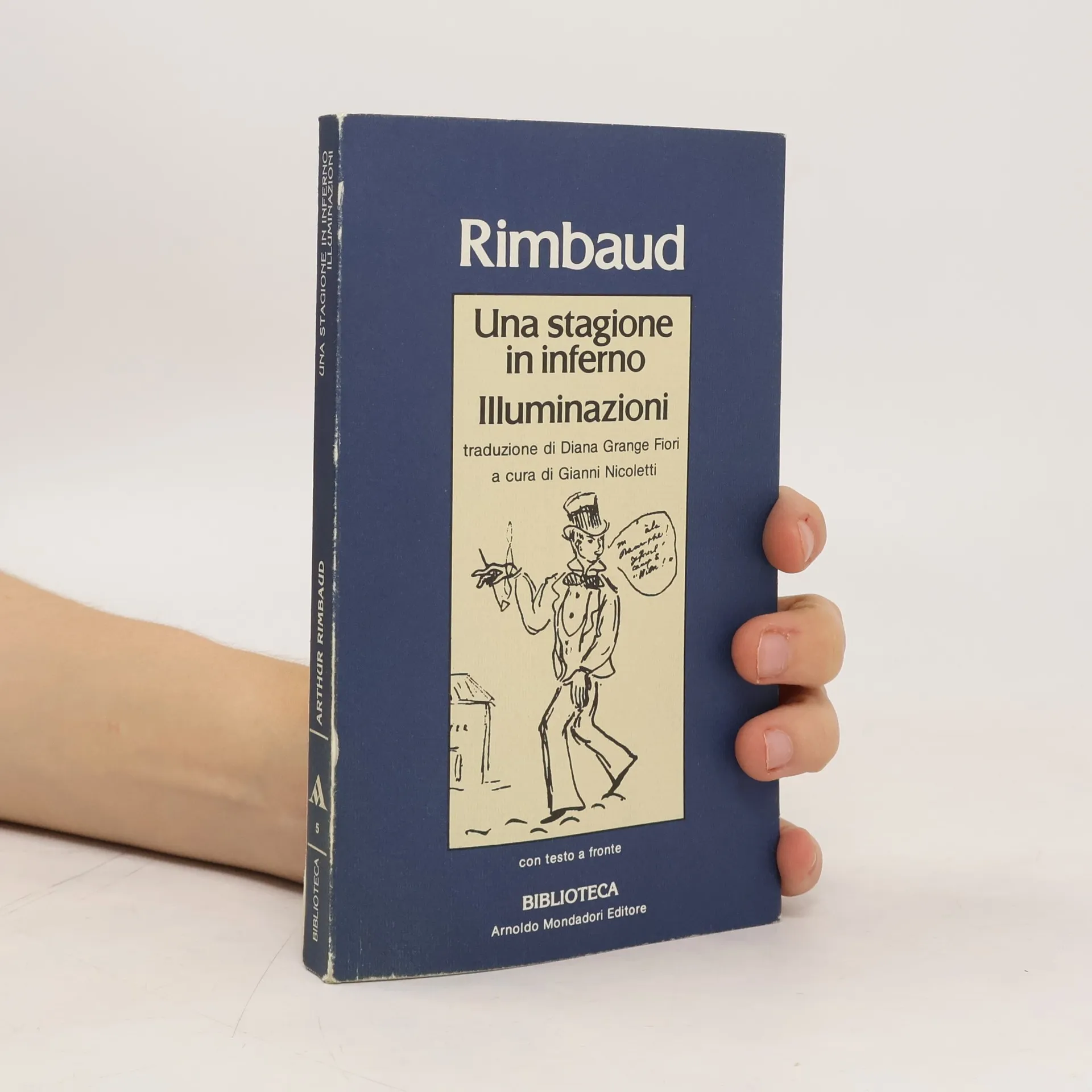
Poesia. A cura di Ivos Margoni e Cesare Colletta, prefazione di Giuliano Gramigna, testo francese a fronte
Scritto da Rimbaud all'età di 18 anni in seguito alla sua tempestosa relazione con il poeta Paul Verlaine, "Una stagione in inferno" è stato un punto di riferimento per poeti, artisti e amanti angusti per oltre un secolo.
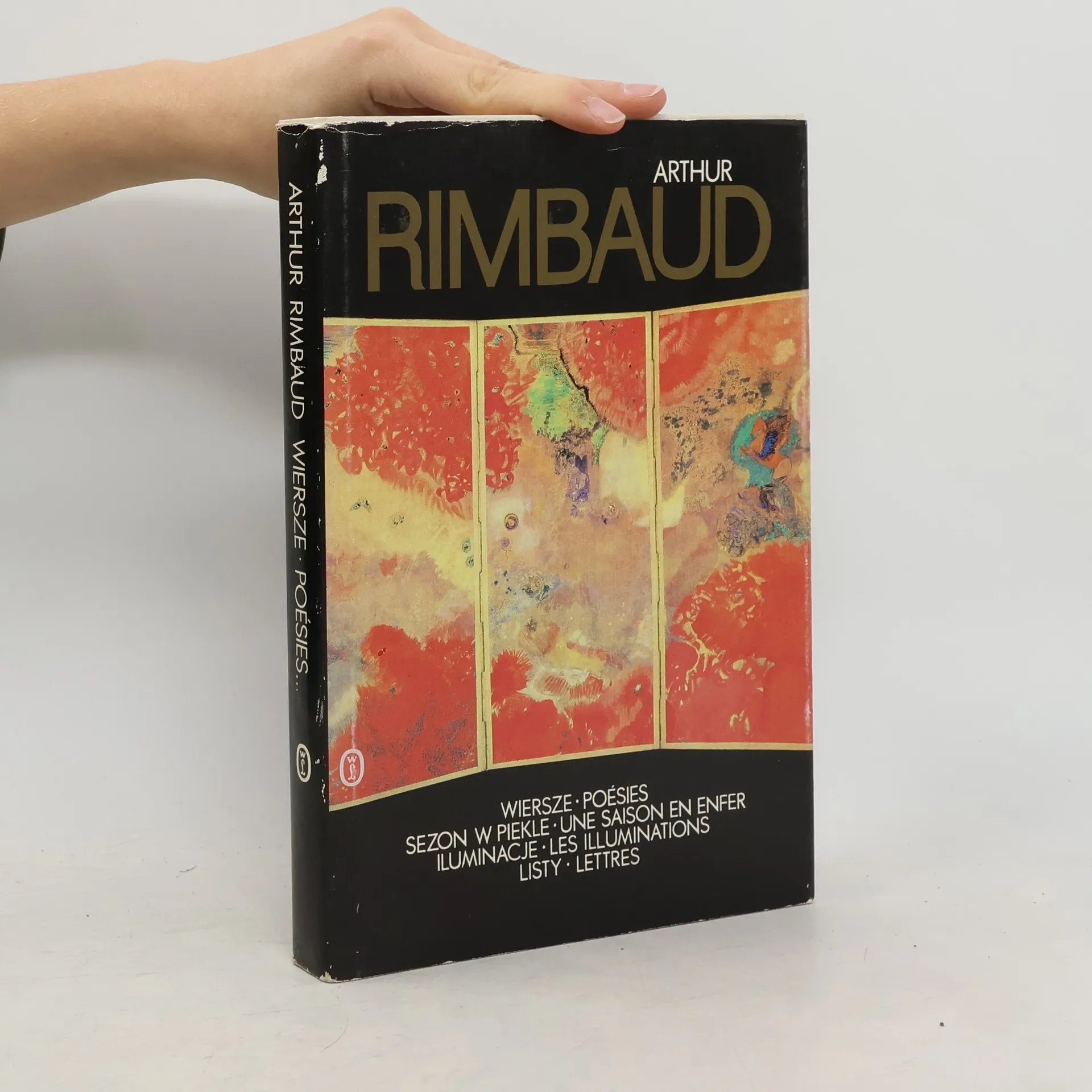
Sezon w Piekle / Une Saison en Enfer; Iluminacje / Les Illuminations; Listy / Lettres
Trente pages de commentaires. Vingt-cinq pages de notes et variantes
L'œuvre poétique de Rimbaud relève de la gageure de lier la fulgurance et la densité. En quatre ans, le poète rédige impatiemment une œuvre en perpétuelle évolution qui aura survolé tous les mouvements littéraires contemporains, du Parnasse au symbolisme, pour les intégrer et les dépasser tour à tour. Cette œuvre aura également exploré, et sans doute épuisé, l'ensemble des possibles poétiques : poèmes versifiés, prose poétique, poèmes en vers libres et poèmes en prose. Cette parole en quête de lecteur requiert une lecture en quête d'auteur : c'est dans cet échange incertain que résident la liberté et le plaisir du texte rimbaldien. Vous trouverez dans cet ouvrage : le texte intégral d'Une saison en enfer, des extraits des Illuminations et un choix de poèmes ; un questionnaire bilan de première lecture ; Des questionnaires d'analyse de l'œuvre, Six corpus accompagnés de questions d'observation, de travaux d'écriture et de lectures d'images ; une présentation de Rimbaud et de son époque ; un aperçu du genre de l'œuvre et de sa place dans l'histoire littéraire.
Reedice antologie z veršů slavného francouzského "prokletého" básníka, která v klasickém překladu Vítězslava Nezvala pod názvem "Básně" poprvé vyšla již roku 1956. Málokdo jako Arthur Rimbaud dokázal vtisknout svým veršům natolik silnou poetiku, že ovlivnila další literární generace, proudy a směry. Rimbaud naplnil tuto vizi nejen svým tvůrčím úsilím, ale i rezolutním postojem k tehdejší společnosti. Uměl například prosadit zcela původní strukturu verše, odmítl módní romantická snění a vzpurným tónem vyjádřil rozpory, které cítil mezi osobností umělce a nejvýše postavenou elitářskou vrstvou. I ve verších, obsažených v této antologii, zaznívá Rimbaudova revolta proti "sešněrovaným" tradicím, duchu doby či šlechtické nadřazenosti. Rimbaud jde však ještě dále, dovoluje si dokonce napadnout tabuizované hodnoty, o nichž se dosud nikdy nepochybovalo a v centru jeho pozornosti se objevují pojmy jako víra a rodina, vlast, národ nebo práce. I proto je autor nazýván "prokletým" tvůrcem, pro něhož se každé téma stávalo možnosti postavit se na odpor zbabělosti, pokrytectví, povrchnosti či křivé morálce. Právě tímto způsobem se Rimbaud zařadil mezi průkopníky moderní francouzské poezie, který svými formálními i obsahovými postupy inspiroval nastupující surrealistické a symbolistické hnutí.
PoA]mes: les Illuminations, Une saison en Enfer. Notice par Paul Verlaine Date de l'A(c)dition originale: 1892 Ce livre est la reproduction fidA]le d'une oeuvre publiA(c)e avant 1920 et fait partie d'une collection de livres rA(c)imprimA(c)s A la demande A(c)ditA(c)e par Hachette Livre, dans le cadre d'un partenariat avec la BibliothA]que nationale de France, offrant l'opportunitA(c) d'accA(c)der A des ouvrages anciens et souvent rares issus des fonds patrimoniaux de la BnF. Les oeuvres faisant partie de cette collection ont A(c)tA(c) numA(c)risA(c)es par la BnF et sont prA(c)sentes sur Gallica, sa bibliothA]que numA(c)rique. En entreprenant de redonner vie A ces ouvrages au travers d'une collection de livres rA(c)imprimA(c)s A la demande, nous leur donnons la possibilitA(c) de rencontrer un public A(c)largi et participons A la transmission de connaissances et de savoirs parfois difficilement accessibles. Nous avons cherchA(c) A concilier la reproduction fidA]le d'un livre ancien A partir de sa version numA(c)risA(c)e avec le souci d'un confort de lecture optimal. Nous espA(c)rons que les ouvrages de cette nouvelle collection vous apporteront entiA]re satisfaction.
Si l'on devait citer le poète qui a exercé l'influence la plus profonde sur la poésie du début du XXe siècle, il faudrait nommer Rimbaud. Avec plus de hardiesse encore que Baudelaire, il a étendu le champ d'exploration de la poésie. Avant lui, l'expérience poétique était principalement l'expérience de la création littéraire. Après lui, la poésie devient un moyen de connaissance. [...] C'est qu'il n'a pas hésité à se mettre en communication avec la part inconnaissable de lui-même. Il y a découvert un grand jeu d'images, fleurs éclatées, filles à lèvres d'orange, déluges et miracles, un jeu dont chaque figure ressemble à un message marqué d'un sceau incompréhensible et sacré. Dès lors, Rimbaud va libérer tous les phénomènes de l'inconscient, préparer les voies du surréalisme et créer, si l'on veut, un nouveau mystère dont les symboles resteront étrangers au merveilleux et au fantastique.
Une Saison en enfer. Illuminations et autres textes
Derniers vers. Une saison en enfer
Cette édition des œuvres complètes d'Arthur Rimbaud présente tant ses poésies et sa prose majeures que des textes moins connus. Rimbaud, poète visionnaire, a renoncé à l'écriture à vingt ans pour mener une vie d'aventures. Son œuvre, bien que brève, le place parmi les figures marquantes de la littérature française.
Pages Choisies avec une Notice biographique, une Introduction, des Notes explicatives, des Jugements, un Questionnaire et des Sujets de devoirs par Étiemble, Professeur à la Sorbonne
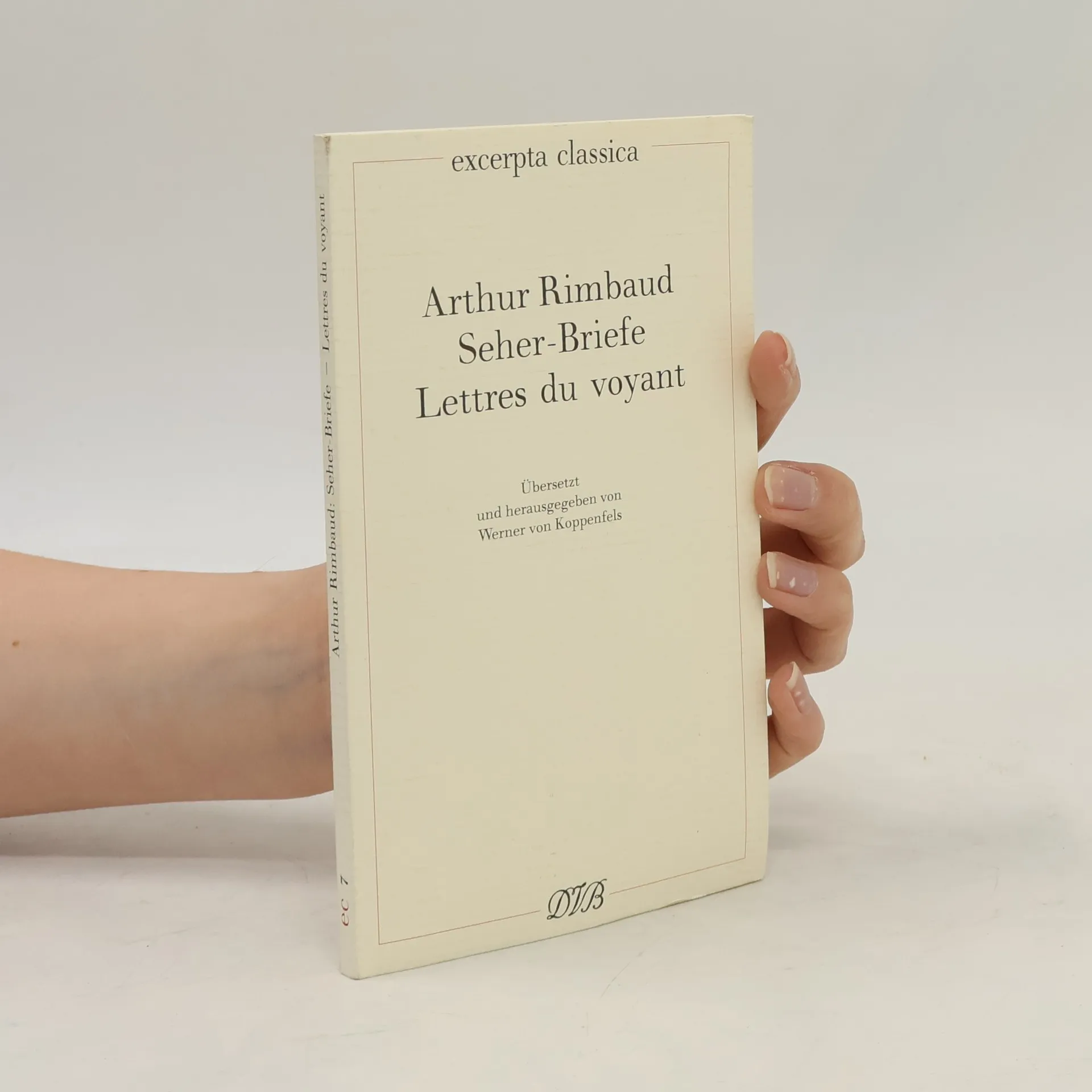
Mit drei Texten über Rimbaud von Hans Therre und einem Essay von Stefan Zweig
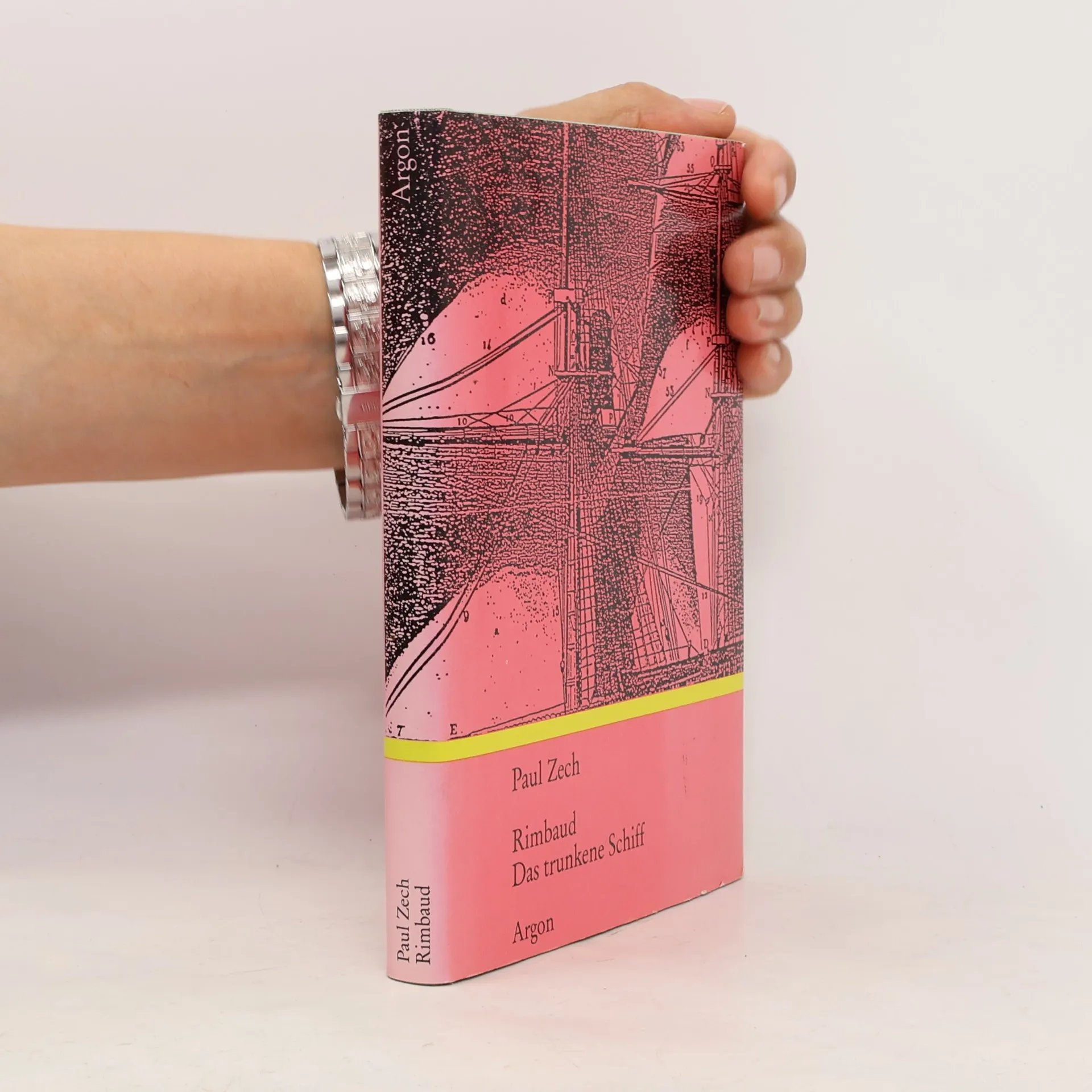
„Der Dichter macht sich zum Seher durch eine lange, ungeheure und wohlüberlegte Entregelung aller Sinne“, sagte Arthur Rimbaud. Er gilt zu Recht als einer der Großen der Weltliteratur: Rimbaud trat als Sechzehnjähriger in einem Frankreich in Erscheinung, das während des Französisch-Deutschen Krieges nicht nur militärisch, sondern auch moralisch und kulturell darniederlag. Er zerstörte die alten Regeln, war einer, der keine Worte suchen musste, vor dem die Worte und der Klang sich verneigten. Arthur Rimbauds berühmte Dichtung „Le Bateau ivre“ ist die licht- und farbentrunkene Dichtung eines früh Vollendeten und eines der Fundamente moderner Dichtung. Paul Zech, ein deutscher Autor und Übersetzer des Expressionismus, übertrug dieses Poem sehr frei und überaus eindrucksvoll. Diese Ausgabe bietet aber nicht nur diese Wiederauflage der eigenwillig-schönen Neudichtung von Zech. Mit Texten von Hans Therre und Stefan Zweig erhält man einen tiefen Einblick in Rimbauds Wesen und Werk – aus Sicht zweier herausragender Schriftsteller. Anlaß des Bandes aber sind die einzigartigen Federzeichnungen des Künstlers Max P. Häring, der sich das trunkene schiff in Zechs Übersetzung zur Vorlage für einen poetischen, mit großem Atem angelegten Zyklus von zwölf Zeichnungen nahm. Dieser Zyklus wird nun, ebenso wie Zechs Übertragung, in einer bibliophilen Aufmachung endlich (wieder) zugänglich.
Die Erleuchtungen, Ein Sommer in der Hölle
Josef Kalmer, selbst ein Lyriker von Rang, war der große Übersetzer des antifaschistischen Exils. Seine Übertragung von Hauptwerken Arthur Rimbauds ins Deutsche entstand aus einer lebenslangen Beschäftigung mit Rimbaud und Verbundenheit mit dem unbändigen Freiheitswillen des Dichters.
Het minst bekende deel van Rimbauds poëzie zijn de bijzonder schunnige gedichten die hij schreef tijdens zijn eerste verblijf in Parijs. Via zijn vriend Paul Verlaine maakte hij daar kennis met de Zutistes. Deze rebelse dichters ontleenden hun naam aan de uitroep "Zut', die het best vertaald kan worden als "shit'. De tweeëntwintig bijdragen die de zeventienjarige dichter leverde aan hun gastenboek zijn de smeuïgste van het geheel. Rimbaudkenner Paul Claes geeft hier voor het eerst een volledige vertaling met een inleiding en een uitgebreid commentaar dat geen enkele obsceniteit onverklaard laat.
Brieven van de Franse dichter (1854-1891) uit de periode 1870-1875.
Het einde van de vriendschap met Paul Verlaine markeerde voor Arthur Rimbaud het begin van een periode van omzwervingen die hem halverwege de jaren 80 in Afrika bracht. Sinds 1875 was hij literair uitgeschreven, maar zijn brieven vanuit Aden en Harar aan zijn moeder en zuster Isabelle tonen nog steeds zijn scherpe, hallucinante schrijfstijl. In het toenmalige Djibouti en Abyssinië werd Rimbaud een ander persoon. Hij distantieerde zich van kunst en poëzie en vond een bestaan als koopman in diverse waren, zoals goud, katoen, dierenhuiden en ivoor, maar ook wapens voor zijn expedities in het binnenland. Zijn brieven bevatten vaak beschrijvingen van zijn handelsinitiatieven en klaagzangen over zijn ellendige situatie, hoewel hij uiteindelijk een klein fortuin vergaarde. De werkelijkheid om hem heen blijft hem bevreemden als een surrealistisch spektakel. Het klimaat en het harde werken slopen Rimbaud langzaam. Een botziekte dwingt hem in Marseille een been te laten afzetten, waarna hij in 1891, tegen zijn zin, naar Charleville terugkeert, waar zijn gezondheid verder achteruitgaat. Zijn wens om terug te keren naar Harar wordt niet vervuld. Uiteindelijk begeleidt zijn zuster Isabella hem naar Marseille, waar hij op 10 november in een ziekenhuis overlijdt. Vertaler Per Justesen heeft een selectie gemaakt uit de beschikbare correspondentie.
Arthur Rimbauds Le Bateau ivre ist eines der bedeutendsten Langgedichte der Weltliteratur. Nur drei Tage, die ihn "in Trance" versetzten, reichten Paul Celan aus für das Meisterwerk seiner Übersetzung dieses Gedichtes ins Deutsche: kühn und eigen, und doch so nah am Text, wie es einer Nachdichtung nur möglich ist. Es war Celans Überzeugung, "daß mir hier ein wirklich einzigartiger Wurf geglückt ist". Zur Wiedergabe von Originaltext und Übertragung in direkter Gegenüberstellung treten aufschlußreiche Zeugnisse, vor allem die Verlagsbriefwechsel, Abbildungen und ein ausführliches Nachwort des Herausgebers.
cantata for VOICE, FLUTE, VIOLA and HARP
Cette collection de poésie initiée par Henri Gougaud met à l’honneur de grands poètes de la langue française dans de petits volumes de belle facture, qui séduiront aussi bien les lecteurs qui goûtent et fréquentent ces poètes qu’un public curieux d’en découvrir l’âme. Après Guillaume Apollinaire et Tristan Corbière, voici la plume moderne et inspirée d’Arthur Rimbaud. Chaque ouvrage est composé en trois parties. La première, après une chronologie exhaustive, présente l’auteur, dévoile son âme. La deuxième propose une sélection de ses poèmes, la troisième rapporte les critiques de son œuvre par ses contemporains.
ein biographischer Essay und die szenische Ballade Das trunkene Schiff
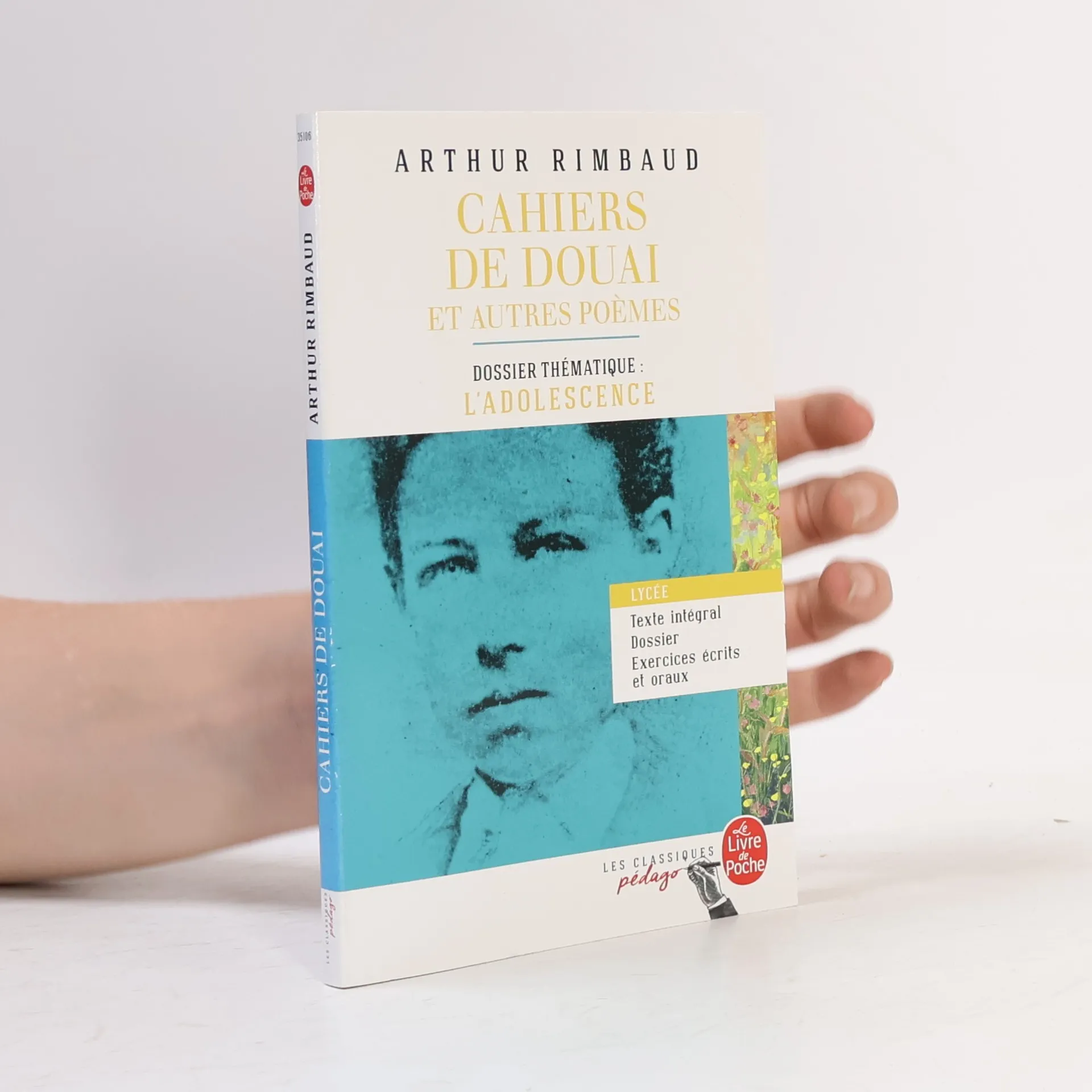
Dossier thématique : l'adolescence - Edition pédagogique
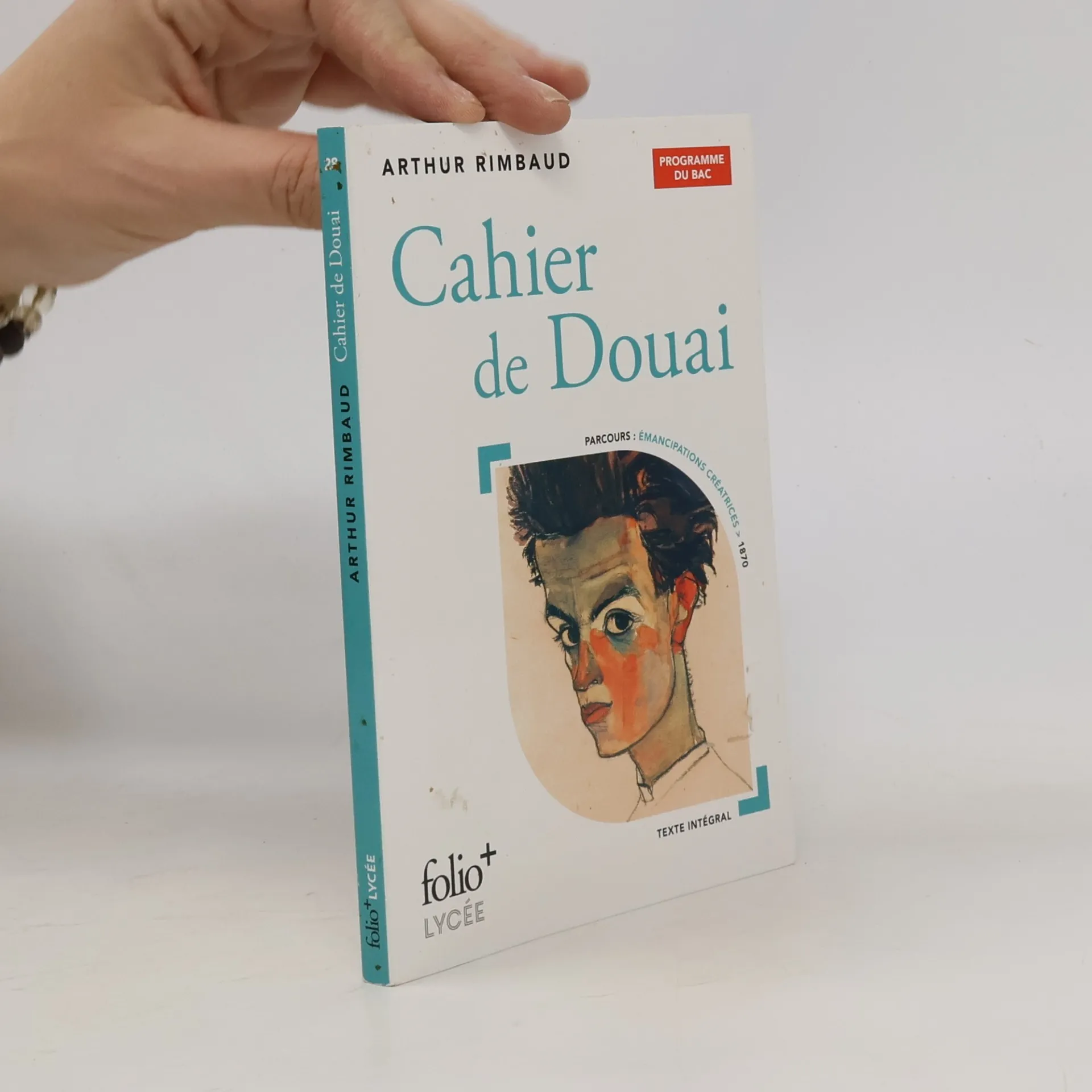
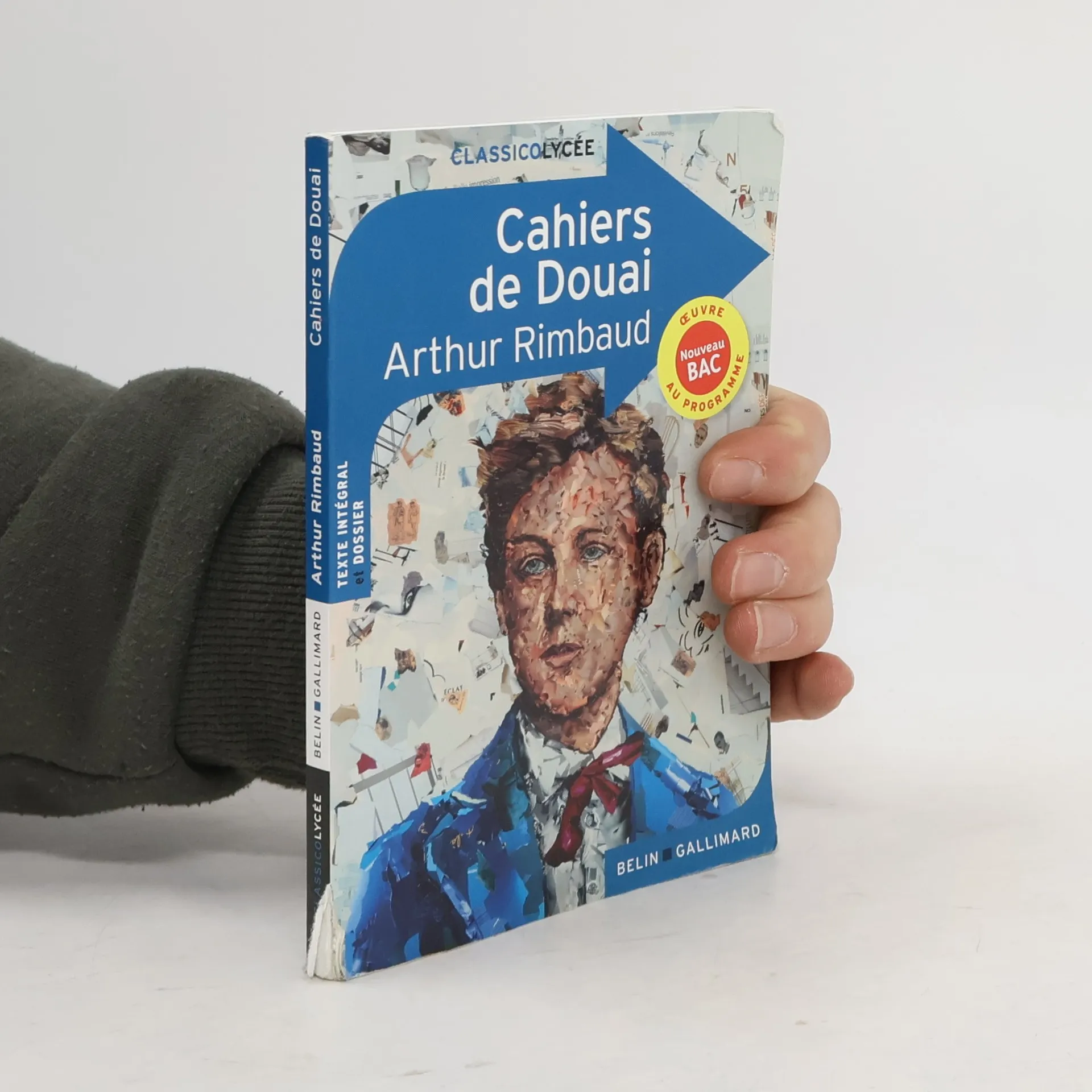
Rimbaud compose à l’âge de seize ans les vingt-deux poèmes qui constituent les Cahiers de Douai. Il y exprime avec force et vigueur sa révolte face au conformisme de la société, ses premiers élans amoureux, sa soif d’aventure, et fait preuve d’une grande modernité dans l’écriture, en rupture avec les canons de son époque.
Verlaine-nummer
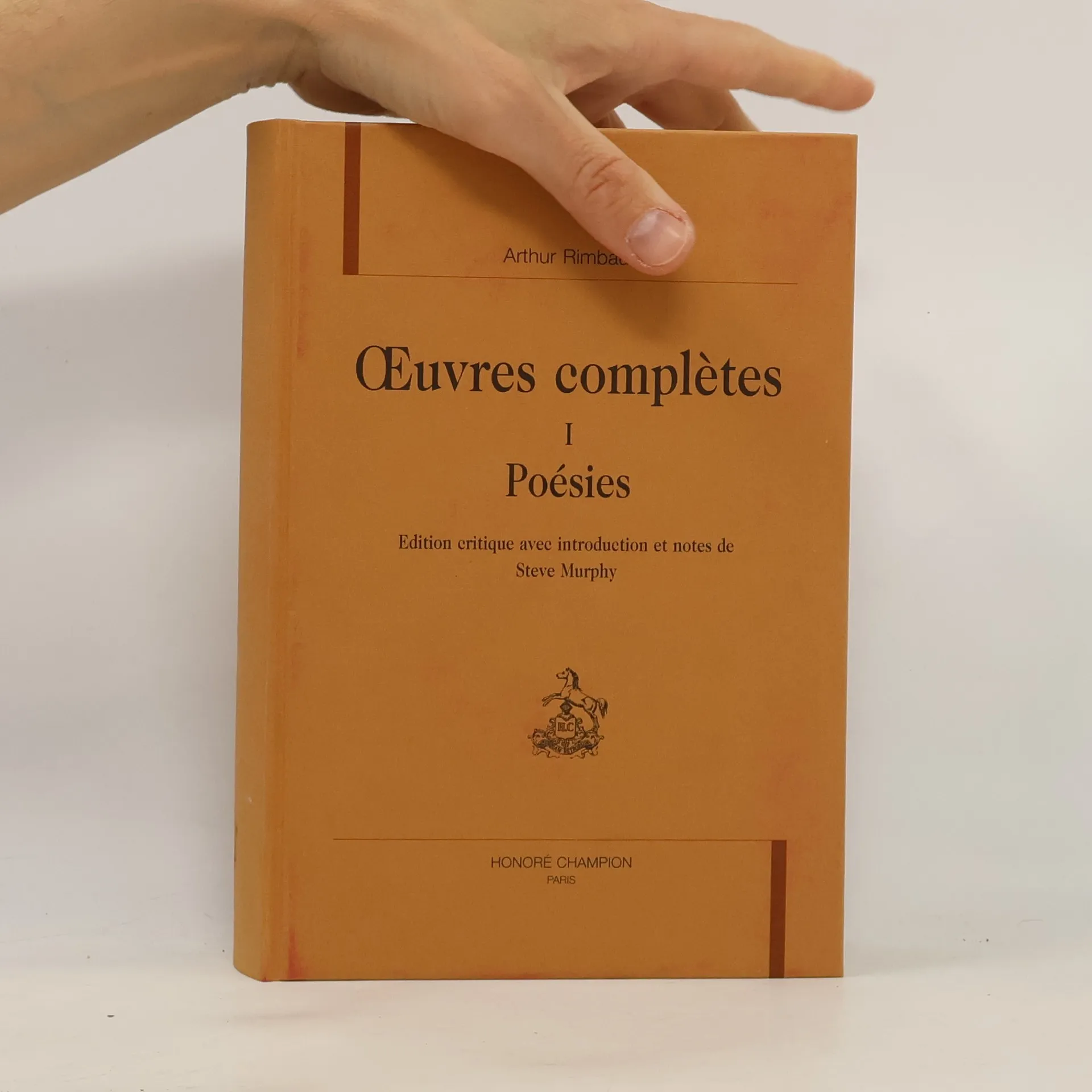
Poésies - Édition critique avec introduction et notes de Steve Murphy
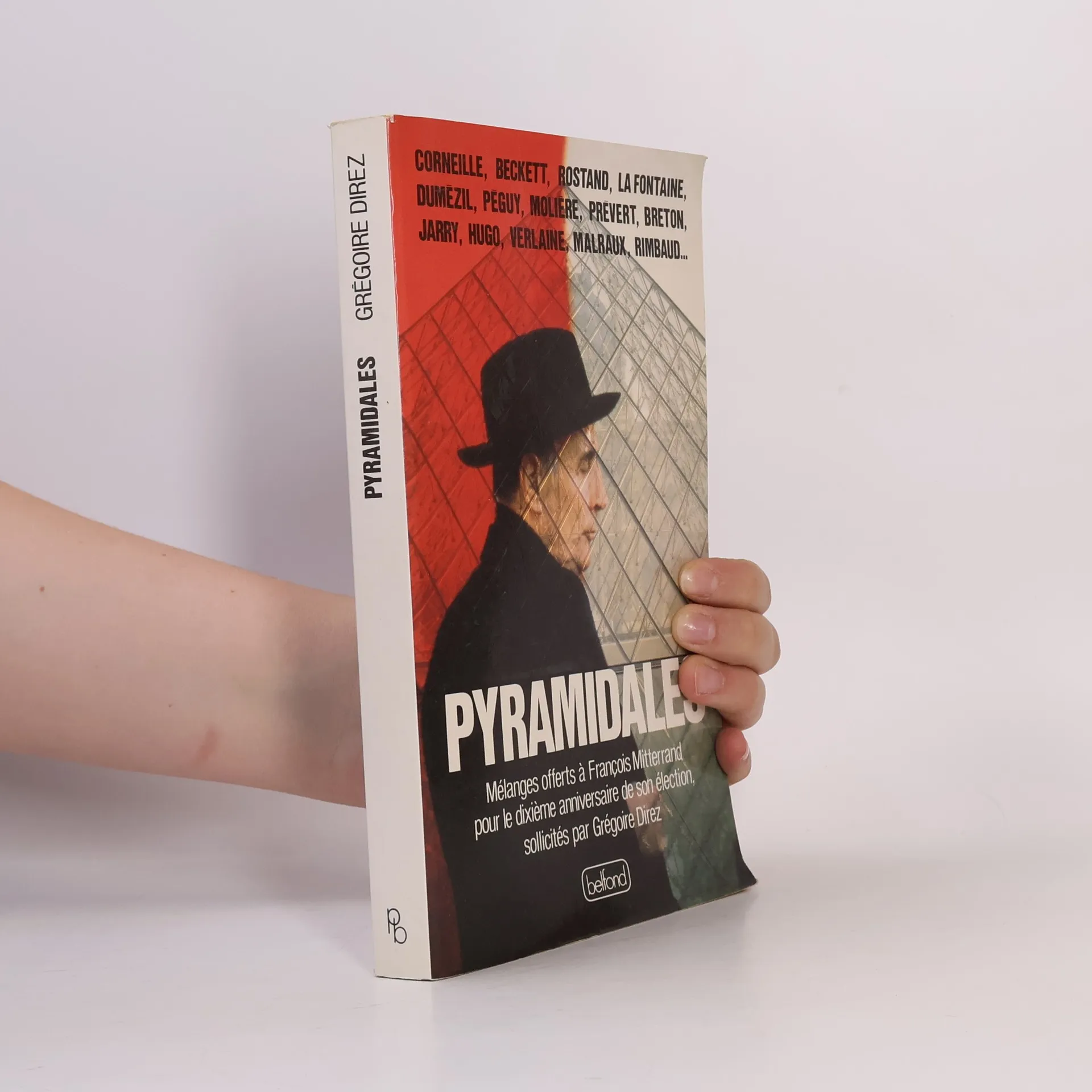
Mélanges offerts à François Mitterrand pour le dixième anniversaire de son élection
Nerval Baudelaire Mallarmé Verlaine Rimbaud in Auswahl - Neu übertragen von Kay Borowsky. Zweisprachige Ausgabe
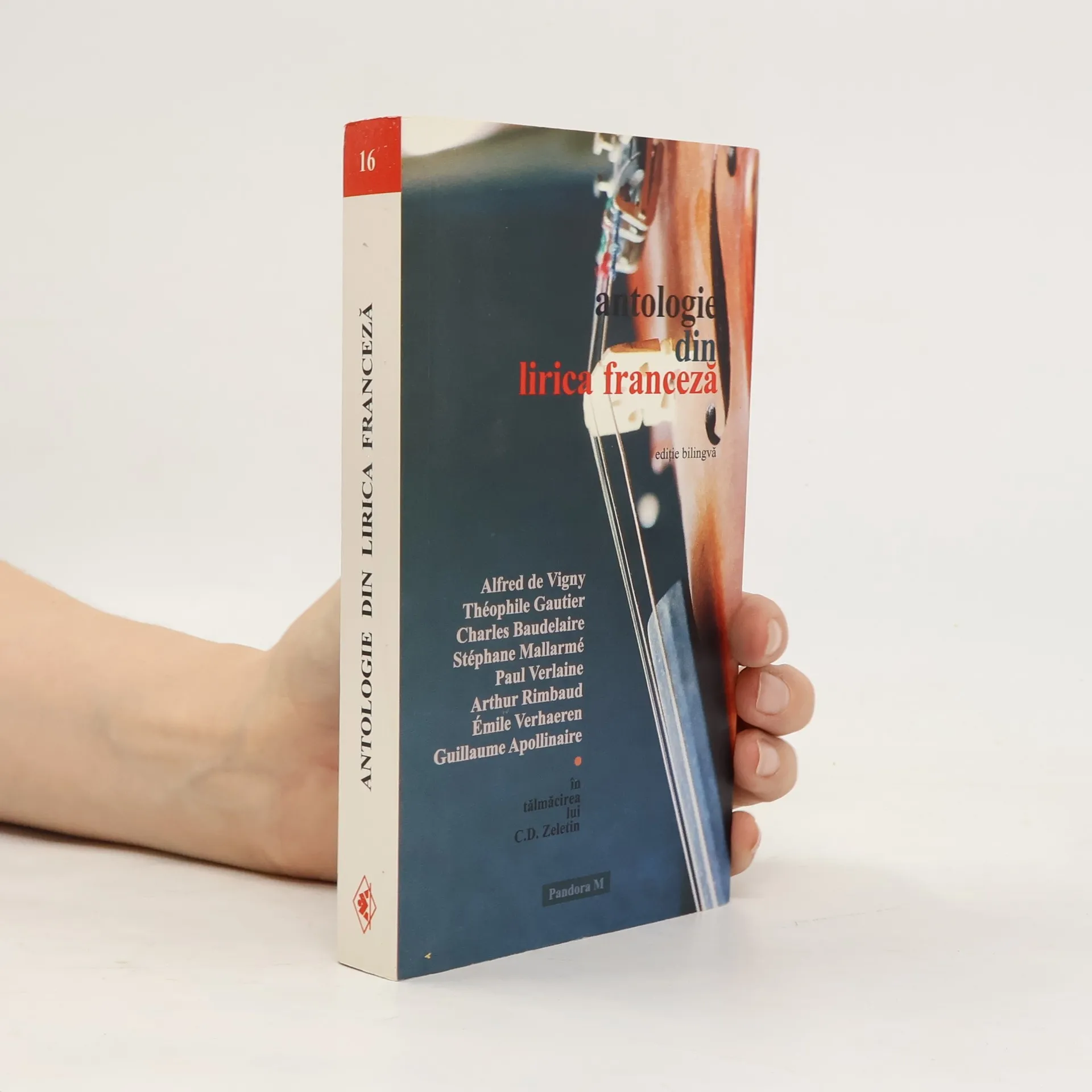
Ediție bilingvă - în tălmăcirea lui C.D. Zeletin
Texte intégral et dossier
1870. Arthur Rimbaud a seize ans lorsqu'il écrit "Le Dormeur du val" et les autres poèmes composant les Cahiers de Douai. C'est lors d'une fugue de ses Ardennes natales vers le nord de la France que le jeune garçon avide de liberté confie son manuscrit à un éditeur, Paul Demeny. Ce recueil, riche en images poétiques et en sujets novateurs, porte en lui les prémices de la poésie moderne, à travers les poèmes d'un adolescent en révolte contre la misère, l'oppression et le racisme... Le mythe Rimbaud est né !