Exploring the significance of prayer, this book addresses the doubts and questions many have about its effectiveness and relevance in today's world. It invites readers to reconsider their understanding of prayer, examining its potential impact on personal lives and broader societal issues. Through thoughtful insights, the author encourages a renewed perspective on the practice of prayer, aiming to inspire both the hesitant and the curious.
Gerhard Lohfink Books
August 29, 1934 – April 2, 2024
Gerhard Lohfink dedicated his academic career to New Testament exegesis at the University of Tübingen. For many years, he has continued his work as a theologian for the Catholic Integrated Community. His extensive writings delve into profound questions of faith and practice. Lohfink offers insightful perspectives on the relationship between God and the Church.




The author calls the present-day church to once again be the "contrast society," which attracts non-believers by living what it preaches and by being different without being narrowly sectarian.
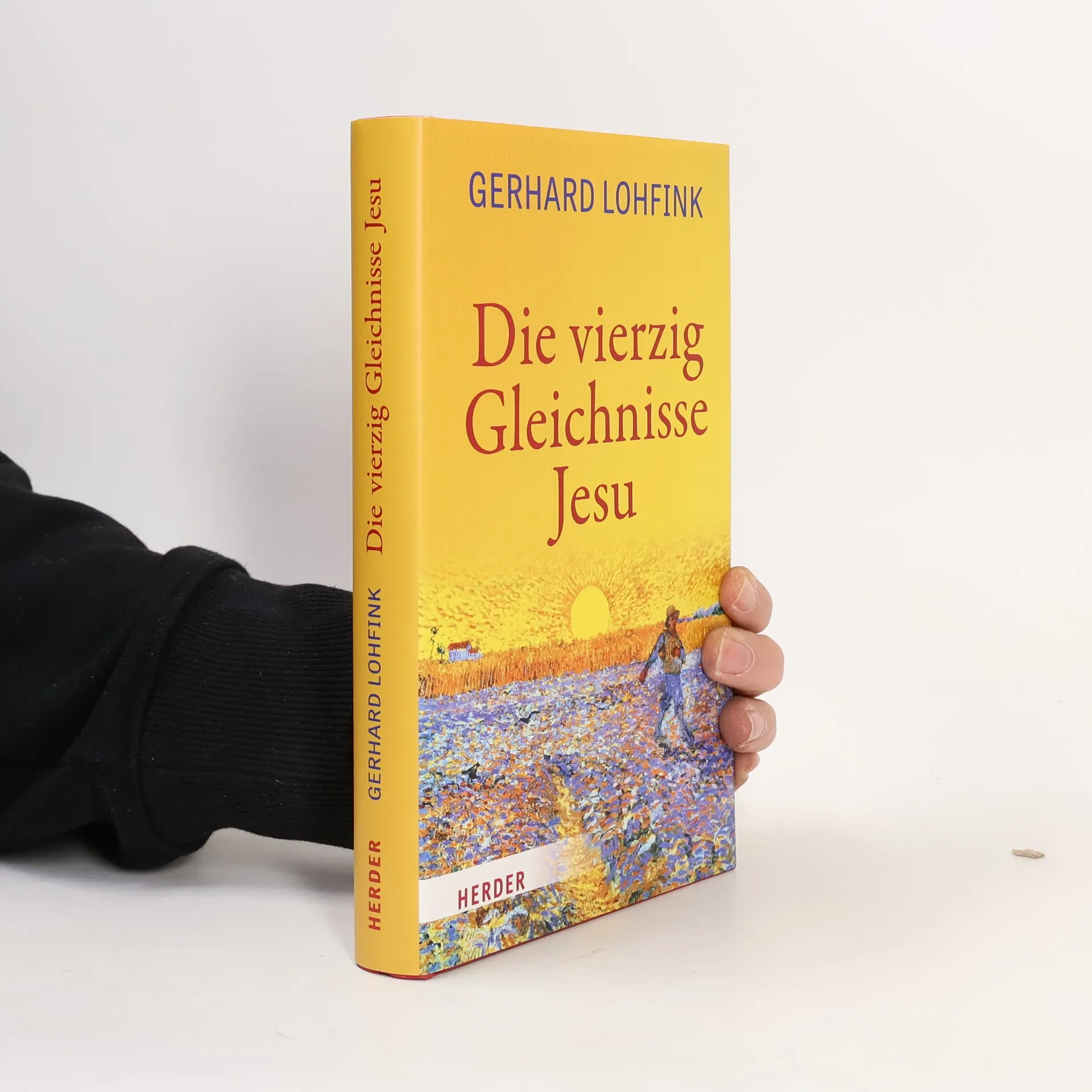
Die vierzig Gleichnisse Jesu
- 320 pages
- 12 hours of reading
Von keinem Menschen des Altertums werden uns so viele und so wirklichkeitsnahe Gleichnisse uberliefert wie von Jesus von Nazaret. Er beobachtet einen Samann beim Saen; eine Hausfrau beim Brotbacken; Kinder, die daruber streiten, was sie spielen sollen; einen Verwalter, der seinen Chef nach allen Regeln der Kunst betrugt; einen Terroristen, der einen Anschlag plant - und noch vieles andere. Jesus versteht es, seine Zuhorer in seine Erzahlungen hereinzuholen. Er kann provozieren, entlarvt Scheinwirklichkeiten und vermag zu trosten. Vor allem Er beherrscht die Kunst des Erzahlens. Seine Gleichnisse sprechen in kuhnen Bildern vom Reich Gottes und machen es gegenwartig, weil sie etwas vom Geheimnis seiner eigenen Person offenbaren. Dieses Buch behandelt alle Gleichnisse Jesu - ihre Gestalt, ihre realistischen Details, vor allem aber ihre ursprungliche Aussage und die Situation, in die hinein sie einst gesprochen wurden. Es ist immer auch unsere Situation.
Das Vaterunser neu ausgelegt
- 99 pages
- 4 hours of reading
Das Vaterunser ist das am häufigsten gesprochene Gebet der Welt. Aber durch die häufige Verwendung wird es schnell oberflächlich, die tiefe Bedeutung vergessen. Das Vaterunser ist zunächst und vor allem ein Gebet für die Jünger Jesu. Einer der prägnantesten Altmeister neutestamentlicher Exegese führt den Leser hinein in die ursprüngliche Situation Jesu und seiner Jünger und eröffnet in leicht verständlicher Form und Sprache einen Zugang, wie das Gebet zu verstehen ist und wie wir heute mit und aus diesem Gebet leben können.
Theologie kann auf verschiedene Weise vermittelt werden: prägnant, manchmal provokativ, weise und humorvoll. Gerhard Lohfinks Tagebuchnotizen thematisieren Fragen zu Theologie, Kirche, Glaube und Gesellschaft sowie naturwissenschaftliche und gesellschaftspolitische Aspekte. Viele Texte sind gegen den Trend formuliert und helfen, die Zeit besser zu verstehen, basierend auf dem Weisheitsschatz der jüdisch-christlichen Aufklärung. Lohfinks Aphorismen sind genussvoll und verbinden kluge Einsichten aus säkularen und christlichen Perspektiven, ohne einer der beiden Sphären Gewalt anzutun. Er zitiert vor allem relevante Gewährsleute, wie Johannes, der feststellt, dass ein Mann, der an Gott glaubt, aber seine Gebote nicht hält, ein Lügner ist. Lohfink versammelt rund 300 geistlich-lebensgeschichtliche Miniaturen, die aus Gelesenem, Gehörtem und Gesprächen entstanden sind. Diese Collagen befassen sich mit Themen wie Offenbarung, Kirche und Glaubensleben und bieten religiös-theologische Assoziationen für die heutige Glaubensexistenz. Er betont, dass wirklicher Glaube niemals weltlos ist und immer mit der Welt verbunden bleibt. Der biblische Exodus dient als Bild für den inneren Ruf, ein neues Zuhause zu finden, das für viele zur Heimat wird. Lohfink argumentiert, dass der christliche Glaube nur dann echt ist, wenn er den jüdischen Glauben im Herzen trägt.
Wer war Jesus? Ein Prophet? Davon gab es viele. Ein Wunderheiler? Ein Sozialrevolutionär? Ein Weisheitslehrer? Auch davon gab und gibt es viele. Gerhard Lohfink fragt, was das Einmalige des Jesus von Nazaret ausmacht, er fragt nach dem Mehr, konkret nach dem Selbstbewusstsein Jesu, nach dem Anspruch, mit dem Jesus auftrat, nach dem, was er wirklich wollte. Das Ergebnis ist ein neues Bild des Jesus von Nazaret, überzeugend, vertiefend und in ausnehmend gut lesbarer Sprache geschrieben. Eine Bereicherung für alle, denen Christsein etwas bedeutet.
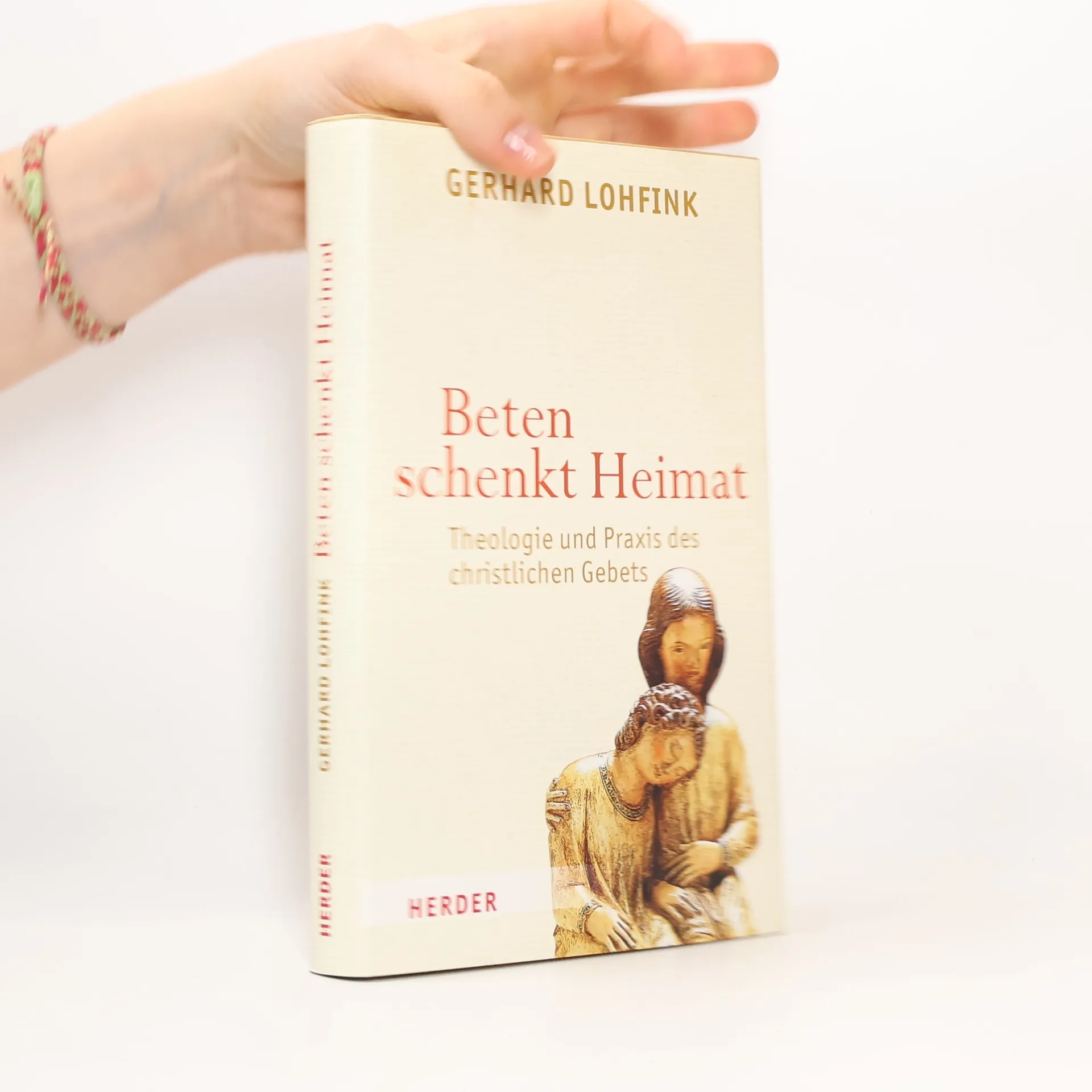
Beten schenkt Heimat
- 260 pages
- 10 hours of reading
Viele Menschen möchten wieder lernen, wie man betet. Andere sind sich nicht sicher, ob sie überhaupt beten sollten. Sie wollen wissen, ob Beten ihnen hilft. Mehr noch: Ob es der Welt auch nur im geringsten weiterhilft. Dieses Buch gibt Antworten. Nicht in der Form eiliger Rezepte, sondern indem es in die Theologie des Betens führt. Dabei zieht es immer wieder die Bibel und dort vor allem die Psalmen heran, greift aber auch ständig auf persönliche Erfahrungen zurück. In ausnehmend gut lesbarer Sprache behandelt der Autor Fragen wie: An wen richtet sich das Gebet? Hat das Bittgebet einen Sinn? Was geschieht beim „Hochgebet“ der Messe? Worin liegt das Besondere der Psalmen? Wie meditiert man christlich? usw. Ein bewegender Zugang zum christlichen Beten.
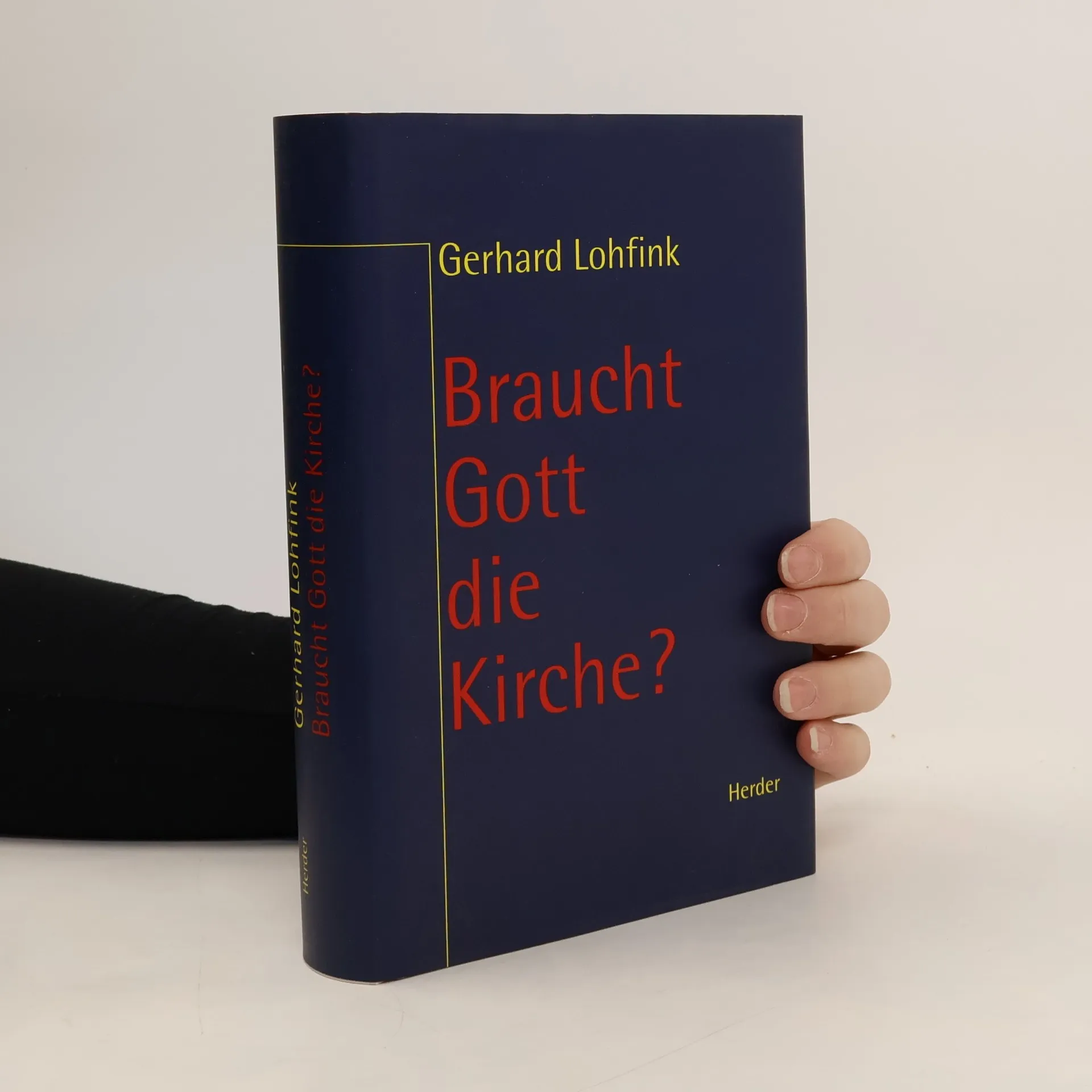
Braucht Gott die Kirche?
- 432 pages
- 16 hours of reading
Gerhard Lohfink erzählt auf faszinierende, außergewöhnlich frische und klare Weise die Geschichte des Heils und entdeckt die in diesen Geschichten ständig präsente Sehnsucht Gottes nach einer neuen Gemeinschaft der göttlichen Gerechtigkeit, nach der Kirche – nach dem Volk, das durch den Glauben und die Verkündigung der frohen Botschaft Gott ermöglicht, seinen ursprünglichen Plan zu verwirklichen: den Menschen mit Glück zu beschenken und die Welt authentisch in das verheißene Land zu verwandeln. Als hervorragender Exeget führt Lohfink den Leser durch die Bücher der Heiligen Schrift und enthüllt deren Kontinuität, Logik und Konsequenz, die aus der treuen und geduldigen Liebe Gottes resultieren.
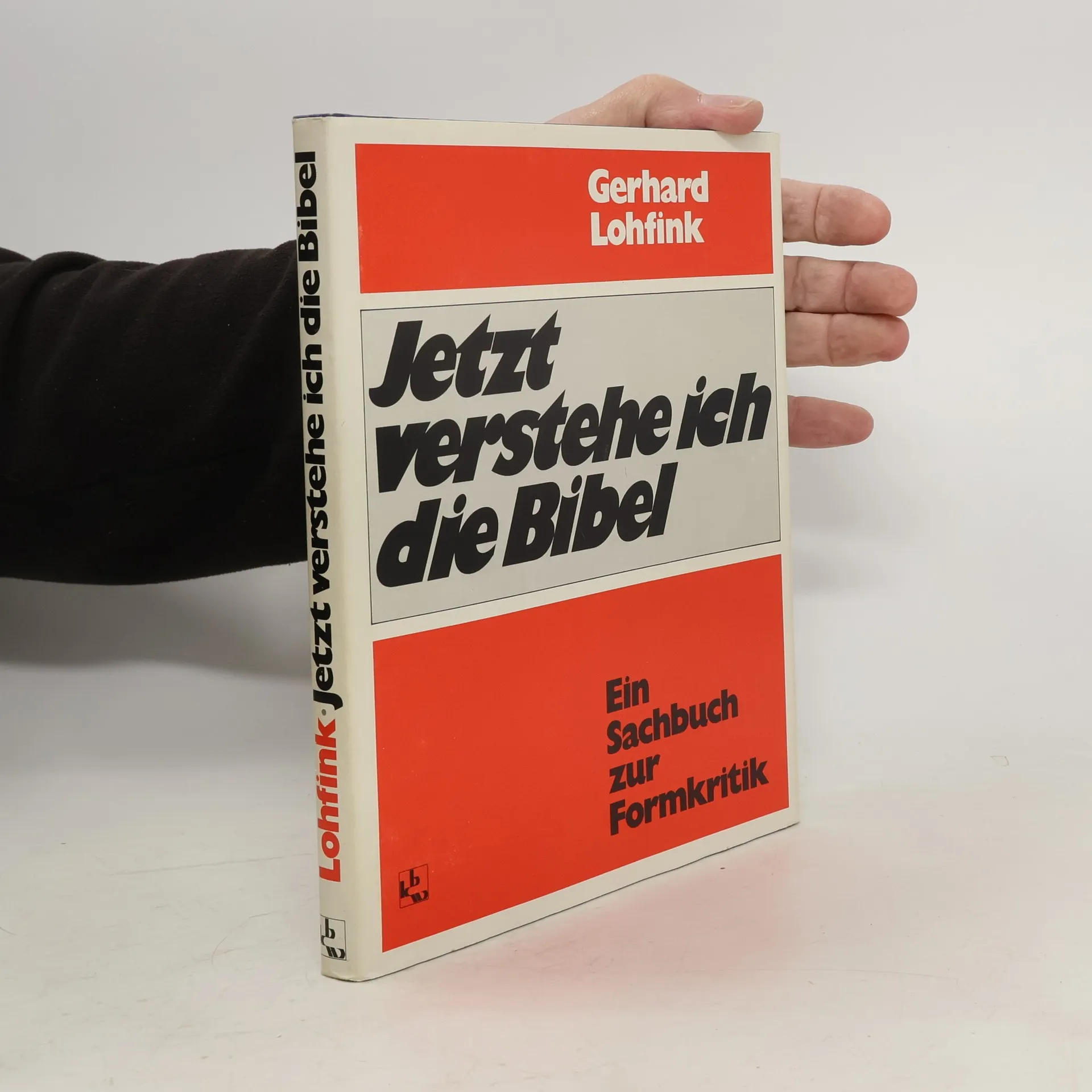
Jetzt verstehe ich die Bibel
- 168 pages
- 6 hours of reading
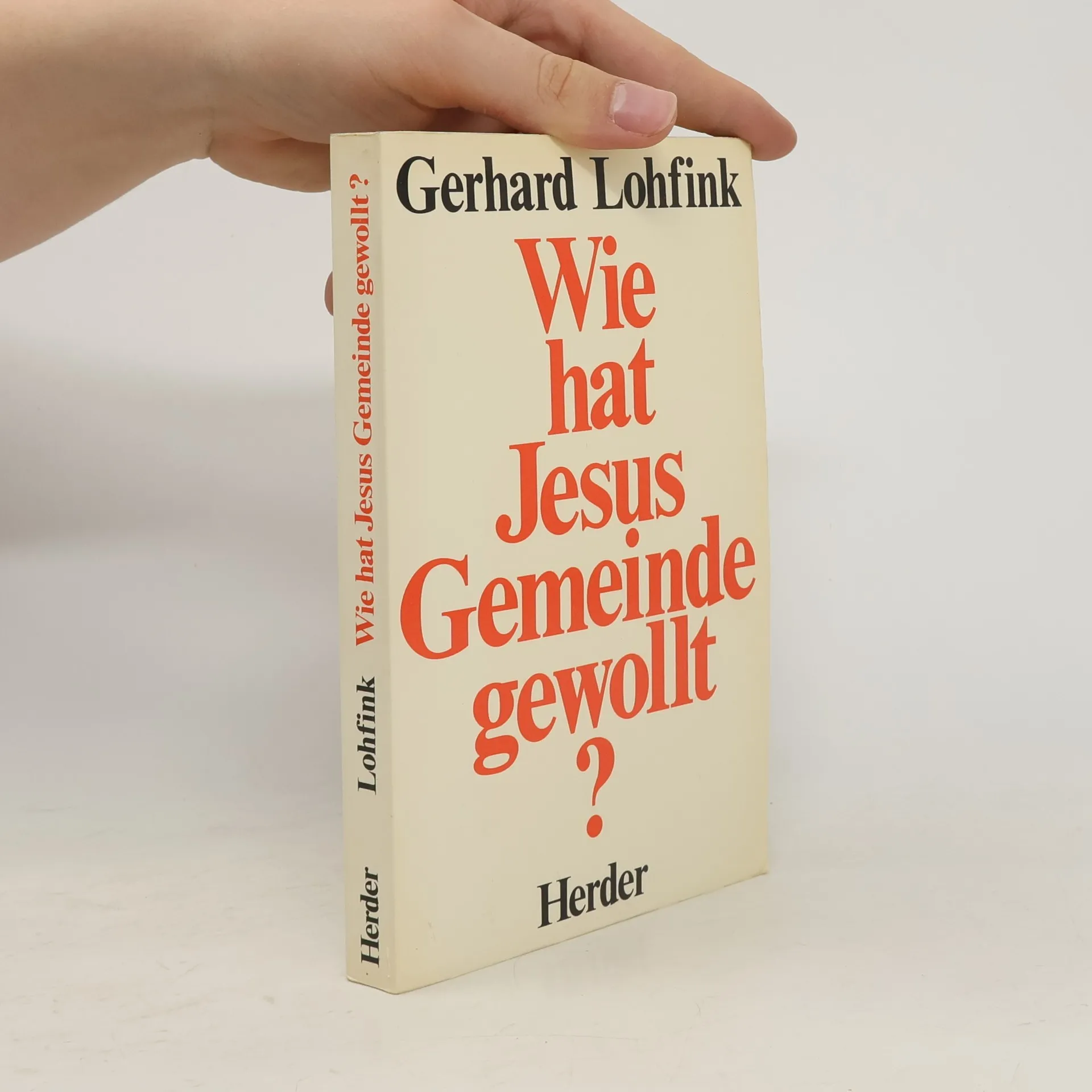
Wie hat Jesus Gemeinde gewollt?
- 223 pages
- 8 hours of reading
German
Der Letzte tag Jesu
- 91 pages
- 4 hours of reading
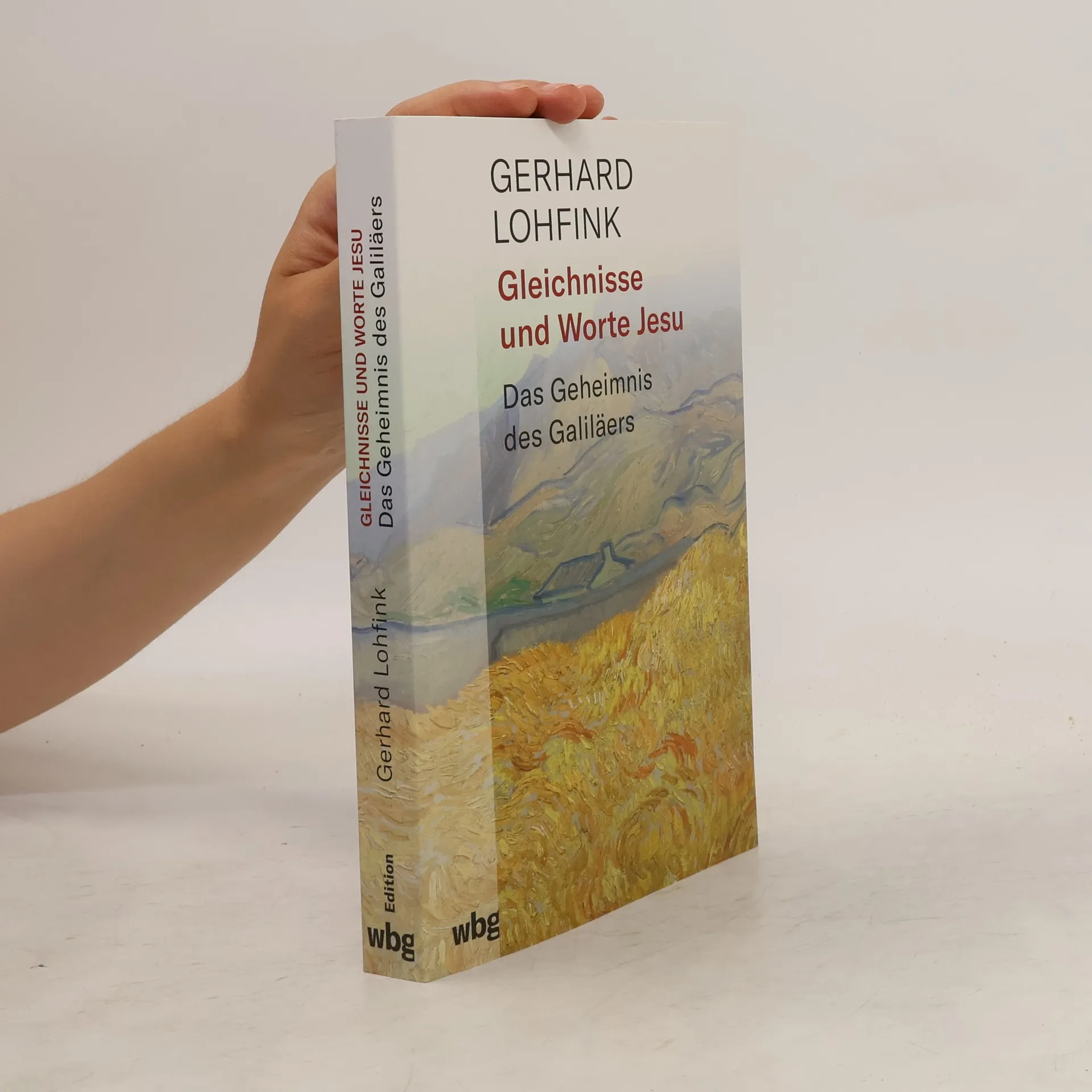
Zwei Menschen ringen um die Frage, was Jesus wollte und wer er war. Ihr Gesprach hat am Abend begonnen und zieht sich immer weiter hin - bis zum fruhen Morgen. Es geht um den Anspruch Jesu. Wie hat er sich selbst verstanden? Als Weisheitslehrer? Als Prophet? Als eine Art Messias? Oder als viel mehr? Die Antwort konnen letztlich nicht irgendwelche Hoheitstitel geben, sondern vor allem das, was hinter den ureigenen Worten und Taten Jesu hervorleuchtet: das Geheimnis des Galilaers. Die knappen, scharfkantigen und oft provozierenden Worte Jesu, seine Gleichnisse und genauso seine Handlungen, Gesten und Zeichen, werden in diesem spannenden Buch neu ausgeleuchtet und erkundet. Neben der Frage nach dem wahren Anspruch Jesu geht es Gerhard Lohfink vor allem auch darum, die Wucht und Schonheit moglichst vieler Jesusworte vor Augen zu fuhren.
Am Ende das Nichts?
- 328 pages
- 12 hours of reading
Ist die christliche Hoffnung auf Auferstehung noch lebendig oder müde geworden? Gerhard Lohfink widmet sich in diesem Buch dem Thema Tod und Auferstehung und untersucht, wie man heute darüber sprechen kann. Er argumentiert vor dem Hintergrund zeitgenössischer Vorstellungen und Erwartungen und stützt sich auf die Heilige Schrift, die christliche Tradition und die Vernunft. Mit seiner charakteristischen Sprache, die weder frömmelnd noch anbiedernd ist, bringt er die Kraft der christlichen Auferstehung zum Vorschein. Lohfink verdeutlicht, dass es nicht um weit entfernte Ereignisse geht, sondern um etwas, das uns unmittelbar betrifft und bereits begonnen hat – es erreicht uns im eigenen Tod. Das Nachdenken über dieses Thema hat ihn erneut die befreiende Kraft des christlichen Glaubens an die Auferstehung der Toten erkennen lassen. Wer in diesem Glauben verwurzelt ist, kann ohne Sorgen im biblischen Heute leben, da jede Lebensstunde Bedeutung und Hoffnung hat. Zudem kann er sich für den Aufbau einer gerechten Gesellschaft einsetzen, da die Welt der Auferstehung die von Gott geschenkte Endgestalt der Welt ist, für die wir hier kämpfen.
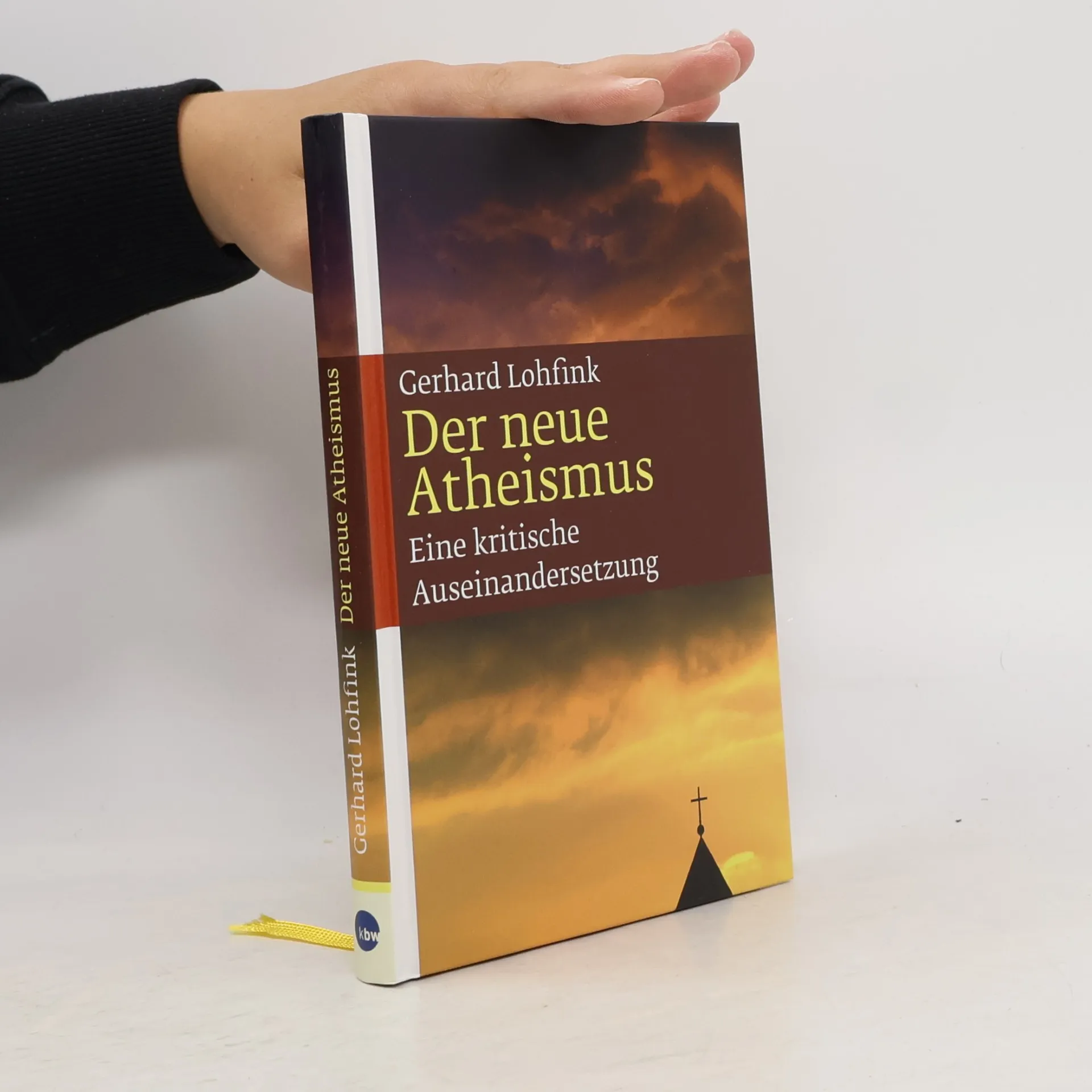
Gibt es einen Gott? Der neue offensive Atheismus argumentiert gegen Gott mit der Evolution und mit der Gewalttätigkeit der monotheistischen Religionen. Er behauptet, das biblische Gottesbild sei abstoßend und gefährlich. Und er brüht das alte Argument neu auf: Die Hoffnung auf ein ewiges Leben verhindere die Veränderung von Welt und Gesellschaft. Dieses Buch setzt sich mit den acht Hauptargumenten des neuen Atheismus und vor allem mit den Thesen von Richard Dawkins kritisch auseinander wie z.B.: Gott hat keiner je gesehen, also gibt es ihn nicht. Gott ist eine Projektion des Menschen. Der Mensch hat sich aus dem Tierreich entwickelt. Der Blick auf das Jenseits lähmt, daher braucht man sich nicht damit auseinanderzusetzen. Das Buch hilft, die Vernünftigkeit unseres Glaubens tiefer zu verstehen.
Wem gilt die Bergpredigt?
- 238 pages
- 9 hours of reading
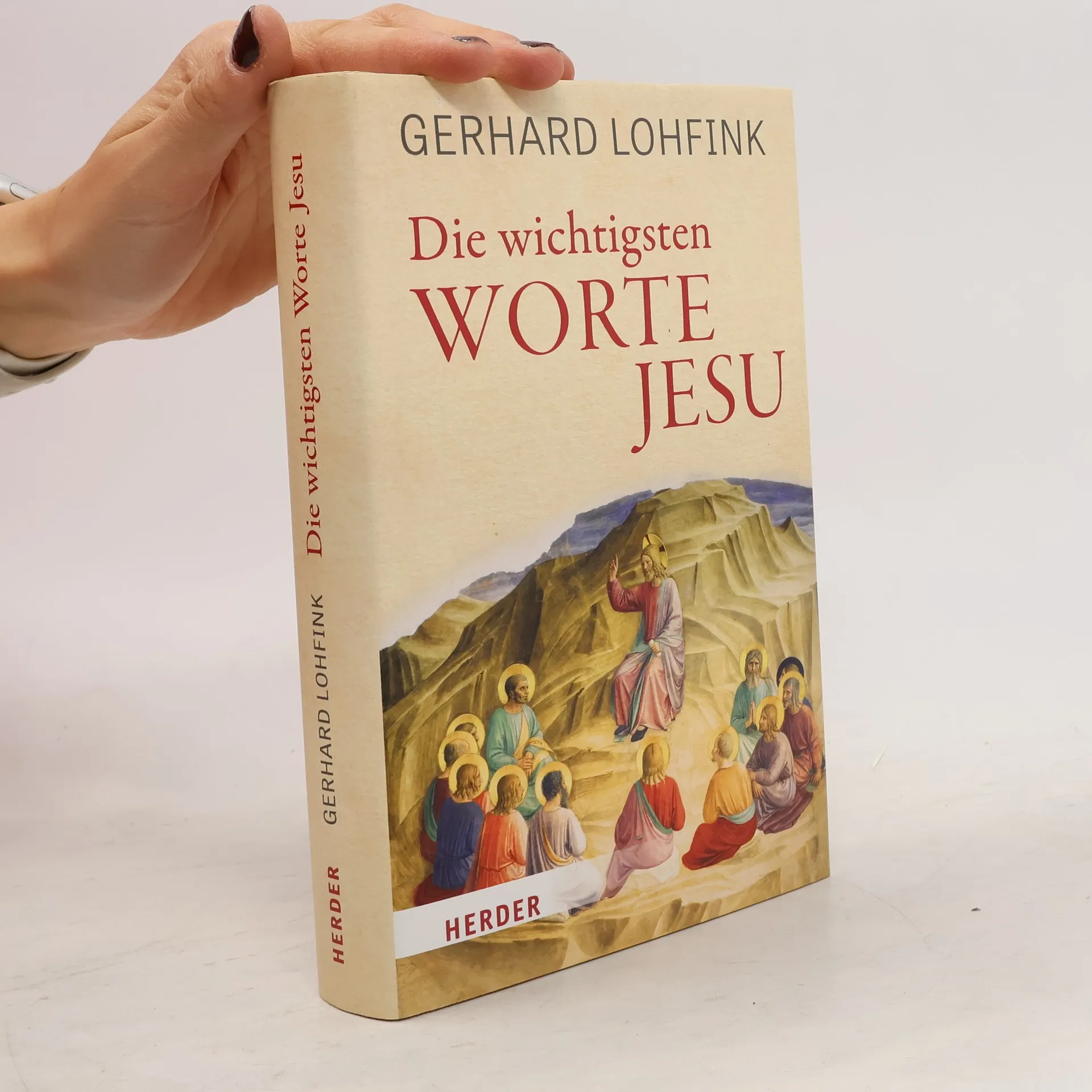
Die wichtigsten Worte Jesu
- 424 pages
- 15 hours of reading
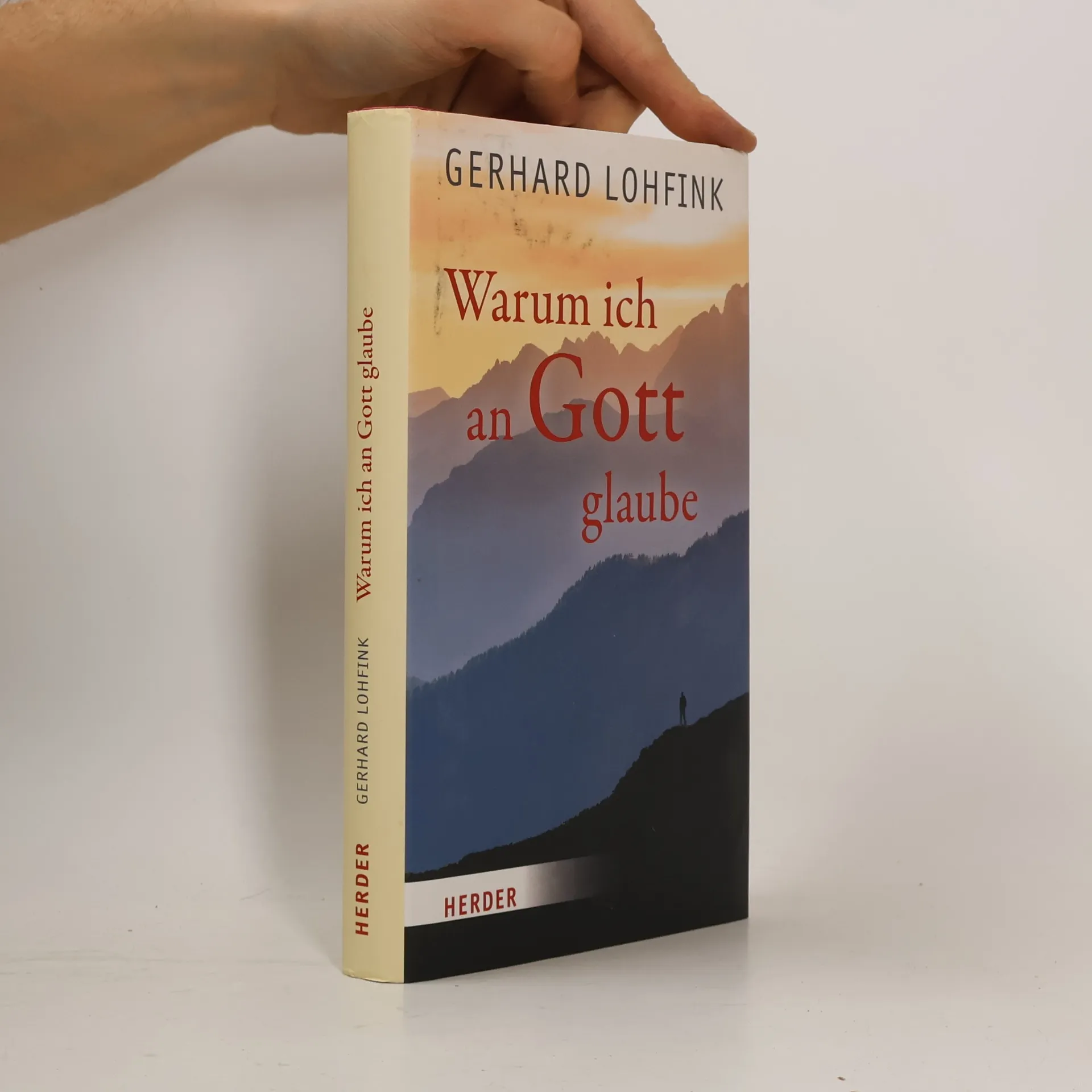
Warum ich an Gott glaube
- 208 pages
- 8 hours of reading
"Dieses Buch erzählt eine Lebensgeschichte. Der Neutestamentler Gerhard Lohfink (1934-2024) berichtet von seiner Kindheit in der Nazi-Zeit und im Zweiten Weltkrieg, von seinem Theologiestudium in Frankfurt am Main und München, von seinen Erfahrungen als Priester und Seelsorger, von seinem Weiterstudium in Würzburg, seiner Zeit als Professor in Tübingen und den Jahren danach. Verwoben mit dieser Geschichte seines Lebens behandelt Gerhard Lohfink in seinem letzten Buch, das er bereits von Krankheit gezeichnet noch vollenden konnte, in der ihm eigenen anschaulichen Art und Weise Fragen, die in jedem christlichen Leben eine entscheidende Rolle spielen: nach der Wahrheit in der Bibel, nach der Rolle der Vernunft im christlichen Glauben, nach dem Umgang mit Gott, wenn es zu den Lebensentscheidungen kommt. Im letzten Teil seines Buches stellt er sich der Herausforderung, wie der christliche Glaube in einer Welt bestehen kann, die voll Hass, Krieg und Vernichtung ist." --
Der Tod ist nicht das letzte Wort : Meditationen
- 62 pages
- 3 hours of reading
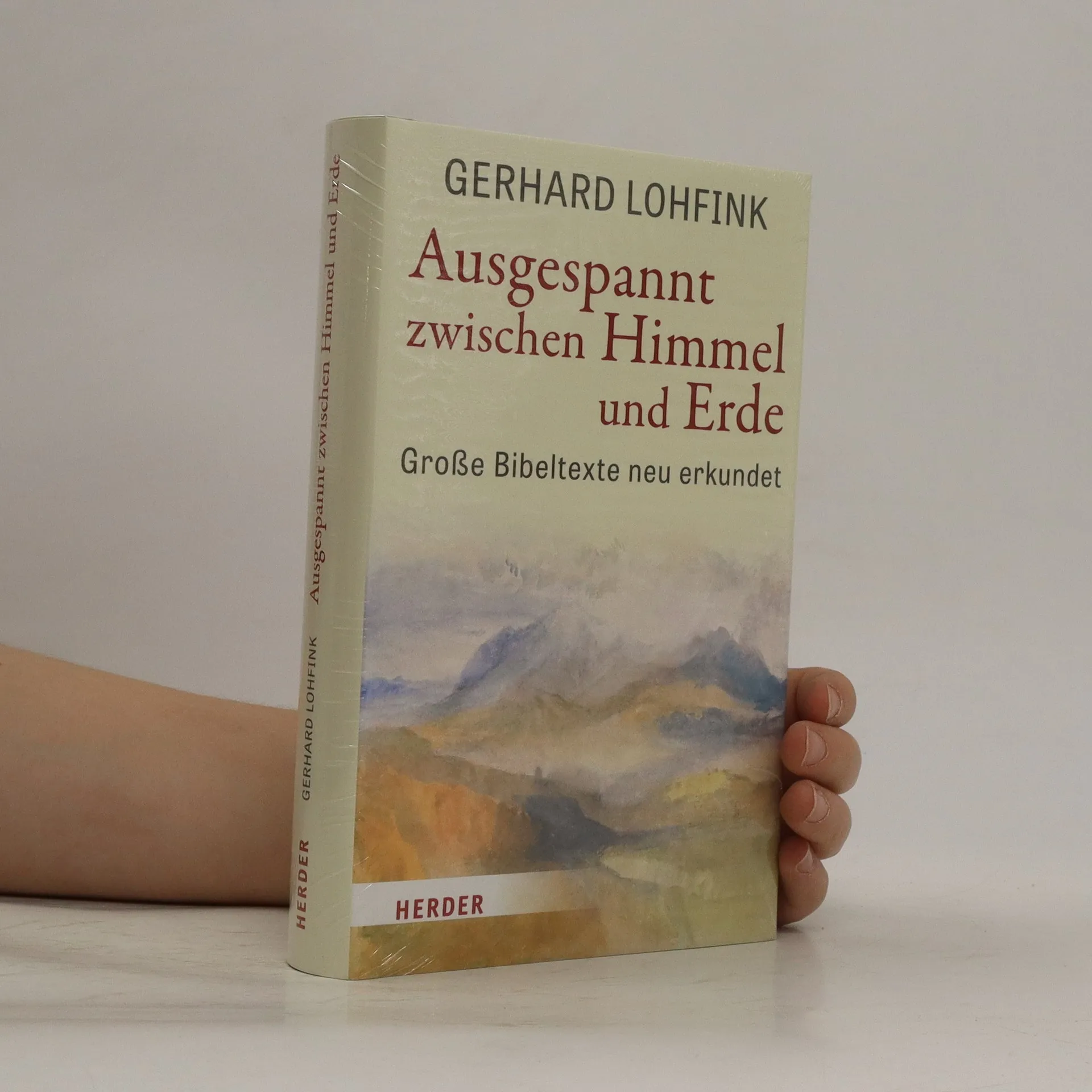
Der Neutestamentler Gerhard Lohfink legt in diesem Buch eine Vielzahl biblischer Texte aus, bekannte und unbekannte. Er untersucht sie voll Neugier, befragt sie hartnackig und konfrontiert sie mit unserer Gegenwart - von COVID-19 bis zu der inneren Einsamkeit vieler Menschen. Er fragt angesichts zentraler Texte der Bibel: Wie kann heute ein Leben aussehen, das ganz in der Welt ist und zugleich ganz in Gott - das ausgespannt ist zwischen Himmel und Erde -, das die Unermesslichkeit des Kosmos vor Augen hat und zugleich eine winzige Blume bestaunen kann, das die Abgrunde des menschlichen Herzens kennt und sich trosten lasst von dem Lacheln eines Kindes. Der Autor entwirft aus dem Mosaik vieler Texte des Alten und des Neuen Testaments ein farbiges Bild biblischer Theologie. Das Buch deckt Unbekanntes auf, zeigt das Bekannte in neuem Licht und ist voll von uberraschungen. Es richtet sich nicht nur an Fernstehende, die vorhaben, die christliche Botschaft genauer kennenzulernen. Es richtet sich an alle, die Sehnsucht danach haben, die Bibel besser und tiefer zu verstehen.
Glaube braucht Erfahrung
- 156 pages
- 6 hours of reading
Ein Lesebuch mit erstaunlicher Impulskraft: kurz, prägnant, nie ohne Humor, immer anregend, bisweilen zum Widerspruch reizend, niemals langweilig, stets unangepasst.
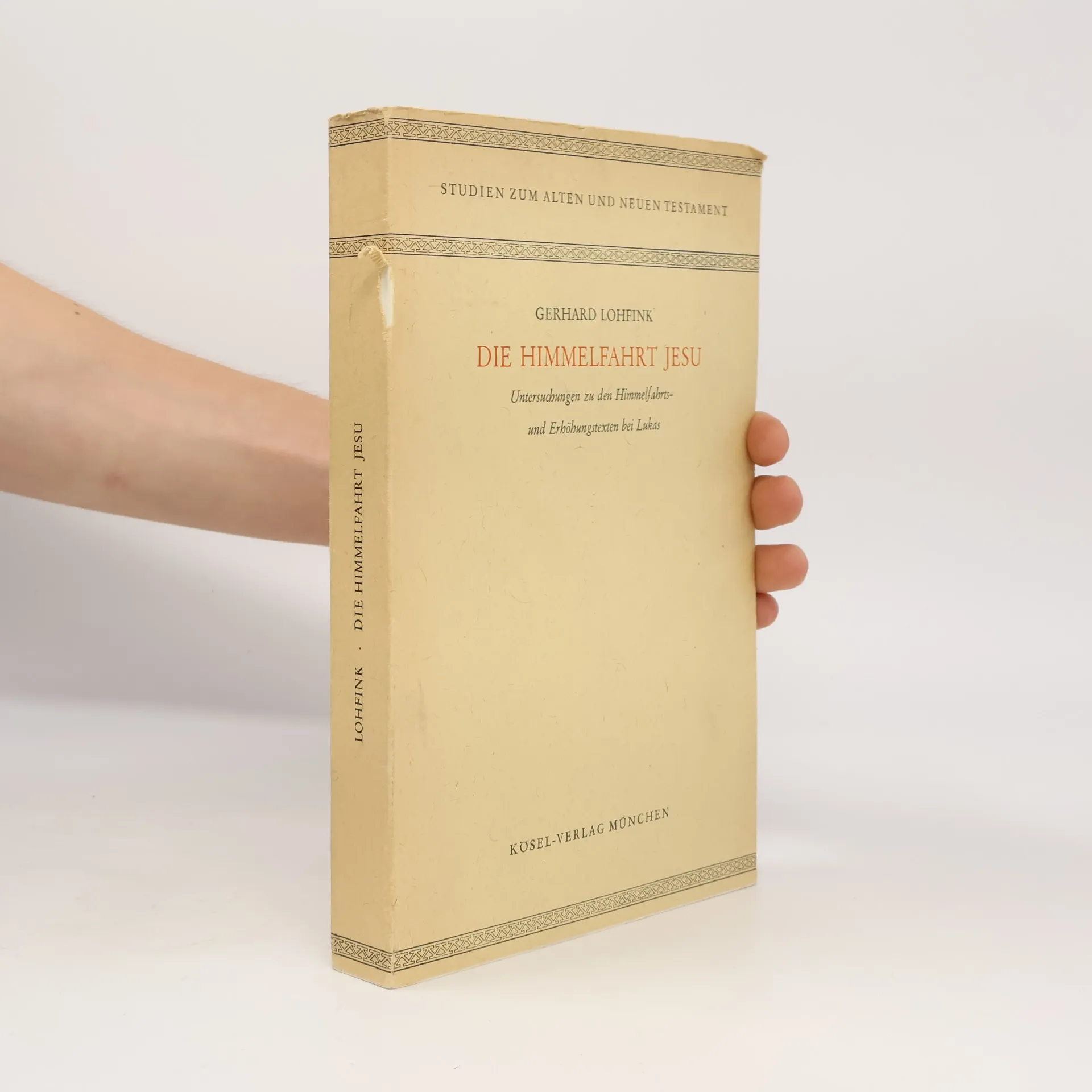
Die Himmelfahrt Jesu
Untersuchungen zu den Himmelfahrts- und Erhöhungstexten bei Lukas
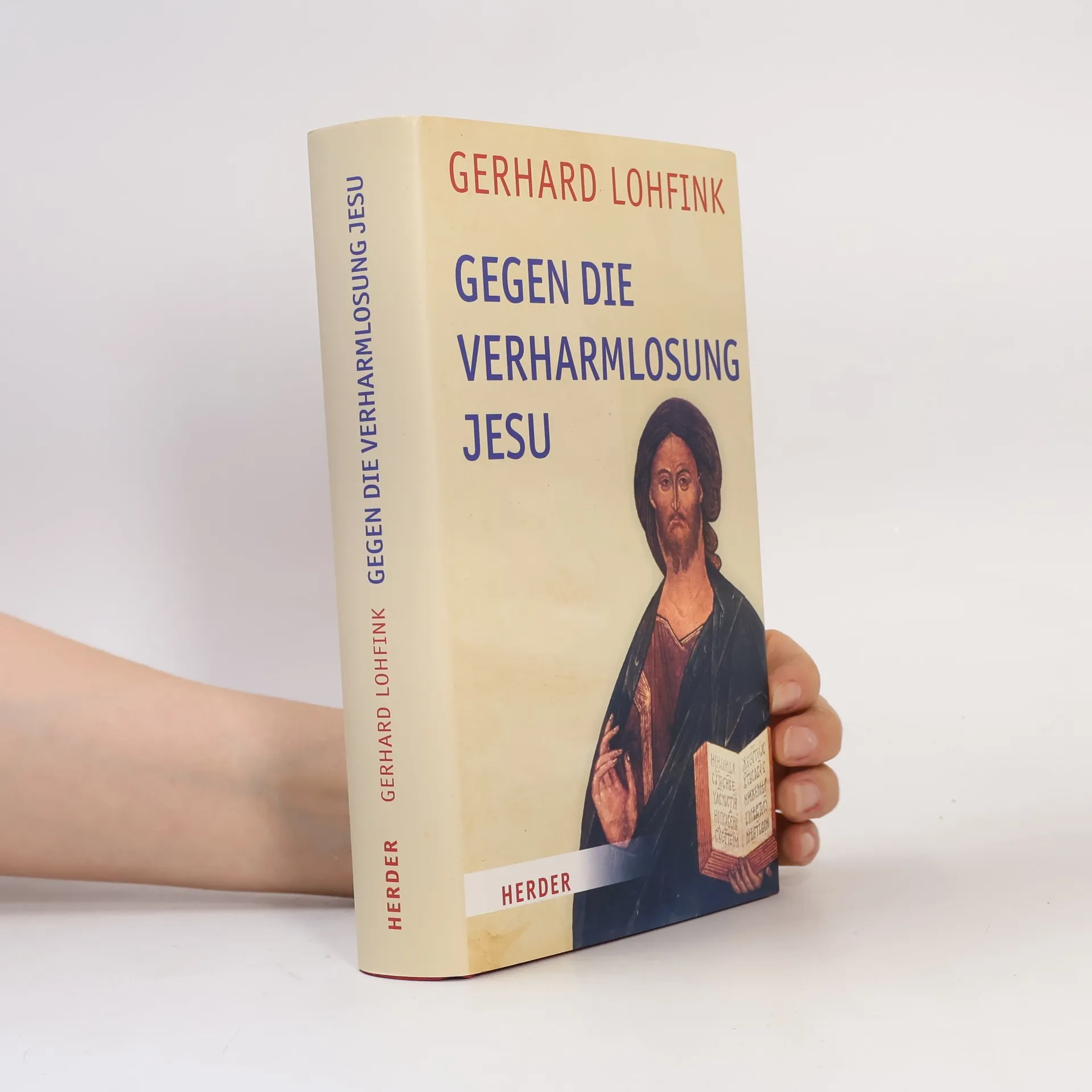
Gegen die Verharmlosung Jesu
- 485 pages
- 17 hours of reading
* Reden über Jesus und die Kirche * Plädoyer für ein überzeugendes Christsein Die Verharmlosung Jesu findet auf vielen Feldern statt. Sie geschieht, wenn Jesus als ein etwas aus der Reihe tanzender Rabbi oder als ein zwar außergewöhnlicher, aber eben doch als reiner Prophet eingestuft wird. Widerspruch ist vor allem fällig, wenn sich Christen so verhalten, als sei die Kirche eine Art Verein zur Bedienung religiöser Bedürfnisse, das war von Jesus anders gedacht. Dieses Buch handelt deshalb an vielen Stellen nicht nur von Jesus selbst, sondern auch von der Kirche. Gerhard Lohfinks Reden gegen die Verharmlosung sind provokant, voller überraschender Einsichten und stellen den christlichen Glauben in ein neues Licht.
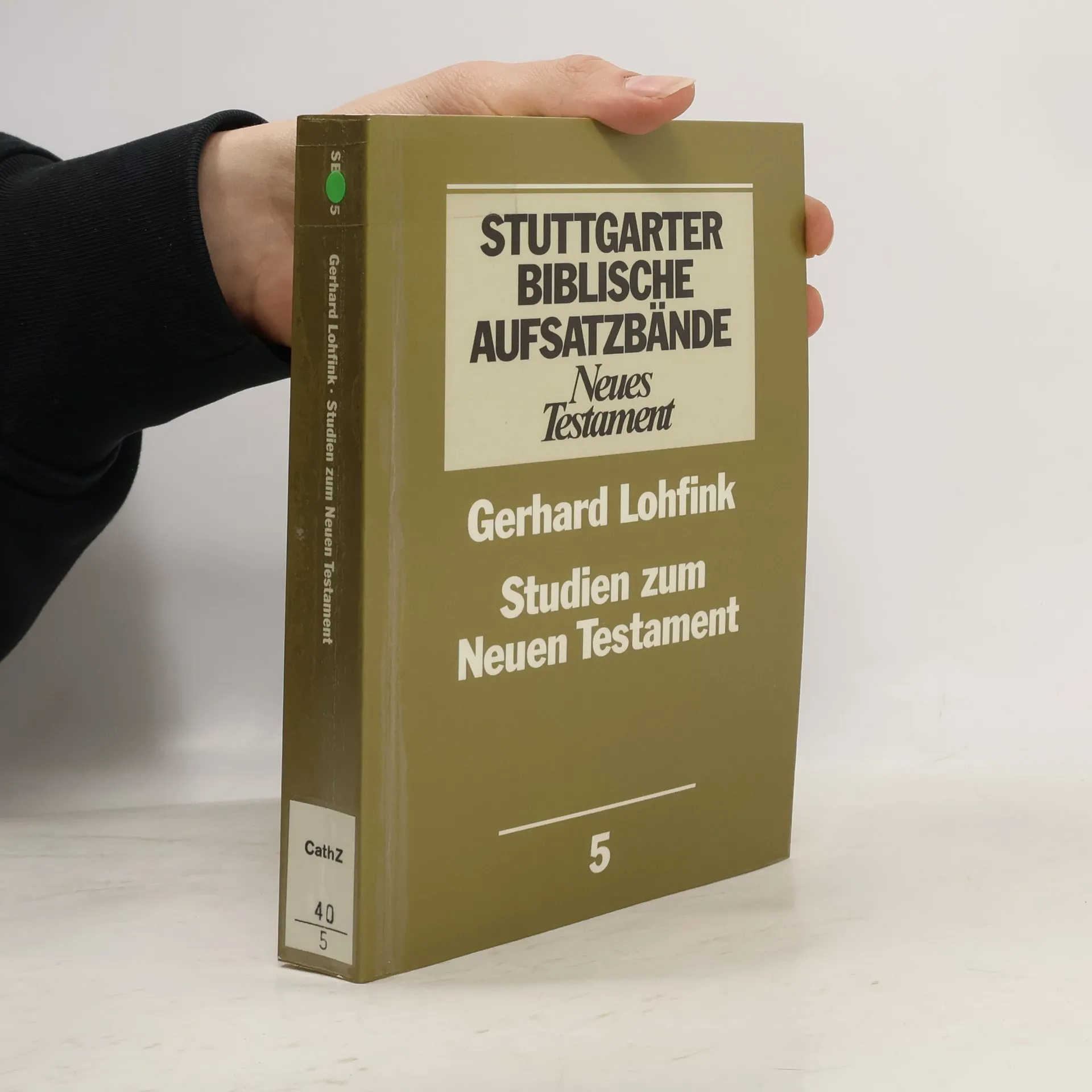
Stuttgarter Biblische Aufsatzbände - 5: Studien zum Neuen Testament
- 408 pages
- 15 hours of reading
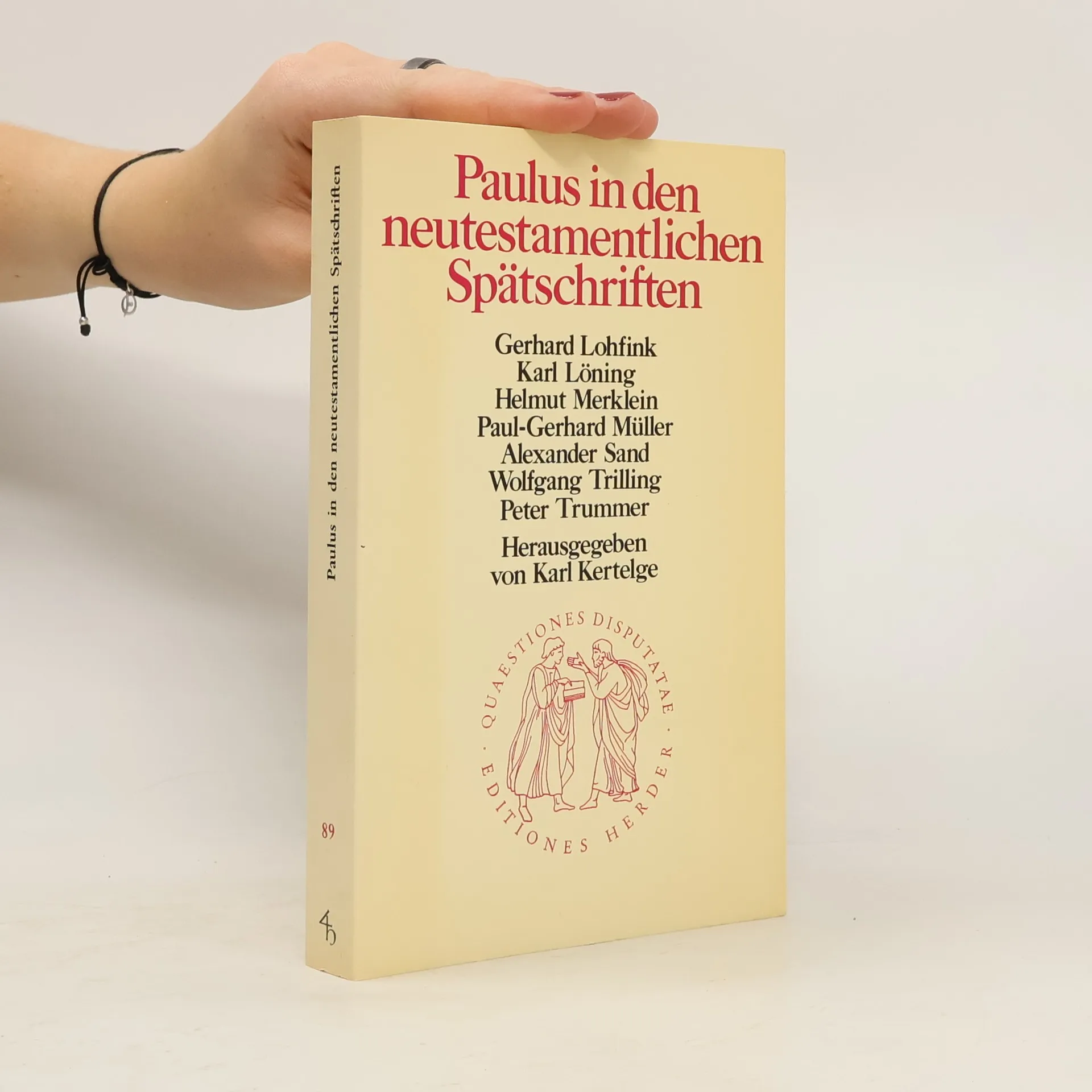
Paulus in den neutestamentlichen Spätschriften
Zur Paulusrezeption im Neuen Testament
- 234 pages
- 9 hours of reading
Maria - nicht ohne Israel
Eine neue Sicht der Lehre von der Unbefleckten Empfängnis
- 443 pages
- 16 hours of reading
Was meint die Kirche, wenn sie bei Maria von einer unbefleckten Empfängnis redet? Leider wird diese unbefleckte Empfängnis hartnäckig mit Jungfräulichkeit verwechselt. Und doch geht es dabei um etwas völlig um das Befreitsein von der Erbsünde. Die Autoren zeigen überzeugend, wie man Erbsünde heute übersetzen muss. Wie eng sie verknüpft ist mit allem, worunter die Menschheit heute leidet - und was es bedeutet, d in dem jüdischen Mädchen Maria, der Mutter Jesu, die Befreiungsgeschichte Gottes mit Israel zu ihrem Ziel gekommen ist.