

A uniquely personal exploration of the origins of international law, centring on the Nuremberg Trials, the city of Lviv and a secret family history
Philippe Sands Books
Philippe Sands, a distinguished legal scholar and practitioner, delves into the intricate intersections of law, history, and human morality. His writing probes complex international cases, revealing profound questions of justice and accountability. Through meticulous analysis and compelling narrative, he brings critical moments of modern history to life for readers, prompting reflection on the ethical dilemmas these events encapsulate. Sands' work challenges us to consider the nature of law and its impact on human lives.


East West street : on the origins of genocide and crimes against humanity
- 384 pages
- 14 hours of reading
THE BRITISH BOOK AWARDS NON-FICTION BOOK OF THE YEAR 2017 SUNDAY TIMES TOP 10 BESTSELLER When he receives an invitation to deliver a lecture in the Ukrainian city of Lviv, international lawyer Philippe Sands begins a journey on the trail of his family's secret history. In doing so, he uncovers an astonishing series of coincidences that lead him halfway across the world, to the origins of international law at the Nuremberg trial. Interweaving the stories of the two Nuremberg prosecutors (Hersch Lauterpacht and Rafael Lemkin) who invented the crimes or genocide and crimes against humanity, the Nazi governor responsible for the murder of thousands in and around Lviv (Hans Frank), and incredible acts of wartime bravery, EAST WEST STREET is an unforgettable blend of memoir and historical detective story, and a powerful meditation on the way memory, crime and guilt leave scars across generations. * * * * * 'A monumental achievement: profoundly personal, told with love, anger and great precision' John le Carré 'One of the most gripping and powerful books imaginable' SUNDAY TIMES Winner: Baillie Gifford Prize for Non-fiction JQ-Wingate Literary Prize Hay Festival Medal for Prose
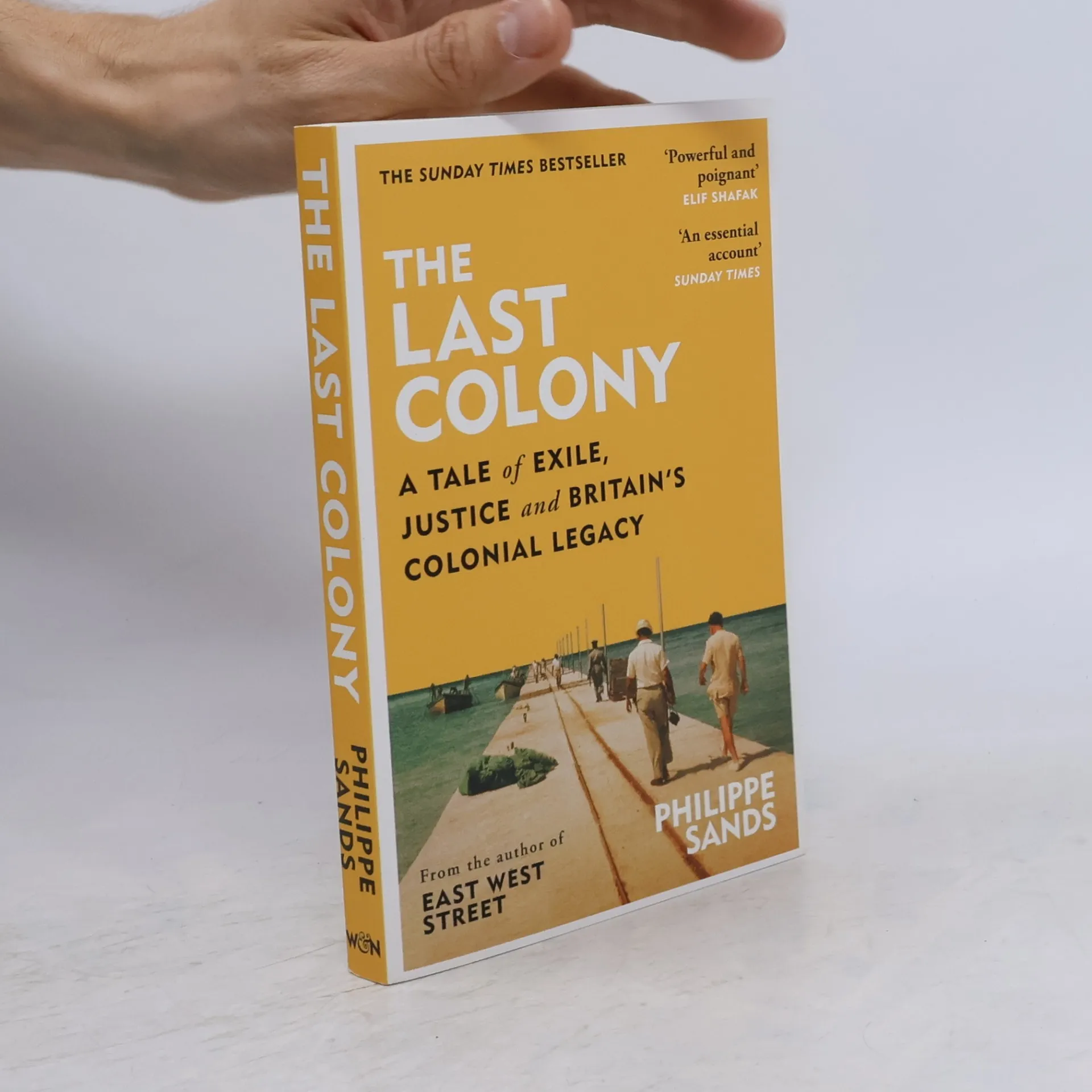
Telling the story of the landmark international judgement that brought an end to Britain's colonial rule in Africa, THE LAST COLONY is a riveting, enraging and beautifully rendered history of international law by the bestselling author of EAST WEST STREET and THE RATLINE
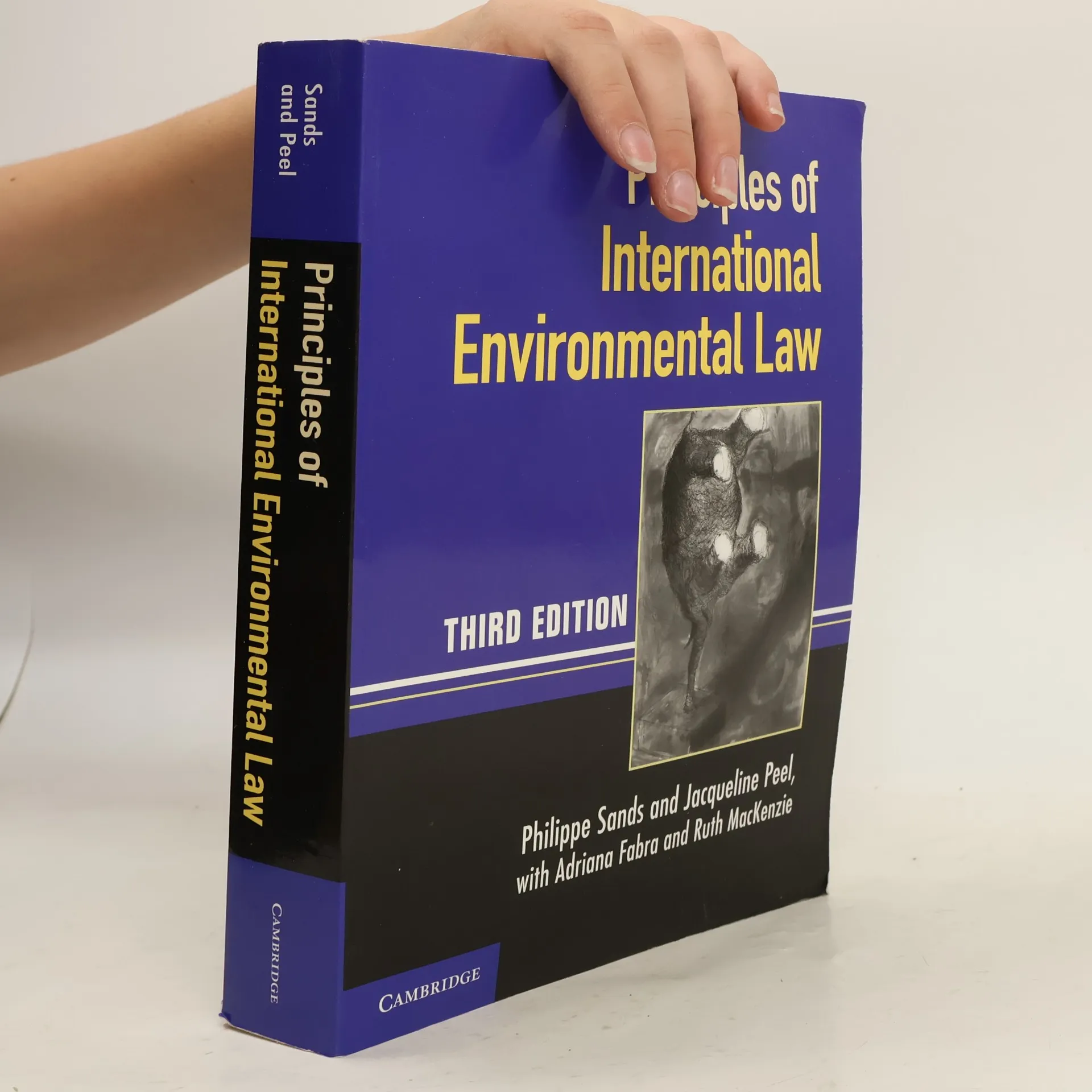
Principles of International Environmental Law
- 1252 pages
- 44 hours of reading
This second edition of Philippe Sand's leading textbook on international environmental law provides a clear and authoritative introduction to the subject, revised to December 2002. It considers relevant new topics, including the Kyoto Protocol, genetically modified organisms, oil pollution, chemicals etc. and will remain the most comprehensive account of the principles and rules relating to environmental protection and the conservation of natural resources. In addition to the key material from the 1992 Rio Declaration and subsequent developments, Sands also covers topics including the legal and institutional framework, the field's historic development and standards for general application. This will continue to be an invaluable resource for both students and practitioners alike.
The Ratline
- 432 pages
- 16 hours of reading
The new book by the winner of the Baillie Gifford Prize and author of the Sunday Times bestseller EAST WEST STREET - a historical detective story that sets out to uncover the truth behind what happened to leading Nazi Otto von Wachter
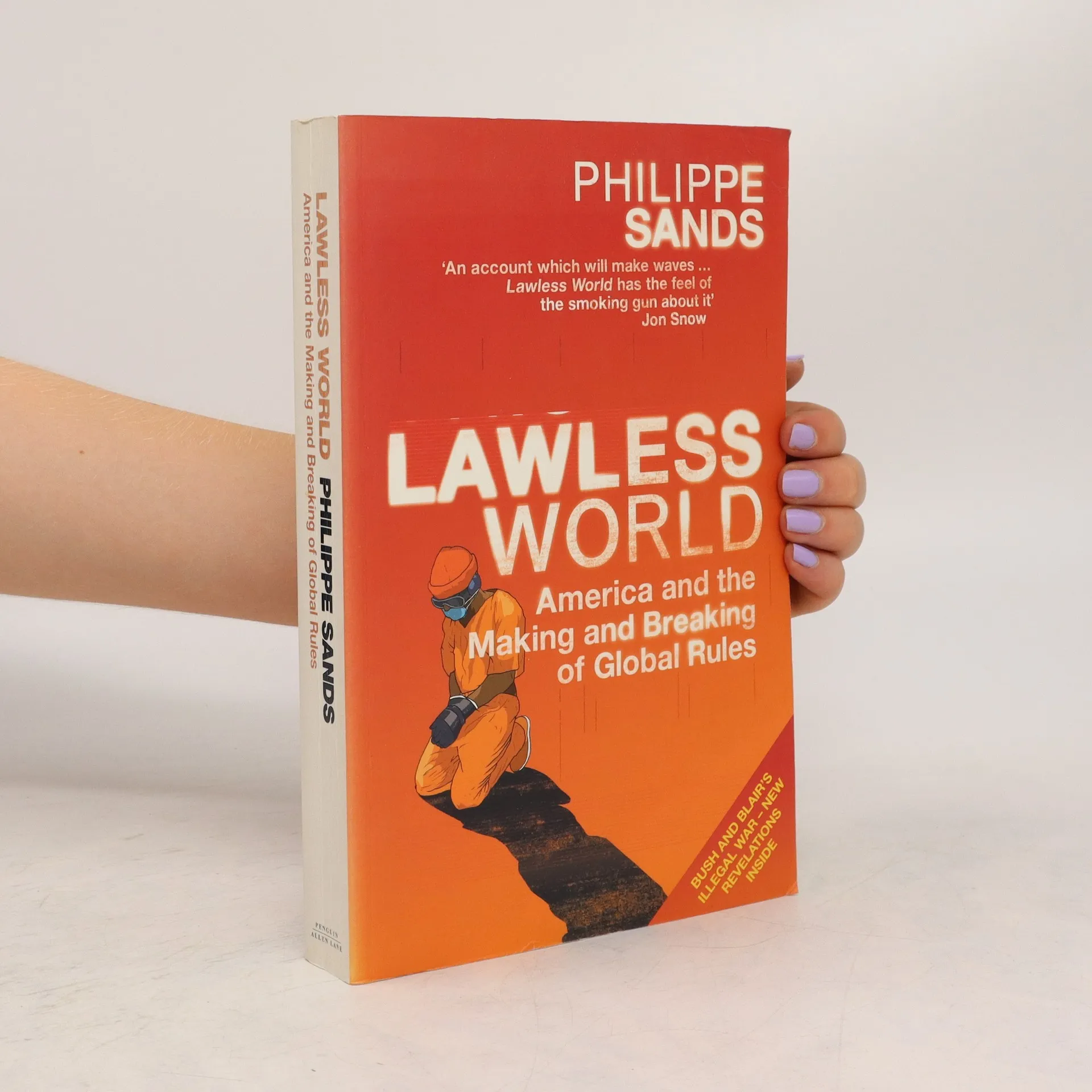
International lawyer Philippe Sands has a unique insider's view of the elites who govern our lives. His sensational revelations in Lawless World changed the political agenda overnight, forcing Tony Blair to publish damning mterial that he'd tried to hide. Now, in this updated edition with a shocking new chapter, you can get the full story of how the US and UK governments are riding roughshod over international agreements on human rights, war, torture and the environment - the very laws they put in place. Here sands looks at why global rules matter for all of us. And he powerfully makes the case for preserving them ... before justice becomes history.
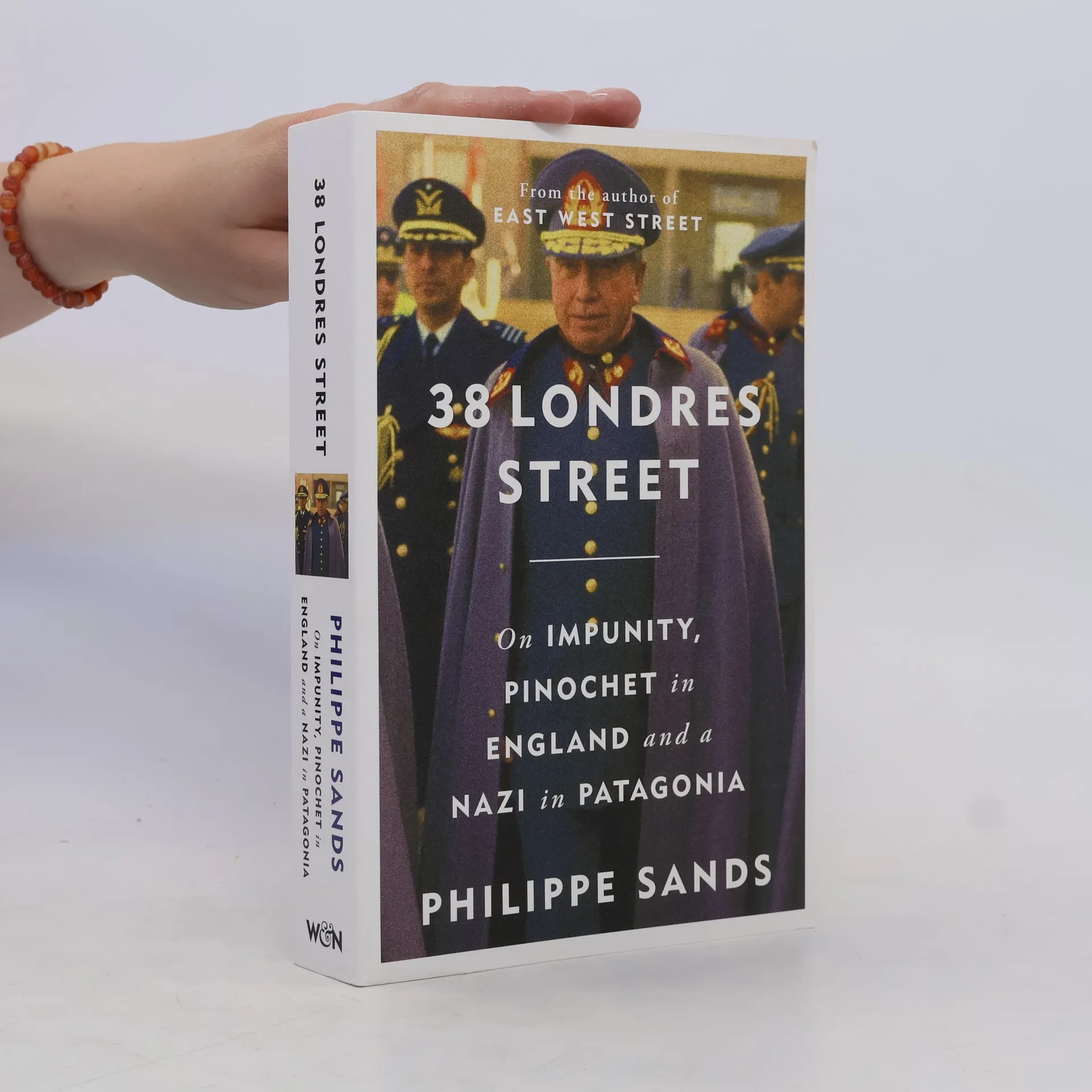
Set against the backdrop of Santiago, this gripping narrative explores the eerie connections between Augusto Pinochet and former SS officer Walther Rauff, who escaped justice after World War II. Rauff, known for his role in wartime atrocities, settled in Chilean Patagonia, running a crab cannery while his past loomed large. As whispers of his ties to Pinochet's regime and the disappearances in Chile surface, a chilling story of complicity and haunting legacies unfolds, revealing the dark intersections of history and personal fate.
East and West, to The Ratline, and Beyond
On Memory and Identity
This lecture, part of the Martin Miller and Hannah Norbert-Miller Memorial series, focuses on themes related to German and Austrian exile studies. Delivered at the Research Centre for German & Austrian Exile Studies at the University of London, it highlights the significance of exile experiences in shaping cultural and historical narratives. The event fosters academic discourse on the impact of exile on identity and memory within the context of modern languages research.
Der bekannte Menschenrechtsanwalt und Bestseller-Autor Philippe Sands erzählt die skandalöse Geschichte eines Verstoßes gegen die Menschenrechte. Er zeigt, dass der Kolonialismus noch nicht überwunden ist und Großbritannien bis heute internationales Recht bricht . April 1973. Mitten in der Nacht werden die Bewohner einer Insel im Chagos-Archipel aus dem Schlaf gerissen. Britische Soldaten zwingen sie mit vorgehaltenen Waffen, ihre Häuser zu verlassen, per Schiff werden sie nach Mauritius und in die USA deportiert. Chagos wird zu britischem Territorium erklärt, Großbritannien verpachtet eine der Inseln für eine Militärbasis an die USA. »Wir waren wie Tiere oder Sklaven auf diesem Schiff. Einige starben vor Kummer. (...) Es bricht einem das Herz.« Mit diesen Worten beschrieb Liseby Elysé 2018 vor dem Internationalen Gerichtshof ihre Deportation. Seit Jahrzehnten streiten sie und ihre Landsleute um das Recht auf Rückkehr, seit 2018 werden sie dabei von Philippe Sands beraten. 2019 schrieb der Internationale Gerichtshof die Chagos-Inseln Mauritius zu, was der Internationale Seegerichtshof 2021 bestätigte. Doch Großbritannien verweigert bis heute die Rückgabe der Inseln und die Rückkehr ihrer Bewohner. Ein aufrüttelndes Buch über kolonialen Dünkel und die Missachtung von Menschenrechten. »E legant geschrieben, bewegend und höchst informativ.« Literary Review
Der renommierte Anwalt für Menschenrechte Philippe Sands beleuchtet in seinem Buch das historische Entstehungsmoment der internationalen Menschenrechtsgesetze anhand seiner eigenen Familiengeschichte.Als er eine Einladung nach Lemberg erhält, ahnt er noch nicht, dass ihn diese Reise um die halbe Welt führen wird. Er entdeckt die dramatische Geschichte seiner eigenen Familie, die im Zweiten Weltkrieg als Juden ermordet wurden. Und er stößt auf die Geschichte zweier Männer, die das moderne Völkerrecht prägten: Hersch Lauterpacht und Raphael Lemkin.Als Juristen konzipierten sie angesichts der ungeheuren NS-Verbrechen während der Nürnberger Prozesse jene beiden Begriffe, mit denen seitdem der Schrecken benannt und geahndet werden kann: »Verbrechen gegen die Menschlichkeit« und »Genozid«. Meisterhaft verwebt Philippe Sands die Geschichte von Tätern und Anklägern, von Strafe und Völkerrecht zu einer kraftvollen Erzählung darüber, wie Verbrechen und Schuld über Generationen fortwirken.