
V technokraticky a byrokraticky organizovaném pracovním světě má člověk stále větší problémy prosadit se jako individuální, autonomní a ve své oblasti činnosti aktivní osoba. Byrokracie a státní správa na straně jedné a globálně operující hospodářské organizace na straně druhé nutí k přizpůsobování, v němž člověk přichází o svoji individualitu, nedokáže se identifikovat s prací a nakonec ani se svým soukromým životem. Ztrácí motivaci, jeho výkon klesá a sám tomuto tlaku podléhá, vnitřně se vzdává. V popředí moderní společnosti stojí dnes především rozmnožování blahobytu bez ohledu na všeobecné blaho a životy příštích generací …
Román Vyhlazení (Auslöschung, 1986) představuje poslední a vrcholný autorův příspěvek světové literatuře. Rozvíjí zde a k dokonalosti přivádí všechny motivy a prostředky, které prostupují jeho tvorbu odpočátku: kritika všeho a všech – zejména rakouského státu a společnosti – jako umění literární nadsázky, všudypřítomná tragikomika, sarkasmus, sebeironie a bytostně hudební rytmus vyprávění.
Výbor miniatur, glos, výstižných črt i krátkých povídek z let 1899–1920 tohoto významného švýcarského autora představuje vhled do jeho tvorby nejvlastnější: v psaní krátkých próz byl Robert Walser jedinečný a neopakovatelný, v mnohém překonávají jeho vlastní romány.
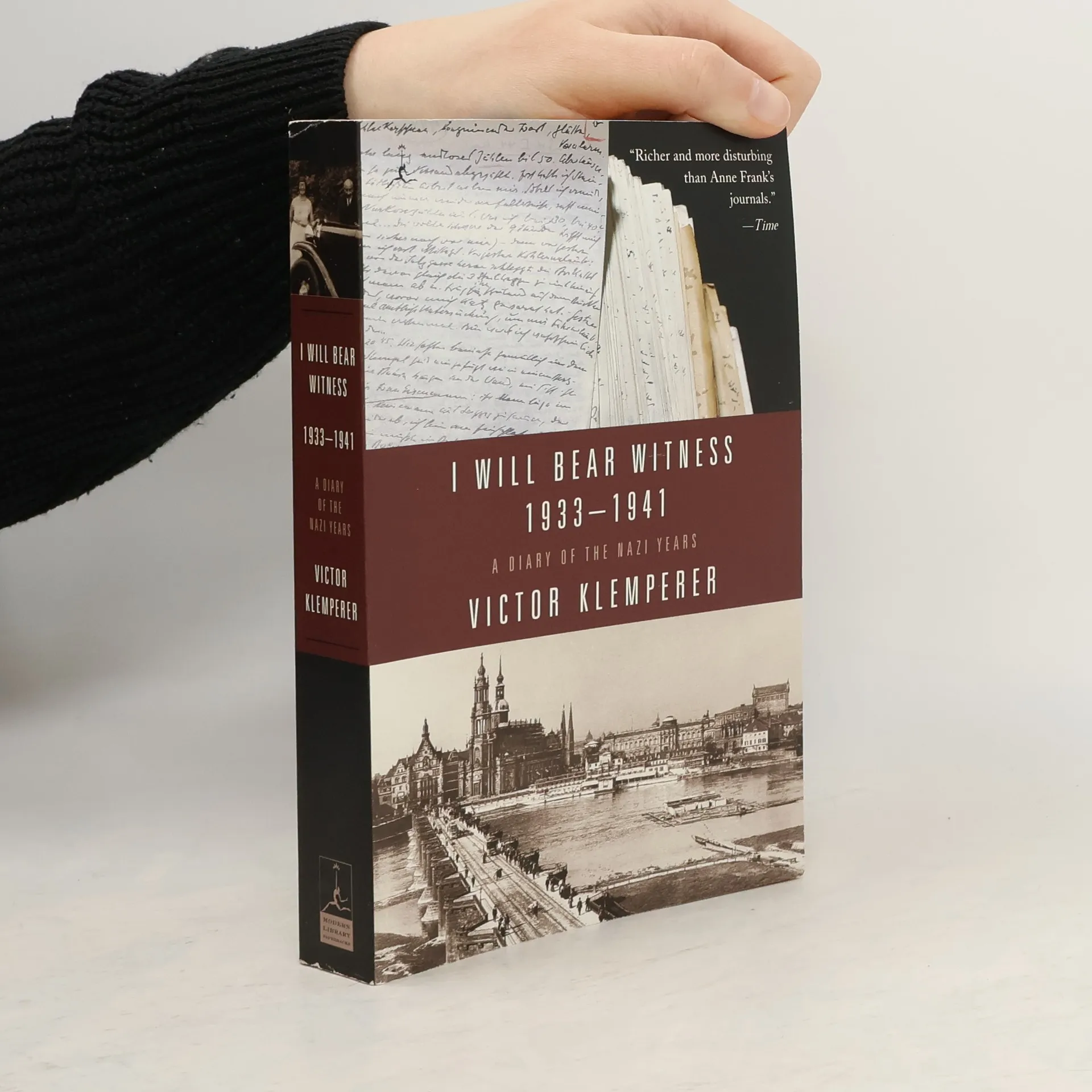
The publication of Victor Klemperer's secret diaries reveals an extraordinary account of daily life during the Nazi period. Described as the best-written and most evocative record of the Third Reich, it combines literary merit with a stark portrayal of the horrors of the era. A Dresden Jew and World War I veteran, Klemperer recognized the dangers posed by Hitler as early as 1933. His clandestine diaries vividly document the experiences of everyday life under Nazi rule, focusing on the thoughts and actions of ordinary Germans, such as the greengrocer and the fishmonger, who share their perspectives on the war's progress.
Klemperer, a brilliant historian, struggles to complete his work on eighteenth-century France while witnessing the tightening grip of the regime. He faces the loss of his professorship, his possessions, and ultimately his home, forced into a Jews' House—the last step before the camps. Despite the risks of keeping a diary, he feels compelled to record the unfolding events, stating, "This is my heroics. I want to bear witness, precise witness, until the very end." Klemperer emphasizes the significance of documenting the everyday life of tyranny, asserting that "a thousand mosquito bites are worse than a blow on the head." This volume covers the years from 1933 to 1941, with a second volume planned for 1999.
'Probably nothing exists that would prepare one for Bernhard's machined vehemence, though once you've read one, you perhaps start to crave the bitter taste and the savage not-quite-humour ... Genius.' - Michael Hofmann Instead of the book he is meant to write, Rudolph, a Viennese musicologist, produces this dark and grotesquely funny account of small woes writ large, of profound horrors detailed and rehearsed to the point of distraction. We learn of Rudolph's sister, whose help he invites then reviles; his 'really marvellous' house which he hates; the suspicious illness he carefully nurses; his ten-year-long attempt to write the perfect opening sentence; and his escape to the island of Majorca, which turns out to be the site of someone else's very real horror story, and ultimately brings him no release from himself. Concrete is Thomas Bernhard at his very finest: a bleakly hilarious insight into procrastination and failure that scratches the murky depths of our souls.
The sorcerer Beelzebub Preposteror and his witchy aunt must complete their annual quota of evil deeds before midnight. But a small cat and a raven are waiting to foil their plans and save the world.
The playwright and novelist Thomas Bernhard was one of the most widely translated and admired writers of his generation, winner of the three most coveted literary prizes in Germany. Gargoyles, one of his earliest novels, is a singular, surreal study of the nature of humanity.One morning a doctor and his son set out on daily rounds through the grim mountainous Austrian countryside. They observe the colorful characters they encounter—from an innkeeper whose wife has been murdered to a crippled musical prodigy kept in a cage—coping with physical misery, madness, and the brutality of the austere landscape. The parade of human grotesques culminates in a hundred-page monologue by an eccentric, paranoid prince, a relentlessly flowing cascade of words that is classic Bernhard.
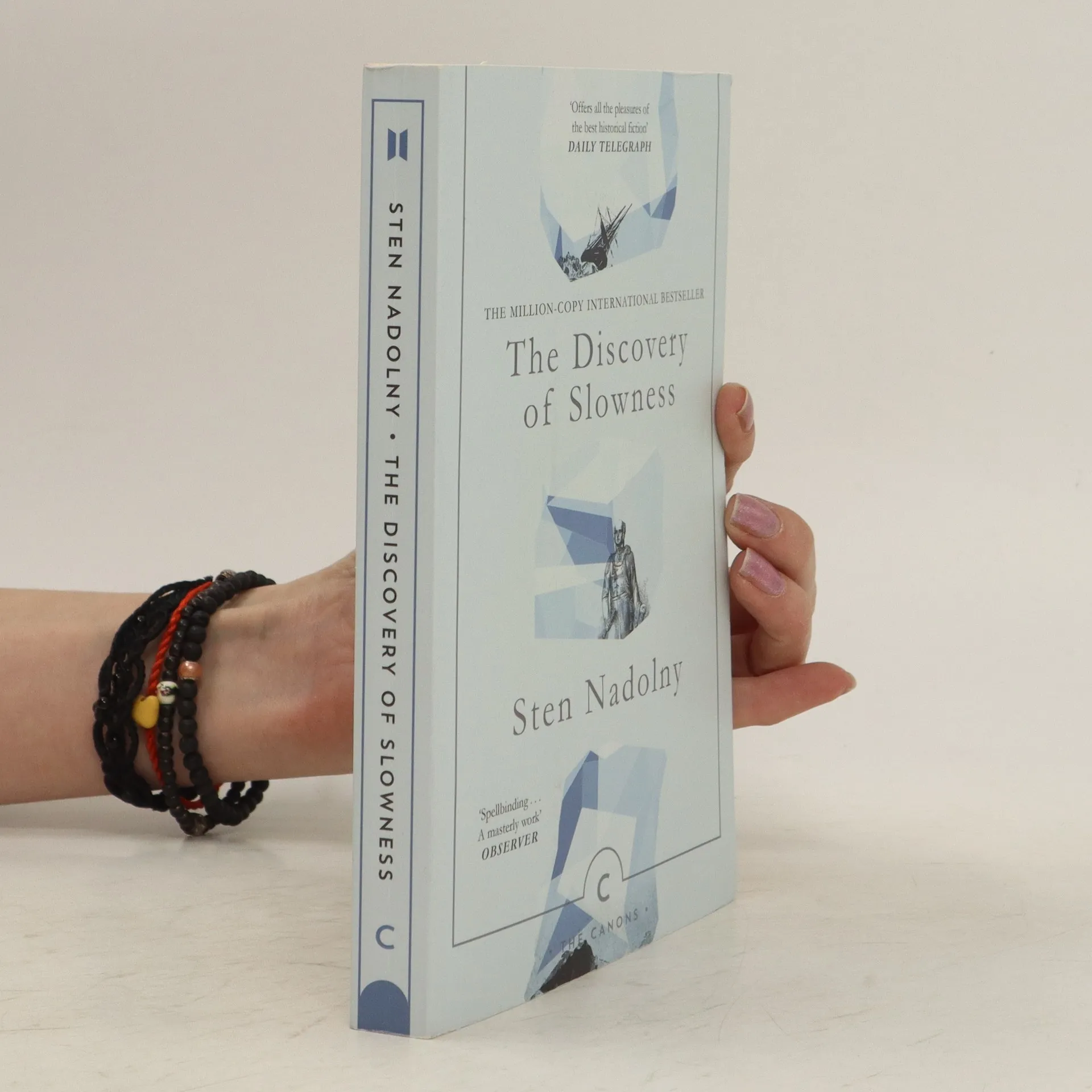
Nadolny's masterpiece, The Discovery of Slowness tells the incredible story of Sir John Franklin, a sailor and explorer who battled the frozen Arctic wastes and paved the way for the discovery of the Northwest Passage. Ridiculed for his slowness in his youth, Franklin's quiet calm later helps him to become an icon of adventure.A classic of contemporary German literature, The Discovery of Slowness is not only a riveting account of a remarkable life but also a profound and thought-provoking meditation on time.