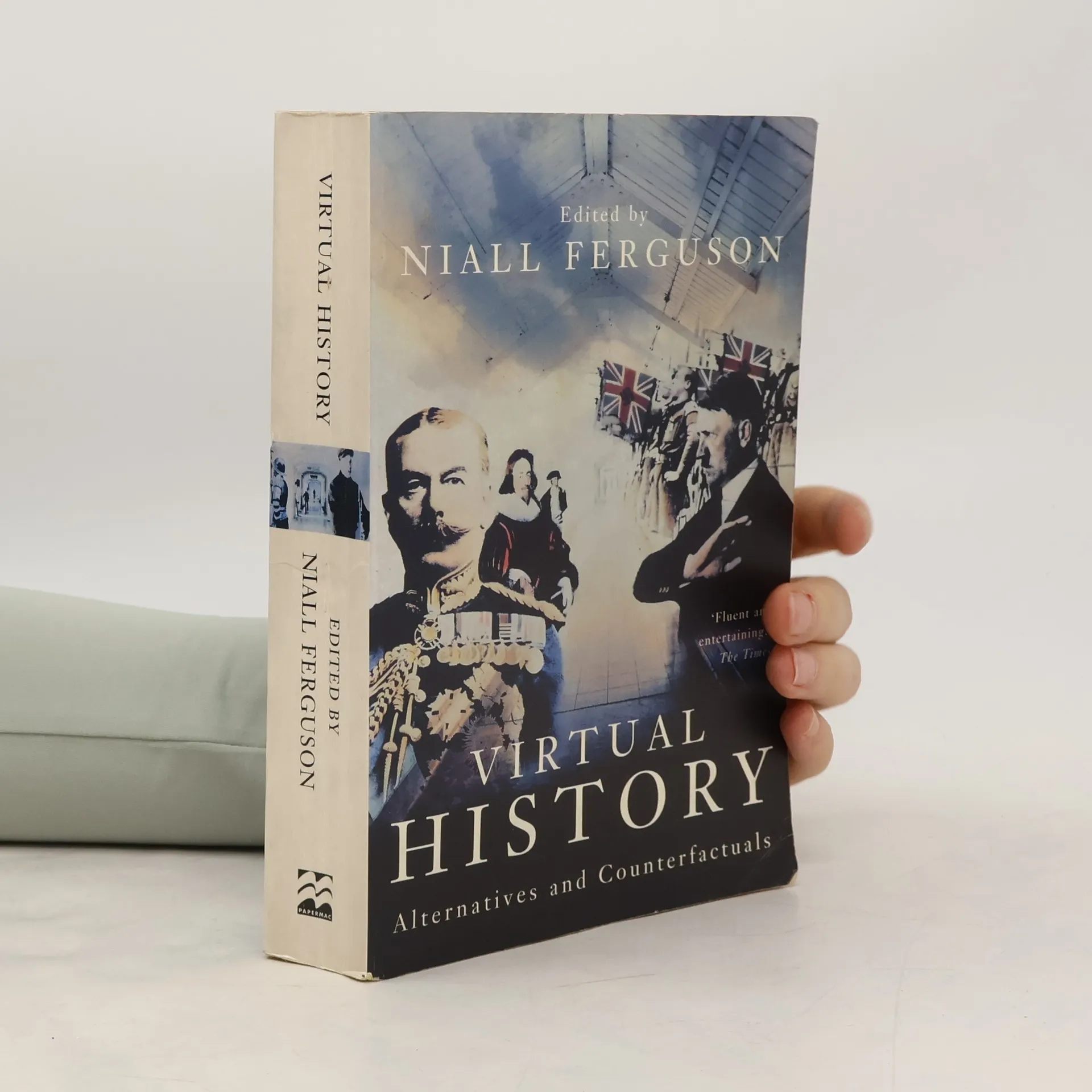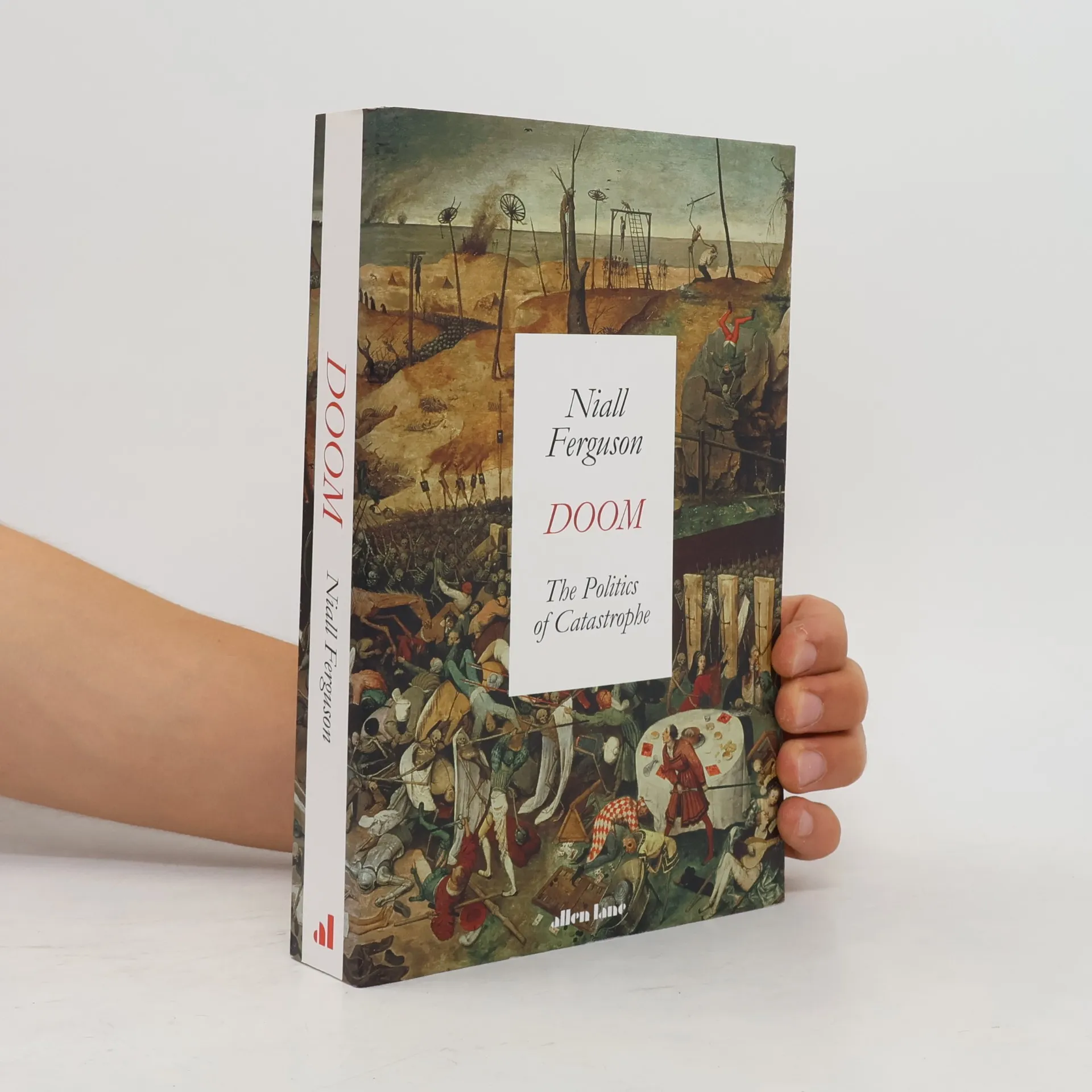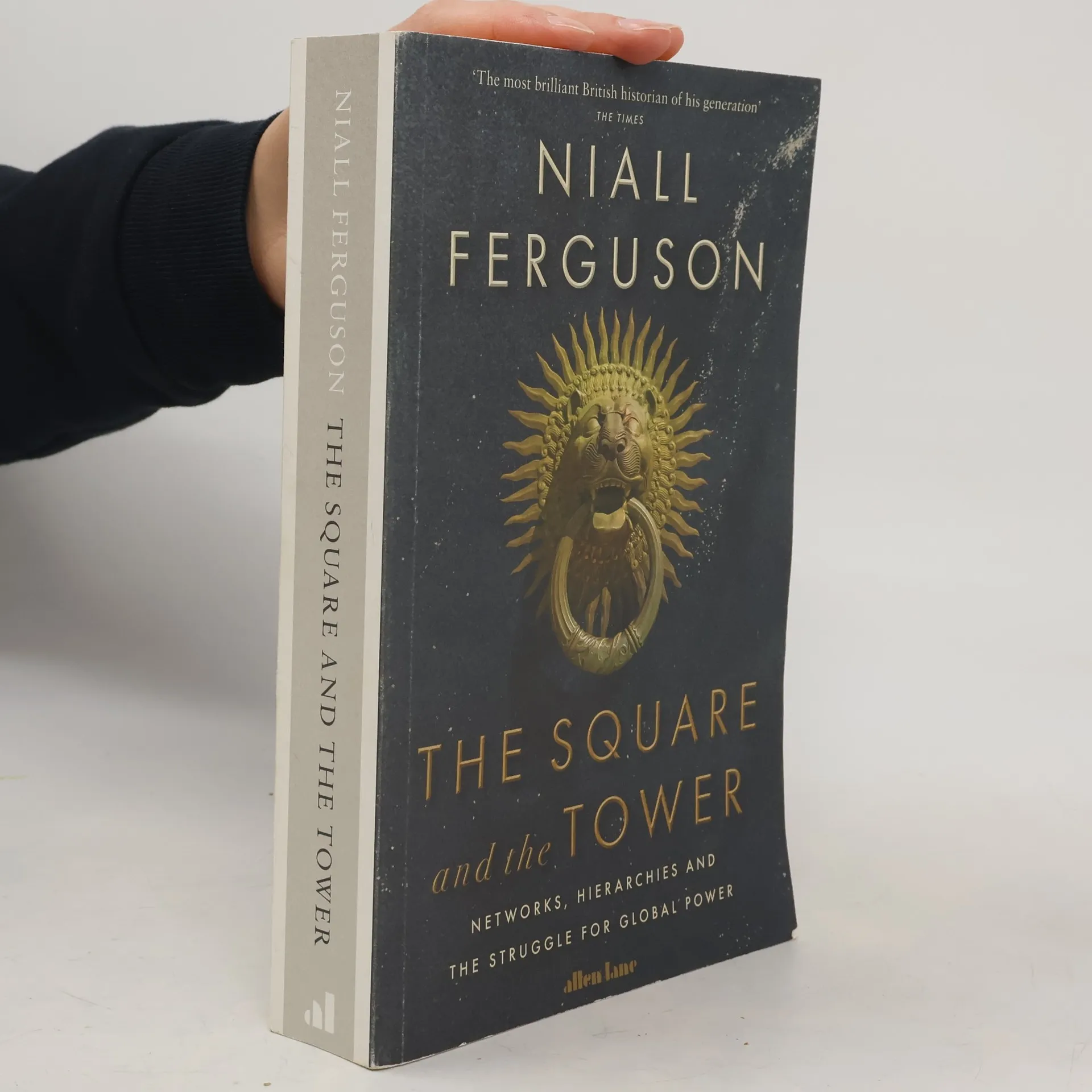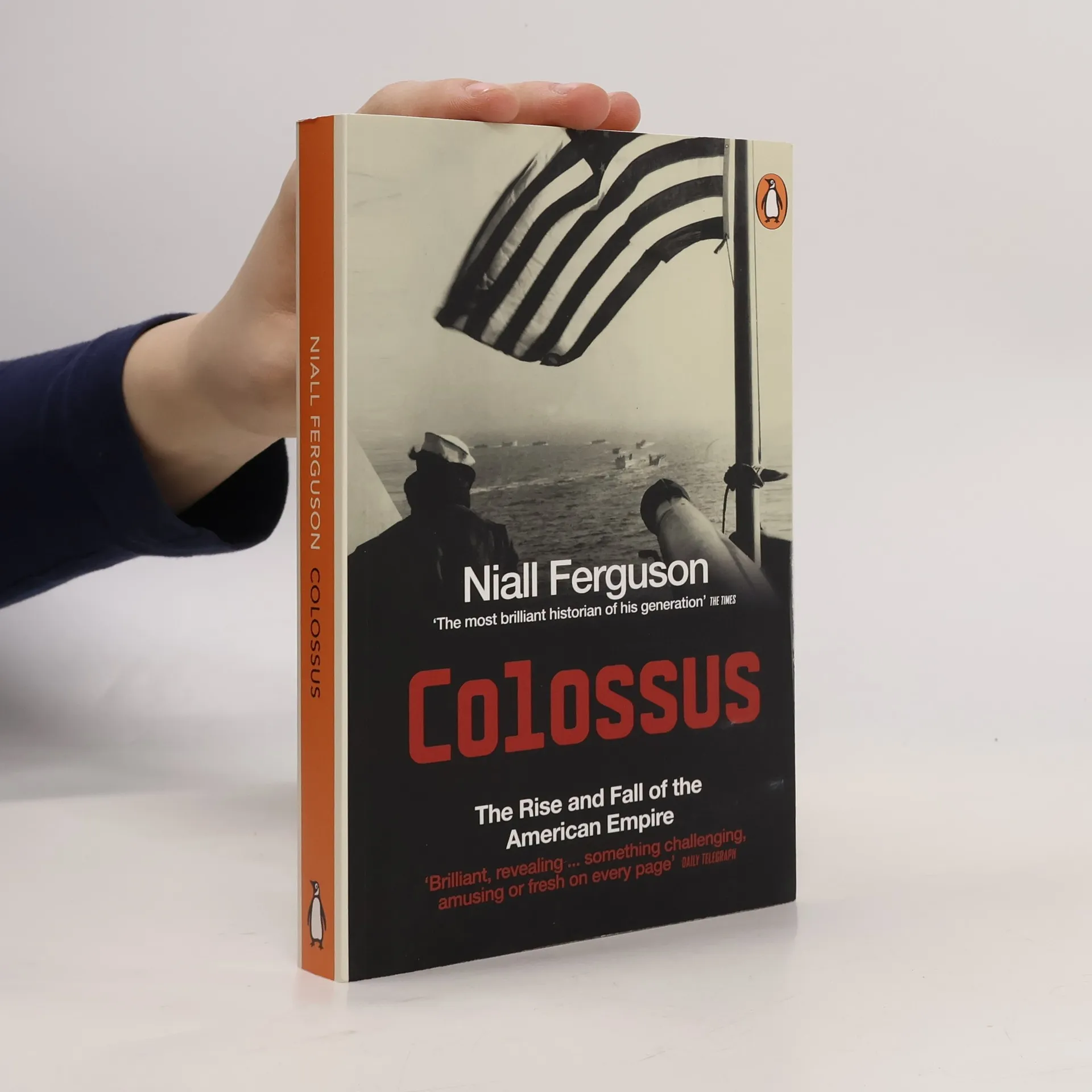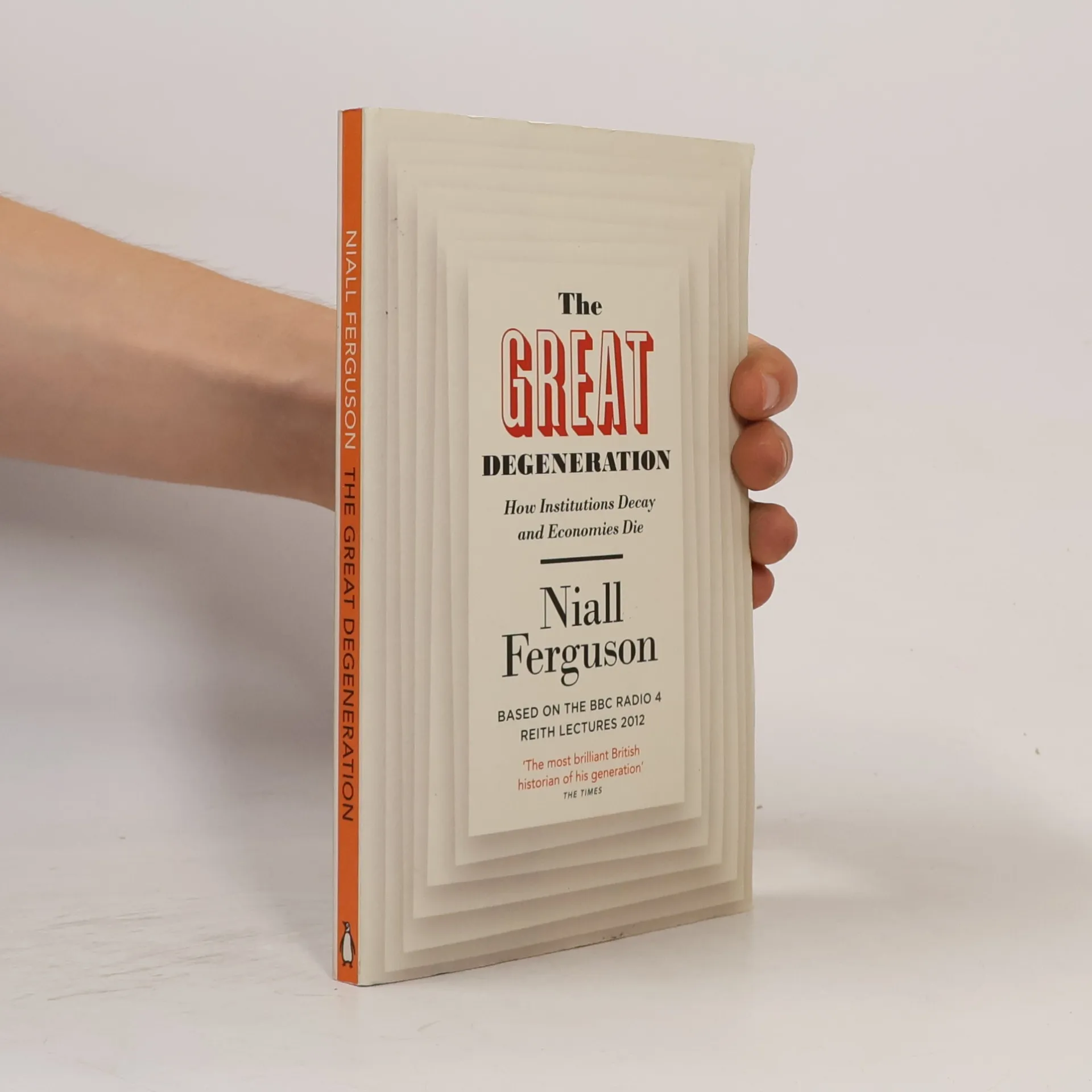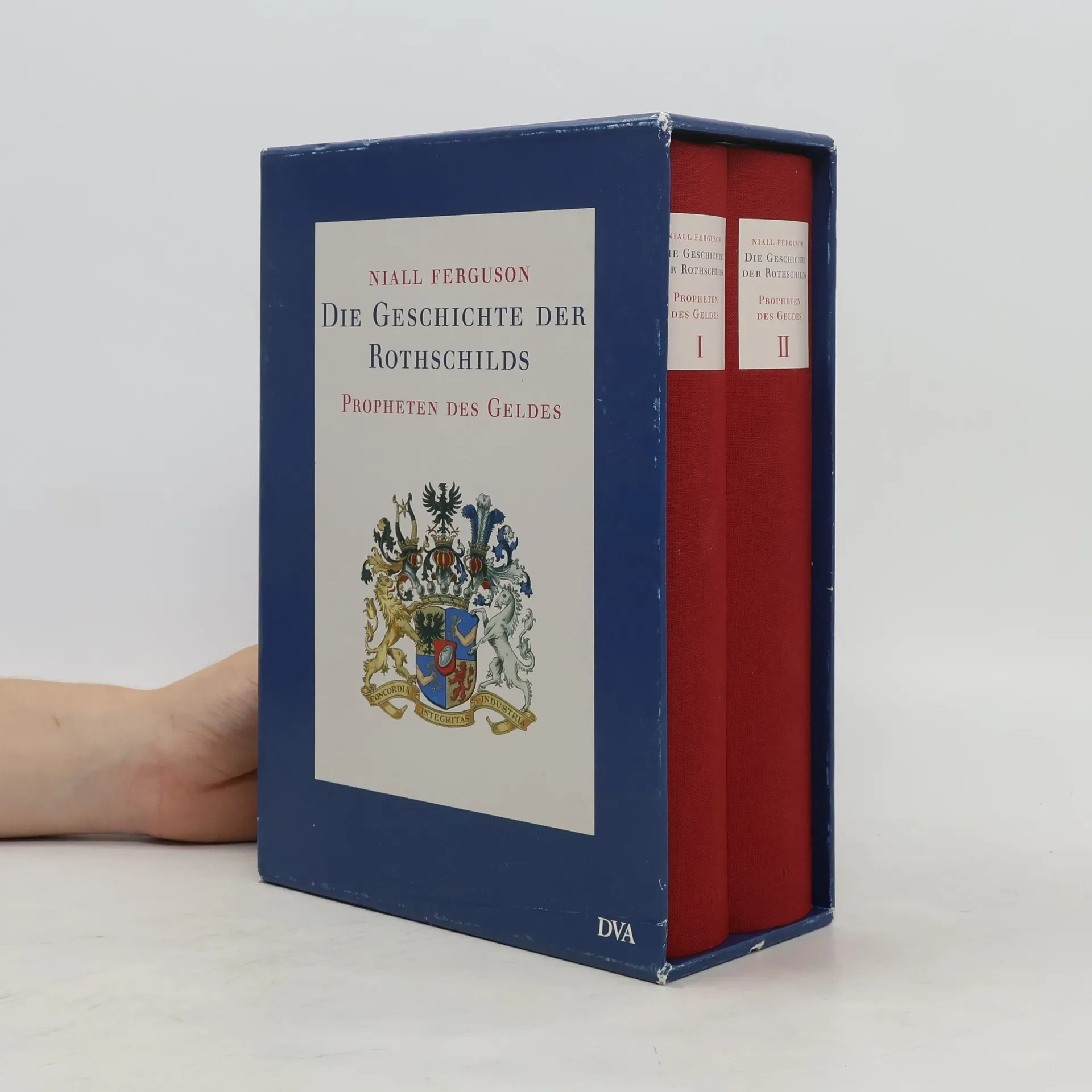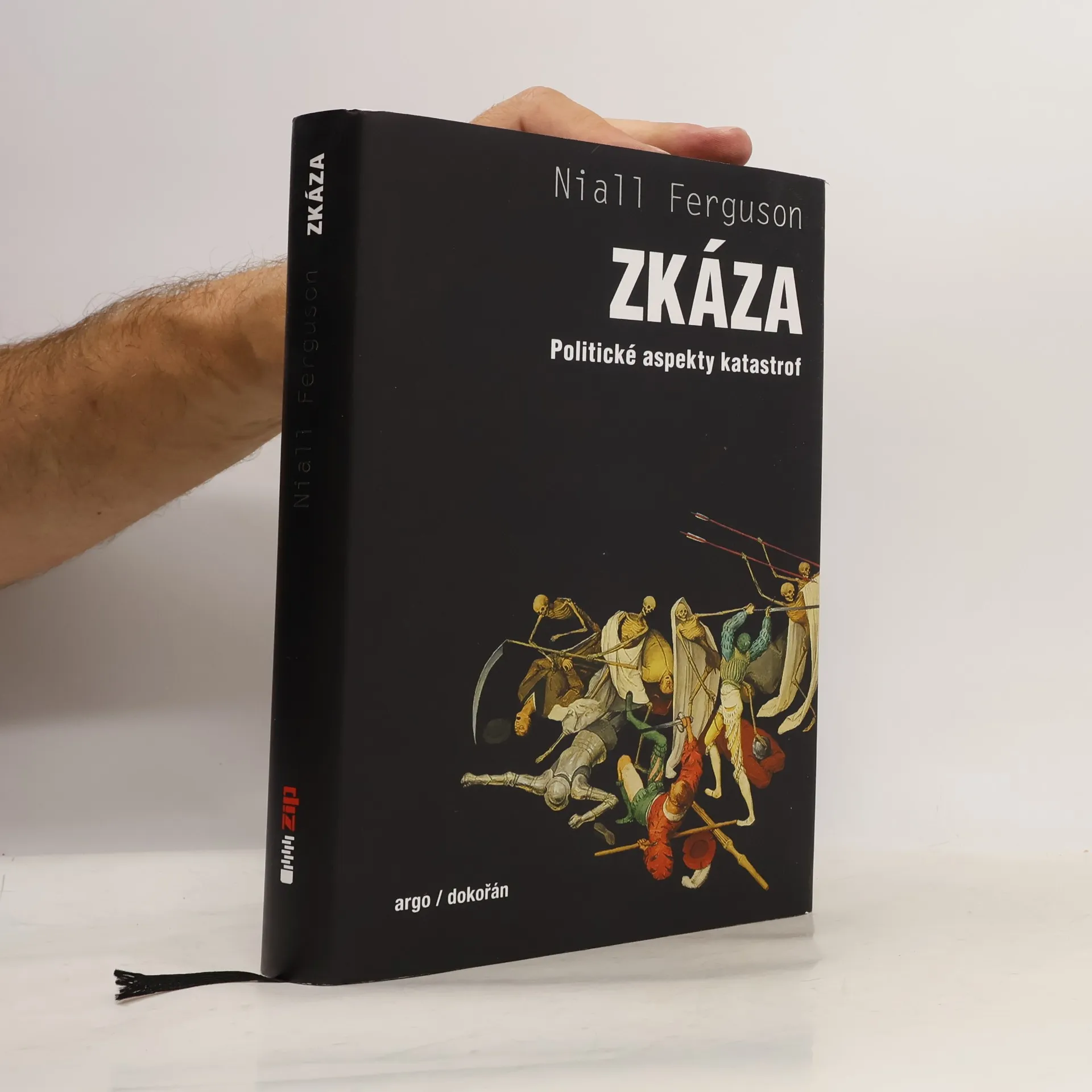
Niall Ferguson is a distinguished historian whose work delves into global history, with a particular focus on economic and financial forces. He leverages his extensive knowledge to analyze contemporary world challenges and trends, connecting pivotal historical events to their long-term consequences. Ferguson's writing is characterized by its exploration of key moments and influential figures that have shaped the modern world. His narratives offer profound insights into the intricate relationships between power, finance, and societal evolution, providing readers with a fresh perspective on the present through the lens of the past.
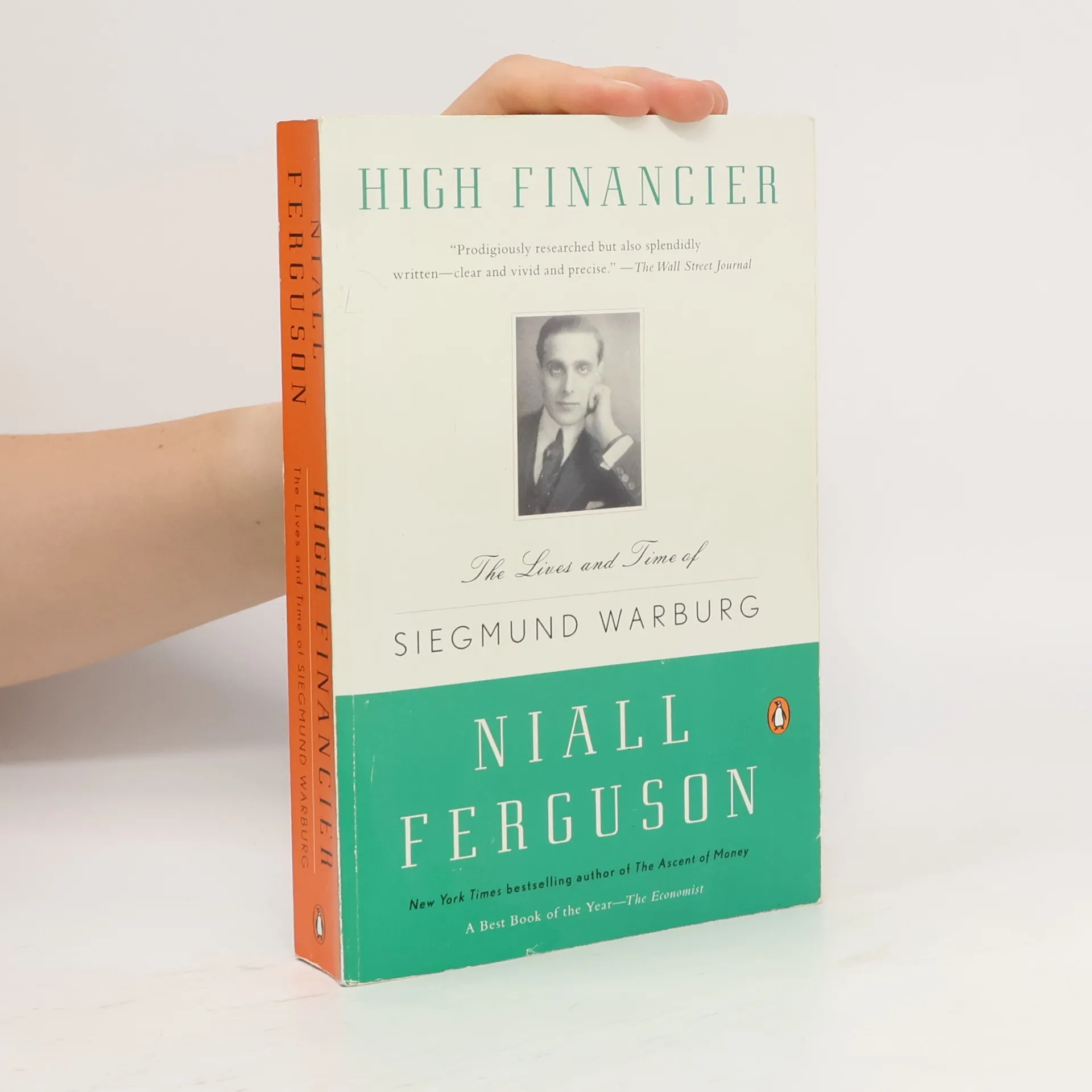
High Financier In this pathbreaking new biography, based on more than 10,000 hitherto unavailable letters and diary entries, bestselling author Ferguson returns to his roots as a financial historian to tell the story of legendary financier Siegmund Warburg. Full description
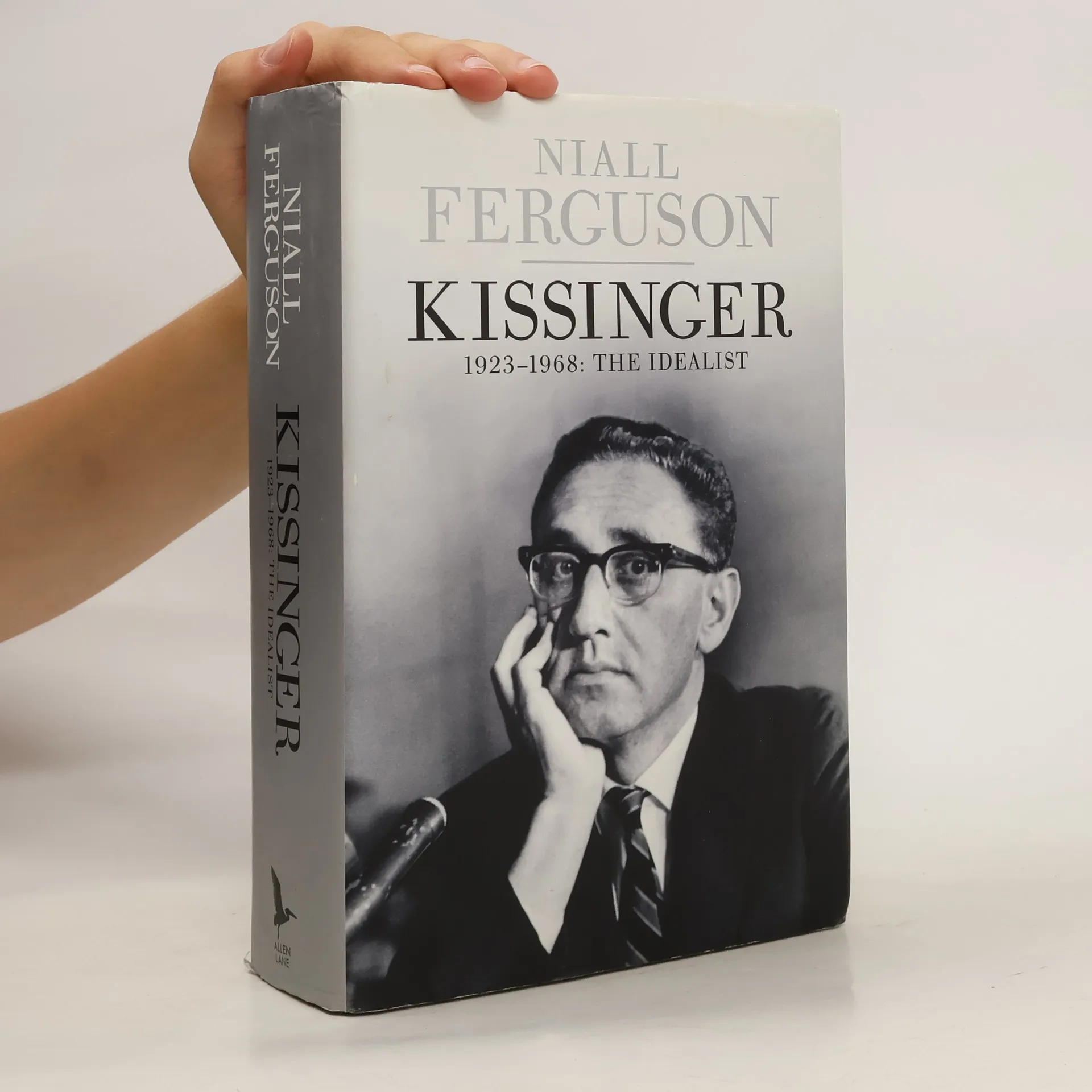
No American statesman has been as revered and as reviled as Henry Kissinger. Hailed by some as the 'indispensable man', whose advice has been sought by every president from Kennedy to Obama, Kissinger has also attracted immense hostility from critics who have cast him as an amoral Machiavellian - the ultimate cold-blooded 'realist'. Niall Ferguson has created an extraordinary panorama of Kissinger's world, and a paradigm-shifting reappraisal of the man. Only through knowledge of Kissinger's early life can we understand his debt to the philosophy of idealism. And only by tracing his rise, fall and revival as an adviser to John F. Kennedy, Nelson Rockefeller and, finally, Richard Nixon can we appreciate the magnitude of his contribution to the theory of diplomacy, grand strategy and nuclear deterrence
The definitive biography of Henry Kissinger, based on unprecedented access to his private papers. No American statesman has been as revered or as reviled as Henry Kissinger
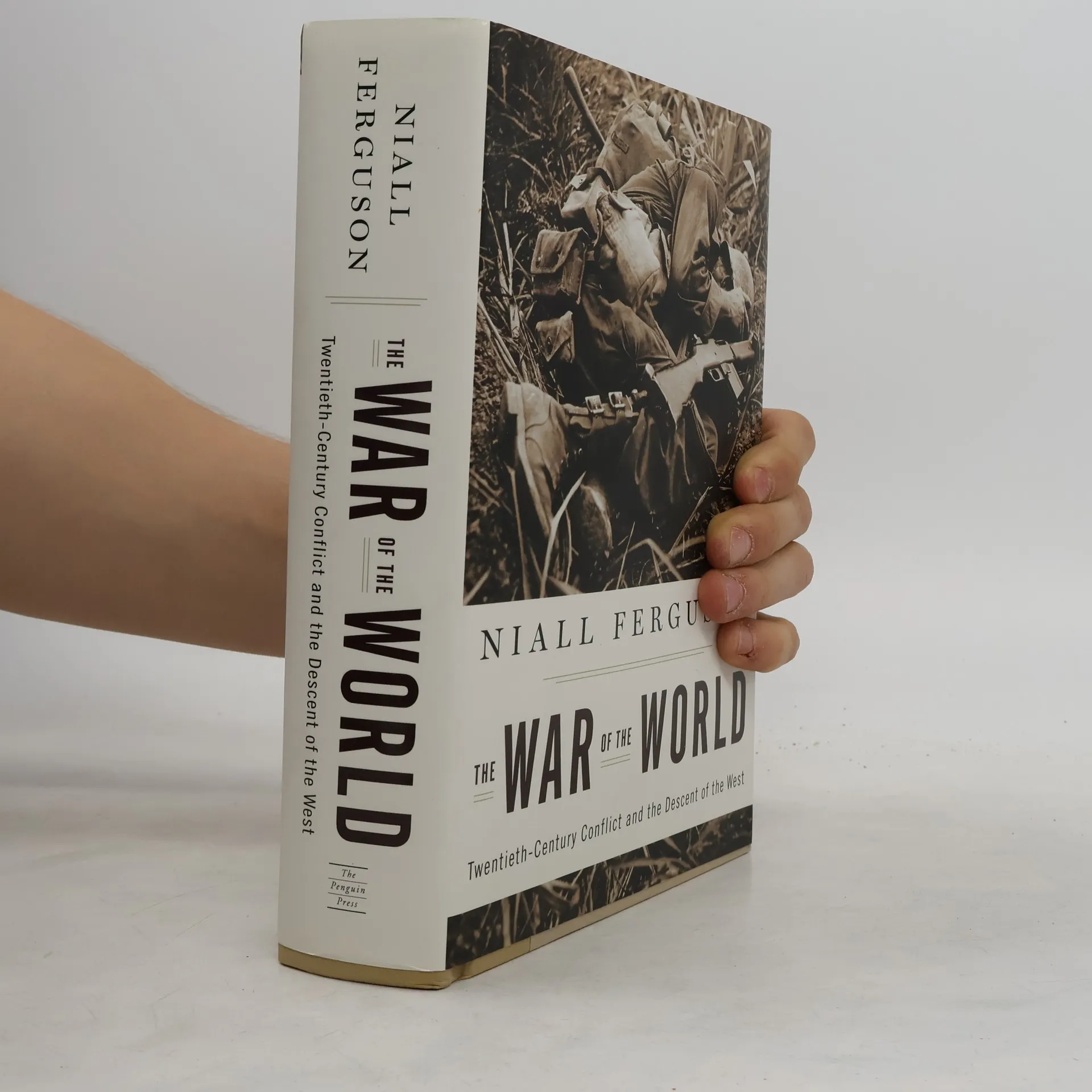
The world at the beginning of the 20th century seemed for most of its inhabitants stable and relatively benign. Globalizing, booming economies married to technological breakthroughs seemed to promise a better world for most people. Instead, the 20th century proved to be overwhelmingly the most violent, frightening and brutalized in history with fanatical, often genocidal warfare engulfing most societies between the outbreak of the First World War and the end of the Cold War. What went wrong? How did we do this to ourselves? The War of the World comes up with compelling, fascinating answers. It is Niall Ferguson's masterpiece.
The First World War killed around eight million men and bled Europe dry. Was the sacrifice worth it? Was it all really an inevitable cataclysm and were the Germans a genuine threat? Was the war, as is often asserted, greeted with popular enthusiasm? Why did men keep on fighting when conditions were so wretched? This title deals with questions.
'The most brilliant British historian of his generation' The Times This astoundingly successful, superbly reviewed book vividly recreates the excitement, brutality and adventure of the British Empire. Ferguson's most revolutionary and popular work, Empire is a major reinterpretation of the British Empire as one of the world's greatest modernising forces. It shows on a vast canvas how the British Empire in the 19th Century spearheaded real globalisation with steampower, telegraphs, guns, engineers, missionaries and millions of settlers.
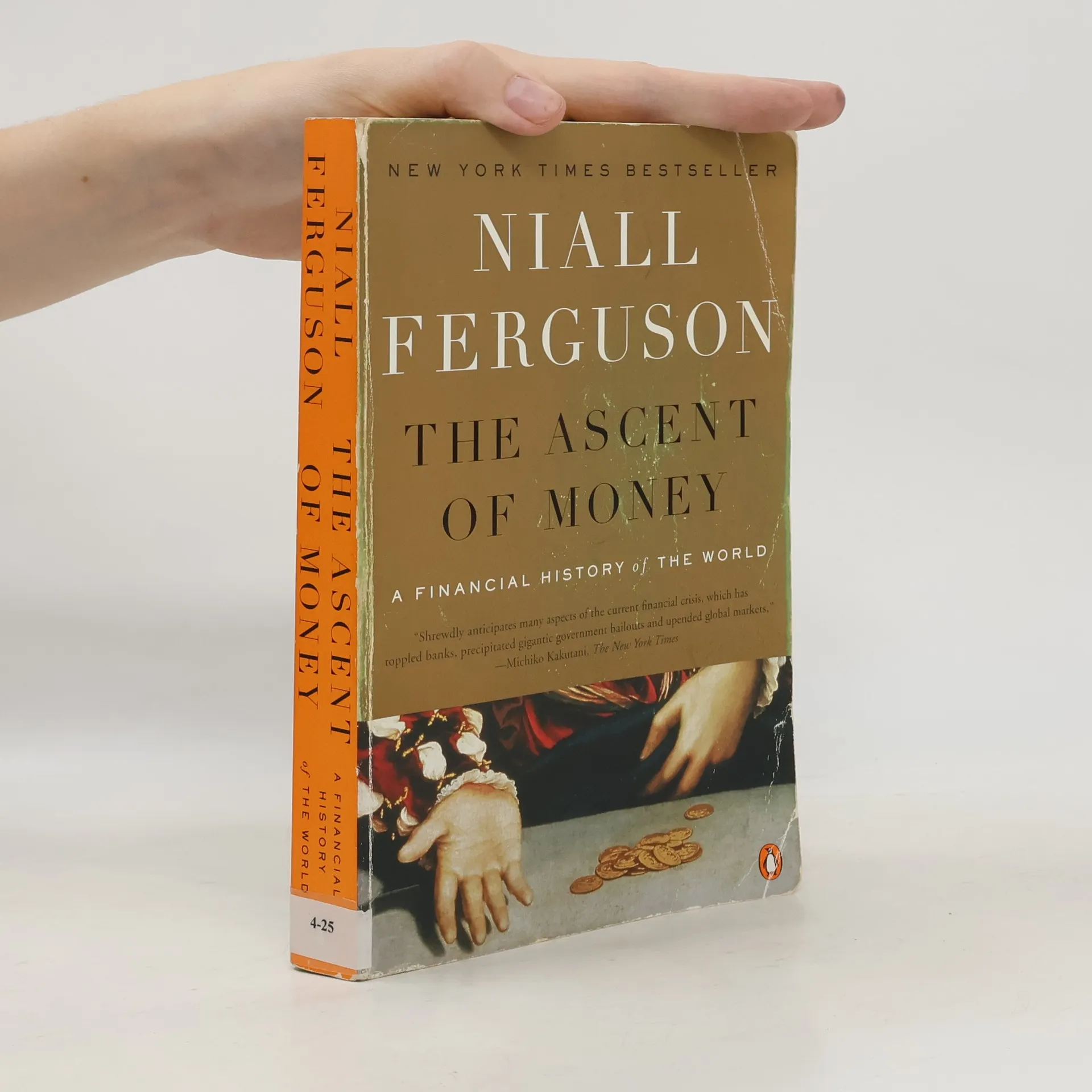
Bread, cash, dosh, dough, loot. Call it what you like, it matters now more than ever. In The Ascent of Money, Niall Ferguson shows that finance is the foundation of all human progress and the lifeblood of history. From the cash injection that funded the Italian Renaissance to the stock market bubble that sparked the French Revolution, from the bonds that fuelled Britain`s war effort to the Wall Street Crash and today`s meltdown, this is the story of boom and bust as it`s never been told before. Whether you`re scraping by or rolling in it, there`s no better time to understand the ascent of money.
In the sweep of human history, the European Union stands out as one of humankind's most ambitious endeavors. It encompasses half a billion people, twenty-seven member states, twenty-three languages, and an economy valued at over $15 trillion. Modern Europe's stunning achievements aside, its sovereign debt crisis has shaken the world's largest political and economic union to its core. Can the federal institutions and shared values of Europeans meet the challenges of debt crisis that are as much political as economic? Or, are Europe's current woes indicative of a series of deep structural faults that will doom the European Union to breakup and failure? In this edition of the Munk Debates — Canada's premier international debate series — former EU commissioner Lord Peter Mandelson, French-German EU parliament leader of the Greens, Daniel Cohn-Bendit, German Euro skeptic and bestselling author Josef Joffe, and Scottish historian, Niall Ferguson debate one of the most pressing issues of our day: has the great European experiment failed? This electrifying debate featuring some of Europe's most outspoken parliamentary figures and academics is guaranteed to be an unforgettable and riveting verbal sparring match on the question that will determine the future of world's economy.
The Mythology surrounding the Rothschilds' wealth and power is two centuries old. Now the historical reality, long buried in the bank's archives, is revealed for the first time by Oxford historian and bestselling author Niall Ferguson in this definitive account of a legendary banking dynasty's rise to power.