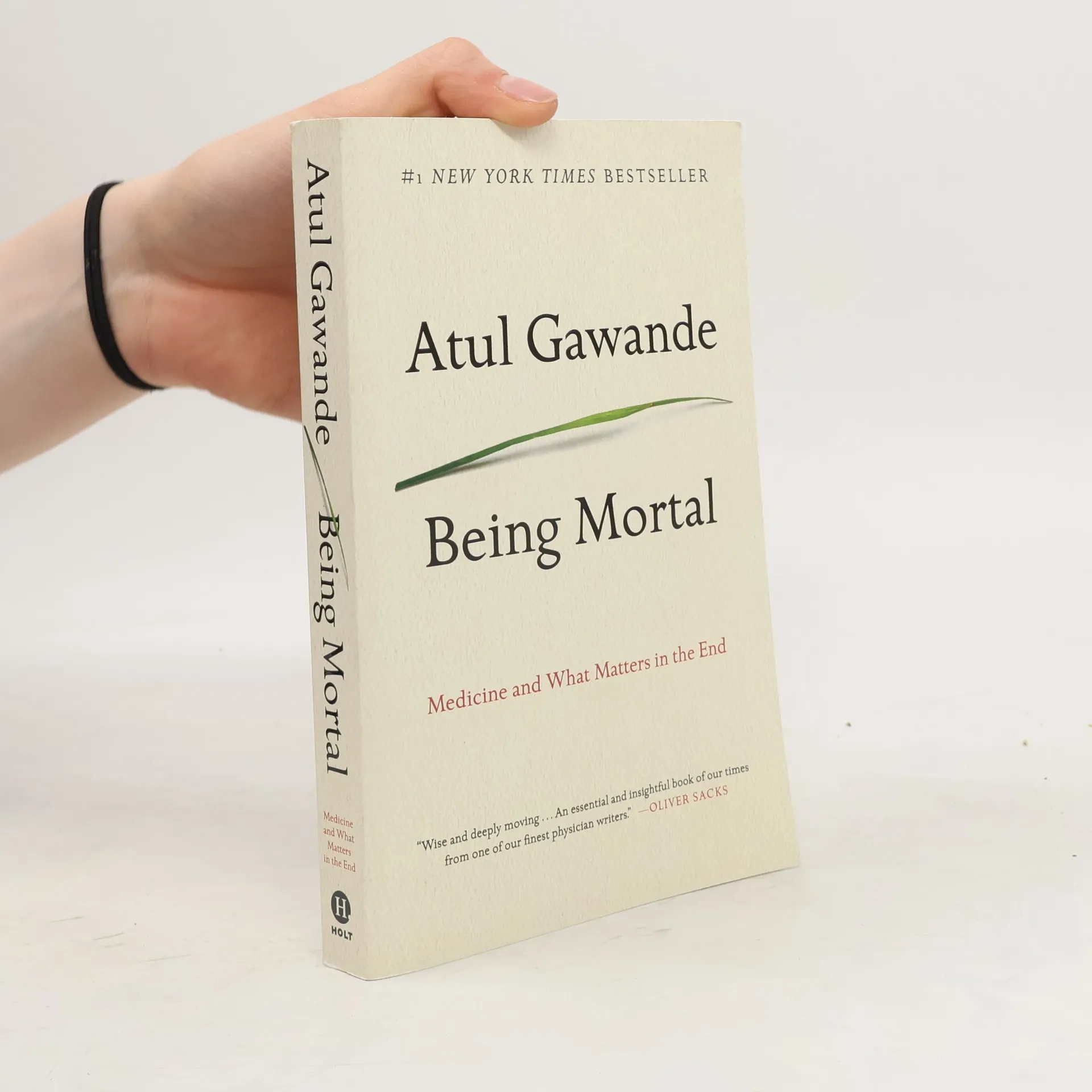
Atul Gawande is an acclaimed author whose work delves into the complexities of medicine and what truly matters in life. As both a surgeon and a writer, he grapples with the challenging questions of healthcare and the human experience. His writing, celebrated for its clarity and profound insight, explores the dilemmas of modern medicine while seeking wisdom in the essence of human existence. Through his literary contributions and his dedication to public health, Gawande strives to improve healthcare systems and ensure that care aligns with patients' fundamental needs.
A prominent surgeon argues against modern medical practices that extend life at the expense of quality of life while isolating the dying, outlining suggestions for freer, more fulfilling approaches to death that enable more dignified and comfortable choices.
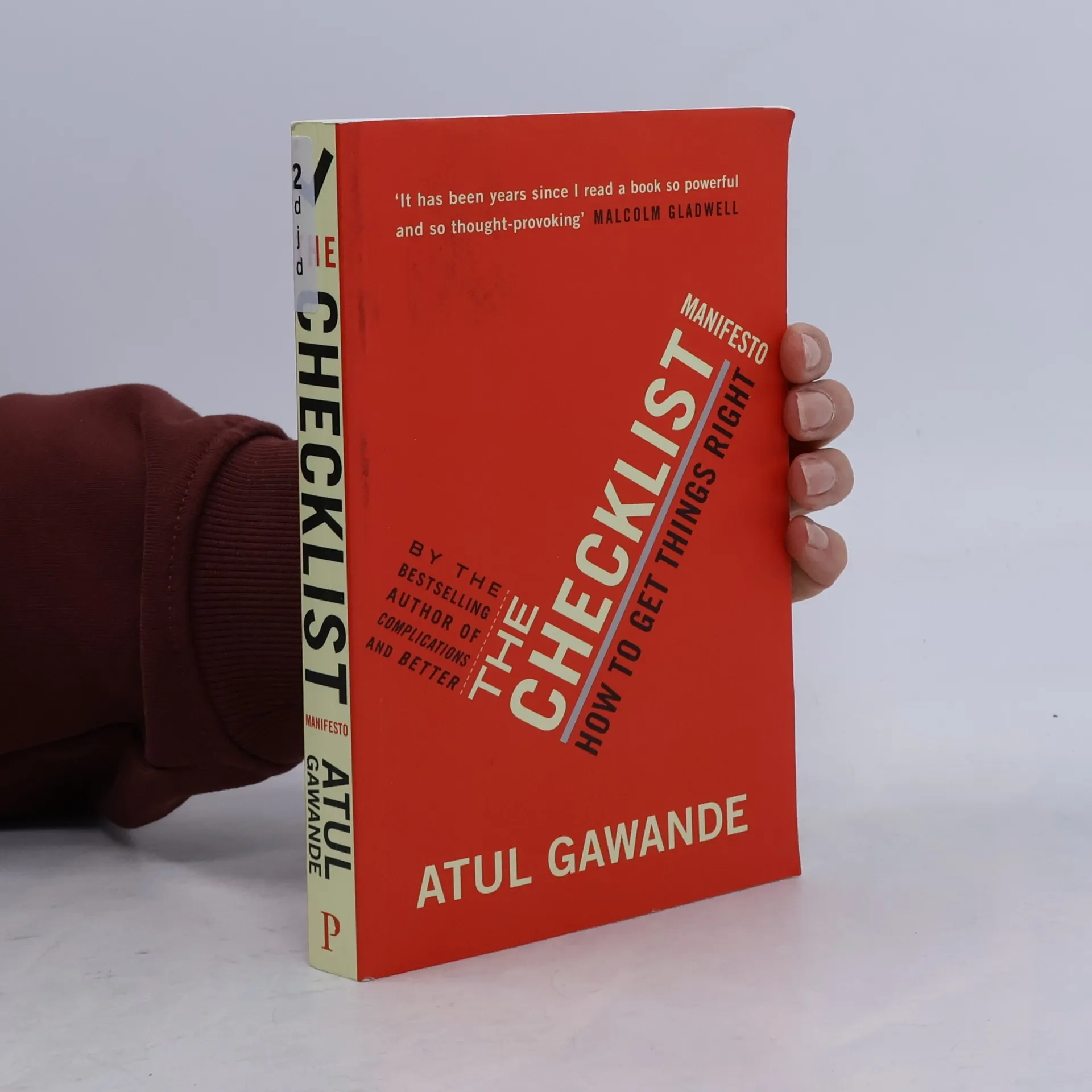
Today we find ourselves in possession of stupendous know-how, which we willingly place in the hands of the most highly skilled people. But avoidable failures are common, and the reason is simple: the volume and complexity of our knowledge has exceeded our ability to consistently deliver it - correctly, safely or efficiently. In this groundbreaking book, Atul Gawande makes a compelling argument for the checklist, which he believes to be the most promising method available in surmounting failure. Whether you're following a recipe, investing millions of dollars in a company or building a skyscraper, the checklist is an essential tool in virtually every area of our lives, and Gawande explains how breaking down complex, high pressure tasks into small steps can radically improve everything from airline safety to heart surgery survival rates. Fascinating and enlightening, The Checklist Manifesto shows how the simplest of ideas could transform how we operate in almost any field.
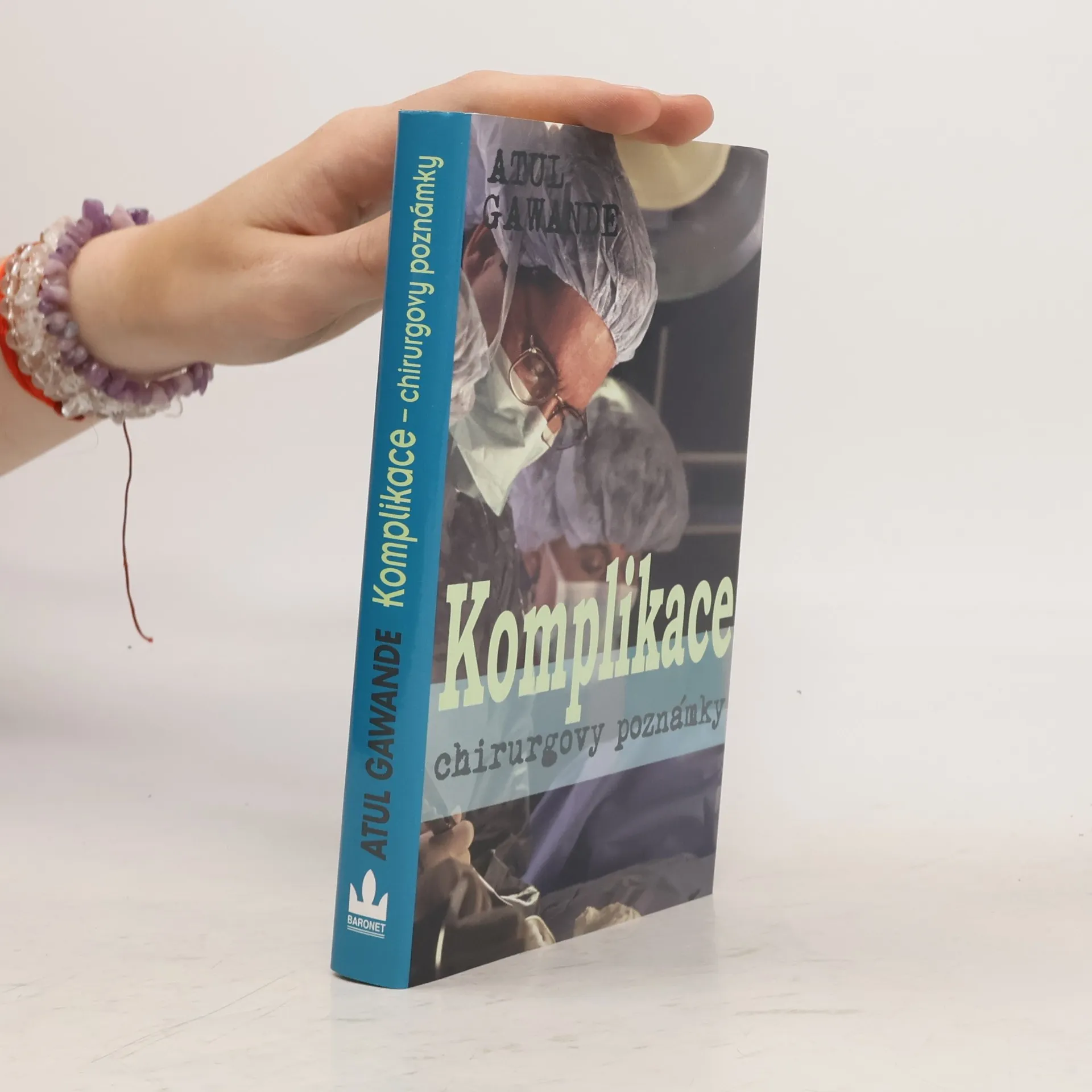
Poznámky a vlastní prožitky významného chirurga a filozofa věnované lékařské vědě a praktické medicíně.
Americký chirurg a filozof ve své knize s humorem, citlivostí a kritickým nadhledem přibližuje nejrůznější aspekty lékařství, klady a zápory nových technologií i umění lékařů, kteří se často pohybují na rozhraní svých odborných znalostí a lidské intuice. První část knihy se zabývá právě omylností lékařů, druhá část se soustředí na záhady a a dosud nevyjasněné skutečnosti a jevy v medicíně a na boj s nimi, třetí část se zabývá nejistotou i obavami, které lékaři i pacienti často prožívají. Kniha je doprovázena i mnoha případy z autorovy lékařské praxe.
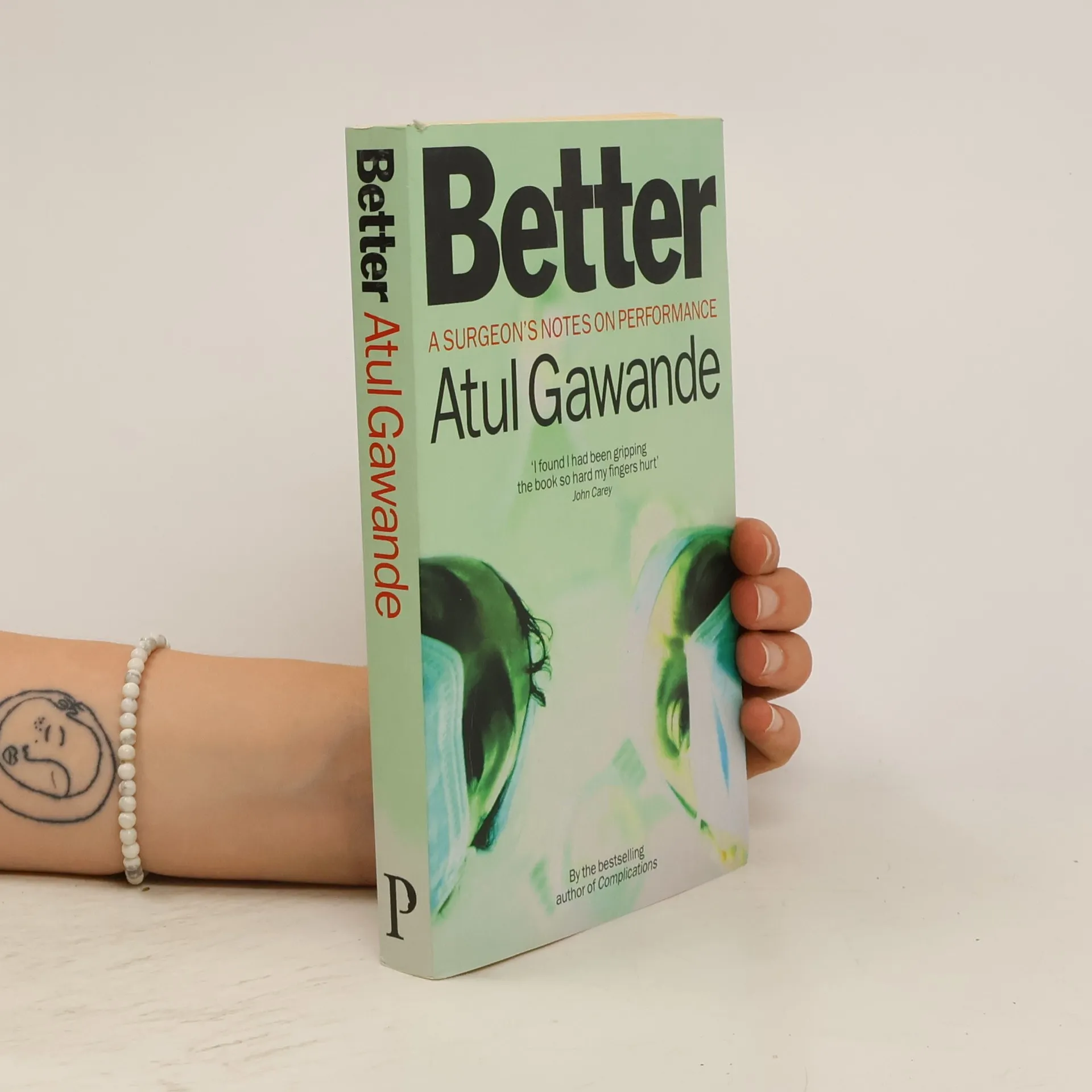
Examining everything from the influence of money on modern medicine to the contentious history of hand washing, this book provides a rare insight into what it takes to go from good to better
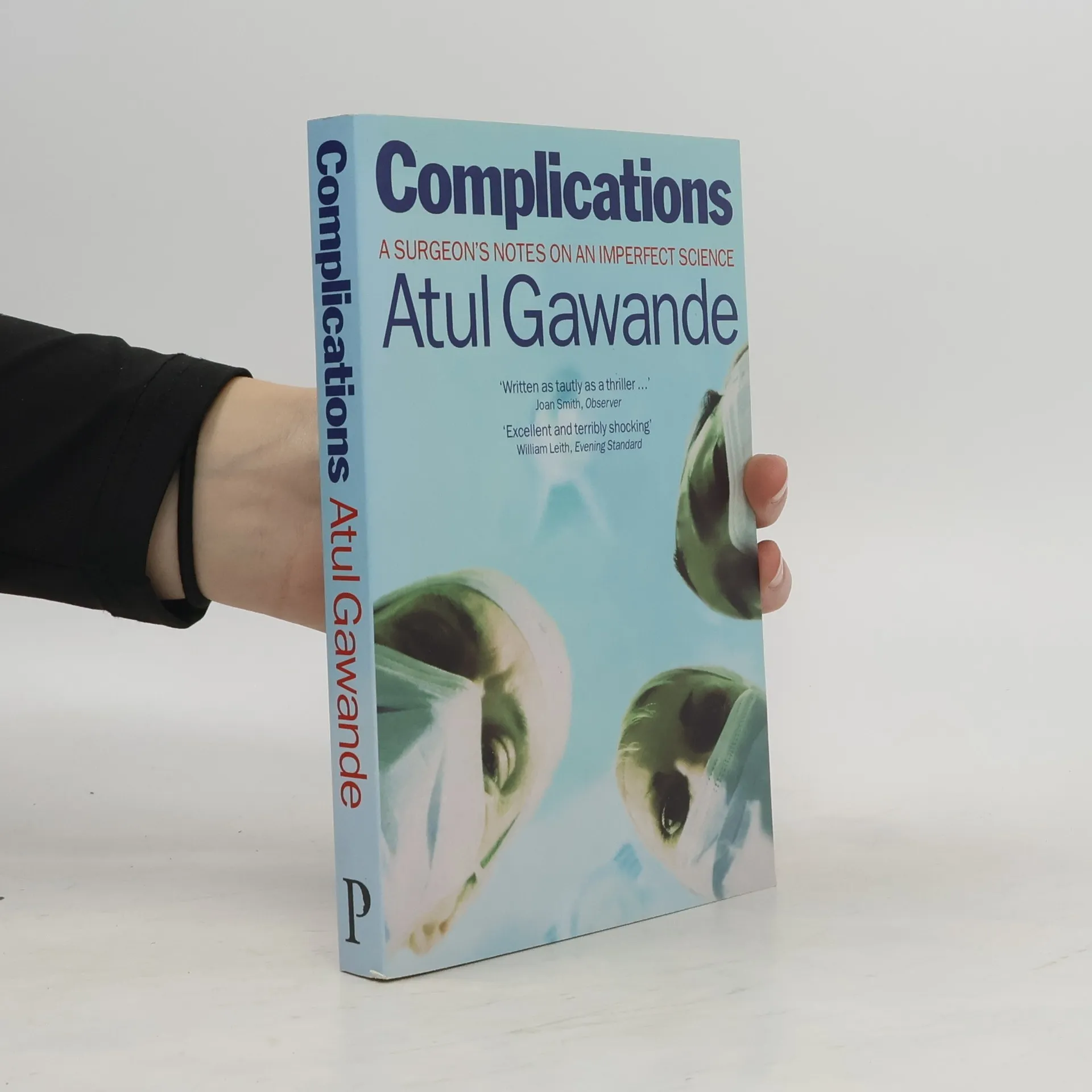
Giving an account of the life of a surgeon, this book looks at what it is like to cut into people's bodies and the - literally life and death - decisions that have to be made. It includes chronicles of operations that go wrong; of doctors who go to the bad; why autopsies are necessary; and what it feels like to insert your knife into someone.