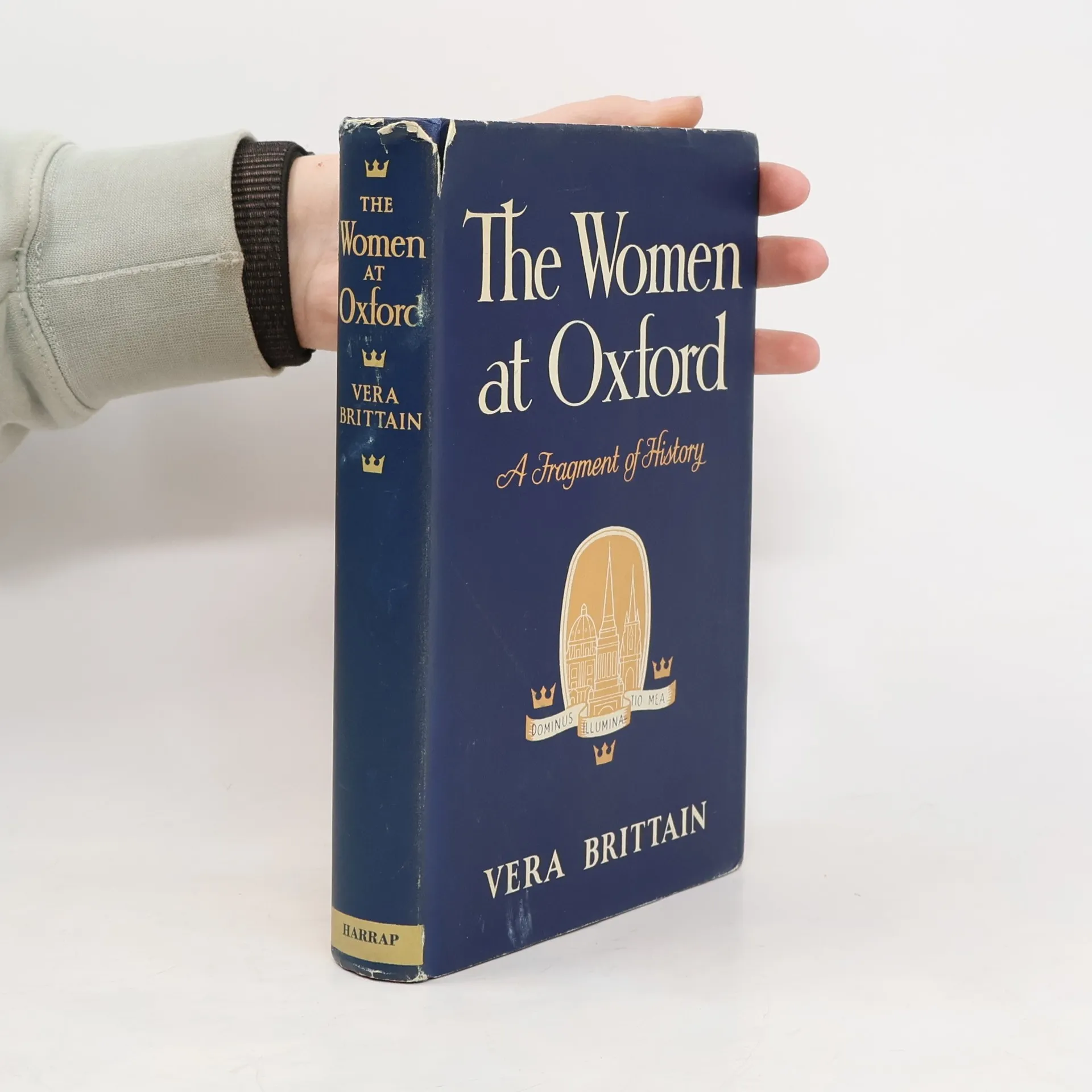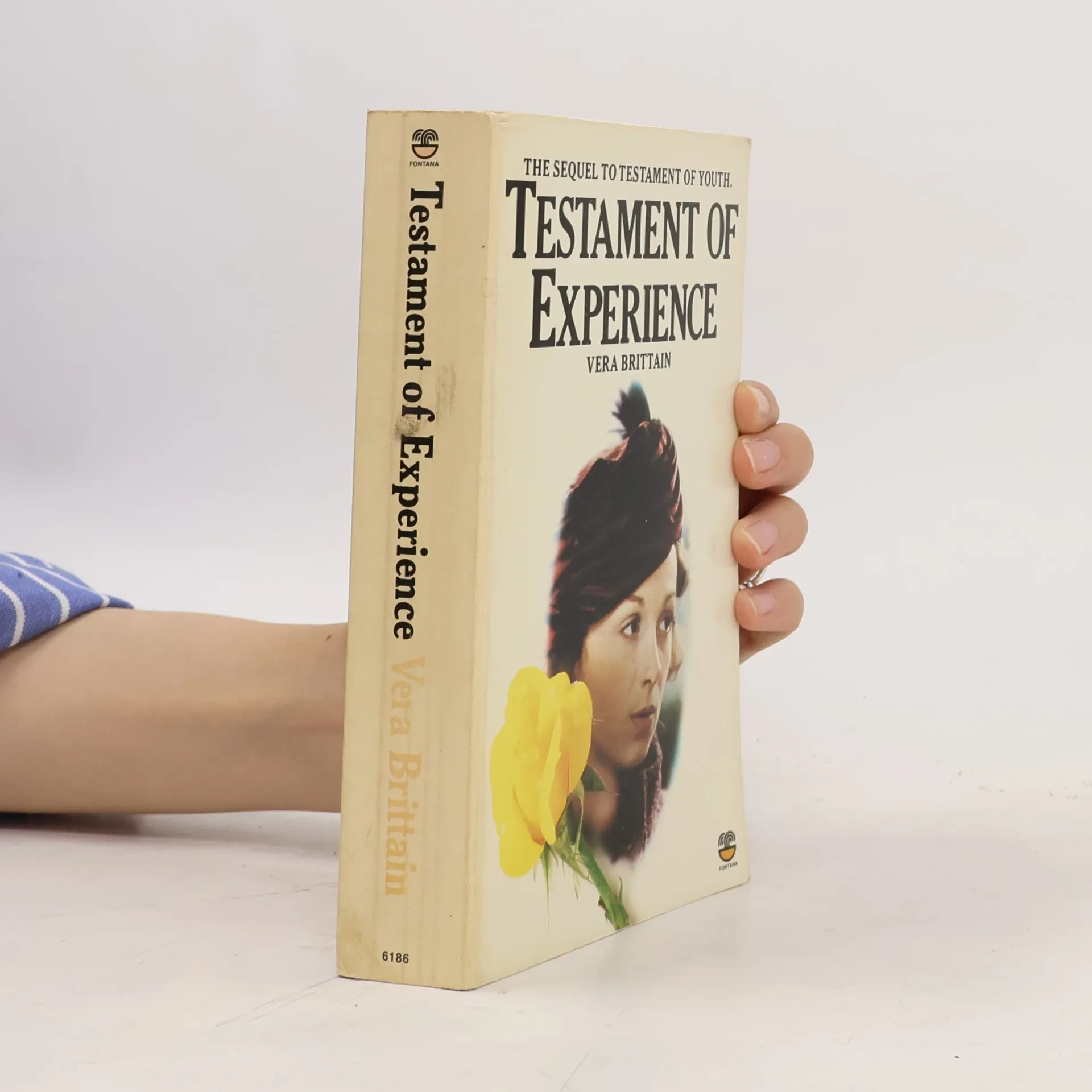

Vera Brittain was a British writer and pacifist whose work primarily focuses on personal experience and social commentary. Her writing often explores the impact of war and the urgency of peace activism, distinguished by its candid and reflective style. Through her literary talents, she offers profound insights into human resilience in the face of tragedy and a tireless advocacy for non-violence. Her oeuvre stands as a significant contribution to 20th-century literature, continuing to resonate with readers for its moral message.
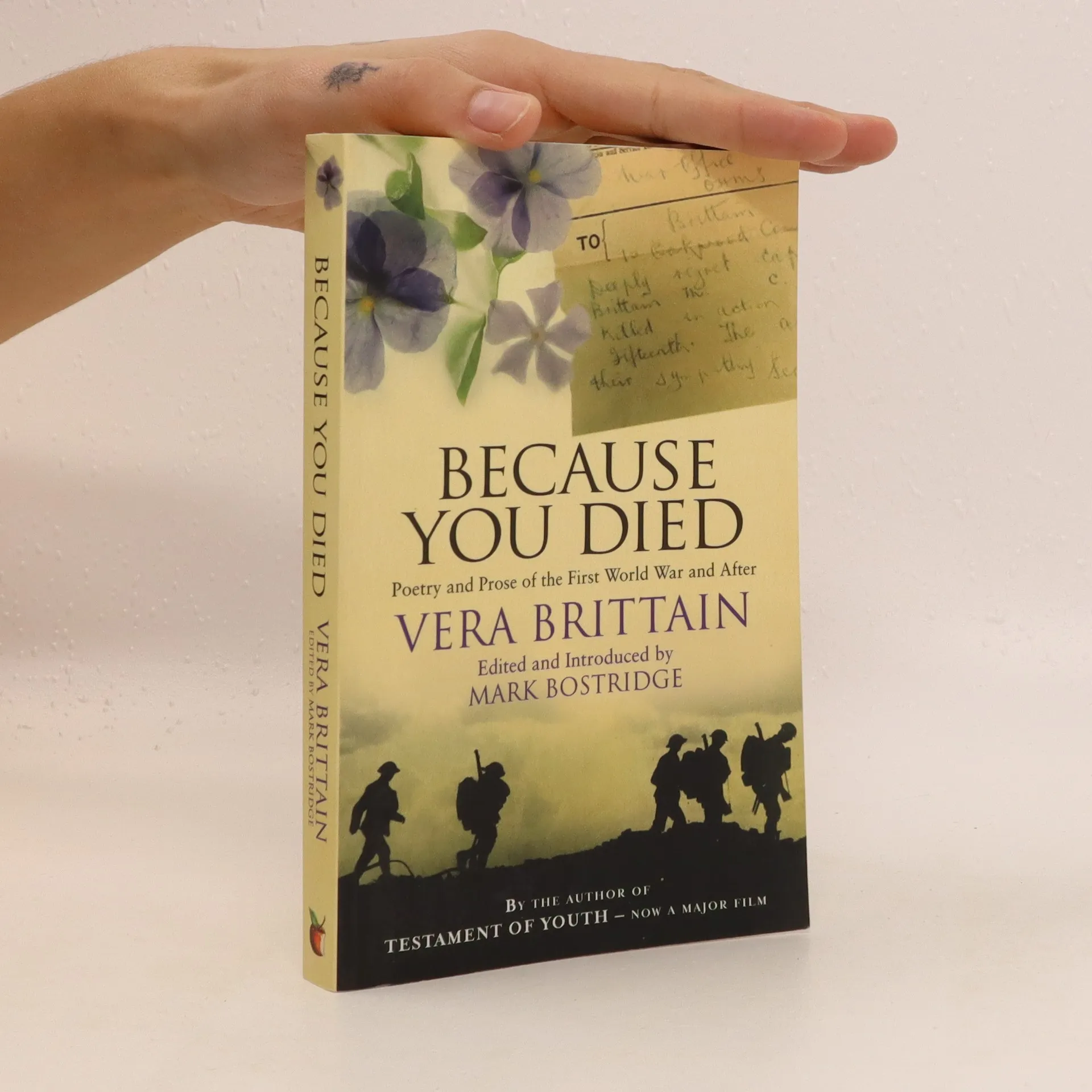
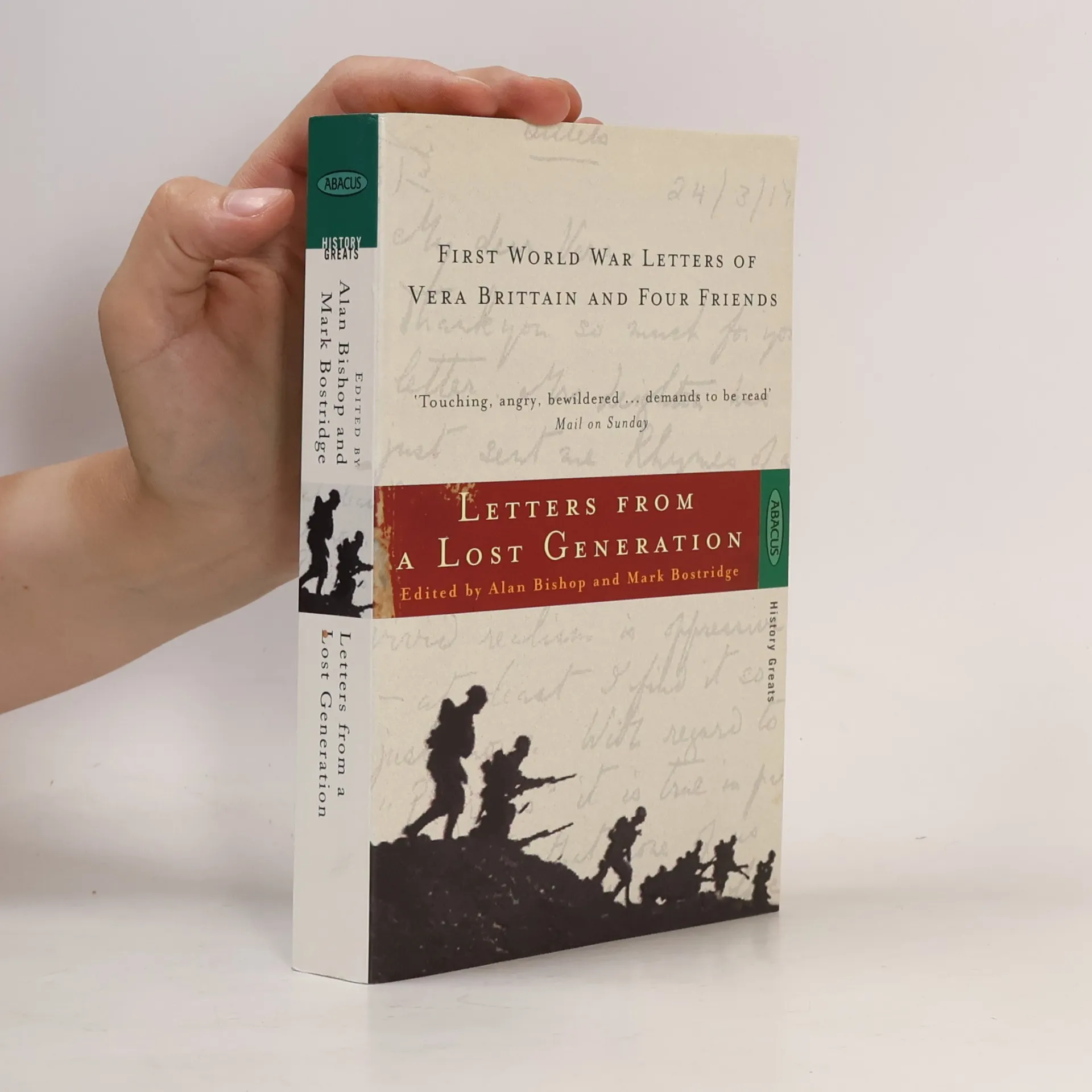
This poignant work collects letters written from 1913 to 1918 between Vera Brittain and four young men - her fiance Roland Leighton, her younger brother Edward, and their two close friends, Victor Richardson and Geoffrey Thurlow - who were killed in World War I. While this correspondence inspired Testament of Youth, Brittain's classic memoir of her wartime experiences, most of the letters are published here for the first time.
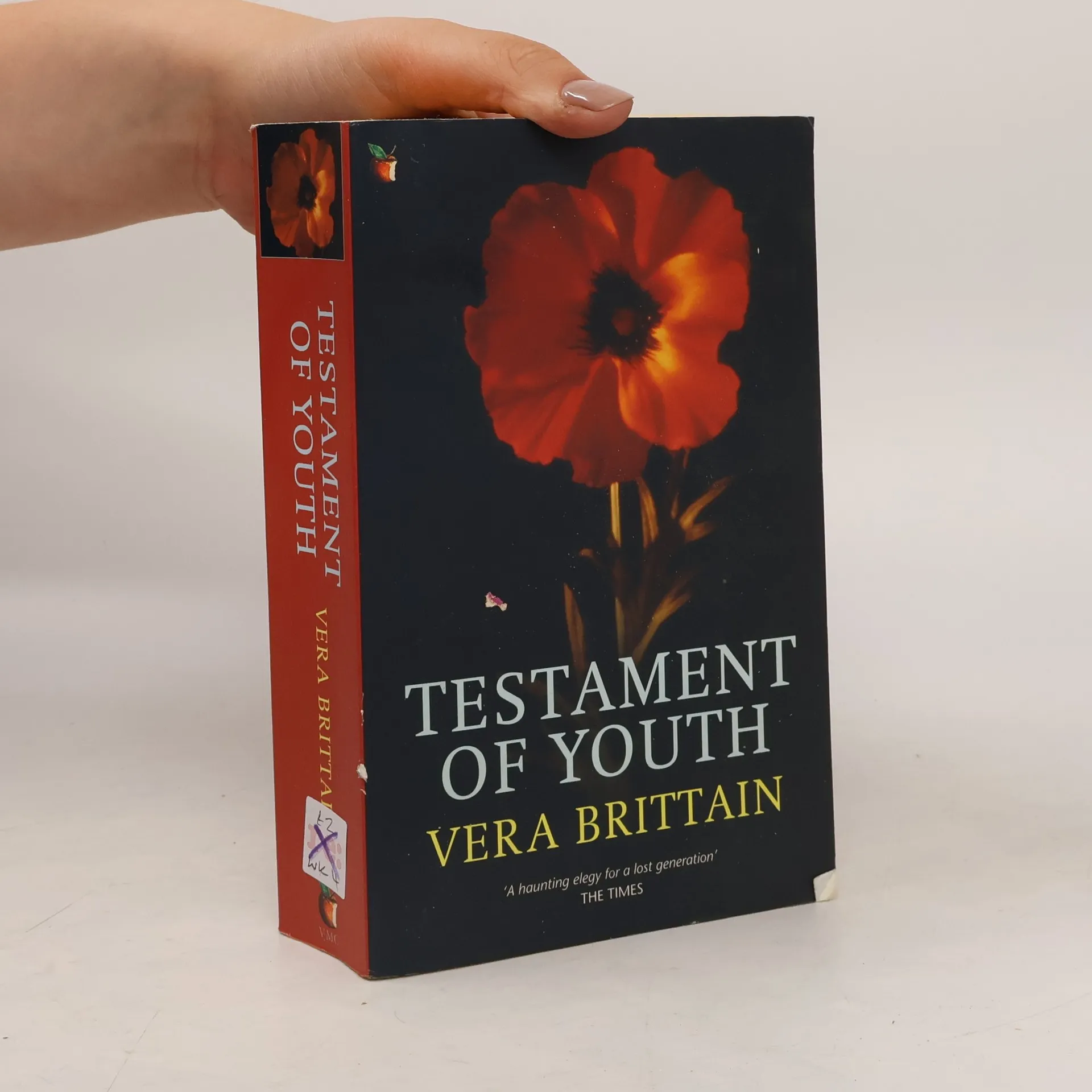
This title tells one woman's unforgettable record of the First World War, 'Testament of Youth' is in spirit and impact as powerful a classic as 'All Quiet on the Western Front' and 'Goodbye to All That' - a haunting elegy for a lost generation.
In 1914, just as war was declared, 20 year-old Vera Brittain was preparing to study at Oxford. Four years later, her life—and that of her whole generation—had been irrevocably changed in a way that no one could have imagined in the tranquil pre-war era. Testament of Youth is Brittain's account of how she lost the man she loved, nursed the wounded, survived those agonizing years, and emerged into an altered world. A passionate record of a lost generation, it made Brittain one of the best-loved writers of her time.
This collection of Vera Brittain's poetry and prose, some of it never published before, commemorates the men she loved - fiancé, brother and two close friends - who served and died in the First World War. It draws on her experiences as a VAD nurse in London, Malta, and France, and illustrates her growing conviction of the wickedness of all war. Illustrated with many extraordinary photographs from Brittain's own albums, and edited with a new introduction by Mark Bostridge, BECAUSE YOU DIED is an elegy to men who lost their lives in a bloody conflict, and a beautiful volume of remembrance to mark the anniversary of the Armistice.
The biography offers an intimate look at Frederick William Pethick-Lawrence, chronicling his life and career through the lens of Vera Brittain, a close friend for over twenty years. It presents a comprehensive and affectionate portrayal of his character and accomplishments, capturing the essence of a significant figure in history. First published in 1963, the work reflects Brittain's deep understanding and appreciation of Pethick-Lawrence, providing readers with a rich narrative of his contributions and personal journey.
Exploring the lives and ideas of a diverse group of Christians, this book delves into their shared spiritual mission to address the profound conflicts of their time. Through their unique personalities and the passion that united them, the narrative highlights their commitment to promoting peace amidst a tumultuous world. The work reflects on the essential values they championed and the impact of their collective efforts in confronting societal challenges.
Als eine der wenigen Frauen ihrer Generation besteht Vera Brittain 1914 die Aufnahmeprüfung zum Oxford College, zudem mit Bravour. Nur wenig später verliebt sie sich in den hochbegabten Roland, einen Freund ihres älteren Bruders Edward. Doch der jähe Ausbruch des Ersten Weltkriegs macht nicht nur die Träume der außergewöhnlichen Frau, sondern die einer ganzen Generation zunichte: Roland und Edward kommen, wie so viele ihrer Freunde, in den Schlammwüsten des erbarmungslosen Kriegs zu Tode. Sie selbst bricht das Studium ab, geht als Hilfskrankenschwester an die Front und wird Zeugin unausdenkbarer Qualen der Opfer und der Überforderung der Helfer in London, Malta und Étaples. Als sie 1918 völlig desillusioniert nach England zurückkehrt, weiß sie mit Bestimmtheit: Nur wenn der Pazifismus die Menschen so erregt, wie es die Anspannung in Kriegszeiten tut, kann die sinnlose Vernichtung von Leben und Zukunft aufgehalten werden. Die eindrücklichen, präzisen autobiografischen Schilderungen der Erfahrungen von Frauen im Krieg, ihres Einsatzes, ihrer Hoffnungen, Ängste und ihrer Trauer rücken die konkreten Schrecken und Folgen für das eigene Leben so nahe wie kaum ein anderes literarisches Zeugnis.