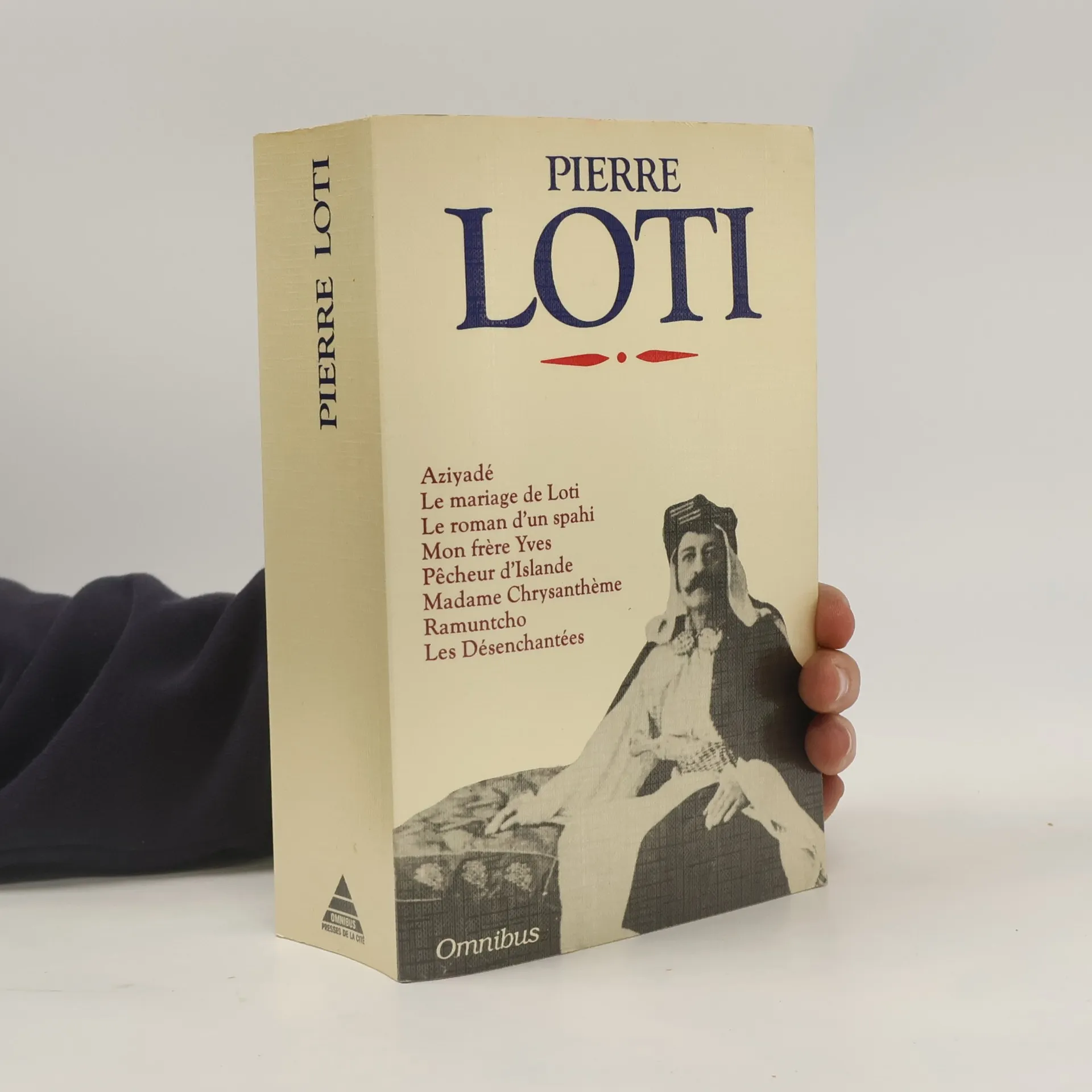
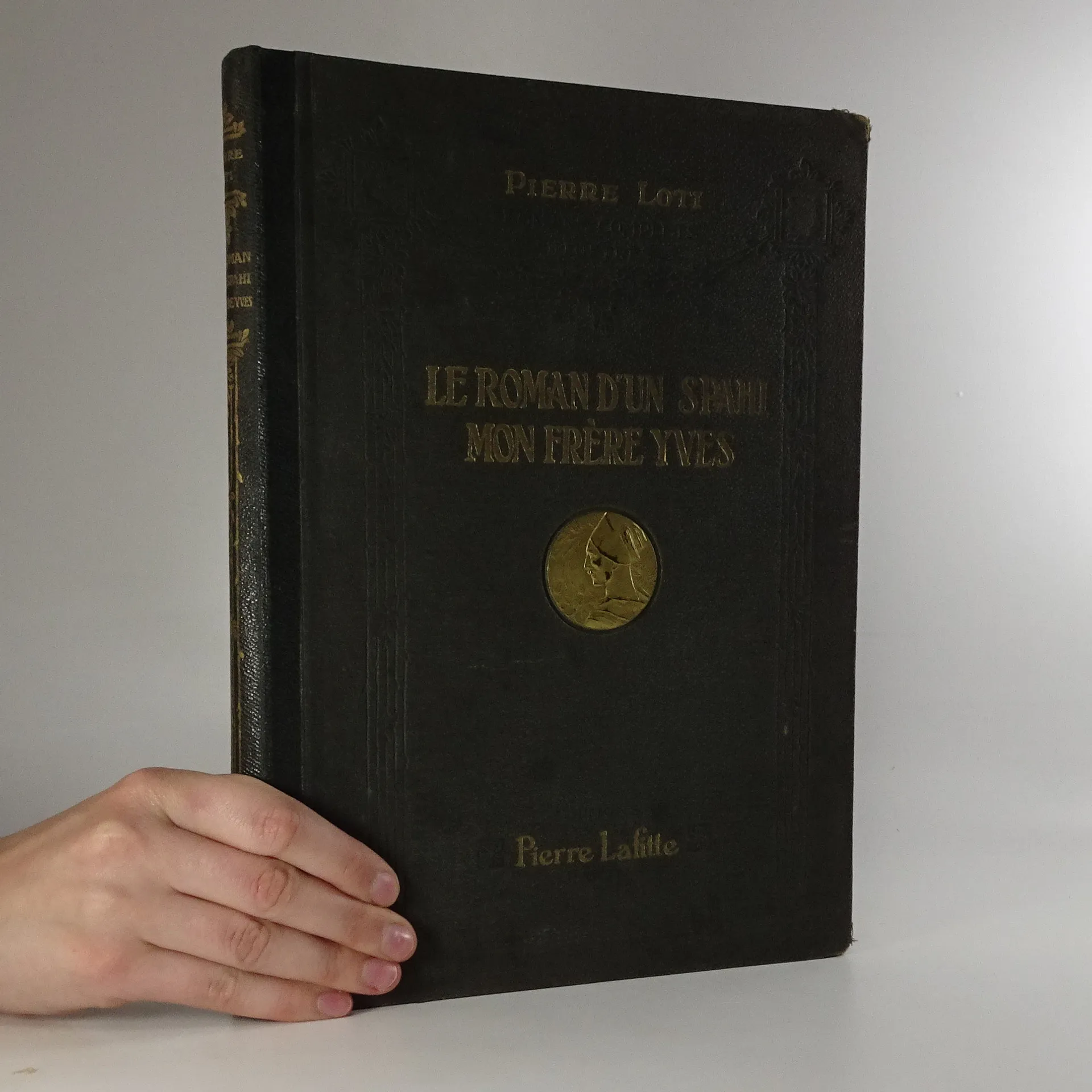
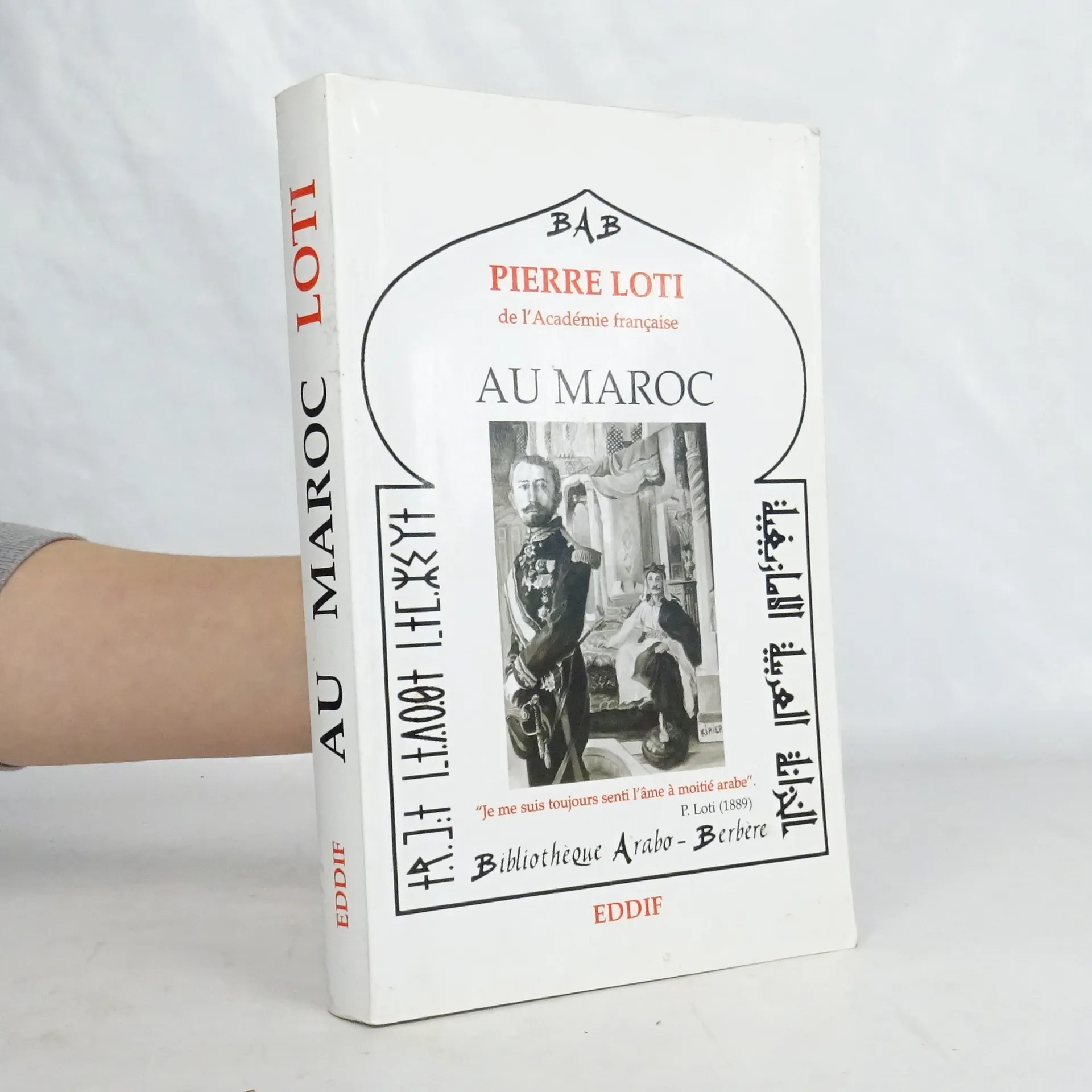
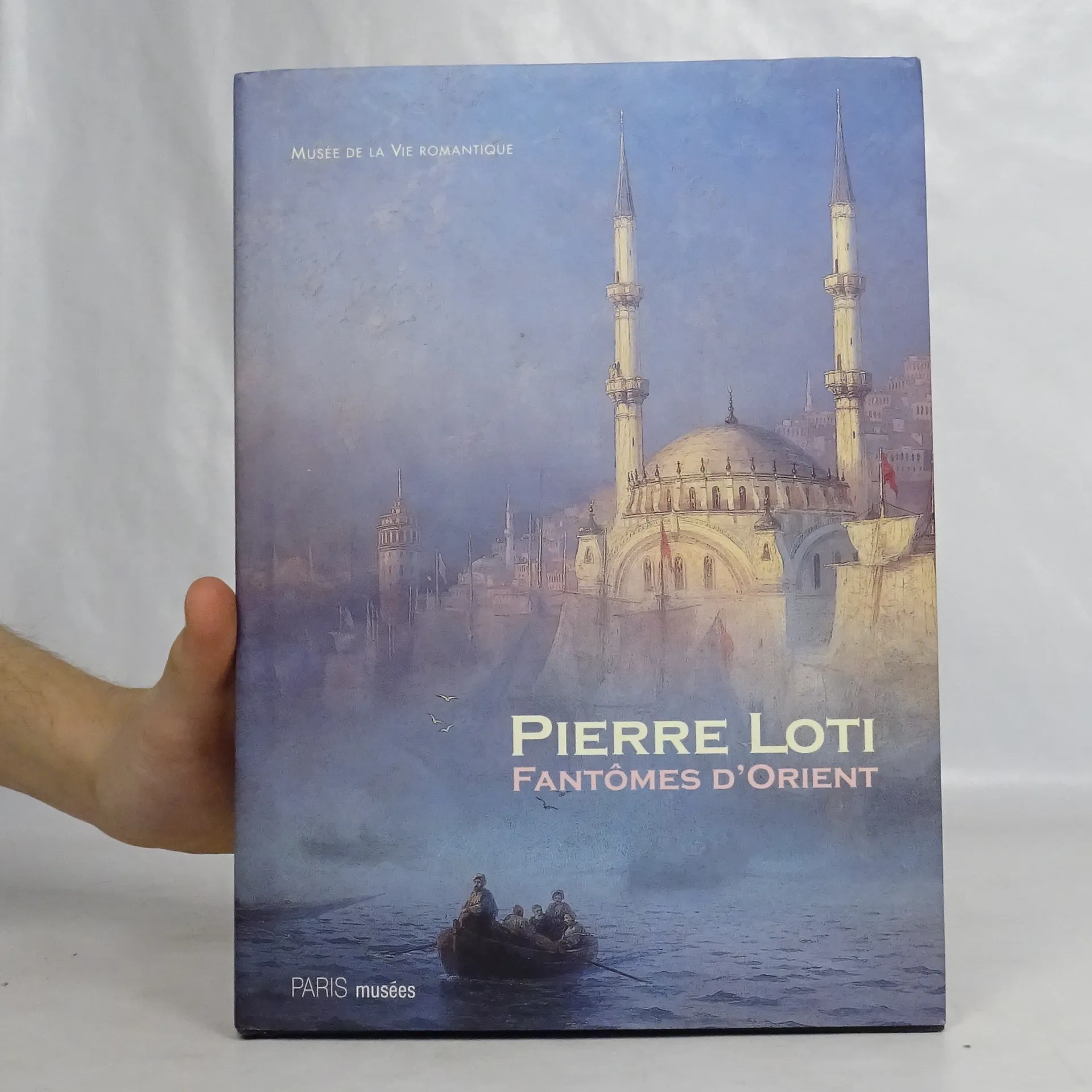
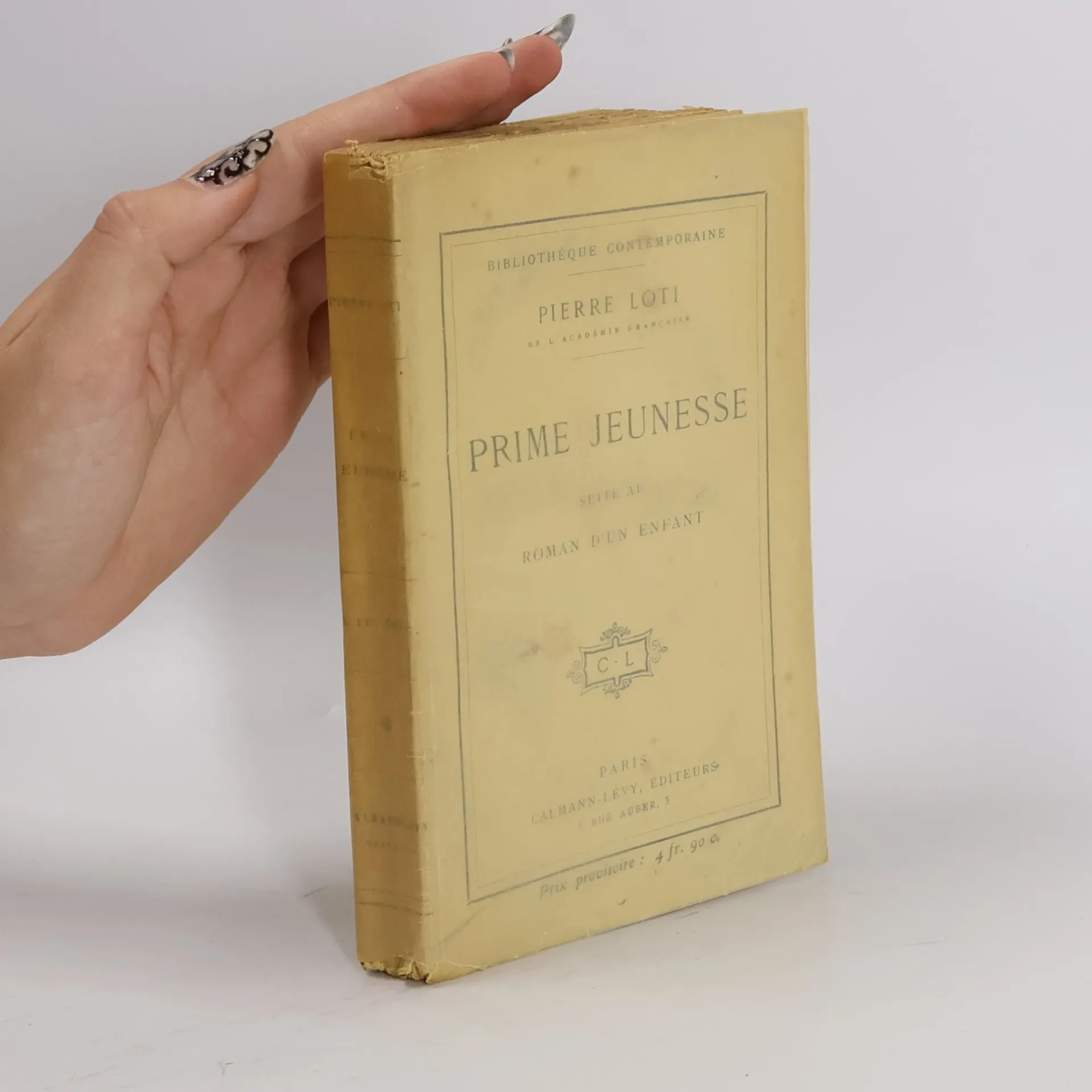
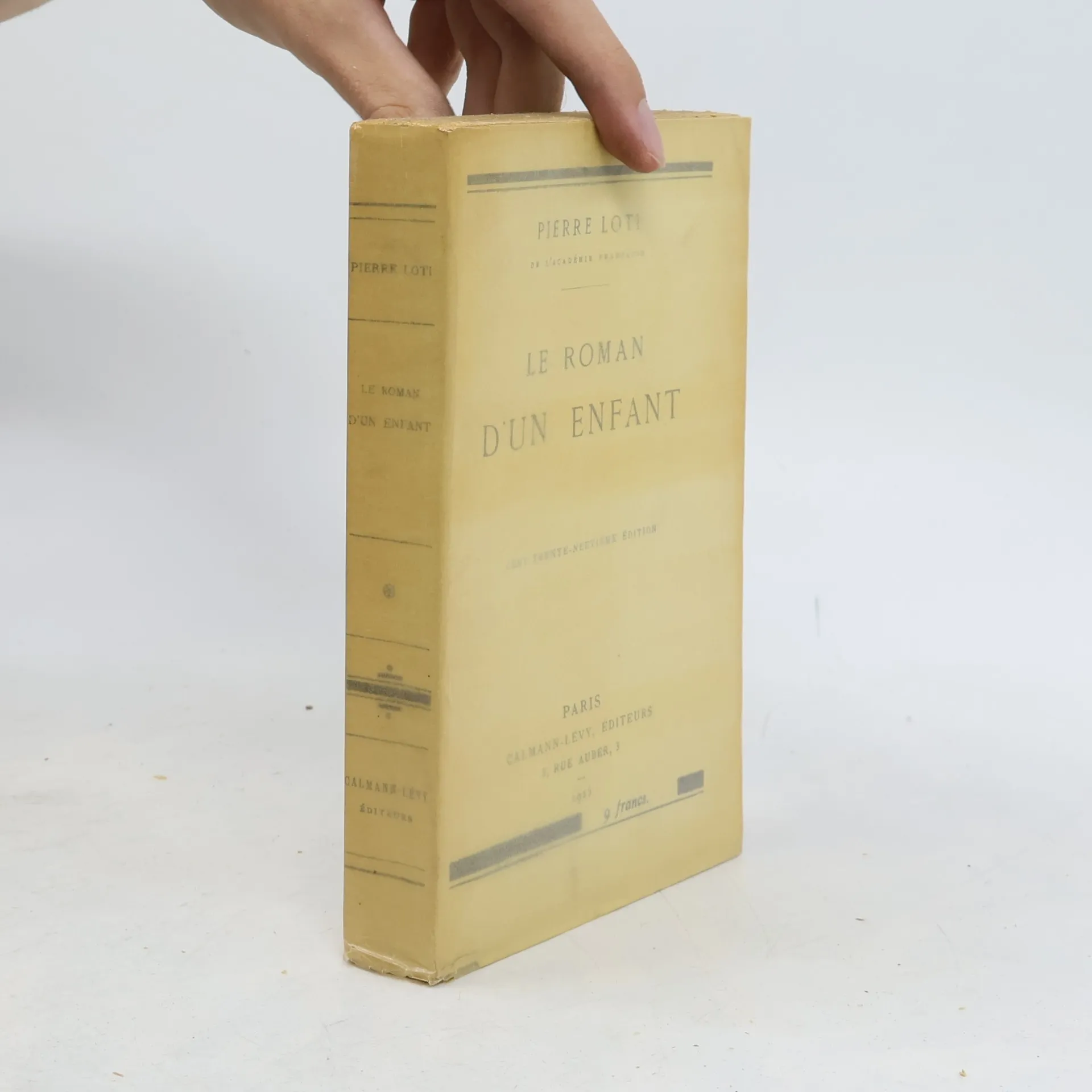
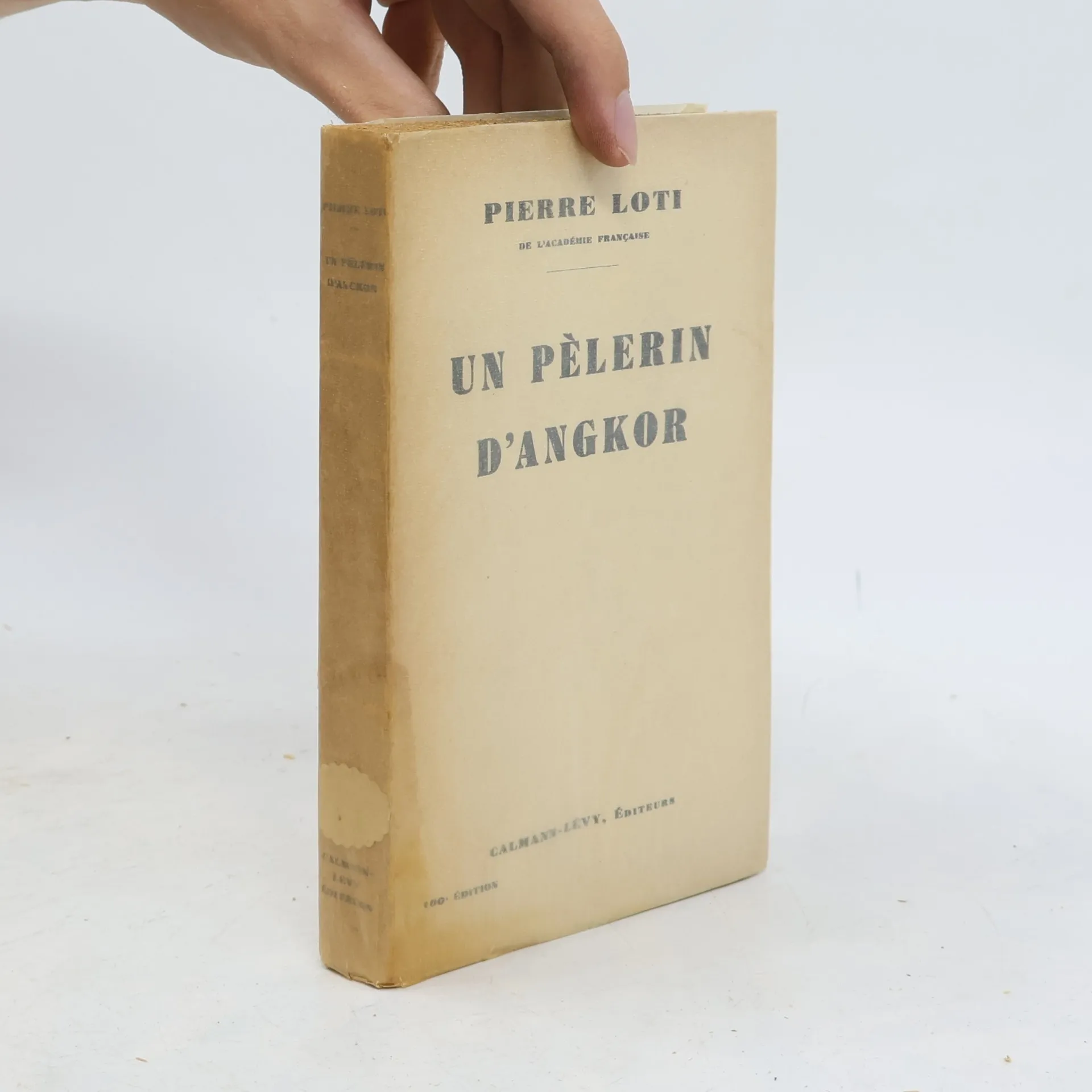
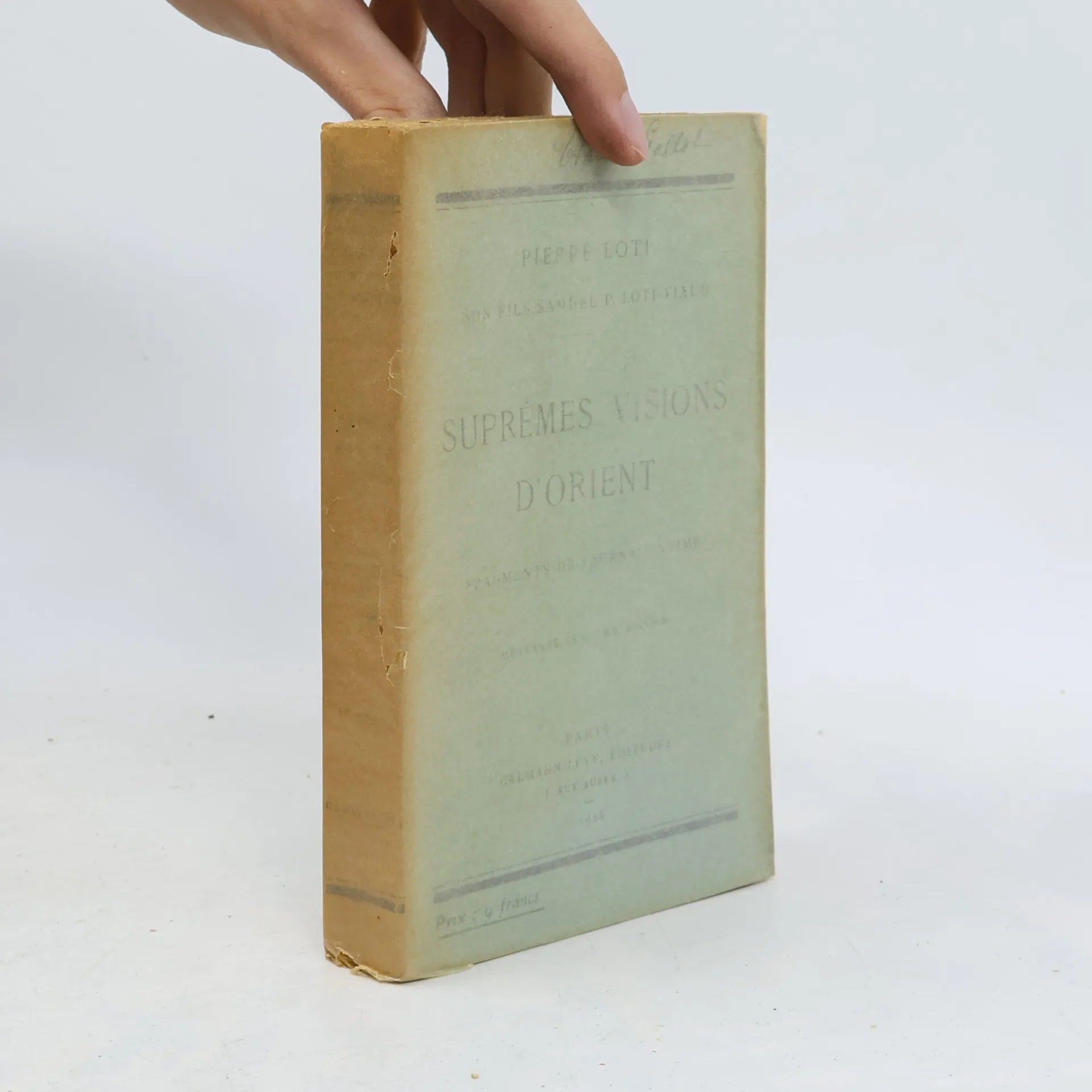
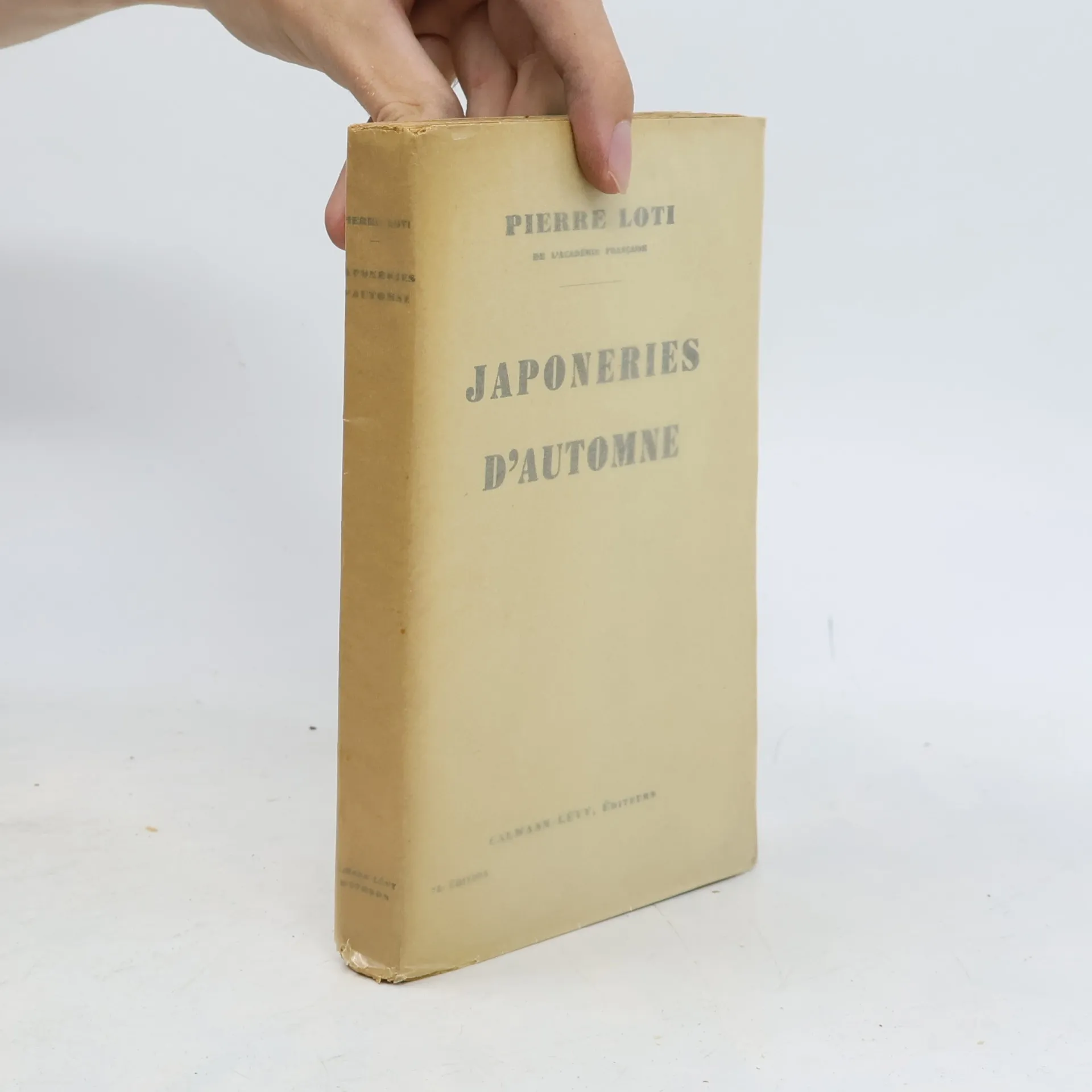
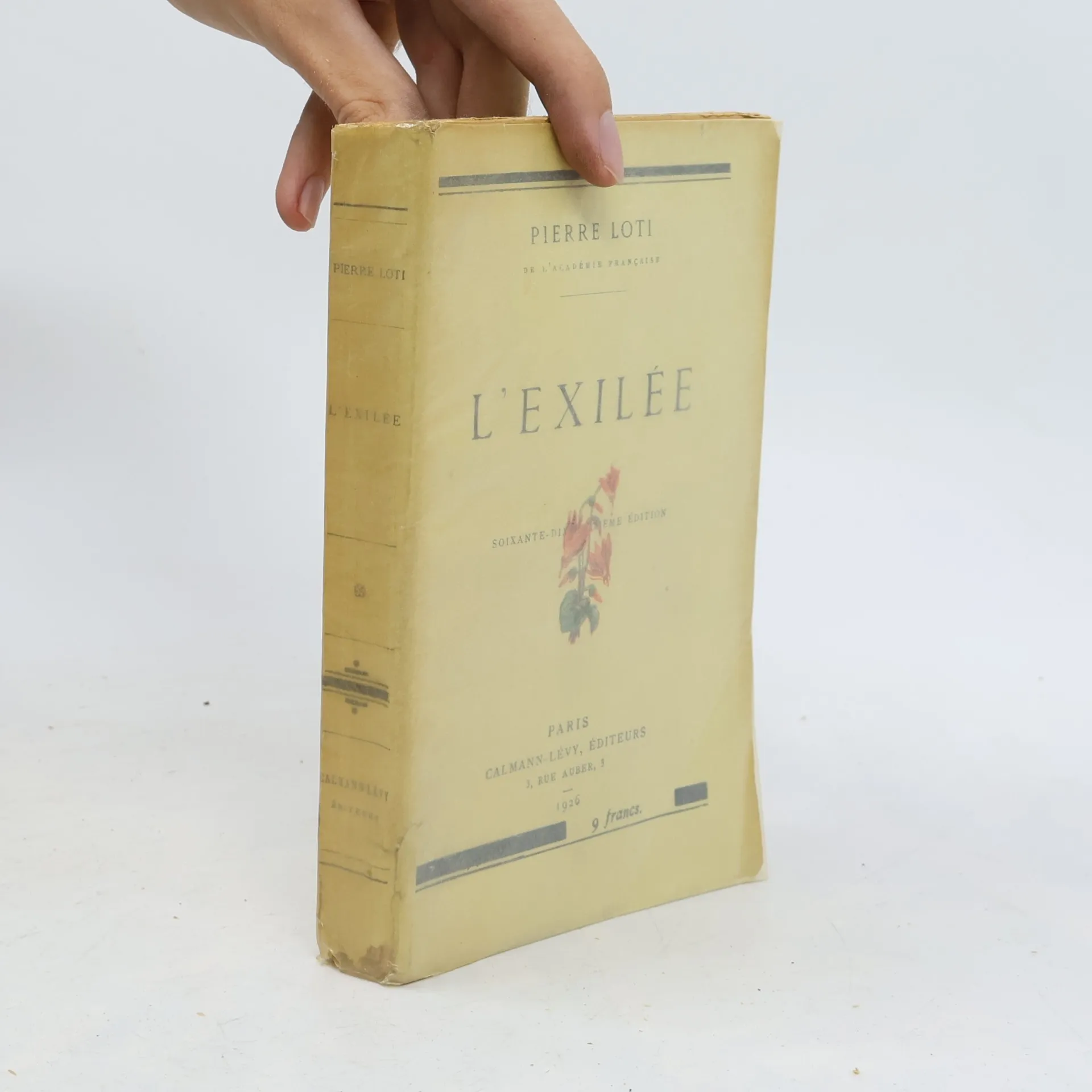
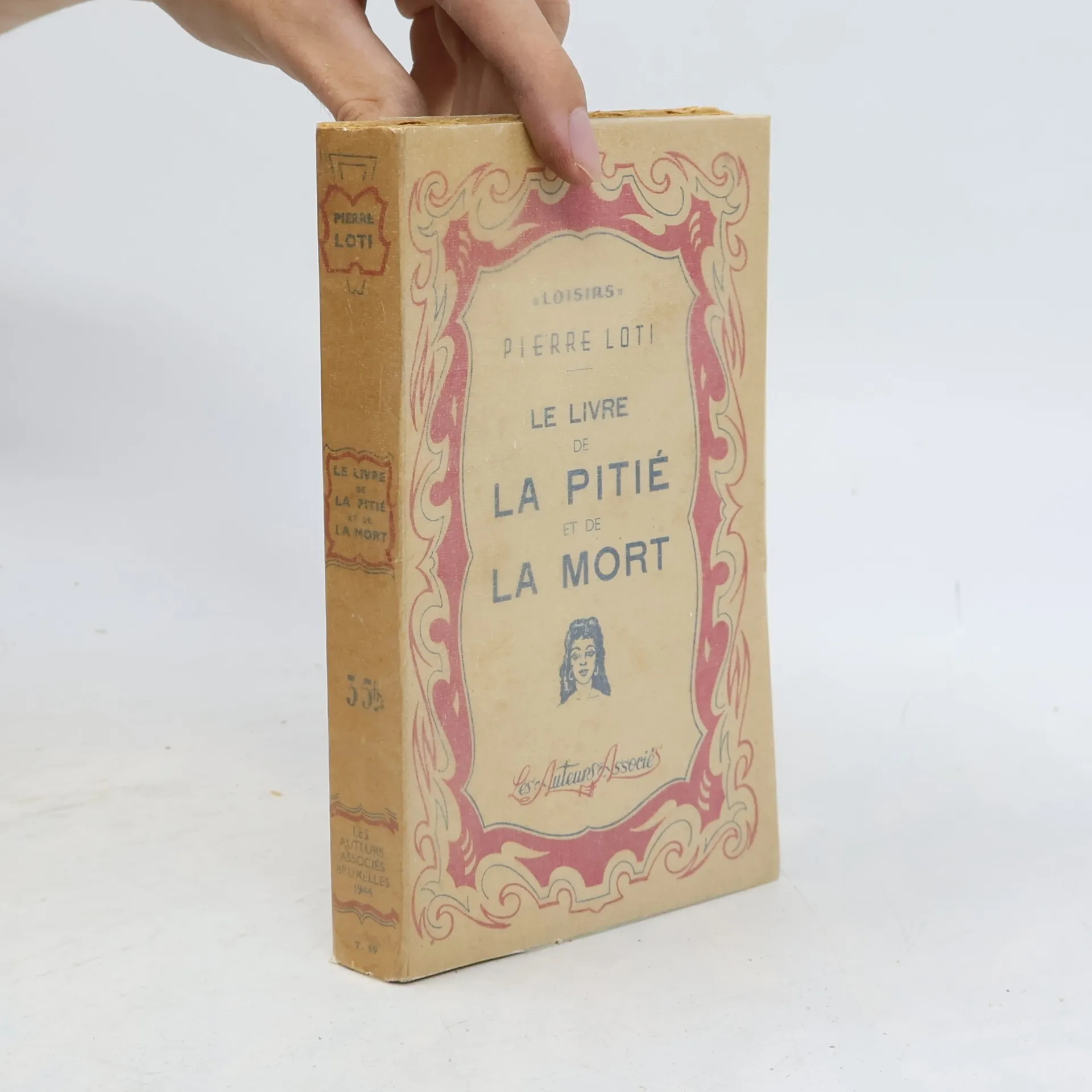
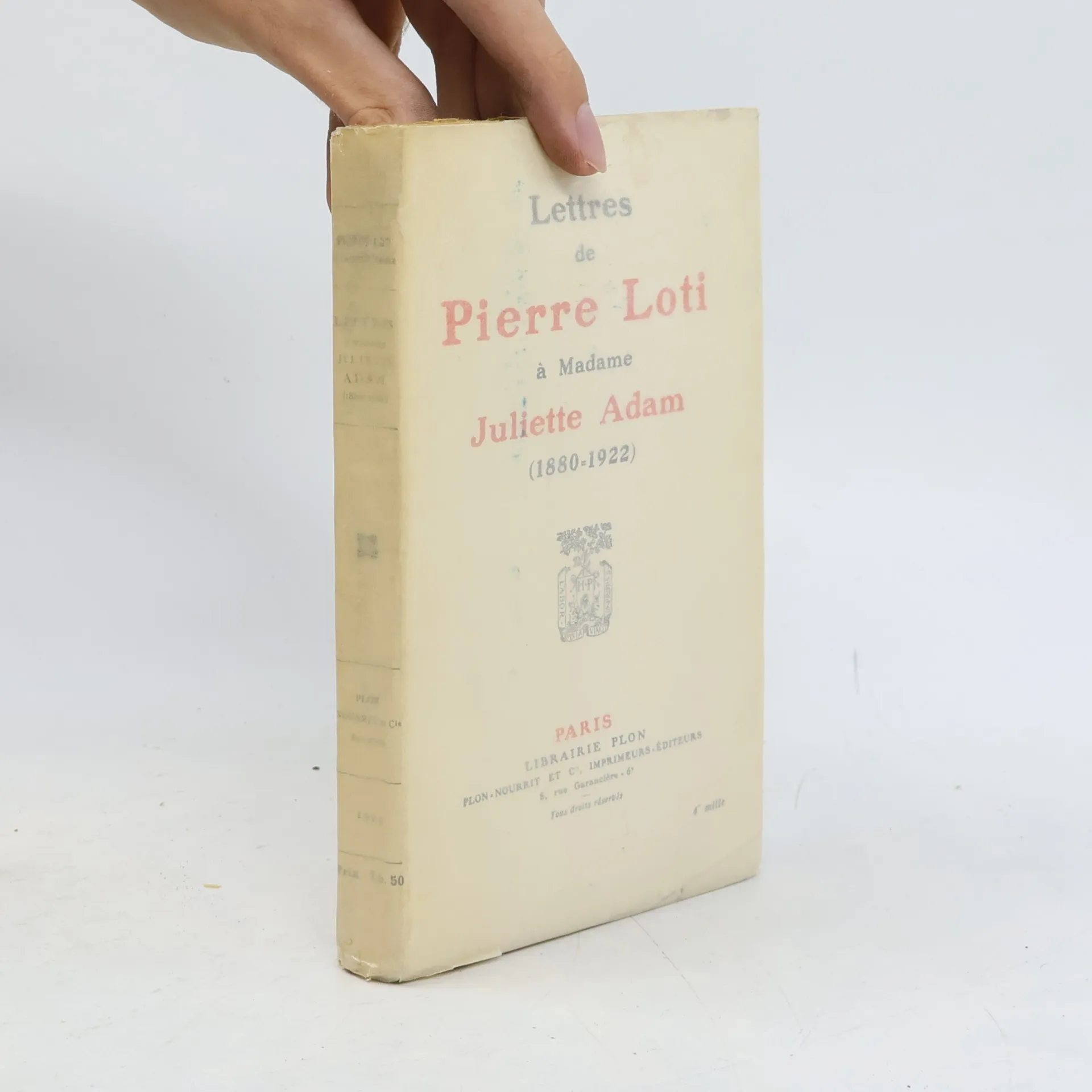
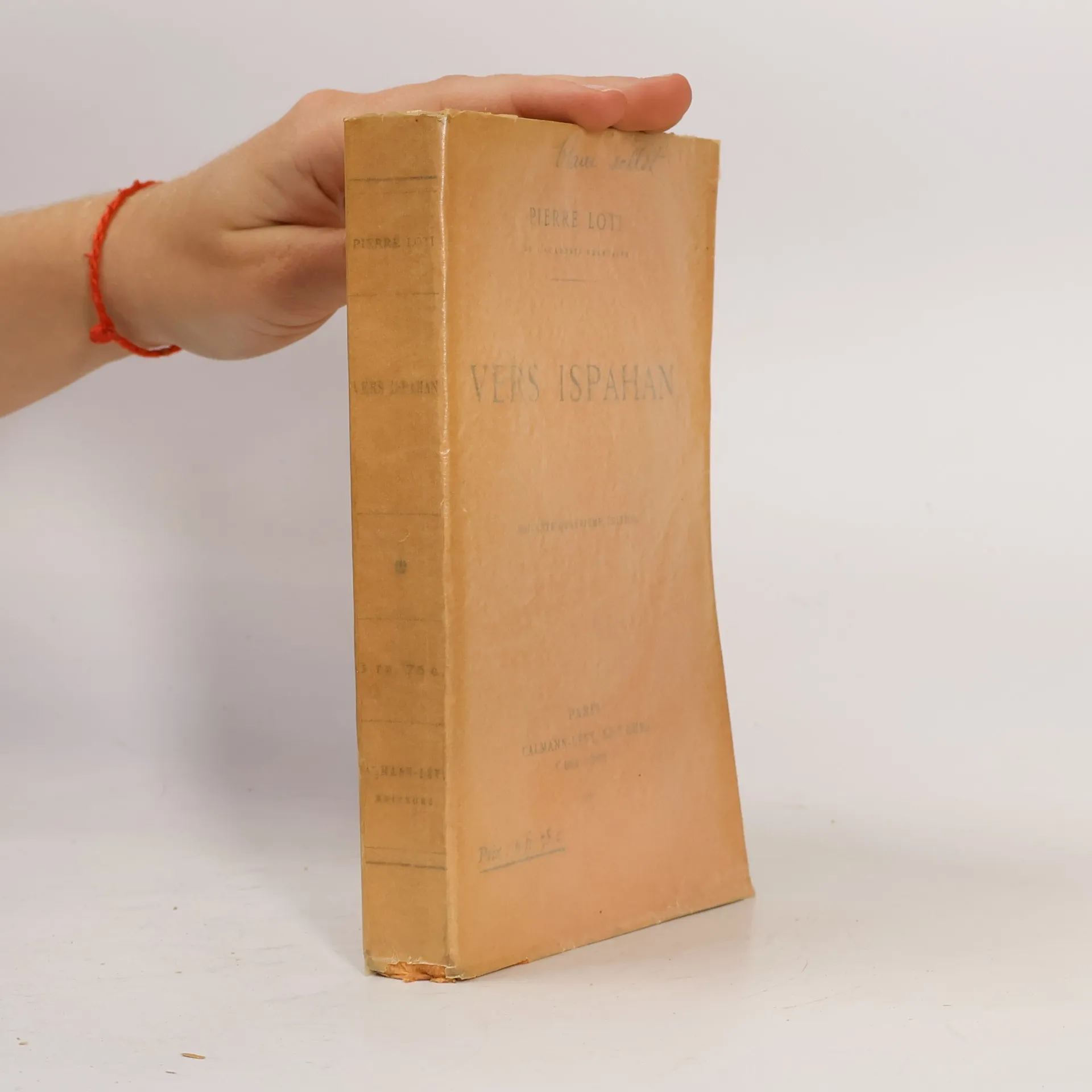
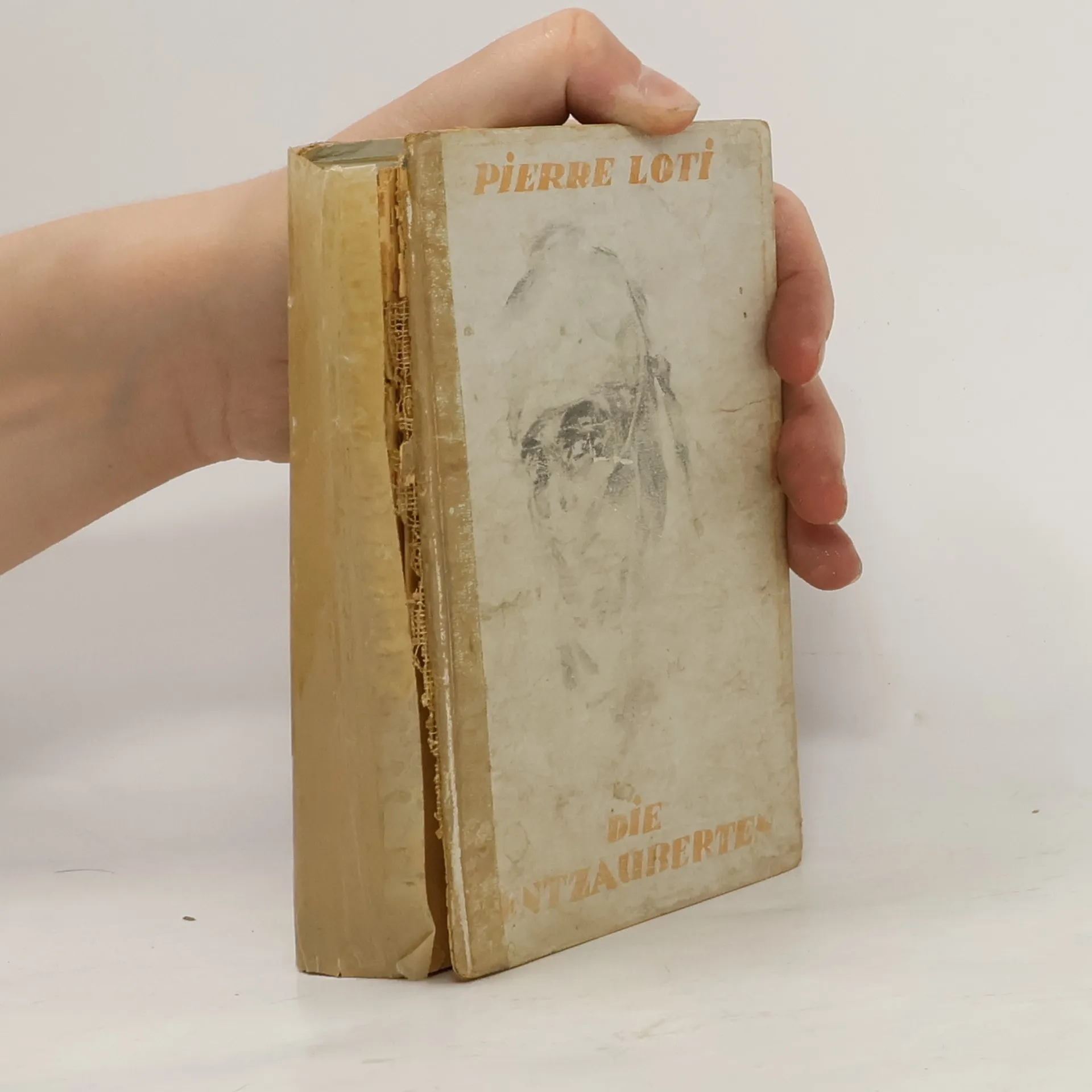
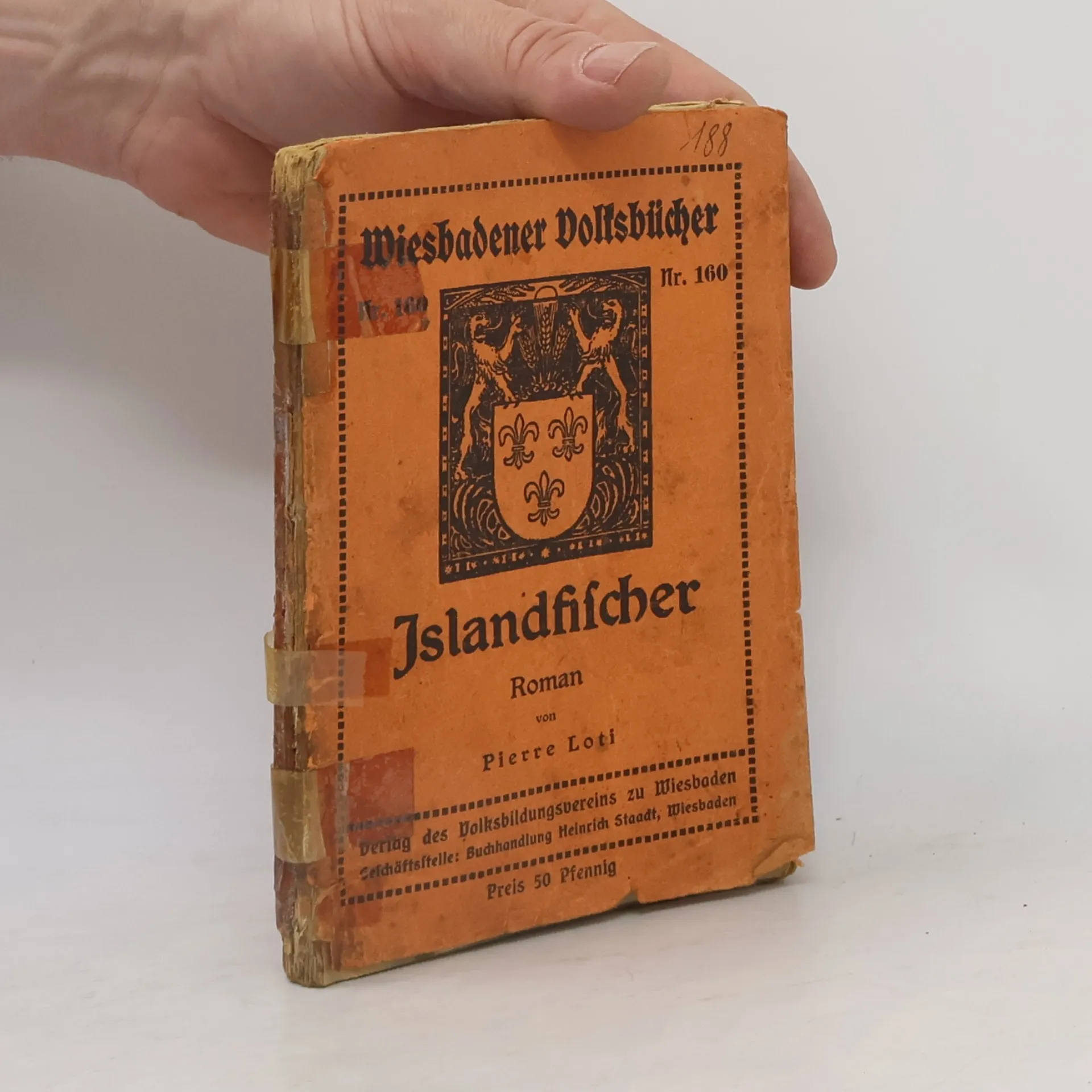
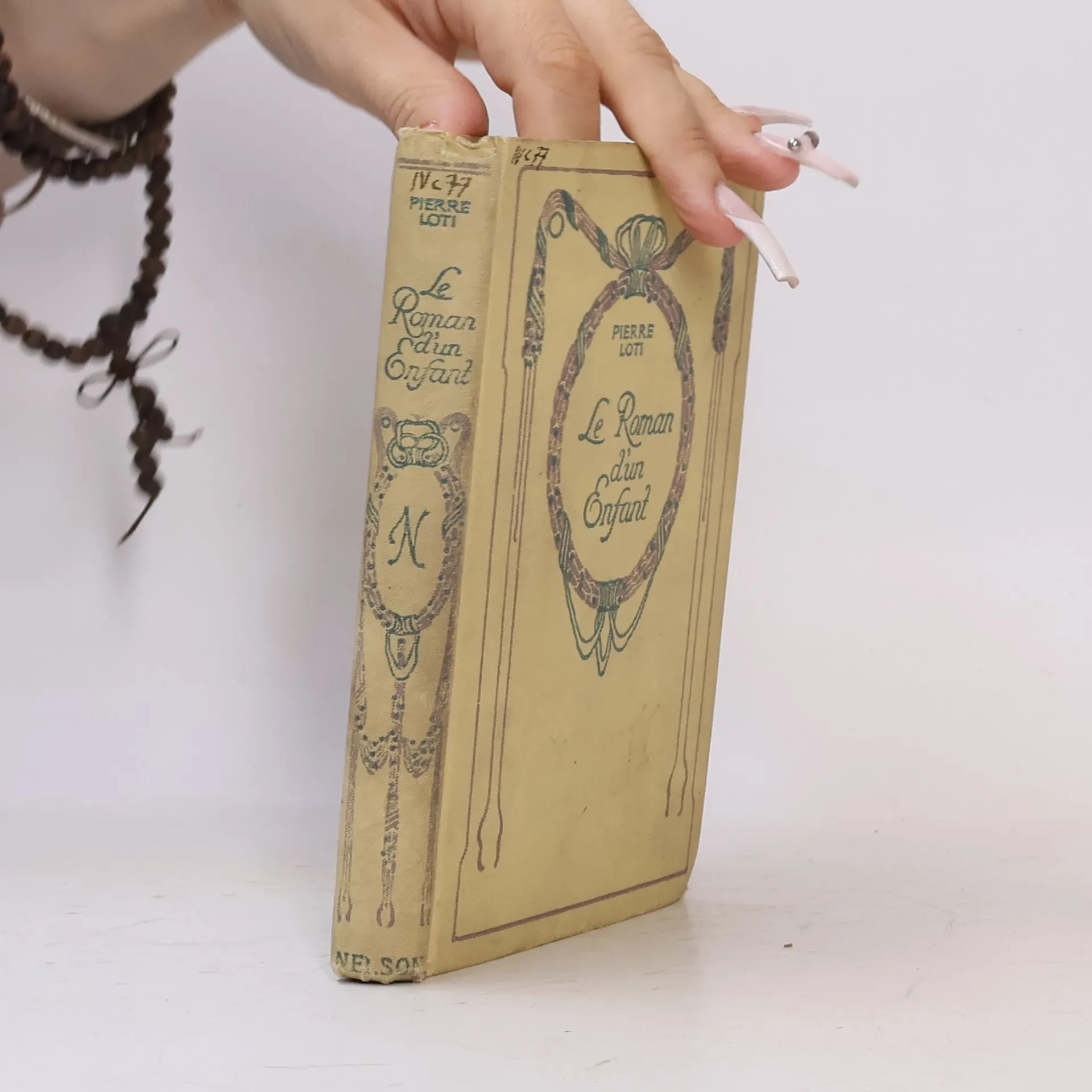
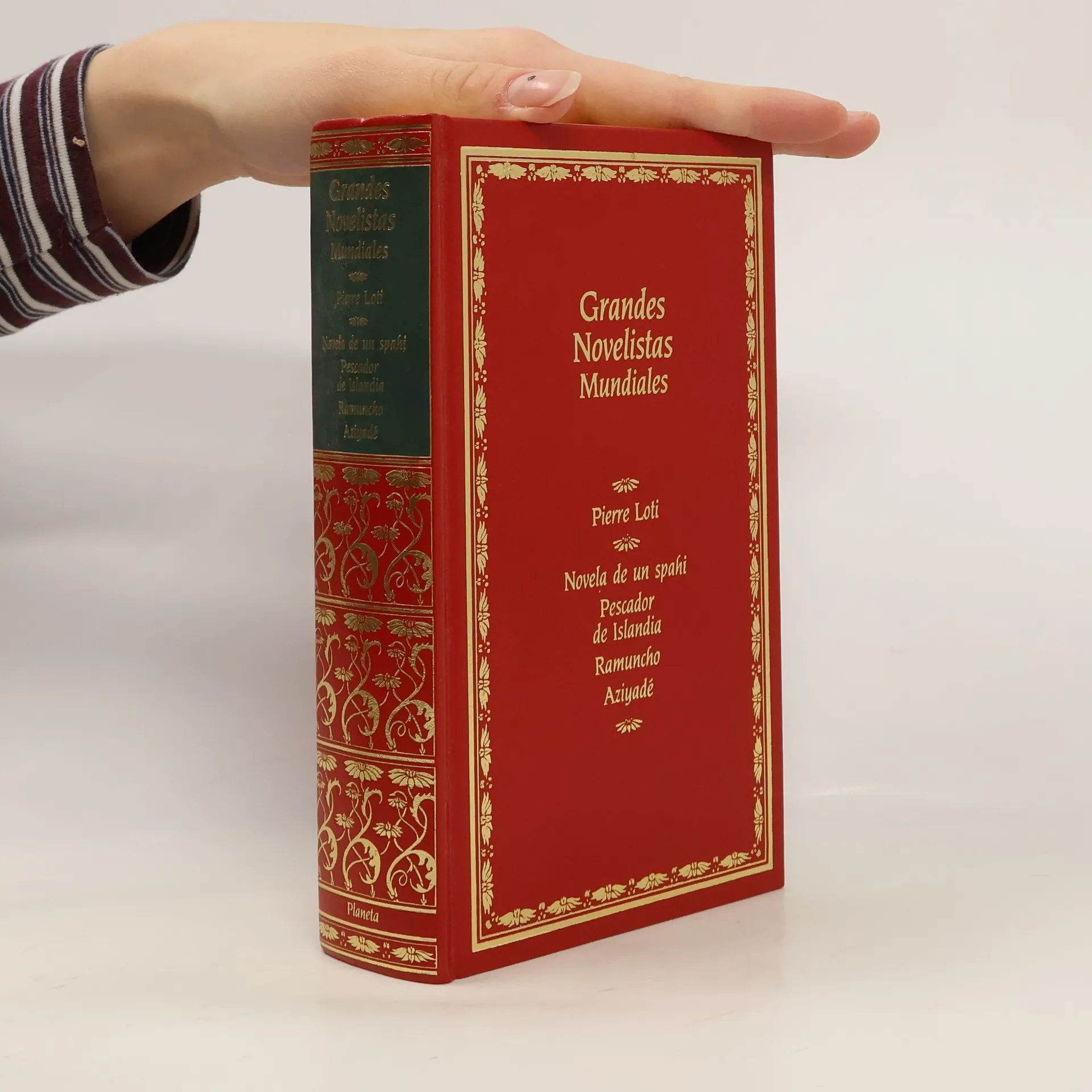
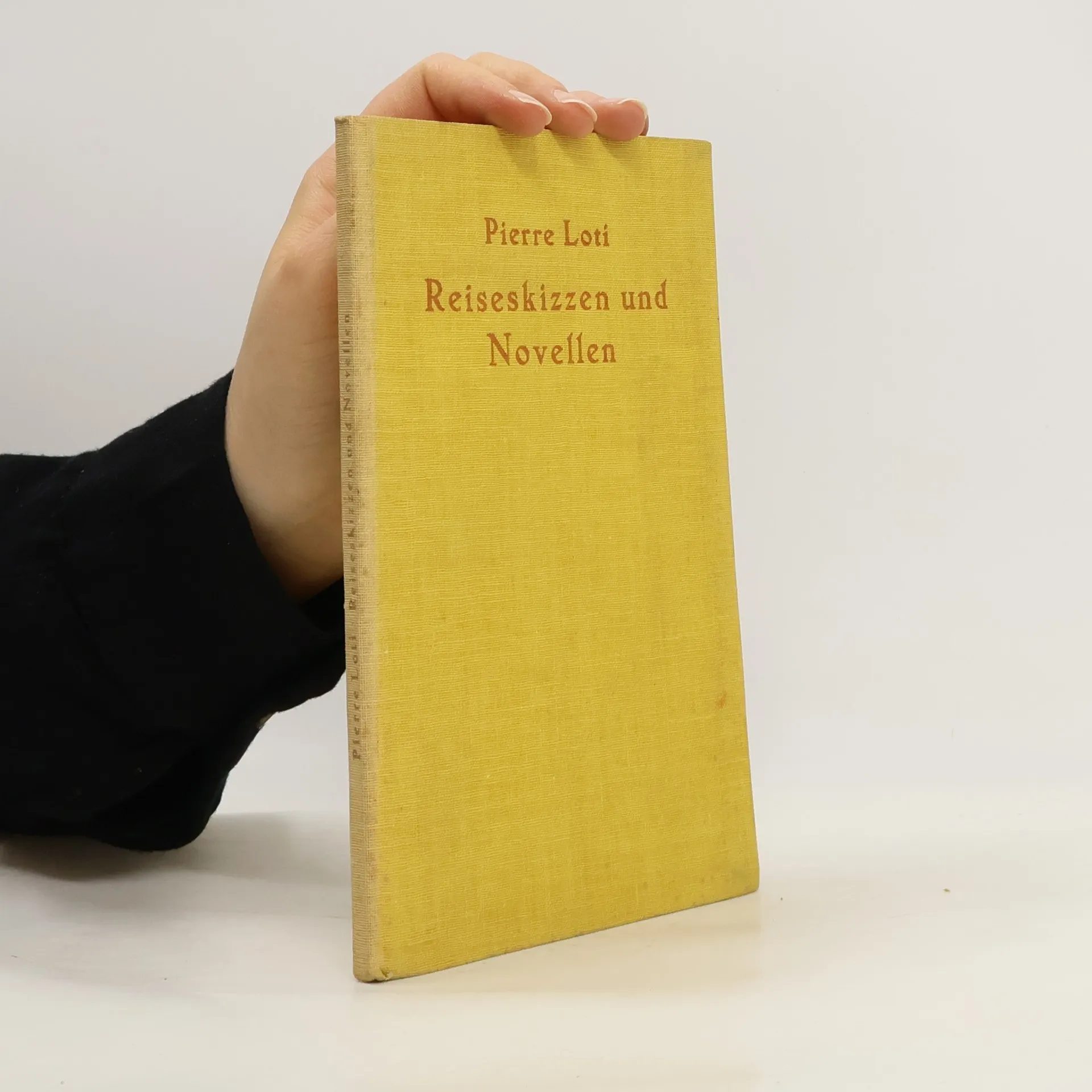
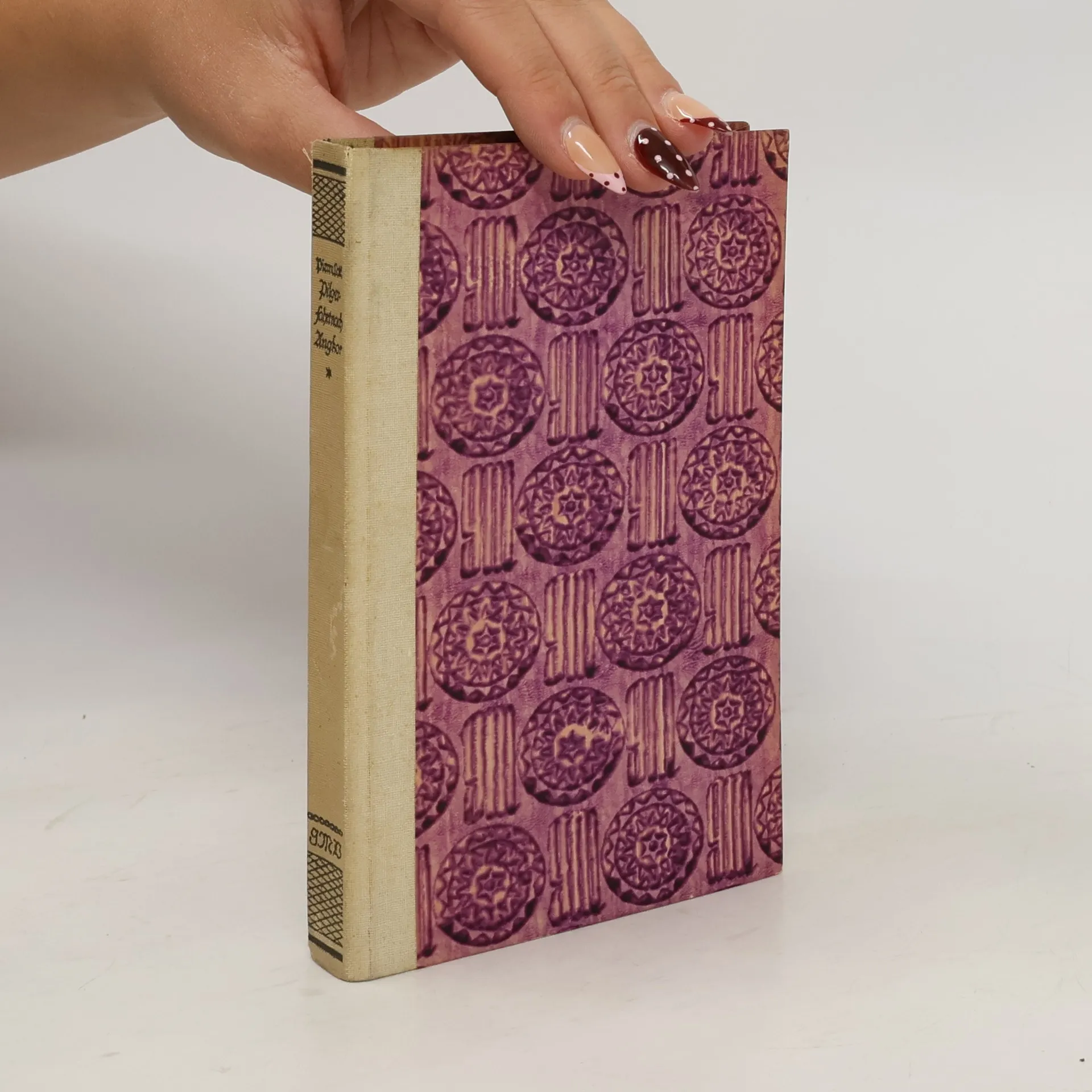
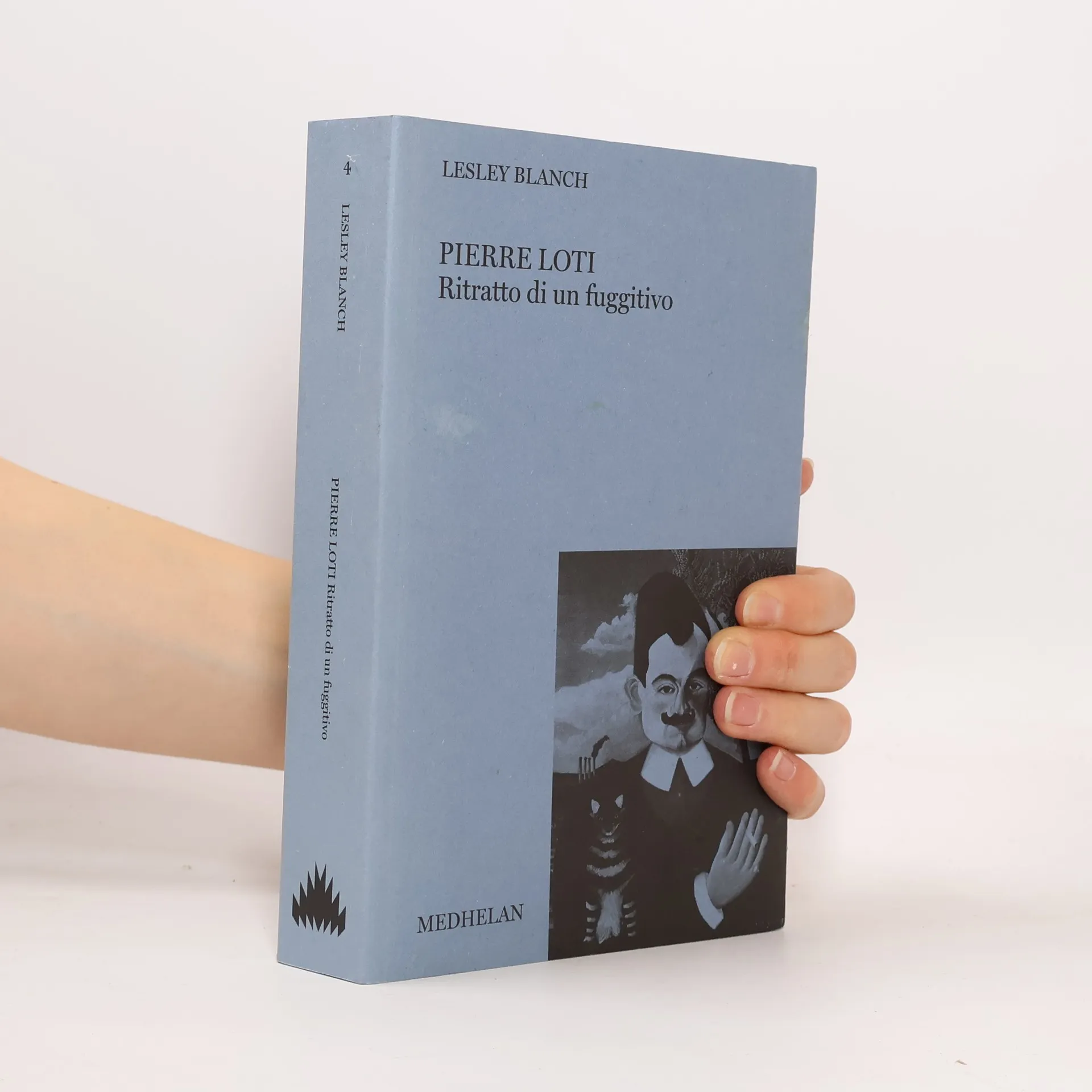
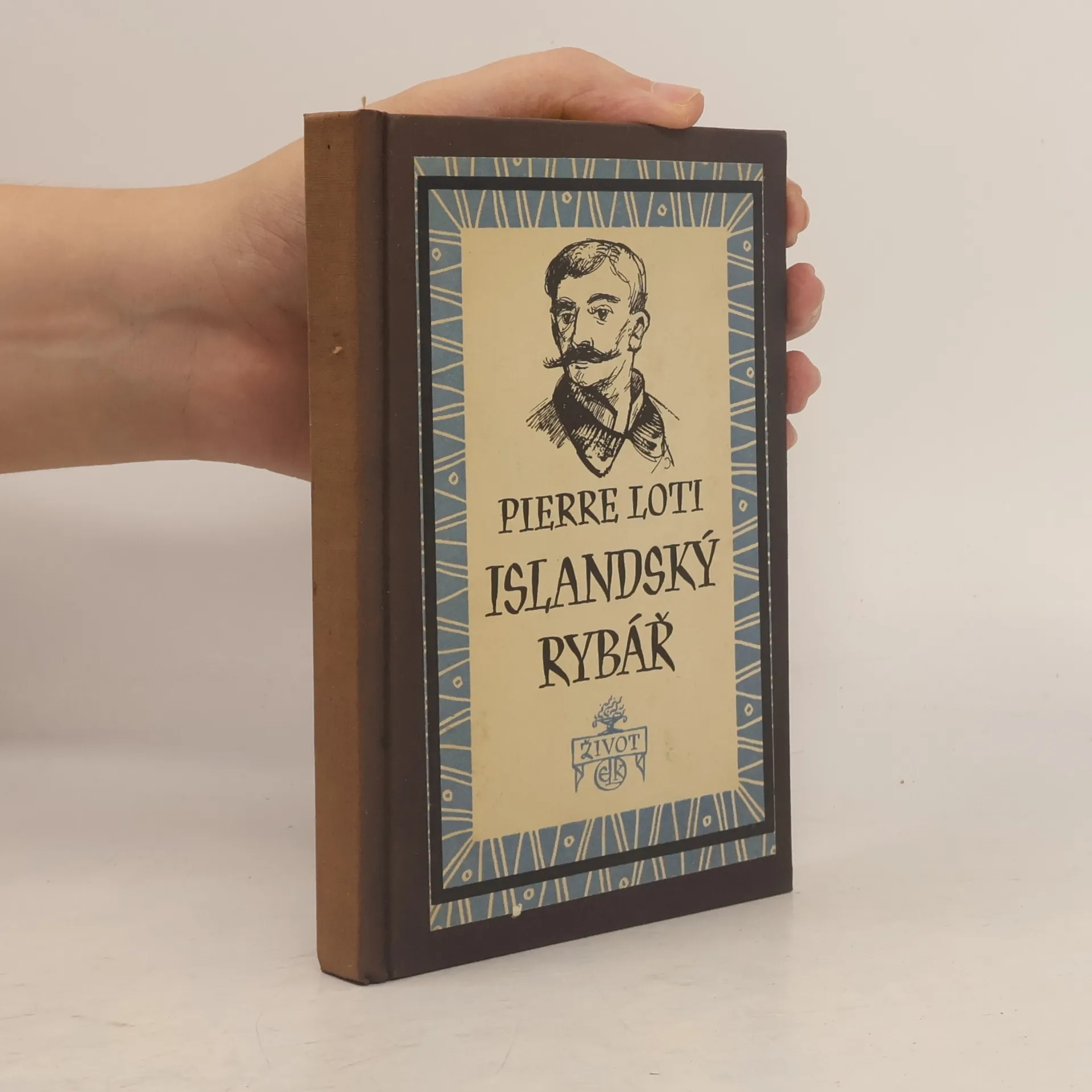
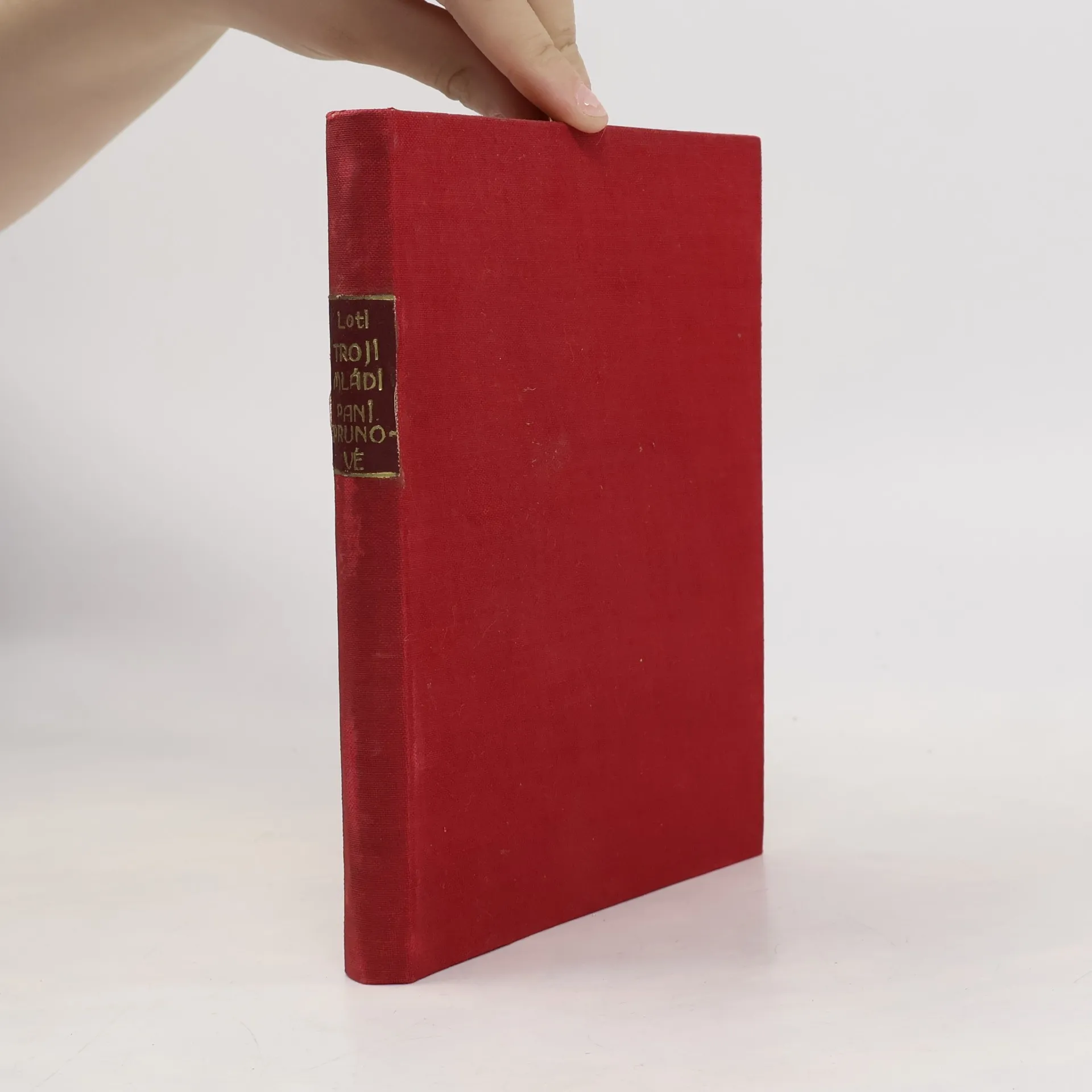
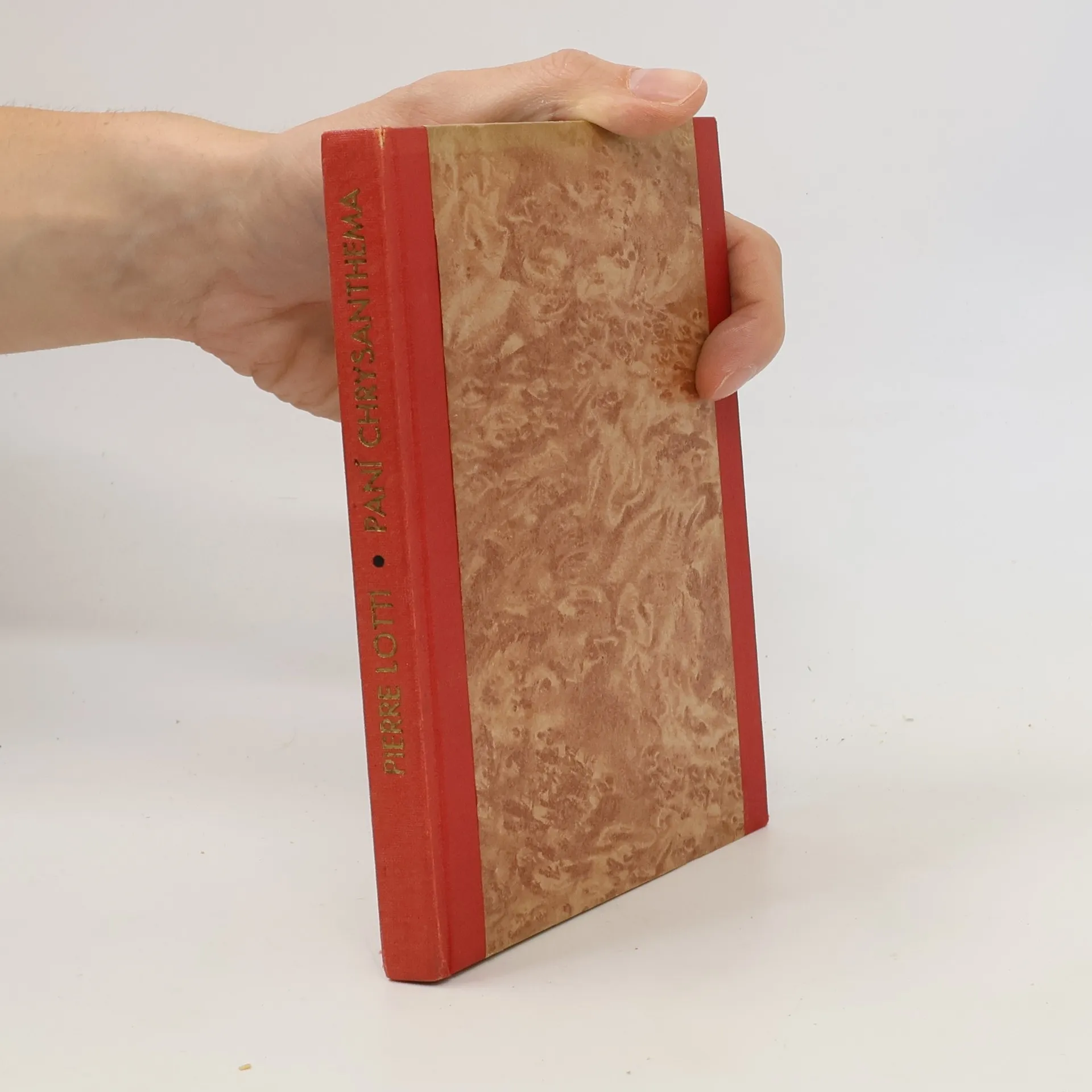
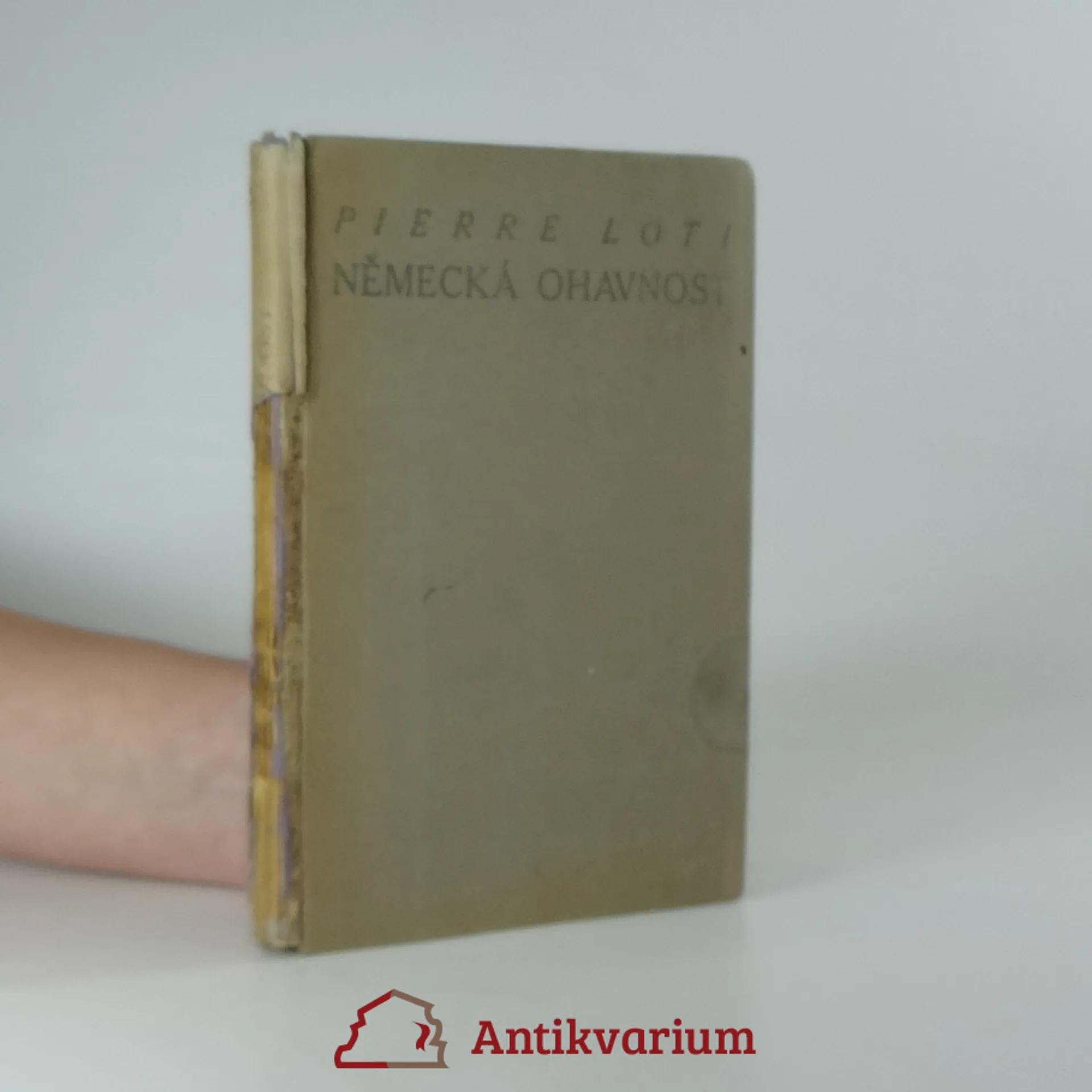
Pierre Loti, born Louis Marie-Julien Viaud, was a French writer whose works are infused with a deep sense of nostalgia and exoticism. Drawing from his extensive experiences as a naval officer, his prose is characterized by lyrical descriptions of distant lands and profound human emotions. Loti masterfully blended autobiography with fiction, crafting narratives that explore themes of melancholy, love, and longing for the unknown. His distinctive style, often compared to Impressionist painting, captures fleeting moments of beauty and human vulnerability, making him a unique voice in literature.
The travel narrative offers a poetic and insightful exploration of Egypt's timeless landscapes and ancient wonders through the eyes of Pierre Loti, a French author from the late 19th century. Readers are taken on a captivating journey that reveals the mysteries and allure of the Nile Valley, showcasing the rich cultural and historical tapestry of the region.
The book is a reproduction of a historical work, published by Megali, a company dedicated to producing large print editions for individuals with impaired vision. This initiative aims to enhance accessibility and ease of reading for those who may struggle with standard print sizes.
The work of Pierre Loti, a pseudonym for Louis-Marie-Julien Viaud, showcases his unique blend of travel literature and fiction, drawing from his naval experiences across the globe. "Fantôme d'Orient," or "Ghost of the Orient," reflects his fascination with Eastern cultures and landscapes, offering readers a vivid glimpse into the places he visited. Through his evocative prose, Loti captures the essence of the Orient, intertwining personal reflections with rich descriptions that transport readers to distant lands.
This book is a reproduction of a historical work, published by Megali, a house dedicated to creating large print editions for improved accessibility. The initiative aims to assist individuals with impaired vision, ensuring that classic texts remain available and readable.
Set in late 19th-century Japan, this novel unfolds through the autobiographical journal of a naval officer's brief marriage to a Japanese woman, Kiku. The narrative captures their summer romance in Nagasaki, exploring themes of cultural exchange and the challenges of xenophobia. Originally published in French in 1887, it gained significant popularity, leading to numerous editions and translations. Loti's work offers a poignant glimpse into the complexities of love and identity against a backdrop of historical tensions.
This publication focuses on reproducing historical works in large print, catering specifically to individuals with impaired vision. Megali, the publishing house behind this initiative, aims to enhance accessibility and ease of reading through its specialized offerings.
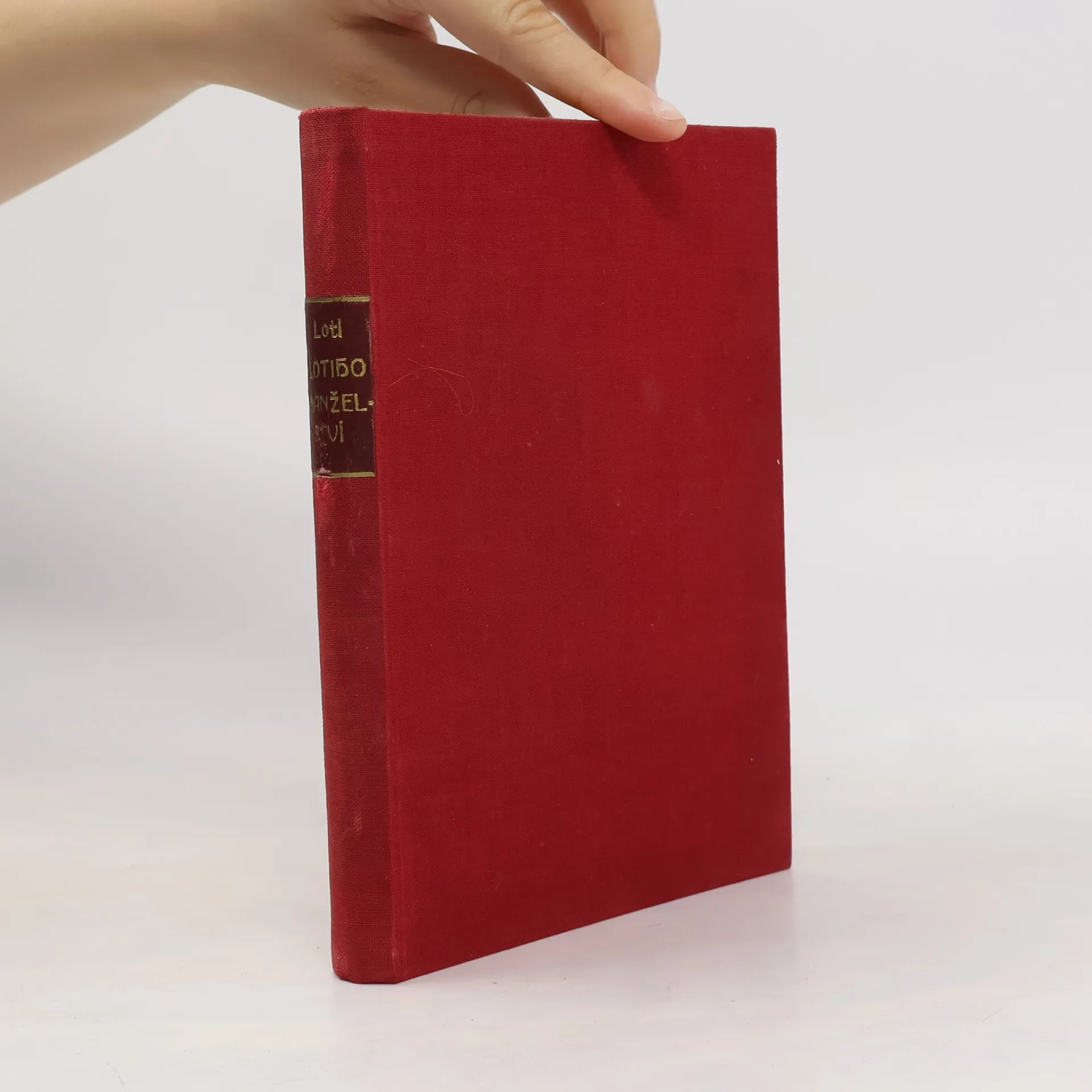
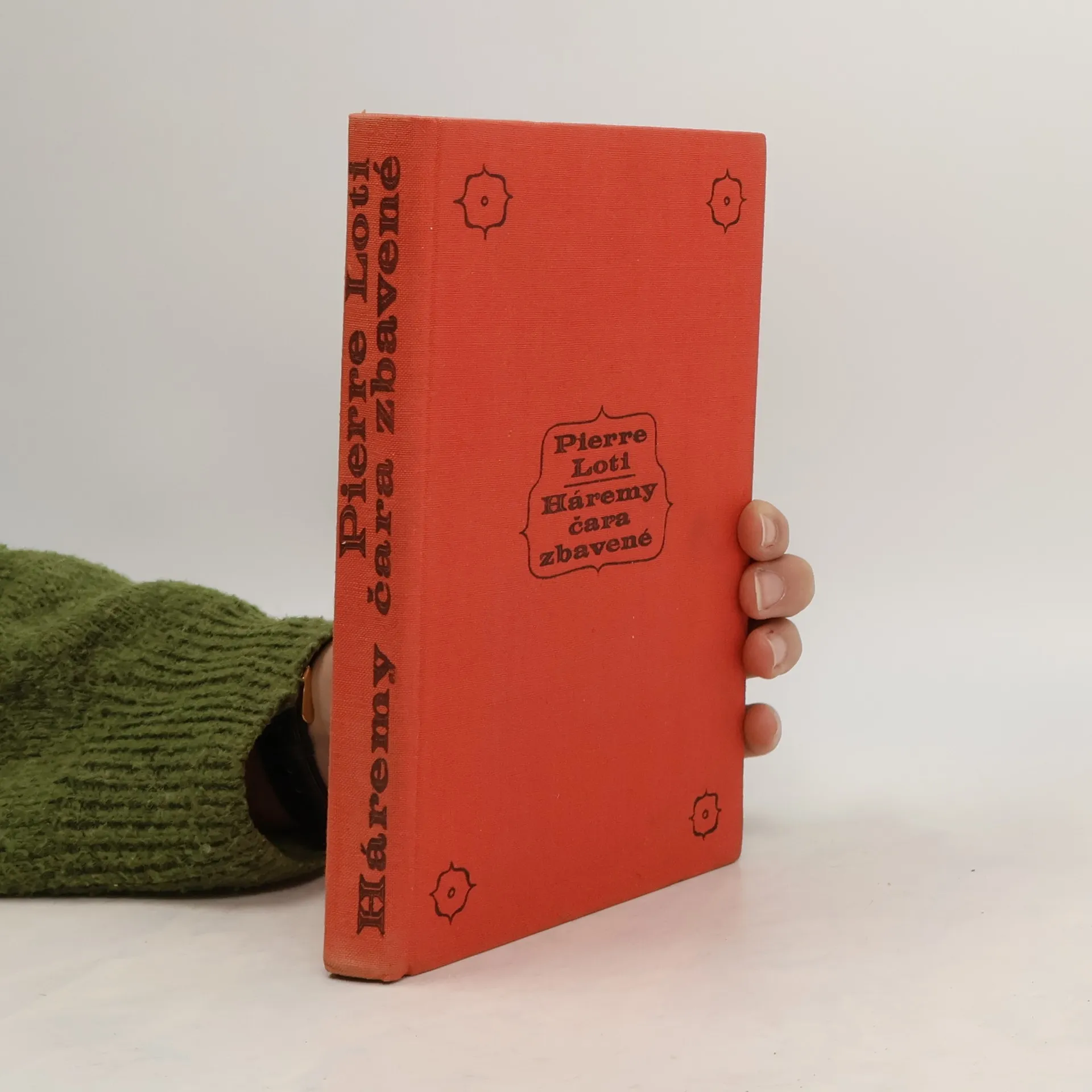
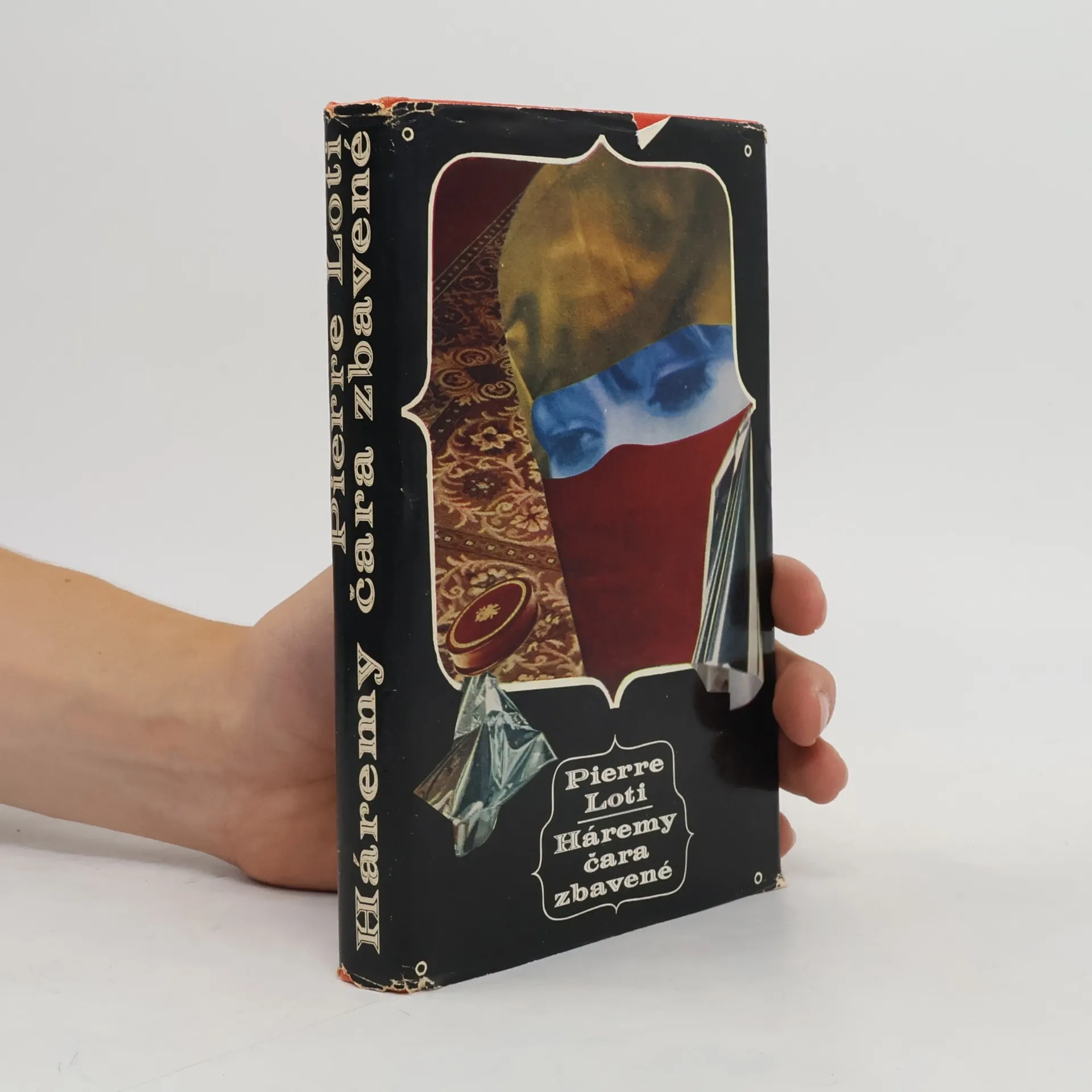
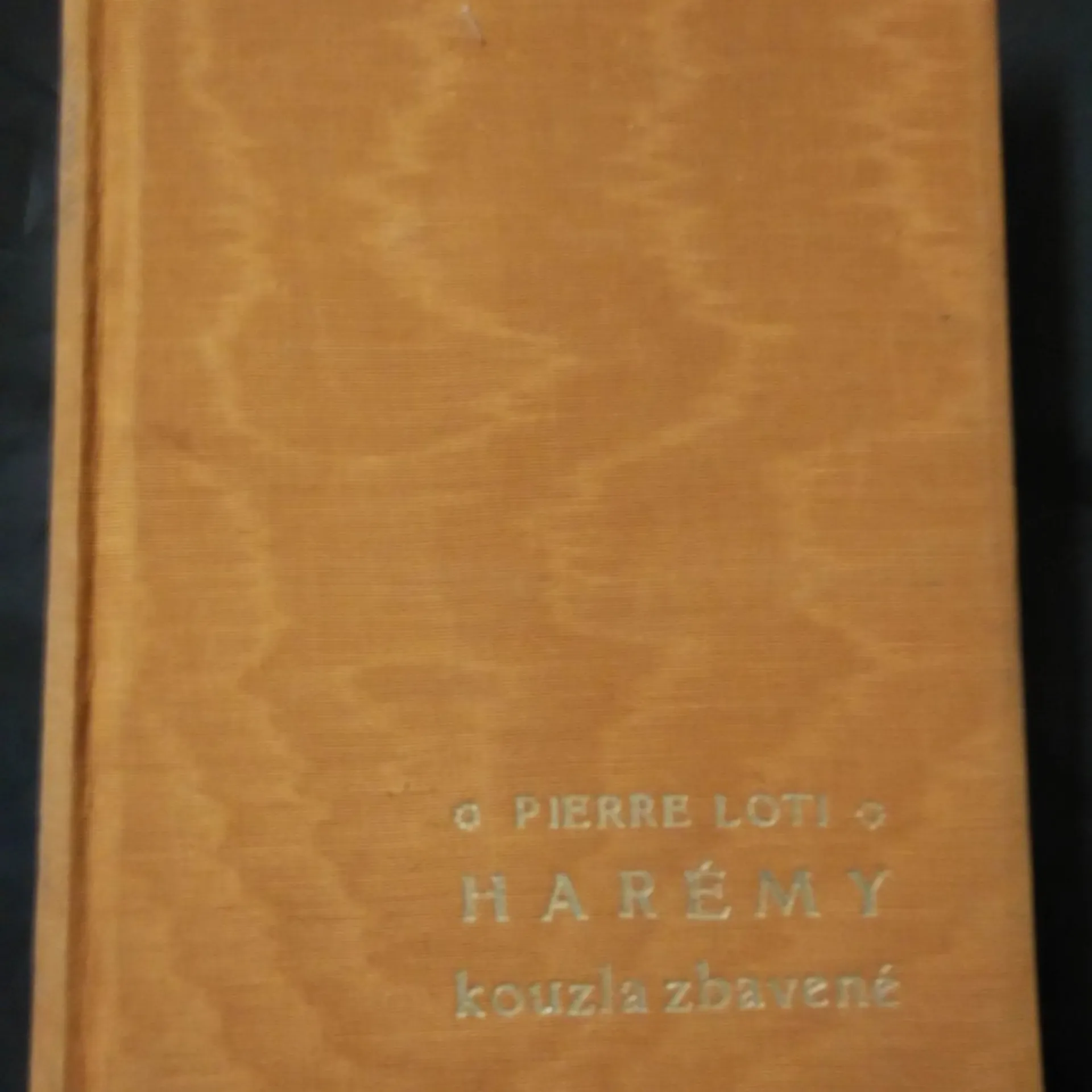
Pierre Loti, člen akademie francouzské: Harémy kouzla zbavené - román ze současných tureckých harémů. Z francouzského originálu přeložil Karel Vít. Nakladatelství B. Kraft, knihkupectví, Praha II. Nakladatelství "Dobrých autorů" v Praze. Tiskem Josefa Kolandy v Praze VIII., 1921 rok.
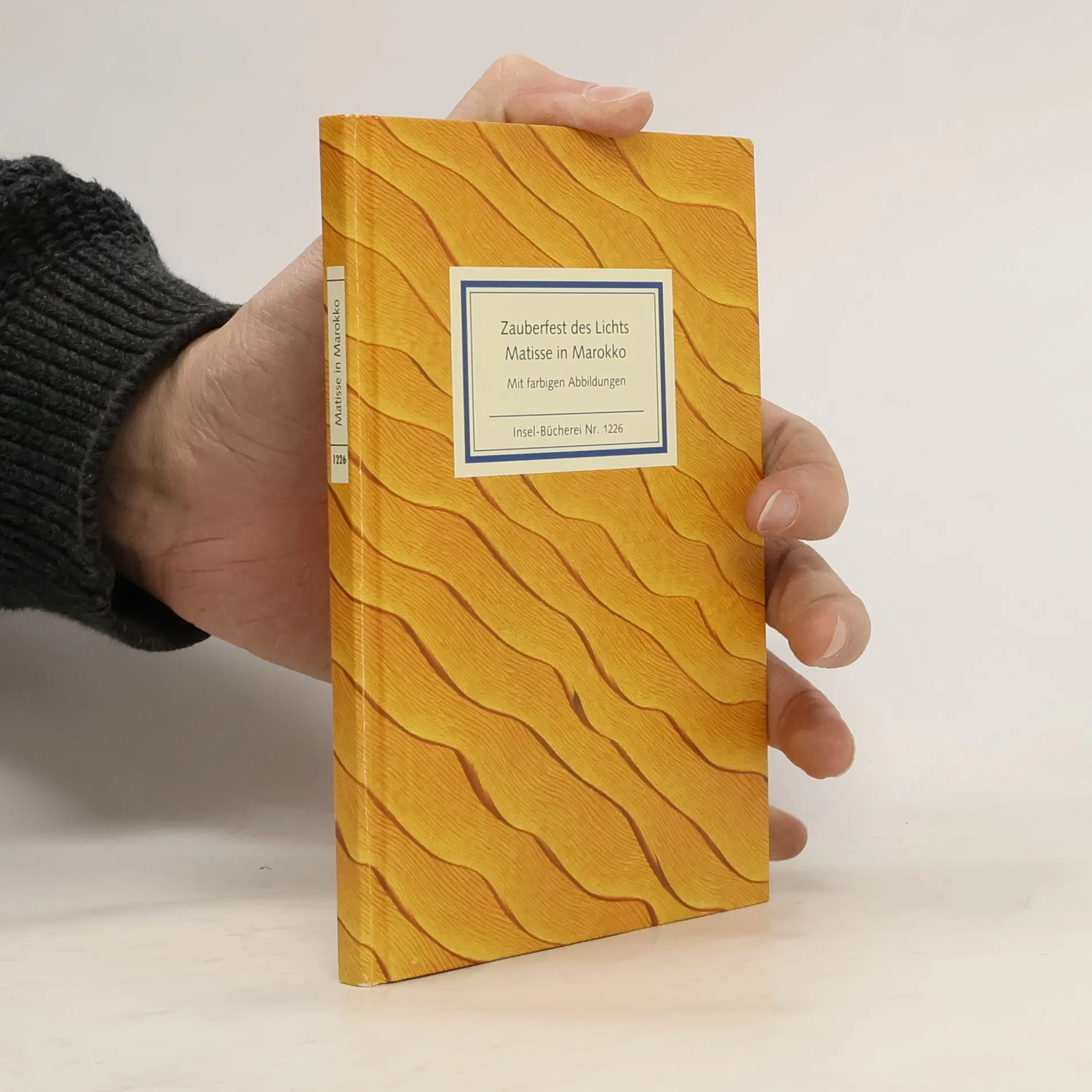
Als »Historiograph« begleitete Pierre Loti eine Abordnung französischer Repräsentanten auf der Reise nach Marokko im Jahr 1889. Entstanden ist dabei eine begeisterte Liebeserklärung an das von der Zivilisation noch fast unberührte Land. Die arabische Kultur des »ursprünglichen« Marokko scheint direkt aus ›Tausendundeiner Nacht‹ entschlüpft zu sein. Wer das Tor zur faszinierenden Welt der Sultane, Dudelsackbläser und Maultiertreiber, der Goldschleier und Kuskuspyramiden heute wieder aufstoßen will, dem bietet das Buch die Gelegenheit dazu. Pierre Loti (1850 – 1923), mit bürgerlichem Namen Julien Viaud, war Marineoffizier. Reisen nach Nord- und Südamerika, Tahiti, Tongking (Teilnahme am Boxerkrieg), Indien, China und Japan. Er veröffentlichte seit 1879 Romane, Erzählungen, einige Dramen und Reiseberichte.
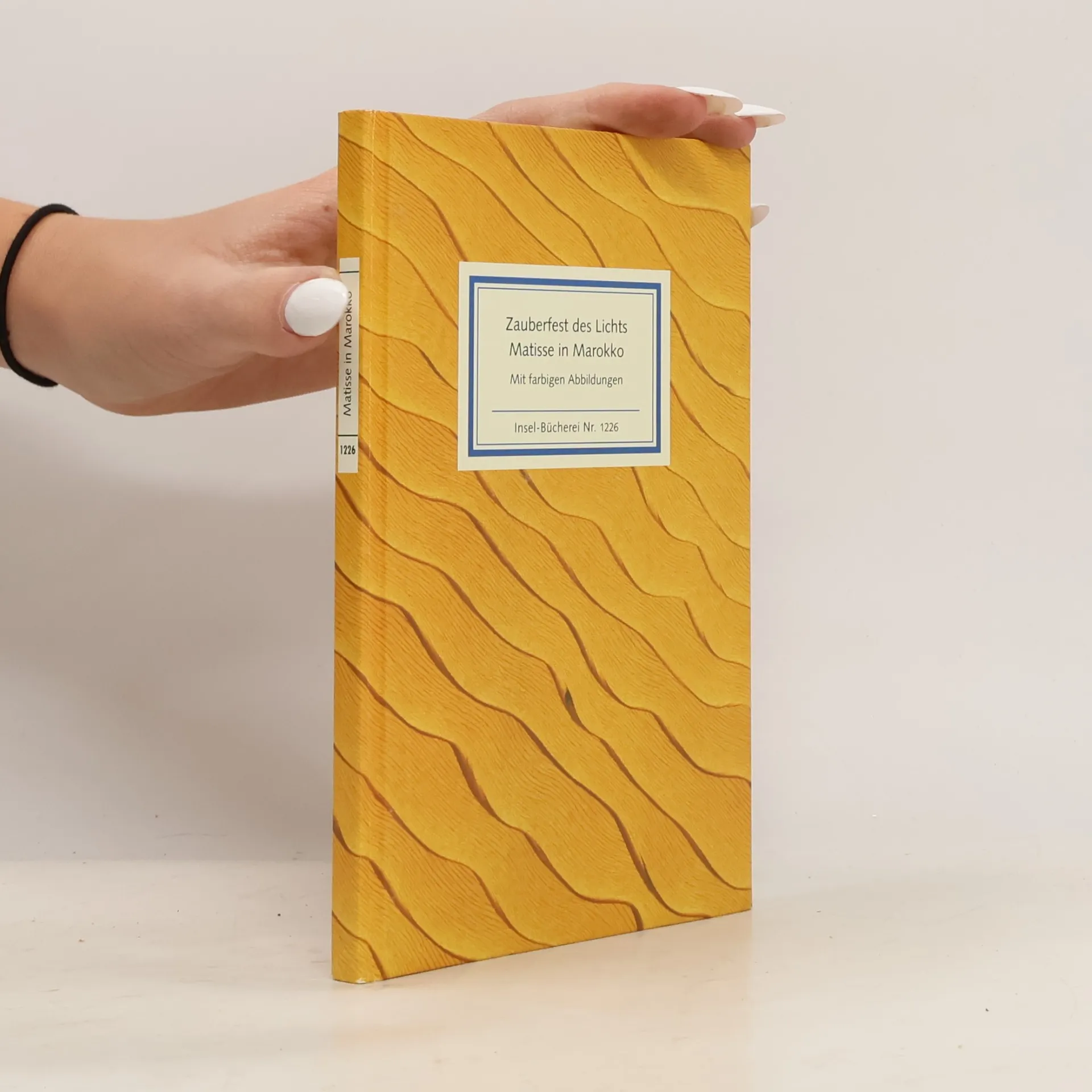
In der Geburtsstunde der Avantgarde bekannte sich der französische Maler Henri Matisse überraschend zu einer »Kunst des Gleichgewichts, der Reinheit und der Ruhe, ohne jede Problematik, ohne jedes aufwühlende Sujet«. Die geeigneten Motive für ein solches Arkadien fand er 1912/13 auf seinen Reisen durch den Norden Marokkos: »Welch gleißendes Licht … und wie malerisch!!!« schrieb er von dort. »Wie neu das ist, wie schwer darzustellen mit Blau, Rot, Gelb und Grün.« Das vor ihm schon von Pierre Loti in seinen Reiseimpressionen gerühmte maghrebinische »Zauberfest des Lichts« inspirierte Matisse zu farbenprächtigen Gemälden – Naturbildern von Akanthus oder Calla, Iris und Mimosen und exotischen Figurenbildern. Dazu hielt er die arabische Märchenszenerie auch in kleinformatigen Handzeichnungen und Skizzen fest.
Dieses Werk ist Teil der Buchreihe TREDITION CLASSICS. Der Verlag tredition aus Hamburg veroffentlicht in der Buchreihe TREDITION CLASSICS Werke aus mehr als zwei Jahrtausenden. Diese waren zu einem Grossteil vergriffen oder nur noch antiquarisch erhaltlich. Mit der Buchreihe TREDITION CLASSICS verfolgt tredition das Ziel, tausende Klassiker der Weltliteratur verschiedener Sprachen wieder als gedruckte Bucher zu verlegen - und das weltweit! Die Buchreihe dient zur Bewahrung der Literatur und Forderung der Kultur. Sie tragt so dazu bei, dass viele tausend Werke nicht in Vergessenheit geraten
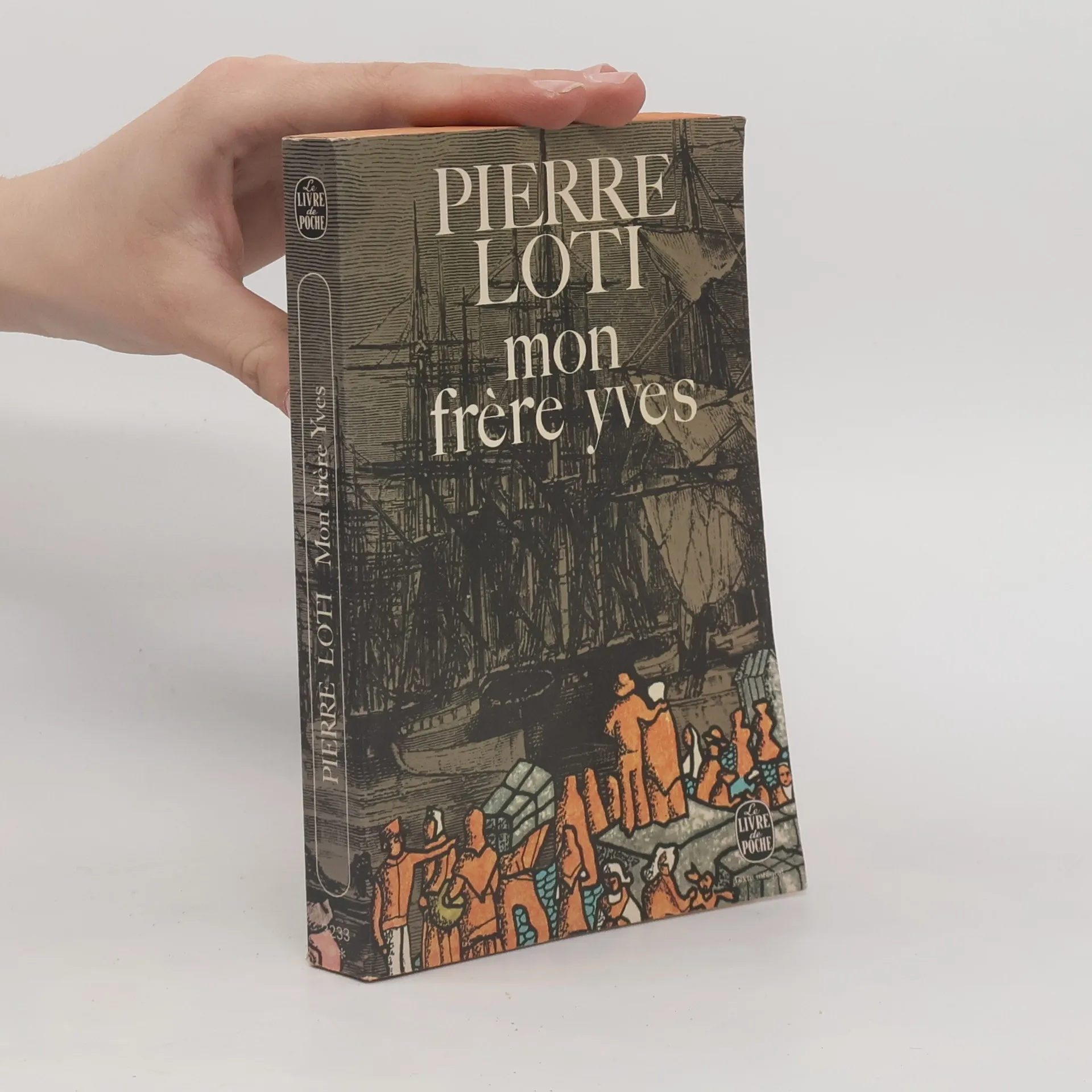
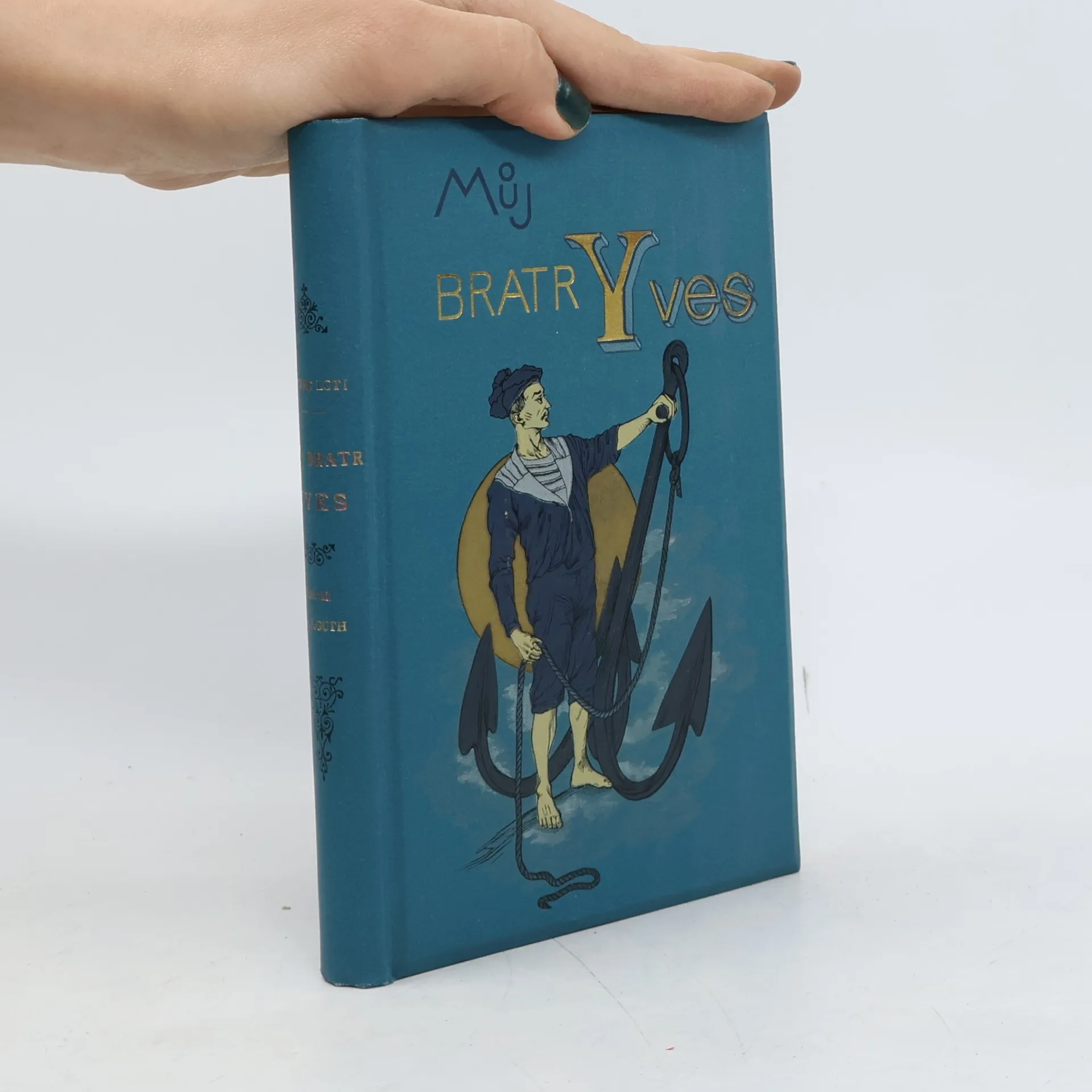
Als Mme Kermadec ihn bittet, auf ihren Sohn Yves aufzupassen, verpflichtet sich Pierre Loti, sich um ihn zu kümmern wie um seinen eigenen Bruder, ohne sich über die Schwierigkeiten der Aufgabe hinwegzusetzen. Seit sieben Jahren, in denen sie zur Marine nationale gehören und gemeinsam segeln, weiß er, wozu Yves fähig ist.
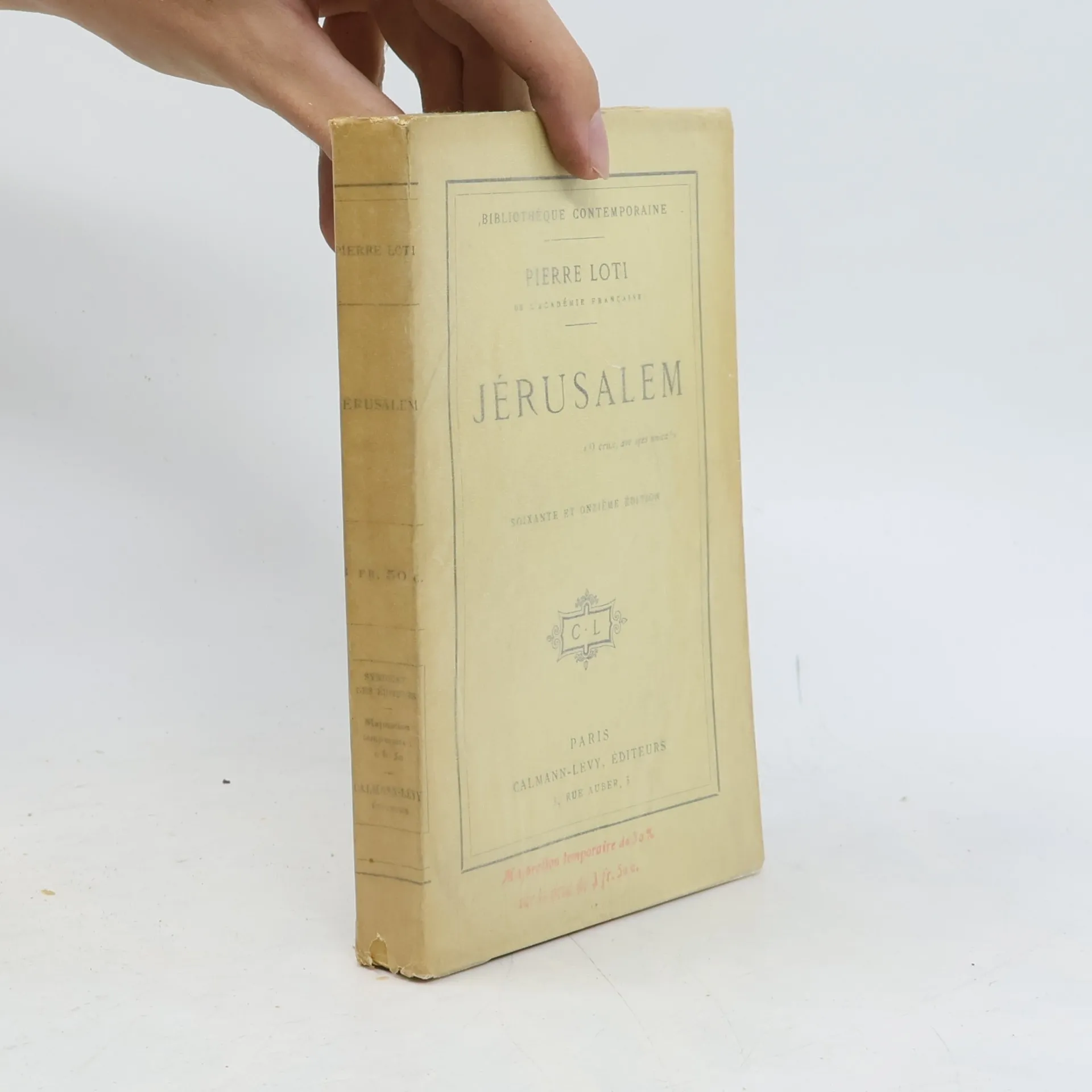
Un récit à la fois non conventionnel et hautement poétique d'un voyage de pèlerinage à Jérusalem, le centre des trois grandes religions révélées. En 1894, l'auteur, dans la seconde partie de son voyage au Moyen-Orient, s'approche de Jérusalem, après des descriptions d'une beauté rêveuse du désert du Sinaï, en passant par Hébron et Bethléem. Avec une intensité inimitable, il présente un paysage et une ville aux multiples facettes. Jérusalem, sous la domination du sultan ottoman, demeure le cœur de toutes les religions révélées. Le lecteur est confronté à la dégradation des lieux saints, ce qui touche profondément l'auteur. C'est une rencontre historique avec une ville millénaire, qui s'anime à travers les descriptions merveilleuses du dôme du Rocher, alors connu sous le nom de mosquée Omar, et de l'église du Saint-Sépulcre, envahie par les pèlerins. Des descriptions impressionnantes du jour et de la nuit dans la vallée des Morts, le vallon de Josaphat, qui se trouve sous les imposants remparts de Jérusalem. La représentation de la caravansérail sur le chemin de Jéricho et la nuit au jardin de Gethsémani, où le Christ demeura la veille de sa mort, sont grandioses. Un récit captivant et pour l'auteur, étonnamment intime, sur un paysage culturel significatif.
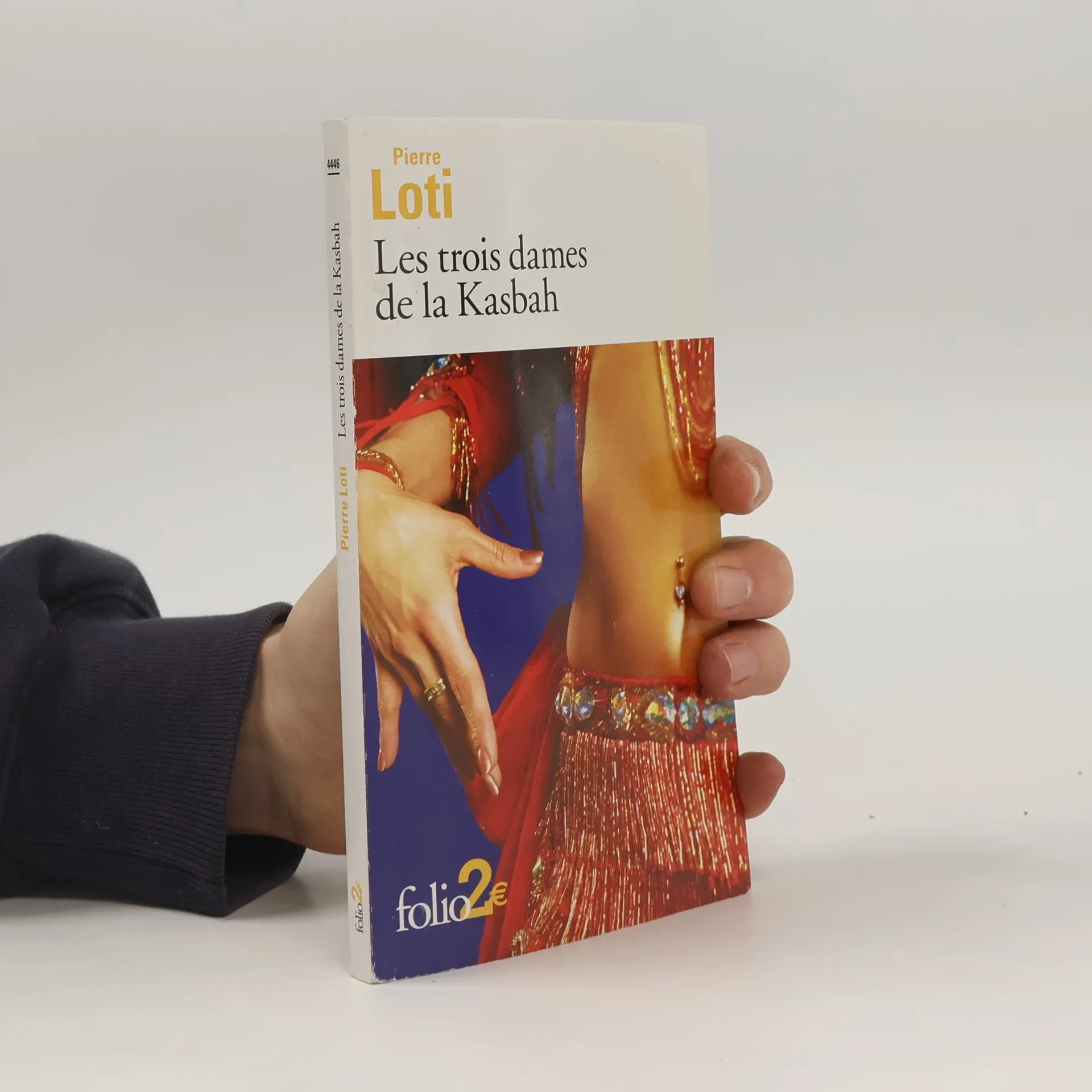
Sous le soleil aveuglant d'Alger la blanche, Kadidja et ses deux filles vivent dans la Kasbah où elles vendent leurs charmes. Les jeunes matelots français en escale découvrent avec elles les plaisirs de l'Orient, mais aussi ses dangers...
Der autobiographische Roman erzählt von den Erlebnissen des französischen Marineoffiziers Pierre Loti in Nagasaki 1901. Fünfzehn Jahre nach seiner Hochzeit mit Madame Chrysanthème kehrt er zurück und trifft seine Schwiegerfamilie sowie ein sich modernisierendes Japan. Lotis Werke prägten das westliche Bild von Japan zu dieser Zeit.
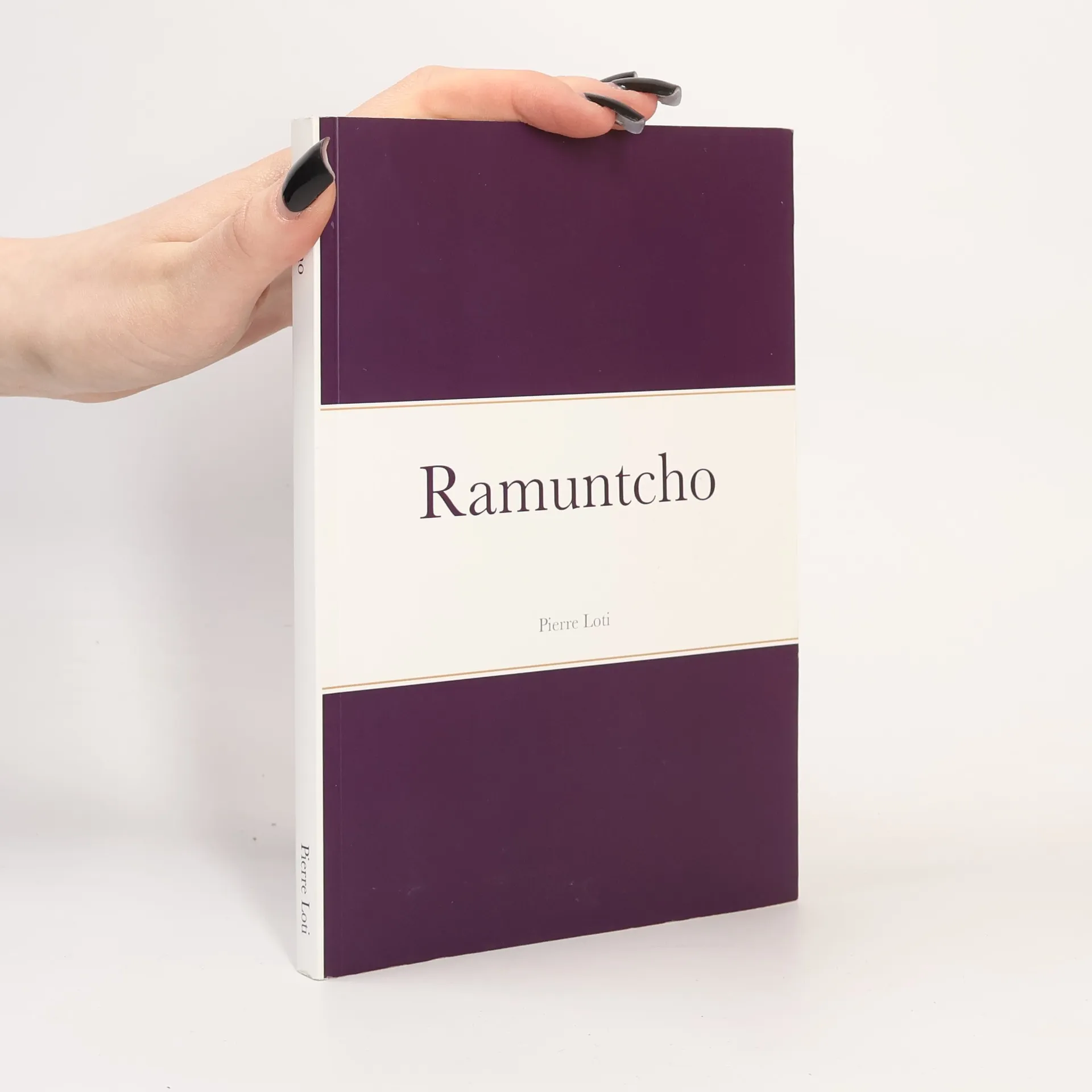
Ramuntcho raconte l'histoire touchante d'un jeune Basque dont l'amour pour une fille échoue face aux barrières sociales de la vie. Comme ses amis, le jeune charpentier s'adonne à toutes les activités qu'offre la vie basque : berger, contrebandier, pêcheur et joueur de pelote. L'histoire d'amour suit les saisons, dont les changements se reflètent dans la nature envoûtante du Pays basque, mais aussi dans le comportement des gens. À l'instar de Jean Giono lors de ses promenades en Provence ou de Ramuz dans ses romans vaudois, Loti réussit à offrir de magnifiques descriptions de paysages au style inimitable. Avec beaucoup de sensibilité littéraire, il dépeint les traditions basques et leur rythme de vie rigoureux dans cette région sauvage entre montagnes et mer, offrant au lecteur un aperçu profond de l'âme basque.
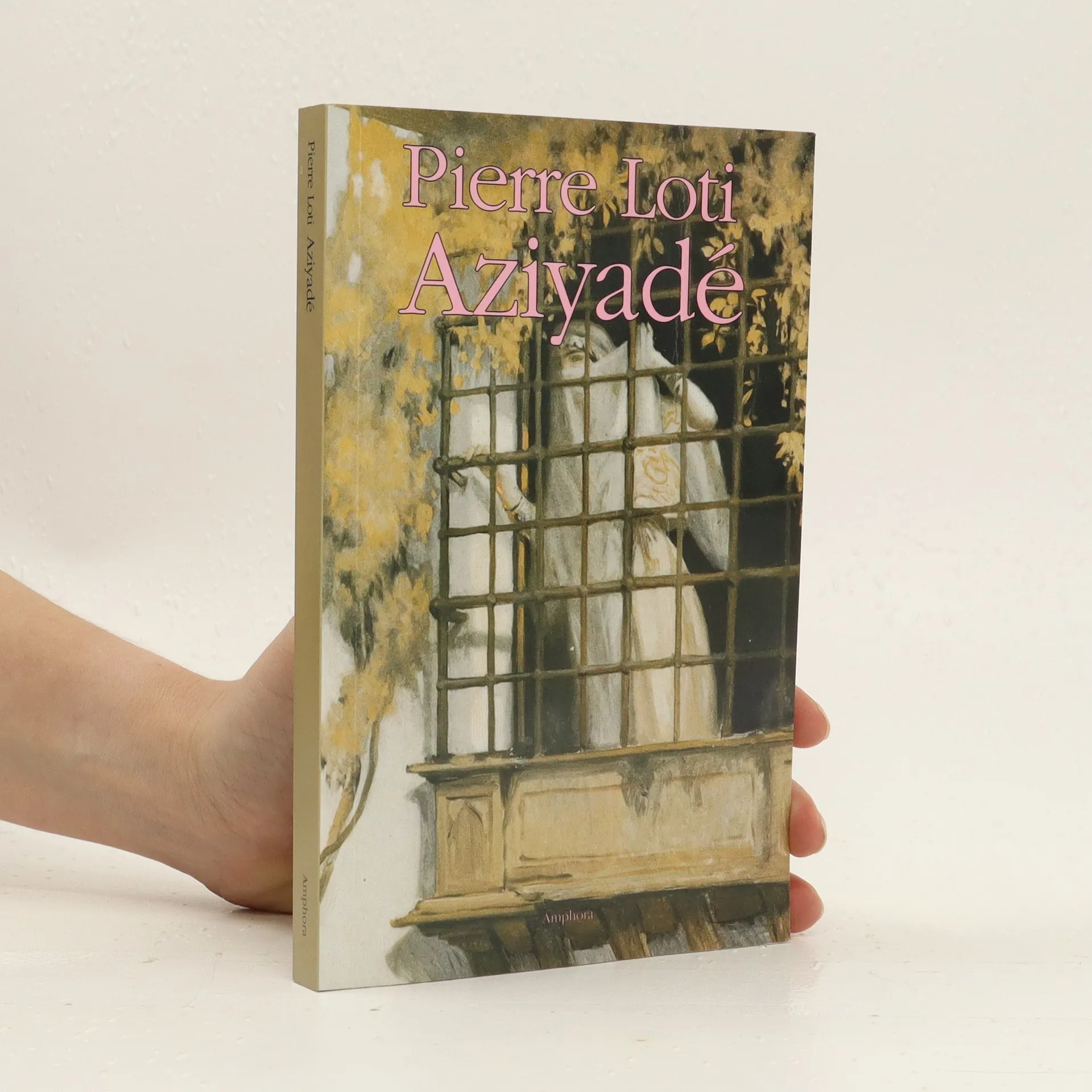
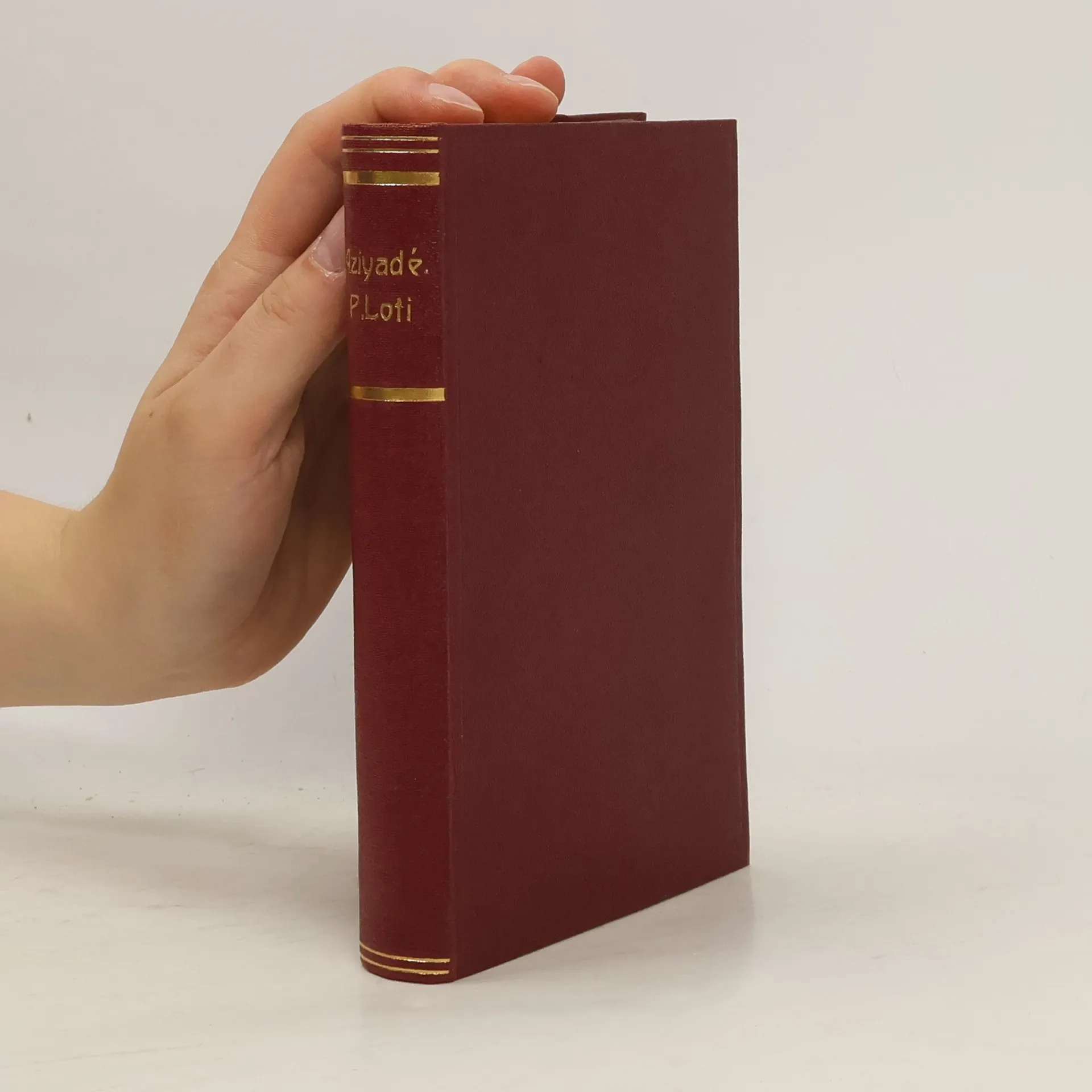
Grundlage des Buches sind Tagebuchnotizen und eine Romanze des Autors, der 1876 Zeuge der Kämpfe um die Vormachtstellung auf dem Balkan und der Agonie der einstigen Großmacht Türkei geworden war. Loti, im Buch zum englischen Marineoffizier und daseinsüberdrüssigen Dandy verfremdet, gewahrt in Saloniki hinter Gittern die reizende Aziyadeh. Sie ist die vierte und jüngste Frau eines reichen alten Türken und recht bald bereit, sich mit dem jungen Leutnant nächtlich zu treffen. Doch dann wird er nach Konstantinopel versetzt, durchstreift die Ufer des Bosporus, durchwandert das alte Stambul (Istanbul), erlaubt sich die mannigfaltigen Abenteuer und Ausschweifungen des Orients … bis ein glücklicher Zufall auch Aziyadeh nach Konstantinopel bringt. „Aziyadeh“ ist der 1879 erschienene literarische Erstling des 28jährigen Marineoffiziers Julien Viaud, der sich als Schriftsteller Pierre Loti (1850-1923) nannte.
La Ville de Rabat n'eut pas la main heureuse le jour où elle débaptisa la rue Pierre-Loti... Si un écrivain français, né et mort (1850-1923) à l'époque coloniale, fut islamophile, arabophile, marocophile c'est bien, en effet, ce Julien Viaud, alias Pierre Loti, officier de marine et académicien, esthète éclairé et grand voyageur, à la fois très nationaliste et très cosmopolite ! Pour toutes ces raisons et aussi pour sa plume absolument savoureuse, Loti méritait d'avoir enfin une édition d'Au Maroc dans ce Royaume chérifien même, auquel, en le parcourant au printemps 1889, il adressa une retentissante déclaration d'amour et d'admiration, sans pour autant cesser de le regarder avec un réalisme impitoyable. Loti sait aimer mais sans s'en laisser compter. C'est là tout le prix d'un inimitable art d'écrire et d'une vision complètement originale du Maroc de jadis. Sur un point capital, toutefois, Loti s'est trompé, quand il a vu - à regret - l'Islam "mourant sous la poussière des siècles", alors qu'au contraire celui-ci préparait dans ses profondeurs une formidable résurgence démographique et politique...
Aujourd'hui 22 novembre, tandis que je suis là seul, à ce point extrême où finit la France, assis sur ma terrasse qui regarde l'Espagne, l'âme du Pays basque pour la première fois m'apparaît. Il fait idéalement beau; sur la Bidassoa, sur les Pyrénées, sur la mer, partout règne le même calme infini. L'air immobile est tiède comme en mai, avec pourtant cette insaisissable mélancolie de l'arrière-automne, indiquant à elle seule que l'année s'en va. La mer, au loin, luit comme une bande de nacre bleue. Il y a des teintes méridionales, presque africaines, sur les montagnes, qui se découpent au ciel avec une netteté absolue, et qui sont vaporeuses cependant, noyées dans je ne sais quoi de diaphane et de doré. La Bidassoa, à mes pieds, inerte et lisse, reflète et renverse avec une précision de miroir le vieux Fontarabie d'en face, son église, son château fort, roussis par des centaines d'étés ; reflète et renverse toutes les arides montagnes avec leurs moindres plis et leurs moindres ombres, même leurs plus petites maisonnettes, çà et là éparses, blanches de chaux sur ces grands fonds roux. Alors, tout à coup, tandis que je suis là seul devant ce décor que semble endormir le morne soleil, écoutant sonner les vieilles cloches ou vibrer dans le lointain les vieilles chansons, je prends conscience de tout ce que ce pays a gardé au fond de lui-même de particulier et d'absolument distinct.
Ausz. aus d. Notizen u. Briefe e. Leutnants d. engl. Marine, d. am 10. Mai 1876 in türk. Dienste trat u. in d. Schlacht bei Kars am 27. Oktober 1877 fiel
Louis Marie-Julien Viaud (1850-1923) was a French sailor and writer, who used the pseudonym Pierre Loti. At the age of seventeen, being destined for the navy, he entered the naval school in Brest. In 1876 fellow naval officers persuaded him to turn into a novel passages in his diary dealing with some curious experiences at Istanbul. The result was Aziyade (1879). Several years after leaving Tahiti where he had spent part of his naval training, he published the Polynesian idyll Rarahu (also known as Le Mariage de Loti) (1880) the first book to introduce him to the wider public. In 1883 he really entered the spotlight, when he publish the critically acclaimed My Brother Yves, a novel describing the life of a French naval officer and a Breton sailor. Other works include An Iceland Fisherman (1886), a novel of life among the Breton fisherfolk and a classic of French literature; Madame Chrysantheme (1887), a novel of Japanese manners which is a combination of narrative and travelog; The Story of a Child (1890), a somewhat fictionalized recollection of his childhood and Ramuntcho (1897), a story of contraband runners in the Basque province.
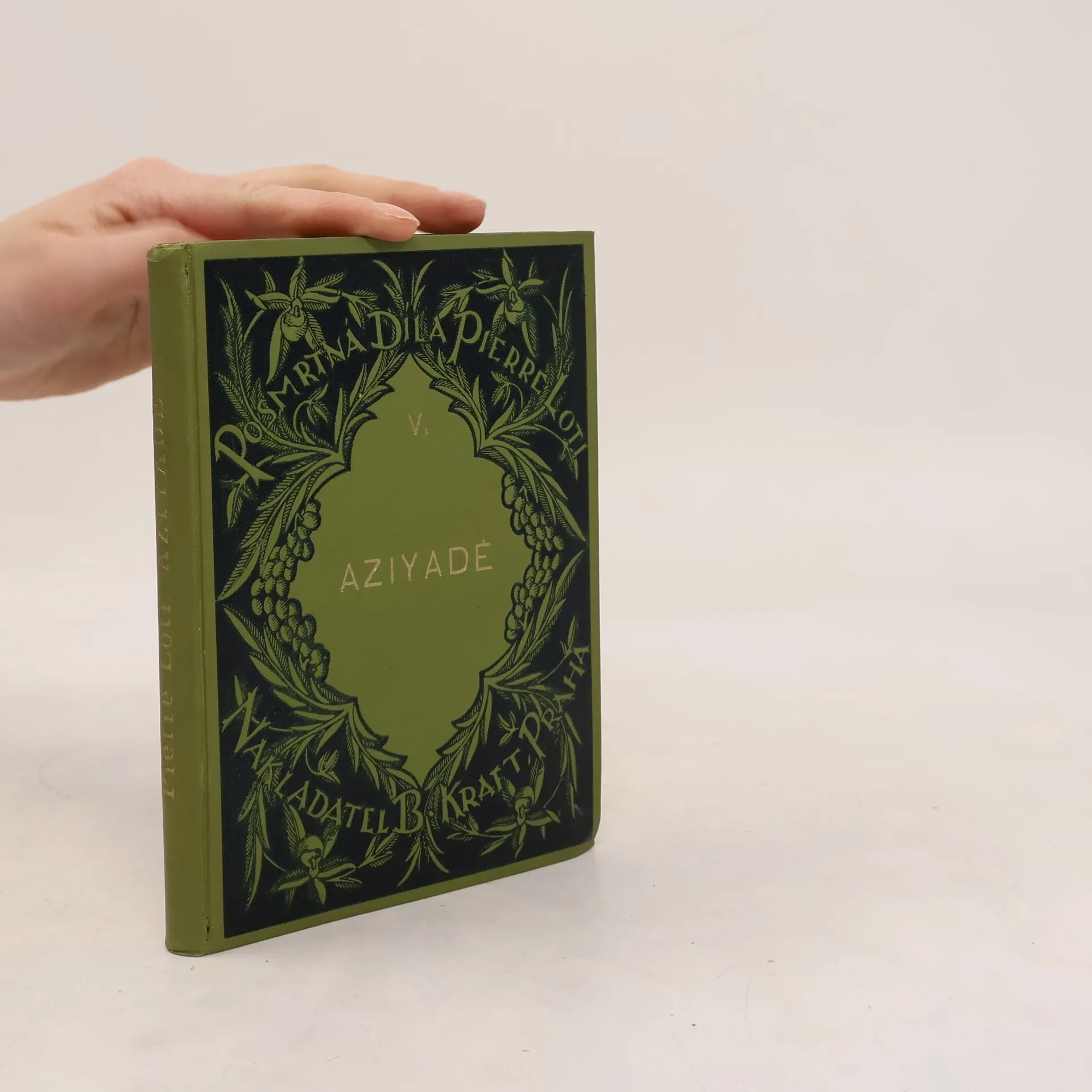
Výňatky z poznámek a dopisů námořního kapitána anglického, který vstoupil do služeb tureckých a byl zabit pod hradbami karskými. Pierre Lotti zde popisuje svůj pobyt v Turecku a lásku ke krásné Aziyadé.
Proslulý román z r. 1886 je dílem francouzského spisovatele, oblíbeného hlavně pro exotické melancholicky podbarvené náměty. Román líčí milostný příběh mladého bretaňského rybáře. Na jeho pozadí působivě zachycuje těžký osud rybářů, každoročně vyplouvajících na lov k Islandu.
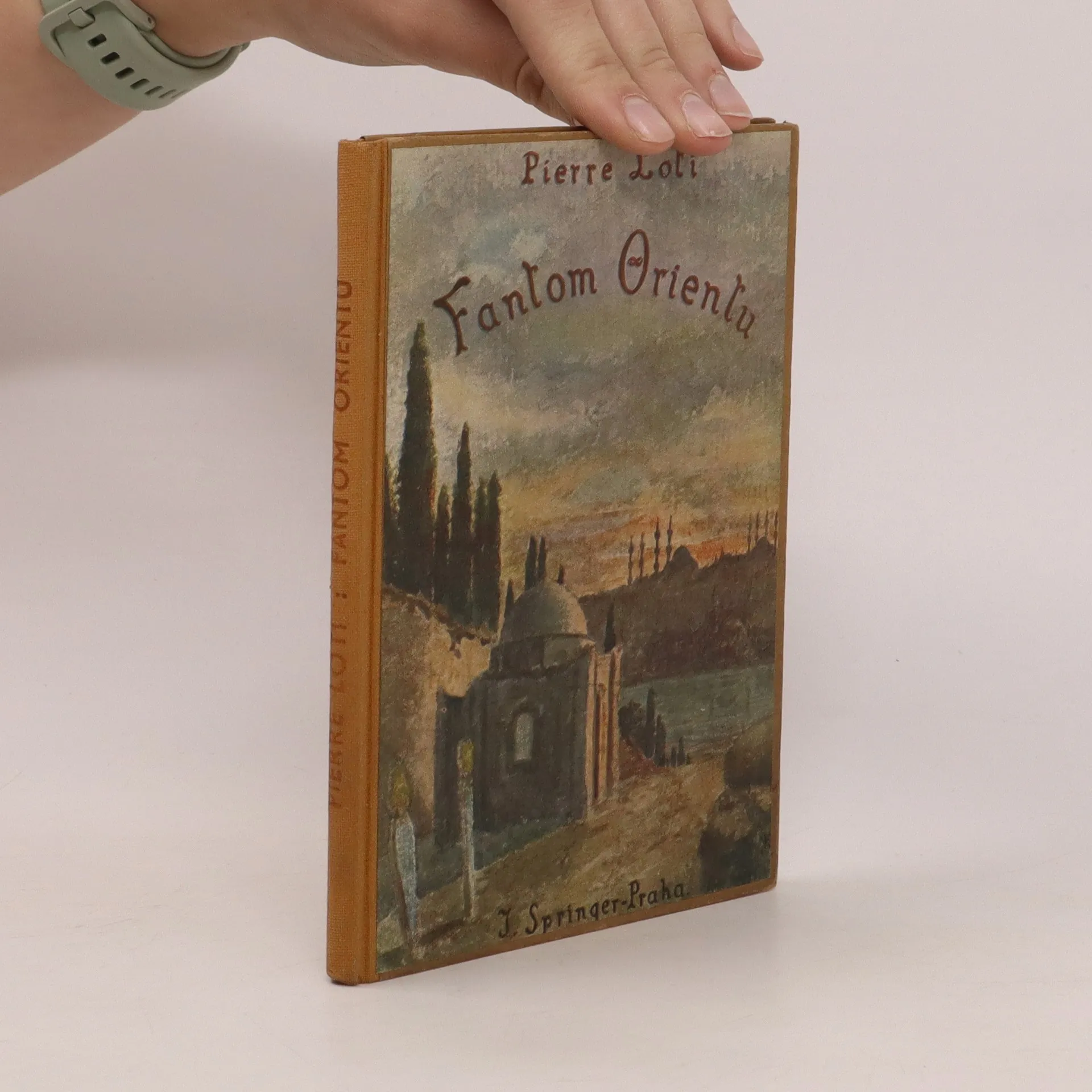
Kniha je čtivá a popisuje lásku a vztah dvou lidí, kterým osud nepřál, vztah svobodného Evropana s nešťastně vdanou mladou Turkyní. Popisuje pátrání po bývalé lásce po 10 letech, jeho vzpomínky na minulost ve vztahu k současné realitě. Pátrání probíhá v kulisách tehdejšího Istanbulu (Stanbulu), Orientu, islámu. A kdo či co byl Fantom Orientu, se dozvíme až úplně na konci knihy. Kniha tematicky, časově a jménem hlavní hrdinky jakoby navazuje na dřívější knihu autora Aziyadé.
Hrdina knihy přijíždí lodí do Pekingu roku 1900. V knize je popsán jeho několikaměsíční pobyt v Pekingu až do "posledních dní" před odjezdem. V knize je popsána i historie Pekingu a obecně i Číny.