
Explore the latest books of this year!
Bookbot

Peter Pomerantsev

    January 1, 1977

    Peter Pomerantsev is an author whose works are deeply rooted in the political and social climate of the post-Soviet world. His writing focuses on exploring the complex relationships between reality, propaganda, and information in the modern era. Through keen observation and an analytical approach, he reveals how our perception of the world is shaped and manipulated. Pomerantsev's style is characterized by its ability to bring complex themes to life and encourage readers to reflect on the nature of truth and power.

    Peter Pomerantsev
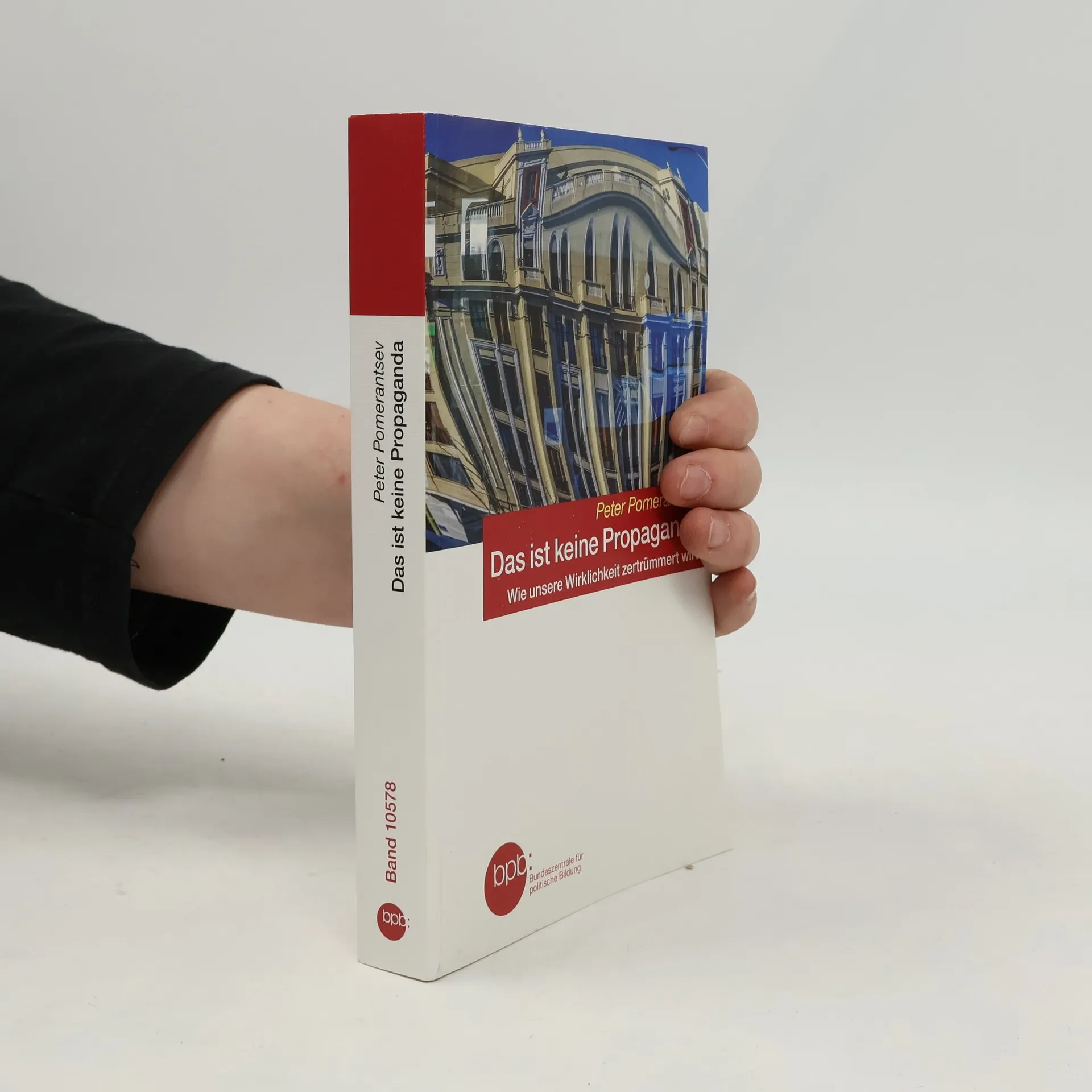
    Das ist keine Propaganda
    Jądro dziwności. Nowa Rosja w.2
    How to Win an Information War
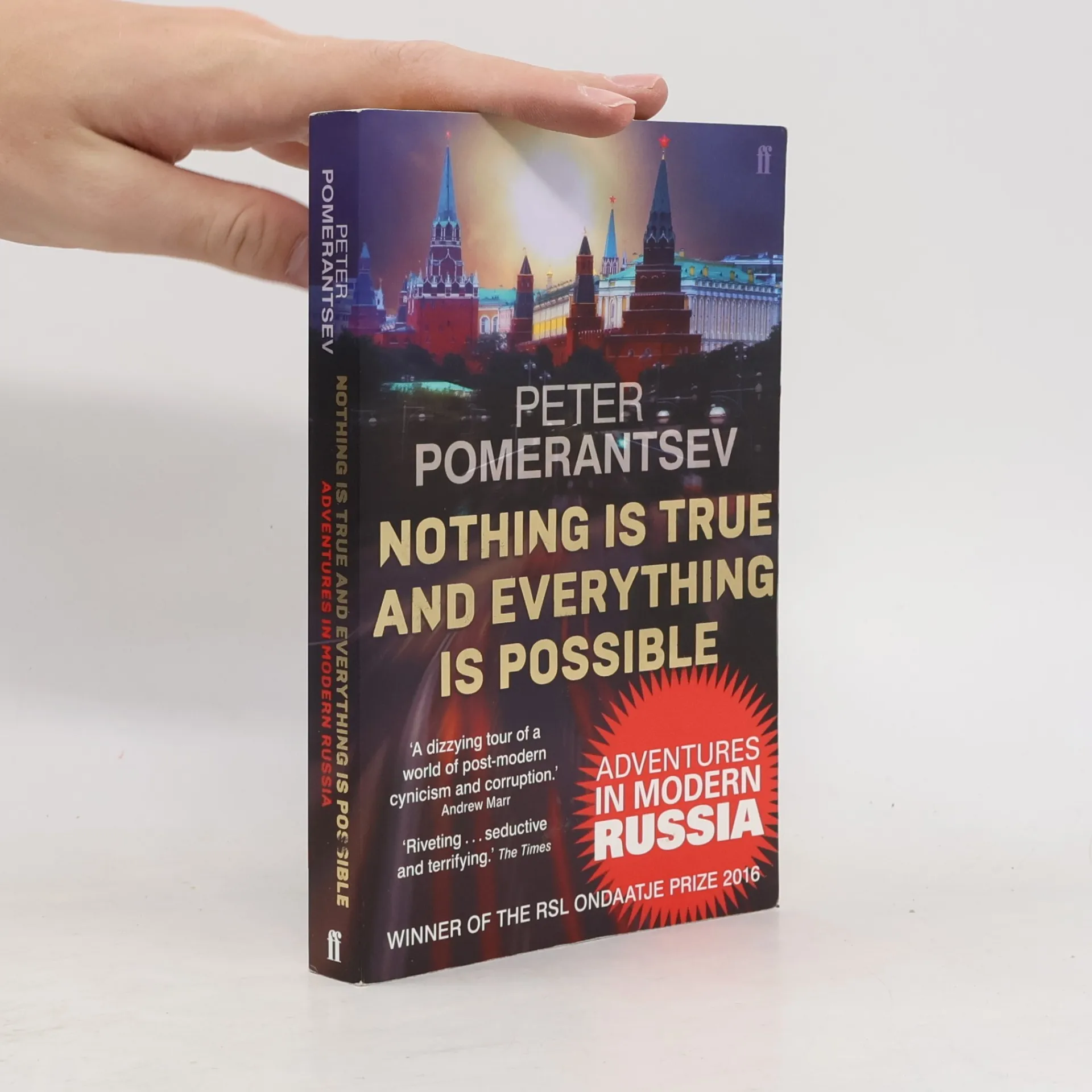
    Nothing is true and everything is possible
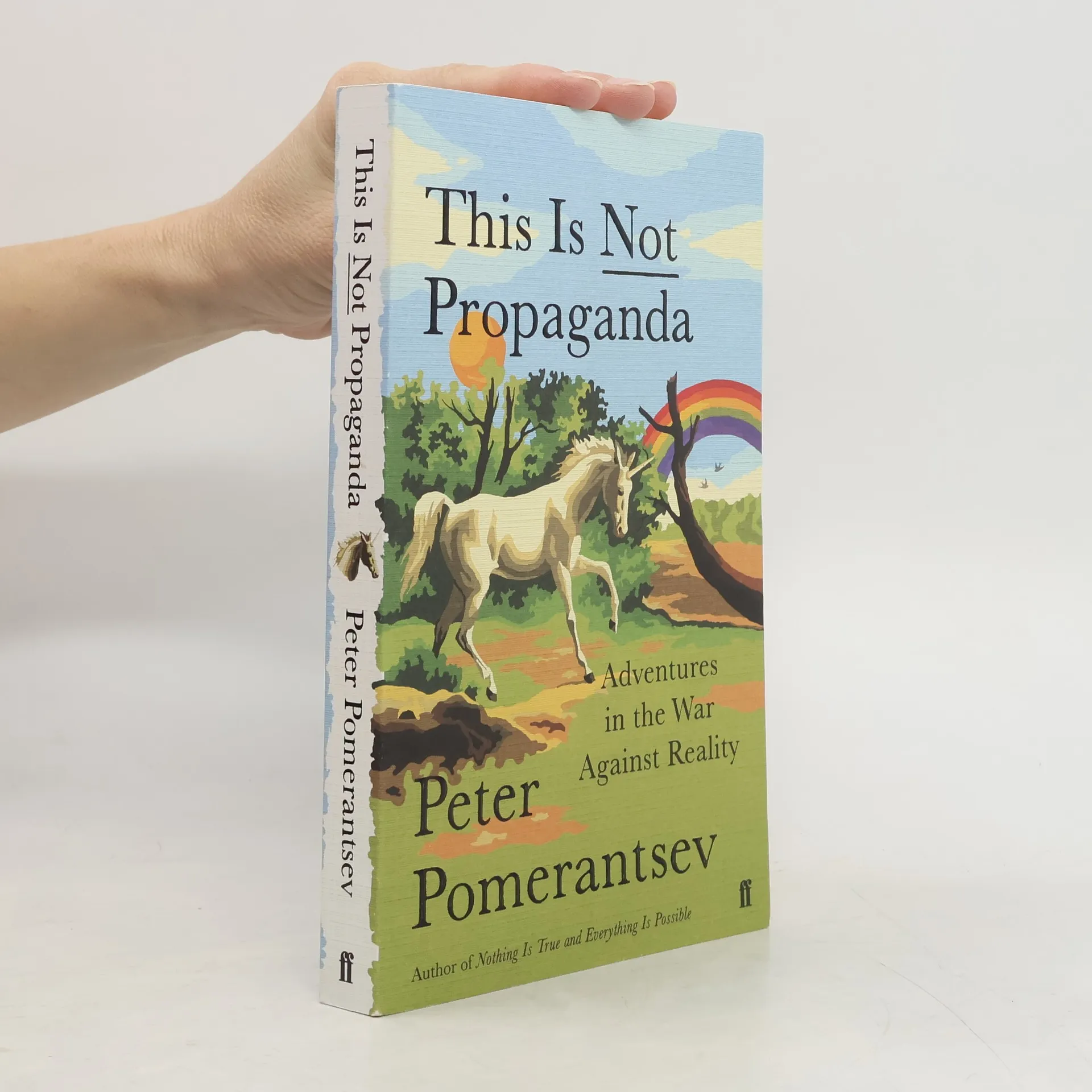
    This Is Not Propaganda: Adventures in the War Against Reality
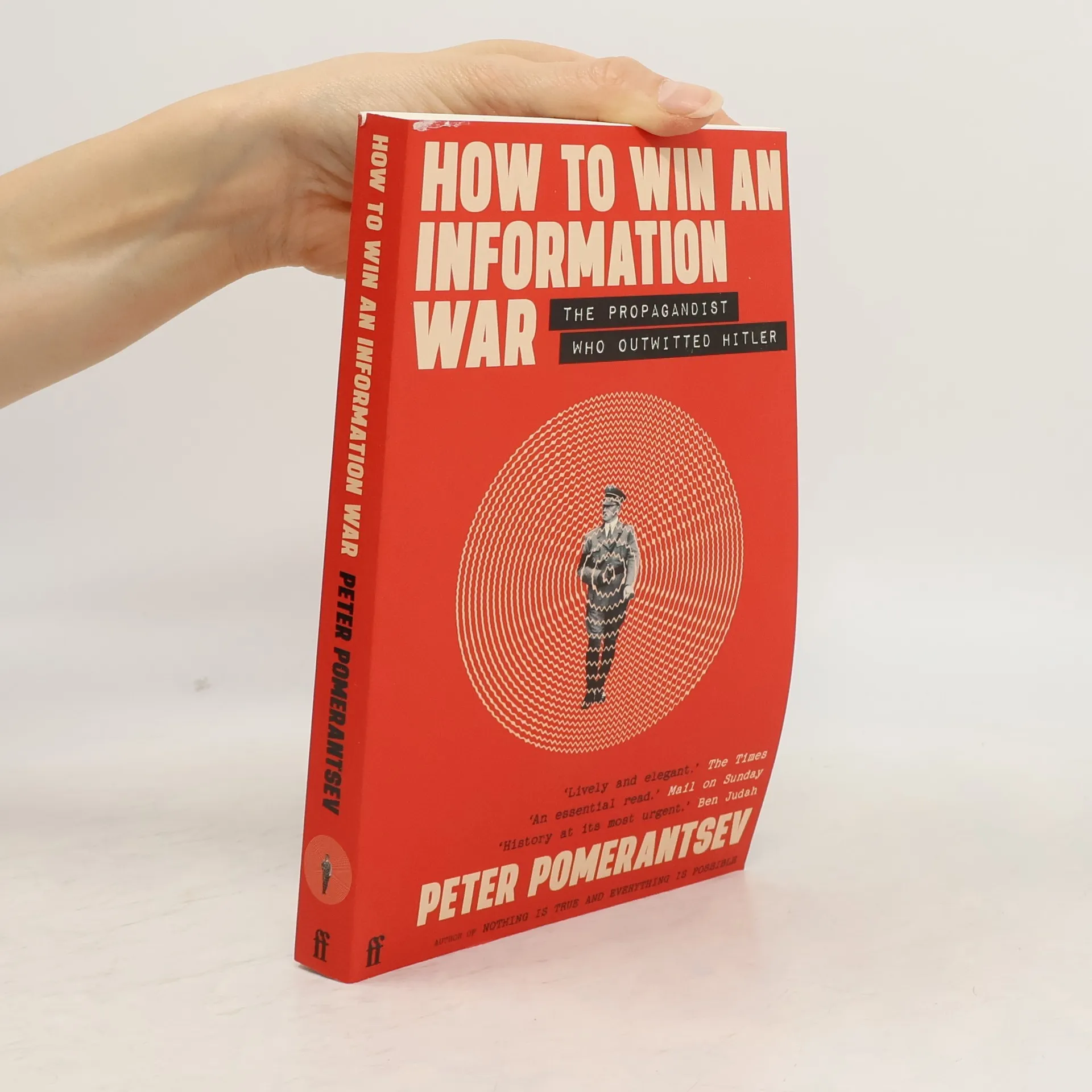
    How to Win an Information War: The Propagandist Who Outwitted Hitler
    • From a leading expert on disinformation comes the true story of WWII propagandist Sefton Delmer and its relevance today. In 1941, as Hitler's regime dominated Europe, Britain struggled against a formidable Nazi propaganda machine that celebrated victories and vilified opponents. Amidst this, a dissenting voice emerged from within Germany: Der Chef, a German radio broadcaster who cleverly challenged Nazi ideology and hinted at internal dissent. His broadcasts reached both soldiers and civilians, but unbeknownst to them, Der Chef was a fictional creation of British propagandist Sefton Delmer, who orchestrated a vast counter-propaganda campaign as a strategic weapon in the war. As Peter Pomerantsev reveals Delmer's story, he finds himself involved in a contemporary propaganda effort responding to Putin's invasion of Ukraine. This narrative intertwines Delmer's historical impact with Pomerantsev's modern-day mission, exploring their shared goal of captivating and mobilizing audiences while navigating the complexities of information warfare. The book serves as a compelling examination of how lessons from the past can inform our battle against disinformation in today's world.

      How to Win an Information War: The Propagandist Who Outwitted Hitler
    • A journey into the glittering, surreal heart of 21st century Russia: into the lives of Hells Angels convinced they are messiahs, professional killers with the souls of artists, bohemian theatre directors turned Kremlin puppet-masters, supermodel sects, post-modern dictators and oligarch revolutionaries. This is a world erupting with new money and new power, changing so fast it breaks all sense of reality, where life is seen as a whirling, glamorous masquerade where identities can be switched and all values are changeable. It is home to a new form of authoritarianism, far subtler than 20th century strains, and which is rapidly expanding to challenge the global order. An extraordinary book - one which is as powerful and entertaining as it is troubling - Nothing is True and Everything is Possible offers a wild ride into this political and ethical vacuum.

      Nothing is true and everything is possible
    • How to Win an Information War

      The Propagandist Who Outwitted Hitler: BBC R4 Book of the Week

      • 304 pages
      • 11 hours of reading

      Summer 1941, Hitler and his allies rule Europe from the Atlantic to the Black Sea. But inside Germany, there is a notable voice of dissent, Der Chef, whose radio broadcasts skilfully question Nazi doctrine. What listeners don't know is that Der Chef is a fiction, a character created by the British propagandist Sefton Delmer. As Peter Pomerantsev uncovers Delmer's fascinating lost story, he is called into a wartime propaganda effort of his own: the global response to Putin's invasion of Ukraine.[Bokinfo].

      How to Win an Information War
    • Bandyta z duszą artysty, zawodowe podrywaczki, opasane dynamitem czarne wdowy, Nocne Wilki obrońcy świętej Rusi na motorach, oligarchowie rewolucjoniści, modelki o skłonnościach samobójczych, niedoszły reżyser, który z wyżyn Kremla pociąga za sznurki w politycznym teatrze lalek: witajcie w surrealistycznym sercu Rosji w XXI wieku, w jądrze dziwności. W kraju, który obejmuje dziewięć stref czasowych i zajmuje jedną szóstą powierzchni lądów, gdzie odcięte od świata wioski, w których ludzie wciąż czerpią wodę z drewnianych studni, współistnieją z mieniącymi się błękitnym szkłem i stalą wieżowcami nowej Moskwy, jedyną spajającą siłę stanowi telewizja. To ona jest najważniejszym narzędziem nowego typu autorytaryzmu, dużo subtelniejszego niż jego dwudziestowieczne odmiany. Bo w nowej Rosji nawet dyktatura to reality show

      Jądro dziwności. Nowa Rosja w.2