

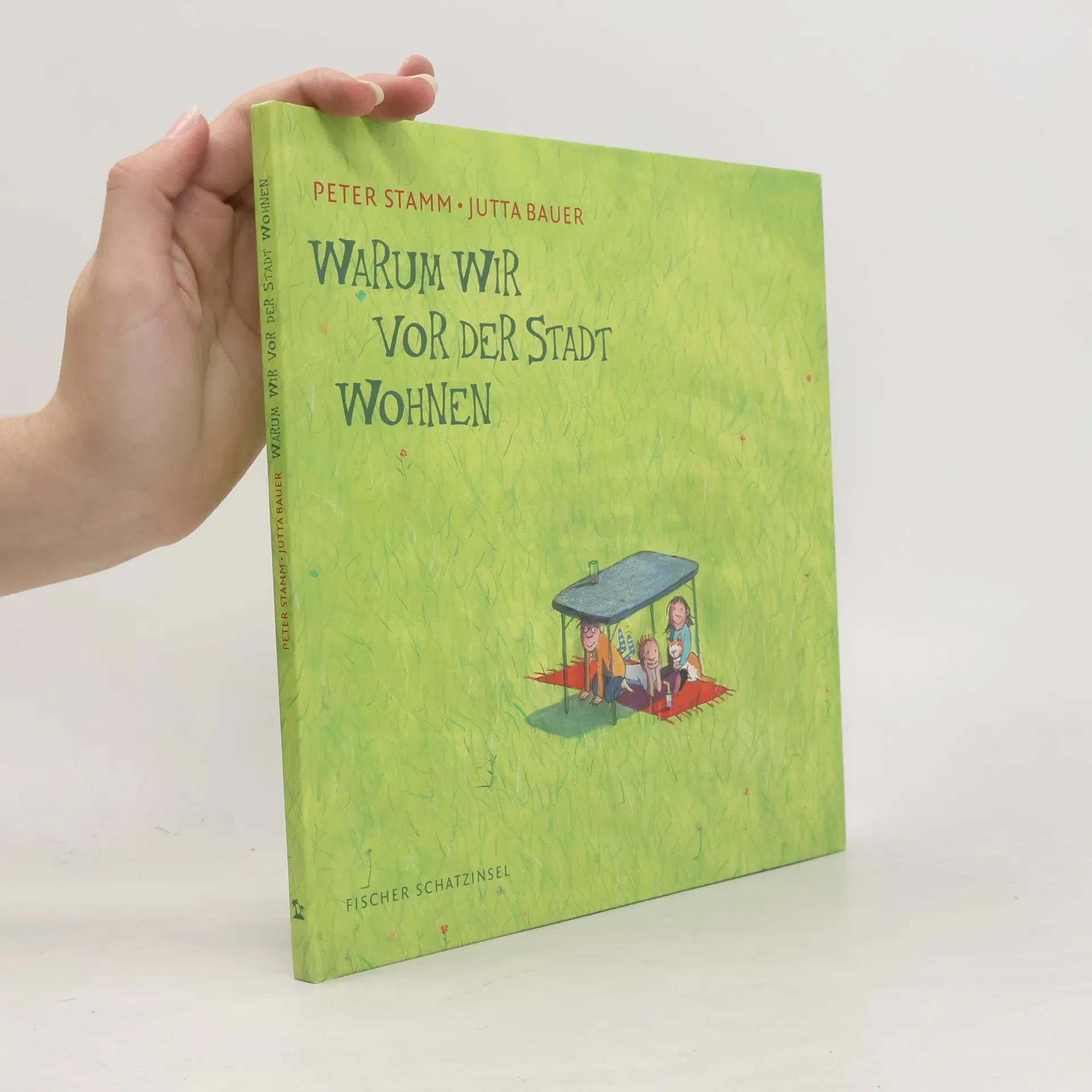
Ein wunderbares Buch für die ganze Familie, das vom Suchen nach einem Ort erzählt, an dem man sich zuhause fühlt. Peter Stamm und Jutta Bauer haben eine fantastische Reise kreiert, die zum Erkunden anregt. Die Geschichte folgt einer Familie – Großeltern, Eltern, drei Kinder und einer Katze – die an ungewöhnlichen Orten lebt. Sie fragen sich, ob man auf dem Hut des Onkels oder auf dem Dach der Kirche wohnen kann, und erleben Abenteuer in der Geige der Tante, wo es nach Holz und Kolophonium riecht. Wenn die Tante übt, halten sie sich die Ohren zu, und wenn sie weiterziehen, geht es in ein Haus mit drei Telefonen oder sogar auf den Mond. Die Erzählung ist voller Stationen, in denen Realität und Fantasie verschwimmen. Einmal wohnen sie im Kino, wo sie nachmittags aufstehen und abends Eis und Popcorn genießen. Die Familie bleibt stets zusammen, egal wo sie sind, sei es unter einer Brücke, im Wald oder im Meer. Ihre Suche nach einem bleibenden Ort endet in einem gewöhnlichen Haus, wo sie sich endlich zuhause fühlen. Das Buch lädt dazu ein, die Welt mit allen Sinnen zu entdecken und regt an, eigene Hütten zu bauen. Peter Stamm möchte die Leser neugierig machen und ihnen die Wahrnehmungen verschiedener Wohnorte näherbringen, ohne fertige Bilder zu zeichnen.
Marta Eich Books


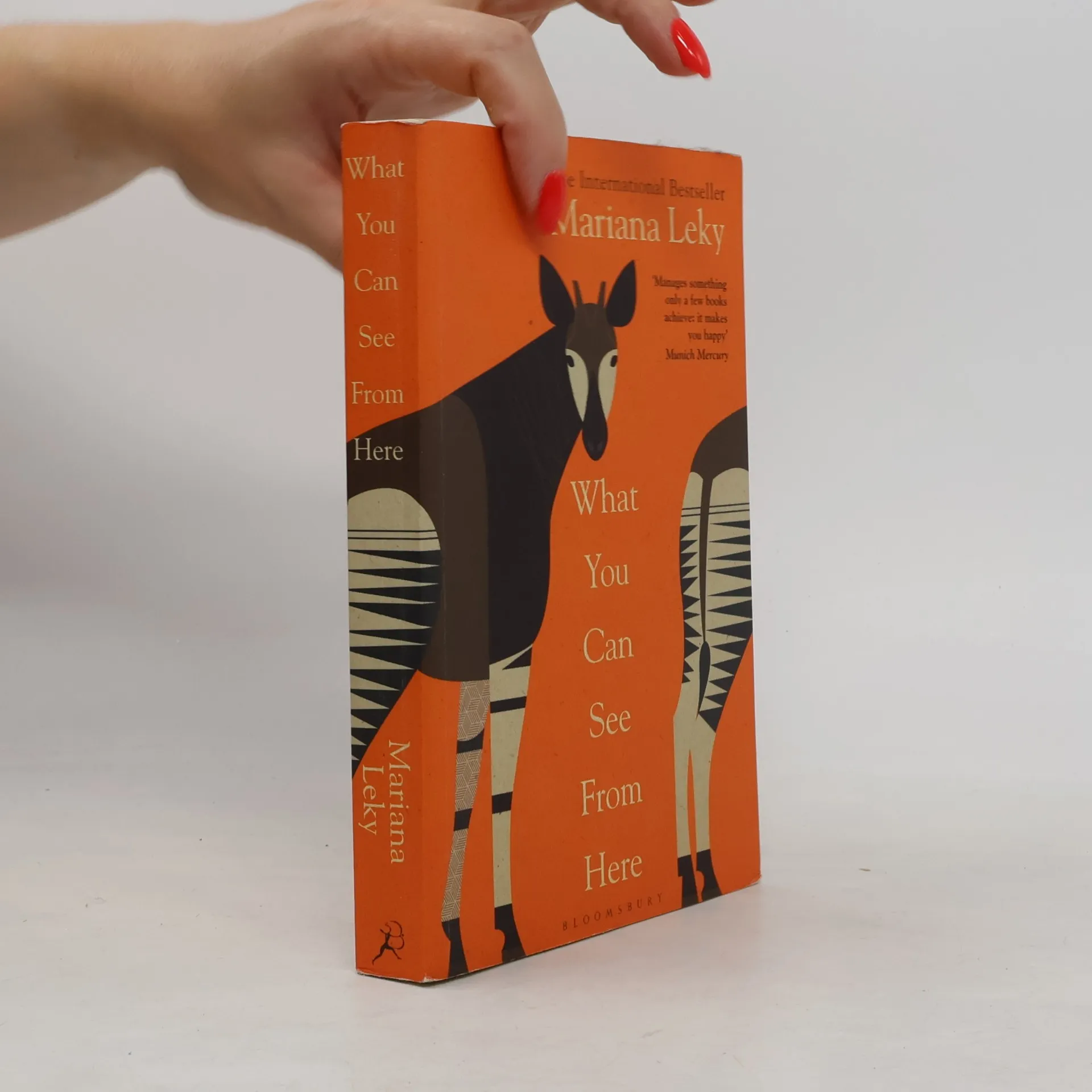
'Manages something only a few books achieve: it makes you happy' Munich Mercury 'A clear-eyed tonic in troubled times' Guardian On a beautiful spring day, a small village in Western Germany wakes up to an omen: Selma has dreamed of an okapi. Someone is about to die. But who? As the residents of the village begin acting strangely (despite protestations that they are not superstitious), Selma's granddaughter Luise looks on as the imminent threat brings long carried secrets to the surface. And when death comes, it comes in a way none of them could have predicted... A story about the absurdity of life and death, a bittersweet portrait of village life and the wider world that beckons beyond, What You Can See from Here is a story about the way loss and love shape not just a person, but a community. The international bestseller which sold over 600,000 copies in Germany
Książka autorki bestsellera „Sen o okapi” Kojąca opowieść o odnajdywaniu szczęścia wśród codziennych trosk Lisa przeżywa pierwszy zawód miłosny. Jej ciotka boi się latania. Ulrich z niepokojem czeka na diagnozę. Pani Weise rozważa przeprowadzkę do innego miasta. Na pana Pohla sąsiedzi zawsze mogli liczyć, jednak tym razem to on potrzebuje pomocy. Lori, mieszaniec pinczera miniaturowego, stale się trzęsie, a w zaroślach czai się aligator. Słowem: zwyczajne bolączki oraz niecodzienne zdarzenia, które dowodzą, że życie polega na oswajaniu swoich słabości. Bo przecież świadomość własnego strachu też może być supermocą! Mariana Leky to wnikliwa i czuła obserwatorka, która opisując swoich bohaterów i ich życiowe zakręty, przywraca wiarę w ludzi, w siłę więzi i wspólnoty. Jej dyskretny dowcip i celne puenty sprawiają, że „Smutki wszelkiej maści” wprawiają w zaskakująco dobry nastrój. Pełna humoru i empatii literacka dawka miłości do życia we wszystkich jego odcieniach. Książka, której potrzebuje każdy z nas i w której każdy odnajdzie samego siebie.
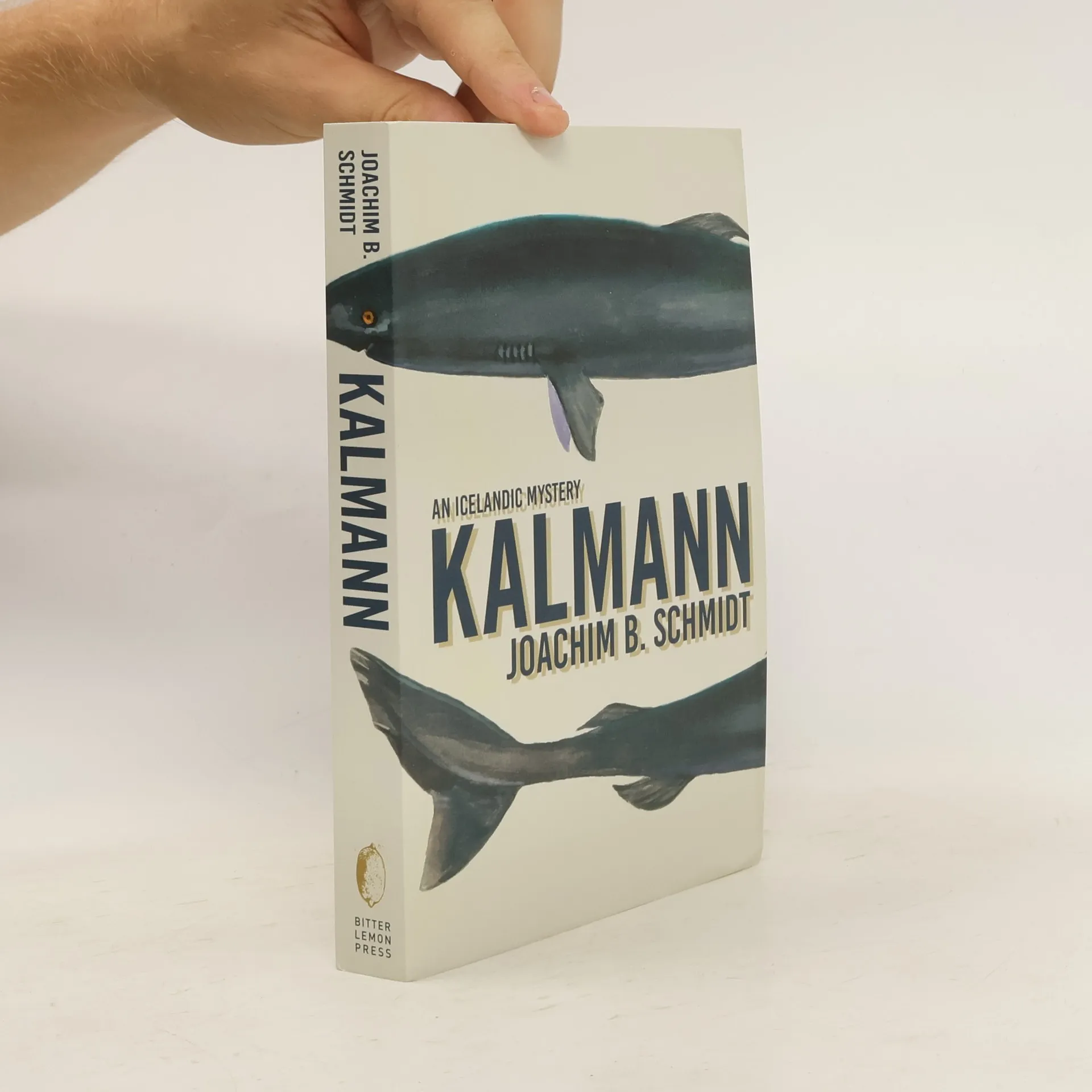
Kalmann
- 352 pages
- 13 hours of reading
Er ist der selbsternannte Sheriff von Raufarhövn. Er hat alles im Griff. Kein Grund zur Sorge. Tag für Tag wandert er über die weiten Ebenen um das beinahe ausgestorbene Dorf, jagt Polarfüchse und legt Haiköder im Meer aus, um den Fang zu Gammelhai zu verarbeiten. Doch in Kalmanns Kopf laufen die Räder manchmal rückwärts. Als er eines Winters eine Blutlache im Schnee entdeckt, überrollen ihn die Ereignisse. Mit seiner naiven Weisheit und dem Mut des reinen Herzens wendet er alles zum Guten. Kein Grund zur Sorge.
'Beautiful and heartbreaking ... I absolutely loved it' Monica Ali, Sunday Times Bestselling author of Love Marriage 'A poignant, captivating, beautifully woven family saga. As honest as Elena Ferrante, with the folkloric intensity of Téa Obreht' Christina Baker Kline, #1 New York Times Bestselling author of The Exiles Maria and Josef live with their children in a valley in westernmost Austria. When the First World War breaks out and Josef is drafted into the army, Maria is left to provide for her family alone. Every day is a struggle against starvation, the harsh alpine climate and the hostile nearby villagers who see Maria as little more than a beautiful temptress out for the men left behind. But when a red-haired stranger arrives in the village, Maria feels happiness seep back into her life and she faces a choice whose consequences will affect the lives of her family for generations to come. Based on the internationally bestselling and award-winning Austrian novelist Monika Helfer's own family history, Last House Before the Mountain is a propulsive, haunting, multi-layered saga about love, family, and the hidden wages of war.
Each of us has something that feels essential to who we are. For Hans Frambach, it's the crimes of the Nazi era, which have hurt him for as long as he can remember. That's why he became an archivist at the Bureau of Past Management; now, though, he's wondering if he should make a change. For his best friend, Graziela, that past was also her focal point--until she met a man who desired her. From then on, sexual pleasure became the key to her life; a concept she's now beginning to doubt. Hans and Graziela thought the Nazi crimes were the inheritance that neither could bear, but can we really blame Nazism for everything? Iris Hanika shows how the crimes of the Nazi era hold the Germans in their clutches to this day. Can a country manage its past, or ought we to remain helpless in the face of the horrific crimes of the Holocaust? Iris Hanika has all the humour, love of experimentation and political rage of a German Lucy Ellmann, over fewer pages. 'A novel that opens up a window. A masterpiece.' Denis Scheck, ARD druckfrisch 'It's impossible to live with this guilt. Making that so emphatically clear by means of fiction, after sixty-five years of intense debate, is this novel's great achievement.' Andreas Platthaus, Frankfurter Allgemeine Zeitung 'A brave account of one man's struggle to come to terms with his nation's past, which draws an artful distinction between memory and memorial.' Michael Arditti