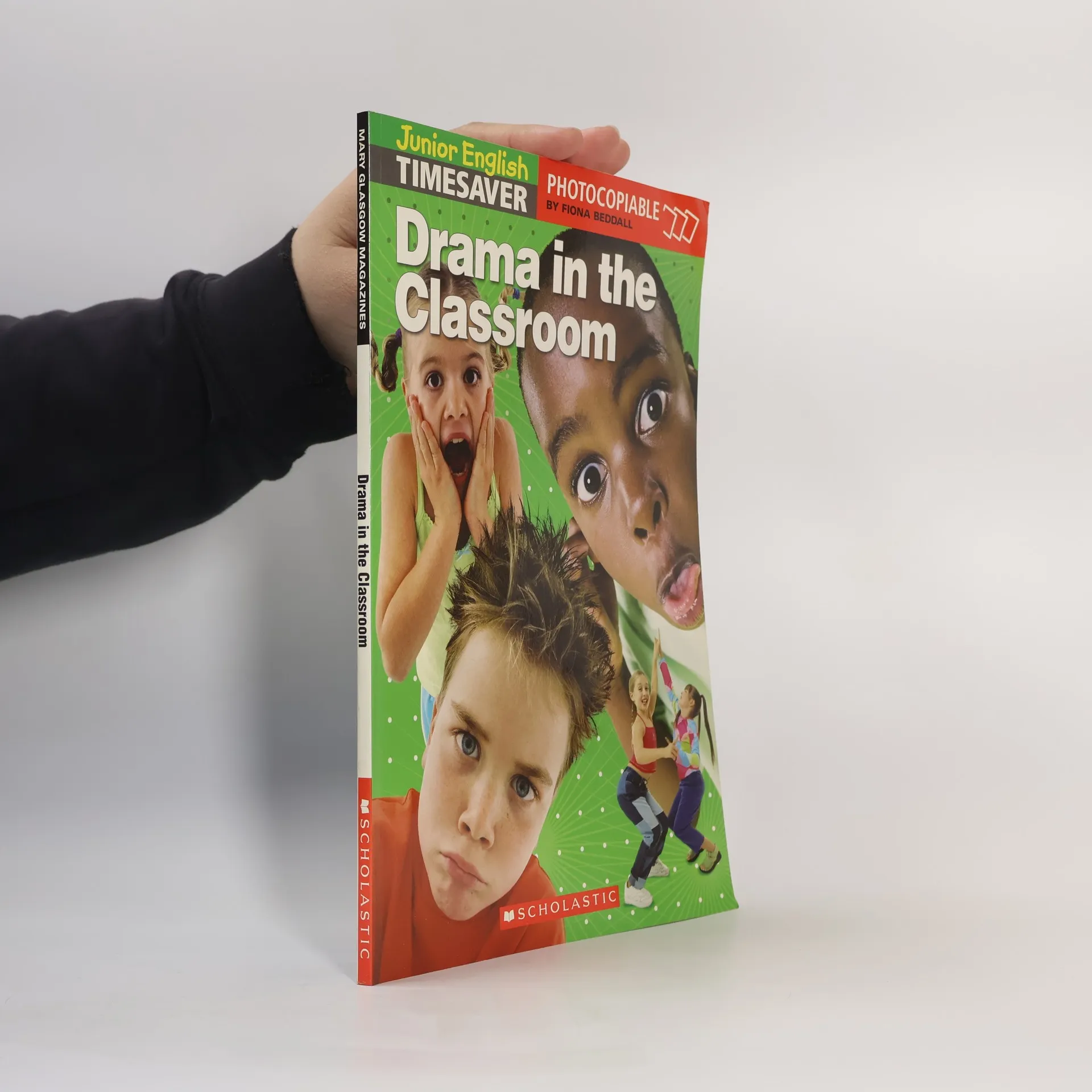
Fiona Beddall is an experienced writer and editor of teaching materials with fifteen years in the field. She has taught English as a foreign language to diverse age groups across France, Spain, and the UK. Her long-standing interest in graded readers has led her to write and adapt several titles for the Penguin Readers series. Her work focuses on creating practical and engaging resources for language learners.
Provides a flexible course for adults and young adults. This work presents communicative syllabus that helps students to express themselves through English. The teacher's book contains teaching tips, systematic teaching notes, photocopiable unit and module tests, 24 extra photocopiable discussion lessons and communication games, and more.
// Attention: If no attachments (CDs, booklets etc.) are shown in the photo, they are not included.
Just after midnight, a snowdrift stops the Orient Express in its tracks. The luxurious train is surprisingly full for the time of the year, but by the morning it is one passenger fewer. An American tycoon lies dead in his compartment, stabbed a dozen times, his door locked from the inside. Isolated and with a killer in their midst, detective Hercule Poirot must identify the murderer - in case he or she decides to strike again.
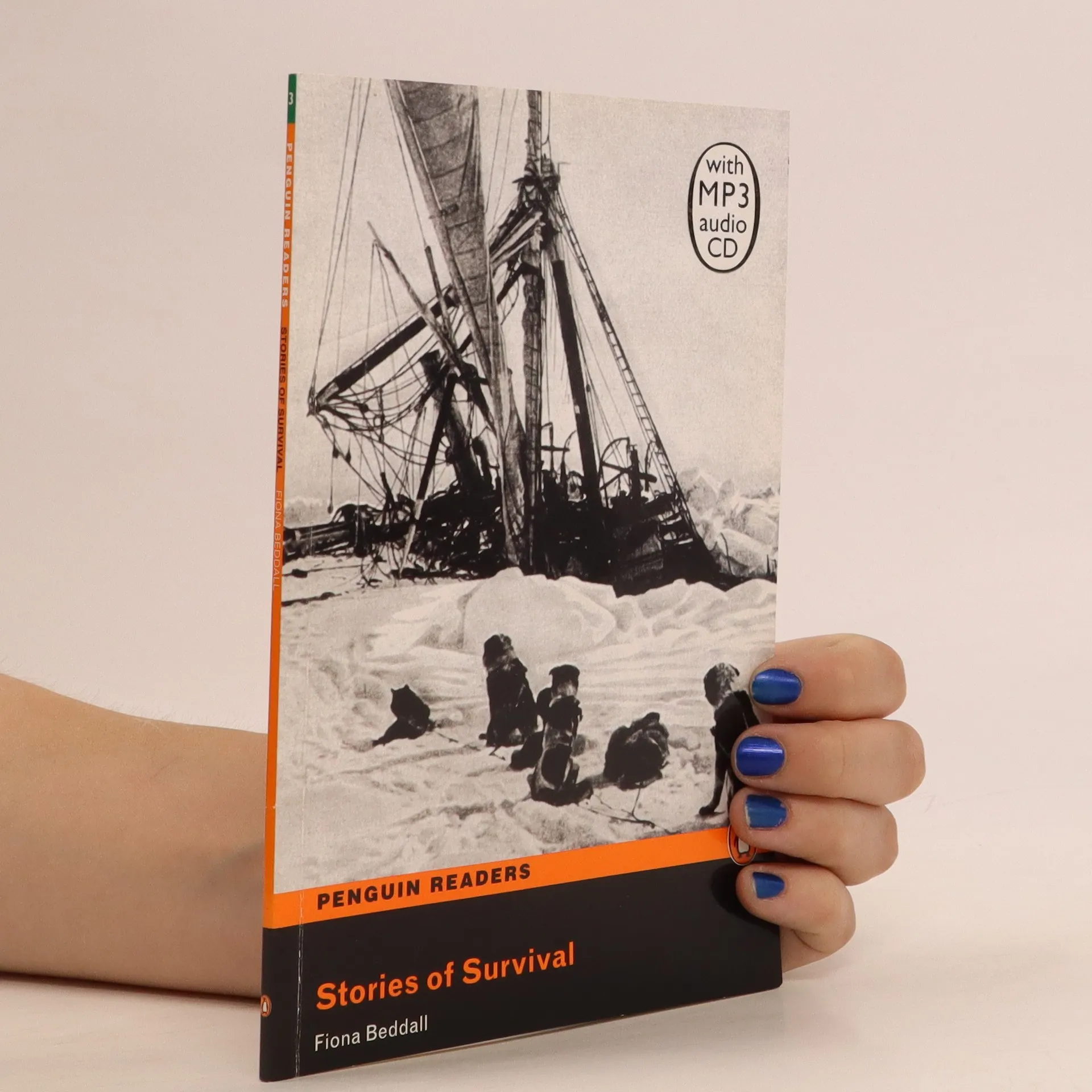
'Penguin Readers' are edited into simplified text together with audio CD recordings containing the full simplified text. They are ideal for all English language students.
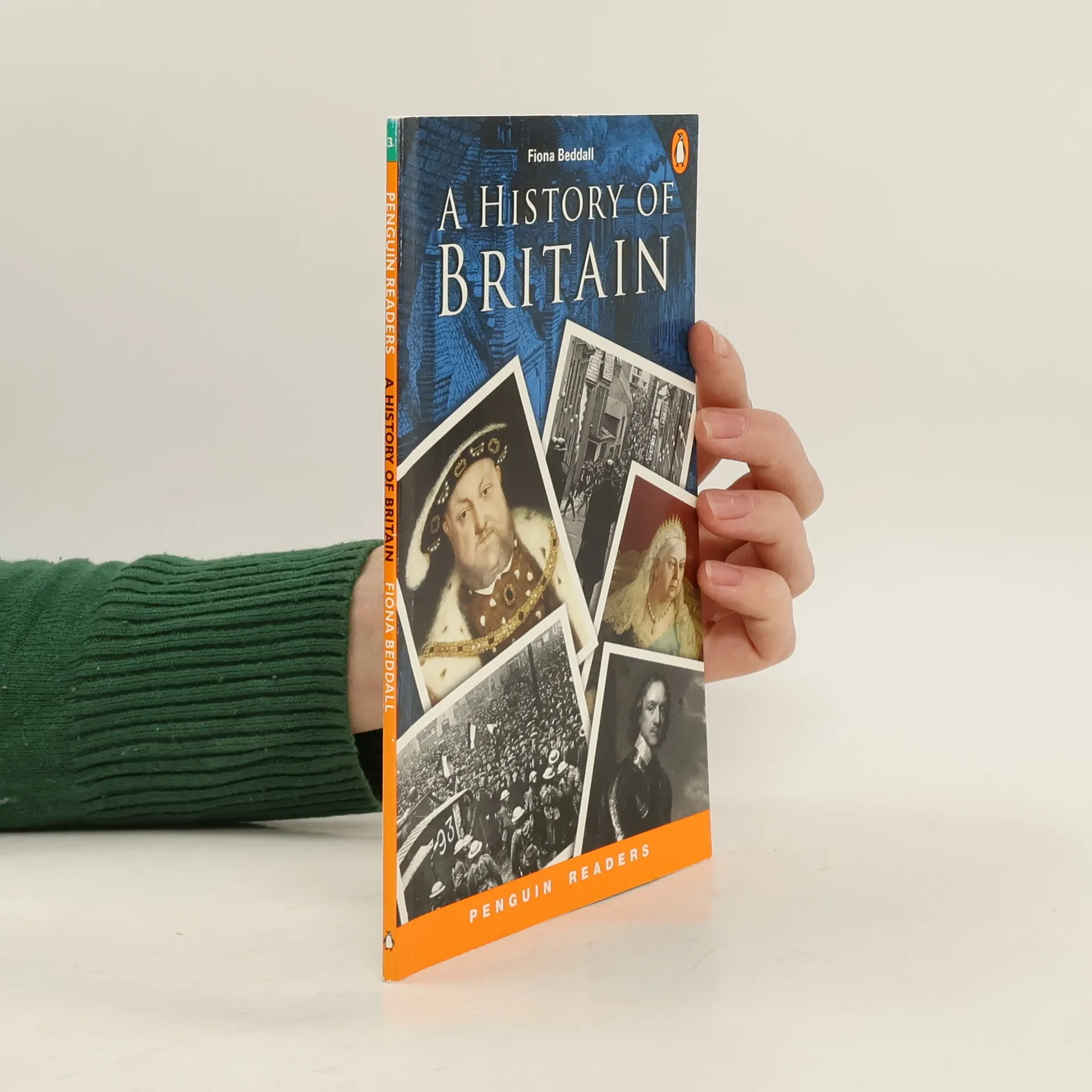
[ Penguin Readers Level 3 ] Original / British English Britain is a small country but it has a long history. Two thousand years ago it was part of the Roman Empire. In the 1930s the British Empire was the biggest empire in world history. In the past, kings and queens fought to rule Britain. Discover how wars, revolutions and religion have changed its history. Read about the different countries of the United Kingdom and the great men and women who have shaped the British nation.
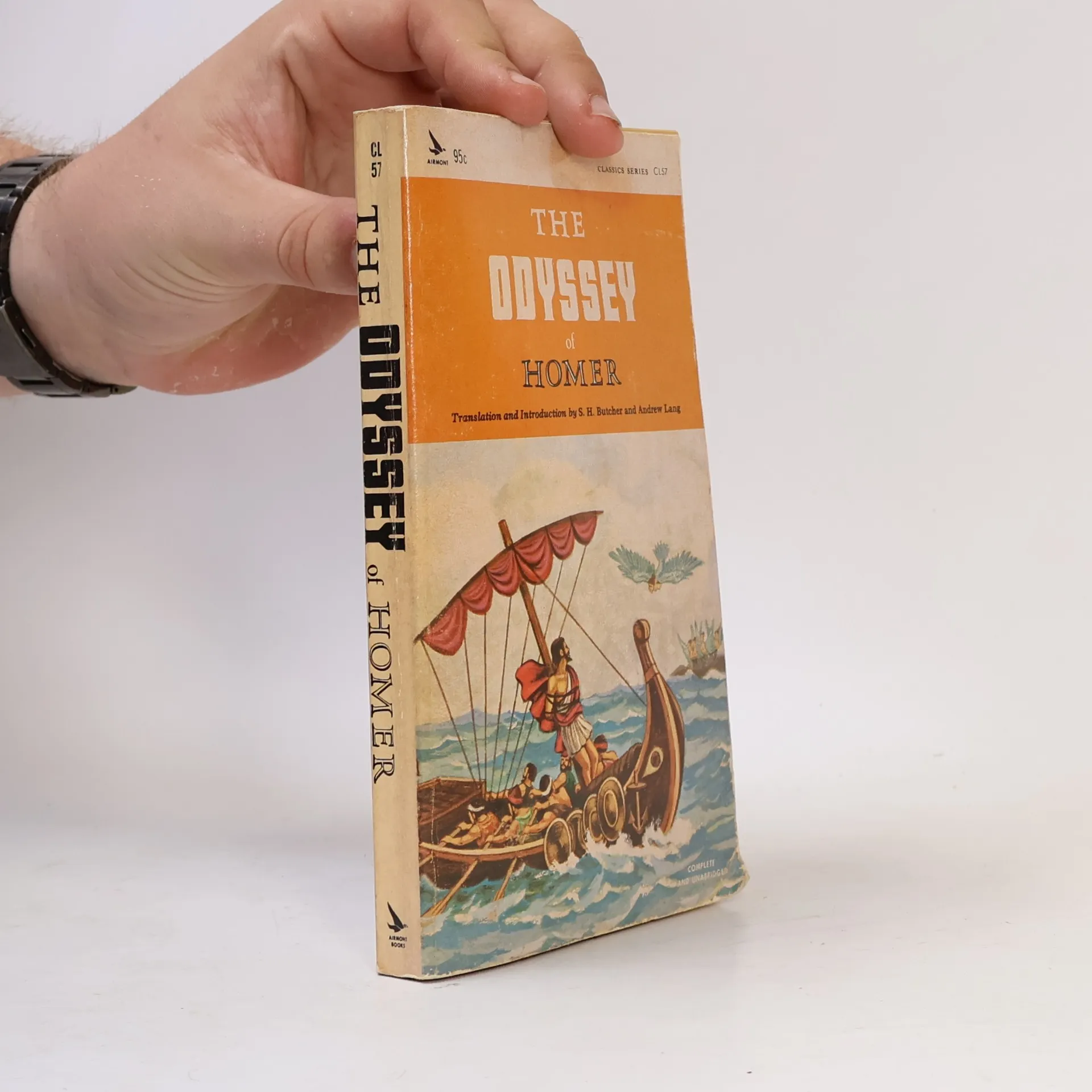
Robert Fagles's stunning modern-verse translation-available at last in our black-spine classics line A Penguin Classic The Odyssey is literature's grandest evocation of everyman's journey through life. In the myths and legends that are retold here, renowned translator Robert Fagles has captured the energy and poetry of Homer's original in a bold, contemporary idiom and given us an Odyssey to read aloud, to savor, and to treasure for its sheer lyrical mastery. This is an Odyssey to delight both the classicist and the general reader, and to captivate a new generation of Homer's students. For more than seventy years, Penguin has been the leading publisher of classic literature in the English-speaking world. With more than 1,700 titles, Penguin Classics represents a global bookshelf of the best works throughout history and across genres and disciplines. Readers trust the series to provide authoritative texts enhanced by introductions and notes by distinguished scholars and contemporary authors, as well as up-to-date translations by award-winning translators.
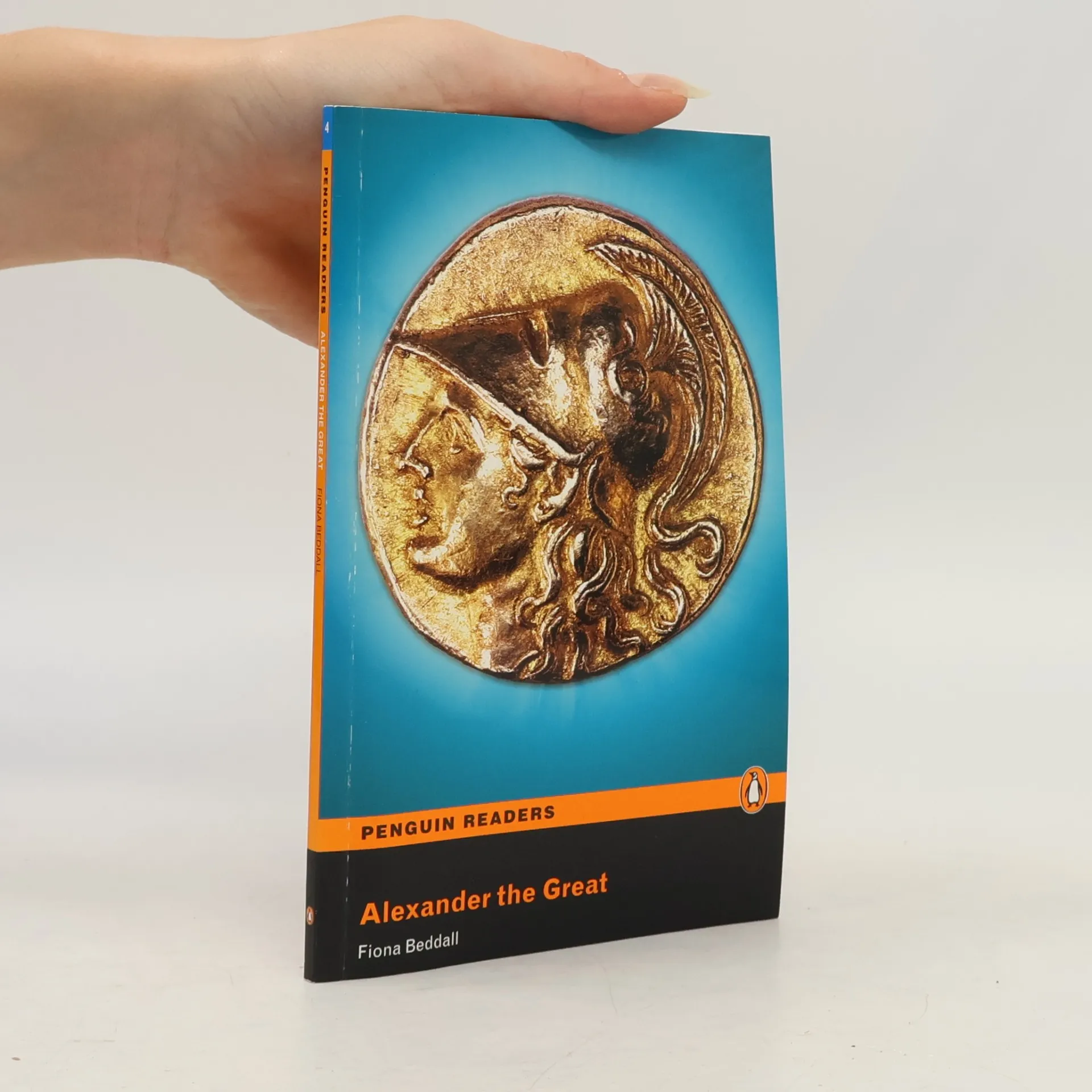
"Alexander the Great became king of Macedonia at the age of twenty. When he died, twelve years later, he ruled the biggest empire that the world had even known. Many people died as he and his army fought their way east. But he became a hero to many others, and his achievements were extraordinary."--Page 4 of cover
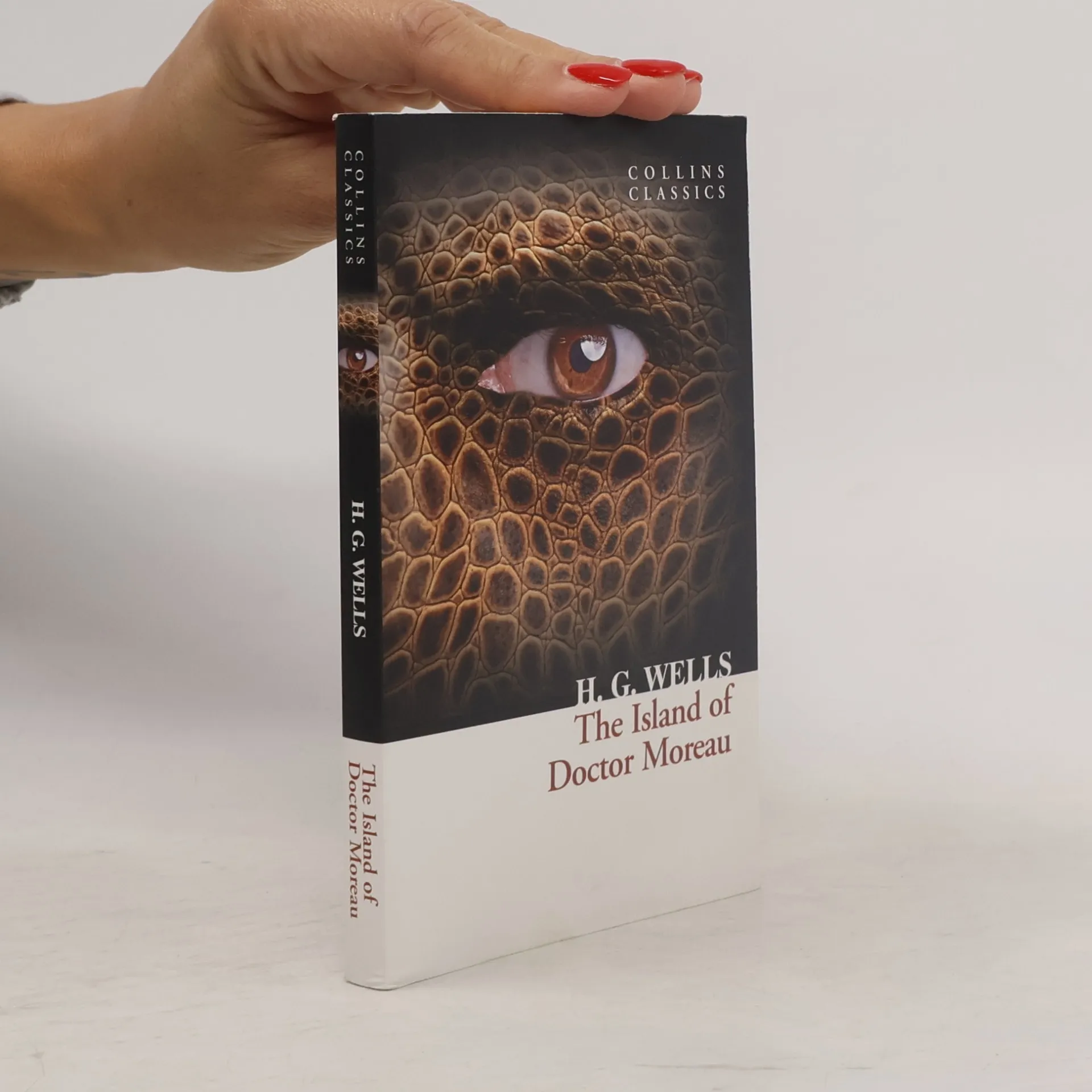
HarperCollins is proud to present its incredible range of best-loved, essential classics. "That these man-like creatures were in truth only bestial monsters, mere grotesque travesties of men, filled me with a vague uncertainty of their possibilities far worse than any definite fear." Edward Prendick, the sole survivor of a shipwreck in the South Pacific, is set ashore on an island where he meets the mysterious Doctor Moreau. Horrified by the discovery that Moreau is performing vivisection on animals to form monstrous human hybrids, Prendick flees into the jungle. But he soon realises that the island is populated with Moreau's terrible creations, and not all are divested of their savage habits . . . H. G. Wells pioneered ideas of society, science and progress in his works, which are now considered modern classics. Written in 1896, The Island of Doctor Moreau is an imaginative exploration of the nature of cruelty and what it means to be human.
Extensive reading is essential for improving fluency and there is a real need in the ELT classroom for contemporary, low-level reading material for younger learners. The Mr Bean character is popular with children around the world for his eccentric and hilarious behaviour. Mr Royal Bean is based on an episode from the popular animated television series and is presented in an accessible comic-strip format.
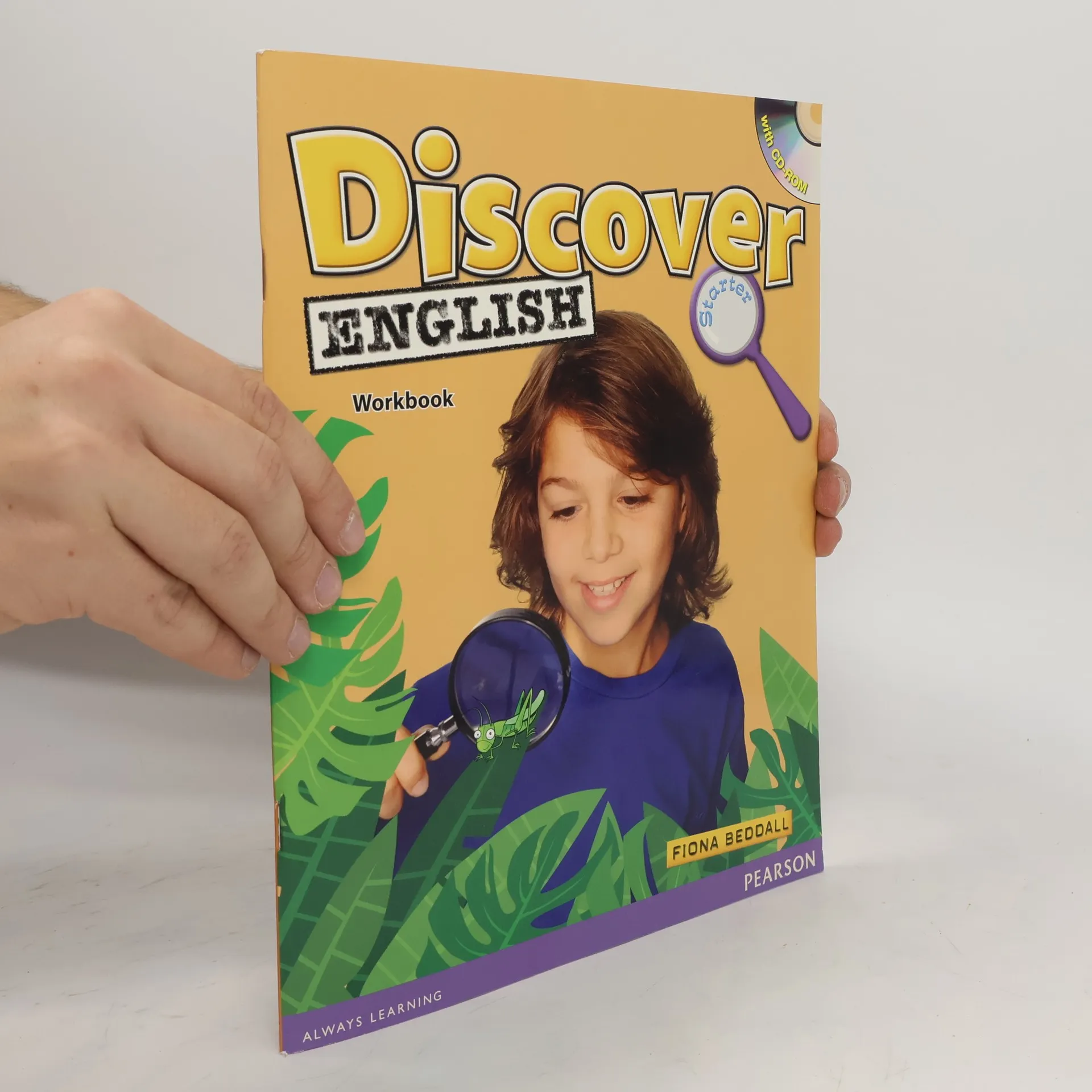
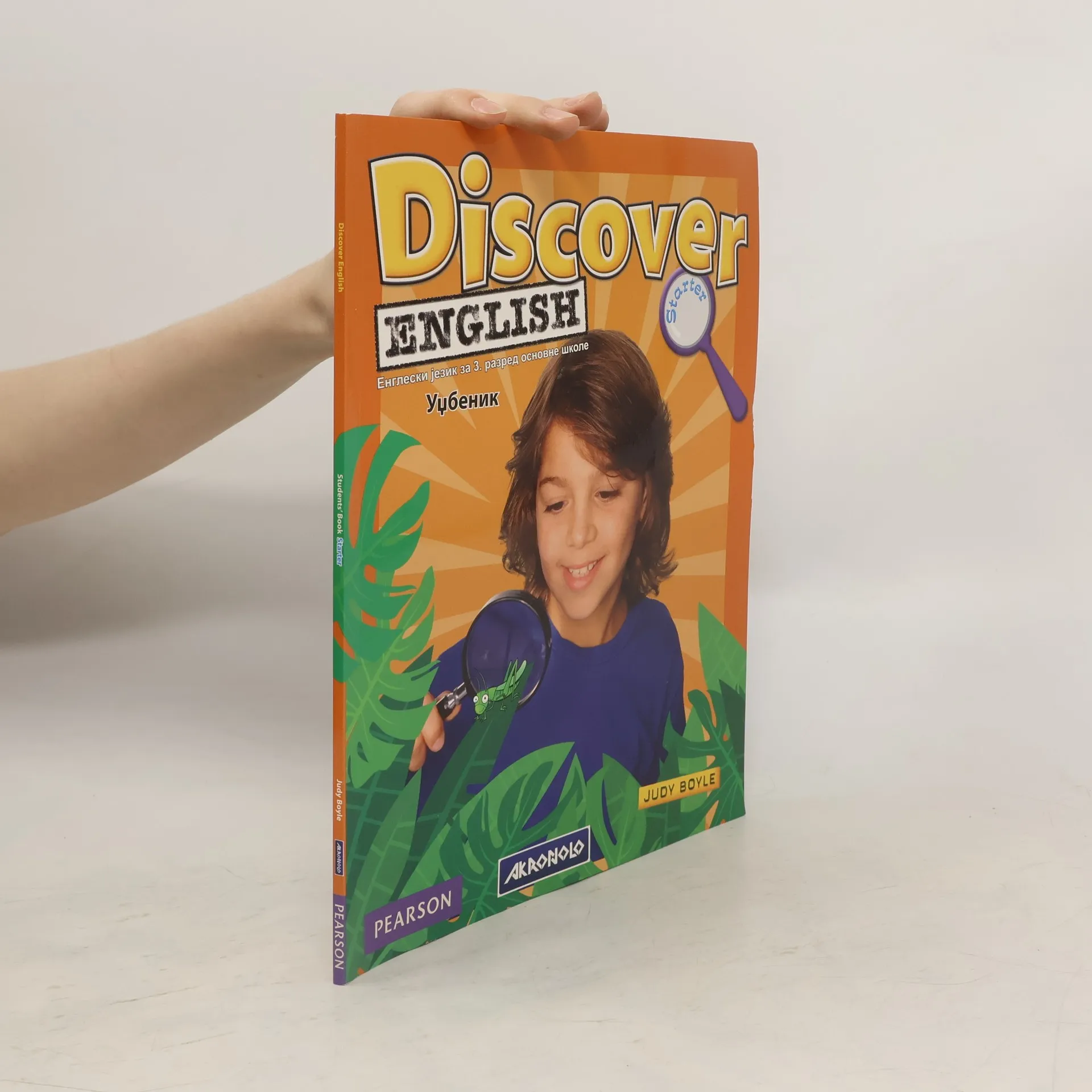
Open your students' minds with the course that delivers on all levels.
Discover English uses simple tried and tested principles to address the needs
of the modern student. No class is homogeneous, no two days the same - variety
is key! Discover English provides a solid grammar and lexical syllabus with
the perfect mix of variety and challenge to motivate young learners. Discover
the world from your classroom with Discover English! Expand your students'
knowledge along with their English Four levels two possible starting points,
Discover English provides a solid grammar and lexical syllabus with the right
amount of variety and challenge to motivate young learners * CEF A1- A2 Learn,
Discover, Enjoy!
Reader im preisgünstigen Klassensatz zu einer Mindestbestellmenge von 10
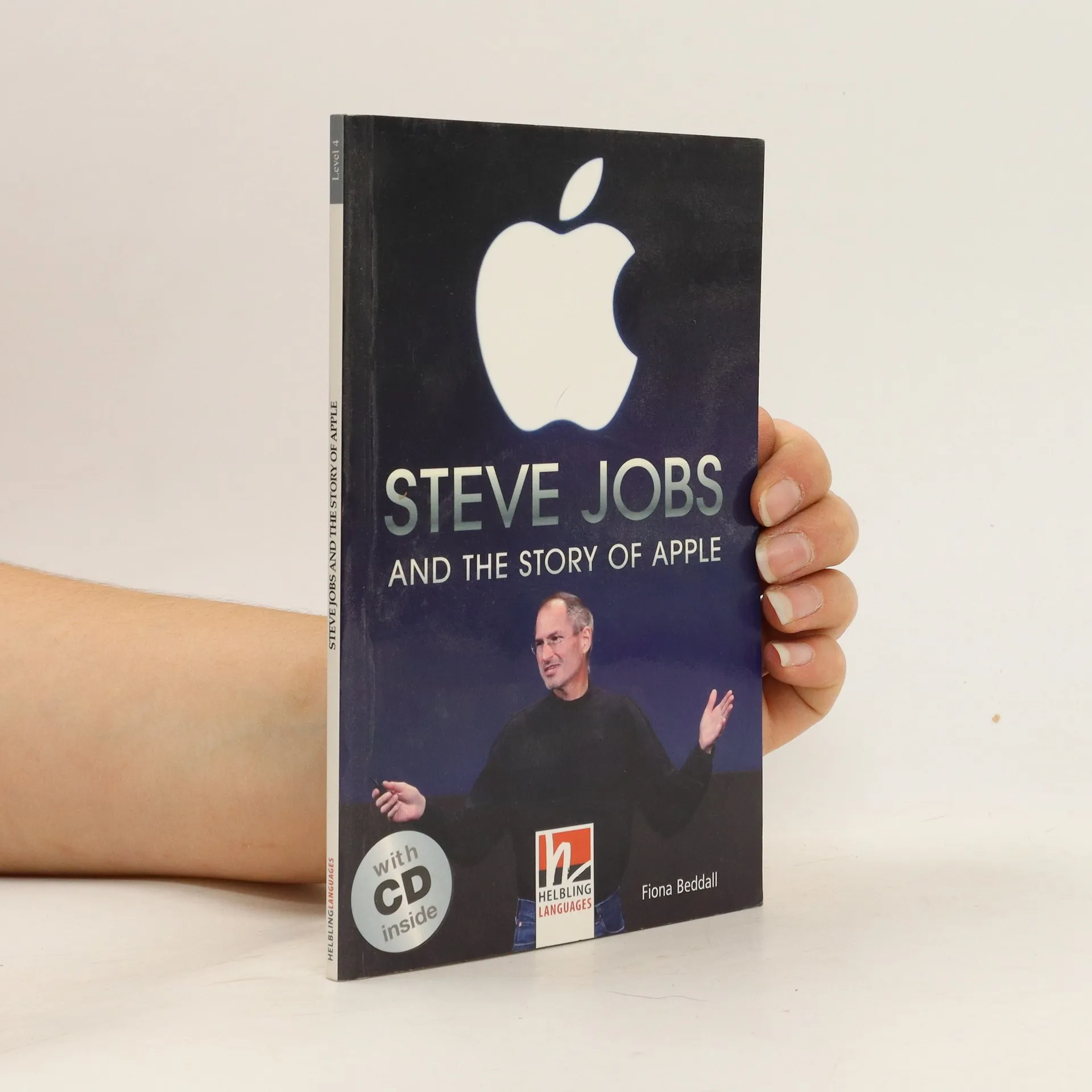
Exemplaren Der Name Steve Jobs ist mit dem Aufstieg der Marke Apple untrennbar
verbunden. Alles begann 1976 in einer kalifornischen Garage: die Freunde Steve
Jobs und Steve Wozniak gründen Apple. Dank vieler Innovationen und eines
krisensicheren Businessplans entwickelt sich Apple zu einem Weltkonzern,
dessen Produkte Funktionalität und Design in sich vereinen. Die Fachwelt
prognostiziert, dass Jobs Visionen und Errungenschaften seinen frühen Tod
überdauern.
Der Name Steve Jobs ist mit dem Aufstieg der Marke Apple untrennbar verbunden.
Alles begann 1976 in einer kalifornischen Garage: die Freunde Steve Jobs und
Steve Wozniak gründen Apple. Dank vieler Innovationen und eines krisensicheren
Businessplans entwickelt sich Apple zu einem Weltkonzern, dessen Produkte
Funktionalität und Design in sich vereinen. Die Fachwelt prognostiziert, dass
Jobs Visionen und Errungenschaften seinen frühen Tod überdauern.
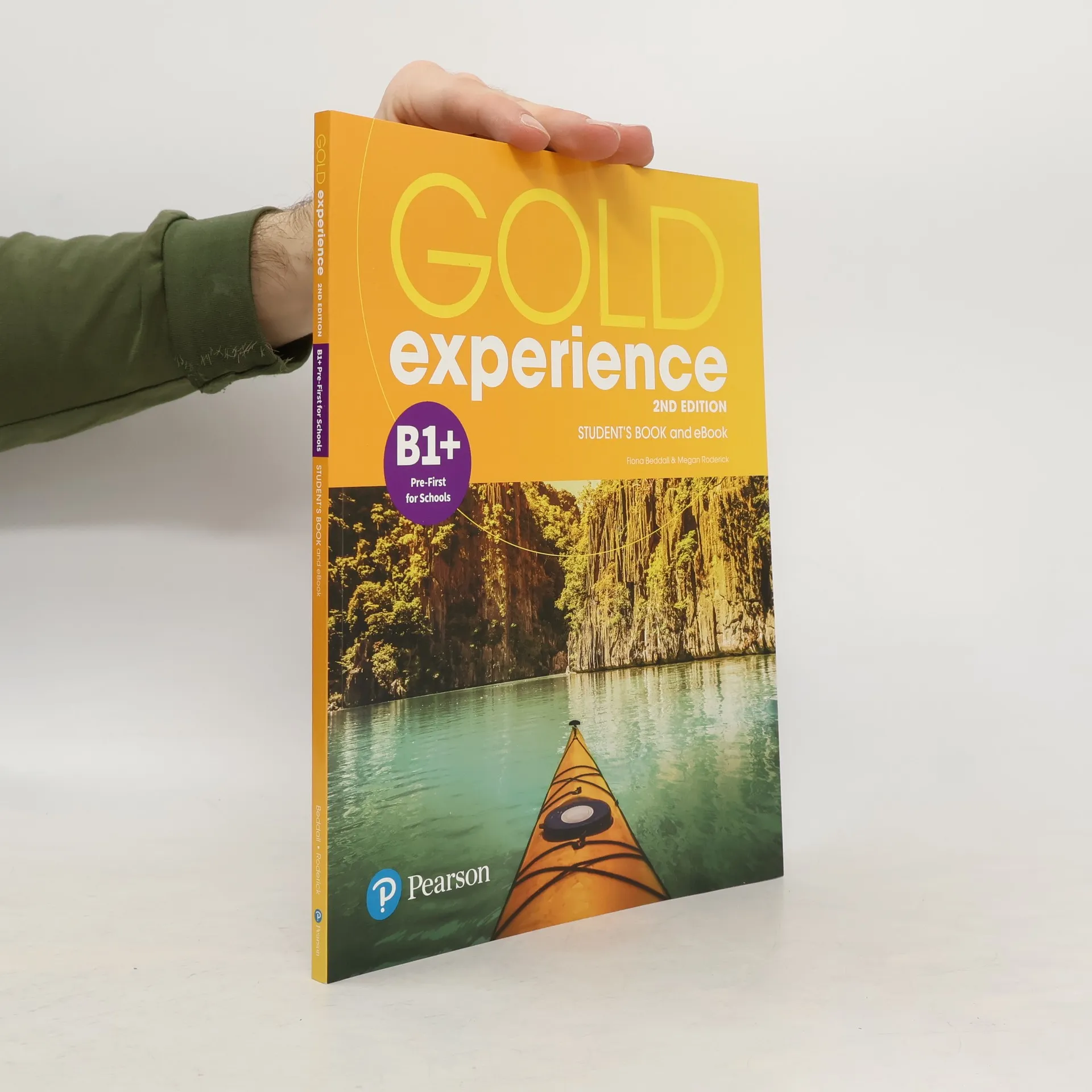
The most engaging experience in teaching Cambridge exams to teens Gold
Experience 2nd Edition is a new edition of the fast-paced course that
motivates students to build the language and skills they need in the
classroom, exams and the world beyond school. Topics relevant to teenagers
help students bring their own experience to lessons, and learn about the wider
world.
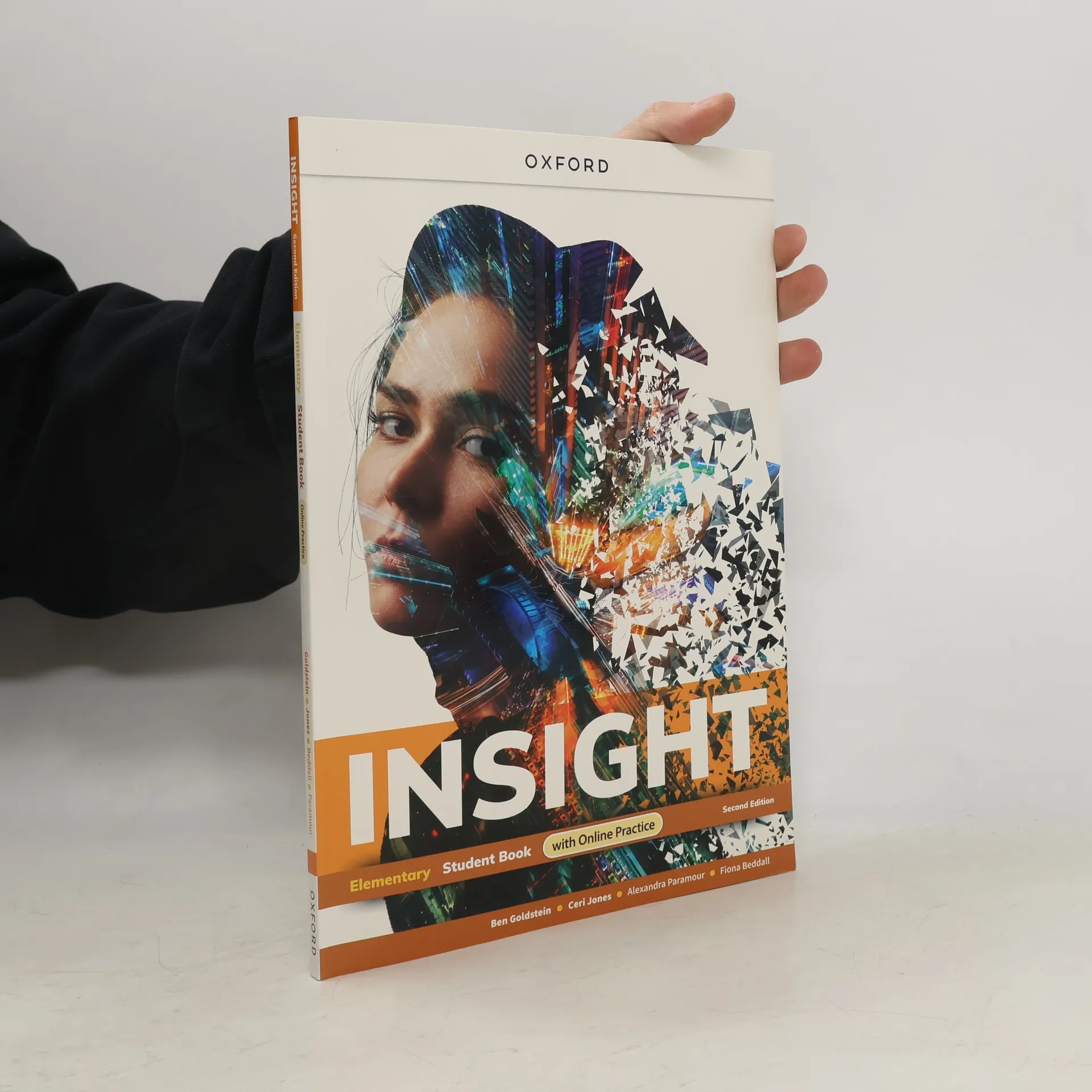
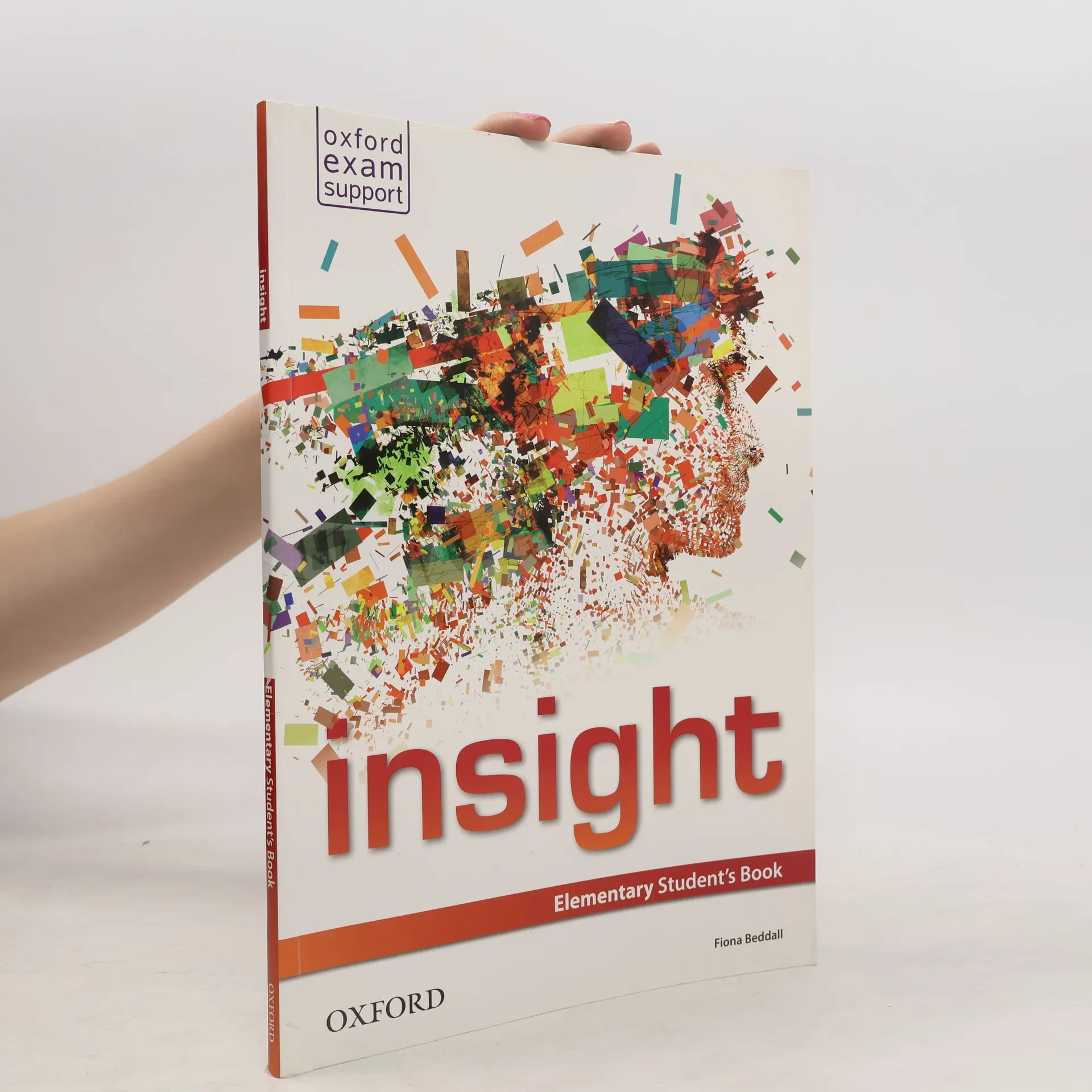
Print Student Book and 2 years' access to Online Practice and Student
Resources.With the Student Book with Online Practice, learners use the Student
Book to participate in class, and access Online Practice to continue learning
outside of class. Ideal for students who need to use print books in the
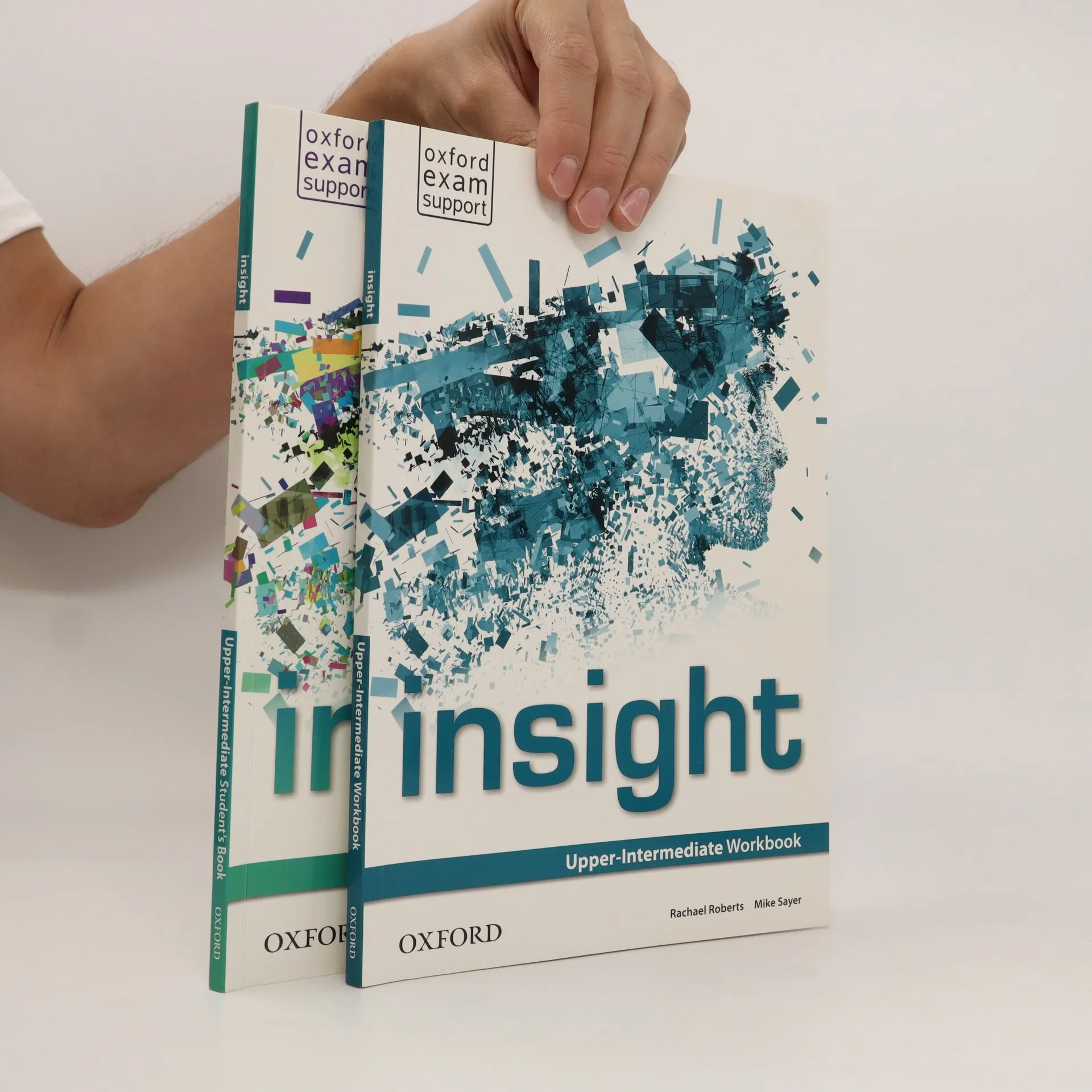
classroom. Insight second edition includes a powerful Assessment for Learning
package to help you propel learners forward. Our lesson features, teacher's
notes and tests are focused on helping learners to continually reach for their
goals, accelerate their progress, and go further with support for regular
informal assessment and effective feedback. Professional Development support
helps you get started with Insight second edition. Watch video tutorials to
set up your course, access focus and position papers for expert advice and
bite-sized guidance on key issues and take short professional development
modules for an introduction to key methodologies for your course. All your
digital course materials and resources are accessed via the Oxford English Hub
The insight Student's Book is packed full of thought-provoking topics and information-rich texts that will challenge your students' opinions, educate them about the world they live in, and inspire discussion.
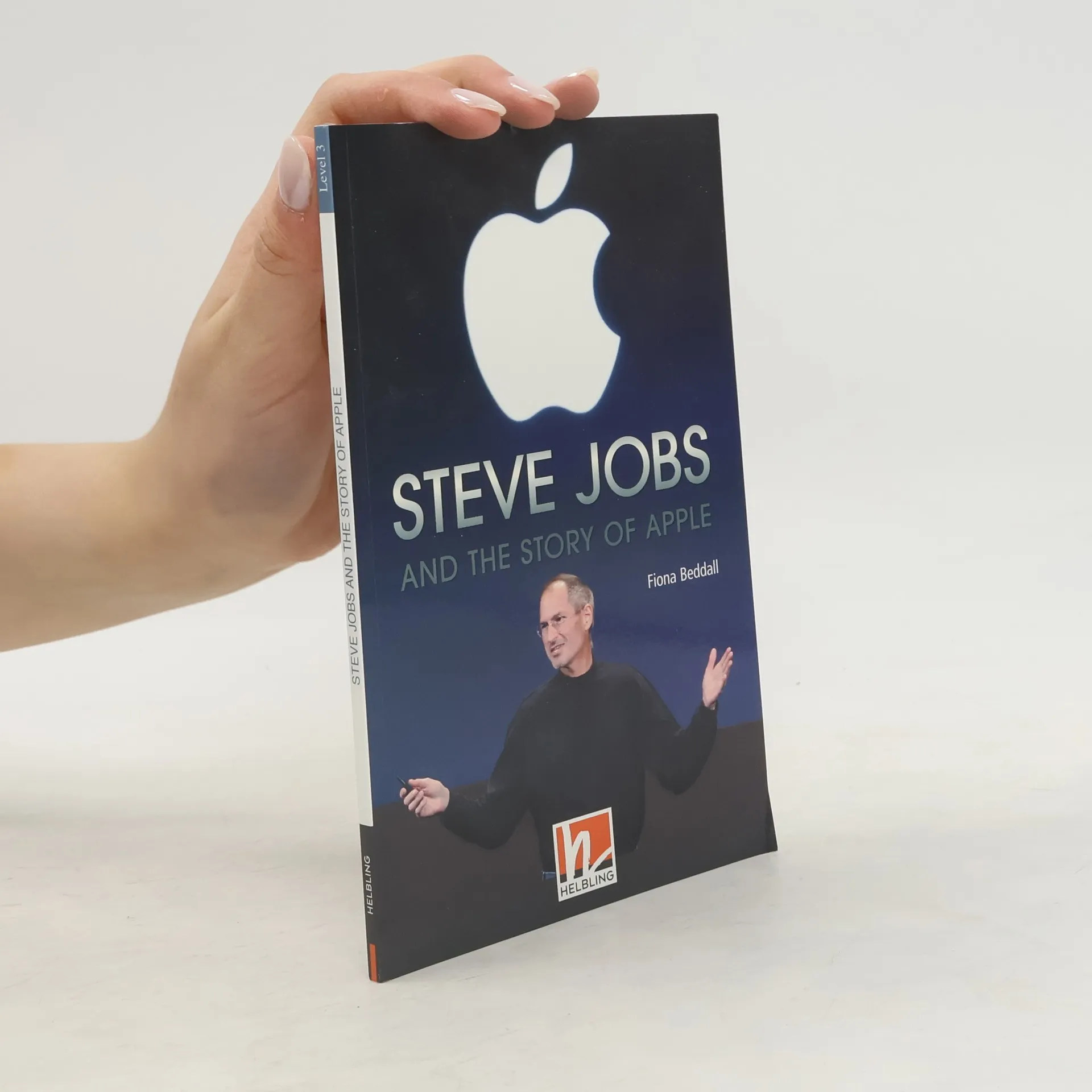
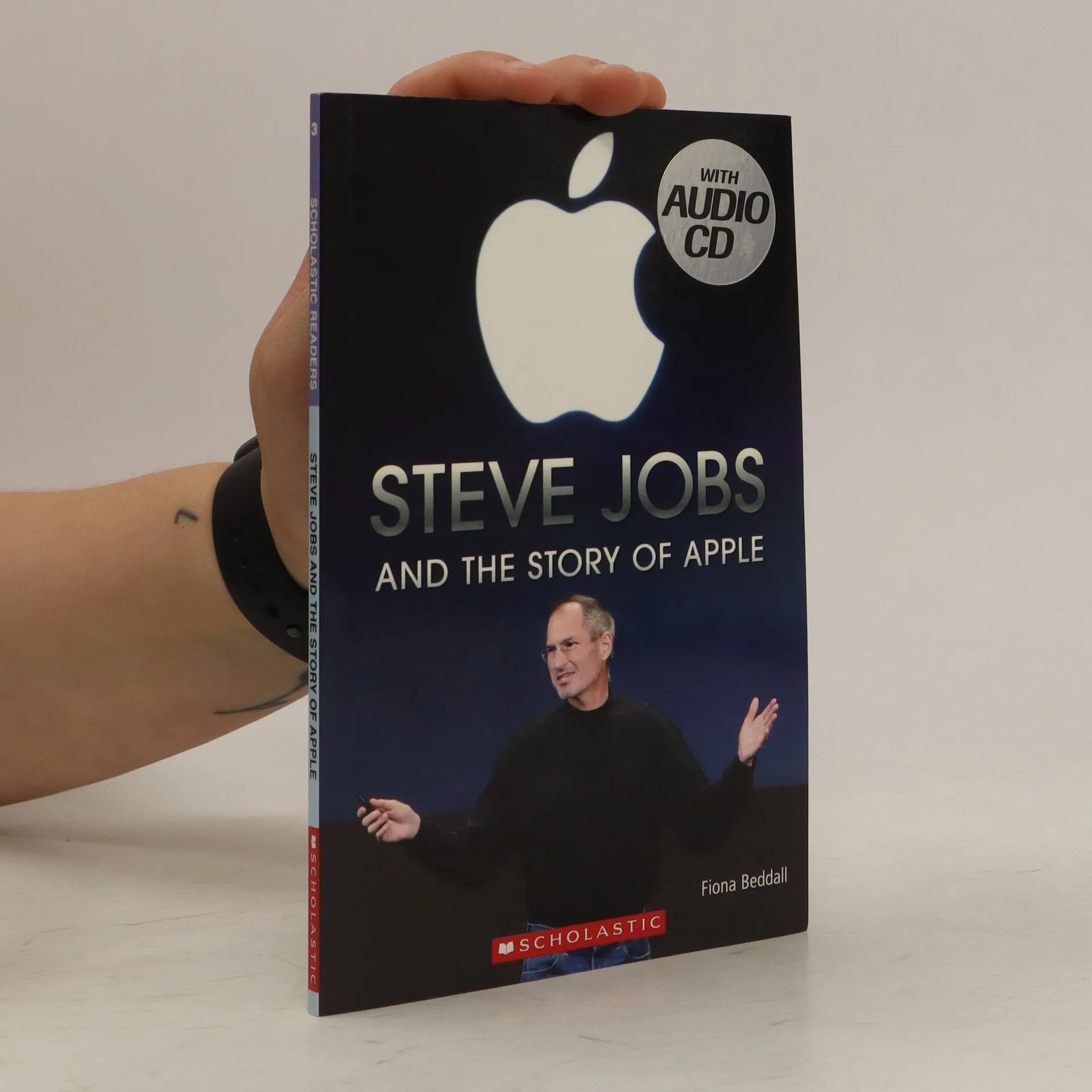
Extensive reading improves fluency and there is a real need in the ELT classroom for motivating graded material that will encourage students to read. In 1976, Steve Jobs and his friend Steve Wozniak started a computer company called Apple in a garage in California. Today, hundreds of millions of people use the technology that Steve Jobs and his team at Apple helped to create. A fascinating and informative biography.
The Activity Book provides reinforcement and consolidation of the language presented in the Student Book. It contains controlled and freer practice plus personalisation and further listening and reading texts.
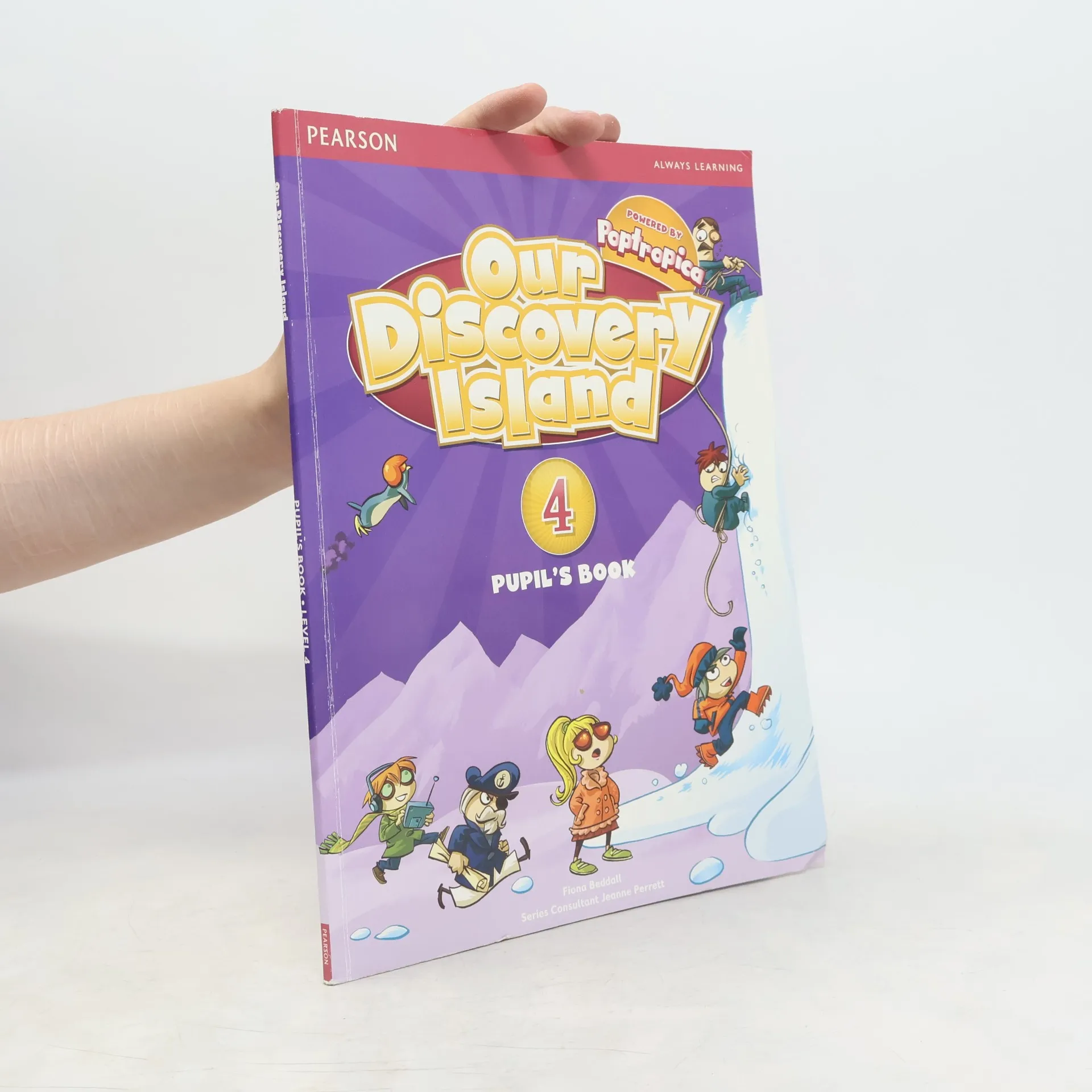
Each level of the Pupil's Book contains a Welcome unit and 8 units each designed for 2-3 hours of class per week. Each unit includes a cross-curricular lesson and a phonics lesson.
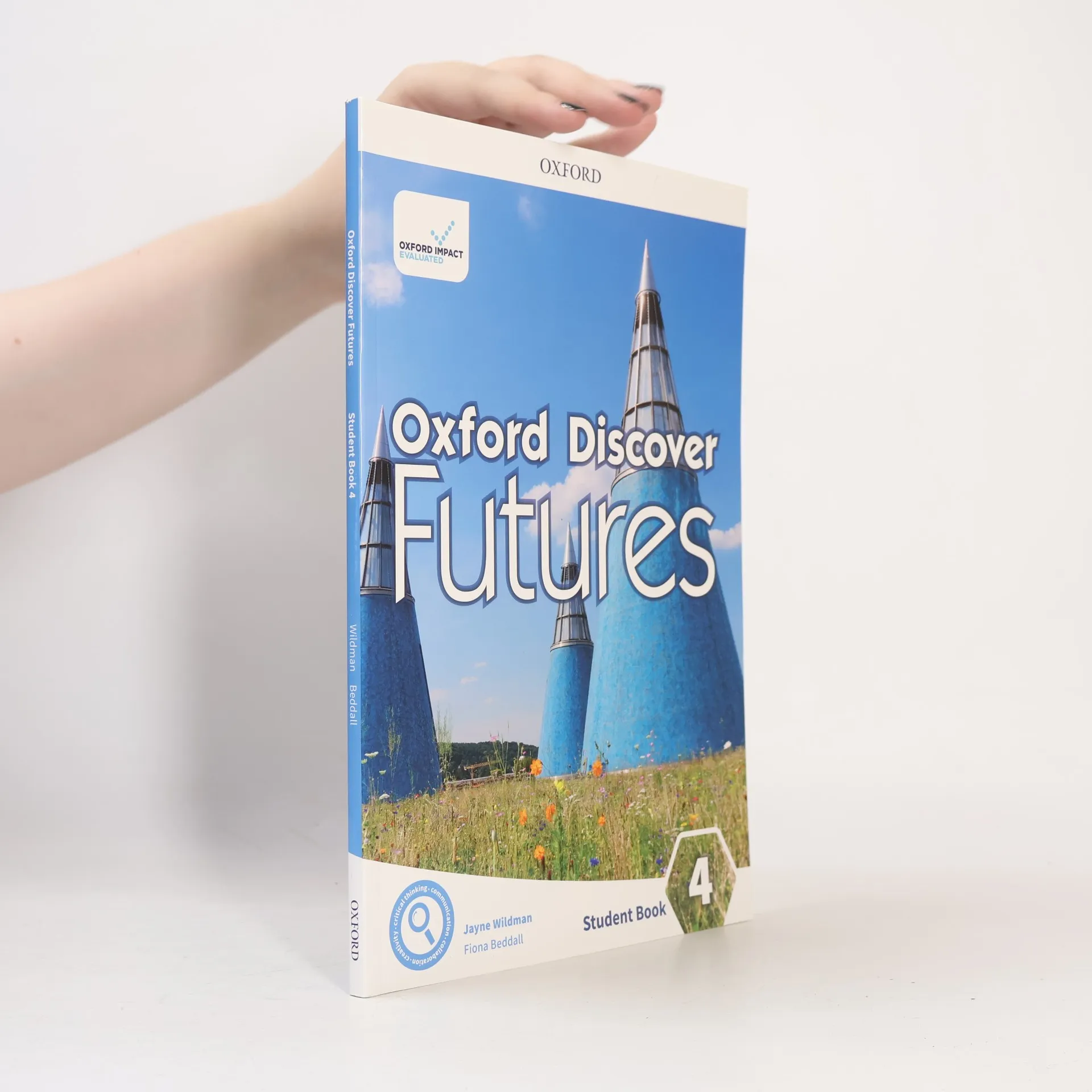
The Student Book is packed full of interesting and thought-provoking content to keep students of all abilities fully engaged and motivated. Each unit presents students with a unit question, and five lesson questions, encouraging students to examine the world more critically within an inquiry-based learning environment. The Student Book also includes Vocabulary and Grammar reference and practice, Project lessons, Literature lessons, and a Writing workshop. Published 2023-04-18
Oxford Discover Futures to kurs dla ambitnych nastolatków, który rozwija umiejętności 21. wieku poprzez odkrywanie świata. Poziom A2-C1 angażuje uczniów pytaniami i zadaniami wymagającymi krytycznego myślenia, komunikacji, współpracy oraz kreatywności, przygotowując ich do sukcesu w szkole i poza nią. Jest częścią serii Oxford Discover Family, obejmującej również Show and Tell. Atrakcyjne elementy kursu, takie jak filmy zintegrowane z treścią podręcznika, zachęcają do dyskusji i debat. Lekcje koncentrują się na czterech sprawnościach językowych: słuchaniu, mówieniu, czytaniu i pisaniu, rozwijając umiejętności uczenia się przez całe życie oraz zainteresowanie różnymi gatunkami literackimi. Bogaty zestaw materiałów dla nauczyciela w Teachers Resource Centre wspiera lektorów w prowadzeniu zajęć. Classroom Presentation Tool umożliwia prezentację materiałów na ekranie, przyciągając uwagę uczniów. Platforma Online Practice oferuje interaktywne zadania, automatyczne odpowiedzi oraz nagrania wideo i audio. Kod do Online Practice znajduje się w zeszycie ćwiczeń, co pozwala nauczycielom na zadawanie, ocenianie, monitorowanie wyników i tworzenie raportów. Kurs, bogaty w materiały dodatkowe, jest polecany dla prywatnych szkół językowych i grup dwujęzycznych.
Extensive reading is essential for improving fluency and there is a real need in the ELT classroom for contemporary, low-level reading material for younger learners. The Ice Age films are popular with children around the world for their humorous, lovable characters and their themes of friendship. Ice Age 2: The Meltdown Popcorn ELT Reader is based on the second film in the franchise.
The benefits of teaching English through drama are widely recognised, and there is a need for fresh, new material for primary classes. Drama in the Classroom provides a range of activities such as rhymes, games, mimes and full-class plays supported by photocopiable cards, masks and puzzles.