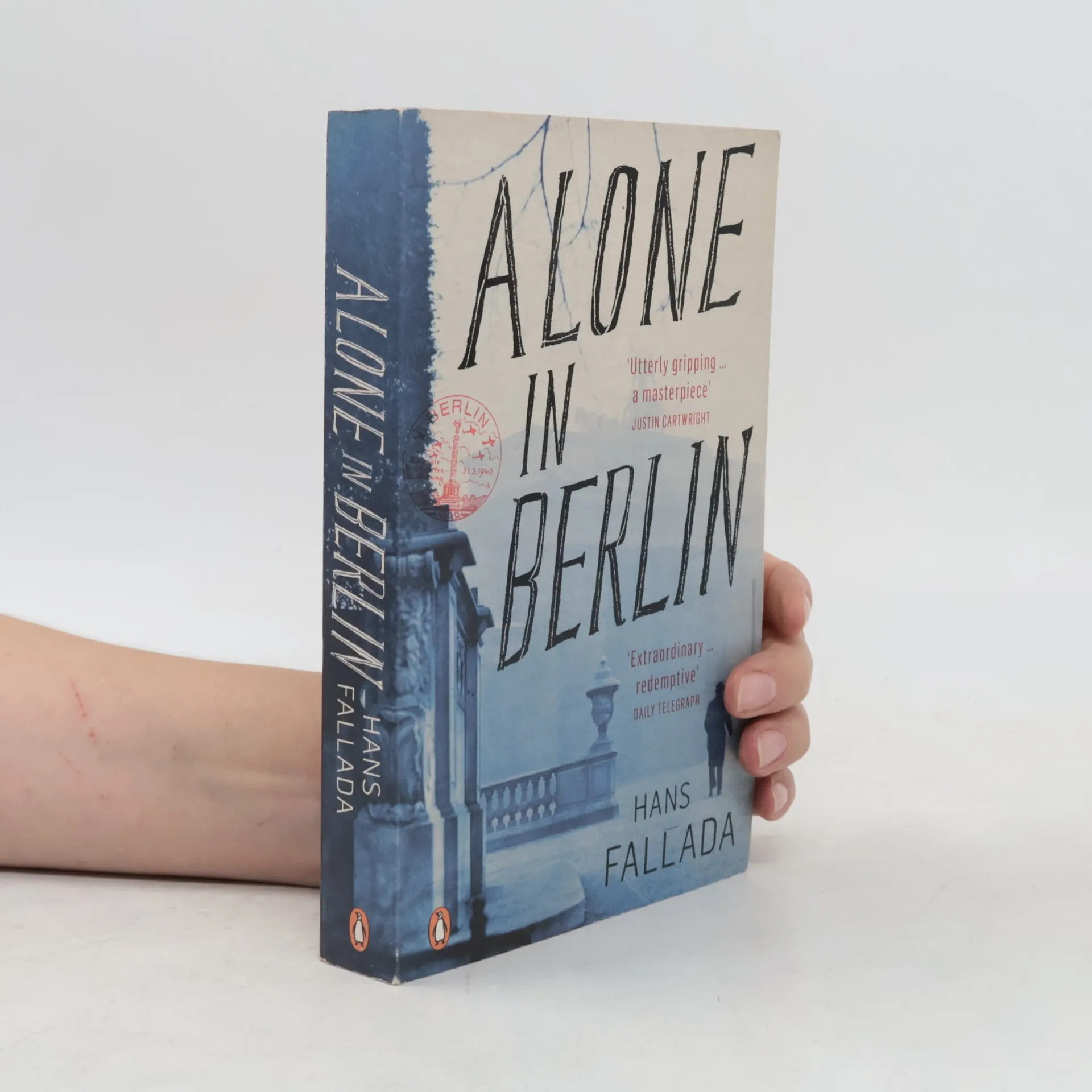
Berlin, 1940, and the city is filled with fear. At the house on 55 Jablonski Strasse, its various occupants try to live under Nazi rule in their different ways: the nervous Frau Rosenthal, the bullying Hitler loyalists the Persickes, the retired judge Fromm, and the unassuming working-class couple Otto and Anna Quangel.
Michael Hofmann Books
Michael Hofmann is a celebrated poet and translator whose work is marked by its sharp insights into the human condition and masterful command of language. His poetry and essays delve into the intricate relationships between culture, identity, and memory, often with a wry wit and profound empathy. Hofmann's range as a translator is remarkable, encompassing both classic and contemporary works, wherein he skillfully captures the unique voice and spirit of the original texts. His writings are admired for their intellectual depth and poetic grace.
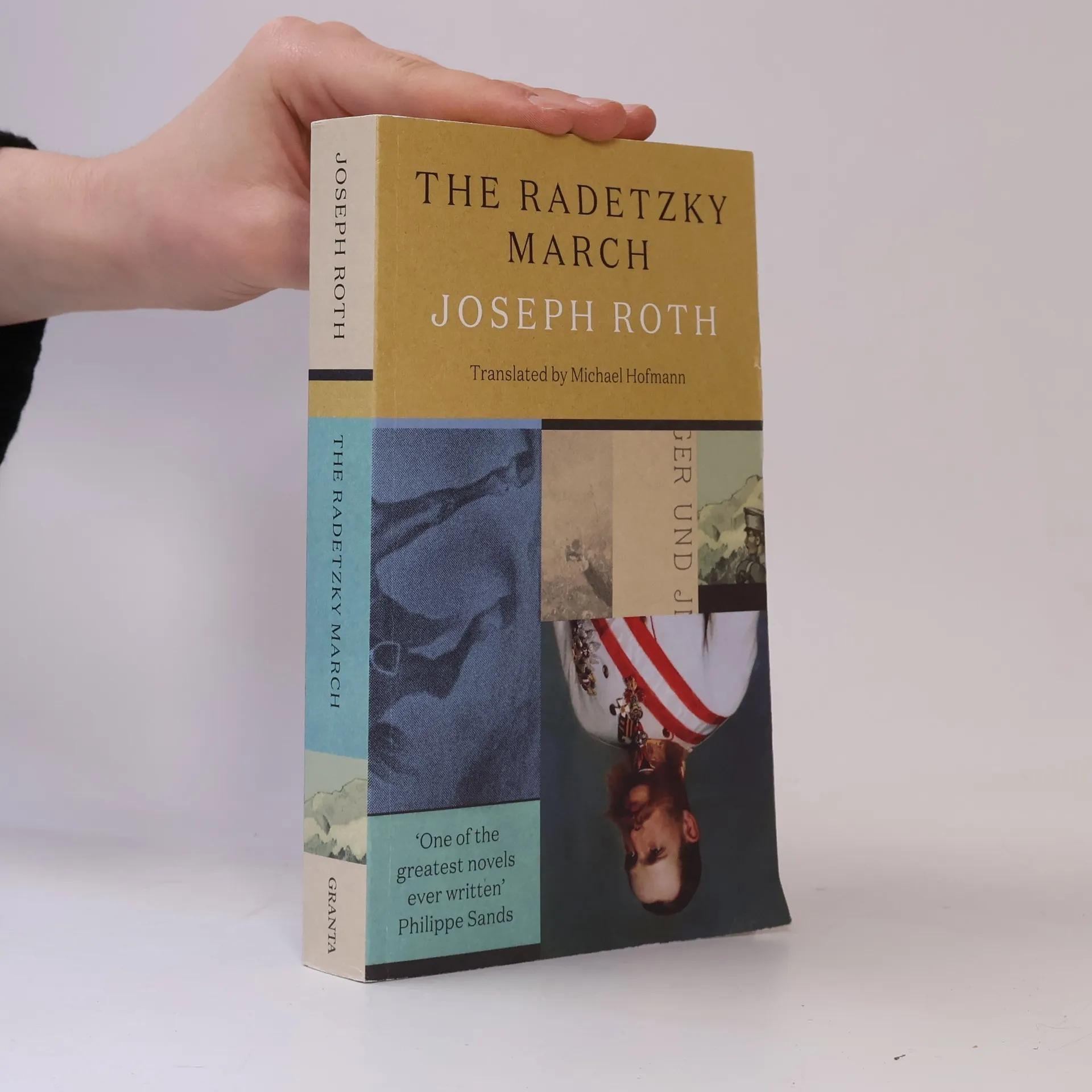
Roth's masterpiece: an epic, moving account of the final days of the Austro- Hungarian empire, told through the fortunes of one family.
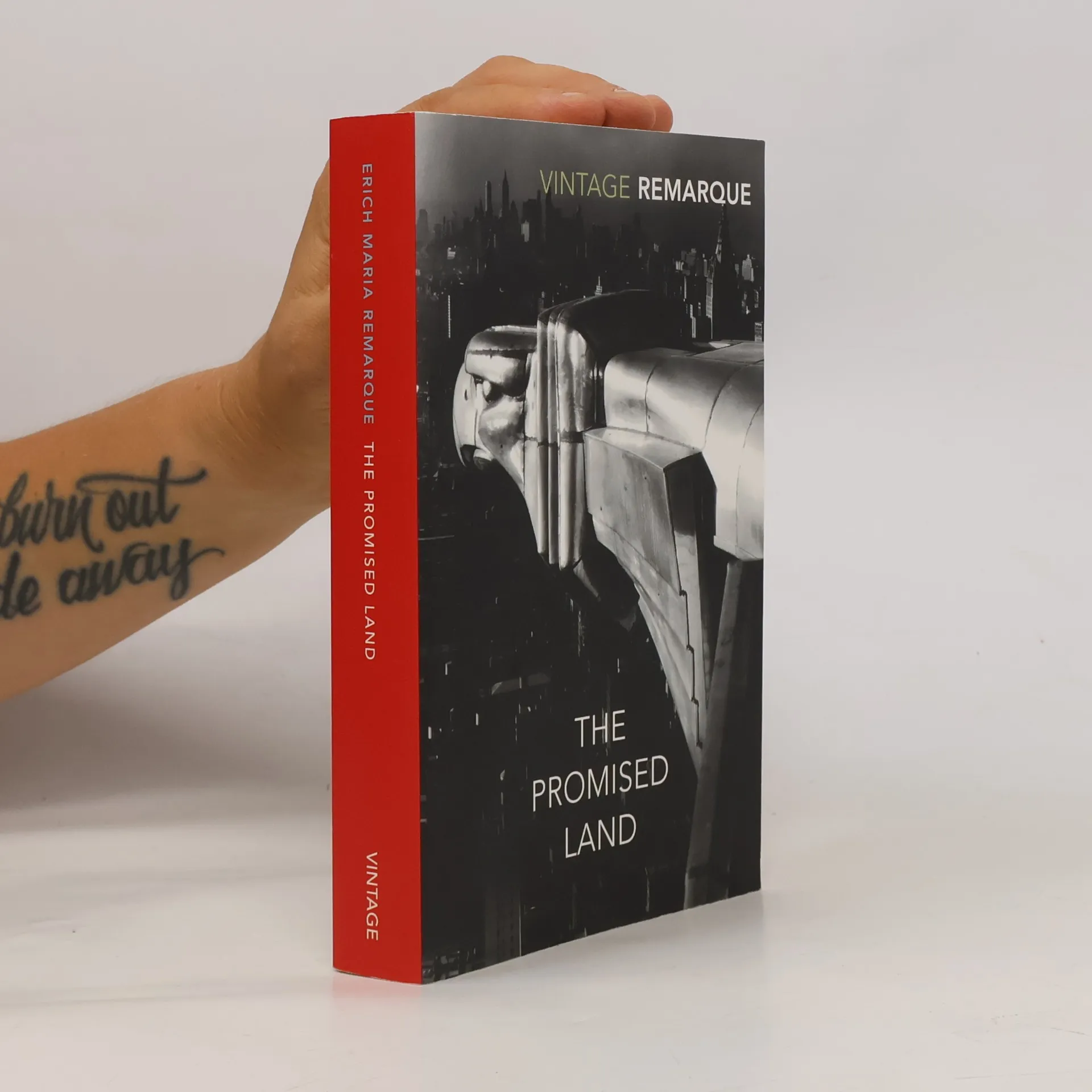
Vintage Remarque: The Promised Land
- 448 pages
- 16 hours of reading
From the detention centre on Ellis Island, Ludwig Somner looks across a small stretch of water to the glittering towers of New York, which whisper seductively of freedom after so many years of wandering through a perlious, suffering Europe.
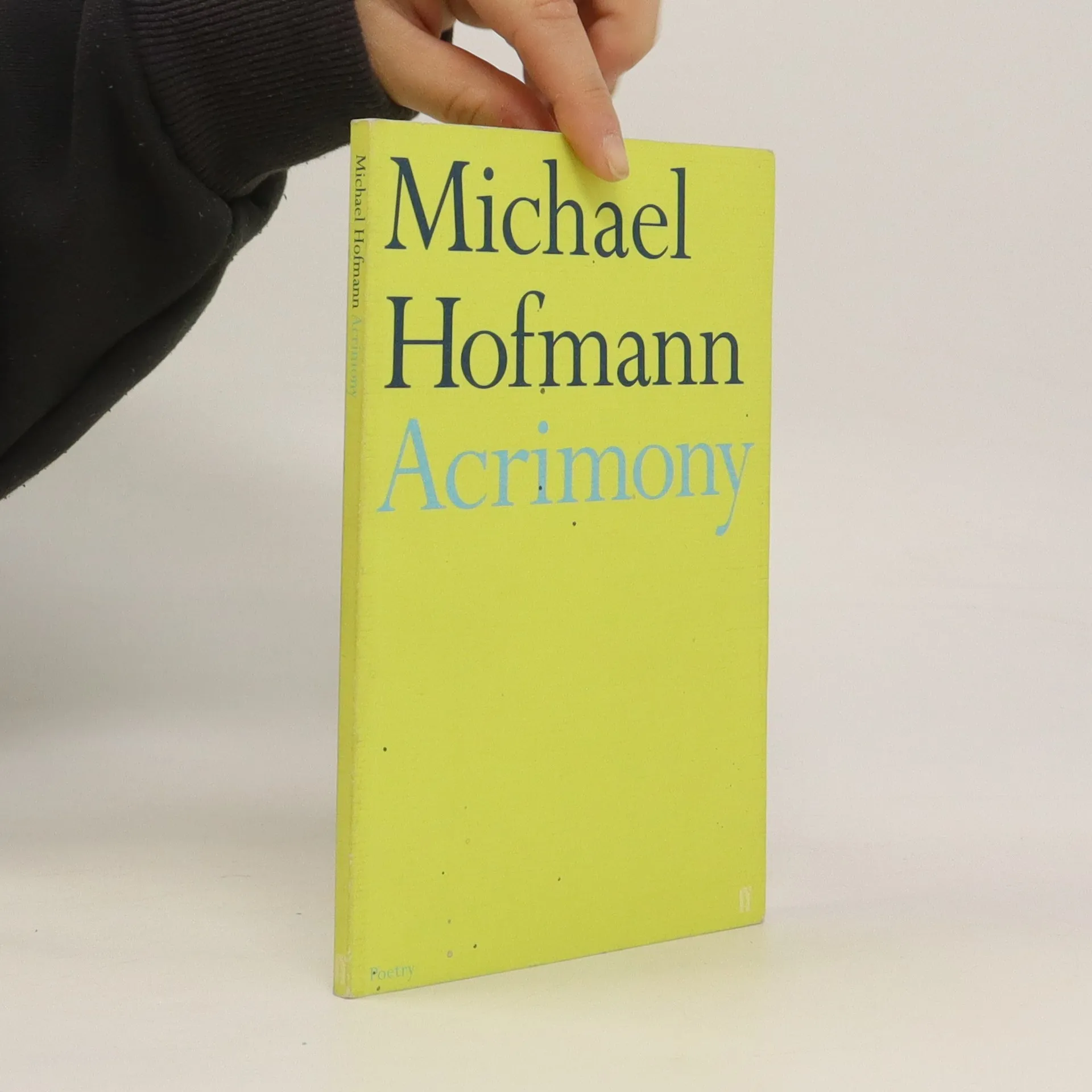
Acrimony
- 75 pages
- 3 hours of reading
This collection of poems touches on personal and political watersheds and examines various kinds of patrimony. It is characterized by a drastic honesty and rhythmic force.
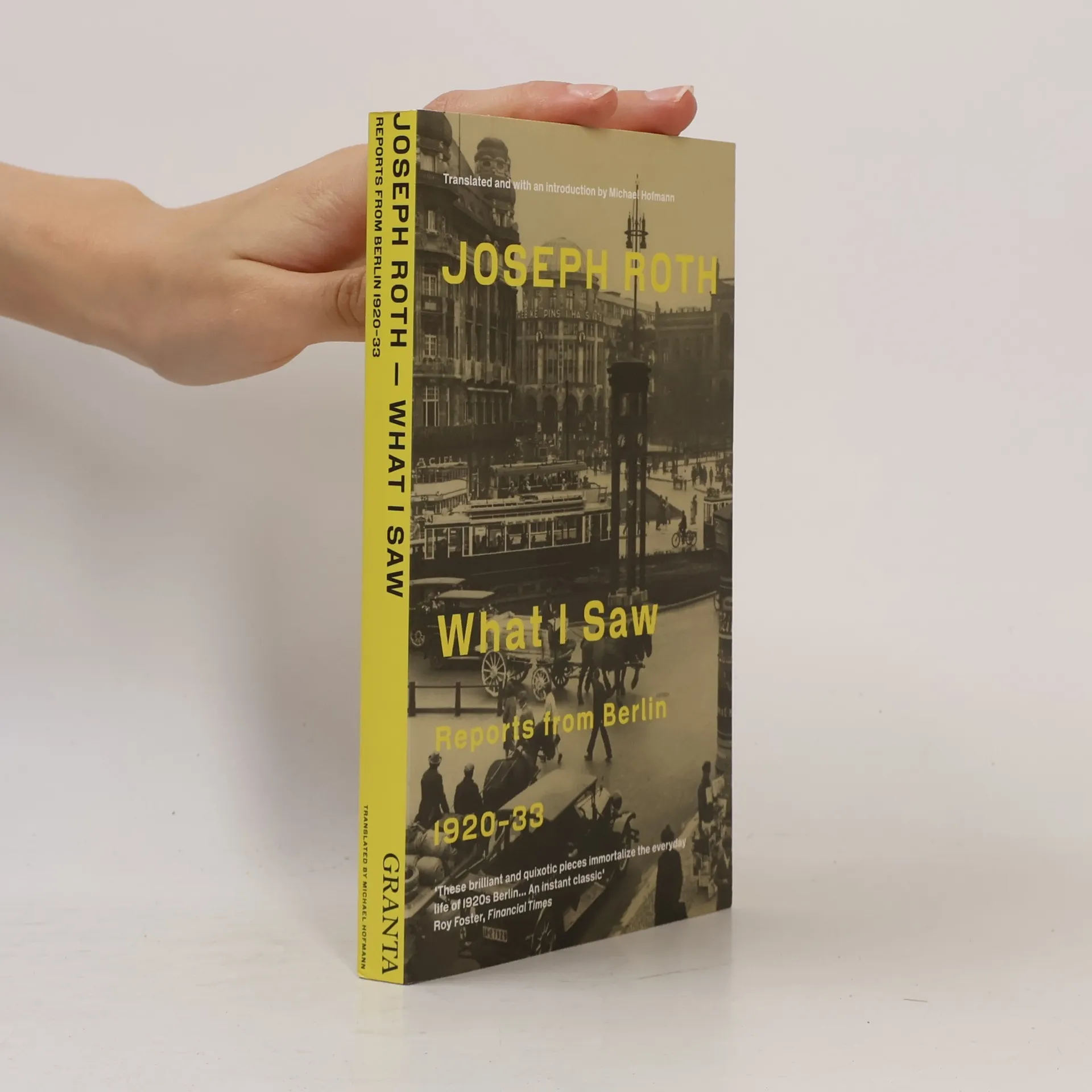
What I Saw
- 288 pages
- 11 hours of reading
In 1920 Joseph Roth produced a series of impressionistic and political writings that influenced an entire generation of writers. These pieces record the violent social and political paroxysms that threatened to undo the fragile democracy that was the Weimar Republic.
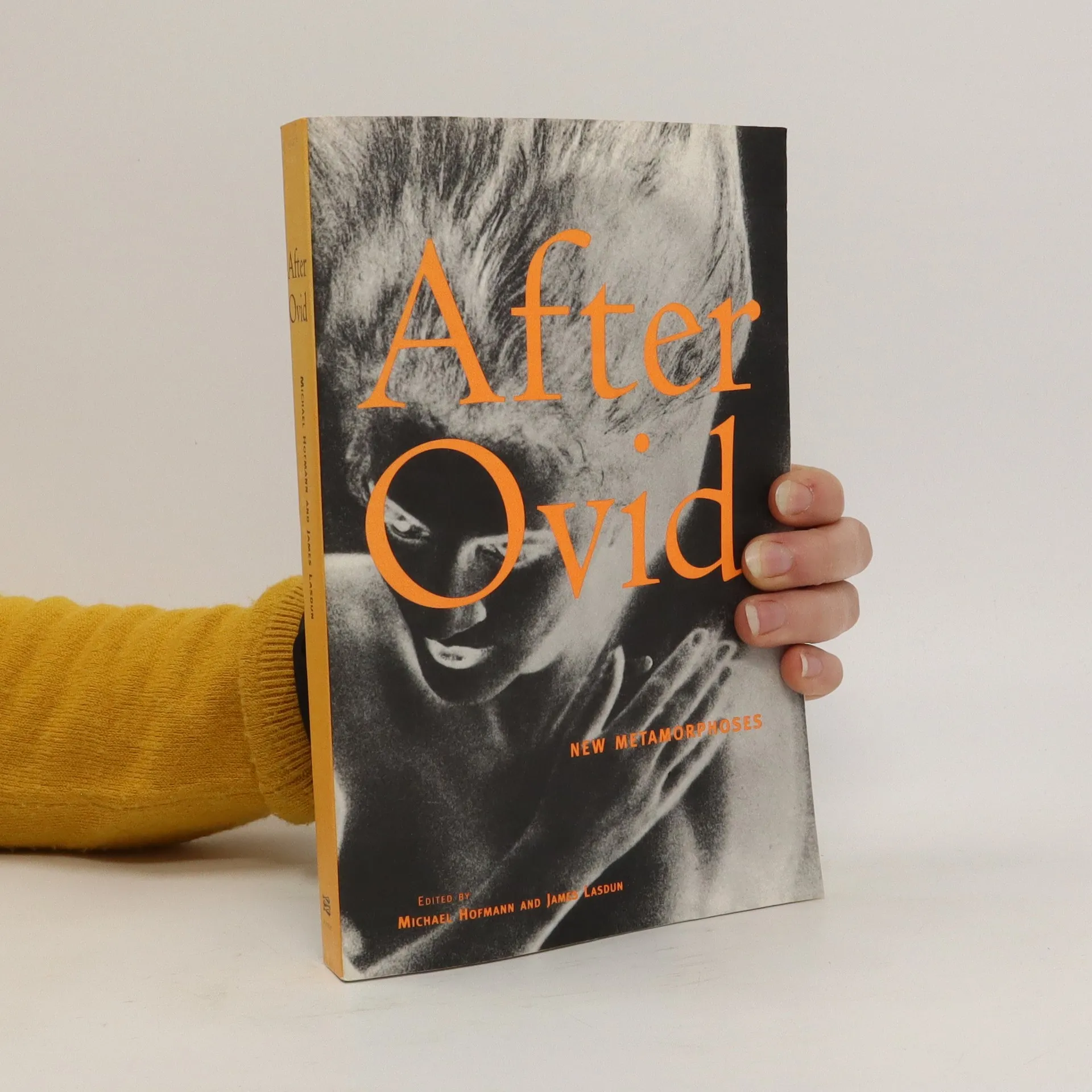
After Ovid : new metamorphoses
- 298 pages
- 11 hours of reading
Ovid's Metamorphoses is one of the great works in classical literature, and a primary source for our knowledge of much of classic mythology, in which the relentless theme of transformation stands as a primary metaphor for the often cataclysmic dynamics of life itself. For this book, British poets Michael Hofmann and James Lasdun have invited more than forty leading English-language poets to create their own idiomatic contemporary versions of some of the most famous and notorious myths from the Metamorphoses. Apollo and Daphne, Pyramus and Thisbe, Proserpina, Marsyas, Medea, Baucis and Philemon, Orpheus and Eurydice--these and many other immortal tales are given fresh and startling life in exciting new versions. The contributors--among them Fleur Adcock, Amy Clampitt, Jorie Graham, Thom Gunn, Seamus Heaney, Ted Hughes, Lawrence Joseph, Kenneth Koch, Michael Longley, Paul Muldoon, Les Murray, Robert Pinsky, Frederick Seidel, Charles Simic, and C. K. Williams--constitute an impressive roster of today's major poets. After Ovid is a powerful re-envisioning of a fundamental work of literature as well as a remarkable affirmation of the current state of poetry in English.
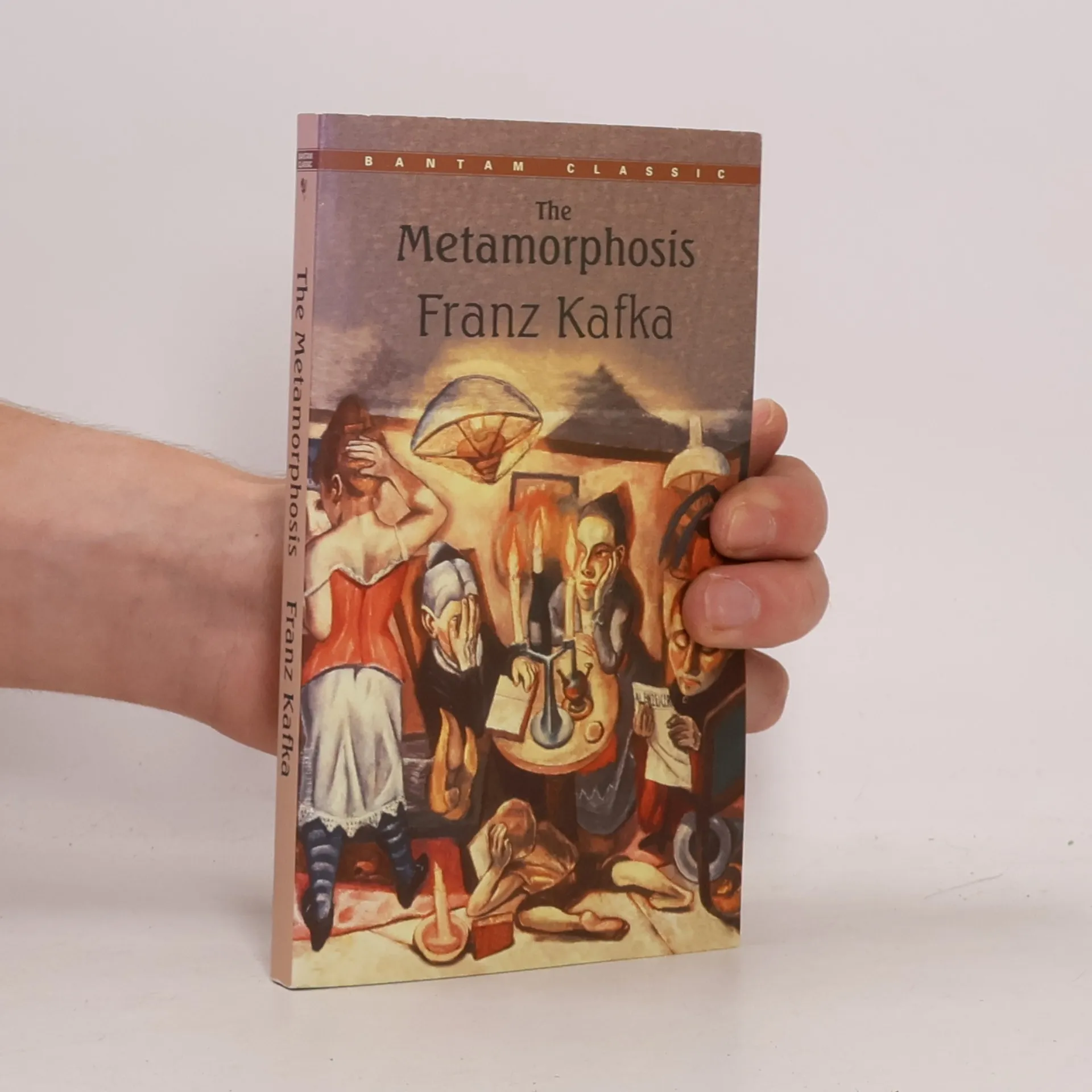
The metamorphosis
- 224 pages
- 8 hours of reading
“When Gregor Samsa woke up one morning from unsettling dreams, he found himself changed in his bed into a monstrous vermin.” With this startling, bizarre, yet surprisingly funny first sentence, Kafka begins his masterpiece, The Metamorphosis. It is the story of a young man who, transformed overnight into a giant beetlelike insect, becomes an object of disgrace to his family, an outsider in his own home, a quintessentially alienated man. A harrowing—though absurdly comic—meditation on human feelings of inadequacy, guilt, and isolation, The Metamorphosis has taken its place as one of the most widely read and influential works of twentieth-century fiction. As W.H. Auden wrote, “Kafka is important to us because his predicament is the predicament of modern man.”
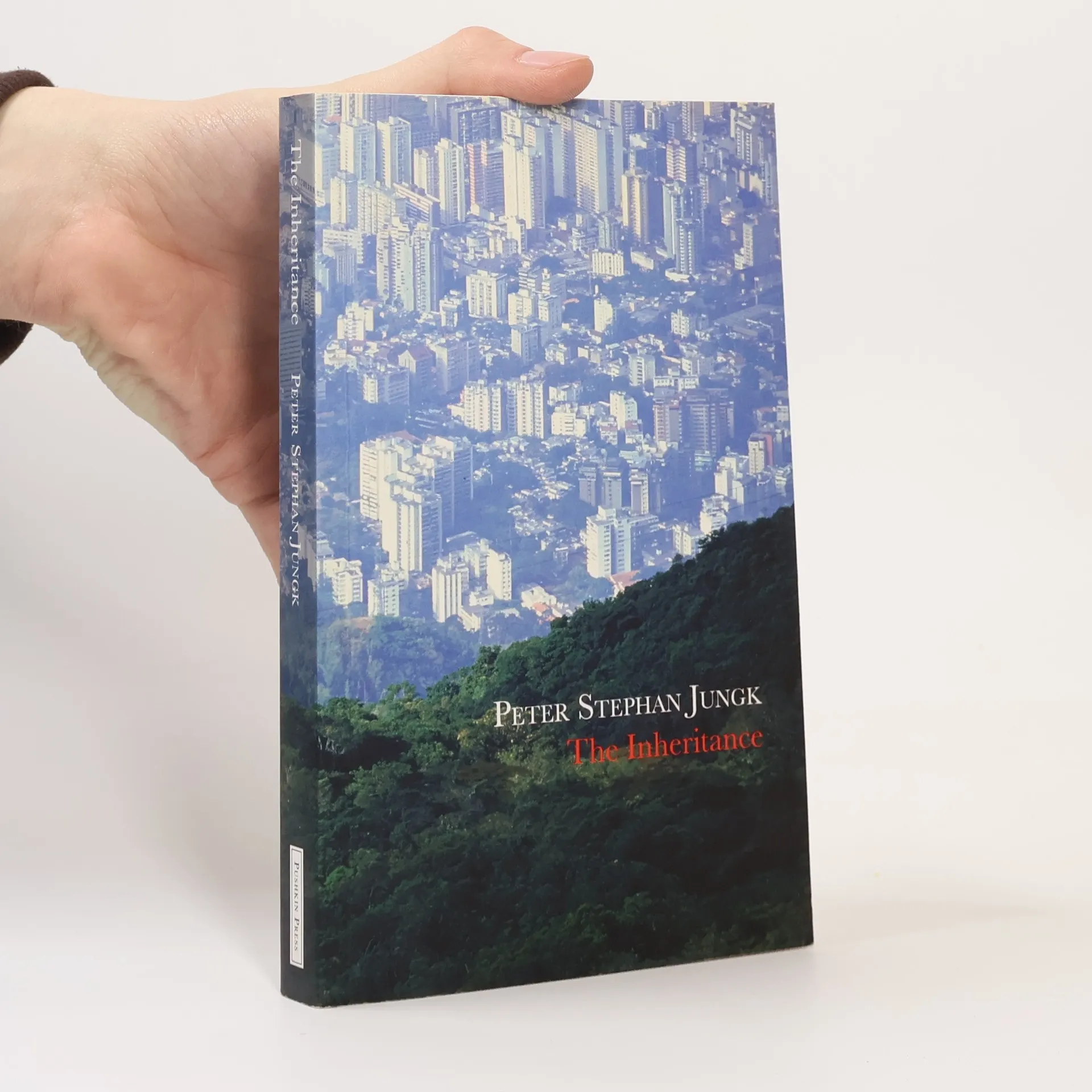
The Inheritance
- 240 pages
- 9 hours of reading
Daniel Loew, a poet based in London, has been told since childhood that one day he would become his wealthy uncle's only heir. When he learns of his uncle's death, in Caracas, a few weeks have since passed. A close friend of his uncle's tells Loew that he alone has been named executor of the will and blocks Loew from receiving his inheritance.
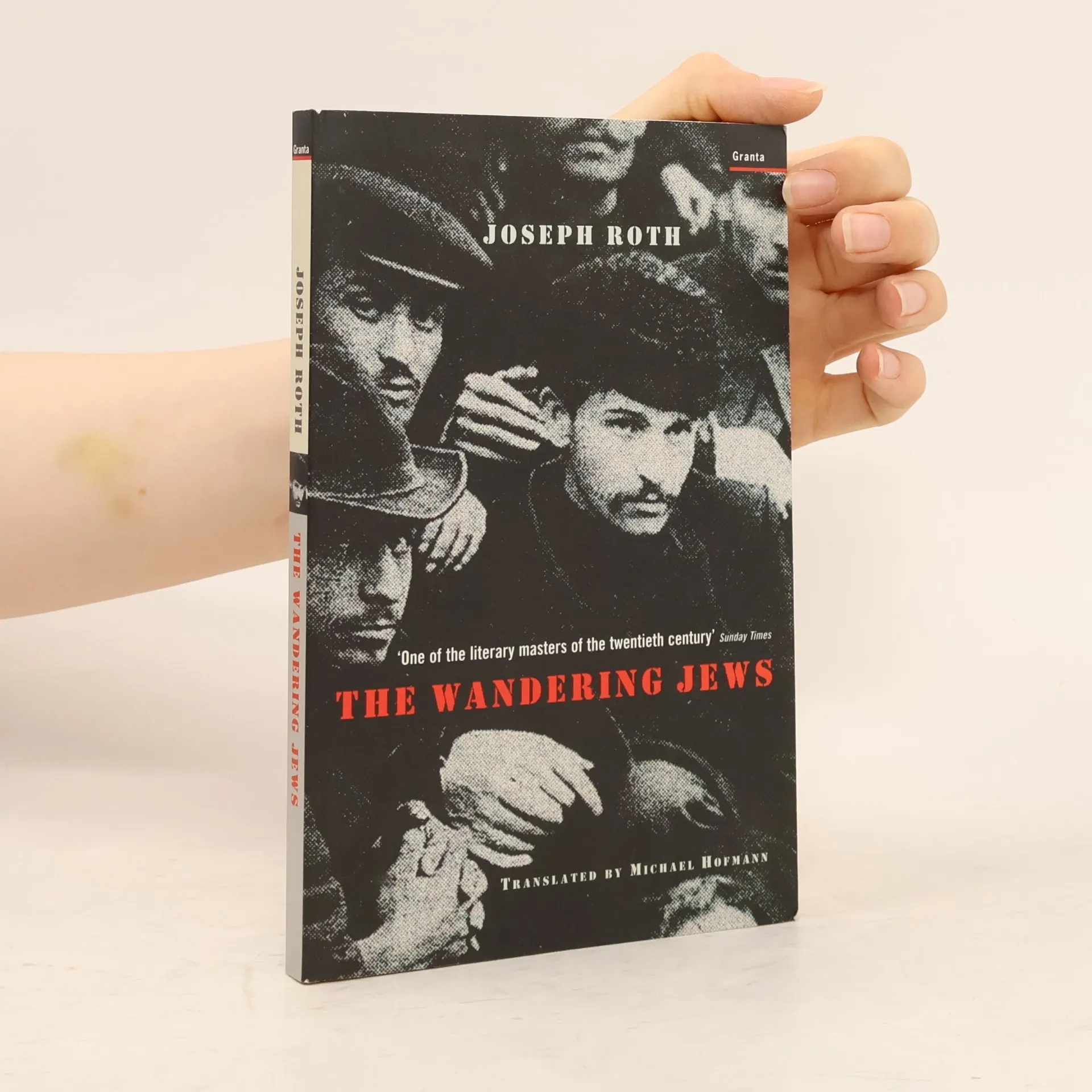
The Wandering Jews
- 168 pages
- 6 hours of reading
In the last years of Weimar Germany, the great novelist Joseph Roth set out to explore the Jewish communities scattered across Europe and the USA.
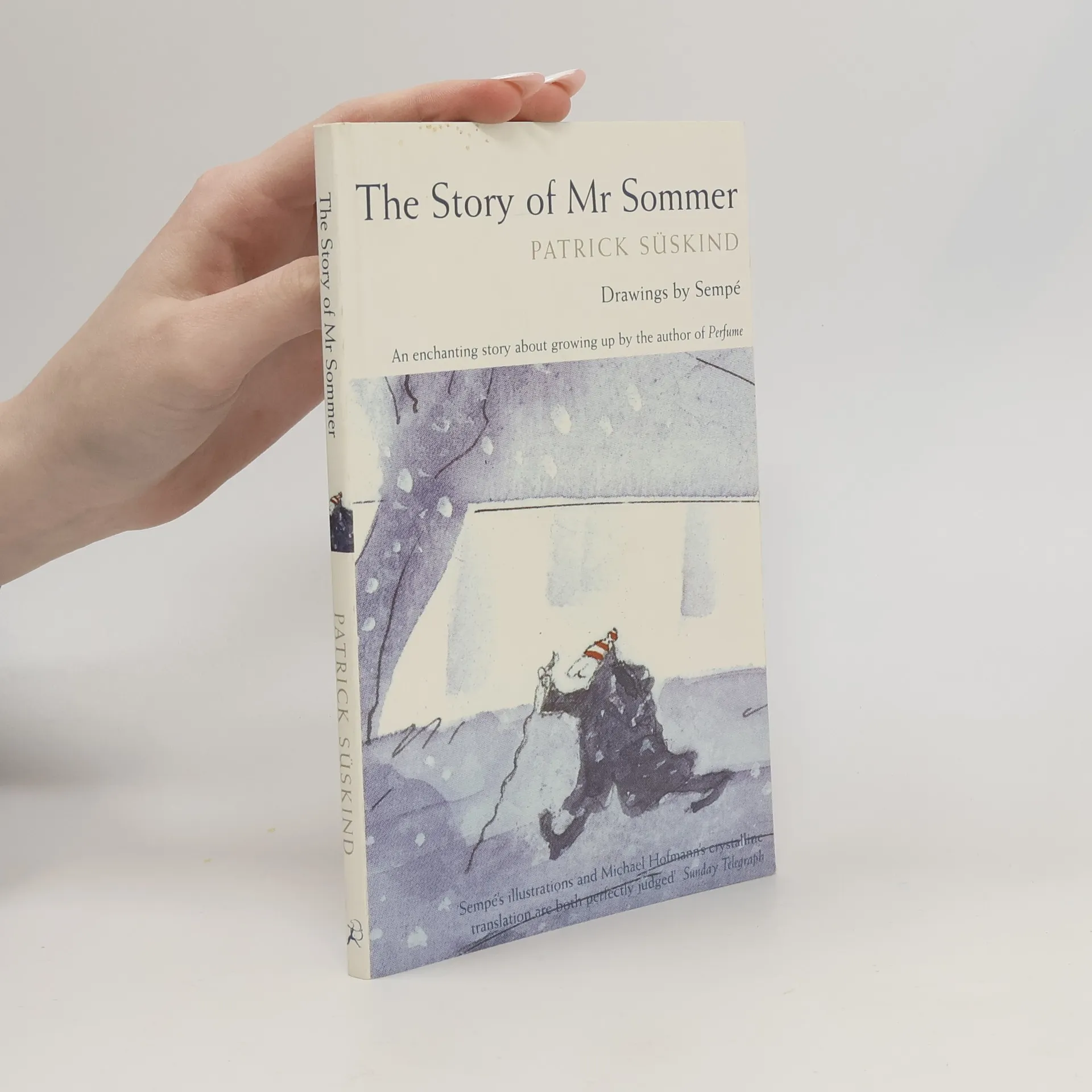
The Story of Mr Sommer
- 128 pages
- 5 hours of reading
A boy's village childhood with all the traditional attributes - father, mother, brother, sister, a house on a lake, tree-climbing, going to the races, music lessons, a bicycle, a crush on a girl in the class - is bedevilled by the mystifying appearances of the eccentric Mr. Sommer. Moving through the landscape in silent haste, like a man possessed, with his empty rucksack and his long, odd-looking walking stick, Mr Sommer runs like a black thread through the boy's days.
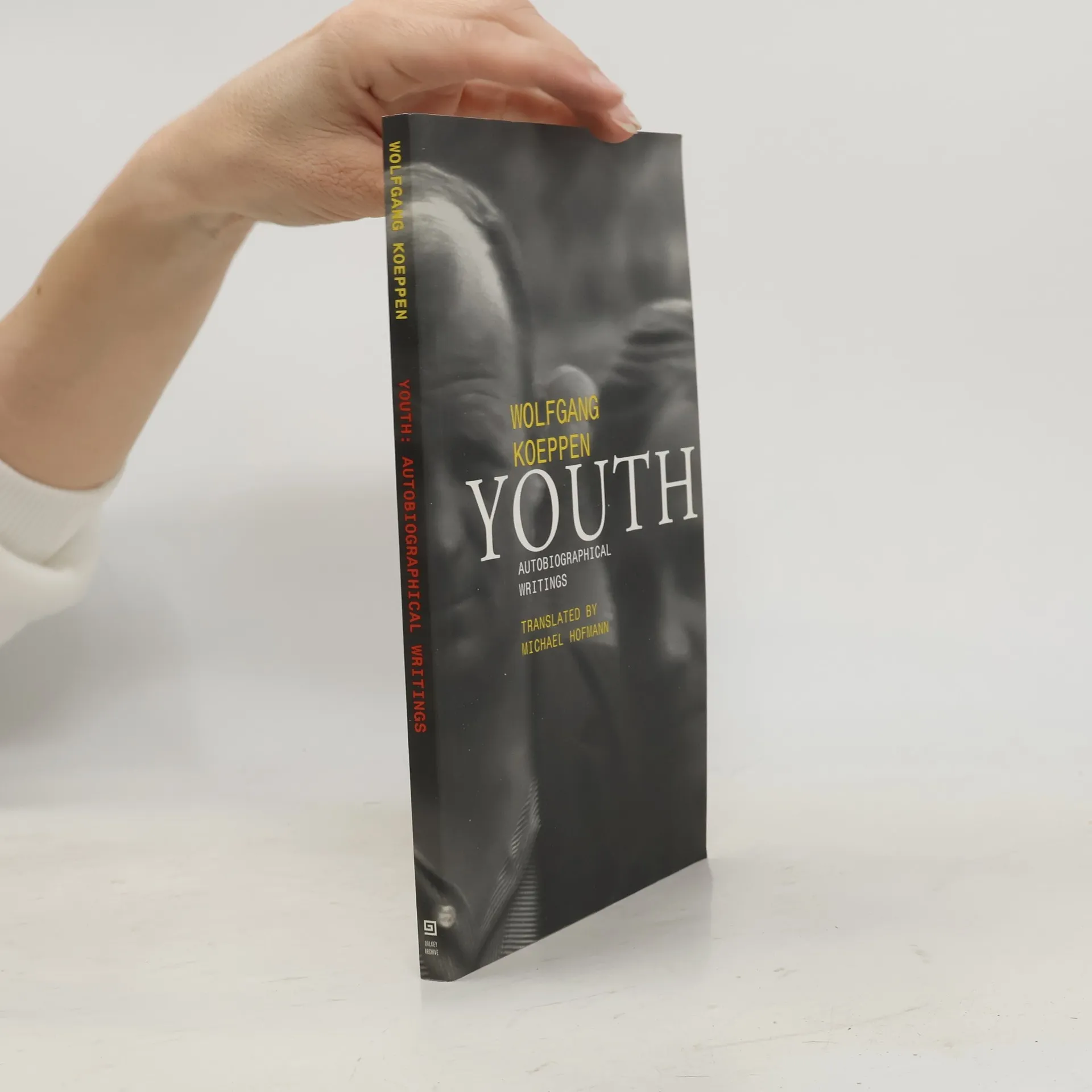
Wolfgang Koeppen is the most important German novelist of the past seventy years: a radical, not to say terrifying, stylist; a caustic, jet-black comedian; a bitter prophet. His late, autobiographical work--the short, intense autofiction, Youth, translated here for the first time--is a portrait of the little north German town of Greifswald before World War I, and is a miracle of compression: this is not historical fiction, but a kind of personal apocalypse. Also included here, in Michael Hofmann's brilliant translation, is one of Koeppen's very last works: a short, fragmentary text spoken over a 1990 German television program depicting his return visit to the town of his schooldays.
Frost
- 352 pages
- 13 hours of reading
Thomas Bernhard combined a searing wit and an unwavering gaze into the human condition. His debut novel, Frost, marked the beginning of one of the century’s most provocative literary careers. Visceral, raw, singular, and unforgettable, Frost is the story of a friendship between a young man beginning his medical career and a painter in his final days. The youth has accepted an unusual assignment, to travel to a miserable mining town in the middle of nowhere in order to clinically—and secretly—observe and report on his mentor’s reclusive brother, the painter Strauch. Carefully disguising himself as a law student with a love of Henry James, he befriends the aging artist and attempts to carry out his mission, only to find himself caught up in his subject’s apparent madness.
Amerika
- 288 pages
- 11 hours of reading
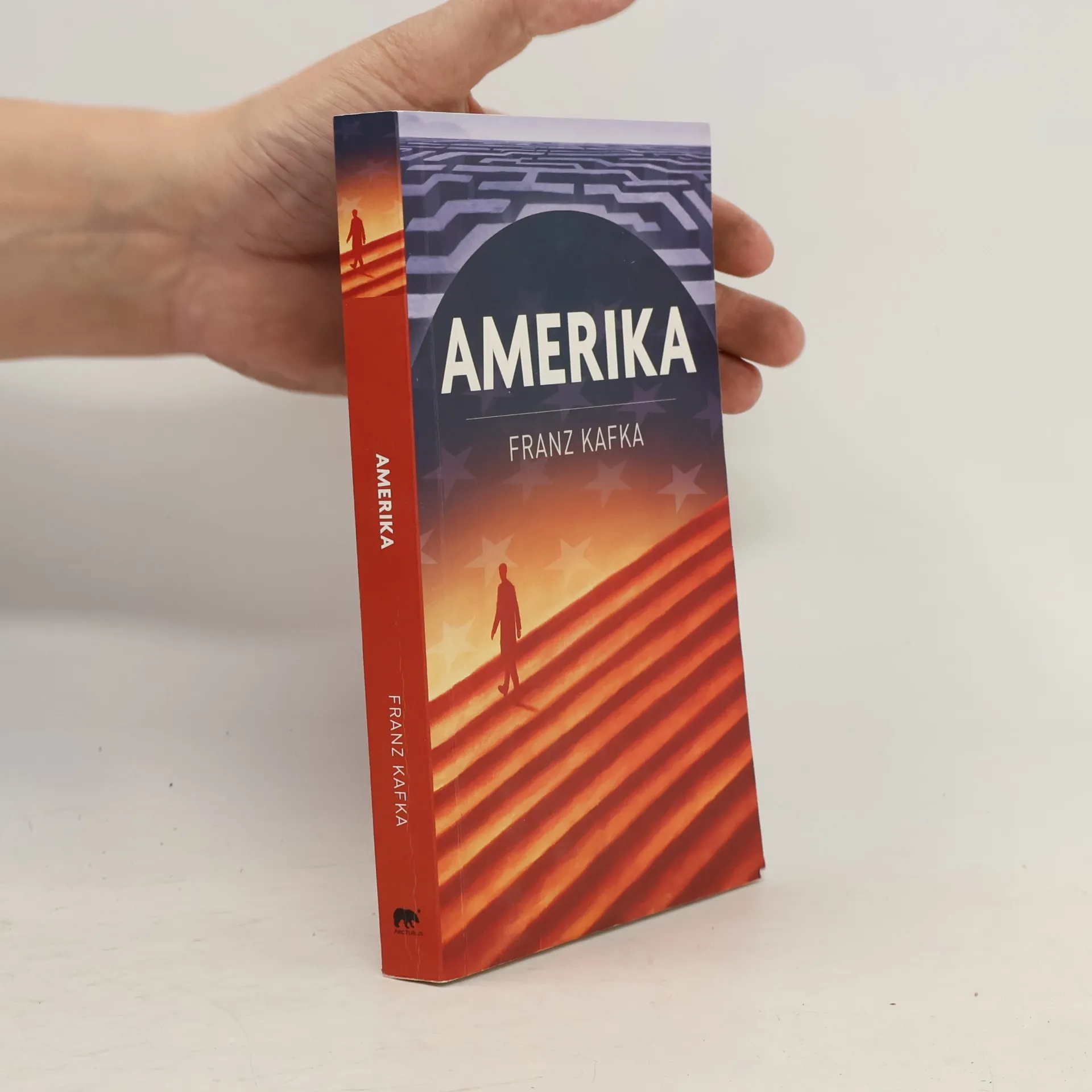
In America, Kafka leads the reader through a world of strips, hotels and offices that grow stranger and stranger and more comic and bewildering, the more realistically the author describes them.
The String of Pearls
- 224 pages
- 8 hours of reading
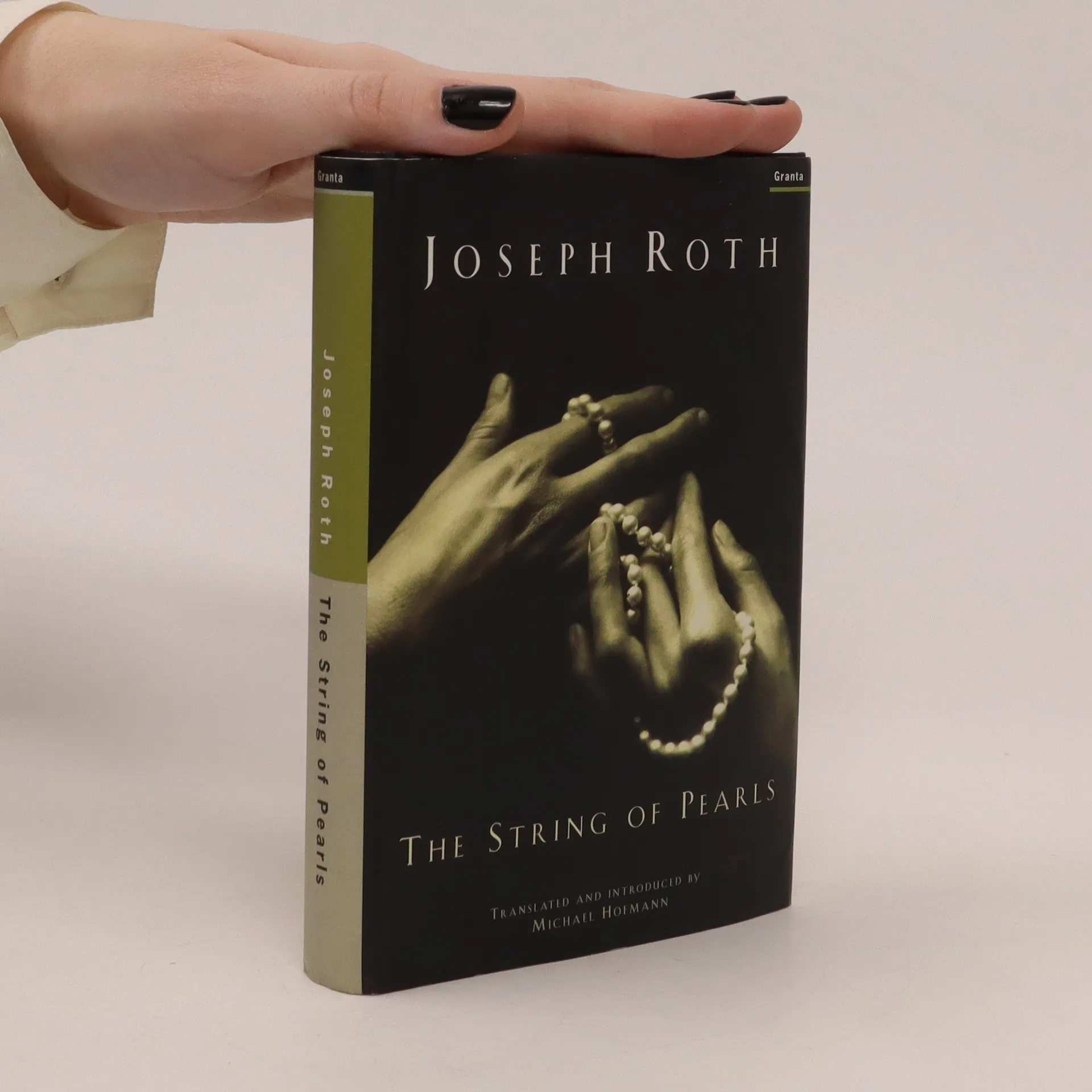
While visiting Vienna, the Shah of Persia falls for a beautiful countess. The Austrian officials arrange for him to spend the night with the "countess", but unbeknown to the Shah she is a prostitute who merely resembles the countess. From this night follows a chain of ruinous consequences.
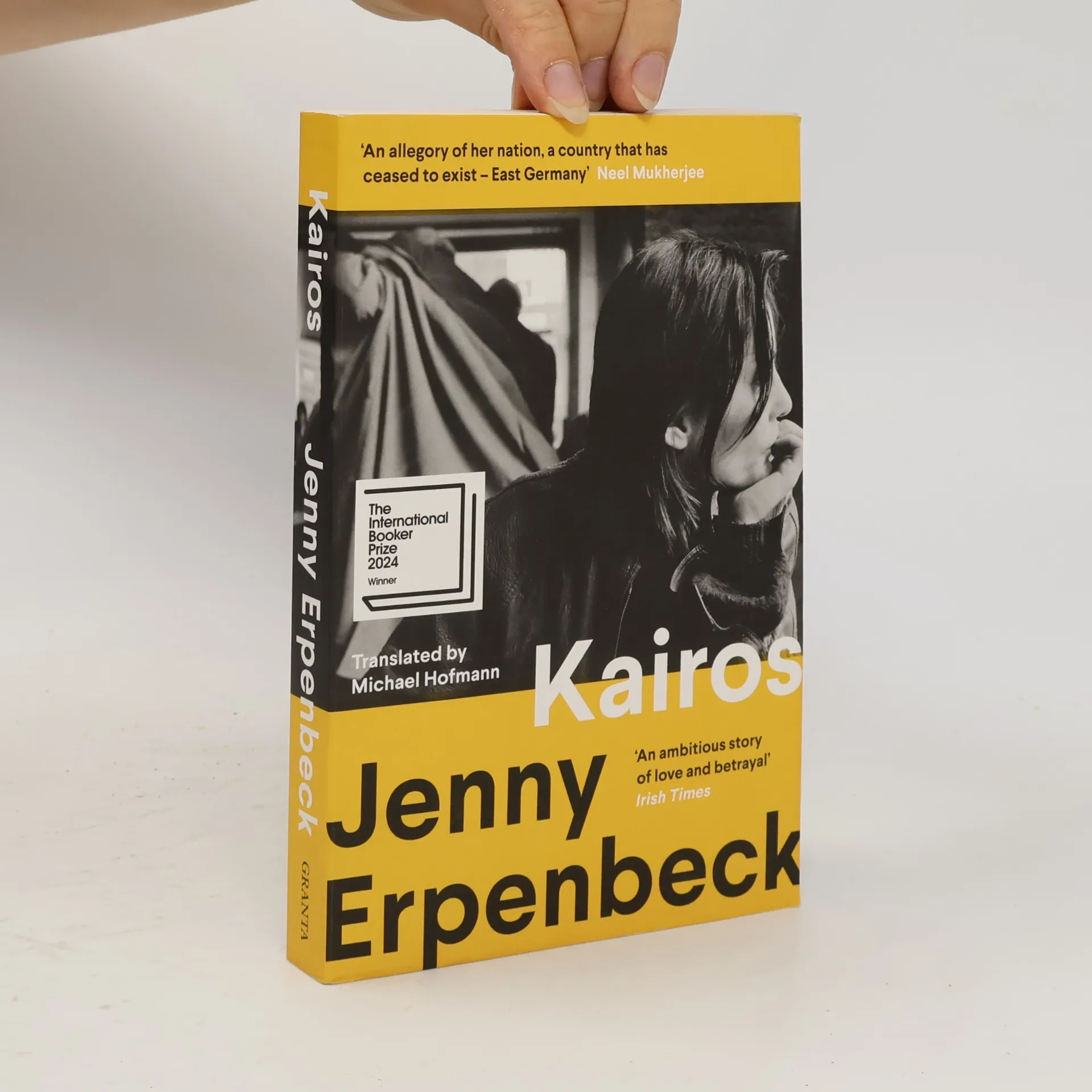
From an internationally acclaimed, multi award-winning author: this is a story of love and betrayal set in Berlin during the years before and after the fall of the Wall.
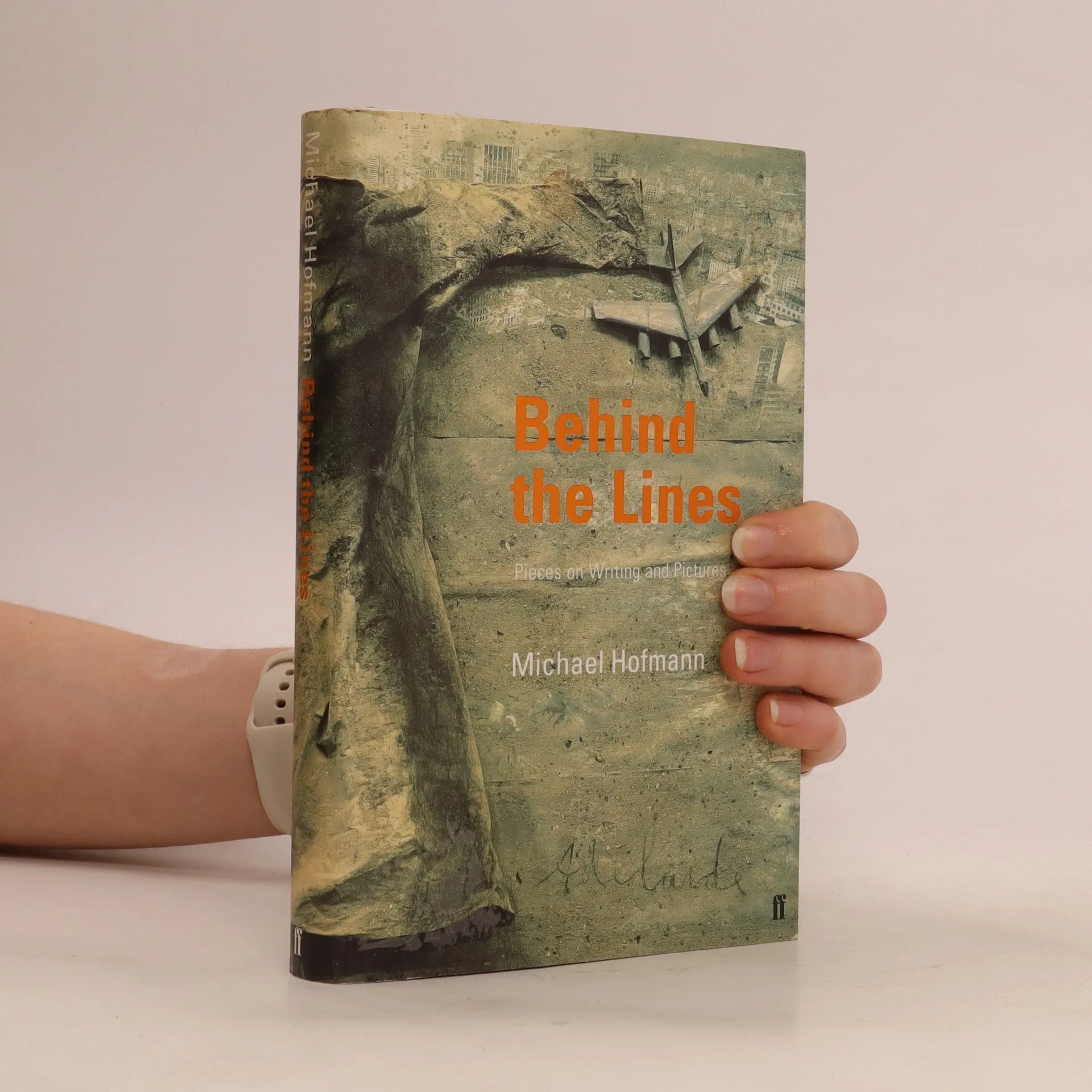
Behind the lines
- 320 pages
- 12 hours of reading
Collects critical writings about a range of novels, poetry, paintings, plays, movies, and their creators, in a volume that includes pieces on such figures as Wallace Stevens, Thomas Bernhard, and Paul Bowles.
Interkulturelle Literaturwissenschaft
- 246 pages
- 9 hours of reading
Das vorliegende UTB bietet eine kompakte Einführung in das vor dem Hintergrund der Globalisierung hochaktuelle Lehrgebiet der Interkulturellen Literaturwissenschaft. Es zeigt, dass die Reflexion und Inszenierung kultureller Differenz ein zentrales Anliegen der Literatur in Geschichte und Gegenwart darstellt. Nach einer Übersicht über die wichtigsten theoretischen Konzepte interkultureller Literaturwissenschaft kann sich der Leser mit den zentralen Texten und Themen vertraut machen: Goethe und der Orient Die Erfahrung des Fremden in der europäischen Moderne um 1900 Postkoloniale Literatur Deutschtürkische Literatur. Aktuelle Autoren wie Salman Rushdie, Feridun Zaimoglu, Zafer Senocak und Emine Sevgi Özdamar werden dabei besonders ausführlich betrachtet.
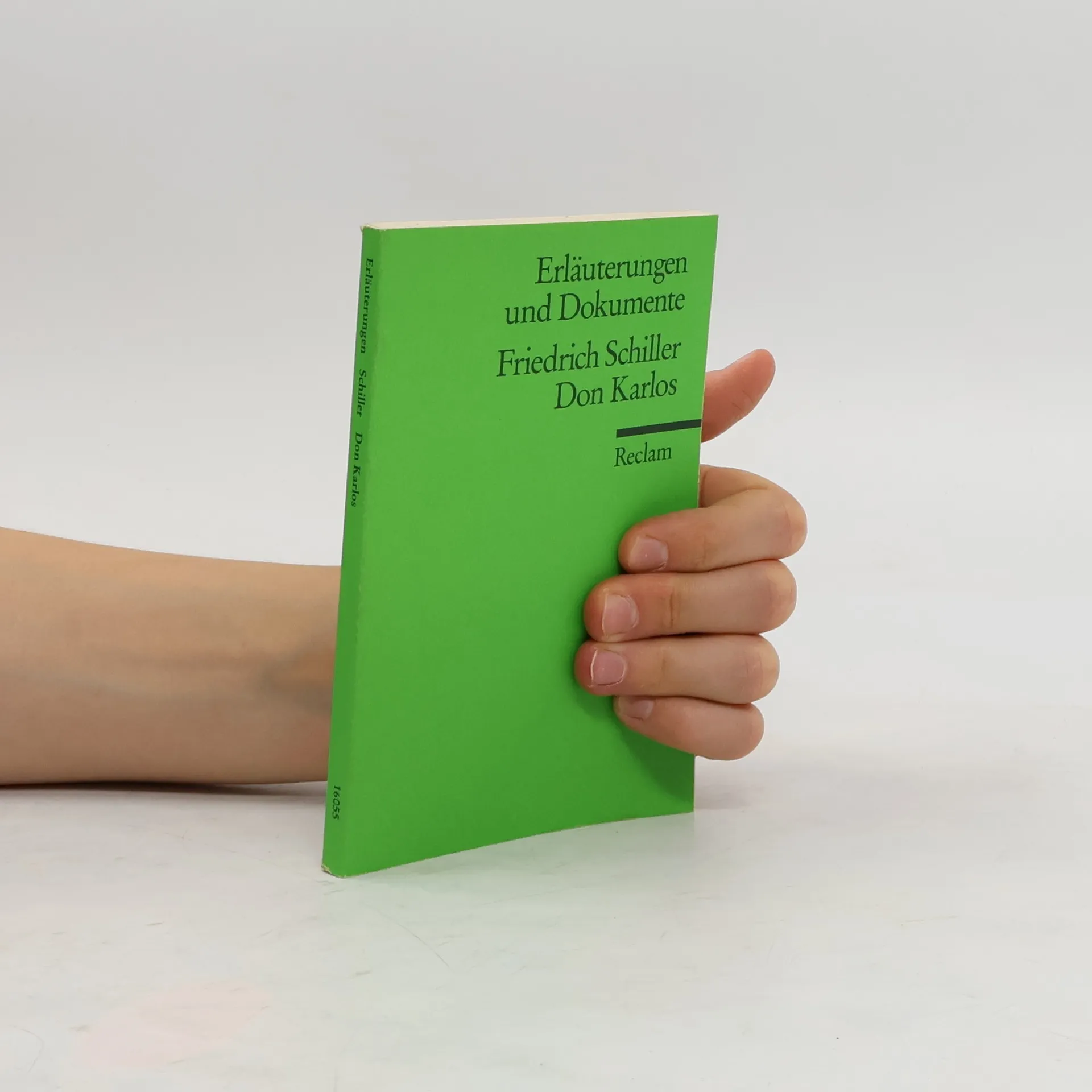
Friedrich Schiller, Don Karlos
- 141 pages
- 5 hours of reading
Sie suchen Erläuterungen und Interpretationen zu »Don Karlos« von Friedrich Schiller? Michael Hofmann hat in diesem Band die wichtigsten Texte und Dokumente für Ihre Analyse zusammengestellt. Das Blankversdrama von 1787 kennzeichnet Schillers Übergang vom Sturm und Drang zur Klassik. Er thematisiert darin den Konflikt zwischen Pflicht und Neigung. »Erläuterungen und Dokumente zu Don Karlos« unterstützt Ihre Analyse und Interpretation mit … … hilfreichen Erläuterungen von Begriffen und Motiven … Texten zur Entstehungsgeschichte und Wirkung … einem ausführlichen Literaturverzeichnis
Don Carlos
- 256 pages
- 9 hours of reading
"Don Carlos" is a historical tragedy by Friedrich Schiller, written between 1783 and 1787. Set in the 16th century during King Philip II's reign, it follows Carlos, Prince of Asturias, and is inspired by real historical events. The play premiered in Hamburg in 1787.
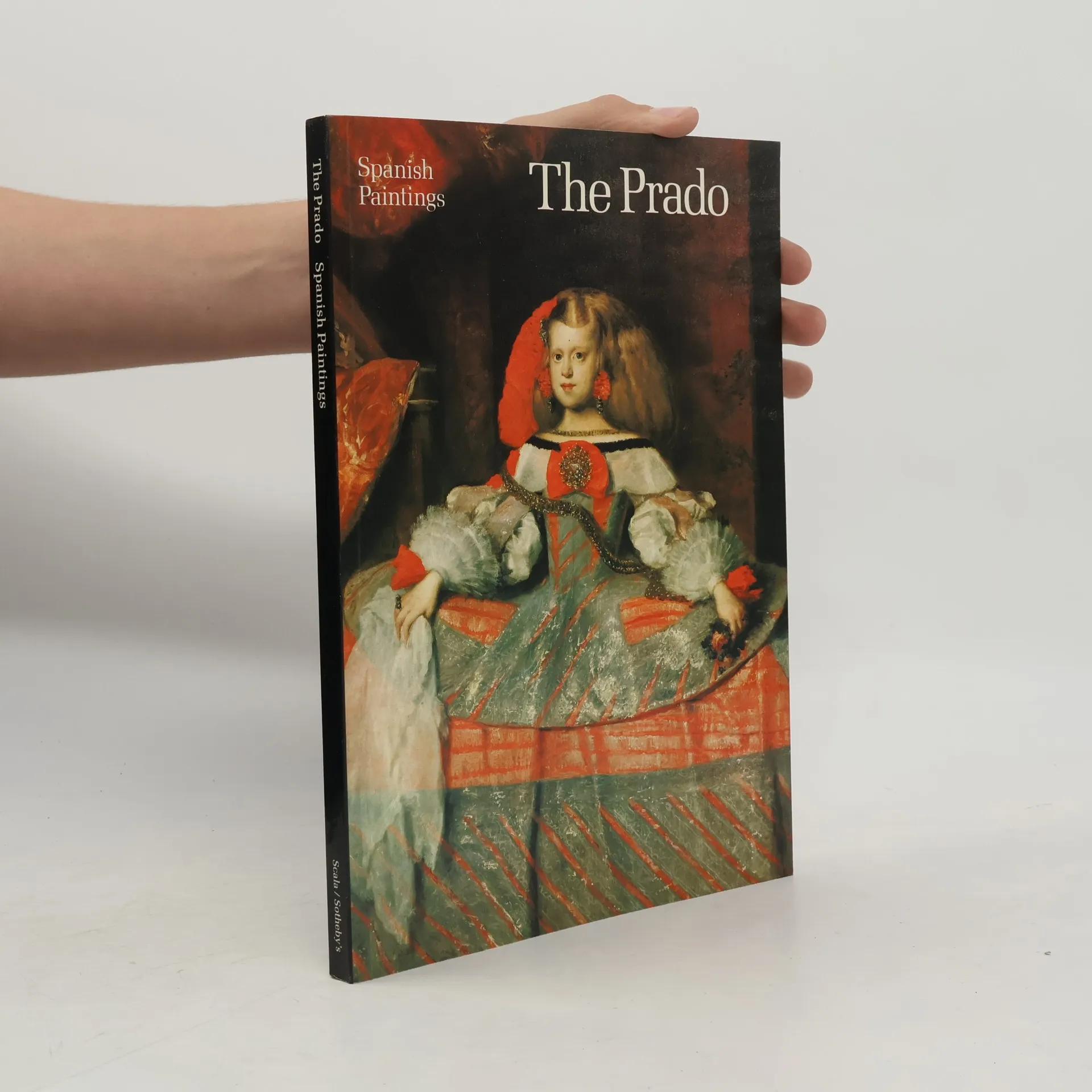
Der Prado
- 128 pages
- 5 hours of reading
Alterität, Diversität, Emanzipation
Grundlagen und Fallbeispiele einer kulturwissenschaftlich und diversitätssensibel orientierten Kulturdidaktik
- 200 pages
- 7 hours of reading
Das Buch präsentiert ein innovatives literaturdidaktisches Konzept, das den Eigenwert der Literatur sowie deren kulturelle und gesellschaftliche Bedeutung beleuchtet. Es thematisiert die Dimension der Alterität, indem es zeigt, wie Literatur vertraute Welten neu interpretiert. Zudem werden Diversität und Emanzipation behandelt, indem binäre Denkmuster in Bereichen wie Interkulturalität und Gender hinterfragt werden. Die theoretischen Ansätze werden durch zahlreiche Textanalysen veranschaulicht, die die individuelle Relevanz und Praxis des Lesens in den Fokus rücken.
Umbruchserfahrungen
Geschichten des deutschen Wandels von 1990 bis 2020
Die Geschichten in diesem Buch handeln nicht von der DDR und nicht von der friedlichen Revolution des Jahres 1989. Sie erzählen vielmehr Geschichten des Wandels von 1990 bis 2020. Für die Politik, im Verhältnis der Geschlechter, für die bildenden Kunst oder die gesellschaftlichen Eliten war der Vereinigungsprozess eine spannende Zeit. In diesem Buch präsentieren elf ostdeutsche Wissenschaftler*innen mit Sensibilität für Umbruchserfahrungen ihre Version der Vereinigungsgeschichte
Störfall Peter Weiss
- 128 pages
- 5 hours of reading
Unbestritten ist Peter Weiss einer der wichtigsten Autoren und Dramatiker der deutschen Literatur des 20. Jahrhunderts. Der von Michael Hofmann und Agata Mirecka herausgegebene Band Störfall Peter Weiss ist das Ergebnis einer wissenschaftlichen Tagung, die 2022 in Potsdam stattfand. Die Beiträge von Literaturwissenschaftler*innen aus Deutschland, Polen, der Schweiz und Italien bieten eine facettenreiche Palette von Aspekten, die das Leben und Werk von Peter Weiss bestimmten. Paul Celan, Walter Benjamin und Konrad Swinarski sind nur einige der Namen, die hier mit Weiss in Verbindung gebracht werden. Deutsche und polnische Autor*innen (Michael Hofmann, Monika Tokarzewska, Artur Pełka und Zbigniew Feliszewski) widmen sich unterschiedlichen Themenkomplexen und Fragestellungen, die sich aus Weiss’ Auseinandersetzung mit den genannten Persönlichkeiten ergeben. Berücksichtigt wird auch der italienische Kontext von Peter Weiss (Gerhard Friedrich) sowie die Bezüge Weiss’ zum Werk Franz Kafkas (Agata Mirecka). Der autobiografische Kontext (Karol Sauerland) sowie die für Weiss ausschlaggebende Kulturpolitik der DDR (Arnd Beise) werdem ebenfalls ausführlich dargelegt. Julia Lind schließlich überträgt Peter Weiss’ dramaturgische Tradition am Beispiel des She She Pop in eine zeitgemäße Form des Dokumentartheaters.
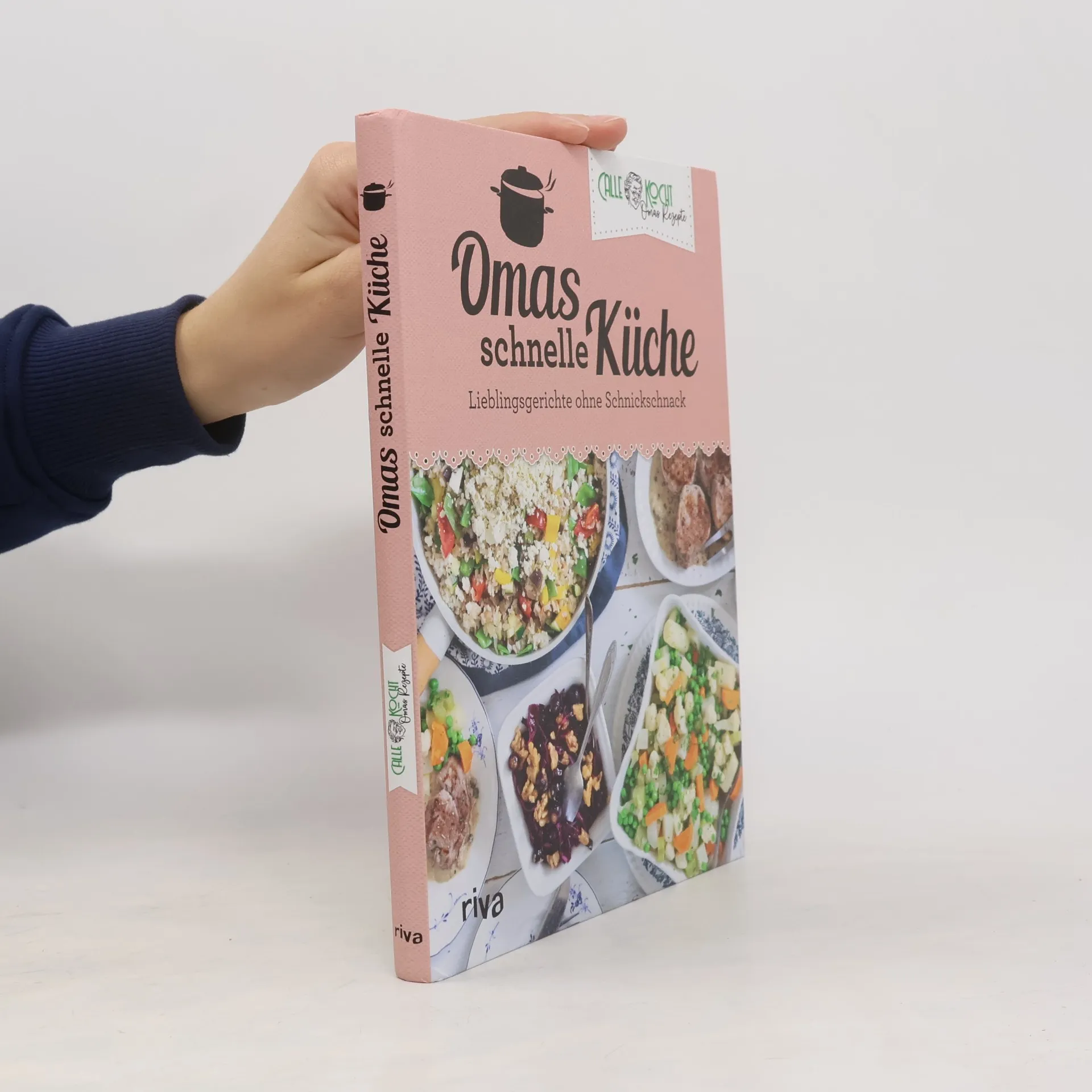
Omas schnelle Küche
- 128 pages
- 5 hours of reading
Ob knackiger Rotkohlsalat, wärmende Champignoncremesuppe, Leipziger Allerlei, exotischer Toast Hawaii, deftige Schweinemedaillons oder vegetarische Gemüse-Reis-Pfanne – auch Oma hatte nicht immer die Zeit, einen Sonntagsbraten zuzubereiten. Der erfolgreiche YouTuber CALLEkocht zeigt in seinem neuen Kochbuch einfache, alltagstaugliche und vielfältige Gerichte für Mittagessen, Abendessen und Dessert. Die traditionellen Rezepte ohne viele Zutaten sind ohne Aufwand zubereitet und eignen sich perfekt für die Tage, an denen es schnell gehen muss. Nie war es leichter, leckere und schnelle Gerichte der Kindheit auf den Tisch zu zaubern!
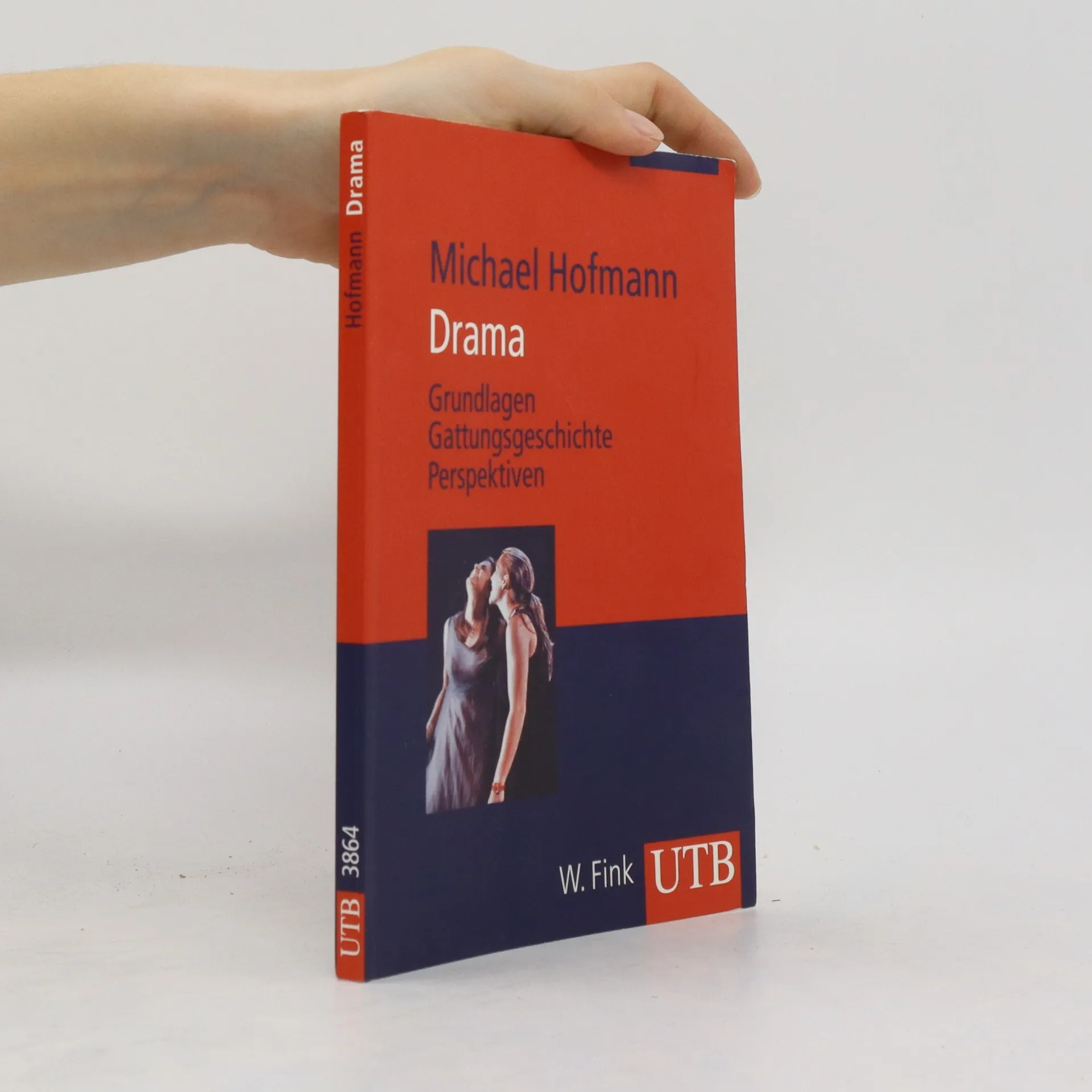
Wer „Eleos“, „Phobos“ und „Katharsis“ für griechische Dörfer hält, braucht Michael Hofmanns Einführung. „Drama“ erklärt die Grundlagen von Dramenanalyse und -theorie. Dabei werden alle Begriffe klar definiert. In einem Überblick über die Gattungsgeschichte des Dramas – von der Entstehung in der antiken Polis bis in die Gegenwart – wird gezeigt, wie man diese Basics in der Analysepraxis umsetzt. Testfragen mit Lösungen helfen beim Lernen – damit die Begriffe aus der aristotelischen Dramentheorie bald keine Fremdwörter mehr sind.
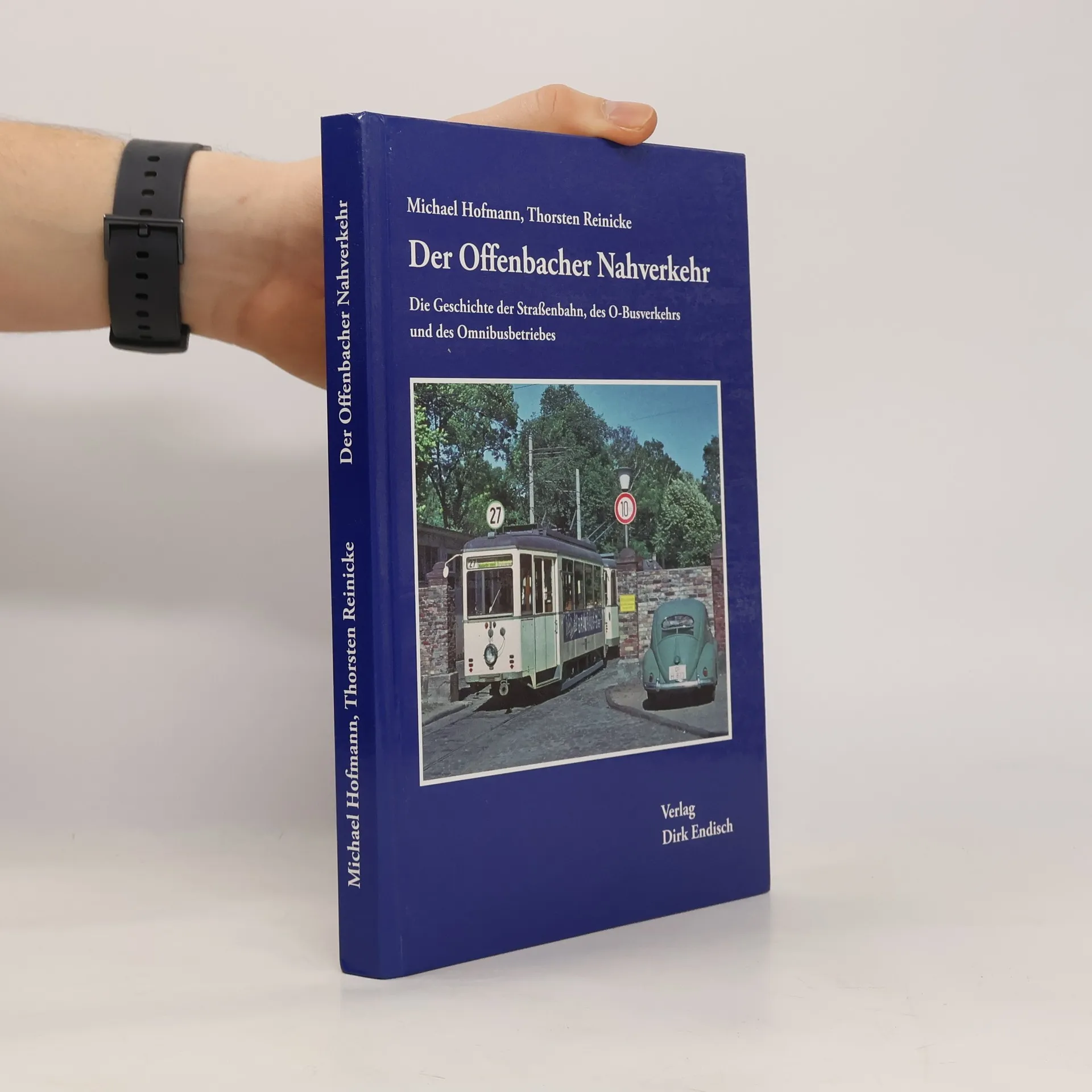
Der Offenbacher Nahverkehr
Die Geschichte der Straßenbahn, des O-Busverkehrs und des Omnibusbetriebes
Die Frankfurt-Offenbacher Trambahn-Gesellschaft übergab am 10. April 1884 die erste Straßenbahnlinie ihrer Bestimmung. Am 3. März 1905 beschloss die Stadt Offenbach, die Tram zu übernehmen. Die Städtische Straßenbahn Offenbach (SSO) baute die vorhandenen Strecken von Meter- auf Regelspur um und erweiterte das Streckennetz. 1963 verkehrten letztmalig Straßenbahnen in der Offenbacher Innenstadt. Neben dieser wechselvollen Geschichte behandelt das Buch auch die Entwicklung des O-Busverkehrs (1951-1972) und des seit 1926 bestehenden Omnibusbetriebes. Die zahlreichen Fotos, Streckenpläne und Tabellen machen das Werk zu einem Muss für jeden Nahverkehrs- und Heimatfreund.
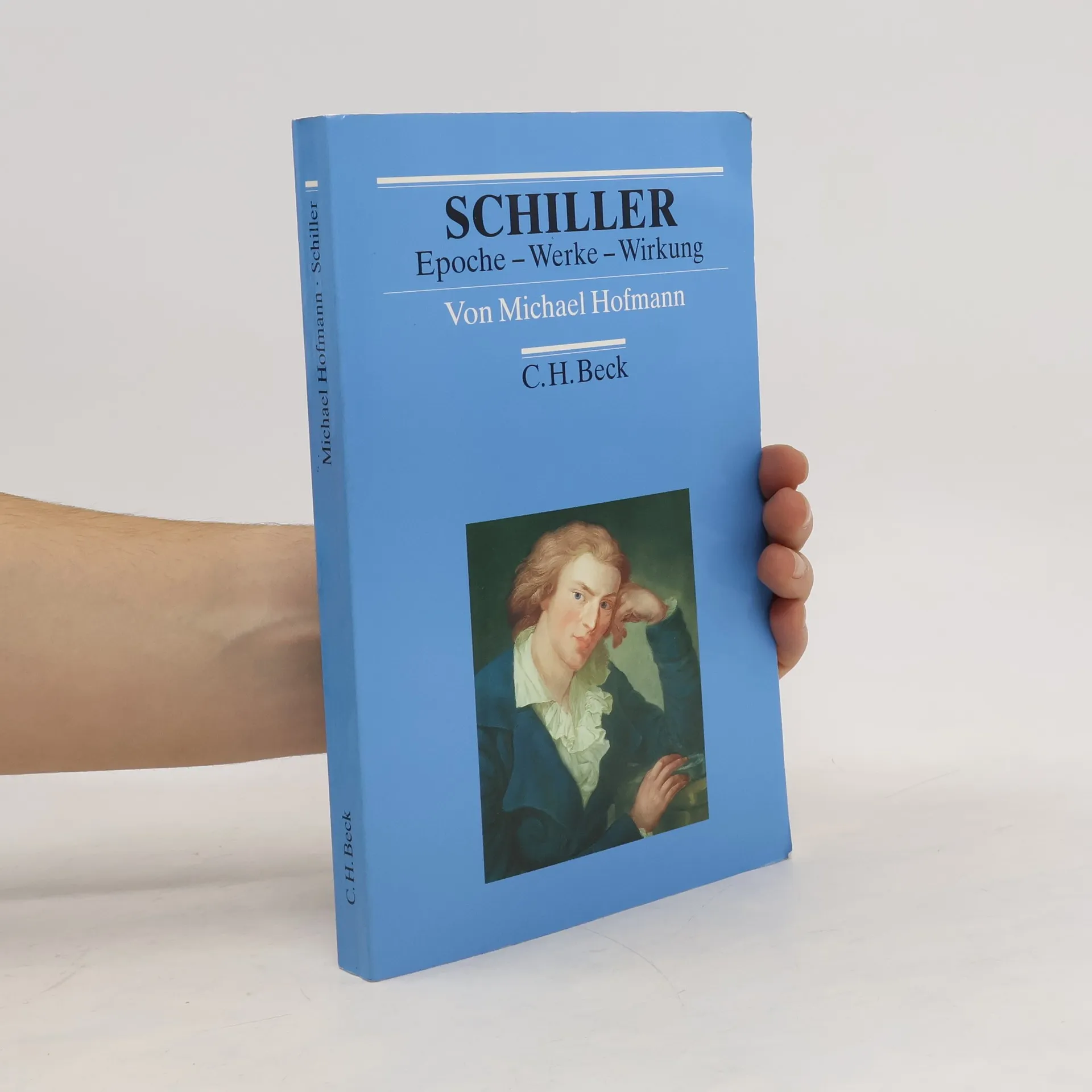
Der Klassiker Schiller ist neu zu entdecken. Jenseits der Klischees präsentiert dieses Arbeitsbuch auf der Basis der aktuellen Forschung ein zeitgemäßes Bild des Autors, dessen Werke im Kontext ihrer Zeit und aus der Perspektive des beginnenden 21. Jahrhunderts interpretiert werden. Sieben Arbeitsbereiche behandeln Schillers Einbindung in seine Epoche, aber auch die verschiedenen Schiller-Bilder der Nachgeborenen, und präsentieren die Dramatik, Geschichtsschreibung, Ästhetik und Lyrik dieses Autors. Schiller erweist sich als selbstkritischer Aufklärer, als innovativer und gleichzeitig skeptischer Geschichtsdenker und vor allem in Drama und ästhetischer Reflexion als Anreger der Moderne, der mit seiner Poetik des Erhabenen auch als Zeitgenosse unseres Jahrhunderts verstanden werden kann. Jeder Arbeitsbereich umfasst kommentierte Bibliographien, die über den aktuellen Forschungsstand informieren. Der Band bietet einen fundierten und fesselnden Zugang zu einem der bedeutendsten deutschen Dichter - und auch hier gilt: „Die Arbeitsbücher aus dem Hause Beck kann man nicht genug loben. Sie haben nichts von dem sonst so trockenen Ton deutscher Germanistik.“ Die Welt
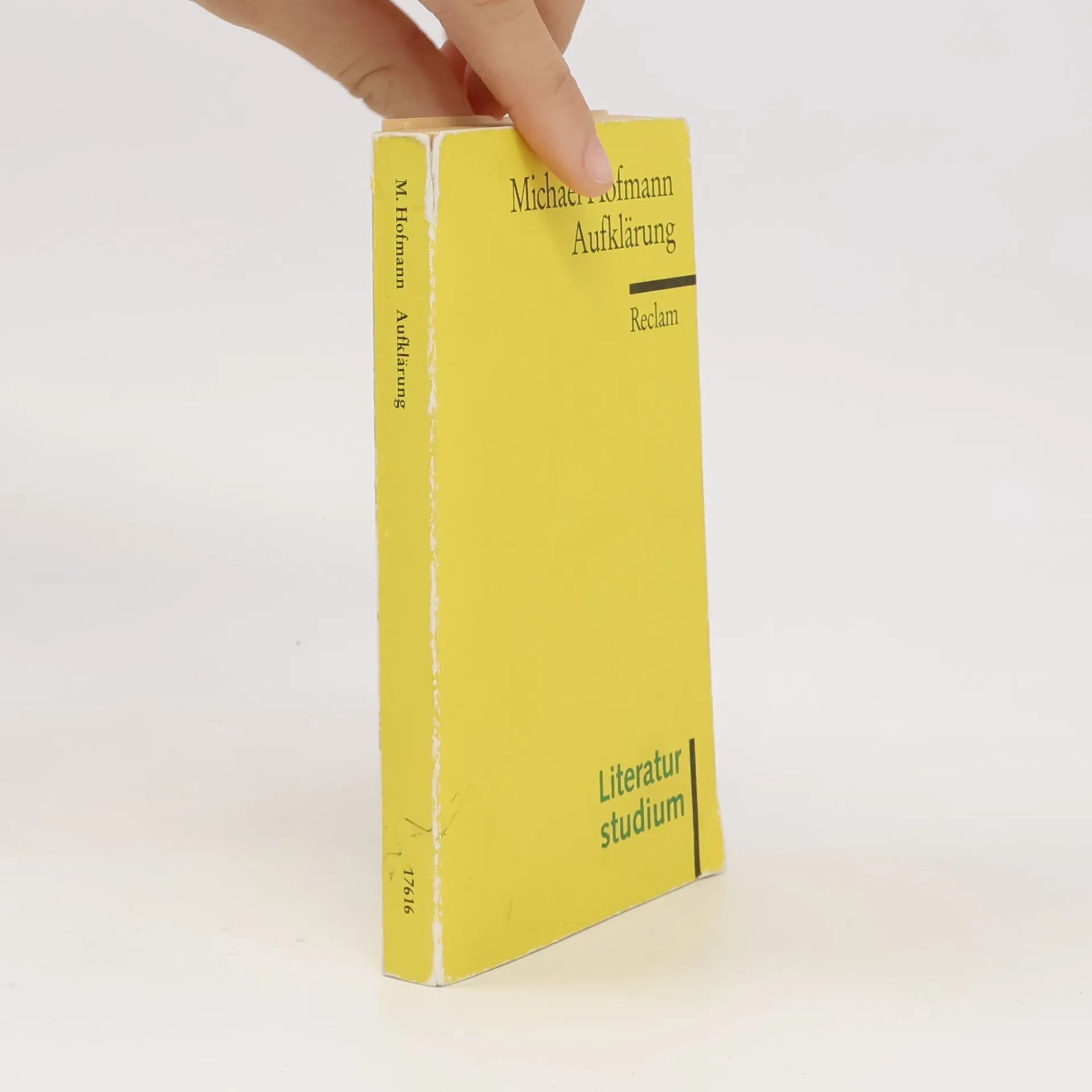
Die Aufklärung hat wesentliche Grundlagen modernen Denkens und moderner Mentalität geschaffen. Sie hat gegen unhinterfragte Traditionen und Vorurteile gekämpft und sich vehement für die Mündigkeit des Menschen eingesetzt. Die Literatur hat gerade in Deutschland den Prozess der Aufklärung unterstützt, aber auch kritisch begleitet. Dieser Band gibt Studierenden, Lehrenden und anderen Interessierten zuverlässig Auskunft über die maßgeblichen Autoren und Gattungen der Epoche. Besondere Beachtung finden dabei kulturwissenschaftliche Fragestellungen, die in den letzten Jahren im Mittelpunkt innovativer Forschung standen. Namhafte Spezialisten untersuchen in 14 Originalbeiträgen u. a. Gottsched, Gellert, Sophie von La Roche, Klopstock, Lessing, Wieland, Friedrich von Blanckenburg, Moses Mendelssohn, Georg Forster und Lichtenberg.
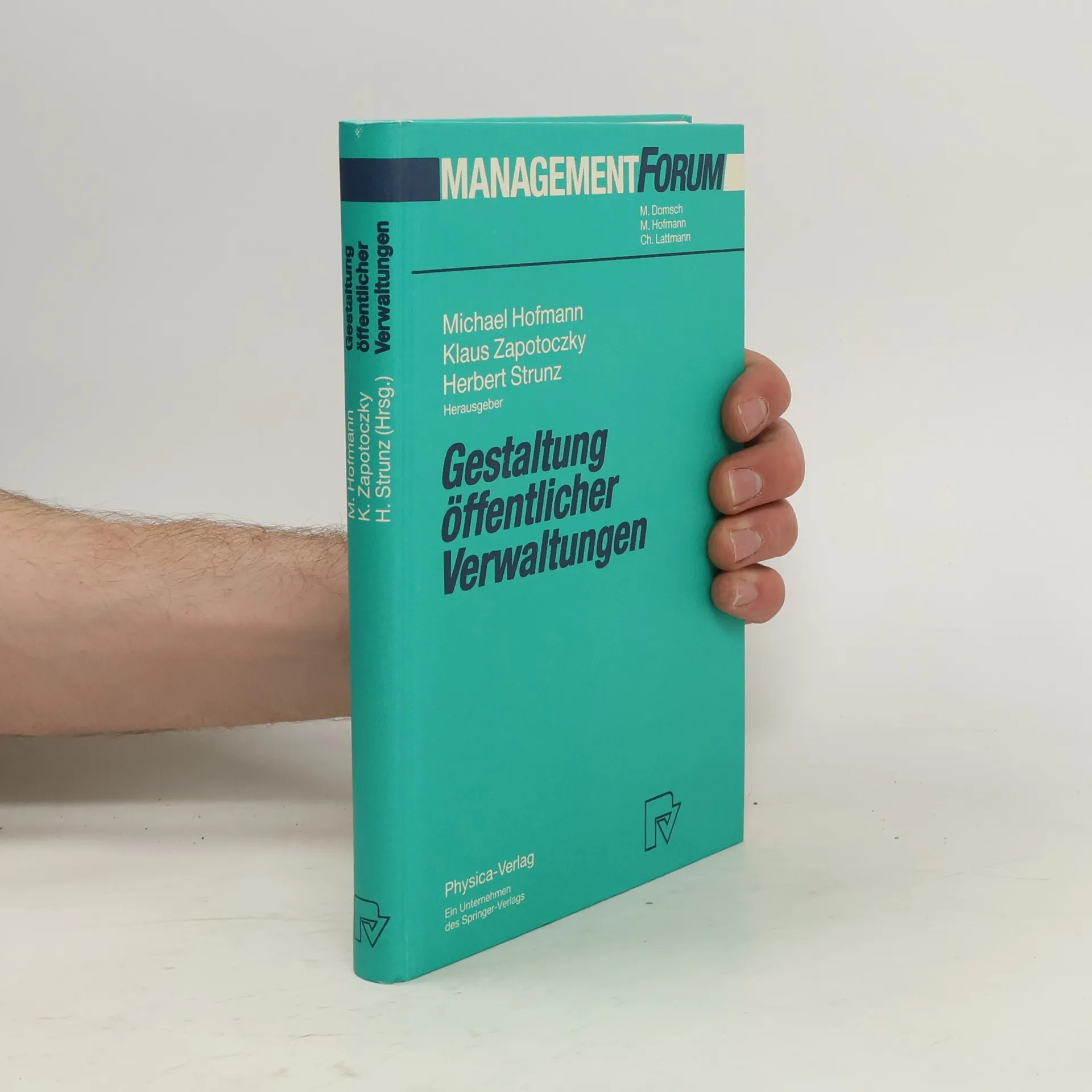
Der erfolgreichen Gestaltung öffentlicher Verwaltungen kommt heute - besonders vor dem Hintergrund zahlreicher Probleme - ein bedeutender Stellenwert zu. Die Kenntnis der vielfältigen Spezifik dieser Organisationen ist dafür eine unabdingbare Voraussetzung. Der vorliegende Sammelband mit Beiträgen namhafter Autoren versucht davon ausgehend, die Grundlagen und ausgewählte Fragen öffentlicher Verwaltungen zu behandeln. Auf der Basis einer eingehenden Erörterung theoretischer Zusammenhänge werden die wesentlichen Inhalte des funktionalen Managements öffentlicher Verwaltungen thematisiert. Dazu gehören Entscheidung, Organisation, Finanzierung und Marketing. Ausgewählte Probleme der gestaltungsrelevanten Managementpraxis stehen schließlich in Form von Analysen und Fallstudien zur Diskussion.
Inhaltsverzeichnis“Unternehmensberatung” — Stand der deutschsprachigen Theorienbildung und empirischen Forschung.- Organisationsberatung — Eine Wachstumsbranche ohne professionelles Selbstverständnis Überlegungen zur Weiterführung des OE-Ansatzes in Richtung systemischer Organisationsberatung.- Der Makrotrend in der ganzheitlichen Organisationsforschung.- Der Reorganisationsprozeß als Paradigma der ganzheitlichen Beratung.- Beratungsstrategien.- Tiefenpsychologische Aspekte der Berater/Klienten-Beziehung.- Rollentheoretische Analyse der Berater/Klienten-Beziehung.- Systemische und kognitionstheoretische Perspektiven der Unternehmensberatung.- Intervention: Zu Theorie und Techniken der Einmischung.- Irritation und Bestätigung — Die Provokation der systemischen Beratung oder: Wer macht eigentlich die Veränderung?.- Unternehmensberatung für Klein- und Mittelbetriebe.- Beratungsprozesse und -erfolge in mittelständischen Unternehmen.- Adressen der Autoren.
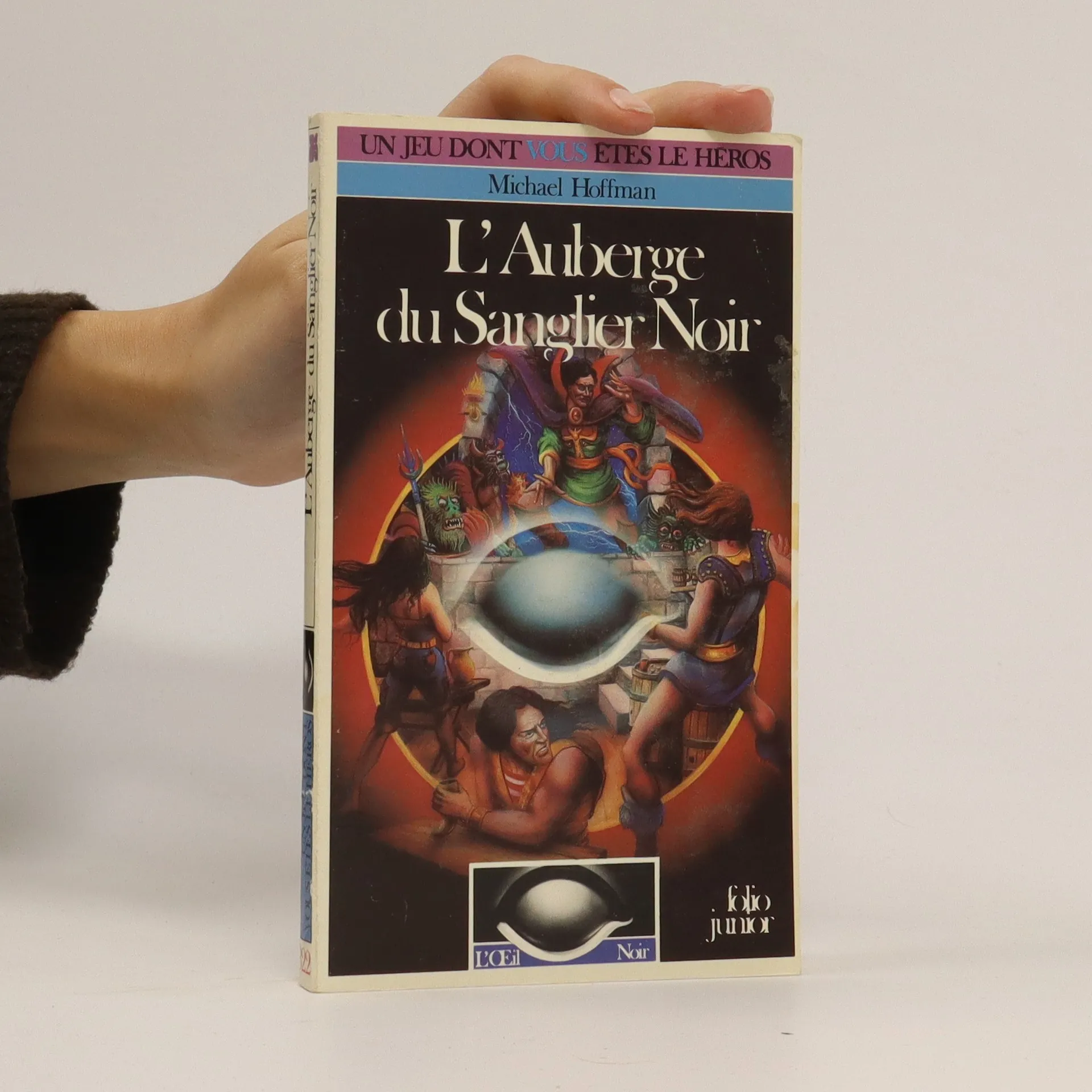
Pour évoluer en Aventurie, le pays fantastique de l'Oeil Noir, le boîtier ##Initiation au jeu d'aventure## est indispensable. D'autres boîtiers (dont l'un intitulé ##Les accessoires du maître##) ne sont pas indispensables, mais ils permettent aux initiés de pousser plus loin l'aventure.
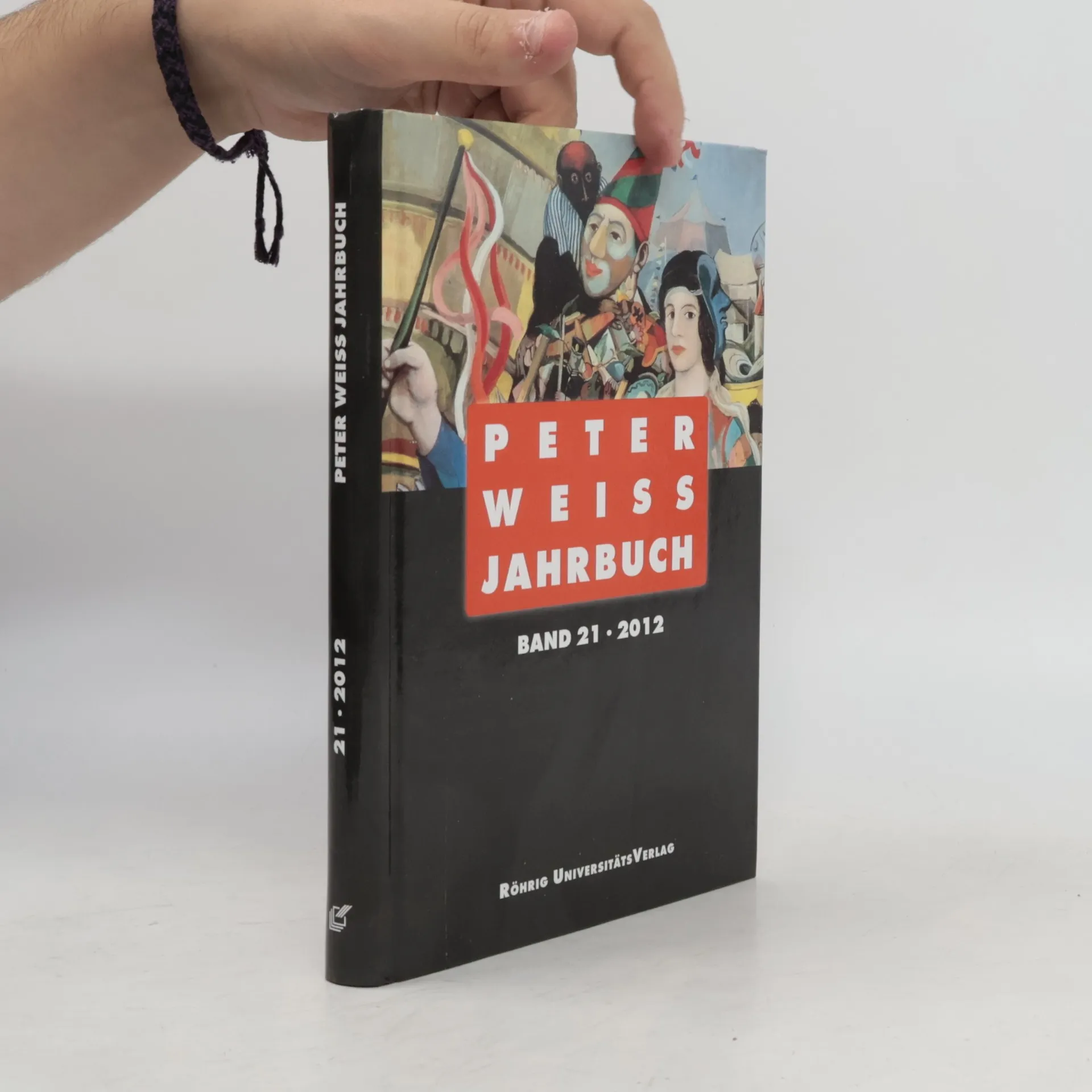
Peter Weiss Jahrbuch für Literatur, Kunst und Politik im 20. und 21. Jahrhundert. Band 21 (2012)
Für Literatur, Kunst und Politik im 20. und 21. Jahrhundert
- 221 pages
- 8 hours of reading
Die erfolgreiche Reihe der Oldenbourg Interpretationen umfasst alle Epochen und Gattungen. Ein besonderer Schwerpunkt liegt auf aktuellen Titeln der Gegenwartsliteratur, die für den Deutschunterricht entdeckt werden. Lehrern und Schülern bietet die Reihe über 100 sorgfältig aufbereitete Werke.
Lyrik vom Barock bis zur Goethezeit
- 200 pages
- 7 hours of reading
Die erfolgreiche Reihe der Oldenbourg Interpretationen umfasst alle Epochen und Gattungen. Ein besonderer Schwerpunkt liegt auf aktuellen Titeln der Gegenwartsliteratur, die für den Deutschunterricht entdeckt werden. Lehrern und Schülern bietet die Reihe über 100 sorgfältig aufbereitete Werke.
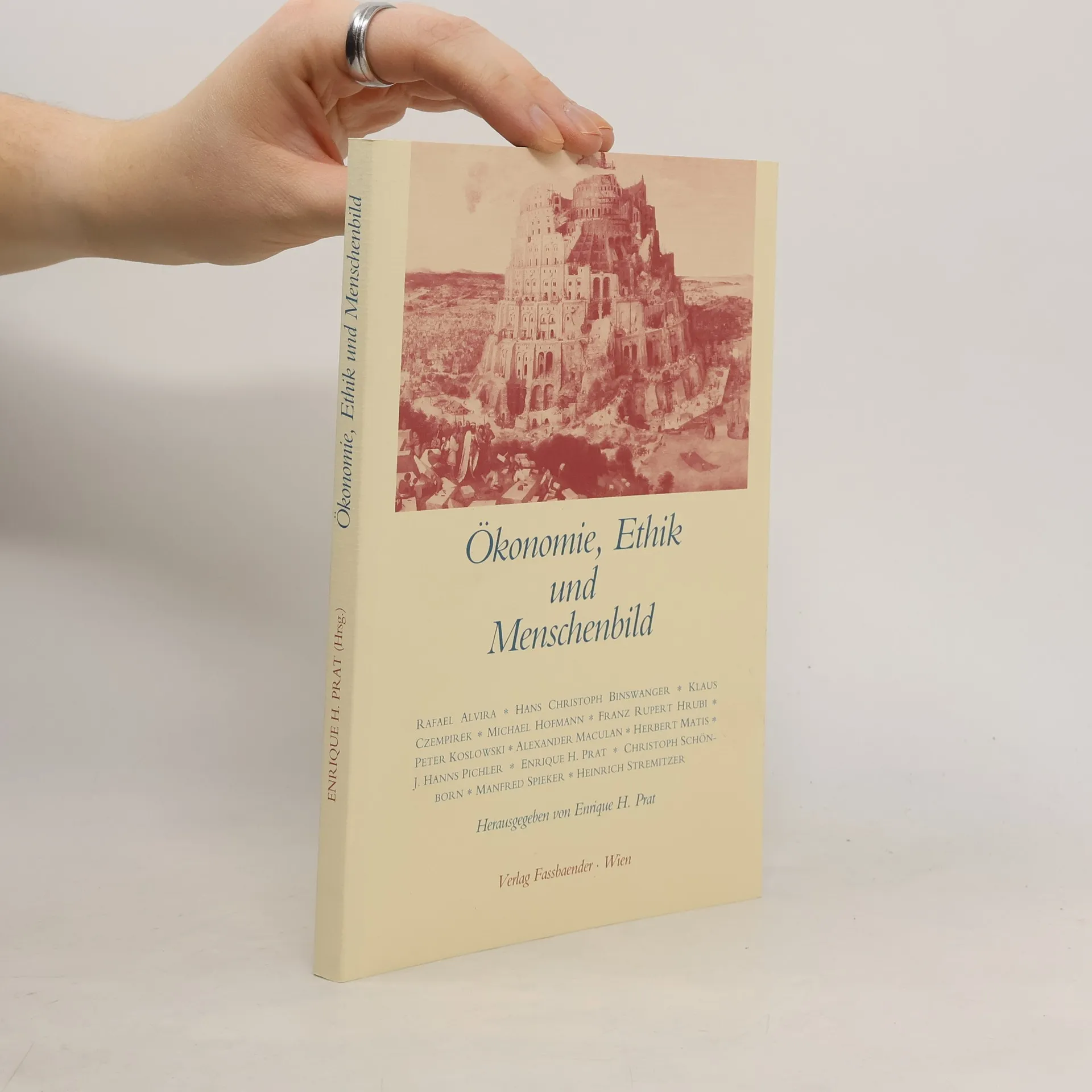
Ökonomie, Ethik und Menschenbild
- 196 pages
- 7 hours of reading
Sousedé v knize; Nachbarn im Buch
- 111 pages
- 4 hours of reading