Gay Talese is renowned for his pioneering work in literary journalism, often referred to as New Journalism. He excels at in-depth reportage, establishing a distinct form of non-fiction writing. His distinctive style offers profound insights into both ordinary individuals and celebrated figures. Talese's ability to capture the essence of his subjects solidifies his standing as a significant voice in modern journalism.
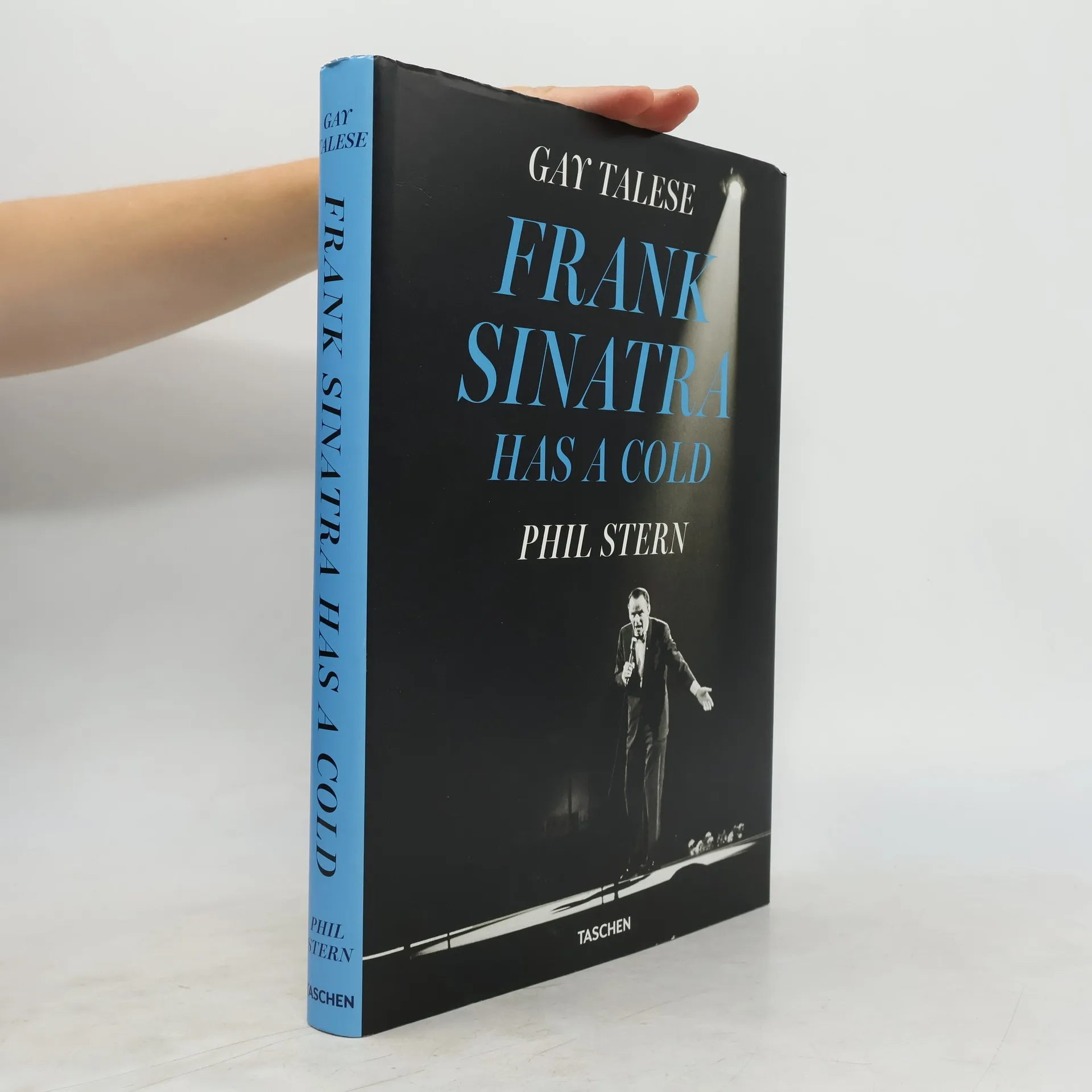
The book offers a vivid portrayal of Frank Sinatra, blending factual information with an engaging narrative style characteristic of New Journalism. It features notes and letters from the author's archives, alongside photographs by Phil Stern, the sole photographer to document Sinatra over four decades. Initially released as a signed collector's edition, it is now available in an unlimited edition, making this comprehensive insight into Sinatra's life and legacy accessible to a wider audience.
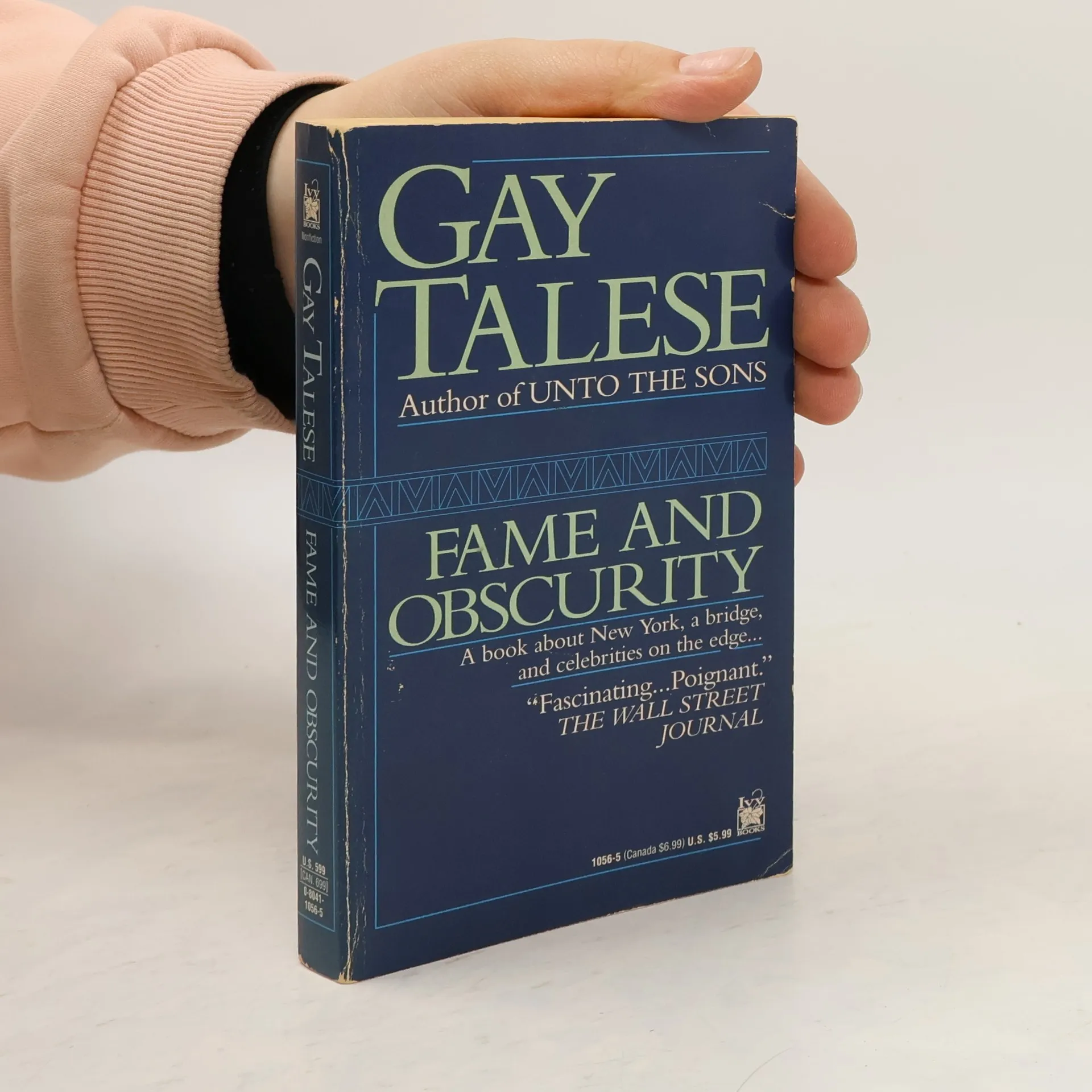
"Fascinating . . . Poignant." The Wall Street Journal In this extraordinary work of insight and interviews, bestselling author Gay Talese shares with us the lives of those we don't know and those we might wish we did: Frank Sinatra, Joe DiMaggio, Manhattan mobsters, Bowery bums, and many others -- fascinating men and women who define our country's spirit and lead us to an understanding of ourselves as a nation.
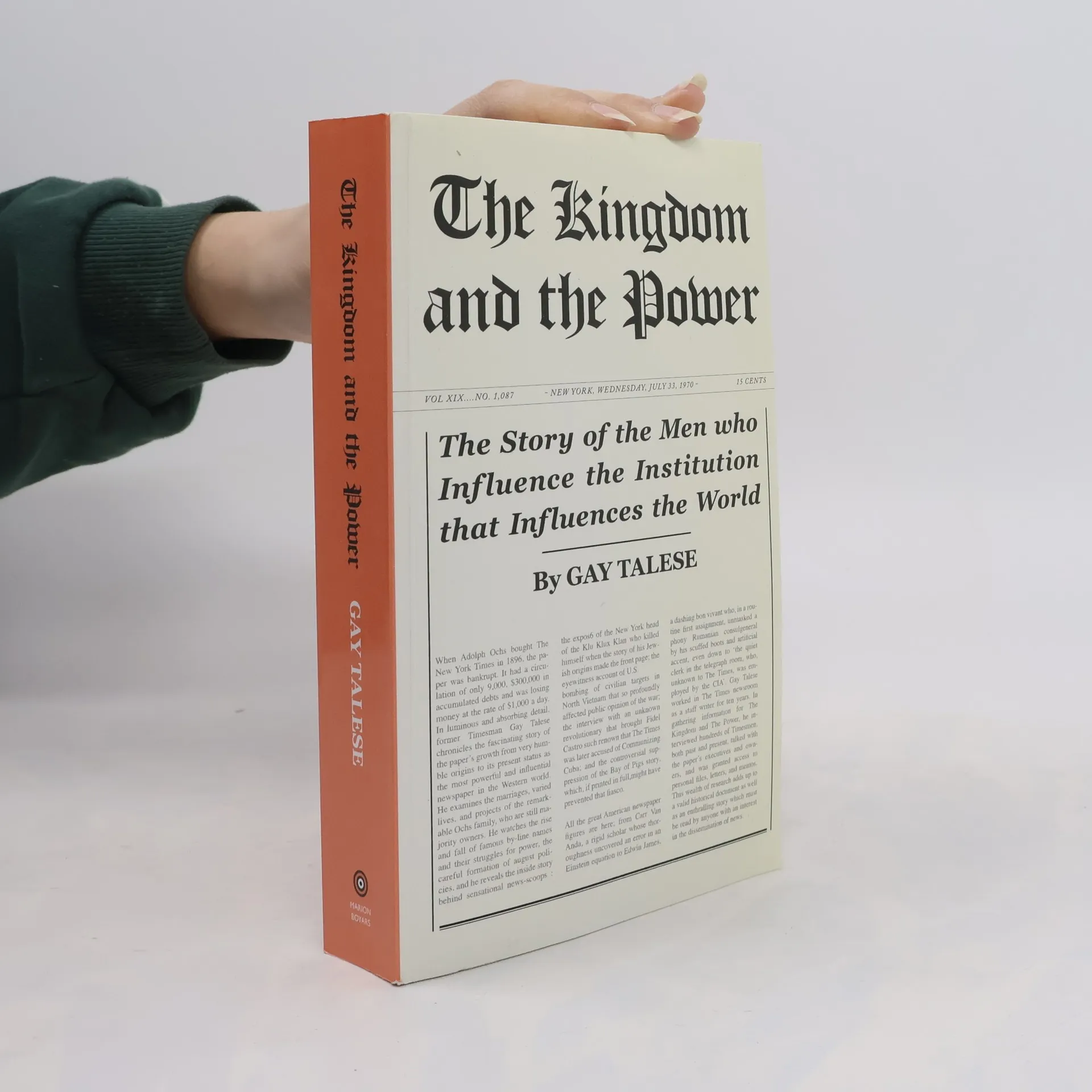
The Story of the Men Who Influence the Institution That Influences the World
592 pages
21 hours of reading
With drama and riveting detail, the author of Unto the Sons presents a candidly fascinating look at the making of the remarkable publishing dynasty that is The New York Times--all the history behind the headlines. "Beautifully documented . . . no less than a landmark in the field of writing about journalism".--The Nation. Previous publisher: Dell.
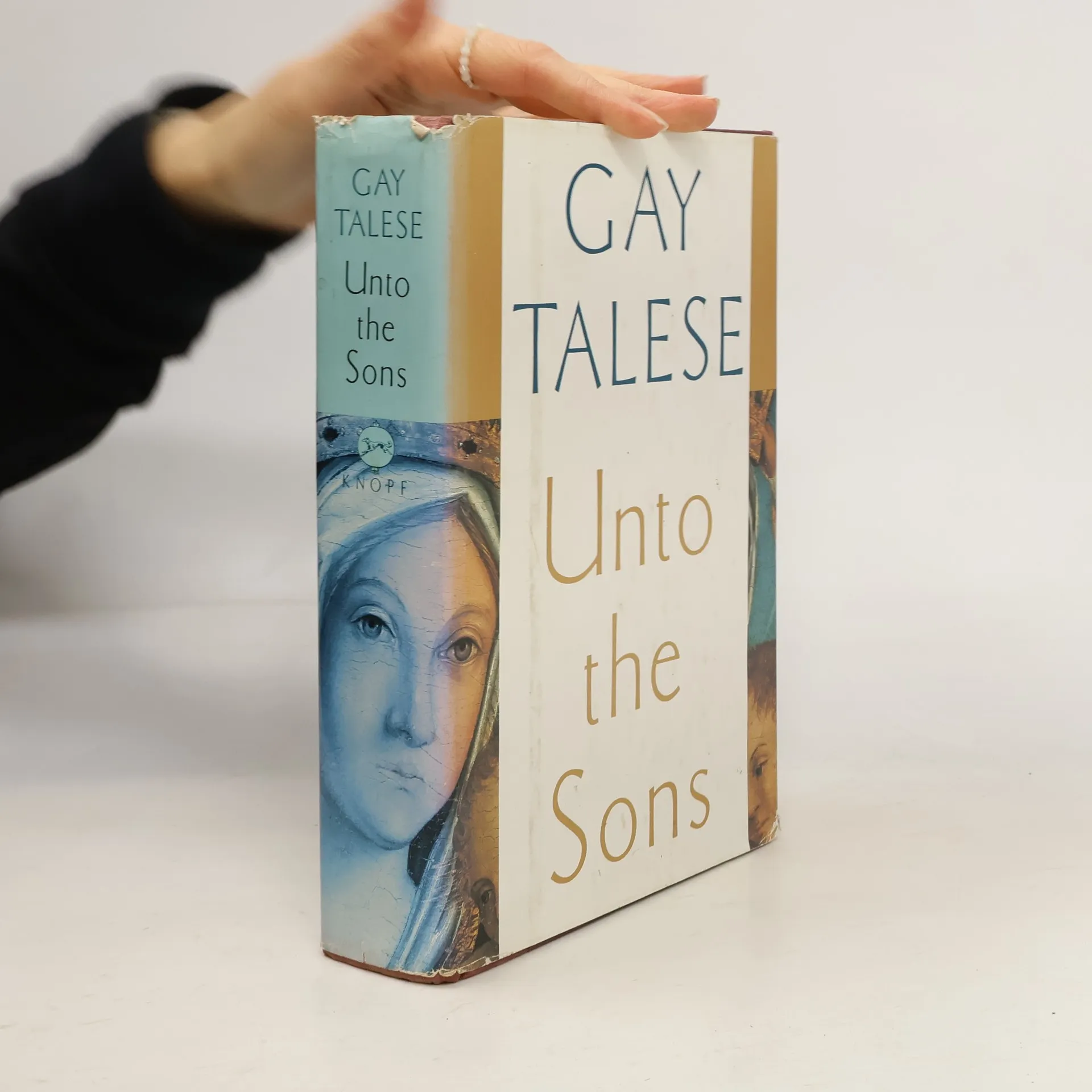
"An Italian ROOTS." The Washington Post Book World At long last, Gay Talese, one of America's greatest living authors, employs his prodigious storytelling gifts to tell the saga of his own family's emigration to America from Italy in the years preceding World War II. Ultimately it is the story of all immigrant families and the hope and sacrifice that took them from the familiarity of the old world into the mysteries and challenges of the new. From the Paperback edition.
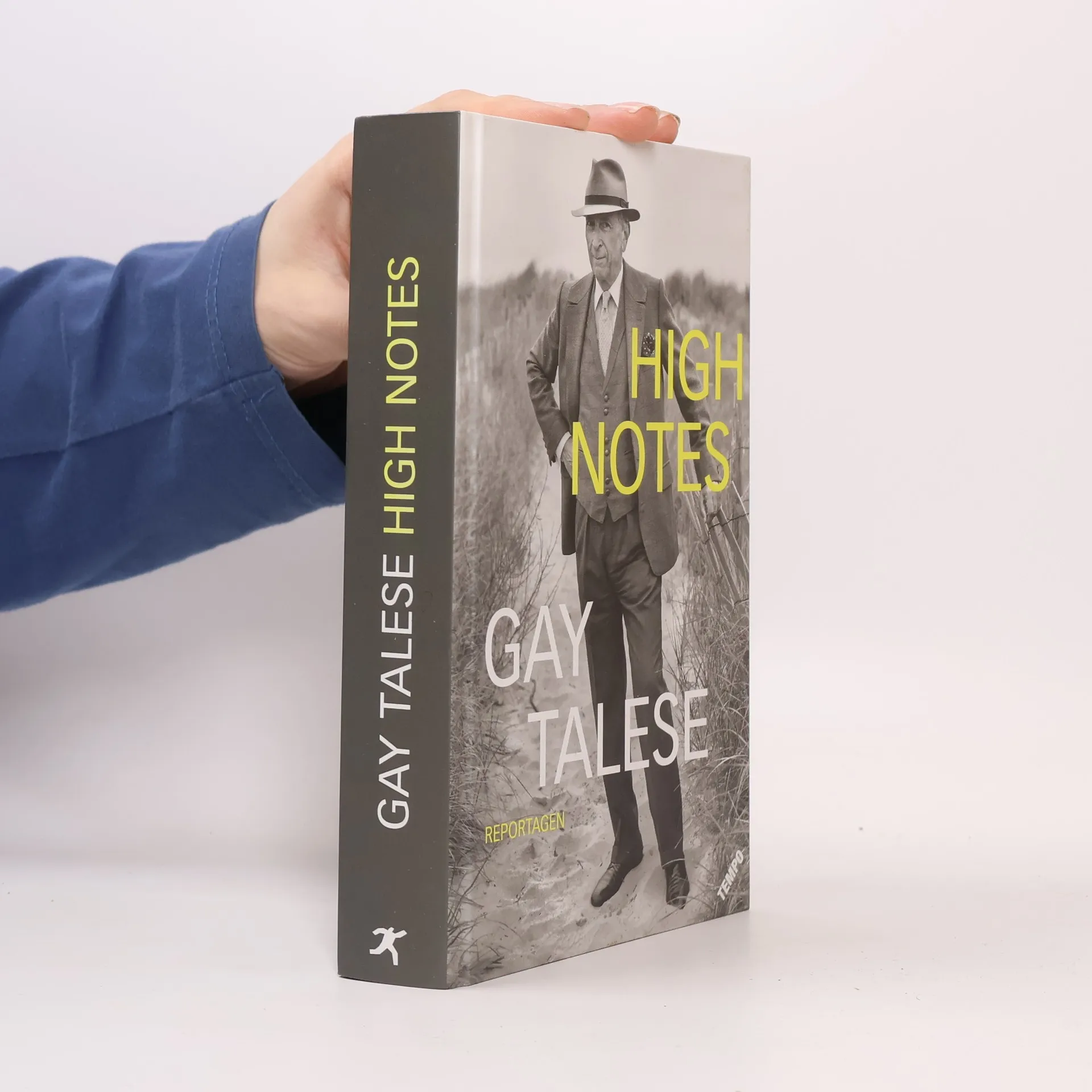
Featuring a compilation of exceptional journalism, this collection showcases Gay Talese's most significant reporting on New York City. Renowned for his vivid storytelling and keen observations, Talese captures the essence of the city through its diverse characters and dynamic stories, offering readers a unique glimpse into the heart of urban life. Each piece reflects his mastery in weaving narrative and fact, making this collection a must-read for anyone interested in the rich tapestry of New York's culture and history.
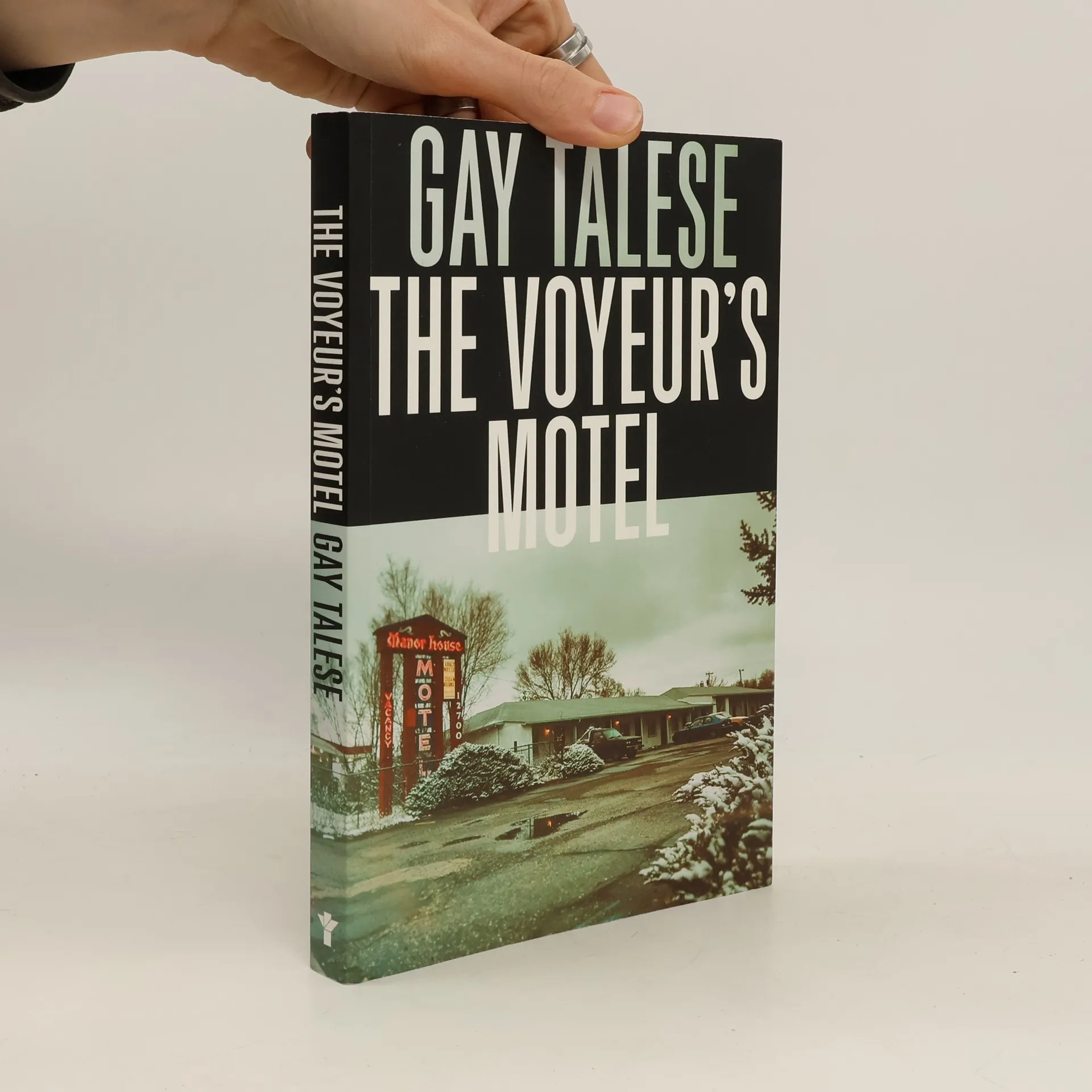
Reveals the story of a man who bought a motel and secretly observed his guests to satisfy his voyeuristic desires, and kept extensive journals capturing the changing sexual mores of the country
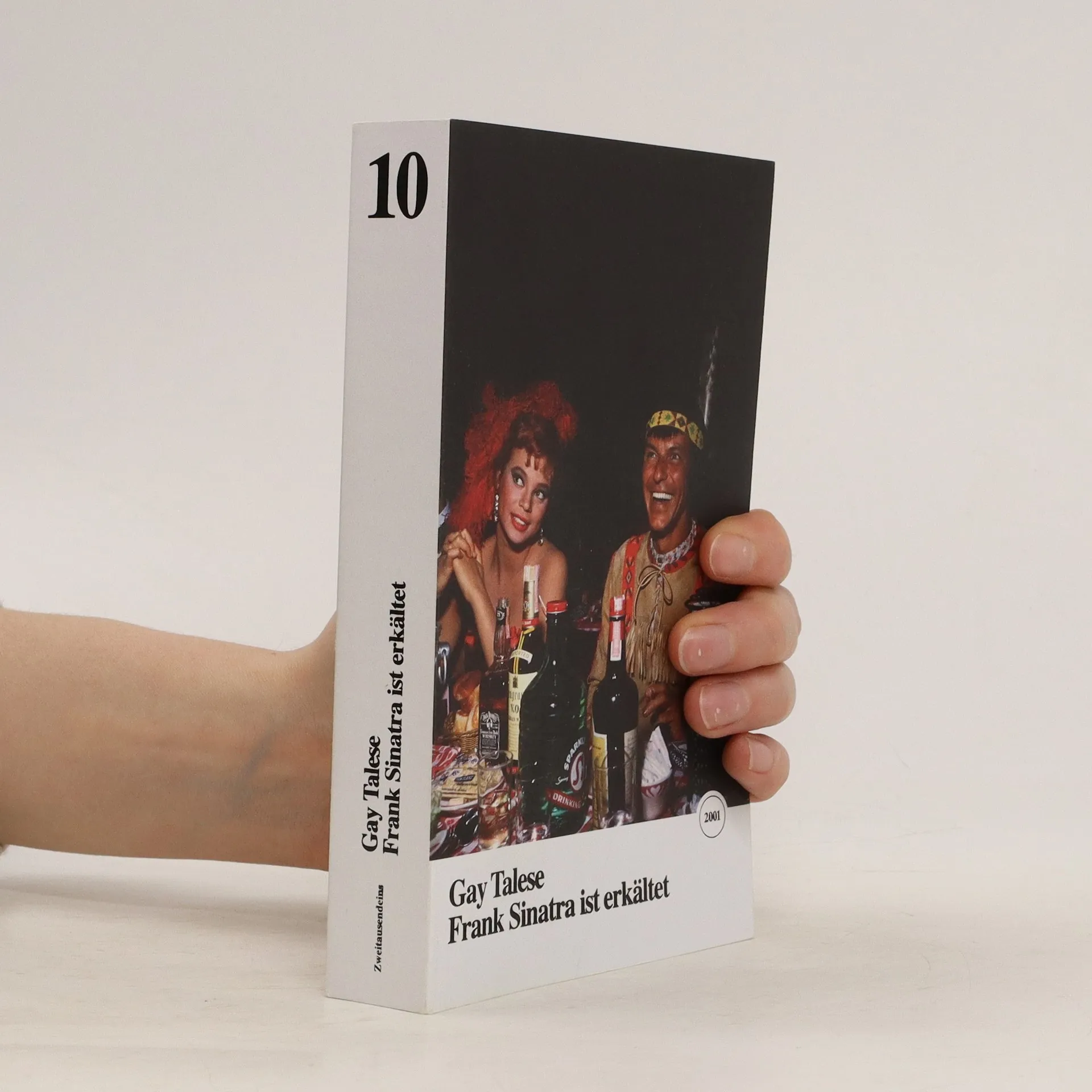
Die klassischen und preisgekrönten Reportagen vom US-Starreporter Gay Talese. Als Gay Talese ein Porträt von Frank Sinatra schreiben wollte, hatte der Sänger Schnupfen und sagte das Interview kurzerhand ab. Aber der junge Journalist heftete sich dennoch tagelang an die Fersen der riesigen Sinatra-Entourage. Die Story, die er darüber schrieb, kürte das US-Reportage-Magazin Esquire zur „besten Reportage des Jahrhunderts“. „Was Talese schreibt, ist kein Journalismus im herkömmlichen Sinne. Es sind Erzählungen aus der Wirklichkeit. Gern widmet sich Talese Menschen mit Brüchen und abgehalfterten Helden. Sie haben oft die interessanteren Geschichten zu erzählen. Ein Porträt der Stadt New York ist bei ihm eine furiose Collage, die mühelos aberwitzige Statistiken (täglich gehen hier ‚vierzig Kilometer Zahnseide durch die Zähne‘) mit der Analyse der Stadtkatzen verbindet (‚die meisten Hafenkatzen sind gnadenlos harte Burschen‘)“ (Welt am Sonntag). Ob es um die sexuelle Revolution geht, um den schwermütigen Boxchampion Floyd Patterson oder um die Metropole New York: Das Leben hat die besten Storys. Talese schreibt sie auf: „Frank Sinatra ist erkältet“ enthält „die besten Reportagen und Porträts aus vier Jahrzehnten“ (Stern).
Die Auswahlsammlung High Notes bringt einen schönen Querschnitt und ist eine
längst fällige Ergänzung zur älteren Anthologie Frank Sinatra ist erkältet.
Rolling Stone, 01.04.2018
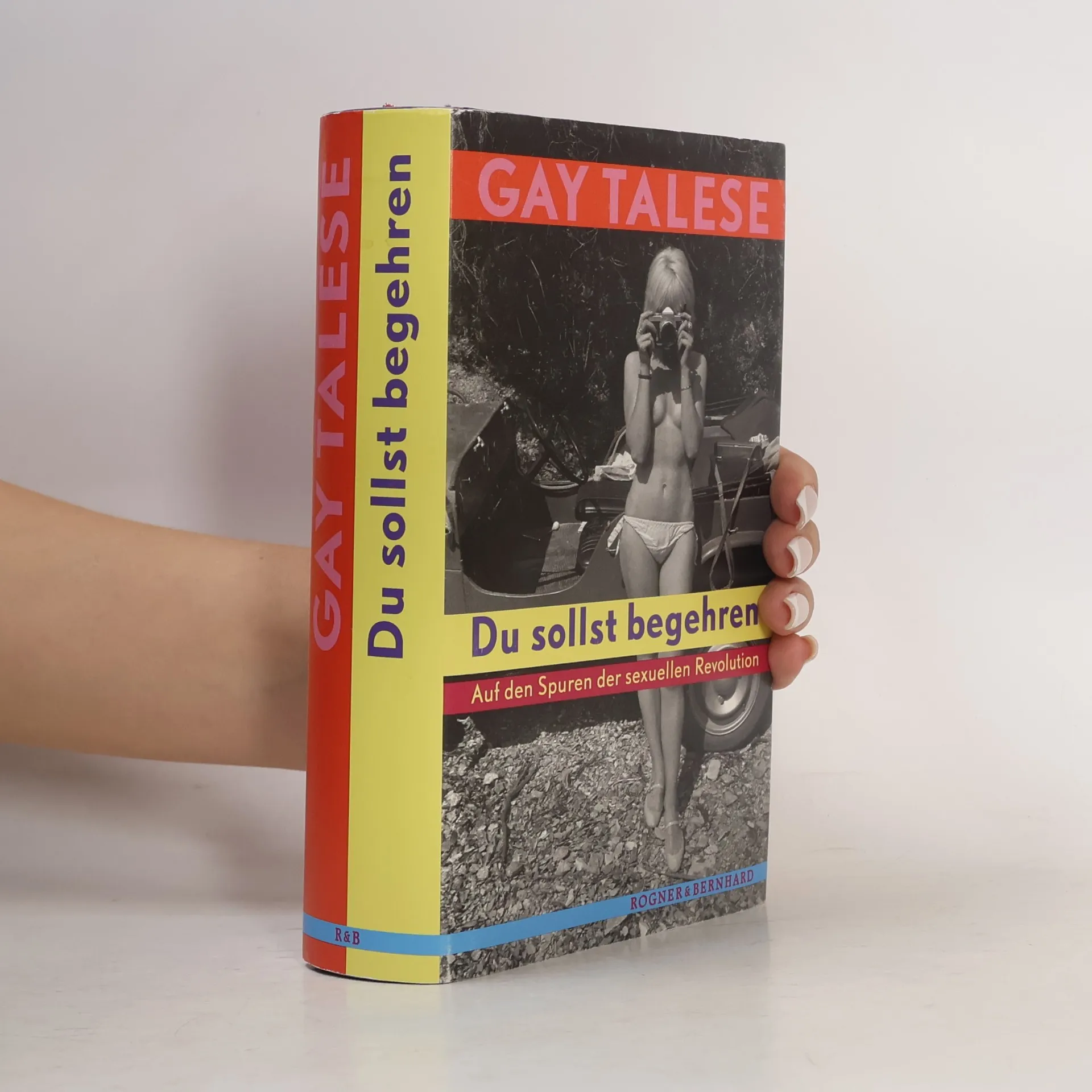
Neun Jahre von 1971 bis 1980 recherchierte Gay Talese für dieses Buch und setzte dafür sogar seine Ehe aufs Spiel. Er begleitete Hugh Hefner, den legendären Gründer des Playboy, sprach mit Dr. Alex Comfort, dem Autor des Bestsellers »The Joy of Sex«, er besuchte regelmäßig Massagesalons und lebte über Monate in einem Nudistencamp, in dem die freie Liebe propagiert und verwirklicht wurde. Mehrere Paare gewährten ihm über den gesamten Zeitraum Einblick in den Zustand ihres Ehelebens, ihre Affären, ihr Sexualleben, ihre Haltung zu Treue und Untreue. Talese war auf der Suche nach den Menschen und den Gründen, die in den Jahrzehnten nach dem zweiten Weltkrieg eine kulturelle Umwälzung in den USA ausgelöst hatten, wie es zuvor keine gab: die Sexuelle Revolution. »Du sollst begehren« ist nicht nur ein Glanzstück literarischen Journalismus, sondern ein Buch, das nichts von seiner Aktualität verloren hat. Denn die Sehnsüchte der Sexuellen Revolution schlummern weiter in uns allen und es bleibt die ungelöste Frage, wie freie Sexualität und monogame, bürgerliche Gesellschaft zusammenpassen.
Gay Talese's crystalline portrait of Frank Sinatra combined faithful fact with vivid storytelling in a triumph of New Journalism. It is now published alongside notes and correspondence from the author's archives and photographs from Phil Stern--the only photographer granted access to Sinatra over an extraordinary four decade period.First published as a signed Collector's Edition, now available in an unlimited edition
In einer als dramatisiertes Dokumentarfilm bezeichneten Darstellung beschreibt der Autor - der sich selbst als Sexualforscher bezeichnet - Entwicklungen in der sexuellen Moral in den Vereinigten Staaten. Dies betrifft beispielsweise Literatur, Zeitschriften, Filme, aber auch Massagesalons, sexuelle Kommunen und Nudismus. Das ausführliche Buch ist in einem flüssigen Stil geschrieben, der für jeden zugänglich ist, insbesondere für diejenigen, die in Kürze eine knappe Geschichte der jüngsten sexuellen Moral in den USA kennenlernen möchten. Dass die Erzählung etwas dramatisiert und vor allem erotisiert wurde, wird die Attraktivität des Buches erhöhen.
Gay Talese is the father of American New Journalism, who transformed traditional reportage with his vivid scene-setting, sharp observation and rich storytelling. His 1966 piece for Esquire, one of the most celebrated magazine articles ever published, describes a morose Frank Sinatra silently nursing a glass of bourbon, struck down with a cold and unable to sing, like 'Picasso without paint, Ferrari without fuel – only worse'. The other writings in this selection include a description of a meeting between two legends, Fidel Castro and Muhammad Ali; a brilliantly witty dissection of the offices of Vogue magazine; an account of travelling to Ireland with hellraiser Peter O'Toole.
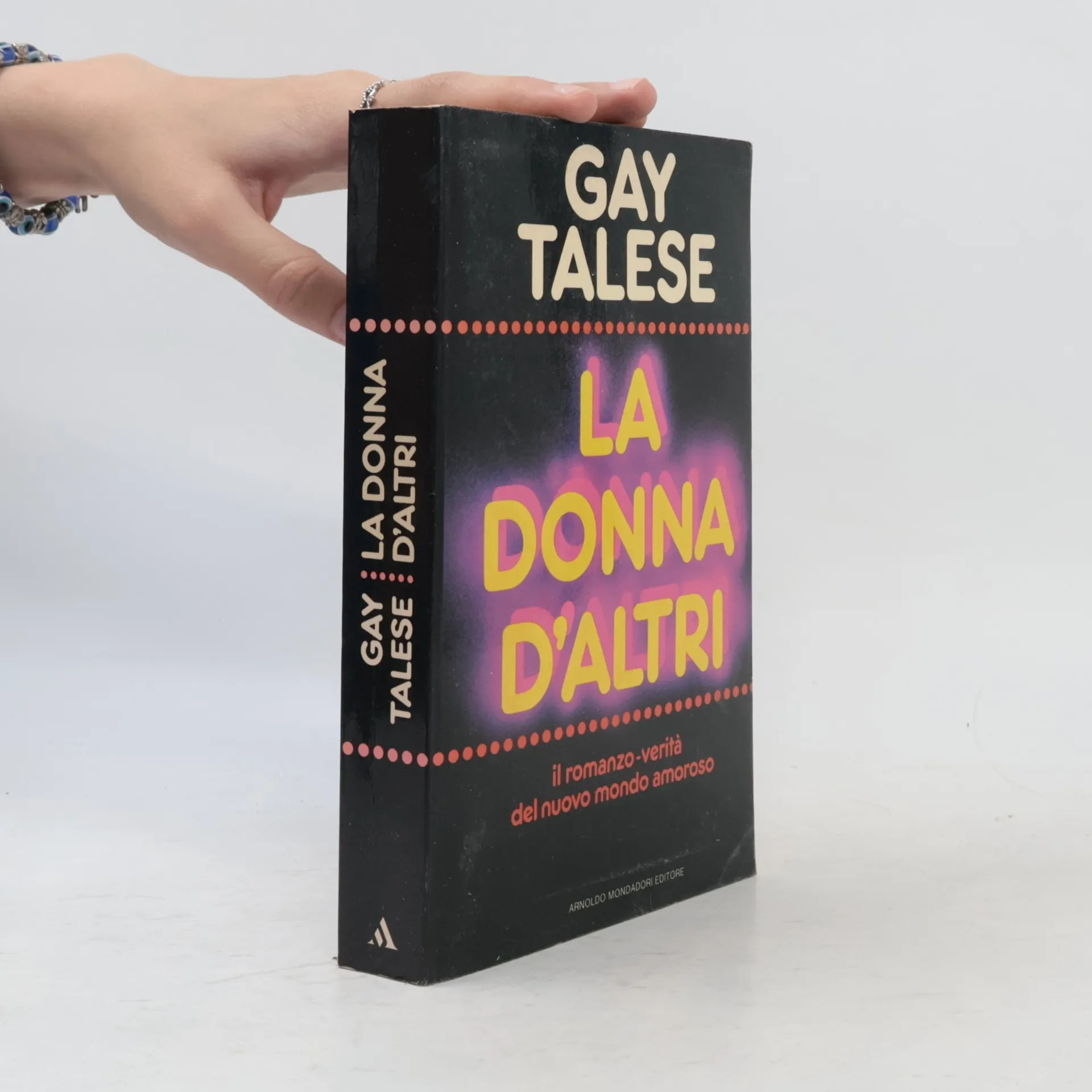
L'esplorazione di Gay Talese nelle vite sessuali nascoste e in cambiamento degli americani di ogni ceto ha scioccato il mondo quando è stata pubblicata per la prima volta nel 1981. Ora considerata un classico, questa affascinante odissea personale e riflessione pubblica sulla sessualità americana ha cambiato il modo in cui gli americani si guardavano e si relazionavano tra di loro.