

Explore the latest books of this year!
Bookbot

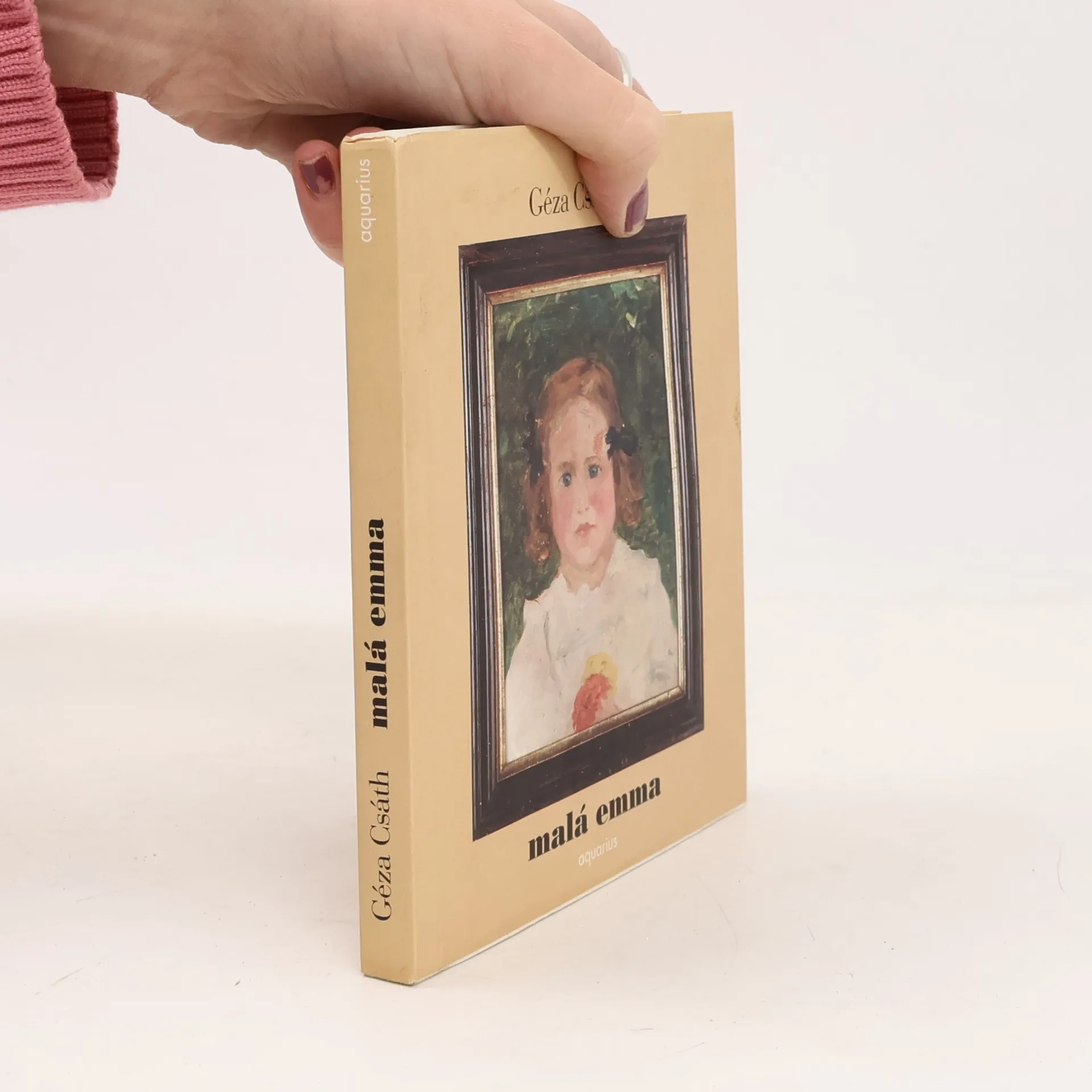
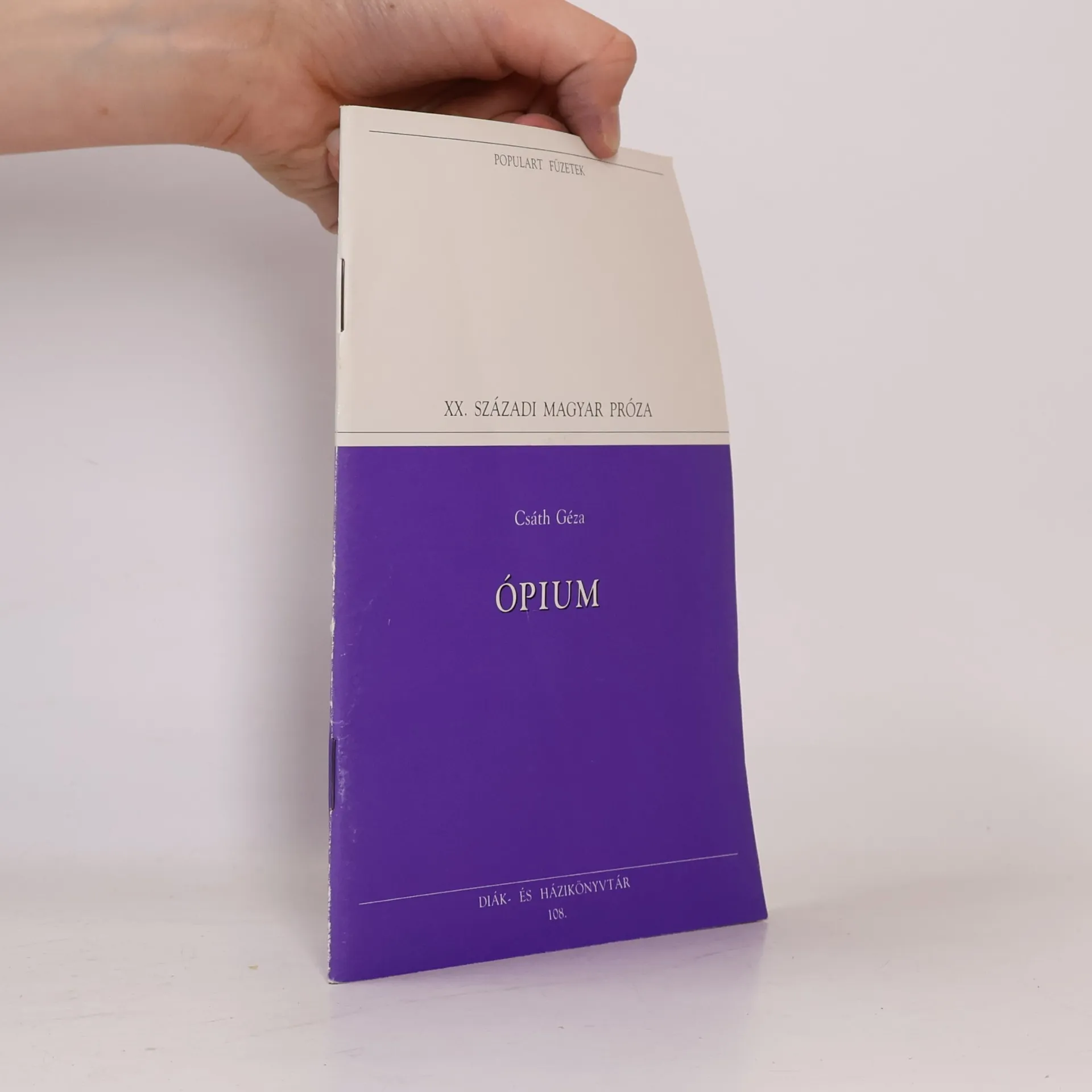
Géza Csáth

    February 13, 1887 – September 11, 1919

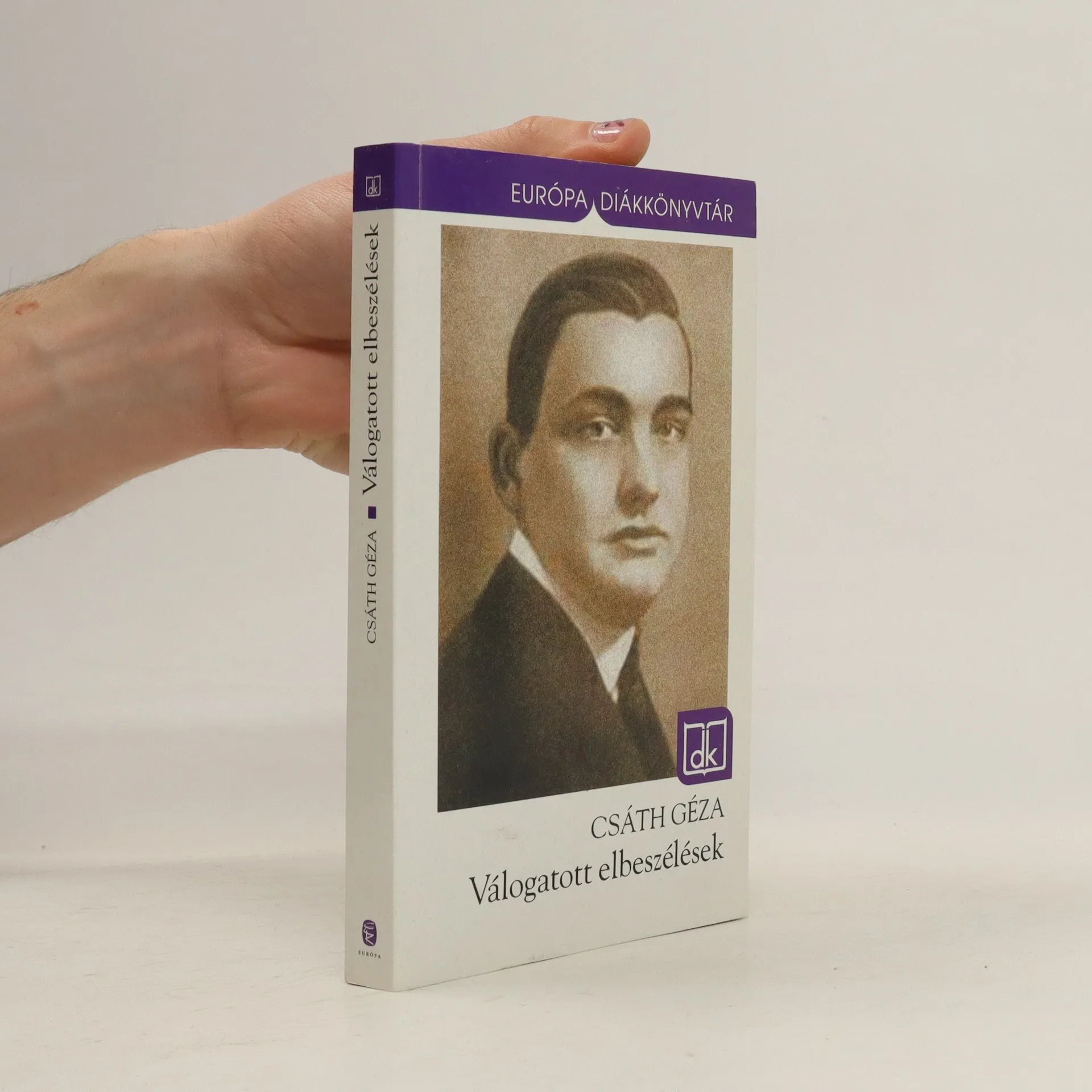
    Géza Csáth gained renown as a Hungarian writer whose work is characterized by profound psychological insight and a unique style. Influenced by his career in psychiatry, his writing delves into the darker aspects of the human psyche with unflinching honesty. Csáth's prose is evocative and potent, often venturing into dreamlike and unsettling landscapes. His significance lies in his ability to capture the complexities of the human experience and expose the hidden motivations of his characters.

    Géza Csáth
    Egy elmebeteg nő naplója
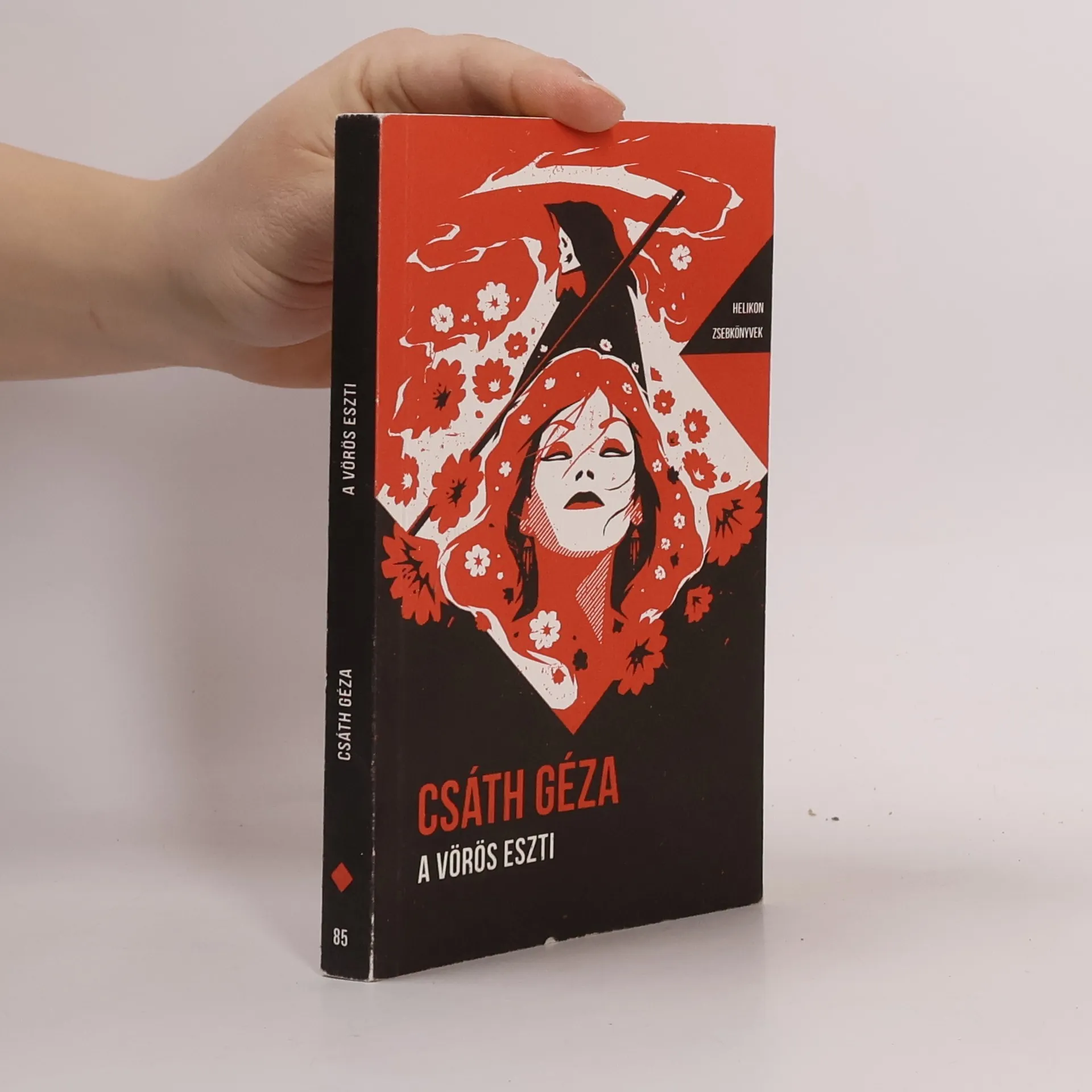
    A vörös eszti
    Muttermord. Novellen
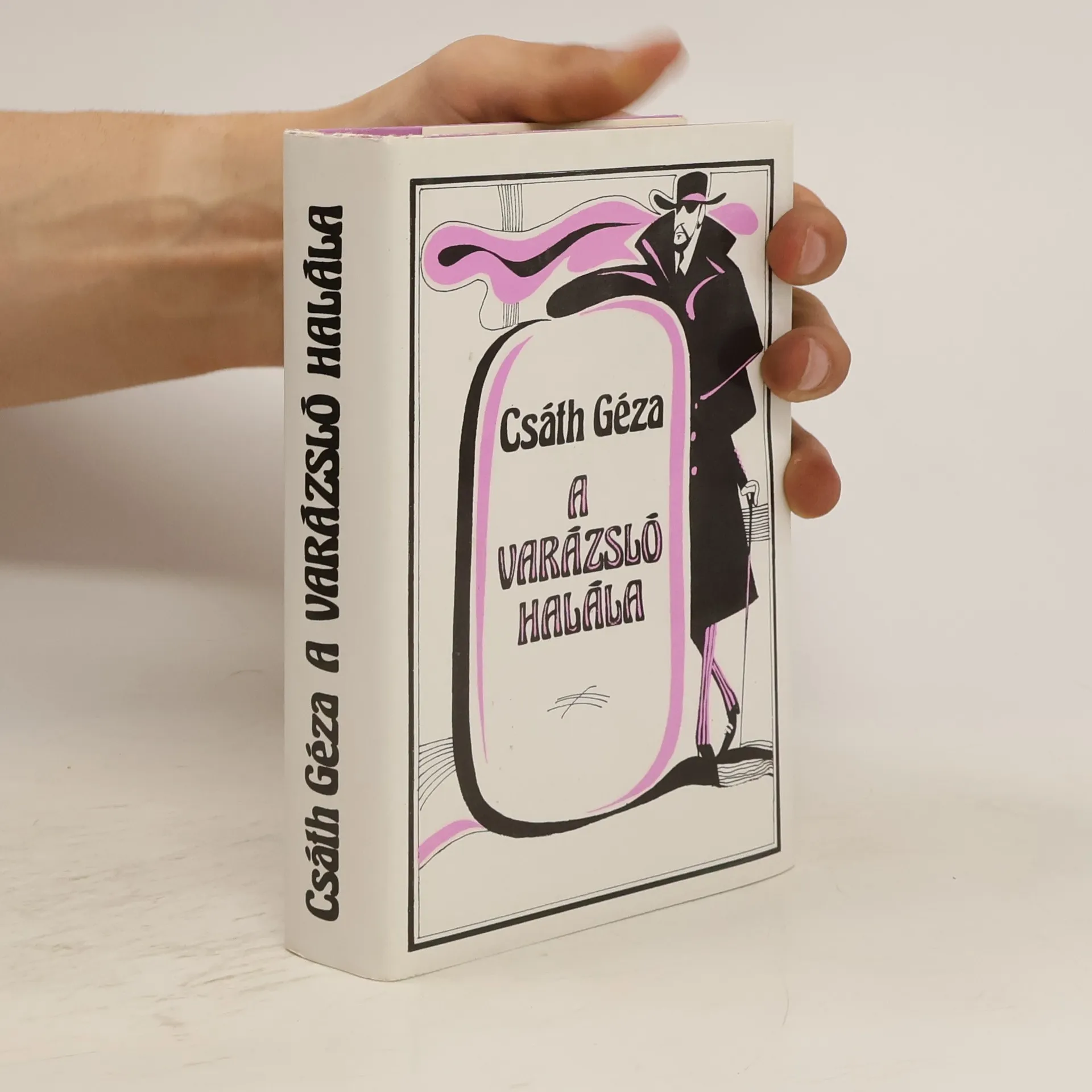
    A varázsló halála
    Tagebuch
    The MagicianS Garden and Other Stories
    • 2022

      Egy elmebeteg nő naplója

      • 196 pages
      • 7 hours of reading

      A 20. század elejének különc írófigurája Csáth Géza, akinek munkásságára jószerivel halála után figyeltek fel. Az író, orvos és zenekritikus Csáth Kosztolányi és Bródy hatására kezdett el komolyabban foglalkozni az írással, rövidre szabott élete alatt mindössze öt kötete jelent meg. Idegorvosi munkásságának lenyomata az Egy elmebeteg nő naplója, mely tagoltsága és tanulmány jellege ellenére összefüggő műként olvasható. Főszereplője egy paranoiában szenvedő hölgy, bizonyos A. G. kisasszony, aki az elme- és idegkórtani klinikára való felvétele előtt már évek hosszú sora óta részesült idegorvosi kezelésben. Zseniális adottságait a zseniális adottságú orvosa fedezte fel maga Csáth Géza. A mű a pszichiátria és a pszichoanalízis módszereinek tárháza is egyben, de tudománytörténeti jelentőségénél, a kórrajz közreadásánál mélyebb és erősebb szépirodalmi jellege a benne közölt napló és levelek miatt.
      Egy elmebeteg nő naplója
    • 1990
    • 1987
    • 1987

      The MagicianS Garden and Other Stories

      • 208 pages
      • 8 hours of reading

      "Csáth's short stories are and extraordinary, uneasy mixture of sentimentality, sadism, and sexual repressions - nasty tales, not dissimilar to some of the fictions of the contemporary United States and United Kingdom, both countries in which the collective dream has, latterly, also broken down under the impact of too much reality. During Csáth's lifetime Sigmund Freud, the scrutineer of dreams, built up the enormous hypothesis of the unconscious in Vienna, the greatest city of the empire, which encompassed Hungary, Csáth's homeland, more and more uneasy. It is difficult to read Csáth, a specialist in 'nervous disorders' himself, without thinking of Freud's analysis of the subtext of human experience.... [An] opium addict and therefore a specialist in dreams, [Csáth] wrote short stories comfortless as bad dreams, sometimes decorating them languorously with art-nouveau impedimenta of lilies, lotuses, and sulphurous magic, at other times relating them in the cool, neutral language of the case-book. He was also a doctor. No real contradiction here; the medical profession not only offers a free access to narcotics but often, since it involves considerable exposure to human suffering, implicity invites their use" - From the Introduction by Angela Carter"A memorable volume, Csáth's depiction of the collapse of Central Europe, by way of magnification of the collapse of the individual, is uncannily prophetic." - Joyce Carol Oates, The New Republic. Originally published under the title The Magician's Garden and Other Stories.

      The MagicianS Garden and Other Stories