What I Loved
- 384 pages
- 14 hours of reading
From the author of "The Enchantment of Lily Dahl" comes a powerful and heartbreaking novel that chronicles the epic story of two families, two sons, and two marriages.


Hustvedt delves into complex themes of identity and obsession, often through the lens of voyeurism and the connection between the living and the dead. Her prose, frequently incorporating art and painting, showcases deep insight into character psychology and the exploration of human relationships. Hustvedt also writes essays and poetry, expanding her literary scope. Her style is incisive and evocative, drawing readers into thoughtful and emotional narratives.


From the author of "The Enchantment of Lily Dahl" comes a powerful and heartbreaking novel that chronicles the epic story of two families, two sons, and two marriages.
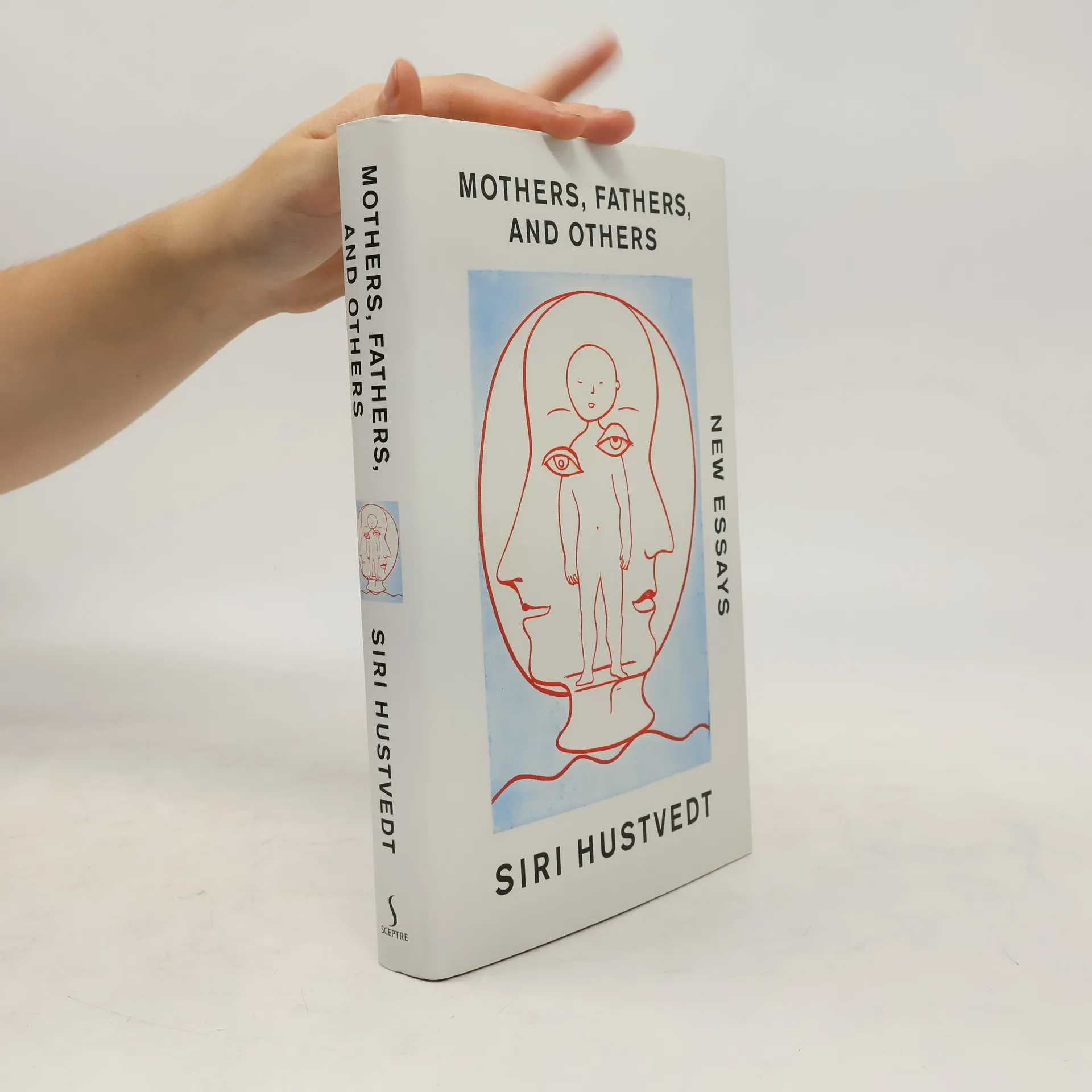
In this illuminating and absorbing collection of essays, Siri Hustvedt explores many of the themes that preoccupy her novels: identity and memory, sexuality and mortality, psychology, love and the power of imagination. But here she offers her personal experience - as daughter, sister, mother and wife, student, reader and writer - to illustrate fundamental aspects of our lives as individuals and social beings in the modern world. She draws, too, on the work of Henry James, F Scott Fitzgerald and Charles Dickens, probing their insights into human nature. Wise, honest and luminously intelligent, this is a book that invites us to look afresh at ourselves and the universe we inhabit.
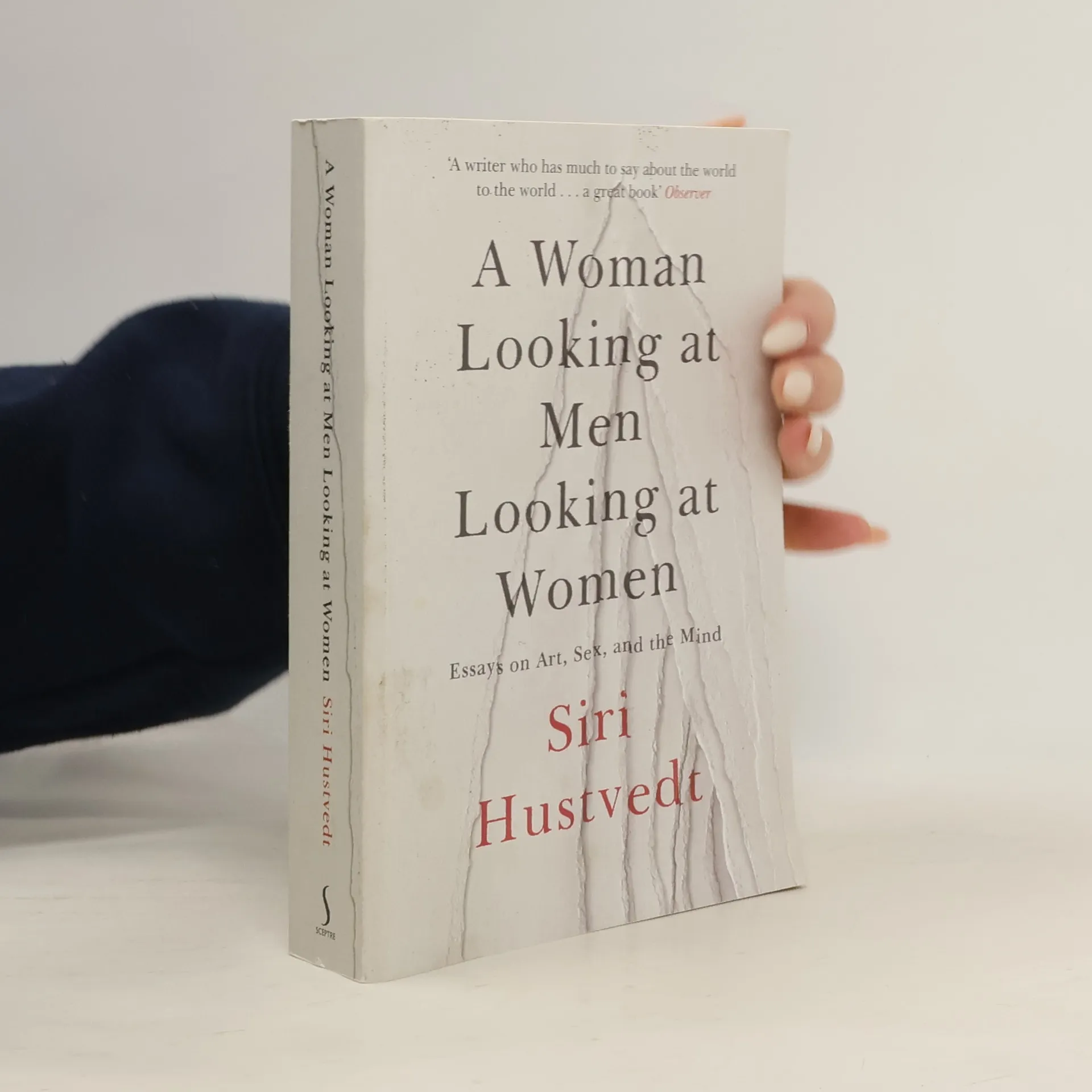
Internationally acclaimed as a novelist, Siri Hustvedt is also highly regarded as a writer of non-fiction whose insights are drawn from her broad knowledge in the arts, humanities and sciences. In this trilogy of works collected in a single volume, Hustvedt brings a feminist, interdisciplinary perspective to a range of subjects. Louise Bourgeois, Pablo Picasso, Susan Sontag and Knut Ove Knausgaard are among those who come under her scrutiny. In the book's central essay, she explores the intractable mind-body problem and in the third section, reflects on the mysteries of hysteria, synesthesia, memory, perception and the philosophy of Kierkegaard. With clarity, wit, and passion, she exposes gender bias, upends received ideas and challenges her reader to think again.
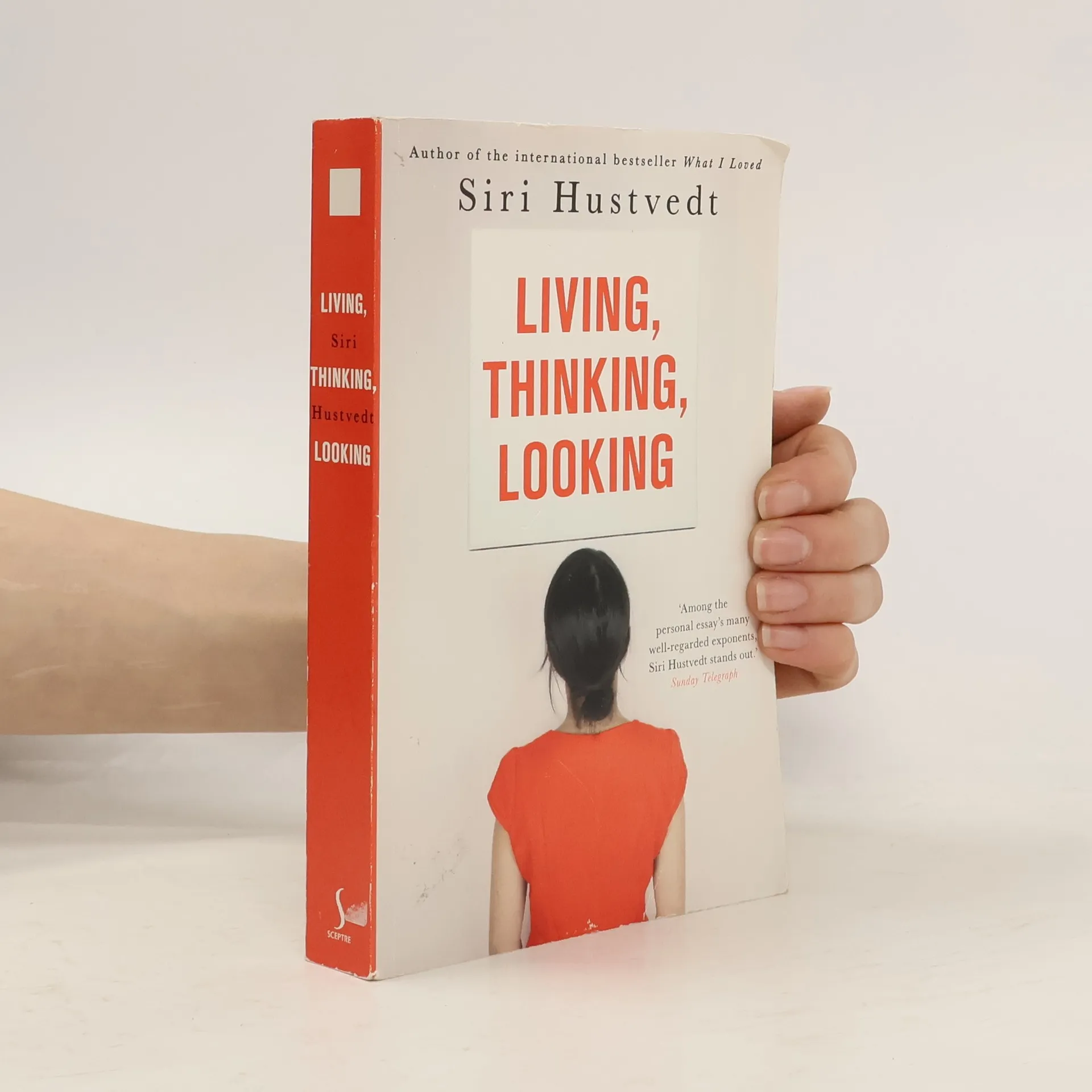
From the internationally bestselling author of What I Loved and The Summer Without Men, a dazzling collection of essays written with Siri Hustvedt's customary intelligence, wit and ability to convey complex ideas in a clear and lively way. Divided into three sections - Living, which draws on Siri's own life; Thinking, on memory, emotion and the imagination; and Looking, on art and artists - the essays range across the humanities and science as Siri explores how we see, remember, feel and interact with others, what it means to sleep, dream and speak, and what we mean by 'self'. The combination offers a profound and fascinating insight into ourselves as thinking, feeling beings.
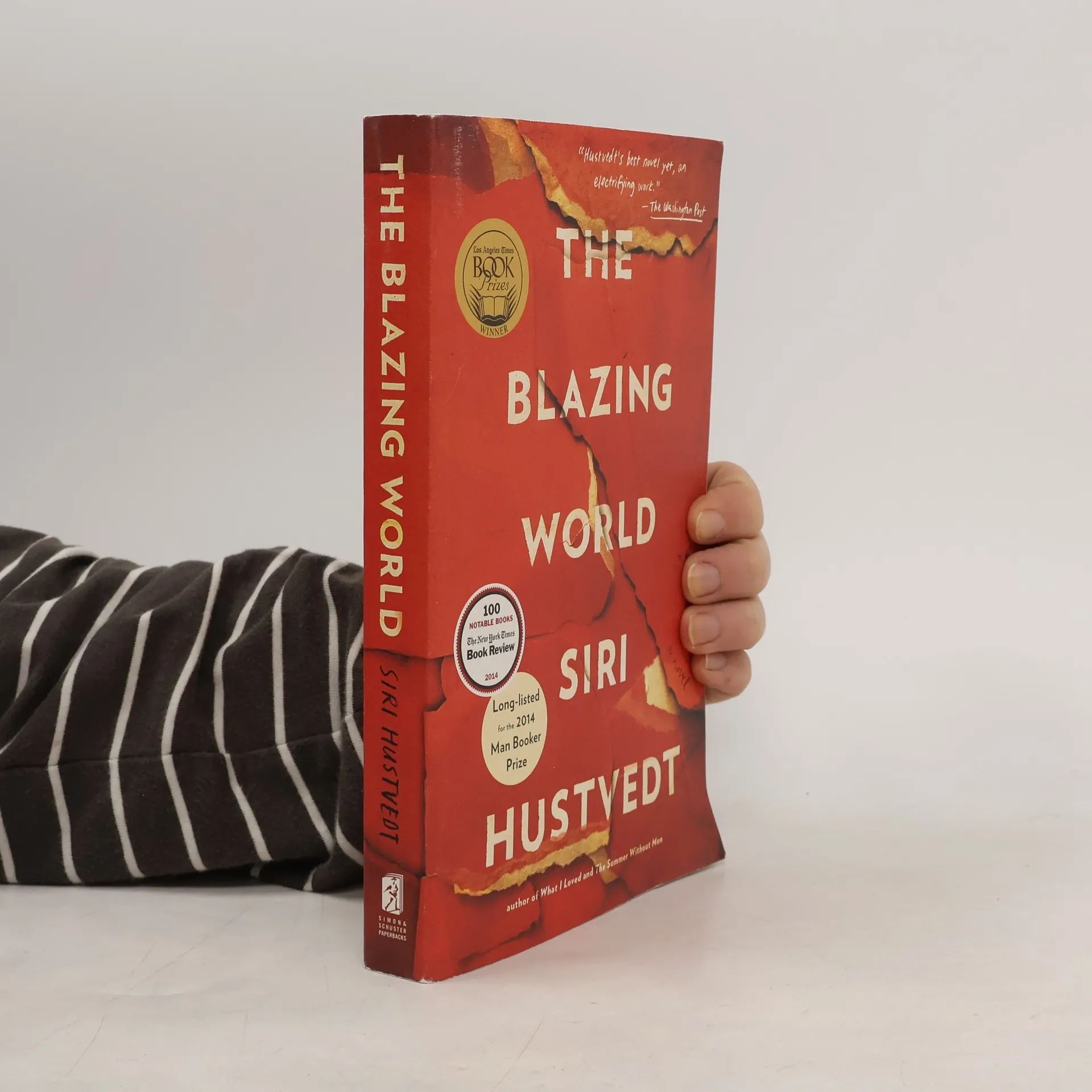
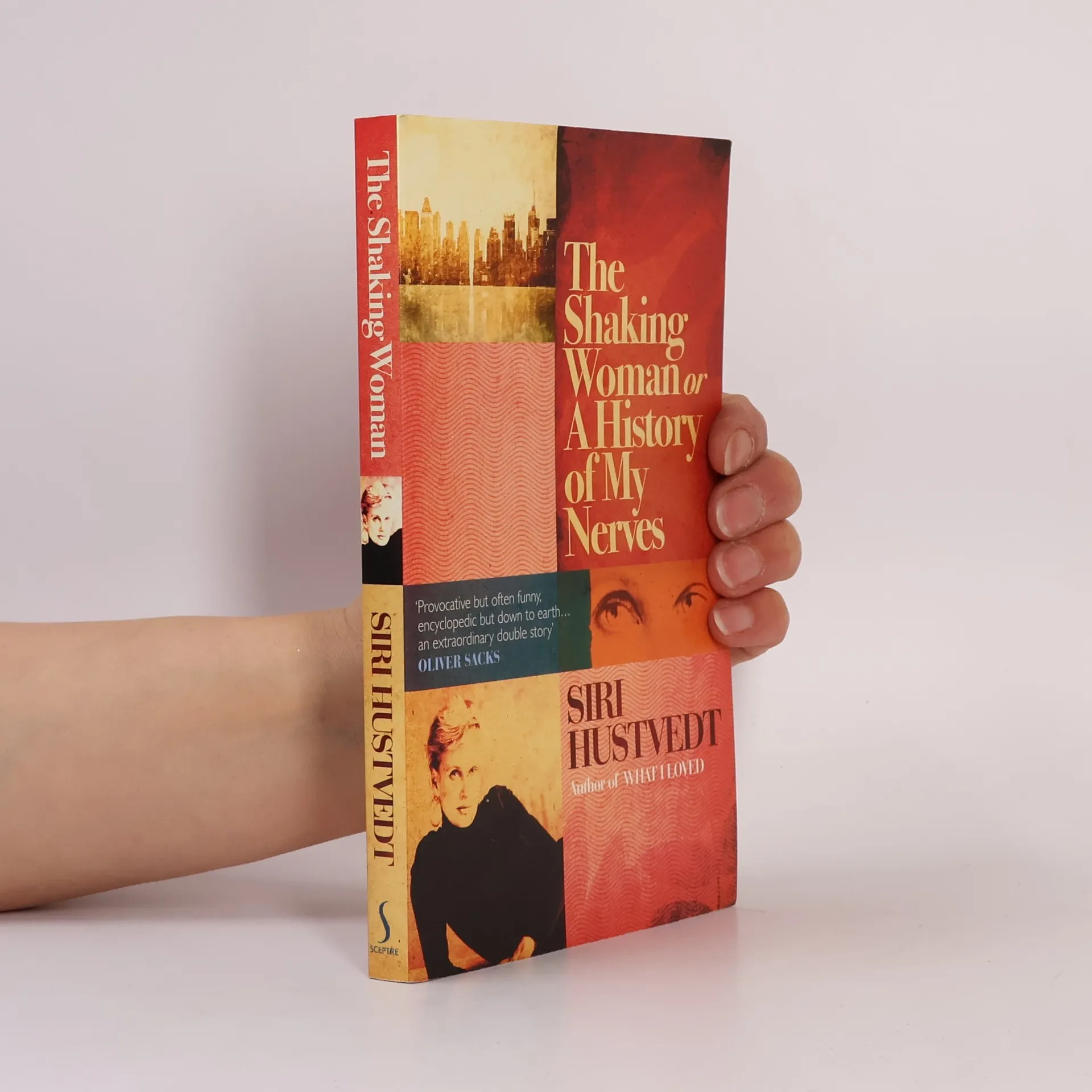
Feminist philosophy meets family memoir in a fresh essay collection by the award-winning essayist and novelist Siri Hustvedt, author of the bestselling What I Loved and Booker Prize-longlisted The Blazing World.
"While speaking at a memorial event for her father, the novelist Siri Hustvedt suffered a violent seizure from the neck down. Was it triggered by nerves, emotion - or something else entirely?"--Back cover
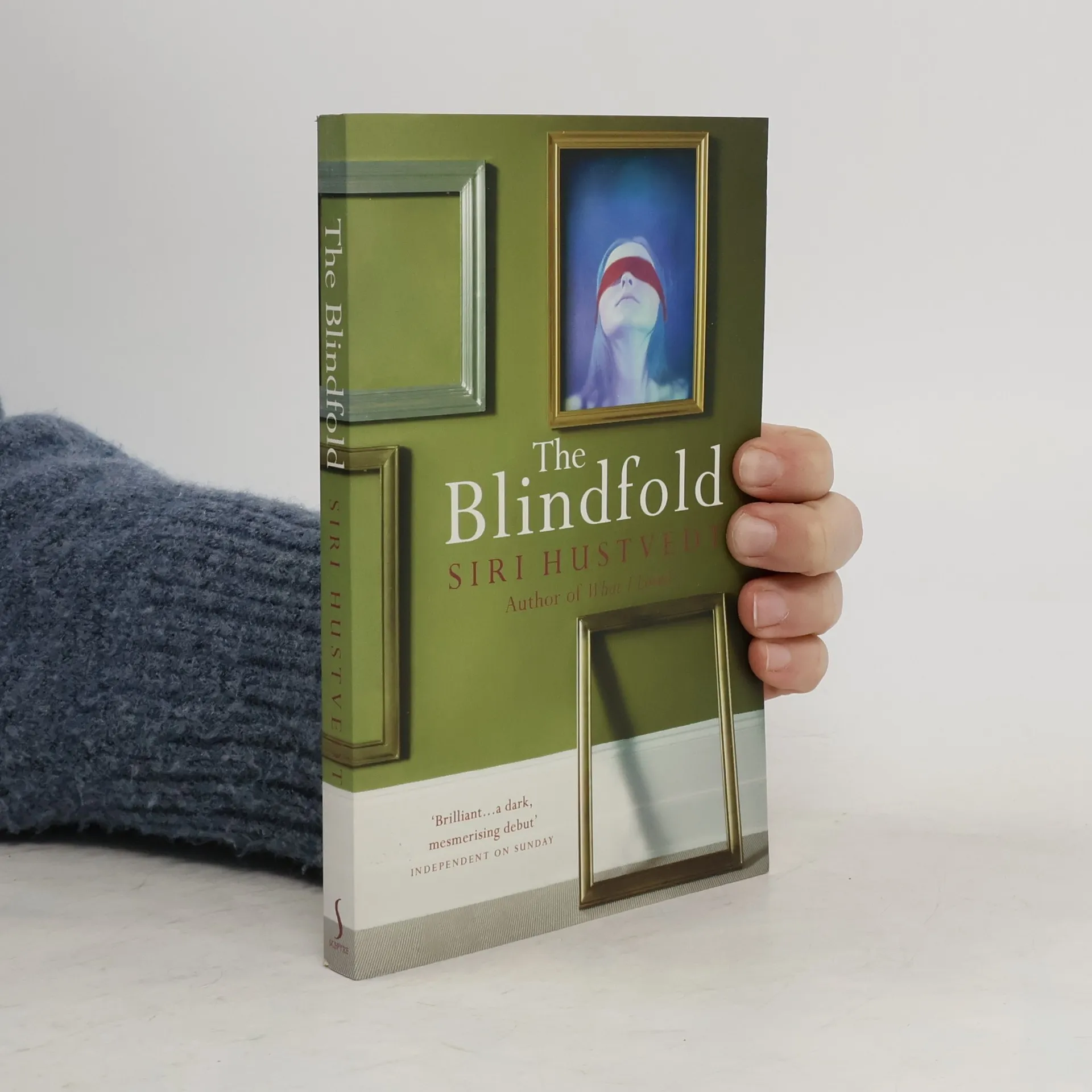
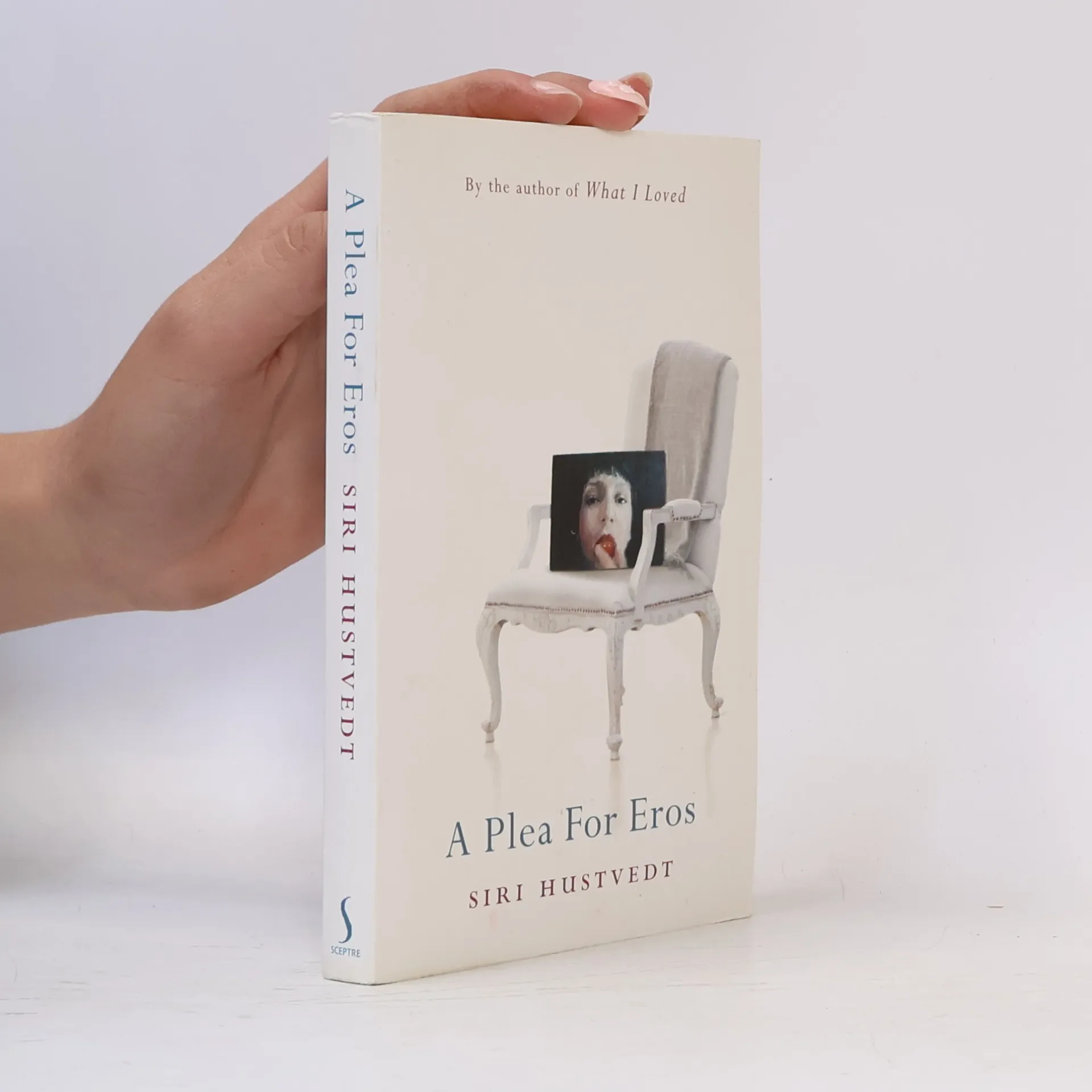
Iris Vegan, a graduate student living alone and impoverished in New York, encounters four strong characters who fascinate and in different ways subordinate her: an inscrutable urban recluse who employs her to record the possessions of a murdered woman; a photographer whose eerie portrait of Iris takes on a life of its own; an old woman in hospital who tries to claim a remnant of the ailing Iris; and a professor she has an affair with. An exploration of female identity in an age when the old definitions - as some man's daughter/wife/mother - no longer apply, fuelled with eroticism and a sense of menace.
Includes study guide and interview with the author.
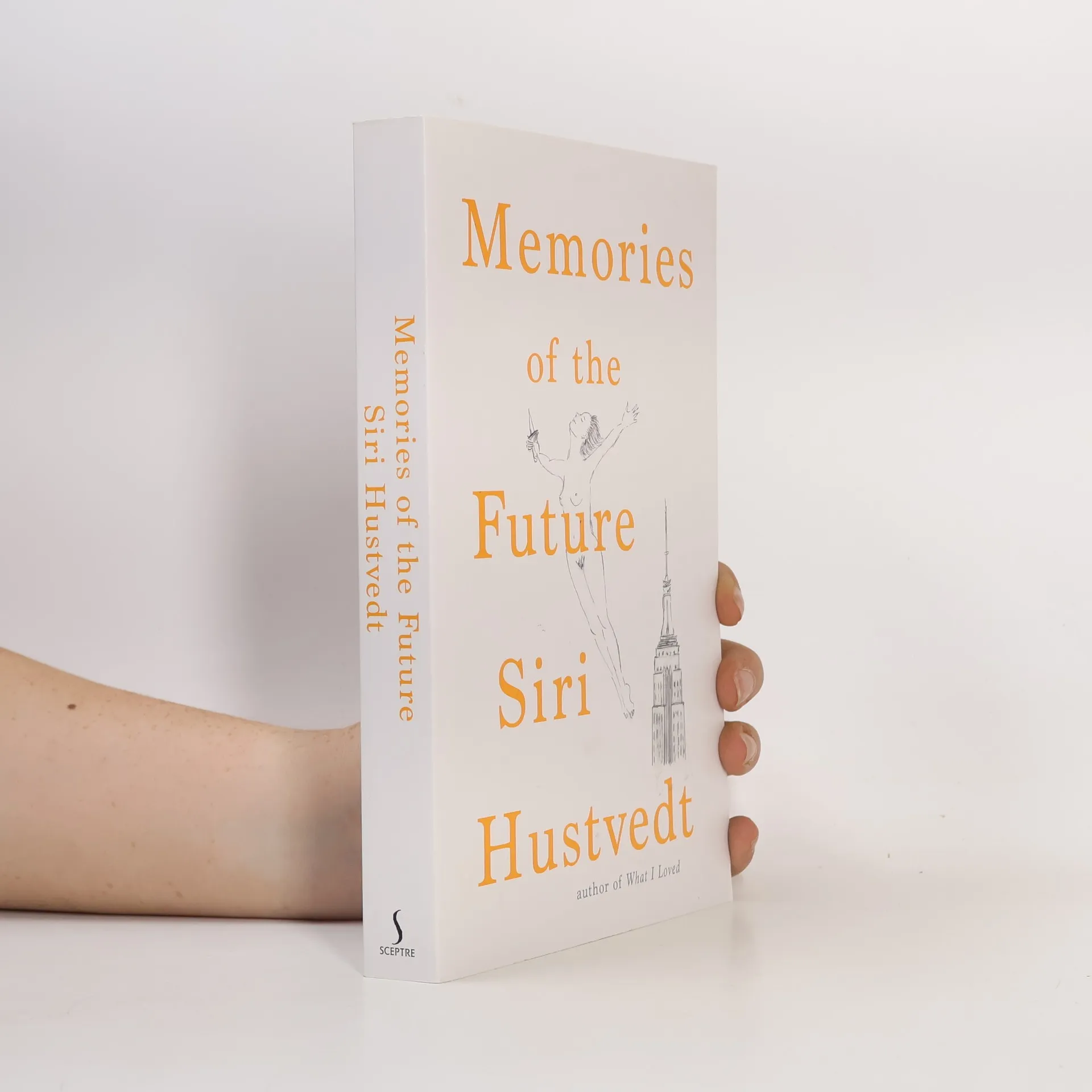
A provocative, wildly funny and engrossing novel by the internationally acclaimed author of WHAT I LOVED, illustrated with her own drawings.
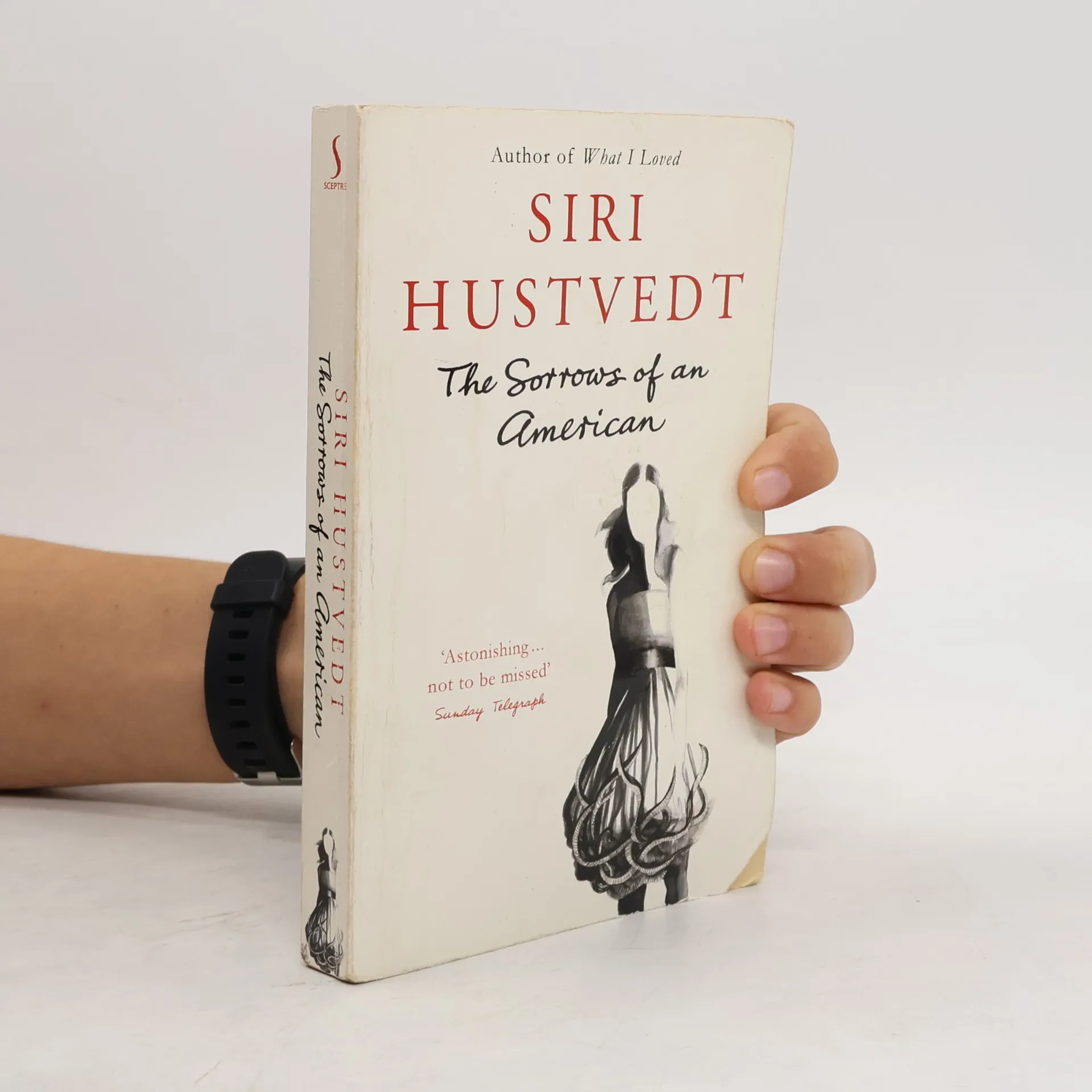
"When Erik Davidsen and his sister, Inga, find a disturbing note from an unknown woman among their late father's papers, they believe he may be implicated in a mysterious death. The Sorrows of an American tells the story of the Davidsen family as brother and sister uncover its secrets and unbandage its wounds in the year following their father's funeral." "Returning to New York from Minnesota, the grieving siblings continue to pursue the mystery behind the note. While Erik's fascination with his new tenants and emotional vulnerability to his psychiatric patients threaten to overwhelm him, Inga is confronted by a hostile journalist who seems to know a secret connected to her dead husband, a famous novelist. As each new mystery unfolds, Erik begins to inhabit his emotionally hidden father's history and to glimpse how his impoverished childhood, the Depression, and the war shaped his relationship with his children, while Inga must confront the reality of her husband's double life."--BOOK JACKET.
Mia is forced to reexamine her life when her husband puts their marriage on "pause" after thirty years. She returns to the prairie town of her childhood, and is drawn into the lives of those around her.
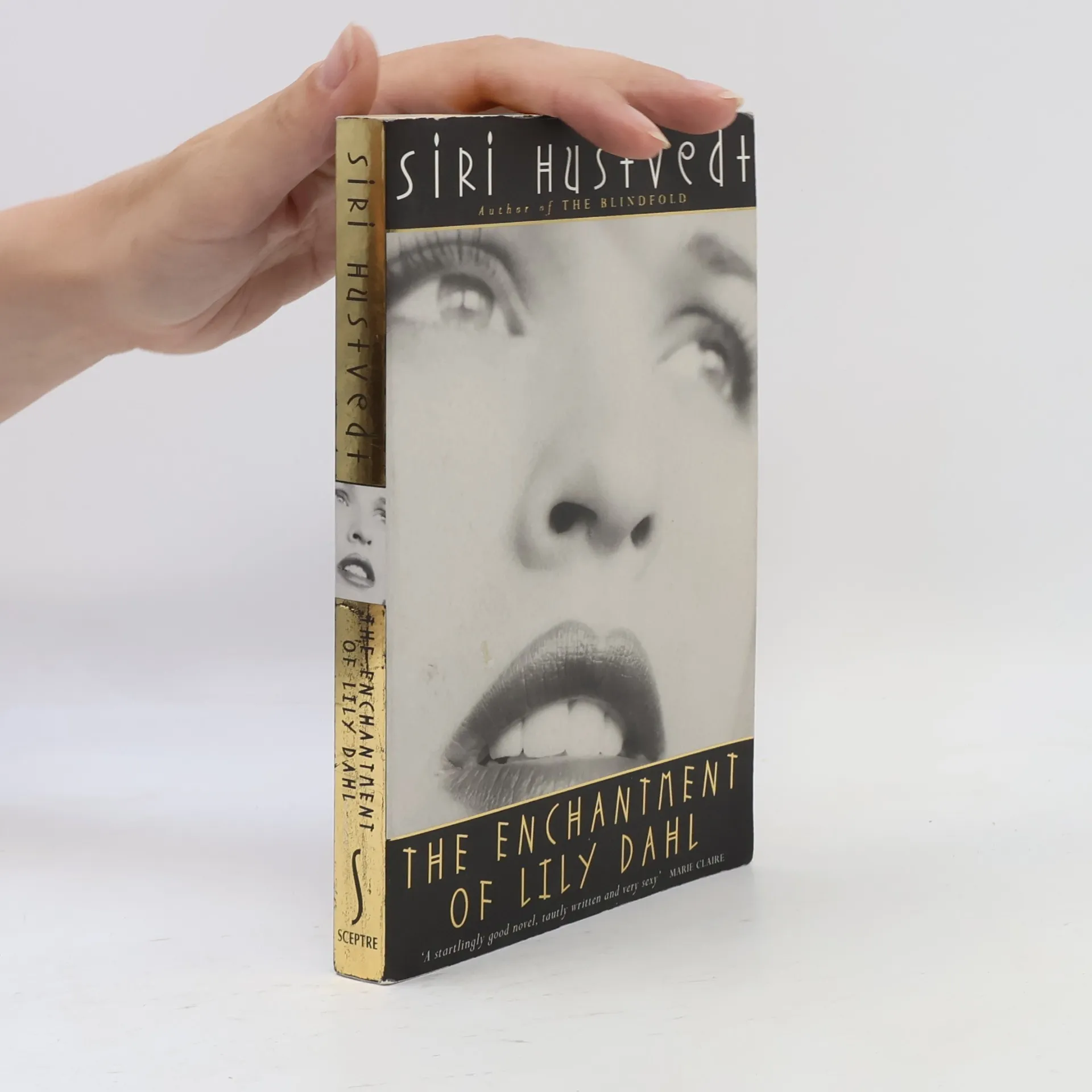
Lily Dahl is a heroine of the old school: tough, beautiful and brave. A nineteen-year-old waitress and aspiring actress living in Webster, Minnesota, she becomes enchanted by an exotic outsider - an artist from New York. Drawn into a world of erotic adventure, she finds herself the target of mysterious acts of madness as she strains against the confines of small town life.
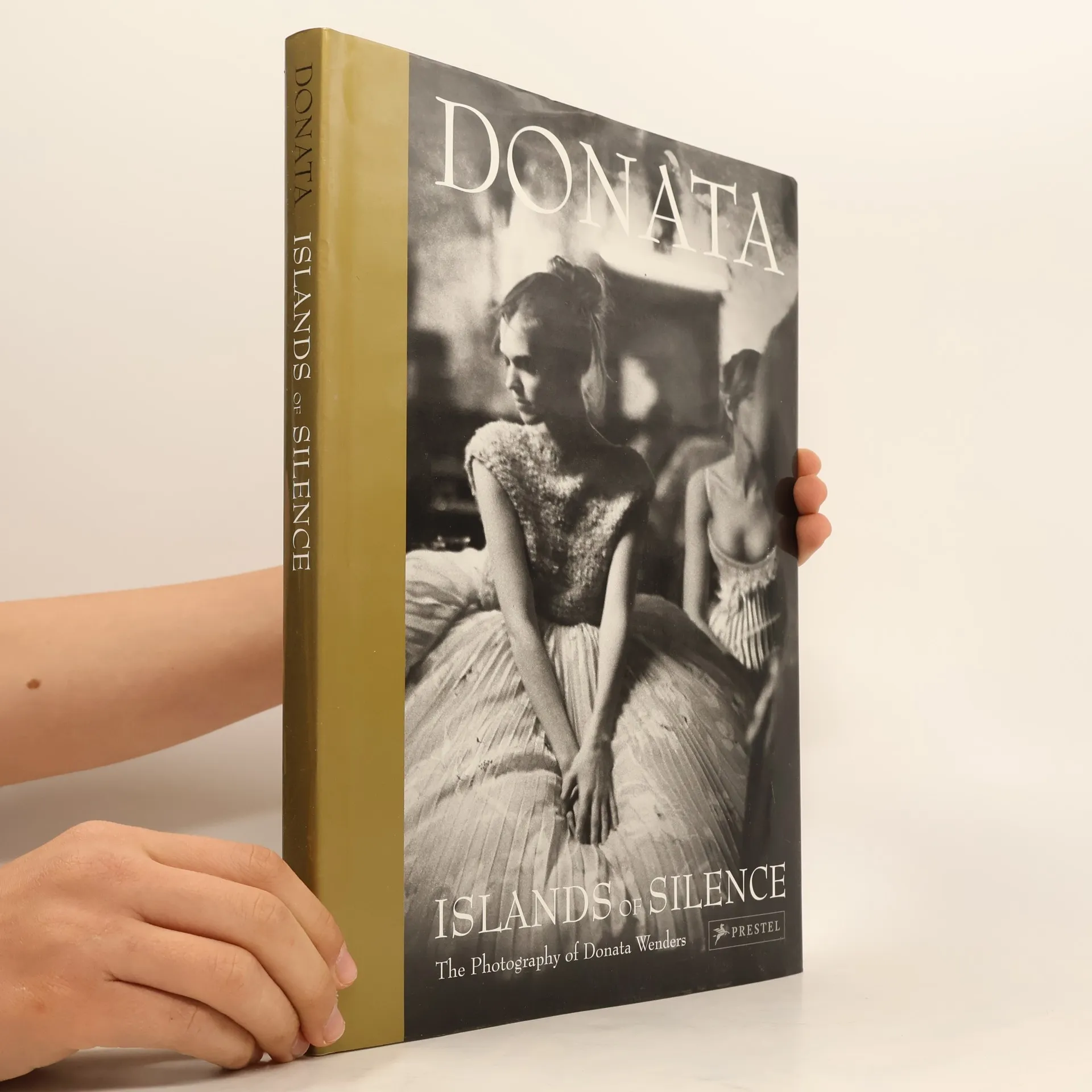
Although she has spent many years assisting her husband, filmmaker Wim Wenders, Donata Wenders is a celebrated photographer in her own right. Her access to some of the most important creative figures of our day—musicians, artists, actors, and dancers—has given her opportunities to catch her famous subjects in rare moments of unselfconsciousness. Presented in an elegant package that features a linen jacket and gold embossing, these sumptuous black-and-white images of celebrities and ordinary people illustrate moments of exquisite contemplation, which she likens to "islands of silence." Accompanied by essays from novelist Siri Hustvedt and critic Mark Gisbourne, these glimpses of everyday life remind us of the world we all inhabit, regardless of our fame.
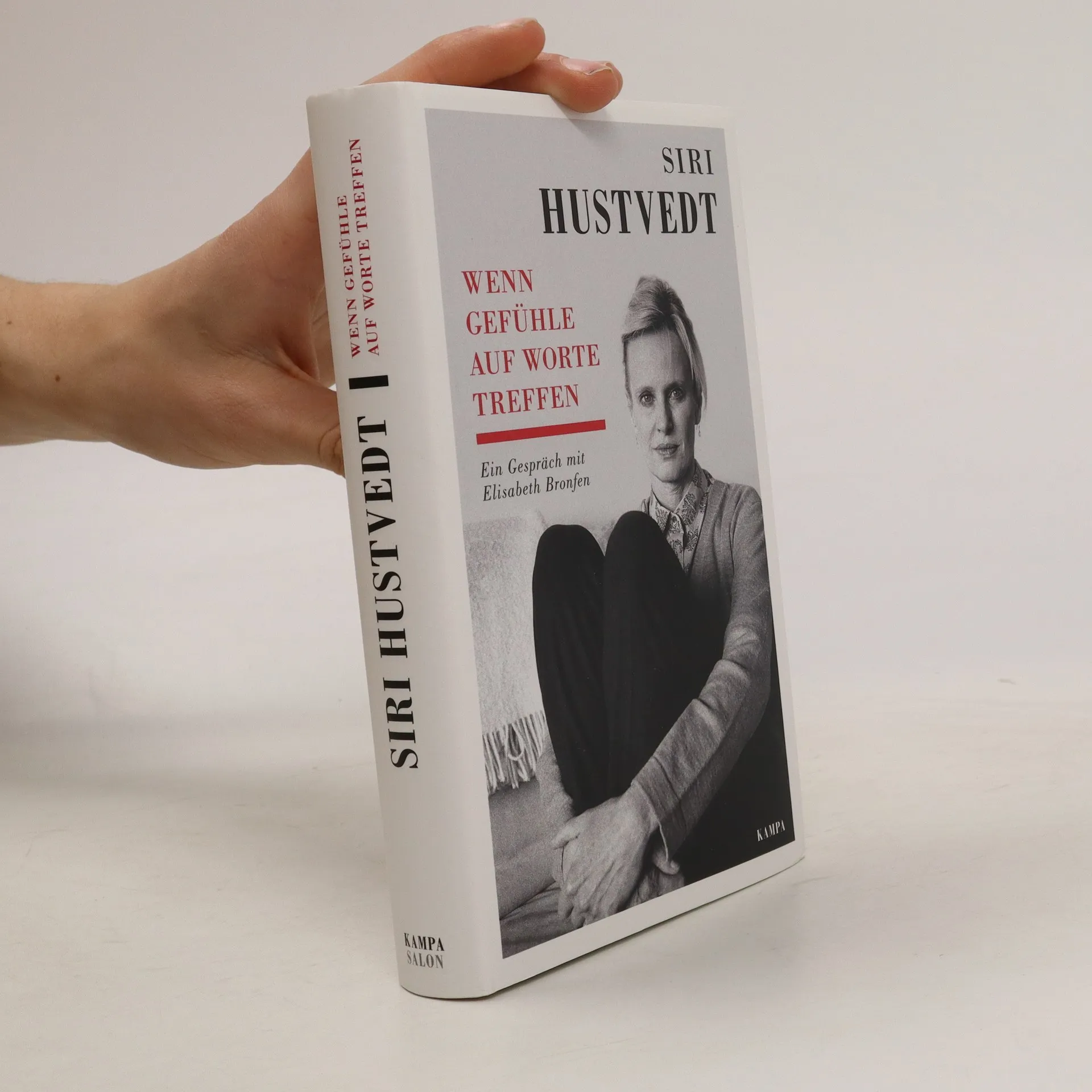
Alles beginnt in einem Sommer in Island. Die Nächte sind lang und hell. Siri Hustvedt, 13, liest David Copperfield und weiß, dass sie Schriftstellerin werden will. Mit 14 liest sie Simone de Beauvoir und wird Feministin. Ihre Wissbegier ist schon früh enorm. Mit Anfang zwanzig flieht sie aus der amerikanischen Provinz zum Studium nach New York, wo sie noch heute lebt. Das Bewegliche, Offene dieser Stadt habe sie immer fasziniert, erzählt Hustvedt der Kulturwissenschaftlerin Elisabeth Bronfen im Sommer 2018. Alles Starre, jedes Dogma hingegen ist ihr fremd – kulturelle Stereotype, patriarchale, sexistische Denkmuster, wie sie im Amerika unter Donald Trump wieder an Popularität gewinnen. Siri Hustvedt sucht das Verbindende, nicht das Trennende, eine Vielfalt der Perspektiven. Das Spiel mit Identitäten, auch mit Geschlechteridentitäten bestimmt ihre Romane, das Zusammenwirken verschiedener wissenschaftlicher Disziplinen ihre essayistischen Texte. Luzide legt Siri Hustvedt dar, dass wahre Denkräume Zwischenräume sind, in denen nicht die Gewissheit regiert, sondern das Sowohl-als-auch.
Gerhard Richter – Overpainted Photographs is a catalogue published on the occasion of the homonymous exhibition at Sies + Höke in 2023. The exhibition presents over 60 Overpainted Photographs by Gerhard Richter dating from the years 1989 to 2018, illuminating this important part of Richter's œuvre. Overpainted Photographs were created by Richter from the late 1980s onwards. Despite their small format, they have a significant status within the artist’s œuvre: like no other group of works, they embody the interface between the representation of photographic image content and abstract painting. Through photography, a representational motif is conveyed pictorially, while at the same time an abstract colour matter is applied to the surface. These two levels of reality appear as an interlocking unity and enter into a close, tension-filled and subtle connection. Across 304 pages, this monographic catalogue features reproductions of the exhibited works with a particular focus on illuminating their fine details. The catalogue includes a reprinted essay by Siri Hustvedt as well as new texts by Dietmar Elger and Mark Godfrey.
Essai sur la problématique corps/esprit
Comment pense le corps ? Qu'est-ce que l'esprit ? En quoi se distingue-t-il du corps ? L'esprit peut-il être réduit à des neurones dans le cerveau ou non ? Dans son essai, Siri Hustvedt aborde le vieux problème non résolu de l'esprit et du corps et souligne à quel point les différentes réponses à cette question ont une signification profonde pour notre compréhension de nous-mêmes. Avec son approche multidisciplinaire, Hustvedt montre à quel point des hypothèses injustifiées sur le corps et l'esprit ont déformé et confondu la pensée des neuroscientifiques, généticiens, psychiatres, psychologues évolutionnistes et chercheurs en intelligence artificielle. Dans cet essai érudit, Hustvedt introduit le lecteur à diverses théories intégratives du corps concernant la conscience, qui modifient le débat actuel sur l'esprit et le corps. Elle souligne également qu'aucune idée n'est intouchable. "Le doute", écrit-elle, "n'est pas seulement une expression de l'intelligence ; c'est une nécessité."
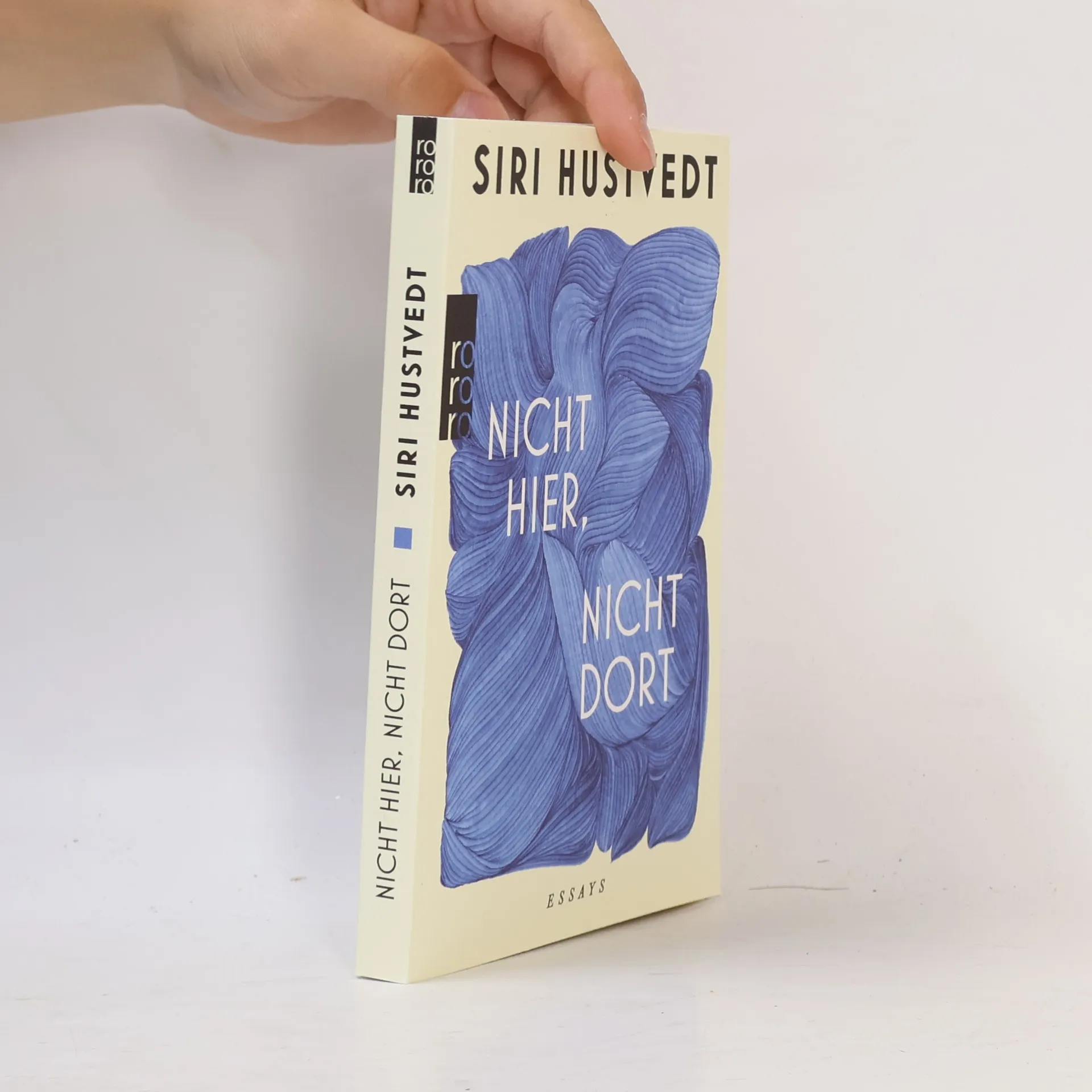
Siri Hustvedt hat sich mit ihren Romanen als Autorin spannender und moderner Literatur einen Namen gemacht. In «Nicht hier, nicht dort» sind erstmals ihre essayistischen Schriften versammelt. Der Titel bezieht sich auf ihre geographische Herkunft als Tochter norwegischer Einwanderer und auf ihren künstlerischen Standpunkt als Beobachterin: die Fiktion als Zwilling der Erinnerung, angesiedelt zwischen der realen und der gefühlten Welt. Die Sprache als Mittlerin zwischen diesen Welten steht im Mittelpunkt von Hustvedts Betrachtungen zu Literatur und bildender Kunst. Sie erschließt ein komplexes System von Zeichen und Symbolen, deren Struktur und Bedeutung sowohl in unserem Bewusstsein als auch außerhalb von uns angelegt sind. Hustvedt beleuchtet, wie der künstlerische Schaffensprozess zu Erkenntnis führt, anhand von Beispielen wie Vermeers «Annunziata» und F. Scott Fitzgeralds «Gatsby». Zudem untersucht sie in einem Essay den puritanischen Dirigismus, mit dem US-amerikanische Institutionen die Sexualität regulieren wollen, und erforscht das Feld der Annäherung, in dem jeder erotische Kontakt beginnt. Wie in ihren Romanen verweben sich private Biographie und öffentliches Werk, was diesem Buch einen besonderen Wert verleiht. Es bietet Einblick in ihre Arbeit und ihr Leben und unterhält auf hohem Niveau.
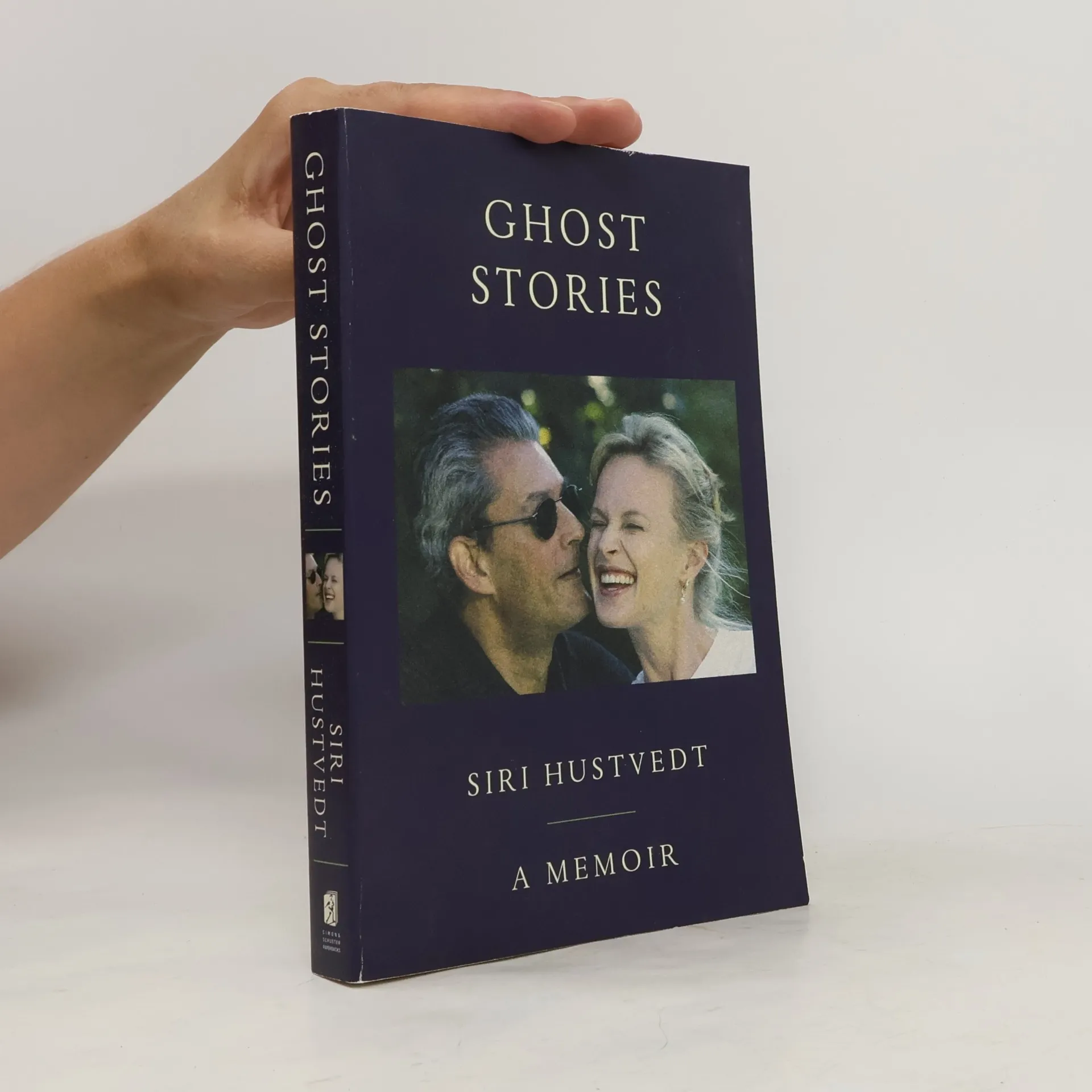
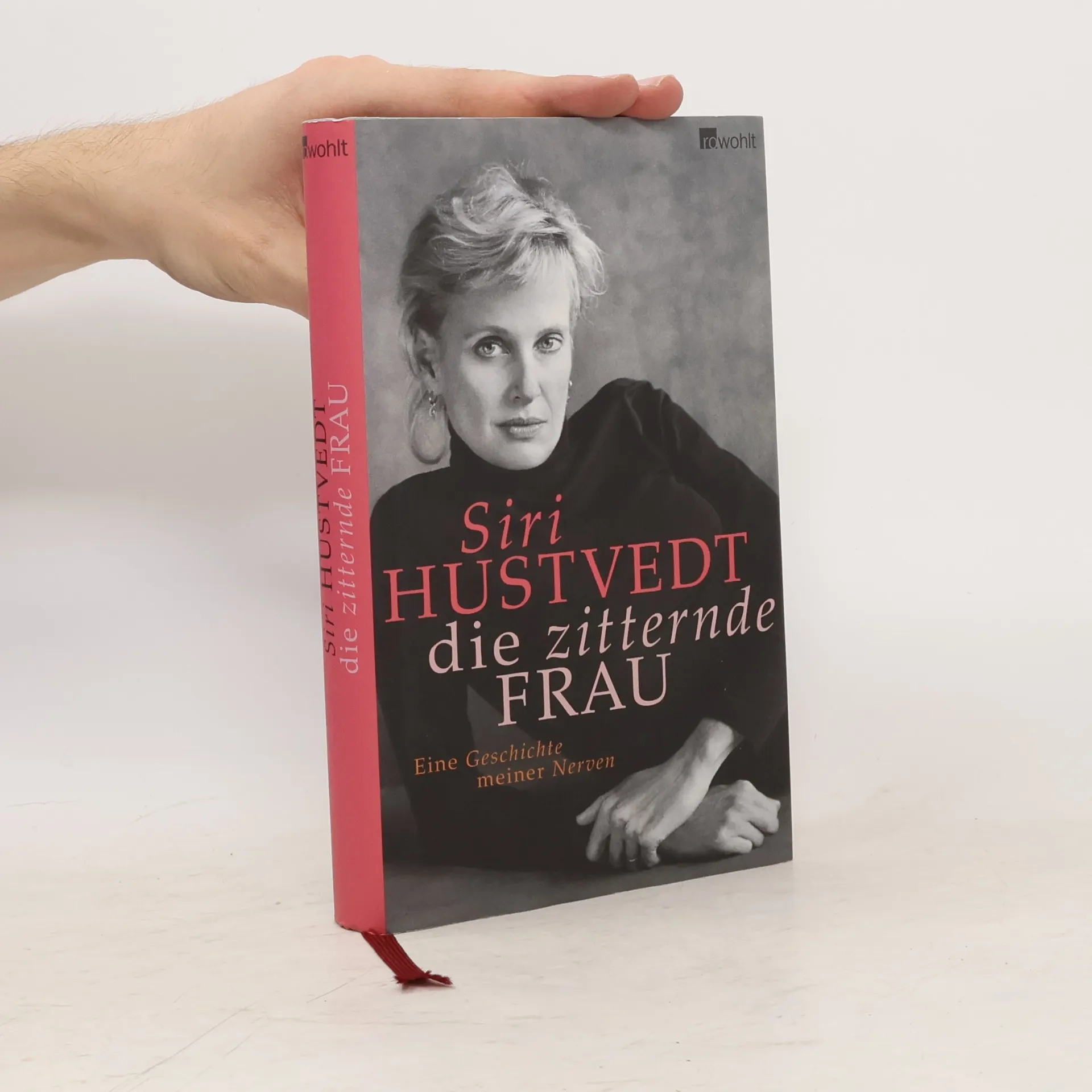
Während sie 2006 bei einer Hommage an ihren Vater öffentlich sprach, begann Siri Hustvedt unkontrolliert von Kopf bis Fuß zu zittern. „Meine Arme zuckten übermäßig. Meine Knie schlugen gegeneinander. Ich zitterte, als wäre ich von einem epileptischen Anfall betroffen. Das Unglaubliche war, dass meine Stimme davon überhaupt nicht betroffen war. Ich sprach, als wäre ich völlig ungerührt“, schrieb sie später. Es war, als hätte sie sich plötzlich in zwei Personen verwandelt und könnte sich nicht in dem Teil von ihr erkennen, der krank zu sein schien. Fasziniert von diesem Vorfall beschloss sie, die zitternde Frau zu suchen. In diesen Erinnerungen versucht die Schriftstellerin, eine Diagnose zu finden, die diese mysteriöse Transformation aufklärt. Sie vertieft sich in die Geschichte der Medizin und in ihre eigene Biografie und beschäftigt sich mit Disziplinen wie Neurologie, Psychiatrie und Psychoanalyse. Hustvedt verfasst ein einzigartiges Buch, in dem, in der Tradition von Autoren wie Oliver Sacks, Wissenschaft und Literatur Hand in Hand gehen, um alles zu erhellen, was wir nicht über uns selbst wissen.
Au terme de la lecture de cette somme architecturée de réflexions, de lectures, d’expérience que Siri Hustvedt cherche à transmettre en toute rigueur mais avec le souci d’apprivoiser, pour elle-même comme pour autrui, la complexité des tenants et aboutissants de l’expérience humaine en tant qu’entité problématique et toujours en devenir, le lecteur aura fait la connaissance d’un écrivain qui a consacré une considérable partie de son existence à explorer sans désemparer les arcanes de l’être au monde qui nous est donné en partage sous ses formes multiples et chez qui la “vocation” d’écrire est inséparable d’une aspiration à la connaissance de soi et de l’autre rendue possible par une fréquentation assidue de la recherche à l’oeuvre, de tous temps, dans les divers domaines de la pensée.
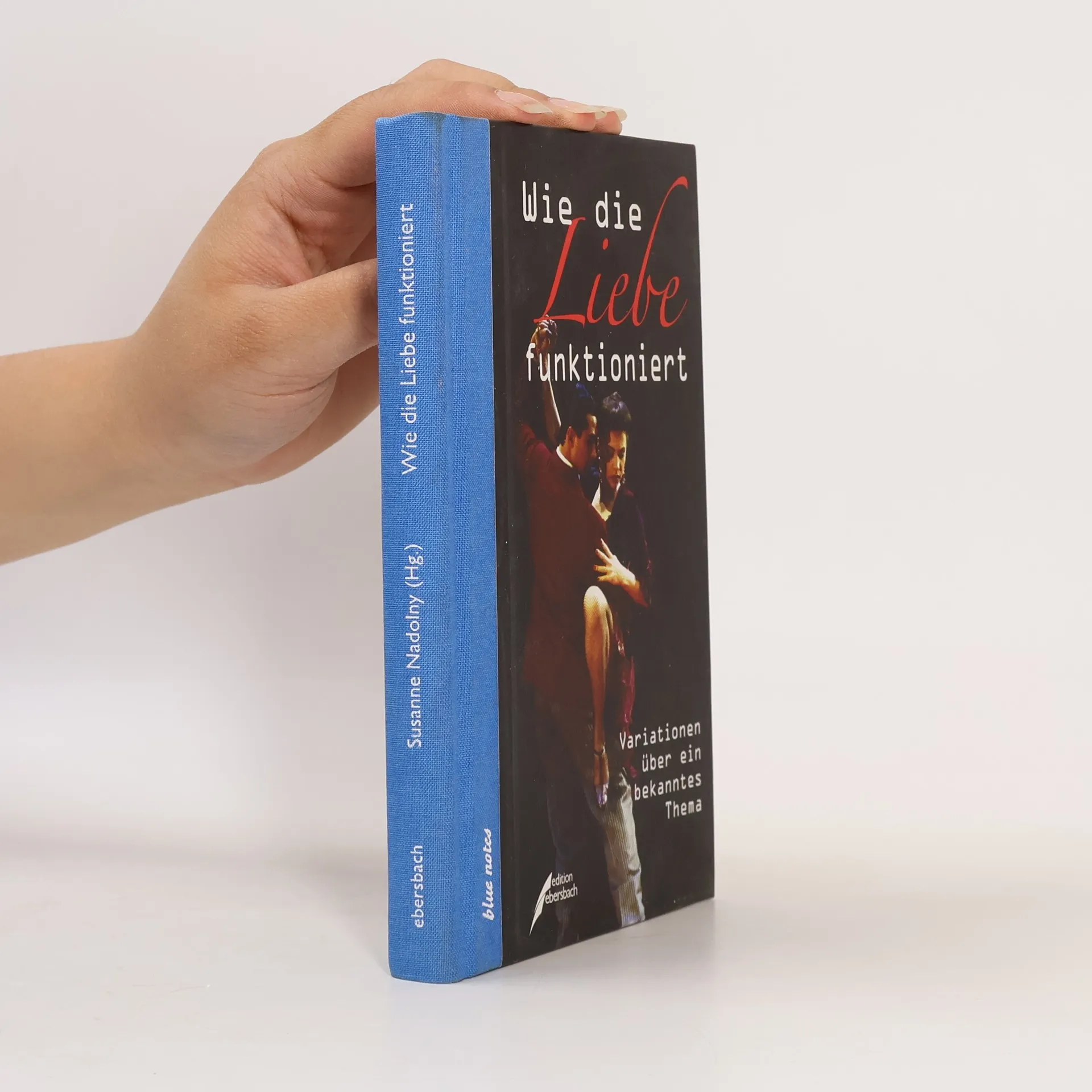
Variationen über ein bekanntes Thema
Gibt es eine Formel, nach der die großen Leidenschaften funktionieren? Roberta Gómez Dawson, Literatin und ehemals Inhaberin eines Lehrstuhls für Mathematik, ist sich sicher, eine solche Formel gefunden zu haben. Zu spät, wie die 82-Jährige findet. Den einzigen Mann, den sie je wollte, hat sie immer nur fast bekommen. Hätte ihr das Wissen um die Formel seinerzeit genützt? Wie handelt man richtig, wenn man glaubt, den einen Menschen gefunden zu haben, der 100%ig zu einem passt? Was passiert, wenn zwei Menschen die Erfüllung ihres Traums schon mit 18 Jahren erleben? Welche Rolle ist begehrenswerter: Lieben oder Geliebtwerden? Gibt es eine Strategie des Glücks? Helfen Vorbilder, Theorien weiter? Lässt sich eine Liebe wiederbeleben, zu der man 25 Jahre zuvor nein gesagt hat? Fragen wie diese tauchen in den von Susanne Nadolny kenntnisreich zusammengestellten Texten auf. Sie regen zum Nachdenken über die Liebe an – über jenes „Wunder des Kosmos“, das uns jeden Tag, an jeder Straßenecke begegnen kann. Ob mit 18 oder 80, ob in Buenos Aires oder Paris, Harajuku oder Amsterdam. Jede Liebe hat ihre eigene Geschichte und funktioniert auf eigene Weise. Acht besondere erzählt dieses Buch mit Texten von Alex Capus, Jeffrey Eugenides, Gustave Flaubert, Benoîte Groult, Siri Hustvedt, Haruki Murakami, Connie Palmen, Esther Vilar
Alles beginnt in einem Sommer in Island. Die Nächte sind lang und hell. Siri Hustvedt, 13, liest David Copperfield und weiß, dass sie Schriftstellerin werden will. Mit 14 liest sie Simone de Beauvoir und wird Feministin. Ihre Wissbegier ist schon früh enorm. Mit Anfang zwanzig flieht sie aus der amerikanischen Provinz zum Studium nach New York, wo sie noch heute lebt. Das Bewegliche, Offene dieser Stadt habe sie immer fasziniert, erzählt Hustvedt der Kulturwissenschaftlerin Elisabeth Bronfen im Sommer 2018. Alles Starre, jedes Dogma hingegen ist ihr fremd - kulturelle Stereotype, patriarchale, sexistische Denkmuster, wie sie im Amerika unter Donald Trump wieder an Popularität gewinnen. Siri Hustvedt sucht das Verbindende, nicht das Trennende, eine Vielfalt der Perspektiven. Das Spiel mit Identitäten, auch mit Geschlechteridentitäten bestimmt ihre Romane, das Zusammenwirken verschiedener wissenschaftlicher Disziplinen ihre essayistischen Texte. Luzide legt Siri Hustvedt dar, dass wahre Denkräume Zwischenräume sind, in denen nicht die Gewissheit regiert, sondern das Sowohl-als-auch.
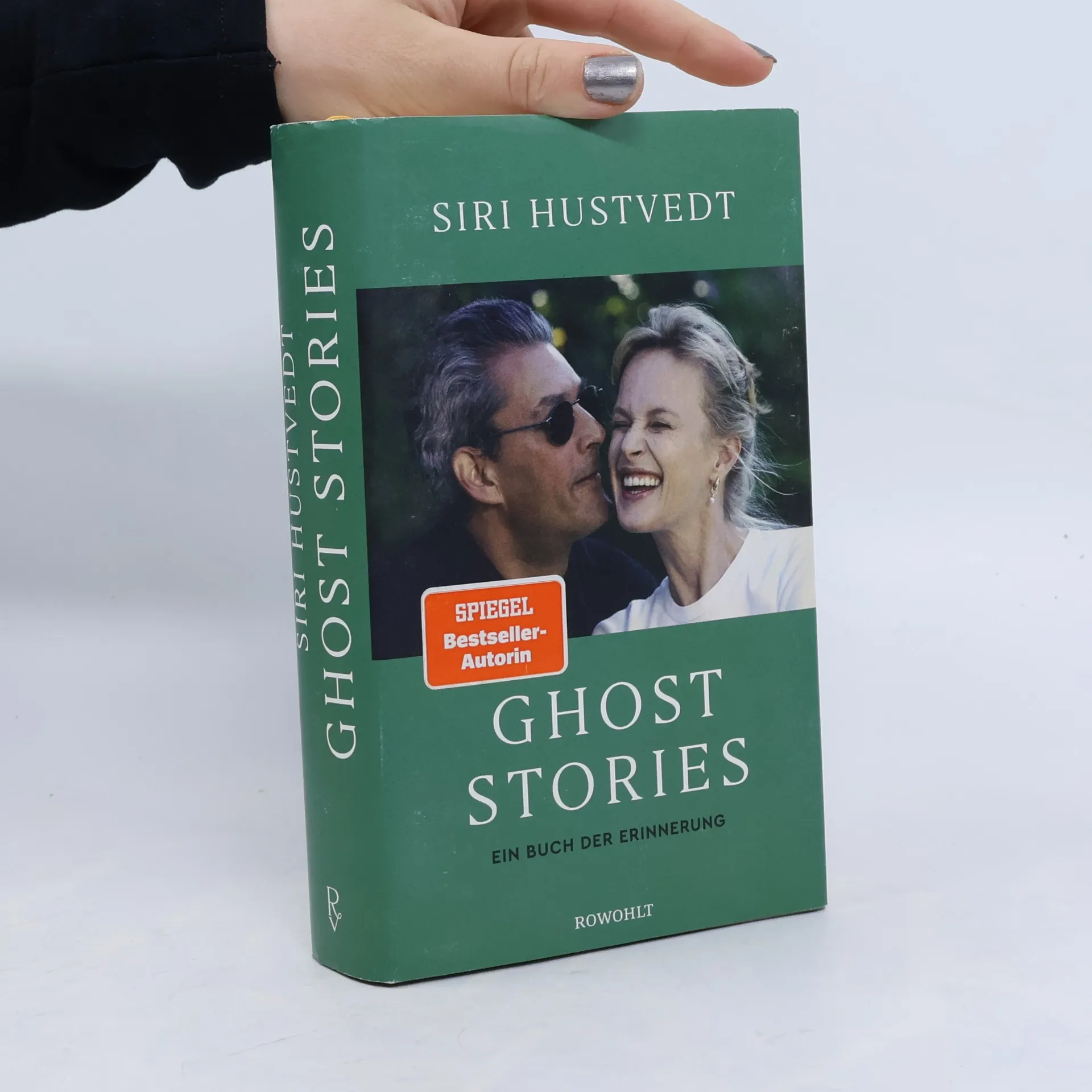
Ein Buch der Erinnerung
In het leven van een Amerikaanse studente, die haar eigen identiteit aan het zoeken is, spelen in verschillende perioden vier mensen een grote rol.
Siri Hustvedts nye roman er en fortelling om to familier som møter sorgen, og om hvordan de lever seg gjennom den. Hovedpersonene er kunstnere og intellektuelle, og vi følger dem gjennom mer enn to tiår i New Yorks Soho, der de bor i samme hus i hver sin etasje. Begge parene får en sønn. De er jevngamle og alltid sammen. Tilsynelatende lever de familiene i en og balanse mellom foreldrenes intellektuelle og kunstneriske virksomhet. Så rammer tragedien med full tyngde. Den ene av guttene dør i en drukningsulykke. Forholdet mellom foreldrene forvitrer, og de to kapsler seg inn og flykter inn i sin "voksne" virksomhet. I etasjen over er det duket for enda en sorg. Sønnen her viser å være et destruktivt menneske som lyver og manipulerer langt mer enn normalt. Etter hvert blir sammenhengen tydelig mellom de menneskelige tragediene boken skildrer og den kunstkritikk og historieskrivning de voksne arbeider med. To av Hustvedts bøker er tidligere utgitt på norsk, bl.a. ?Lily Dahls fortryllelse? (1997).