Martin Fowler is a software engineer and a prominent advocate for best practices in enterprise software design. His work strongly focuses on agile software development methodologies, championing principles that lead to more effective and higher-quality software design. He emphasizes practical application and knowledge sharing within the software community.
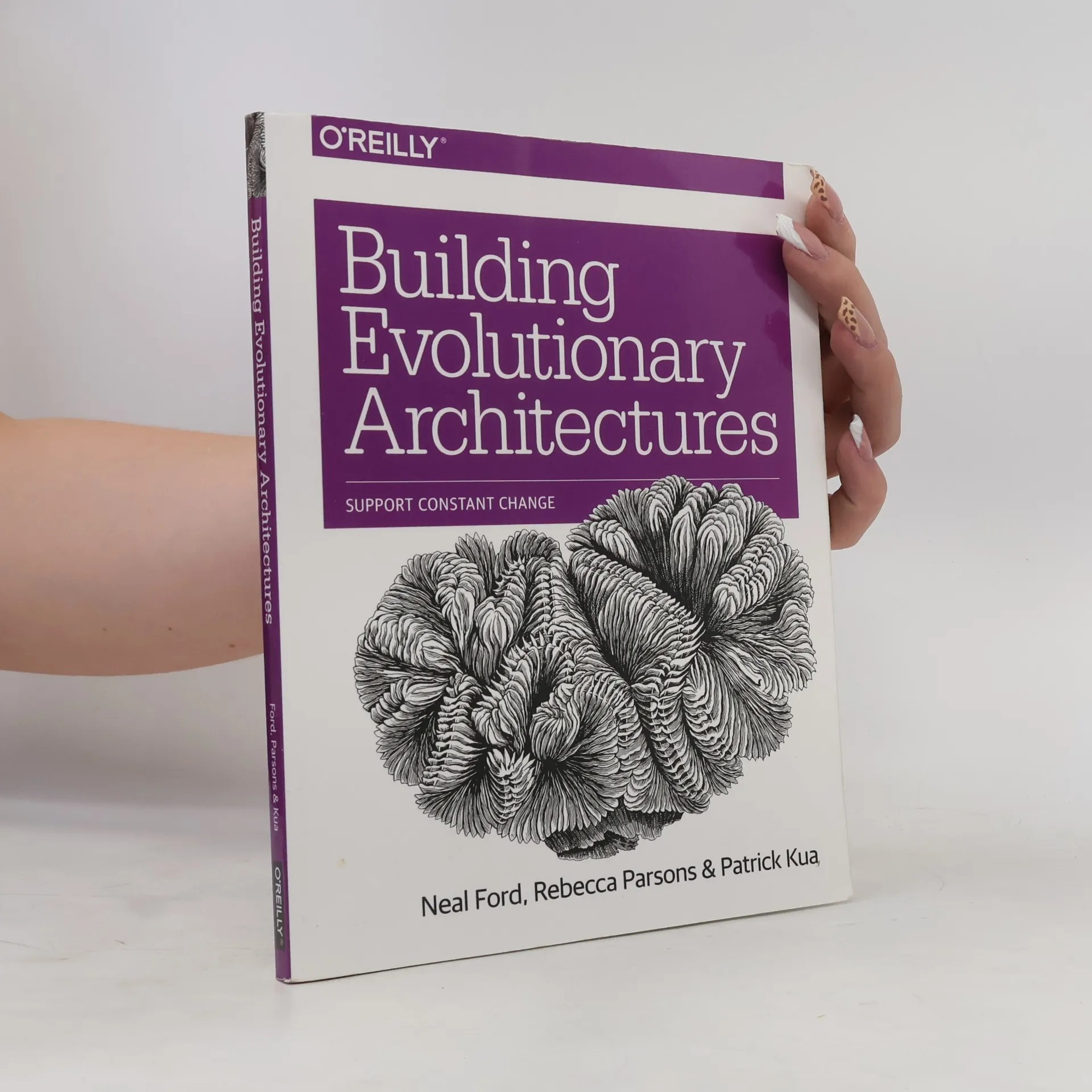
The software development ecosystem is constantly changing, providing a constant stream of new tools, frameworks, techniques, and paradigms. Over the past few years, incremental developments in core engineering practices for software development have created the foundations for rethinking how architecture changes over time, along with ways to protect important architectural characteristics as it evolves. This practical guide ties those parts together with a new way to think about architecture and time.
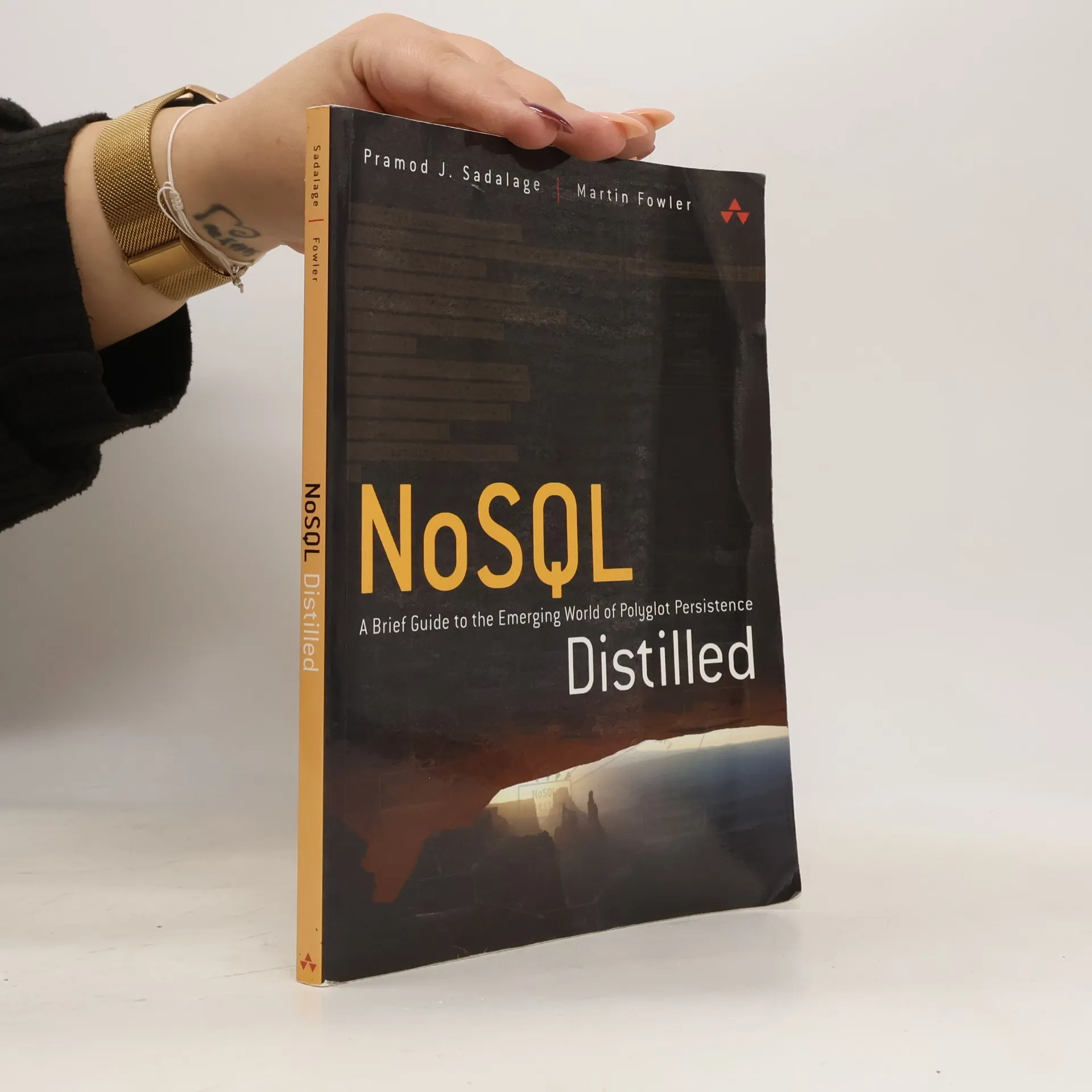
'NoSQL Distilled' is designed to provide you with enough background on how NoSQL databases work, so that you can choose the right data store without having to trawl the whole web to do it. It won't answer your questions definitively, but it should narrow down the range of options you have to consider.
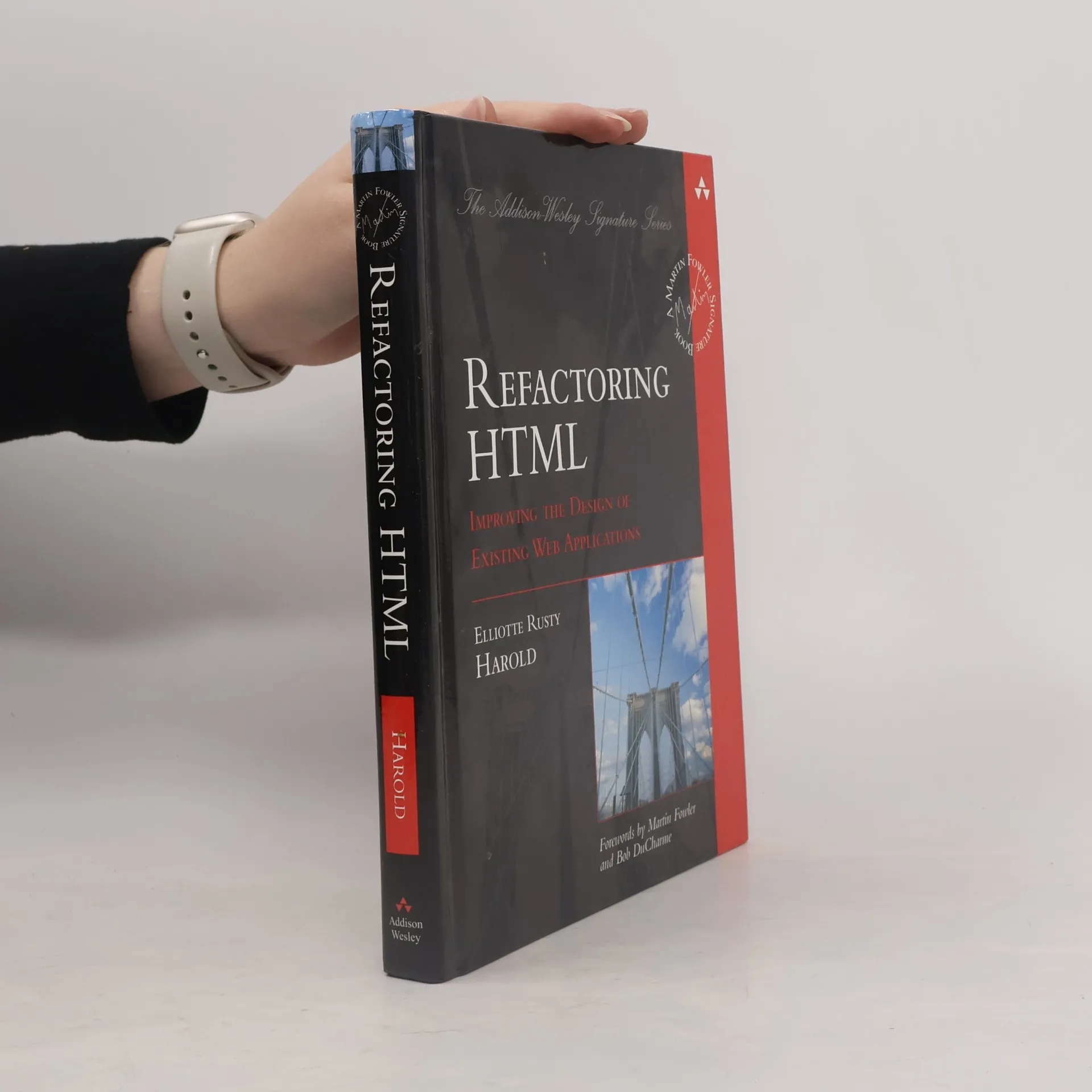
Websites, like any software system, accumulate “cruft” over time, leading to slower performance, broken links, and various compatibility and security issues. While rebuilding from scratch is ideal, it's often impractical due to time and budget constraints. Fortunately, refactoring offers a solution. This guide details how to enhance any website or application using proven techniques and tools from software development.
The author provides insights for both programmers and non-programmers, demonstrating how to refactor for improved reliability, performance, usability, security, accessibility, and search engine optimization. Step-by-step instructions help migrate outdated code to modern standards like XHTML, CSS, and REST, addressing common issues such as presentation-based markup and “tag soup.”
The book features an extensive catalog of detailed refactorings and practical recipes organized for quick access, enabling users to enhance site performance efficiently and ensure easier maintenance and scalability in the future. Key topics include identifying problematic Web code, transforming old HTML into valid XHTML, modernizing layouts with CSS, updating Web forms, and restructuring sites without altering user-facing URLs.
This resource is invaluable for Web designers, developers, project managers, and anyone involved in maintaining or updating websites, particularly those looking to refresh their knowledge of current standar
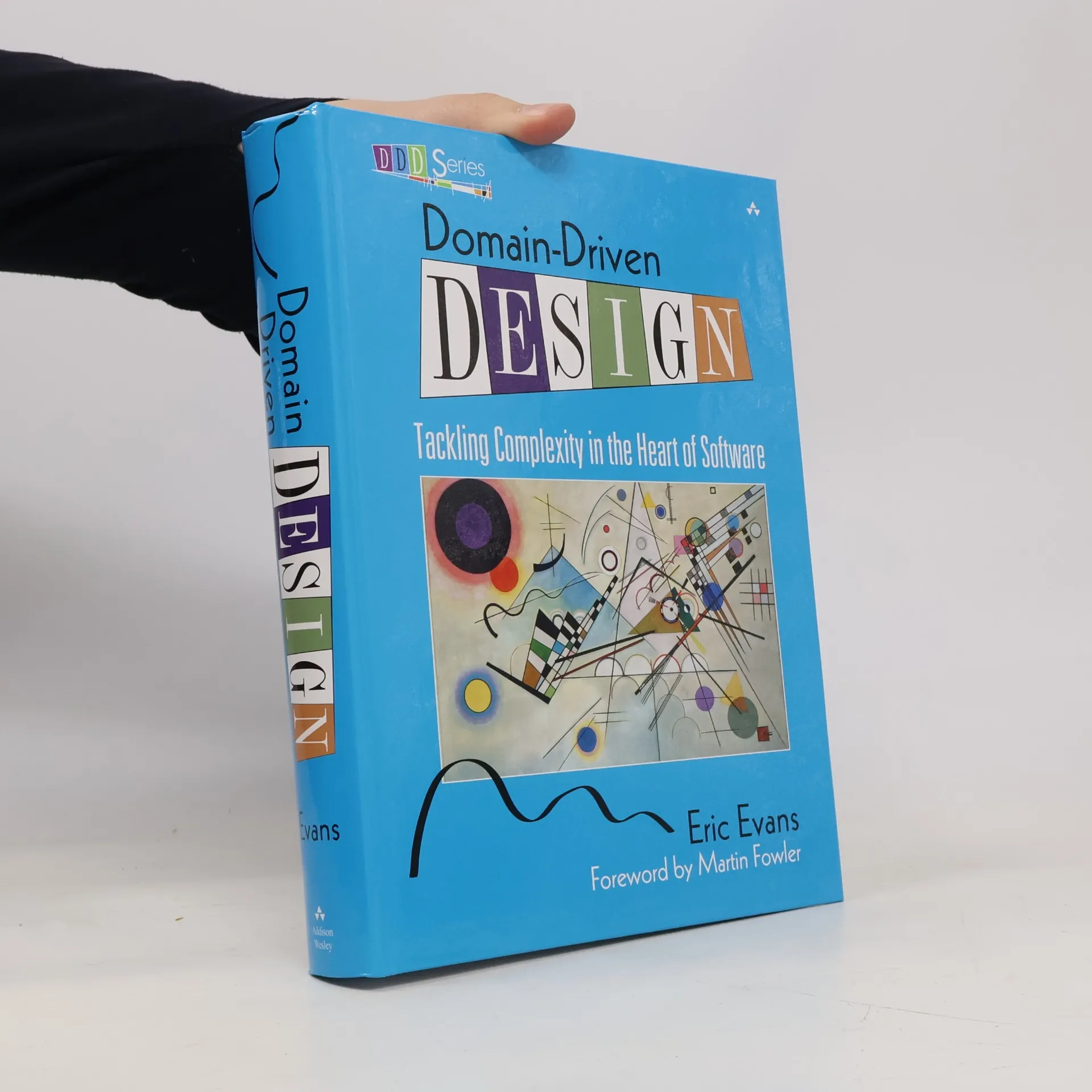
"Domain-Driven Design" incorporates numerous examples in Java-case studies taken from actual projects that illustrate the application of domain-driven design to real-world software development.
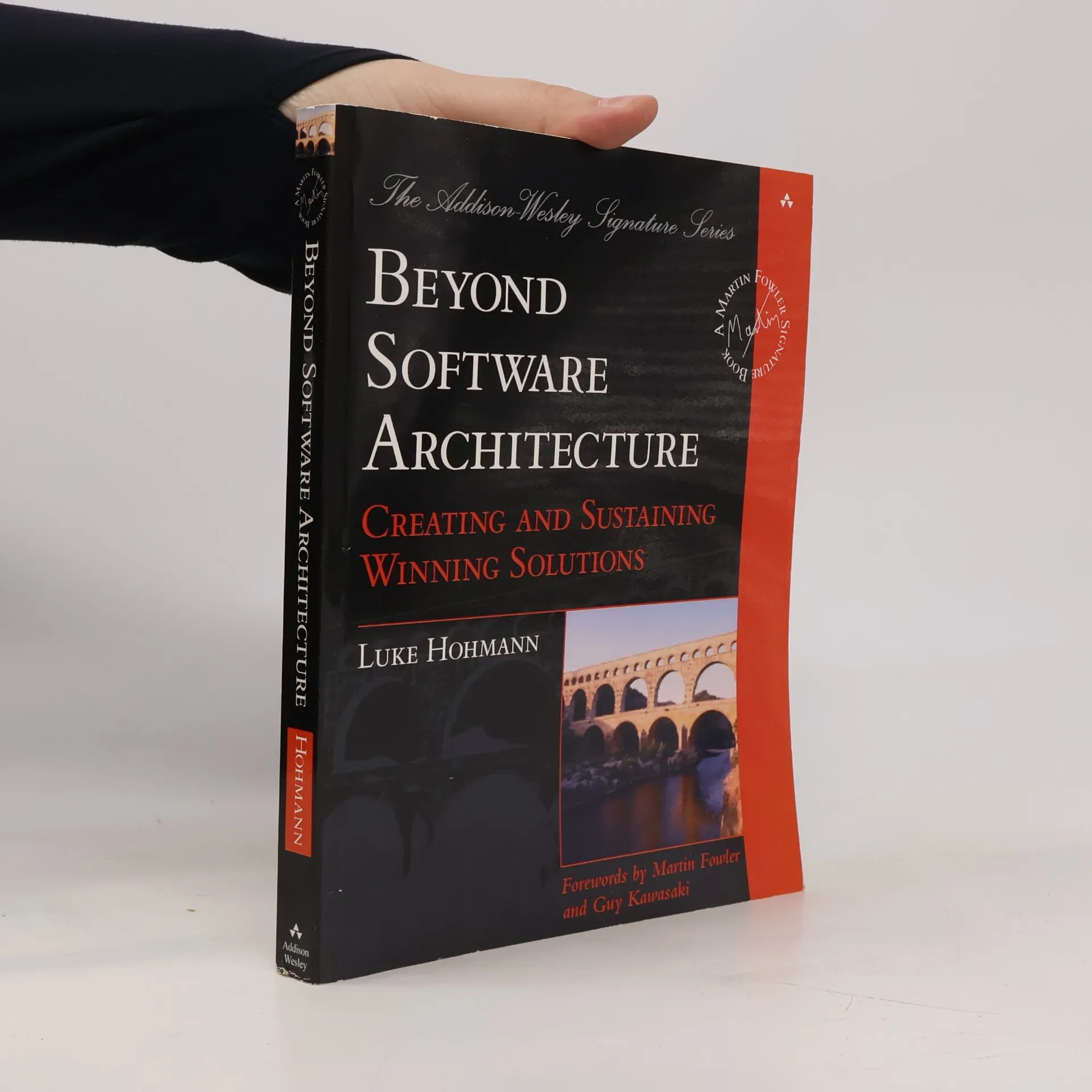
At last, a book that provides the software engineering community with a clearer understanding of the business value of software architecture. There are currently a significant number of books on creating, documenting, and implementing software architecture, but precious few resources have addressed how to build a software architecture that aligns with a customer's overall business goals. In this new book, Luke Hohmann borrows from his extensive experience managing successful enterprise software projects to provide practical wisdom on creating and sustaining winning software solutions. This book helps technologists grasp the business ramifications of their decisions, and provides business-oriented software professionals (e.g. sales people and marketers) with better knowledge of how robust software can be built and maintained.
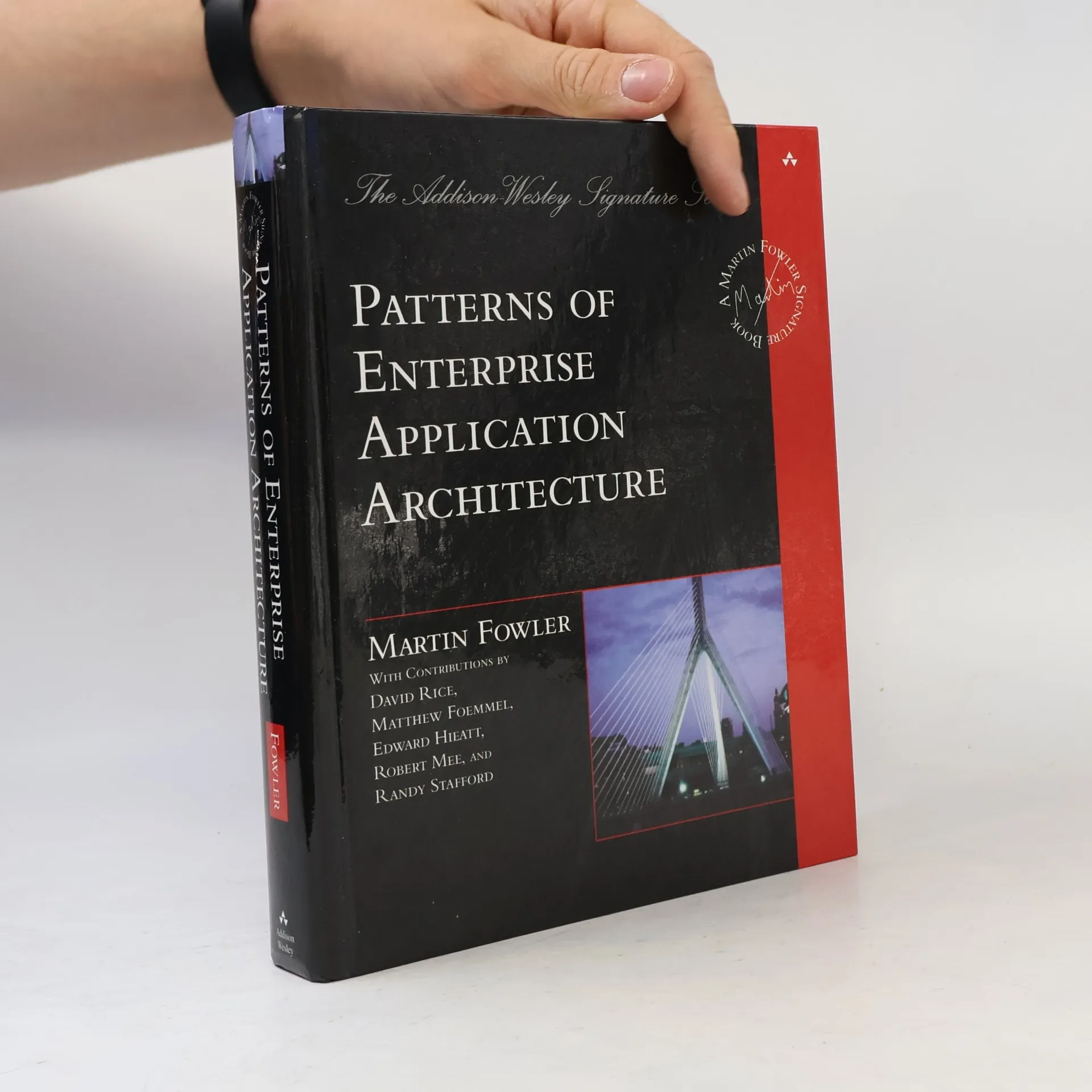
Developers of enterprise applications (e.g reservation systems, supply chain programs, financial systems, etc.) face a unique set of challenges, different than those faced by their desktop system and embedded system peers. For this reason, enterprise developers must uncover their own solutions. In this new book, noted software engineering expert Martin Fowler turns his attention to enterprise application development. He helps professionals understand the complex -- yet critical -- aspects of architecture. While architecture is important to all application development, it is particularly critical to the success of an enterprise project, where issues such as performance and concurrent multi-user access are paramount. The book presents patterns (proven solutions to recurring problems) in enterprise architecture, and the context provided by the author enables the reader to make the proper choices when faced with a difficult design decision.
This is the completely updated and revised edition to the bestselling tutorial and reference to J2EE Patterns. The book introduces new patterns, new refactorings, and new ways of using XML and J2EE Web services.
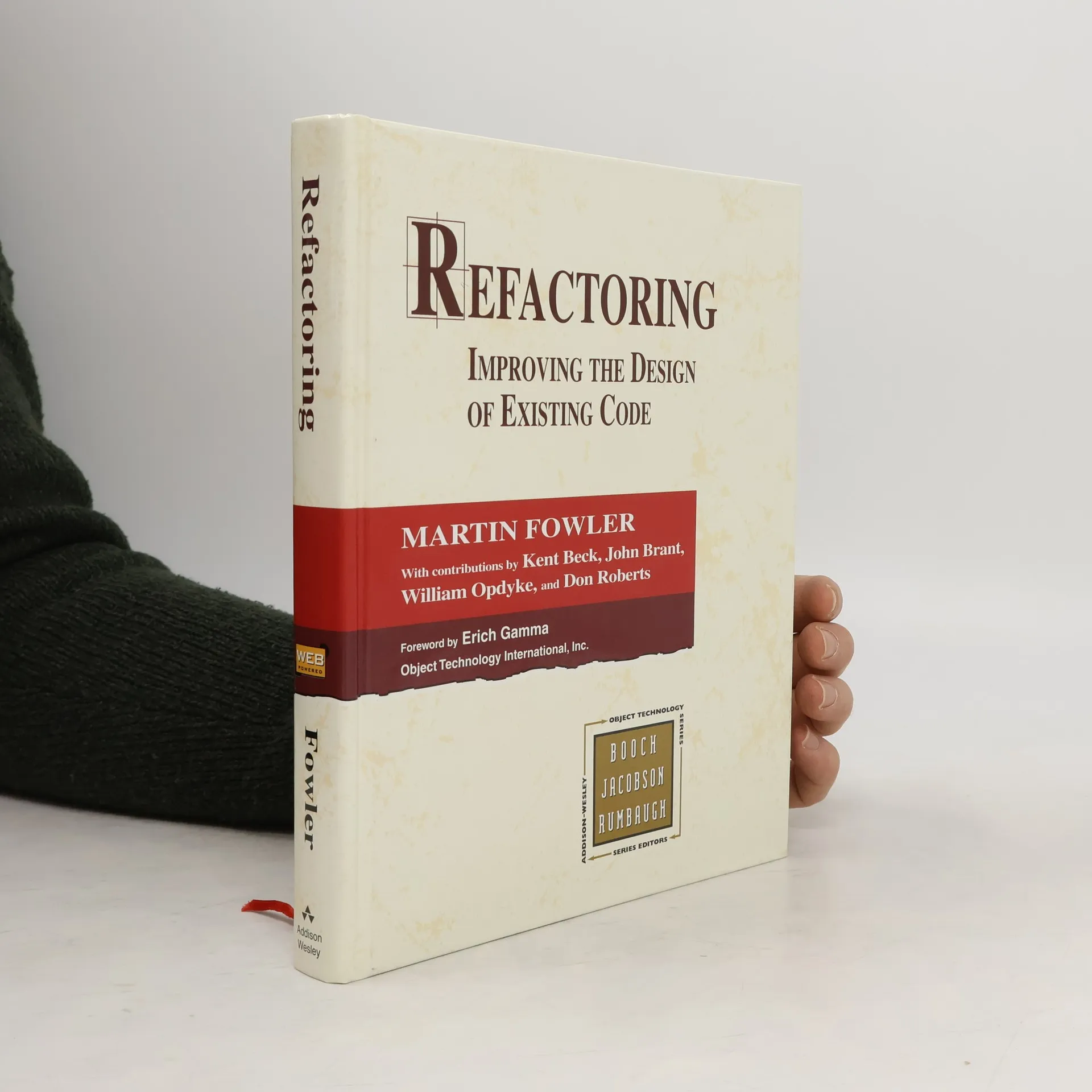
Whenever you read this book, it's time to revisit it. If you haven't read it yet, do so before writing another line of code. Fully revised and updated, it includes new refactorings and code examples. For over twenty years, programmers have relied on this guide to improve code design, enhance software maintainability, and make code easier to understand. This eagerly awaited edition reflects crucial changes in the programming landscape, featuring an updated catalog of refactorings, JavaScript examples, and new functional examples that demonstrate refactoring without classes.
It explains what refactoring is, why it's essential, how to identify code that needs it, and how to execute it successfully in any programming language. You'll learn the process and principles of refactoring, apply useful techniques to enhance program comprehension and adaptability, and recognize "bad smells" in code that indicate refactoring opportunities. Each refactoring is detailed with explanations, motivation, mechanics, and simple examples. Additionally, you’ll discover how to build solid tests for your refactorings and understand the tradeoffs and obstacles involved. The edition includes free access to the canonical web version, offering even more refactoring resources.
Refactoring is gaining momentum amongst the object oriented programming community. It can transform the internal dynamics of applications and has the capacity to transform bad code into good code. This book offers an introduction to refactoring.
This work on UML - created by OO technology experts, Booch, Rumbaugh and Jacobson - offers detailed and practical guidance to the UML notation in the context of real world software development.The book also offers useful summaries of UML notation on the back and the front covers.