Heather Dune Macadam Book order (chronological)
This author delves into the shadowed chapters of history to resurrect forgotten narratives, focusing her literary lens on the resilience of the human spirit amidst unimaginable suffering. Her work prominently features the experiences of young women during the Holocaust, bringing them to the forefront of historical accounts. Through meticulous research and a compelling narrative style, she breathes life into historical figures, ensuring their voices resonate. Her dedication to combating historical denial and oblivion is evident, offering readers a profoundly moving and educational experience.

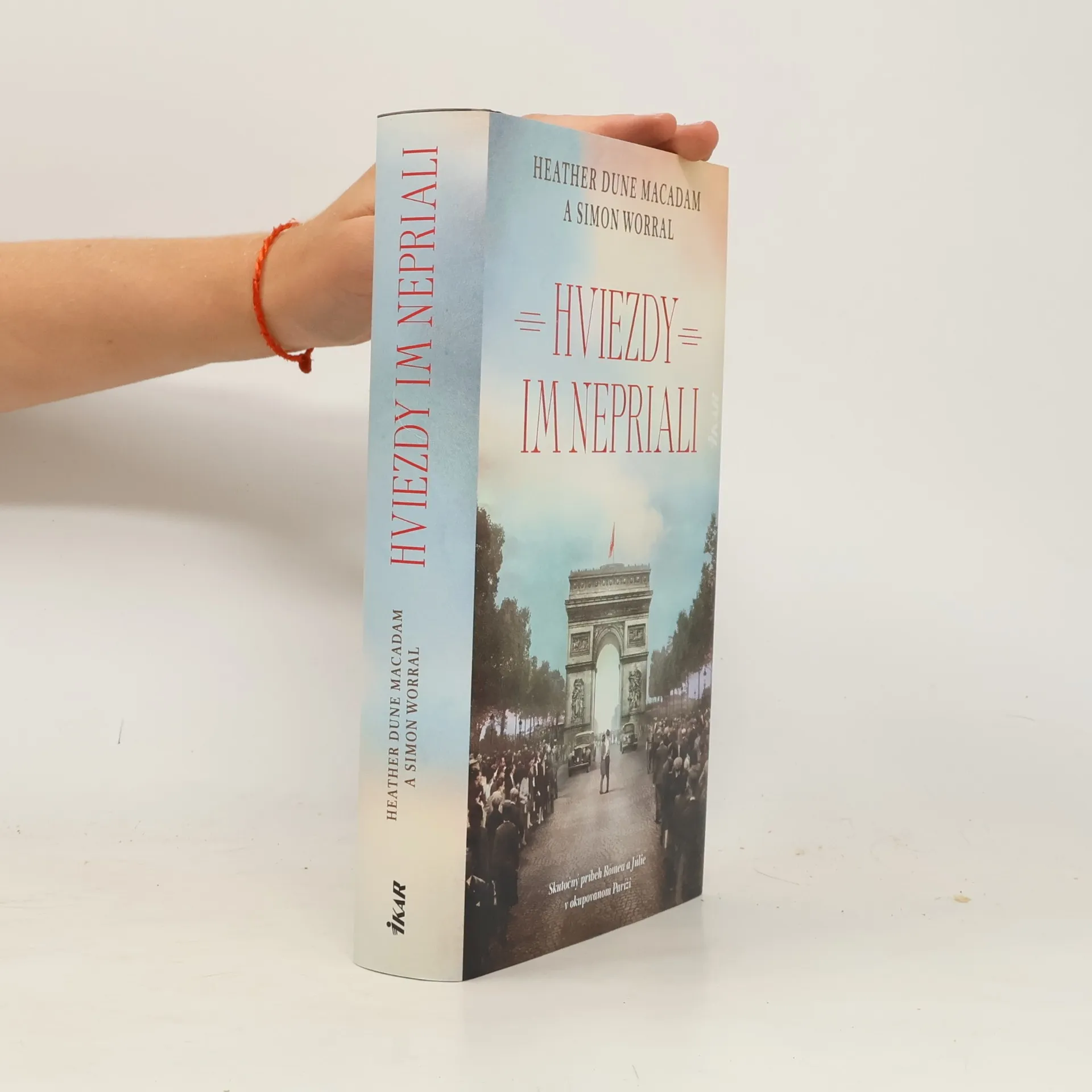


Hviezdy im nepriali
- 480 pages
- 17 hours of reading
Paríž, 1940. Mesto svetiel okupujú nacisti. Symbolom vzdoru sa stáva umenie, kultúra a džez. Je ním však aj zakázaná láska? Ako tá medzi židovskou študentkou umenia Annette Zelmanovou a začínajúcim básnikom a katolíkom Jeanom Jausionom. Mladí napriek počiatočnému odporu rodiny nachádzajú domov v bohémskom prostredí slávnej Café de Flore, kde sa stretávajú najväčšie osobnosti Latinskej štvrte, ako je Simone de Beauvoir, Jean-Paul Sartre či Pablo Picasso. Na okamih sa zdá, že Annette a Jean unikli nacistom aj námietkam rodičov. Reštriktívne protižidovské opatrenia sa však stupňujú, dochádza k prvým zadržaniam a deportáciám a nemilosrdný osud napokon zamilovaných násilne roztrhne. Ich príbeh, doplnený vzácnou rodinnou korešpondenciou, archívnymi zdrojmi a terénnym výskumom, je svedectvom o tragédii holokaustu a živote obyčajných ľudí za okupácie.
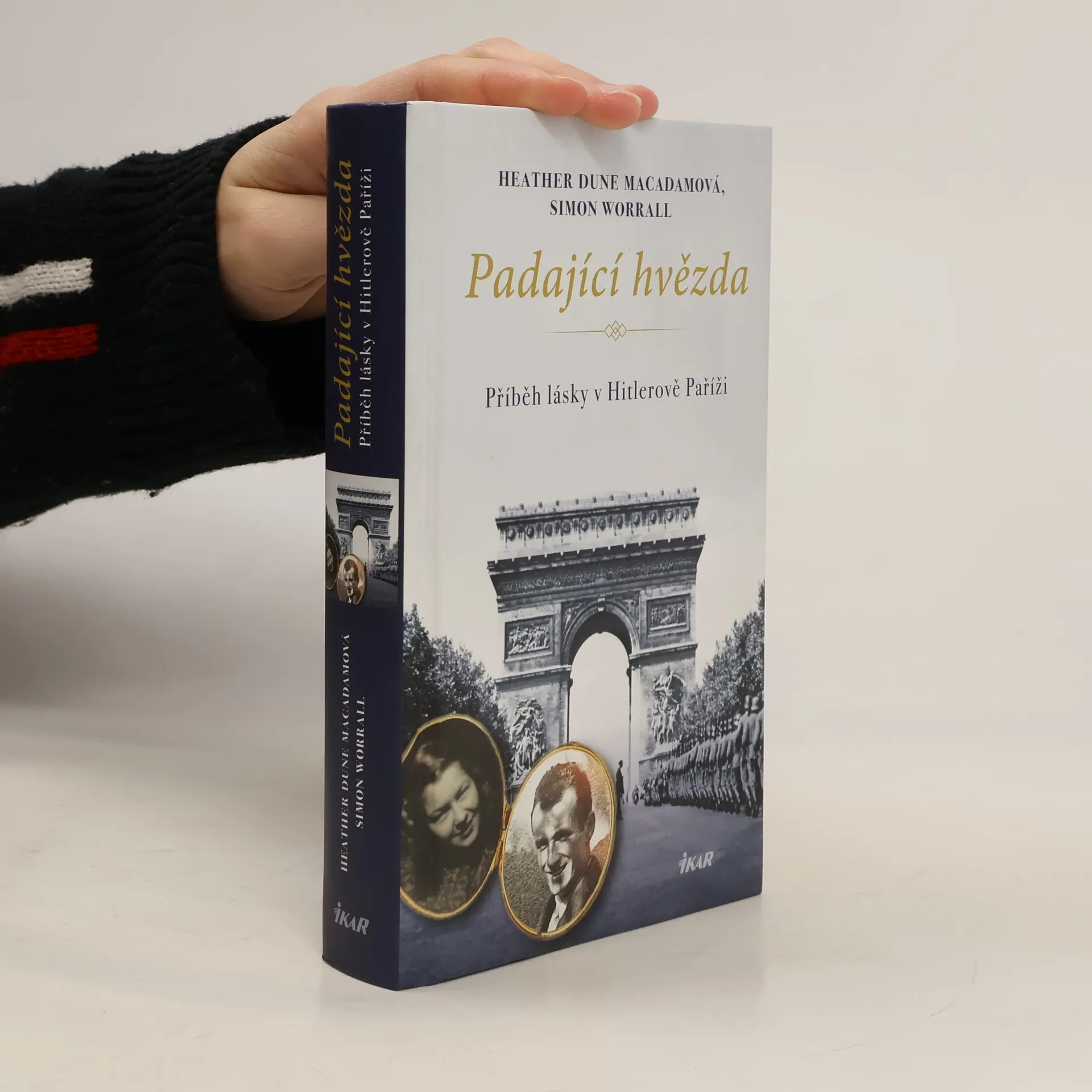
Padající hvězda
- 464 pages
- 17 hours of reading
Annette je temperamentní dívka, která studuje pařížskou Akademii krásných umění. Jean je básník, vůdčí postava dadaistické skupiny Les Réverberes. Oba milují jazz a oba se potkávají v proslulé pařížské kavárně Café de Flore, kde lze zahlédnout Picassa, Simone de Beauvoir a další osobnosti pařížského uměleckého života. Mezi Annette a Jeanem se rozhoří láska a plánují společnou budoucnost. Avšak píše se rok 1942 a Annette je Židovka…
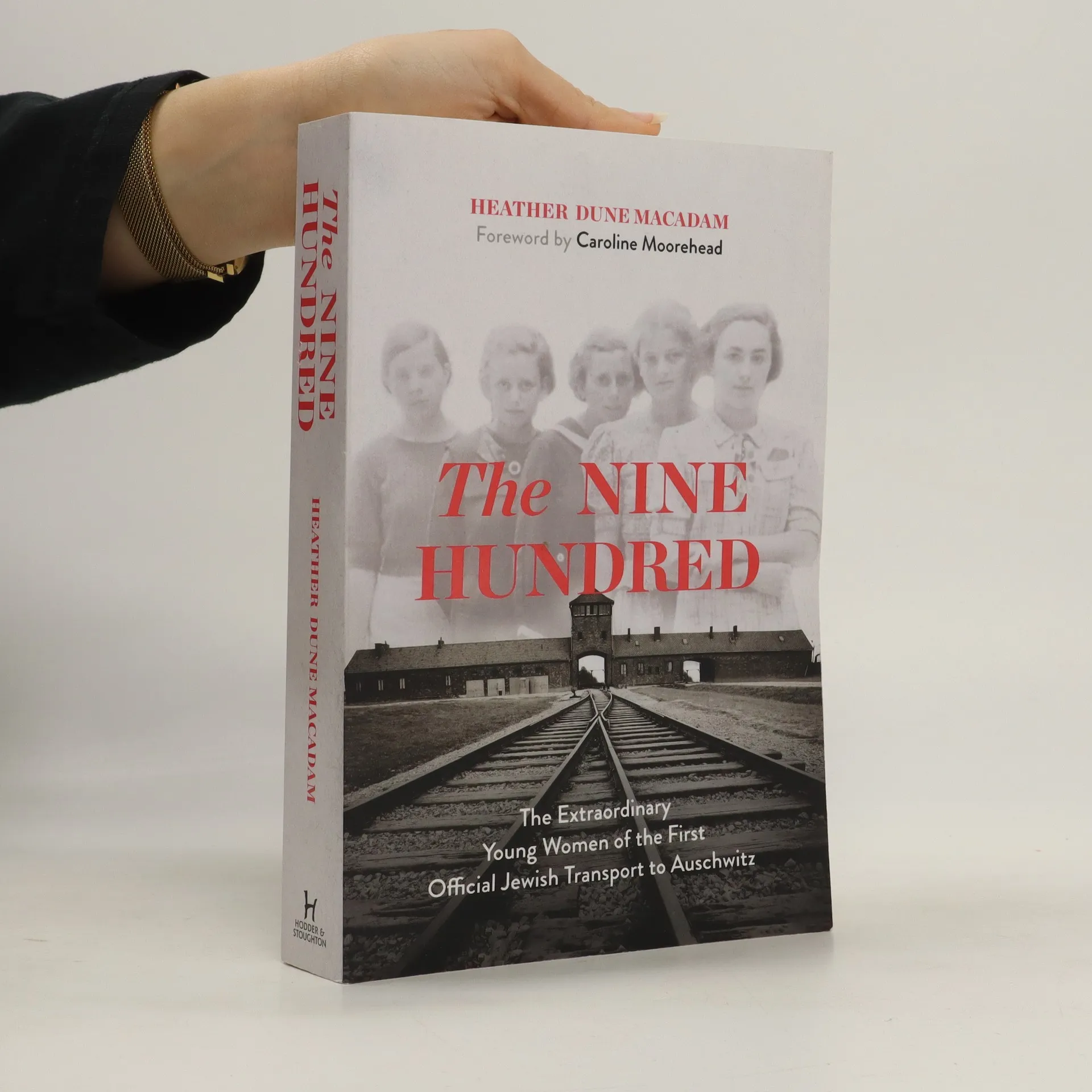
The nine hundred : the extraordinary young women of the first official transport to Auschwitz
- 416 pages
- 15 hours of reading
On March 25, 1942, nearly a thousand young, unmarried Jewish women boarded a train in Poprad, Slovakia. Filled with a sense of adventure and national pride, they left their parents' homes wearing their best clothes and confidently waving good-bye. Believing they were going to work in a factory for a few months, they were eager to report for government service. Instead, the young women-many of them teenagers-were sent to Auschwitz. Their government paid 500 Reichsmarks (about 160) apiece for the Nazis to take them as slave labour. Of those 999 innocent deportees, only a few would survive.The facts of the first official Jewish transport to Auschwitz are little known, yet profoundly relevant today. These were not resistance fighters or prisoners of war. There were no men among them. Sent to almost certain death, the young women were powerless and insignificant not only because they were Jewish-but also because they were female. Now, acclaimed author Heather Dune Macadam reveals their poignant stories, drawing on extensive interviews with survivors, and consulting with historians, witnesses, and relatives of those first deportees to create an important addition to Holocaust literature and women's history.
Rena's Promise
- 296 pages
- 11 hours of reading
A Story of Sisters in AuschwitzAs a young woman, Rena Kornreich endured the Nazi death camps for almost three and a half years. Rena's Promise, the remarkable story of her survival, shows how her relationship with her younger sister, Danka, gave her the will to persevere under unimaginable circumstances. "Deeply moving."-Dena Taylor, San Francisco Chronicle