

Explore the latest books of this year!
Bookbot

Colson Whitehead

    November 6, 1969

    This author delves into the intricate connections between race, class, and American history through incisive novels. His work, often set against the backdrop of vibrant urban landscapes, showcases an elegant prose style and a profound psychological exploration of his characters. He crafts narratives that uncover hidden truths and the enduring impact of the past on the present. His writing invites contemplation on American identity and collective memory.

    Colson Whitehead
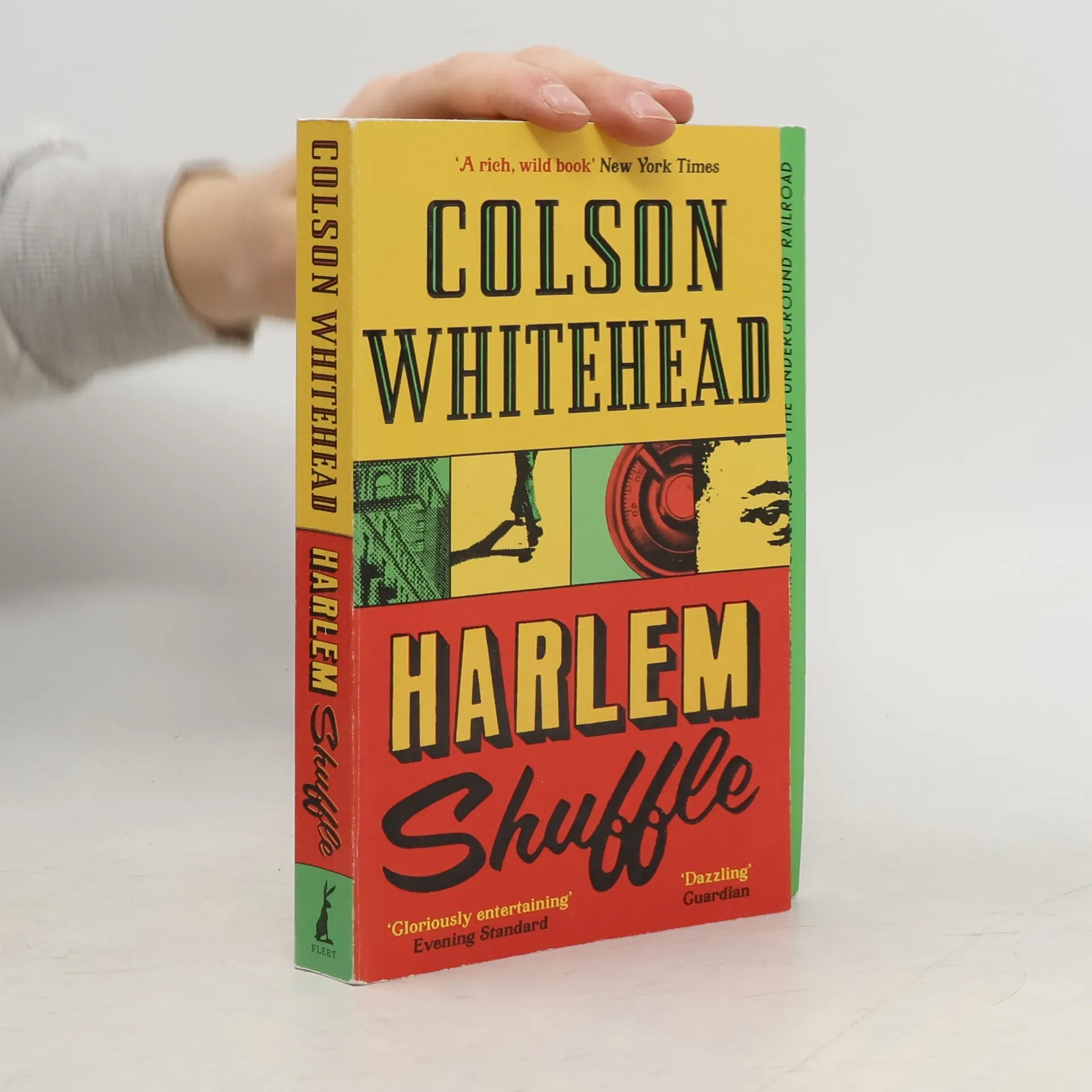
    Harlem Shuffle
    Sag Harbor
    Crook Manifesto
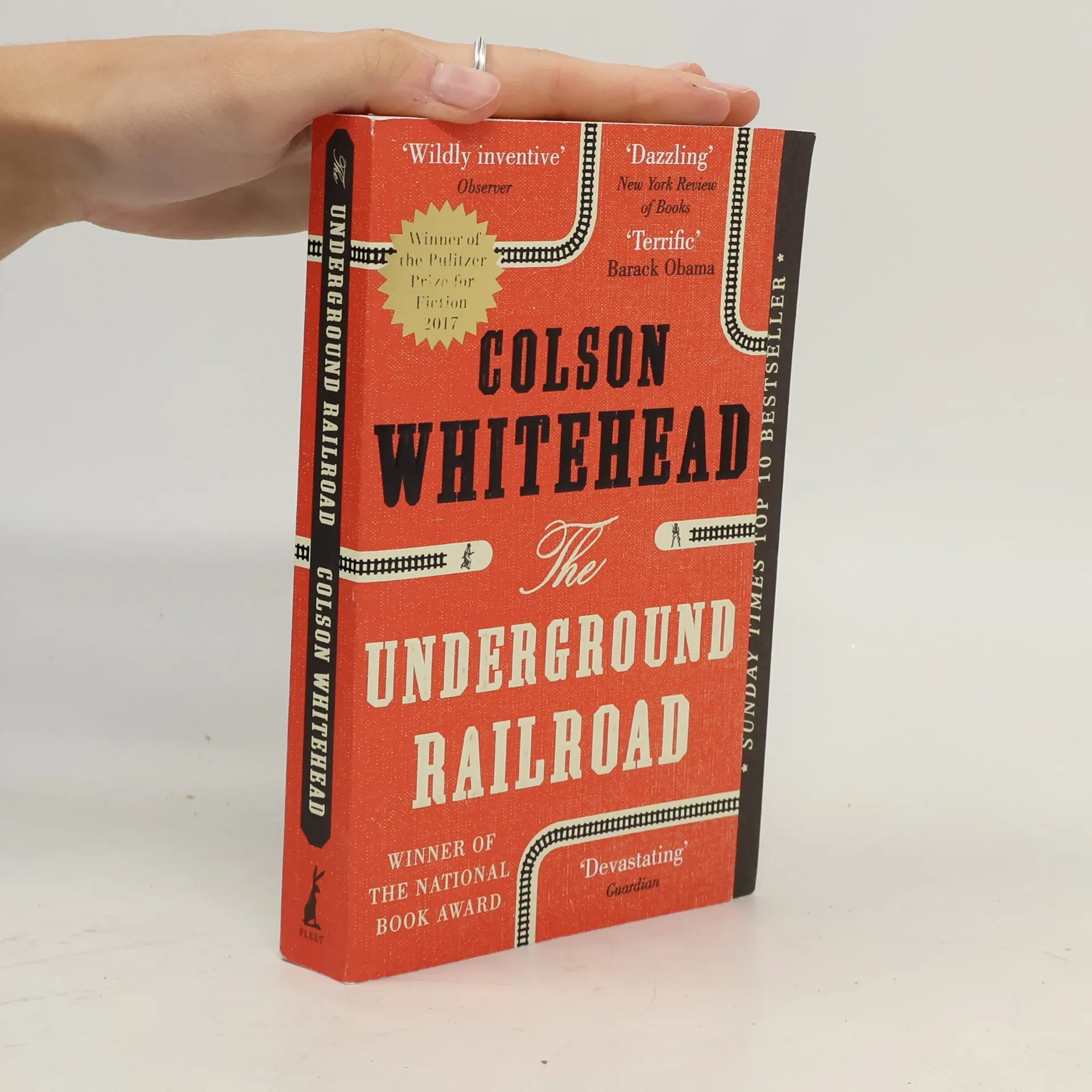
    The Underground Railroad (Pulitzer Prize Winner) (National Book Award Winner) (Oprah's Book Club)
    The underground railroad
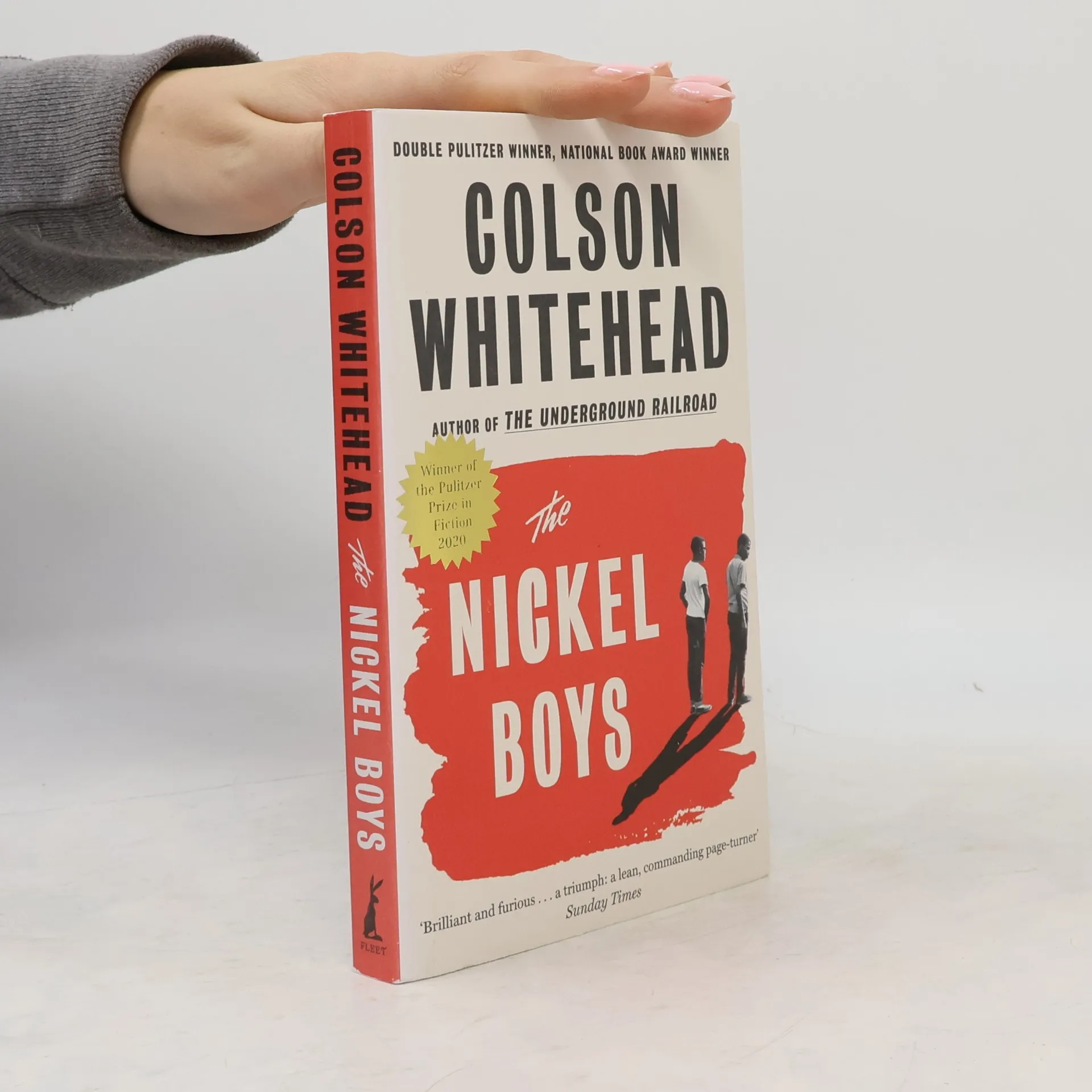
    The Nickel Boys
    • The Nickel Boys

      • 224 pages
      • 8 hours of reading
      4.3(17454)Add rating

      Colson Whitehead, acclaimed author of The Underground Railroad, explores a dark chapter of American history through the harrowing tale of two boys at a reform school in 1960s Florida. Elwood Curtis, inspired by Dr. Martin Luther King Jr., believes he deserves a better life. Raised by his loving grandmother, he is on the brink of attending a local black college when a single mistake lands him at The Nickel Academy, which purports to offer moral and intellectual training. However, the reality is a nightmare of physical, emotional, and sexual abuse, where corrupt officials profit from the suffering of the boys. Elwood clings to Dr. King's message of love and resilience, but his friend Turner views the world differently, believing that survival requires adopting the very cruelty they face. This clash of ideals between Elwood's hope and Turner's pragmatism culminates in a choice with lasting consequences. Drawing from the true history of a Florida reform school that operated for over a century, this narrative is a poignant exploration of injustice and resilience, illuminating the ongoing struggles within the United States.
      The Nickel Boys
    • Cora, a slave on a Georgia cotton plantation, faces unimaginable horrors, especially as she matures into womanhood. An outcast among her peers, her life takes a turn when Caesar, a newcomer from Virginia, introduces her to the Underground Railroad. Together, they decide to escape, but their plan goes awry when Cora kills a white boy trying to capture her. They find a station and head north, but they are relentlessly pursued. In this innovative narrative, the Underground Railroad is depicted as a real network of tracks and tunnels beneath the South. Their first stop is South Carolina, which initially appears to offer safety, but hides a sinister scheme against its black residents. The relentless slave catcher Ridgeway is hot on their trail, forcing Cora to flee once more. Her journey becomes a harrowing odyssey across states, each revealing different facets of freedom and oppression. Cora's experiences echo those of the protagonist in Gulliver’s Travels, as she navigates a landscape filled with unique terrors and challenges. The narrative captures the brutal history of African Americans from the slave trade to the present, blending adventure with a profound meditation on shared history and the quest for liberation.

      The underground railroad
    • Cora is a slave on a cotton plantation in Georgia. When Caesar, a recent arrival from Virginia, tells her about the Underground Railroad, they decide to take a terrifying risk and escape. Though they manage to find a station and head north, they are being hunted. Their first stop is South Carolina, in a city that initially seems like a haven. But the city's placid surface masks an insidious scheme designed for its black denizens. And even worse: Ridgeway, the relentless slave catcher, is close on their heels. Forced to flee again, Cora embarks on a harrowing flight, state by state, seeking true freedom

      The Underground Railroad (Pulitzer Prize Winner) (National Book Award Winner) (Oprah's Book Club)
    • Colson Whitehead, a two-time Pulitzer Prize winner, presents a captivating novel set in 1970s New York, depicting Harlem's vibrant yet gritty landscape. This darkly humorous story explores the challenges of urban life while delving into the deeper themes of family and connection.

      Crook Manifesto
    • Sag Harbor

      • 288 pages
      • 11 hours of reading
      3.8(266)Add rating

      Pure shimmering brilliance...One of the funniest books I've ever read' Gary Shteyngart

      Sag Harbor
    • To his customers on 125th Street, Carney appears to be a respectable furniture salesman, building a decent life with his wife Elizabeth, who is expecting their second child. Despite her parents' disapproval of him and their cramped apartment near the subway, he feels at home. Few know of his criminal lineage, and his seemingly normal life is beginning to unravel. Financial struggles arise, leading him to accept stolen items from his cousin Freddie without questioning their origin. When Freddie becomes involved in a robbery crew targeting the Hotel Theresa, he enlists Ray as the fence. The heist fails, thrusting Ray into a dangerous world filled with corrupt cops, gangsters, and petty criminals. This internal conflict forces Ray to confront his dual identity as both a striving businessman and a criminal. As he navigates this treacherous path, he learns about the true power dynamics in Harlem. Can he evade danger, protect his cousin, and secure his share of the heist while maintaining his reputation as a reliable furniture source? The narrative unfolds in a vividly depicted 1960s New York City, blending elements of family saga, crime, and social commentary, ultimately serving as a love letter to Harlem and a captivating read from the acclaimed Colson Whitehead.

      Harlem Shuffle
    • Apex Hides the Hurt

      • 211 pages
      • 8 hours of reading
      3.6(85)Add rating

      A brilliant, witty, and subtle novel, written in a most engaging style, with tremendous aptness of language and command of plot New York Review of Books

      Apex Hides the Hurt
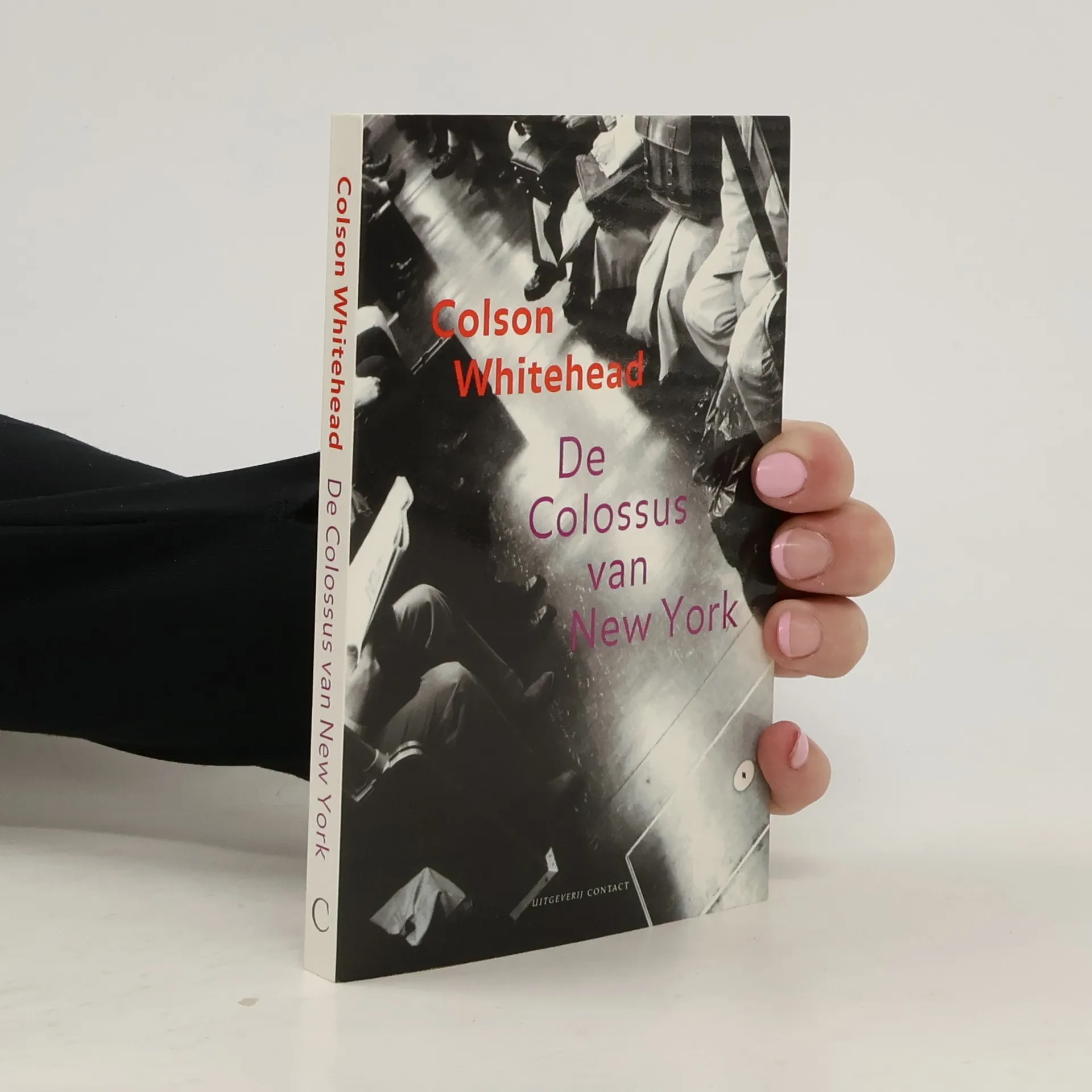
    • The Colossus of New York

      • 176 pages
      • 7 hours of reading
      3.6(104)Add rating

      In a dazzlingly original work of nonfiction, award-winning novelist Colson Whitehead captures the exuberance, chaos, promise, and heartbreak of New York. This literary love song enchants anyone who has lived in or visited this iconic American city. Through a series of vignettes, meditations, and personal memories, Whitehead evokes the city’s inner and outer landscapes. He conveys the feelings of longtime residents and newcomers alike, portraying those who have conquered its challenges and those who struggle against its cruelties. His style mirrors New York’s multilayered essence, seamlessly shifting between third, first, and second person to weave individual voices into a jazzy composition that reflects the city’s experience. From a humorous take on arriving in New York for the first time to a lyrical meditation on how an unexpected rain shower transforms the city, Whitehead explores the ferocious battle of commuting and captures the plaintive notes of the lonely and dispossessed. He also highlights magical moments when the city seems to speak directly to you, inviting you to embrace its rhythms. This remarkable portrait of life in the big city is an unparalleled tribute to New York and a compelling introduction to one of today’s most exciting writers.

      The Colossus of New York
    • John Henry Days

      • 400 pages
      • 14 hours of reading
      3.6(72)Add rating

      From the author of "The Intuitionist" comes a retelling of the legend of John Henry that sweeps across generations and cultures in a stunning, hilarious, and unsettling portrait of American society.

      John Henry Days
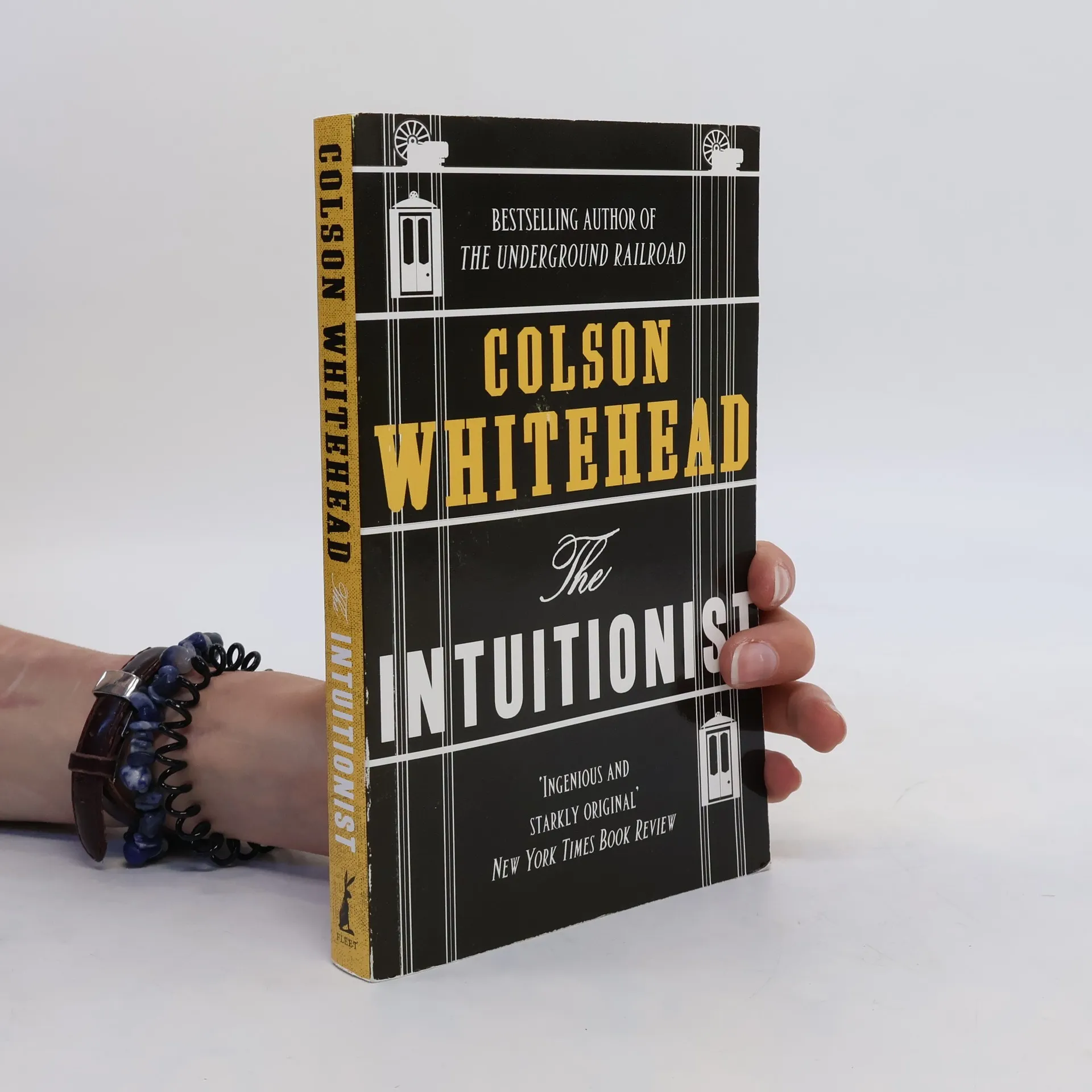
    • Verticality, architectural and social, is the lofty idea at the heart of Colson Whitehead's first novel that takes place in an unnamed high-rise city that combines 21st-century engineering feats with 19th-century pork-barrel politics. Elevators are the technological expression of the vertical ideal, and Lila Mae Watson, the city's first black female elevator inspector, is its embattled token of upward mobility. When Number Eleven of the newly completed Fanny Briggs Memorial Building goes into deadly free-fall just hours after Lila Mae has signed off on it, using the controversial "Intuitionist" method of ascertaining elevator safety, both Intuitionists and Empiricists recognize the set-up, but may be willing to let Lila Mae take the fall in an election year. As Lila Mae strives to exonerate herself in this urgent adventure full of government spies, underworld hit men, and seductive double agents, behind the action, always, is the Idea. Lila Mae's quest is mysteriously entwined with existence of heretofore lost writings by James Fulton, father of Intuitionism, a giant of vertical thought. If she is able to find and reveal his plan for the perfect, next-generation elevator, the city as it now exists may instantly become obsolescent.--Joyce Thompson

      The Intuitionist