

Part one: Points of departure. Memories; Three notes on method; Setting out, with Jerome -- Part two: Paphos. Poetry and place; Curating earthquakes; Life in ruins -- Part three: The mountain. Geographies of the remote; Entropic gardens; Literary cartographies -- Part four: Coda. An ocean of possibility.
Virginia Burrus Books
Virginia Burrus focuses her scholarship on ancient Christianity, exploring themes of gender, sexuality, and the body, alongside martyrdom and asceticism. Her research delves into ancient novels and hagiography, as well as the constructions of orthodoxy and heresy, and historical theologies. As a professor of religion at Syracuse University, Burrus brings extensive experience to her examination of early Christian history and thought.

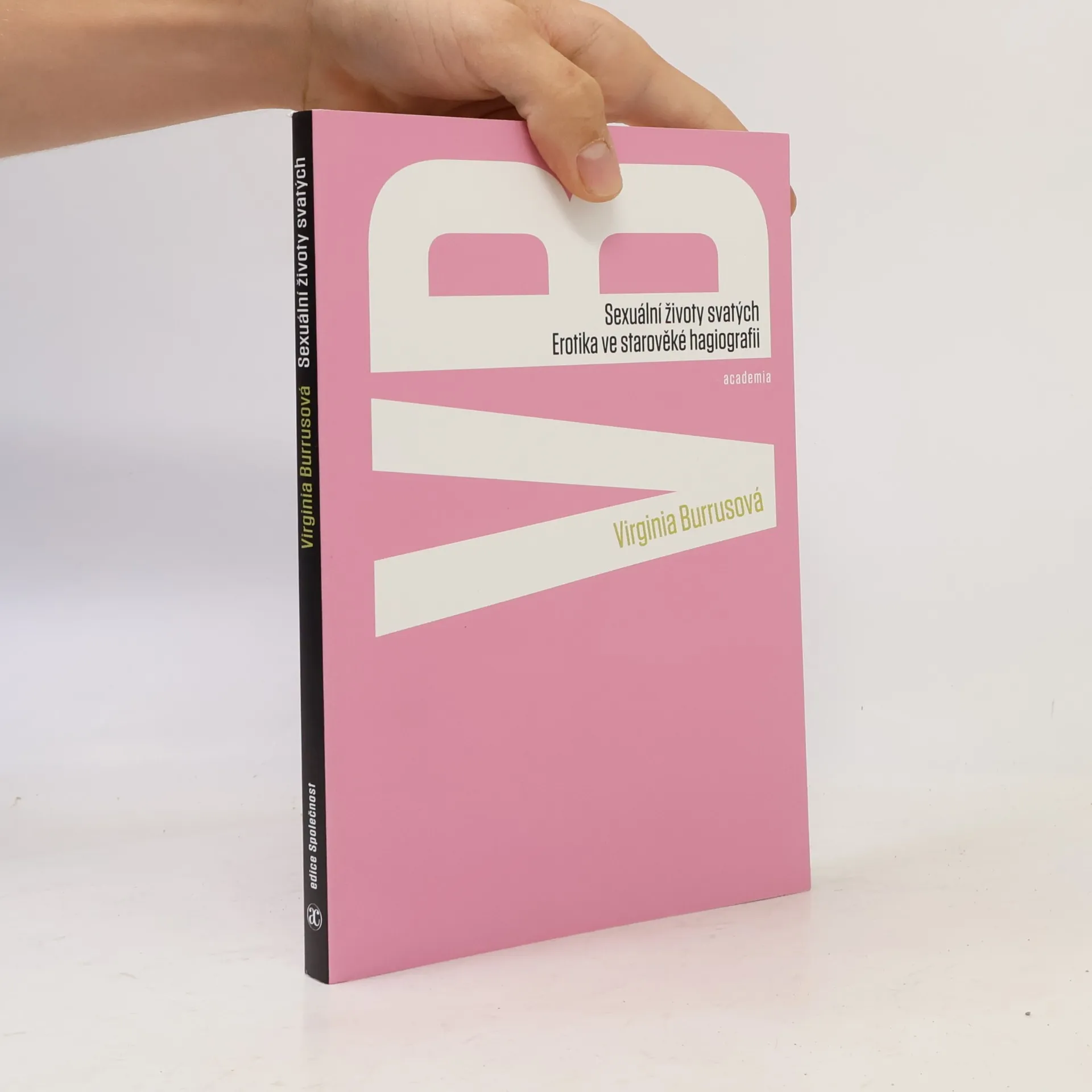

Sexuální životy svatých. Erotika ve starověké hagiografii.
- 204 pages
- 8 hours of reading
Působivá série interpretací raně křesťanských legend potěší, ohromí a překvapí každého zájemce o erotismus svatých. Autorka se distancuje od tradičního výkladu životopisů starověkých světců jako něčeho antierotického nebo neerotického a odhaluje v nich vzkvétající ars erotica. Aniž by redukovaly erotiku starověké hagiografie na jediný vzorec, vytvářejí Sexuální životy svatých rámec pro širší historické, teologické a teoretické úvahy se zvláštním odkazem na dílo Michela Foucaulta, Georgese Batailla, Davida Halperina, Geoffreyho Harphama, Lea Bersaniho a Jeana Baudrillarda. Queer, S/M a postkoloniální teorie patří mezi současné diskursy, jež fascinujícím způsobem rezonují se starověkým uměním „svaté“ lásky, která si podle Burrusové dodnes udržela slibnou mobilitu, rozmanitost a časovou neohraničenost.