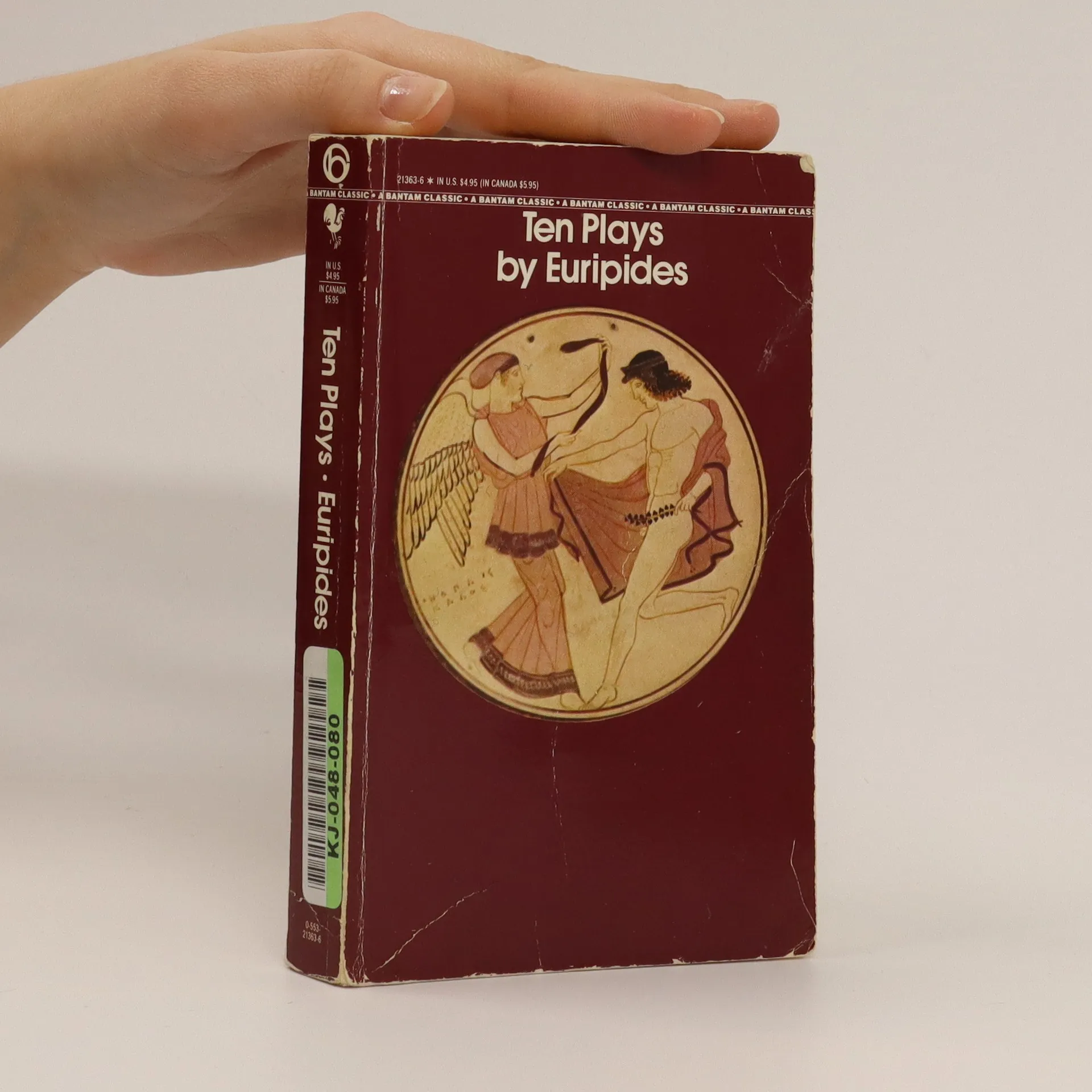
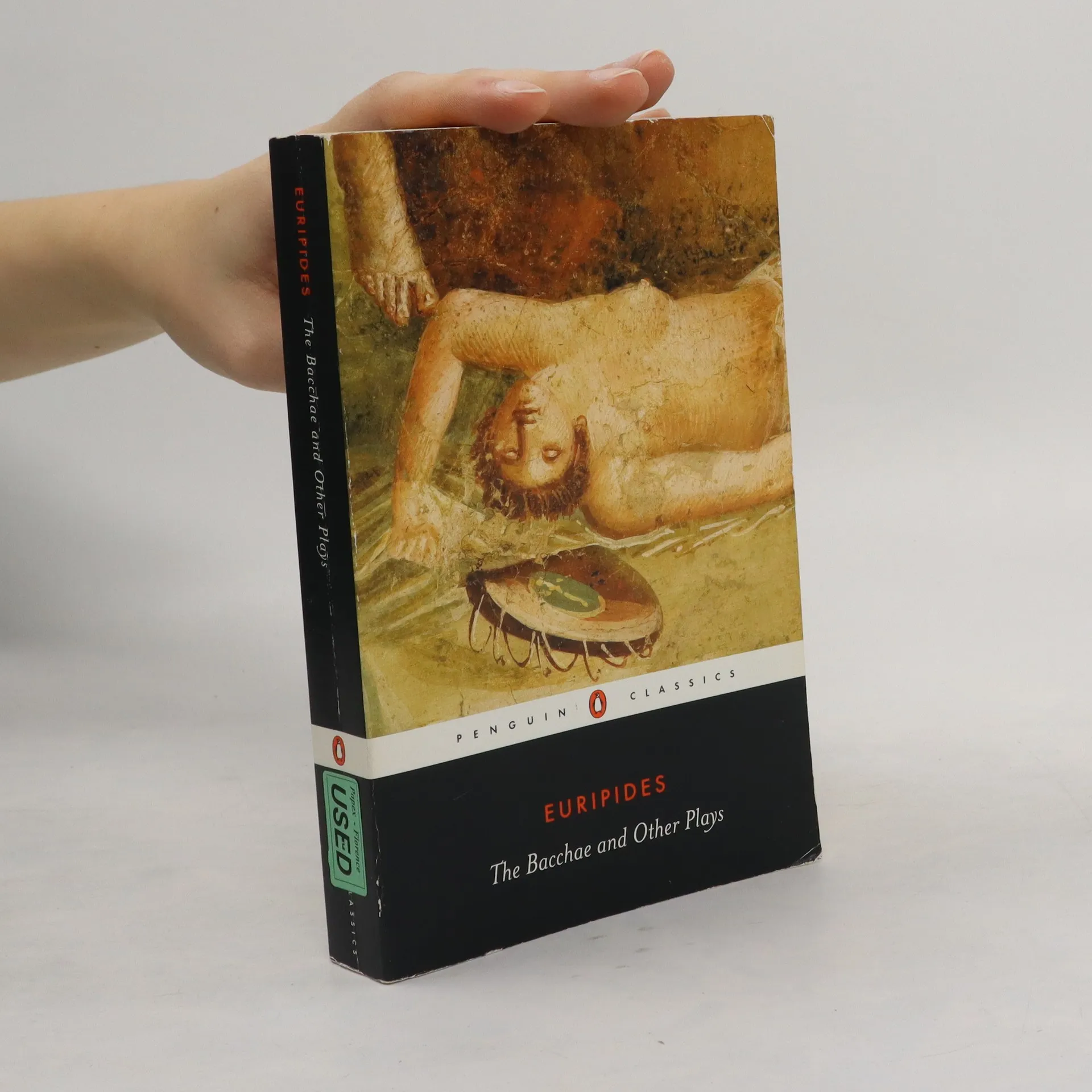
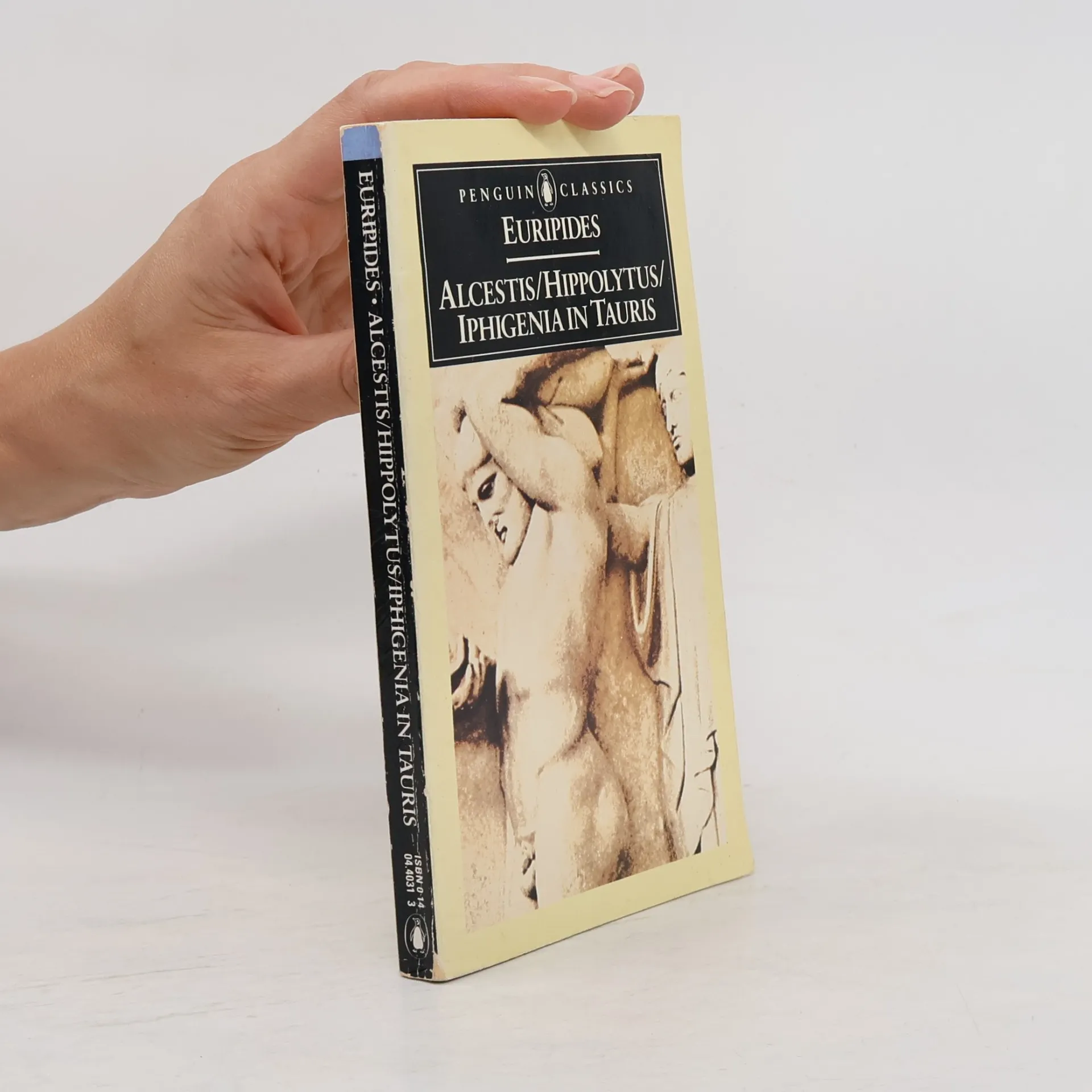
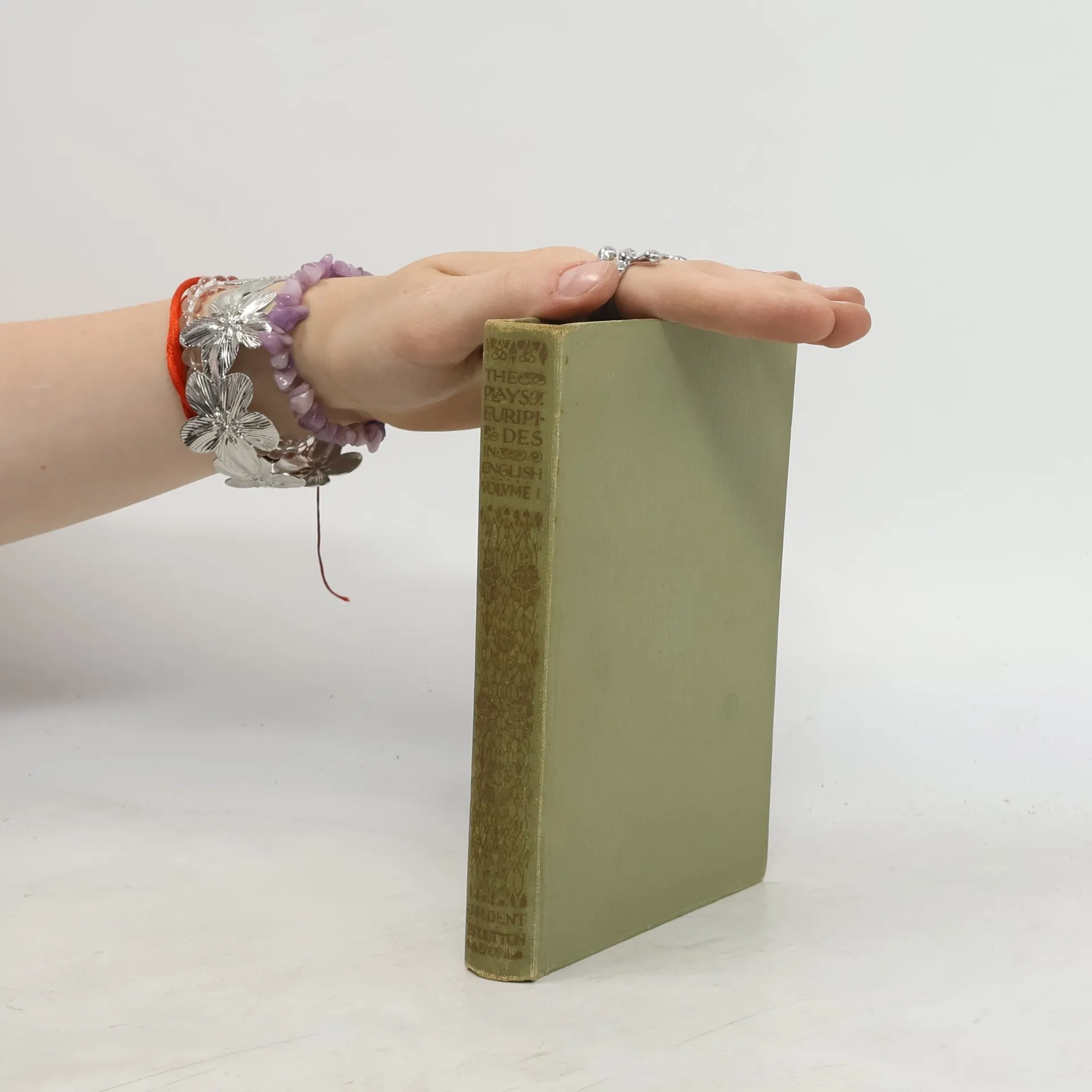
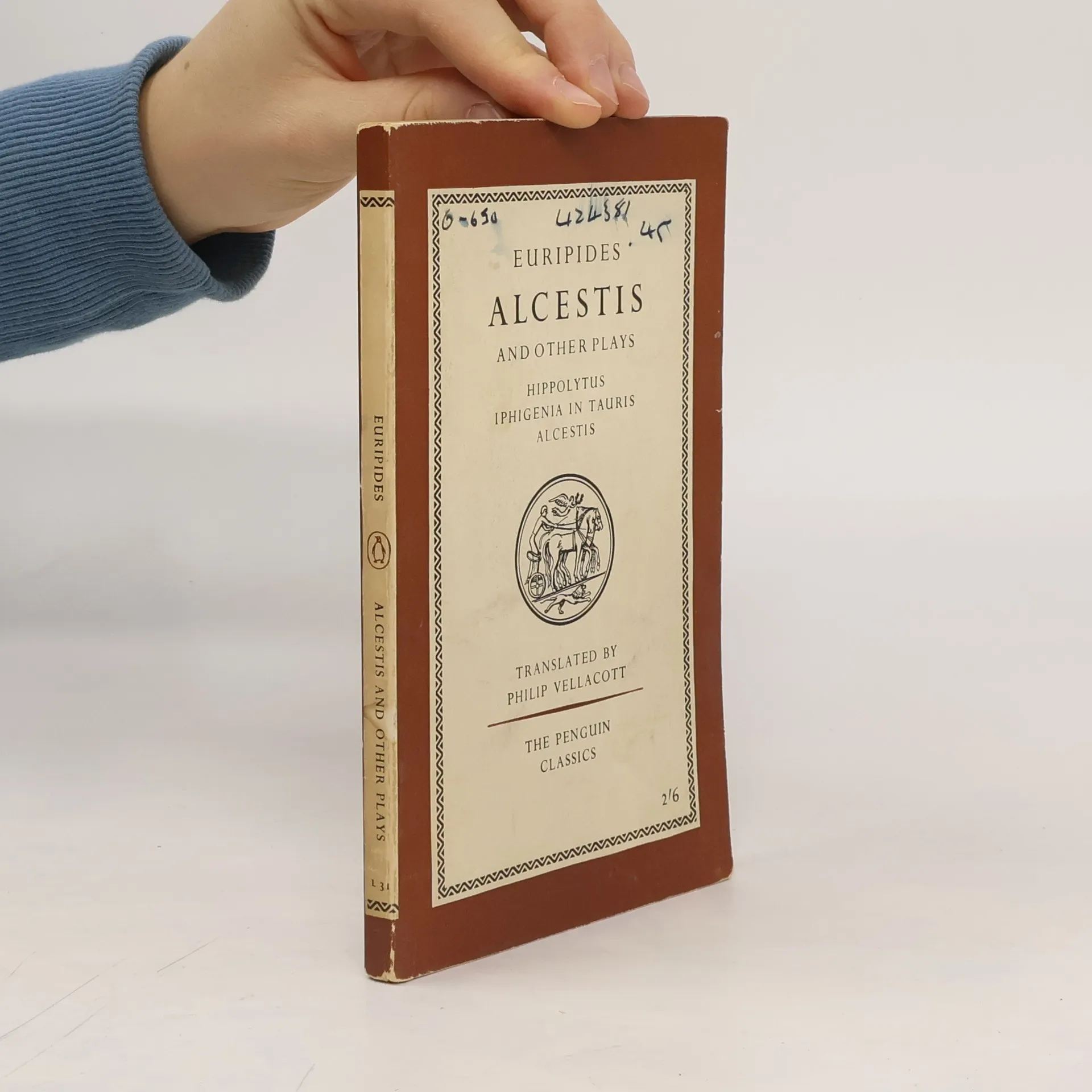
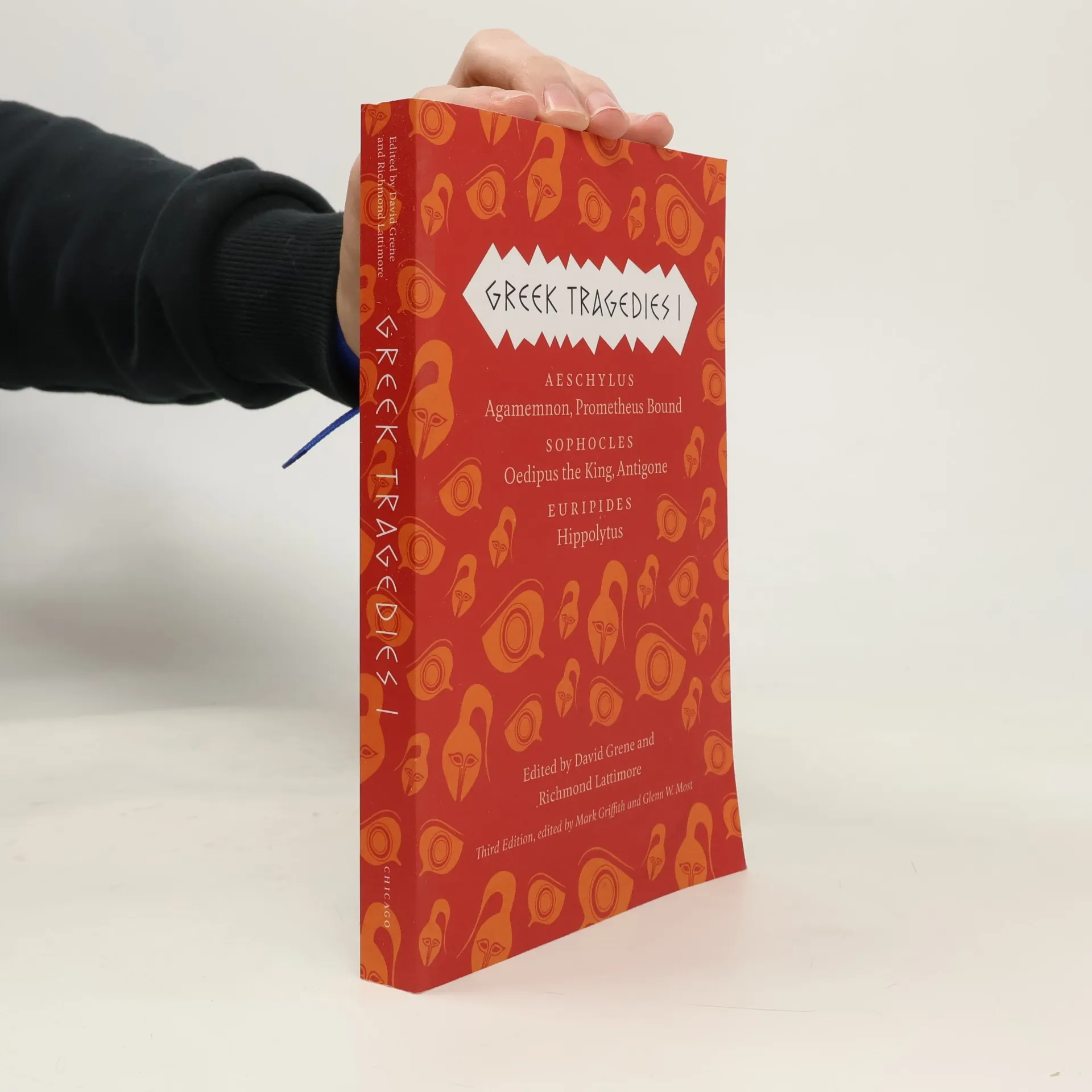
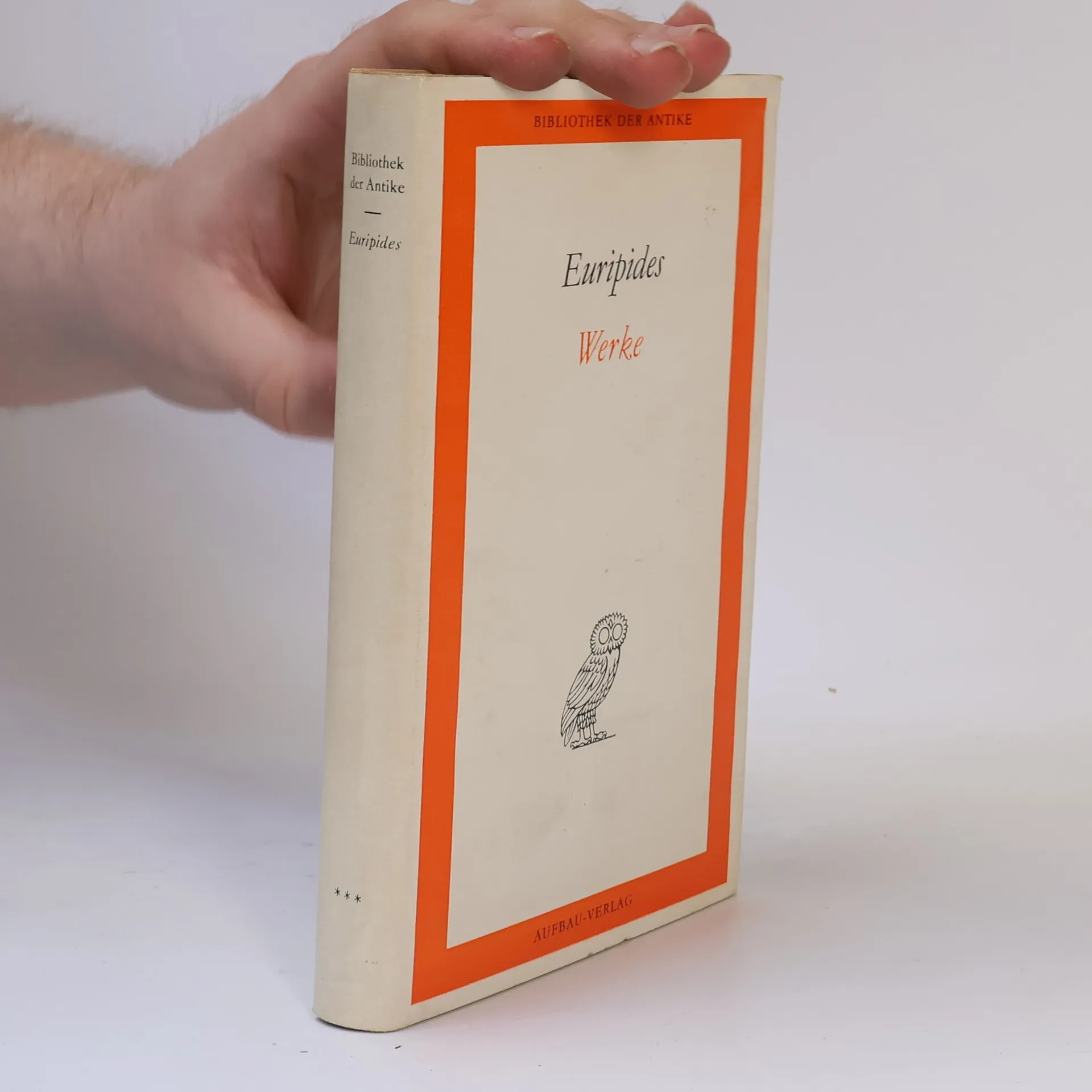
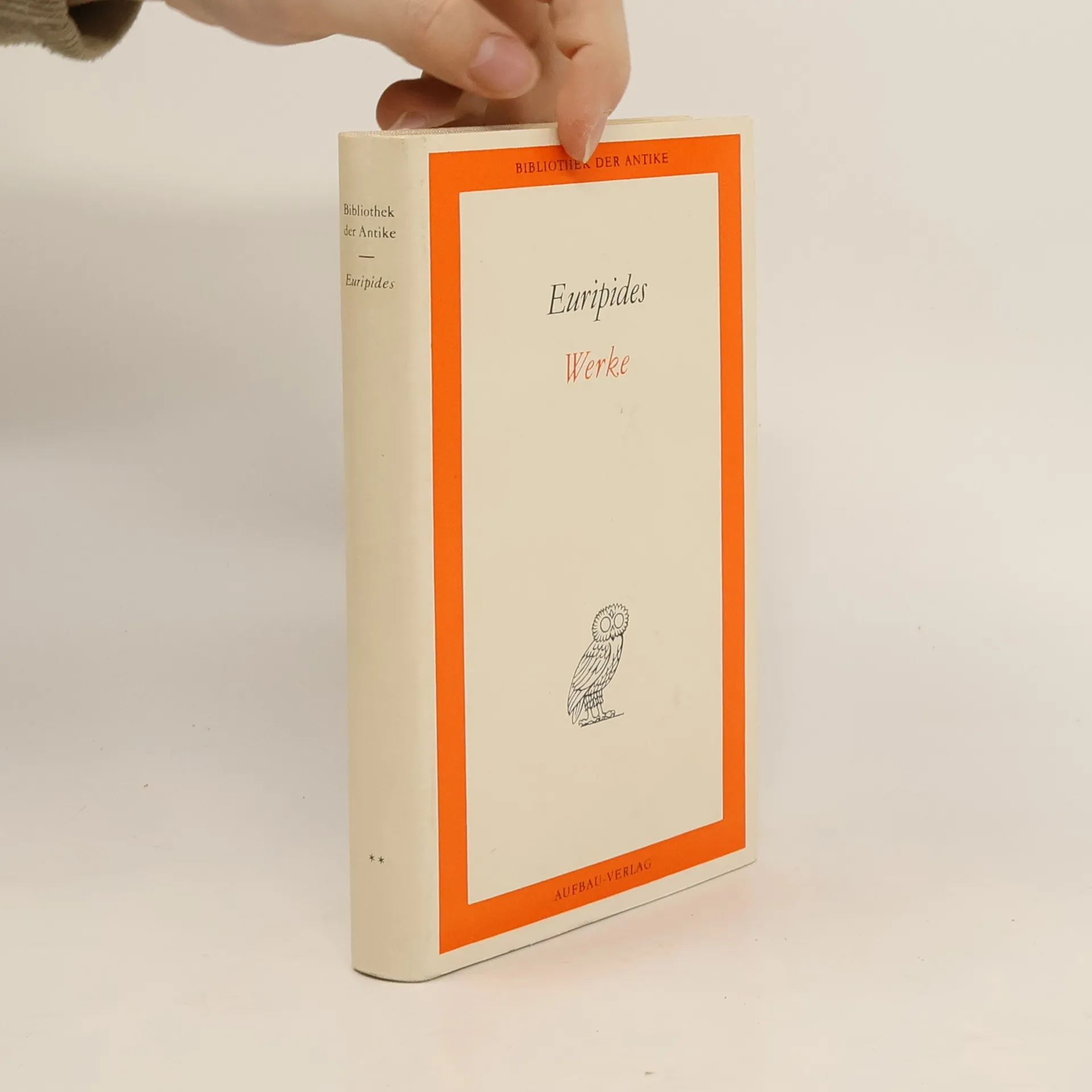
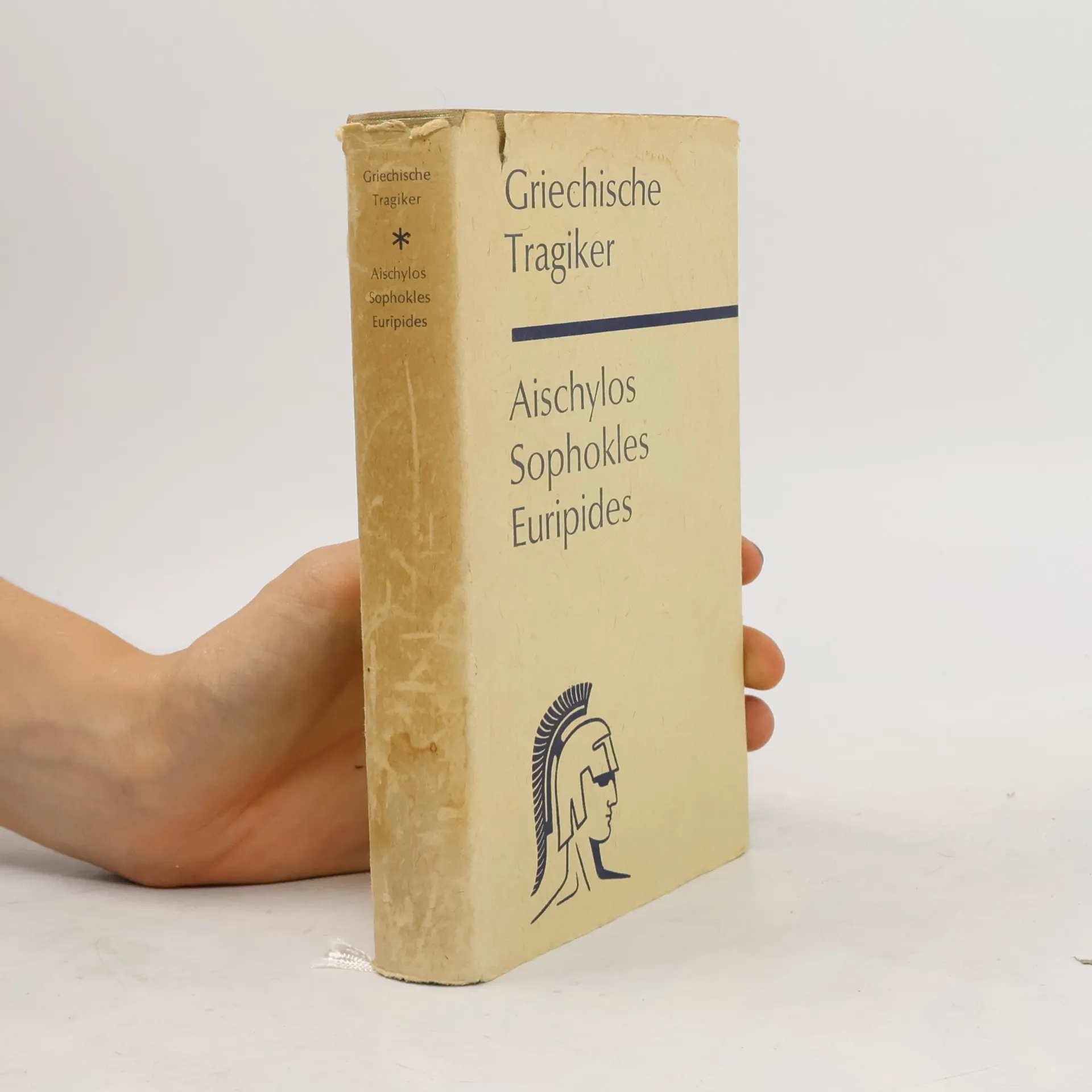
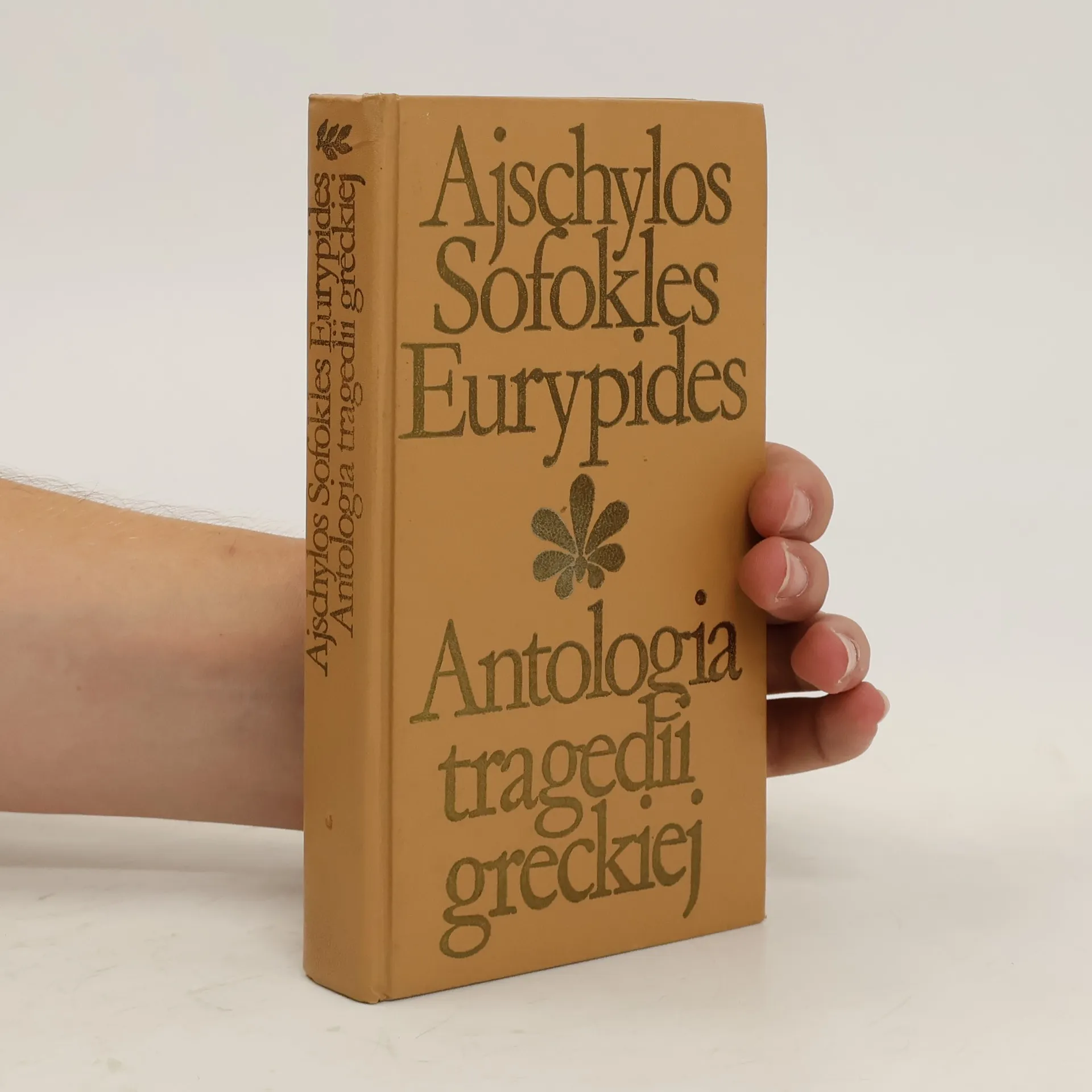
Euripides stands as the last of the three great tragedians of classical Athens. His plays, with eighteen surviving in complete form and fragments of most others, are distinguished by their profound psychological insight and exploration of human passions. He frequently challenged traditional myths and moral values in his work, bringing a new, critical perspective to tragedy. His dramatic output represents a significant contribution to world theater and continues to inspire with its complexity and timelessness.
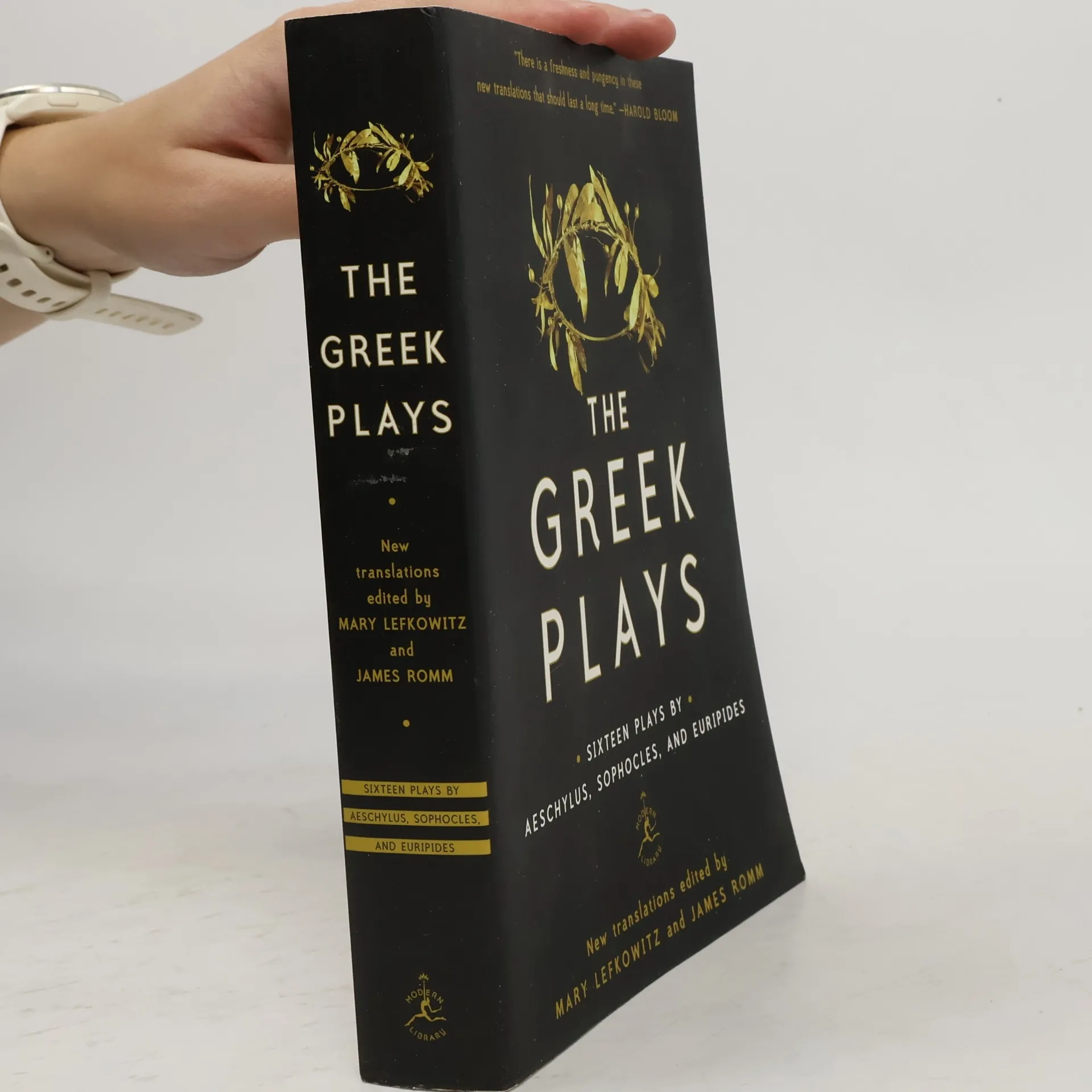
A landmark anthology of the masterpieces of Greek drama, featuring all-new, highly accessible translations of some of the world's most beloved plays, including Agamemnon, Prometheus Bound, Bacchae, Electra, Medea, Antigone, and Oedipus the King
There's no decent way to say an indecent thing An industrial port of a war-torn city. Women survivors wait to be shipped abroad. Officials come and go. A grandmother, once queen, watches as her remaining family are taken from her one by one. The city burns around them. First performed in 415BC, the play focuses on the human cost of war and the impact of loss. This new Student Edition of The Women of Troy includes a commentary and notes by Emma Cole, which looks at the Trojan War as represented in Greek literature and myth; the context in which Euripides was writing and within which the play was first performed; how it would have been originally staged and dramaturgical challenges met; as well as recent performance history of the play, including Katie Mitchell's iconic 2007 production at the National Theatre. Euripides' great anti-war play is published here in Don Taylor's classic translation.
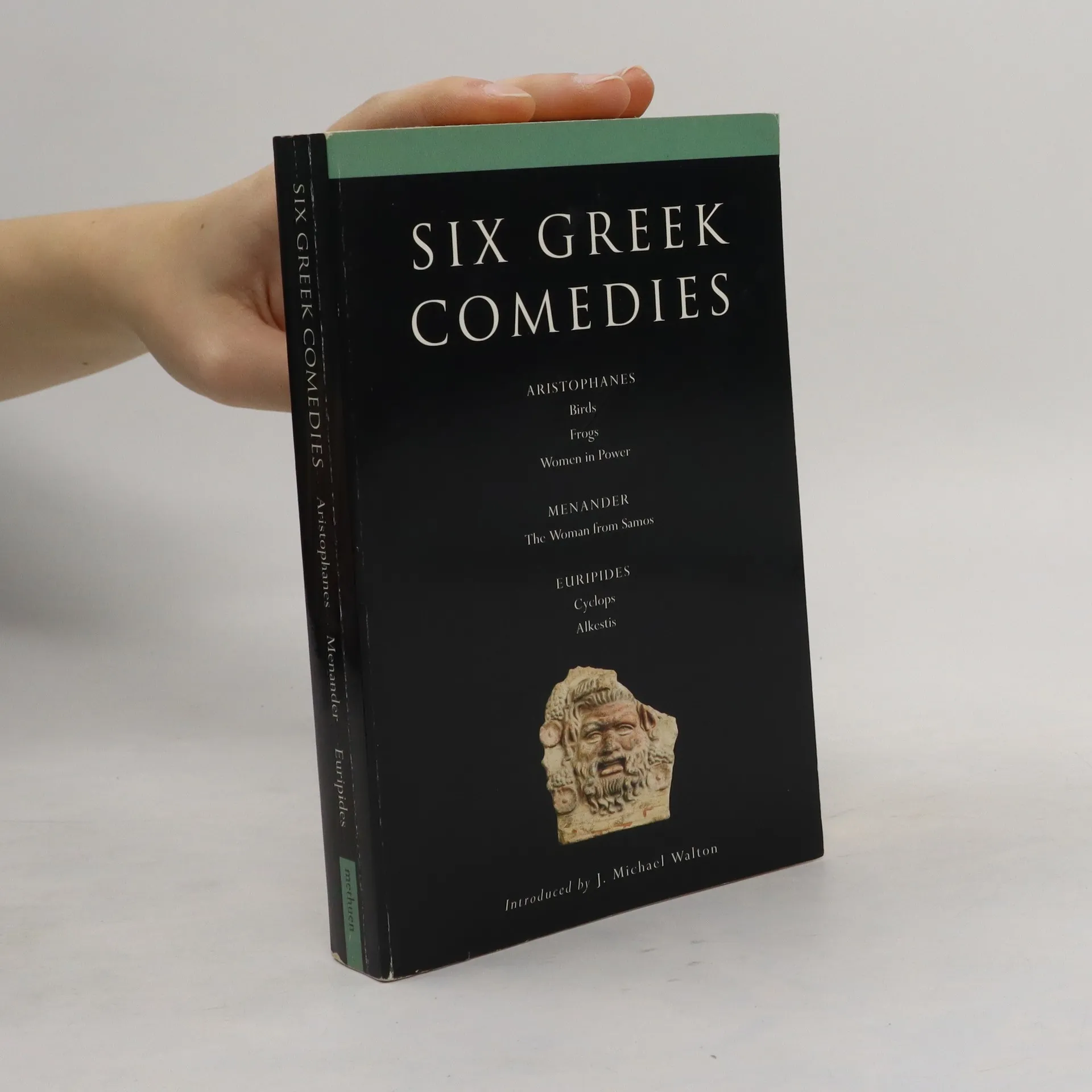
Birds. Frogs. Women in Power. The Woman from Samos. Cyclops. Alkestis
256 pages
9 hours of reading
Six wide ranging classic plays with introduction by the editorThe comedies of the Athenian theatre not only lie at the root of Western drama, they also offer a unique insight into everyday life in ancient Greece. This selection of six wide ranging plays includes the comic fantasies of Aristophanes, which combine the ridiculous with serious satirical comment (Birds, Frogs, Women in Power); Menander's The Woman from Samos, a recognisable forebear of today's situation comedy; Euripides ribald satyr play, Cyclops, the only surviving example of the genre, and his Alkestis, a complex romance which gave a new face to comedy.The volume is edited and introduced by J. Michael Walton, Professor of Drama at the University of Hull and founder/director of the Performance Translation Centre there.
The first playwright of democracy, Euripides wrote with enduring insight and biting satire about social and political problems of Athenian life. In contrast to his contemporaries, he brought an exciting--and, to the Greeks, a stunning--realism to the "pure and noble form" of tragedy. For the first time in history, heroes and heroines on the stage were not idealized: as Sophocles himself said, Euripides shows people not as they ought to be, but as they actually are.
The translation captures the essence of ancient Greek theater through a vibrant and rhythmic interpretation. Wole Soyinka transforms "The Bacchae" into a lively communal celebration, emphasizing themes of life, nature, and the human psyche. He portrays the narrative as a grand banquet that reflects humanity's connection to the earth and the cyclical nature of existence. This unique blend of Euripides' original work and Soyinka's poetic vision creates a powerful and unforgettable theatrical experience.
One of the greatest playwrights of Ancient Greece, the works of Euripides (484
406 BC) were revolutionary in their depiction of tragic events caused by
flawed humanity, and in their use of the gods as symbols of human nature. The
three plays in this collection show his abilities as the sceptical questioner
of his age.
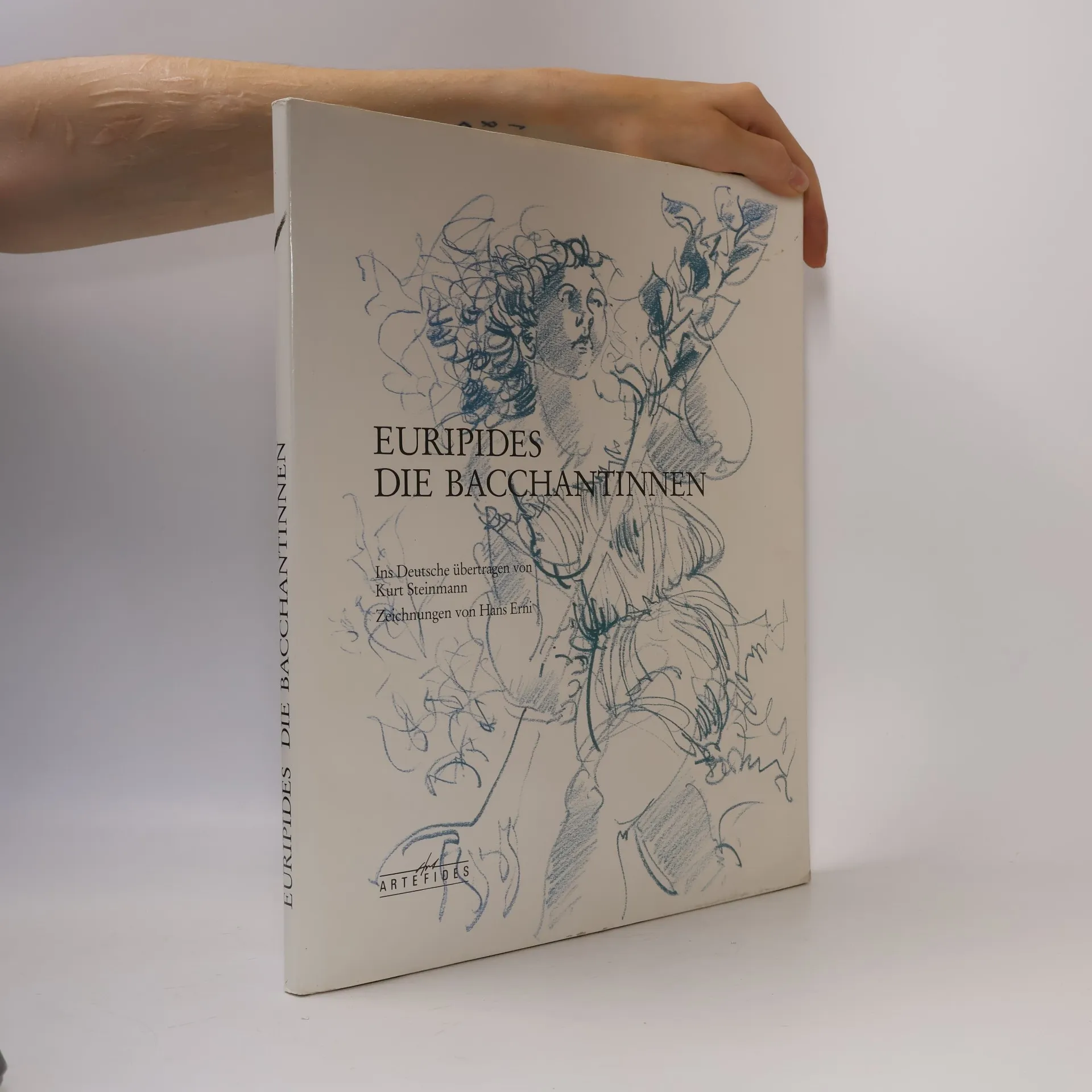
Dionysus, god of wine and ecstasy, has come to Thebes, and the women are streaming out of the city to worship him on the mountain, drinking and dancing in wild frenzy. The king, Pentheus, denouces this so-called 'god' as a charlatan. But no mortal can deny a god and no man can ever stand against Dionysus. This stunning translation, by the award-winning poet Robin Robertson, reinvigorated Euripides' devastating take of a god's revenge for contemporary readers, bringing the ancient verse to fervid, brutal life.
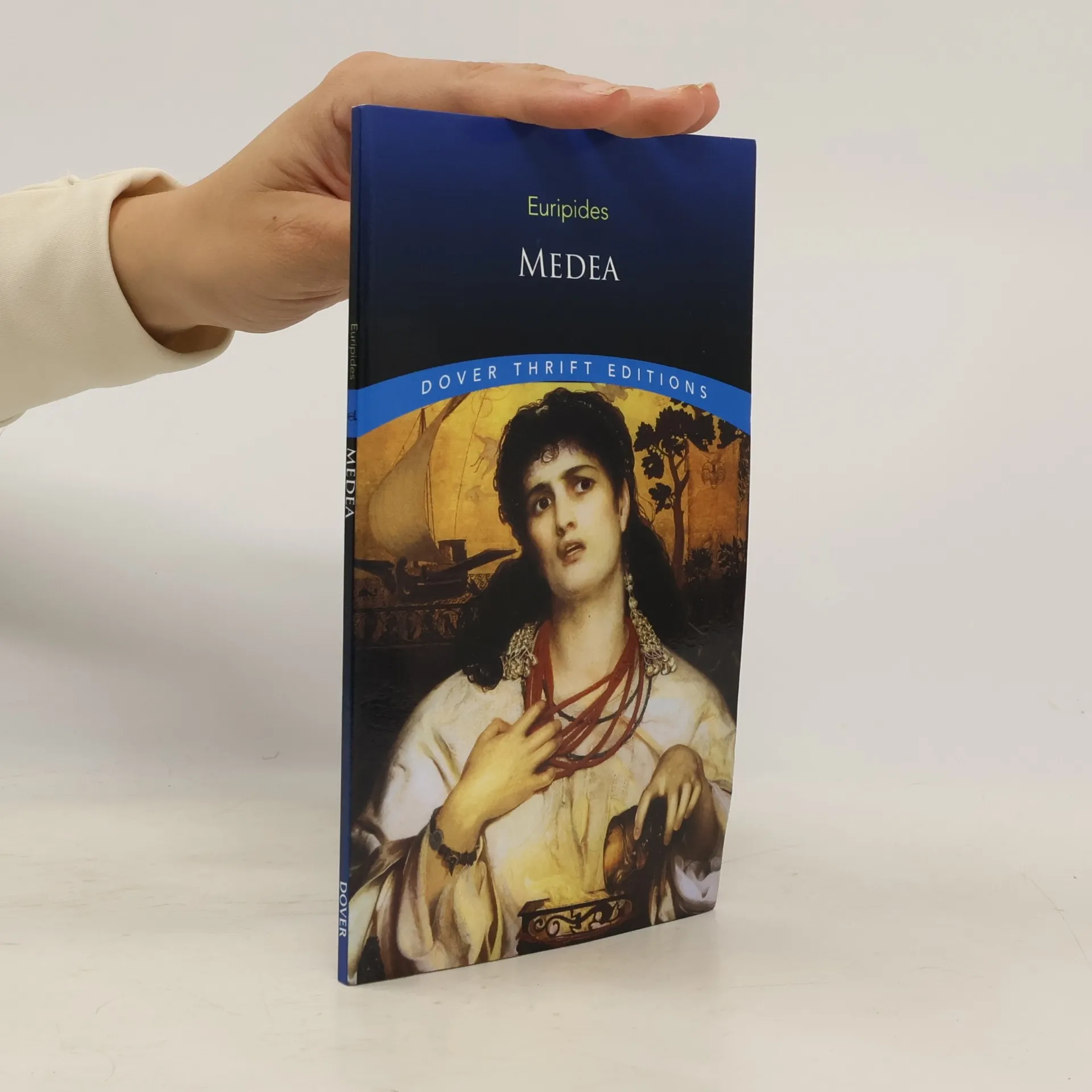
One of the most powerful and enduring of Greek tragedies, Euripides' masterwork centers on the myth of Jason, leader of the Argonauts, who has won the dragon-guarded treasure of the Golden Fleece with the help of the sorceress Medea — whom he marries and eventually abandons. Authoritative Rex Warner translation.
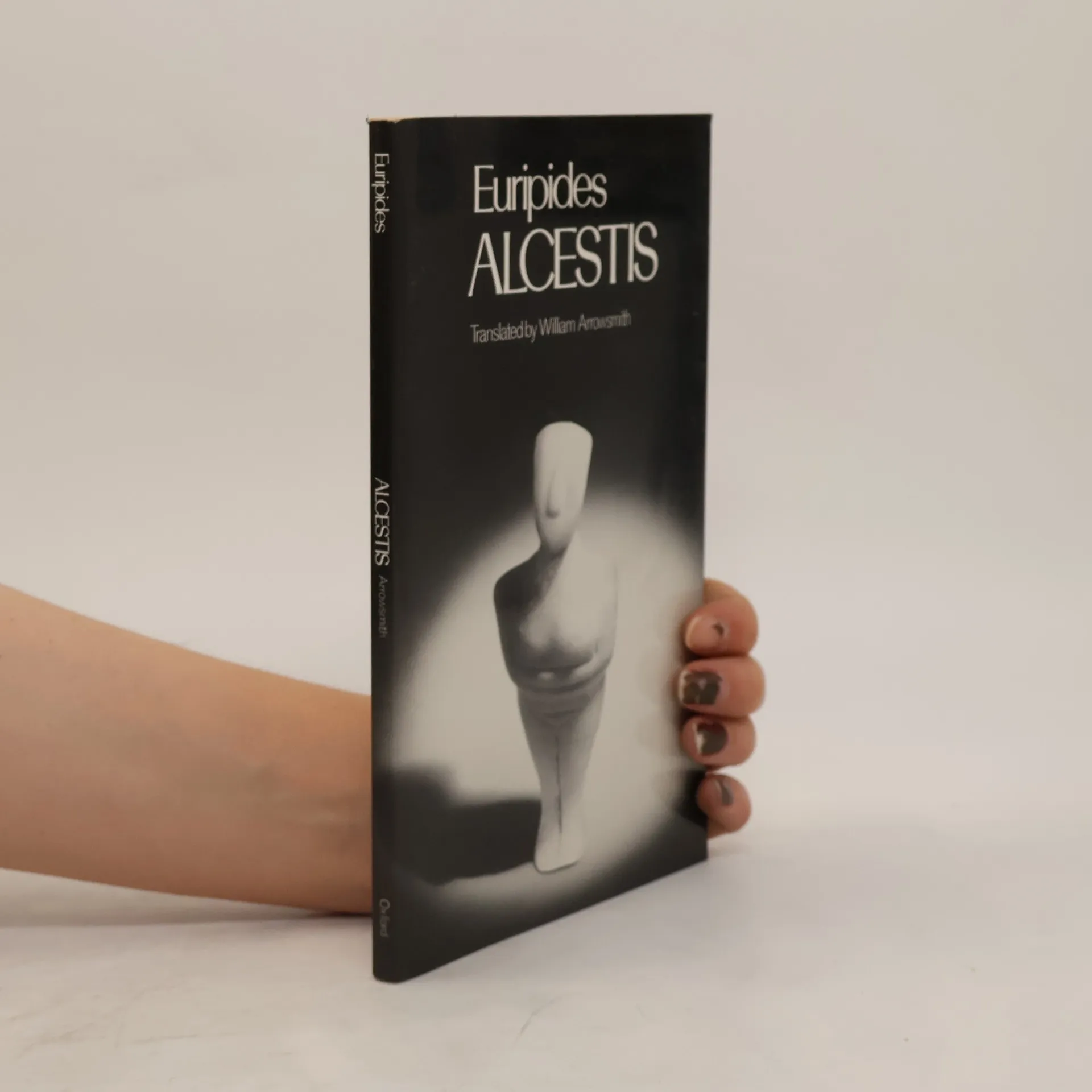
At once a vigorous translation of one of Euripides' most subtle and witty plays, and a wholly fresh interpretation, this version reveals for the first time the extraordinary formal beauty and thematic concentration of the Alcestis. William Arrowsmith, eminent classical scholar, translator, and General Editor of this highly praised series, rejects the standard view of the Alcestis as a psychological study of the egotist Admetos and his naive but devoted wife. His translation, instead, presents the play as a drama of human existence-in keeping with the tradition of Greek tragedy-with recognizably human characters who also represent masked embodiments of human conditions. The Alcestis thus becomes a metaphysical tragicomedy in which Admetos, who has heretofore led a life without limitations, learns to "think mortal thoughts." He acquires the knowledge of limits-the acceptance of death as well as the duty to live-which, according to Euripides, makes people meaningfully human and capable of both courage and compassion. This new interpretation compellingly argues that, for Euripides, suffering humanizes, that exemption makes a man selfish and childish, and that only the courage to accept both life and death leads to the realization of one's humanity, and, in the case of Alcestis, to heroism.
The comic-book adaptation reimagines Euripides's The Trojan Women, focusing on the aftermath of Troy's destruction through the experiences of Hekabe, Andromache, and Kassandra. In a unique artistic approach, characters are depicted as animals to symbolize the dehumanizing effects of war, while Kassandra retains her human form, reflecting her psychological detachment. This collaboration between visual artist Rosanna Bruno and poet Anne Carson offers a poignant exploration of the emotional toll of conflict on individuals.
In SophoclesAE hands the focus of the play is on Electra herself: her
endurance and loyalty to the dead Agamemnon while oppressed and persecuted by
Clytemnestra and Aegistus; schovat popis
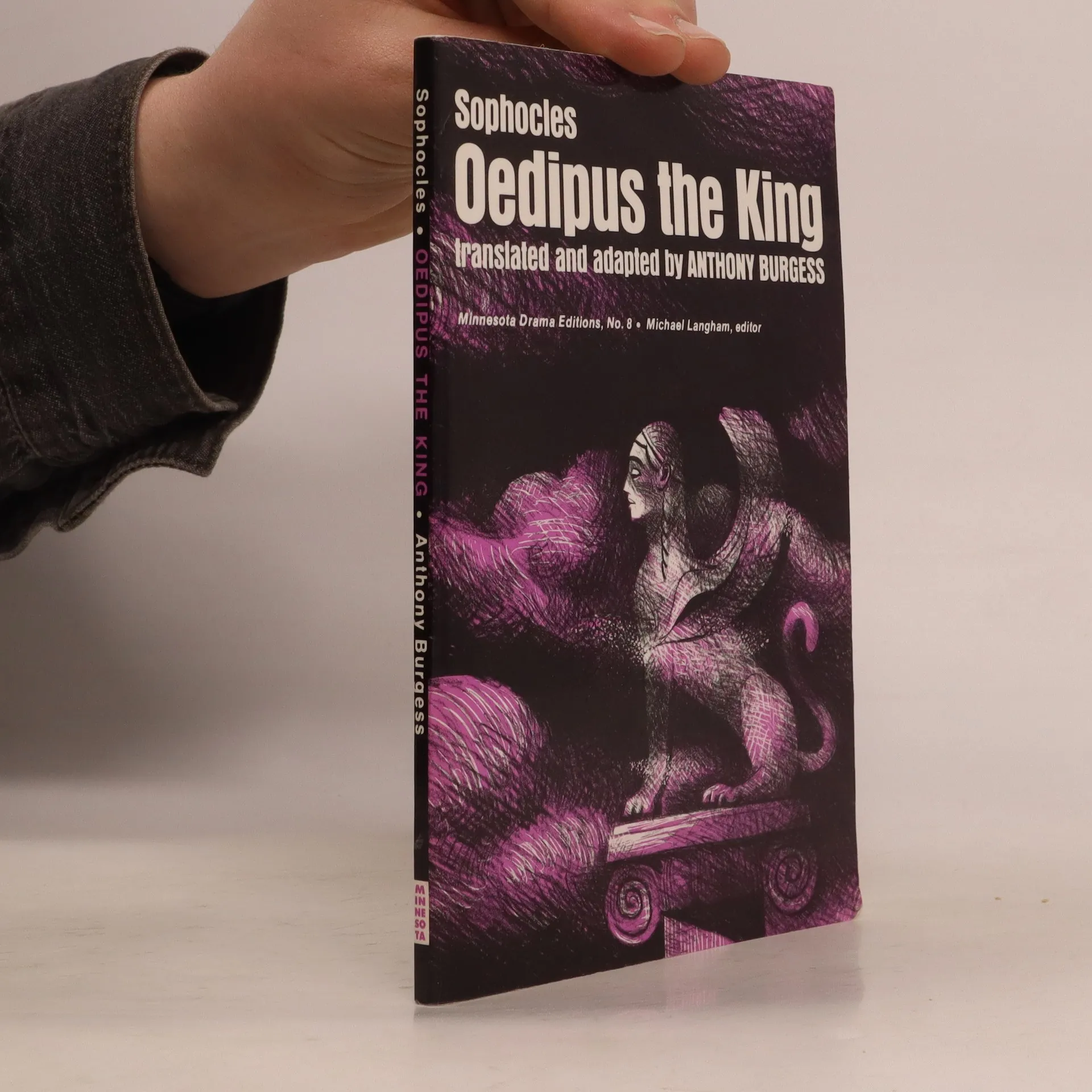
Washington Square Press Enriched Classics make great literature even more accessible to a new generation of readers, with expanded and updated reader's supplements and essential historical information. Oedipus the King is the 2,000-year-old masterpiece that raises basic questions about human behavior that are still vigorously debated by students and scholars. Photos and illustrations. (Poetry/Plays)
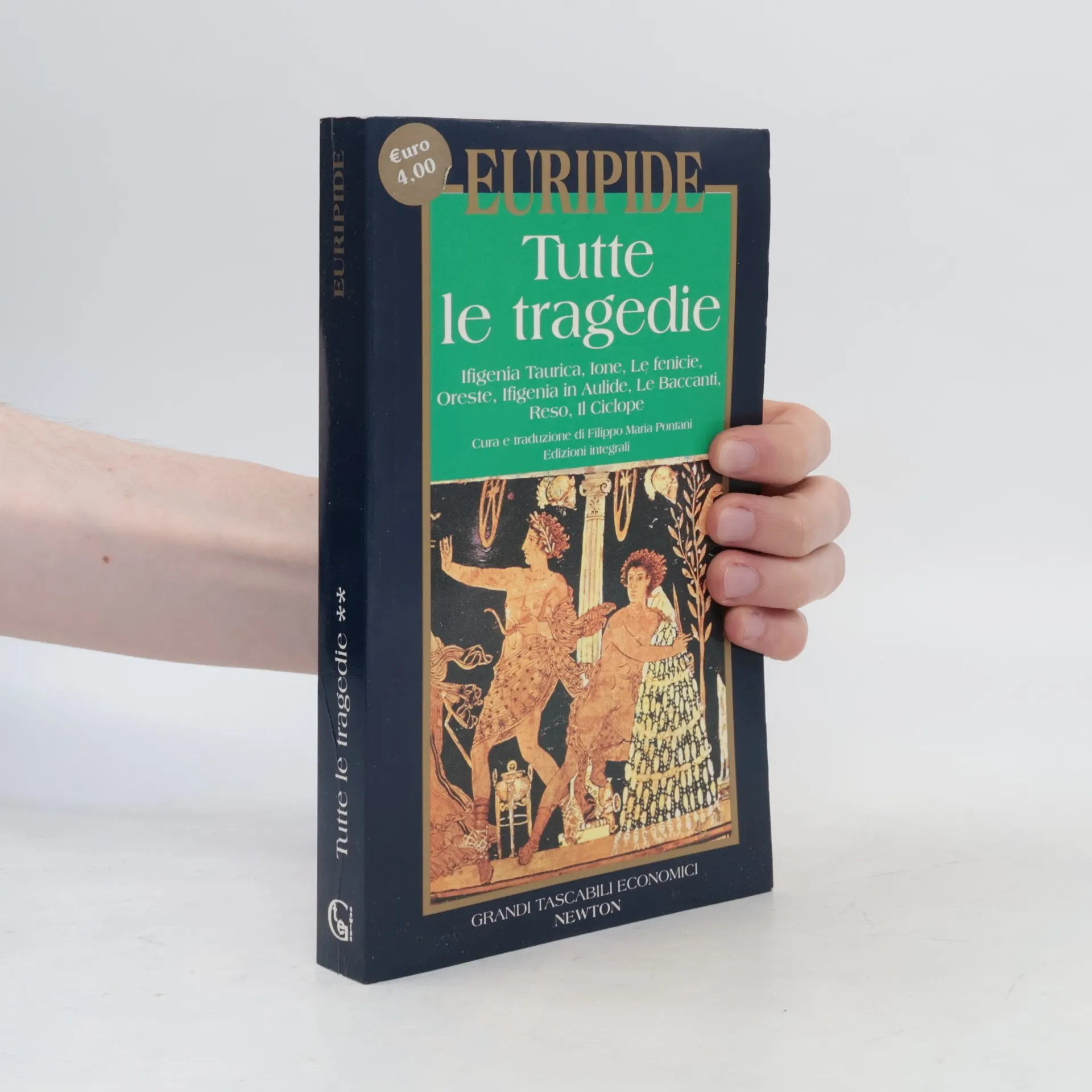
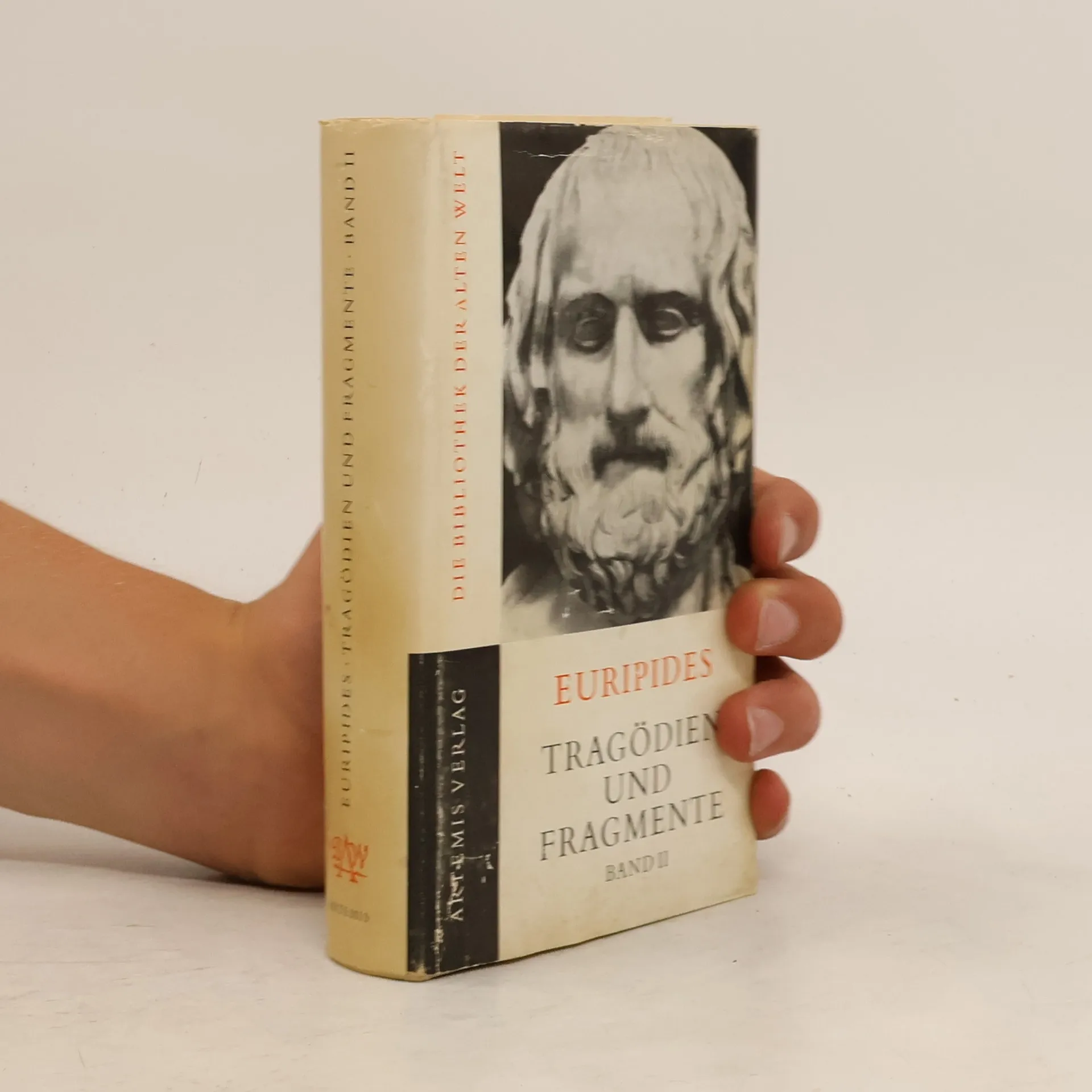
Euripides, an influential tragedian from classical Athens, is notable for having more complete plays survive than Aeschylus and Sophocles combined. While ancient sources attribute up to ninety-five plays to him, only eighteen or nineteen are largely intact, with many fragments of others. His work gained prominence during the Hellenistic Age, establishing him as a key figure in ancient literary education alongside Homer and Demosthenes. His unique contributions to drama and character development have left a lasting legacy in literature.
This volume presents the timeless tragedies of Euripides, a significant work in classical literature that has influenced human history for centuries. To ensure its preservation, Alpha Editions has republished it in a modern format, featuring clear and readable text that has been reformatted and retyped, rather than relying on scanned copies. This effort aims to keep Euripides' powerful themes and characters accessible to both present and future generations.
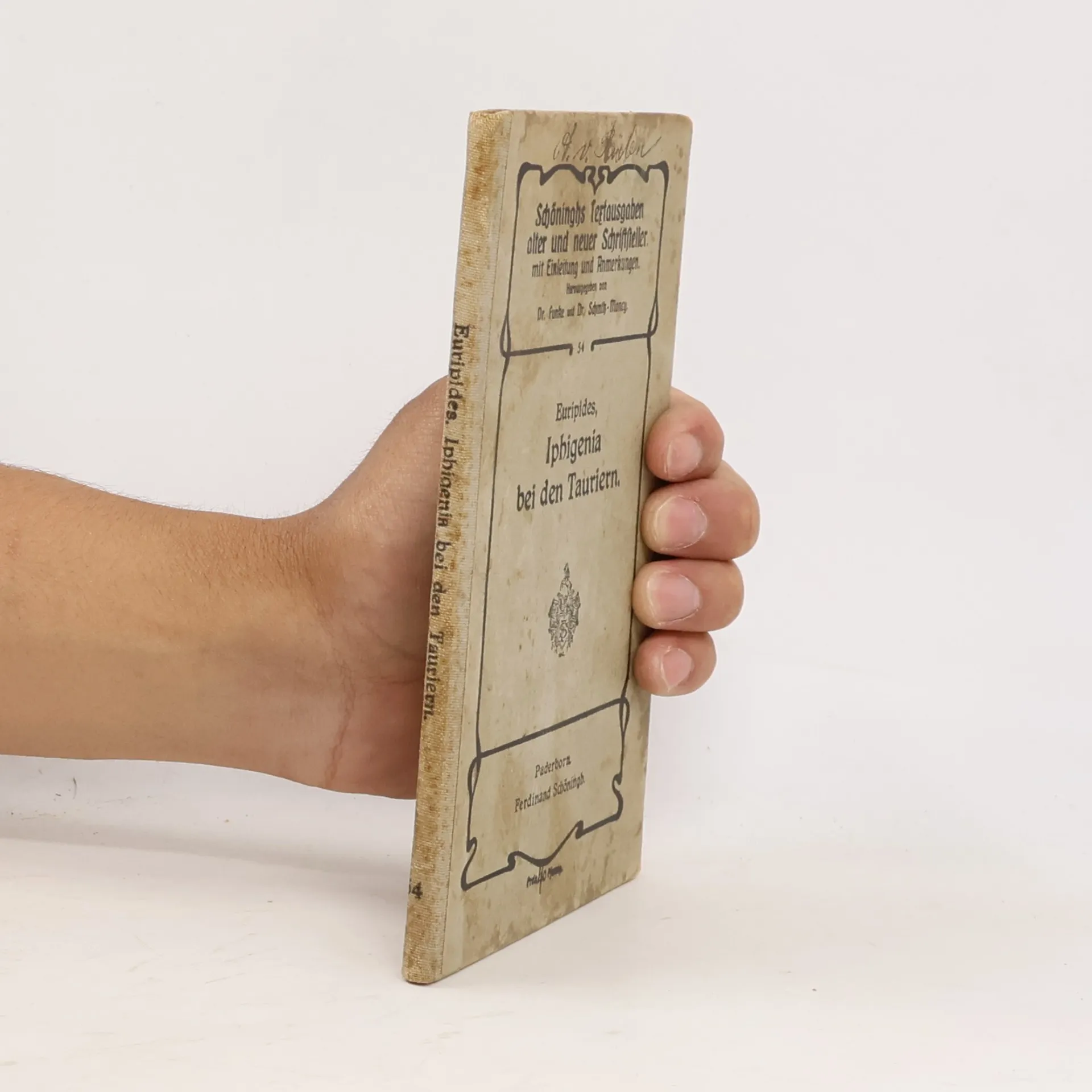
Offers translations of Euripides' Medea, The Children of Heracles, Andromache, and Iphigenia among the Taurians, fragments of lost plays by Aeschylus, and the surviving portion of Sophocles' The Trackers. In this title, introductions for each play offer information about its first production, plot, and reception in antiquity and beyond.
Aeschylus: The Libation Bearers; Sophocles: Electra; Euripides: Iphigenia Among The Taurians, Electra, The Trojan Women - Third Edition, Edited By Mark Griffith And Glenn W. Most
328 pages
12 hours of reading
Offers translations of Euripides' Medea, The Children of Heracles, Andromache, and Iphigenia among the Taurians, fragments of lost plays by Aeschylus, and the surviving portion of Sophocles' The Trackers. In this title, introductions for each play offer information about its first production, plot, and reception in antiquity and beyond.
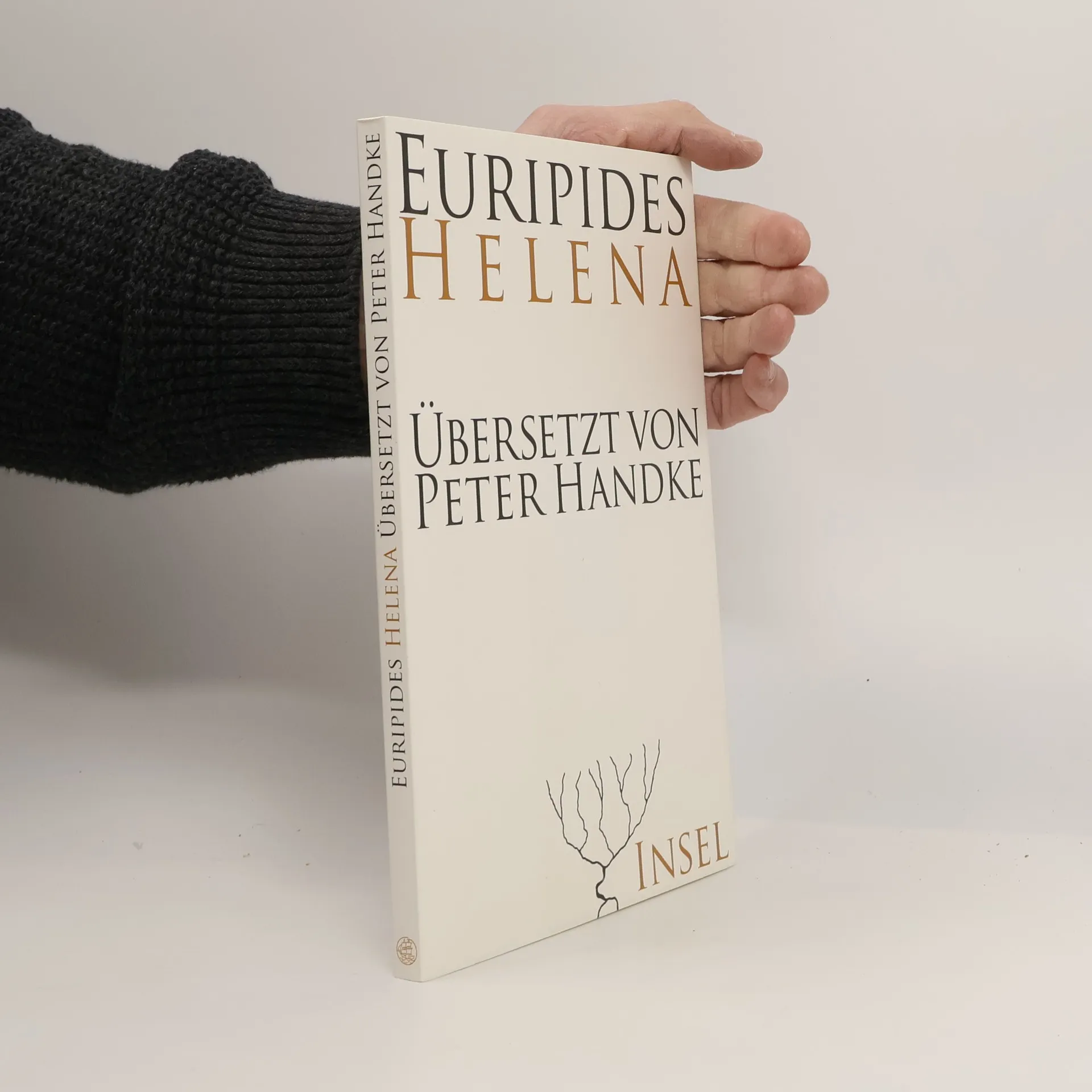
Peter Handke hat durch seine Neuübersetzung der "Helena" des Euripides eine einzigartige Trilogie geschaffen, die auch "Prometheus, gefesselt" von Aischylos und "Ödipus in Kolonos" von Sophokles umfasst. "Helena", erstmals 412 v. Chr. in Athen aufgeführt, erzählt Euripides' eigene Version der Geschichte der schönen Helena. In dieser Erzählung wird sie von Hera auf der ägyptischen Insel Pharos in Sicherheit gebracht; sie befindet sich also nicht in Troja, sondern nur ihr Ebenbild. Kurz bevor sie König Theoklymenos heiraten soll, trifft Menelaos auf der Insel ein, und gemeinsam gelingt es ihnen, durch Täuschung nach Griechenland zurückzukehren. Handke beschreibt seine Übersetzungsmethode als das „Laufen lassen“, inspiriert von einem Rat eines Altphilologen. Er betont, dass das Verstehen jedes einzelnen Wortes und Satzes entscheidend war, bevor er den Text in die deutsche Sprache übertrug. Dieses Verständnis, das oft langwierig war, gab den Rhythmus und Takt für die Übersetzung vor. So wurde das „Laufen lassen“ des Textes durch das Rhythmusgefühl des Verstehens geleitet, was zu einer tiefen und nuancierten Neuinterpretation führte.
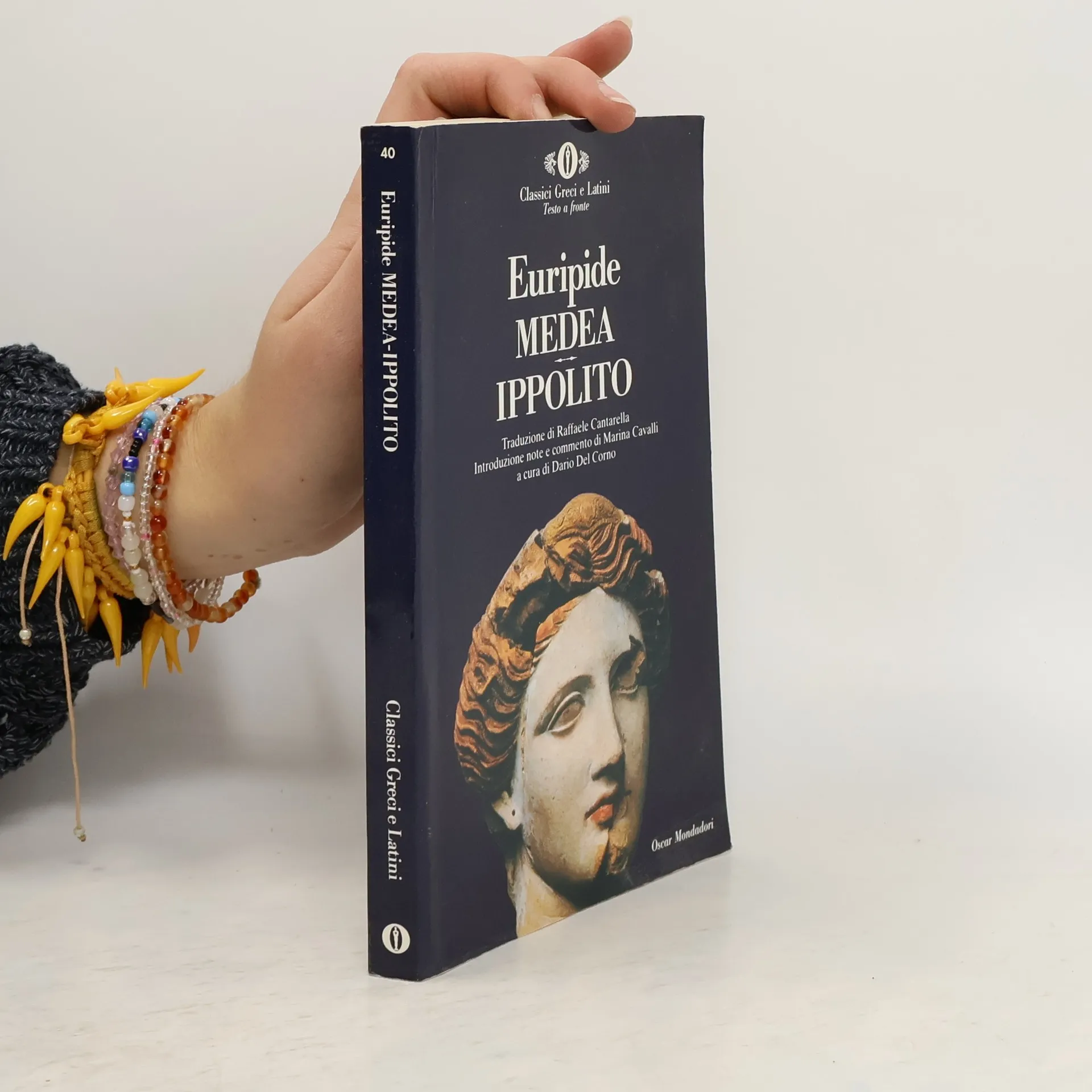
Due tragedie “forti”, in cui la presenza degli dèi ha ormai solo una funzione di immagine-simbolo di valori immanenti nella vita dell’uomo, come la forza dell’eros e l’ideale della purezza. La protagonista di Ippolito, Fedra, e ancor più Medea sono tra i personaggi più drammatici del teatro d’ogni tempo: la tragedia è tutta interiore, il conflitto è dentro l’animo delle due straordinarie figure femminili, nello scontro tra le ragioni del cuore e della passione e la lucidità delle risoluzioni estreme portate a compimento.
In Euripide si afferma il tema della famiglia come ciclo e assistiamo alla caduta del'eroe maschile. Euripide invece dimostra cosa la donna può fare, nel bene e nel nei suooi impulsi di generosità, nella sua astuzia paziente, nella cupa violenza dei suoi sentimenti, nella sua forza distruttiva.
Ödipus war der Sohn von König Laios und Königin Iokaste. Bevor er geboren wurde, konsultierten seine Eltern das Orakel von Delphi. Das Orakel prophezeite, dass Ödipus seinen Vater ermorden und seine Mutter heiraten würde. Um die Erfüllung dieser Prophezeiung zu verhindern, ließ Laios die Füße von Ödipus zusammenbinden und durchbohren. Danach wurde das Baby einem Hirten übergeben, der beauftragt war, ihn zu töten. Unfähig, seinen Auftrag auszuführen, gab er das Kind stattdessen einem zweiten Hirten, der den Säugling Ödipus zum König von Korinth, Polybos, brachte. Polybos adoptierte Ödipus als seinen Sohn. Ödipus wurde als Kronprinz von Korinth erzogen. Viele Jahre später wurde Ödipus gesagt, dass Polybos nicht sein leiblicher Vater sei. Auf der Suche nach der Wahrheit suchte er Rat bei einem Orakel und begann damit die größte Tragödie, die je geschrieben wurde.
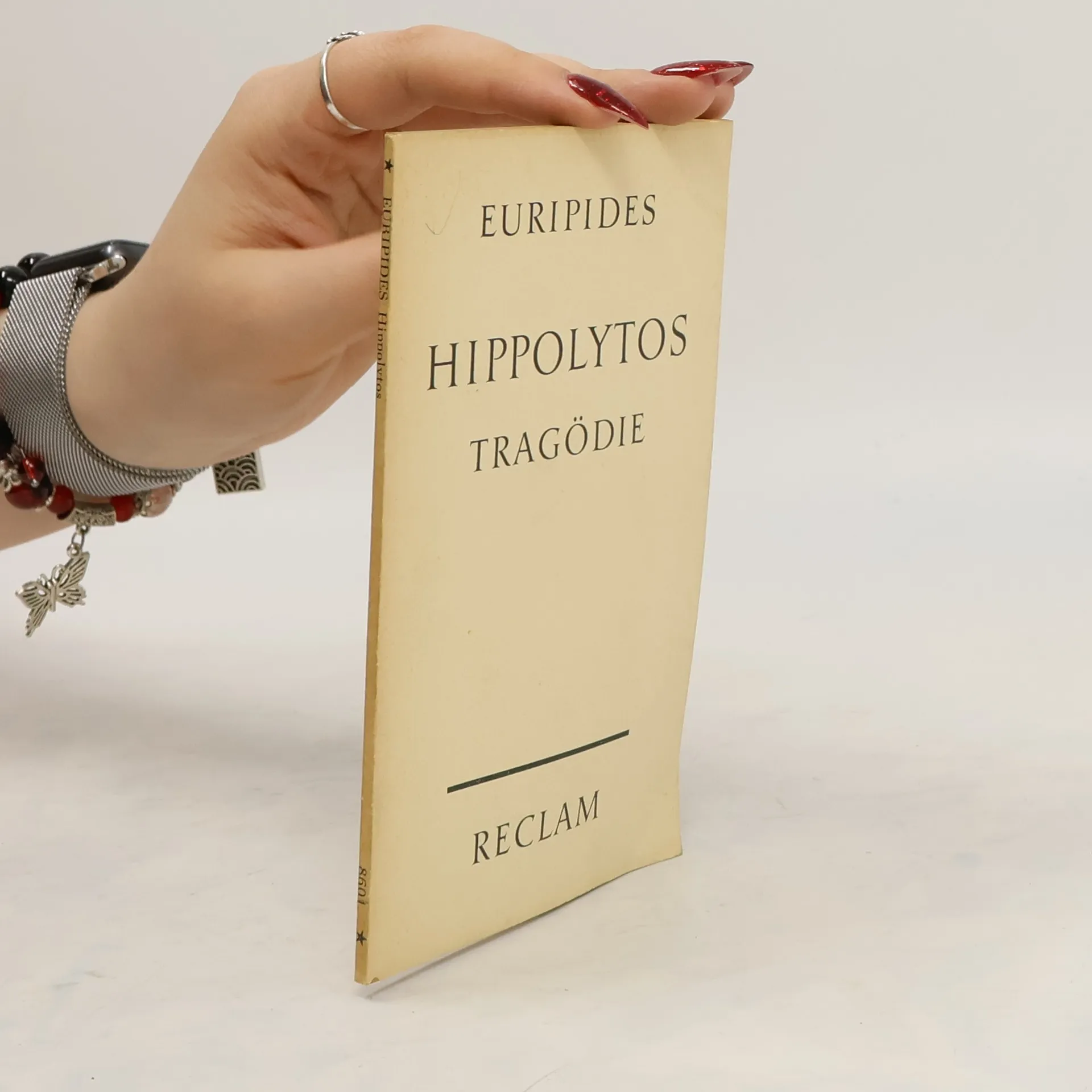
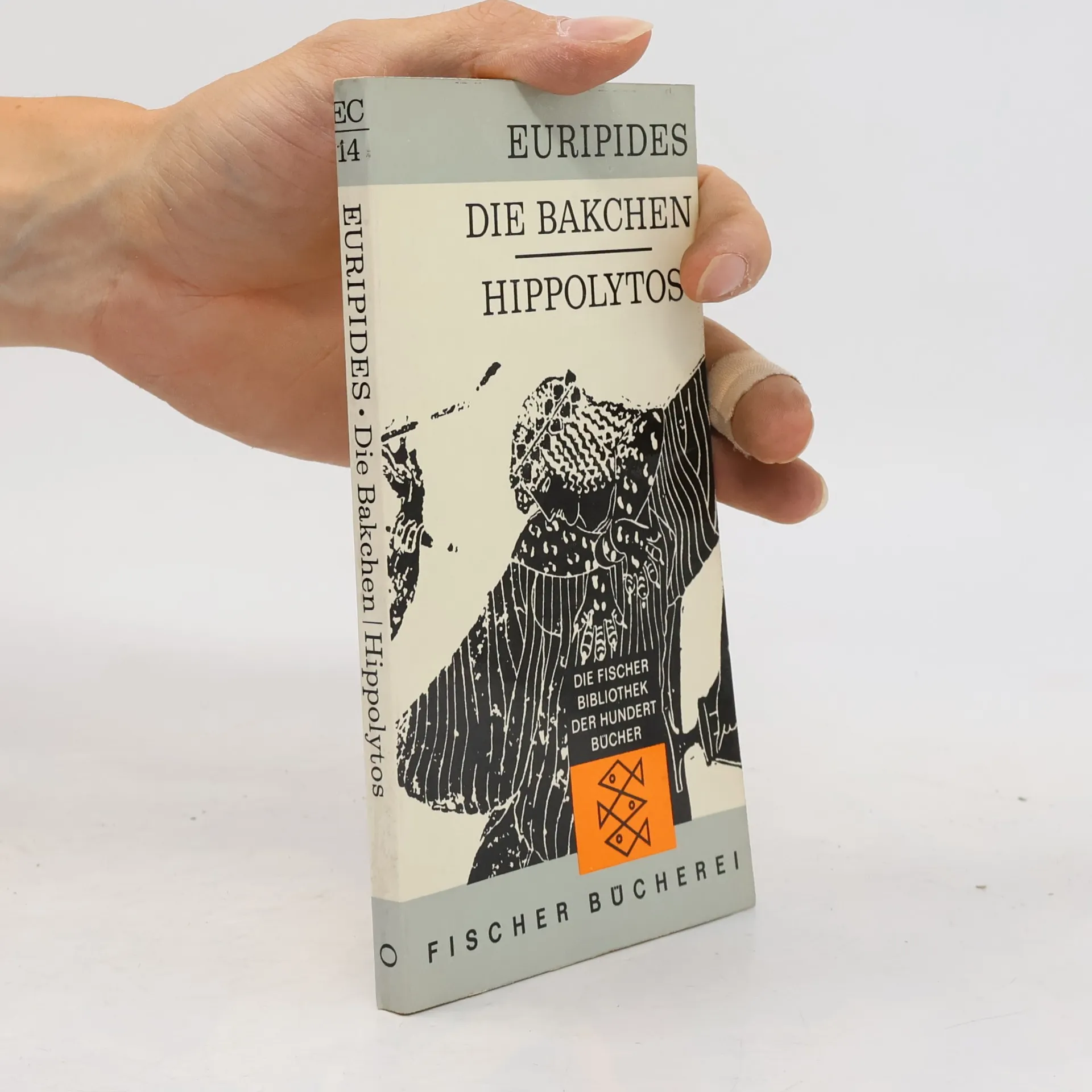
Hippolytos, ein junger Jäger, ignoriert Frauen, was Aphrodite verärgert. Aus Eifersucht entfaltet sie eine Intrige, die in einer tragischen Liebesgeschichte endet und alle ins Verderben führt. Eine beeindruckende griechische Tragödie voller Leidenschaft und Konflikte.
Immerso nella storia del suo tempo, il teatro di Euripide prende senso attraverso alcune folgoranti e reticenti intuizioni di Tucidide di cui, a sua volta, illumina, con tutte le diffrazioni di cui è capace, il non detto. Alimentata dell'immaginario custodito nei vari rami della tradizione e del patrimonio di saperi accumulati dall'epica e dall'etnografia, fino a Erodoto, la drammaturgia di Euripide non esita a scegliere le versioni piú peregrine, meno valorizzate nella cultura della città, e neppure a contraddire le versioni piú accreditate delle antiche storie, rivelando strane, sconcertanti consonanze con i miti minori, con i racconti che Socrate, sapendo e volendo stupire, risuscita nei dialoghi platonici. Ma, in particolare, la sigla di Euripide si coglie nel confronto costante, duro, profondo del suo teatro con quello eschileo che lo ha preceduto, accompagnando gli inizi della città. È il teatro della memoria teatrale quello di Euripide, consapevole della tradizione drammaturgica in cui si inscrive, della forza del teatro politico che continua a sopravvivere alla sua storia, che riempie ancora le scene dei suoi eroi, che ossessiona ancora il pubblico con il fantasma di Oreste, il matricida ingombrante della leggenda democratica.Dalla Nota introduttiva di Anna Beltrametti
"Insieme al successo arriva una reputazione di saggezza." Euripide (485 a.C. - 406 a.C.) è stato un drammaturgo greco antico.È considerato uno dei maggiori poeti tragici greci.
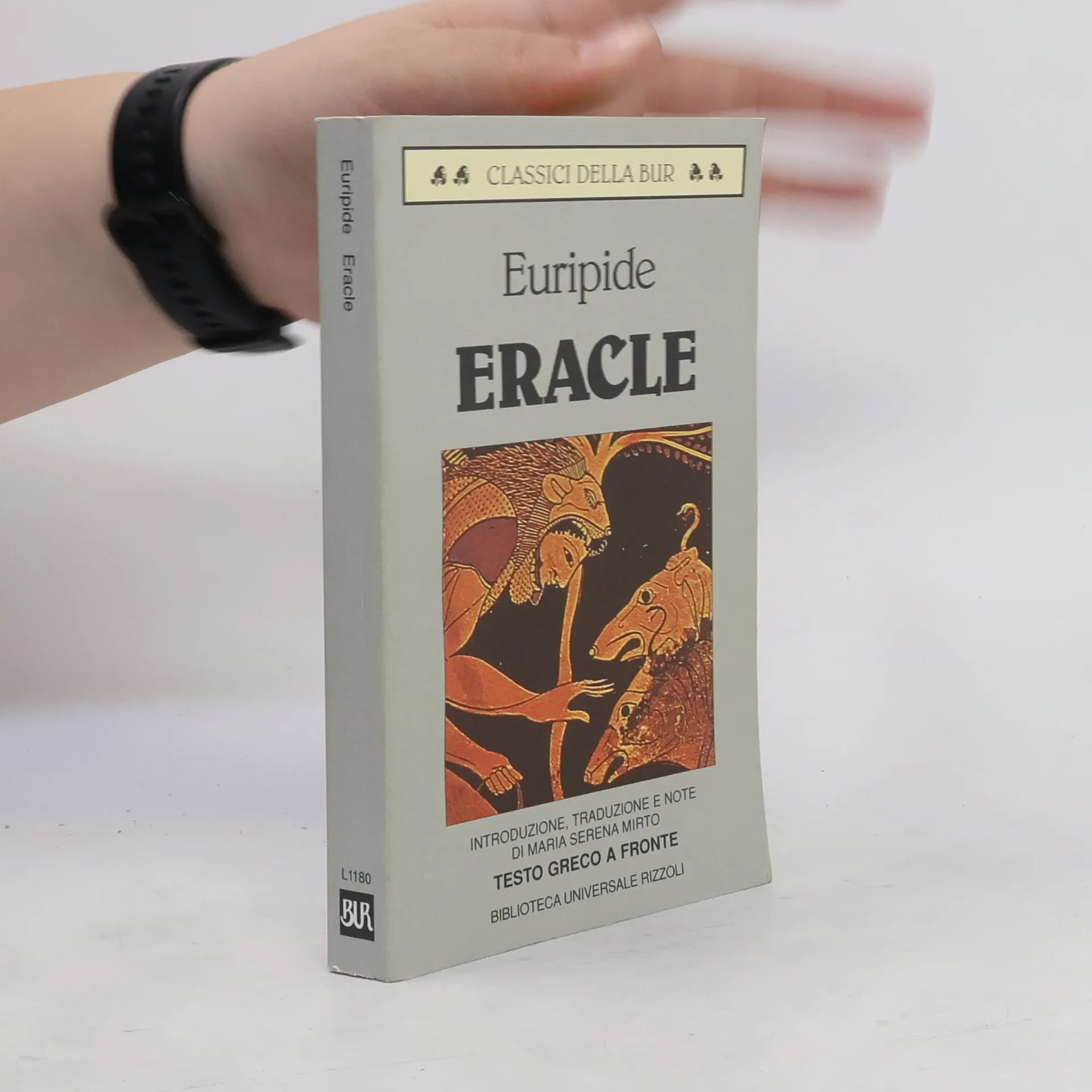
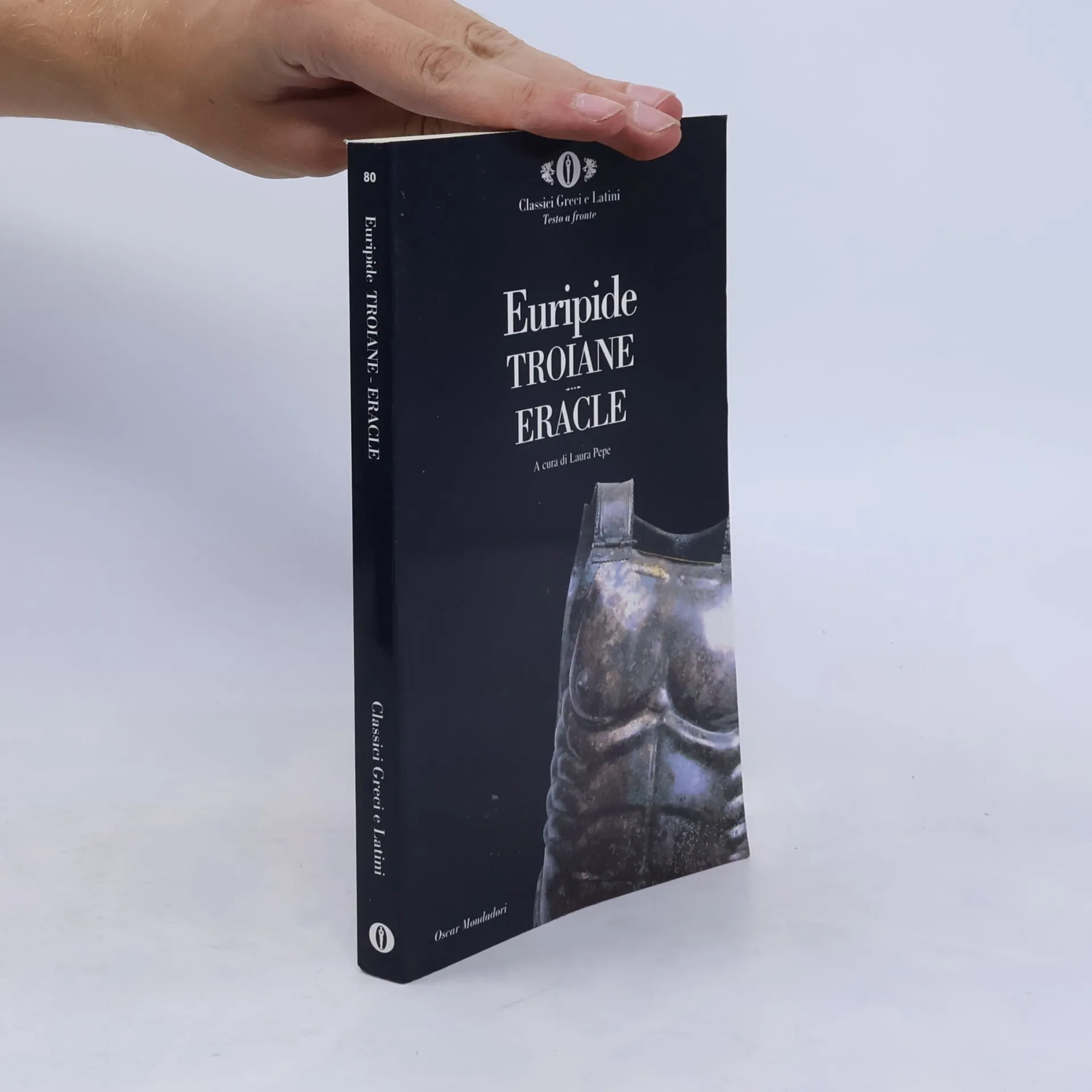
Eracle, dopo aver compiuto le mirabili "fatiche" che l'hanno innalzato definitivamente al rango di eroe, torna a casa e la trova minacciata: l'usurpatore Lico in sua assenza si è fatto re a Tebe e si appresta a sterminare i suoi parenti. Eracle si prepara allo scontro, ma anziché salvare la famiglia, sarà lui stesso a trucidare la moglie e i figli, in preda a un inspiegabile furore. Cosa lo ha spinto a tanto? In questo sfaccettato dramma della follia, Euripide rivisita e sovverte il mito classico, interrogandosi sulla precarietà della condizione umana, tanto fragile e vulnerabile: la forza dell'uomo più forte è debolezza di fronte, se non agli dèi, cui Euripide non crede, al capriccio insondabile del destino. Dello stesso autore Bi Classici ha pubblicato, tra gli altri: Supplici, Medea, Ifigenia in Aulide, ALcesti, Oreste, Le Troiane e Reso. Traduzione di Ettore Romagnoli.
MAXnotes offer a fresh look at masterpieces of literature, presented in a lively and interesting fashion. Written by literary experts who currently teach the subject, MAXnotes will enhance your understanding and enjoyment of the work. MAXnotes are designed to stimulate independent thought about the literary work by raising various issues and thought-provoking ideas and questions. MAXnotes cover the essentials of what one should know about each work, including an overall summary, character lists, an explanation and discussion of the plot, the work's historical context, illustrations to convey the mood of the work, and a biography of the author. Each chapter is individually summarized and analyzed, and has study questions and answers.
Due tragedie “forti”, in cui la presenza degli dèi ha ormai solo una funzione di immagine-simbolo di valori immanenti nella vita dell’uomo, come la forza dell’eros e l’ideale della purezza. La protagonista di Ippolito, Fedra, e ancor più Medea sono tra i personaggi più drammatici del teatro d’ogni tempo: la tragedia è tutta interiore, il conflitto è dentro l’animo delle due straordinarie figure femminili, nello scontro tra le ragioni del cuore e della passione e la lucidità delle risoluzioni estreme portate a compimento.
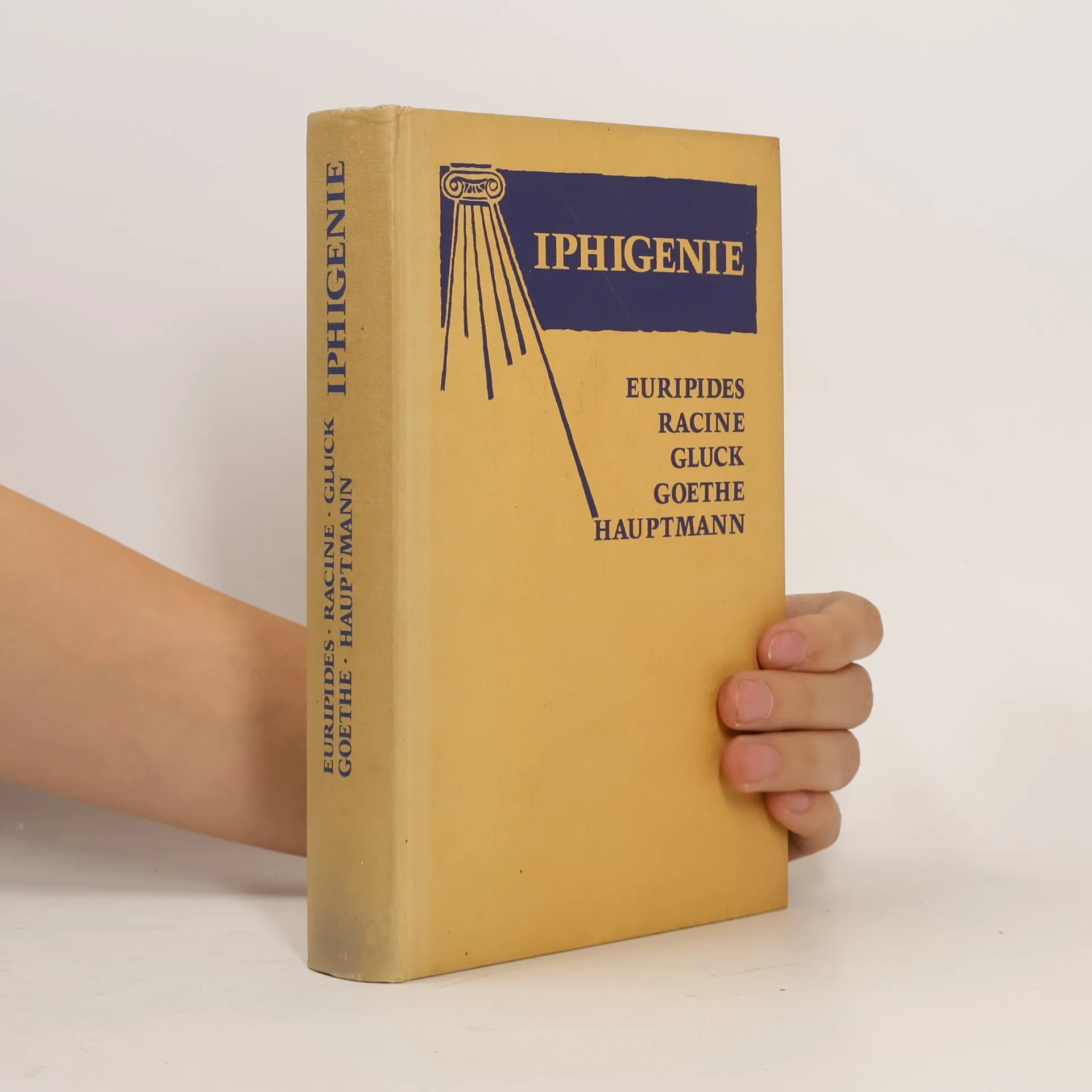
Euripides: Iphigenie in Aulis Auffuhrung nach 406 v. Chr. in Athen. Hier nach der Ubers. von Johann Adam Hartung in: Griechische Tragiker, hg. v. Wolf Hartmut Friedrich, Munchen (Winkler) 1958. Neuausgabe mit einer Biographie des Autors. Herausgegeben von Karl-Maria Guth. Berlin 2016, 2. Auflage. Textgrundlage ist die Ausgabe: Griechische Tragiker: Aischylos, Sophokles, Euripides. Hg. v. Wolf Hartmut Friedrich, ubers. v. J. G. Droysen (Aischylos), K. W. F. Solger (Sophokles), J. A. Hartung (Euripides), Munchen: Winkler, 1958. Die Paginierung obiger Ausgabe wird in dieser Neuausgabe als Marginalie zeilengenau mitgefuhrt. Umschlaggestaltung von Thomas Schultz-Overhage unter Verwendung des Bildes: Anselm Feuerbach, Iphigenie, 1871. Gesetzt aus der Minion Pro, 11 pt.
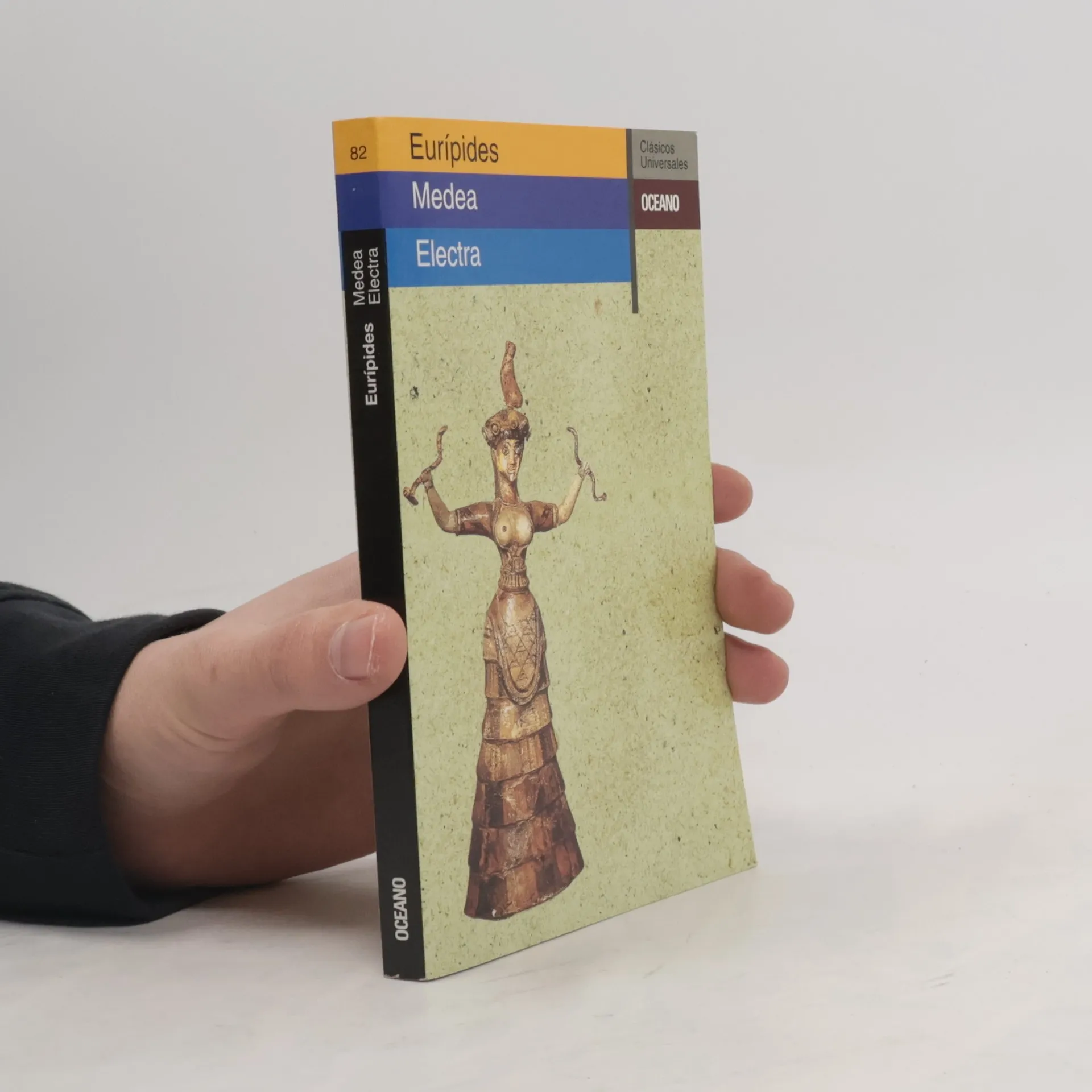
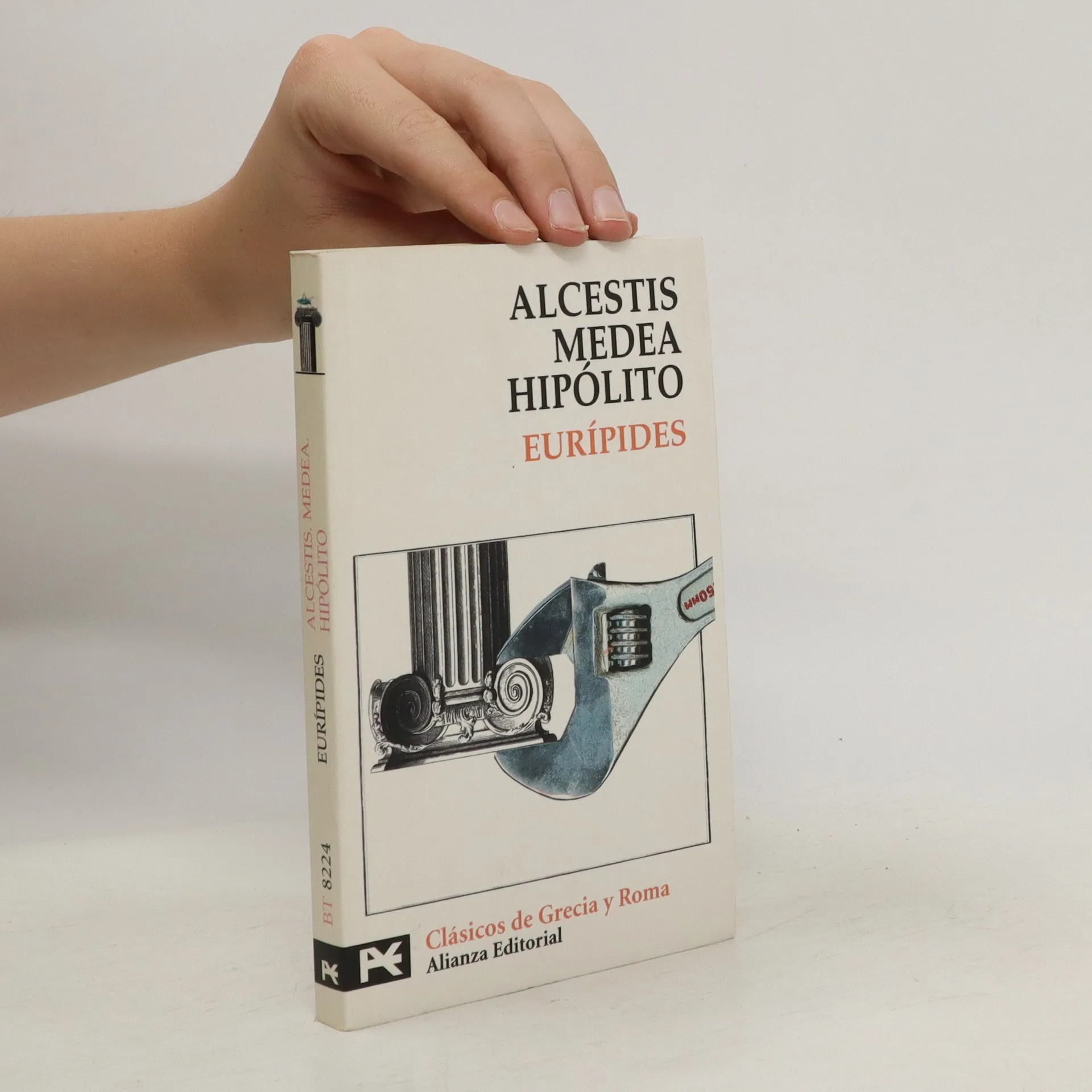
Junto con Esquilo y Sófocles, los otros dos grandes trágicos de la Grecia clásica, EURÍPIDES (484-407 a.C.) contribuyó a elevar el género teatral hasta las más altas cimas de la perfección estética y a plantear los conflictos morales más permanentes y profundos de la condición humana. De las noventa y dos piezas atribuidas a su genio, sólo diecinueve han llegado hasta nosotros. Traducidas, presentadas y anotadas por Antonio Guzmán Guerra, las tres tragedias agrupadas en este volumen ALCESTIS, MEDEA, HIPÓLITO constituyen una adecuada muestra de su obra. Otras tragedias de Eurípides en esta colección: «Las Troyanas» (BT 8249), «Ifigenia en Áulide. Electra. Orestes» (BT 8251), «Andrómaca. Heracles loco. Las Bacantes» (BT 8260).
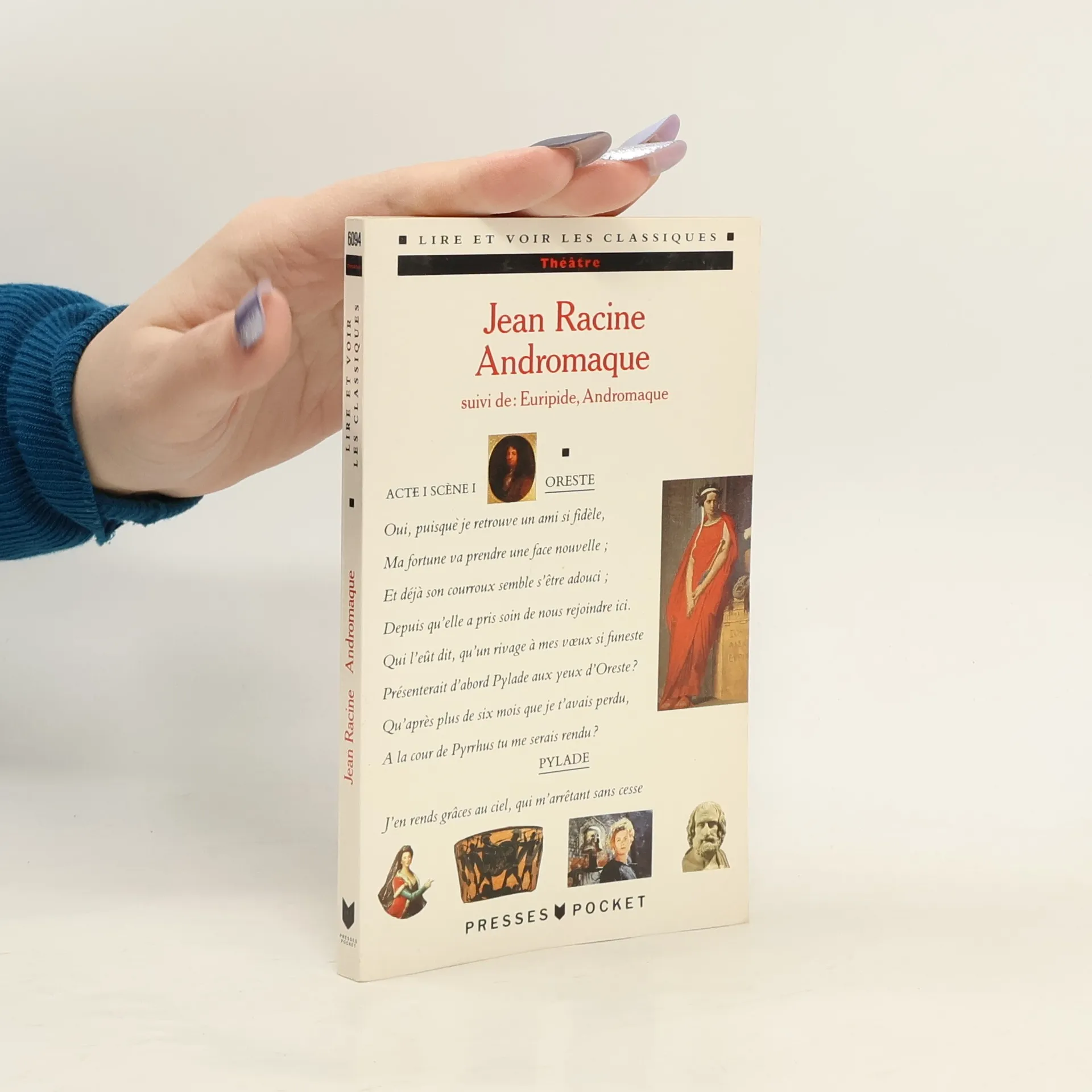
Oreste aime Hermione, qui aime Pyrrhus, qui aime Andromaque, qui aime Hector, qui est mort... Pris dans une chaîne amoureuse sans issue, comment pourraient-ils s'en sortir ? De fait, quand le rideau s'ouvre, tous les éléments de l'étau tragique sont déjà prêts à se refermer sur les personnages : prisonniers de leurs passions, leur perte est inéluctable. Racine orchestre avec délectation leurs débats impuissants, leurs actions désespérées, et leur terrible fin, pour le plus grand plaisir du spectateur et du lecteur. Modèle par excellence de l'écriture classique, Racine n'en reste pas moins d'une modernité étonnante : sa peinture des rapports humains et sa connaissance du coeur amoureux touchent peut-être plus que jamais. En particulier dans Andromaque qui est sans doute, avec Phèdre, la tragédie où la passion amoureuse est la plus dévastatrice. Et sur scène, depuis sa création en 1667, le succès ininterrompu d'Andromaque est la preuve vivante de cette modernité.
Wer sich mit Goethes Iphigenie-Drama beschäftigt, kommt um das antike ›Original‹ des Euripides nicht herum, das auch anderweitig in Literatur, Musik und Kunst rezipiert worden ist. Im Mittelpunkt steht, wie öfter bei Euripides, eine Frau, die einen gewitzten Plan ersinnt, um die männlichen Machthaber zu täuschen und ihre Ziele zu erreichen. Die philologisch wortgetreue Übersetzung gibt den griechischen Text in seinen unterschiedlichen Dimensionen wieder – und das Nachwort zeigt, dass auch Euripides den Mythos schon vorfand und für seine Zwecke neu gestalten musste.
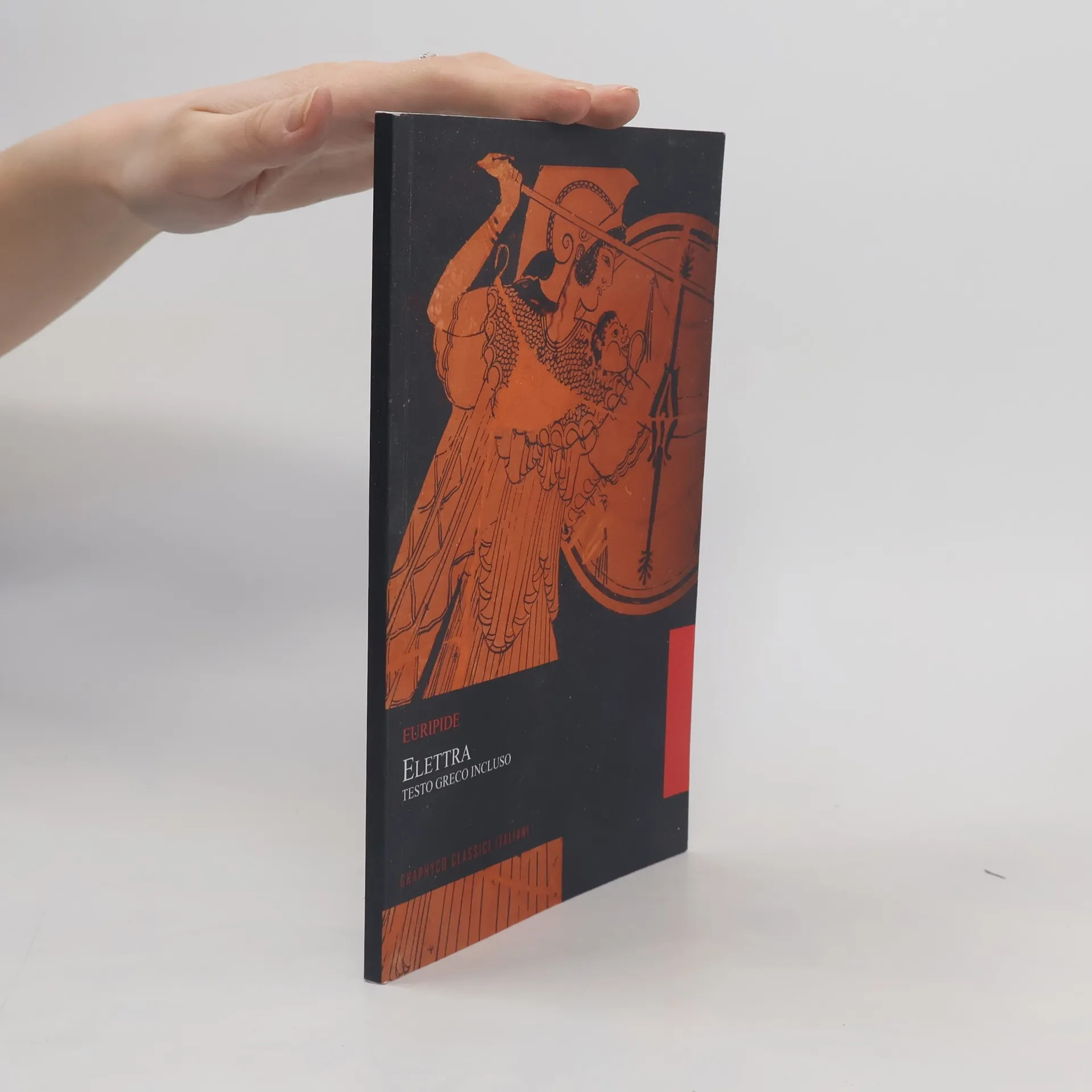
Von jedem der drei großen griechischen Tragiker ist eine Elektra-Tragödie erhalten. Aischylos’ »Choephoren« (2. Teil der »Orestie«) stehen am Anfang, ob Sophokles mit seiner »Elektra« auf Euripides folgte oder umgekehrt, ist umstritten. Der Vergleich der drei Stücke ist aufschlussreich für die Gestaltung des Mythos. Elektras Rache an ihrer Mutter Klytaimnestra, die Agamemnon, den Vater Elektras, ermordet hatte, und an ihrem Stiefvater Aigisthos beherrscht die Tragödie. Mit »Elektra« hat Euripides wiederum eine große Frauengestalt auf die Bühne gebracht, deren Wirkung auf die europäische Literatur bis heute anhält.
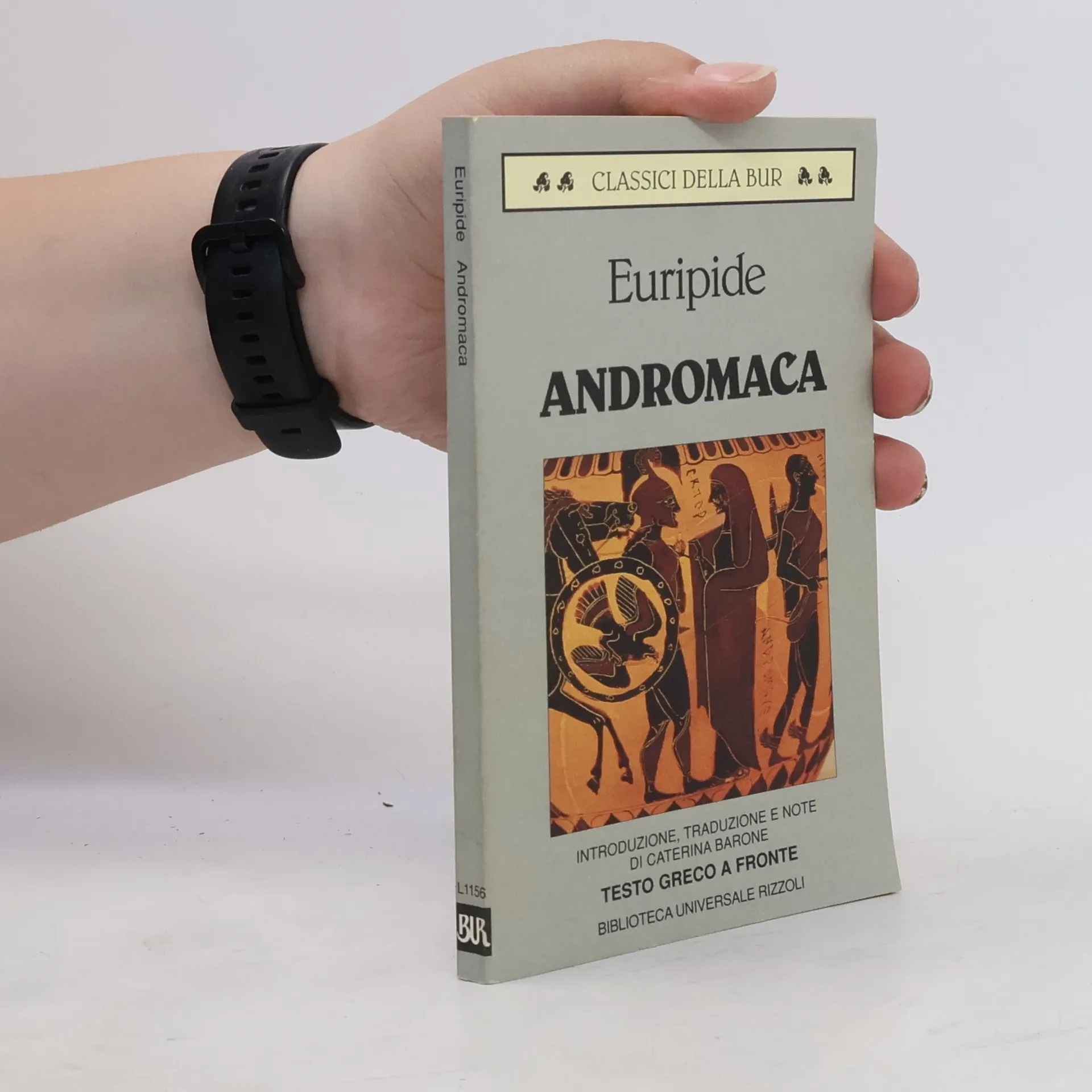
Andromaca è una tragedia di Euripide. Il personaggio principale è Andromaca, della quale viene narrata l'esistenza da prigioniera negli anni successivi alla guerra di Troia. Euripide (Atene, 485 a.C. – Pella, 407-406 a.C.) è stato un drammaturgo greco antico. È considerato, insieme ad Eschilo e Sofocle, uno dei maggiori poeti tragici greci. Traduzione a cura di Ettore Romagnoli.
Eschilo è il primo dei grandi tragediografi greci, vissuto tra il 525 e il 455 a.C. La cultura ellenica stava allora passando da una visione arcaica dell’universo a una concezione più razionale. L’idea di un destino dominato da forze cieche e oscure stava lasciando il posto a un’organizzazione della vita sociale secondo forme di partecipazione collettiva al potere, basata su regole imparziali e democratiche. I protagonisti delle tragedie di Eschilo non sono più semplici mortali in balia di forze estranee, ma uomini coscienti, certo sottoposti alle dure leggi della necessità, ma anche responsabili delle proprie scelte. I suoi personaggi, quindi, sono vittime e colpevoli insieme, figure complesse e spesso (basti pensare a Clitennestra) stupendamente delineate nella loro profondità emotiva.
Euripides' "Medea" ist eine der großen dramatischen Tragödien der klassischen Antike. Es ist die Geschichte der Titelheldin Medea, der Frau von Jason, die Rache an ihrem untreuen Ehemann sucht, als er sie für eine neue, jüngere Braut verlässt. "Medea" brach viele der dramatischen Konventionen der Zeit, als es uraufgeführt wurde, und steht aus diesem Grund als eines der größten Werke der klassischen Dramenzeit.
Eine Tragödie (Band 27, Klassiker in neuer Rechtschreibung)
52 pages
2 hours of reading
Die Reihe präsentiert bedeutende Werke der Weltliteratur in zeitgemäßer Rechtschreibung, basierend auf den Empfehlungen des Dudens. Klara Neuhaus-Richter sorgt dafür, dass klassische Texte zugänglicher und verständlicher für moderne Leser sind, ohne den ursprünglichen Inhalt zu verändern. Diese Ausgabe ermöglicht es, literarische Meisterwerke in einer neuen, lesefreundlichen Form zu erleben.
Alkestis, Bakchen, Elektra, Orestes – Übertragen von Raoul Schrott
Mit Raoul Schrott entdecken, wie modern Euripides ist Liebe und Leidenschaft, Mord und Heimtücke, Zweifel und Verantwortung – Euripides’ Tragödien sind Fundament der Weltliteratur und von verblüffender Aktualität: ›Alkestis‹ ist das erste feministische Drama der Weltgeschichte, seine ›Bakchen‹ analysieren das Sektenwesen und seine ›Orestie‹ – die hier erstmals seit der Antike wieder präsentiert wird – ist nach wie vor eines der besten Stücke über Terrorismus und Populismus. Raoul Schrott macht sie mit großer sprachlicher Virtuosität zu Dramen von heute: mitreißend, modern, monumental.
La collection Fichebook vous offre la possibilité de tout savoir de Médée de Euripide grâce à une fiche de lecture aussi complète que détaillée. La rédaction, claire et accessible, a été confiée à un spécialiste universitaire. Cette fiche de lecture répond à une charte qualité mise en place par une équipe d'enseignants. Ce livre contient la biographie de Euripide, la présentation de Médée, le résumé détaillé, les raisons du succès, les thèmes principaux et l'étude du mouvement littéraire de l'auteur.
Η Μήδεια εκδικείται τον άπιστο σύζυγό της Ιάσονα. Προσποιούμενη ότι συναινεί στον γάμο του με τη βασιλοπούλα της Κορίνθου Γλαύκη, στέλνει ως δώρο πέπλο που προκαλεί τον φρικτό θάνατο της νύφης. Στη συνέχεια η Μήδεια σκοτώνει τα παιδιά της και καταφεύγει στον βασιλιά της Αθήνας Αιγέα. Από τα αριστουργήματα της αρχαίας λογοτεχνίας.
Le sofferenze delle madri dei caduti nella guerra dei Sette contro Tebe che implorano la sepoltura per i loro cari e il dramma del matricida Oreste tormentato per sempre dal rimorso. Due tragedie di un grandissimo poeta, attento testimone del suo tempo.