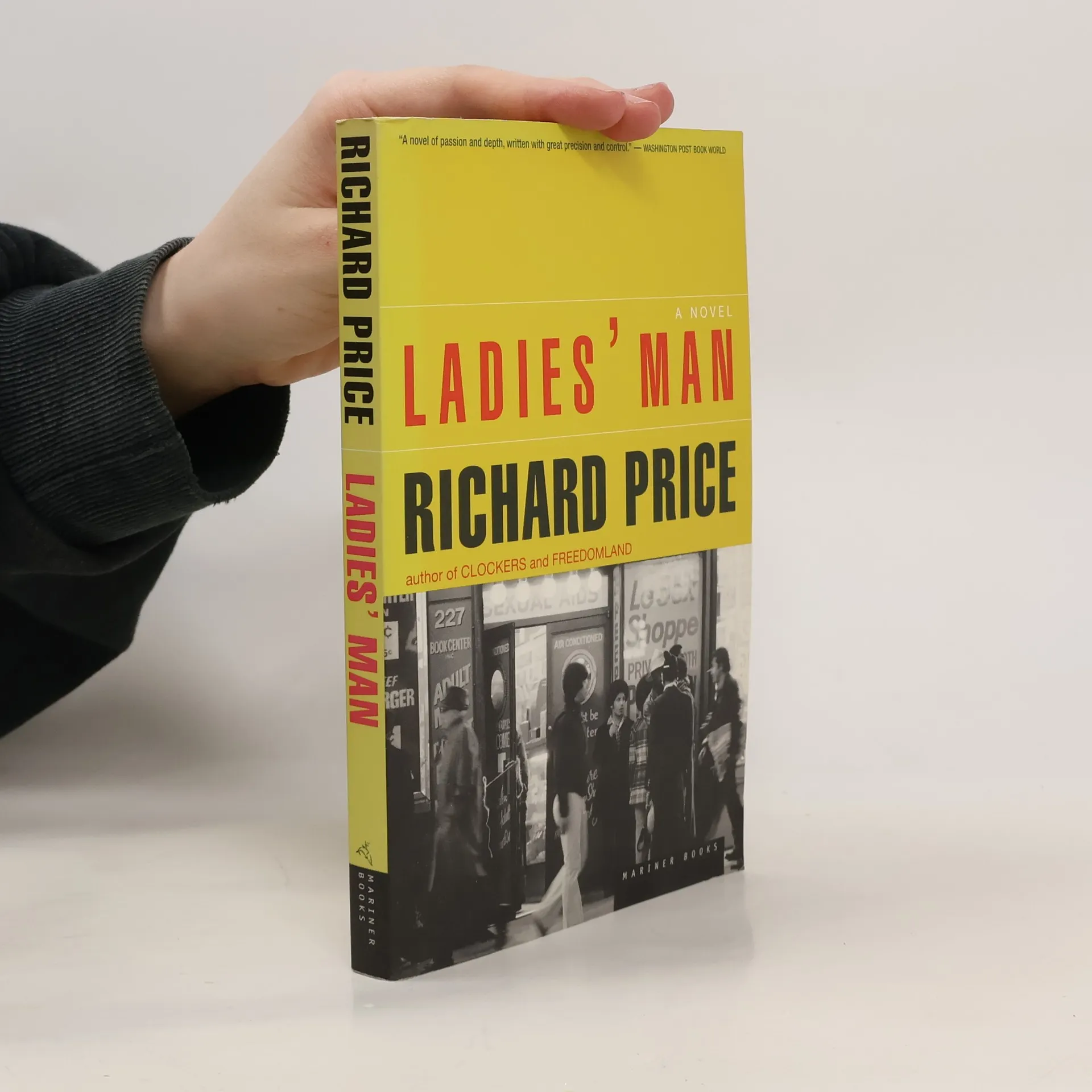
Stony De Coco is 18 and the son of a pugnacious construction worker who expects his son to follow in his footsteps. But Stony is determined to break loose from this belligerent life despite opposition from everyone else in his family.
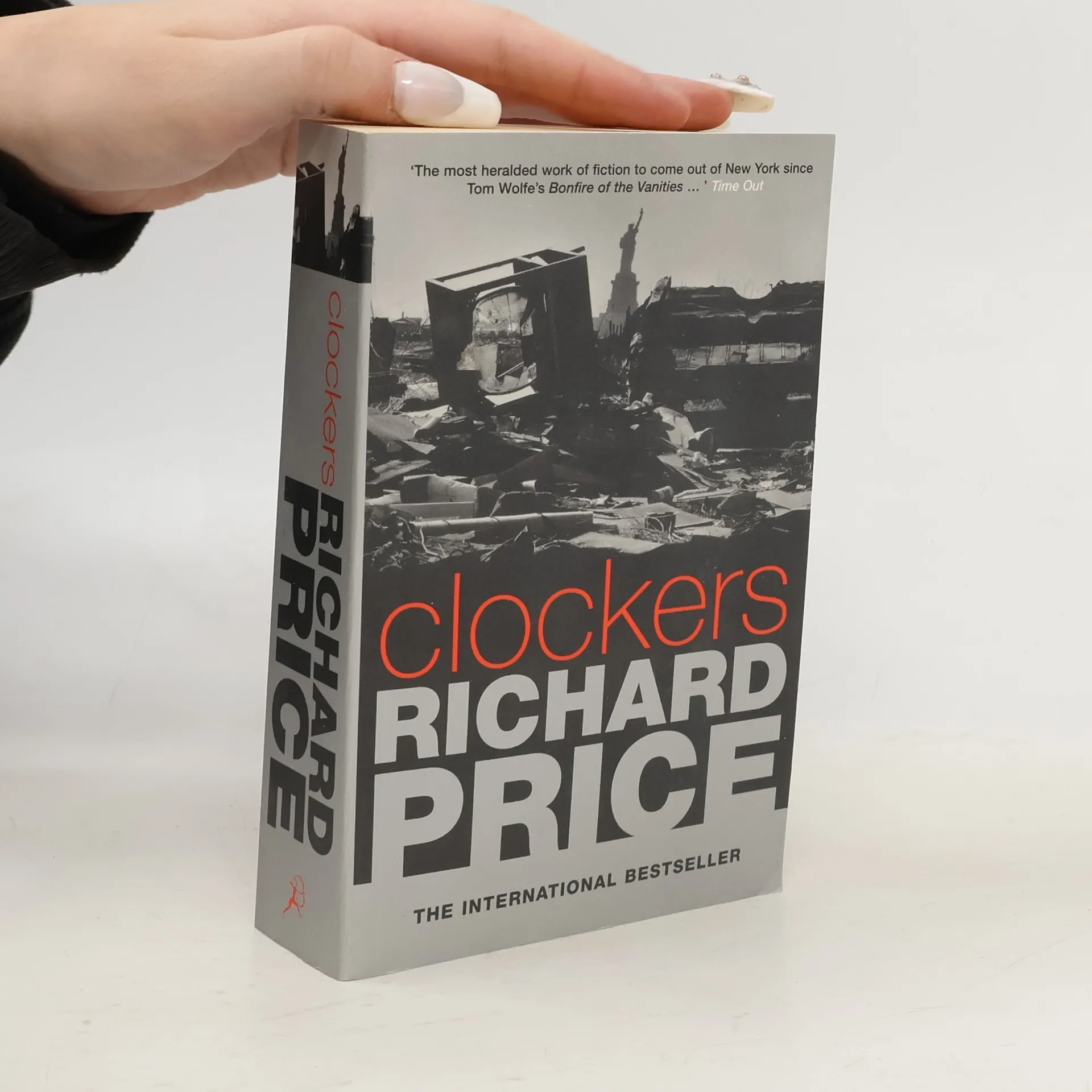
Award-winning author Richard Price here offers a viscerally affecting and accomplished portrait of inner-city America. Veteran homicide detective Rocco Klein's passion for the job gave way long ago. His beat is a rough New Jersey neighborhood where the drug murders blur together, until the day Victor Dunham — a twenty-year-old with a steady job and a clean record — confesses to a shooting outside a fast-food joint. It doesn't take long for Rocco's attention to turn to Victor's brother, a street-corner crack dealer named Strike who seems a more likely suspect for the crime. At once an intense mystery, and a revealing study of two men on opposite sides of an unwinnable war, Clockers is a stunningly well-rendered chronicle of modern life on the streets.
The story showcases the intricate relationship between urban life and personal narratives, weaving together themes of community, identity, and resilience. The author's expertise in urban studies enriches the narrative, providing a unique lens through which to explore the characters' experiences and the dynamics of city living. With a compelling plot and well-developed characters, the novel captures the emotional complexities of life in a bustling metropolis, making it a poignant read for those interested in the intersection of literature and urban culture.
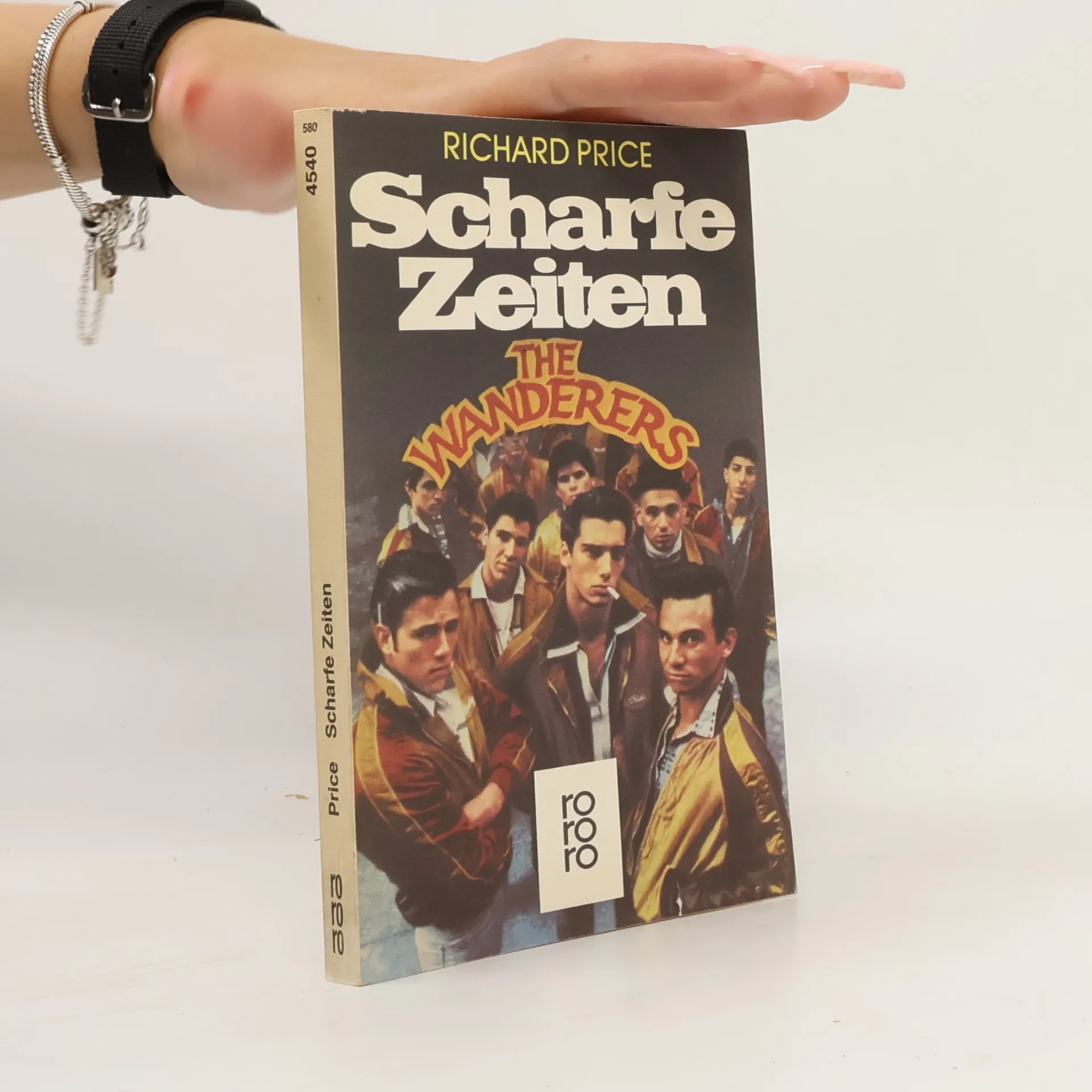
Set in the vibrant backdrop of the 1960s Bronx, the narrative follows a teenage gang as they navigate the challenges of adolescence and their environment. Written by the author at just twenty-four, the story captures the essence of youth culture and the complexities of growing up in a tough urban setting. Its compelling themes and character development laid the groundwork for a major feature film adaptation, highlighting its cultural significance and appeal.
Recounts the massive reconfiguration of Paris' museum world that resulted from
Jacques Chirac's dream, set against a backdrop of personal and national
politics, intellectual life, and the role of culture in French society.
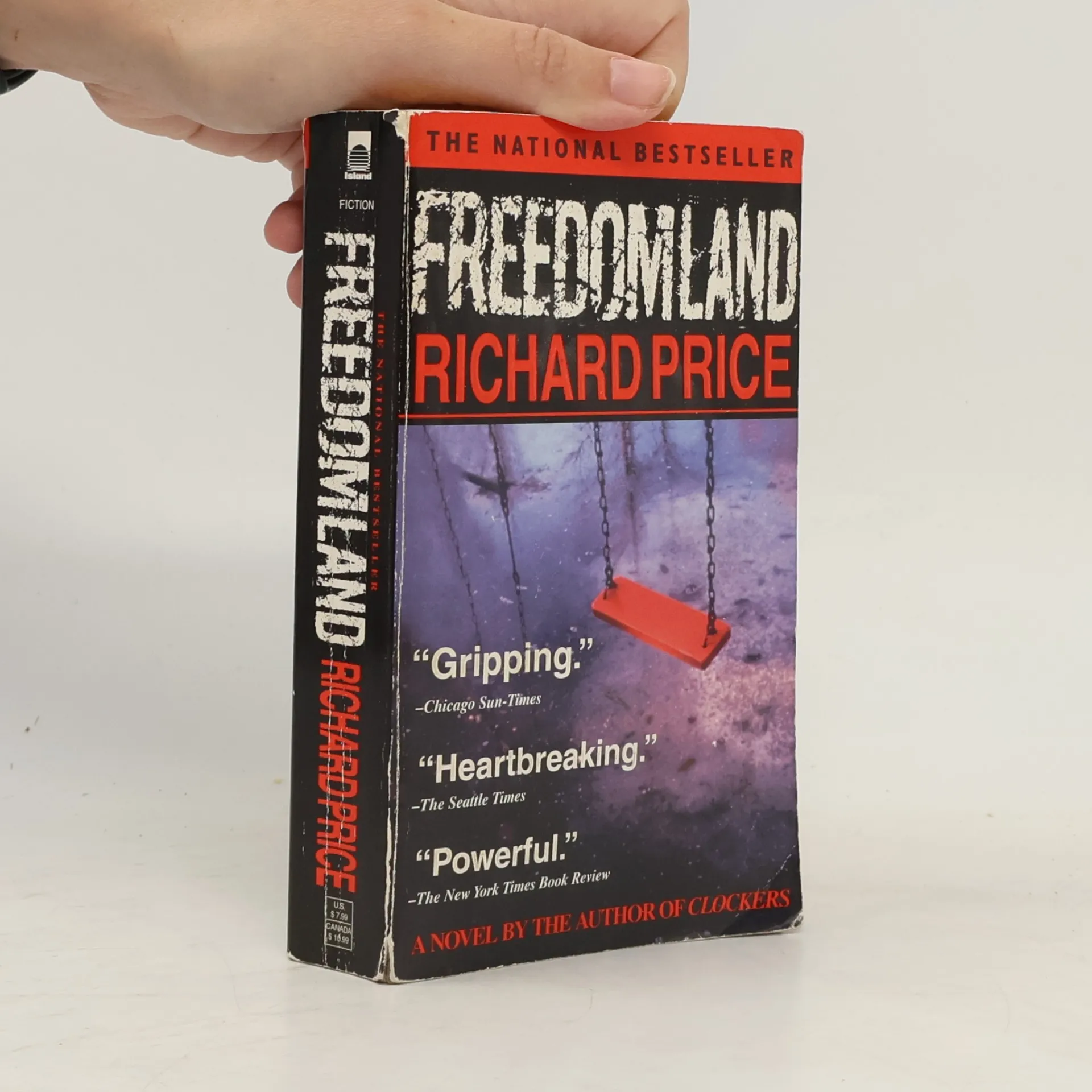
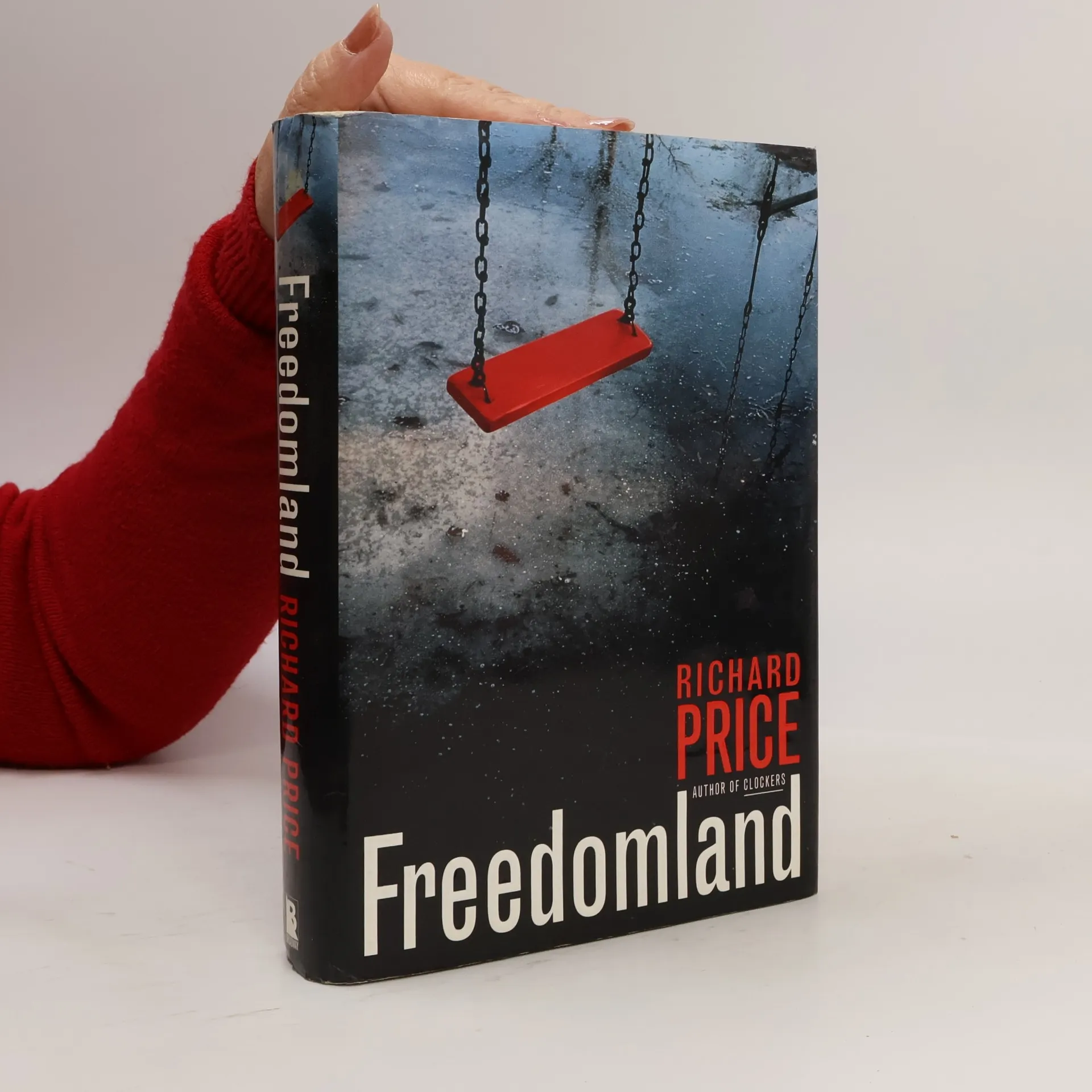
Dazed and bleeding, Brenda Martin stumbles into a city hospital and tells an astonishing story: first about the black man who hijacked her car. Then about her young son, who was asleep in the backseat. As the nation watches spellbound, frantic police descend on the housing projects, searching for a stolen child, tearing apart a neighborhood that doesn’t need an excuse to explode. An edgy young reporter hustles her way into the eye of the storm. A good cop stands at an impossible spot. And soon all the pain, hope, and madness of a heat-soaked city will come pouring out into the streets—because of a story that may be true, or may be the most horrifying lie of all.
'So, what do you do?' Whenever people asked him, Eric Cash used to have a dozen answers. Artist, actor, screenwriter ... But now he's thirty-five years old and he's still living on the Lower East Side, still in the restaurant business, still serving the people he wanted to be. What does Eric do? He manages. Not like Ike Marcus. Ike was young, good-looking, people liked him. Ask him what he did, he wouldn't say tending bar. He was going places - until two street kids stepped up to him and Eric one night and pulled a gun. At least, that's Eric's version.
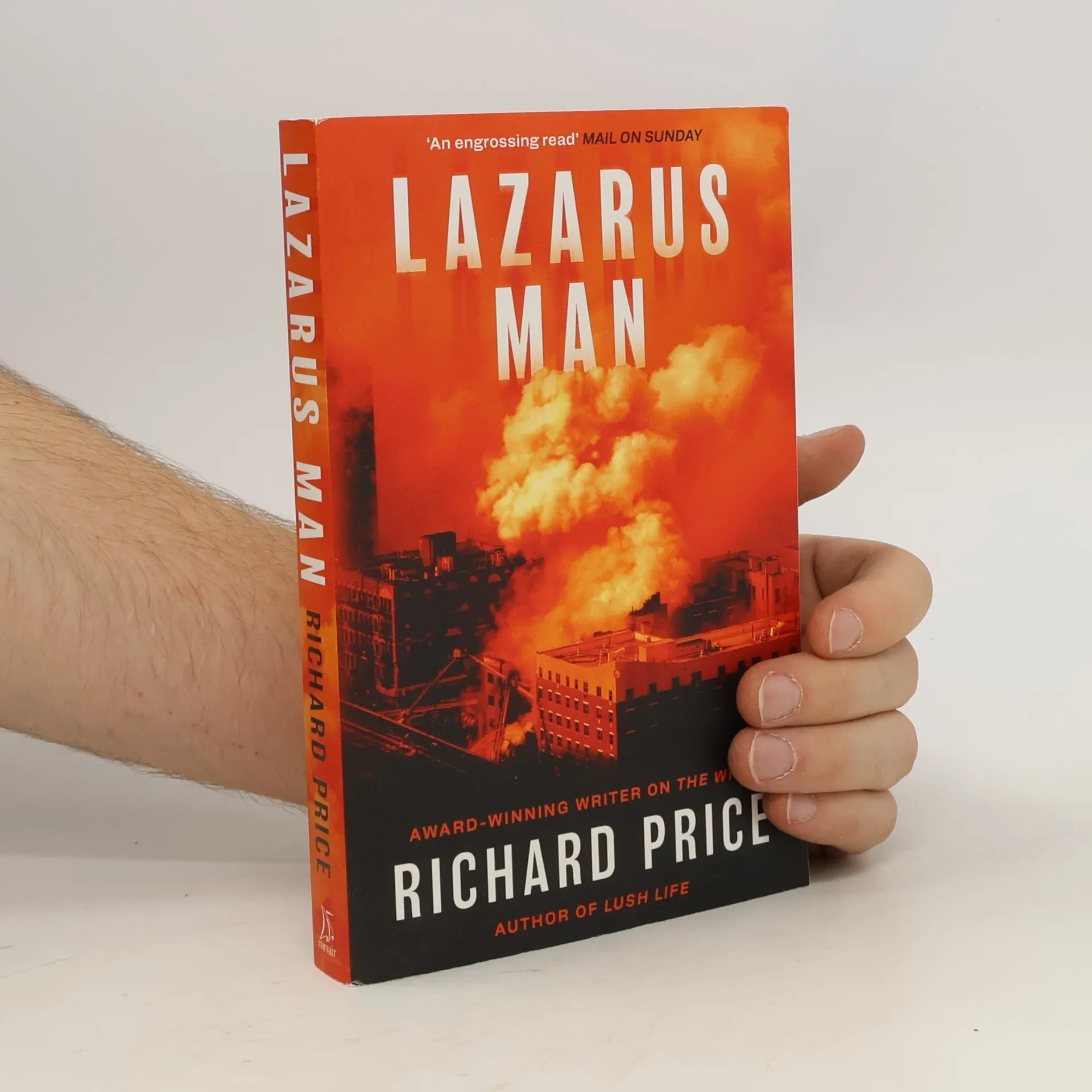
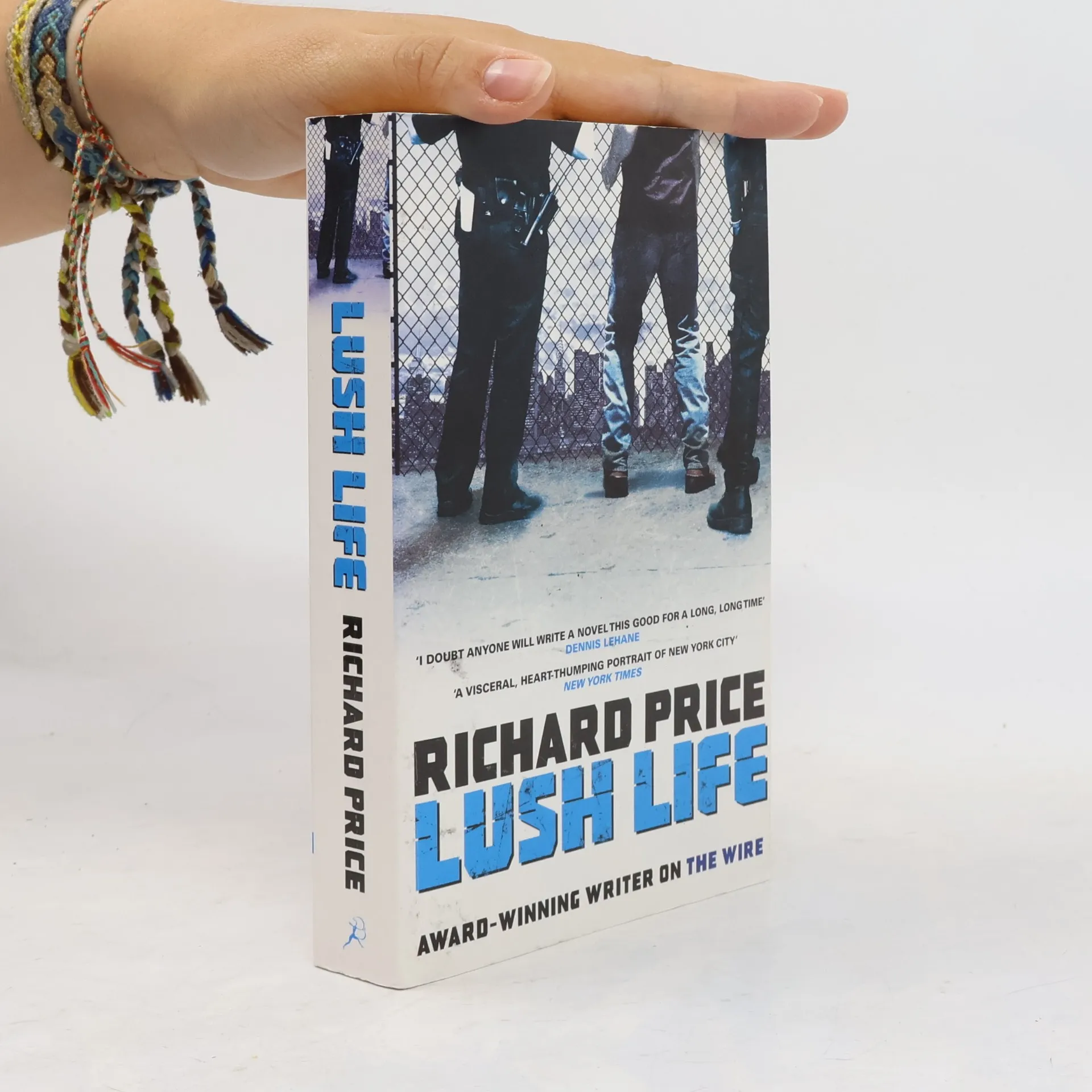
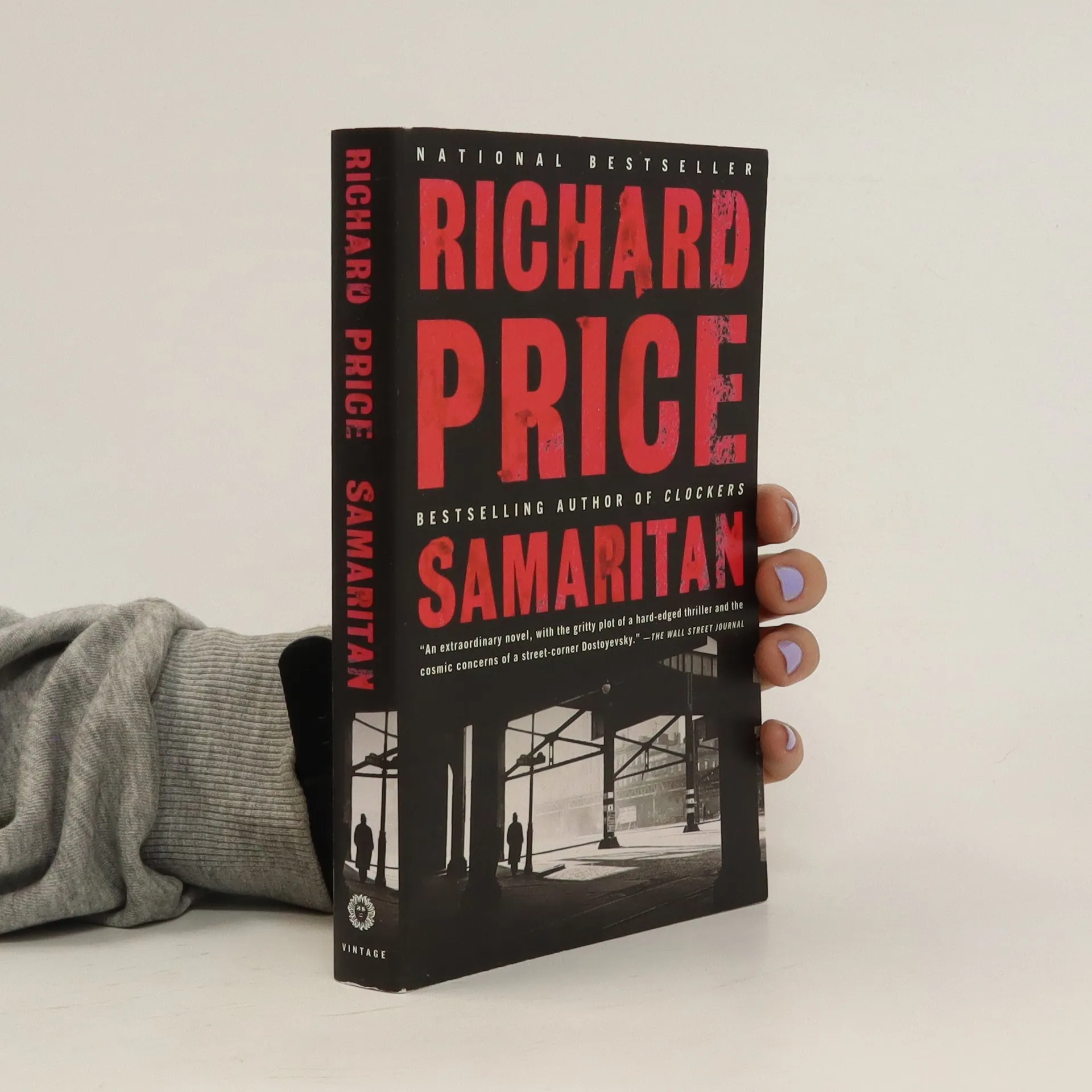
Ray Mitchell, a former TV writer who has left Hollywood under a cloud, returns to urban Dempsy, New Jersey, hoping to make a difference in the lives of his struggling neighbors. Instead, his very public and emotionally suspect generosity gets him beaten nearly to death. Ray refuses to name his assailant, which makes him intensely interesting to Detective Nerese Ammons, a friend from childhood, who now sets out to unlock the secret of his reticence. Set against the intensely realized backdrop of urban America, the cat and mouse game that unfolds is both morally complex and utterly gripping.
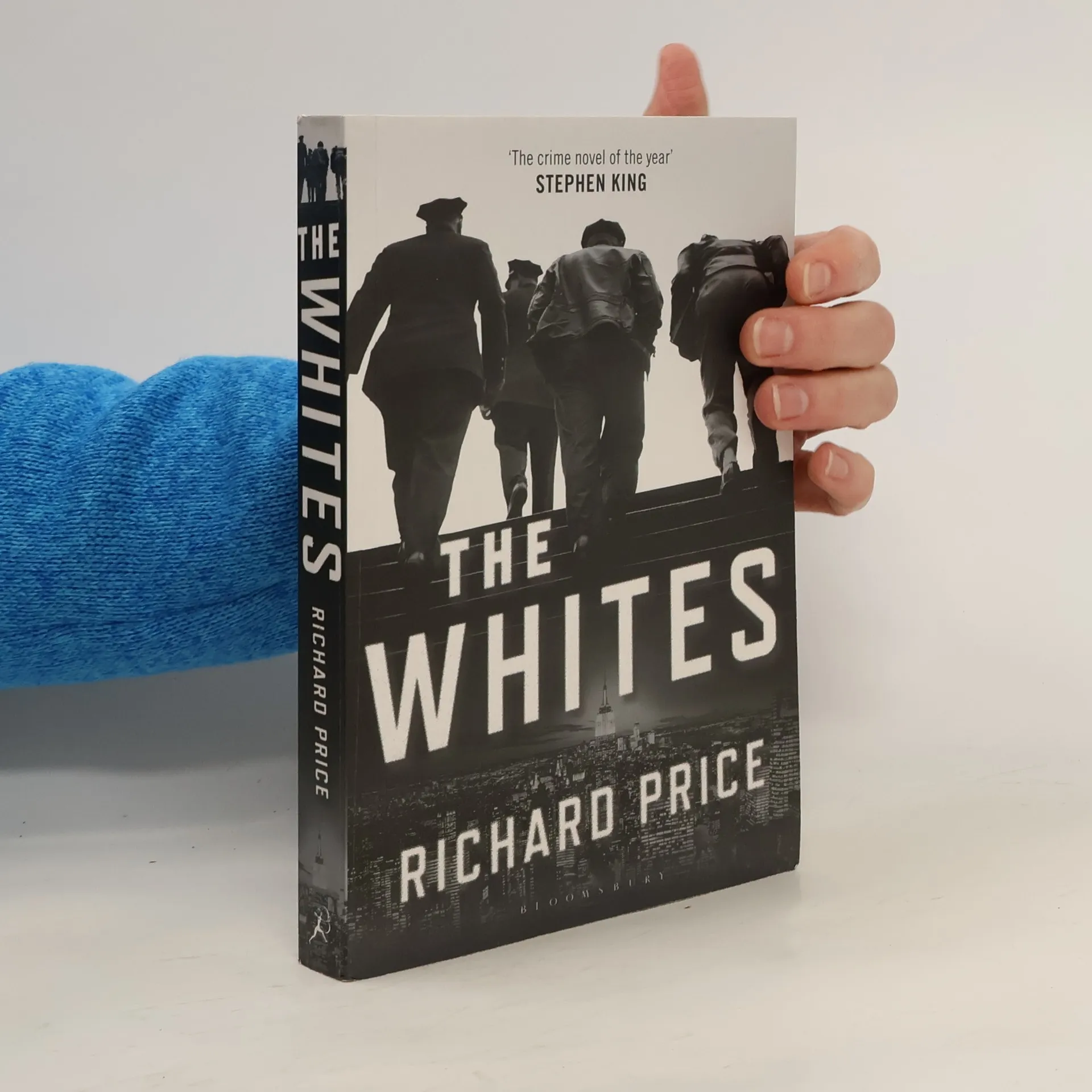
Back in the 1990s, Billy Graves was one of the Wild Geese- a tight-knit crew of young mavericks, fresh to police work and hungry for justice, looking out for each other and their 'family' of neighbourhood locals. But then Billy made some bad headlines by accidentally shooting a ten-year-old boy while bringing down an angel-dusted berserker in the street. Branded a loose cannon, he spent years in one dead-end posting after another. Now he has settled into his role as sergeant in the Night Watch, content simply to do his job and go home to his family. But when he is called to the 4 a.m. stabbing of a man in Penn Station, Billy discovers the victim is the 'White' of one of his oldest friends, a former member of the Wild Geese, who is now retired. As the past comes crashing into the present, the Wild Geese seemingly rise from the dead, and the bad old run-and- gun days of the 90s are back with a vengeance.
Once upon a time, Kenny Becker had a barely tolerable girlfriend and a miserable job. Now, unattached and unemployed, can he stop the downward spiral of his life?
Focusing on the interactions between first peoples and imperial forces in the early nineteenth century, this book explores the social dynamics of these encounters and their lasting impacts. It delves into the complexities of indigenous experiences and the ways these historical clashes influenced future relationships and societal structures. Through detailed analysis, it reveals the enduring effects of imperialism on indigenous communities.
Beginning with a high schooler mesmerized by a stay on the Navajo and Hopi
reservations and running through the founding of a university department and
the aftermath of a decision to forego permanent academic affiliations, Richard
Price's story is told with humour and insight into the workings of academic
politics from the 1960s to the present.
In <i>Freedomland</i>, Richard Price returns to the gritty terrain he first explored in <i>Clockers</i>. This time, the fictional (but all too convincing) urban eyesore of Dempsy, New Jersey, is convulsed by a high-profile carjacking. A single mom named Brenda Martin insists that a man stopped her car, yanked her from behind the wheel, and drove off with the vehicle--and her young son. Behind these horrific facts looms another: the victim is white and the perpetrator is black. Immediately the racial calculus of American life comes to bear on the crime, which becomes a focus for long-smoldering animosities. As a three-ring circus of media, cops, and gawkers converges on the crime scene, Dempsy and the adjoining white community of Gannon seem primed for an explosion. Price passes the narrative baton back and forth between Lorenzo Council, an ambitious black detective, and Jesse Haus, a no-less-ambitious reporter for the local paper. Lorenzo's street-smart, agitated voice is the more convincing of the two. Jesse, with her frantic compulsion to squeeze local color from the crisis, never quite attains three dimensions--although her outsider's relationship to her material suggests some faint, fascinating echo of the author's. In any case, Price allows the story to proceed at an irresistible slow burn. His ear for dialogue is as sharp as ever, and nobody casts a colder or more accurate eye on our fin-de-siècle urban existence.