

Robert Alan Segal Book order (chronological)
July 15, 1948
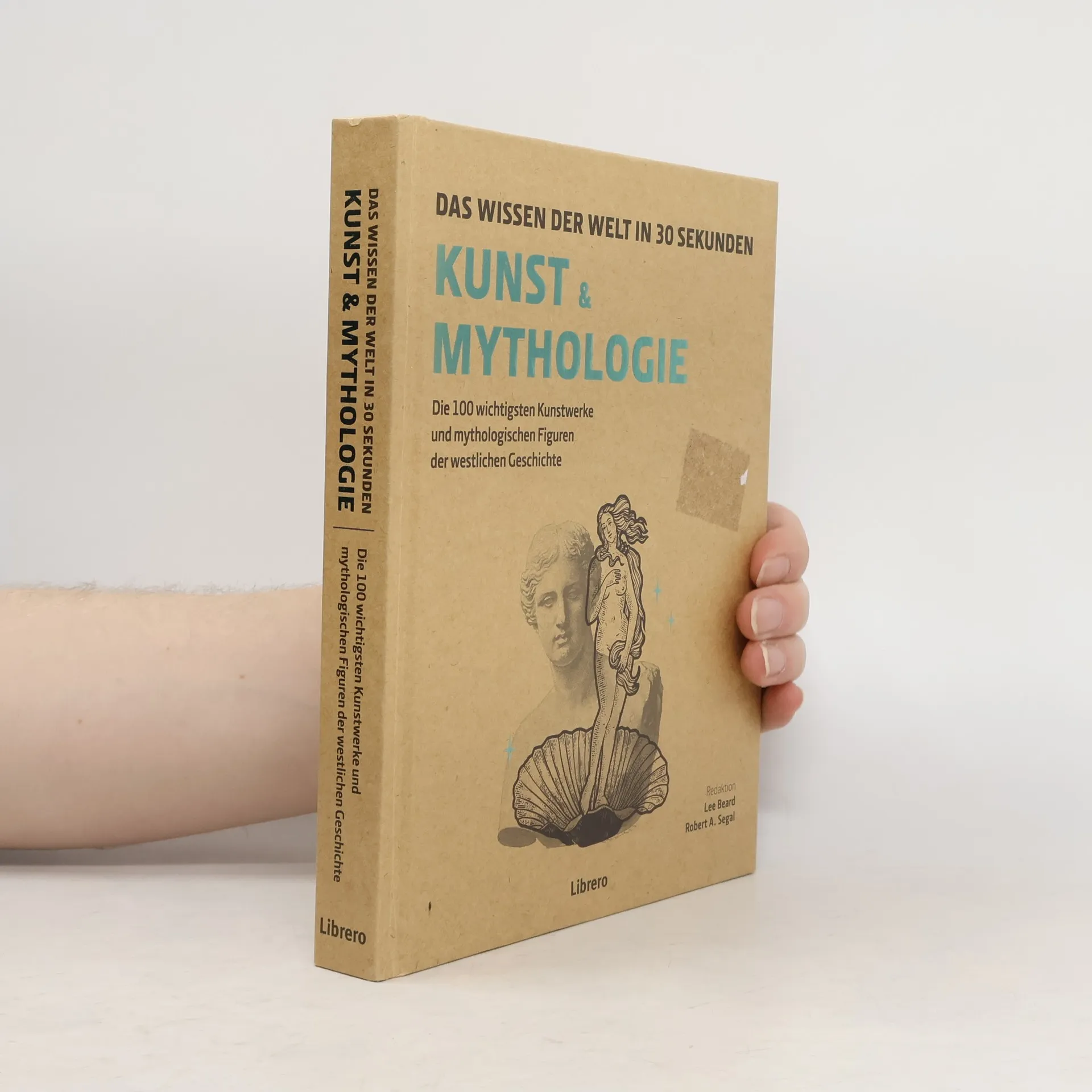


Vocabulary for the Study of Religion
- 1872 pages
- 66 hours of reading
The academic study of religion has been an interdisciplinary endeavor since its inception at the end of the nineteenth century. Much of the theoretical vocabulary that is needed to study religion has been imported from adjacent disciplines such as sociology, anthropology, historiography, theology, philology, literary studies, psychology, philosophy, cultural studies, and political sciences. It is the strength of the academic study of religion to bring these approaches into conversation with one another. The Vocabulary for the Study of Religion provides an excellent platform to sustain this conversation. Written by experts with a background in a variety of disciplines, over 400 entries collected in the Vocabulary offer a unique overview of critical terms in the study of religion(s), as well as the themes and issues that have to be addressed in future research. This is the first dictionary in English that covers such a broad spectrum of theoretical topics. The Vocabulary is an indispensable tool for all students of religion and it will influence the academic discussion for many years. The online version of the Vocabulary for the Study of Religion can be found here.
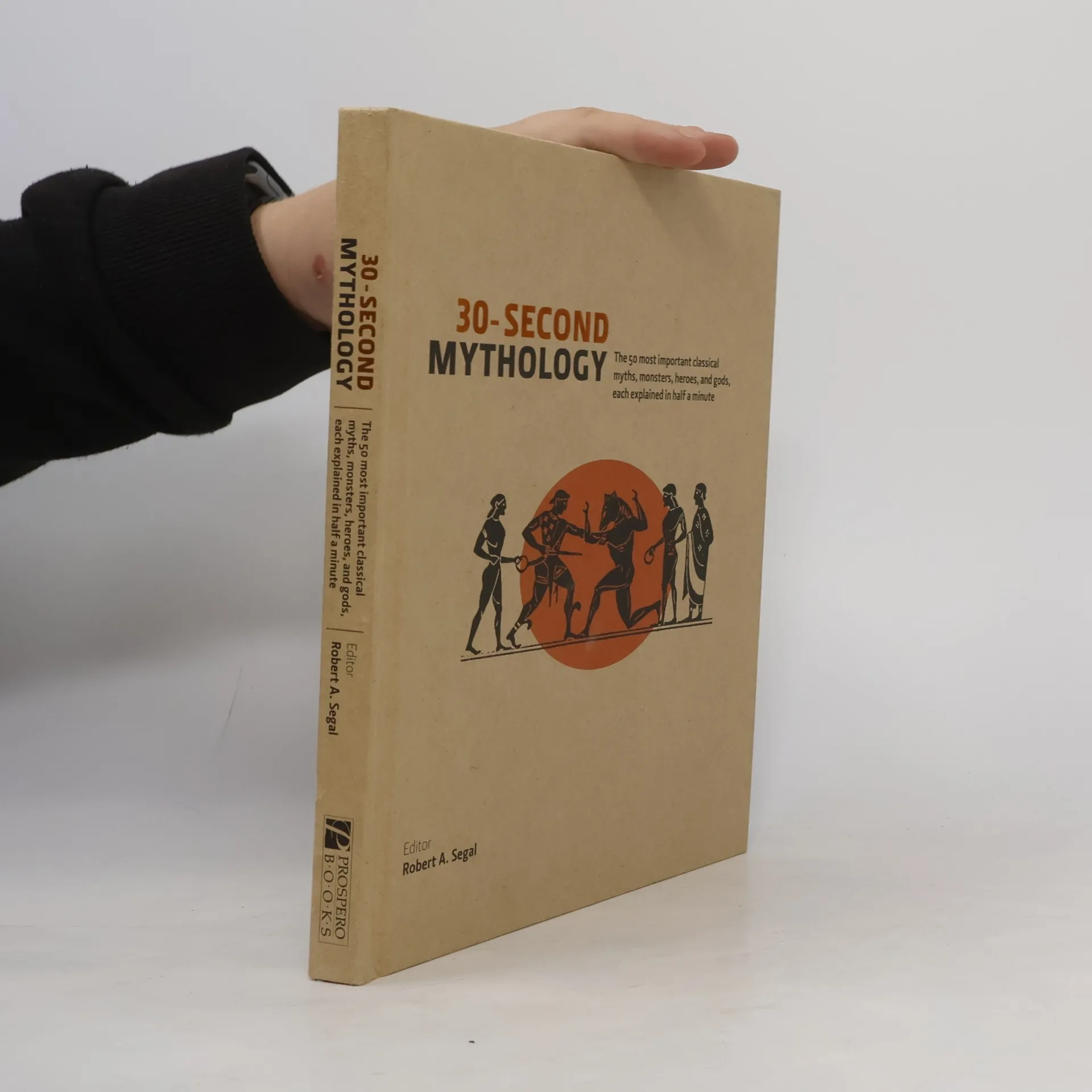
30-Second Mythology
- 151 pages
- 6 hours of reading
What did Hercules do to deserve his twelve labors? How did Narcissus find the love of his life? And why did Odysseus take ten years to travel 500 miles? You might recall such epic events, but do you know them well enough to brighten up dinner party discussions with tales of gods and monsters? 30-Second Mythology sets out the most significant details and unravels the underlying meaning of the greatest classical myths. Revealing the origins of the gods, heroes, and monsters of ancient Greece and Rome, the book outlines the key aspects of their stories for the general reader in half a minute, using nothing more than two pages, 300 words, and one picture. Featuring detailed biographies of the seven greatest poets and playwrights of the ancient world, 30-Second Mythology explains the enduring influence of ancient myth in the blink of a Cyclops' eye.
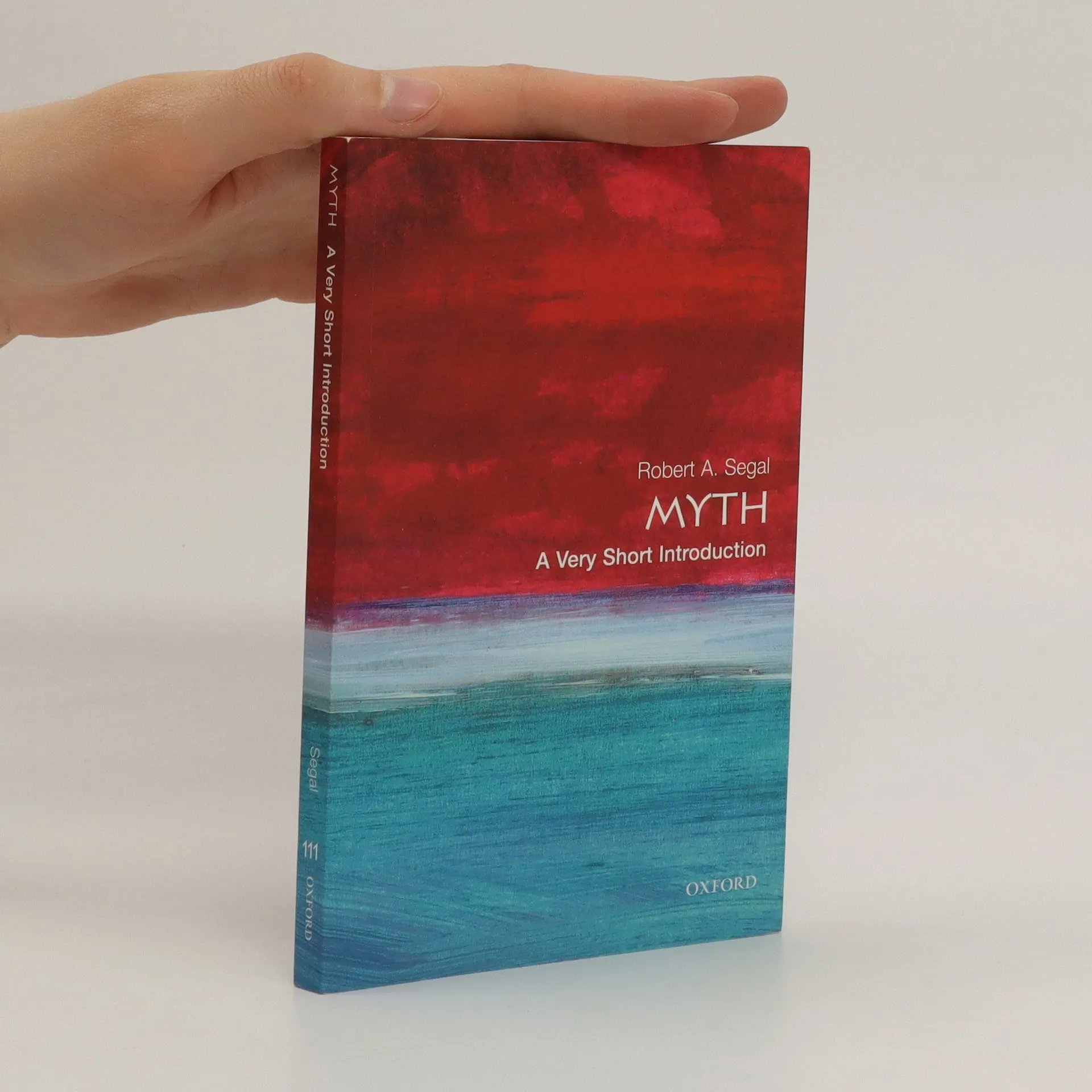
Myth : a very short introduction
- 163 pages
- 6 hours of reading
This book is not about myths, but about approaches to myth, from all of the major disciplines, including science, religion, philosophy, literature, and psychology. The fate of the preternaturally beautiful Adonis is one of the main fables upon which Segal focuses, in an attempt to analyse the various different theories of myth. Where the theory does not work, he substitutes another myth, showing that, for all their claims to all-inclusiveness, certain theories, in fact, only apply to specific kinds of myths. A uniform set of questions is provided, to elucidate both the strengths and the weaknesses of the conjectures. A survey of the past 300 years of theorizing on myth, this book takes into account the work of such prominent thinkers as Albert Camus, Claude Lévi-Strauss, Roland Barthes, C. G. Jung, and Sigmund Freud. Finally, Segal considers the future study of myth, and the possible function of myth in the world as the adult equivalent of play. ABOUT THE SERIES: The Very Short Introductions series from Oxford University Press contains hundreds of titles in almost every subject area. These pocket-sized books are the perfect way to get ahead in a new subject quickly. Our expert authors combine facts, analysis, perspective, new ideas, and enthusiasm to make interesting and challenging topics highly readable.
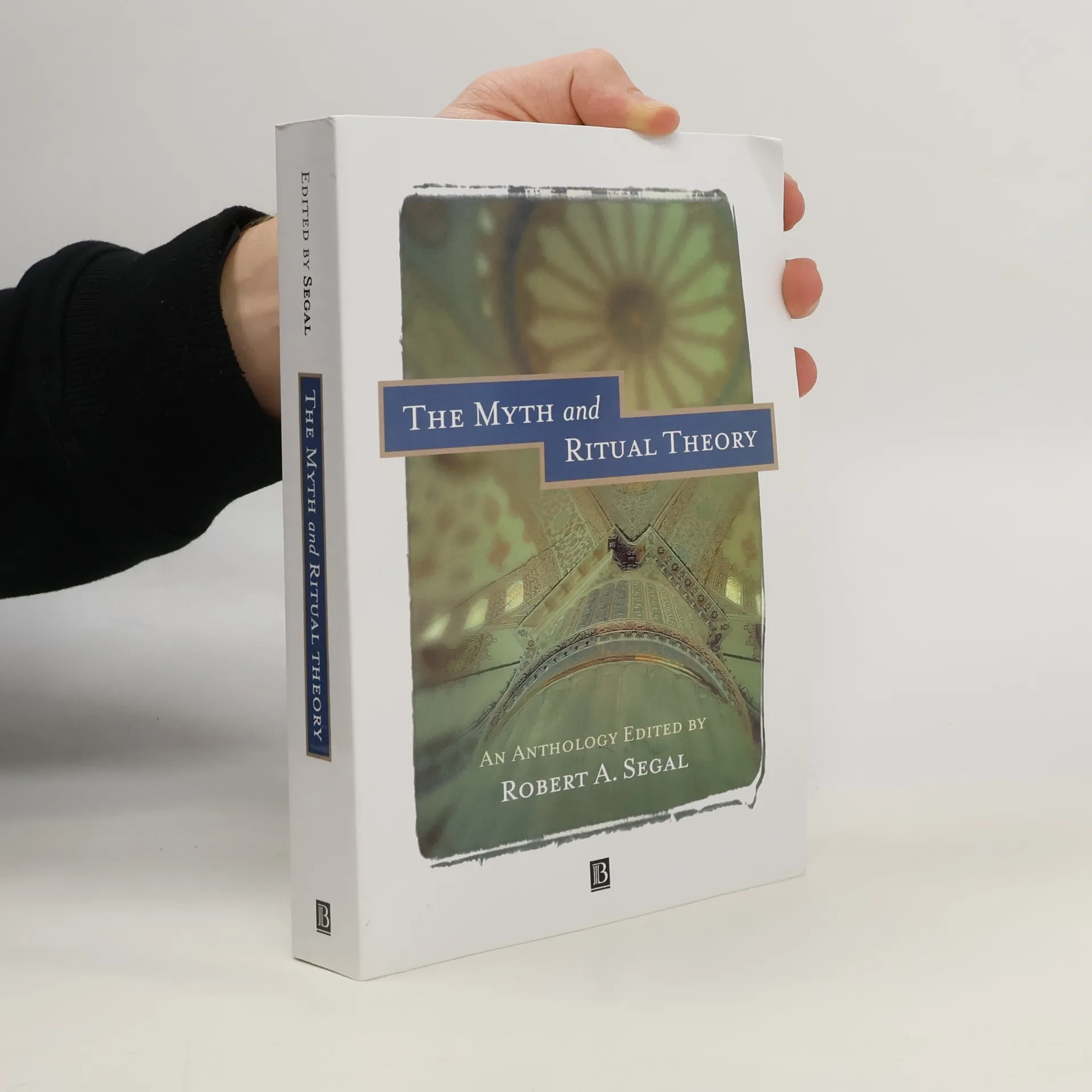
In this collection, Robert Segal, one of the leading interpreters of theories of myth, seeks to provide a comprehensive analysis of the myth and ritual theory.
The Allure of Gnosticism
- 244 pages
- 9 hours of reading
"This book is a concatenation of sparks of religious light.... Gnosticism is to be understood as the ongoing formulation of freshly imagined spirits, a logos of what we can know about those moments when the religious experience itself breaks through the veils of dogma to assert the psychological reality of a living redemptive godhead". -- John Beebe, Editor, Journal of Analytical Psychology