

Originally published to wide acclaim, this lively, illustrated essay on the use and abuse of maps teaches critical evaluation and promotes skepticism about these manipulable models of reality. The author demonstrates that, despite their immense value, maps inherently lie. The updated second edition includes two new chapters, ten color plates, and a new foreword by renowned geographer H. J. de Blij. One chapter examines the influence of national interest and cultural values on mapping organizations, while the other explores multimedia, computer-based maps. To illustrate how maps distort, the author introduces basic principles of mapmaking and entertaining examples of misuse in various contexts, covering distortions from oversimplifications to misleading color usage. The book is described as an artful and humorous work, encouraging readers to appreciate the approximate and incomplete truths in maps. It serves as a useful guide for those who may take maps for granted, combating cartographic illiteracy and even helping readers find their way. The witty examination of how and why maps lie conveys important insights about the manipulation of statistics while highlighting the aesthetic appeal and enjoyment of maps. Readers will emerge better equipped to navigate the pitfalls of deceptive atlases, shoddy journalism, and unscrupulous advertisers, making this book a must-read for anyone who uses maps.
Mark Monmonier Books
Mark Monmonier crafts compelling narratives that delve into the complexities of geography and information systems, infused with both rigorous scholarship and a delightful sense of humor. His writings challenge conventional wisdom, encouraging readers to critically examine how information is presented and interpreted. Monmonier's unique approach illuminates the intricate nature of toponymy and geographic data, revealing the layers of meaning and potential bias within seemingly objective representations. He invites readers on a journey of intellectual discovery, where the familiar landscape of maps and place names becomes a source of profound insight.
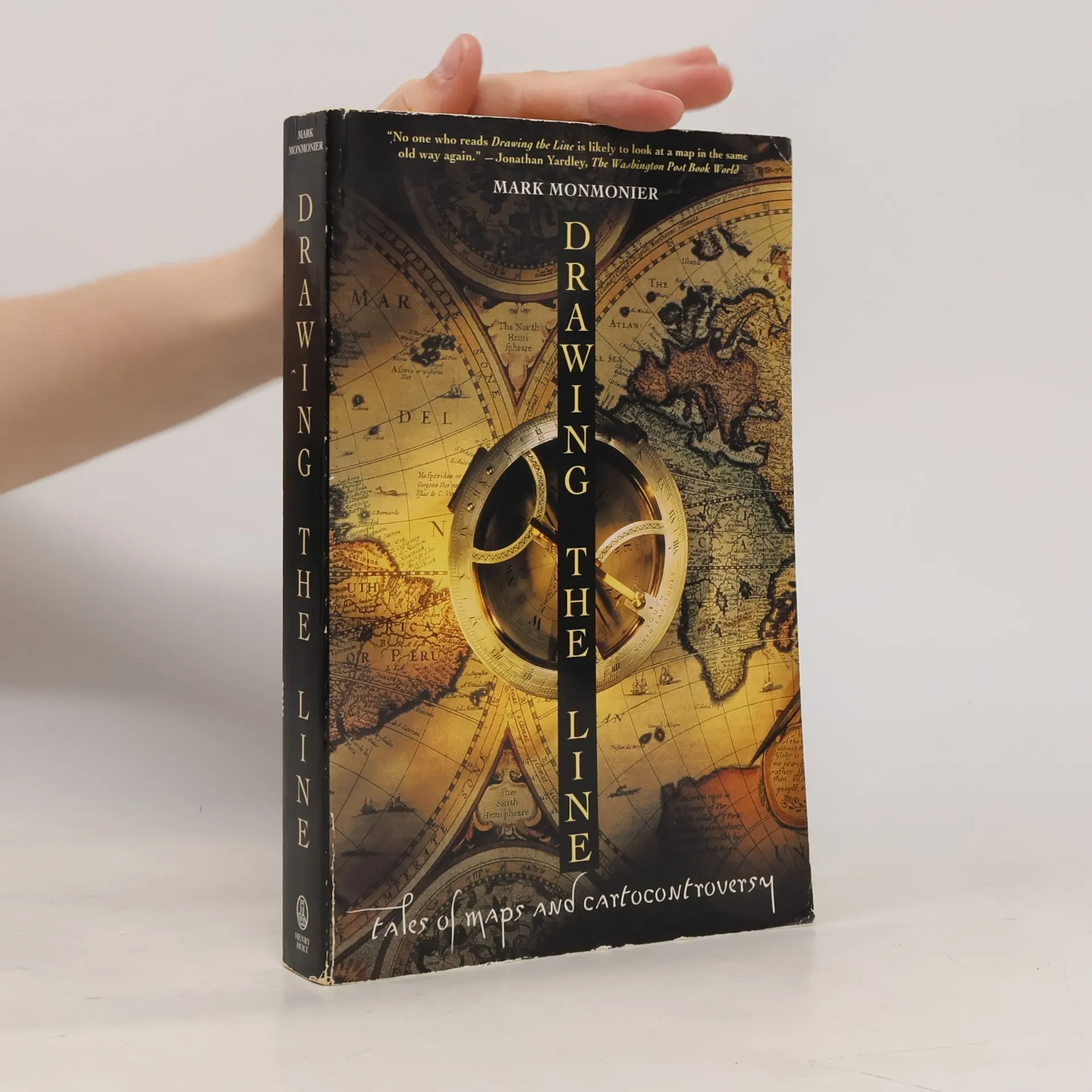
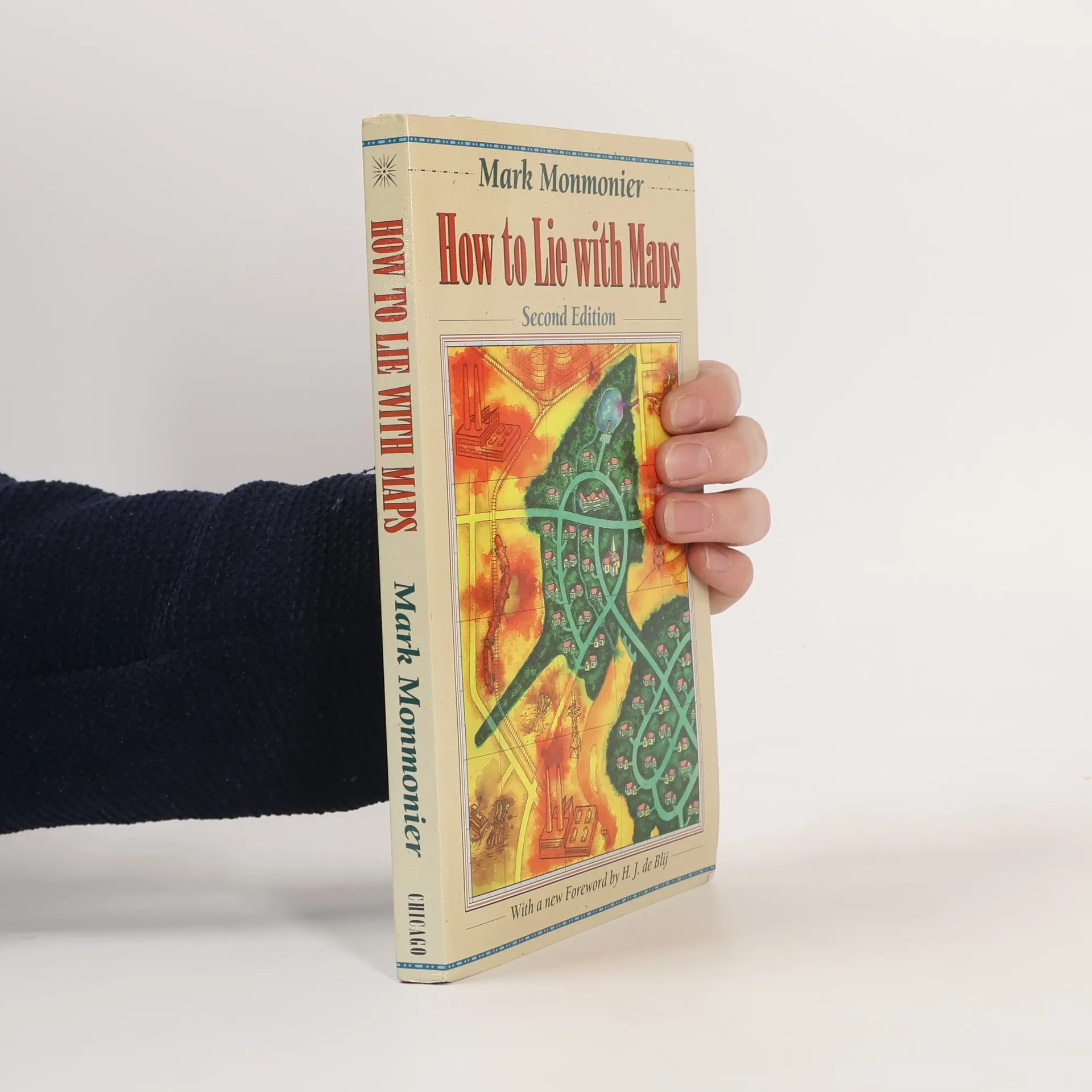
Argues that maps can be manipulated to distort the truth, and shows how they have been used for propaganda in international affairs, political districting, and finding toxic dump sites