Penguin presents the companion book to the "Masterpiece Theatre" miniseries starring Gillian Anderson (T"he House of Mirth, The X-Files"). This stunning production features a screenplay written by Andrew Davies ("Bridget Jones's Diary"). Part romance, part melodrama, part detective story, the novel spreads out among a web of relationships in every level of society.
Margaret Tarner Books


After honeymooning in Italy Max de Winter returns with his young bride to Manderley, the family estate in Cornwall. Yet the former mistress's presence lingers throughout the house. The shy heroine is torured by constant comparisons to the glittering socialite who was her predecessor and is heading for tragedy and despair when Rebecca herself appears...
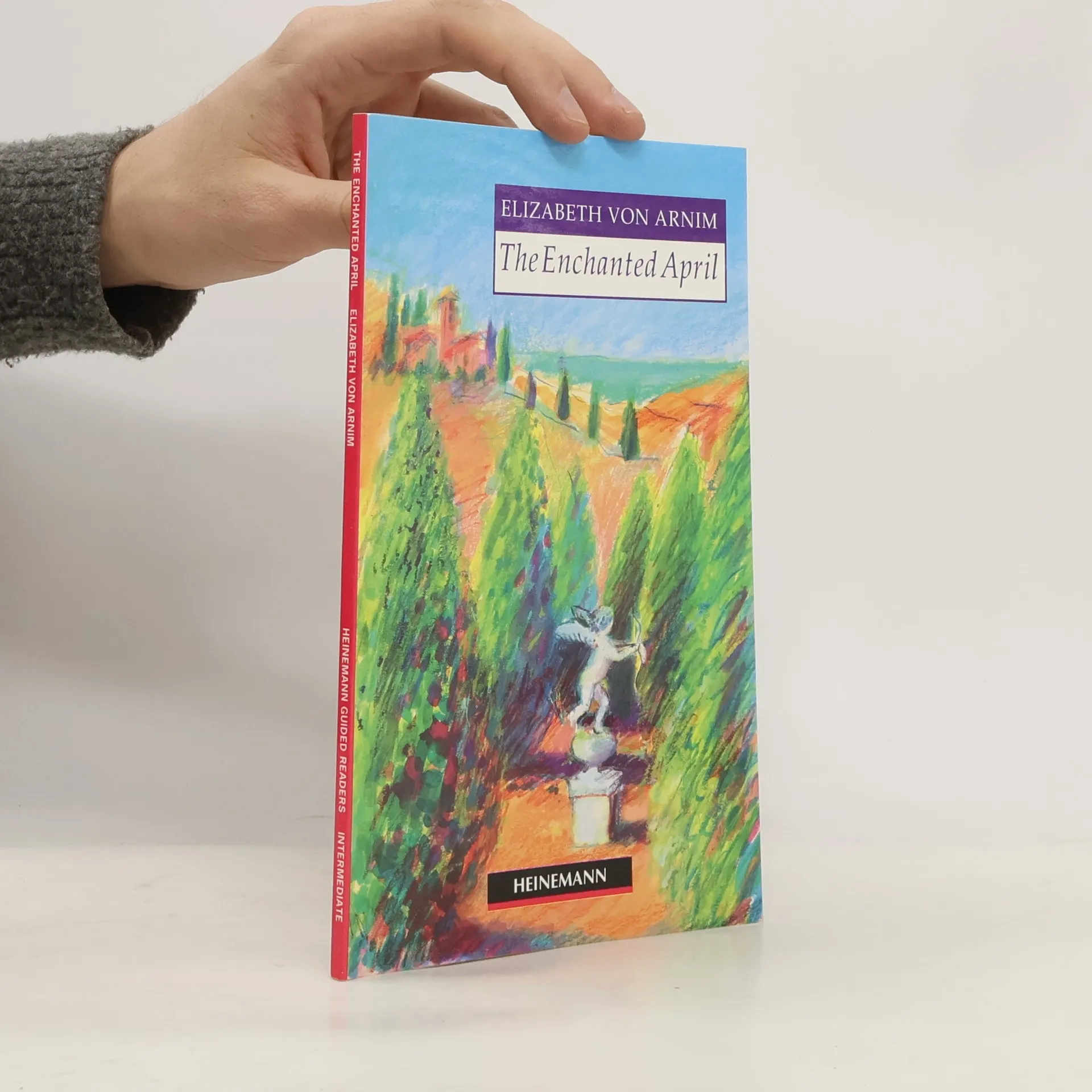
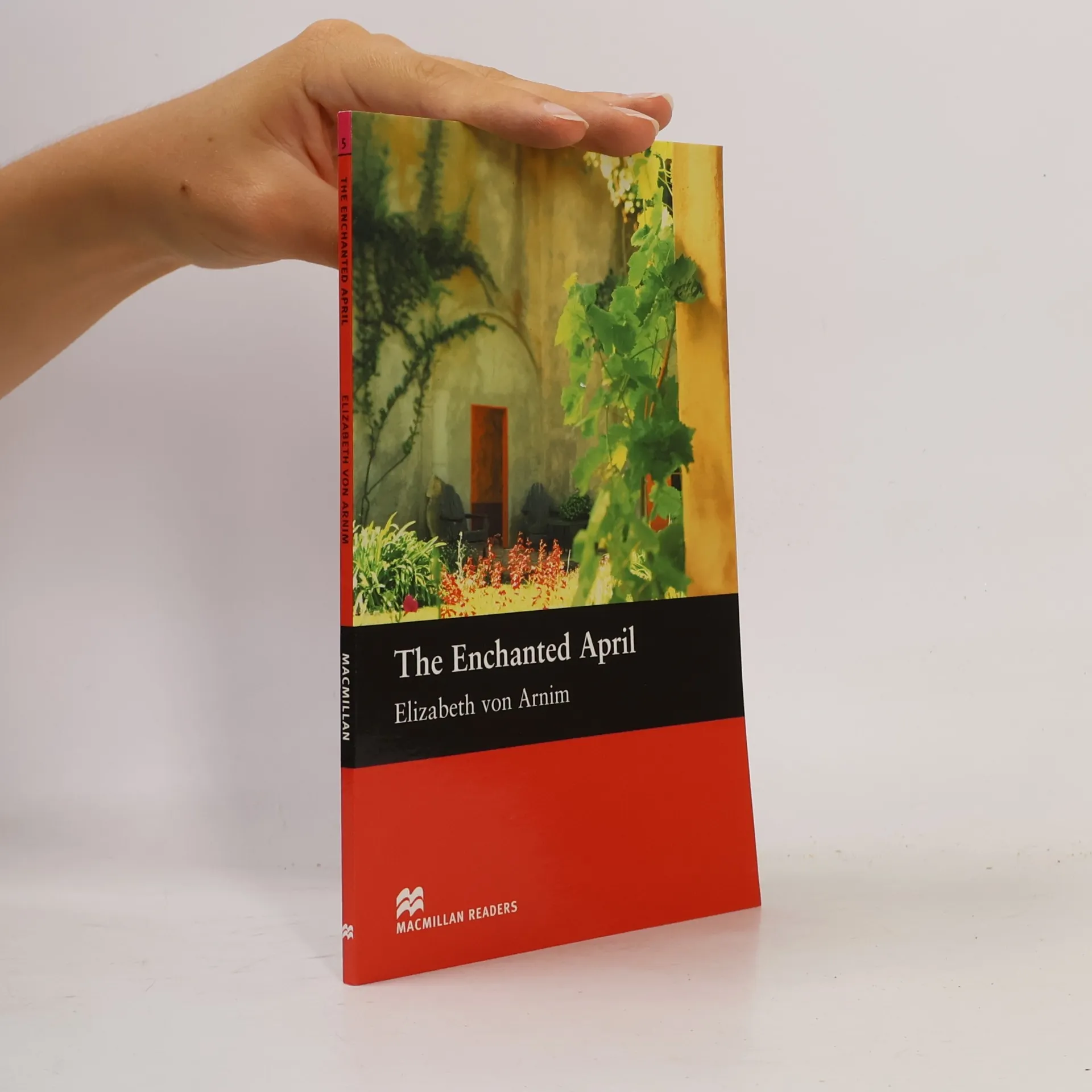
The enchanted April - B1/B2
- 80 pages
- 3 hours of reading
Four women answer and advertisement. They leave London and go on holiday to San Salavatore - an Italian castle by the sea. They find enchantment, happiness and love.
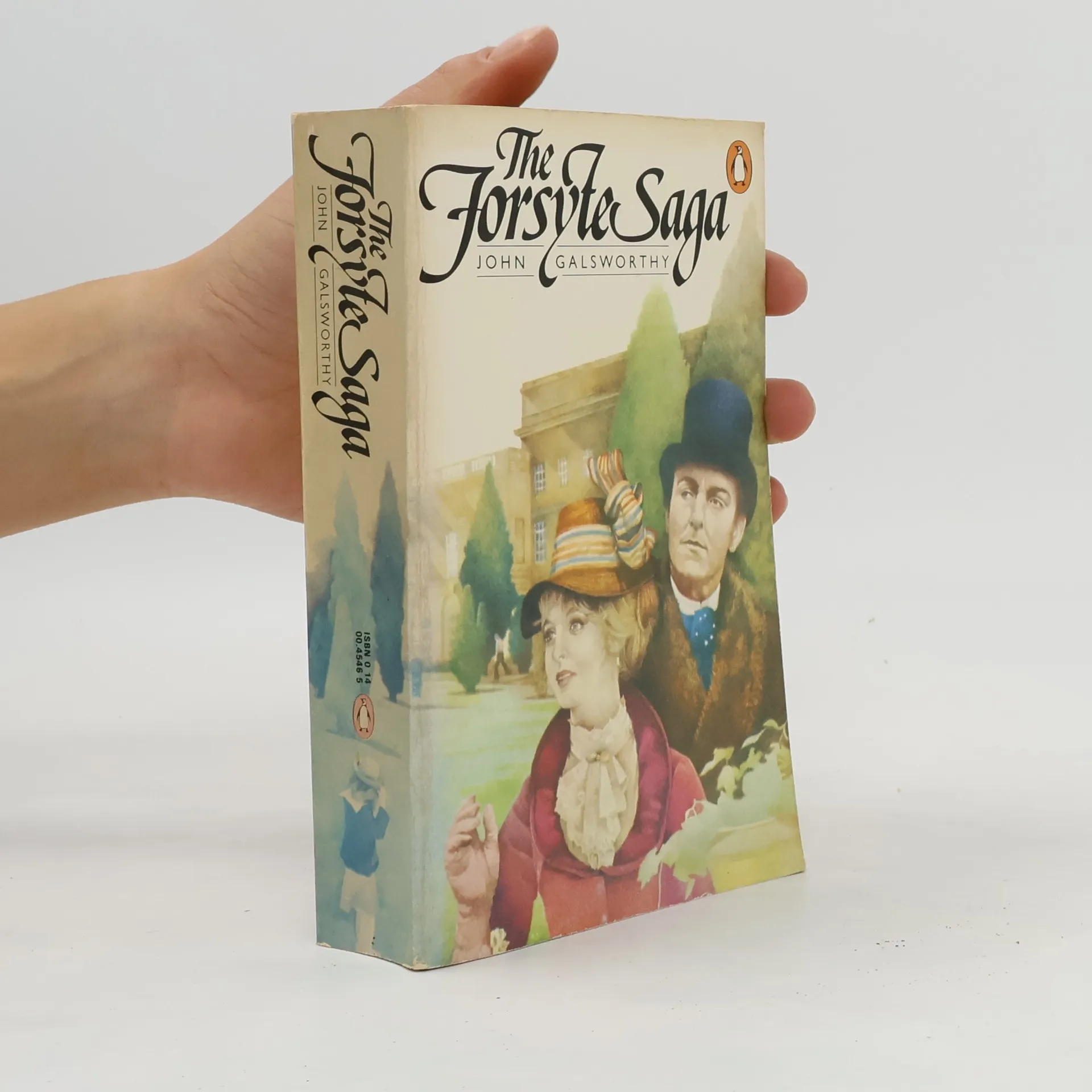
The Forsyte Saga
- 906 pages
- 32 hours of reading
The three novels which make up The Forsyte Saga chronicle the ebbing social power of the commercial upper-middle class Forsyte family between 1886 and 1920. Galsworthy's masterly narrative examines not only their fortunes but also the wider developments within society, particularly the changing position of women. This is the only critical edition of the work available, with Notes that explain contemporary artistic and literary allusions and define the slang of the time.
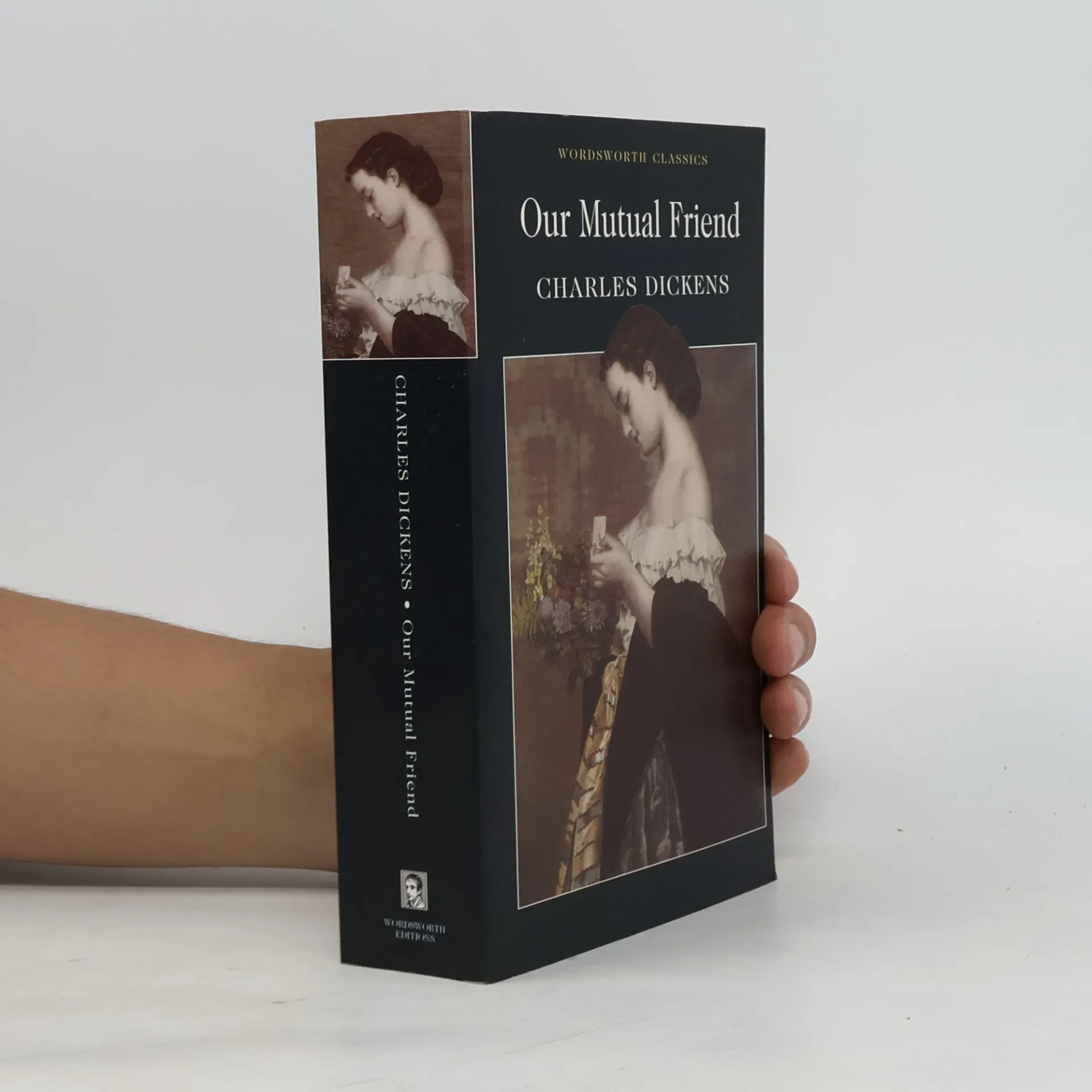
Our Mutual Friend
- 832 pages
- 30 hours of reading
John Harmon returns to England as his father's heir. He is believed drowned under suspicious circumstances - a situation convenient to his wish for anonymity until he can evaluate Bella Wilfer whom he must marry to secure his inheritance.
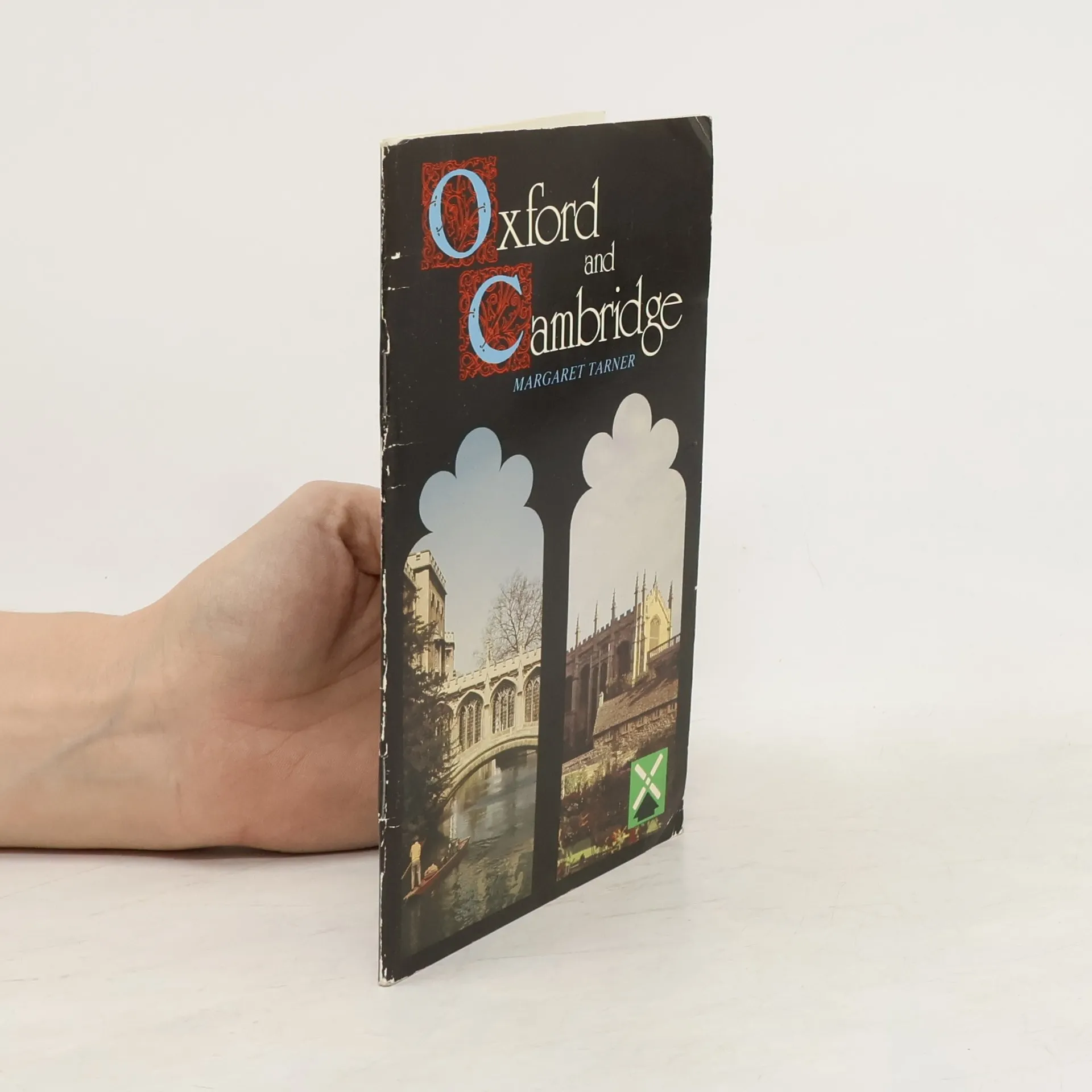
Oxford and Cambridge
- 58 pages
- 3 hours of reading
First pub. in 1951. A tale of jealousy and suspicion set in Cornwell and France.
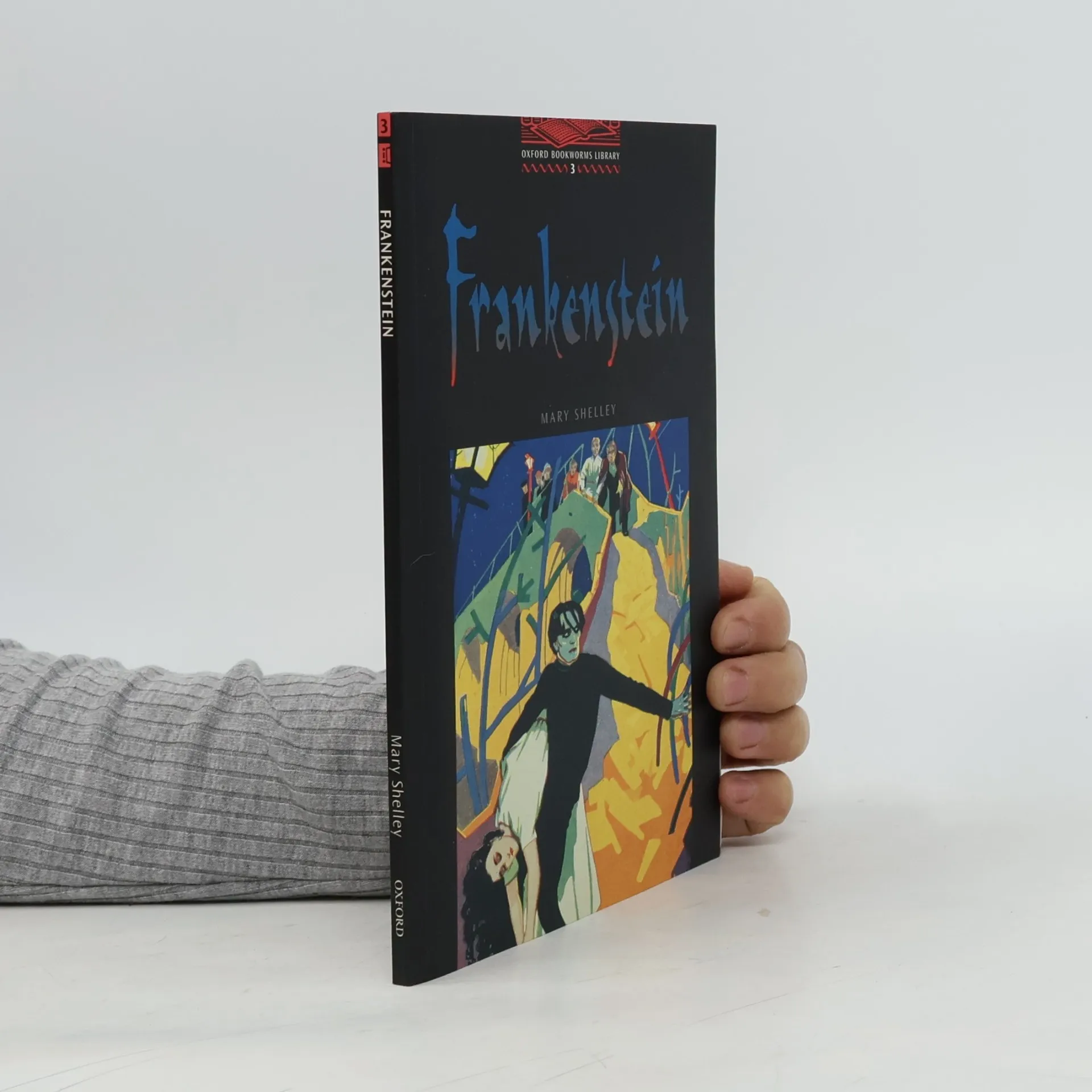
Frankenstein
- 80 pages
- 3 hours of reading
Victor Frankenstein thinks he has found the secret of lite. He takes parts from dead people and builds a new "man". But this monster is so big and frightening that everyone runs away from him - even Frankenstein himself ! The monster is like an enormous baby who needs love. But nobody gives him love, and soon he learns to hate. And, because he is so strong, the next thing he learns is how to kill...
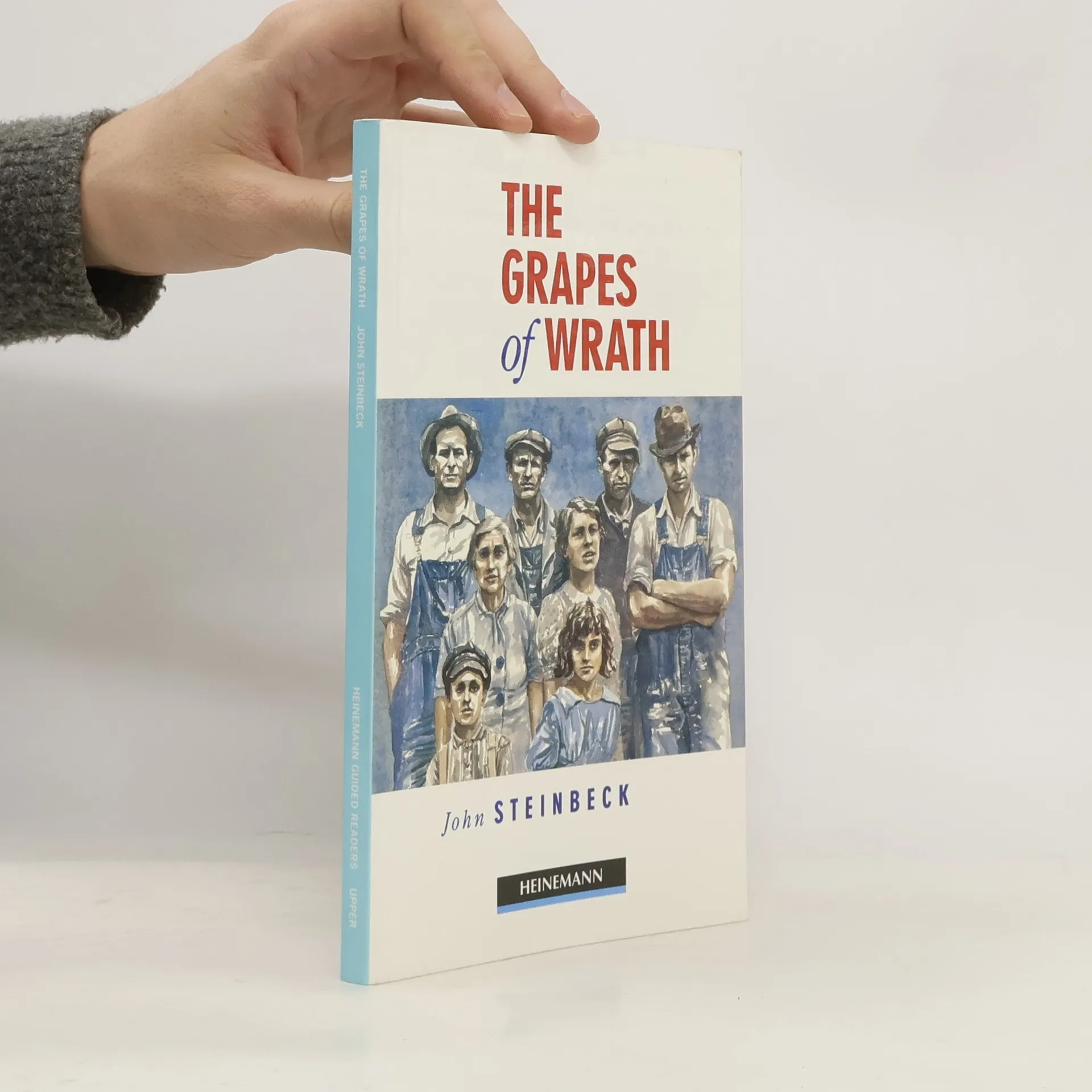
The Grapes of Wrath - Upper Level
- 143 pages
- 6 hours of reading
Reading Level: Upper IntermediateSteinbecks most powerful novel describes the lives of a homeless farming family as they travel across America in the Great Depression of the 1930s. When the Joad family loses its farm in Oklahoma, they join thousands of other families on the journey to a new life in California where they have heard there is work picking fruit. Every step of the way, the family face hardship and hostility as they struggle to survive in a country where kindness no longer exists.
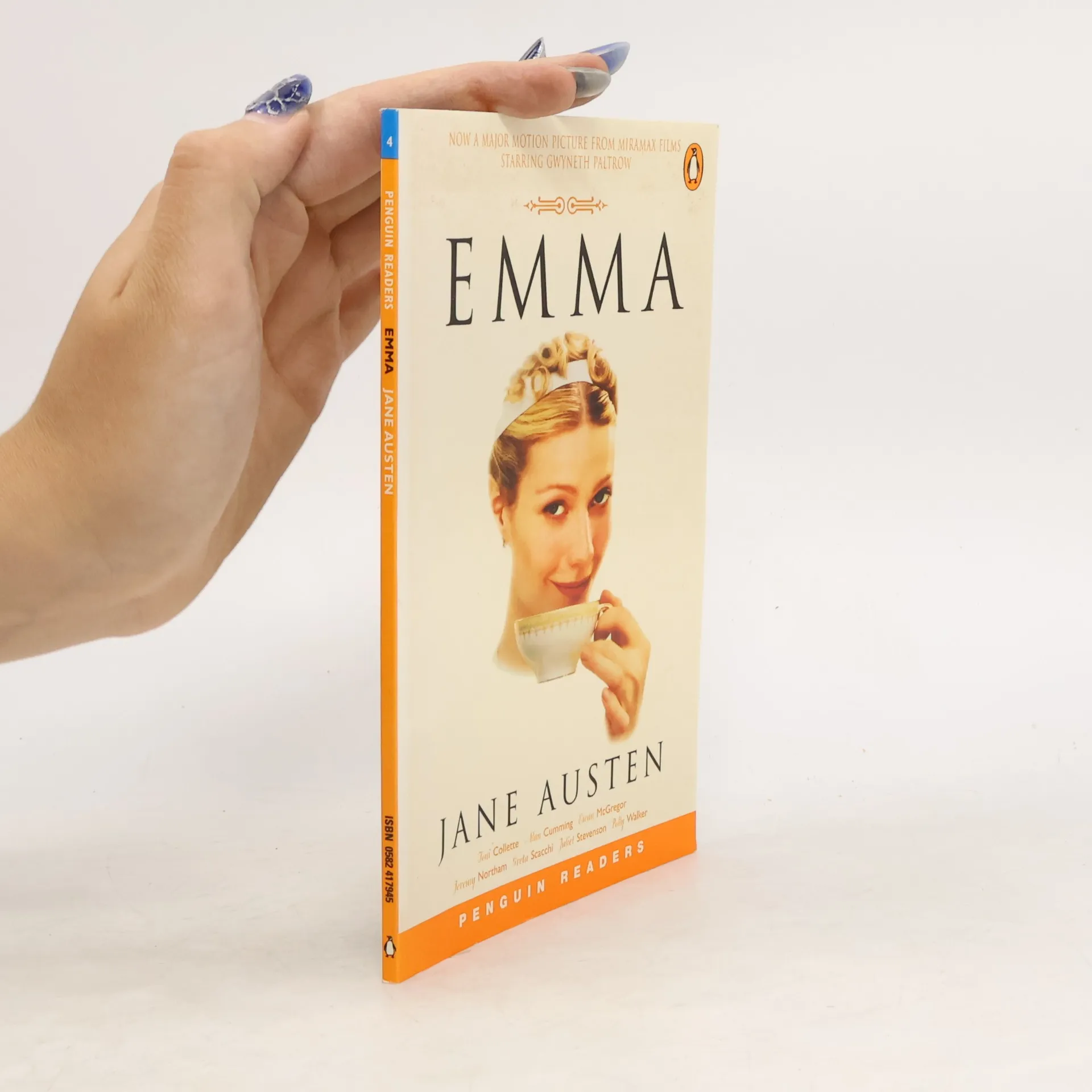
Emma
- 59 pages
- 3 hours of reading
Follows the adventures of the self-assured and accomplished Emma, a twenty-one-year-old girl of privilege who believes she is immune to romance and has several chaotic and often humorous experiences
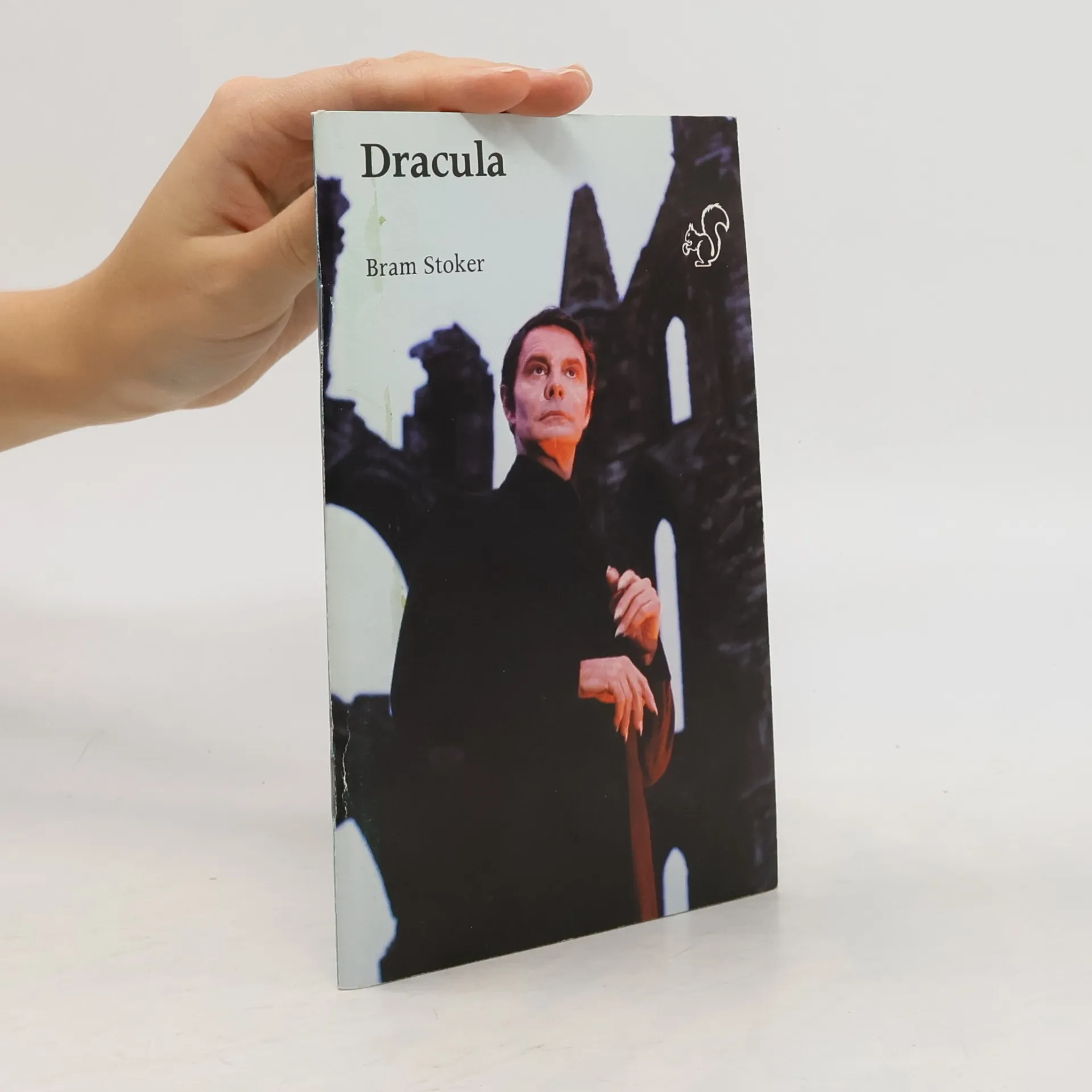
Dracula
- 96 pages
- 4 hours of reading
Count Dracula has inspired countless movies, books, and plays. But few, if any, have been fully faithful to Bram Stoker's original, best-selling novel of mystery and horror, love and death, sin and redemption. Dracula chronicles the vampire's journey from Transylvania to the nighttime streets of London. There, he searches for the blood of strong men and beautiful women while his enemies plot to rid the world of his frightful power.Today's critics see Dracula as a virtual textbook on Victorian repression of the erotic and fear of female sexuality. In it, Stoker created a new word for terror, a new myth to feed our nightmares, and a character who will outlive us all.
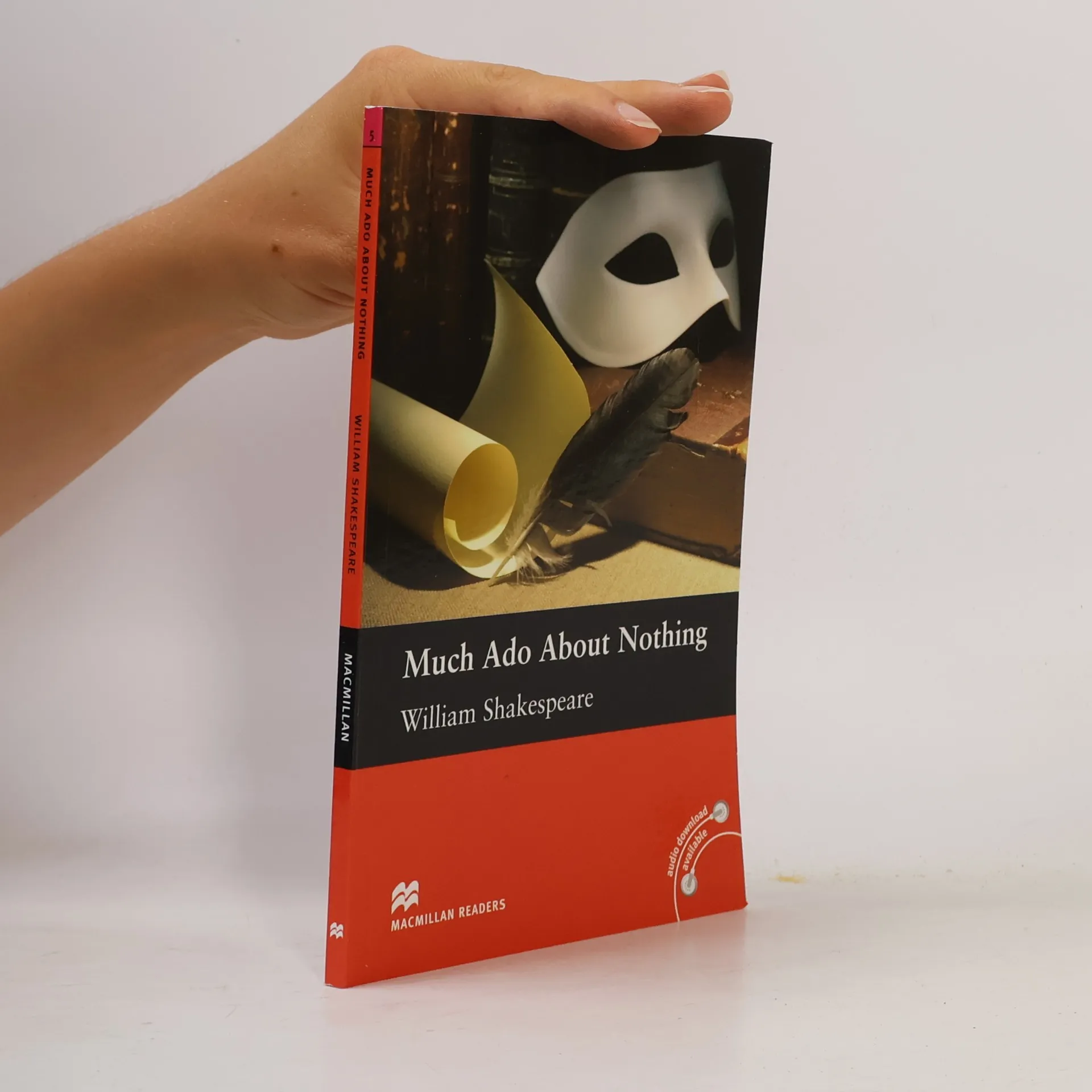
One of Macmillan's series of graded readers Much Ado About Nothing is Shakespeare's famous comedy/drama about the war of power and understanding between men and women and the disguises they wear in their romantic relationships.
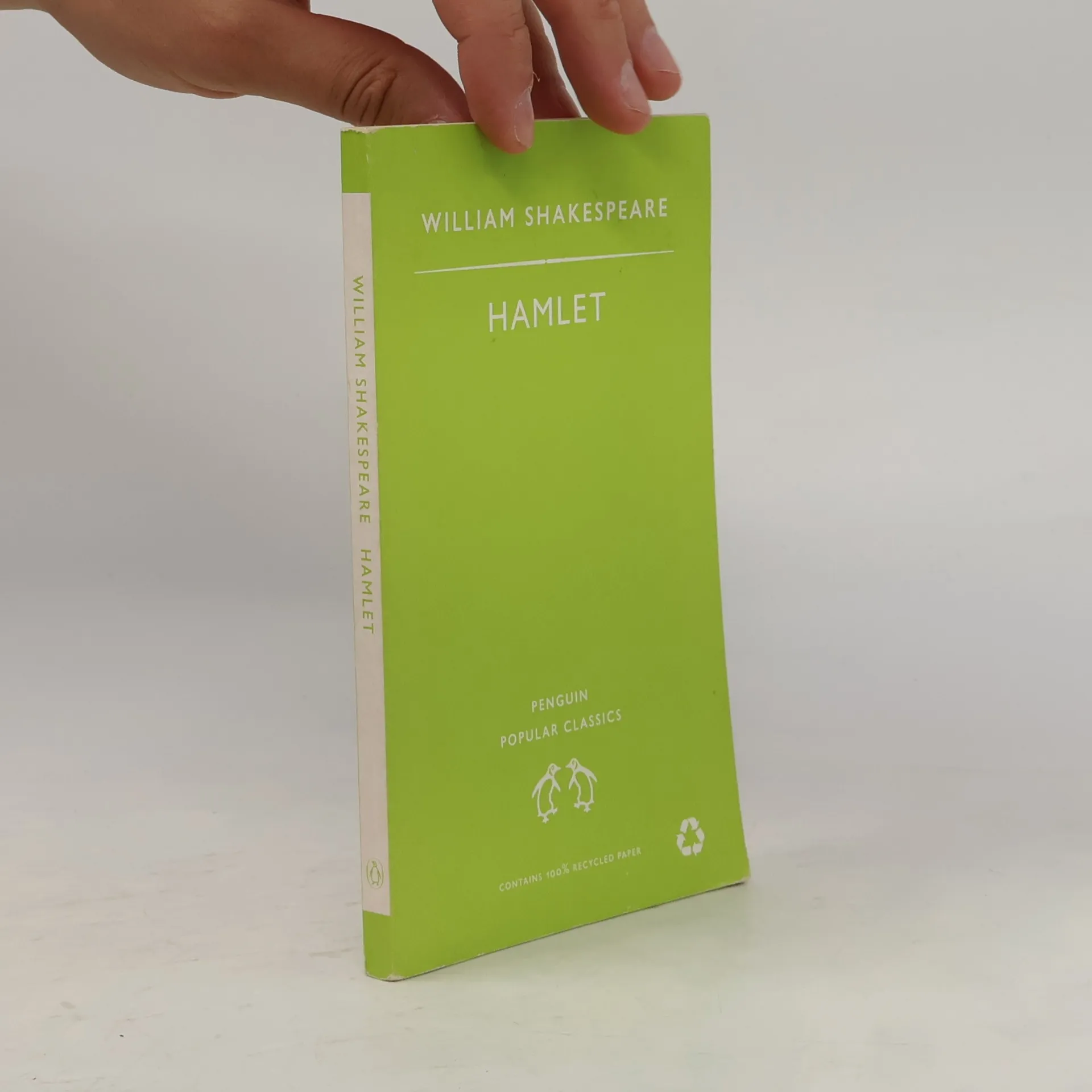
Hamlet
- 192 pages
- 7 hours of reading
Perhaps the most influential work of English drama, this timeless tragedy explores conflicted loyalties, madness, betrayal, and revenge. In this Penguin Shakespeare edition, edited by T.J.B. Spencer and introduced by Alan Sinfield, the story unfolds in Denmark, where young prince Hamlet encounters his father's ghost. He learns that his uncle, King Claudius, murdered his father and is tasked with avenging his death. As Hamlet grapples with his conscience, he pretends to be mad while devising a brutal plan for revenge, which alienates his mother, Queen Gertrude, and his lover, Ophelia. However, his feigned insanity brings him dangerously close to real madness, causing chaos for both the guilty and innocent. The edition includes a general introduction to Shakespeare's life and Elizabethan theatre, a specific introduction to the play, a chronology, reading suggestions, an essay by Paul Prescott on performance options, and a commentary. William Shakespeare, born in Stratford-upon-Avon in 1564, wrote approximately 38 plays and 154 sonnets, many of which are considered exceptional works of drama and poetry. If you enjoyed this tragedy, you might also like Shakespeare's Macbeth, available in Penguin Shakespeare.
"Anna Karenina" is perhaps the greatest novel of all time. It tells the story of Anna, married to the dull, cold Karenin in 19th century St. Petersburg, Russia. She falls in love with a handsome young soldier, Vronsky. At first Anna is happy, but the story ends in despair, and death. -- from p. 4 of cover.
Weep Not, Child
- 160 pages
- 6 hours of reading
This is a simple and powerful tale of the effects of the Mau Mau war on individuals and families in Kenya. Two brothers must decide where their loyalties lie; Njoroge, the dreamer and accomplished student, finds it hard to give up schooling and is drawn relentlessly into turmoil. Good and evil are portrayed somewhat more starkly than in Ngugi's later works.
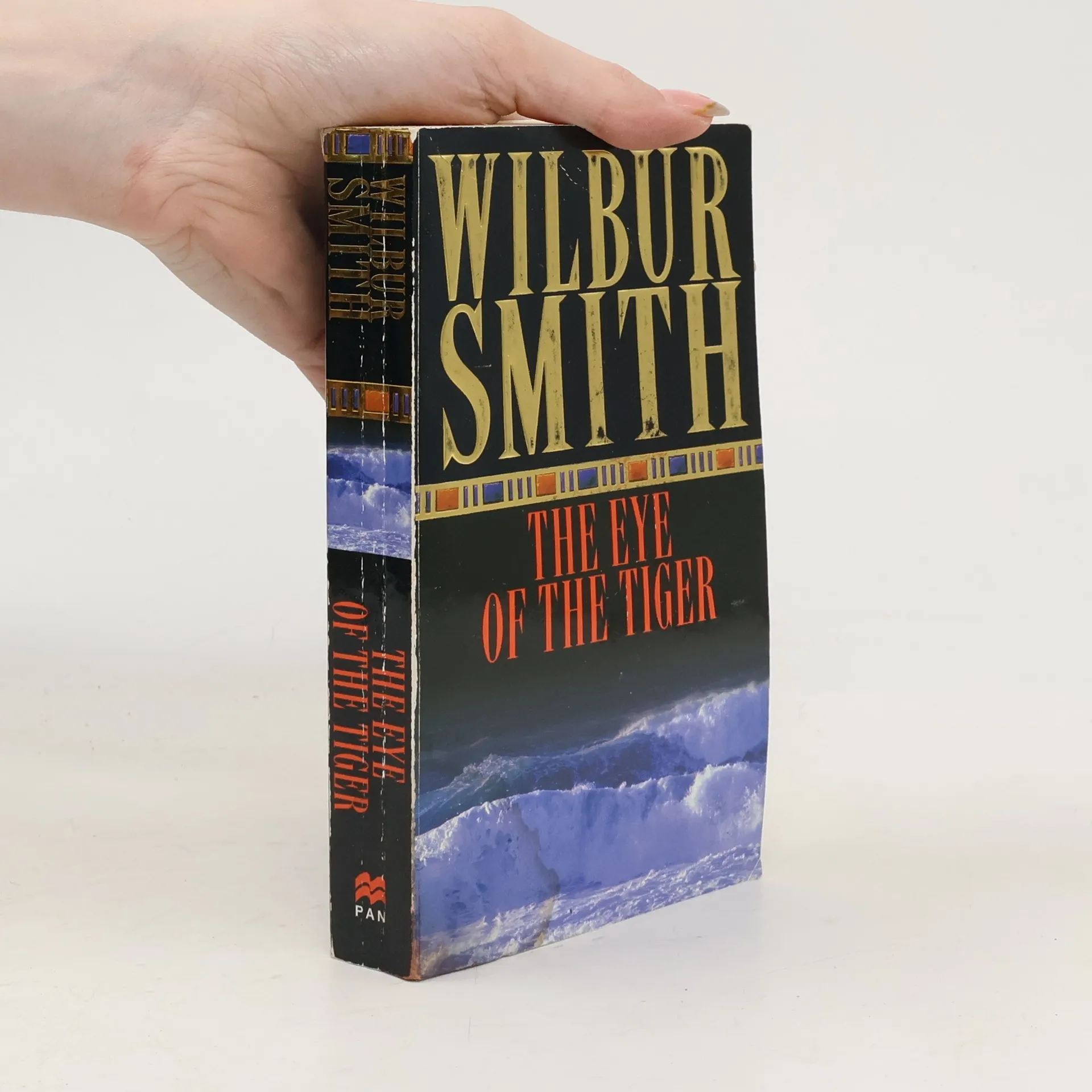
The Eye of the Tiger
- 336 pages
- 12 hours of reading
Set amid the exotic world of deep-sea diving in the tropics, The Eye of the Tiger is a tale of adventure and romance told with rare humour and excitement. `I was looking down, watching the shark come. It seemed to swell up in size as it rushed towards me. Every detail was burned into my mind in those frantic seconds. I saw the hog`s snout with the two slotted nostrils, the golden eyes with the black pupils like arrowheads, the broad blue back from which stood the tall executioner`s blade of the dorsal fin.` Harry Fletcher, a man with a chequered past, has reformed and is making an honest living as a charter skipper fishing for big game in the seductive waters of the Indian Ocean. Suddenly men from the world of violence Harry has put behind him overturn his good intentions, involving him in a hectic race to recover a fabulous treasure from an ancient wreck.
The Great Gatsby
- 222 pages
- 8 hours of reading
Tells the tragic love story of Gatsby and Daisy Buchanan.
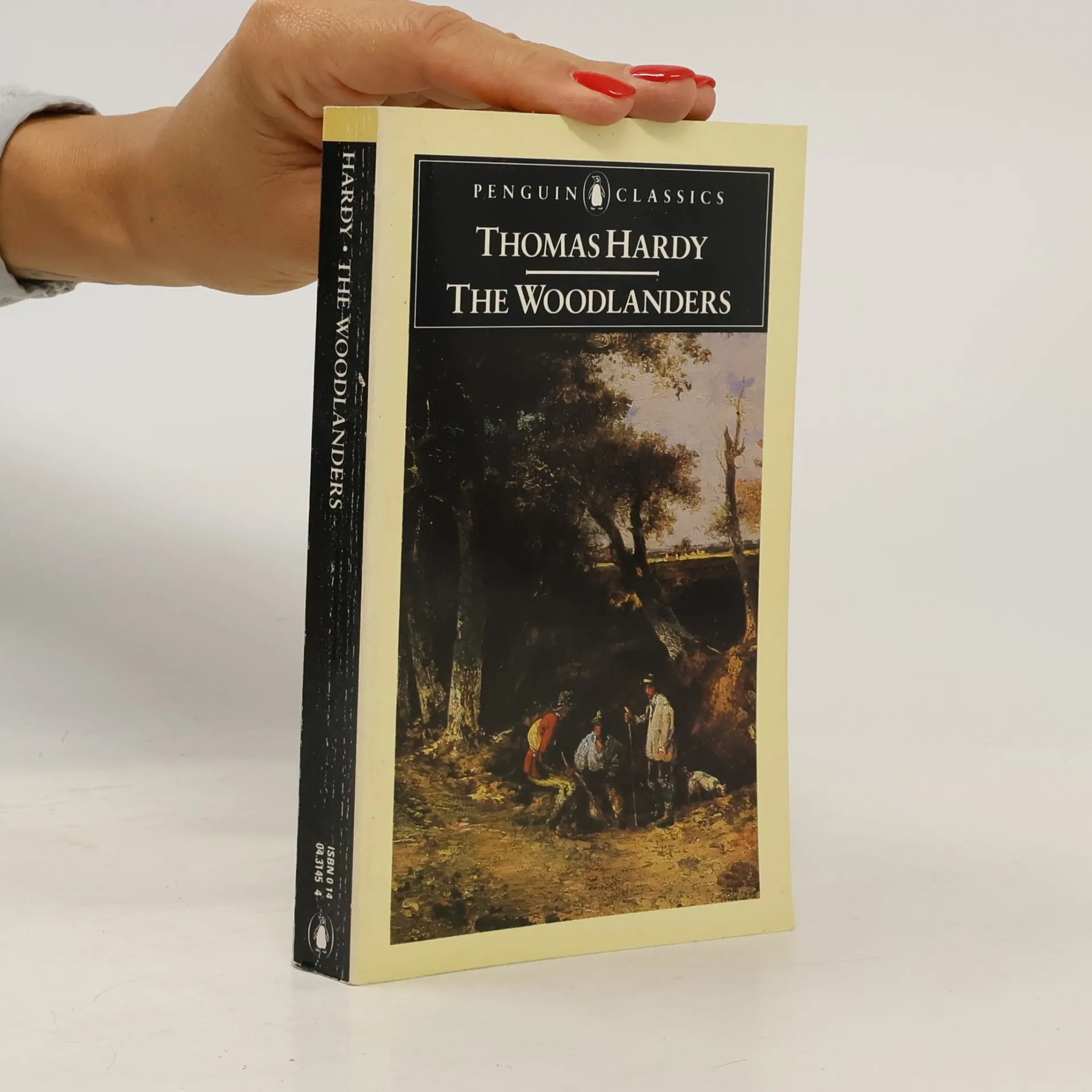
English Library: The Woodlanders
- 464 pages
- 17 hours of reading
In this classically simple tale of the disastrous impact of outside life on a secluded community in Dorset, now in a new edition, Hardy narrates the rivalry for the hand of Grace Melbury between a simple and loyal woodlander and an exotic and sophisticated outsider. Betrayal, adultery, disillusion, and moral compromise are all worked out in a setting evoked as both beautiful and treacherous. The Woodlanders, with its thematic portrayal of the role of social class, gender, and evolutionary survival, as well as its insights into the capacities and limitations of language, exhibits Hardy's acute awareness of his era's most troubling dilemmas.
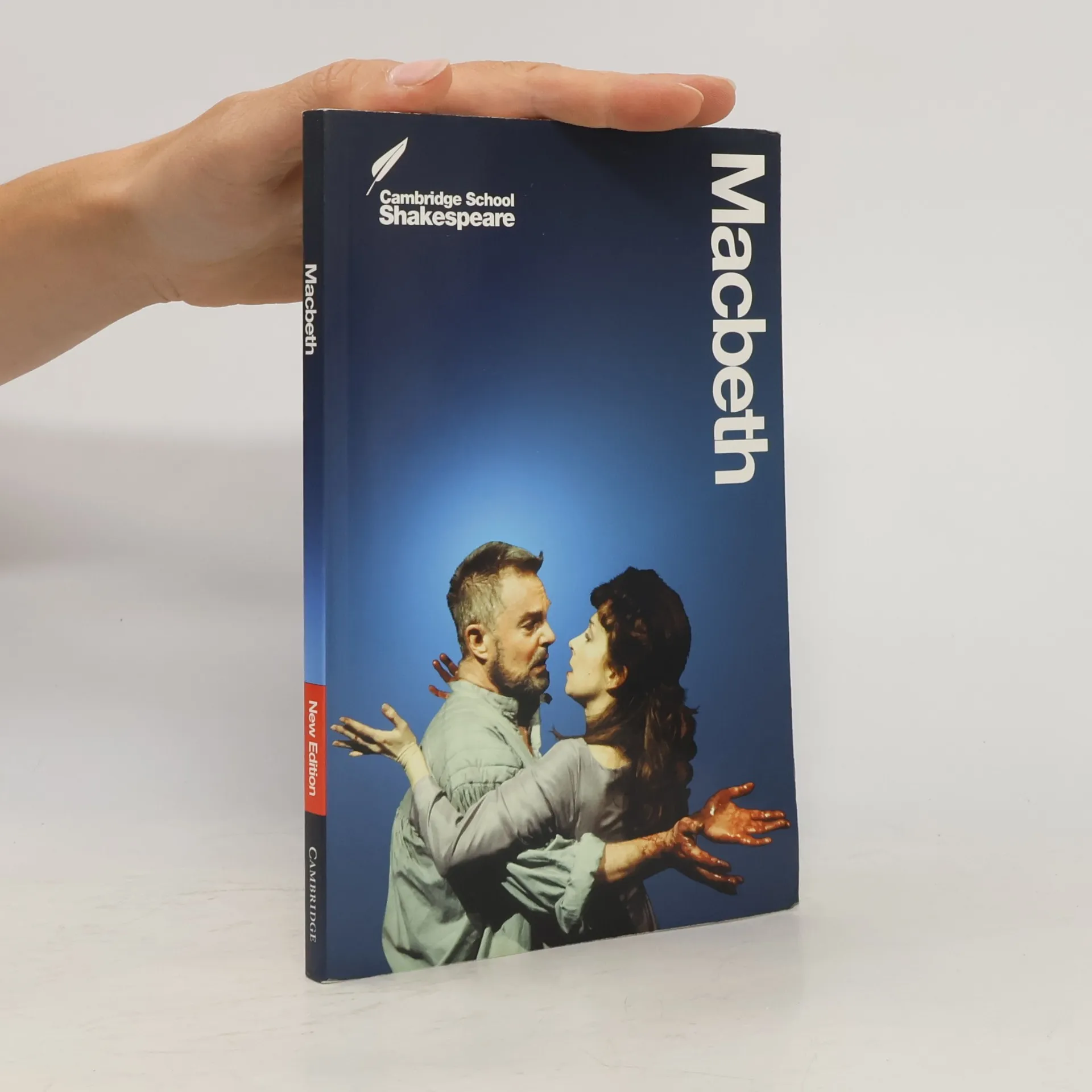
Macbeth
- 192 pages
- 7 hours of reading
Encompasses witchcraft, bloody murder, and ghostly apparitions. This work tells the tragedy of a good, brave and honourable man turned into the personification of evil by the workings of unreasonable ambition.
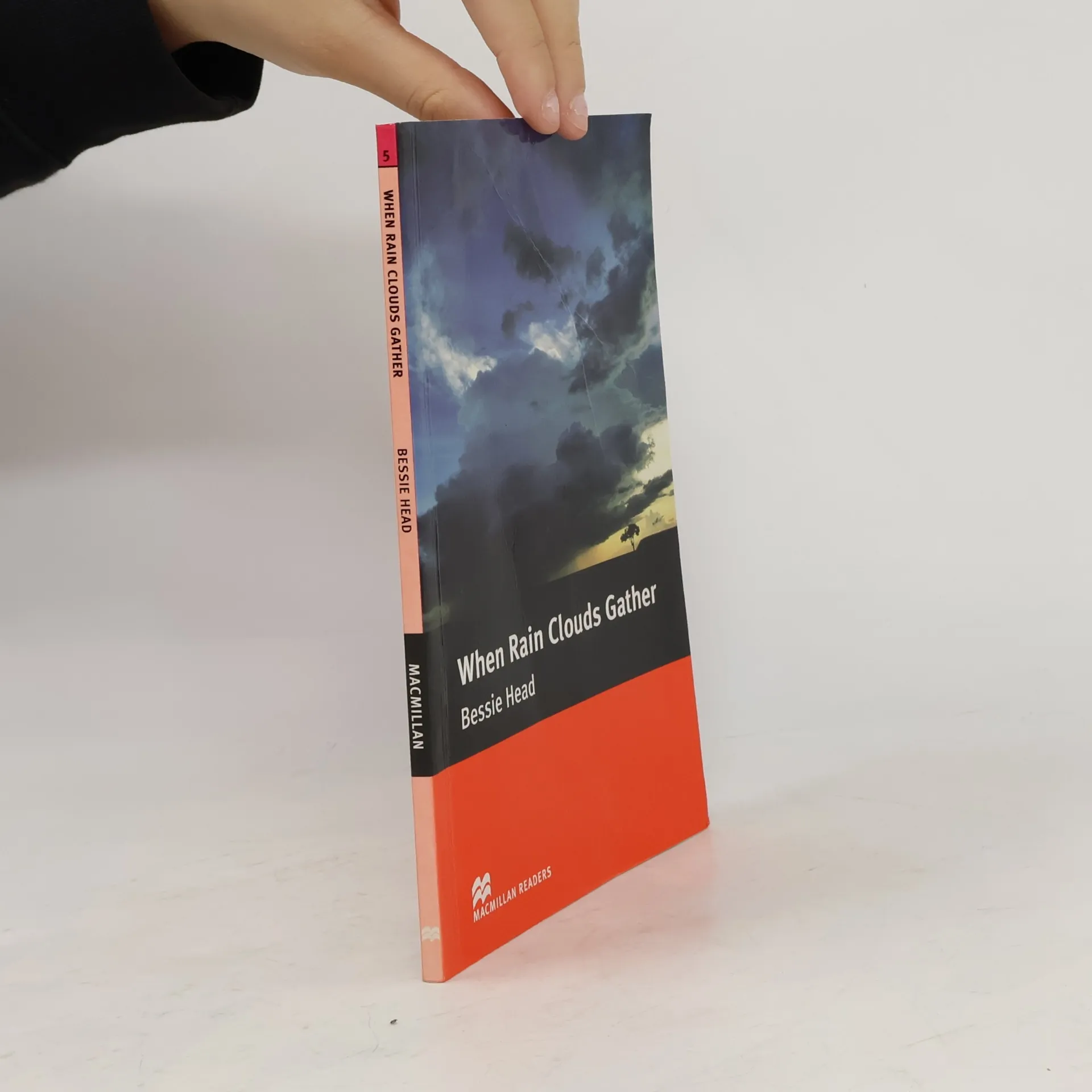
When rain clouds gather
- 80 pages
- 3 hours of reading
Macmillan Readers are a range of contemporary and classic titles specially retold for learners of English. Levels are carefully graded from Starter to Upper Intermediate to help students choose the right material for their abilty.
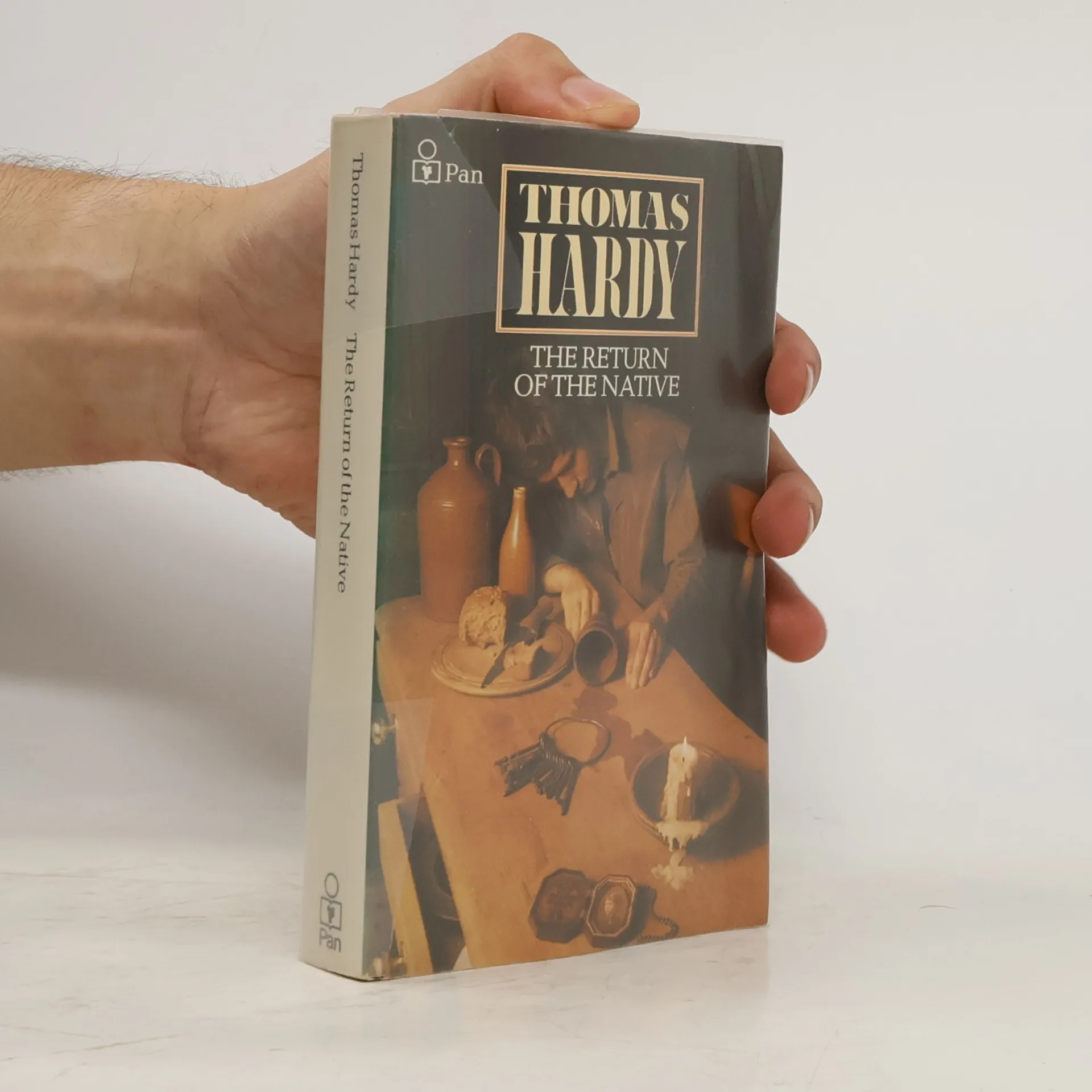
Return of the Native
- 400 pages
- 14 hours of reading
Tempestuous Eustacia Vye passes her days dreaming of passionate love and the escape it may bring from the small community of Egdon Heath. Hearing that Clym Yeobright is to return from Paris, she sets her heart on marrying him, believing that through him she can leave rural life and find fulfilment elsewhere. But she is to be disappointed, for Clym has dreams of his own, and they have little in common with Eustacia’s. Their unhappy marriage causes havoc in the lives of those close to them, in particular Damon Wildeve, Eustacia’s former lover, Clym’s mother and his cousin Thomasin. The Return of the Native illustrates the tragic potential of romantic illusion and how its protagonists fail to recognize their opportunities to control their own destinies.
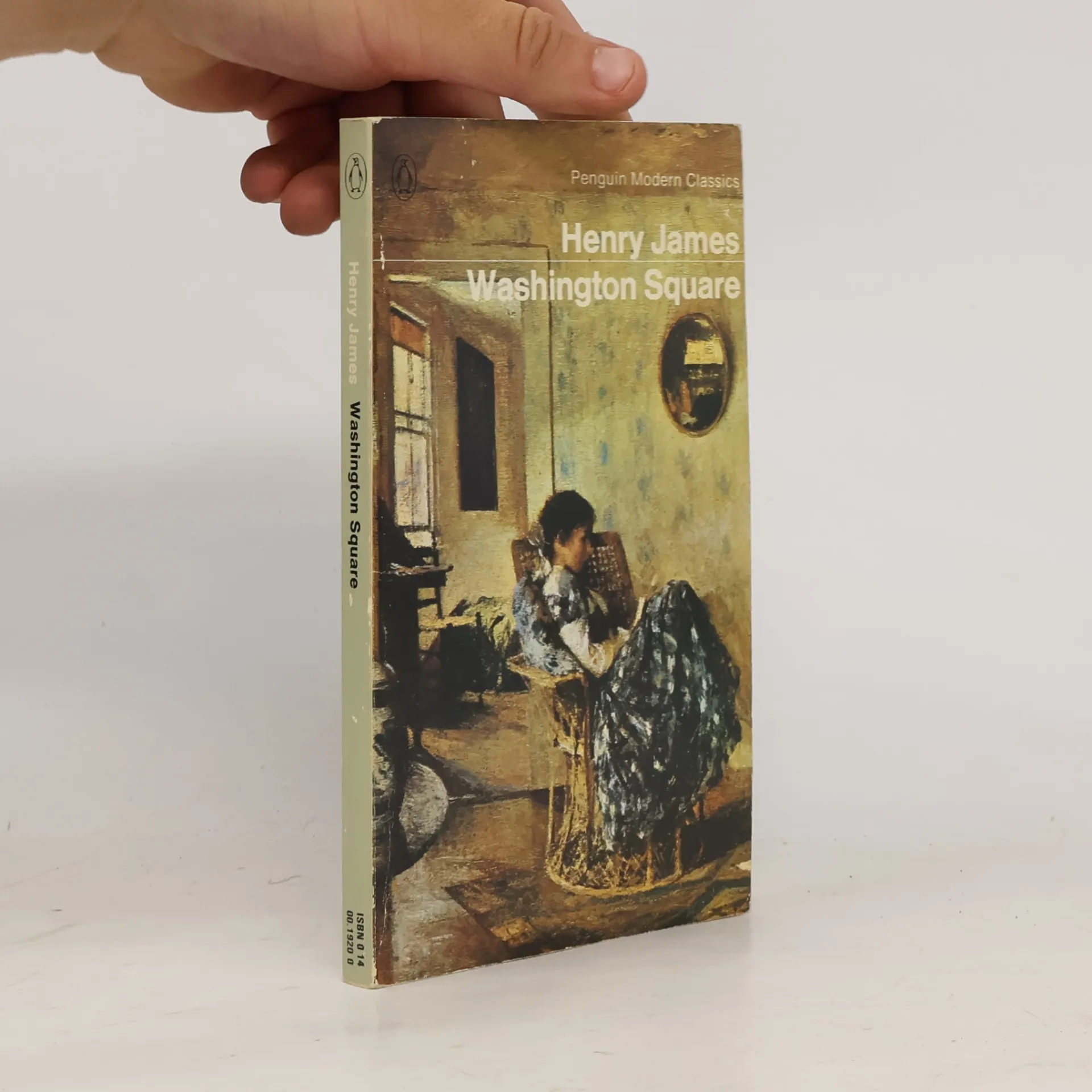
Catherine Sloper is forbidden by her wealthy father to marry the fortune-hunting Morris Townsend. She secretly promises to marry Townsend when he is ready, but then realizes that Townsend is only waiting for her father to change his mind about her inheritance.
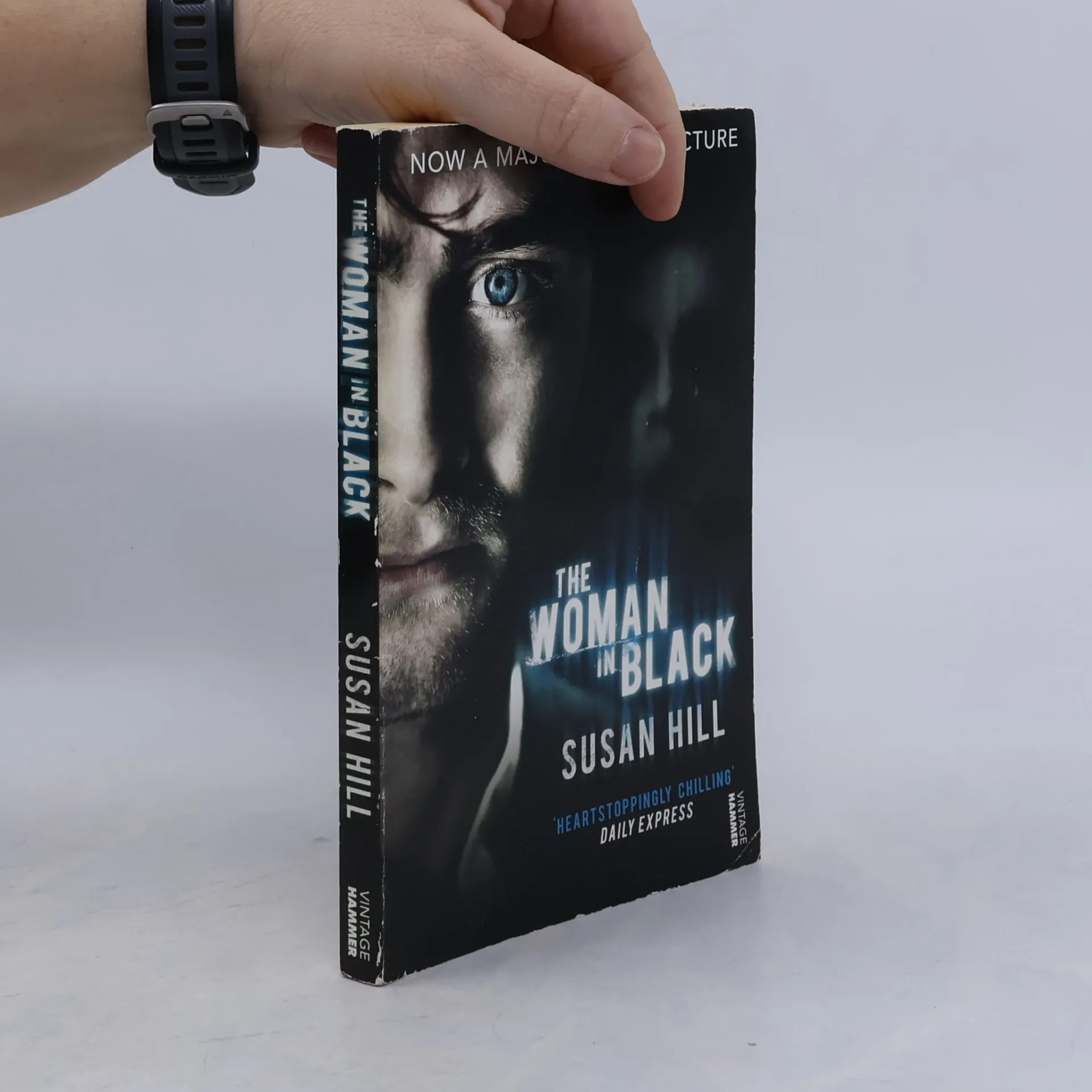
The Woman in Black
- 208 pages
- 8 hours of reading
When Arthur Kipps attends the funeral of Alice Drablow he is unaware of the tragic secrets which lie hidden behind her house. It is not until he glimpses a woman dressed all in black at the funeral that a creeping sense of unease begins to take hold.
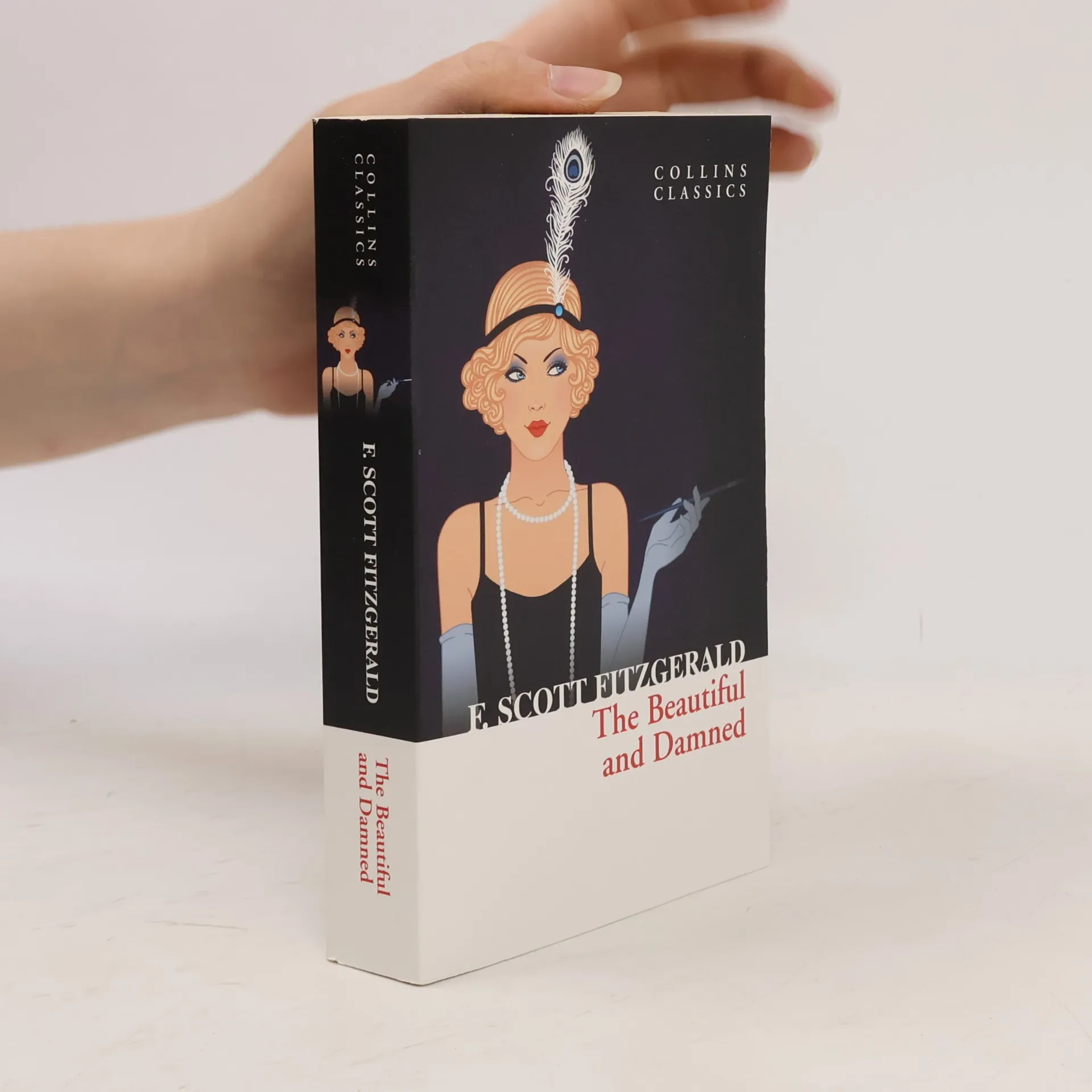
F. Scott Fitzgerald's second novel, The Beautiful and the Damned, "marks an advance over This Side of Paradise," Edmund Wilson wrote. "The style is more nearly mature and the subject more nearly unified, and there are scenes that are more convincing than any in his previous fiction." Published in 1922, it chronicles the relationship of Anthony Patch, Harvard-educated, aspiring aesthete, and his beautiful wife, Gloria, as they await to inherit his grandfather's fortune. A devastating satire of the nouveaux rich and New York's nightlife, of reckless ambition and squandered talent.
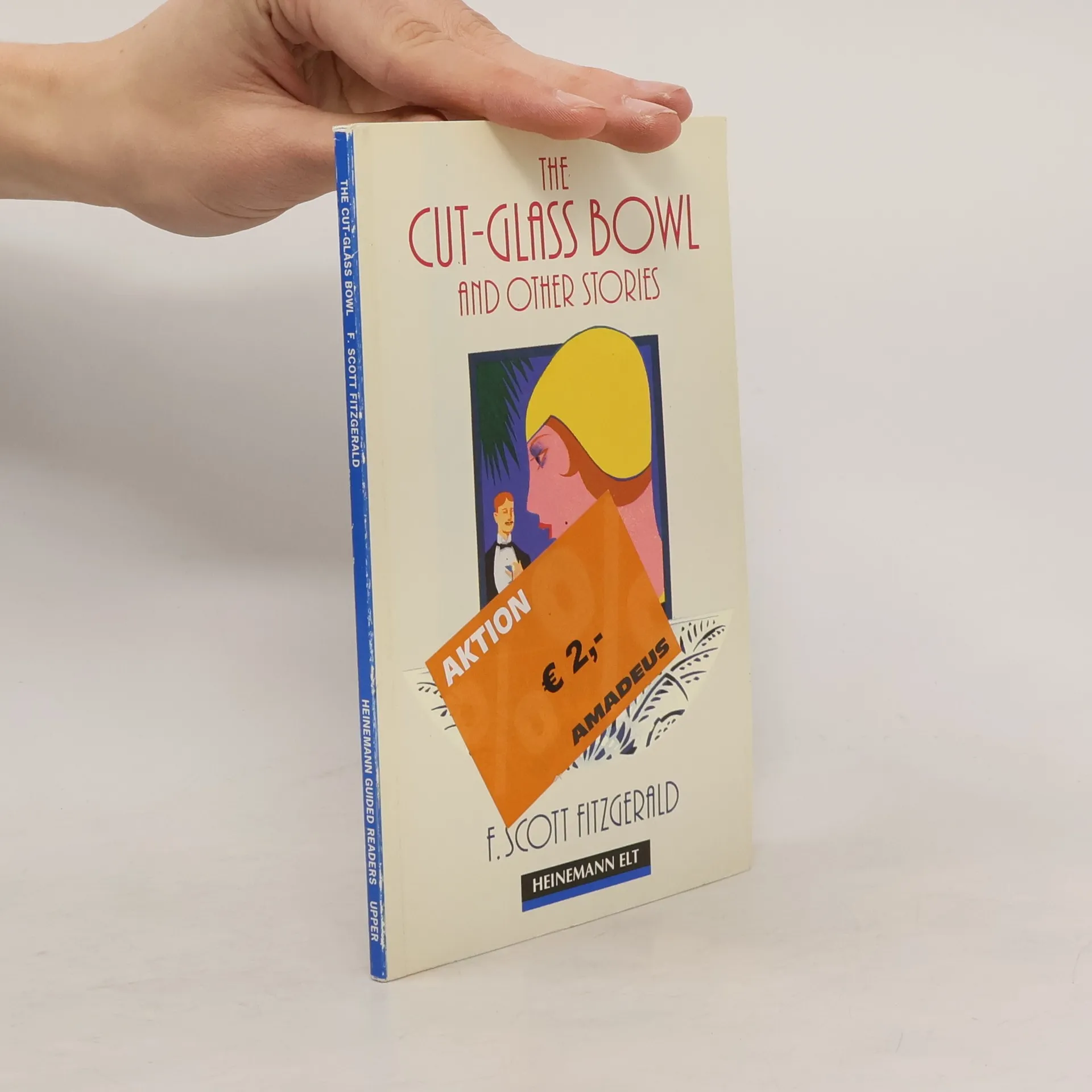
The Cut Glass Bowl and Other Stories
- 80 pages
- 3 hours of reading
This is an Upper Level title in a series of ELT readers comprising a wide range of stories - some original and some simplified - from modern and classic novels, and designed to appeal to all age-groups, tastes and cultures. The books are divided into five levels: Starter Level, with about 300 basic words; Beginner Level (600 basic words); Elementary Level (1100); Intermediate Level (1600); and Upper Level (2200). Some of the titles are also available on cassette.
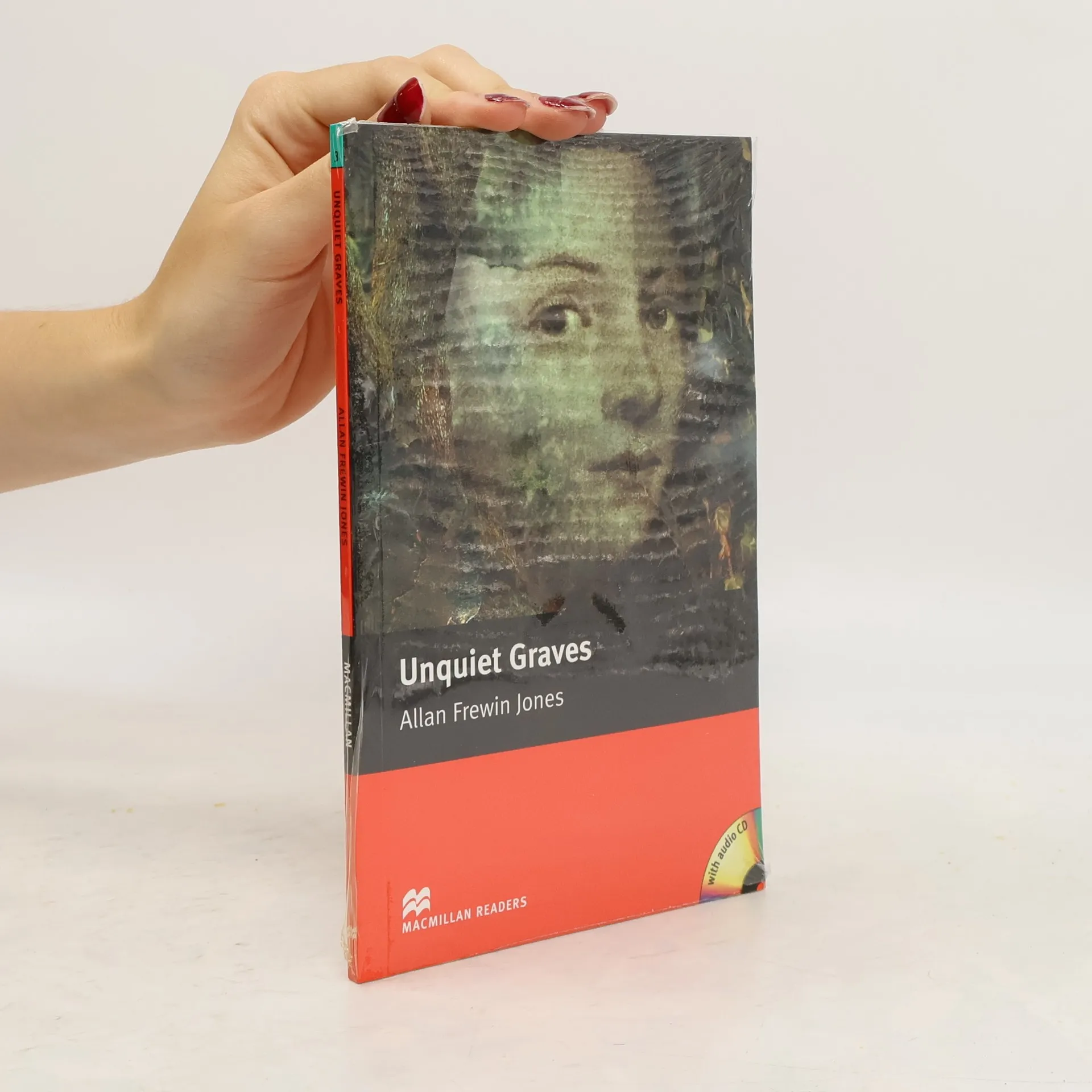
Unquiet graves
- 64 pages
- 3 hours of reading
During their school holidays, the teenagers, Frankie, Regan, Tom and Jack, join an archaeological dig in southeast England. Their teacher and the archaeologist in charge give them some facts about the historical background to the site and the Glanville family who had once lived there. When Frankie and Jack accidentally fall into the Glanville family's vault in the local graveyard, Frankie finds an old silver coin clipped in half. Shortly after her return to the graveyard, she meets an angry young man dressed in dark clothes. As Regan, Tom and Jack start to piece together the sad tale of Eleanor, the ward of the ruthless nineteenth century owner of the manor house and the local village, the friends begin to get seriously worried about Frankie's increasingly disturbed behaviour
The Phantom Airman
- 64 pages
- 3 hours of reading
Lychford Green is an old RAF airbase. It hasn't been used in years, but somehow it still bears the traces of the horrors which took place there 50 years previous. When Regan, Tom, Jack and Frankie investigate the empty airfield for a school project, they find that it echoes with its untold story.
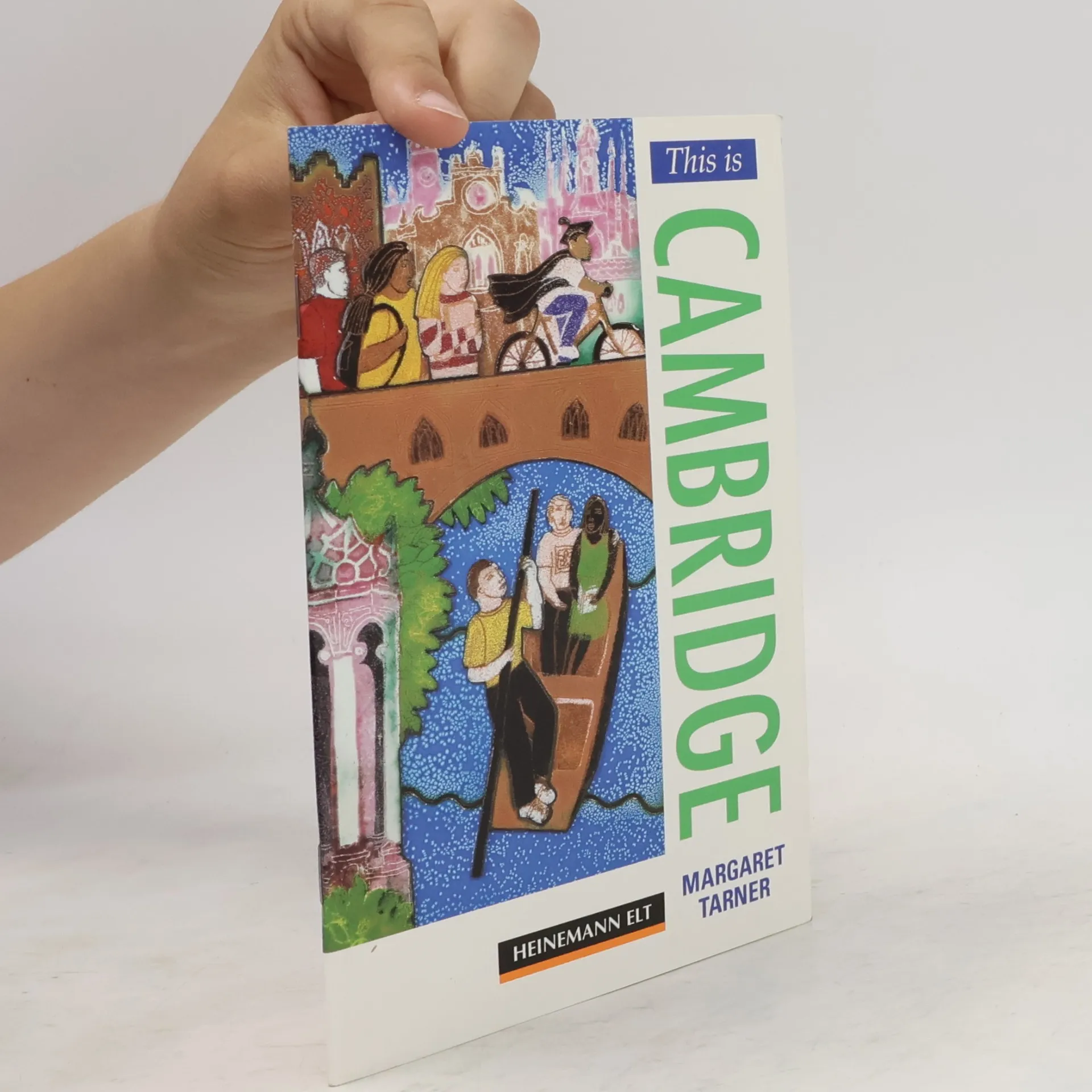
This Is Cambridge
- 32 pages
- 2 hours of reading
This is an Beginner Level title in a series of ELT readers which includes a wide range of stories - some original and some simplified - from modern and classic novels, and is designed to appeal to all age-groups, tastes and cultures. The books are divided into five Starter Level, with about 300 basic words; Beginner Level (600 basic words); Elementary Level (1100); Intermediate Level (1600); and Upper Level (2200). Some of the stories are also available on audio-cassette.