Anglie
- 728 pages
- 26 hours of reading


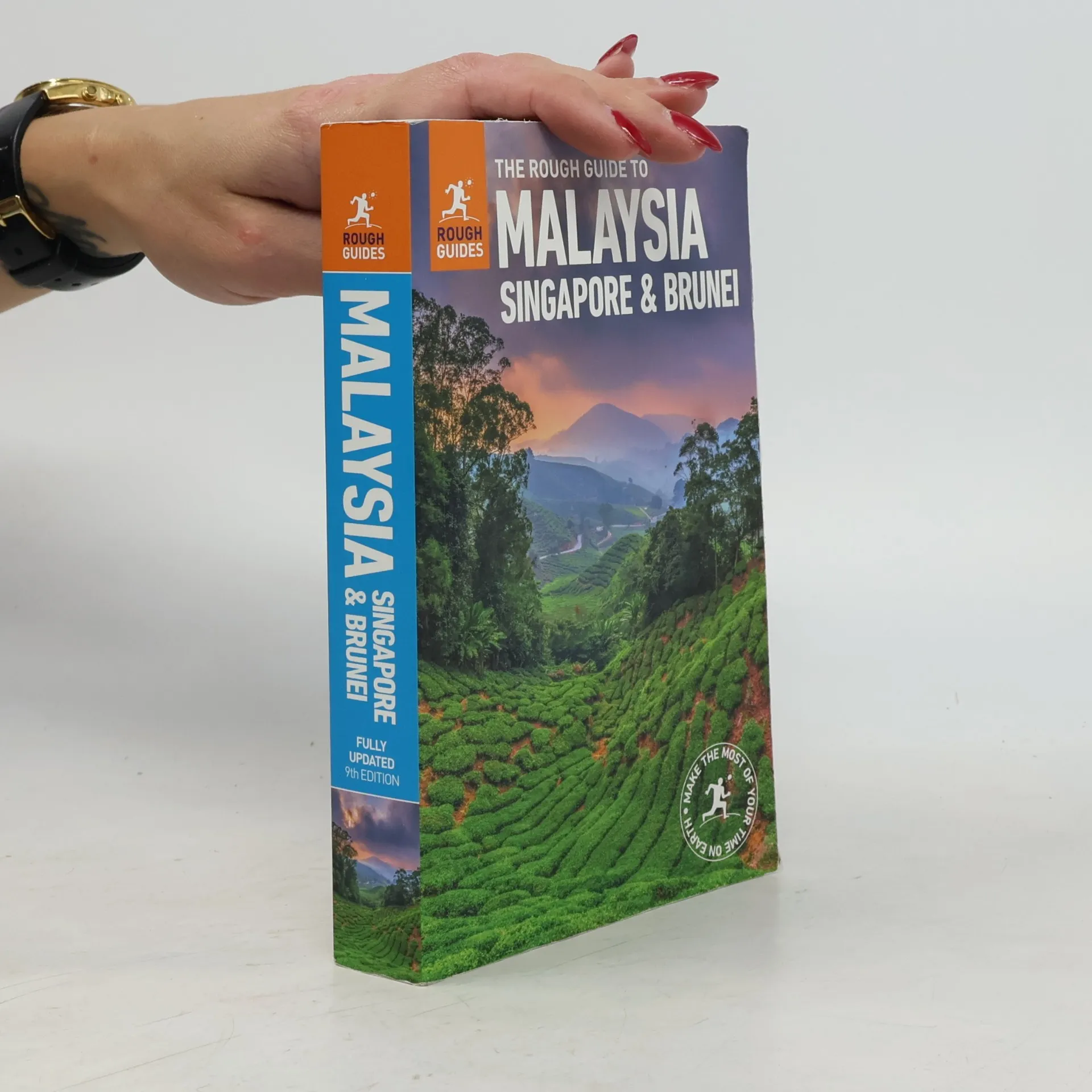
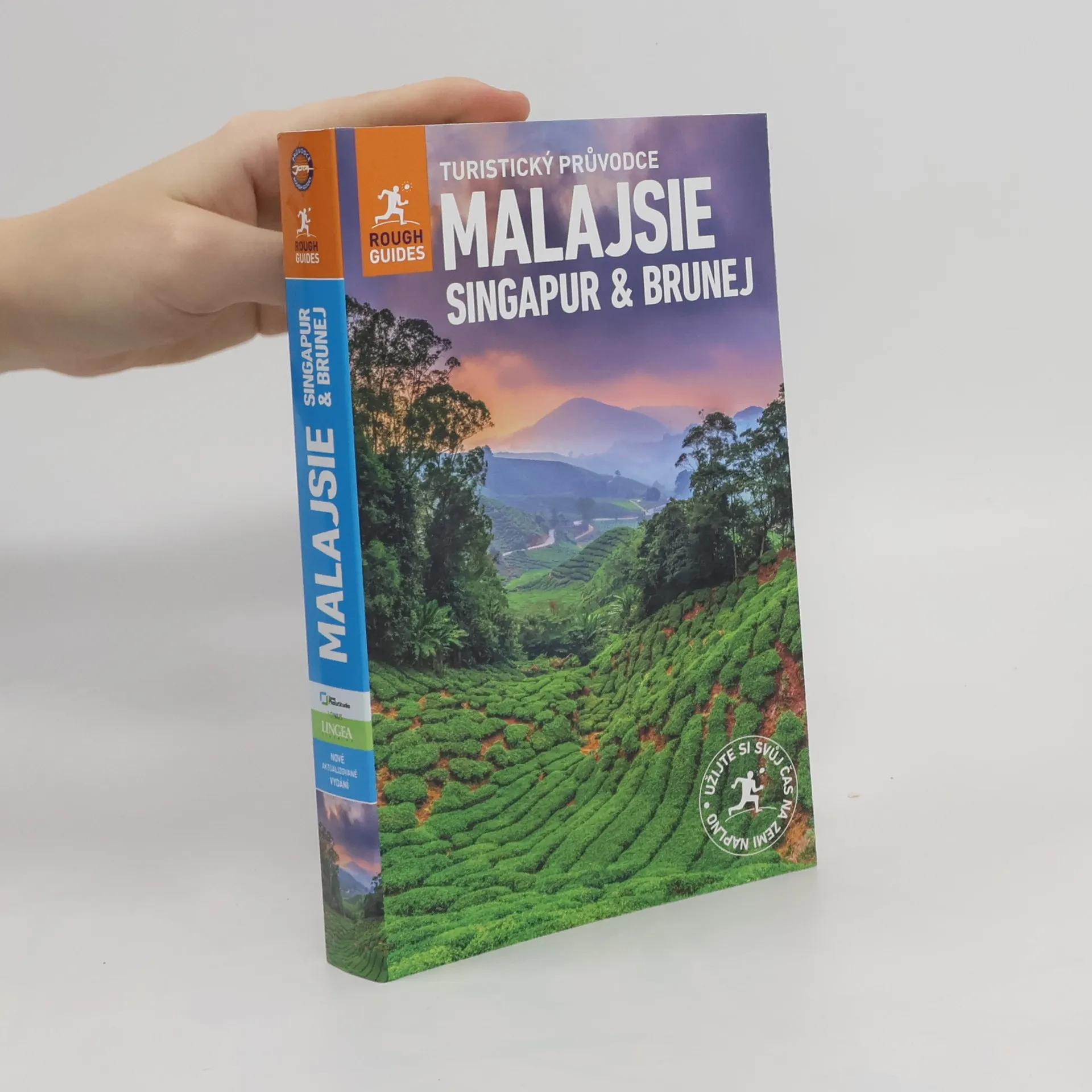
Vyrazte za exotikou s průvodcem od Rough Guide. Malajsie, Singapur a Brunej jsou mimořádně atraktivní pro milovníky exotických zemí, kteří si potrpí na divokou překrásnou přírodu a poznávání nejrůznějších kultur, ale na své si zde přijdou i vyznavači outdoorových aktivit. Vydejte se s aktualizovaným průvodcem řady Rough Guide na adrenalinové horské výstupy, ochutnejte z celé řady zdejších kuchyní a nechte se hýčkat pohostinností místních obyvatel. Navštivte lokality osídlené již před 40 000 lety, zažijte nocování v takzvaných dlouhých domech a zúčastněte se oslav některého ze zdejších nesčetných svátků. Nechte se uchvátit pohledem na sídlo brunejského sultána, opatrně nahlédněte do domova karet obrovských a podívejte se také do míst, kde najdete jak mešity, tak hinduistické, buddhistické a čínské velkolepé chrámy.
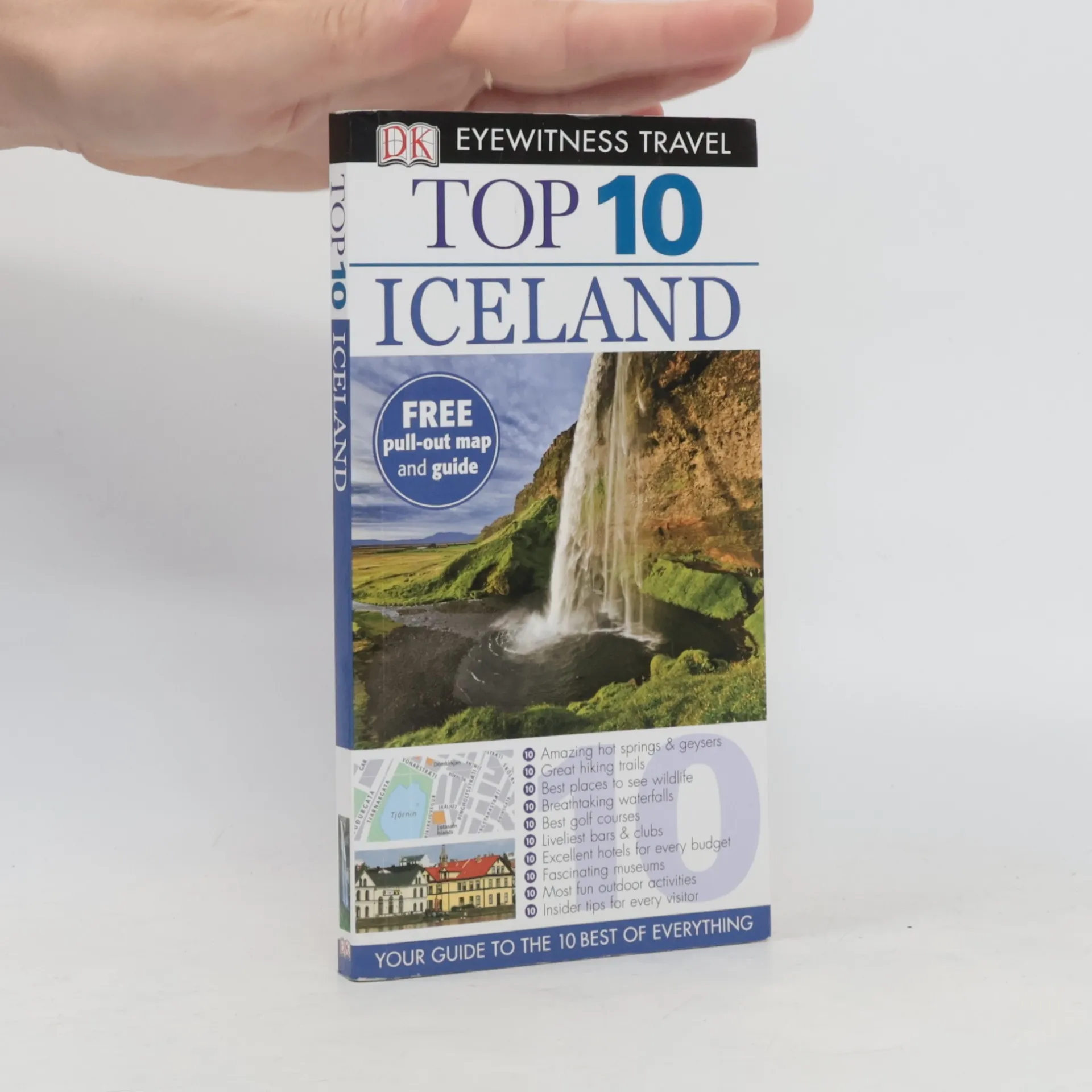
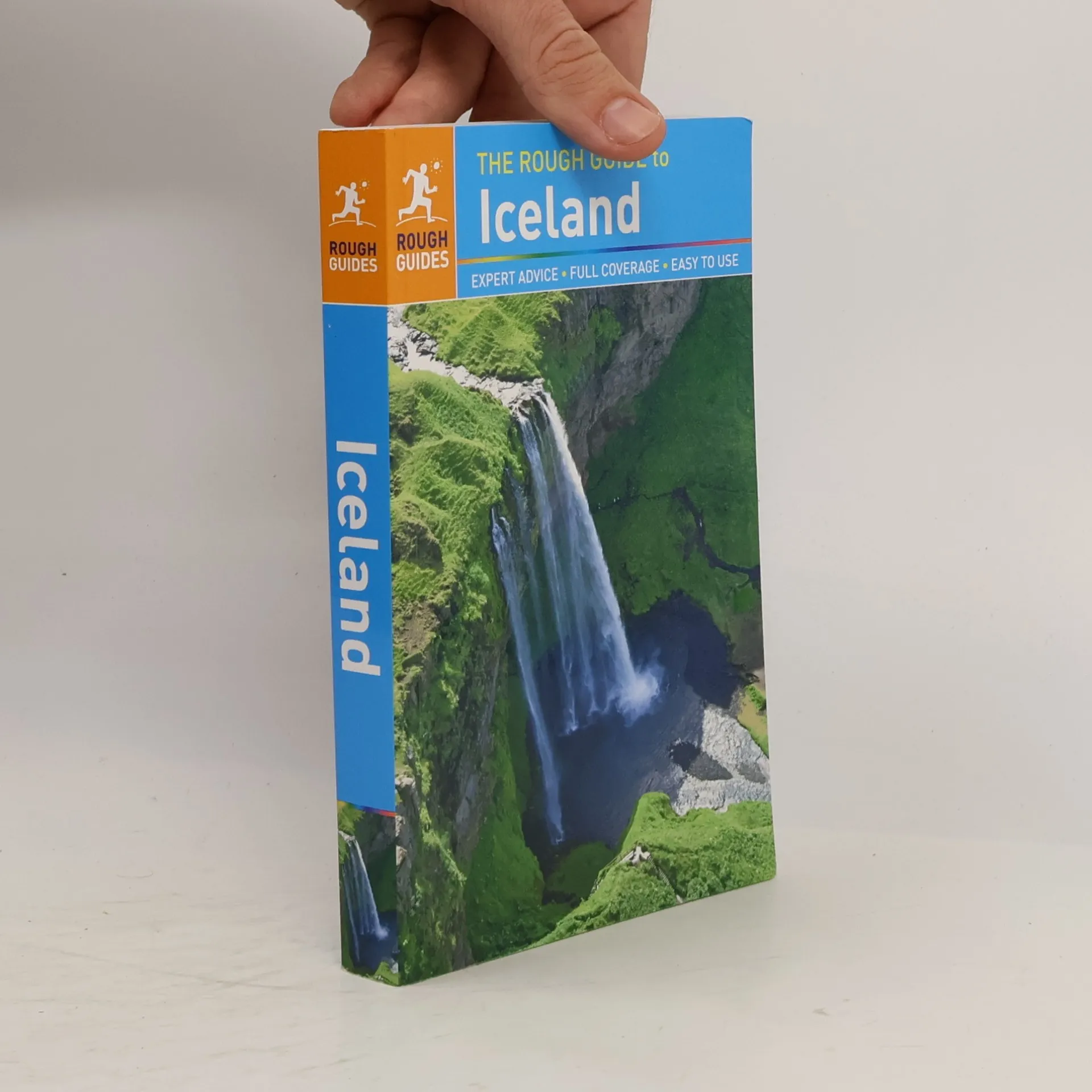
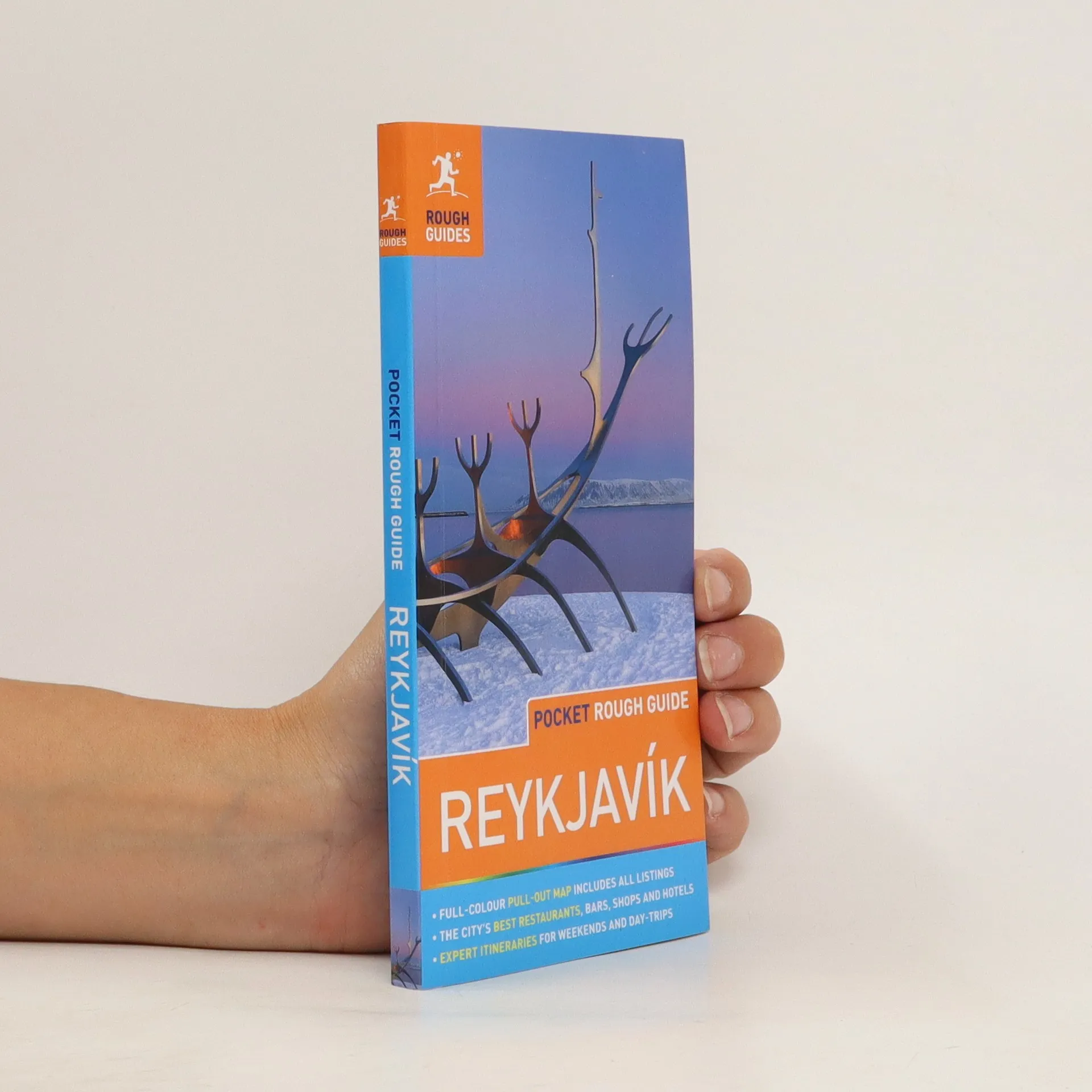
This is your essential guide to Iceland's captivating capital, covering all the key places, restaurants, shops, cafés and bars you simply must visit, not to mention the jaw-dropping sights and scenery within reach of the city. Slim, stylish and utterly pocketable, it comes with a full-colour pull-out map to help you find your way around - the only map of its kind to be marked with every single recommendation from the guide
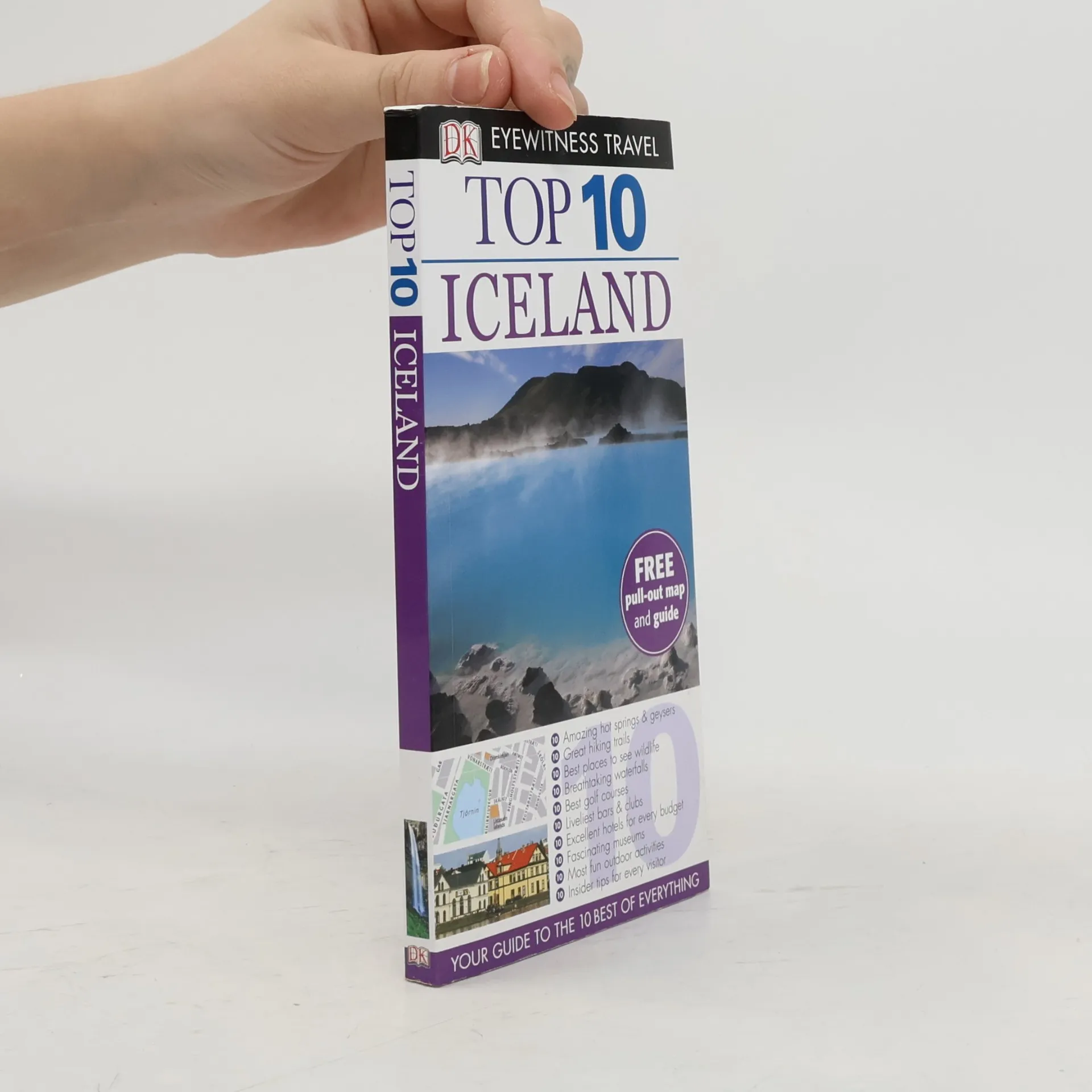
Your Guide to the 10 Best of Everything
"DK Eyewitness Top 10 Travel Guide: Iceland will lead you straight to the very best on offer. Whether you're looking for the things not to miss at the Top 10 sights, or want to find the best nightspots; this guide is the perfect pocket-sized companion. Rely on dozens of Top 10 lists - from the Top 10 museums to the Top 10 events and festivals - there's even a list of the Top 10 things to avoid. The guide is divided by area with restaurant reviews for each, as well as recommendations for hotels, bars and places to shop..."--Publisher description.
The Rough Guide to Malaysia, Singapore & Brunei is the definitive travel guide to this captivating region. The ultimate guide to these three exciting Southeast Asian destinations, covering all their attractions, from amazing national parks and historic temples to gorgeous beaches and islands. The sections on Penang and Singapore offer detail on cultural sights, new museums, and budget accommodations. The Rough Guide to Malaysia, Singapore & Brunei includes coverage of Sarawak's most popular national parks, Mulu and Bako, as well as old favorites like Mount Kinabalu and the Perhentian Islands. There's also plenty of practical information on topics like budget flights, river transport, etiquette, and the excellent local cuisines to help you get the best out of your trip, whatever your budget. Discover Malaysia's, Singapore's, and Brunei's highlights, with expert advice on exploring the best sites, participating in festivals, and exploring local landmarks through extensive coverage of these fascinating countries. Easy-to-use maps; reliable advice on how to get around; and insider reviews of the best hotels, restaurants, bars, clubs, and shops for all budgets ensure that you won't miss a thing. Make the most of your time with The Rough Guide to Malaysia, Singapore & Brunei.
Whether you are looking for spa getaways, stunning glaciers and geysers, the bewitching Northern Lights or the vibrancy of Reykjavik, "Eyewitness Top 10 Iceland" is the perfect companion. Rely on dozens of Top 10 lists -- from the Top 10 nightlife hotspots to the Top 10 volcanoes, waterfalls and hiking trails, and to save you time and money, there is even a list of budget tips and the Top 10 things to avoid. "Eyewitness Top 10 Iceland" is packed with color illustrations and photographs, providing the insider knowledge that every visitor needs on a trip to this sensational country and includes a FREE pull-out map.
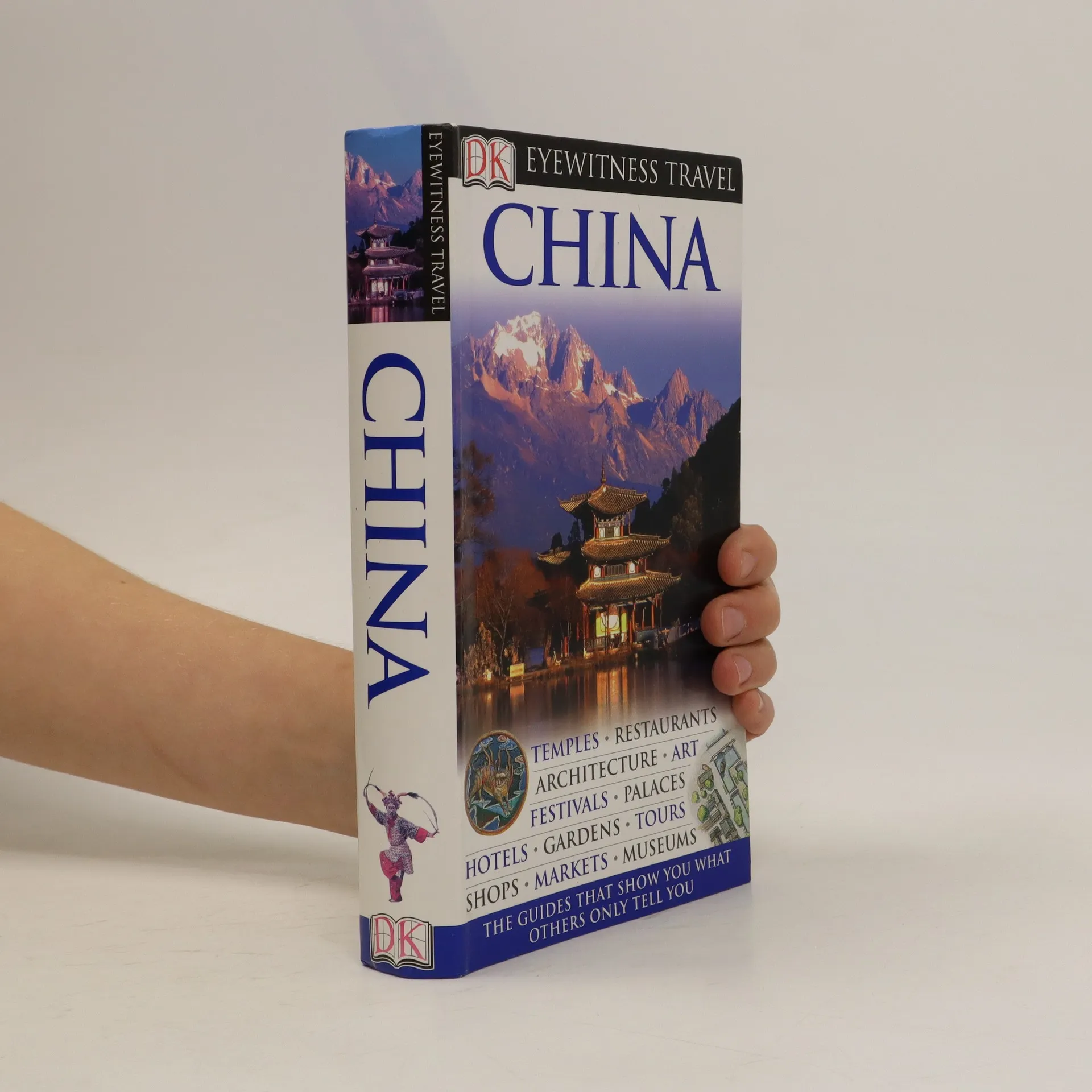
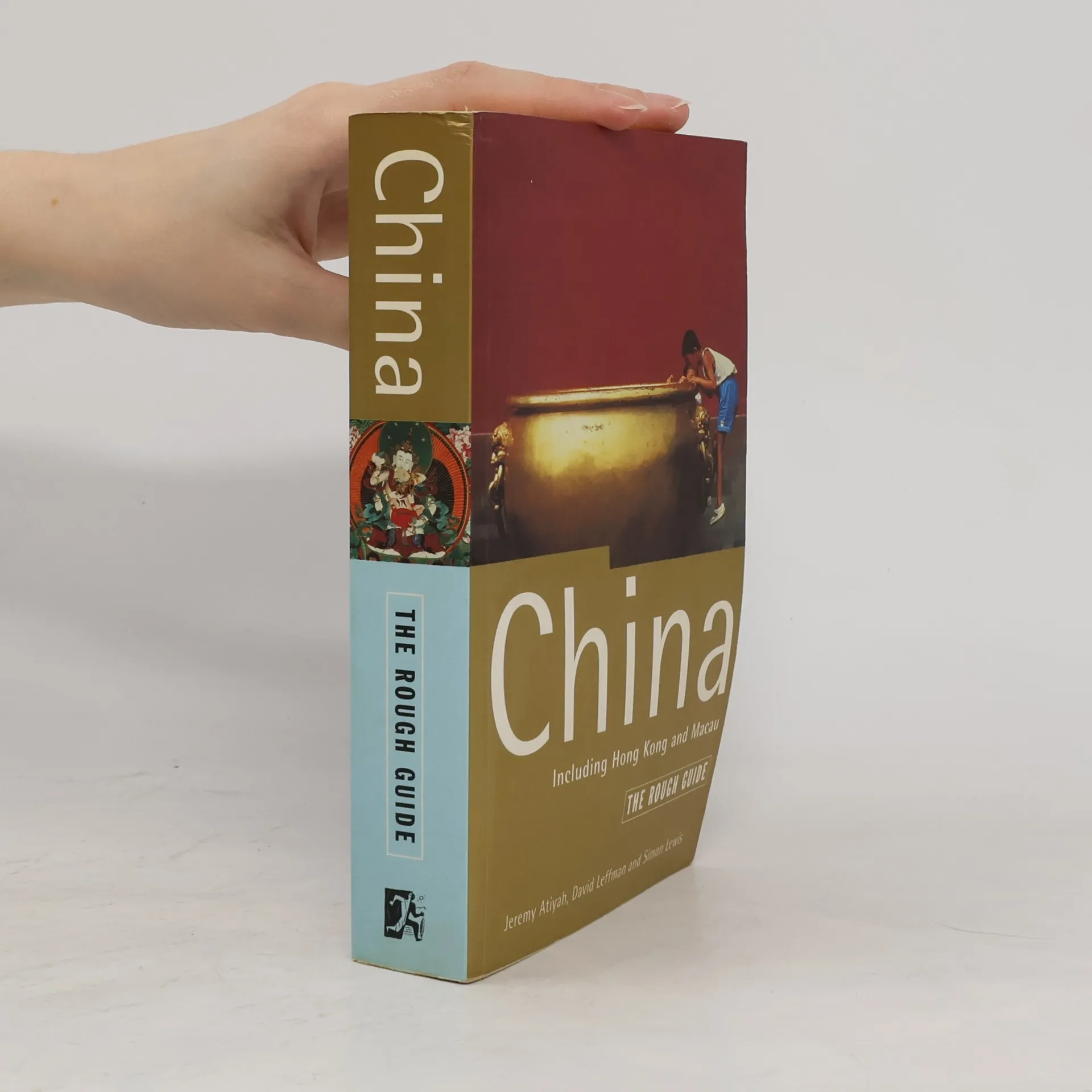
DK Eyewitness China travel guide will lead you straight to the best attractions this vast country has on offer. Packed with colour photographs, illustrations and detailed maps discover China region-by region; from the marathon meanderings of its Great Wall and experiencing nomadic life in Tibet to the great cave-temple complexes that dot the ancient silk-trade routes. The guide provides all the insider tips every visitor needs from taking the Trans-Siberian railway to seeing Hong Kong from a traditional sail boat with comprehensive listings of the best hotels, resorts, restaurants and nightlife in each region for all budgets. You'll find 3D cutaways and floorplans of all the must-see sites from the spectacular Forbidden Palace to China's splenderous temples and palaces plus street-by-street maps of all the great cities and towns of China. DK Eyewitness China explores the culture, history, architecture and festivals of this diverse country not missing the best in shopping and enterainment in the major cities. With up-to-date information on getting around by train, car, walking in cities, scenic tours and all the sights, beaches, parks and gardens listed town by town, DK Eyewitness China is indespensable. Don't miss a thing on your holiday with DK Eyewitness China.
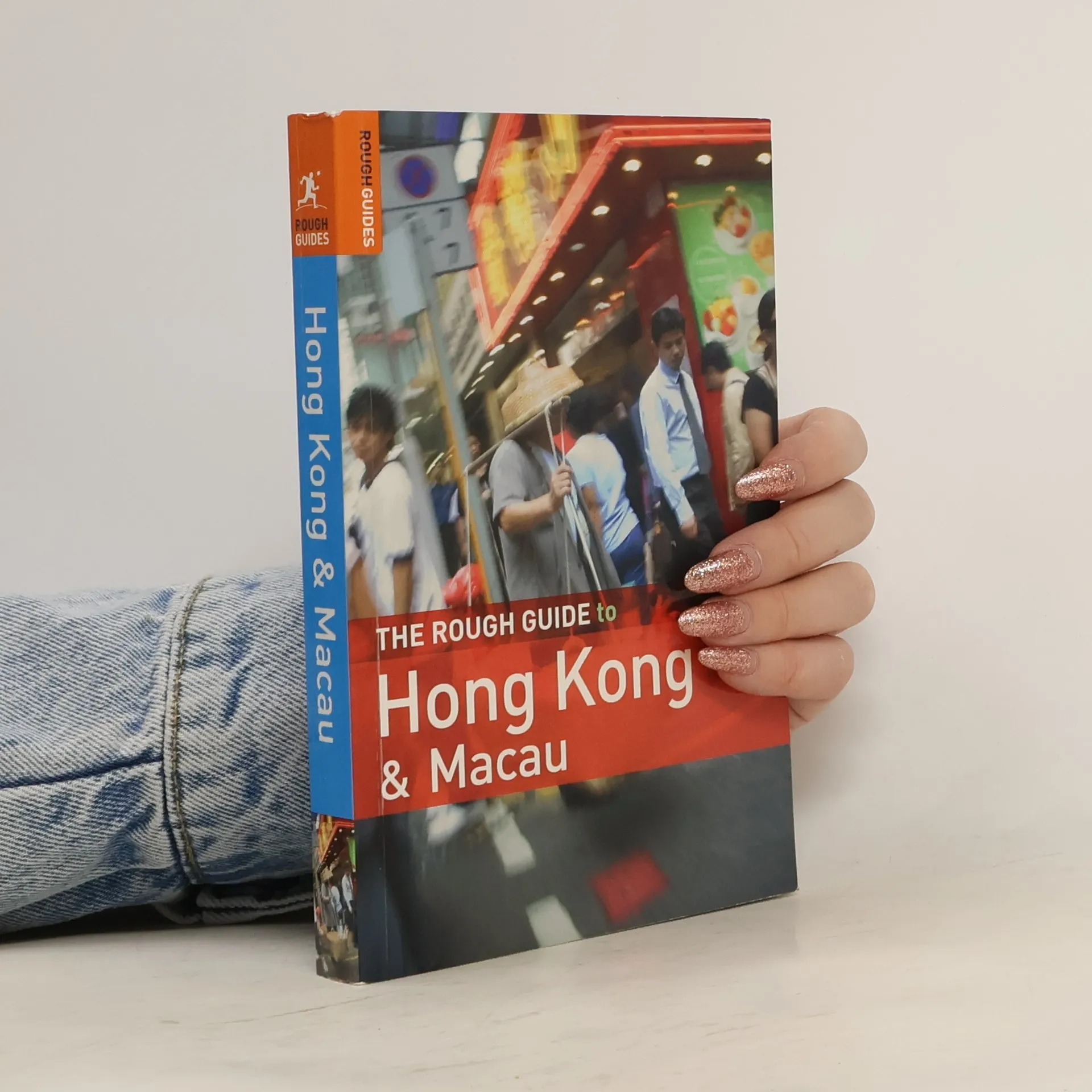
Hong Kong is a captivating destination where aggressive capitalism meets an Eastern emphasis on order and harmony. Despite its 150 years under British colonial rule, Hong Kong has always been fundamentally Chinese. The city boasts a striking skyline and a variety of cultural influences, yet for the majority of its nearly seven million residents, life resembles that of mainland China, characterized by hard work, cramped living conditions, and vibrant street markets. Recent years have posed challenges, including the political turmoil following the 1997 handover to China and the subsequent Asian economic crisis, which led to high unemployment. While concerns about Chinese government interference have largely proven unfounded, worries about local leadership's capability persist. Visitors will find that many aspects of life remain unchanged, with practical matters like entry requirements unaffected. The city's architecture ranges from modern skyscrapers to traditional temples, and its culinary scene is renowned for both Chinese and international cuisine. However, commercialism often overshadows cultural pursuits, though recent developments in the arts are promising. Nearby Macau, set to return to China in 1999, offers a contrasting experience with its Portuguese heritage, charming architecture, and unique culinary delights. Macau is particularly known for its exciting fusion of Portuguese and Chinese cuisines, making it a worthwhil
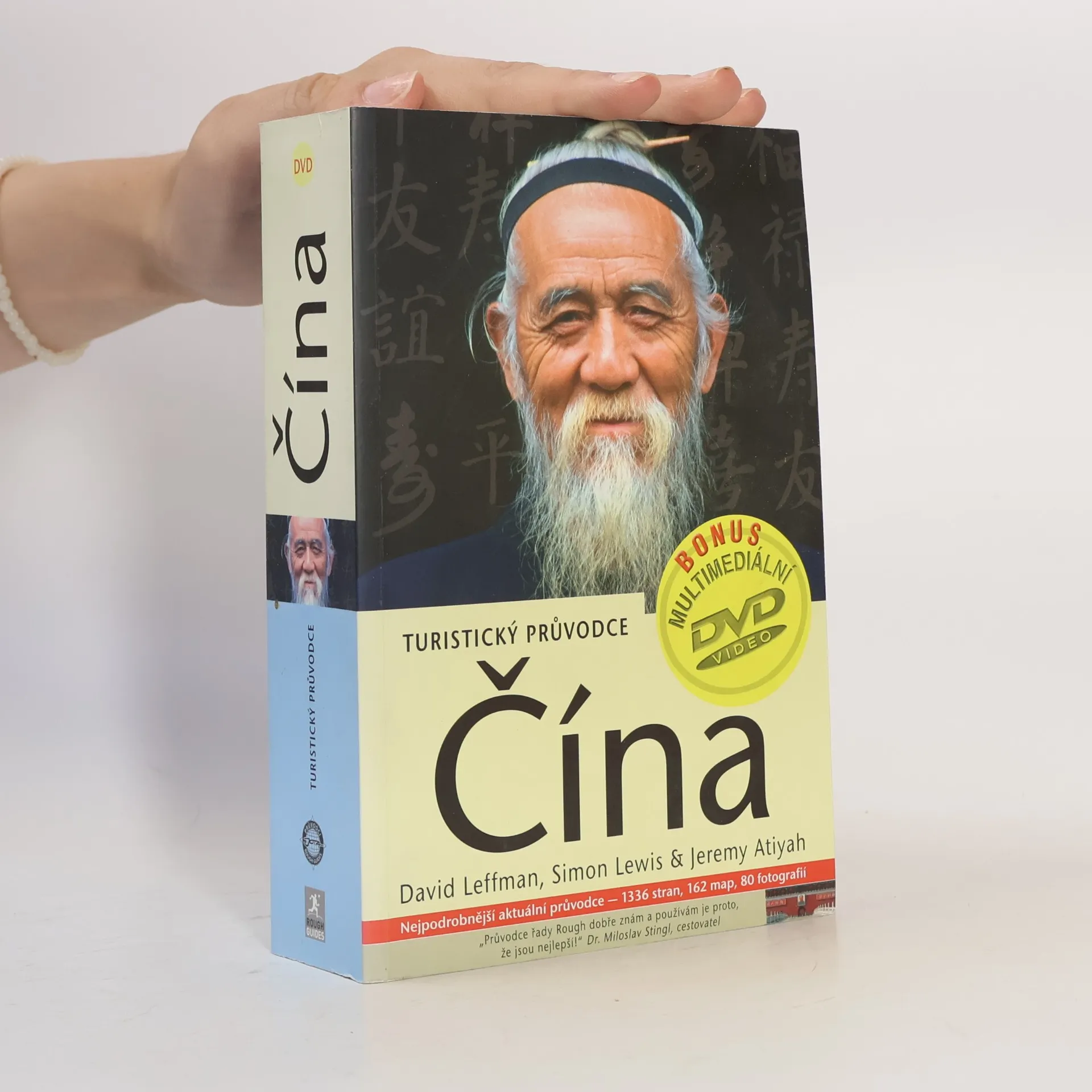
Čína je zemí kontrastů. Stopy velké a pestré minulosti doprovázejí svědectví o pohnutých dějinách moderní, komunistické Číny. Dynamický ekonomický rozvoj přítomnosti se odehrává v souřadnicích strnulého totalitárního režimu. Bohatství některých velkoměst konstrastuje s chudobou velké části čínského venkova. Bohatý Hongkong fascinuje stejně jako mystická Lhasa. Tento titul neobsahuje DVD.
Iceland attracted 0.3 travel publisher in 2014, worth over £3 million (Nielsen Bookscan, 2014)
Along with five thousand years of continuous history, China is undergoing the most rampant modernization of any country in Asia. In this first edition of its 100th title, Rough Guide gives all-embracing coverage of the country, past and present. Includes side trip information across China's borders to Pakistan, Kazakhstan, Mongolia, Vietnam and Nepal on the trans-Siberian railway. 130 maps and plans.
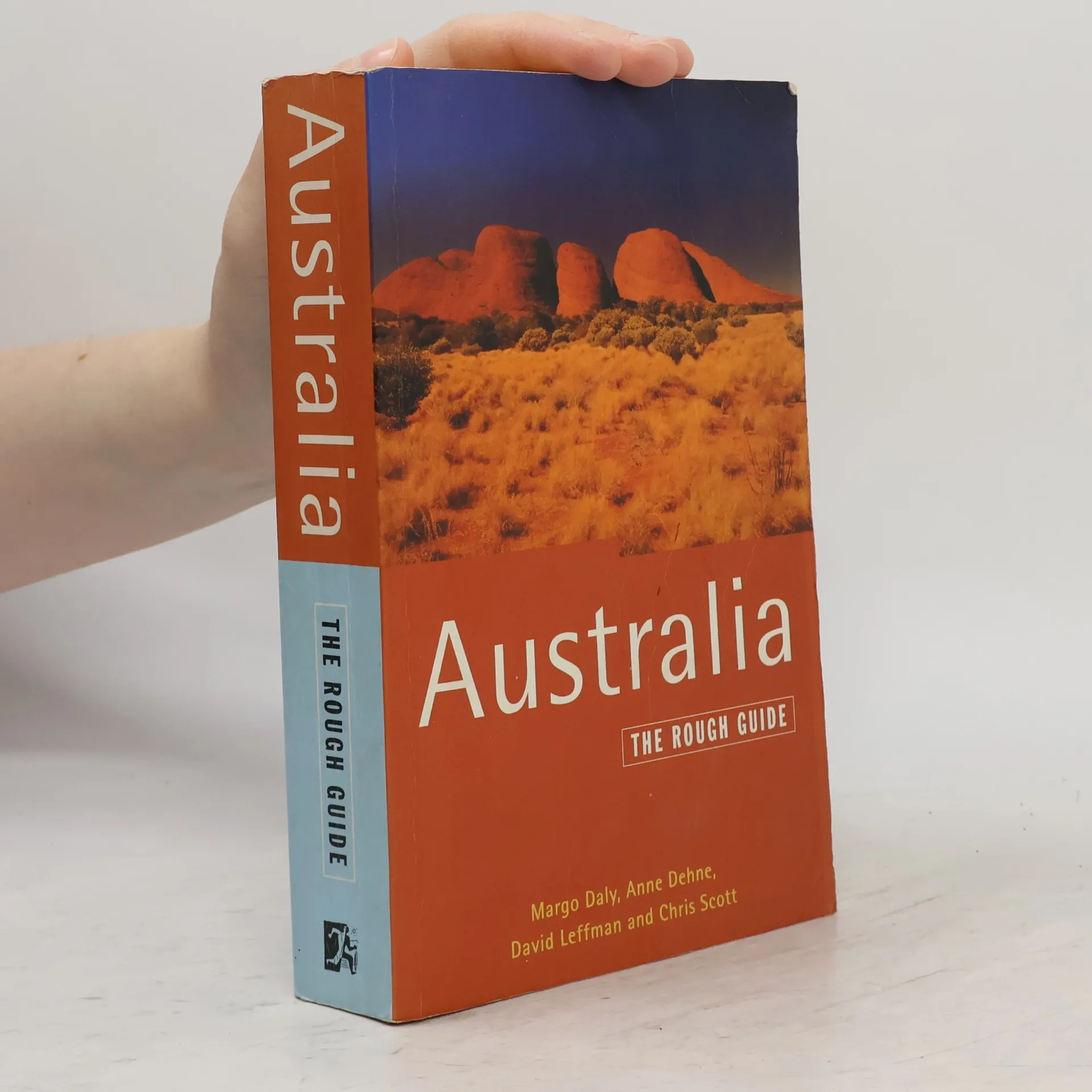
Australia is a vast and sparsely populated land, comparable in size to the USA but home to just over eighteen million people. This ancient continent features some of the most eroded and arid landscapes, particularly in its central and western regions. In contrast, its cities, established mainly in the mid-nineteenth century, exude a youthful energy. The Outback, with its striking geological features and unique wildlife, showcases a vivid ecology that has supported the oldest surviving human culture for over fifty thousand years. The harsh interior has led to a coastal lifestyle, with most Australians living within 20km of the ocean, particularly in a suburban arc from southern Queensland to Adelaide. Urban Australians embrace New World values of material self-improvement, often enjoying a vibrant outdoor life characterized by beach culture and backyard barbecues. While this lifestyle may seem mundane to some visitors, opportunities exist, especially in the Northern Territory, to engage with Australia's indigenous cultures through ancient art sites and tours. Many Aboriginal people in central Australia maintain traditional lifestyles, yet those in urban areas often face challenges related to "welfare colonialism," leading to cycles of poverty and ill-health. Achieving genuine equality between black and white Australians remains a significant challenge.