

Latif Doss Book order (chronological)
![Great expectations : [simplified edition]](https://rezised-images.knhbt.cz/1920x1920/3808218.webp)
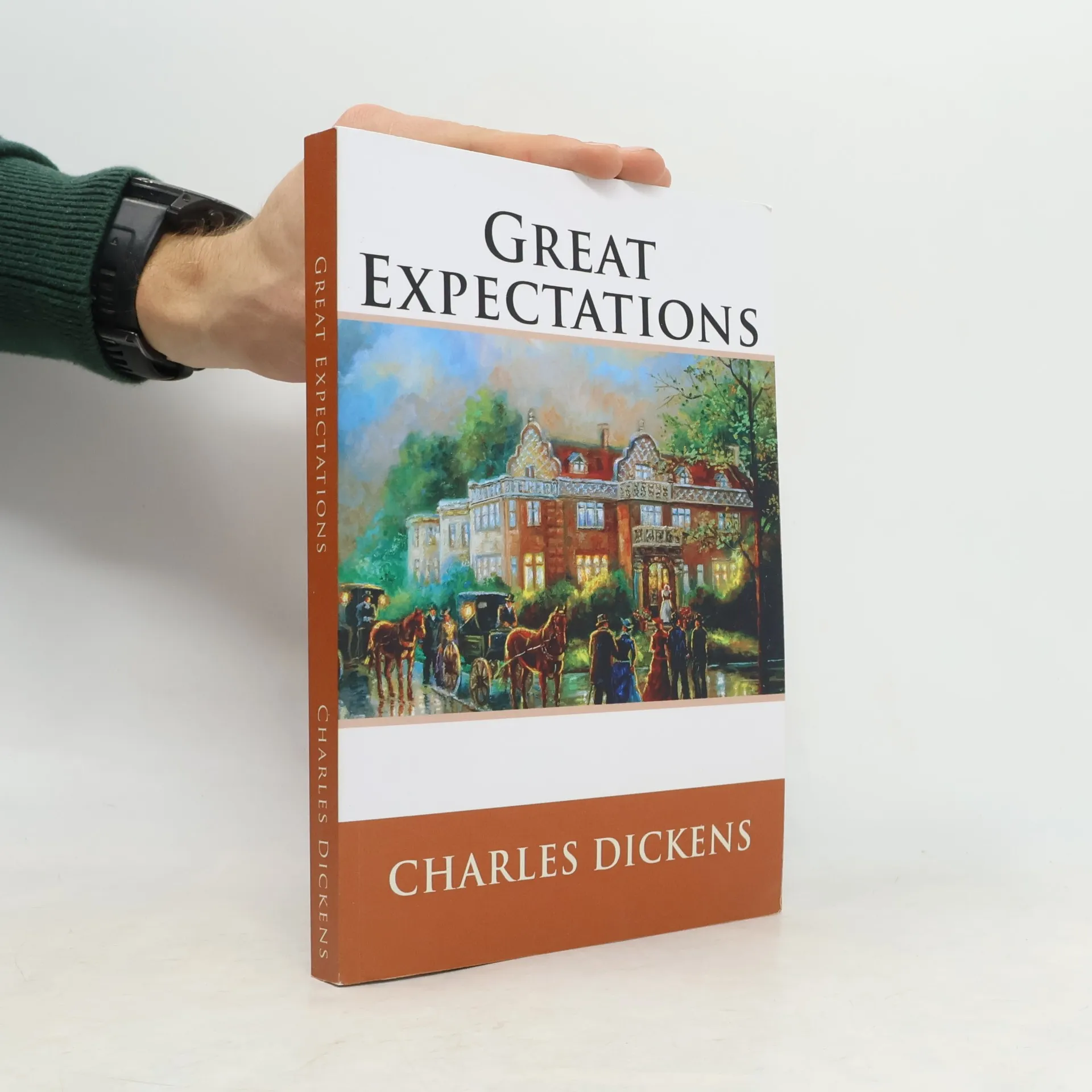

Great Expectations
- 283 pages
- 10 hours of reading
A retelling for students of English of one of Dickens's best-known novels, this is an upper intermediate-level Macmillan Reader. One bleak and windy evening, 8-year-old Pip meets an escaped convict on the marshes. Shortly afterwards, he is summoned to Satis House, the derelict, gloomy home of the strange, reclusive Miss Havisham.
Great expectations : [simplified edition]
- 128 pages
- 5 hours of reading
Perhaps Dickens's best-loved work, Great Expectations tells the story of Pip, a young man with few prospects for advancement until a mysterious benefactor allows him to escape the Kent marshes for a more promising life in London. Despite his good fortune, Pip is haunted by figures from his past--the escaped convict Magwitch, the time-withered Miss Havisham, and her proud and beautiful ward, Estella--and in time uncovers not just the origins of his great expectations but the mystery of his own heart. A powerful and moving novel, Great Expectations is suffused with Dickens's memories of the past and its grip on the present, and it raises disturbing questions about the extent to which individuals affect each other's lives. This edition reprints the definitive Clarendon text. Robert Douglas-Fairhurst's new introduction ranges widely across critical issues raised by the novel: its biographical genesis, ideas of origin and progress and what makes a gentleman, memory, melodrama, and the book's critical reception. The book includes four appendices and the fullest set of critical notes in any mass-market edition.