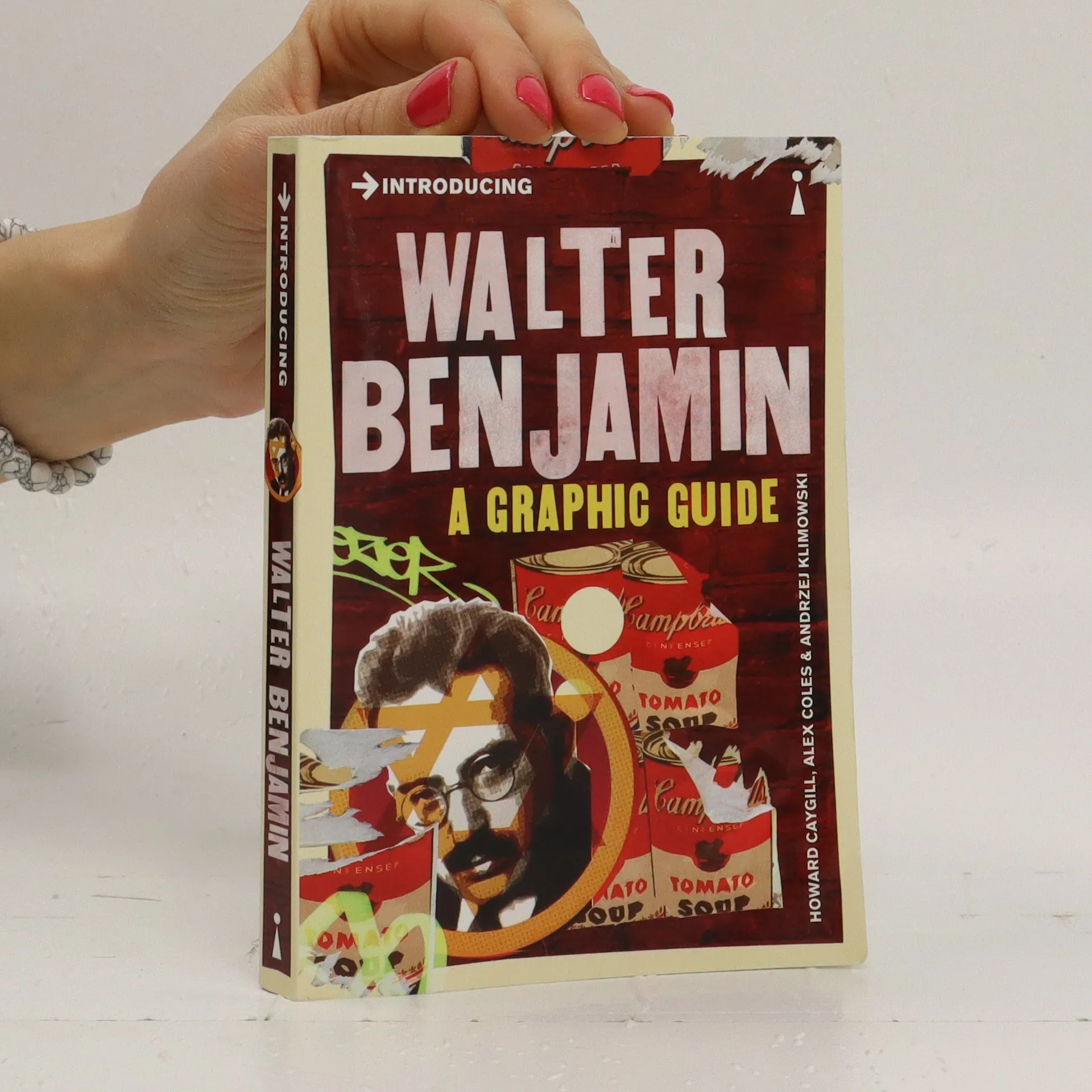
Walter Benjamin. A graphic guide
- 176 pages
- 7 hours of reading
A Graphic Guide to Walter Benjamin, tracing his influence on modern aesthetics and cultural history.


Andrzej Klimowski is a celebrated creator whose artistic journey is deeply rooted in his Polish heritage, while also being enriched by his life and work in London. His output encompasses compelling graphic novels and dynamic films, often reflecting his unique perspective. Klimowski also lends his talents to designing theatre posters and book covers, leaving his visual imprint across various artistic domains. His influence as an educator has been significant, and he continues his creative collaboration with his wife, keeping his artistic legacy vibrant.
A Graphic Guide to Walter Benjamin, tracing his influence on modern aesthetics and cultural history.
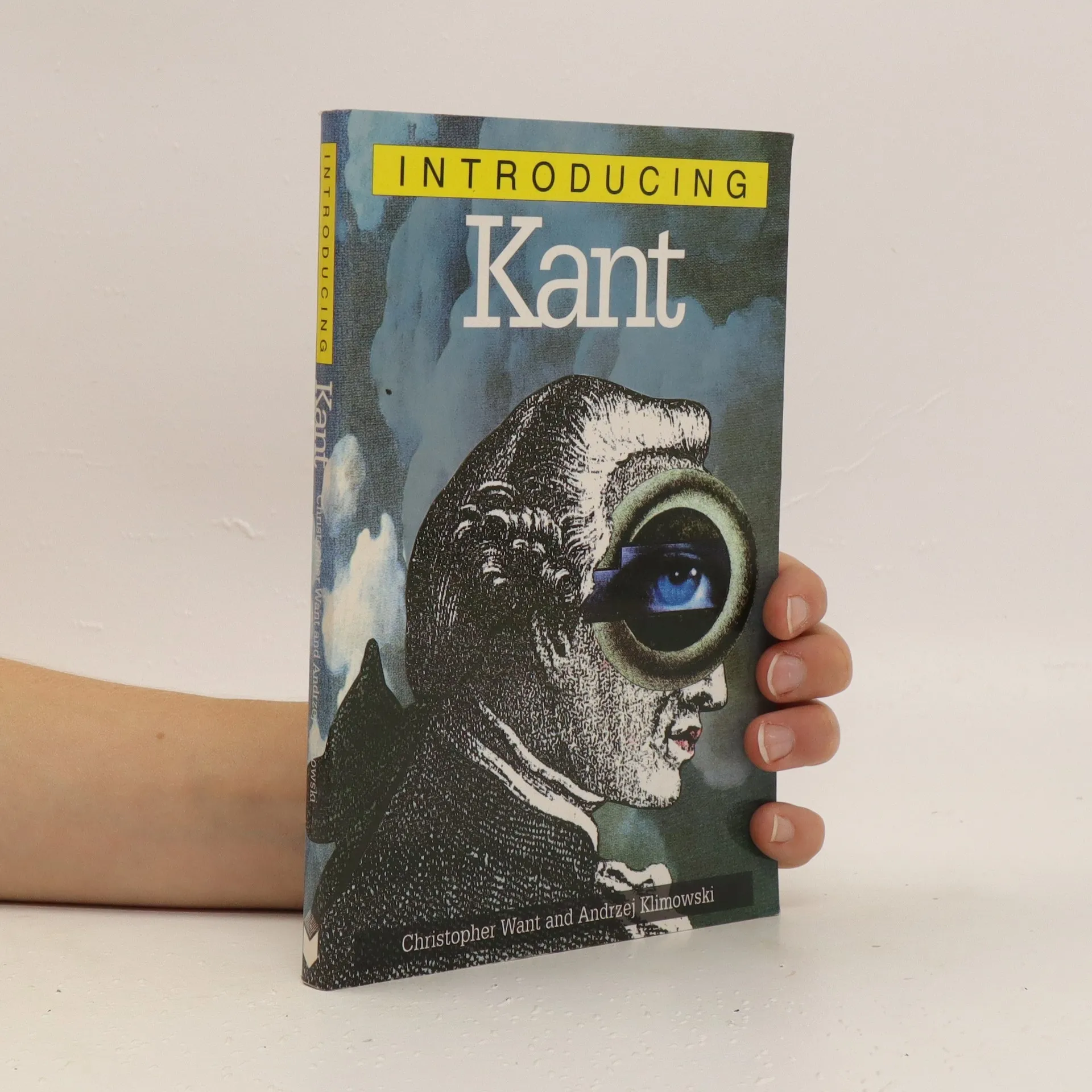
One in a series of beginners' guides to philosophical subjects, this book focuses on Immanuel Kant's well-known critiques of Pure Reason, Practical Reason and Judgement, and leads the reader through the concepts of his work
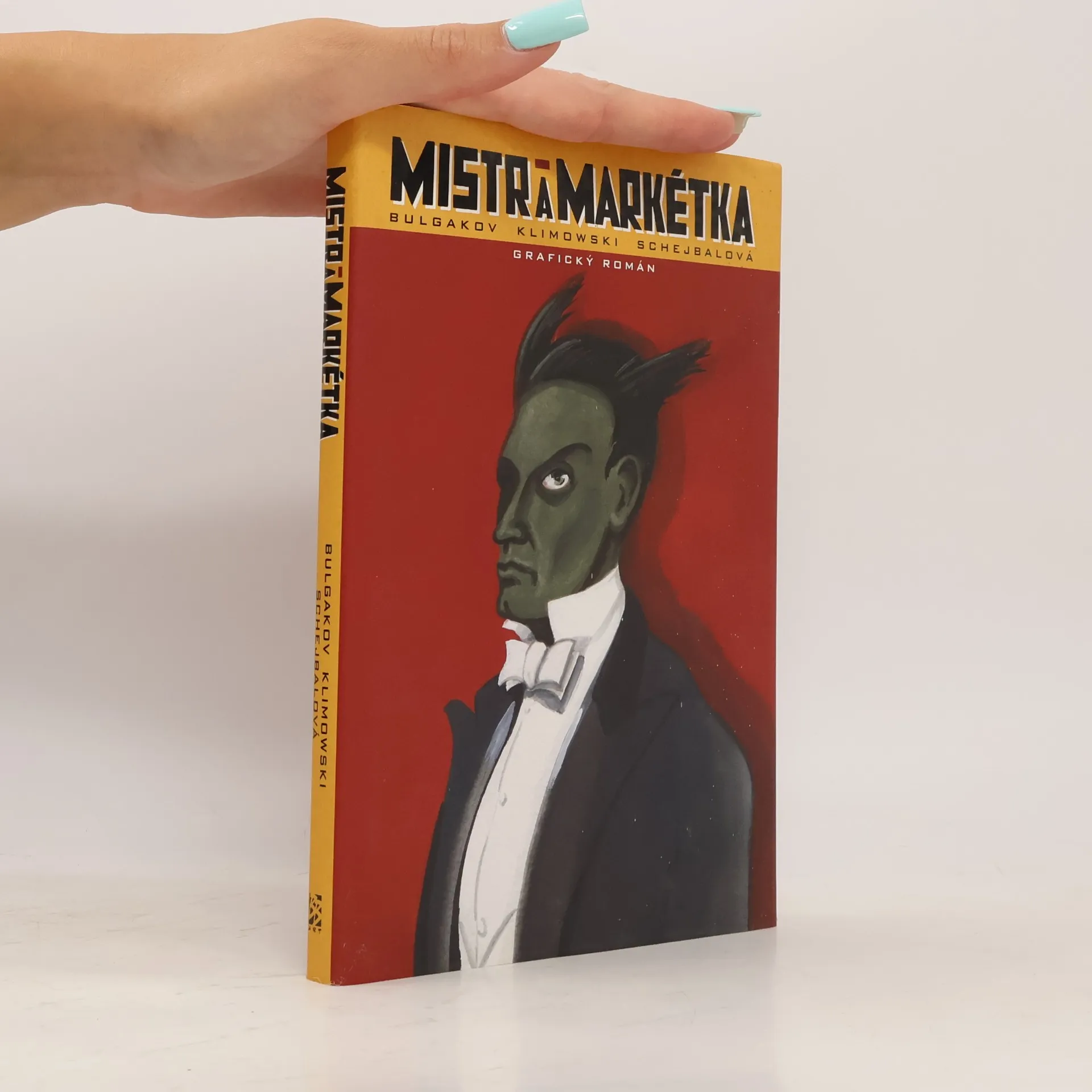
V grafickém románu Mistr a Markétka, pořízeném podle Bulgakovovy předlohy, sledujeme systematické řádění ďábla Wolanda a jeho suity v Moskvě dvacátých a třicátých let. V chaotickém víru událostí se ocitají zejména dva lidé: Mistr, zlomený kritikou svého románu o Pilátu Pontském, a Markétka, s níž má ďábel vlastní plány. Bulgakovův román, který mohl ve své vlasti vyjít až po pětadvaceti letech, líčí fantastické události s makabrózním humorem, který se neztrácí ani v jeho komiksové adaptaci. Přeloženo z anglické adaptace ruského originálu.
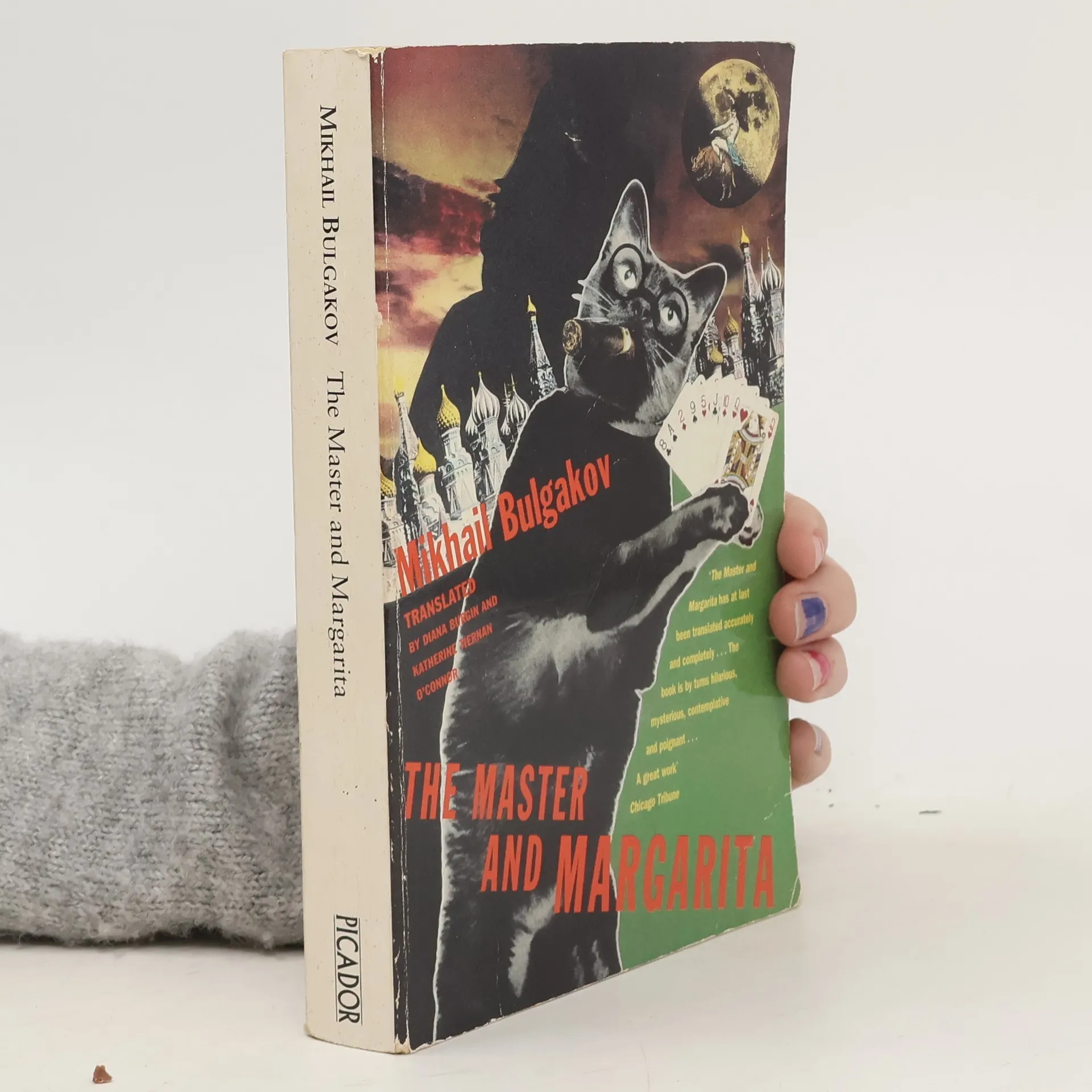
A new translation of Bulgakov's novel which also includes a commentary and afterword that provide new insights into the subtext of the novel.