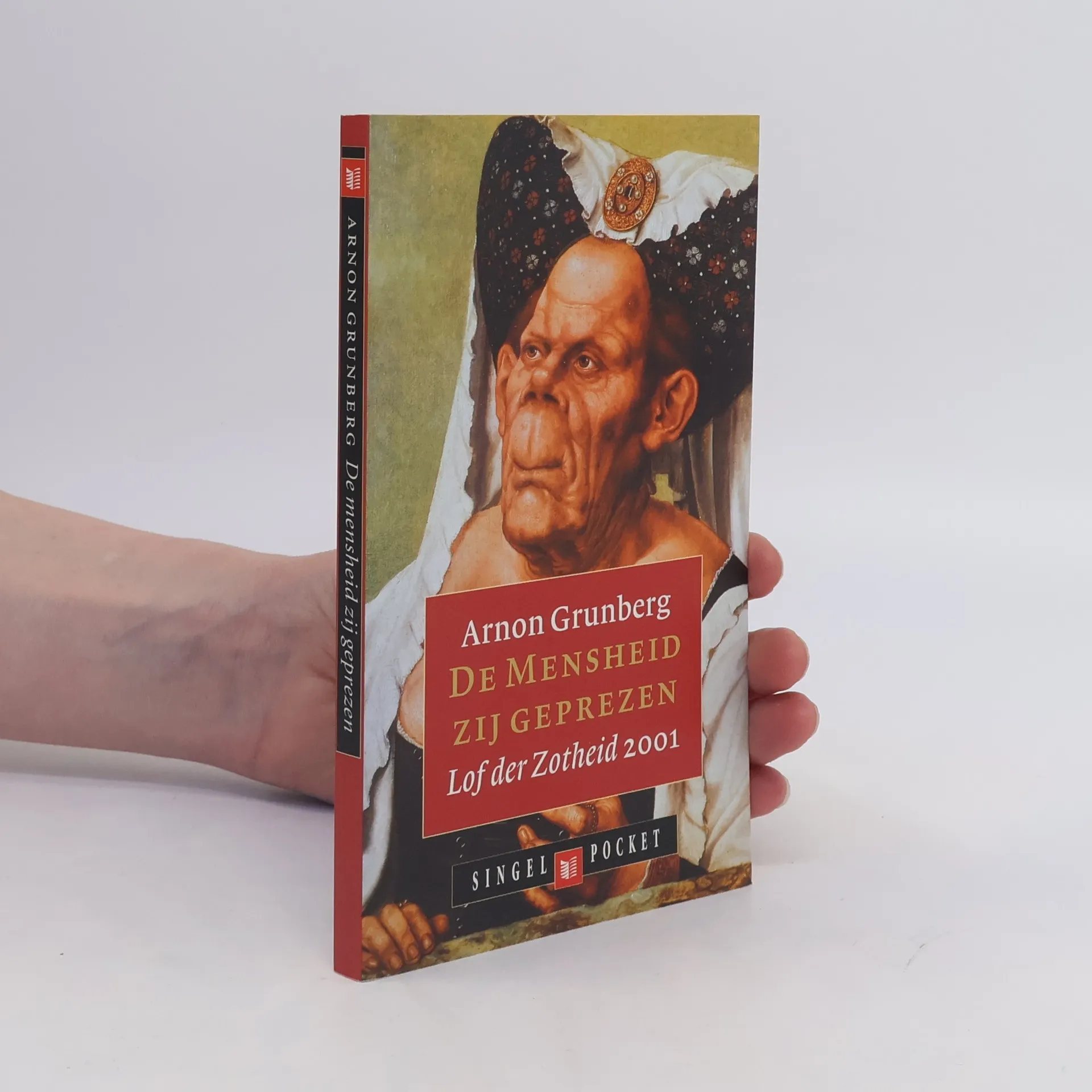
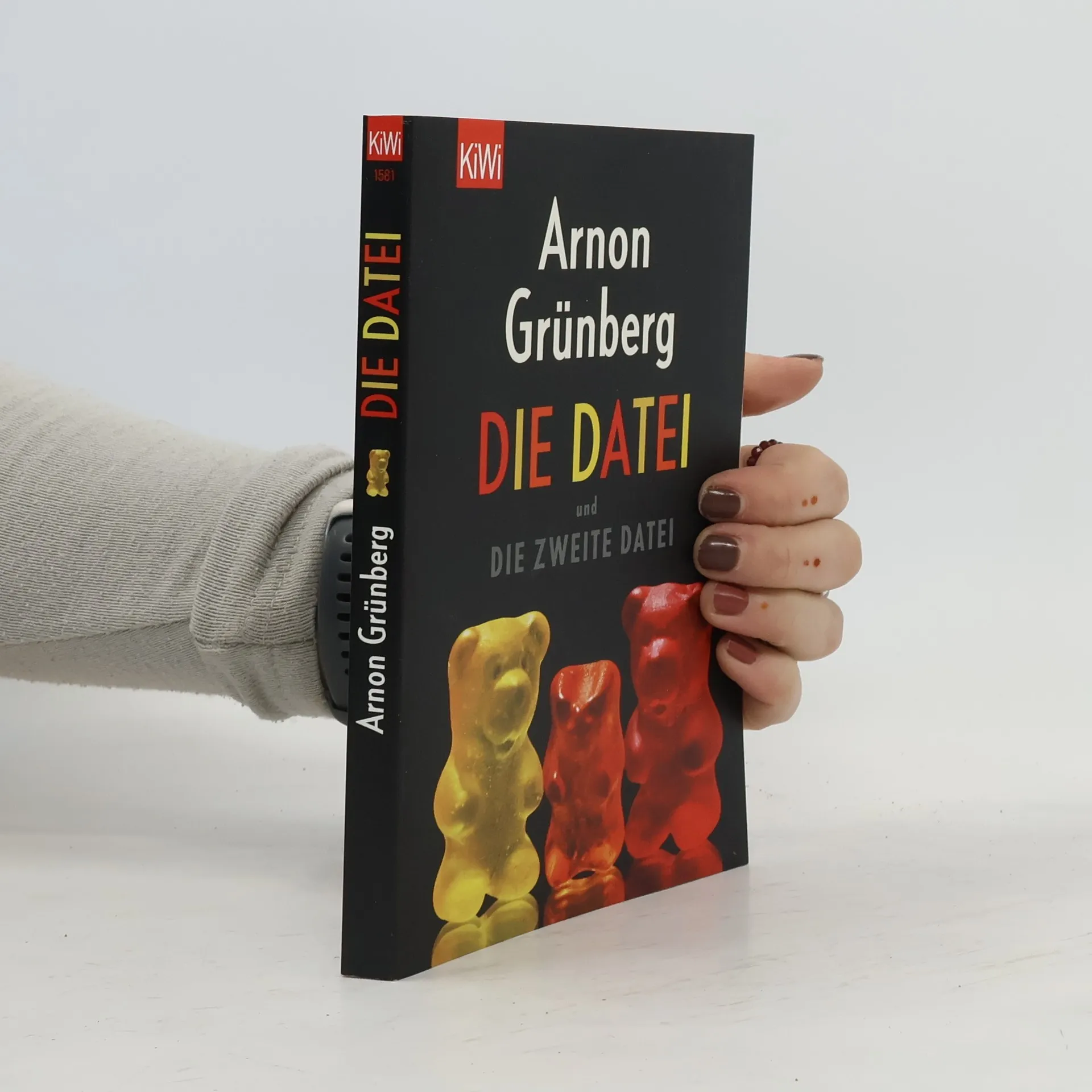
Arnon Grunberg is a celebrated Dutch writer whose work delves into the complexities of human psychology with a provocative and insightful style. He masterfully explores themes of identity, alienation, and the search for meaning in contemporary life, creating intricate narratives that challenge readers. Grunberg is also noted for his experimental approach to literature, frequently employing heteronyms and publishing a diverse range of works from novels to incisive journalistic reports.
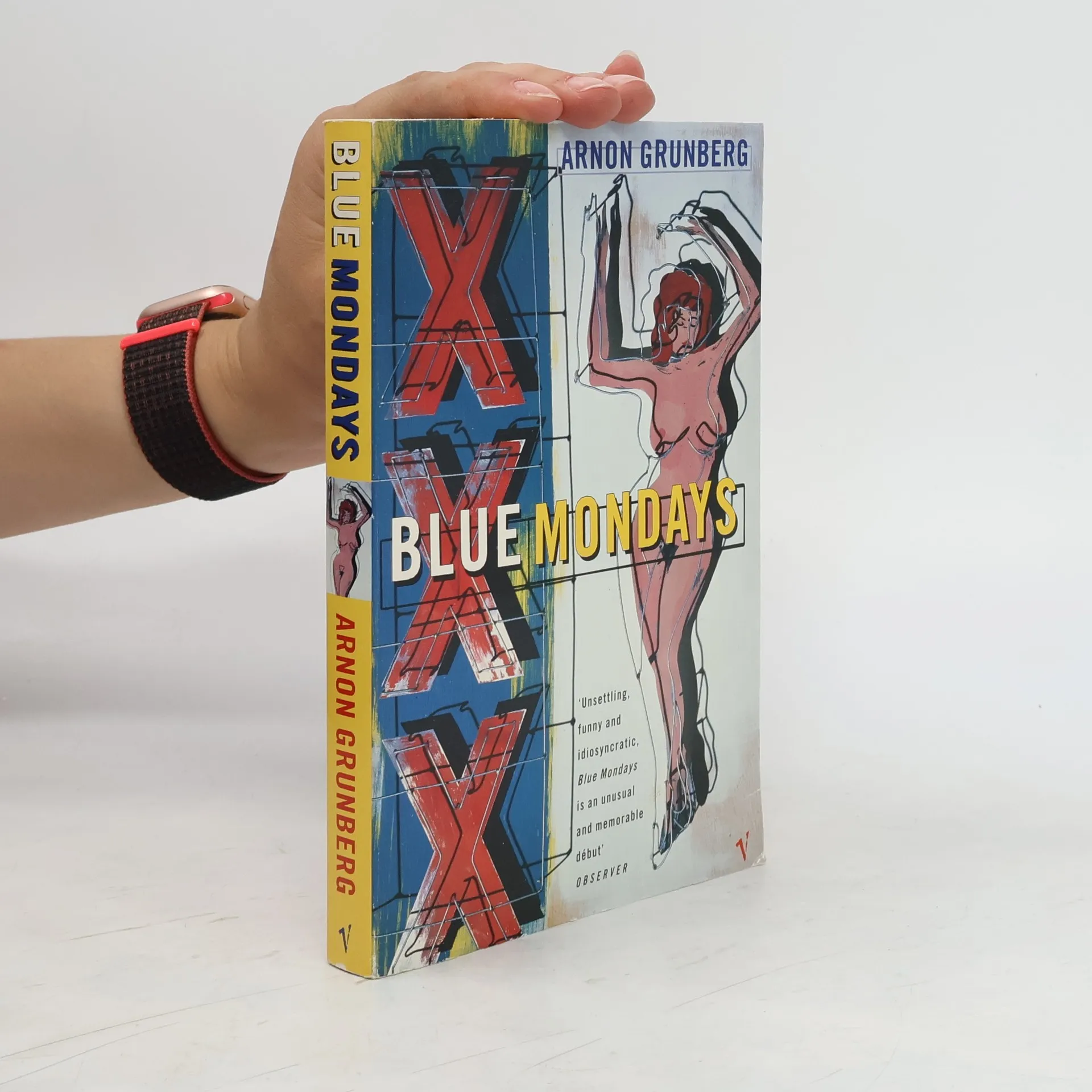
Once a literary novelist of some respectability, now brought low by the double insult of obscurity and debt, Robert G. Mehlman is in need of money and recognition - fast. So it is, of course, to cookery writing that he turns.
This novel's protagonist - who also happens to be called Arnon Grunberg - is a man on the run. Expelled from school, uneasy with his family, he spends his days
In 2020 vieren we dat het 75 jaar geleden is dat Nederland bevrijd werd en er een einde kwam aan de Tweede Wereldoorlog. Op 4 mei herdenken we hen die gevallen zijn in o.a. die oorlog. Op 5 mei vieren we de vrijheid. Voor 75 jaar Vrijheid schreef Arnon Grunberg de 4 mei-voordracht en koos tien gedichten om op 5 mei stil te staan bij de vrijheid.
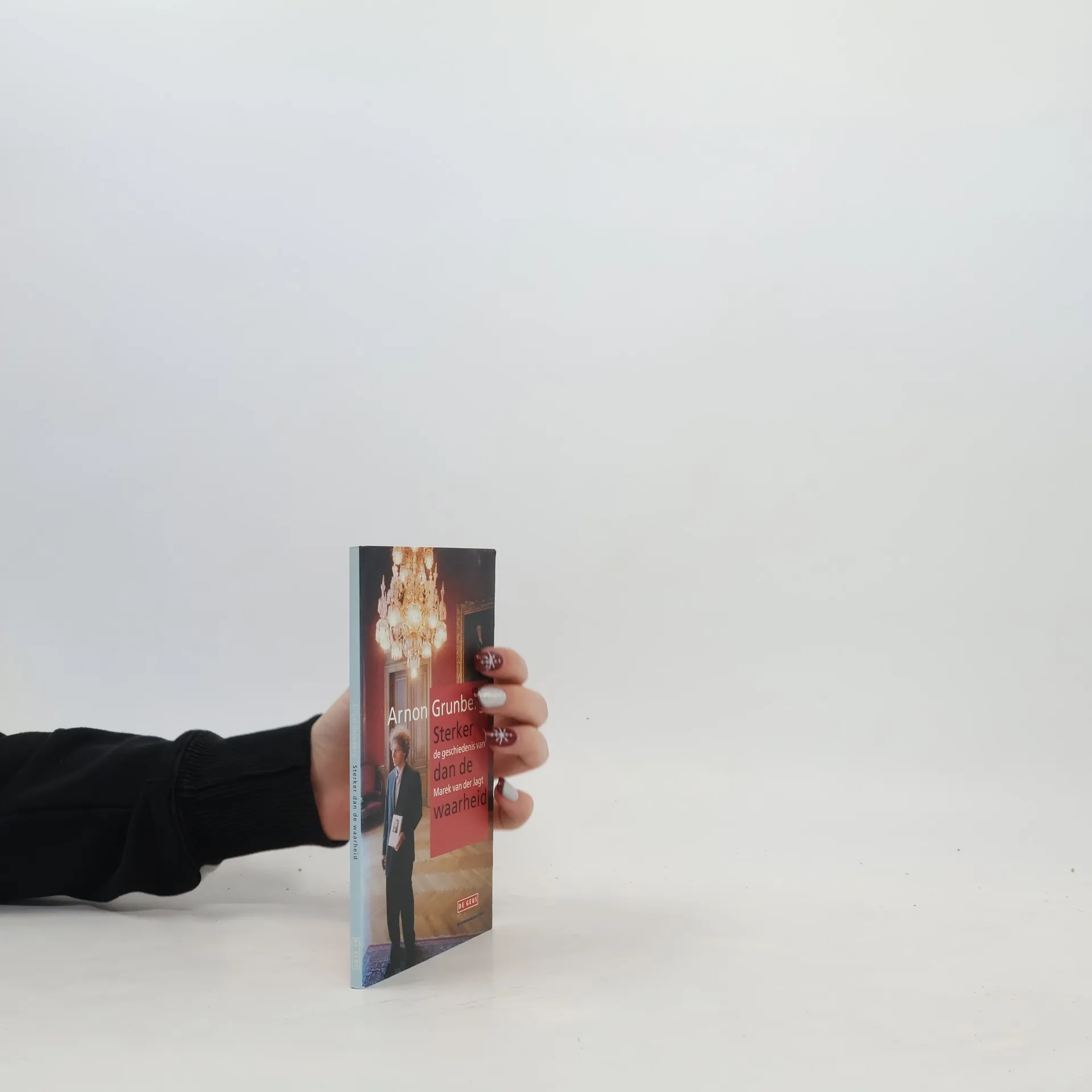
Auf der Suche nach der Amour fou begegnet der junge Philosophiestudent Marek van der Jagt in seiner Heimatstadt Wien Andrea und Milena. Er hofft, dass die Touristinnen aus Luxemburg ihn in die Geheimnisse der Liebe einweihen. Mareks Bruder Pavel erlebt eine wunderbare Nacht, doch Marek selbst macht eine frustrierende Entdeckung.
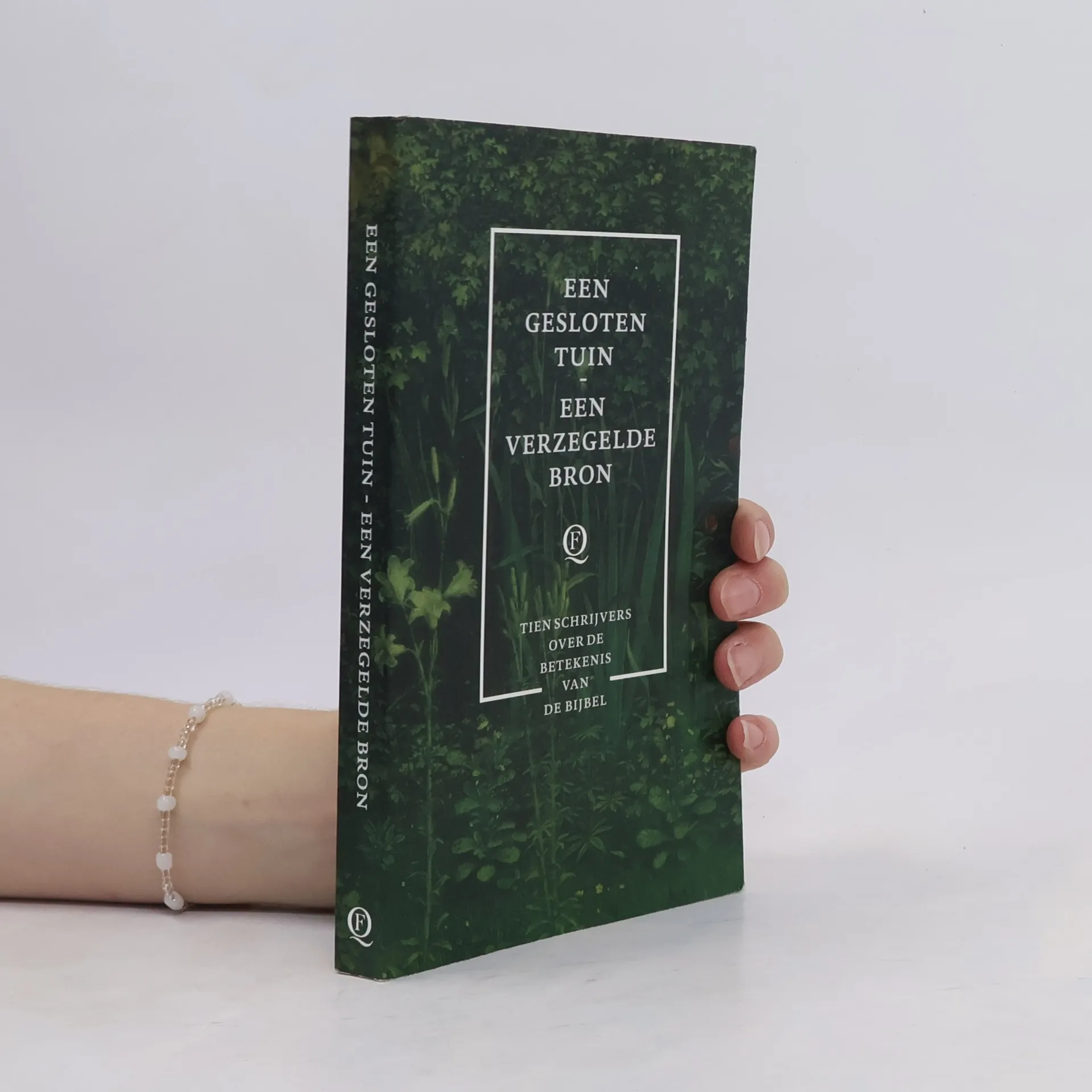
De woorden zijn vele eeuwen oud, en zijn talloze keren herhaald, en toch lijken ze nog niet tot ons te zijn doorgedrongen, of toch niet voldoende," aldus Kristien Hemmerechts. "Vraag en er zal gegeven worden. Dan vraag ik een wereld waarin het waardevolle uit de Bijbel, het Oude Testament zowel als het Nieuwe, eindelijk in de praktijk wordt gebracht. Amen."00Ter gelegenheid van de verschijning van de nieuwe Bijbel op 14 oktober 2021 buigen tien schrijvers zich over de betekenis van de Bijbel in de eenentwintigste eeuw: Désanne van Brederode, Arnon Grunberg, Kristien Hemmerechts, Guus Kuijer, Fik Meijer, Christine Otten, Willem-Jan Otten, Anne Vegter, Annelies Verbeke en Frank Westerman. Sommigen doen dat vanuit religieuze inspiratie, anderen vanuit de gedachte dat de Bijbel veruit het invloedrijkste boek is in de westerse cultuur. Samen geven de schrijvers een caleidoscopisch en verrassend beeld van het belang dat de Bijbel heeft in onze tijd.
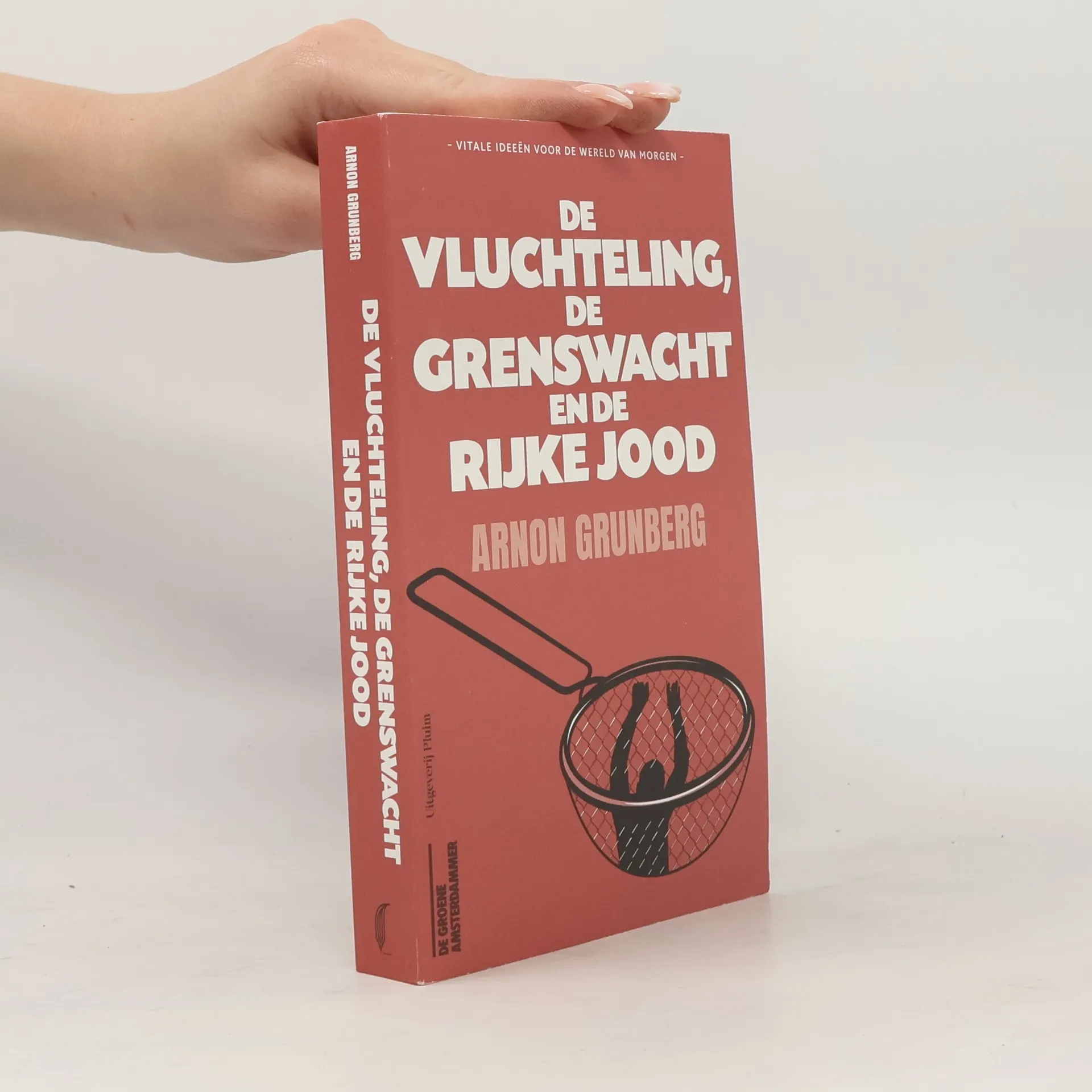
De bewaakte grensovergang is waar de staat iedereen als verdachte beschouwt. Daar moet men zijn onschuld bewijzen. Daar wordt verschil gemaakt tussen ingezetenen en niet-ingezetenen. Want hoezeer sommige grenzen ook onzichtbaar zijn geworden, zij markeren nog altijd het punt waar de ene wet ophoudt en de andere begint.Al decennia wordt er gedebatteerd over de vluchteling, die ook gelukszoeker, illegaal of crimineel wordt genoemd. Intussen produceren nieuwe oorlogen nieuwe landverhuizers. Wat voor de een maatschappelijk debat is, is voor de ander noodlot.Arnon Grunberg reisde af naar Georgië, waar hij met gevluchte Russen sprak. Naar Oekraïne, om vluchtelingen te ontmoeten die in eigen land blijven. En naar Polen, waar hij een gesloten detentiecentrum bezocht. In Nederland liep hij mee met de IND en de vreemdelingenpolitie, om de werking van de grens als zeef van dichtbij te bestuderen. Grunberg onderzoekt hoe onze grenzen altijd weer verdronkenen en geredden produceren. Hij vergeet daarbij de geschiedenis van de Europese grenzen en vluchtelingen niet. Zonder geschiedenis immers geen heden.
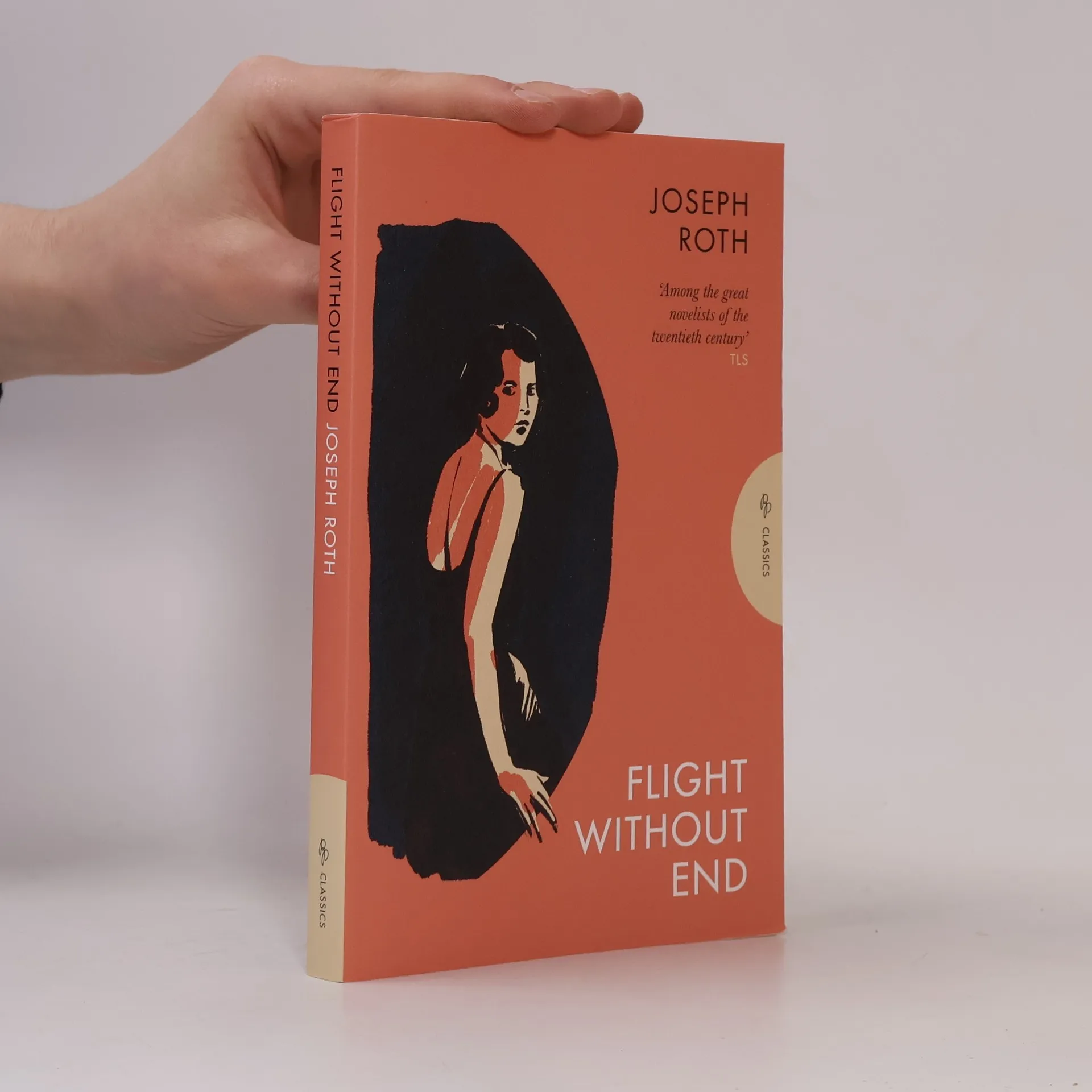
“An almost perfect novel” — Rolling Stone A soldier travels through Europe on a doomed mission to track down his fiancée in this masterful and vivid evocation of life between the wars Franz Tunda, an officer in the Austro-Hungarian army, is captured by the Russians in World War I. Imprisoned in Siberia, he escapes to a remote farm, hiding out in such deep cover that he only learns of the end of the war months after the final shots have been fired. When peace is at last declared, Tunda pulls out a crumpled photo of a fiancée he doesn’t know—Irene is simply a beautiful face who represents the world before—and sets off in search of home. But the old order has vanished, and Tunda finds himself swept along in the current of this new, terrifying world, surrendering to an impassioned love affair with a Russian revolutionary before drifting phantom-like through Europe's cities. Meanwhile, Irene has made her own accommodation with the course of events, and grows ever more distant from the young woman in that photograph—that photograph carried next to Tunda’s breast across a decade and a continent, heading inexorably toward a confrontation with its original in interwar Paris. One of the most personal novels by the great eulogist of the Austro-Hungarian empire, this story melds wry humour and the experience of exile to reflect on the predicament of a man who can find no role for himself in a changed world.
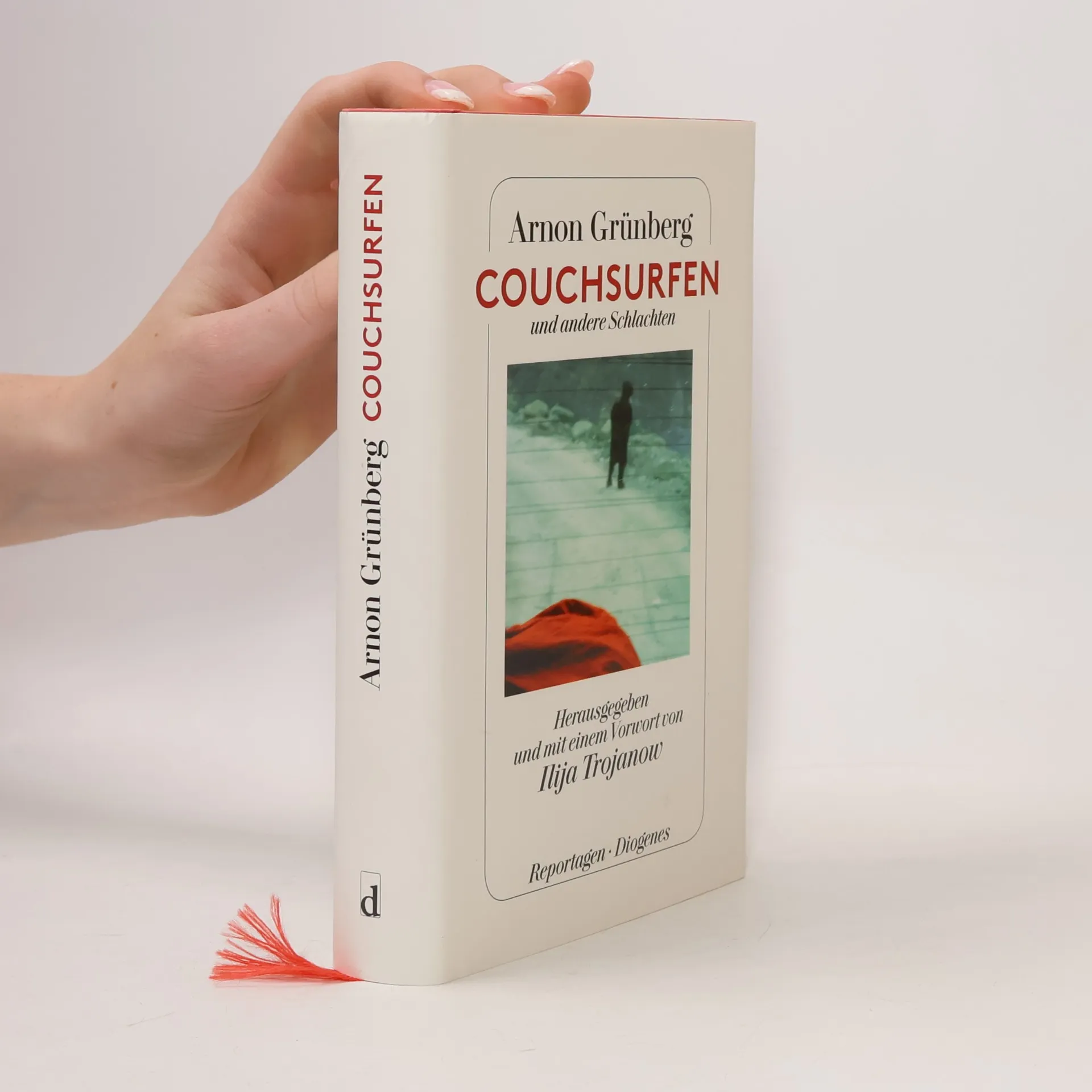
Eine abenteuerliche Reise durch die Gegenwart: Ob auf fremden Sofas beim Couchsurfing, auf Brautschau in der Ukraine, in Guantánamo oder Afghanistan – diese Reportagen führen dorthin, wo wir alleine nie hingekommen wären. Arnon Grünbergs Blick für das absurde Detail stimmt ebenso nachdenklich, wie er erheitert. Die besten Reportagen, ausgewählt von Ilija Trojanow.
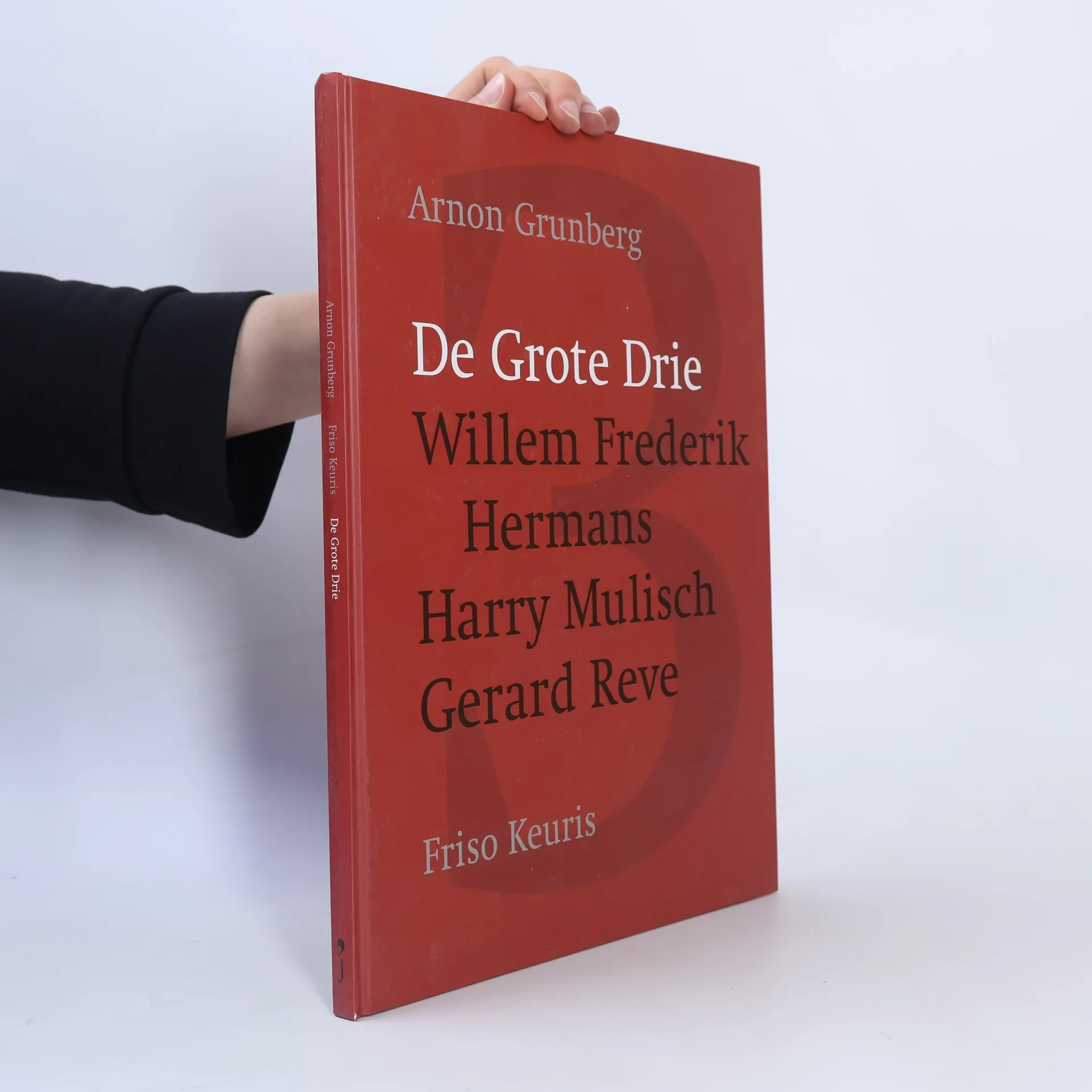
Willem Frederik Hermans, Harry Mulisch, Gerard Reve
26 pages
1 hour of reading
Tekst en foto's werpen licht op drie schrijvers die na de Tweede Wereldoorlog op een nooit geëvenaarde wijze het literaire firmament bestormden en die het verdienen gelezen te worden, nu en straks. De Grote Drie - het begrip werd begin jaren zeventig geïntroduceerd door criticus Kees Fens - zijn door fotograaf Friso Keuris treffend in beeld gebracht. Schrijvers op de top van hun roem, duidelijk gewend te poseren en zich bewust van de indruk die zij op de kijker willen overbrengen. Hetgeen ook blijkt uit Keuris' commentaar op zijn ontmoetingen met de grote drie.
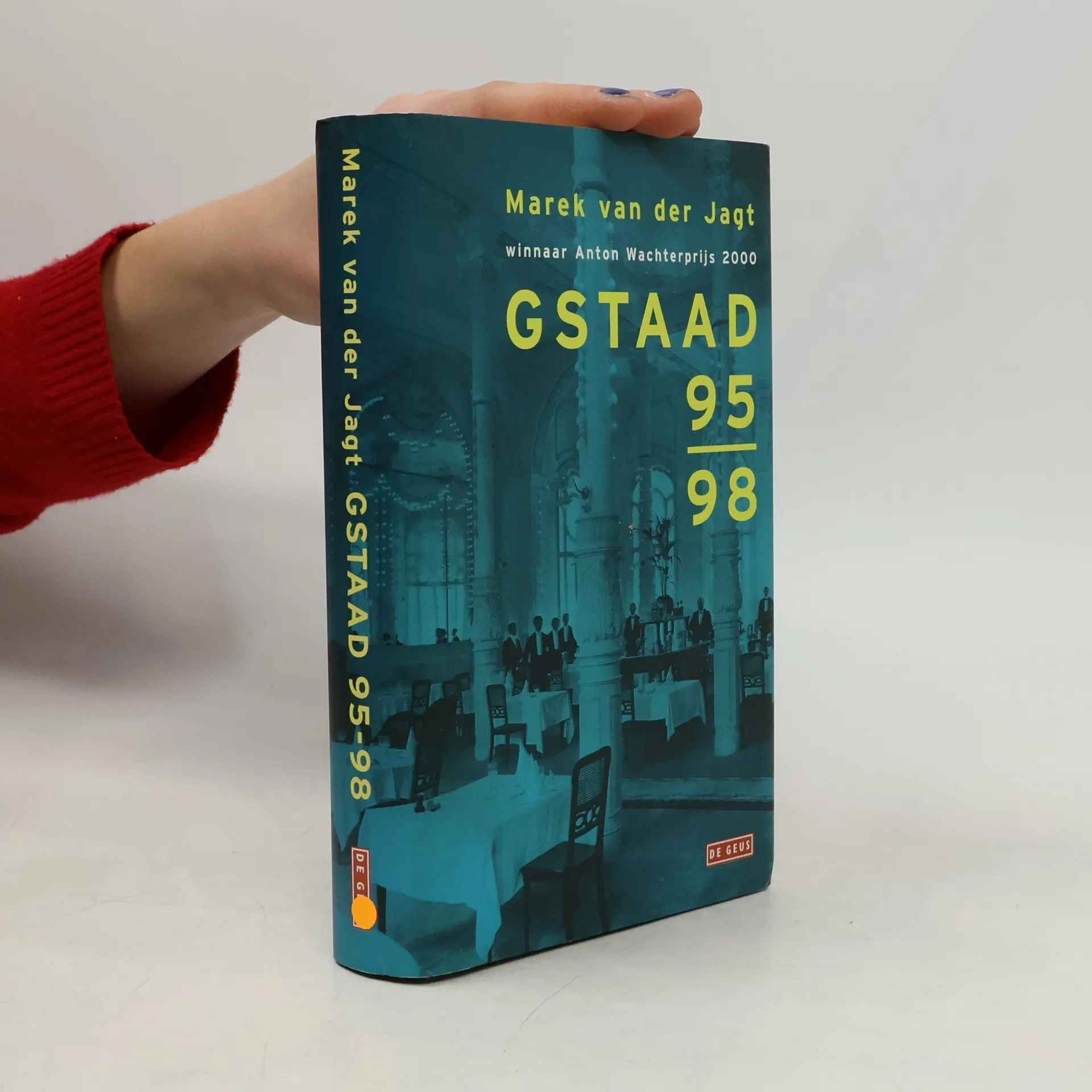
Das frühe Meisterwerk des niederländischen-Bestseller-Autors – erstmals auf Deutsch Menschen, die nichts werden können, müssen das werden, was sie spielen. Für den jungen François Lepeltier, der hier scheinbar unbedarft seine Lebensgeschichte ausbreitet, ist das die Essenz des Überlebens. Von der Mutter, einem Zimmermädchen mit kleptomanischen Anwandlungen, wird François in der Pension Sonnenhügel in Baden-Baden aufgezogen. In Stuttgart gibt er sich als Zahnarzt aus, bevor er als Portier und Skilehrer reüssiert – Etappen auf dem Weg zum Gipfel seiner Karriere: François wird Sommelier im noblen Palace Hotel, hoch oben in den Bergen von Gstaad in der Schweiz. Doch wer so hoch aufgestiegen ist, der kann nur fallen. Im Gewand eines Schelmenromans wirft Arnon Grünberg einen tiefen Blick in menschliche Abgründe. Entstanden ist ein rabenschwarzer, sarkastischer Roman, der seine Leser abwechselnd lachen und schaudern lässt. »Ein Buch wie ein Beil. Nach der Lektüre spürt der Leser in sich einen unermesslichen, gähnenden Abgrund.« NRC Handelsblad »Voll grimmiger Komik und Unerbittlichkeit« The New York Times
Translated now for the first time into English, War is a powerfully vivid,
unflinching, darkly comical exploration of the physical and mental trauma of
the Western Front, which provides a fascinating missing link in the writing
career of one of the greatest - and most controversial - authors of the
twentieth century.
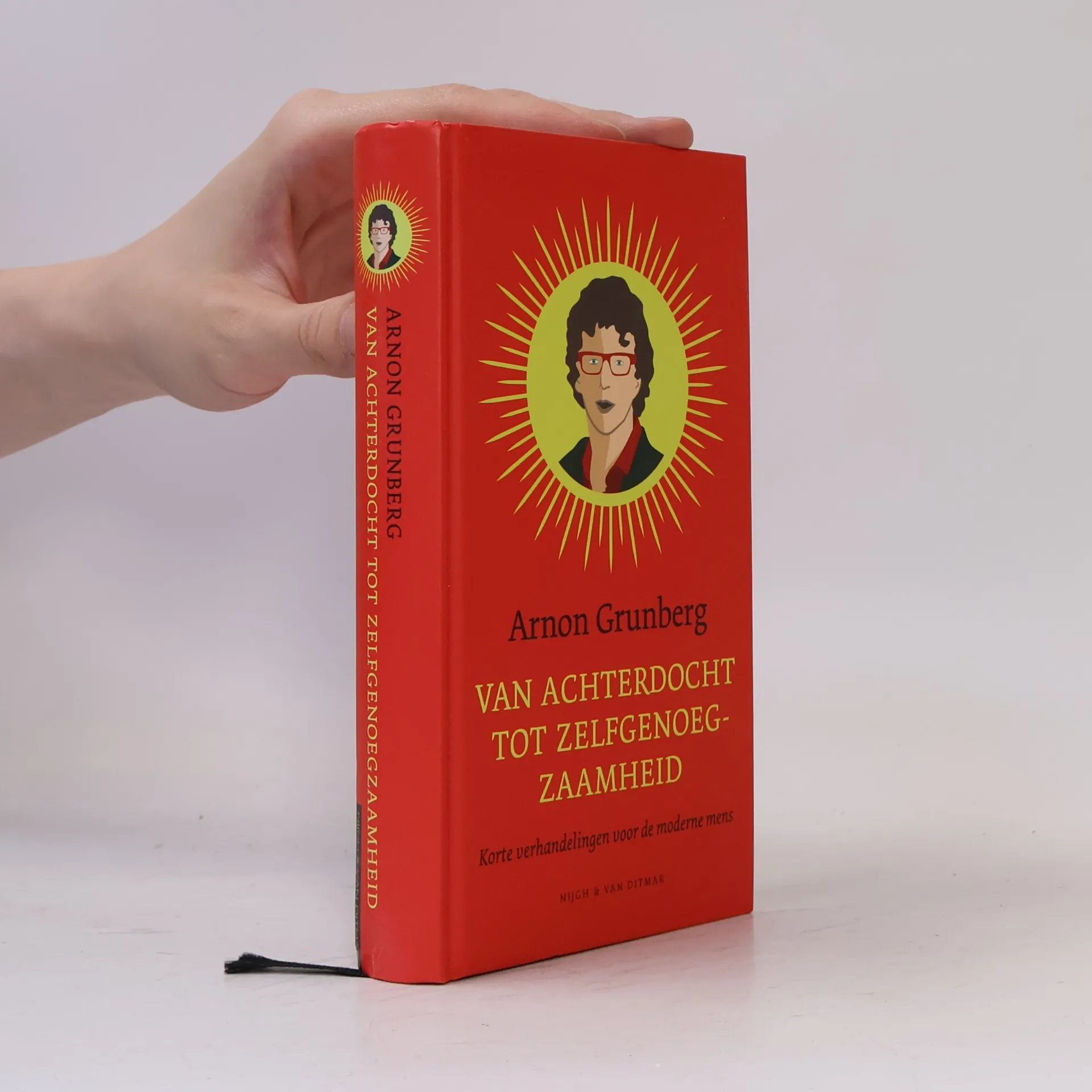
1) Korte verhandelingen kunnen over alle onderwerpen gaan die de hedendaagse mens dwarszitten, die hem fascineren, beangstigen, verlangens in hem opwekken. 2) De korte verhandeling is een essentialistische verhandeling, het overbodige is gekapt. 3) De korte verhandeling wil een vangnet zijn onder de kunst van het converseren. 4) Eén aforisme per korte verhandeling is een minimum. 5) De korte verhandeling is een mini-essay, een samenvatting, een bloemlezing. Als men de schrijver vraagt: wat wilde u nou eigenlijk zeggen met dit of dat?, dan kan hij antwoorden: ‘Lees mijn korte verhandelingen, de rest is uitwerking.’
Mensen die niets kunnen worden, moeten worden wat ze spelen. Dat is voor de jonge François Lepeltier de kern van het overleven. In een onbewaakt ogenblik werd hij verwekt, op kamer 17 van een hotel in Heidelberg. Moeder Mathilde was negentien, meer een kind dan een mama, meer een oudere zus dan een moeder. Vader Lepeltier handelde in dons, voornamelijk ganzenveren. Zij scheelden 38 jaar, maar voor de liefde is dat niets. In de stilte van de woonkamer van een pension in het Duitse Baden-Baden bereidt de jonge François zich voor op de rol die zijn glansrol zal worden: sommelier van het vermaarde Palace Hotel, hoog in de bergen van het Zwitserse Gstaad. Maar wie zo hoog gestegen is, kan alleen nog maar vallen. En hoe.
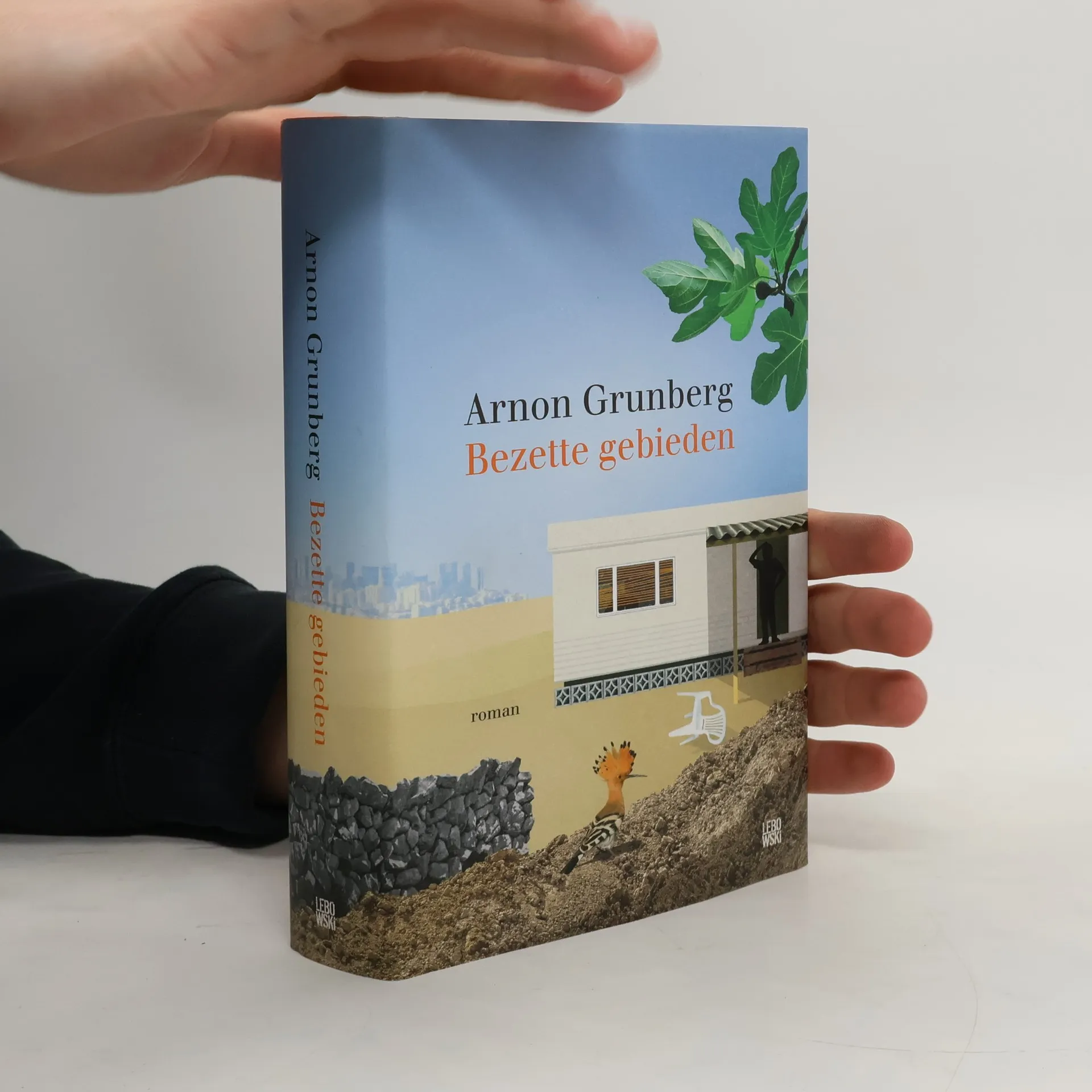
Otto Kadoke, de grensoverschrijdende psychiater uit Moedervlekken, is terug. Nadat het verhaal van zijn alternatieve therapie door een bekende auteur te boek is gesteld en een bestseller is geworden, raakt hij verstrikt in een web van halve waarheden, interpretaties en leugens dat hem zijn baan kost - en zijn reputatie vernietigt. Maar niet alleen dat: zijn moeder is inmiddels weer vader geworden en de verzorgster van vader ontpopt zich tot een onvermoeibare aanhangster van Christenen voor Israël. Op een dag, als alles verloren lijkt, staat een ver familielid voor de deur: in haar ziet Kadoke zijn kans om te ontsnappen. Ze voert hem - en zijn vader - naar de bezette gebieden, waar hij tegen zijn zin in als verlosser wordt onthaald. Bezette gebieden is een hartverscheurende, maar ook zeer komische roman over het verleden dat toekomst en heden overwoekert, over schuldige affaires op onschuldige plekken, en onschuldige affaires op schuldige plekken.
De vrijheid mag lonken, maar liefst niet de hele dag; wanneer de vrijheid uitsluitend tijdens de zomervakantie lonkt, is het leven al zwaar genoeg. Jörgen Hofmeester is vader van twee dochters en werkzaam voor een gerenommeerd bedrijf. Dankzij een uitgekiend financieel beleid woont hij op stand: bandeloosheid leidt tot rampen. Stilstand is voor Hofmeester de voorwaarde voor liefde en geluk. Loom houdt hij van zijn dochters. Dat zijn echtgenote hem ingeruild heeft voor een jeugdliefde op een woonboot en dat een gedeelte van zijn vermogen is verdwenen door malversaties van merkwaardige groeperingen die de wereldeconomie beheersen, het deert hem niet. Zolang hij maar van zijn kinderen mag houden. Maar op een avond staat zijn echtgenote weer voor de deur. En dan doet een man zijn intrede in het leven van Jörgen Hofmeester, een man die als twee druppels water op Mohammed Atta lijkt. --singeluitgeverijen.nl
Bekentenissen over verliefdheid, sex, verlangen en totale overgave
207 pages
8 hours of reading
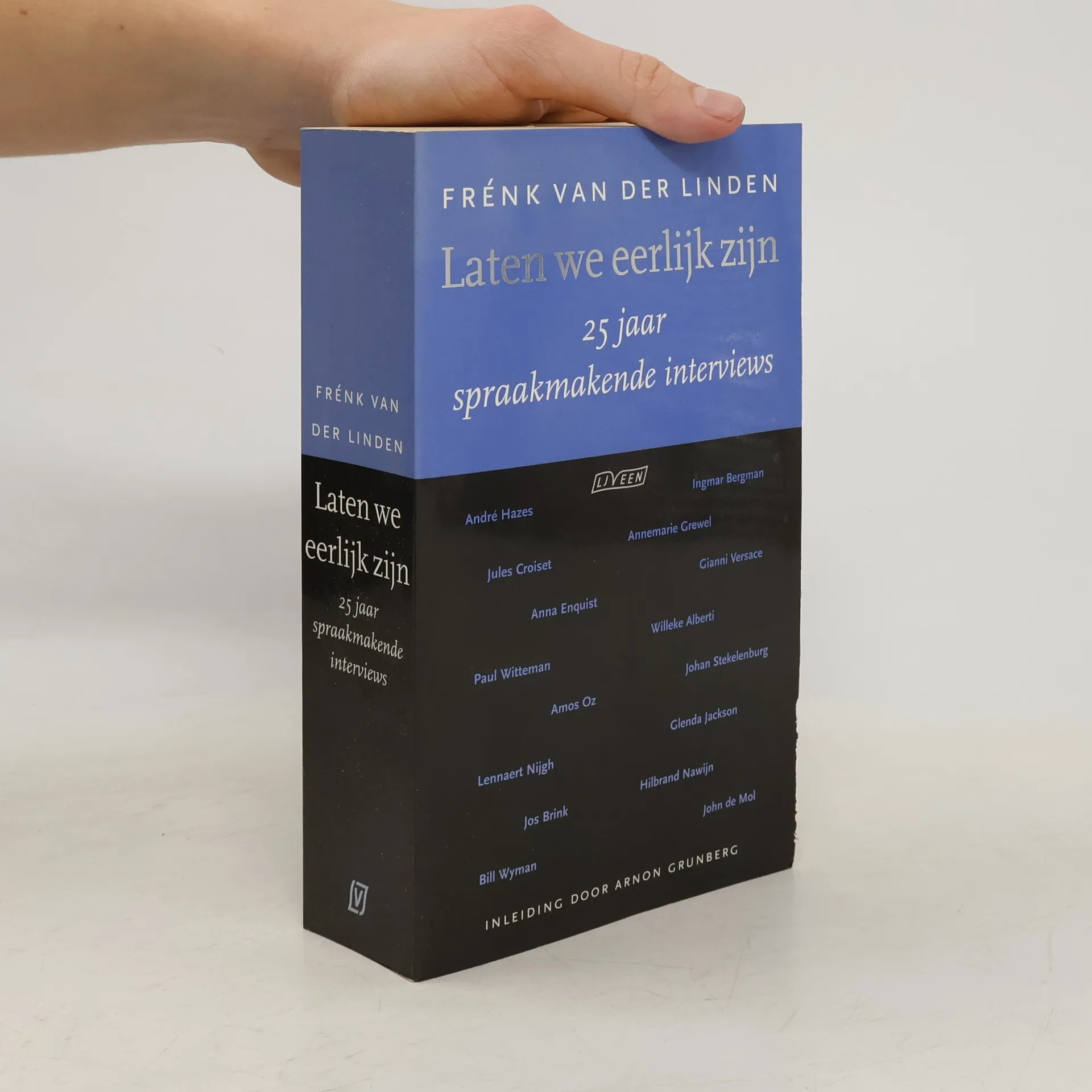
Interviews met bekende en minder bekende Nederlandse en Vlaamse mannen, waaronder Robert Vuijsje, Mark Mieras, Arnon Grunberg, Javier Guzman, Peter Blok en Pieter Boskma. Tussen de gesprekken door staan herinneringen en beschouwingen van de schrijfster zelf. Interviews met bekende en onbekende Nederlandse mannen, afgewisseld met verhalen over de eigen ervaringen van de interviewster.
In zijn paspoort staat: Jean Baptist Warnke. Een naam waarmee je eigenlijk alleen diplomaat kunt worden. Zo werd hij tweede man op de ambassade in Lima, Peru. Hij is getrouwd en heeft twee kinderen. Maar de grens tussen overspel en overwerk is onduidelijk, vooral voor een diplomaat. ‘Alles gaat om gewild zijn en alle pijn begint waar het gewild zijn ophoudt. Waar je niet meer gewild bent, maar te veel.’ Het aapje dat geluk pakt is het relaas van een man die tot de ontdekking komt dat zijn leven op een vergissing berust. Een man die op een receptie had moeten verschijnen en niet is komen opdagen. Een verhaal over de liefde als romantisch ideaal en de uiterste consequenties ervan, over de winstmarges van de burgeroorlog, en over de ontoereikendheid van de menselijke corruptie.
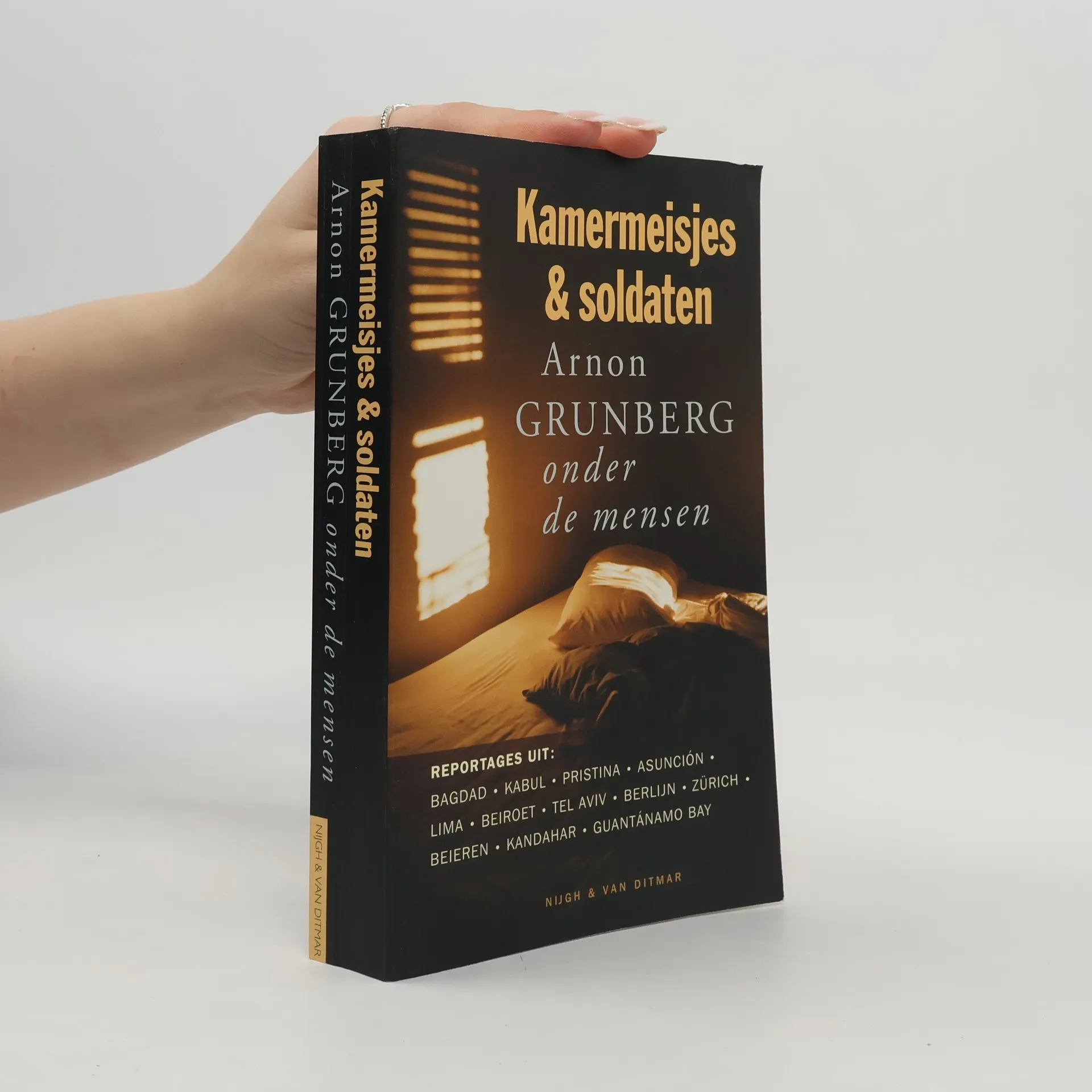
Literair-journalistieke reportages over de politieke en sociale actualiteit.Romanschrijver Arnon Grunberg begon in 2006 de reportage 'Onder de mensen' om antwoord te vinden op de vraag 'hoe anderen leven'. Zo ging hij onder andere als kamerjongen in een hotel in Beieren werken, hij reisde als embedded journalist naar Afghanistan en Irak, bezocht Guantánamo Bay en couchsurfte in diverse steden in Midden-Europa. Met zijn literair-journalistieke reportages plaatst Grunberg zich in de traditie van de meesters van het genre, zoals 'de razende reporter' Egon Erwin Kisch en Joseph Roth, vertellers die met hart en ziel over de politieke en sociale actualiteit berichten.'Eigenzinnig en tragikomisch' - Vrij Nederland'Als observator is Grunberg heel sterk' - Het Parool
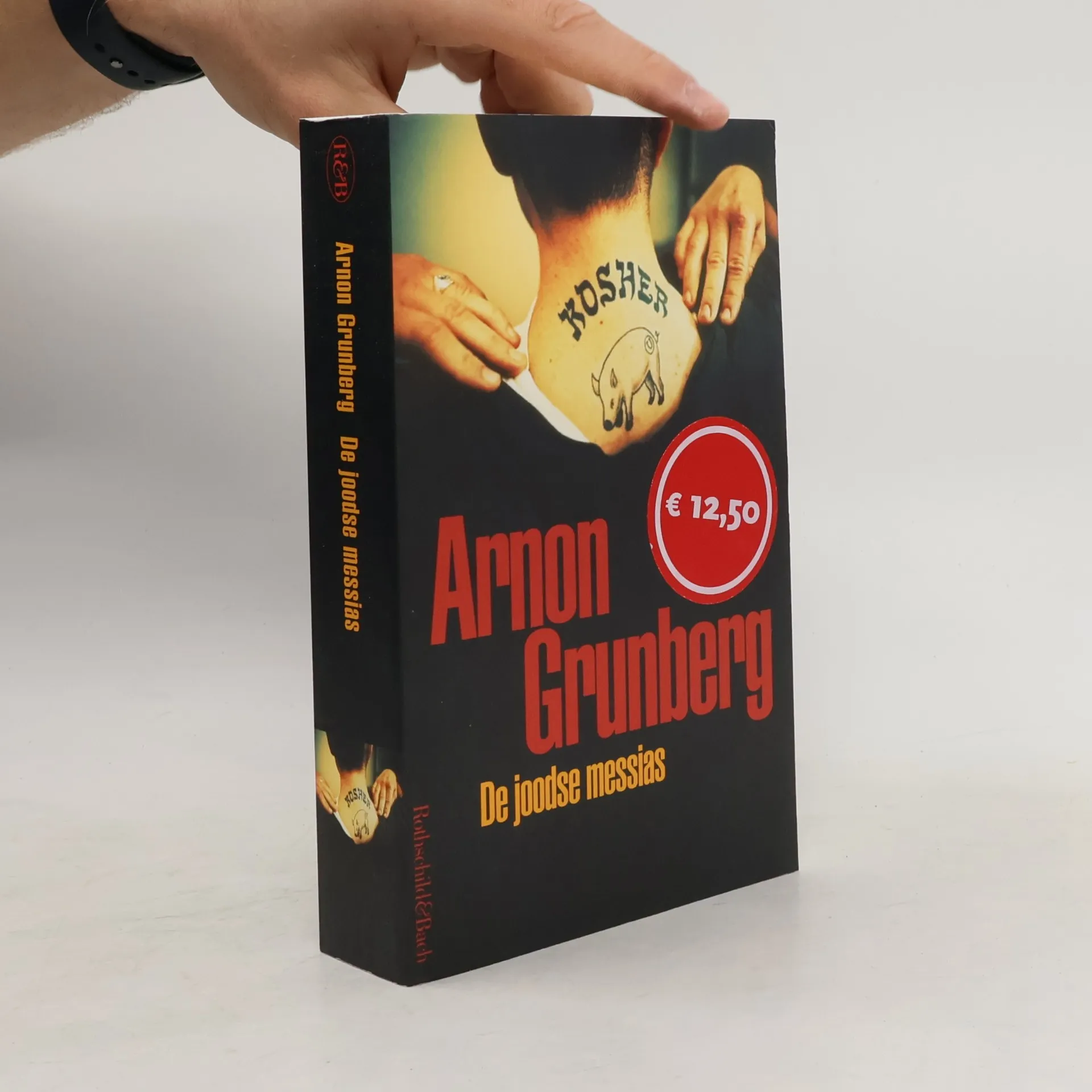
Xavier Radek is een in Basel woonachtige, geassimileerde niet-joodse jongeman met een missie: hij wil meer weten over het lijden van de joden. Daarom besluit hij de 'vijanden van het geluk' te gaan troosten. Zijn grootvader was een nazi die het handwerk van de dood nog verstond. Zijn vader is een bekende architect met een voorliefde voor massagesalons. En dan zijn moeder: een hartstochtelijke vrouw die een aquarellerende dictator die zeventig jaar geleden actief was consequent aanduidt als 'Je-weet-wel-wie'. Hoewel zijn ouders Xavier's gedrag afdoen als puberale stoornis, raakt hij bevriend met Awromele, zoon van een rabbijn, die hem adviseert Jiddische lessen te nemen en zich te laten besnijden. Na een problematische besnijdenis raakt Xavier volledig overtuigd van zijn messianistische aspiraties: hij gaat schilderen om te troosten en vertrekt met Awromele naar het Venetië van het Noorden, alwaar hij zich aanmeldt bij de Rietveld Academie, terwijl Awromele werk vindt als vakkenvuller bij Albert Heijn. Door de Europese woestijn trekken ze naar het beloofde land...
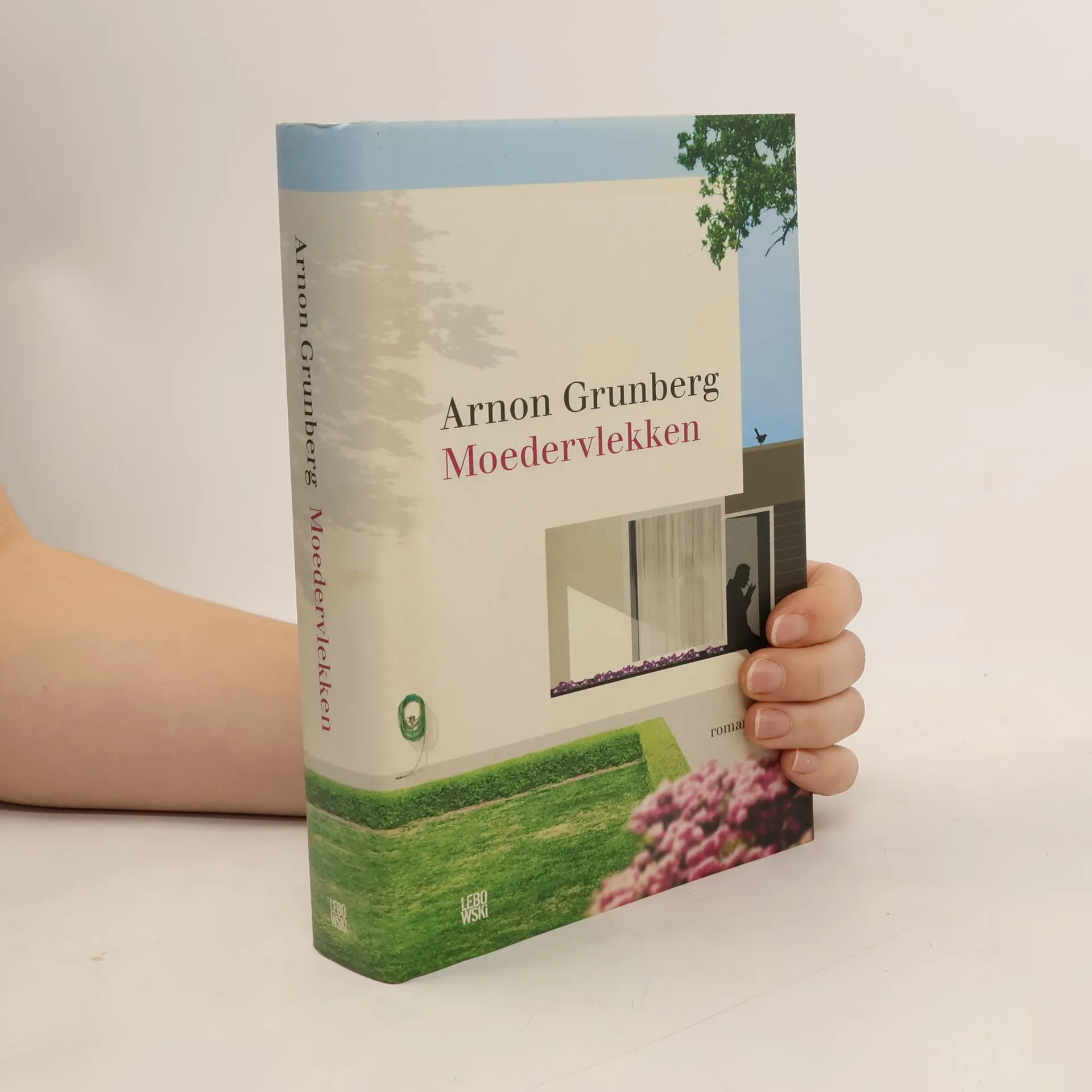
Otto Kadoke werkt als psychiater in een crisiscentrum: zijn specialiteit is suicide-preventie, hij dient mensen met een doodswens voor het leven te behouden. Wanneer hij op een dag bij zijn oude en hulpbehoevende moeder op bezoek gaat, doet een van de Nepalese verzorgsters de deur open, gehuld in slechts een handdoek. De psychiater, die zich altijd aan het protocol houdt, wordt overmand door gevoelens van liefde voor het meisje, met als gevolg dat hij de verzorging voor zijn moeder voortaan alleen dient te organiseren. Kadoke is kinderloos, van middelbare leeftijd, maar niet onaantrekkelijk voor artsen in opleiding: hij heeft er menig weten te verleiden. Na opnieuw een grensoverschrijdende ontmoeting, ditmaal met een suïcidale jonge vrouw, lopen het professionele en privéleven van Kadoke definitief in het honderd: zijn moeders huis wordt een ambulant crisiscentrum. Moedervlekken is een genadeloos eerlijke roman over de liefde van een zoon voor zijn moeder en vader, en vice versa. Een boek over twee mensen die niet kunnen leven - en niet dood kunnen gaan - zonder elkaar. Het markeert een nieuwe fase in Arnon Grunberg's veelomvattende schrijverschap: zorg en liefde sluiten elkaar niet langer uit. Ondanks verlies en pijn blijkt het mogelijk liefde voor het leven te voelen.
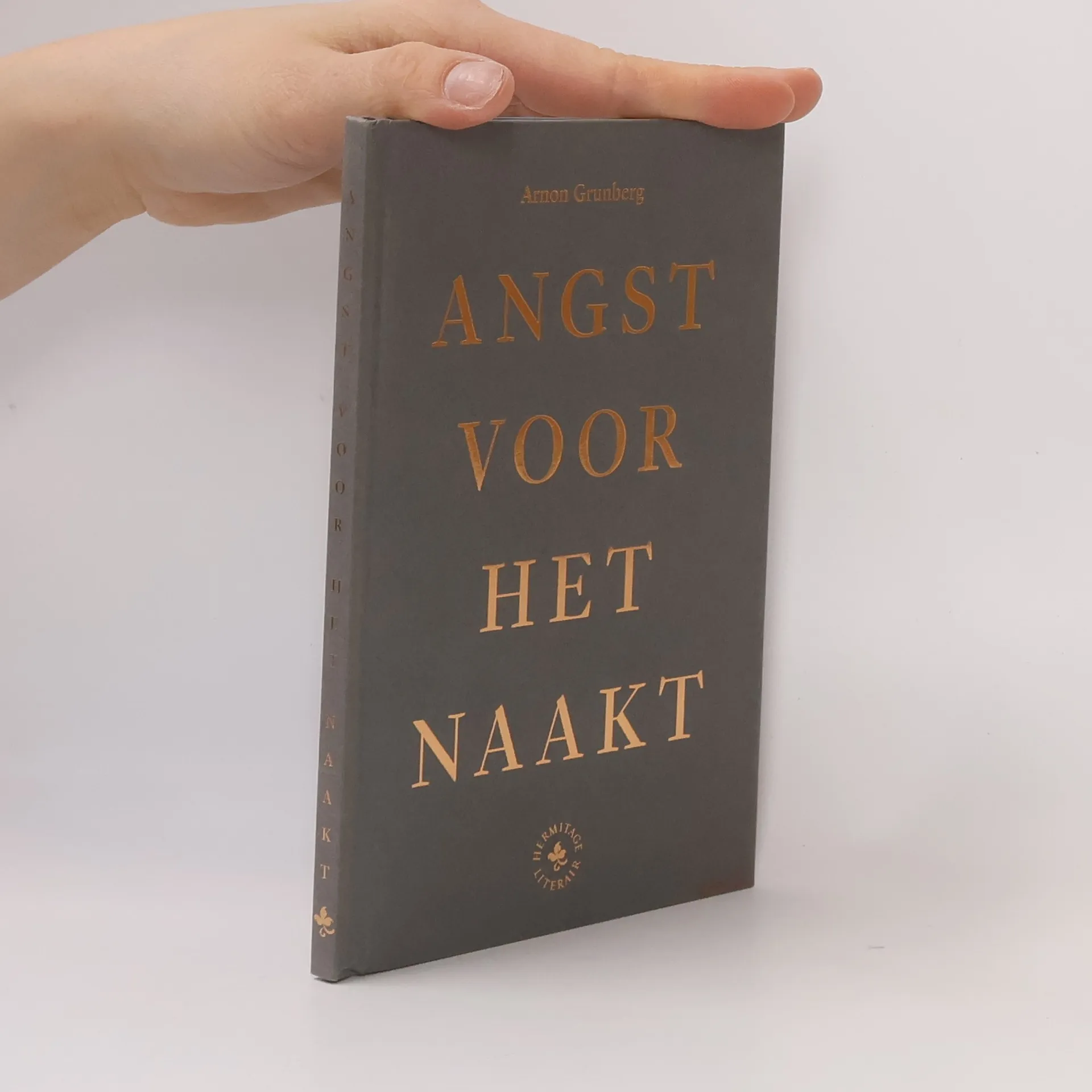
Fabian Brouzos wil de mens lichaamsdeel voor lichaamsdeel ontdekken. Hoewel hij een technisch volmaakte tekenaar is, wordt hem op de kunstacademie gezegd dat zijn werk ‘een hart, een ziel, een thematiek’ mist. Hij reist naar Italië om een systematisch leven na te jagen. Als zijn moeder steevast een garagehouder in Bologna in zijn tekeningen blijft ontwaren, begint ze zich grote zorgen te maken. Haar zoon is bang voor het vrouwelijk lichaam en zij voelt zich geroepen die angst weg te nemen – ongeacht de offers die daarvoor gemaakt moeten worden. Angst voor het naakt is een verhaal over obsessie, schaamte en de verlossing van het bedrog. Arnon Grunberg schreef het bij de tentoonstelling Classic Beauties in Hermitage Amsterdam
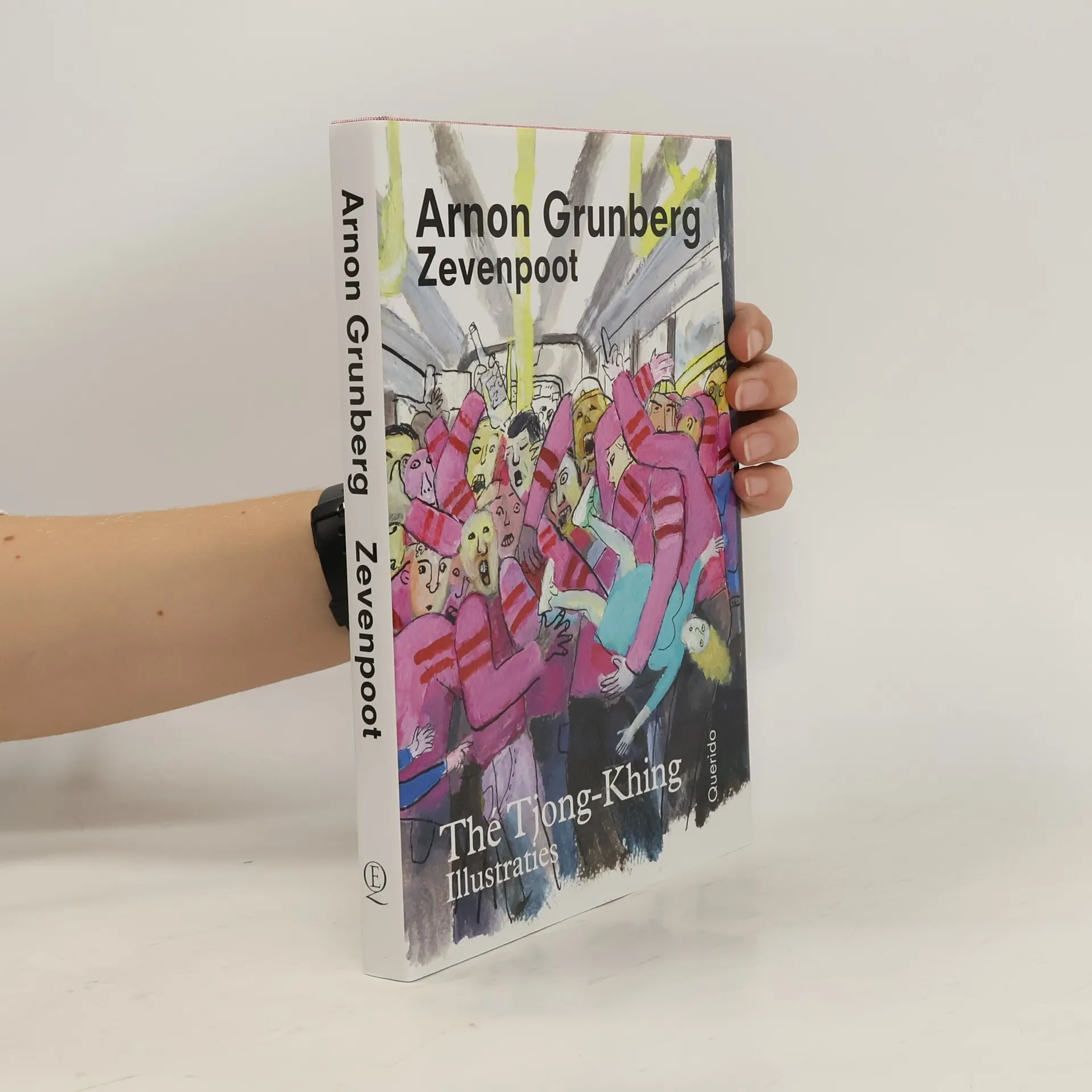
En serenade til mennesket. En unik samarbejde mellem Arnon Grunberg og Thé Tjong-Khing. 'Vores kærlighed overvinder alt,' siger fru og hr. Knoblauch, da de får en lille søn med otte ben, 'vi elsker ham, som han er.' Men omverdenen har sine betænkeligheder. Er ottebenet et medicinsk vidunder? Moderne kunst? En fremmed? Under titlen Hvid privilegium med syv ben (et brækkede af ved et uheld) bliver han udstillet på Stedelijk Museum. Alligevel går det ikke nemt med hans sociale accept. Efter at forældrene mister deres opsparinger til en alternativ behandler, oplever drengen i Ter Apel barmhjertighed, måske også takket være sin far, der har sagt til ham: sandhed er, hvad folk vil høre. Til slut overvinder kærligheden faktisk alt, men altid anderledes end man tror. Arnon Grunbergs satiriske fortælling, i ånden af Rabelais, er også en blid kommentar til kunst, kultur, ideologi og samfund. Thé Tjong-Khing sørgede for illustrationerne – lige så legende som teksten.
Een beetje humaan uitbuiten, daar doe je de mensen een groot plezier mee. Christian Beck, vertaler van gebruiksaanwijzingen, ontdekt alternatieve vormen van geluk en liefde. Ooit ontmaskerde hij zelfbedrog en illusies terwijl zijn vrouw in de woestijn dieren bestudeerde. Nu leeft hij voor haar. Samen met de nieuwe man van zijn vrouw vlucht hij de werkelijkheid in, omdat de zachte verdoving van de kick, het langzaam vergeten dat je bestaat, een kerker blijkt te zijn.
"Het is niet precies te voorspellen wanneer het zich zal openbaren, maar in 'Apocalyps', een nieuwe bundel verhalen van Arnon Grunberg, voelt het einde voortdurend als nabij. Soms houdt het gevaar zich schuil in de eigen woonkamer. Of iemands wereld nu verwoest dreigt te worden door een familielid, Afghanistan, een priester, geliefde, Bulgaren, een kind, huisdier of collega: niemand is veilig in Grunbergs omineuze universum. 'Het lucht op, het huilen en de koude tegels. Als hij klaar is, houdt hij zijn hoofd onder de koude kraan. Hij doet de koelkast open en kijkt naar het restant van de taart. De stilte is hier anders dan daar. Een auto in de verte. Er zoemt iets. Hij doet de koelkast weer dicht. Zonder licht te maken sluipt hij als een kat door zijn woonkamer, alsof daar iets te vinden is wat hij nog nooit heeft gezien.'"--Cover.
Wer lesen will, dass Sex allein glücklich macht, liegt mit diesem Buch genauso richtig wie die zarten Seelen, die an die große Liebe glauben, sie aber noch nicht gefunden haben. Und diejenigen, die über allem stehen, dürfen sich über die Schwierigkeiten der anderen amüsieren.
‘Als je kunt doden op commando, dan kun je ook liefhebben op commando.’ De meeste mensen hebben overtuigingen, zolang die maar niets kosten. Majoor Anthony is bereid een prijs te betalen voor zijn idealen. Als hij op een dag, tijdens een uit de hand gelopen operatie, het meisje Lina in de woonkamer van twee ‘verdachte individuen’ aantreft, besluit hij haar zonder aarzeling mee naar huis te nemen als teder geschenk voor zijn vrouw. Onze oom is het verhaal van een meisje dat als een dode onder de levenden verkeert, van een majoor die zijn schaamte alleen kan overwinnen door heldendom na te streven en van een opstandelingenleider voor wie de revolutie een door hem te regisseren opera is. Welke prijs moet er worden betaald voor het gebod om lief te hebben, wat kost de wens tot voortplanting, en wat de plicht om vrij te zijn? Met Onze oom schreef Arnon Grunberg een indringende roman over de prijs van de moraal.
Roman traduit du néerlandais par Olivier Vanwersch-Cot. Un voyage en absurdité.
249 pages
9 hours of reading
Architecte zurichois, Samarendra Ambani, fils d’immigrants indiens, se considère comme un « grand artisan du bonheur des autres ». Sa vie tranquille — un travail honnête, une charmante compagne, une bonne hygiène de vie — va virer au cauchemar lorsqu’il décroche le contrat d’un opéra à Bagdad. À peine arrivé dans la capitale irakienne, il est la cible d’une violence qui le dépasse. Il rentre chez lui brisé, mais ne retient pas la leçon. Quelques mois plus tard, il accepte le projet de construction de la Bibliothèque nationale de Dubaï. Lors de son séjour dans l’état du Golfe, Sam découvre que l’histoire se répète impitoyablement et qu’un passeport européen n’est pas une garantie de retour…
Economie laat zich in vier woorden samenvatten: geluk is te koop. En iets dat te koop is, daar ga je niet op zitten wachten langs de kant van de weg. Daar ga je op af. Met je portemonnee. En als je geen portemonnee hebt met je creditcard. En als je ook geen creditcard hebt met de portemonnee van iemand anders. Voor de helden uit Figuranten - Elvira Lopez, Broccoli en Ewald Krieg - begint het geluk in Hollywood. Zij maken zich op voor een grootse filmcarrière die zij operatie Brando noemen. Het verlangen om iemand anders te worden, iemand die je net niet bent, iemand die je waarschijnlijk ook nooit zal worden - is dat niet het ultieme verlangen?
Drie jaar lang deelde Arnon Grunberg zijn leven als Hotelmens op De Correspondent. Wat begon als een serie waarin het hotel de hoofdrol zou spelen, veranderde gaandeweg in een onderzoek naar de vraag waar je thuis bent. Hoe verbonden moet de mens eigenlijk zijn met het stukje grond waar hij, toevallig en voorlopig, werkt, woont en slaapt? Thuis ben je is een openhartig verslag van het leven zelf, de angsten die op verlangens lijken, de teleurstellingen, de kleine catastrofes, de geluksmomenten, de verliefdheden. Alles is materiaal.
Sie werden ihr Ziel niemals erreichen: Reichtum und Glück. Da können sie noch so lange zu San Antonio beten, dem Heiligen des Unmöglichen. Denn sie sind Immigranten. Das Brüderduo Tito und Paul Andino schlägt sich gemeinsam in New York als Illegale durch. Sie arbeiten für einen mexikanischen Lieferservice und tragen Burritos und Chili-Tacos aus. Vor allem aber lieben sie die mysteriöse Kristin. Arnon Grünberg zieht den Leser mit hinein in eine Welt der Illusionen und der Hoffnung wider alle Hoffnung. Ein Gefühlskarussell, bei dem einem das Lachen im Hals steckenbleibt, während man die Tränen nur mit Mühe zurückhält.
In een gebed dat geen gebed is, een bekentenis die geen bekentenis is, een liefdesbrief, nee, een verlaat antwoord op een liefdesbrief, vertelt Zelda (26) over haar leven als lokeend in dienst van een jeugdbende, als drager van eigen en andermans geheimen. En over de rest van haar leven,dat begon nadat ze haar vader op haar zestiende beloofde niet vroegtijdig te zullen sterven.Een verloren opschrijfboekje (toeval? noodlot?) voert haar naar de acteur Jona (tweevoudig winnaar van de Louis d’Or). Met hem en een Zweedse cowboy zonder cowboyhoed reist ze naar Taormina, volgens Jona het betere decor voor het geluk. Onder de Siciliaanse sinaasappelbomen leven Zelda, Jona en de Zweed alsof het bestaan een verhaal is waaraan je je moet overgeven. Maar vroeg of laat haalt het verleden je in, blijkt het levendiger dan het heden, blijkt de waarheid sneller dan alle kleine en grote leugens. Of niet? Wat als het verleden je nooit inhaalt? Als je voor altijd moet leven met je verzinsels?De dood in Taormina is een roman over rechtvaardigheid en liefde, over vergiffenis en pragmatisme, acteren en oprechtheid, en over de vraag of datgene waarvoor je leeft ook datgene is waarvoor je bereid bent te sterven.
Zwischen real und digital: Wo bleibt da die Liebe? Was passiert, wenn die Grenzen zwischen Realität und Phantasie verschwimmen? Wenn das Lesen im Netz das tatsächliche dominiert? Mit seinem unverwechselbarem Sinn für Humor und seinem scharfen Blick fürs Detail geht Arnon Grünberg in seiner Novelle genau diesen Fragen auf den Grund. Lillian, Anfang zwanzig ist ein weiblicher Nerd. Sie wohnt noch bei ihren Eltern, ist übergewichtig und alltagsuntauglich. Ihr wahres Leben findet im Netz statt. Dort sind auch ihre Freunde, der wichtigste ist Banri Watanuki. Das Chatten mit ihm hilft Lillian, auch in der Außenwelt besser zurechtzukommen. Sie lebt ein fast normales Leben, bis sie eines Tages glaubt, in ihrem Kollegen Seb ihren Cyber-Freund Banri Watanuki wiederzuerkennen …Ein beeindruckender Text über digitale und analoge Welten – und über die Liebe, die sich zwischen allen Einsen und Nullen immer noch ihren Weg bahnt.
Na de dood van mijn moeder begon mijn uitgever, tegenwoordig uitgever in ruste, Vic van de Reijt in de garage van mijn moeder, die zij nooit als garage heeft gebruikt, te grazen in mijn archieven. Hij vond verhalen waarvan ik het bestaan was vergeten, verhalen die ik me nog maar half kon herinneren, teksten ooit uitgegeven door Jan Ritsema, eveneens uitgever in ruste. Aan de eettafel in mijn moeders huis las en ordende Van de Reijt de teksten. Van hetzelfde verhaal bestonden soms zeven versies; de schrijver heeft een maniakale kant. De keuze in deze bundel is gemaakt door Van de Reijt, de verantwoordelijkheid ligt bij mij. Je zou kunnen zeggen: mijn teksten zijn wat er over is van mijn verleden. Deze teksten zijn wat er over is van dat verleden tot en met 2 mei 1994, toen dat verleden nogal veranderde door de uitgave van mijn debuutroman Blauwe maandagen . - Arnon Grunberg
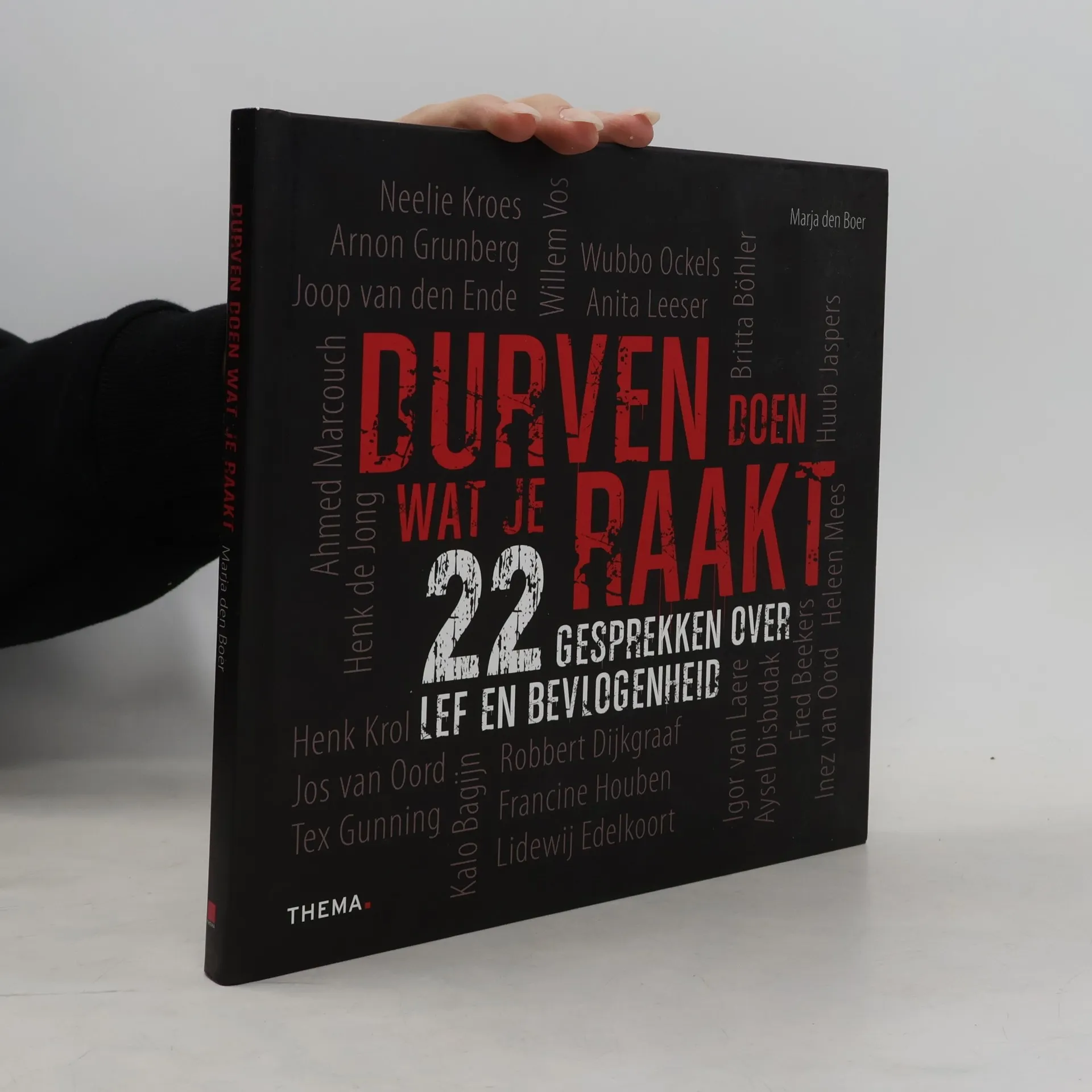
Wat is de overeenkomst tussen Neelie Kroes, Joop van den Ende, Wubbo Ockels, Tex Gunning en Arnon Grunberg? Is hun impact uitzonderlijk of ook voor jou weggelegd? In openhartige gesprekken vertellen 22 maatschappelijke leiders hoe zij een verschil maken en hoe jij dat ook kunt doen. Wat blijkt: zij zijn geen geluksvogels die alles toevallig is aan komen waaien. Zij durven te doen wat hen raakt, gaan 100% voor waar ze in geloven, weten met angst om te gaan en hebben het lef van gebaande paden te betreden, met hun intuïtie als kompas. Uit de keuzes die ze hebben gemaakt kun je belangrijke lessen trekken om je eigen bevlogenheid en impact te vergroten. Wanneer je die lessen ter harte neemt, ben je nog niet de volgende Joop van den Ende. Wat het je wel oplevert, is een groter gevoel van voldoening en misschien, als je keihard, met veel wilskracht en wijsheid knokt en doorzet, daverend veelimpact...
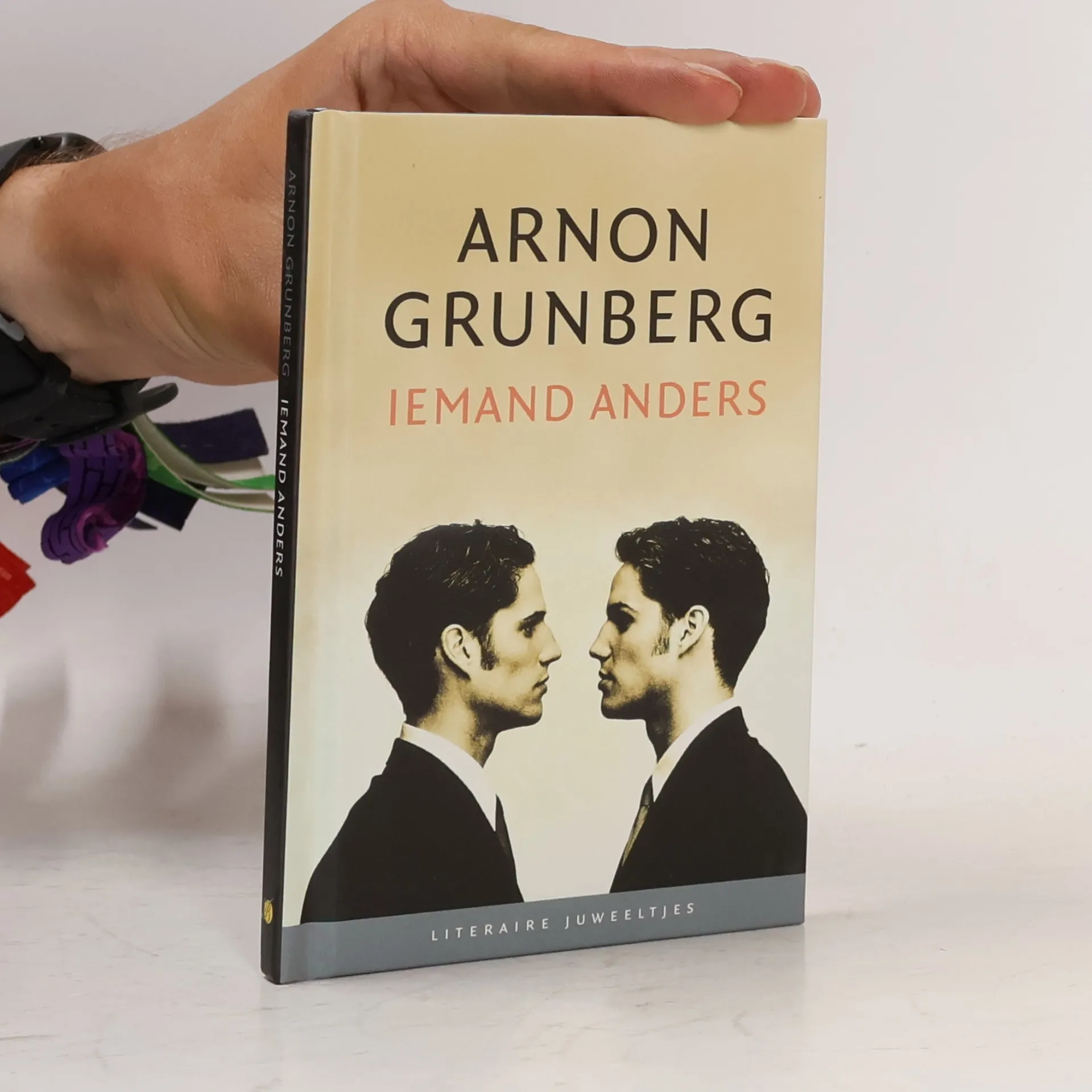
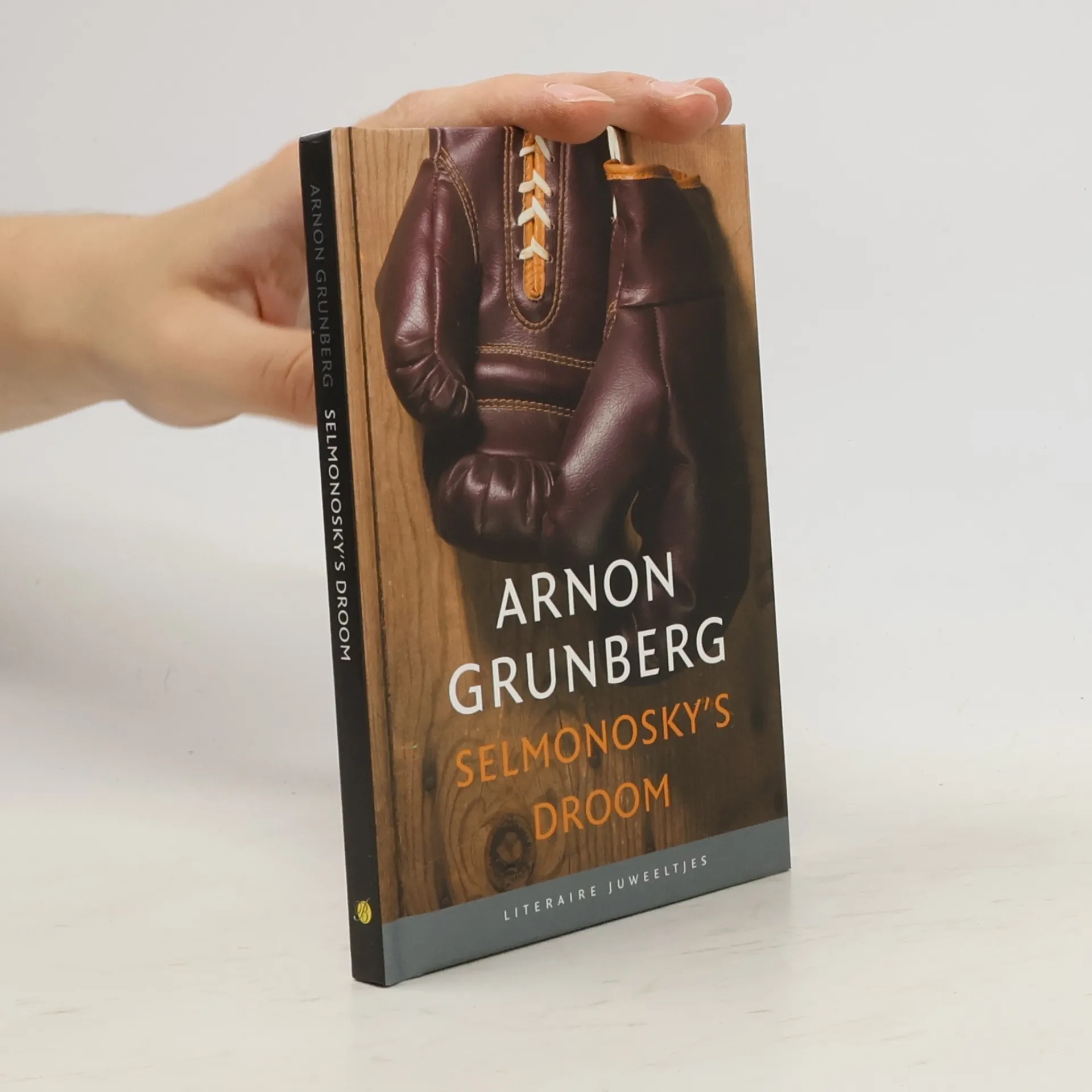
Part of the "Literaire Juweeltjes" series. A series of short novels by various dutch authors, to promote reading. Barshay is 38, psychiater en een gewilde vrijgezel. Tijdens een uitgaan ontmoet hij een knap jong meisje. Het meisje blijft nadien door zijn hoofd spoken, zeker als ze niet meer terugbelt. Dan staat de politie voor de deur, met het bericht of hij het meisje van de foto herkent...
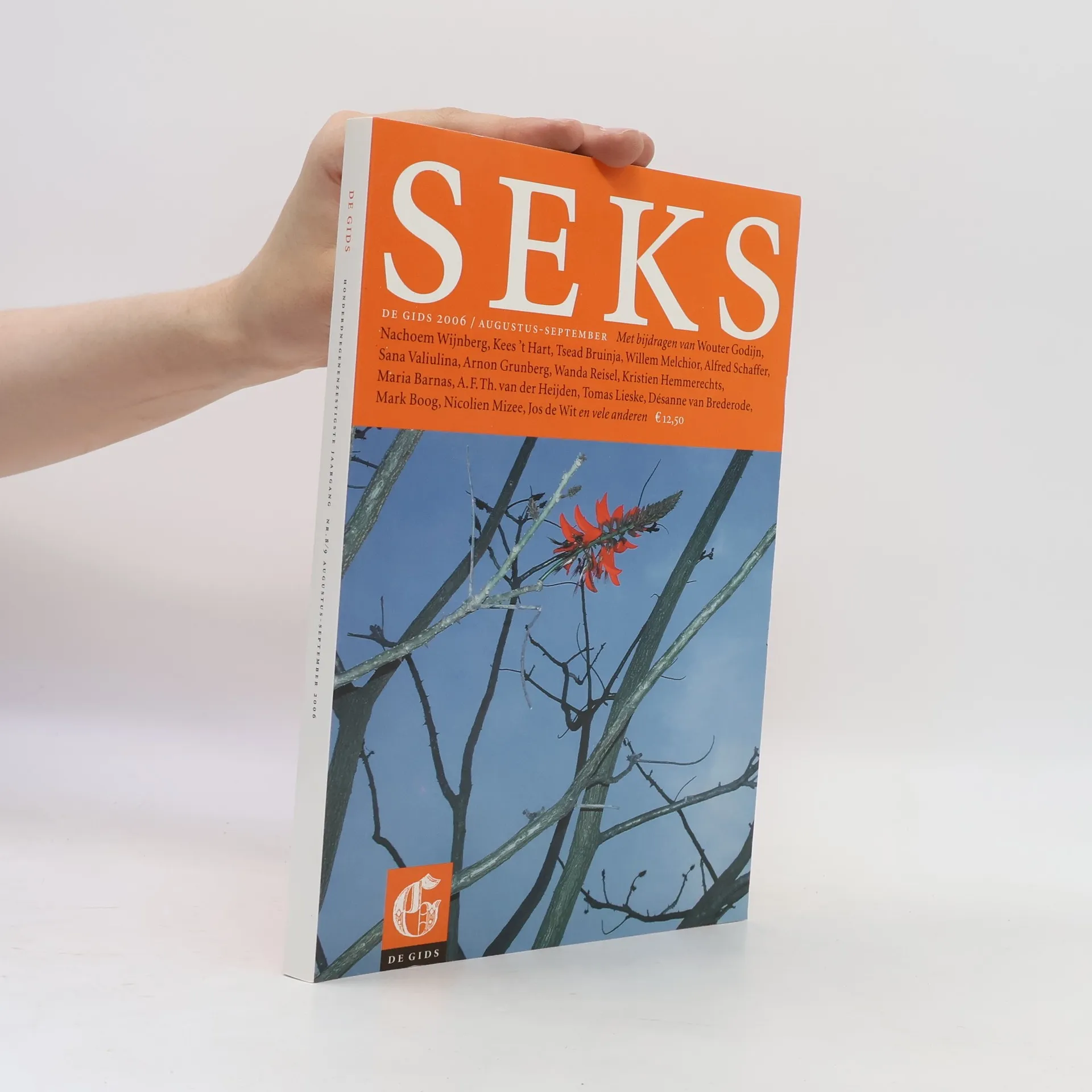
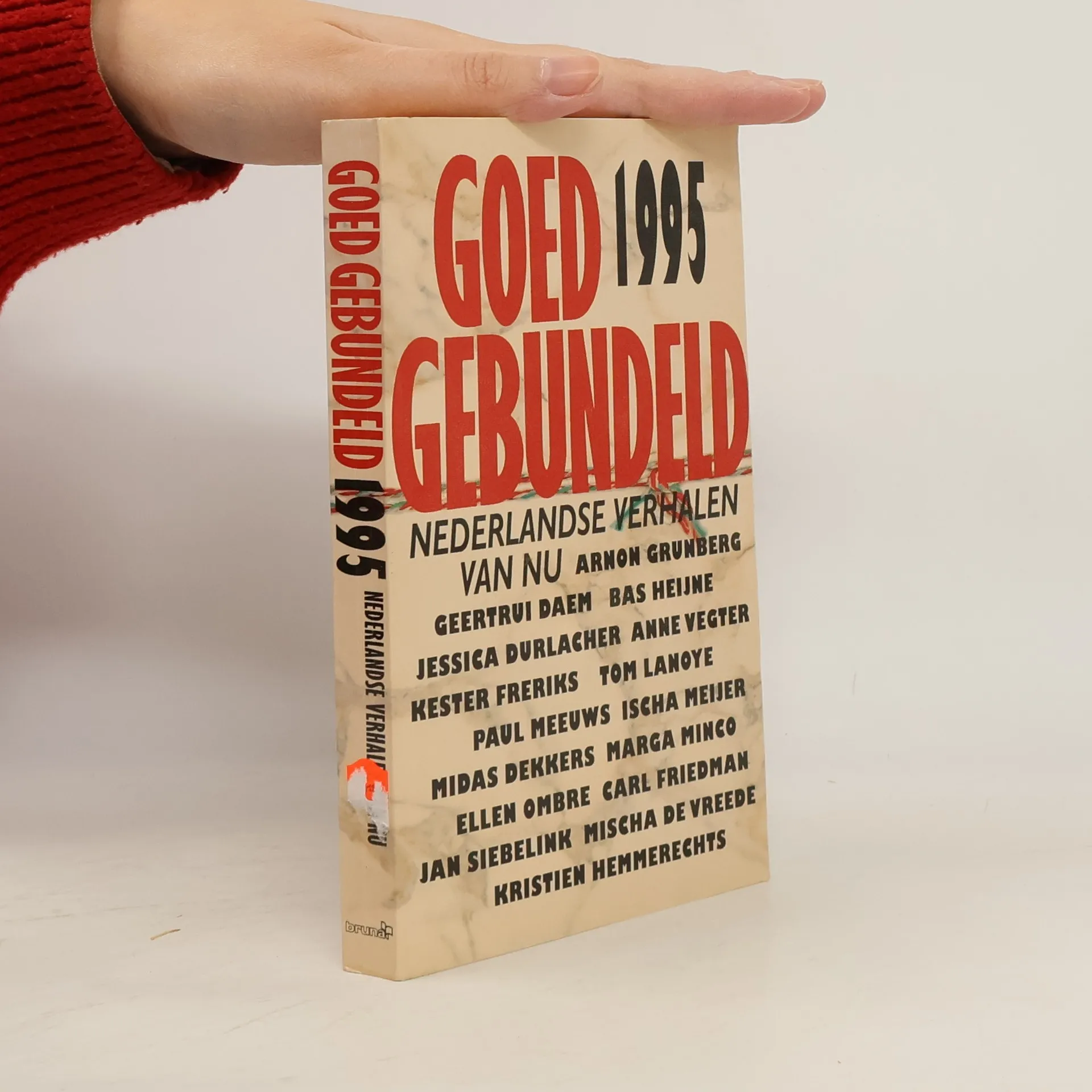
Met bijdragen van Wouter Godijn, Nachoem Wijnberg, Kees 't Hart, Tsead Bruinja, Willem Melchior, Alfred Schaffer, Sana Valiulina, Arnon Grunberg, Wanda Reisel, Kristien Hemmerechts, Maria Barnas, A.F.Th. van der Heijden, Tomas Lieske, Désanne van Brederode, Mark Boog, Nicolien Mizee, Jos de Wit en vele anderen
132 pages
5 hours of reading
Proza en poëzie over het thema Seks met bijdragen van: Wouter Godijn, Nachoem Wijnberg, Kees 't Hart, Tsead Bruinja, Willem Melchior, Alfred Schaffer, Sana Valiulina, Arnon Grunberg, Wanda Reisel, Kristien Hemmerechts, Maria Barnas, A.F.Th. van der Heijden, Tomas Lieske, Désanne van Brederode, Mark Boog, Nicolien Mizee, Jos de Wit en vele anderen.
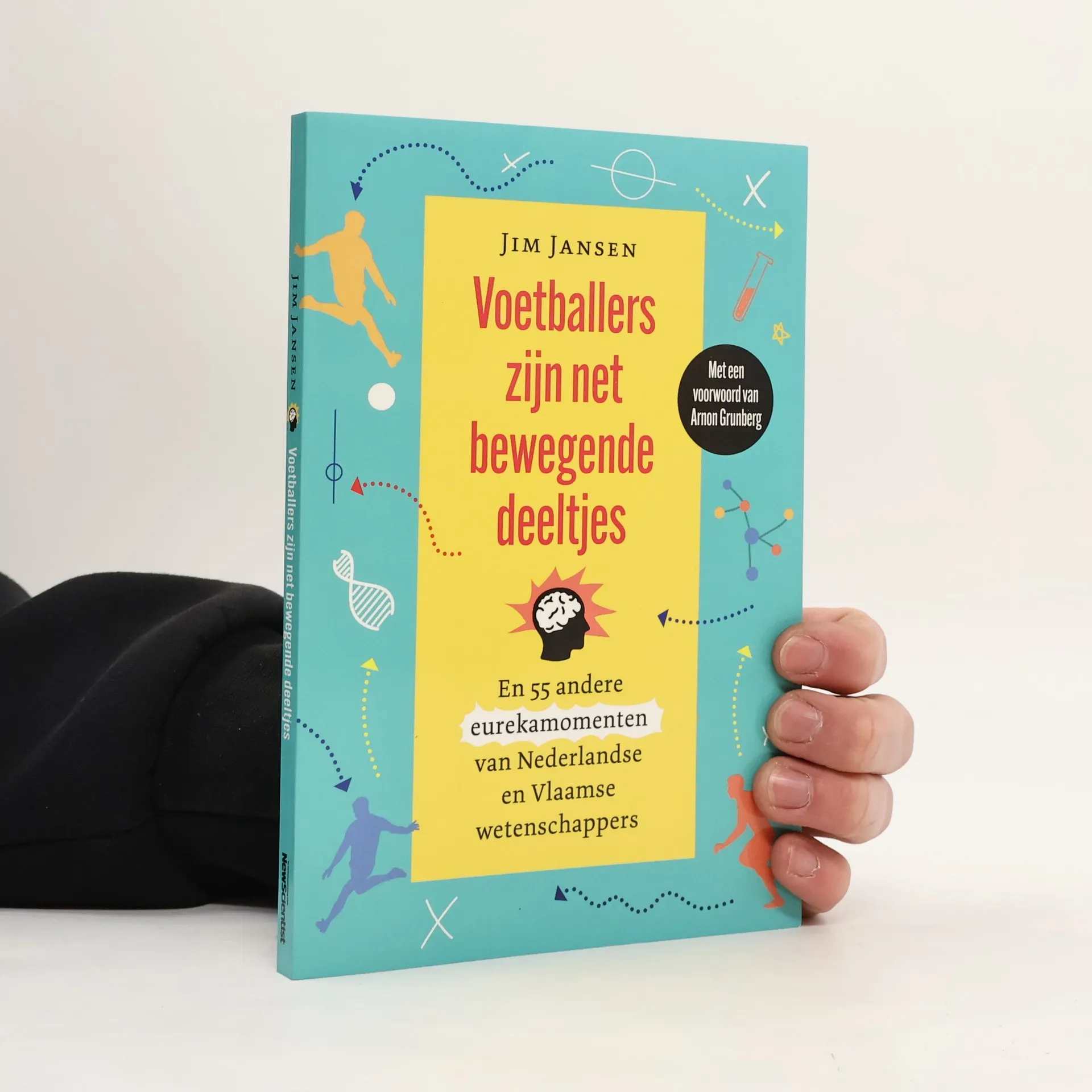
En 55 andere eurekamomenten van Nederlandse en Vlaamse wetenschappers
Bundeling van eurekamomenten van zesenvijftig Nederlandse en Vlaamse topwetenschappers, de momenten waarop ze tot een bepaald inzicht zijn gekomen die de rest van hun carrière heeft beïnvloed.
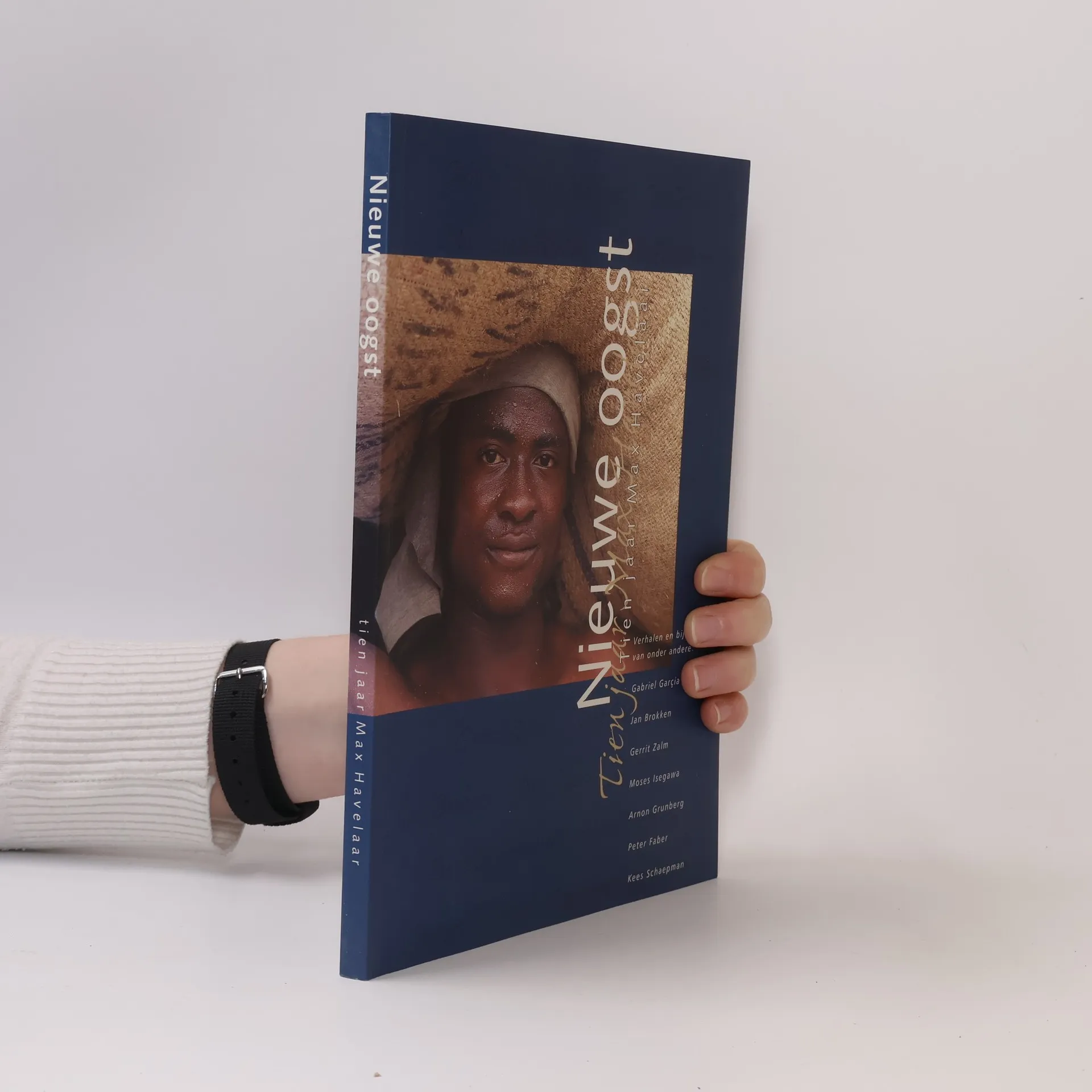
Multatuli zou hoogst verbaasd zijn, als hij te horen zou krijgen dat er ooit nog een keurmerk zou komen met de naam Max Havelaar. Maar als hij zou weten welk idee er achter zou schuilen, dan zou hij tevreden zijn. Inmiddels bestaat het Keurmerk Max Havelaar tien jaar en dat kan natuurlijk niet ongevierd blijven. Daarom deze vrolijke, kleurrijke en vooral boeiende bundel met verhalen, reisreportages en columns van bekende auteurs, journalisten, ondernemers en politici. Die net als Multatuli, gelezen willen worden.D
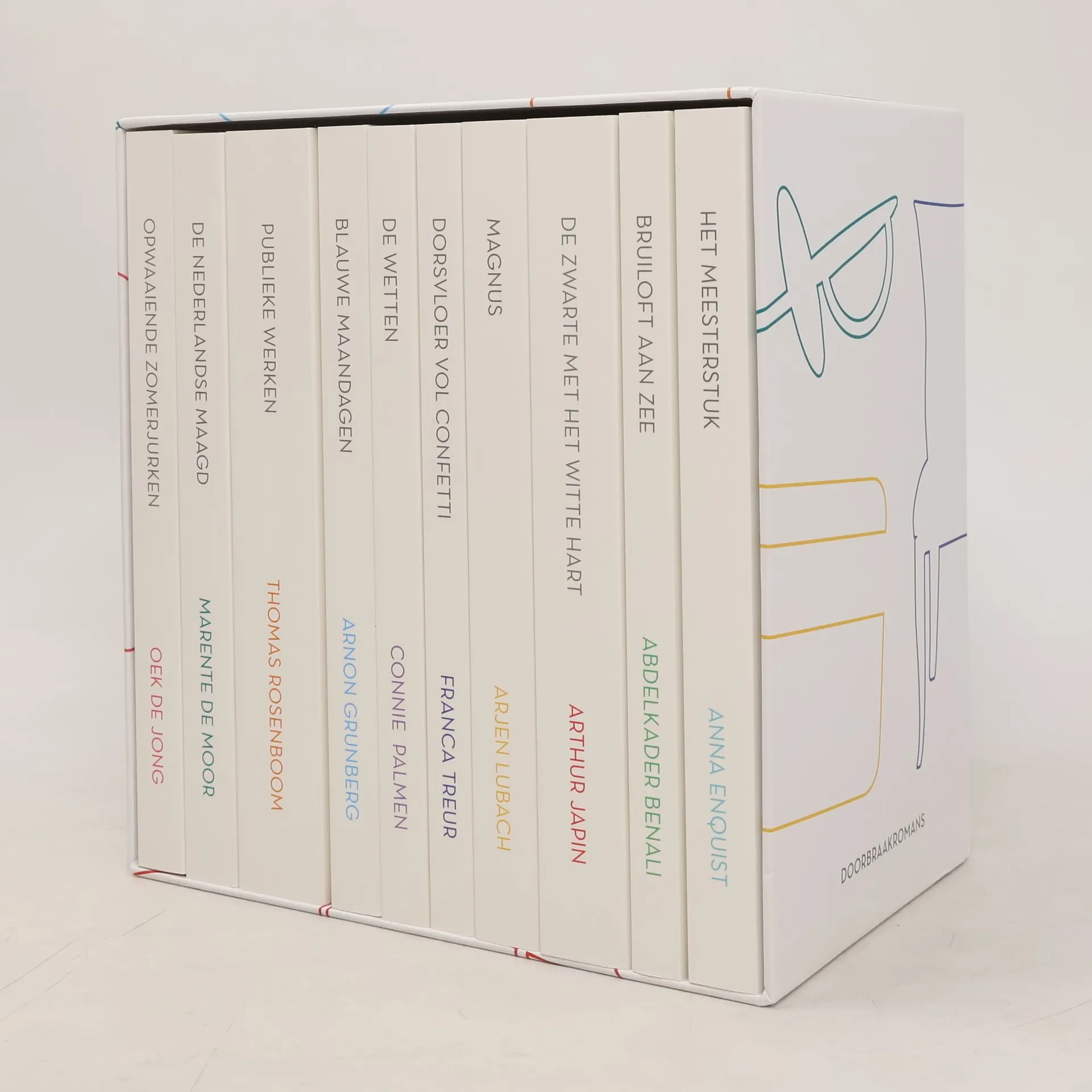
Het meesterstuk. Bruiloft aan zee. Dorsvloer vol confetti. Magnus. De Nederlandse maagd. Blauwe maandagen. De wetten. De zwarte met het witte hart. Opwaaiende zomerjurken. Publieke werken