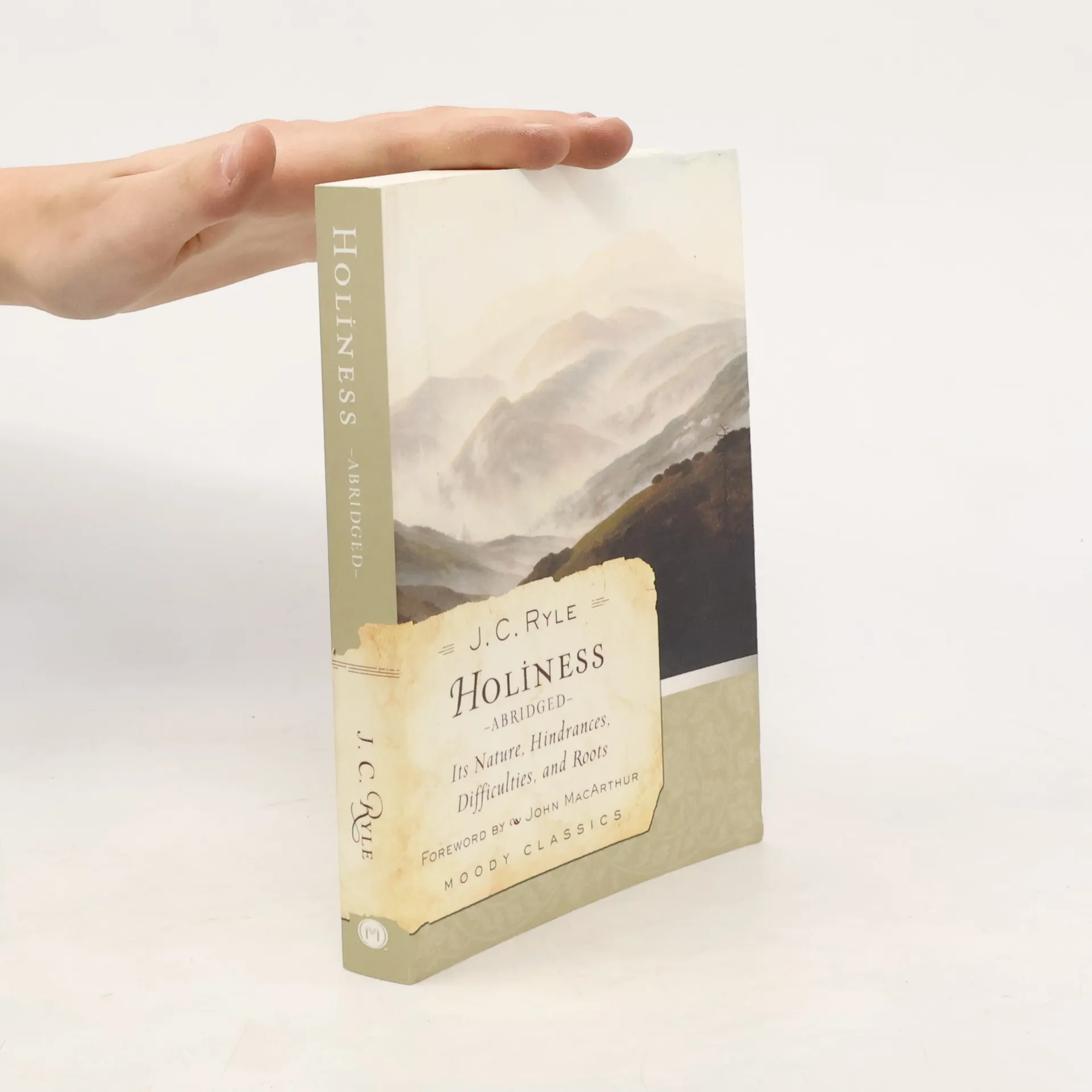
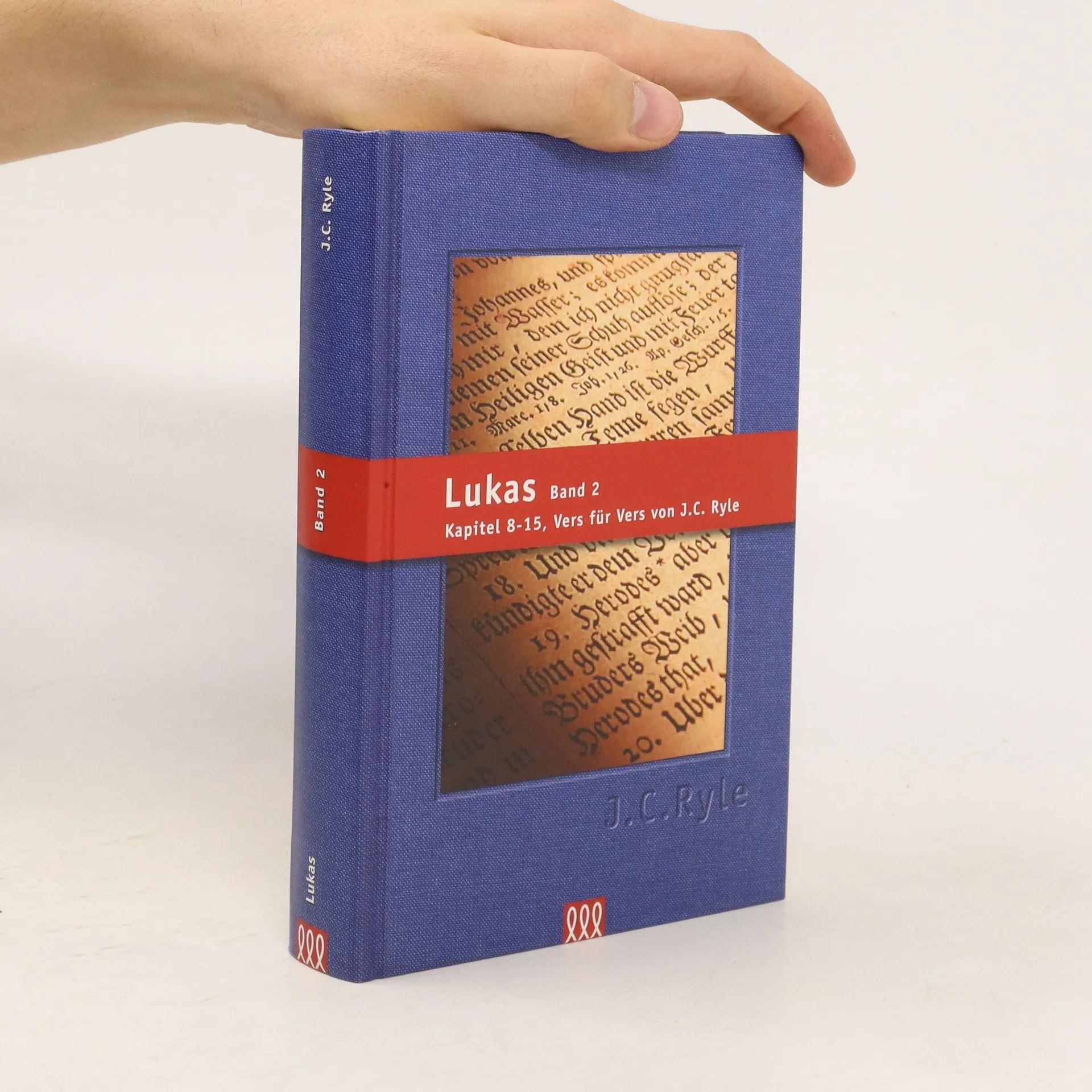
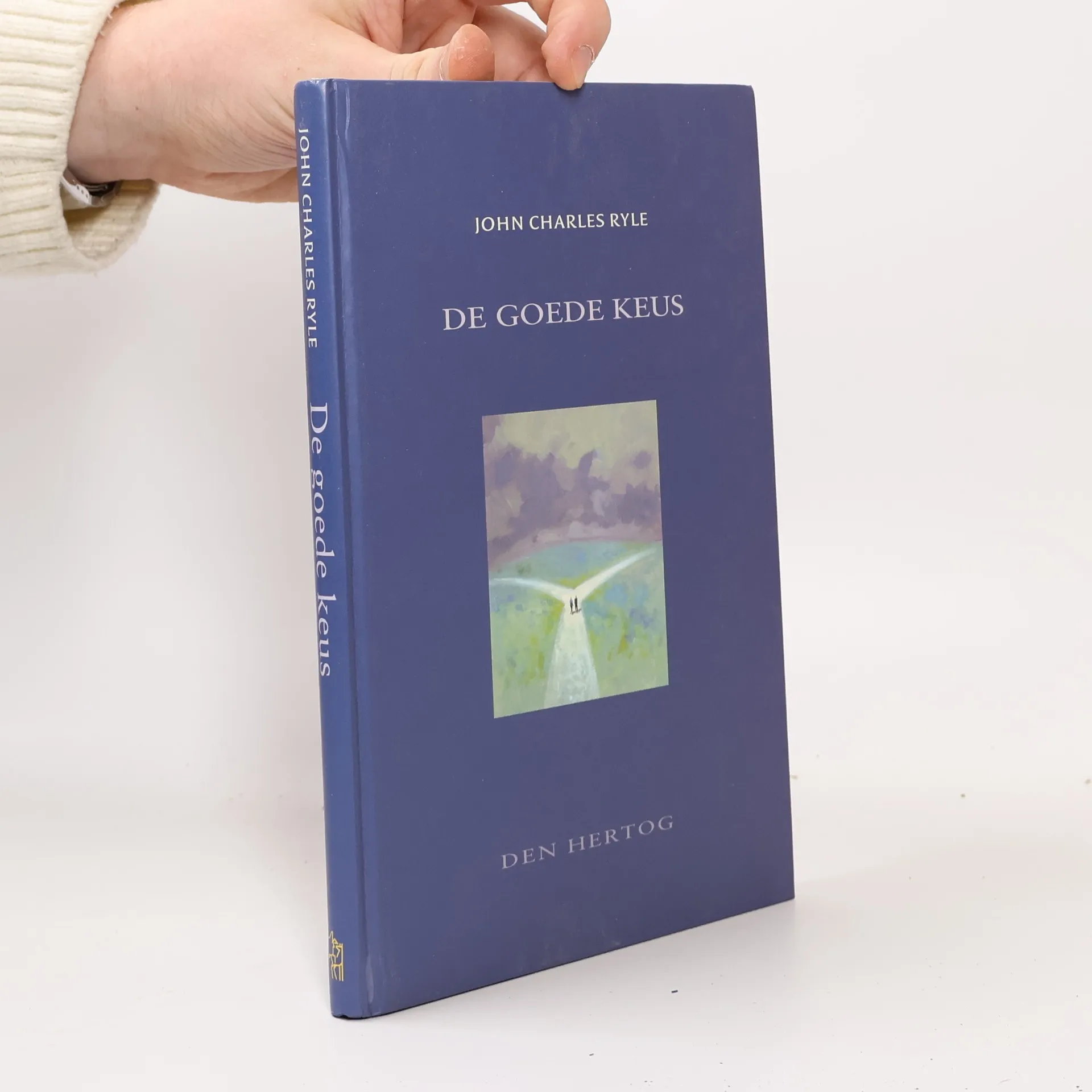
Now with a new foreword by John MacArthur. J.C. Ryle's Holiness has imparted a standing challenge to Christians for 130 years. In this new, slimmed-down series of excerpts from Ryle's masterwork, we aim to present his original message to a whole new generation. Holiness, Ryle argued, was not simply a matter of believing and feeling, but of doing.
It's Natures, Hindrances, Difficulties and Roots (Annotated)
364 pages
13 hours of reading
Addressing profound spiritual themes, J. C. Ryle delves into the complexities of indwelling sin, the necessity of holy living, and the struggles of faith with clarity and conviction. His approach combines straightforward interpretation and practical application, making challenging theological concepts accessible to all readers. Ryle's deep love for Christ permeates his writing, resonating with both scholars and everyday believers alike. His work serves as a powerful reminder of the simplicity and depth of Christian truths that many may overlook.
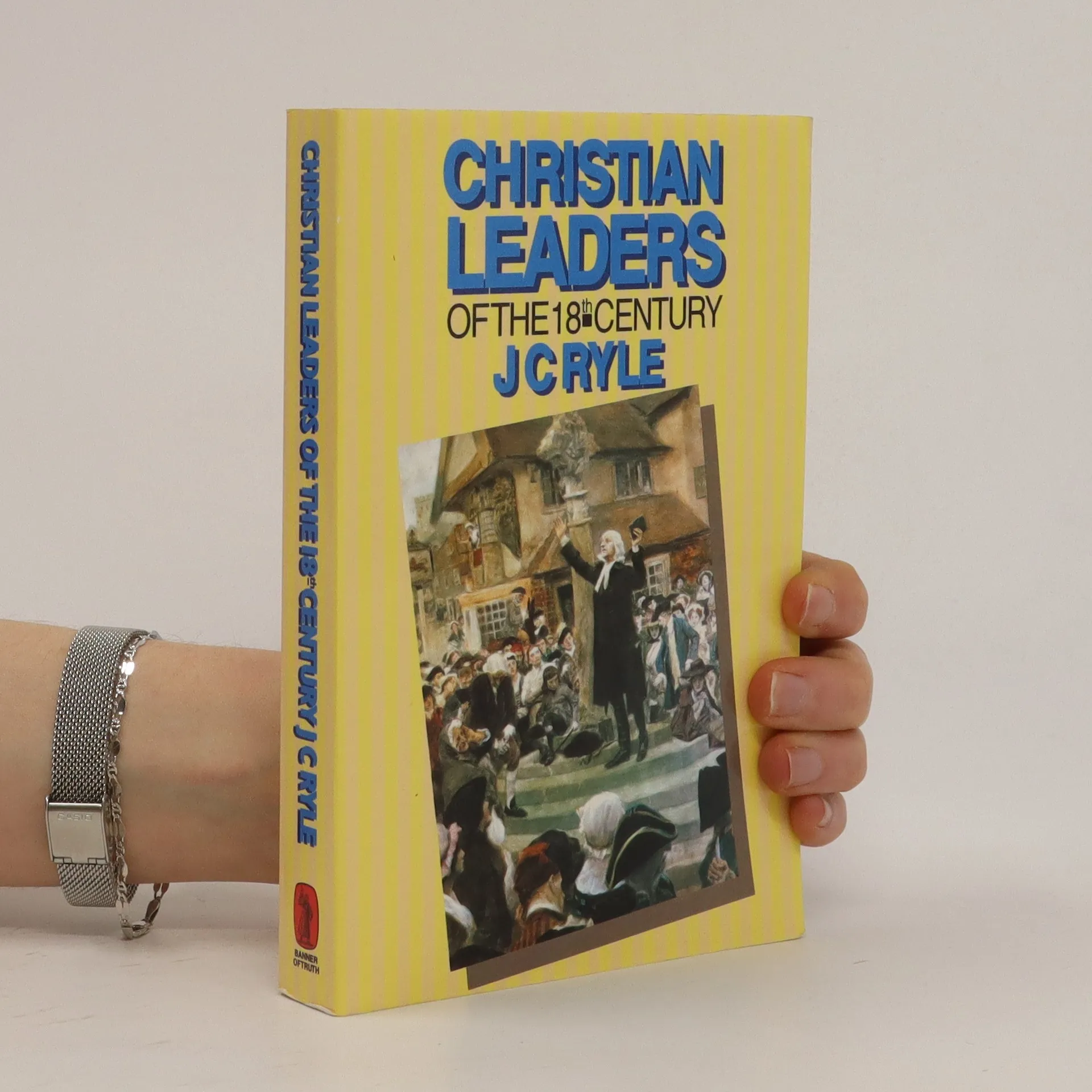
Although much has been written on the evangelical revival of the 18th century, J.C. Ryle's account remains the best popular introduction to this gerat spiritual era. The best introduction to the 18th century and undoubtedly Ryle's finest piece of historical writing. Contains vivid biographies of the men who 'shook England from one end to the another',giving strong reasons for his belief 'that excepting Luther and his Continental contemporaries, and our own martyred Reformers, the world has seen no such men since the days of the apostles.' But Ryle does not write to prompt admiration, and his conclusions and applications of his subject are among the most forceful that ever came from his pen. 'I am obliged to say plainly that, in my judgement, we have among us neither the men nor the doctrines of the days gone by...Once let the evangelical ministry return to the ways of the 18th century, and I firmly believe we should have as much success as before. We are where we are, because we have come short of our fathers.'
The dawn of New Testament Christianity in an upper room in Jerusalem and its final triumph when 'many shall come from East and West and sit down with Abraham, Isaac and Jacob in the kingdom of heaven', mark the beginning and ending respectively of the general sweep of this republished volume of papers by Bishop J.C. Ryle. Sermons in some cases, lectures in others, they all exhibit the robust evangelical doctrine and down-to earth application, characteristic of Ryle's style. With a vibrant challenging note and an occasional flash of humour, reliable advice, grounded in Biblical principles, is offered to ministers and congregations, parents and children, young and old, converted and unconverted. Enlivening every word and sentence, the writer's evangelistic zeal and tender pastoral concern compel the reader's attention. Few, surely, can fail to be stirred and instructed by these addresses which have an astonishingly contemporary ring.
Focusing on the life and ministry of George Whitefield, this summary highlights his significant role in the American Great Awakening alongside other prominent figures. It portrays Whitefield as a dynamic preacher whose extensive outreach and commitment to the Gospel sparked both admiration and criticism. J. C. Ryle defends Whitefield against detractors who labeled his methods as overly emotional, arguing that his preaching was fundamentally rooted in Scripture. The narrative challenges readers to consider their own commitment to faith versus worldly distractions.
Essential Biblical Truths for Daily Christian Living
498 pages
18 hours of reading
Focusing on the practice of genuine Christian living, this classic work by J. C. Ryle presents a series of insightful treatises that explore the intersection of personal faith and holy living. Each paper delves into essential biblical truths, emphasizing their importance for Christian growth and effective discipleship. Ryle's clear and profound narrative makes complex theological concepts accessible, offering readers a guide to integrating faith into everyday life.
Exploring the essential role of the Holy Spirit, J.C. Ryle emphasizes its significance in regeneration, sanctification, and personal transformation for believers. He presents a compelling argument for understanding the Holy Spirit's influence as crucial to authentic Christian faith, supported by scriptural references and theological insights. Ryle passionately encourages readers to recognize the Holy Spirit's transformative presence in their lives, highlighting its power in both salvation and daily spiritual growth, fostering a deeper reliance on His work.
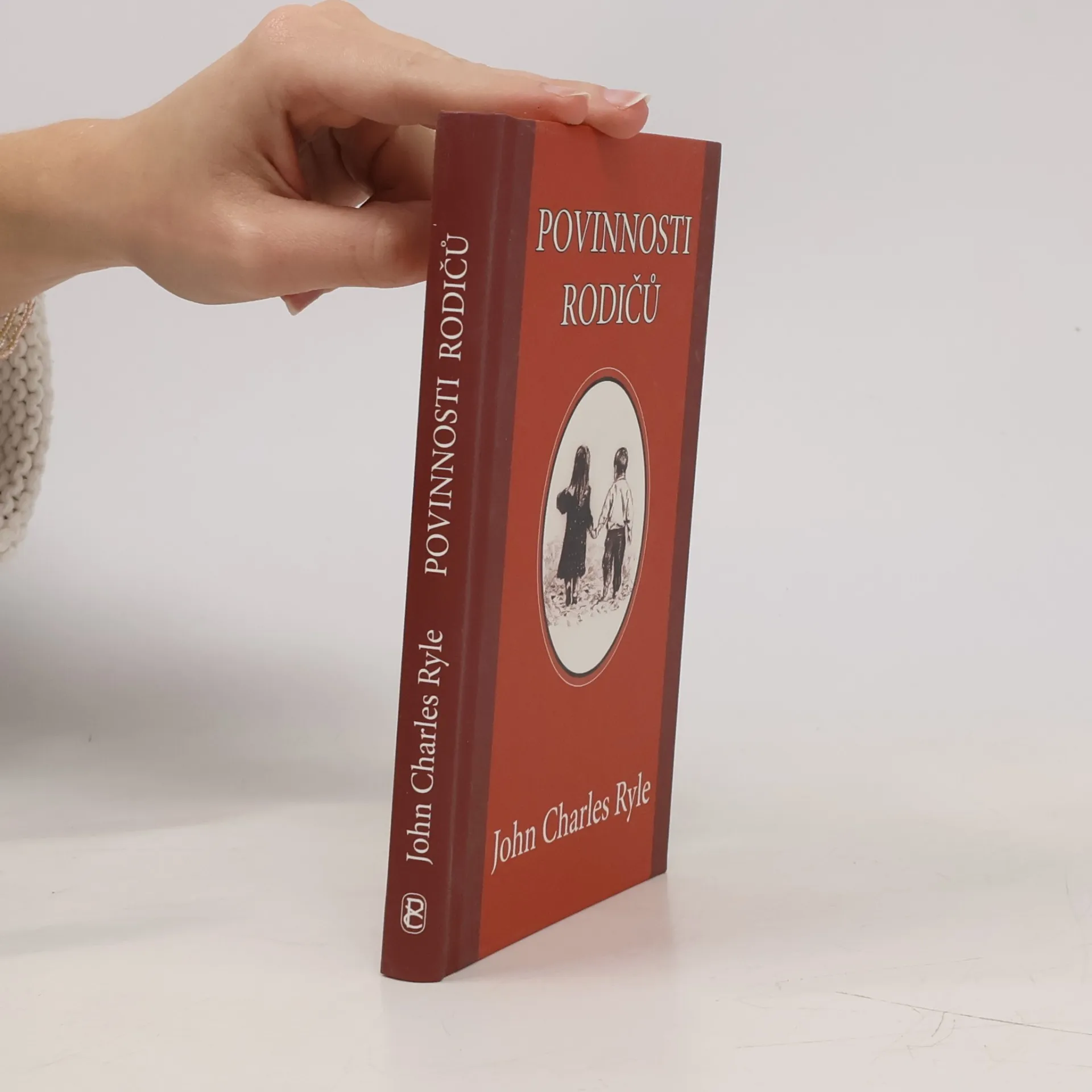
Kniha známého britského křesťanského autora přinese mnohý užitek nejen rodičům, jimž dává cenné rady, ale především dětem, které jistě budou mít pokojnější dětství, budeme-li se my - jejich rodiče - těmito radami řídit.
V „Povinnostech rodičů“ odhaluje J. C. Ryle ten nejlepší způsob, jak vychovávat děti, tedy s Kristem v srdci. Ukazuje, jaké povinnosti mají všichni křesťanští rodiče vůči dětem, které jim Bůh svěřil. Ryle nám dává praktické rady, jak vychovávat děti a učí nás, jak můžeme své děti milovat, aniž bychom je rozmazlovali. I když kniha byla napsána v roce 1888, obsahuje nadčasovou pravdu založenou na Boží moudrosti. Ve svém přístupu ke zbožné výchově dětí Ryle udržuje lásku a kázeň v dokonalé rovnováze.
Je to důležitá kniha pro všechny rodiče, kteří se snaží vychovávat své děti v bázni Boží. Budete se k ní znovu a znovu vracet. Krátké, působivé a snadno srozumitelné dílo, které je vedle Bible jedním z nejlepších zdrojů informací o rodičovské péči. Knihu by měli číst všichni, kdo skutečně touží vychovávat své děti na základě biblických principů.
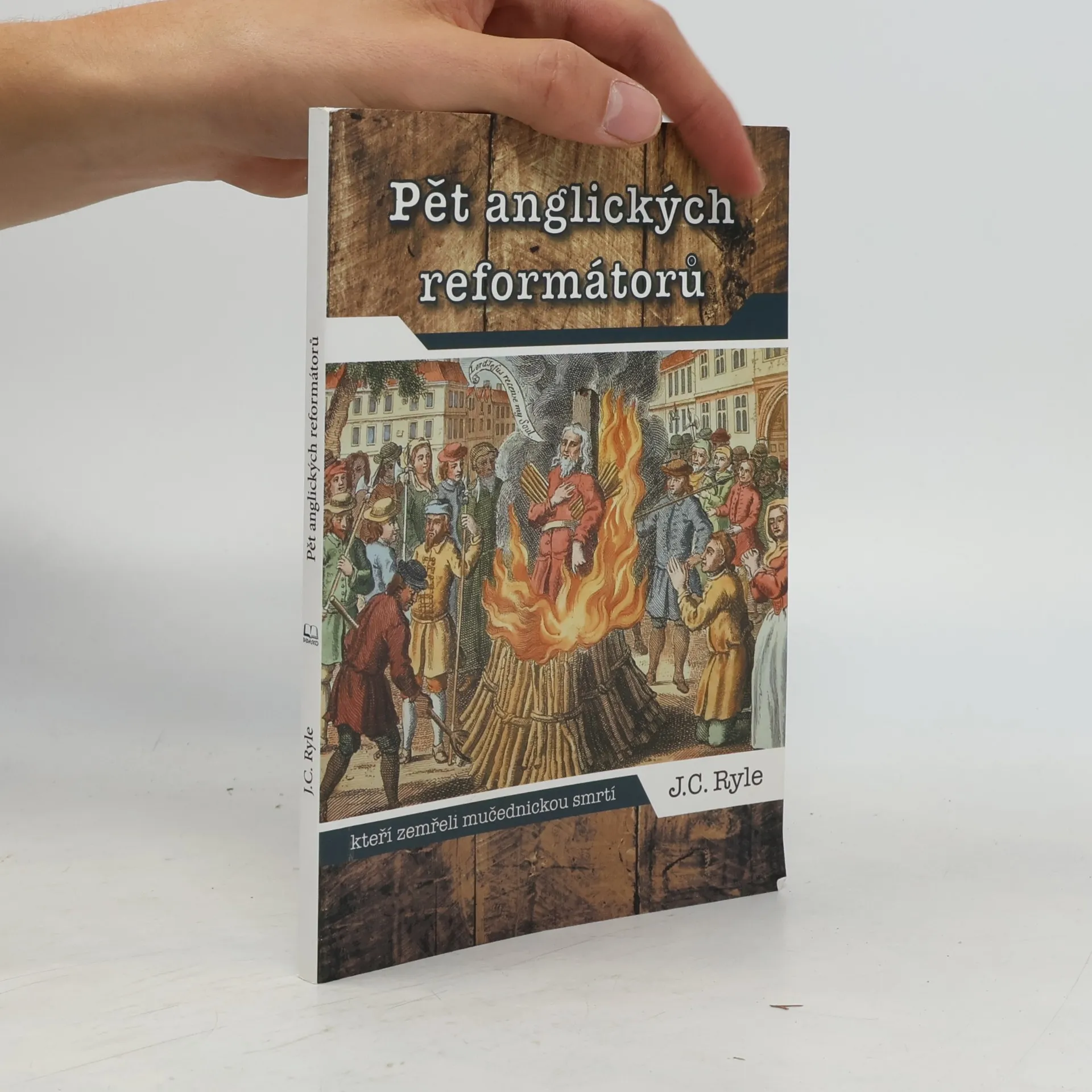
Jen málokterá slova mučedníků jsou působivější než slova biskupa Hugha Latimera k Dr. Nicholasi Ridleymu: Buď dobré mysli, mistře Ridley, a chovej se jako muž. Dnešního dne zapálíme z Boží milosti v Anglii takovou svíci, která, věřím, nikdy neuhasne.
Proč však byli takoví lidé upáleni na hranici? Jaká byla ona velká přesvědčení, pro která žili a byli pro ně připraveni položit život? Díky čemu byl jejich život a svědectví pro Kristovo evangelium tak mocné? Sdílejí dnešní křesťané jejich stanoviska nebo jejich věrnost?
Právě vzrůstající přesvědčení, že mrtví mučedníci mohou stále hovořit k církvi, vedlo biskupa J. C. Ryla, aby v minulém století sepsal tyto výrazné životopisy pěti anglických reformátorů. Společně s analýzou důvodů, které vedly k jejich mučednictví, poukazuje na nejdůležitější rysy jejich křesťanského života. Takoví muži mohou i dnešním křesťanům posloužit jako příklad, varování a výzva. Po přečtení těchto životních příběhů si čtenáři jistě budou přát zakoušet ve svém životě podobnou víru v Kristovu moc a budou se za ni chtít modlit.
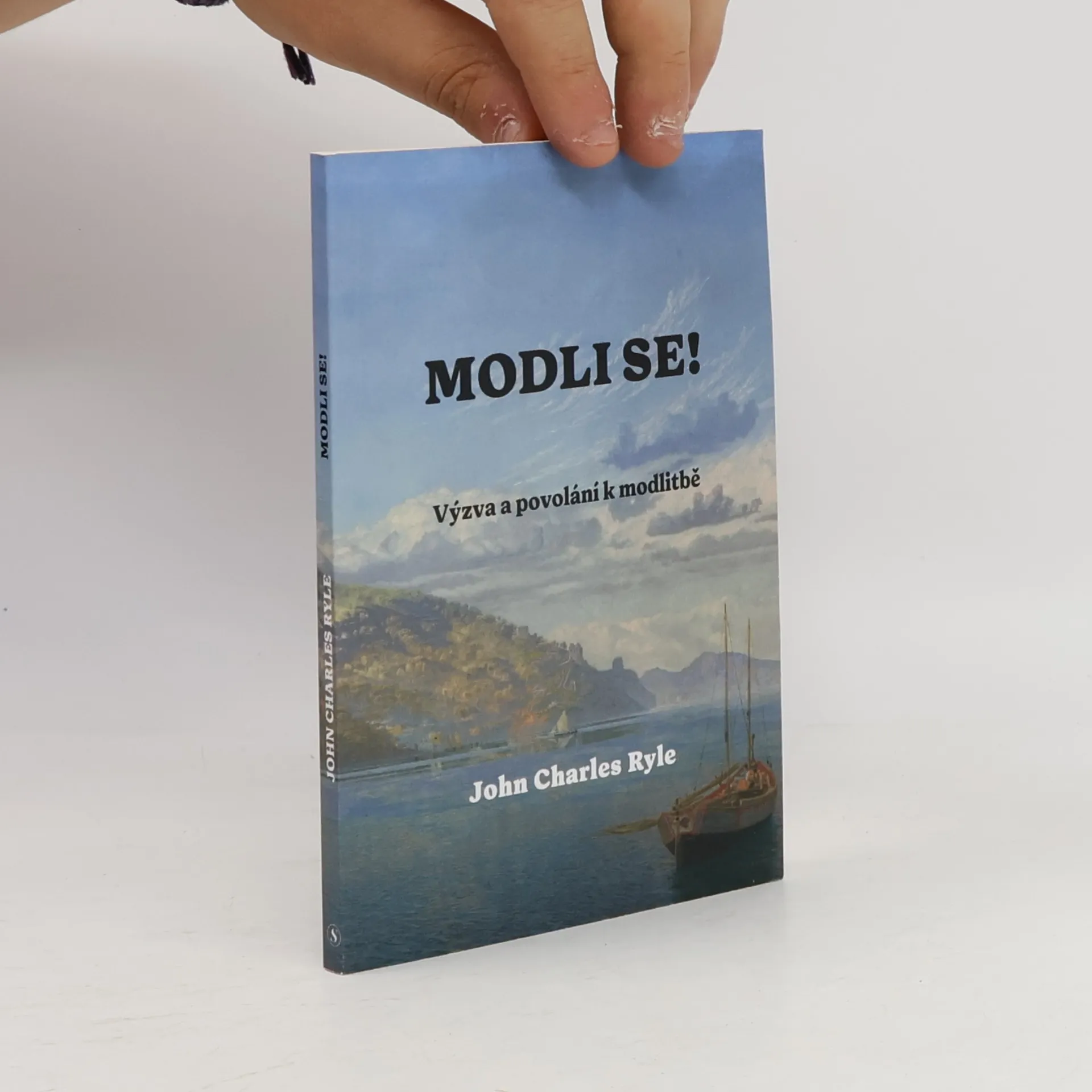
Nevelká obsahem, ale mocná a úderná svým obsahem je kniha evangelikálního klasika anglikánské církve 19. století. Nechodí kolem horké kaše, ale naléhavě vyzívá a volá každého k modlitbám.
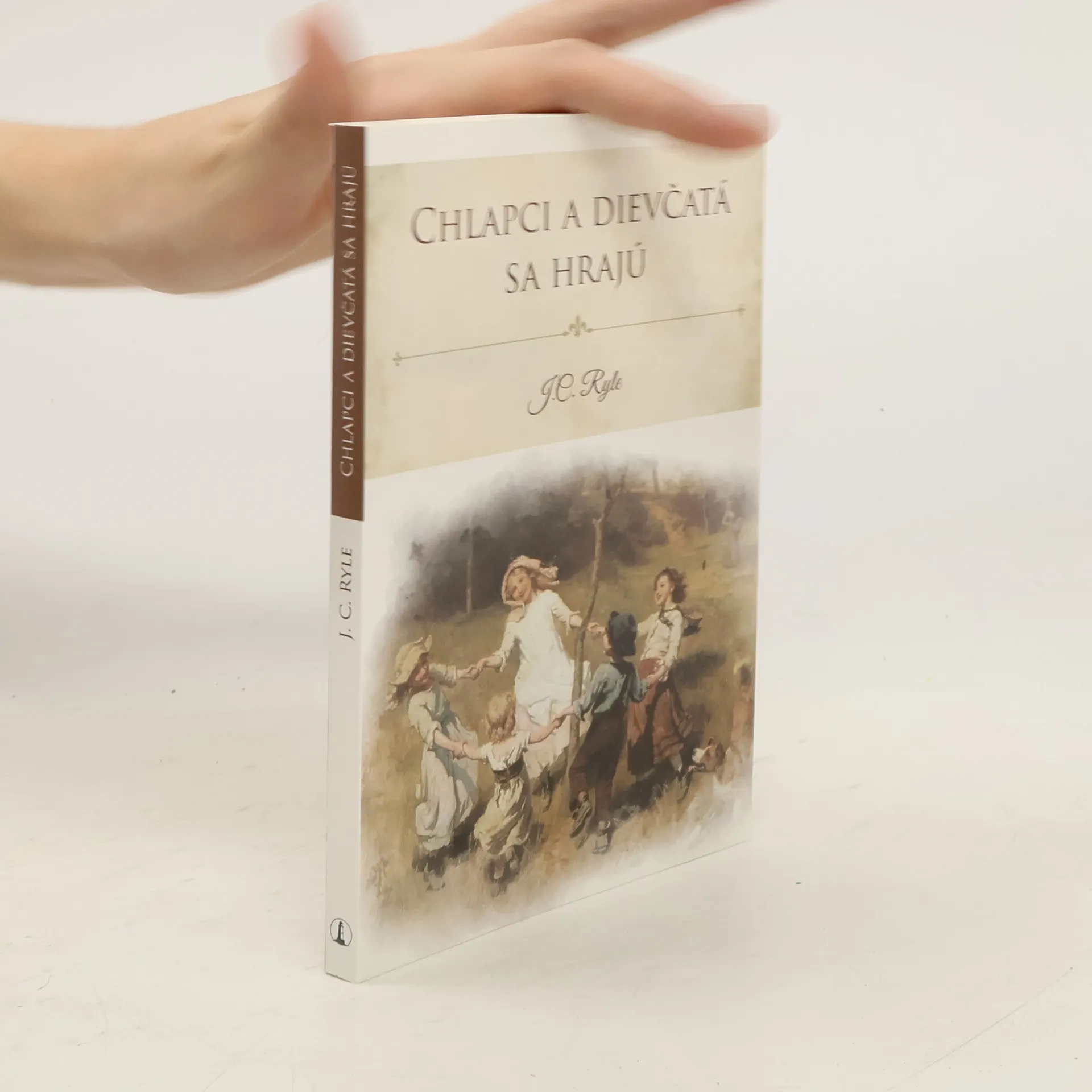
Kniha obsahuje kázne pre deti plné evanjelia, ktoré uchvátia svojou hĺbkou,
sviežosťou a duchovnou hodnotou srdcia detí aj dospelých. Kázne pre deti sú
ľahko čitateľné a pochopiteľné aj pre najmenšieho čitateľa. Rodičia iste
ocenia ich užitočnosť pre duše svojich detí.
John Charles Ryle (1816-1900) so narodil v Macclesfielde, v Cheshire, v
Anglicku. Študoval na Eton College a na Univerzite v Oxforde. Chcel so venovať
politickej kariére, v čom mu však zabránil bankrot jeho otca. V roku 1841
vstúpil do služby cirkvi o v roku 1880 so stal prvým biskupom Anglikánskej
cirkvi v Liverpoole. Pre svoj priamy o nekompromisný štýl kázania
evanjelikálnych doktrín dostal prezývku “muž zo žuly so srdcom dieťaťa”.
Martyn Lloyd-Jones o ňom napísal: „jeho knihy sú výňatkom pravej puritánskej
teológie vo výborne čitateľnej o modernej forme.“ „J. C. Rýle bol jednou z
najváženejších osobností v celej histórii evanjelikálneho kresťanstva.” R.
Albert Mohler Jr., prezident, Southern Boptist Theologicol Seminory
Liverpoolský biskup J. C. Ryle (1818–1900) byl věrný evangelikální křesťan a
plodný autor. Jeho klasické dílo na téma svatosti a posvěcení se nikdy
nepřestalo vydávat. Velmi cenné jsou však i jeho kratší knihy. Potřeby, které
identifikoval a které ho motivovaly k jejich sepsání, jsou totiž stále
aktuální. Nesmírně důležitá je mezi nimi právě kniha Výzva pro mladé muže,
která volá čtenáře k tomu, aby zaujali své oprávněné místo v Božím plánu.
Varuje před pýchou, honbou za rozkoší, pohrdáním opravdovou vírou a strachem z
lidí, a současně jim nabízí praktické biblické rady pro zbožný život. „J. C.
Ryle rozhodně patří mezi tu hrstku autorů, kteří budou křesťanovi sloužit jako
celoživotní přátelé a průvodci. I po šedesáti letech ho čtu se stejným
potěšením.“ – Iain H. Murray, britský kazatel a spisovatel „J. C. Ryle patřil
k nejváženějším osobnostem v celých dějinách evangelikálního křesťanství.“ –
R. Albert Mohler Jr., prezident Southern Baptist Theological Seminary Tato
kniha by měla být povinnou četbou pro současnou generaci i každou následující.
Výborně se hodí pro osobní i skupinové studium.