David Mamet is an American author celebrated for his clever, terse, and often coarse dialogue, marked by a unique and stylized phrasing. His works delve deeply into themes of masculinity, exploring the human condition through sharp language and unconventional modes of expression. Mamet's writing is characterized by a distinct, raw realism that draws audiences and readers into compelling conflicts and moral quandaries. His contribution to modern theater and film lies in his unflinching examination of the world.
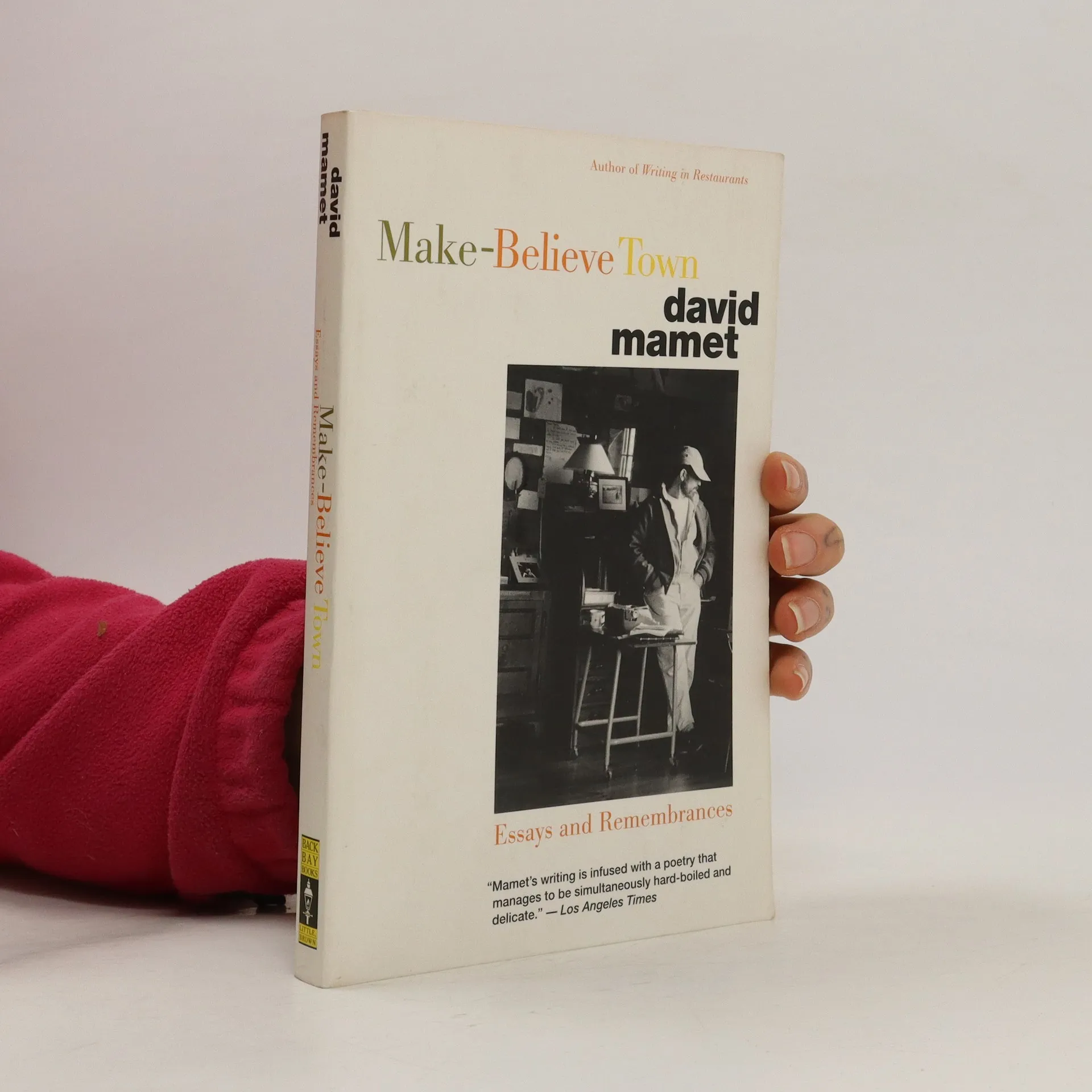
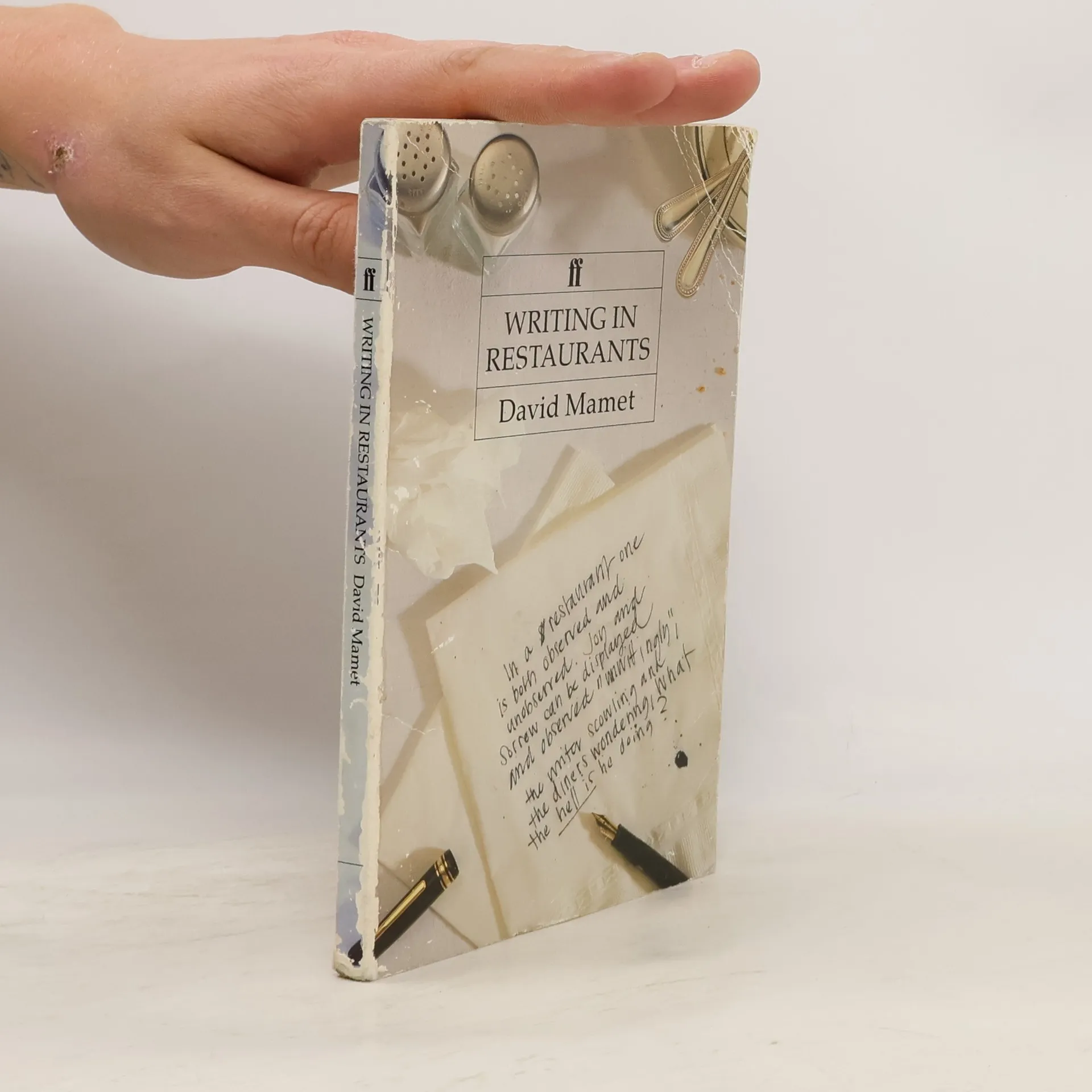
"In these times of decay, the things rewarded by society's reputation and recognition are poor acting, poor writing, choices that prevent thought, contemplation, and liberation. And these things are called art. Writing in Restaurants contains writings from the early years of David Mamet's career."
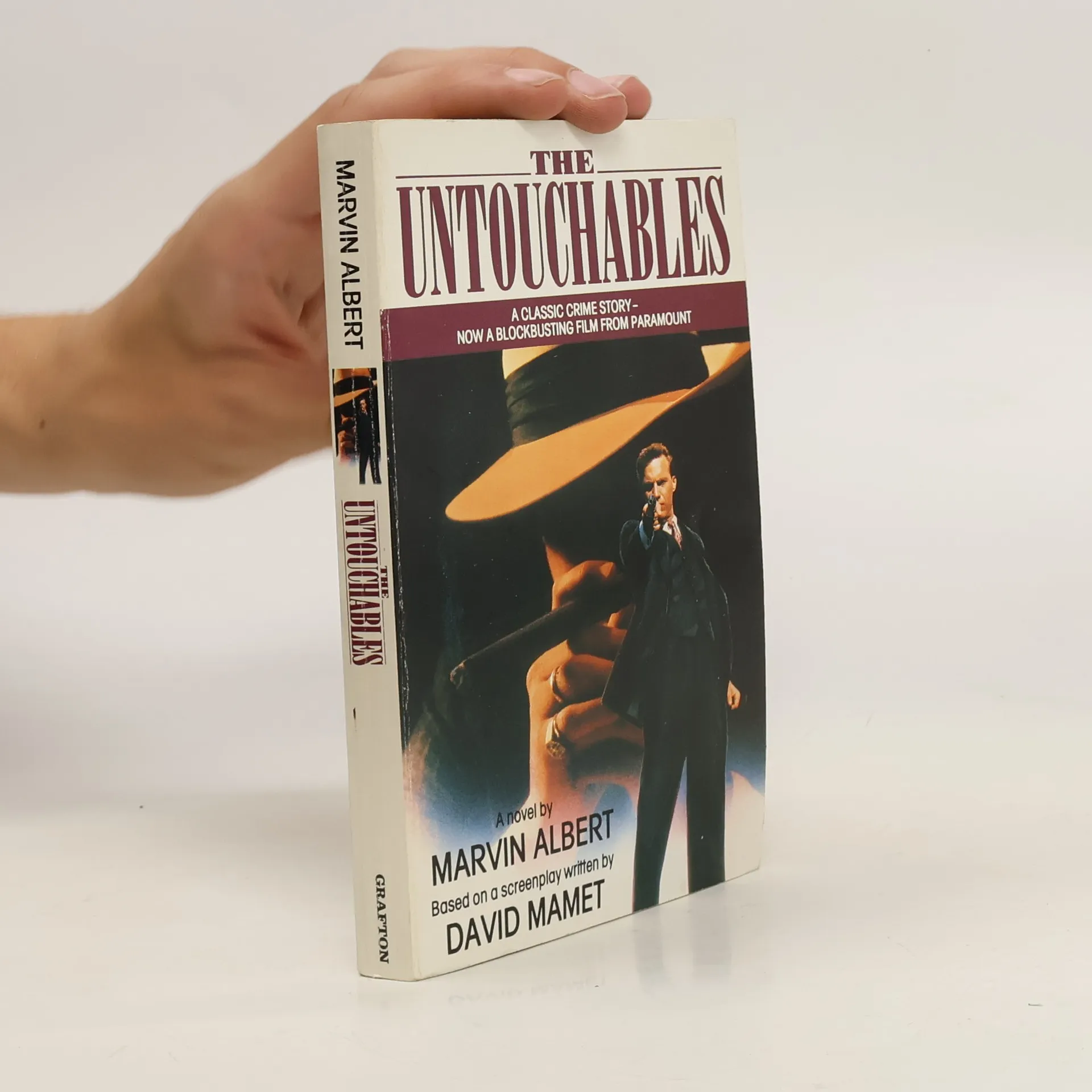
Based on the popular television show of the early sixties and the autobiography of Eliot Ness, this novel follows the incorruptible federal agent as he fights crime and corruption in Chicago
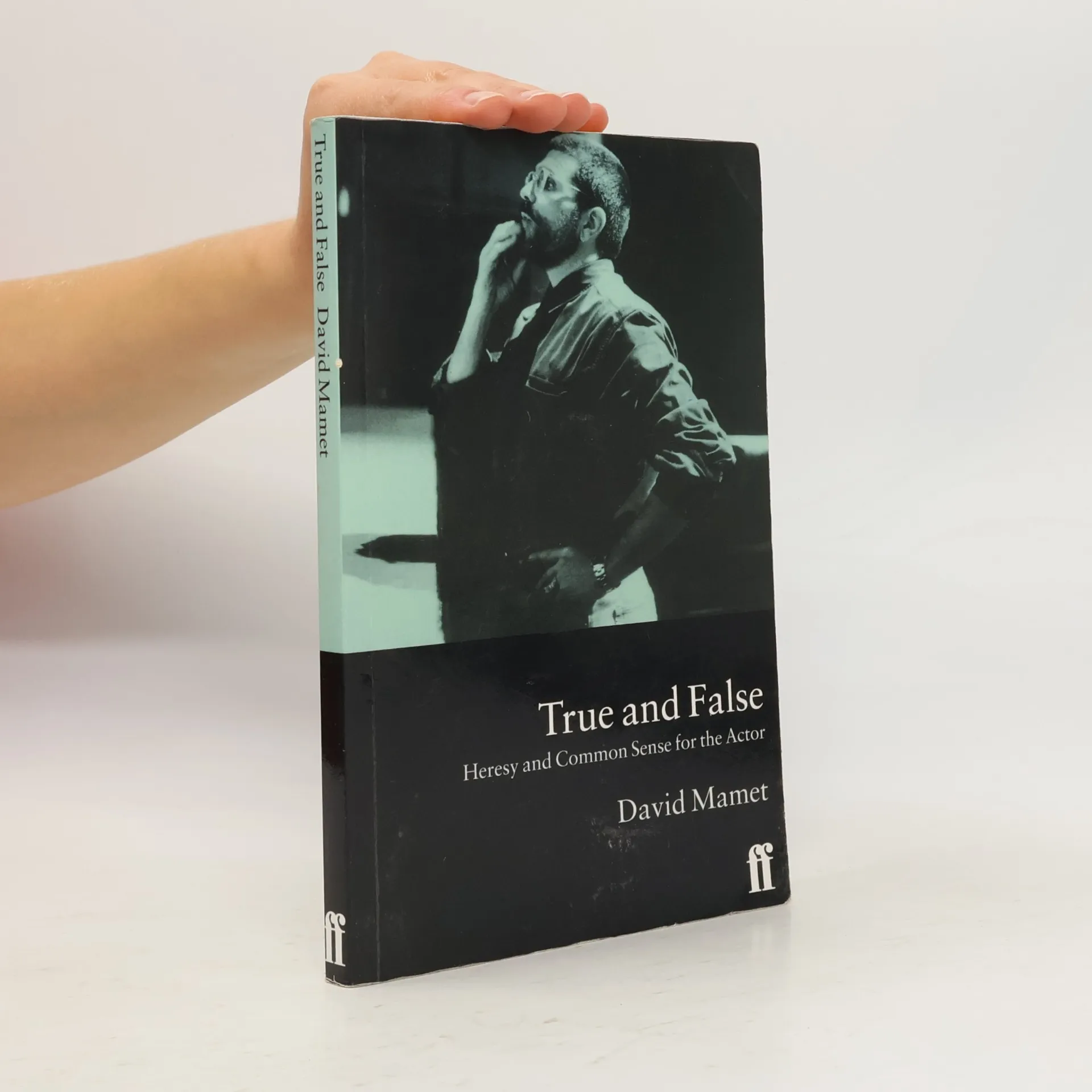
Calls for nothing less than the death of the director and the end of acting
theory. This title is suitable for students, teacher, and directors, who crave
a blast of fresh air in a world that can be insular and fearful of change.
The Pulitzer Prize winning playwright, director and teacher has written a blunt, unsparingly honest guide to acting. He leaves no aspect of acting untouched: how to judge the role, approach the part, work with the playwright; True and False slaughters a wide range of sacred cows and yet offers an invaluable guide to the acting profession.
Essays discuss gambling, college, magazine writing, clothing, the theater, anti-Semitism, memory, President Nixon, the portrayal of Jews in motion pictures, and screenwriting
The purpose of theater, like magic, like religion . . . is to inspire cleansing awe. What makes good drama? And why does drama matter in an age that is awash in information and entertainment? David Mamet, one of our greatest living playwrights, tackles these questions with bracing directness and aphoristic authority. He believes that the tendency to dramatize is essential to human nature, that we create drama out of everything from today’s weather to next year’s elections. But the highest expression of this drive remains the theater. With a cultural range that encompasses Shakespeare, Bretcht, and Ibsen, Death of a Salesman and Bad Day at Black Rock, Mamet shows us how to distinguish true drama from its false variants. He considers the impossibly difficult progression between one act and the next and the mysterious function of the soliloquy. The result, in Three Uses of the Knife, is an electrifying treatise on the playwright’s art that is also a strikingly original work of moral and aesthetic philosophy.
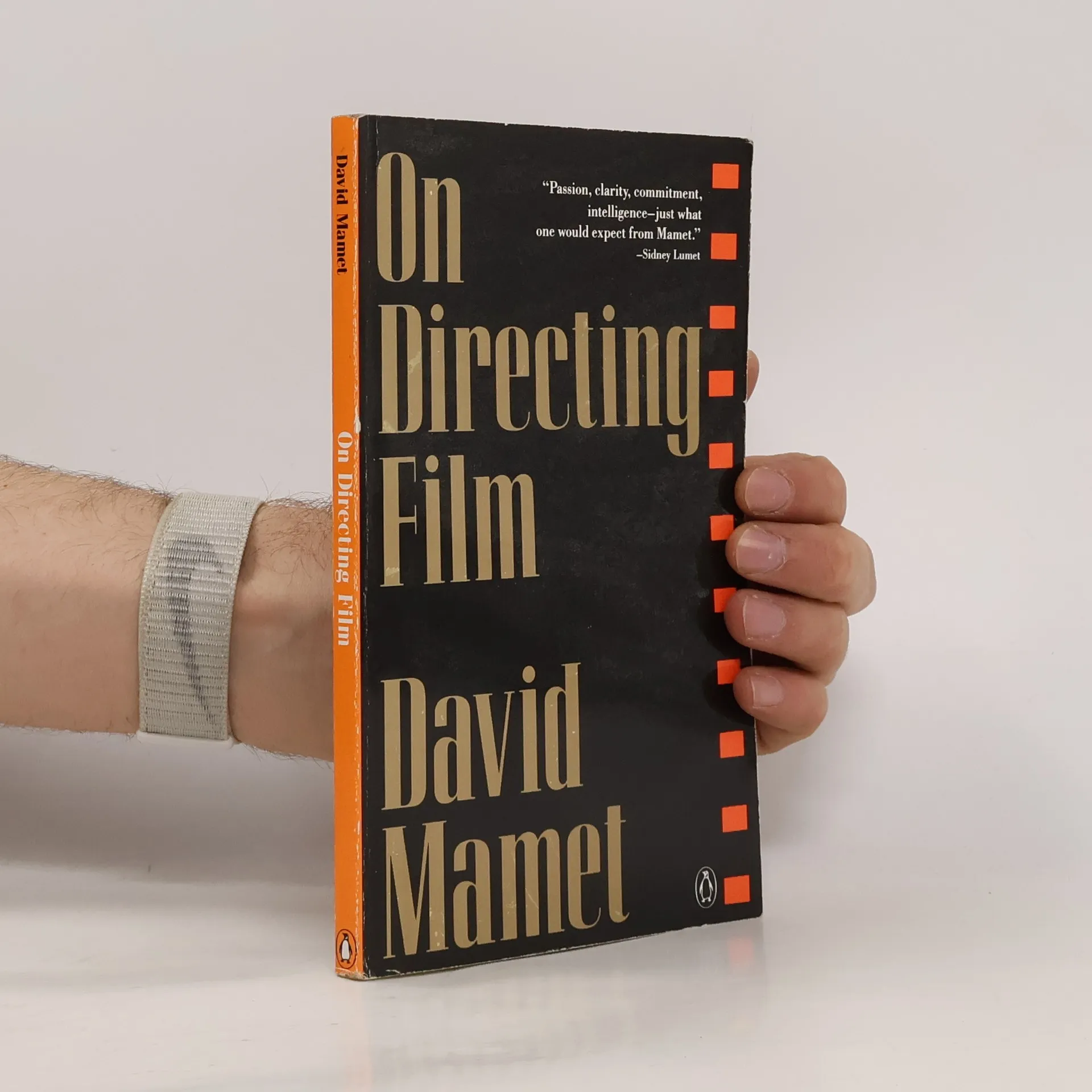
A masterclass on the art of directing from the Pulitzer Prize-winning (and Oscar and Tony-nominated) writer of Glengarry Glen Ross, Speed the Plow, The Verdict, and Wag the Dog Calling on his unique perspective as playwright, screenwriter, and director of his own critically acclaimed movies like House of Games, State and Main, and Things Change, David Mamet illuminates how a film comes to be. He looks at every aspect of directing—from script to cutting room—to show the many tasks directors undertake in reaching their prime objective: presenting a story that will be understood by the audience and has the power to be both surprising and inevitable at the same time. Based on a series of classes Mamet taught at Columbia University's film school, On Directing Film will be indispensible not only to students but to anyone interested in an overview of the craft of filmmaking. "Passion, clarity, commitment, intelligence—just what one would expect from Mamet." —Sidney Lumet, Academy Award-nominated director of 12 Angry Men, Dog Day Afternoon, Network, and The Verdict
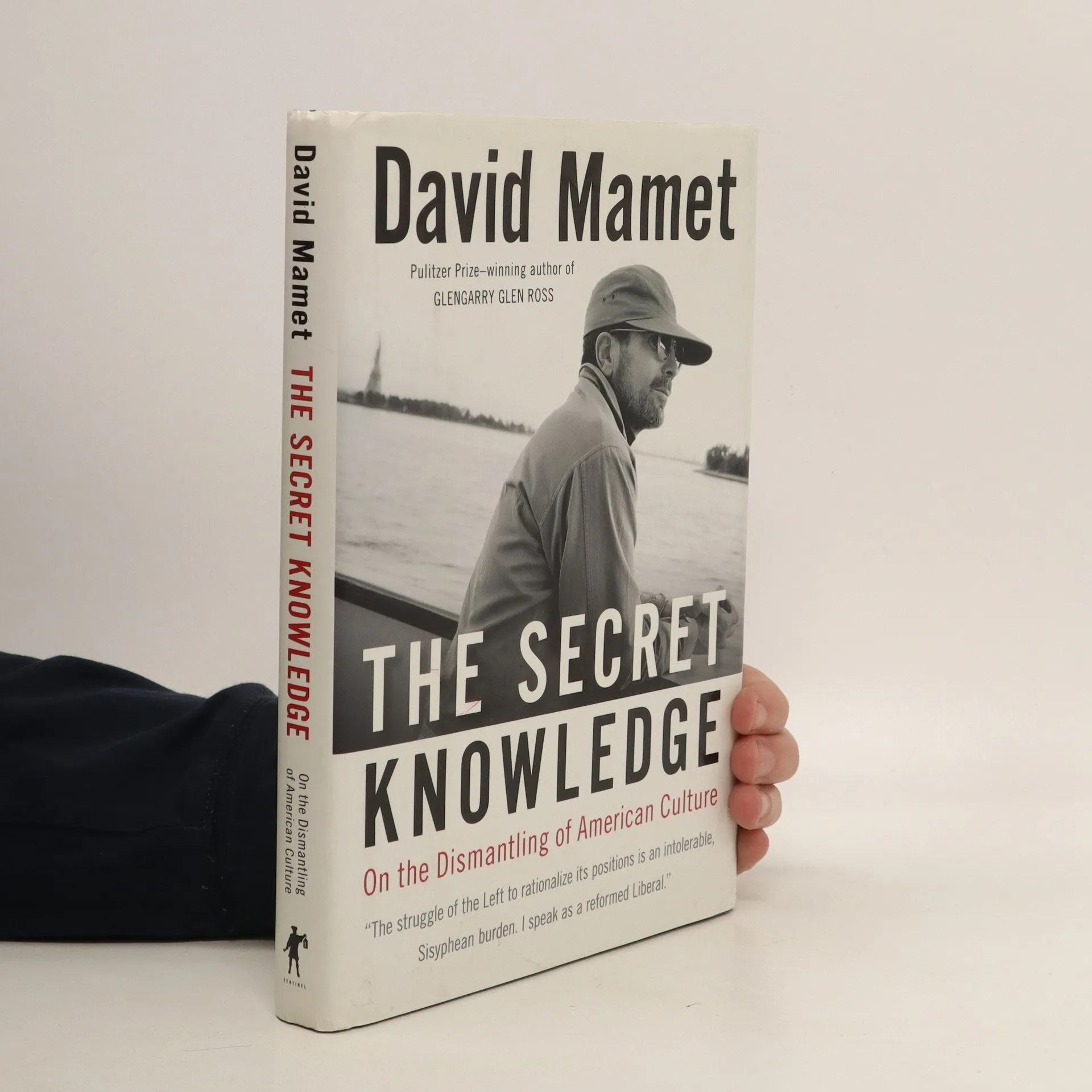
The Pulitzer Prize-winning author of Glengarry Glen Ross addresses key political issues from religion and political correctness to taxes and global warming while denouncing current administrative agendas and explaining why he has abandoned his liberal views. 40,000 first printing.
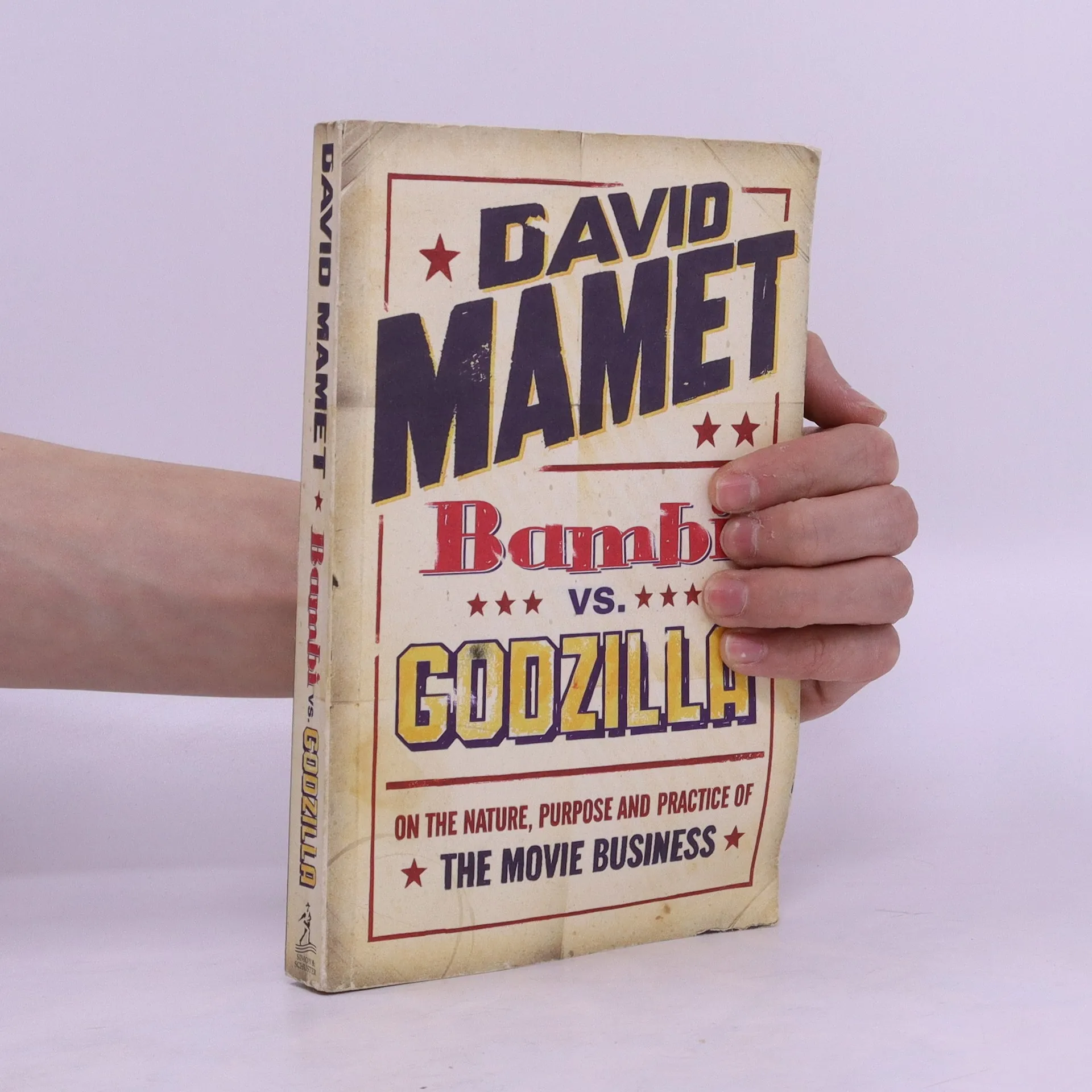
Playwright and screenwriter Mamet gives us a subversive inside look at Hollywood from the perspective of a filmmaker who has always played the game his own way. Who really reads the scripts at the film studios? How is a screenplay like a personals ad? Whose opinion matters when revising a screenplay? Why are there so many producers listed in movie credits? And what do those producers do, anyway? Refreshingly unafraid to offend, Mamet provides hilarious, surprising, and bracingly forthright answers to these and other questions about virtually every aspect of filmmaking, from concept to script to screen. He covers topics ranging from "How scripts got so bad" to the oxymoron of "Manners in Hollywood." He takes us step-by-step through some of his favourite movie stunts and directorial tricks, and demonstrates that it is craft and crew, not stars and producers, that make great films.--From publisher description
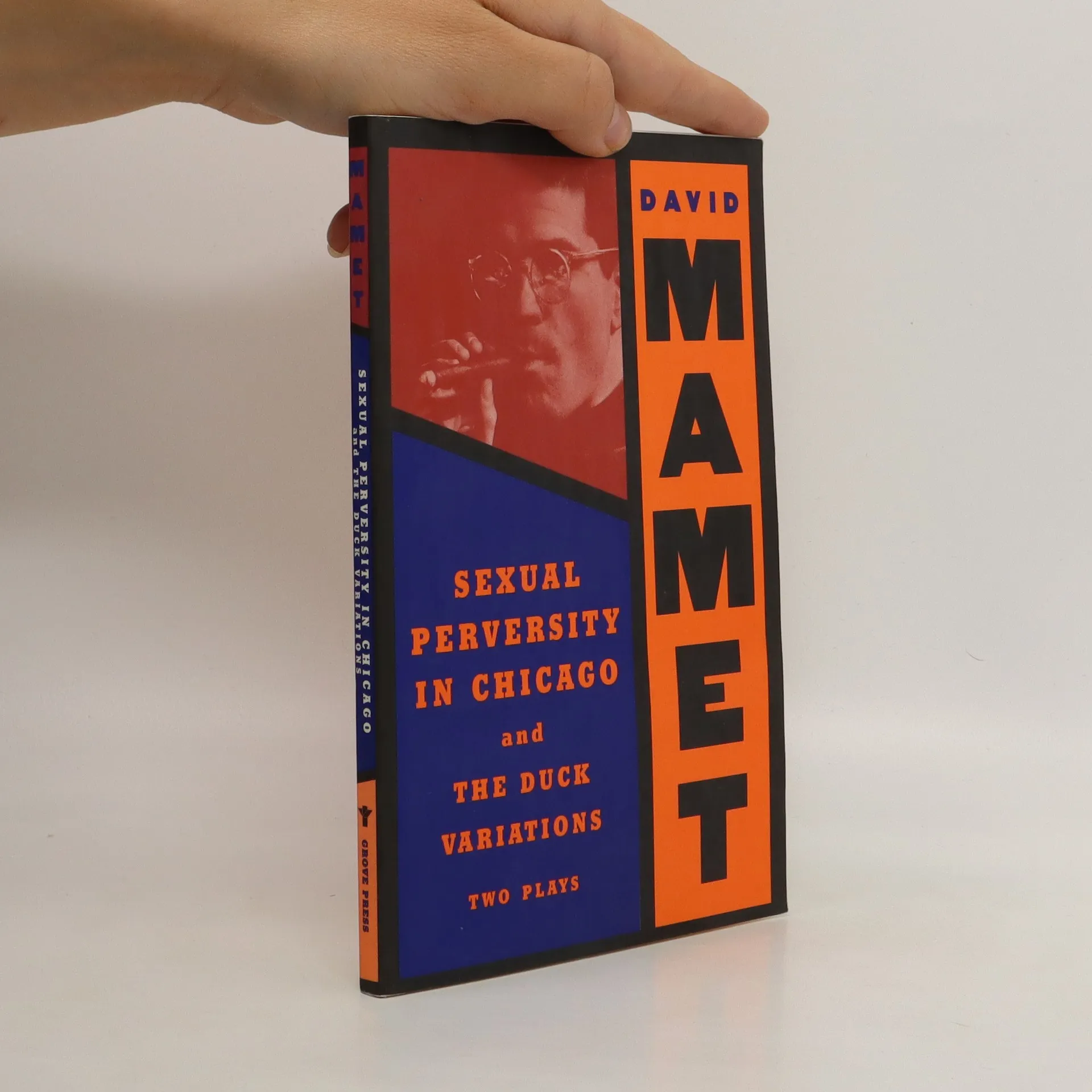
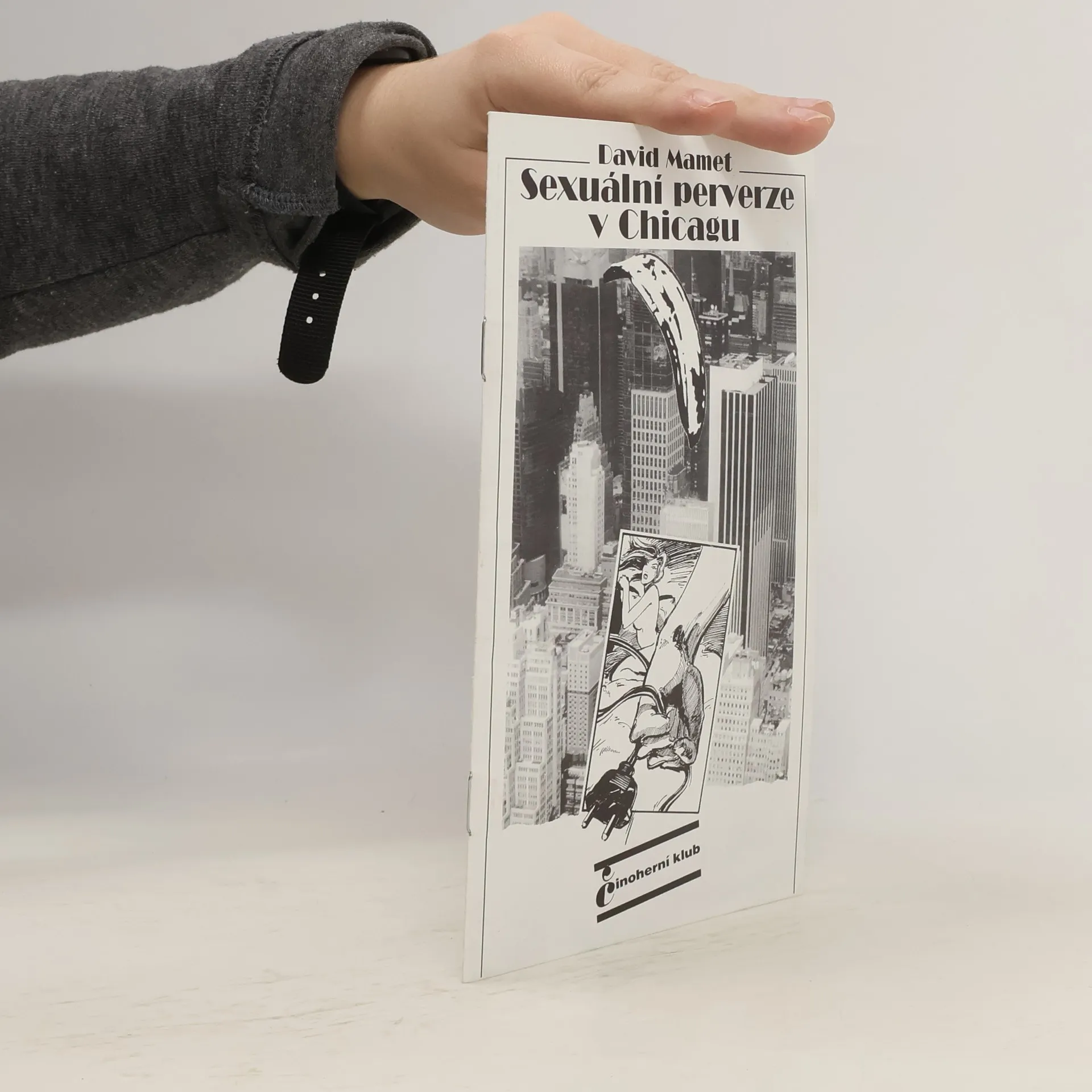
"Two young couples sort out their sex lives in a world of office files and singles bars, and two old men sitting on a park bench reveal their attitudes toward life while discussing the mating habits of ducks."--Provided by publisher.
The award-winning playwright, screenwriter and director reflects on his 40 years in Hollywood and his work with industry giants such as Paul Newman, Jack Nicholson, Mike Nichols, Bob Evans and Sue Mengers
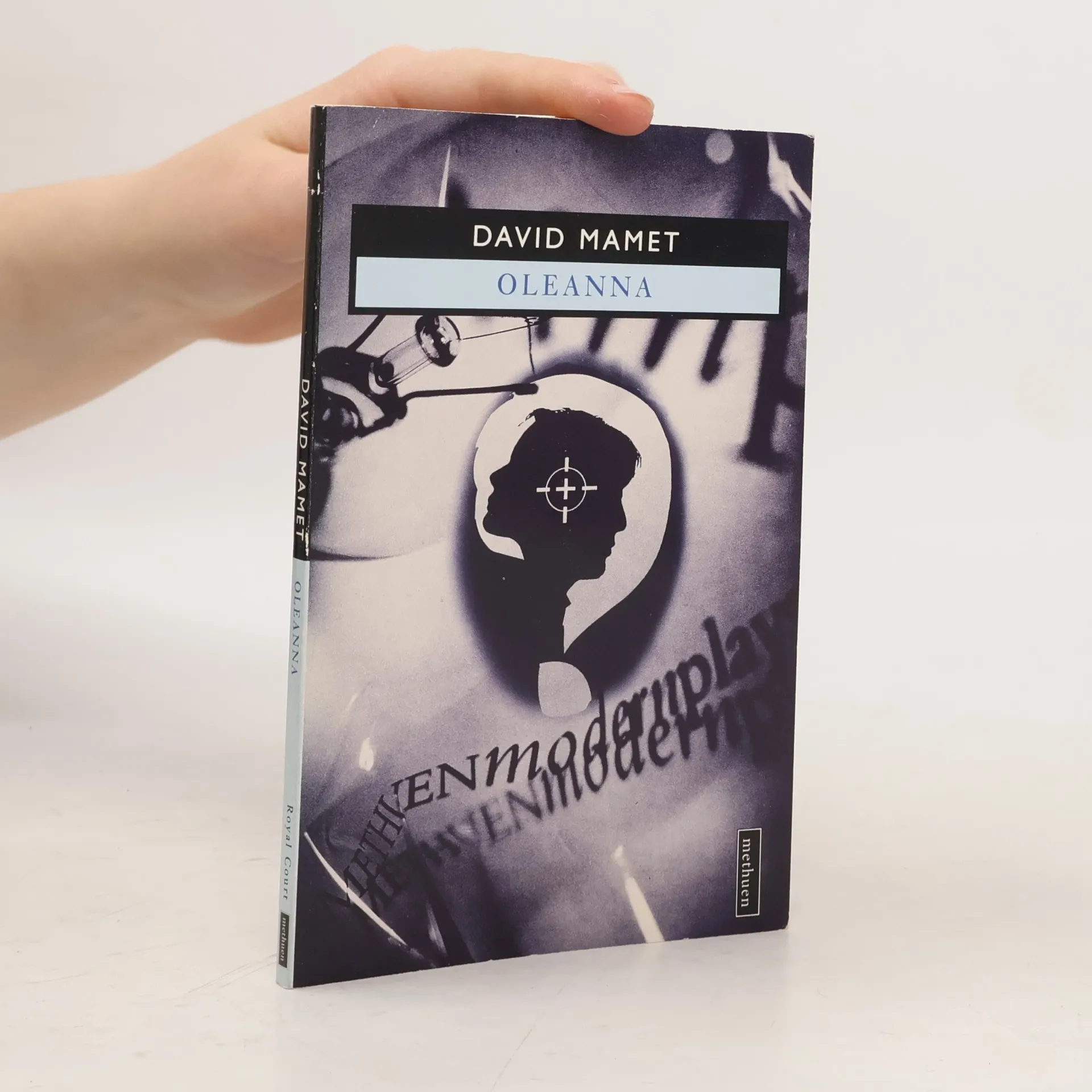
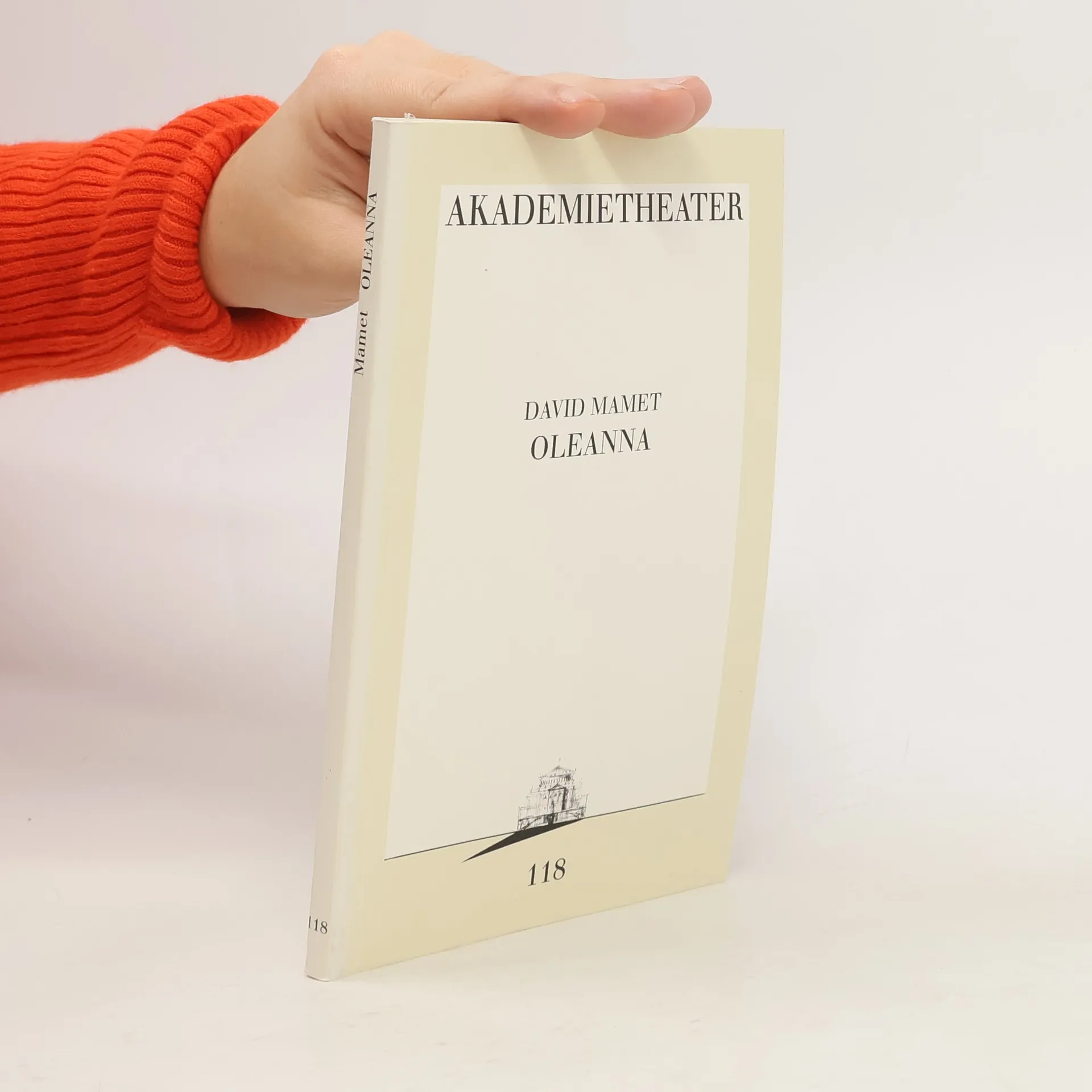
"An ear for reproducing everyday language has long been David Mamet's hallmark and he has now employed it to skewer the dogmatic, puritannical streak which has become commonplace on and off the campus. With Oleanna he continues an exploration of male-female conflicts begun with Sexual Perversity in Chicago in 1974. Oleanna cogently demonstrates that when free thought and dialogue are imperilled, nobody wins." (Michael Wise, Independent) In Oleanna "John and Carol go to it with hand-to hand combat that amounts to a primal struggle for power. As usual with Mamet, the vehicle for that combat is crackling, highly distilled dialogue unencumbered by literary frills or phony theatrical ones." (Frank Rich, International Herald Tribune)
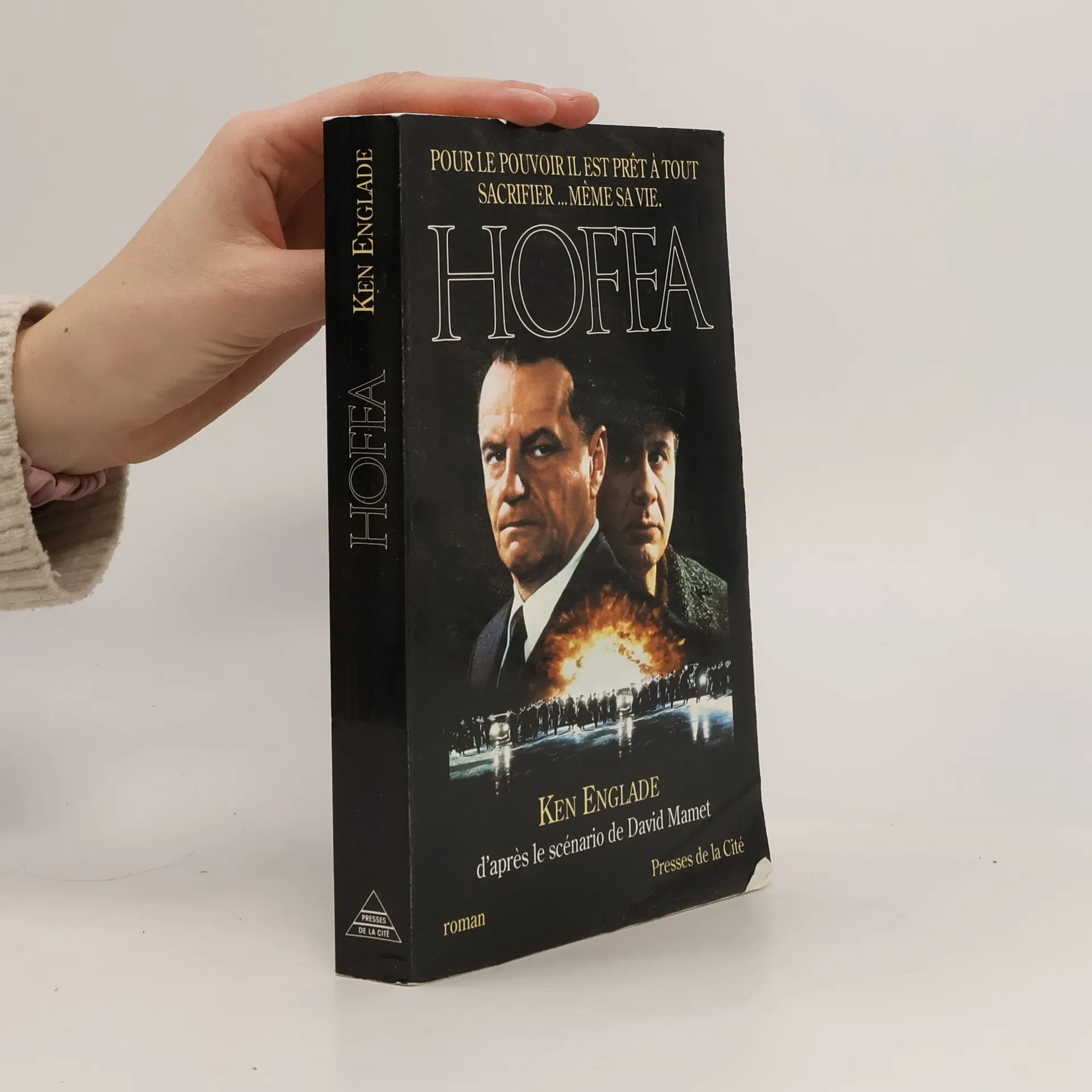
A big-shouldered, big-trouble thriller set in mobbed-up 1920s Chicago—a city where some people knew too much, and where everyone should have known better—by the Oscar-nominated screenwriter of The Untouchables and Pulitzer Prize–winning playwright of Glengarry Glen Ross. Mike Hodge—veteran of the Great War, big shot of the Chicago Tribune, medium fry—probably shouldn’t have fallen in love with Annie Walsh. Then, again, maybe the man who killed Annie Walsh have known better than to trifle with Mike Hodge. In Chicago, David Mamet has created a bracing, kaleidoscopic page-turner that roars through the Windy City’s underground on its way to a thunderclap of a conclusion. Here is not only his first novel in more than two decades, but the book he has been building to for his whole career. Mixing some of his most brilliant fictional creations with actual figures of the era, suffused with trademark "Mamet Speak," richness of voice, pace, and brio, and exploring—as no other writer can—questions of honor, deceit, revenge, and devotion, Chicago is that rarest of literary creations: a book that combines spectacular elegance of craft with a kinetic wallop as fierce as the February wind gusting off Lake Michigan.
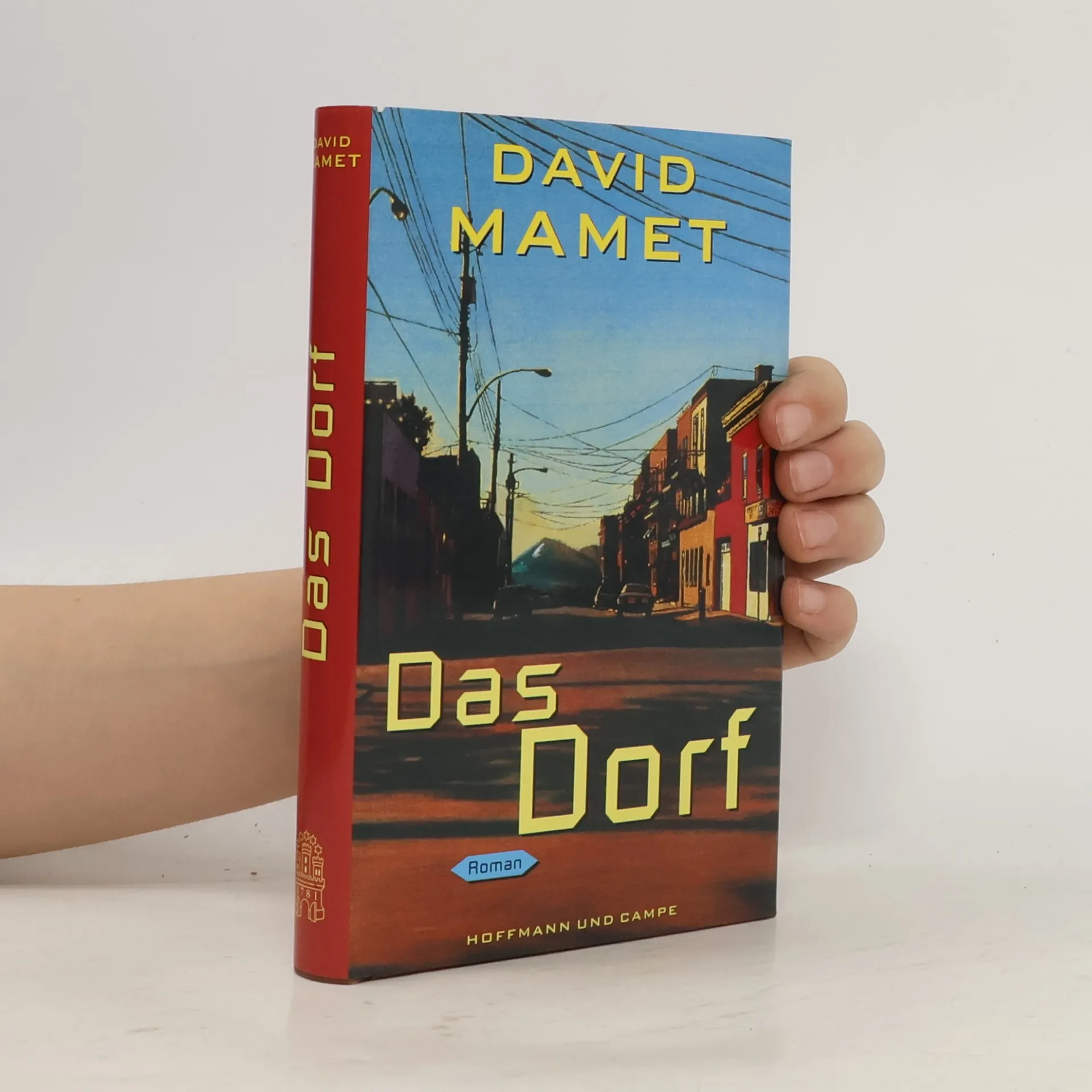
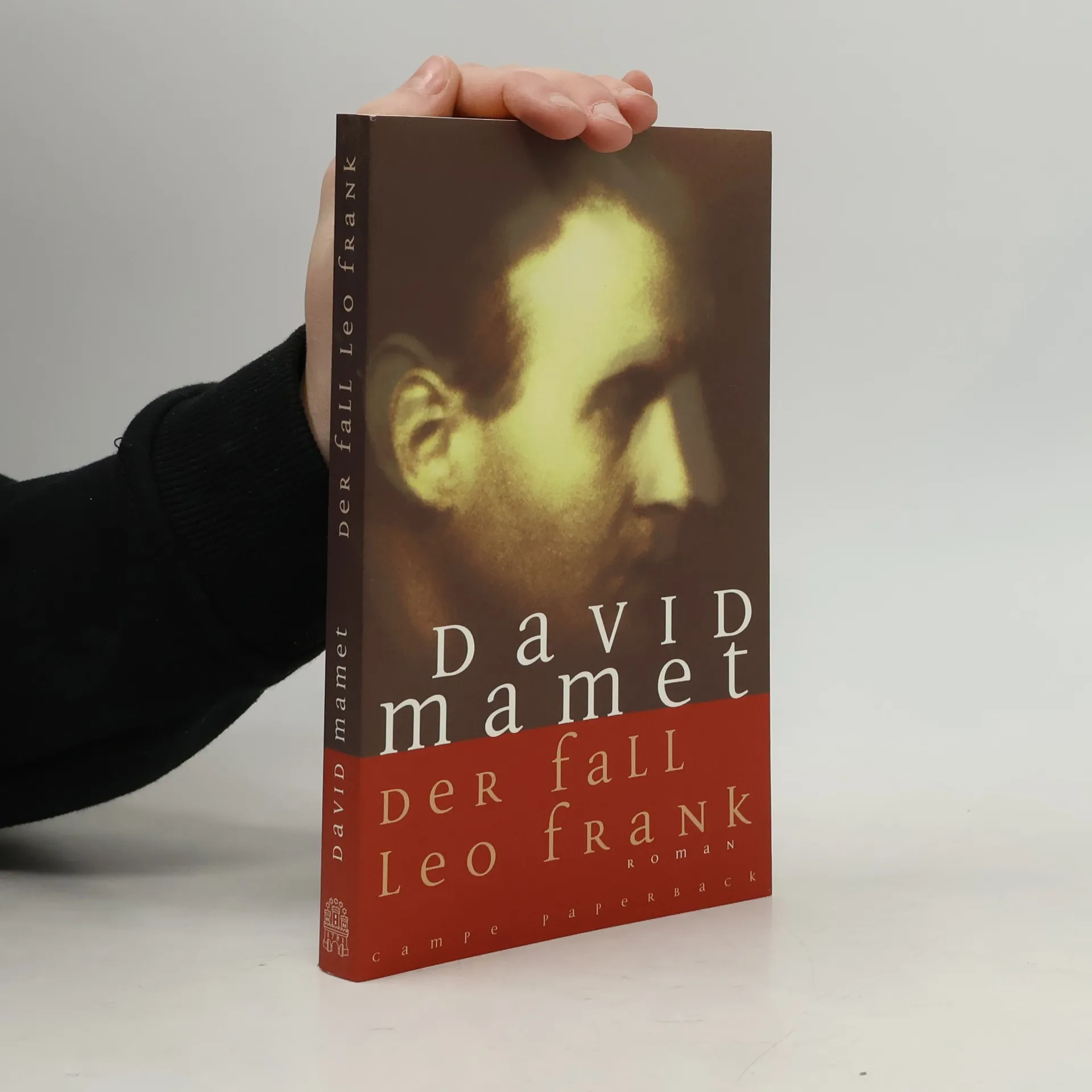
A Jew in 1915 Atlanta is falsely accused of raping and murdering a woman employee of his factory and pays for it with his life. Based on real events, the novel looks at the precarious position of Jews in Christian society
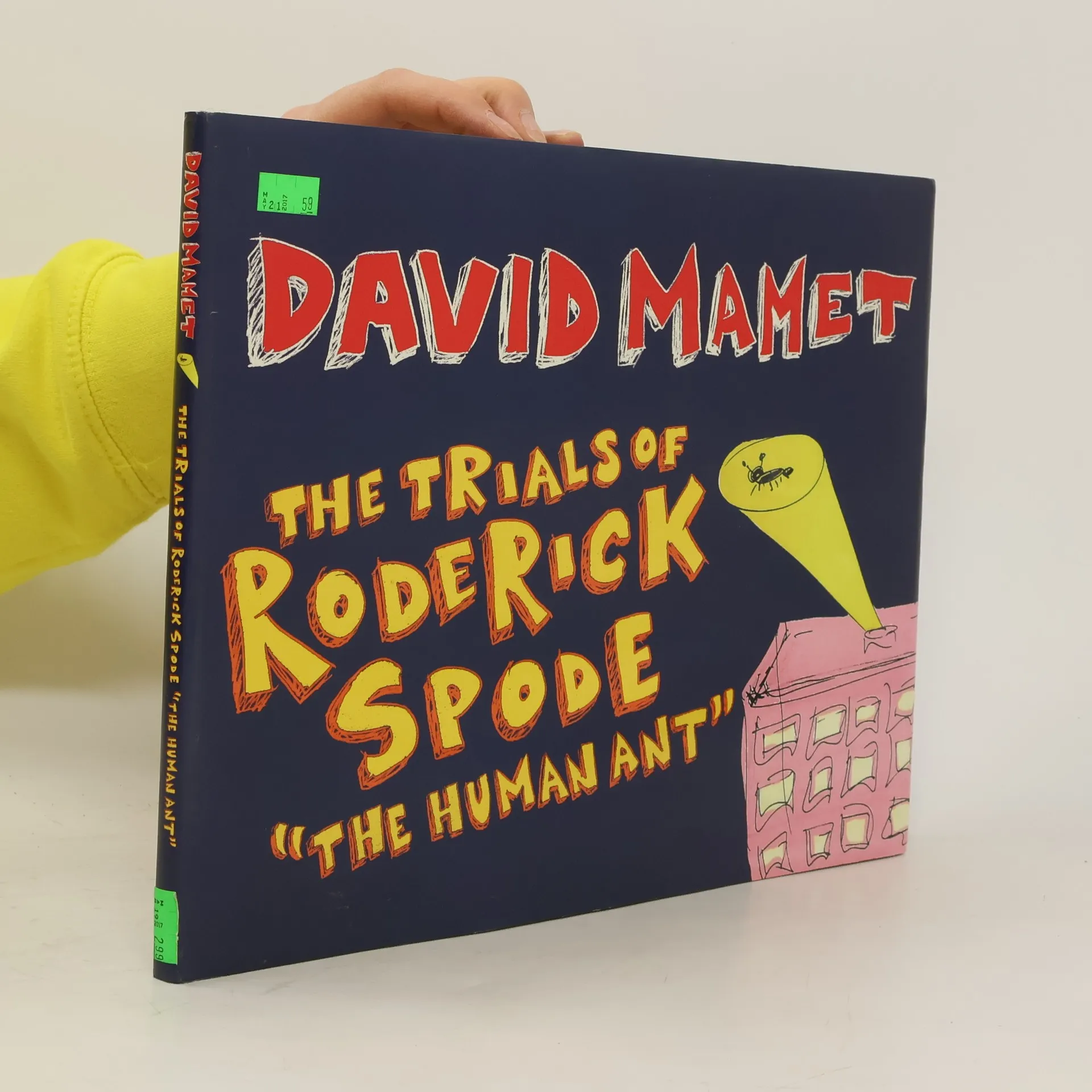
For years, David Mamet has given the world gripping drama, hilarious encounters, and unforgettable characters through his plays, films, and novels. Now he brings his trademark style to a whole new genre, with a laugh-out-loud comic collection that provides a clever and postmodern take on the world of superheroes and ordinary life.The Trials of Roderick Spode ("The Human Ant") follows the bizarre and hilarious adventures of Roderick Spode, an ordinary man who, after a few too many drinks, confuses a photo booth with a booth that gives out special powers, so he now turns into an ant half the time. Follow Roderick as he hangs out with his friend Cocky Cockroach, freelances as a comma, and fights his the European Sourdough Rye!The Trials of Roderick Spode ("The Human Ant") is a brilliantly offbeat and delightfully different offering from one of our greatest living talents.
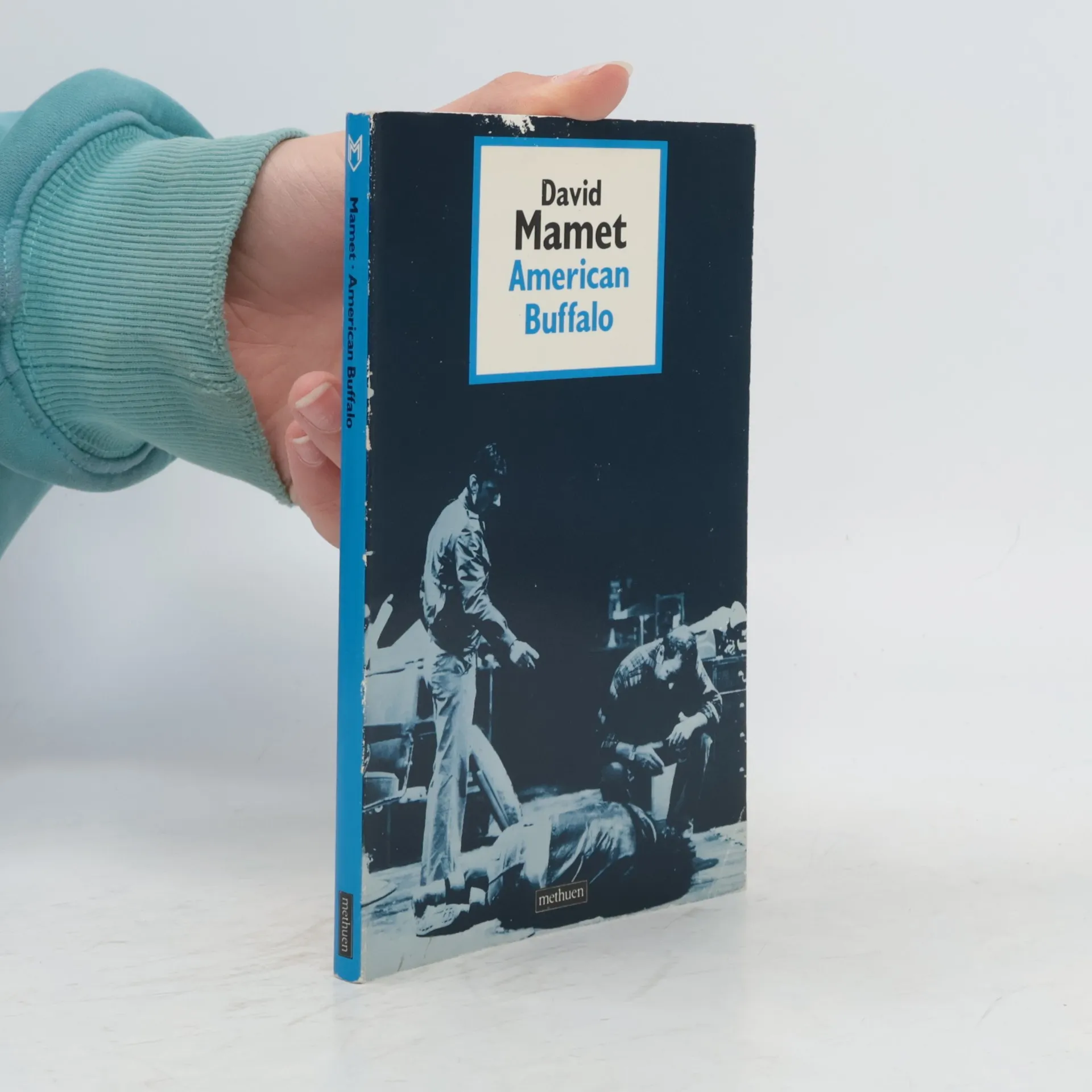
Three small-time crooks plot to carry out a midnight robbery of a coin collection. In the hours leading up to the heist, friendship becomes the victim in a conflict between loyalty and business.
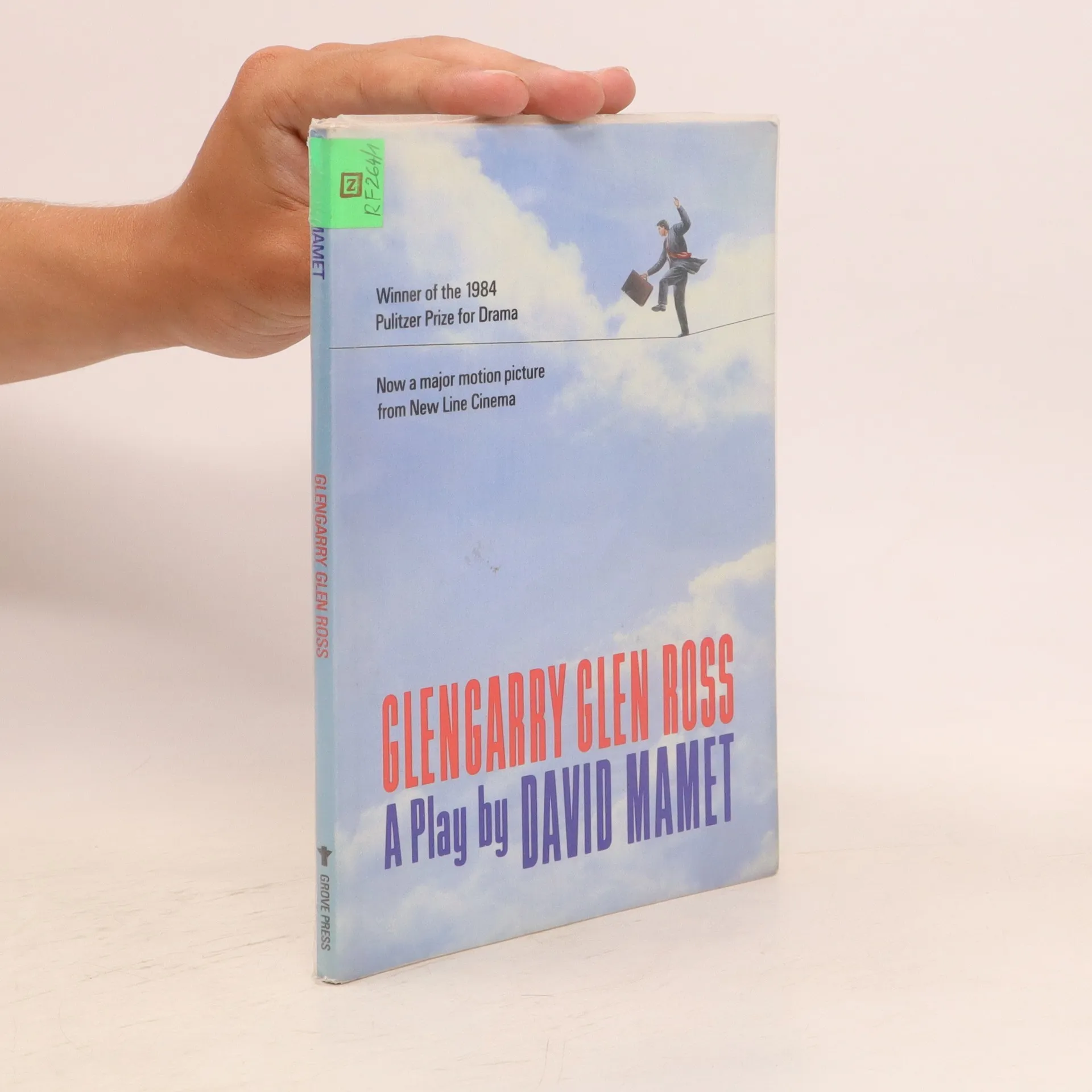
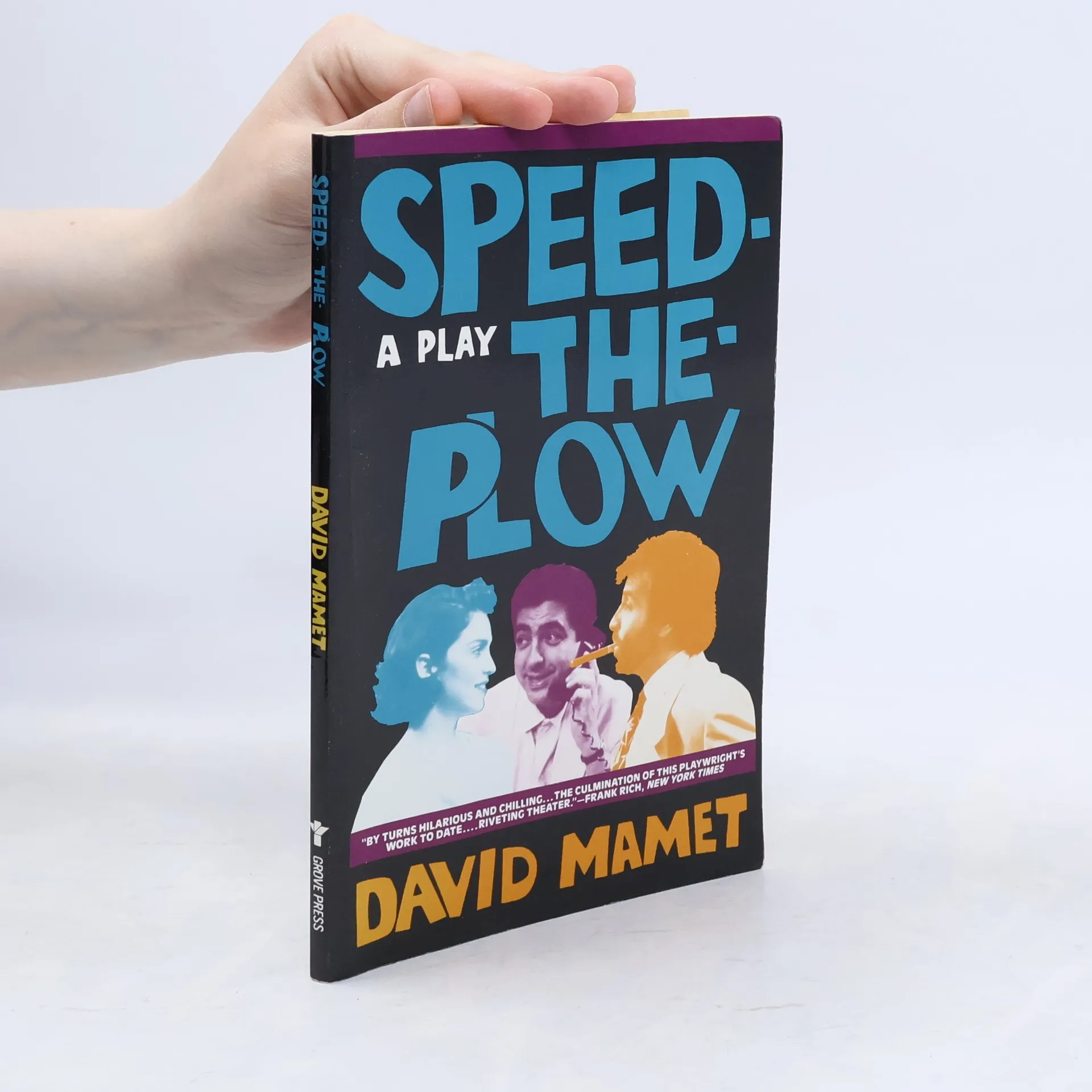
Speed-the-Plow's Broadway run is the most recent triumph of the Pulitzer Prize-winning author's astonishingly productive career. "By turns hilarious and chilling....the culmination of this playwright's work to date....Riveting theater."-Frank Rich, New York Times; "A brilliant black comedy, a dazzling dissection of Hollywood cupidity and another tone poem by our foremost master of the language of moral epilepsy... On its deepest level it belongs with the darker disclosures of movie-biz pathology like Nathanael West's The Day of the Locust and F. Scott Fitzgerald's The Last Tycoon. In a sense Speed-the-Plow distills all of these to a stark quintessence: there's hardly a line in it that isn't somehow insanely funny or scarily insane... [It is a] scathingly comic play."-Jack Kroll, Newsweek
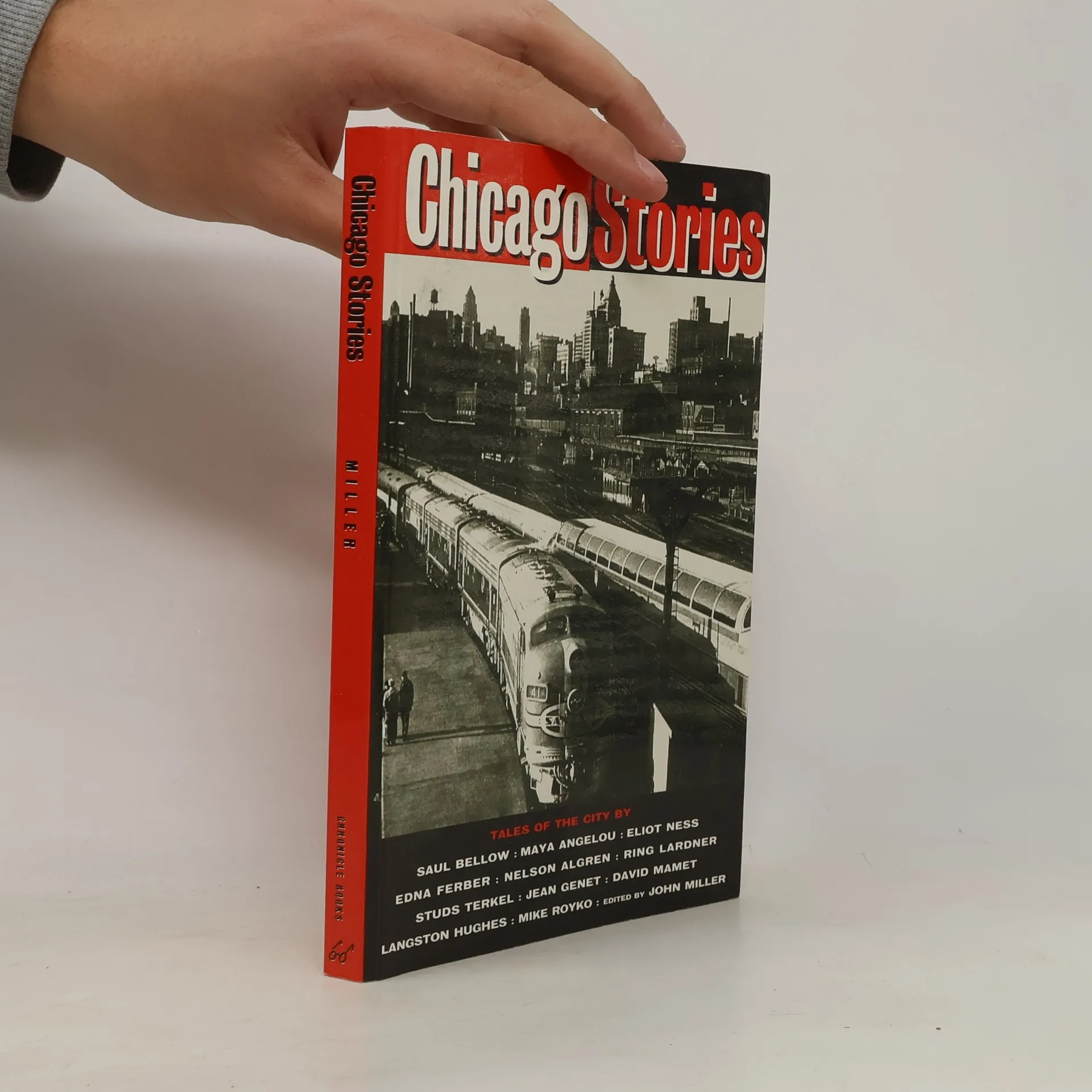
Hometown and host to talents as diverse as Richard Wright, David Mamet, Maya Angelou, Saul Bellow, and Mike Royko, Chicago boasts a rich tradition of writers who have helped shape our sense of the city even as the city informs their best work. It's "a writer's town . . . a fighter's town," according to Nelson Algren, and this anthology proves it. With a striking new cover, Chicago Stories collects the most evocative writing on the city, its gritty realism, and indomitable spirit.
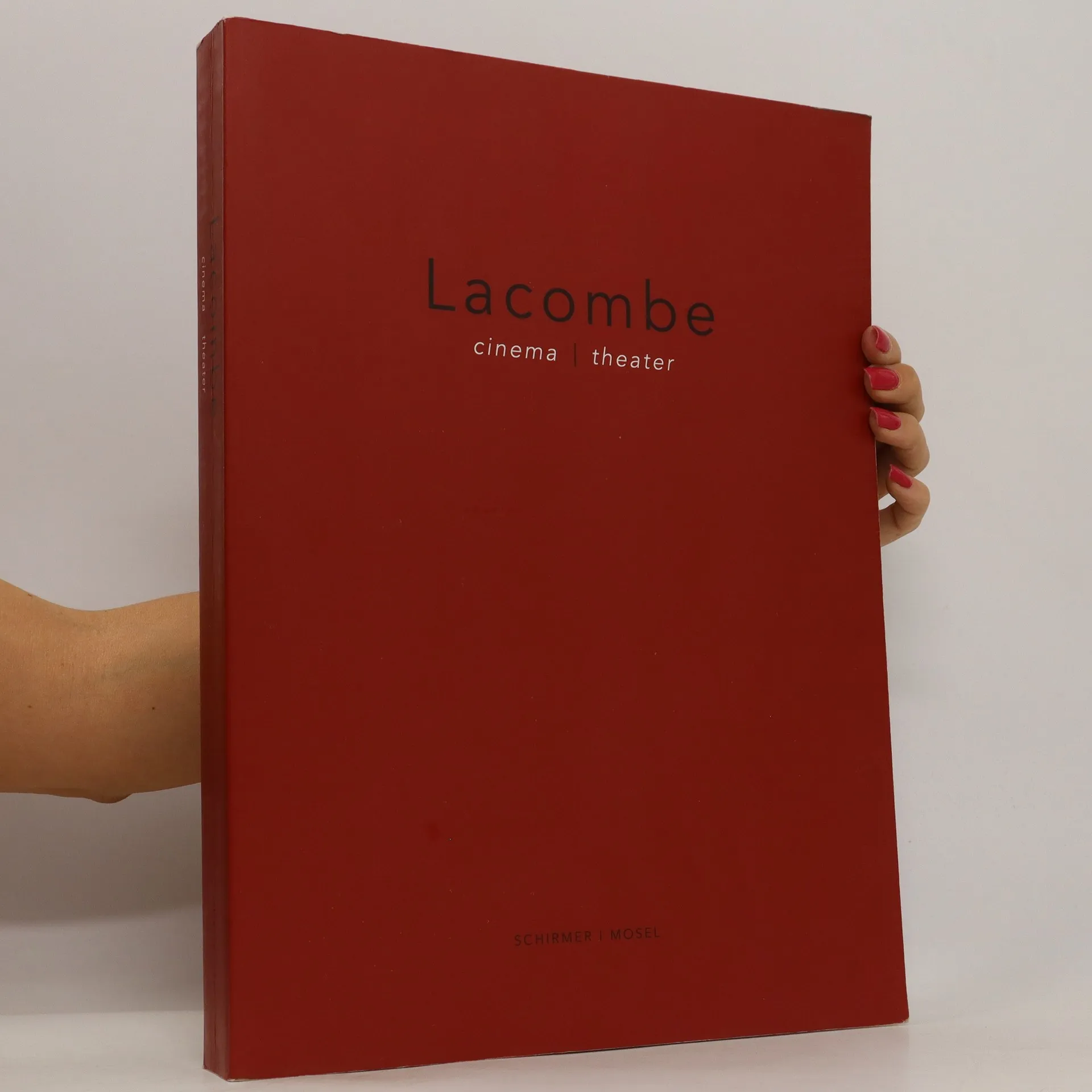
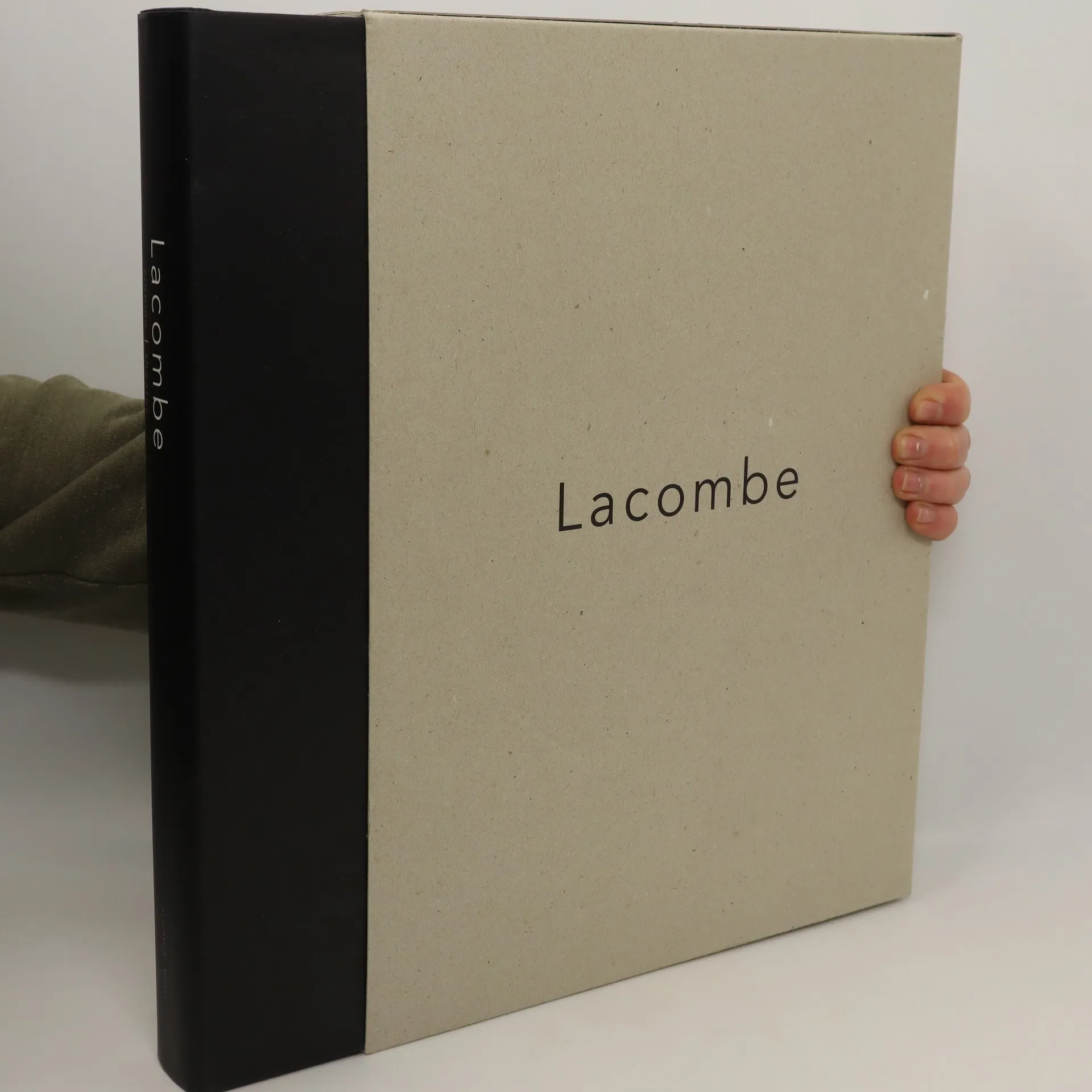
Brigitte Lacombe ranks among the most prominent photographers of the contemporary movie and theater scene in France and the US. Her black-and-white portraits of actors and directors, among them Jean-Luc Godard, Robert Altman, Woody Allen, Roberto Rossellini, Robert de Niro, Arthur Miller, Gérard Depardieu, Glenn Close, Winona Ryder, Julia Roberts, Meg Ryan, Dustin Hoffman, Jeanne Moreau, Isabelle Adjani, Joseph Losey, to name but a few, bespeak a trust and familiarity between model and artist that is unique in today’s photography. First published in 2001, this first monograph of hers has become a classic of portrait photography.
Lacombe Cinema / Theater rassemble pour la première fois les portraits de la photographe française Brigitte Lacombe. C'est son amour des acteurs, metteurs en scène et écrivains que retrace cette fabuleuse rétrospective en images, de 1975 à aujourd'hui. On y retrouve la plupart des grandes figures du cinéma et du théâtre, de Meryl Streep à Jean-Luc Godard, saisis avec personnalité et intelligence. Comme aucun autre photographe contemporain, Brigitte Lacombe révèle ses sujets sous un regard vrai et intime. Davantage que des portraits de célébrités, ces photographies constituent des documents aussi fascinants que révélateurs des personnalités et des œuvres qui ont marqué le dernier quart du siècle. Portraits, moments intimes et reportages en coulisses sont présentés dans cette monographie : Cary Grant prenant des photographies, François Truffaut chez lui fumant une cigarette, Federico Fellini filmant de sous une table, Steven Spielberg allongé après avoir achevé Les Dents de la mer, Kevin Kline se dissimulant sous les draps, Julia Roberts, vulnérable et directe, John Malkovich fixant intensément l'objectif, Daniel Day-Lewis riant avec Arthur Miller, Jeanne Moreau lumineuse icône, Leonardo DiCaprio au seuil de l'âge adulte - tous sans apprêt ni artifice.
Antologie současného anglofonního politického dramatu.
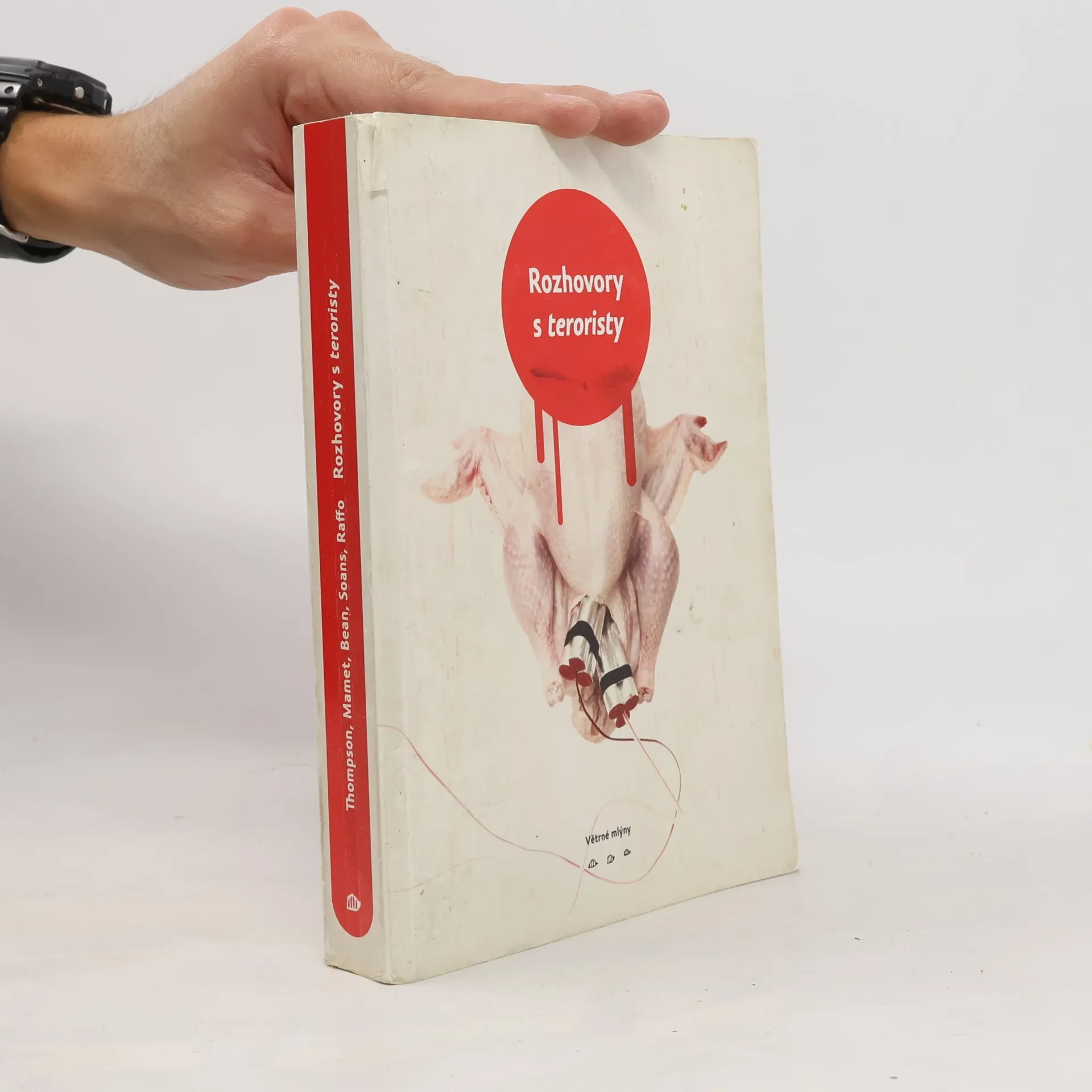
Svět politických machinací v britském parlamentu či americkém prezidentském úřadu v černých komediích Brita Steva Thompsona Kdo s koho a Američana Davida Mameta Listopad až neuvěřitelně připomíná současné české prostředí. Idealismus neziskových organizací a problematická snaha spasit svět je terčem jedovaté satiry Boží bojovníci od rebela britského divadla Richarda Beana. Dokumentární drama založené na výpovědích skutečných teroristů a jejich obětí Rozhovory s teroristy od Robina Soanse a subjektivní válečná zkušenost devíti iráckých žen v básnickém podání Heather Raffo Devět dílů touhy jsou důkazem rozmanitosti a popularity současného politického dramatu v Británii a Spojených státech. Pět nových překladů v této antologii má ambice dostat politiku na jeviště i v Česku a dokázat, že politické drama nemusí být propagandistická nuda.
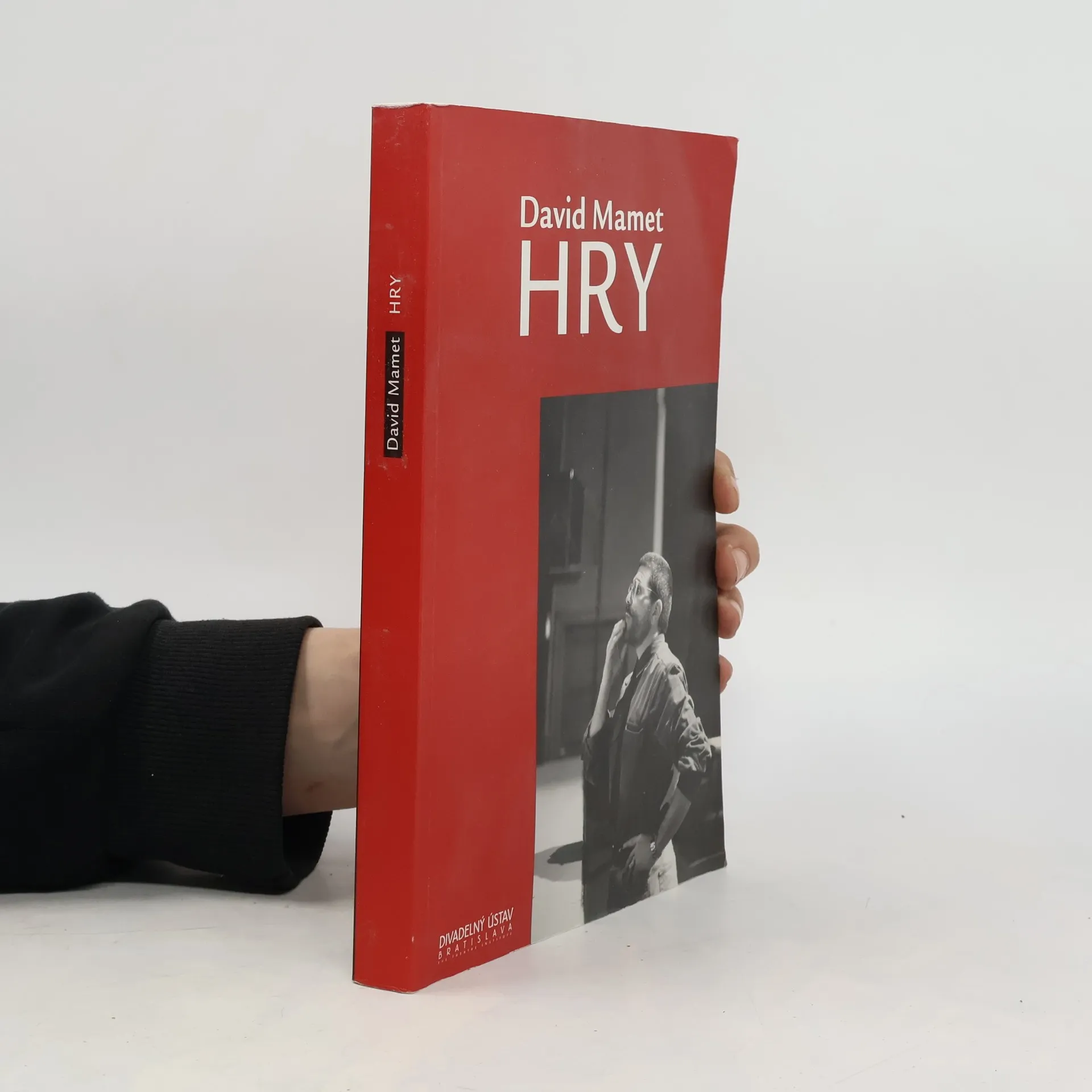
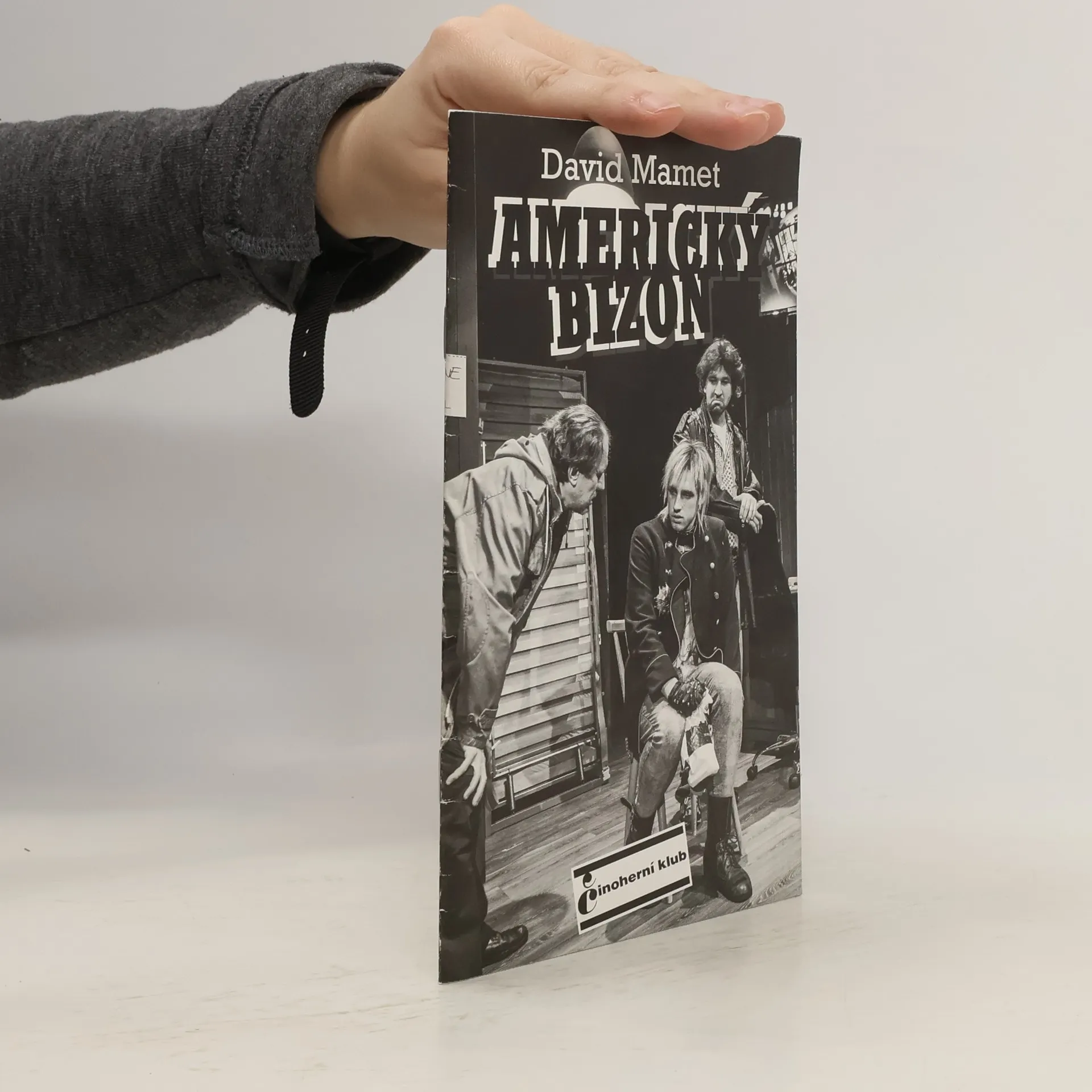
David Mamet patrí popri O´Neillovi, Millerovi, Williamsovi, Albeem a Shepardovi k najvýznamnejším žijúcim dramatickým umelcom a jeho prelomové dielo predstavujeme slovenským čitateľom v komplexnej podobe po prvý raz. Divadelné hry Kryptogram, Edmond, Americký bizón, Oleanna, V pote tváre orať budeš, Kačacie variácie a Sexuálna perverzita v Chicagu, ktoré sú zaradené do výberu a tvoria reprezentatívny prierez Mametovou tvorbou preložili Zuzana Flašková, Laco Kerata, Alexandra Ruppeldtová, Juraj Šebesta. Mamet napísal takmer tridsať divadelných hier, niekoľkokrát získal cenu OBIE a v roku 1984 Pulitzerovu cenu za najlepšiu drámu roka Glengarry Glenn Ross. Všestrannosť spisovateľského talentu dokazujú jeho novely, zbierky básní, divadelné hry a knihy pre deti, ako aj eseje o divadle a filme. Je známy a oceňovaný aj ako filmový a televízny scenárista a filmový a divadelný režisér. Z jeho filmov spomeňme aspoň Poštár zvoní vždy dvakrát, Verdikt, Dom hier, Vrtieť psom, Hannibal či Spartan.