
Explore the latest books of this year!
Bookbot

Jŏngha Kim

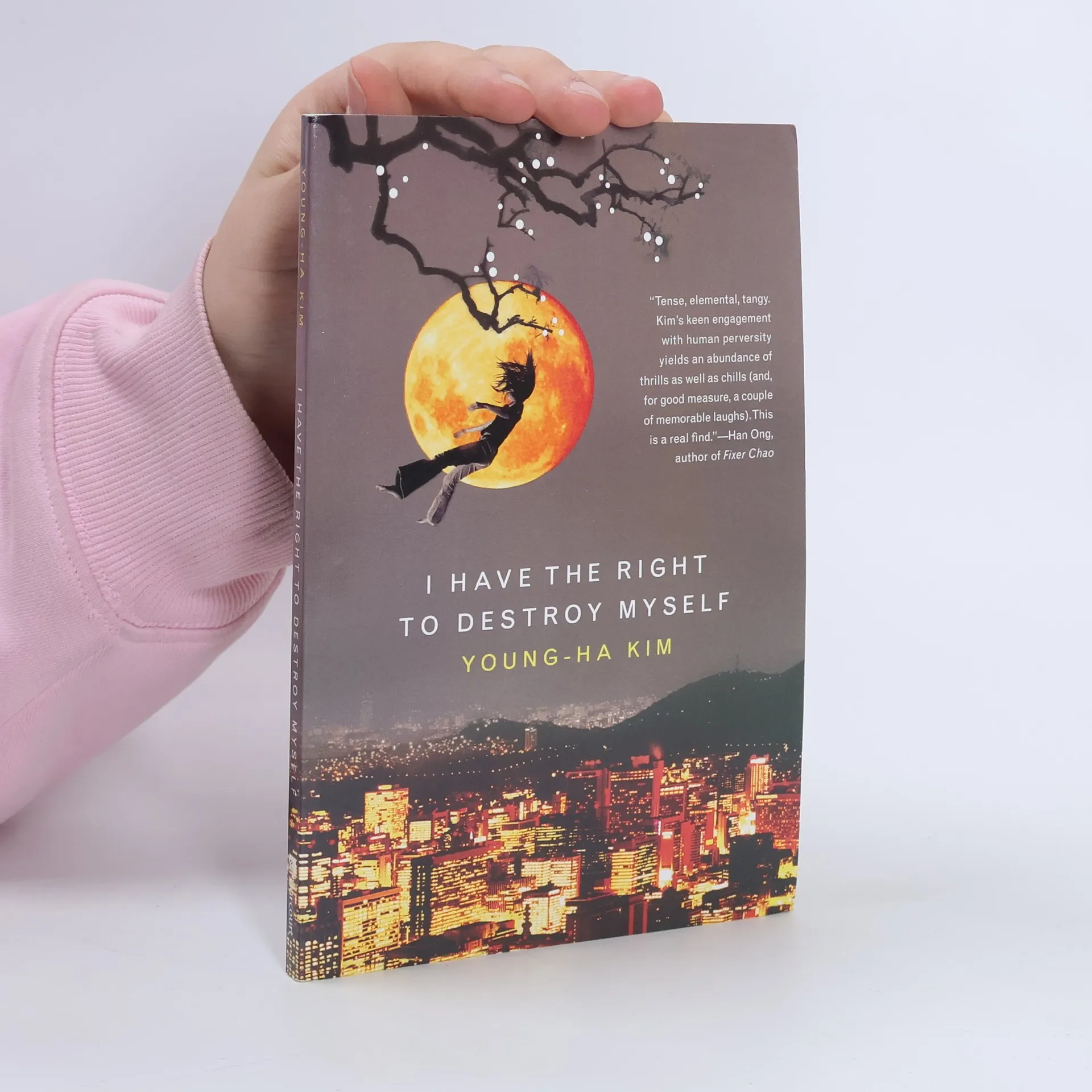
    Mám právo se zničit
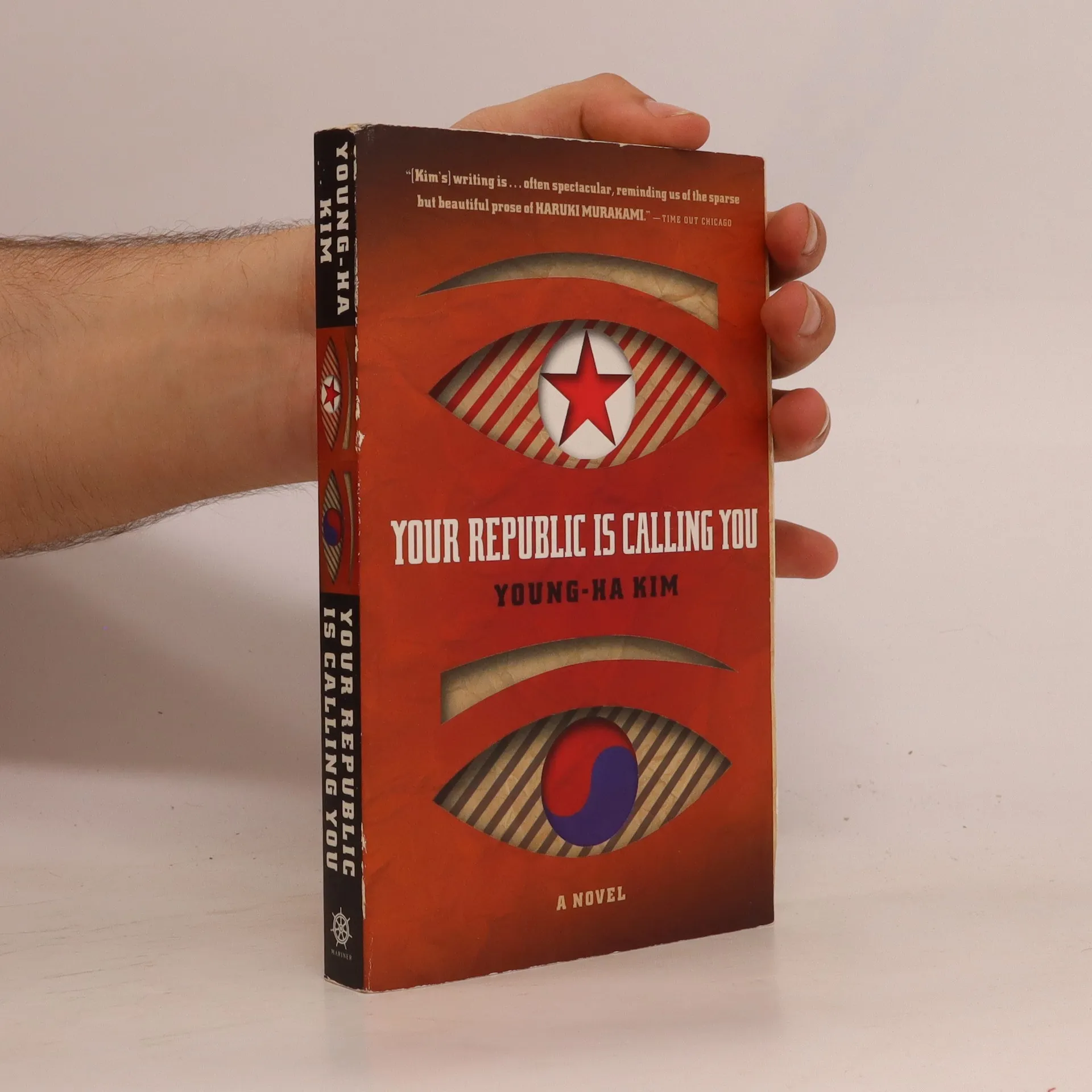
    Your Republic is Calling You
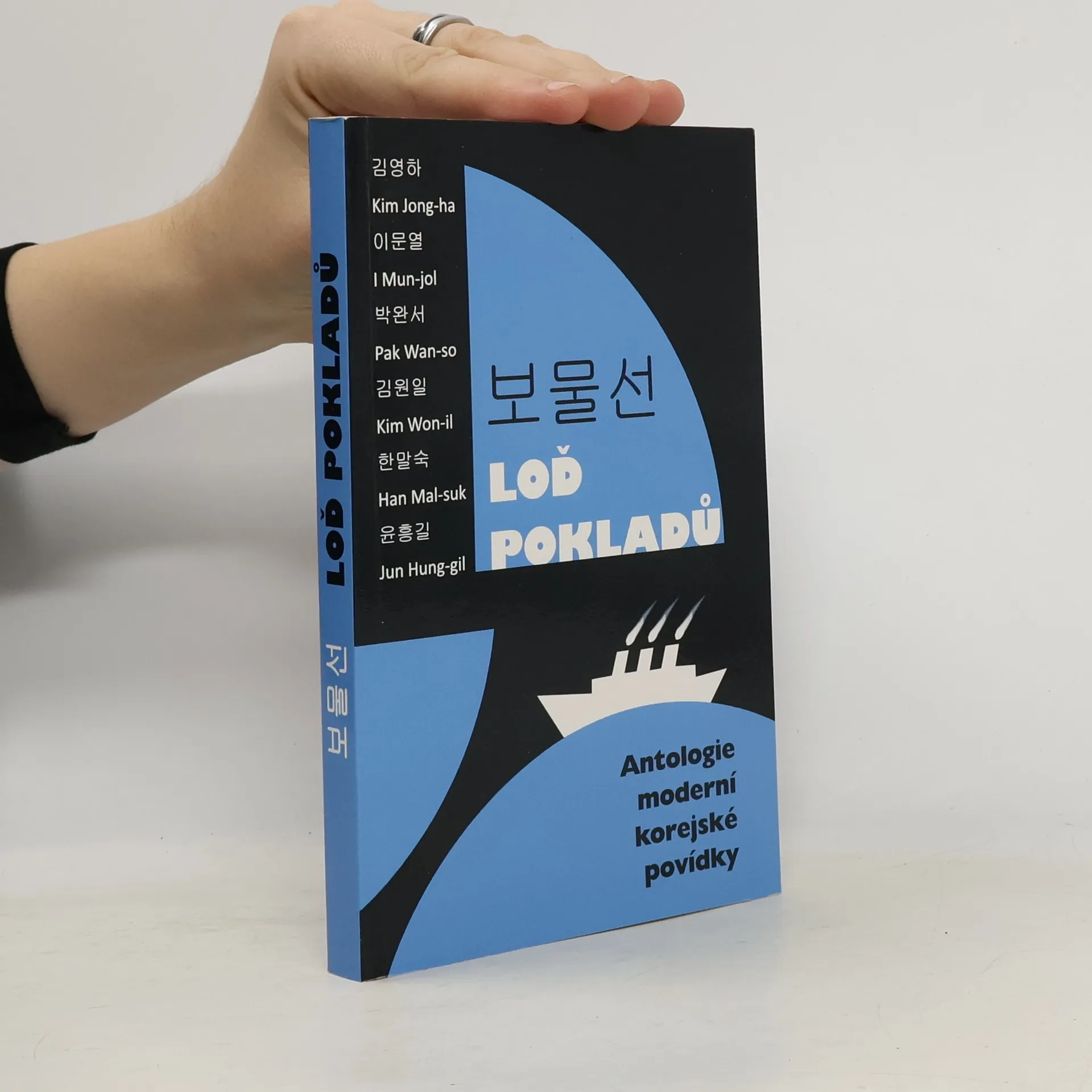
    Loď pokladů. Antologie moderní korejské povídky
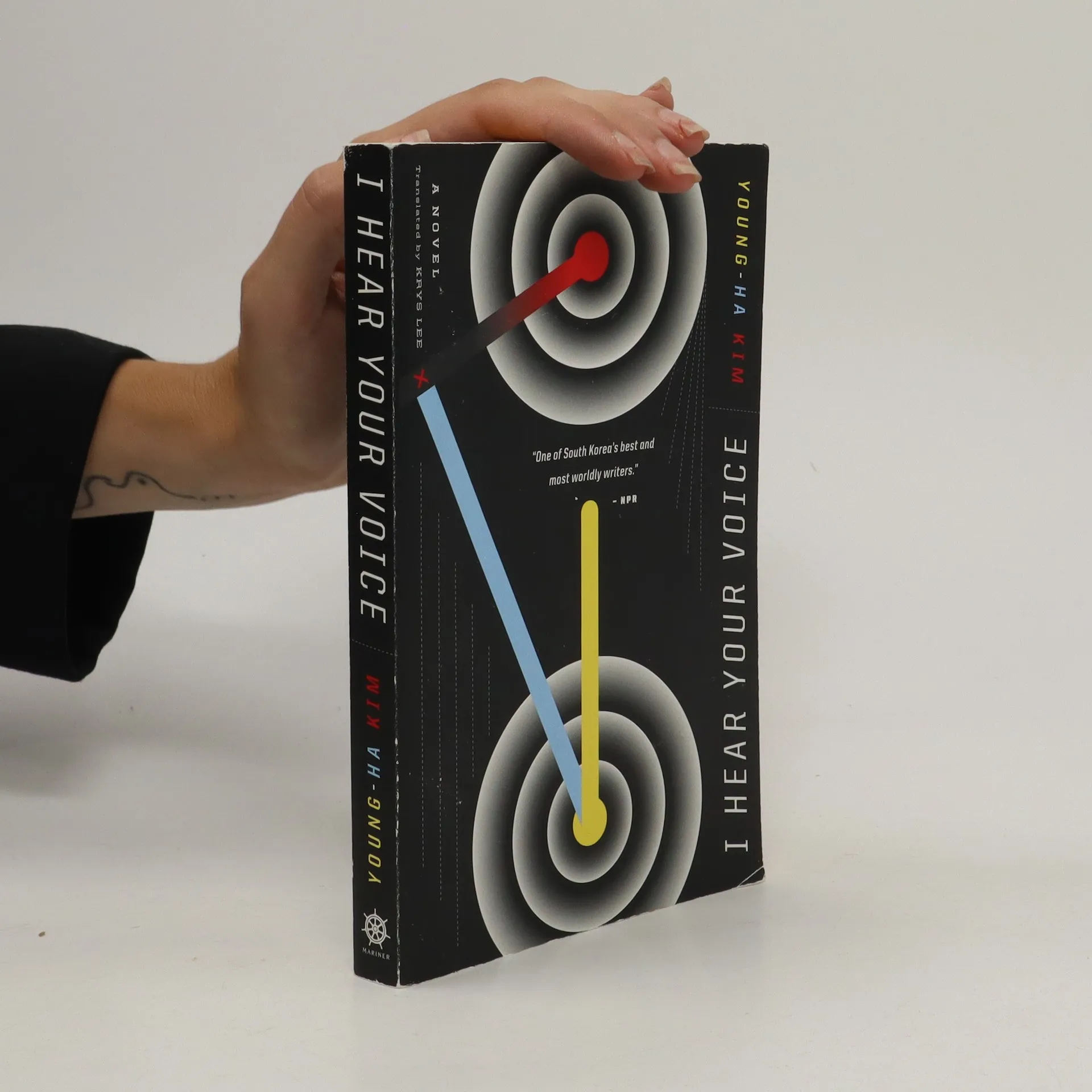
    I hear your voice
    • I hear your voice

      • 259 pages
      • 10 hours of reading
      3.5(427)Add rating

      From one of Korea's literary stars, a novel about two orphans from the streets of Seoul: one becomes the head of a powerful motorcycle gang, and the other follows him at all costs In South Korea, underground motorcycle gangs attract society's castoffs. They form groups of hundreds and speed wildly through cities at night. For Jae and Dongyu, two orphans, their motorcycles are a way of survival. Jae is born in a bathroom stall at the Seoul Express Bus Terminal. And Dongyu is born mute--unable to communicate with anyone except Jae. Both boys grow up on the streets of Seoul among runaway teenagers, con men, prostitutes, religious fanatics, and thieves. After years navigating the streets, Jae becomes an icon for uprooted teenagers, bringing an urgent message to them and making his way to the top of the gang. Under his leadership, the group grows more aggressive and violent--and soon becomes the police's central target. A novel of friendship--worship and betrayal, love and loathing--and a searing portrait of what it means to come of age with nothing to call your own, I Hear Your Voice resonates with mythic power. Here is acclaimed author Young-ha Kim's most daring novel to date.

      I hear your voice
    • Your Republic is Calling You

      • 326 pages
      • 12 hours of reading
      3.6(1393)Add rating

      North Korean spy Gi-yeong, who has been living undercover in South Korea with his wife and daughter, leaves his job as foreign film importer to travel to the North after he is suddently called back to headquarters after twenty-one years.

      Your Republic is Calling You
    • Mám právo se zničit

      • 100 pages
      • 4 hours of reading
      3.1(80)Add rating

      Mám právo se zničit je dle autorových slov jedním z „podivných románů“, které začal psát v rebelském údobí svého života jako určitou formu politické sebevraždy. Trochu paradoxně mu však zajistil vstup mezi známé a uznávané korejské spisovatele a stále si nachází okruh čtenářů, o čemž svědčí přes dvacet dotisků ve třech vydáních. Přestože patří mezi první autorovy knihy, jde o vynikající vyobrazení estetiky smrti, které ohlásilo nástup nového spisovatele schopného šokovat a rozvířit korejské literární vody. Bujná a ničím neomezovaná představivost se otevřeným a syrovým způsobem dotýká ožehavých a společensky tabuizovaných témat a vyjadřuje pocity současných Korejců, osamělých a izolovaných uprostřed uspěchaného, soupeřícího davu, kteří trpí odcizením spojeným se sebevražedným nutkáním. Románové já, které svým způsobem naplňuje právo lidí na sebedestrukci tím, že jim za úplatu pomáhá odejít z tohoto světa, jako by předjímalo vznik sebevražedných stránek v korejském kyberprostoru, kde se sdružují váhající jedinci, hlavně mládež, vzájemně v sobě podporují sentimentální touhu po smrti a sbírají odvahu ke společnému činu.

      Mám právo se zničit