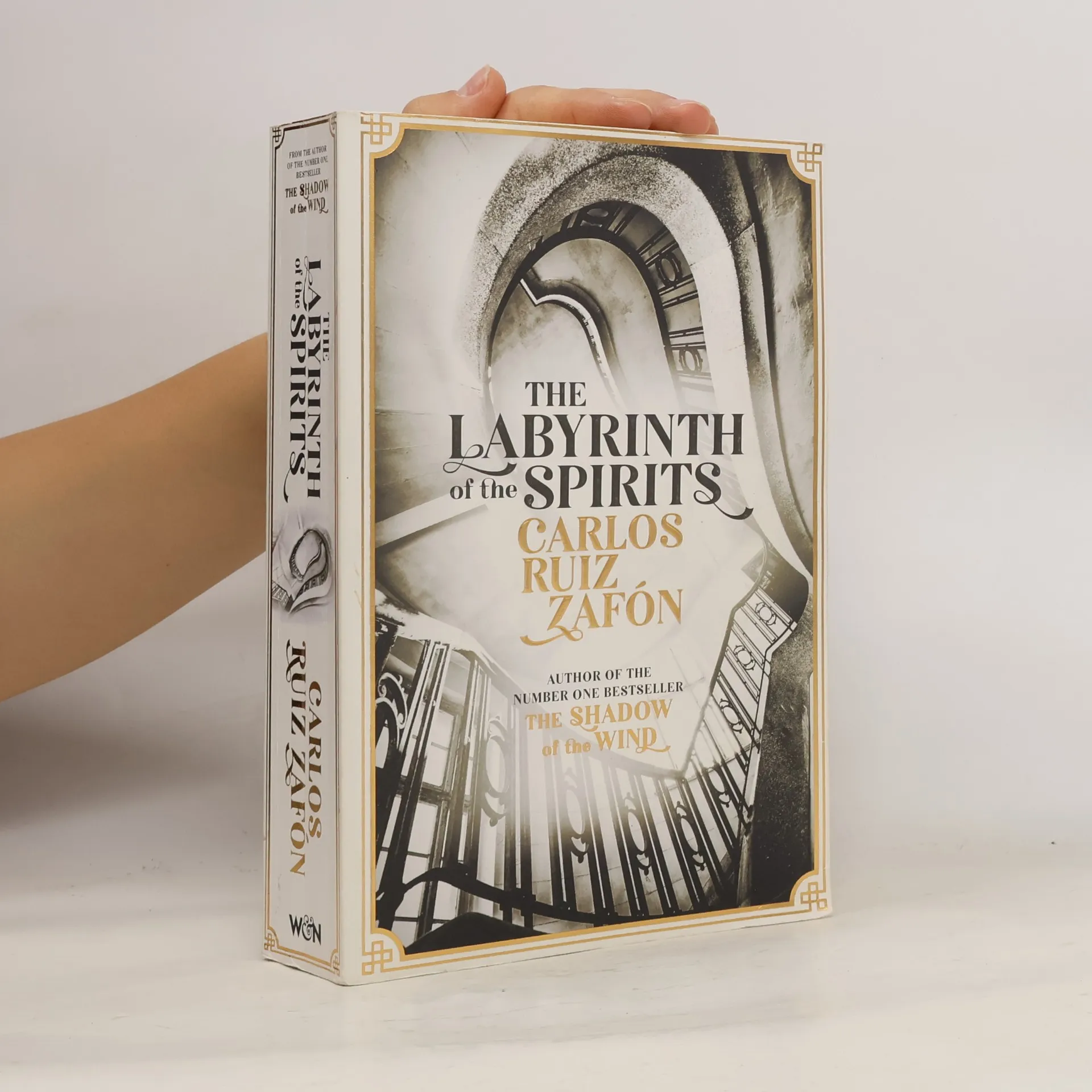
The labyrinth of the spirits
- 832 pages
- 30 hours of reading
The internationally bestselling new novel from the author of the modern classic, The Shadow of the Wind


Lucia Graves explores the intricacies of life and memory through compelling narratives, drawing on a rich tapestry of personal experience and cultural perspective. Her writing offers readers a unique window into themes of identity, often weaving together threads of English and Spanish life. Beyond her own literary creations, Graves has also made a significant mark as a respected translator, bringing influential works to new audiences. Her prose is characterized by keen psychological insight and a distinctive, evocative style.
The internationally bestselling new novel from the author of the modern classic, The Shadow of the Wind
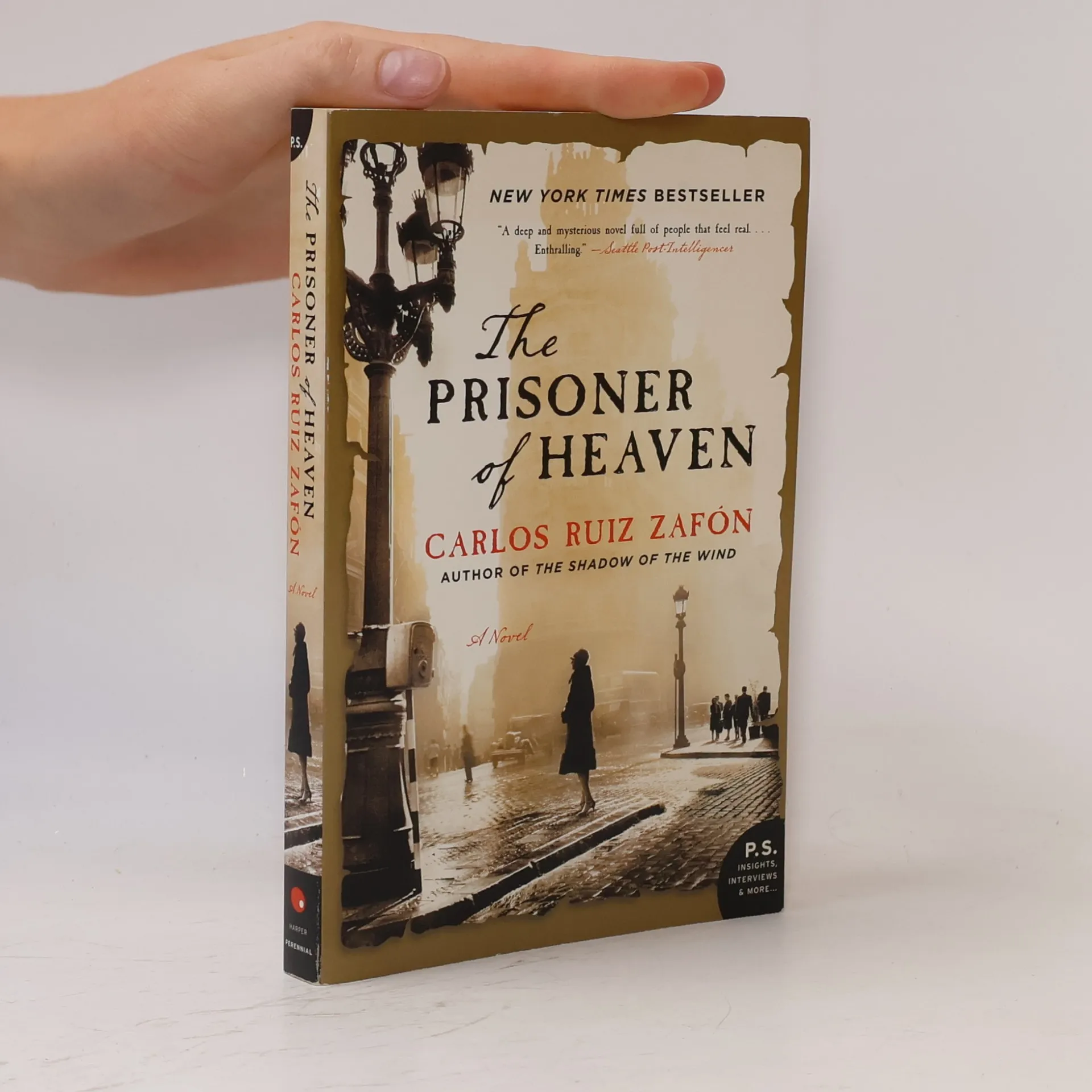
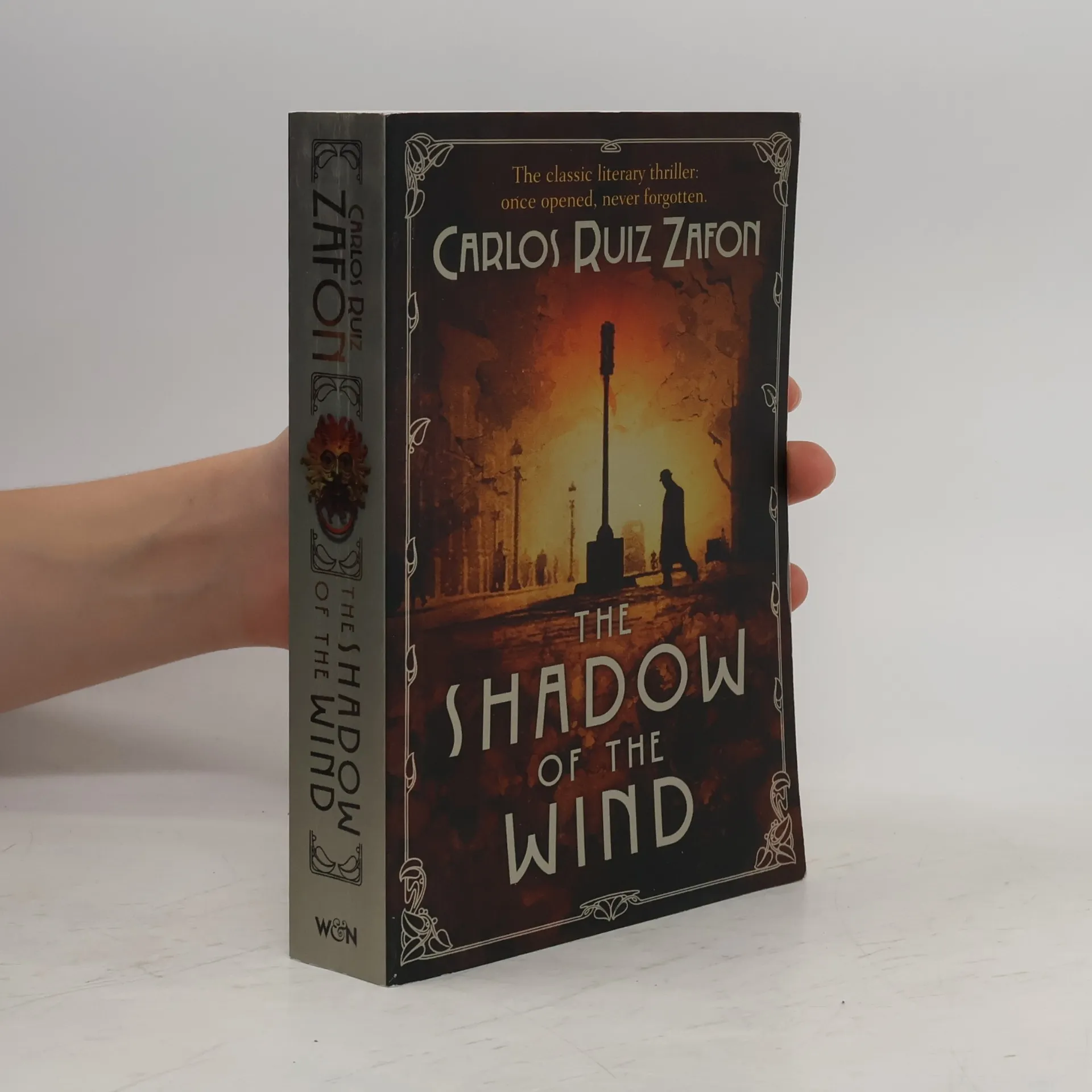
Hidden in the heart of the old city of Barcelona is the 'cemetery of lost books', a labyrinthine library of obscure and forgotten titles that have long gone out of print. To this library, a man brings his 10-year-old son Daniel one cold morning in 1945. Daniel is allowed to choose one book from the shelves and pulls out 'La Sombra del Viento' by Julian Carax. But as he grows up, several people seem inordinately interested in his find. Then, one night, as he is wandering the old streets once more, Daniel is approached by a figure who reminds him of a character from La Sombra del Viento, a character who turns out to be the devil. This man is tracking down every last copy of Carax's work in order to burn them. What begins as a case of literary curiosity turns into a race to find out the truth behind the life and death of Julian Carax and to save those he left behind. A page-turning exploration of obsession in literature and love, and the places that obsession can lead.
In 1957 Barcelona, Daniel Sempere and his wife celebrate the birth of their son and their friend Fermín's upcoming wedding. However, a mysterious stranger threatens to reveal a long-buried secret from the city's dark past, leading them on a perilous journey back to the 1940s and the early days of Franco's dictatorship.
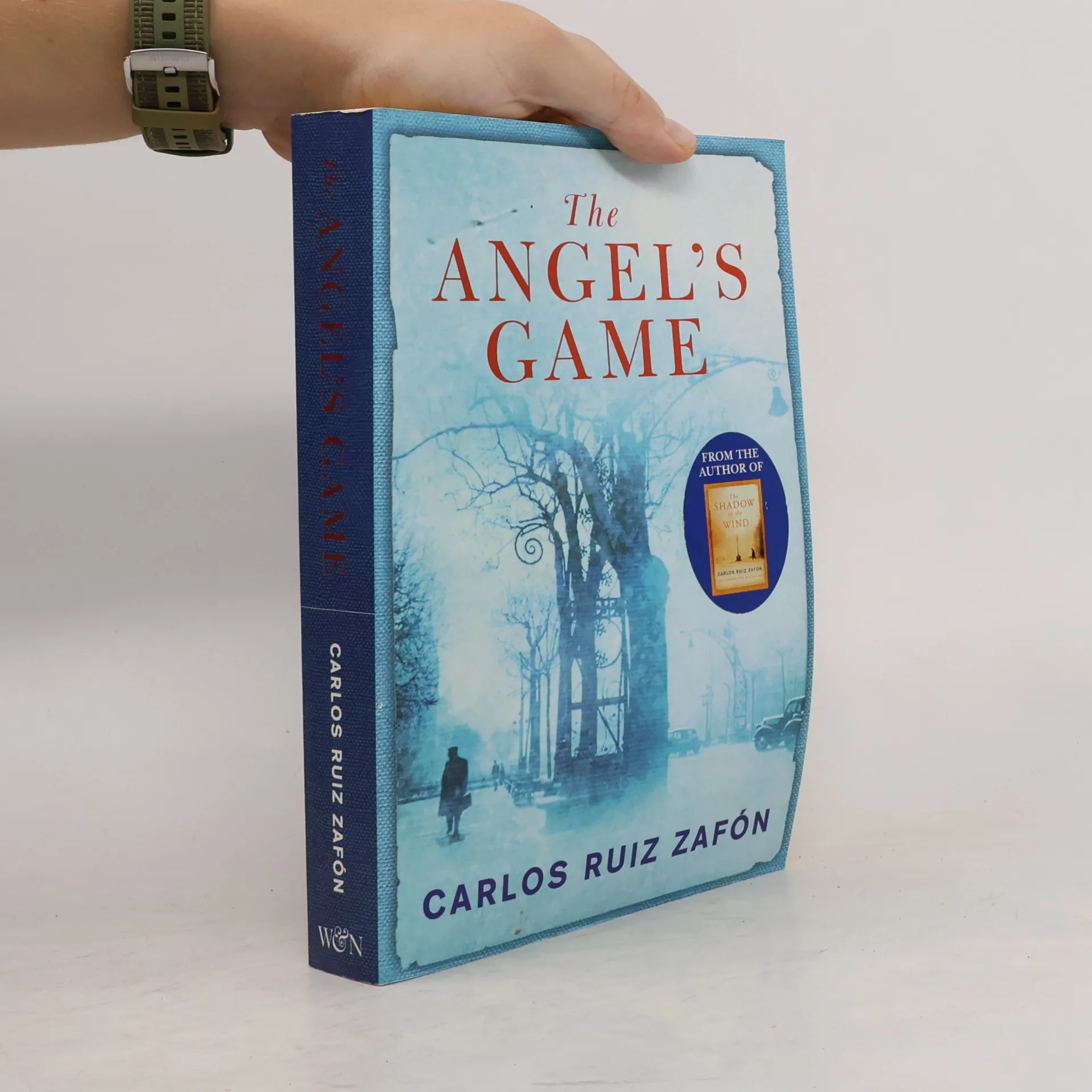
In an abandoned mansion at the heart of Barcelona, a young man - David Martin - makes his living by writing sensationalist novels under a pseudonym. The survivor of a troubled childhood, he has taken refuge in the world of books and spends his nights spinning baroque tales about the city's underworld. But perhaps his dark imaginings are not as strange as they seem, for in a locked room deep within the house are letters hinting at the mysterious death of the previous owner. Like a slow poison, the place seeps into his bones as he struggles with an impossible love. Then David receives a letter from a reclusive French editor, Andreas Corelli, who makes him the offer of a lifetime. He is to write a book with the power to change hearts and minds. In return, he will receive a fortune, perhaps more. But soon David realises that there is a connection between this haunting book and the shadows that surround his home. Set in the turbulent 1920s, The Angel's Game takes us back to the gothic universe of the Cemetery of the Forgotten Books, the Sempere and Son bookshop, and the winding streets of Barcelona's old quarter, in a masterful tale about the magic of books and the darkest corners of the human soul.
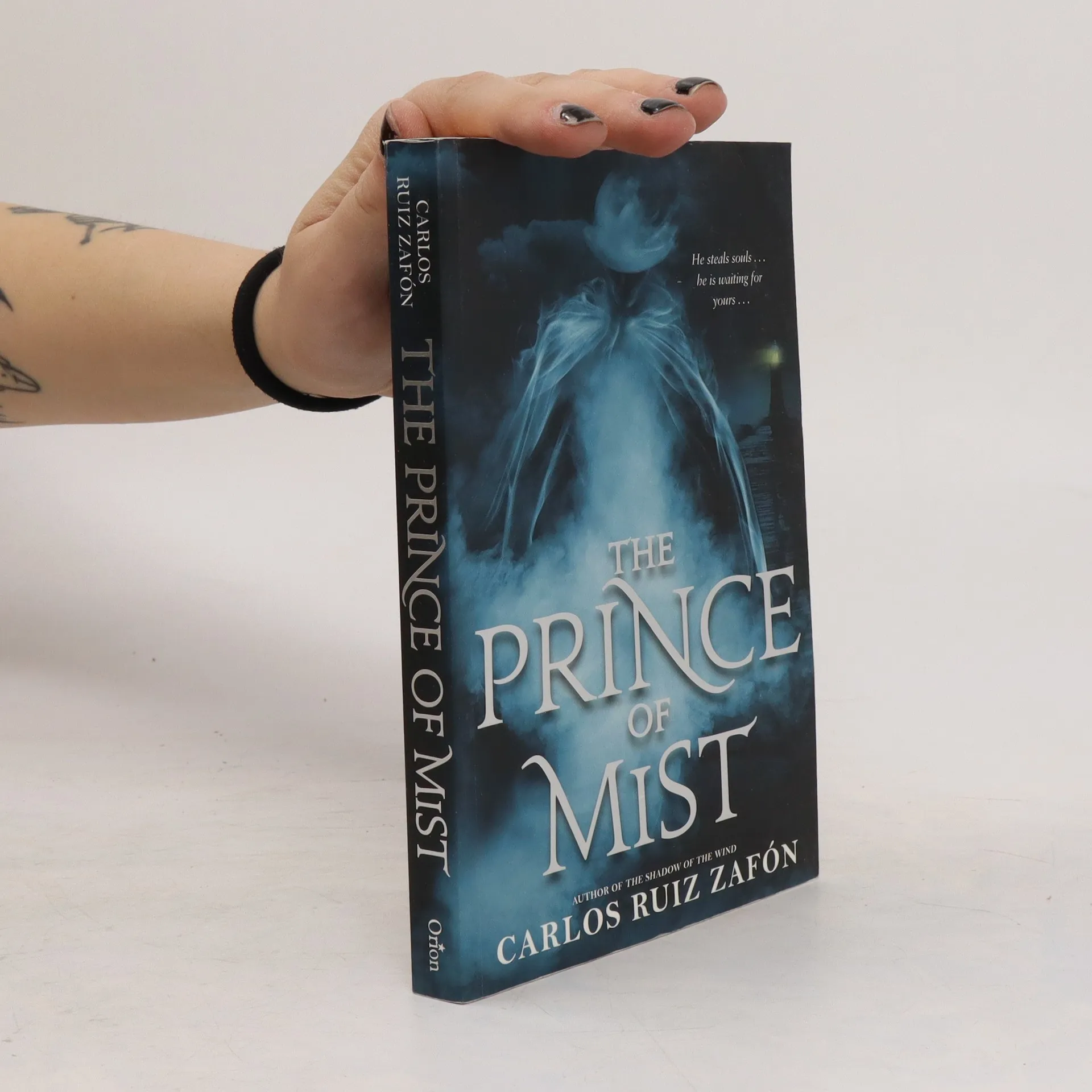
Max Carver's father, a watchmaker & inventor, decides to move his family to a small town on the coast, to an old house that once belonged to a prestigious surgeon, Dr Richard Fleischmann. But the house holds many secrets & stories of its own.
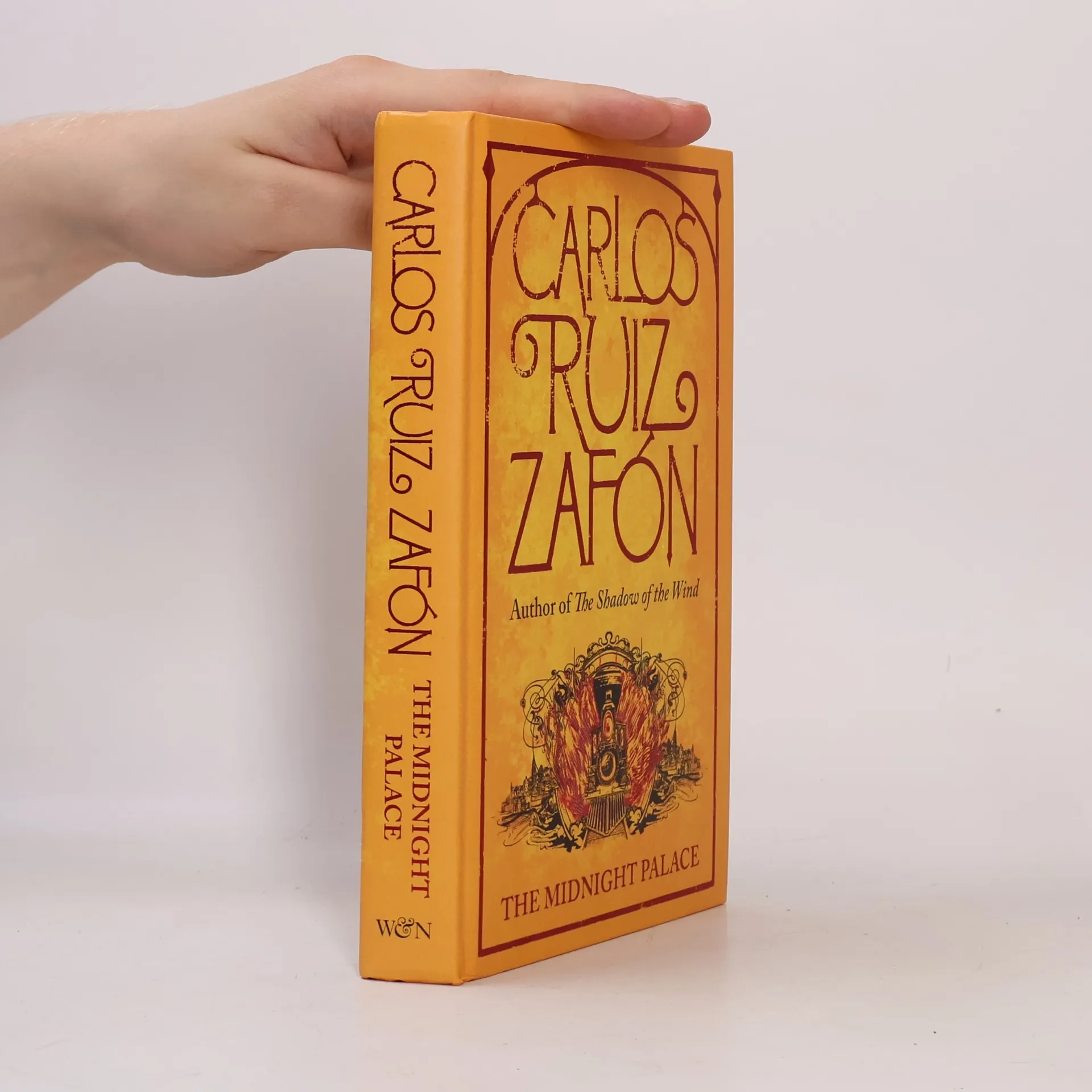
From the author of THE SHADOW OF THE WIND, the haunting story of a secret society and a labyrinthine railway station with a dark past.
Prima della scienza e della religione, c’è il mito, un modo ingenuo e fantasioso di spiegare l’origine delle cose e degli uomini. Filologia, etnografia e antropologia hanno analizzato il mito, rivelandone le radici ideologiche e il retroterra di superstizione. Tuttavia, questi miti, dissezionati, vengono spesso presentati come freddi reperti, privi di vita. Robert Graves riesce a rianimare questa materia inerte, restituendocela con il suo splendore e un senso di meraviglia e umorismo. I miti greci, attraverso centosettantuno capitoli, si snodano con la vivacità di un racconto ben scritto, evocando un mondo incantato e affascinante. Senza retorica o manierismo, le gesta di dèi ed eroi, pur epiche, sono costantemente riportate alla nostra misura umana, immerse nella quotidianità dell’antica Grecia. Zeus, Era, Afrodite ed Eracle non solo compiono prodigi, ma affrontano anche le debolezze umane: soffrono, si arrabbiano e vivono avventure amorose. Questo approccio non smitizza i miti, ma preserva la loro sostanza e il loro sapore, ispirandosi più alla grande lezione del Ramo d’oro di Frazer che al triste scavo di Freud, Jung e Kerényi.